Wednesday, April 29, 2026
Home Blog Page 278

Iranian president renews solidarity ahead of funeral of Hezbollah leader Nasrallah

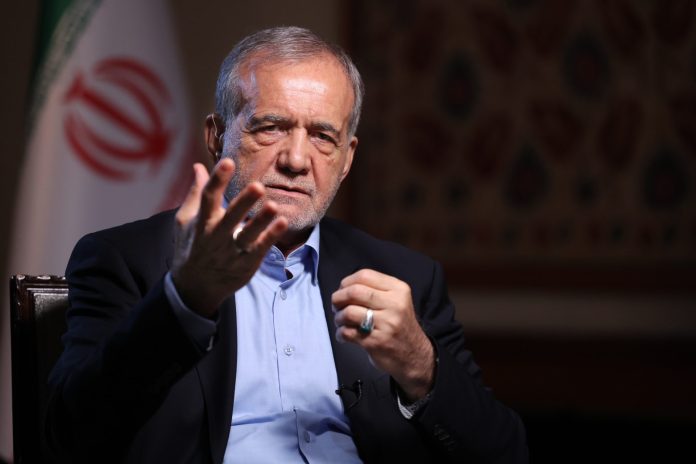
Masoud Pezeshkian

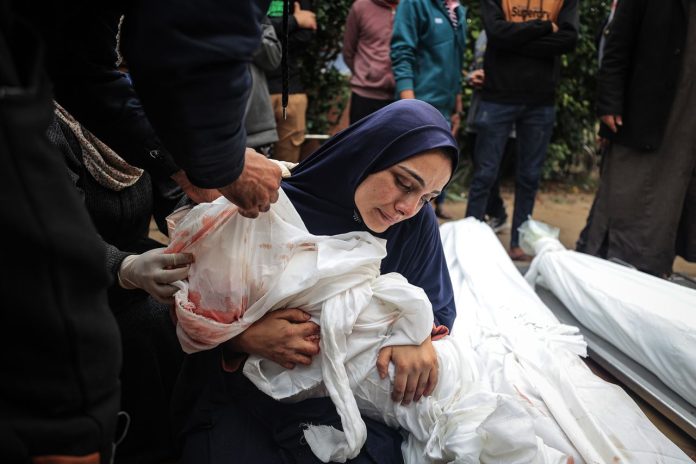
Nasrallah was killed in an Israeli airstrike on September 27 last year targeting Hezbollah’s headquarters in southern Beirut, but his funeral was postponed for security reasons.

In a bilingual message in Arabic and Persian on X social media platform, Pezeshkian praised Nasrallah and his deputy, Sayyed Hashem Safieddine, as “heroes who remained faithful to their covenant and defended the dignity of the nation until they achieved martyrdom.”

He added, “We stand by the pledge we made,” underscoring Iran’s continued support for Hezbollah and its cause.

The airstrike, part of a broader Israeli military raids against Hezbollah, also claimed the lives of several senior Hezbollah commanders and Brigadier general Abbas Nilforoushan, deputy commander of Iran’s Islamic Revolution Guard Corps (IRGC) operations.

The attack caused significant destruction, delaying the recovery of the bodies due to the intensity of the bombardment and Israeli restrictions on rescue efforts.

Nasrallah, 64, had led Hezbollah for 32 years before his assassination.

Thousands of mourners and Hezbollah supporters have flocked to southern Beirut to take part in the funeral.

Iran calls for speeding up of legal processing of Israel’s genocide, war crime cases

Gaza War

The call was made by Foreign Minister Abbas Araghchi during a phone conversation with Dutch Foreign Minister Caspar Veldkamp.

Reviewing the latest regional and global developments, Araghchi strongly denounced the regime’s continued deadly aggression against Palestinians. He urged the international community to take serious action and expedite legal proceedings in international courts against Israeli officials for their involvement in the atrocities.

Last year, the International Criminal Court issued warrants for the arrest of Israeli prime minister Benjamin Netanyahu and the regime’s former minister for military affairs Yoav Gallant for crimes against humanity and war crimes in the Gaza Strip, where the regime had been waging a war of genocide since October 2023.

Under pressure from the United States, however, many countries have stopped short of complying with the rulings. Planes carrying Netanyahu around the globe have, meanwhile, been taking detours on several occasions for him to avoid the airspace of the countries that are party to the court’s statute.

Also during the phone call, Araghchi emphasized the necessity for all governments to uphold the rule of law in international relations, adhere to the United Nations Charter, and respect the sovereignty and territorial integrity of nations.

He also warned against foreign interference in the domestic affairs of other countries and highlighted multilateralism as key to maintaining global peace and security.

Referring to Iran’s responsible approach towards various challenges and disputes, he pointed to the country’s participation in the negotiations leading to conclusion of the Joint Comprehensive Plan of Action (JCPOA) nuclear agreement in 2015 as a clear example of Tehran’s commitment to dialogue.

Under the accord, the United States and its allies lifted some of their illegal sanctions against Iran. Washington, however, left the deal in a unilateral and unlawful step in 2018, returning the bans and even mounting more economic restrictions on the Islamic Republic.

Araghchi noted that the Islamic Republic continued its engagement with the United Kingdom, France, and Germany — three of the nuclear deal’s parties — as well as the European Union to work towards removal of the illegal sanctions.

The top diplomat, meanwhile, stressed the longstanding ties between Iran and the Netherlands and reiterated Tehran’s commitment to engaging with all nations based on mutual respect and shared interests.

For his part, Dutch official stressed the importance of ongoing consultations to improve bilateral relations and contribute to resolving regional and international issues.

Veldkamp also reaffirmed his country’s commitment to the principles of the UN Charter and international law, stressing the Netherlands’ support for the territorial integrity and national sovereignty of all nations, including Iran.

Over 24,000 tons of medicinal plants produced annually in Iran’s Sistan and Baluchestan

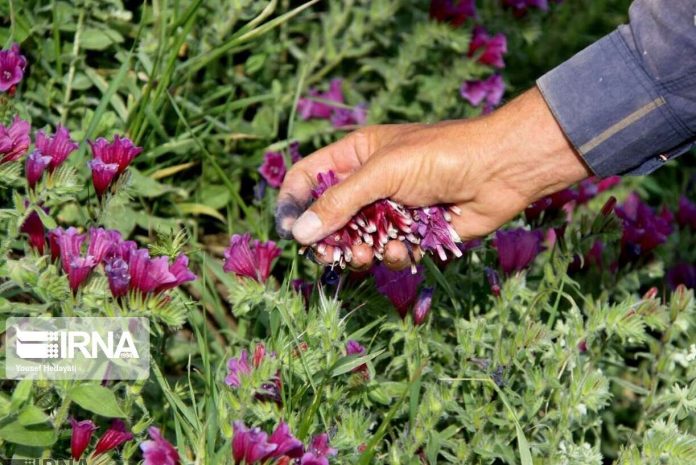
Speaking to IRNA on Saturday, Dahmarde noted that the cultivation area for medicinal plants spans 4,109 hectares, with over 200 species of agricultural, garden, forest, and rangeland plants identified in the region.

Key medicinal plants cultivated in the province include henna, hibiscus, indigo, damask rose, garlic, green cumin, fennel, and black seed.

Dahmarde emphasized the importance of expanding the cultivation of low-water, high-value crops and strengthening processing industries to boost farmers’ incomes and ensure sustainability amid water scarcity and prolonged droughts.

The mountainous regions of Taftan Peak in Khash, Birak Mountain in Saravan, and Bazman in Iranshahr are highlighted as major hubs for medicinal plant growth.

Dahmarde stressed that despite the province’s significant potential in medicinal plant production, industrial methods are underutilized, limiting the sector’s contribution to regional development.

He called for greater academic involvement to enhance the role of medicinal plants in the province’s economy, noting that while Sistan and Baluchestan leads in this field, its economic impact remains modest.

Iran launches major joint military exercise Zolfaghar 1403

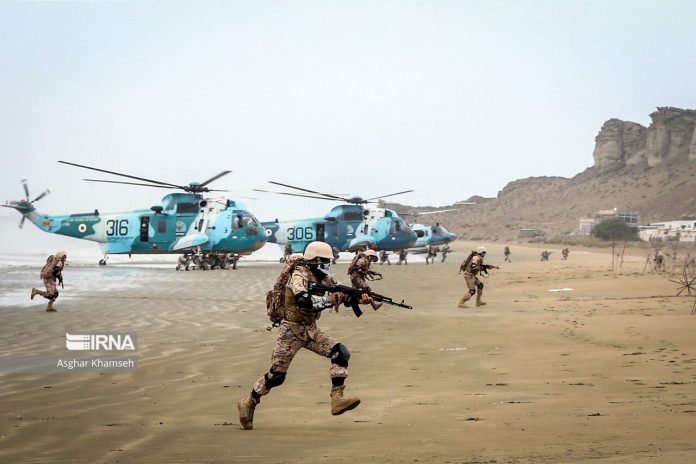
The large-scale drill involves infantry, armored, and mechanized units, as well as defense systems, naval forces, and subsurface and surface vessels, which have been deployed to the exercise area in recent days.

The participating forces began executing various operational exercises, marking the start of the main phase of the joint drill.

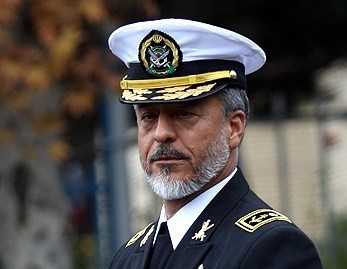
According to Admiral Habibollah Sayyari, the commander of the exercise, the primary objective of the maneuver is to enhance the defensive and deterrent capabilities of Iran against potential threats on land, air, and sea.

Admiral Sayyari emphasized that any adversary considering an attack on Iran’s territorial integrity or national interests should be aware of the severe consequences they would face.

He stated, “Any enemy that imagines it can harm our territorial integrity or our interests on land, air, or sea will undoubtedly face significant damage in return.”

The exercise also aims to test new tactics developed by the younger generation within the Iranian Army.

Admiral Sayyari highlighted that the drills serve as a platform to evaluate advanced weaponry, including new, smart, precision-guided munitions and various missile systems, which are integrated into the military’s operational framework annually.

US could withdraw military forces from Central, Eastern Europe: Bild

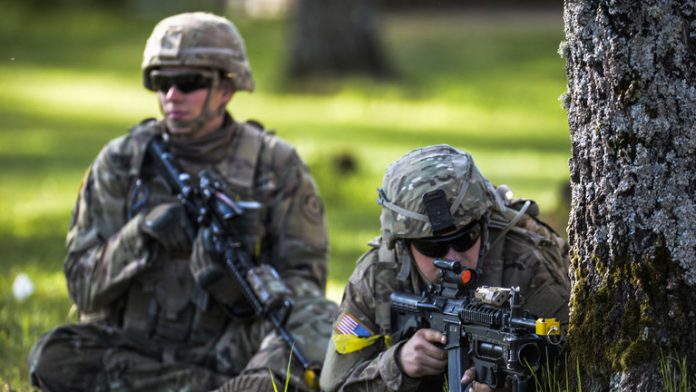
Bild claimed that European members of NATO “feared” that the high-level US-Russia talks in Saudi Arabia on Tuesday, could lead to such an outcome. The German media outlet quoted an anonymous Western European security official as saying, “according to our information, we’re talking about [Vladimir] Putin’s 2021 demands, that is, the withdrawal of US troops from all NATO states that joined the alliance after 1990.”

In December 2021, Russia presented the US and NATO with a list of proposals aimed at reshaping the security architecture in Europe, and to rule out Ukraine’s accession. The West rejected the Kremlin’s overture as an ultimatum at the time.

Bild also quoted former Lithuanian Foreign Minister Gabrielius Landsbergis who posted on X on Tuesday that “it seems much more than likely” that the Kremlin would renew its demands that “NATO must go back to its 1997 borders, retreating from everything except East Germany.” He noted that while Trump technically cannot unilaterally implement a “reversal of NATO enlargement,” he could still “withdraw US troops from the Eastern Flank, which would have almost the same effect.”

The nations that would theoretically be affected include Albania, Bulgaria, Croatia, the Czech Republic, Estonia, Finland, Hungary, Latvia, Lithuania, Montenegro, North Macedonia, Poland, Romania, Slovakia, Slovenia, and Sweden.

A Romanian official made similar allegations on Wednesday. Cristian Diaconescu, the president’s chief of staff and adviser for defense and national security, alleged that while the US team had rejected Moscow’s supposed demands in Riyadh, “the situation can change from hour to hour or from day to day,” and Washington could eventually cave in.

On Friday, Kremlin spokesman Dmitry Peskov dismissed the claims as “not true,” adding, however, that Moscow’s concerns regarding “NATO’s military infrastructure having inched toward our borders as part of several waves” are “no secret to anyone.”

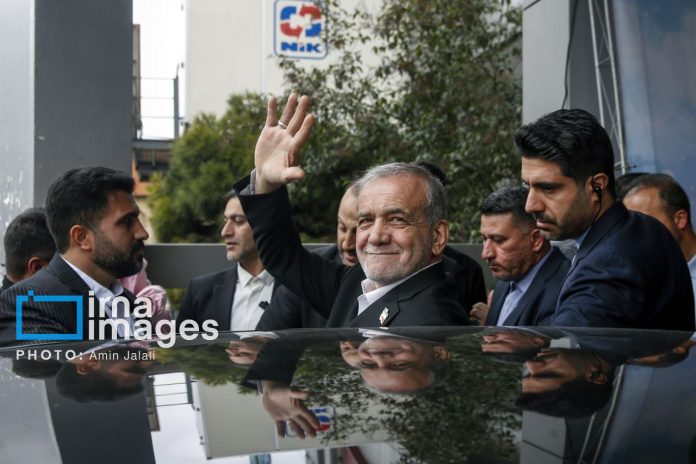
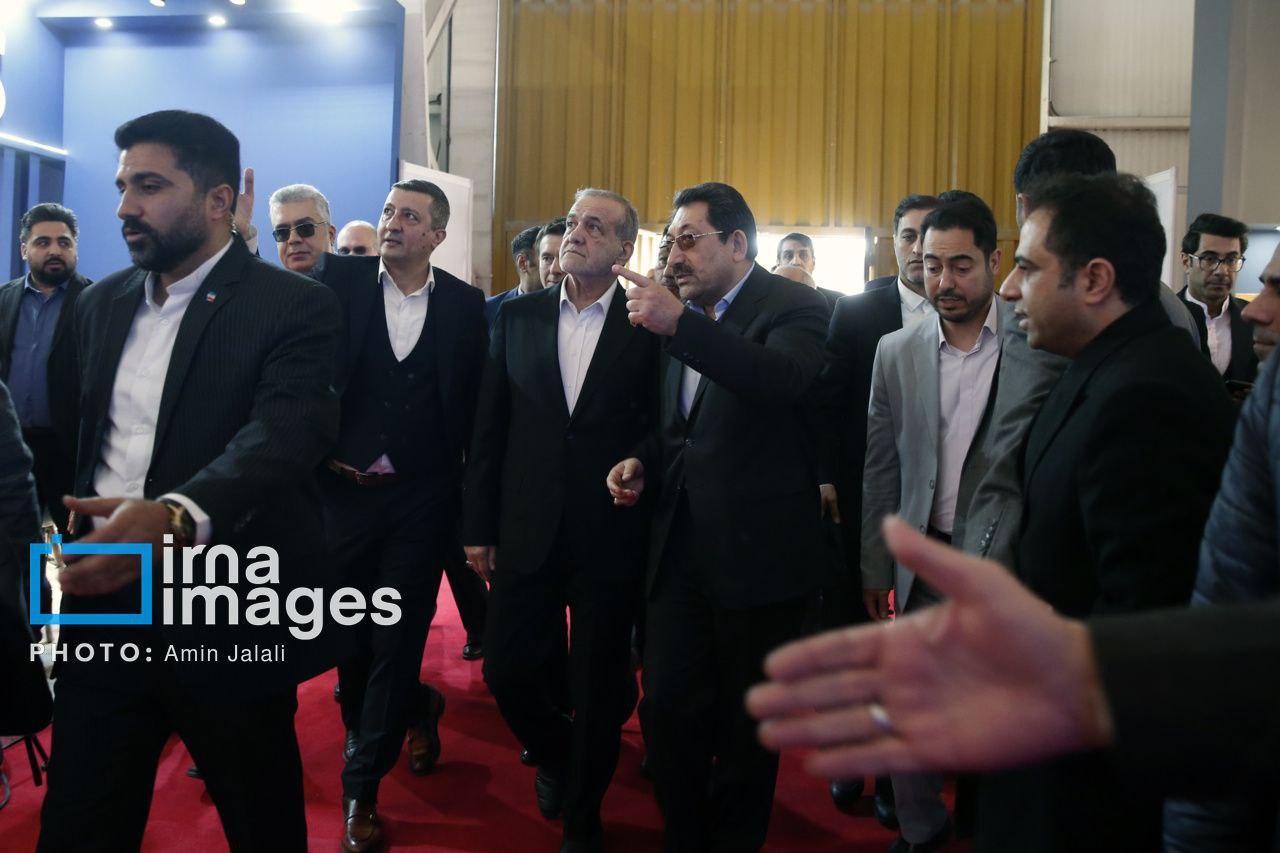
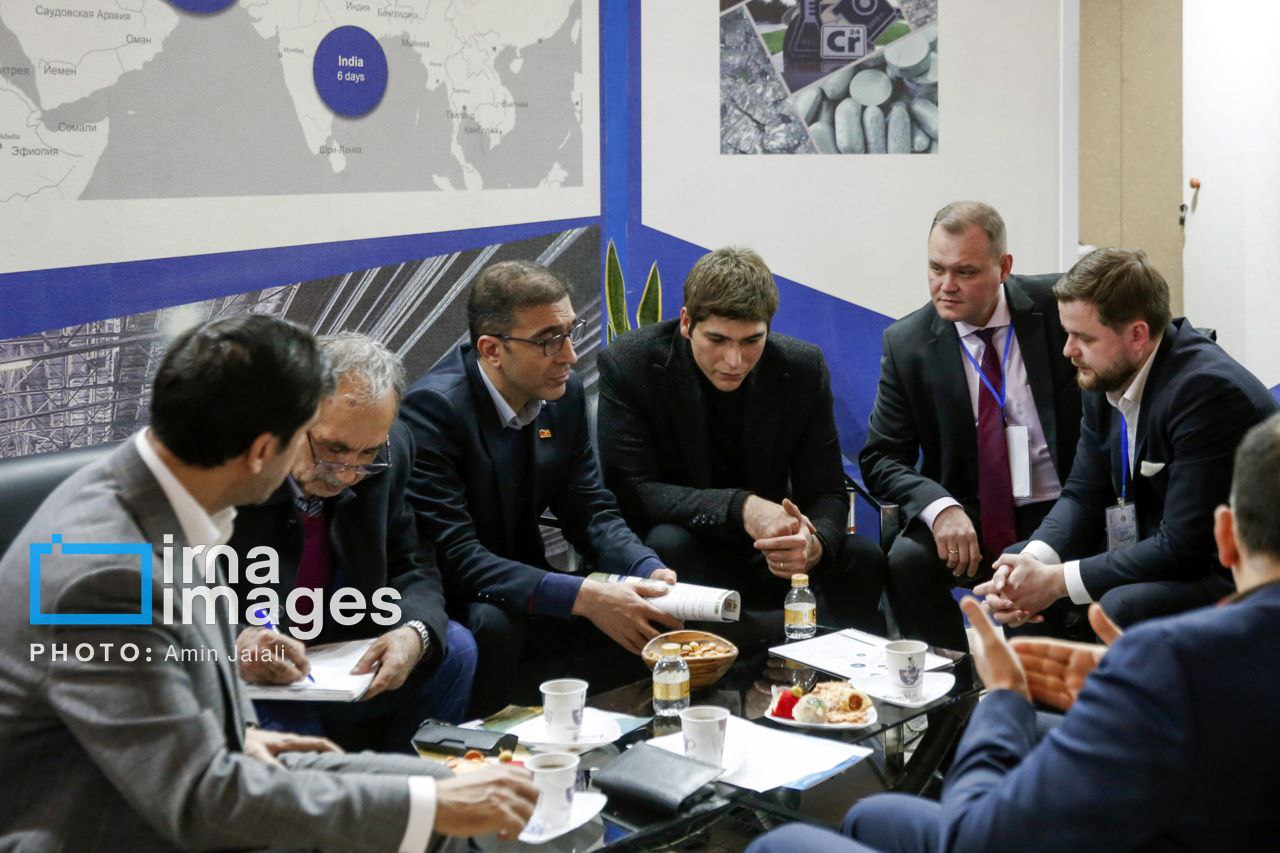
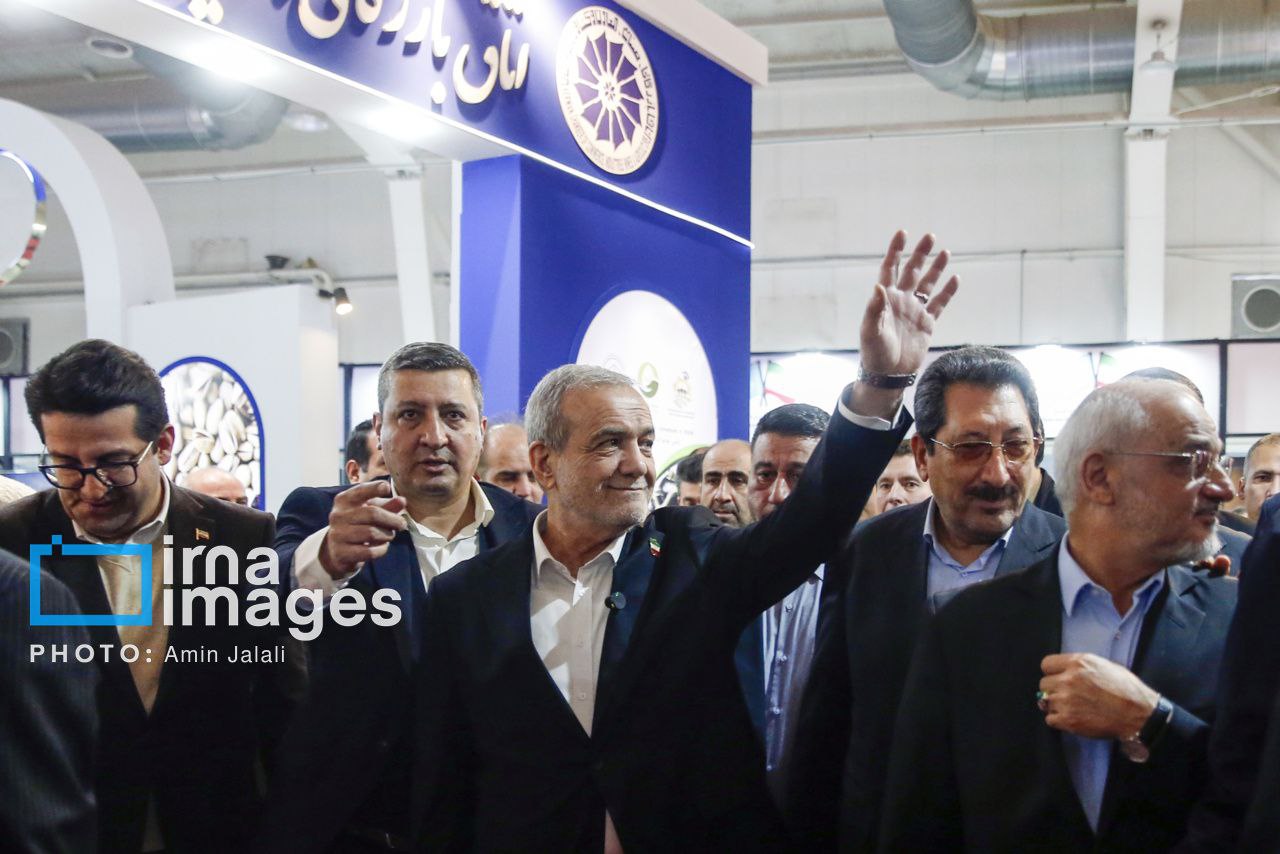
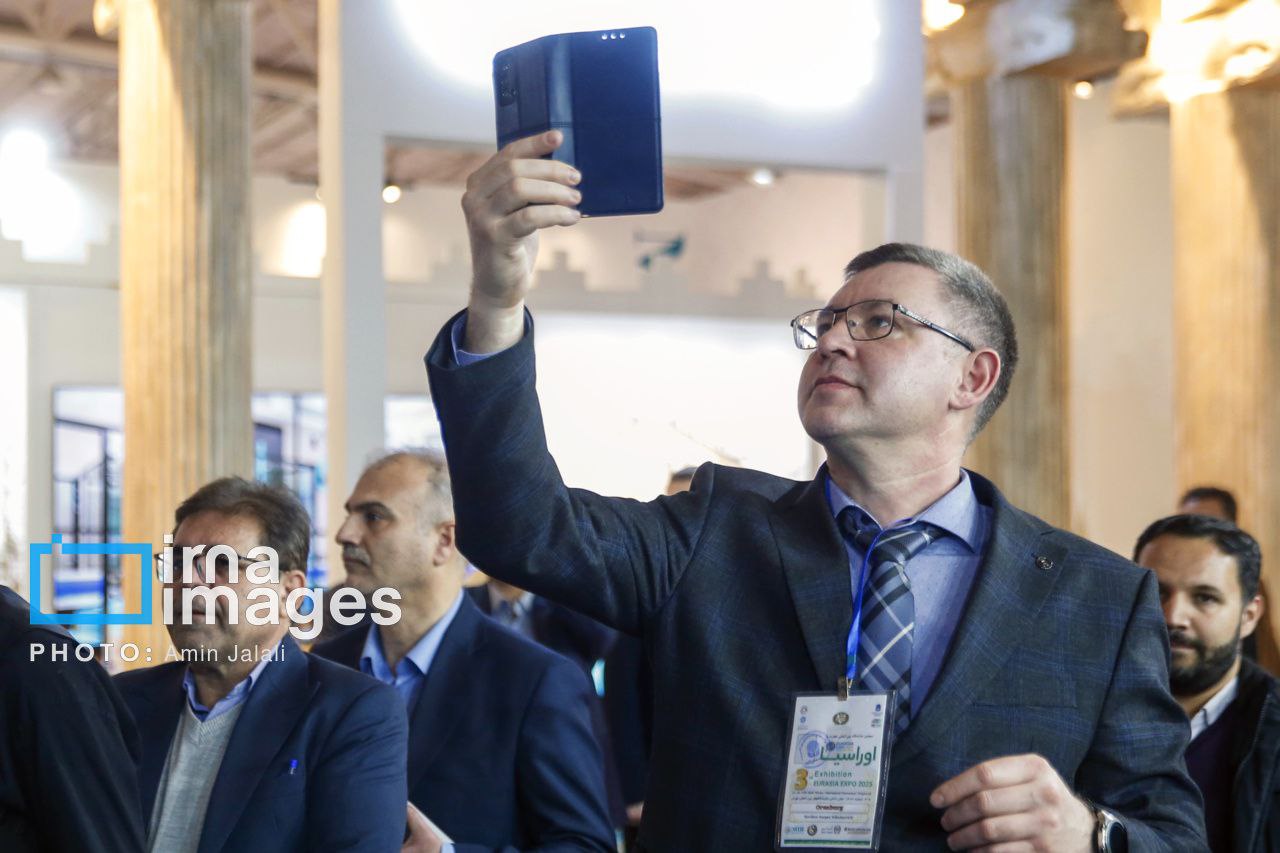
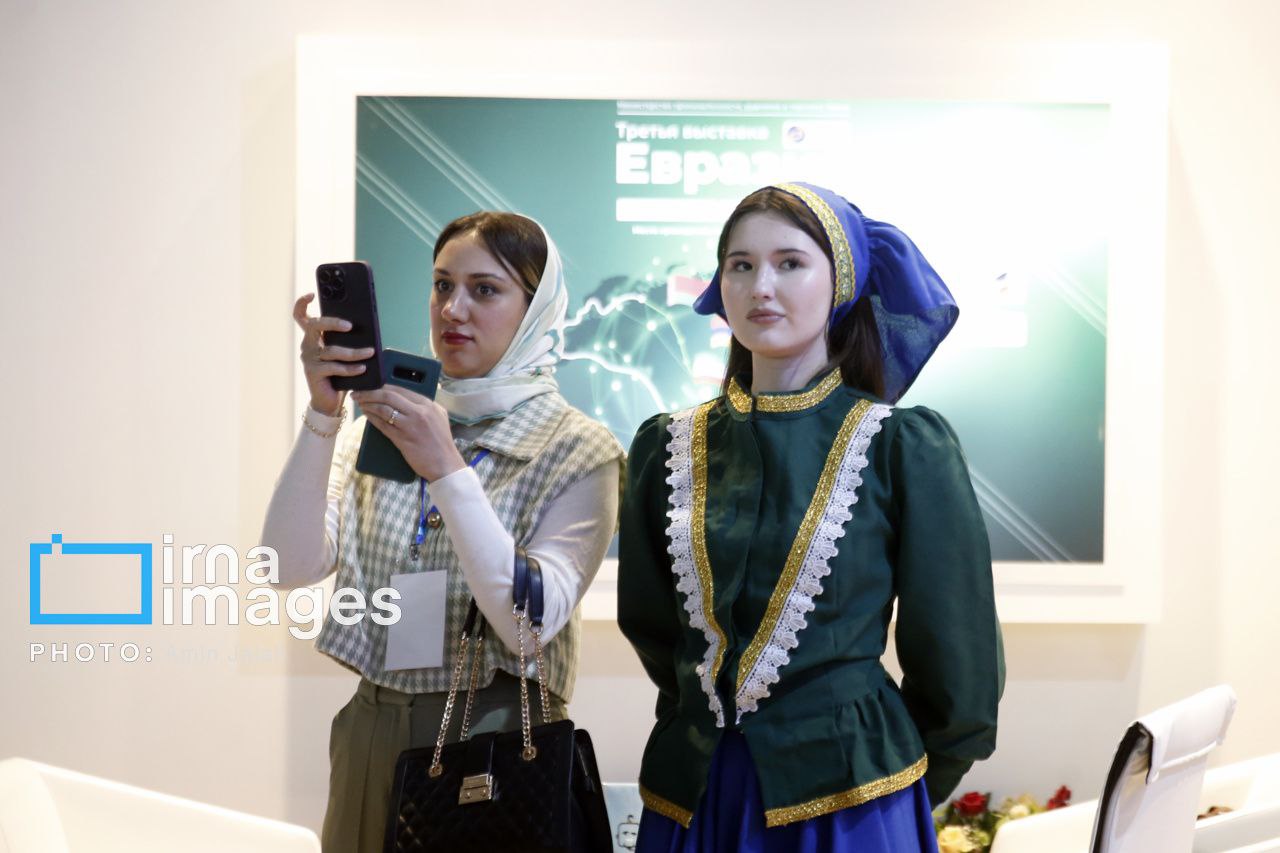
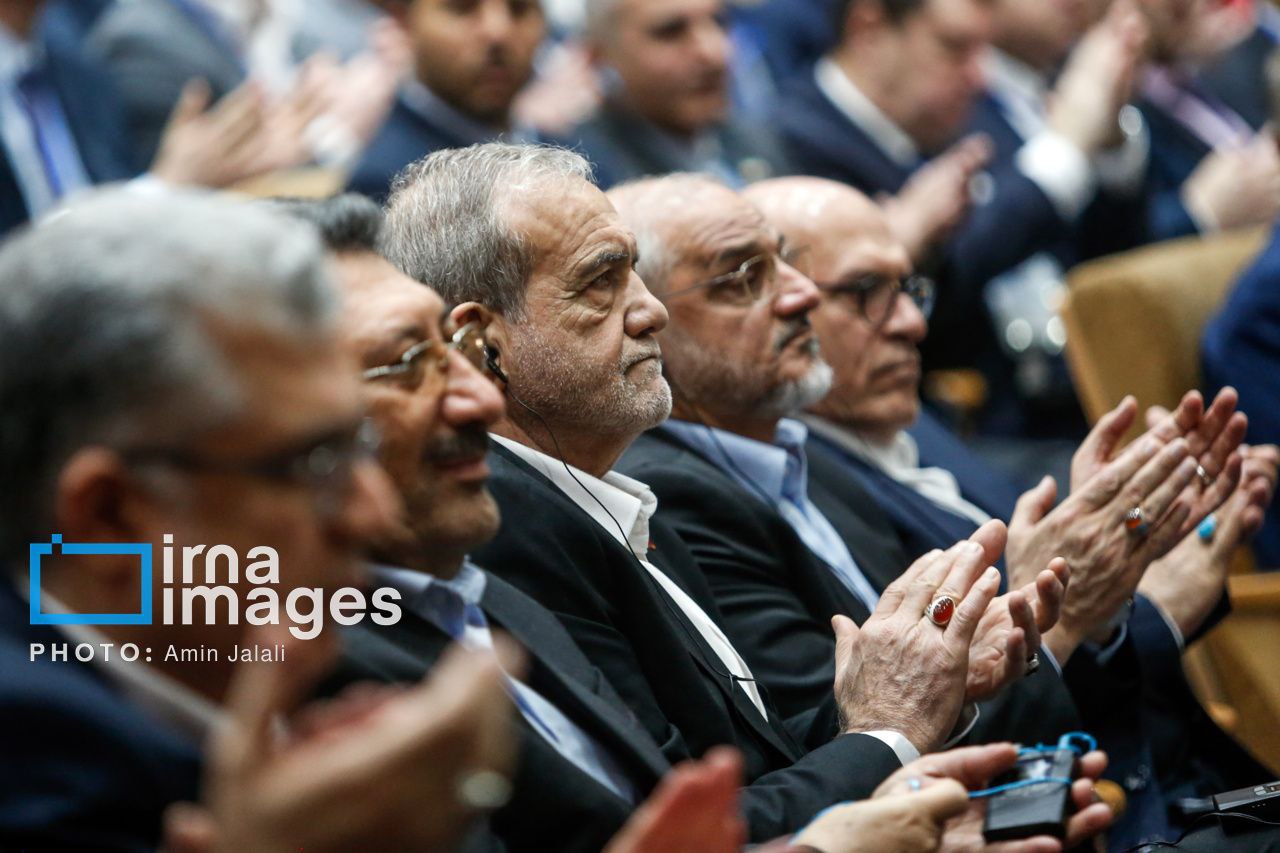
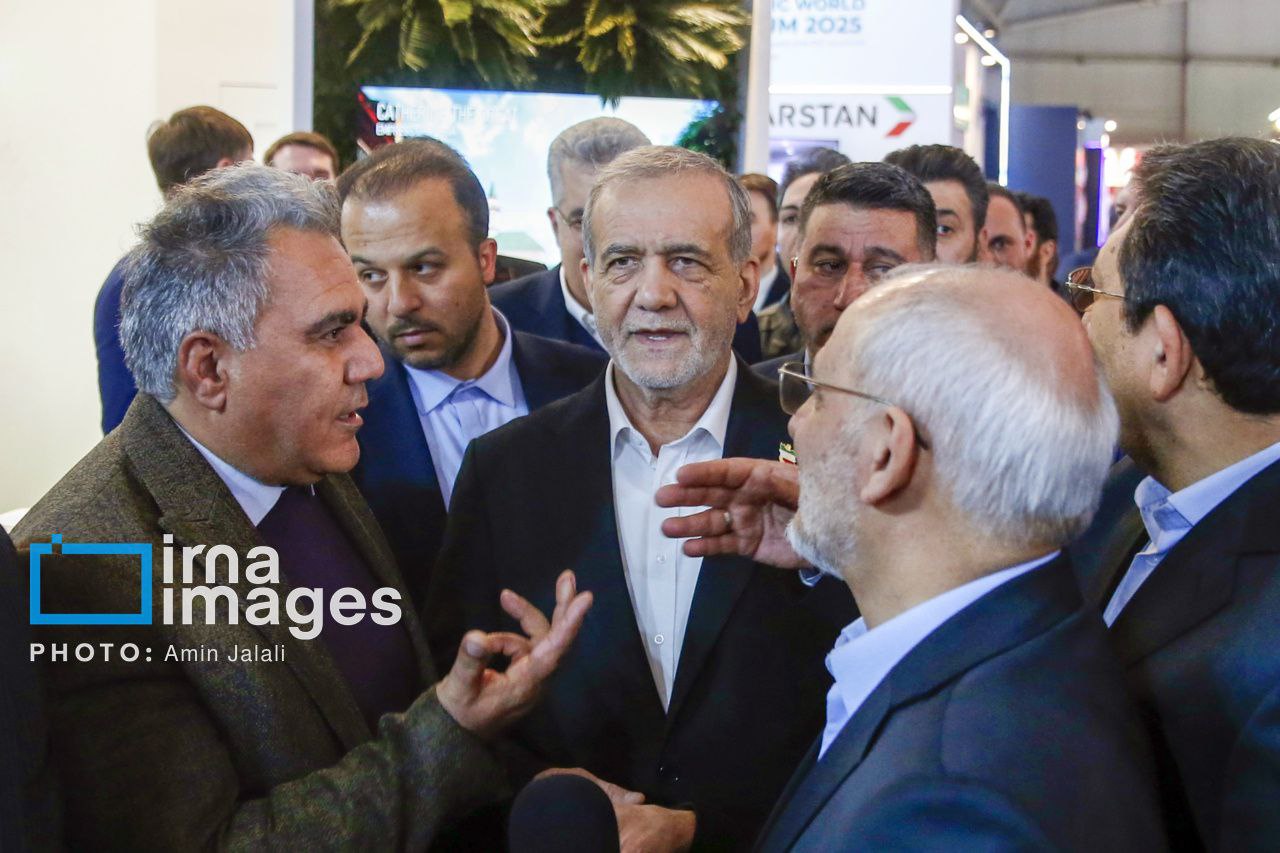
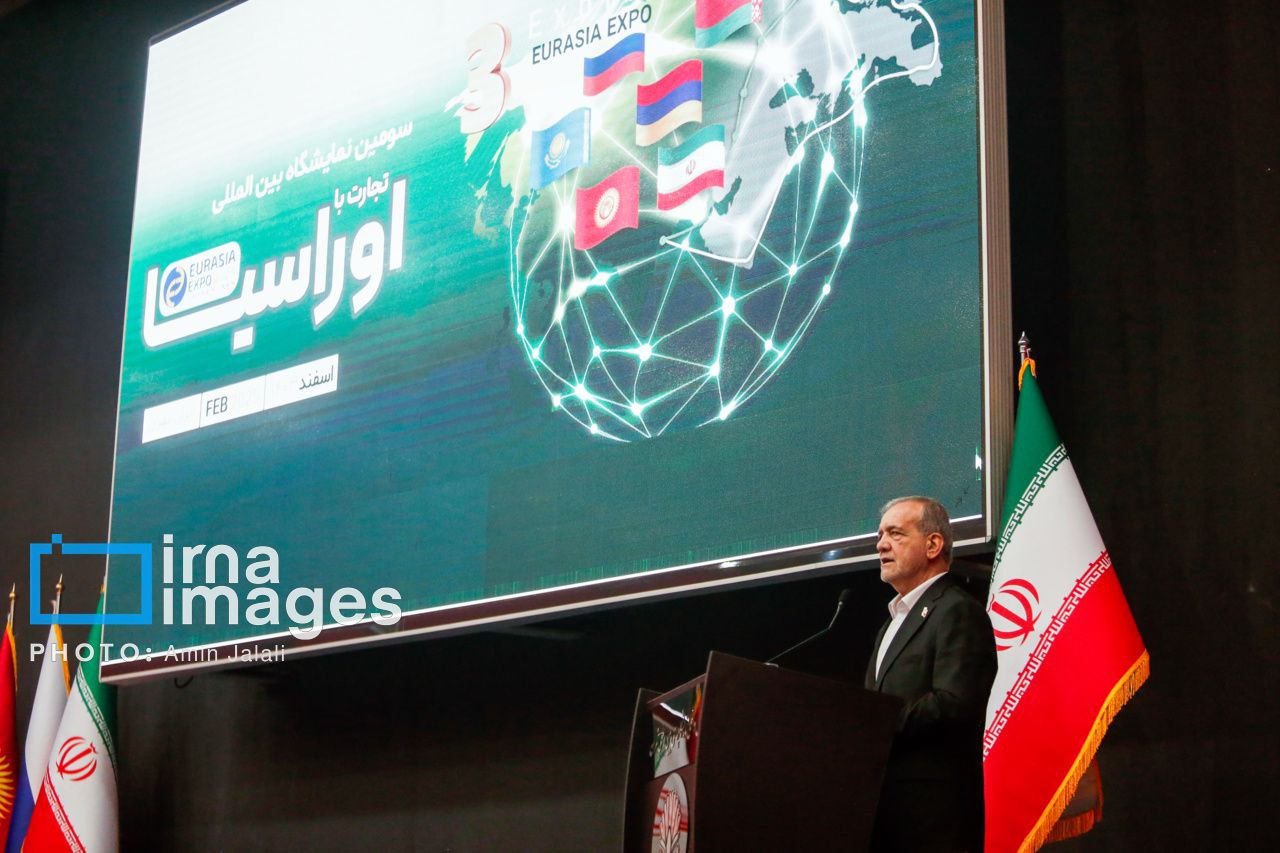
Iranian president visits International Fair of Trade with Eurasia

More in these pictures…

Iranians urged to reduce energy consumption as tough weather conditions loom

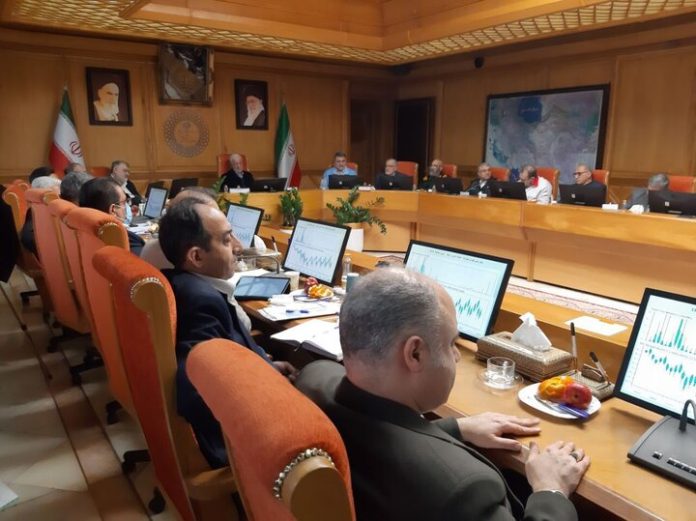
Momeni called on all Iranians to take the recommendations by officials seriously, saying orange and red warnings have been issued to all provincial agencies.

He added that the agencies must form a crisis headquarters to prepare for the upcoming conditions and implement the decisions made by officials. Momeni was speaking at an emergency meeting of the Interior Ministry’s Crisis Management Headquarters on Friday. The interior minister noted that as weather forecasts show, the weather in Iran next week will be much colder than any time in the current year, and downpours will dramatically increase accompanied by winds and blizzards.

He urged the media to provide the public with accurate information regarding the situation.

He noted that people should also try to reduce unnecessary trips to zero.

Iran to launch large-scale military exercise Zolfaghar 2025

Habibollah Sayyari

Rear Admiral Habibollah Sayyari, the commander of the exercise, announced that the drills, which will begin on Saturday, will cover a vast area, including the Makran coast, the Sea of Oman, and the northern Indian Ocean.

The exercise aims to showcase the capabilities of Iran’s ground force, air defense, strategic naval forces, and joint air defense command, the commander said.

Rear Admiral Sayyari emphasized that the drills will feature advanced weaponry, smart ammunition, and cutting-edge military technology developed by Iran’s armed forces.

“Any enemy that imagines it can harm our interests on land, air, or sea will face severe consequences,” Sayyari warned.

He highlighted that the tactics, weapons, and innovations demonstrated in this year’s exercise differ significantly from previous iterations, reflecting the military’s evolving capabilities.

Iranian MP announces plans to lift ban on Telegram, Instagram within six months

Speaking about the latest developments regarding the unblocking of online platforms, Ahmad Fatemi, stated that while the process will not be completed before the Persian New Year, on March 21, there is a general consensus in favor of lifting the restrictions.

Pointing out that the unblocking of WhatsApp and Google Play has already been implemented, Fatemi said discussions about Telegram and Instagram are currently underway in the Supreme Council of Cyberspace and expressed optimism that “we will hear good news in the near future.”

The MP argued that internet filtering has failed to protect ethical boundaries, as the widespread use of VPNs has made restricted content accessible to children and teenagers.

“Filtering has not safeguarded our moral values. Instead, it has made many sites that are normally inaccessible available to our youth,” he said.

Fatemi acknowledged opposition to the move but remained confident that the lifting of restrictions would proceed as planned.

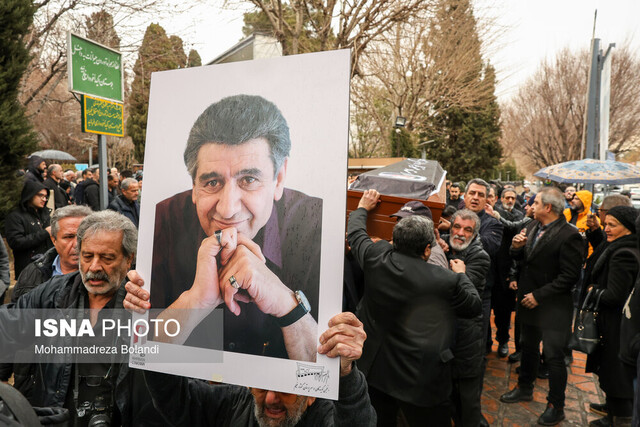
Iran bids farewell to legendary voice actor Manouchehr Valizadeh

The emotional ceremony, held under rainy skies, was attended by prominent figures from Iran’s cinema and dubbing industry.

Valizadeh, whose professional career spanned over six decades, was celebrated for his iconic voice that brought to life countless international and domestic films and series.

He began his journey in 1961 with the film Khoda Dad and became a household name, lending his voice to stars like Tom Cruise, Tom Hanks, and Eddie Murphy.

His work in dubbing, theater, and radio left an indelible mark on generations of Iranians.

Mahnaz Qanbari, a fellow voice actor, opened the ceremony, praising Valizadeh’s unparalleled talent and dedication.

Other speakers, including Ali Dehkordi and Manouchehr Zendehdel, highlighted Valizadeh’s contributions to Iran’s cultural landscape, calling him a “symbol of love and excellence in dubbing.”

Valizadeh’s nephew, Khosrow Valizadeh, spoke on behalf of the family, describing him as a man who cherished life, family, and his work.

The ceremony concluded with a funeral prayer, after which Valizadeh’s body was taken to Behesht-e Zahra Cemetery, south of Tehran, for burial.