Wednesday, April 8, 2026
Home Blog Page 2757

Rouhani Urges ‘Golden Mean’ between Strict, Lax COVID-19 Restrictions

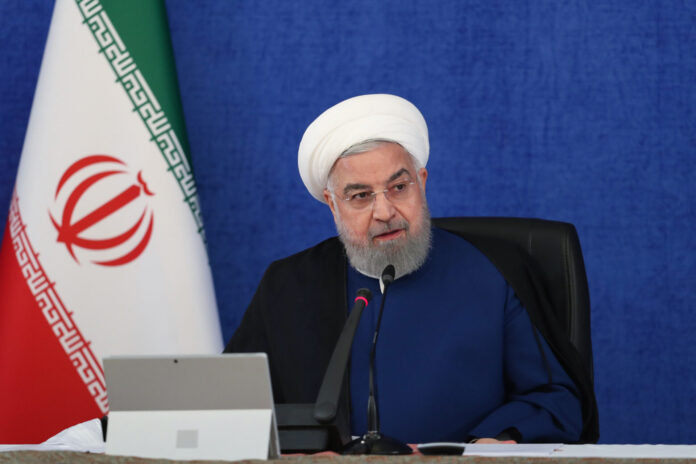
President Hassan Rouhani said on Sunday that strict restrictions will make people depressed, though restrictions should remain in place to help contain the coronavirus pandemic.

“We should follow the golden mean as it is impossible to keep stringent restrictions in place and we cannot completely shut down economic, educational and cultural activities. But at the same time they cannot remain fully open as they were before the coronavirus outbreak,” he noted at a meeting of the National Coronavirus Headquarters.

The president further urged people to keep observing health protocols, namely respect social distancing rules, wear masks and avoid mass gatherings.

He underlined the need to deal with those who do not observe health protocols and commit offences.
He also called on people to avoid nonessential travel to help stem the spread of the virus.

The president underlined that coronavirus is here to stay for at least six months or one year, adding health protocols must be observed in order to tackle the disease until a vaccine is developed for the virus.

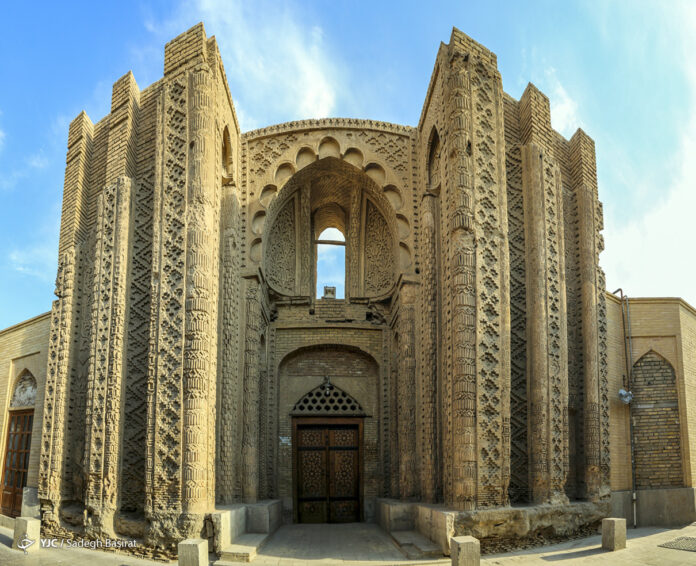
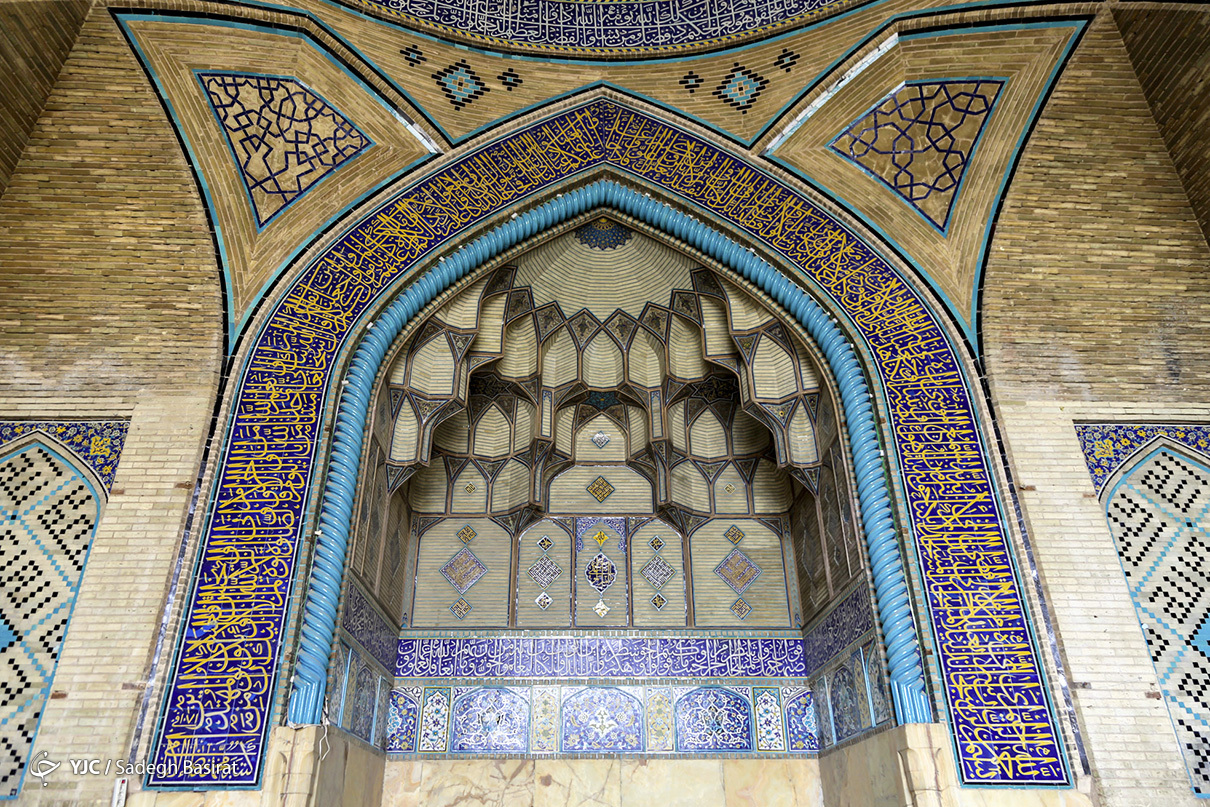
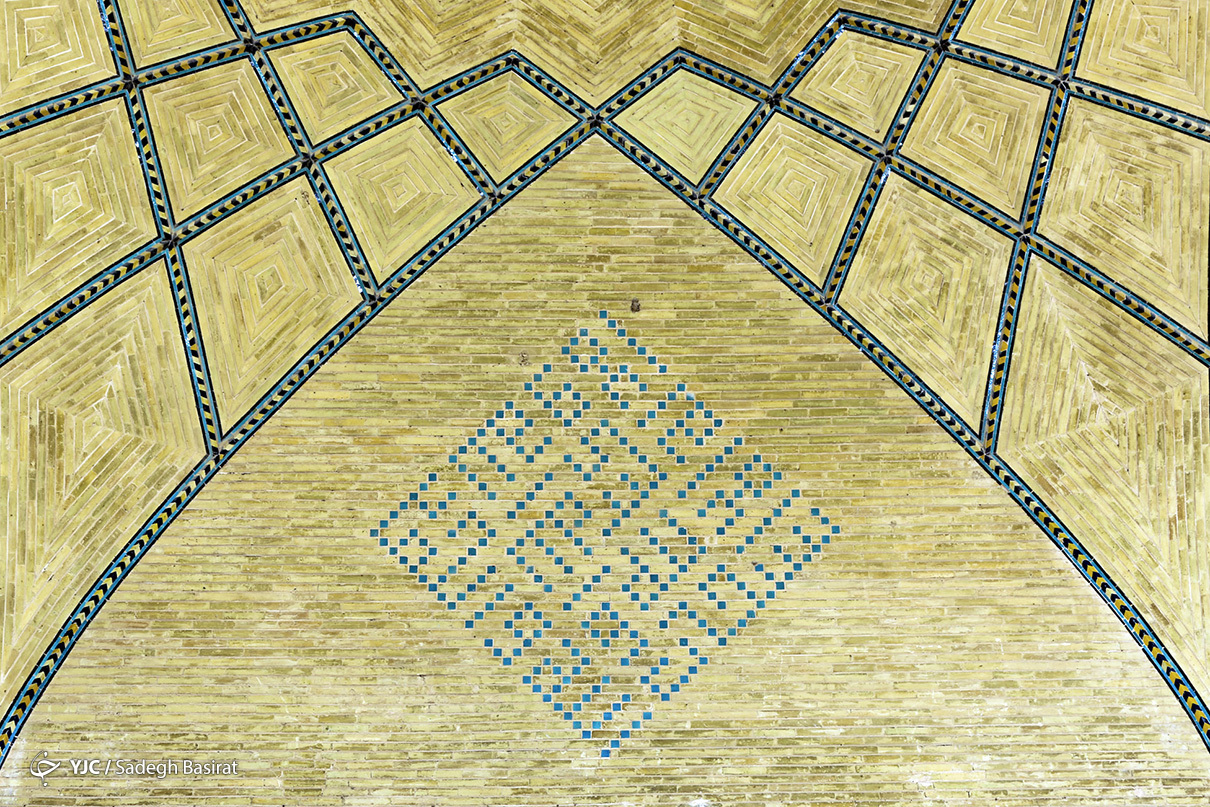
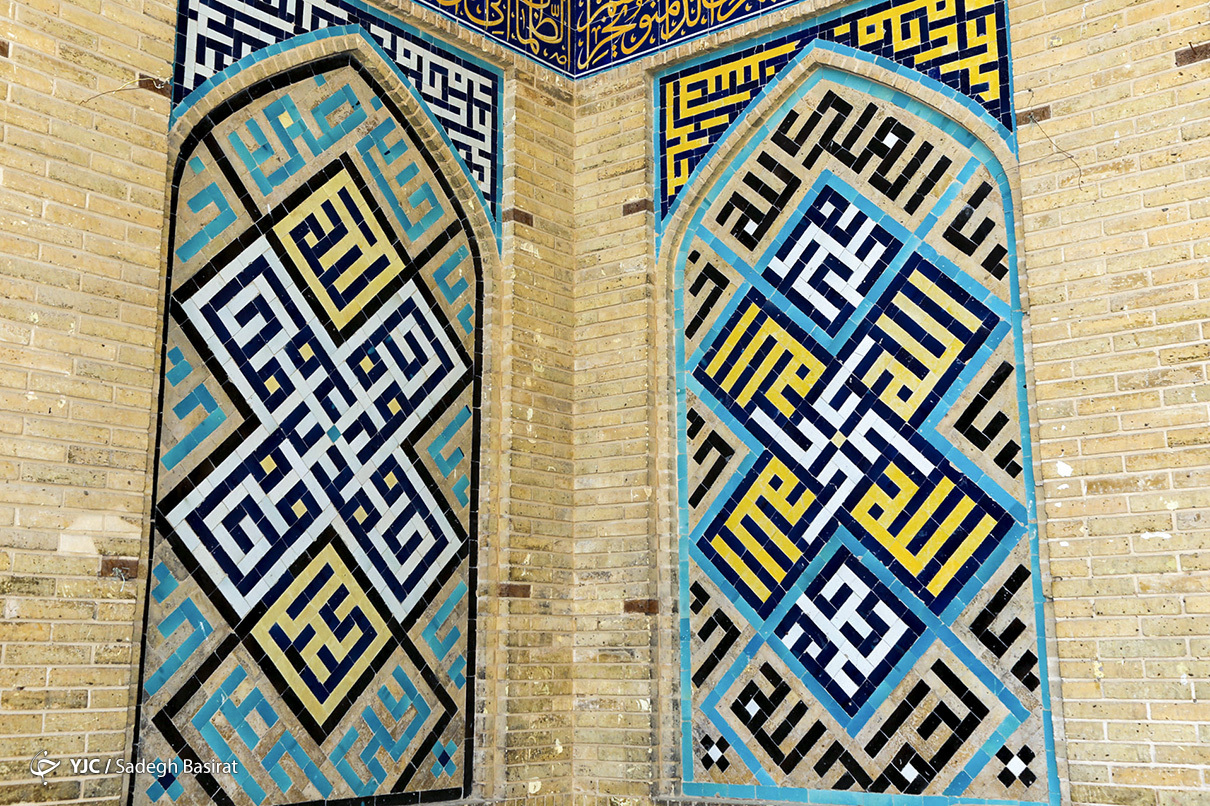
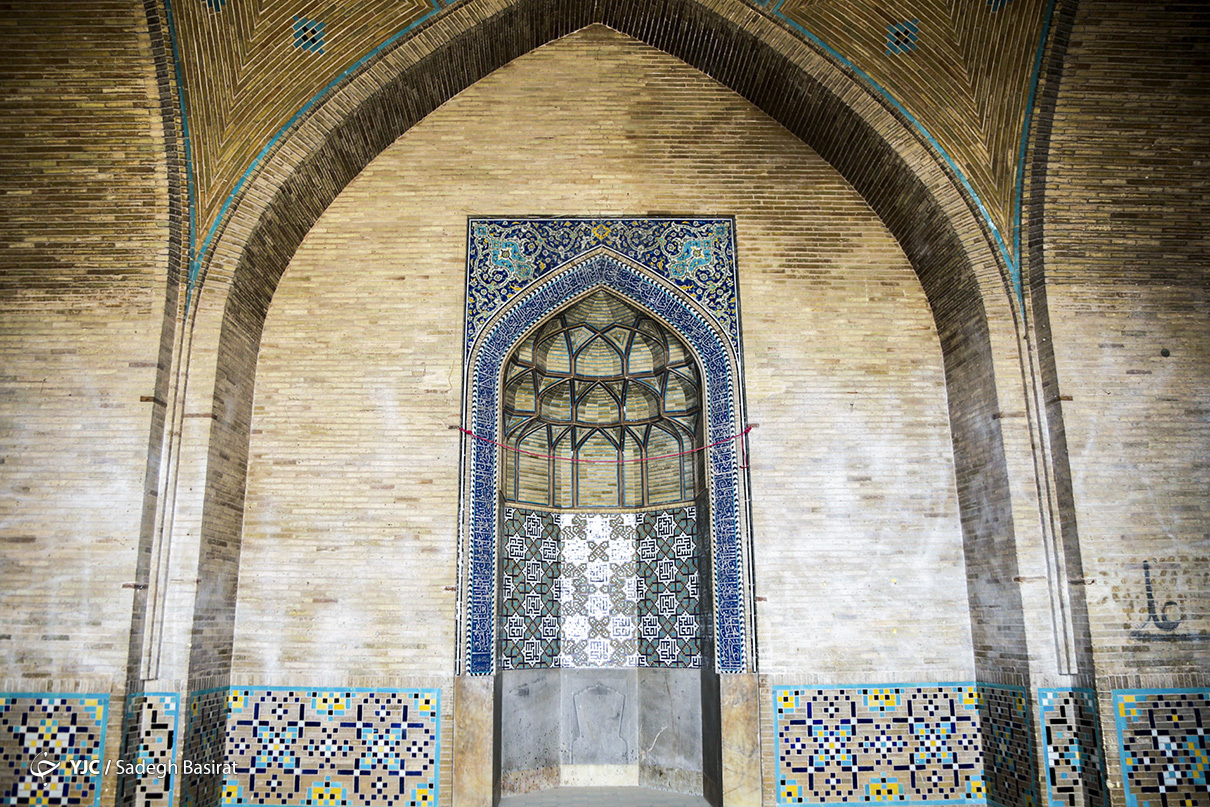
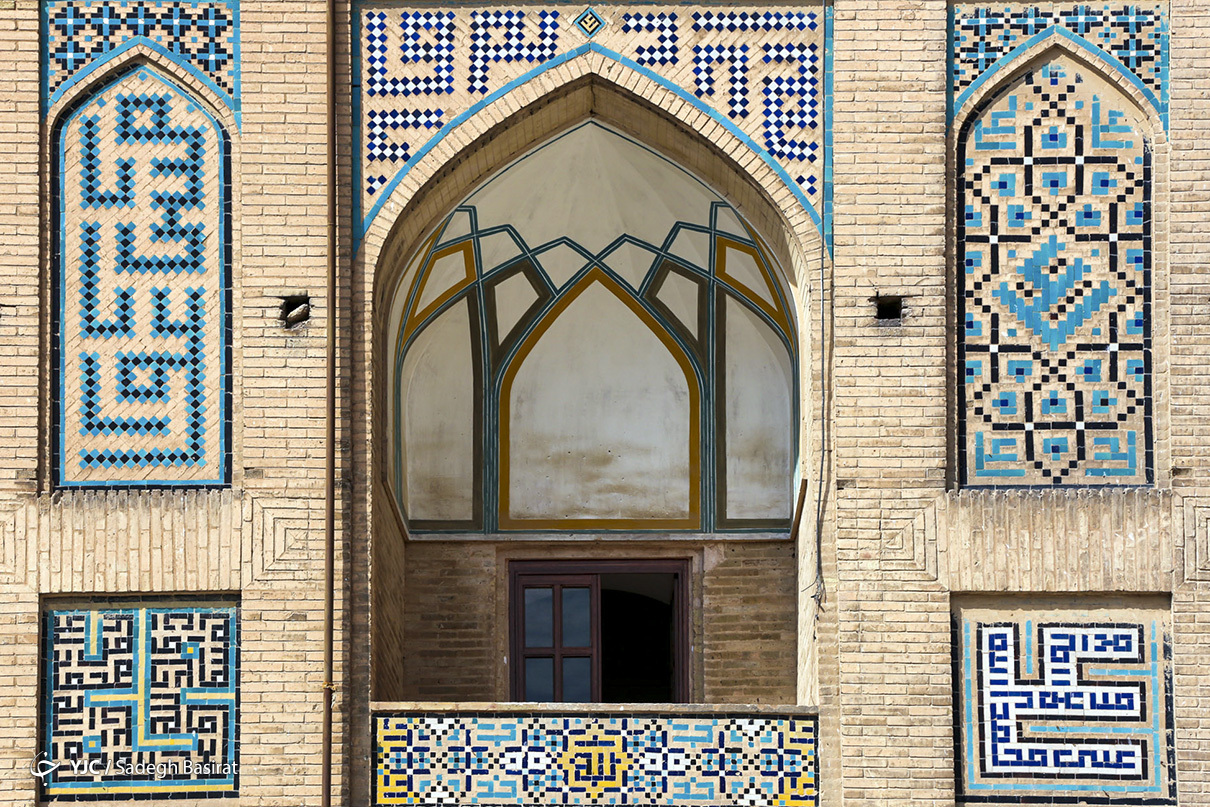
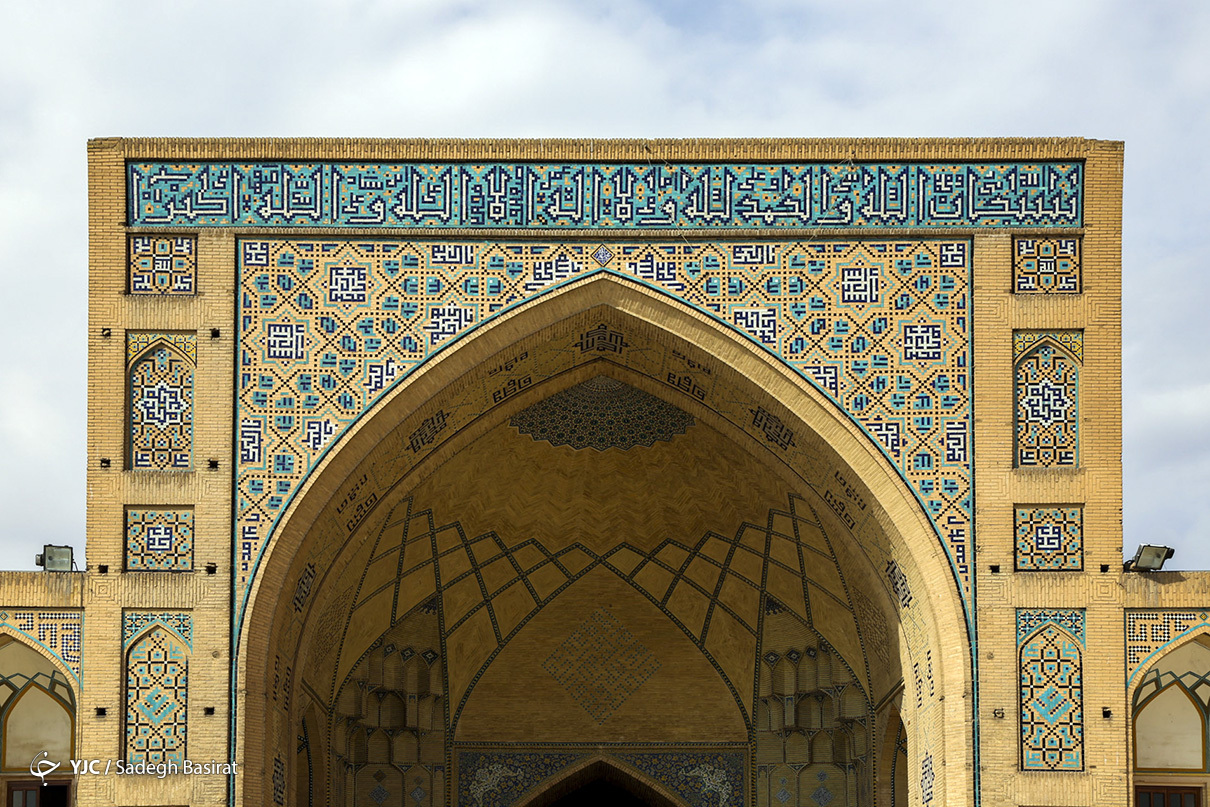
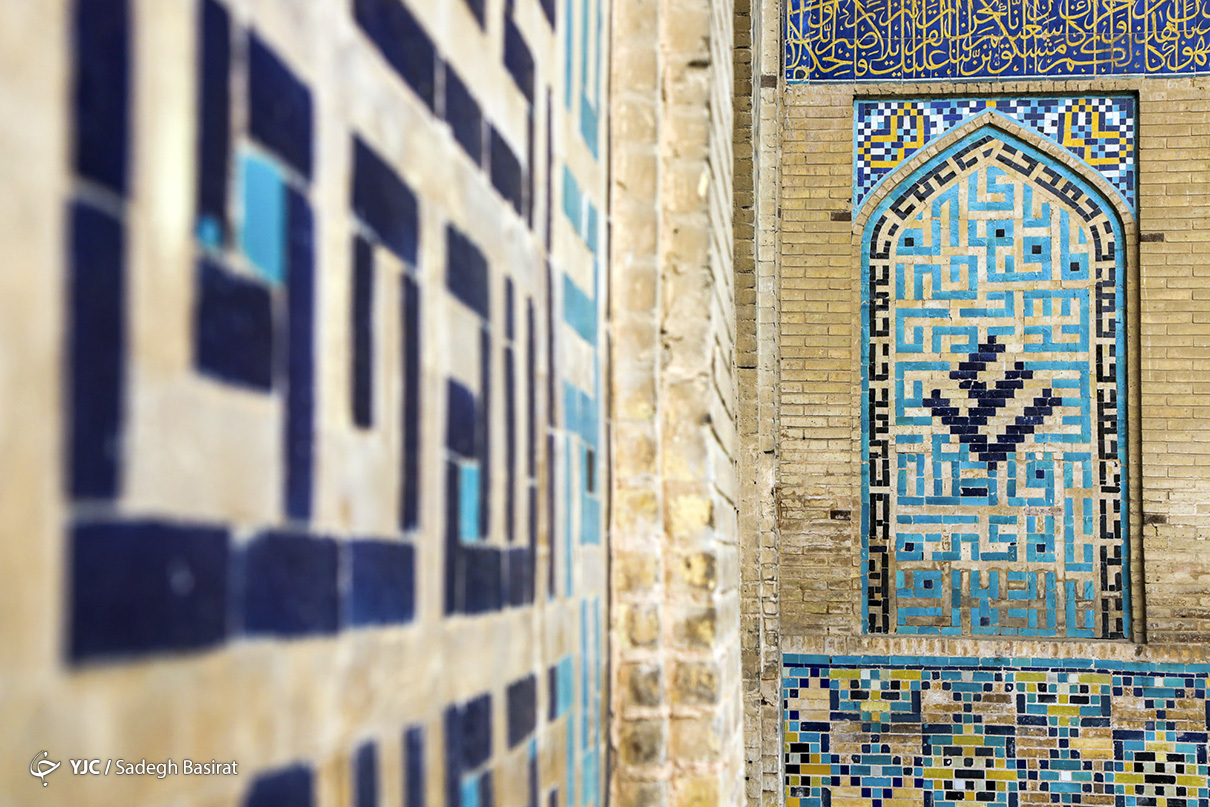
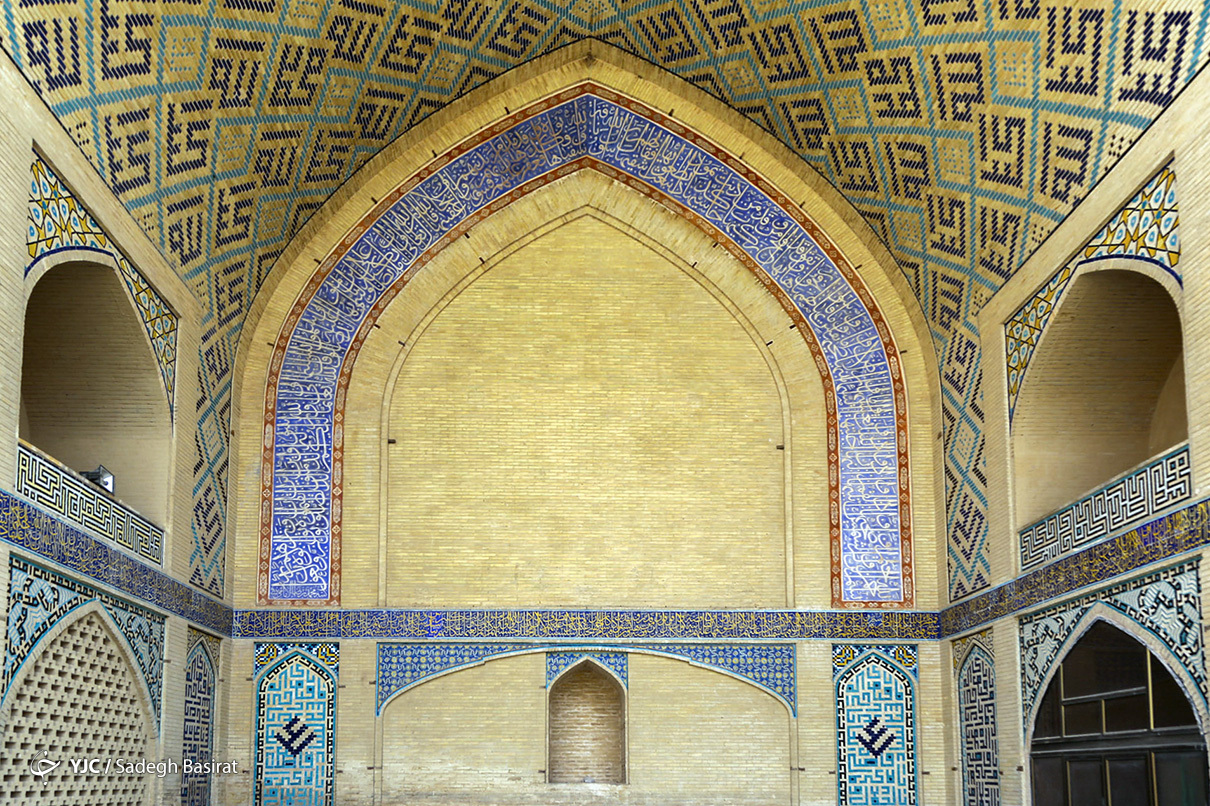
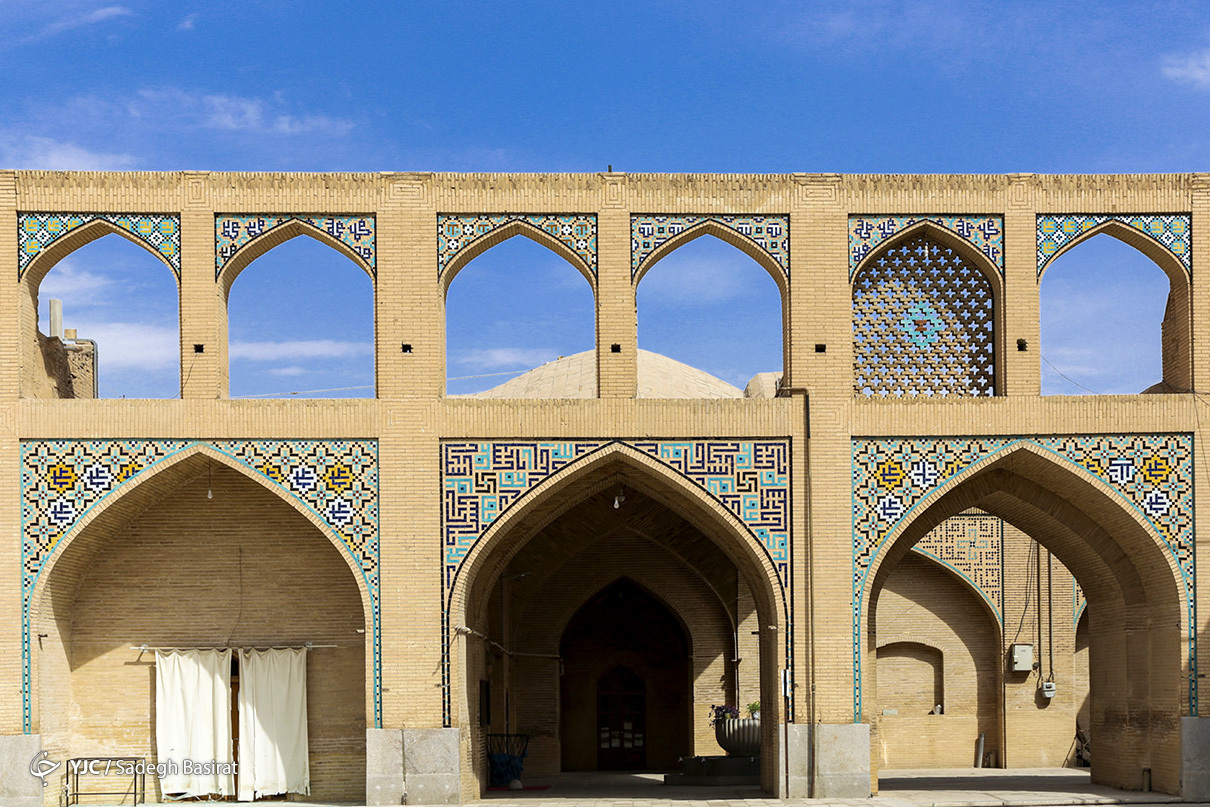
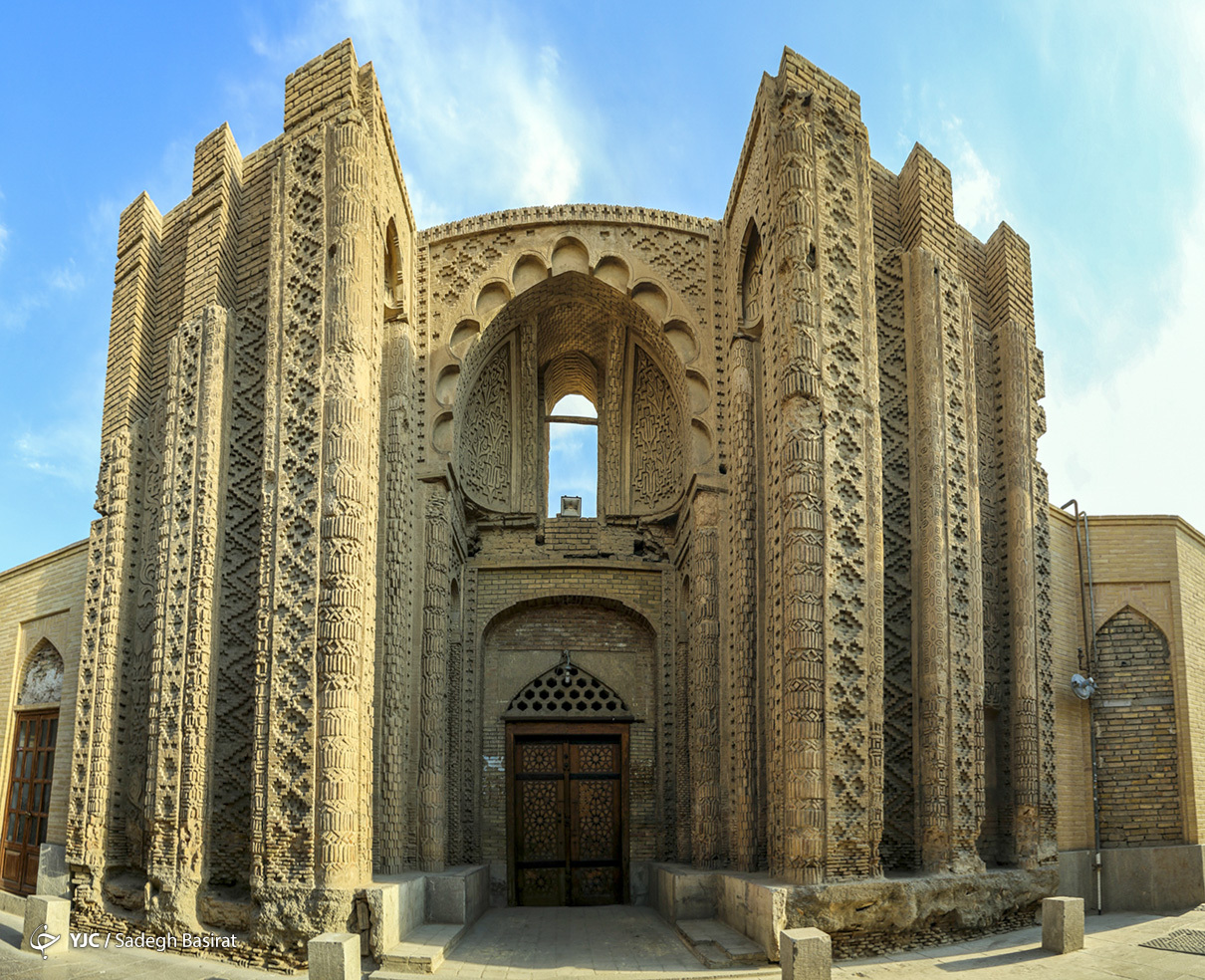
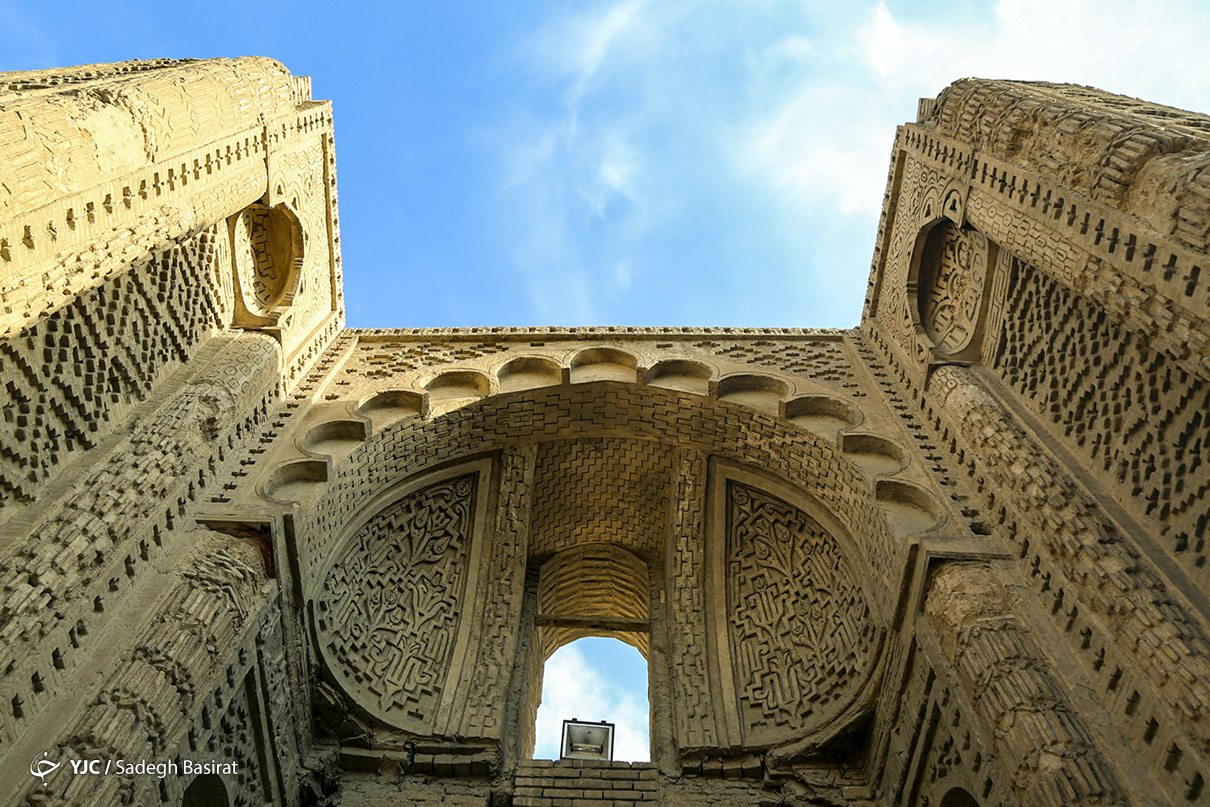
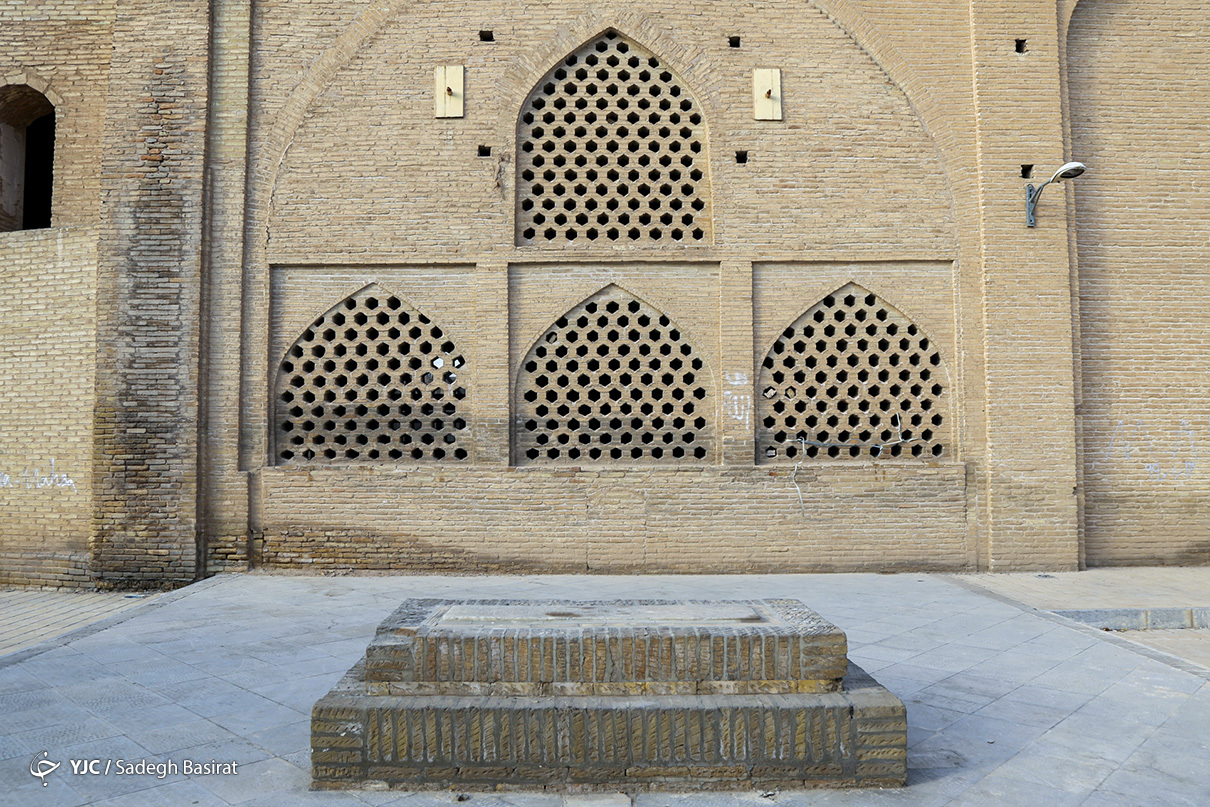
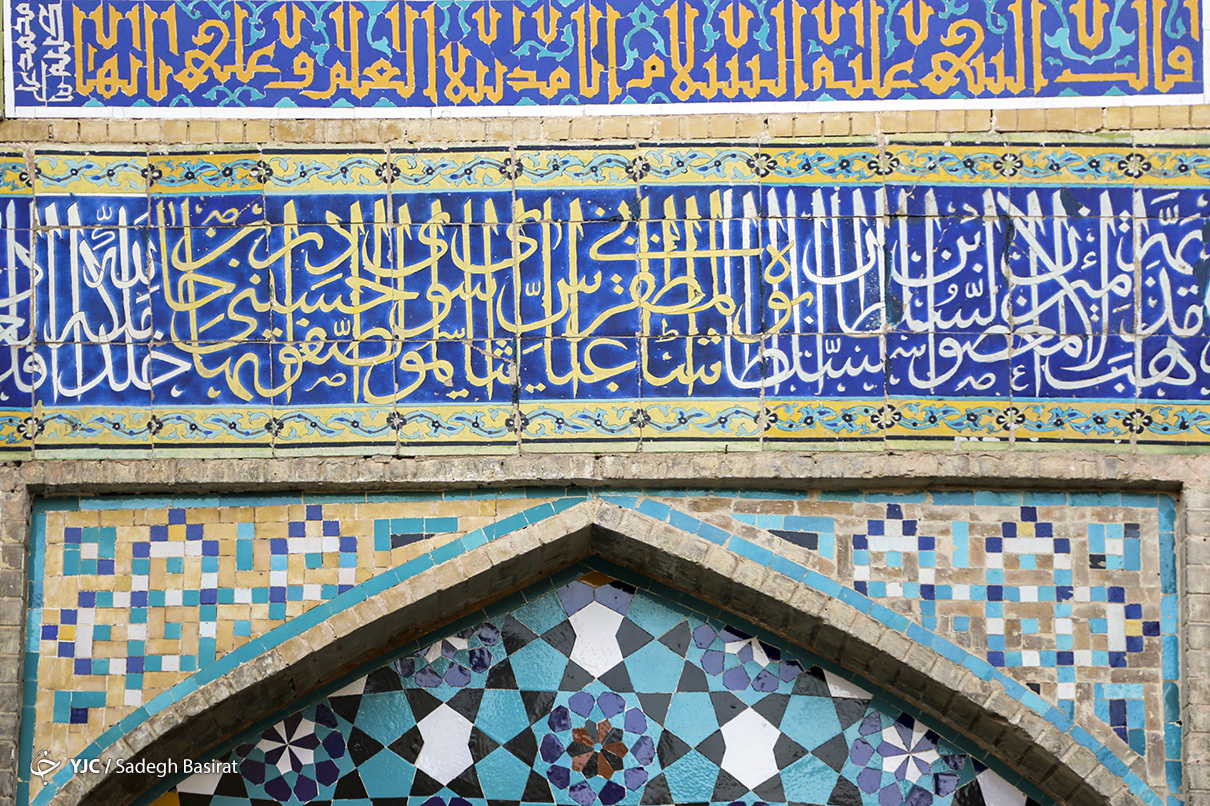
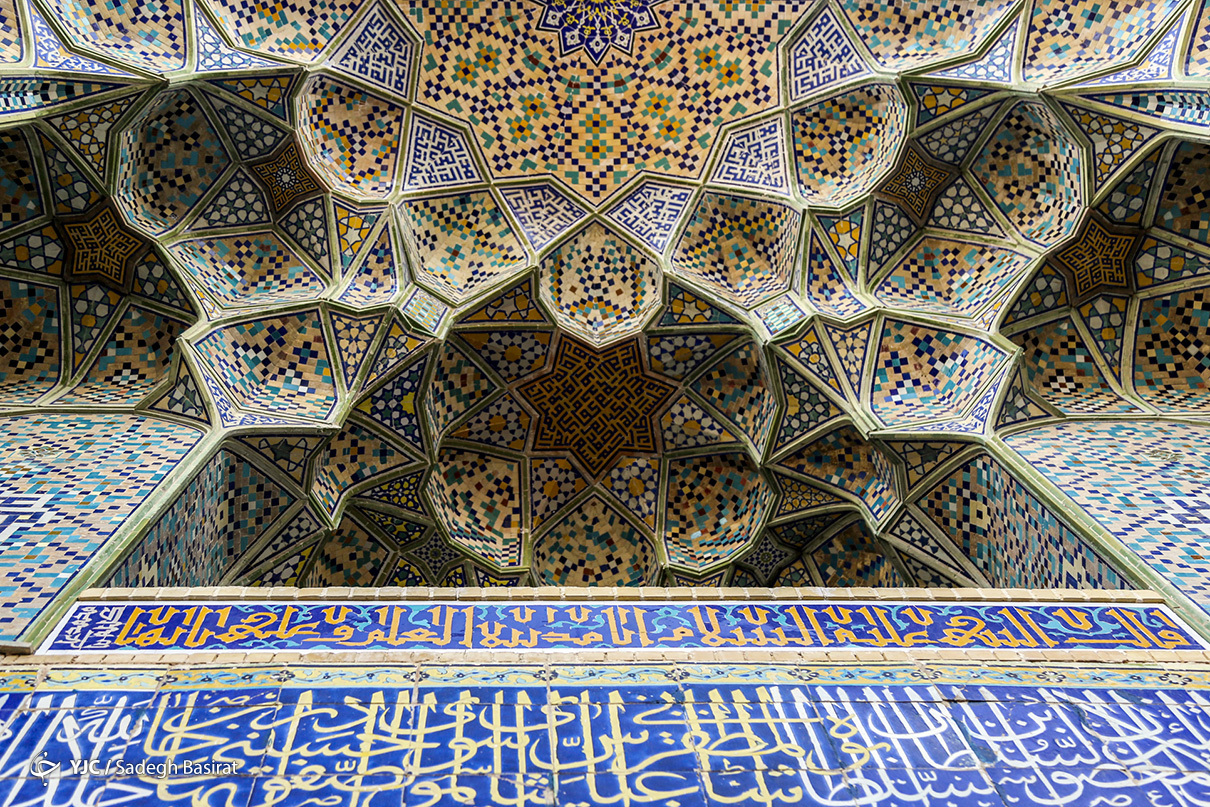
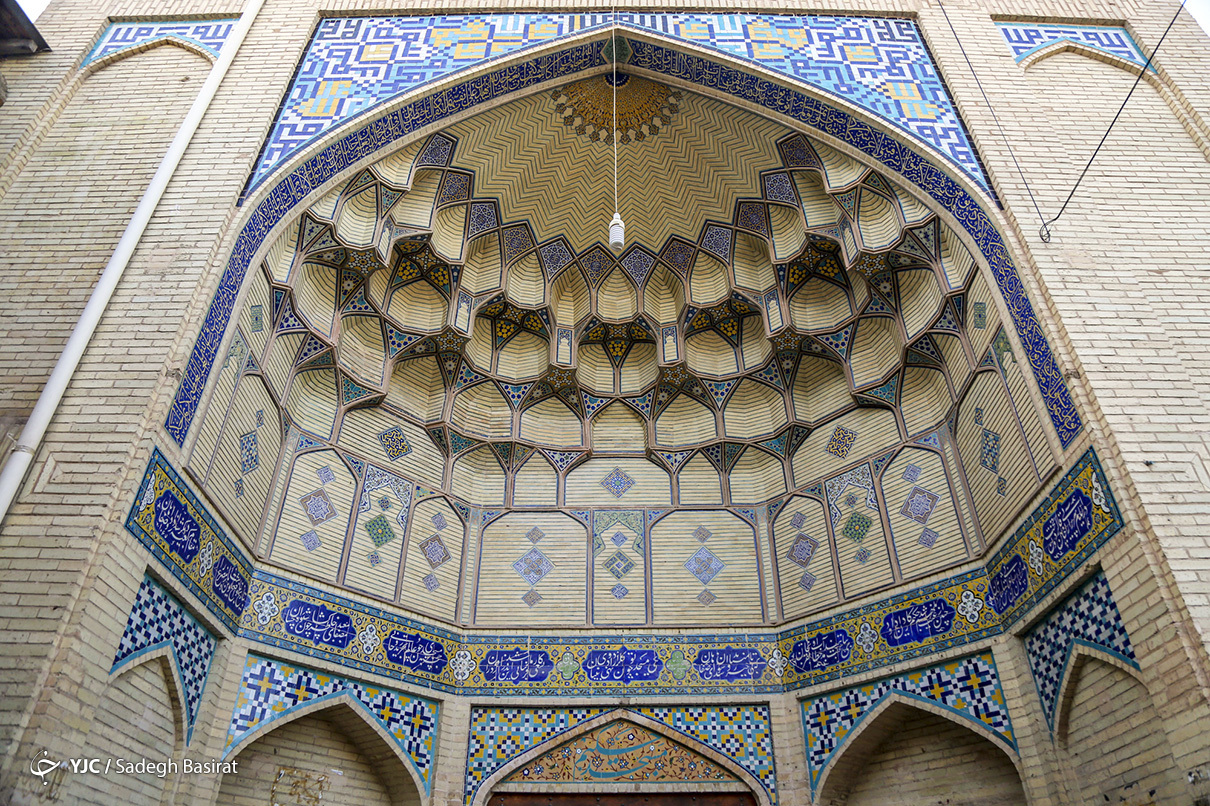
Persian Architecture in Photos: Hakim Mosque

Mosque of Hakim or Jorjir is a four-porch mosque dating back to the end of Safavid era, located in the old region of Bab-ol-Dash at the end of the Dyers’ Bazaar.

It has been built during the reign of Shah Abbas II by his personal physician, Hakim Mohammad Davoud, on the ruins of Dailami Jorjir Jame’ Mosque, also called Sahib Ismail Ibn Ebad Mosque, constructed in the fourth century AH.

Dailami Jorjir Jame’ Mosque had been also called “Small Jame’ Mosque”, a magnificent mosque during the second half of fourth century AH.

The entrance of Jojir Mosque is located in its northwestern part. The inscriptions on its inside entrances and porches date back to 1067 to 1073 AH. They have been written by Mohammad Reza Emami, a famous calligrapher of Safavid period.

What follows are YJC’s photos of Hakim Mosque in Isfahan:

A Look at Iranian Newspaper Front Pages on August 9

Iranian Newspapers

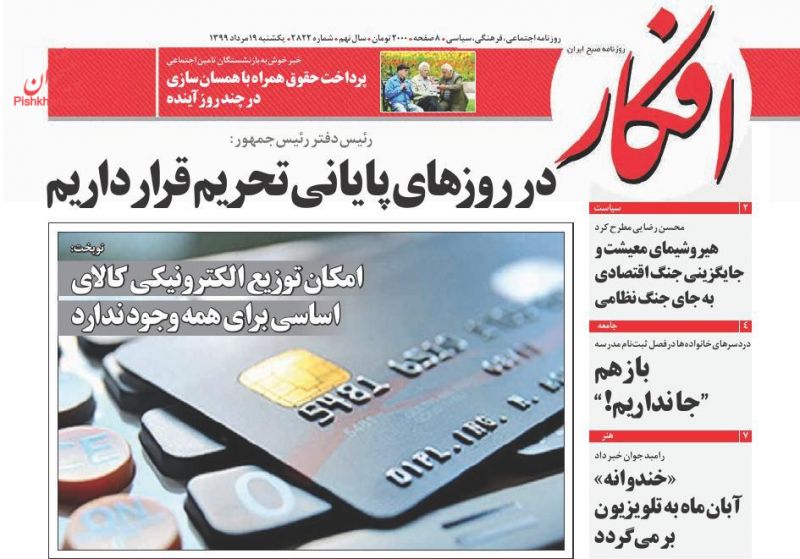
Afkar Newspaper:

1- Rouhani’s Chief of Staff: We’re in Final Days of Sanctions

A Look at Iranian Newspaper Front Pages on August 9


Aftab-e Yazd Newspaper:

1- Lebanon on Verge of Political Explosion

2- Temporary Withdrawal of Coronavirus

3- Lebanon’s Dilemma after Explosion

A Look at Iranian Newspaper Front Pages on August 9


Arman-e Melli Newspaper:

1- Hook’s Resignation; An Escape Forward

2- Beirut Blast May Repeat in Heart of Tehran

* There Are Three Chemical Depots in Tehran

3- Analyst: Withdrawal from NPT Is What Trump Wants

A Look at Iranian Newspaper Front Pages on August 9


Ebtekar Newspaper:

1- Iran Develops ‘Adaptation to Corona’ Program

2- Hook Resigns in Final Months of Trump Administration

* Does It Show White House’s New Tactic?

A Look at Iranian Newspaper Front Pages on August 9


Etemad Newspaper:

1- US Must Be Held Accountable for Financing Terror: Iran

A Look at Iranian Newspaper Front Pages on August 9


Iran Newspaper:

1- Rouhani Heralds Great Leap in Petchem Industry

A Look at Iranian Newspaper Front Pages on August 9


Javan Newspaper:

1- Hook Leaves Office with ‘Maximum Pressure’

2- Major National Projects Accelerated Despite Difficult Conditions Imposed on Iran

3- Observing Protocols Leads to Decline in COVID-19 Deaths

4- End of Hook; Another Defeat for US [Editorial]

A Look at Iranian Newspaper Front Pages on August 9


Kayhan Newspaper:

1- Macron; Supporter of Lebanese People or Complicit in Beirut Crime?

2- Official in Charge of US Maximum Pressure Dismissed After Failure

A Look at Iranian Newspaper Front Pages on August 9


Mardom Salari Newspaper:

1- US Expected to Fail at UNSC over Extension of Iran Arms Embargo

2- Hook Leaves State Dept., Replaced by Abrams

A Look at Iranian Newspaper Front Pages on August 9


Setareh Sobh Newspaper:

1- One Radical Leaves, Another Radical Comes

* Hook Resigns as US Special Iran Representative

A Look at Iranian Newspaper Front Pages on August 9


Shahrvand Newspaper:

1- Efforts to Reconstruct Beirut amid Public Outrage

* Beirut Citizens Talk of Activities of Volunteers, Aid Workers

2- Is a Major Economic Development Coming?

* Speculations Regarding Rouhani’s Promise

A Look at Iranian Newspaper Front Pages on August 9


Shargh Newspaper:

1- Judiciary Spokesman: Environmentalists May Be Pardoned

2- Mediation between Armenia, Azerbaijan Not in Iran’s Interest

A Look at Iranian Newspaper Front Pages on August 9

Iran Confirms 2020 New Cases of COVID-19 Infection

Iran Says 1,556 New Cases Infected with COVID-19

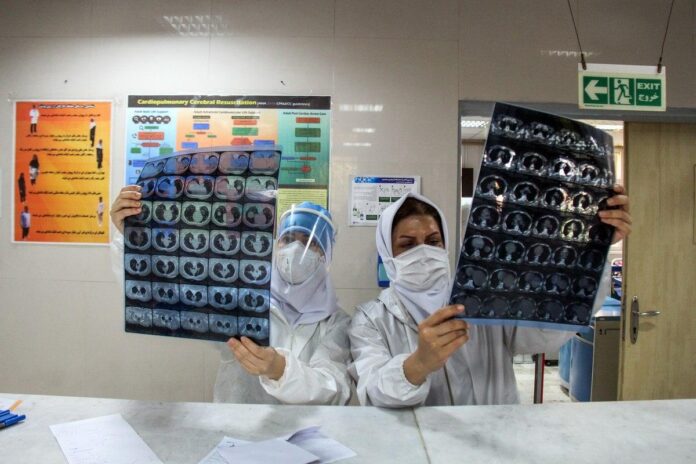
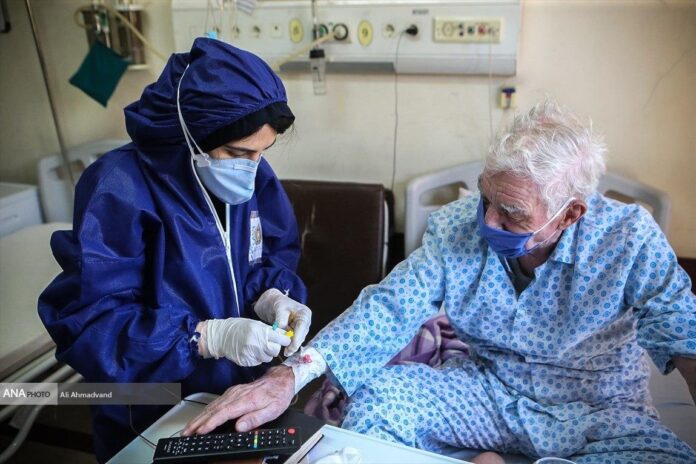
In her Sunday press briefing, Sima-Sadat Lari said 163 people have died of the virus in the past 24 hours, bringing the total number of fatalities to 18,427.

The spokeswoman said 284,371 patients have so far recovered from the disease, or been discharged from hospital.

4,022 patients are also in critical conditions because of more severe infection, she added.
Lari noted that 2,686,498 COVID-19 tests have been taken across the country.

She said the high-risk “red” zones include Tehran, Qom, Mazandaran, East Azarbaijan, Isfahan, Ardabil, Yazd, Markazi, Khorasan Razavi, North Khorasan, Alborz, Semnan, Gilan, Golestan, and Kerman provinces.

The “orange” zones also include Lorestan, Hormozgan, Ilam, Fars, Hamadan, Bushehr, West Azarbaijan, Qazvin, Chaharmahal and Bakhtiari, Kohgiluyeh and Boyer-Ahmad, and Zanjan provinces, she added.

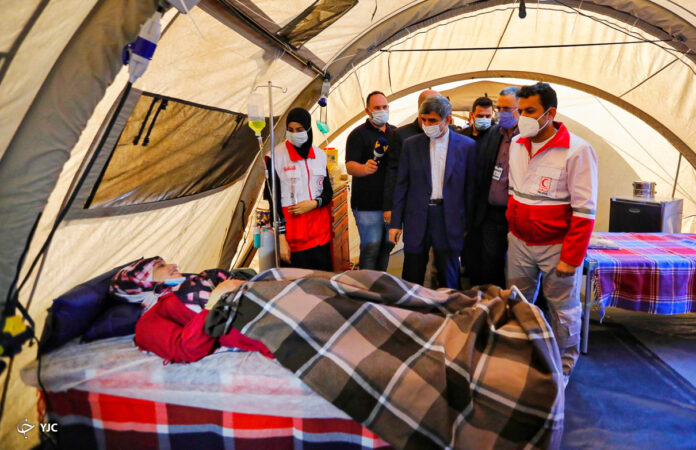
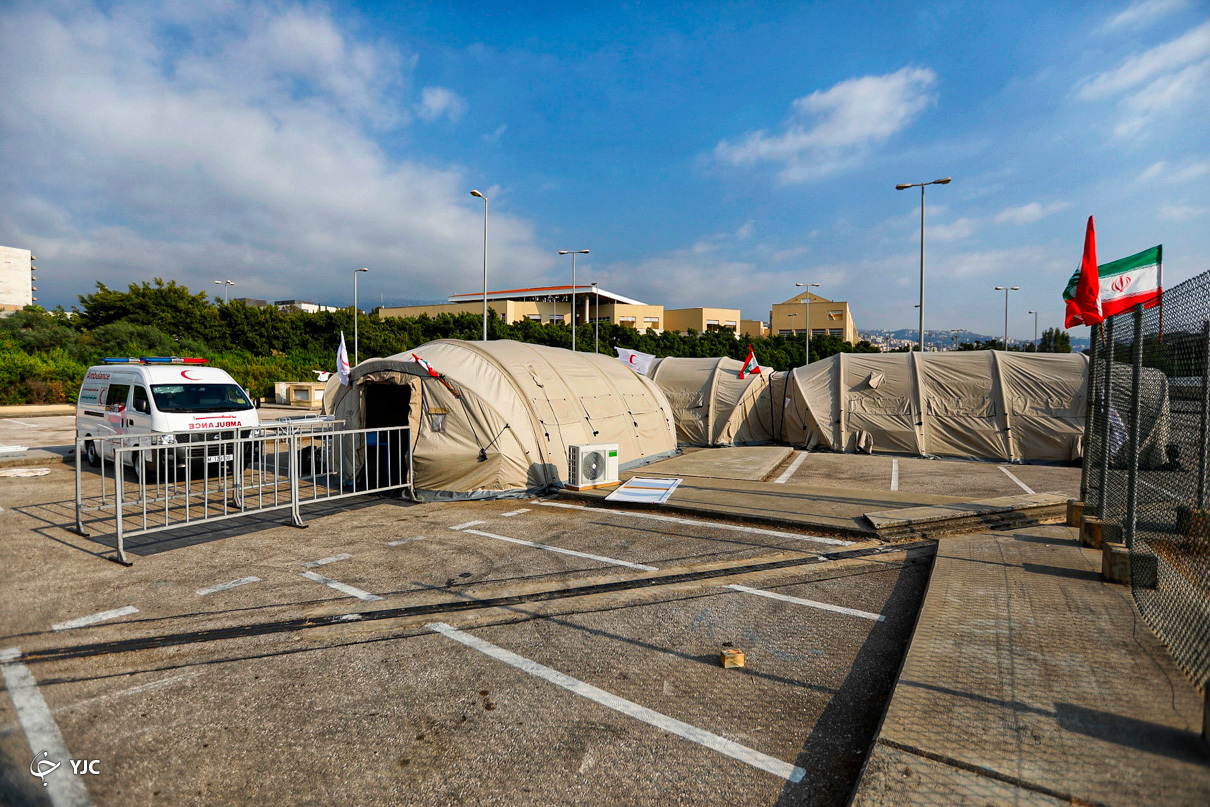
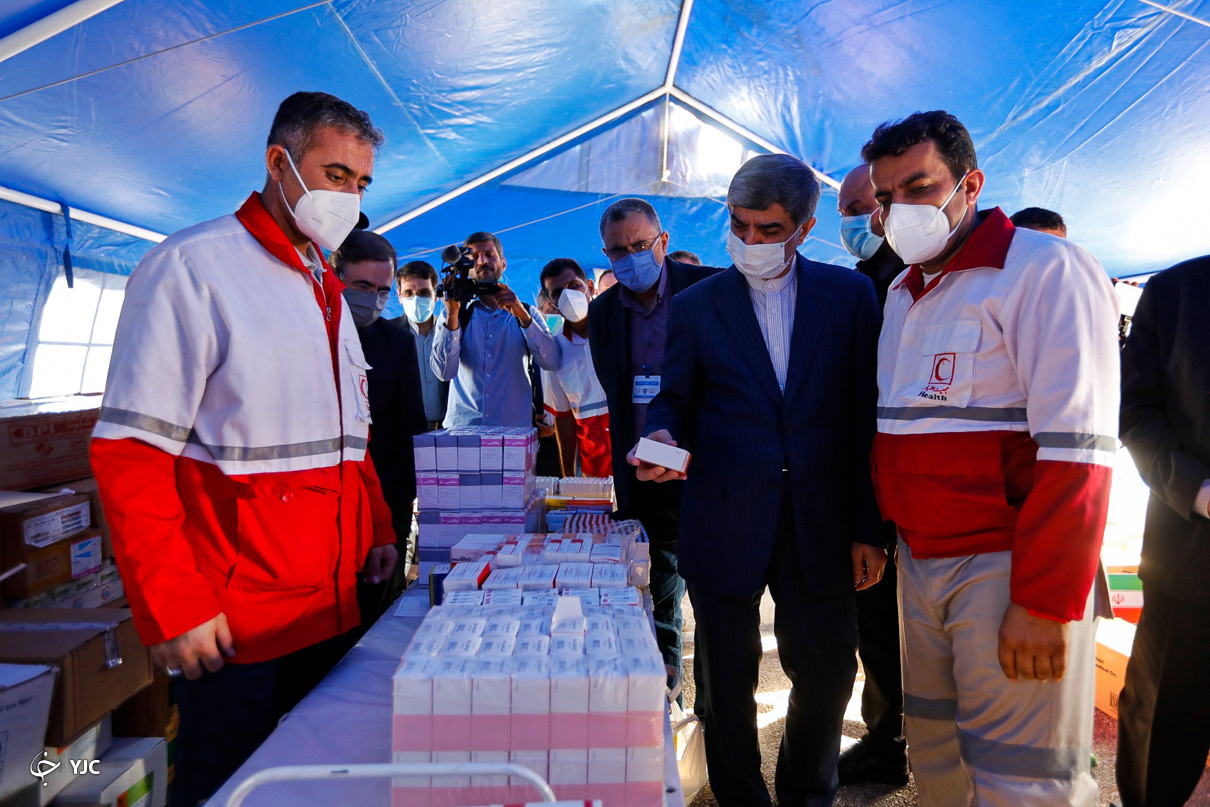
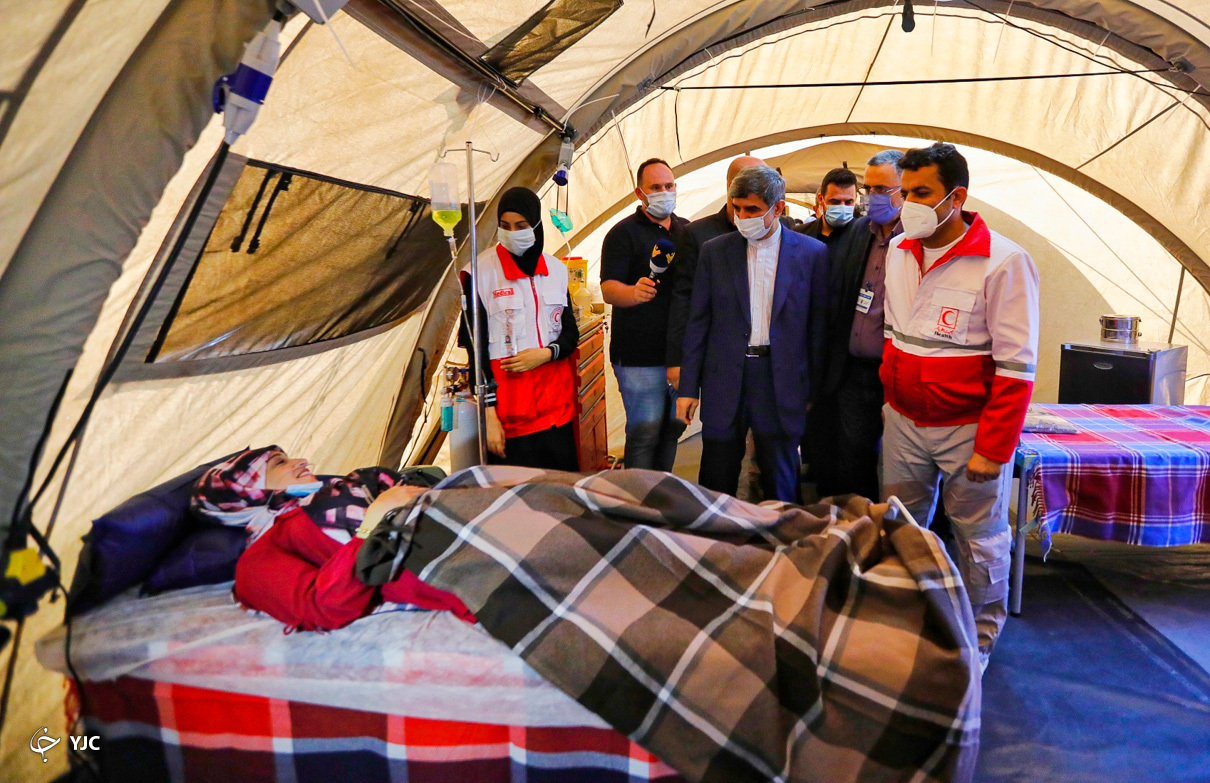
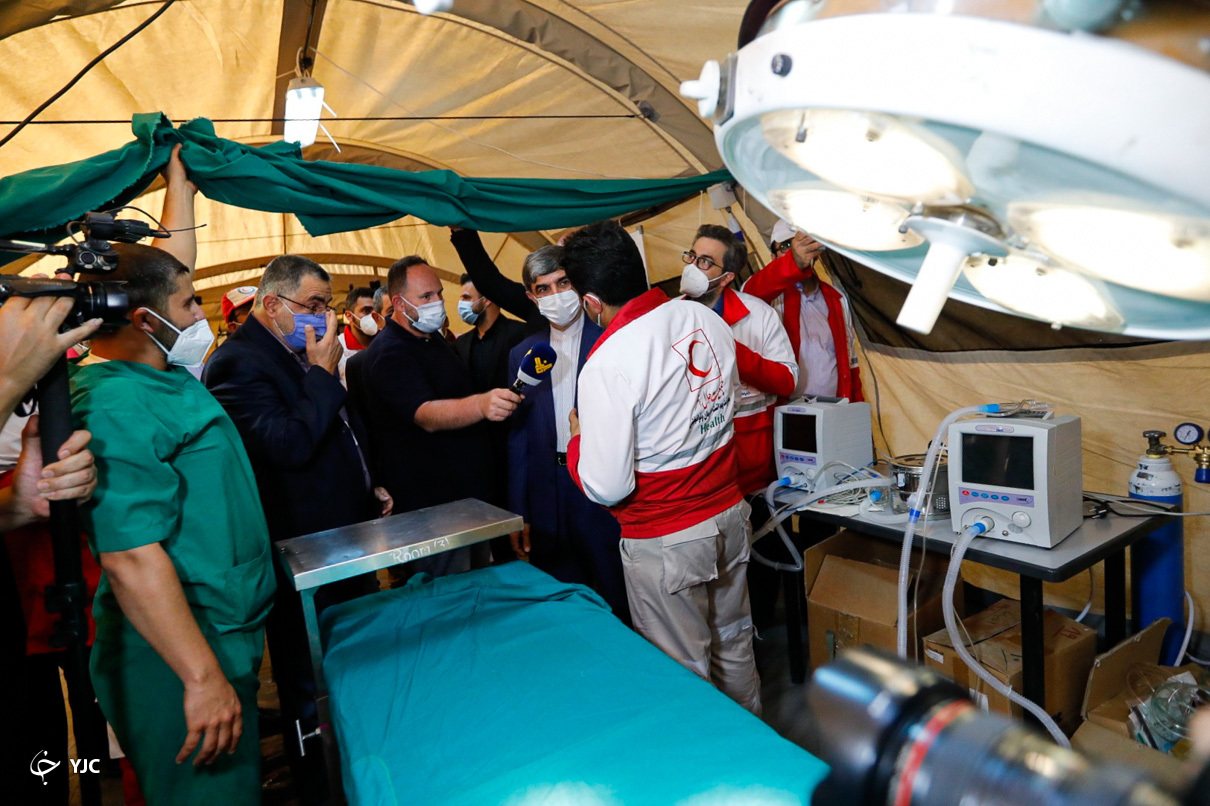
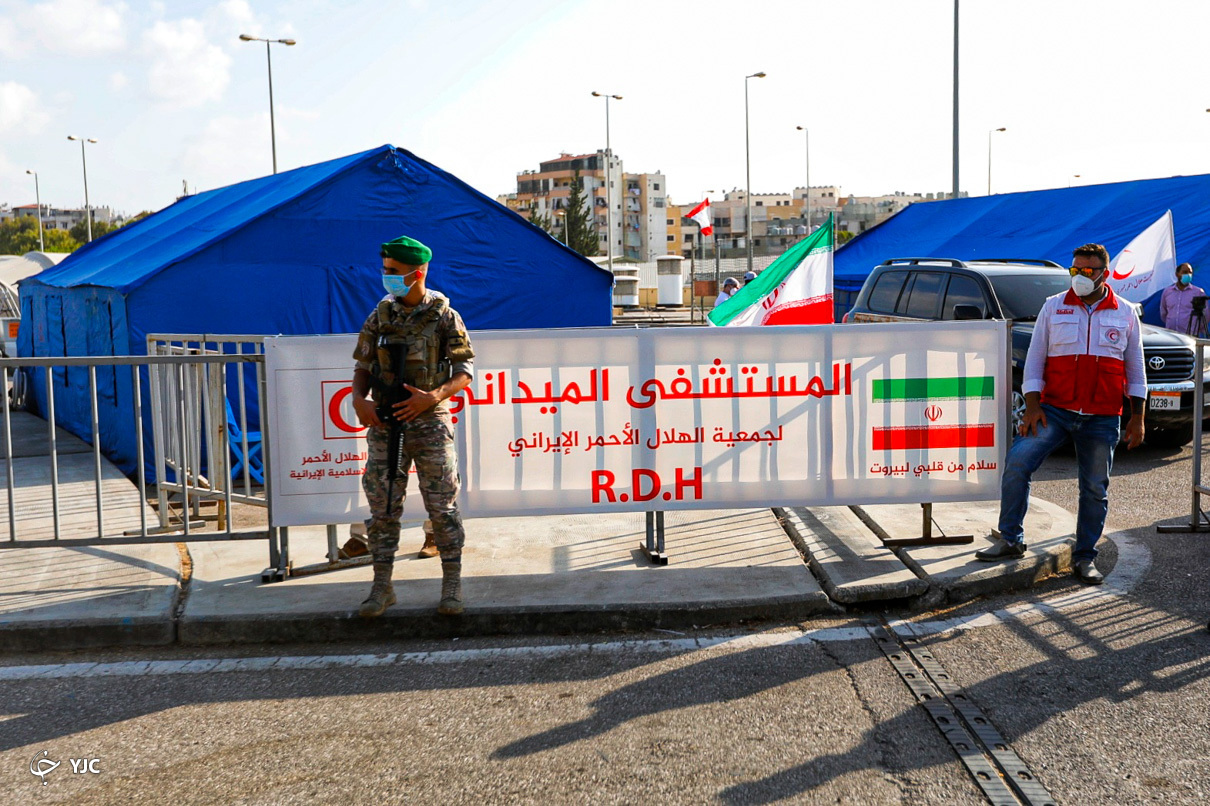
Iran’s Red Crescent Erects Field Hospital in Lebanon

Iran's Red Crescent Erects Field Hospital in Lebanon

The hospital was inaugurated in a ceremony attended by Iranian Ambassador to Beirut Mohammad-Jalal Firooznia, who also visited the depot of Iran’s humanitarian aid to Lebanon.

“Until now, four planeloads of humanitarian aid for Beirut people sent by the Islamic Republic of Iran have arrived in Lebanon,” said the top diplomat on the sidelines of his visit.
“We are monitoring the situation and, if need be, we are prepared to send in more shipments,” he said.

He underscored that Iran stands ready to help Lebanon and will heavily contribute to reconstruction work following the disastrous explosion in Beirut.

The ambassador underscored that the Red Crescent of the Islamic Republic of Iran acted well in the wake of the Beirut incident.

“Health and medical equipment as well as medicines along with expert teams were sent to Lebanon in the shortest time possible, which should be appreciated,” he noted.

Iran Warns about Saudi Arabia’s Covert Nukes Program

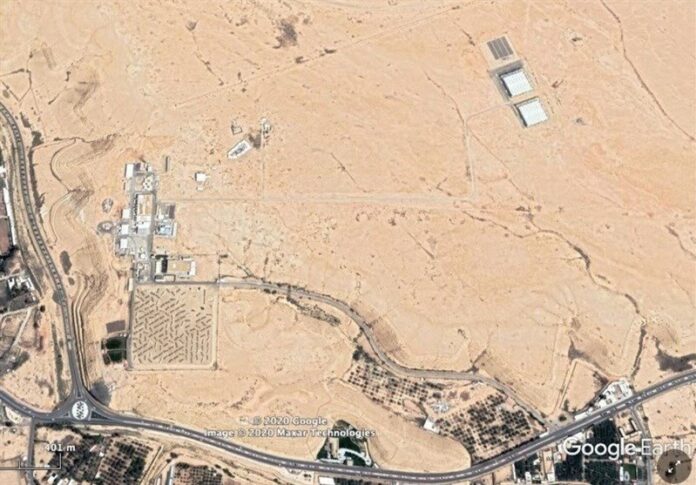
After some information was released about the construction of a yellow cake production facility by Riyadh, Kazem Gharibabadi asked the International Atomic Energy Agency to make the issue transparent by presenting a report to members of the world body.

He said Saudi Arabia is developing and performing a very non-transparent nuclear program.
“Although Saudi Arabia is a member of the Non-Proliferation Treaty (NPT), and has signed a bilateral comprehensive safeguards agreement with the agency, it unfortunately keeps refusing to accept inspections by the agency,” said the top Iranian diplomat.

“Despite repeated requests by the agency over the past few years, Saudi Arabia has not reformed its obligations in such a way that would allow inspections by the agency,” he added.

He said Saudi Arabia has no operating research and power reactors, so it is pointless for the country to be seeking to produce yellow cake.

“This issue coupled with the Saudis’ covert actions in the nuclear domain and its refusal to allow IAEA inspectors to enter the country along with Riyadh’s destabilizing moves in the region will further fuel concerns about a possible covert nuclear weapons program run by the country,” he said.

The top diplomat said the international community will brook no diversion from a peaceful atomic program and will confront any such diversion.
“If Saudi Arabia seeks to use nuclear energy for peaceful purposes, it should live up to relevant IAEA commitments and act in a fully transparent manner,” he said.

‘Persian Medicine Can Minimize Chance of Contracting COVID-19’

An expert of Persian medicine also known as traditional Iranian medicine (TIM) says this method of treatment regards the body as a whole to purge it of illness.

“Basically, Persian medicine does not claim to be doing miracles or to be able to do something strange and out of the ordinary. Persian medicine follows a holistic approach and regards all aspects of health. We are supposed to use Persian medicine alongside conventional medicine to help improve individuals’ health,” said Alireza Yarqoli in a live interview on Instagram with Mehr News Agency.

Asked how Persian medicine can help mitigate underlying health conditions, the said, “Persian medicine believes if you pour the highest-quality milk into a poison-tainted container, the milk will get contaminated, too. So, we pay attention to cleanup of the body as a container. In 90 percent of the cases, we begin treatment with cleanup,” he said.


Six-fold Practices for Health and Fighting COVID-19

He said there are six fundamental health principles in Persian medicine, the most important of which is doing physical exercise.

“Unfortunately, the number of people doing sports has decreased during the quarantine period, which, in turn, has given rise to new diseases,” he noted.

“The second principle is foods and drinks, and a lack of anxiety and getting enough sleep are among other principles which heavily contribute to boosting the immune system,” he added.

He said Persian medicine seeks to rectify individuals’ lifestyles, saying, “In many cases, many of our problems are solved by doing simple exercises.”


Boosting Immune System with Most Common Foods

We believe calm, a lack of anxiety and enough and good sleep will boost the body’s immune system, a fact which has been ignored and which has no cost. We should also keep in mind that if we have anxiety, no food will effectively improve the immune system. 

After that, we can go for food complements; citrus fruit was abundant on the market at the season when the COVID-19 virus broke out. We urged people to use it. For instance, if orange skin, garlic or liquorice can be brewed and used as tea.


Workout, Enough Sleep Effective in Preventing COVID-19 Infection

He recommends doing exercise as one of the ways of preventing the disease caused by the novel coronavirus.

“After several months of experience, the most important practices that I can recommend for boosting the immune system and making people stronger is to do physical exercise for one minute 15 times a day. We can do this in any job we have. We should also get enough sleep,” he says.


Let’s Not Get Body Engaged in Digestion of Food

The expert recommends taking light food in order to ease pressure on the stomach.

“Our first action is to not get the body engaged in the digestion of food, so we should eat light food,” he says.

He says foods that are hard to digest or fried foods are not recommended.

Smell Things to Get Calm

He says one of the best things that can improve the immune system is to spray rose water. We can also brew chamomile and add rose water before drinking. You may add lime as well.

 

US Must Be Held Accountable for Plane Interception: Iran to UN

Iran Urges Saudi Arabia, Israel to Come Clean on Nuclear Activities

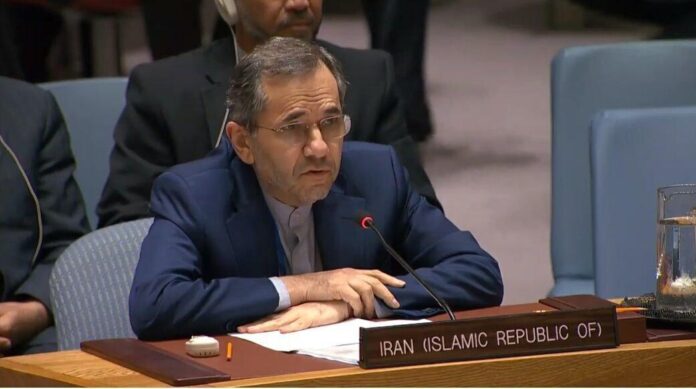
In identical letters to UN Secretary-General Antonio Guterres and the UN Security Council circulated on Friday, Majid Takht Ravanchi said Tehran “expresses its strongest objections against this violation of international law and will pursue the

issue through relevant international bodies.”
The envoy said a Mahan Airlines Airbus A310 en route from Tehran to Beirut on July 23 “was aggressively and unexpectedly intercepted” by two US F-15 fighter jets while traveling through internationally specified air corridors in Syria’s airspace, the Associated Press reported.
“In reaction to the offensive and hazardous maneuverings of the United States fighter jets and in order to save the civil aircraft and passengers’ lives, the airliner had to change altitude abruptly, causing injuries to the passengers onboard,” the ambassador said.

Takht Ravanchi said that in line with provisions of the Convention on International Civil Aviation, Iran’s civil aviation organization contacted Syrian authorities and called for “a prompt and accurate investigation of the incident.” He said Iranian authorities also launched an investigation after the plane returned from Beirut.

The results of both investigations will be released “after the revision and finalization of the collected data and information” by both teams, the Iranian ambassador noted, according to Tasnim.

“It is obvious that the act by the United States fighter jets is a flagrant violation of the aviation security and freedom of civil aviation reflected in the 1944 Chicago Convention on International Civil Aviation and its relevant annexes as well as an infringement of the 1971 Montreal Convention for the Suppression of Unlawful Acts against the Safety of Civil Aviation,” he said.

“It is incumbent upon the United Nations to reject such an unlawful and yet adventuristic act and hold the United States accountable for this irresponsible behavior,” Takht Ravanchi underlined.

Daily COVID-19 Fatalities Continue to Decline in Iran

Coronavirus

In her press briefing on Saturday, Sima-Sadat Lari confirmed 2,324 new cases of COVID-19 infection, raising the total number of infections to 324,692.

The spokeswoman said 282,122 patients have so far recovered from COVID-19 or been discharged from hospital, but 4,148 are still in critical conditions of the disease.

Lari added that so far 2,661,965 COVID-19 tests have been taken across the country.

She said the high-risk “red” zones include Tehran, Qom, Mazandaran, East Azarbaijan, Isfahan, Ardabil, Yazd, Markazi, Khorasan Razavi, North Khorasan, Alborz, Semnan, Gilan, Golestan, and Kerman provinces.

The “orange” zones also include Lorestan, Hormozgan, Ilam, Fars, Hamadan, Bushehr, West Azarbaijan, Qazvin, Chaharmahal and Bakhtiari, Kohgiluyeh and Boyer-Ahmad, and Zanjan provinces, she added.