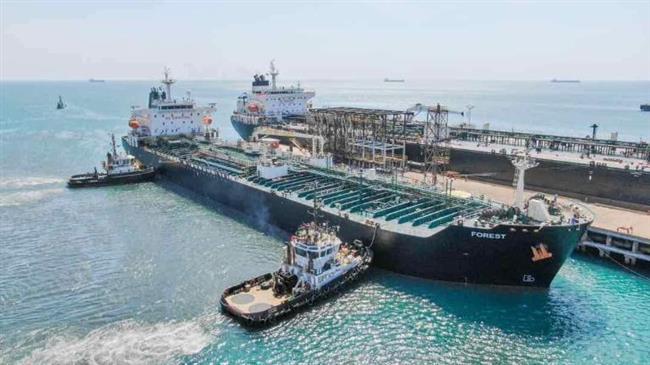
According to Refinitiv Eikon vessel tracking data, the Iran-flagged tanker Forest, which is transporting some 270,000 barrels of fuel loaded in the Middle East, entered Venezuela’s exclusive economic zone around 8:05 a.m. local time (1205 GMT) on Monday with no disturbances.
Two other Iranian tankers — the Faxon and the Fortune — are following the same route and are crossing the Atlantic Ocean. They are scheduled to arrive in Venezuela’s waters in early October.
The Iranian vessels are expected to jointly deliver about 820,000 barrels of gasoline and other motor fuels to Venezuela.
Five Iranian vessels had made a previous fuel delivery to Venezuela between May and June.
Iran’s fuel shipments have drawn the ire of the US, which has imposed draconian sanctions on the two states with the aim of chocking their oil trade.
On June 24, US Secretary of State Mike Pompeo announced sanctions on five Iranian ship captains who delivered oil to Venezuela.
He warned mariners against doing business with the government of Venezuelan President Nicolas Maduro and said, “As a result of today’s sanctions, these captains’ assets will be blocked. Their careers and prospects will suffer from this designation.”
Iran slammed the US sanctions, saying such moves would not keep Tehran and Caracas from defying Washington’s sanctions against both nations.
The two OPEC-member countries have taken major steps to promote bilateral trade this year by exchanging crude, fuel, food, equipment for refineries and other industrial goods.
According to a source and loading schedules of state-run oil firm PDVSA, a very large Iranian crude carrier (VLCC) is also set to leave Venezuela’s Jose port this week to transfer 1.9 million barrels of Venezuelan heavy oil for National Iranian Oil Company (NIOC).
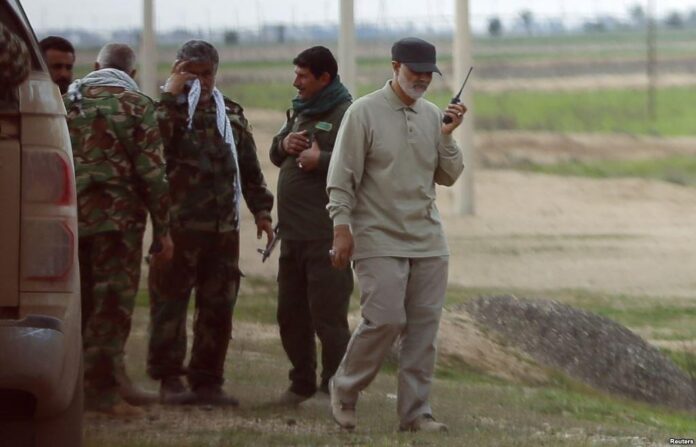
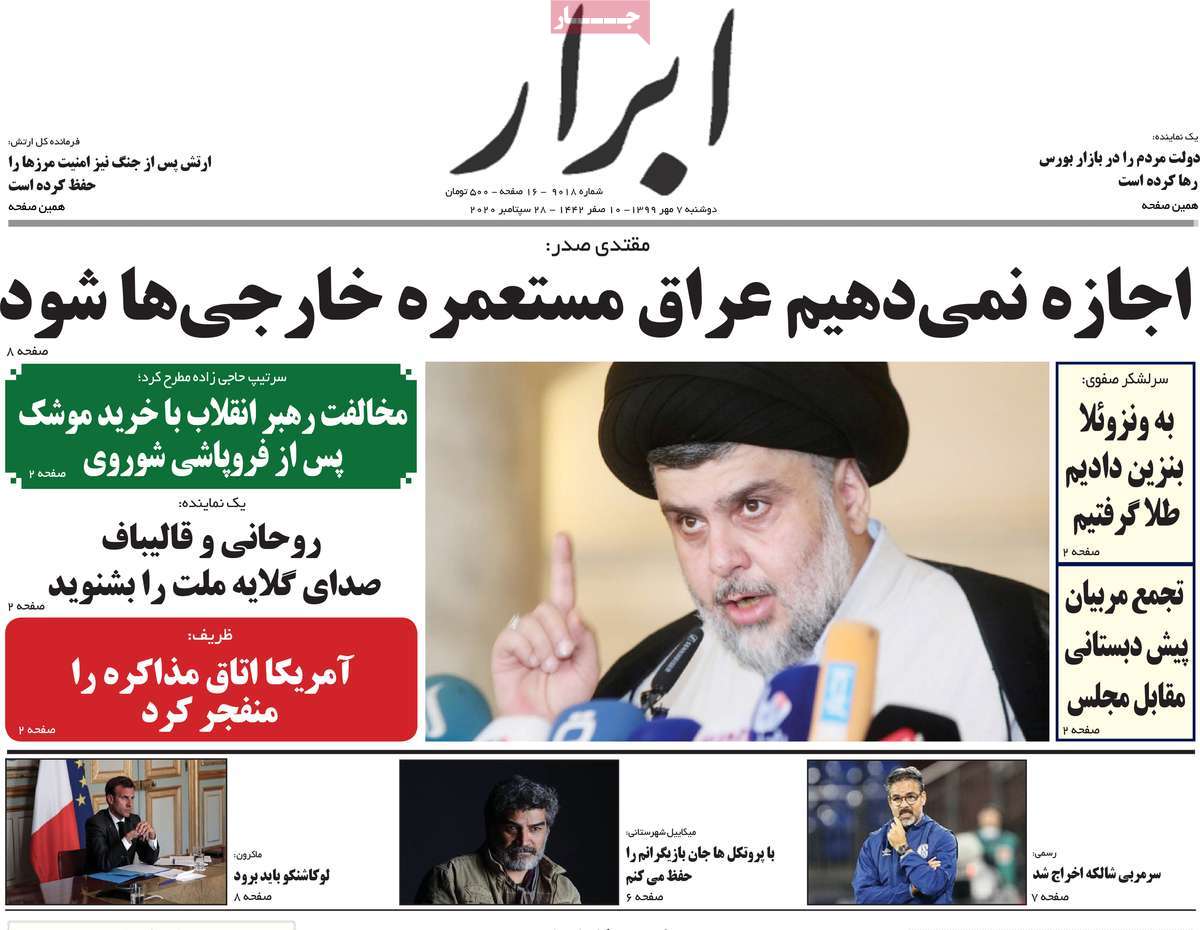
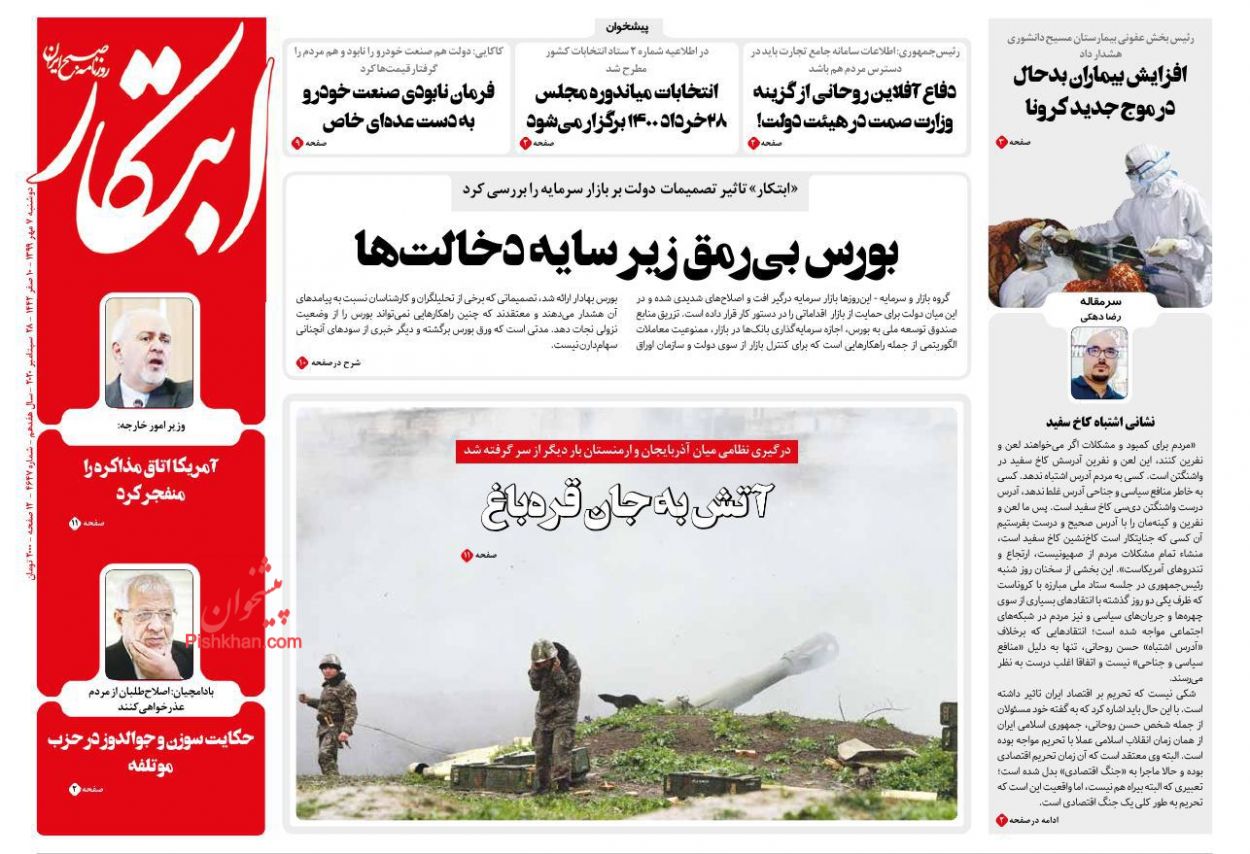
“You claim that you eliminated the ISIS, but you, instead, killed the terrorists’ number-one enemy with desperation and savagery,” Zarif said on Monday, referring to Lieutenant General Qassem Soleimani, who was assassinated in a US drone attack in Iraq in January.
“You are cowards and savage, but you were not able to bring Iranians to their knees,” said Zarif in a ceremony commemorating the martyrs of the Iranian foreign ministry.
The top diplomat also hit out at the US for arming Iraqi dictator Saddam Hussein during the eight-year Iraqi-imposed war on Iran in the 1980s.
“All of you contributed to sending arms to Iraq, but how come that Saddam [Hussein] and his supporters ended up in the ash heap of history?” he said.
Zarif underlined that people will not forget the crimes that the US has committed.
“What has empowered us and helped us overcome all the pressure and hardships is the presence of the people as well as the culture of devotion and martyrdom,” he noted.
He said the US keeps hatching plots against Iran, but this very culture of devotion and martyrdom has made Iran stand strong.
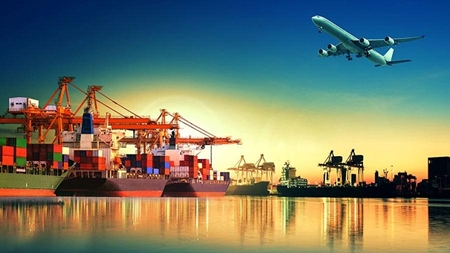
The Iranian Vice-Presidency for Science and Technology has established a specialized office, called the Corridor on Promotion of Exports and Exchange of Technologies, to facilitate the domestic knowledge-based companies’ access to foreign markets.
By proving services for the applicants in more than 5,300 cases, the office has facilitated the process of export of knowledge-based products.
The Vice Presidency for Science and Technology’s Corridor on Promotion of Exports and Exchange of Technologies also identifies and evaluates the capabilities of Iranian enterprises, providing them with consultation services and training for the exports.
The presidential department provides supports for the knowledge-based and innovative companies, the export brokers, export trading companies, export bases, and foreign trade brokers.
The Iranian knowledge-based companies have grown rapidly in recent years and have signed dozens of contracts with many foreign customers, particularly in the medical and pharmaceutical sectors.
The administration has also launched schemes to support the country’s technology and innovation ecosystem and facilitate access to the international markets.
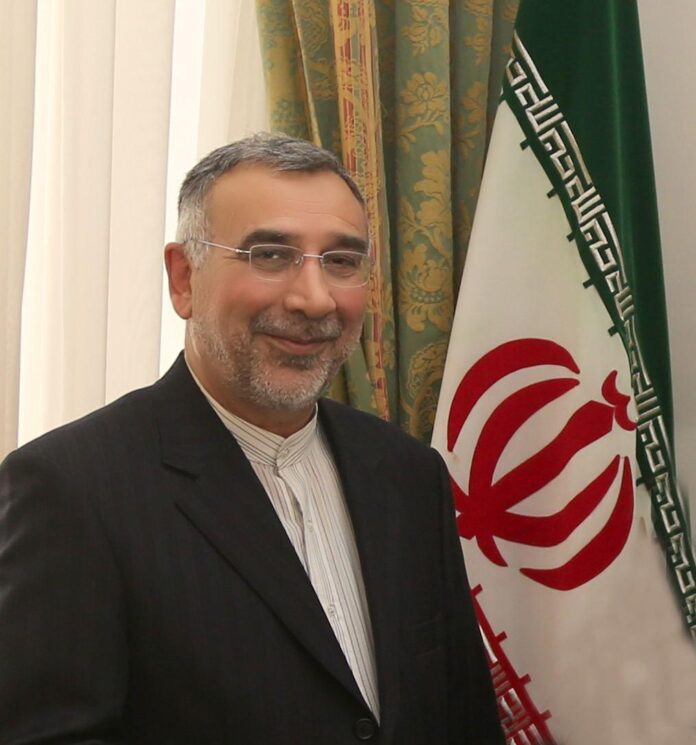
During the Monday conversations, they discussed the latest situation in Afghanistan as well as the intra-Afghan negotiations.
In his talks with the Uzbek diplomat, Taherian supported the Uzbek president’s idea that the UN must pay more attention to the issue of Afghanistan and that an appropriate mechanism be developed for the issue.
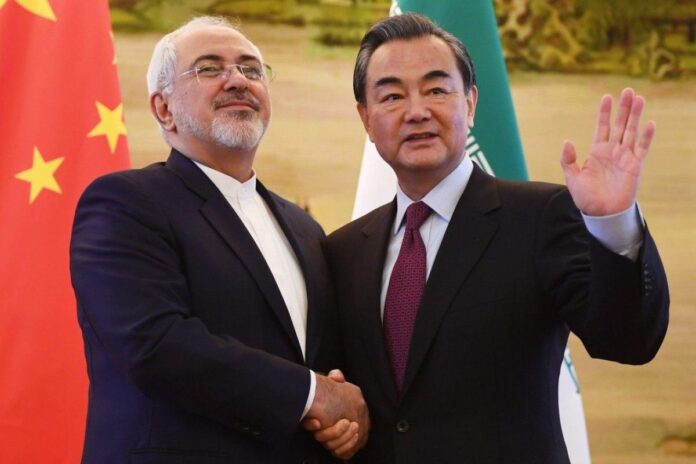
This file photo shows Iranian Foreign Minister Mohammad Javad Zarif (left) shaking hands with Chinese Foreign Minister Wang Yi after a joint media briefing in 2016. / Photo by EPA
Mohammad Javad Zarif made the comment in a message on his Twitter page to congratulate China on the anniversary of the establishment of the country.
“Chinese people celebrate the anniversary, 71 years ago, of the establishment of new China and autumn feast,” Zarif said in the message.
“The year 2020 was a very special year for the world. China struggled to accomplish achievements such as bringing an epidemic under control and reviving the economy,” he noted.
“I express my heartfelt congratulations to the Chinese government and people on these two accomplishments. I wish ever-growing success for China and hope a bright outlook will be ahead for broader comprehensive strategic cooperation between the two countries,” he added.
In a ceremony held in Tehran on September 27 to mark World Tourism Day, Iranian Minister of Cultural Heritage, Tourism and Handicrafts Ali-Asghar Mounesan unveiled several items, including the national tourism brand, stamp, and emblem.
The event also saw the unveiling of Iran’s strategic document on the promotion of tourism, a standard verification system and a monitoring system for tourism facilities, three books, and several tourism projects in various provinces.
Elsewhere in the ceremony, a message from Secretary-General of the World Tourism Organization (UNWTO) Zurab Pololikashvili was broadcast to the audience.
Iranian Minister of Cultural Heritage, Tourism and Handicrafts had also congratulated the Iranian society of tourism activists on the World Tourism Day in a message on Sunday.
In the message, Ali-Asghar Mounesan pointed to this year’s slogan for celebrating World Tourism Day, which is ‘tourism and rural development’, saying the Iranian rural communities and villagers are known as a leading actor in the country’s tourist industry, particularly by operating countryside guesthouses.
The minister has also underlined that promotion of tourism across the globe would help strengthen solidarity, fulfill the national interests, and promote the culture of toleration.
“World Tourism Day is also the day of friendship of nations, a day when conflict is replaced by understanding, as we’d gain a better understanding of the world by comprehending the philosophy of tourism,” Mounesan added.
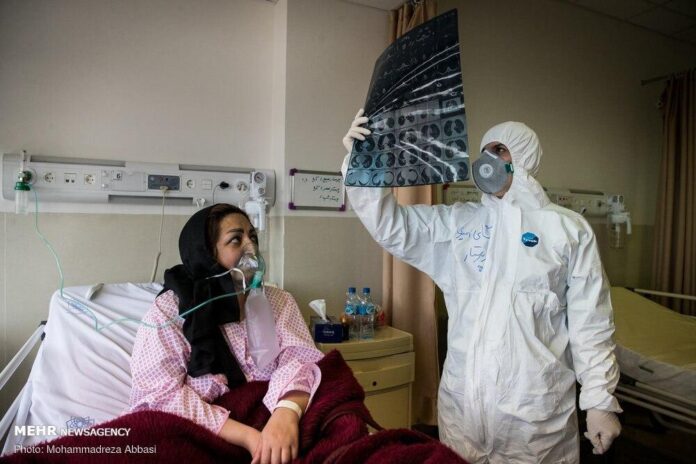
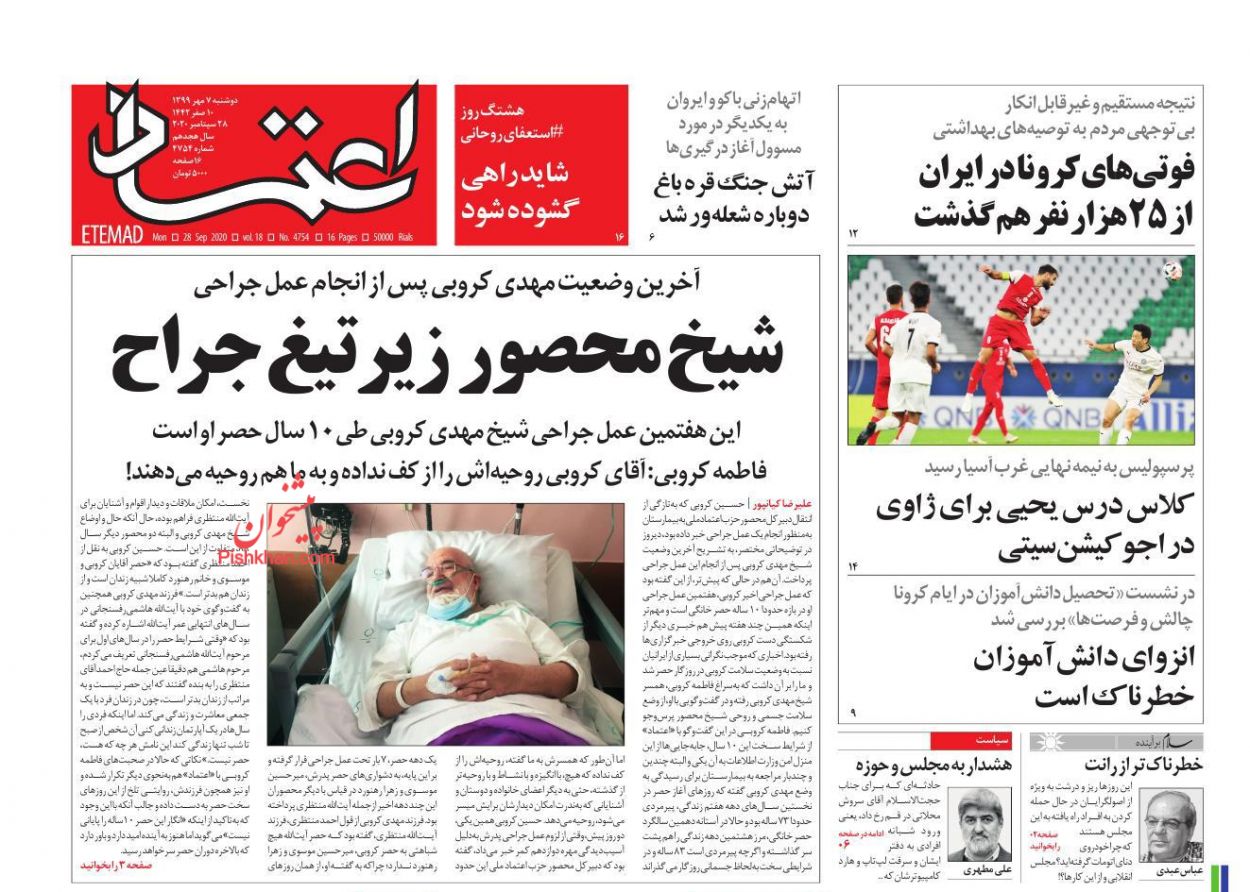
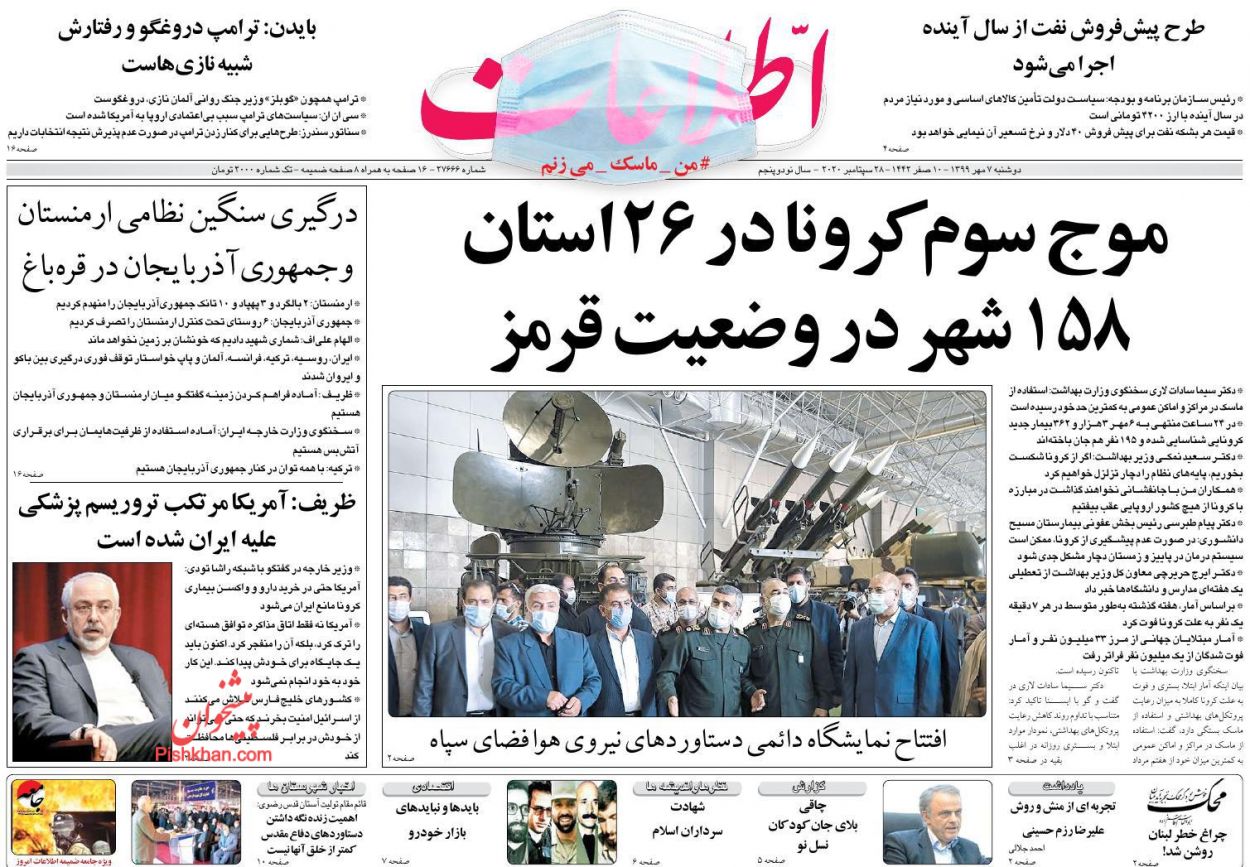
In a press briefing on Monday, Sima-Sadat Lari said the virus has killed 190 patients since Sunday noon, increasing the overall death toll to 25,779.
So far, she added, 376,531 patients have recovered from the disease or been discharged from the hospital.
Lari said 4,068 patients are also in critical conditions caused by more severe infection.
The spokeswoman noted that 3,959,783 COVID-19 tests have been taken across the country so far.
She said the high-risk “red” zones include Tehran, Qom, Mazandaran, East Azarbaijan, Isfahan, Yazd, Ardabil, Khorasan Razavi, Khuzestan, Hamadan, West Azarbaijan, Bushehr, Chaharmahal and Bakhtiari, Kohgiluyeh and Boyer-Ahmad, Alborz, Lorestan, Markazi, Ilam, South Khorasan, Kermanshah, North Khorasan, Semnan, Gilan, Zanjan, Qazvin, and Kerman provinces.
The “orange” zones also include Golestan, Hormozgan, Kurdistan, and Fars provinces, she added.
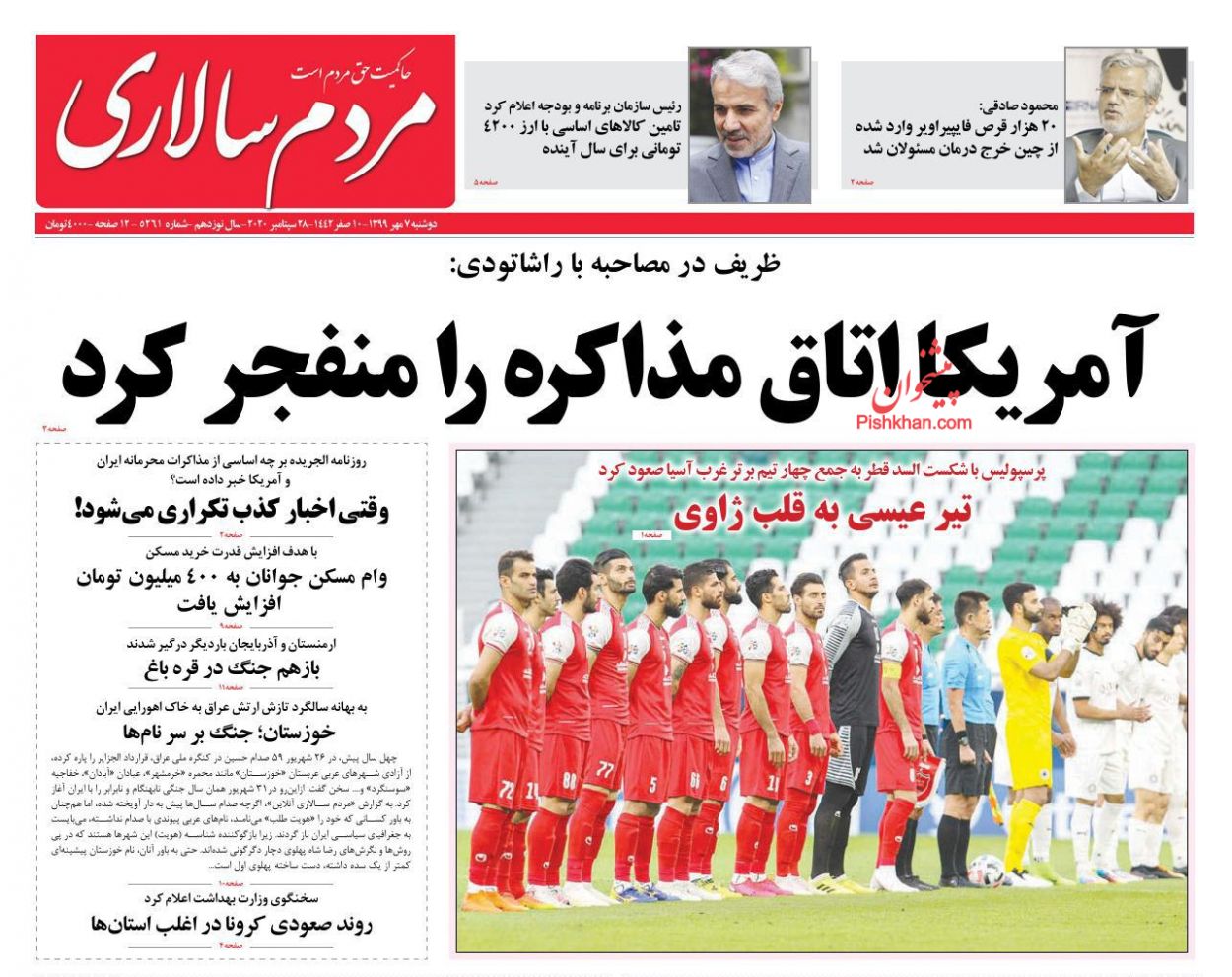
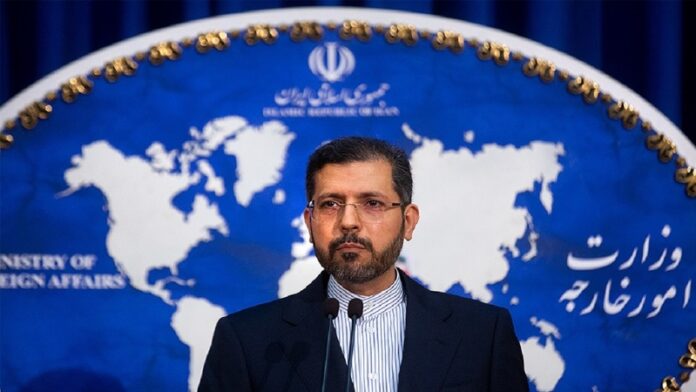
“There hasn’t been, there isn’t, and there won’t be any negotiations [between Iran and the US]. These [reports] are only for domestic use,” Khatibzadeh said in a weekly press conference, in reaction to a report by Kuwaiti paper Al-Jaridah.
“They may be useful for Mr [President Donald] Trump, but they don’t serve Iran-US relations,” he added.
Khatibzadeh said “Trump has no proper understanding of the nature of international relations and that of Iran-US ties. It seems that his advisors are not supposed to understand what has happened, either.”
According to the spokesman, “the path is clear.”
“The US needs to first admit its big mistake; second, respect the international rules and regulations and its commitments; third, stop this inhumane and all-out war and these cruel sanctions against the Iranian nation; and finally make up for all the damages it caused on the Iranian nation through this war and its violations of the Iranian people’s rights.”
“After going through all these stages, it may find a place for itself in a corner of the JCPOA room. For now, we don’t have anything else to say, and let them say whatever they think may help them in their elections,” he added.
“The Islamic Republic of Iran’s stance is firm, decisive, and clear, and we have repeatedly and clearly expressed it. If the question is asked a thousand of times more, our answer will be the same,” Khatibzadeh noted.
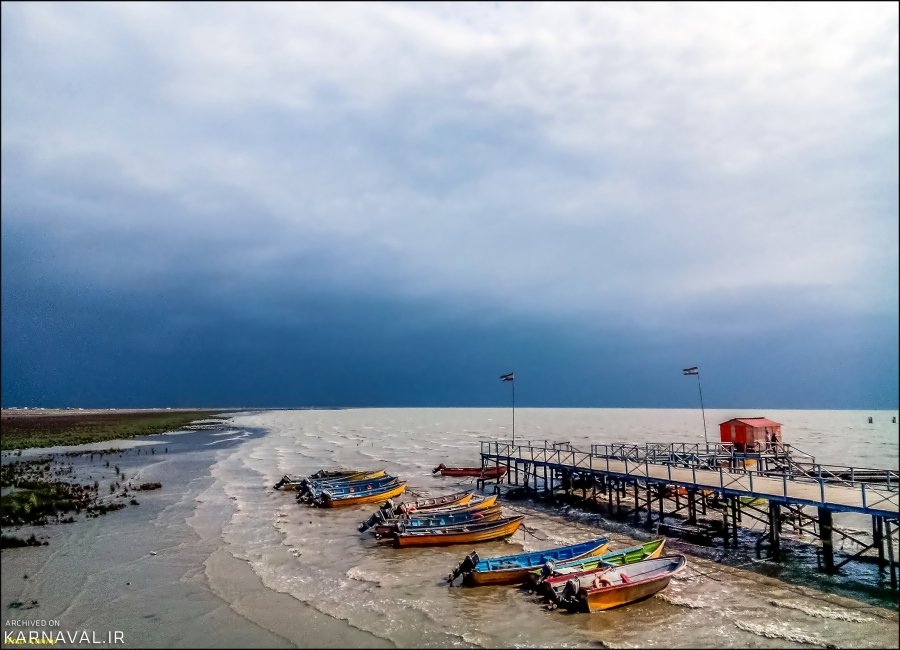
Bandar Torkaman is adjacent to the Caspian Sea and Ashooradeh Island on its west and leads to the city of Gorgan on its east.
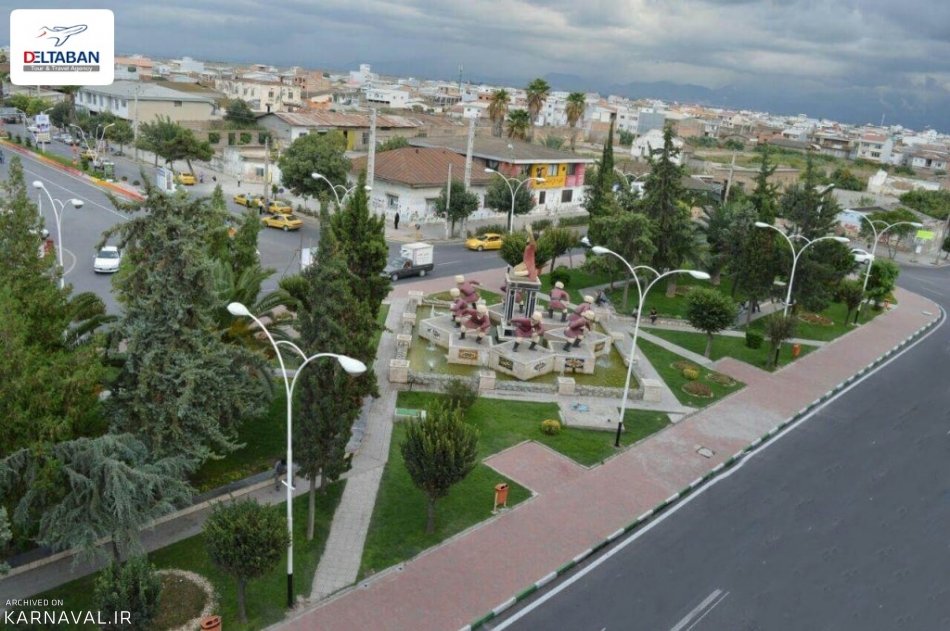
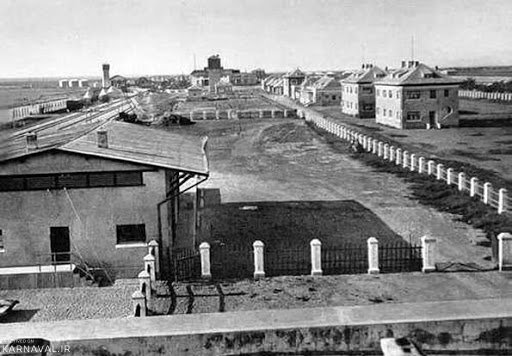
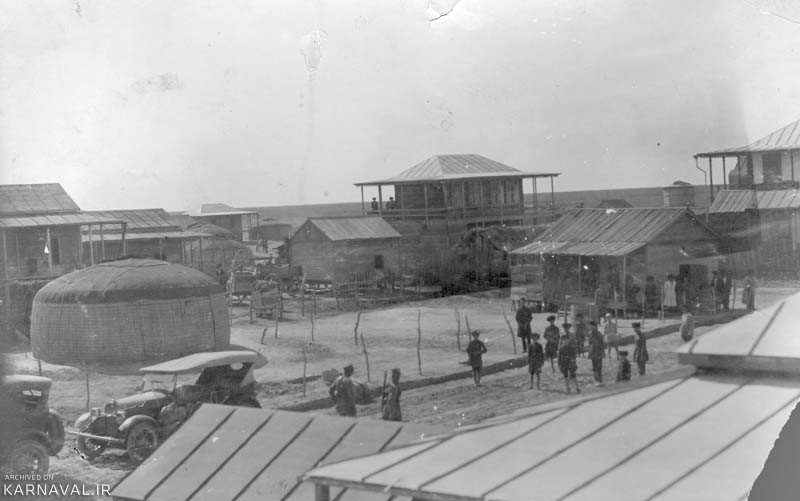
The port city was established in the first Pahlavi era, when Reza Shah Pahlavi decided to construct Iran’s national rail network. It was around 1927 when ground was broken to establish the city of Bandar Torkaman whose municipality was established three years later in 1930.
It is the first Iranian city to have been fully designed by European architects and whose network of streets and residential areas follow a chess-like pattern.
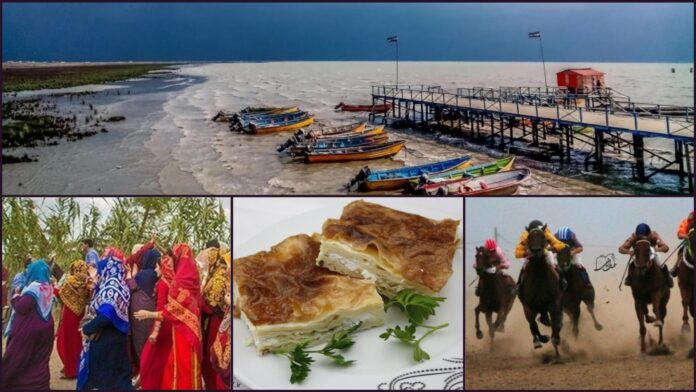
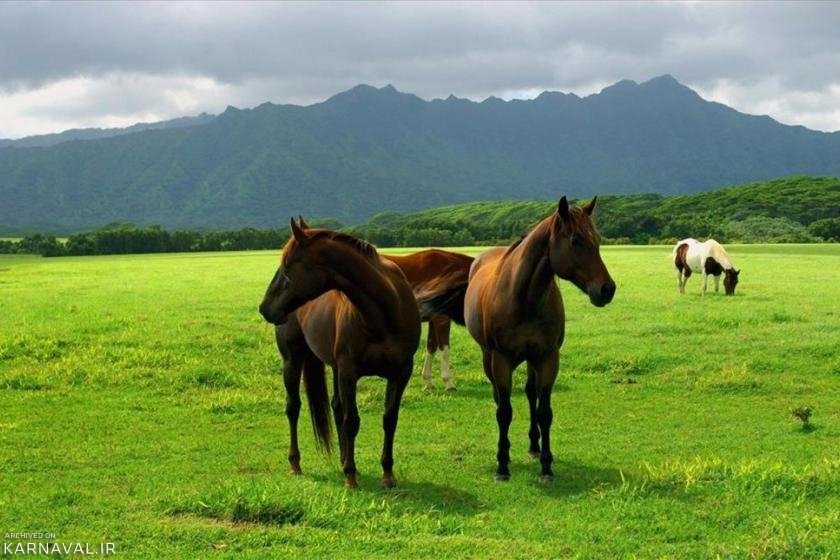
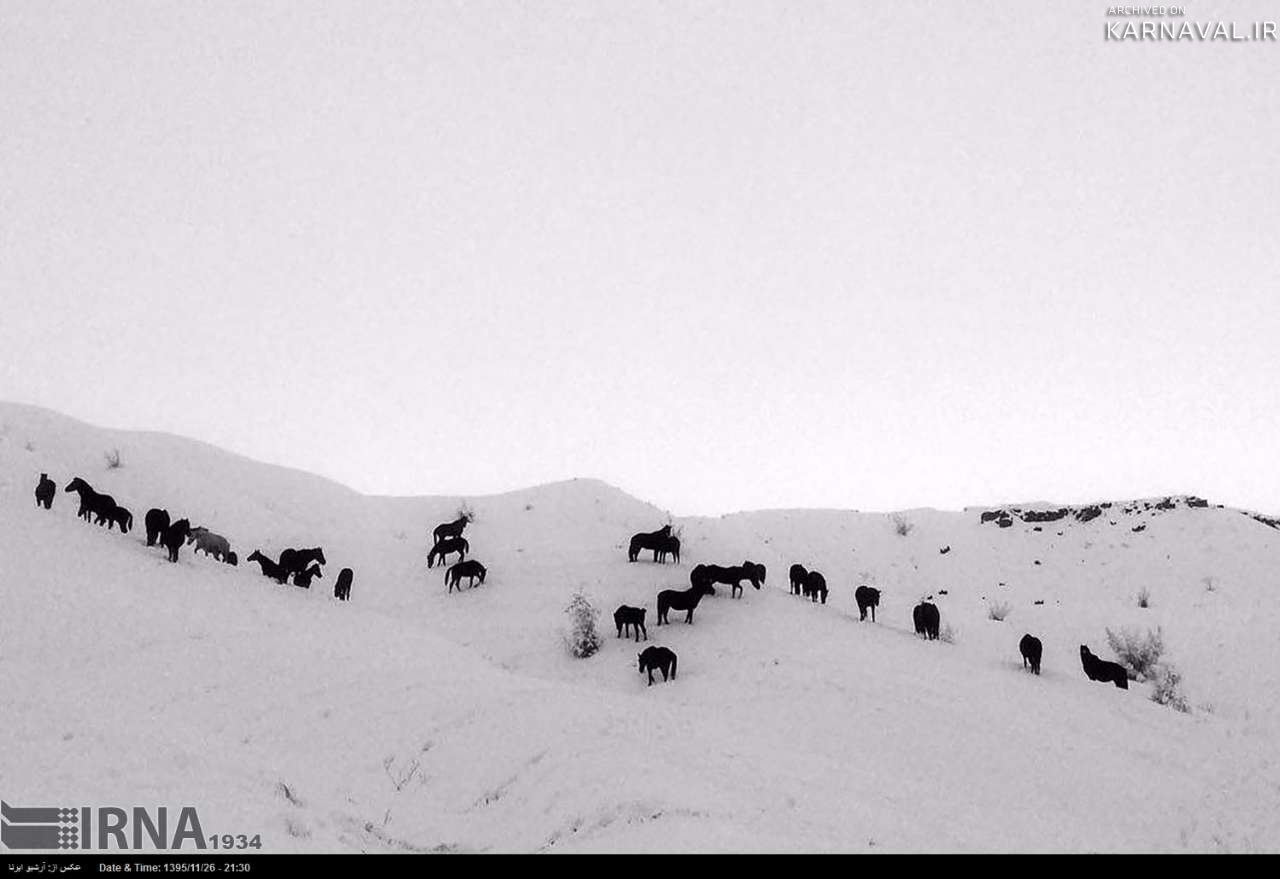
Bandar Torkaman is home to Ashooradeh Island, one of Iran’s most important and most famous islands. The island is an ideal place for bird-watching and seeing different species endemic to Iran as well as Turkoman horses.
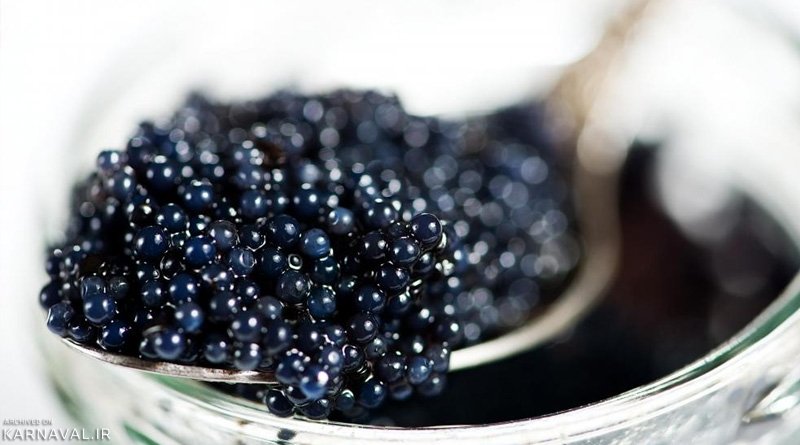
The best caviar in Iran and in the world is produced in this region. You can experience riding on Turkoman horses in Bandar Torkaman.
1 of 10
Residents of Bandar Torkaman
Around 80% of people in this city are Sunni Muslims (Hanafis). The most important festivals that locals celebrate are Eid al-Fitr and Eid al-Adha, two Muslim feasts which are always celebrated in the best manner possible in this city.
Turkmens make up the majority of the city’s population, though a small number of Tabaris, Kazakhs, Turks, Azeris and Sistanis also live in the area.
Iranian Turkmens speak Turkmen, which is a Ural-Altaic language. In addition to Turkmen, other languages such as Mazani, Sistani and Gorgani Persian are also spoken in this region.
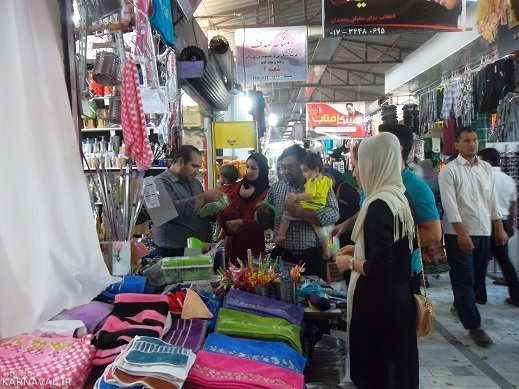
It is interesting to know that the urban construction system for Bandar Torkaman was, in the past, developed in such a way that locals’ businesses were based on rail and port activities. Through the passage of time and due to climatic changes such as the sea level rising, the port lost its business dimension, and its people today earn a living by producing and selling rugs, quality caviar and agricultural produce as well as selling goods at border markets.
Tourism in Bandar Torkaman
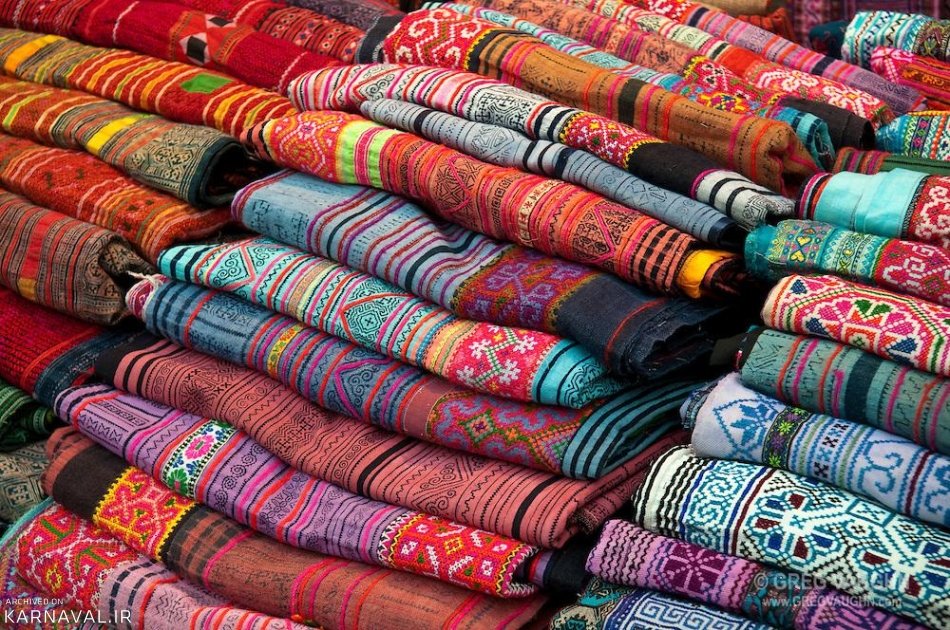
The souvenirs and handicrafts of this city include quality caviar, local halva (a type of Iranian sweet), Turkmen scarves, silk products, special jewelry and Turkmen rugs.
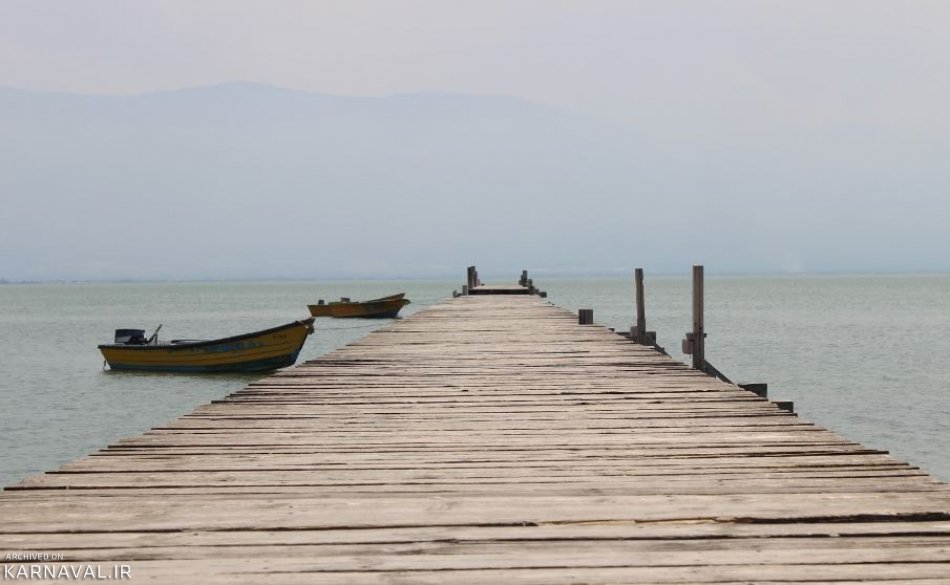
Ashooradeh Island, Gomishan lagoon, the pier in Turkmen with a lot of entertainment activities, and horse racing tracks make up the most important visitor attractions in Bandar Torkaman.
1 of 4
Traditional Foods in Banar Torkaman
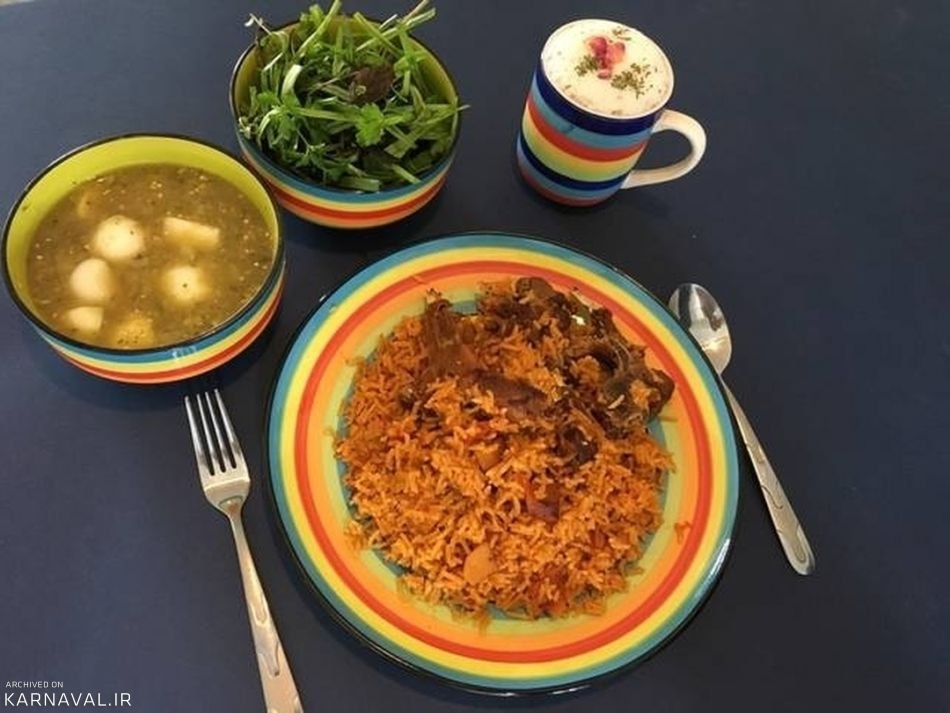
Chekdermeh: This food is very similar to Estamboli (a type of food cooked with rice) and is specifically cooked in Bandar Torkaman and Aq-Qala city in Golestan province.
Rice with peas and sultanas: This food contains rice, peas, sultanas, sour pomegranate paste, chicken or beef, onions, salt, pepper and other spices.
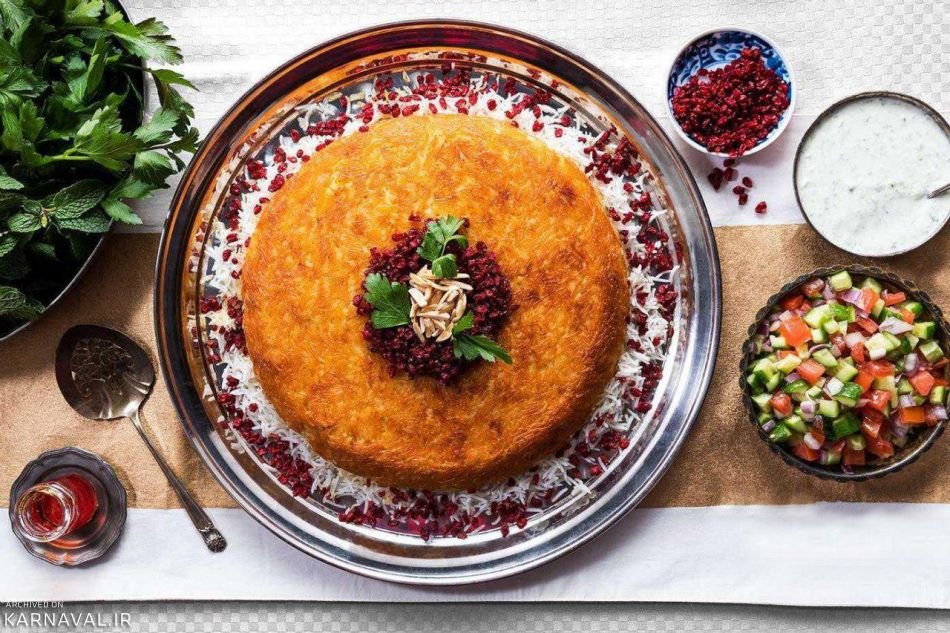
Tahchin (Rice Cake): Different types of rice cake with various ingredients, including beef, aubergines, beans, etc., are cooked here each of which has a unique aroma and taste.
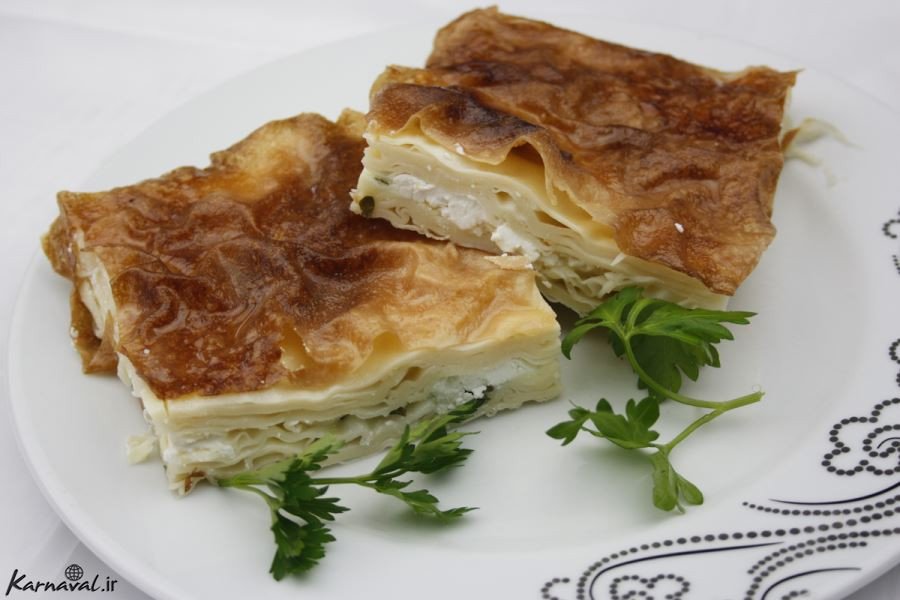
Boorak: This food is very similar to doughnuts and is filled with different types of meat, aubergines, vegetables, etc., and is usually cooked during the Muslim holy month of Ramadan.
Culture and Art in Land of Turkmens
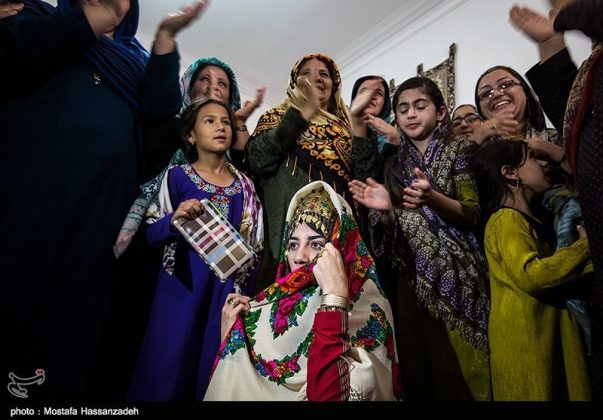
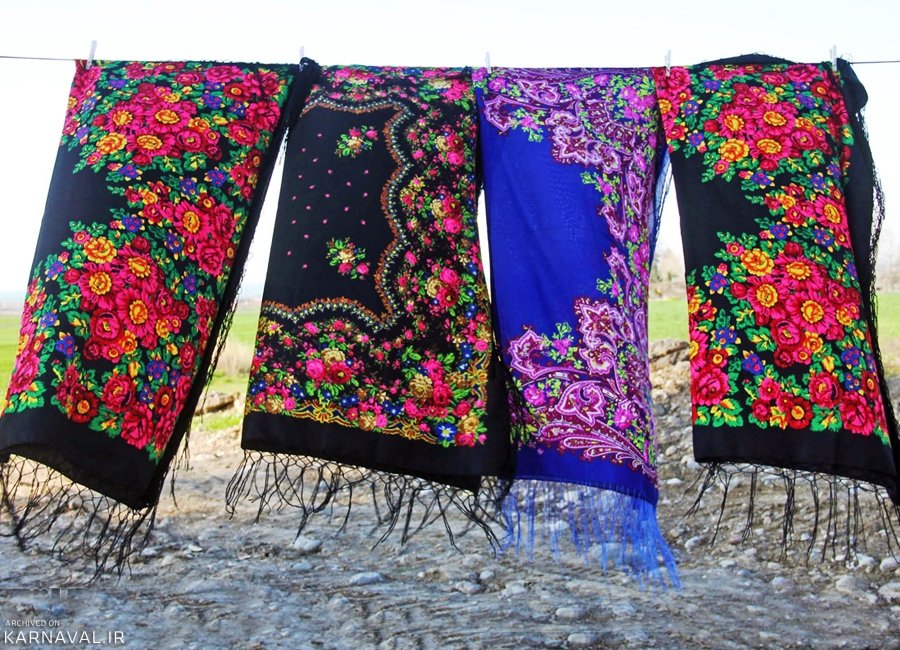
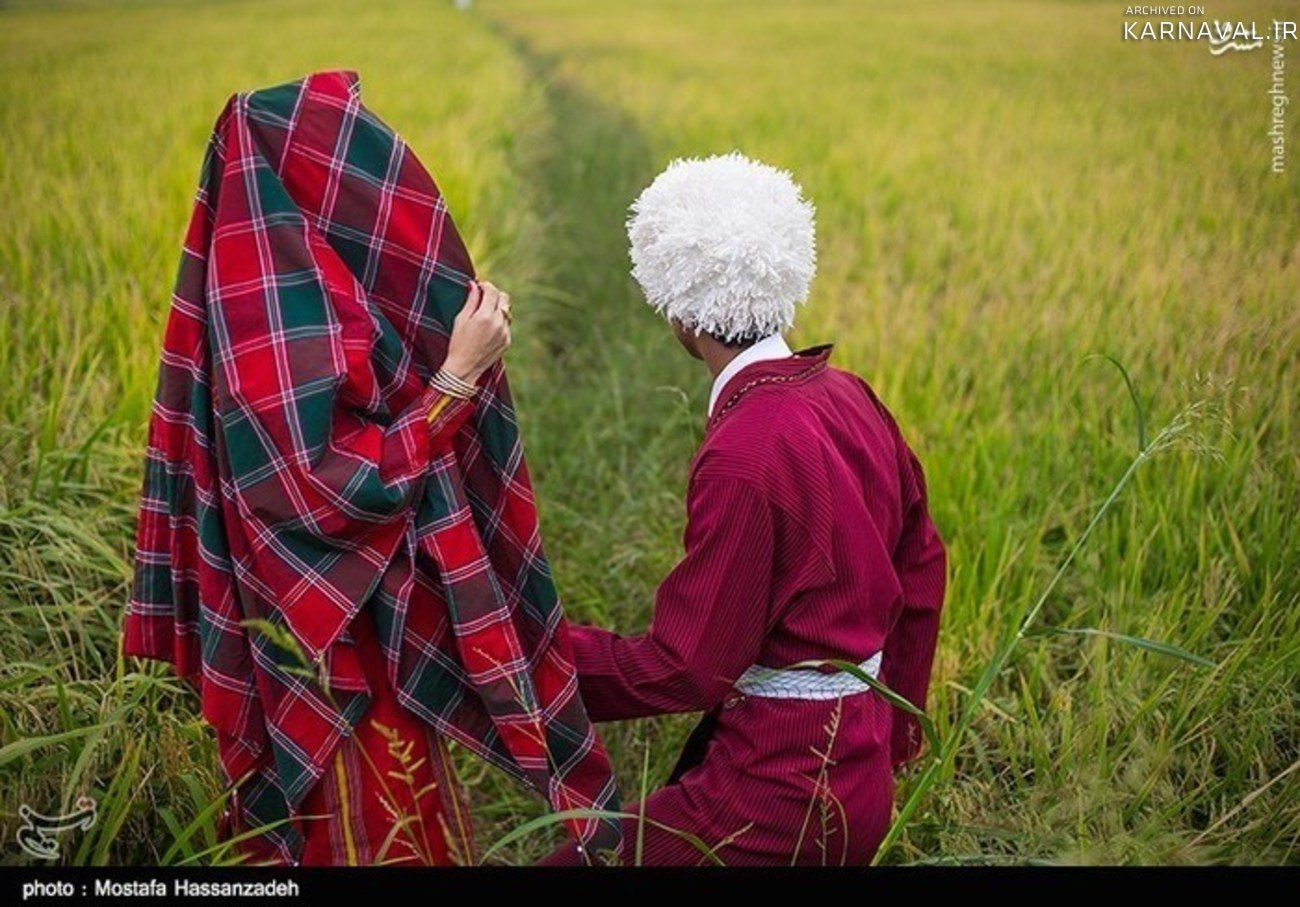
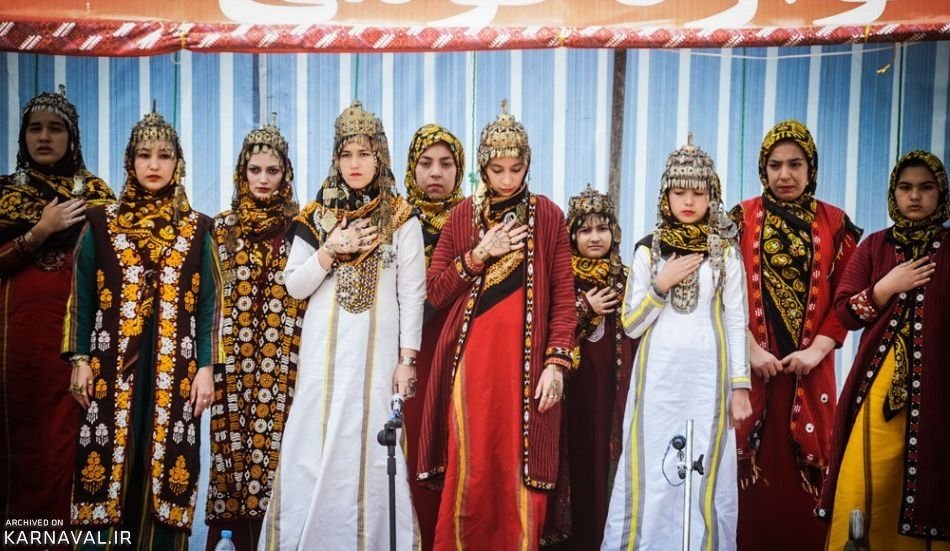
One of the most beautiful local costumes in Iran belongs to Turkmens and spans a large cultural domain including countries such as Turkmenistan and even Afghan Turkmens. Men and women’s outfits each have something different to say. Men’s clothing includes a whole variety of items, namely various types of hats. And the striking feature of Turkmen women’s clothes is beautiful Turkmen scarves which come in different colours and designs and are an integral part of Turkmen garments. In addition to scarves, different other types of local outfits and decorative items are also used by Turkmen women.
1 of 3
Turkmen Music
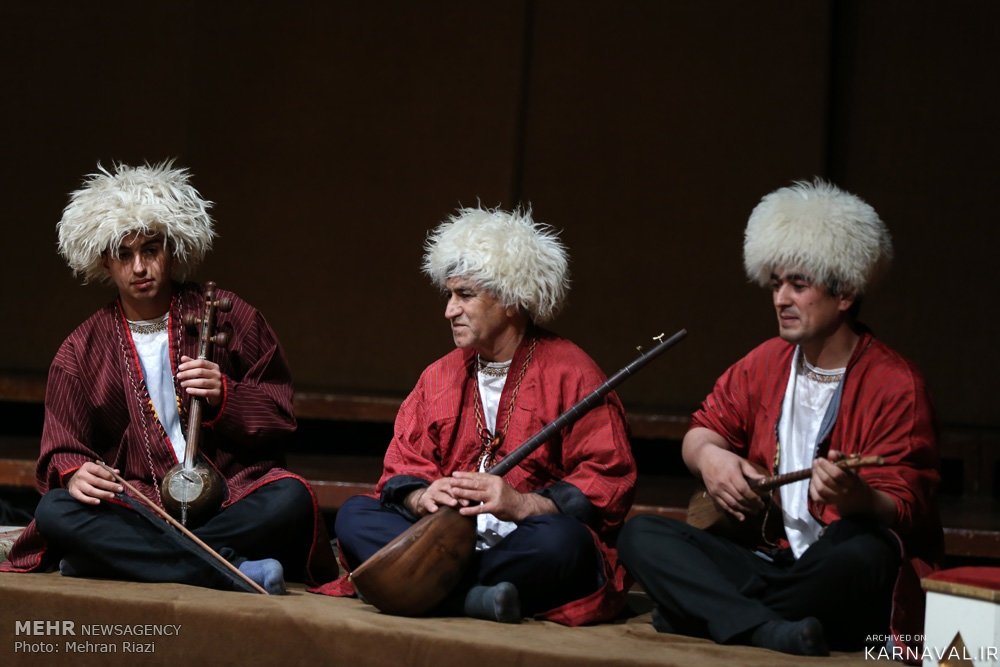
The Turkmen music is an intangible culture shared across the geographical region of Turkmen Sahra. This rich music can be heard in Iran and neighbouring Turkmenistan and Afghanistan.
Overall, the Turkmen music is inspired by nature and culture, and when played, it contains sounds of tribes migrating, water running, wind blowing, rugs being woven, spinning wheels turning, etc.
Turkmen Rugs
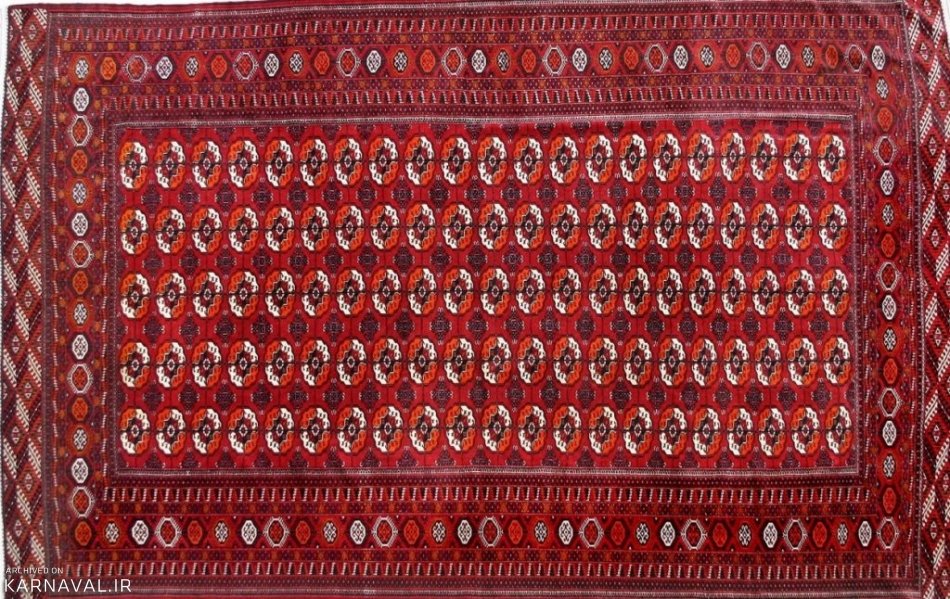
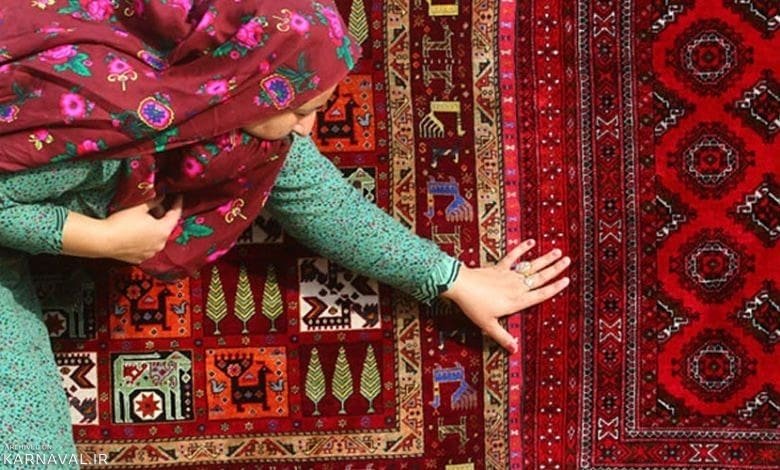
The Turkmen rug has important features such as being plain and simple as it is woven in accordance with people’s needs. Nevertheless, some Turkmen rugs are more elaborate and have more designs and can be termed “luxury” rugs. Unlike other Iranian rugs such as those woven in Tabriz, Kerman, Kashan or Qom, the Turkmen rug is limited in colour and mostly contains dark colours such as black, dark red, grey, navy blue, etc. Turkmen rugs usually measure between 1 to 12 metres in length.