Tuesday, December 23, 2025
Home Blog Page 2660

Diplomats Discuss Implementation of Iran-Iraq Deals

Diplomats Discuss Implementation of Iran-Iraq Deals

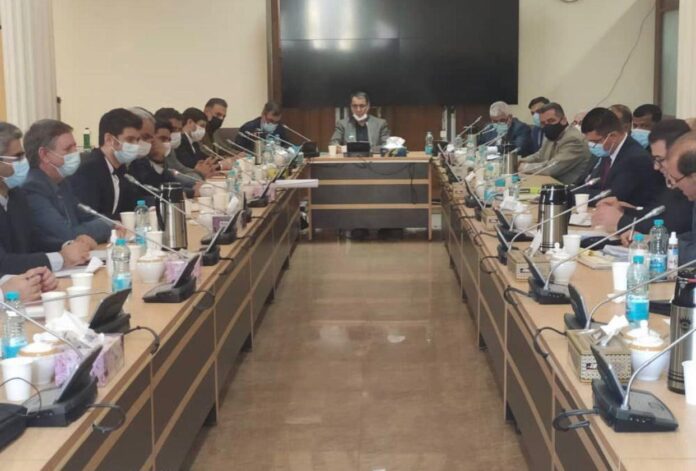
Chaired by Iran’s Deputy Foreign Minister for International and Legal Affairs Mohsen Baharvand and Senior Undersecretary of Foreign Ministry of Iraq Abdul-Karim Hashim, a meeting was held between the Iranian and Iraqi delegations in Tehran on Wednesday.

Attended by the representatives of various Iranian and Iraqi organizations, the meeting was convened in an effort to carry out the agreements in a communiqué issued by the heads of the Islamic Republic of Iran and the Republic of Iraq back in 2018.

The two sides discussed various topics in the negotiations, including the common border issues, the plans for dredging the Arvand River, and the railroad cooperation.

US Election Results Unimportant to Iran: Vaezi

US Election Results Unimportant to Iran

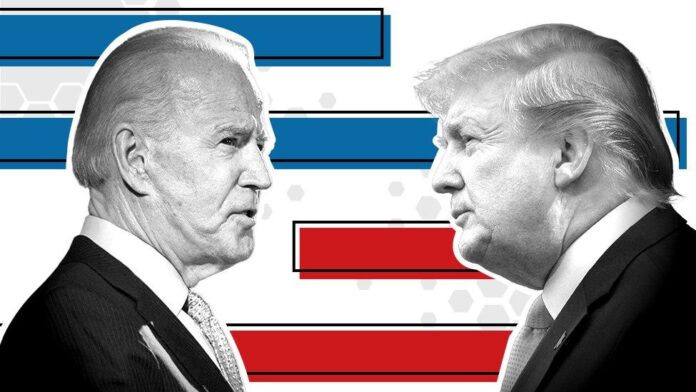
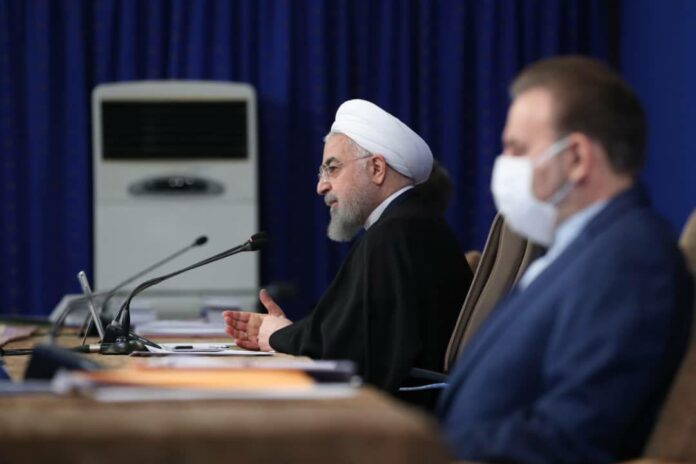
Speaking to reporters on the sidelines of a cabinet meeting on Wednesday, Mahmoud Vaezi said the US presidential election’s results would have no impact on Iran’s clear policies.

“It makes no difference to us which party wins the (US) election, as our policy is clear and definite,” he noted.

Vaezi said the US government has constantly worked on a propaganda campaign against Tehran and has intensified the anti-Iranian sanctions over the past recent weeks to gain a benefit ahead of the presidential election.

Trump has extremely bad conditions in this election. He’s falling far behind his rival,” the Iranian president’s chief of staff added.

He said the Trump administration has stepped up pressures on Iran in order to “take steps in its external action and draw the US public opinion’s attention to the foreign issues, considering its weaknesses in (handling) the coronavirus and the very heavy death toll they have recorder” in the US.

The US election results would have no effect on Iran, since Washington has already done anything it has been able to do, Vaezi noted.

“You saw during the past two or three days that our people and our market -the (gold) coin market, the currency market and the other markets- have reacted differently to the American pressures,” he stated, saying the US administration’s last-ditch attempts will get nowhere.

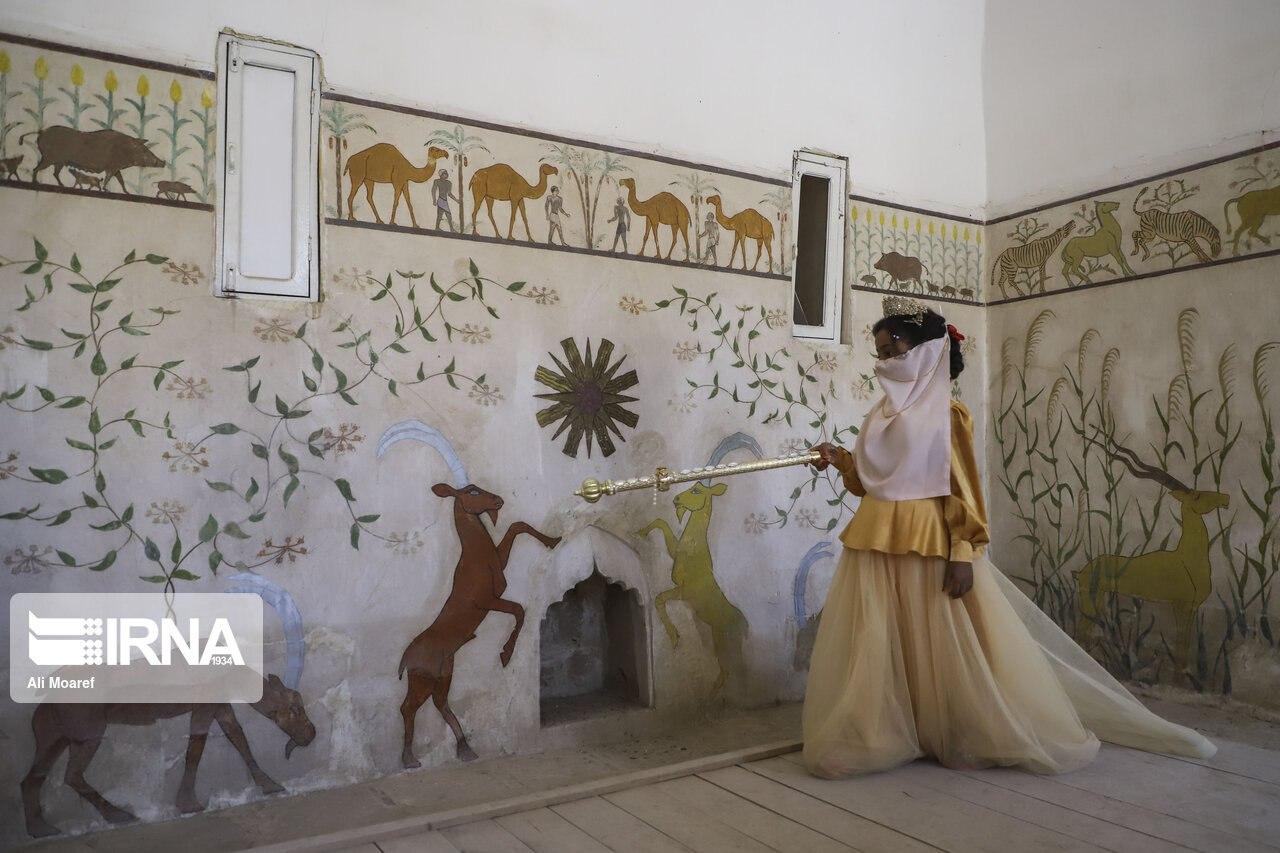
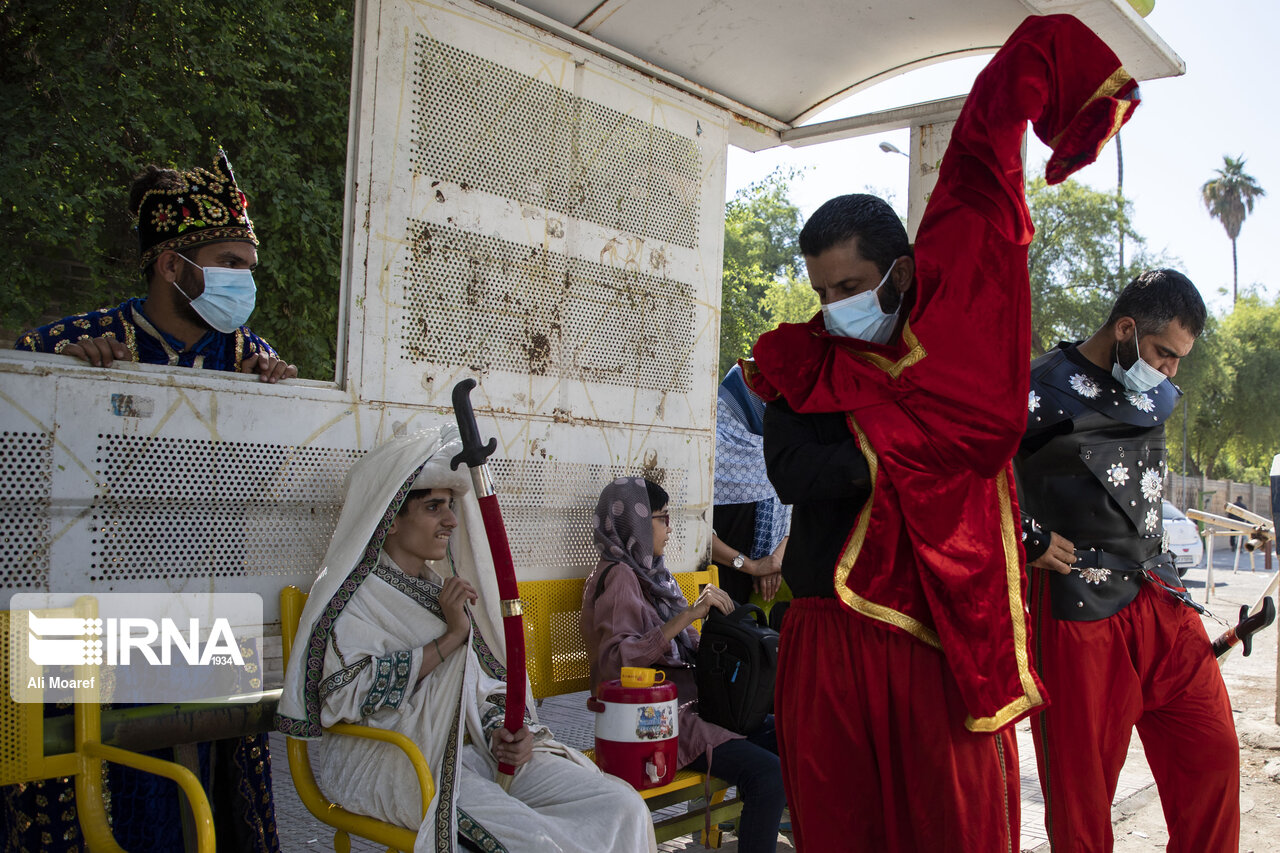
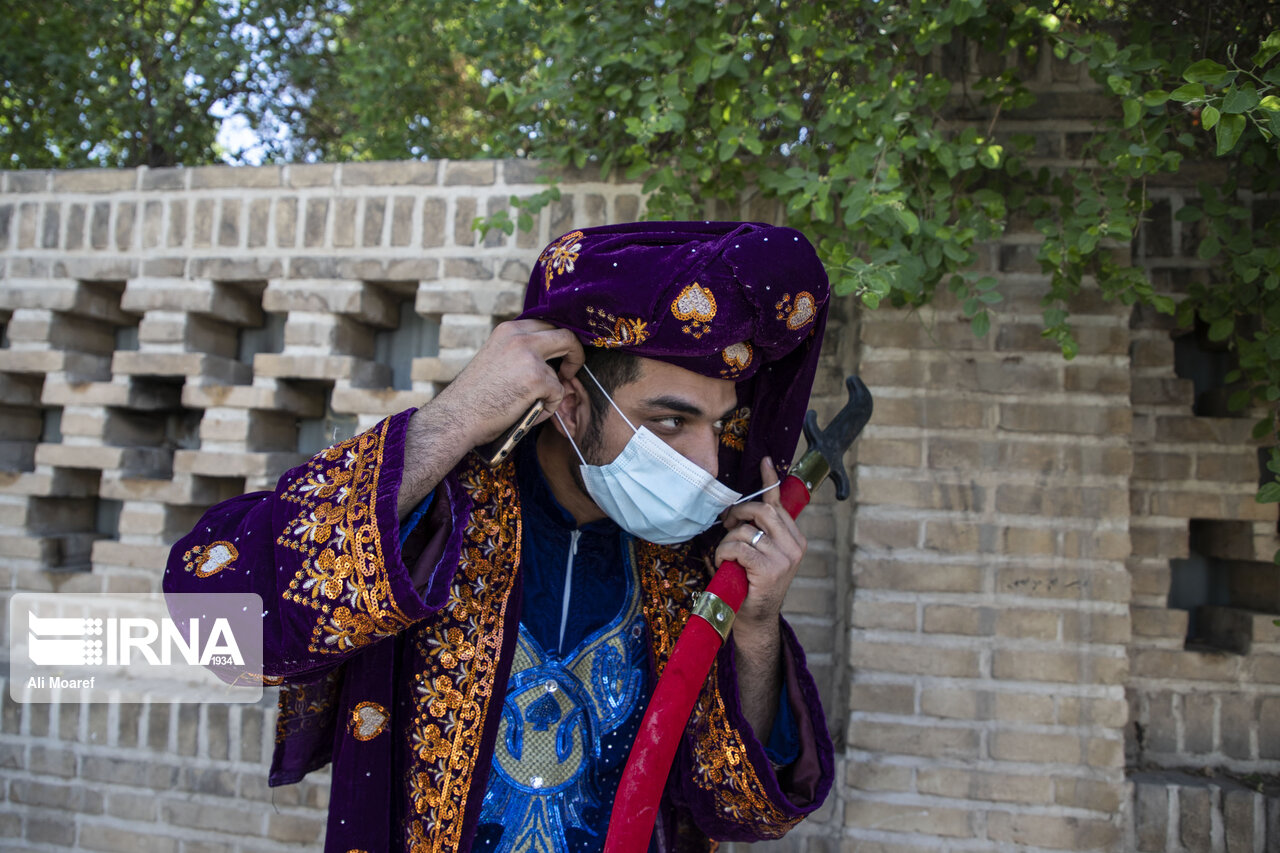
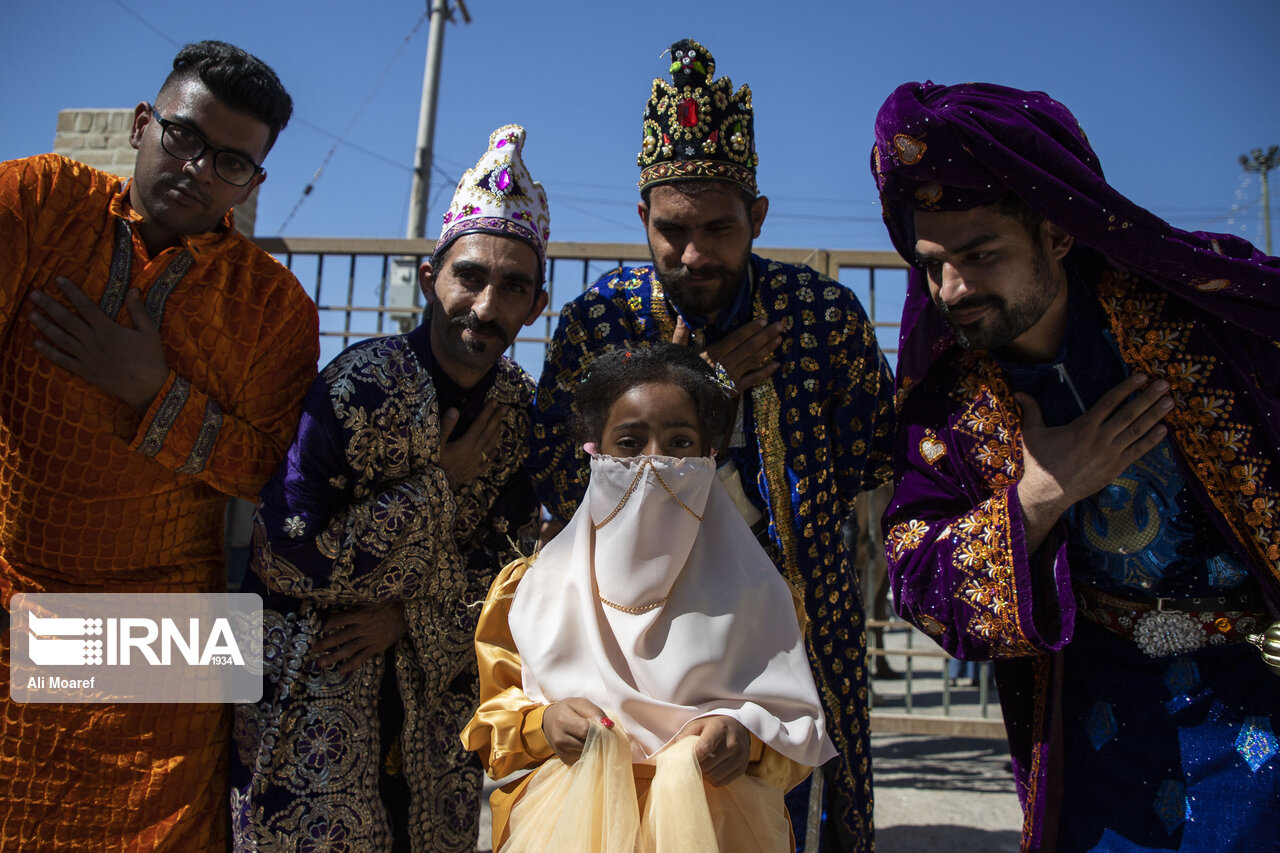
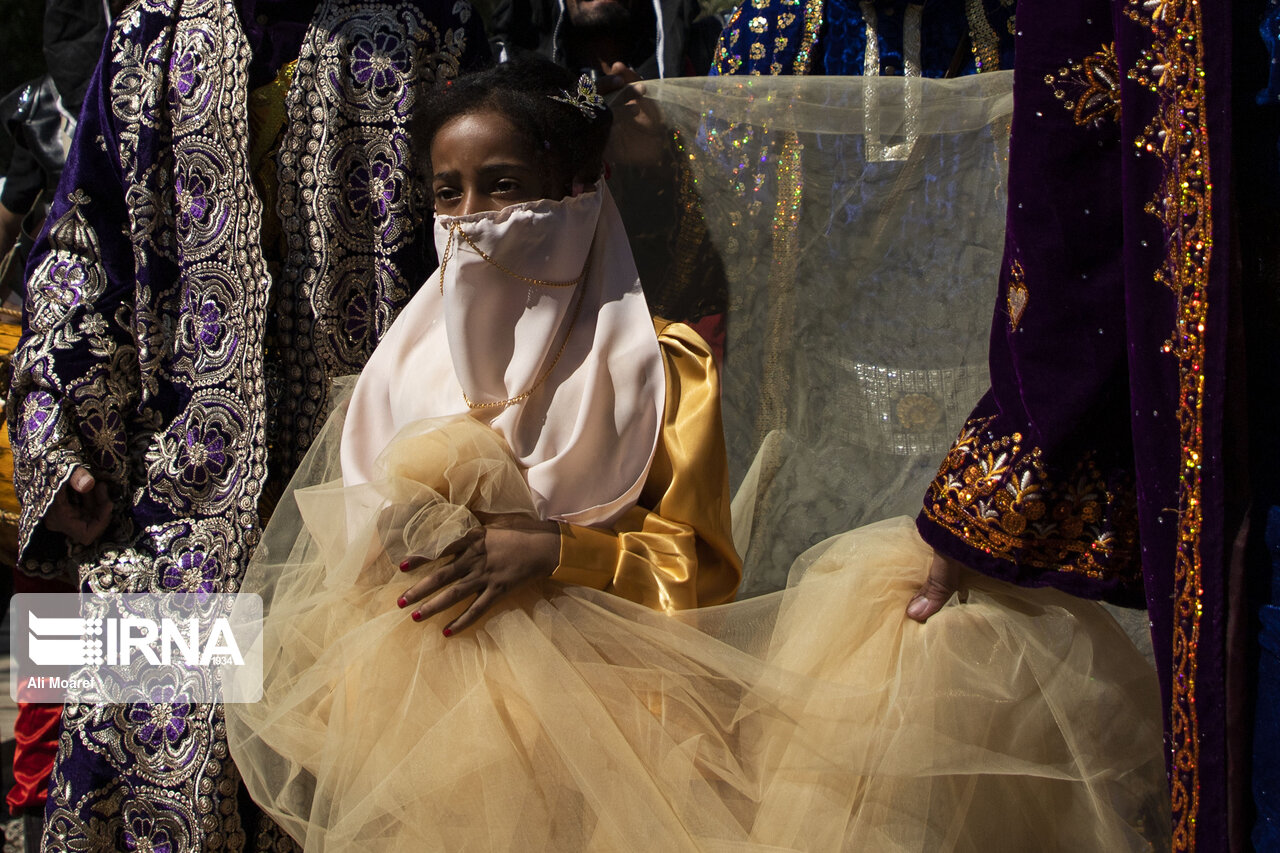
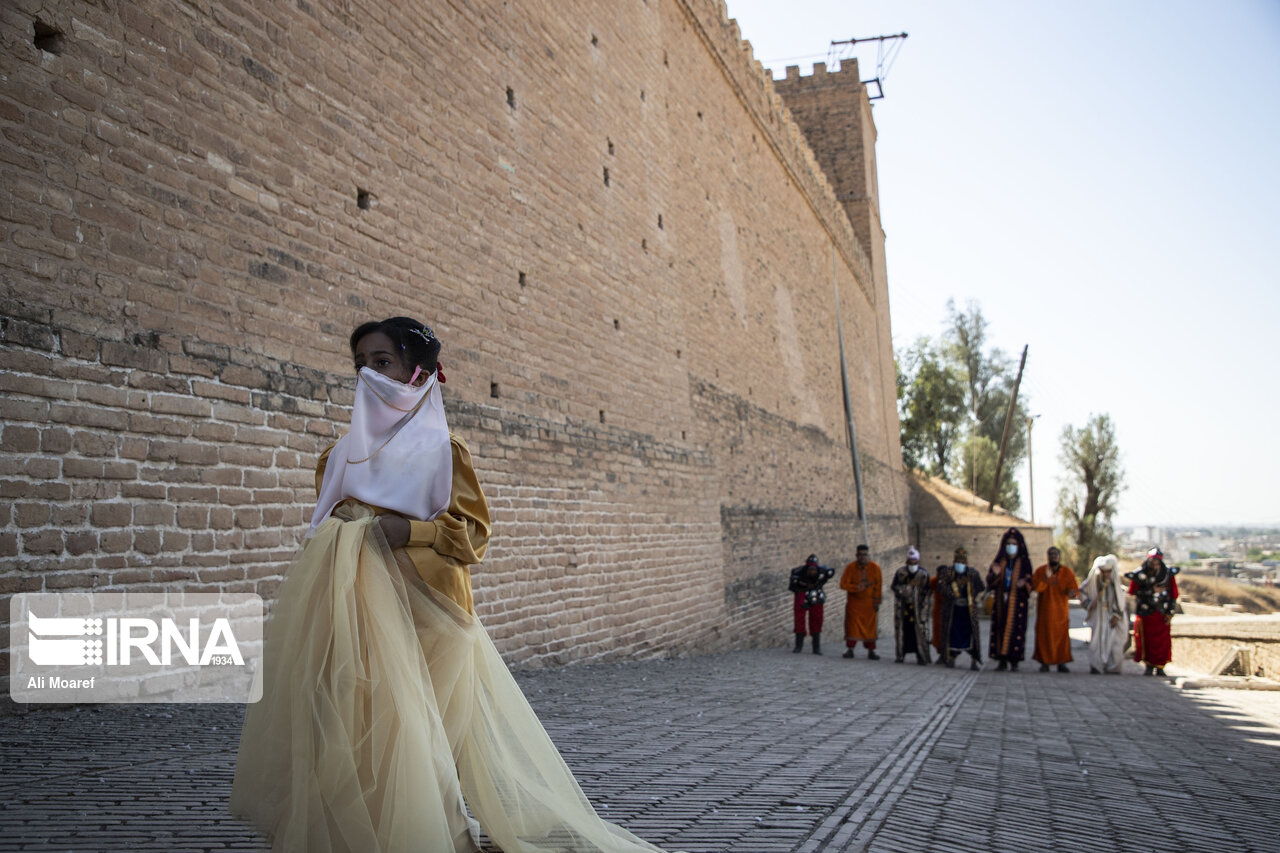
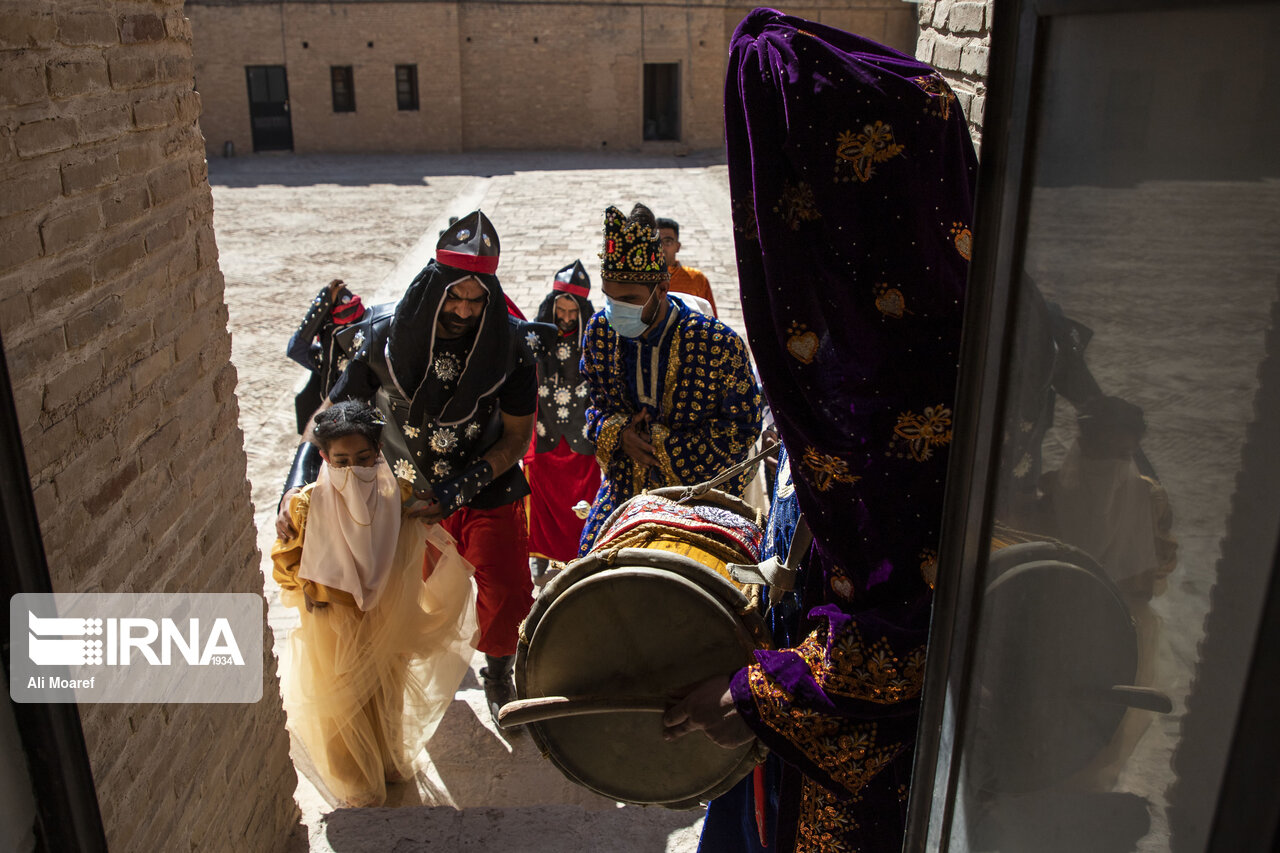
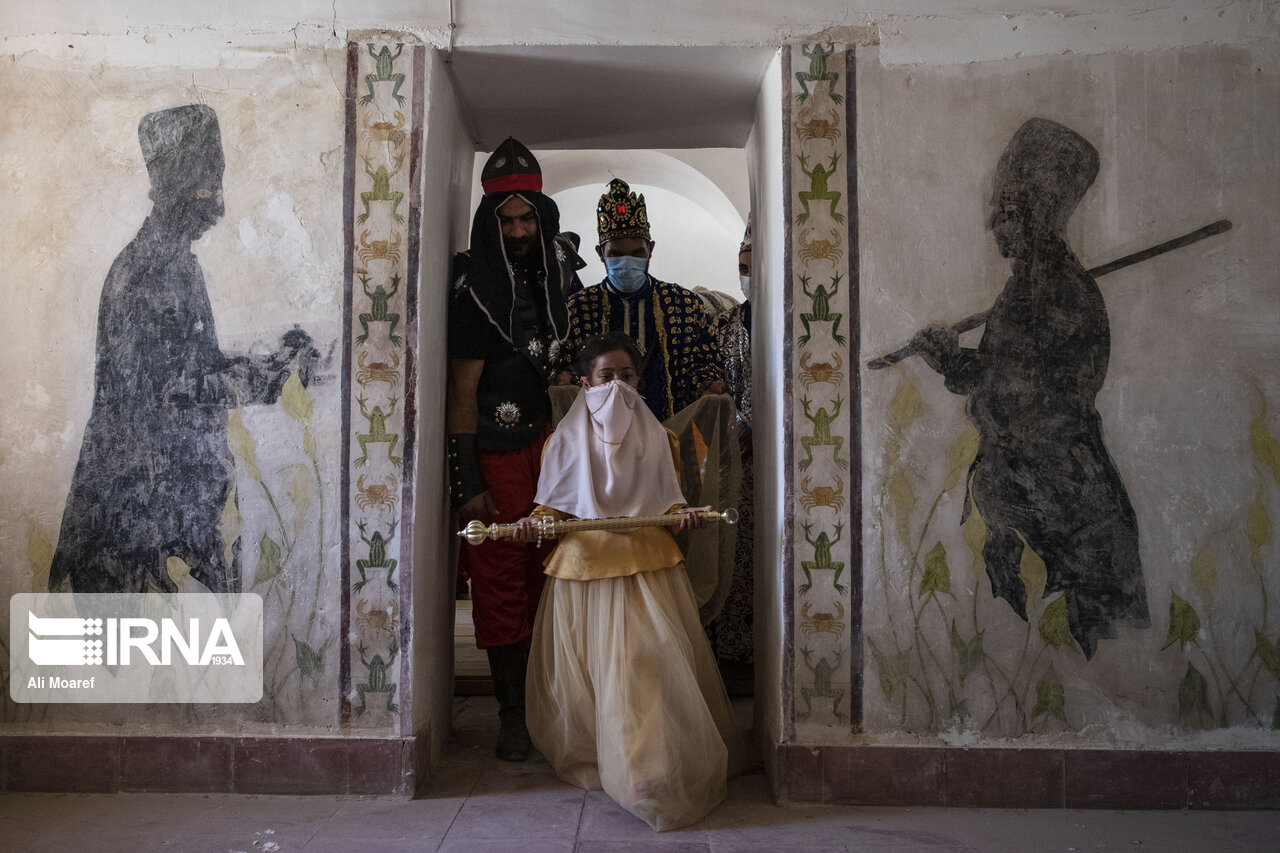
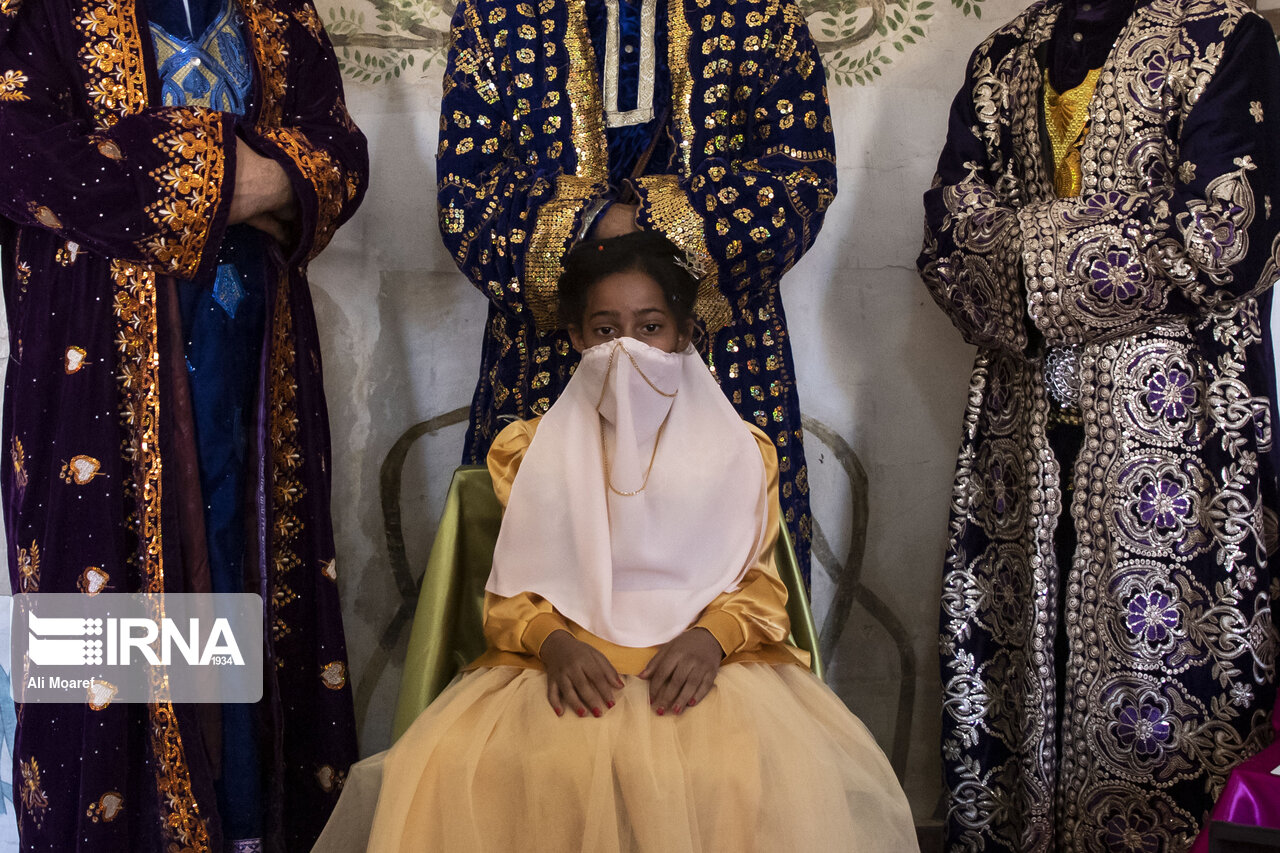
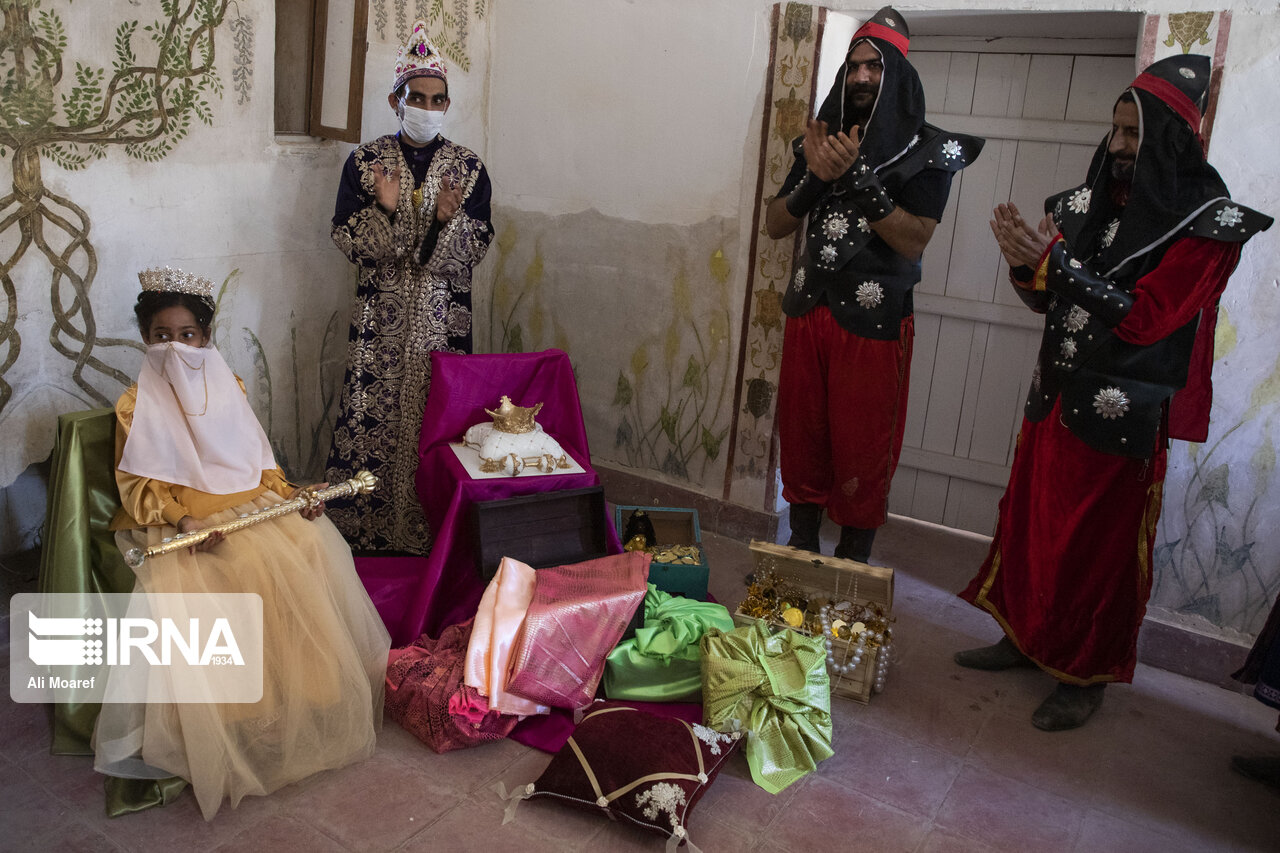
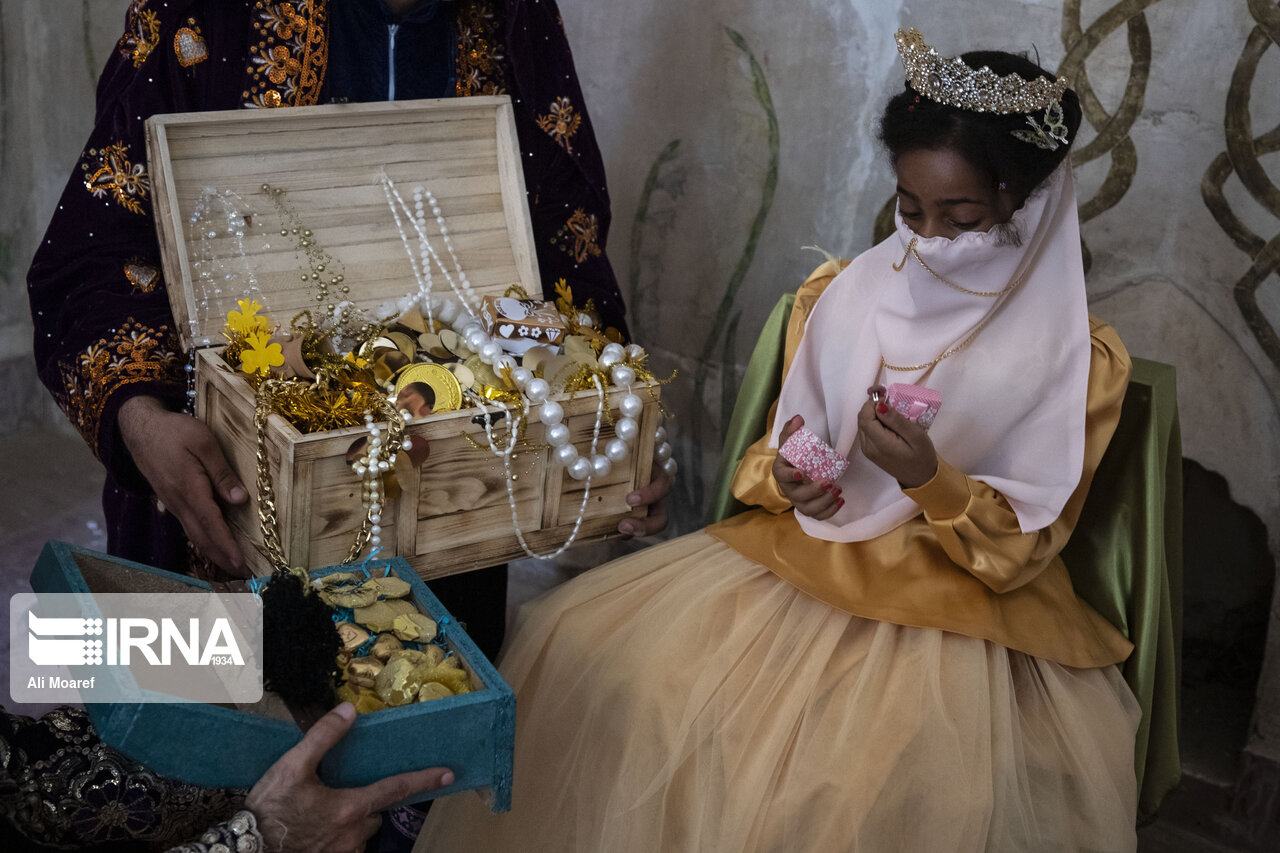
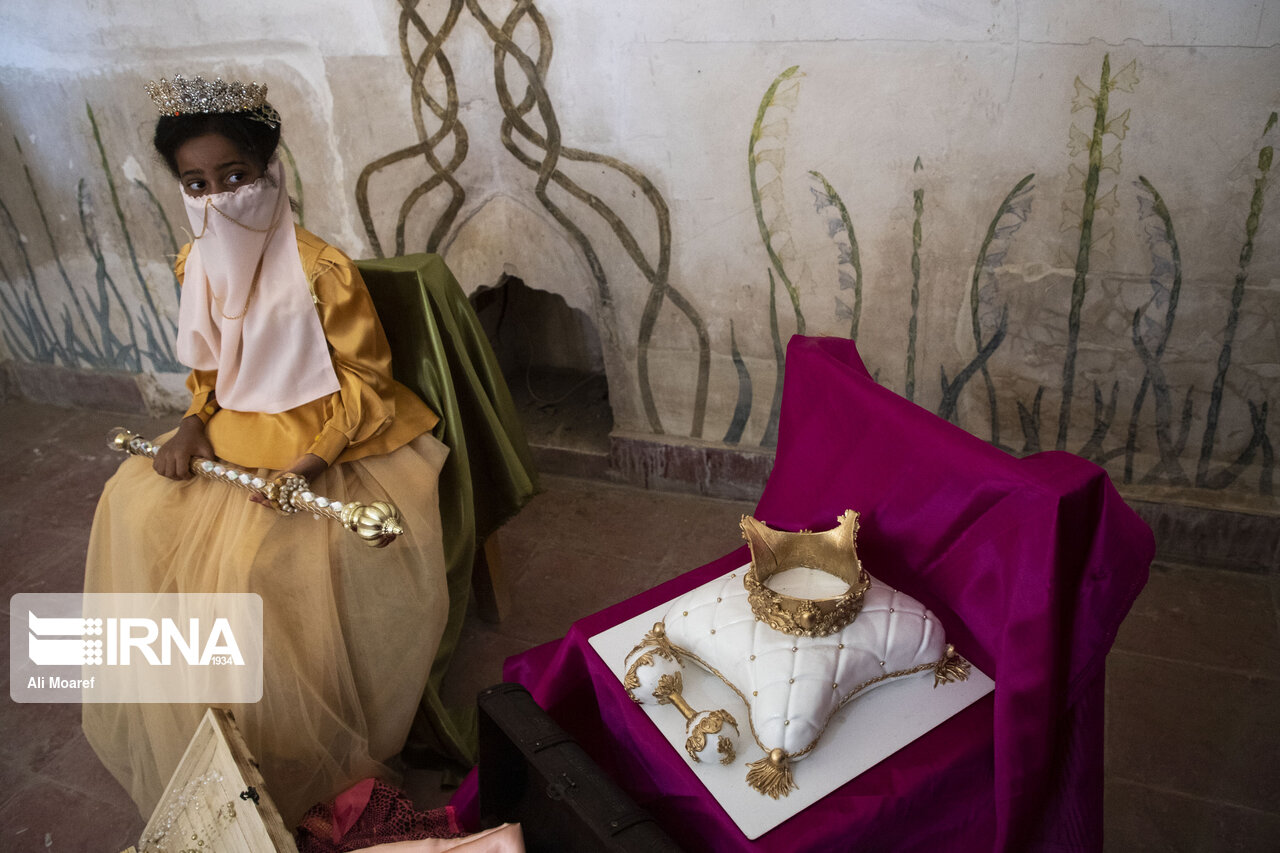
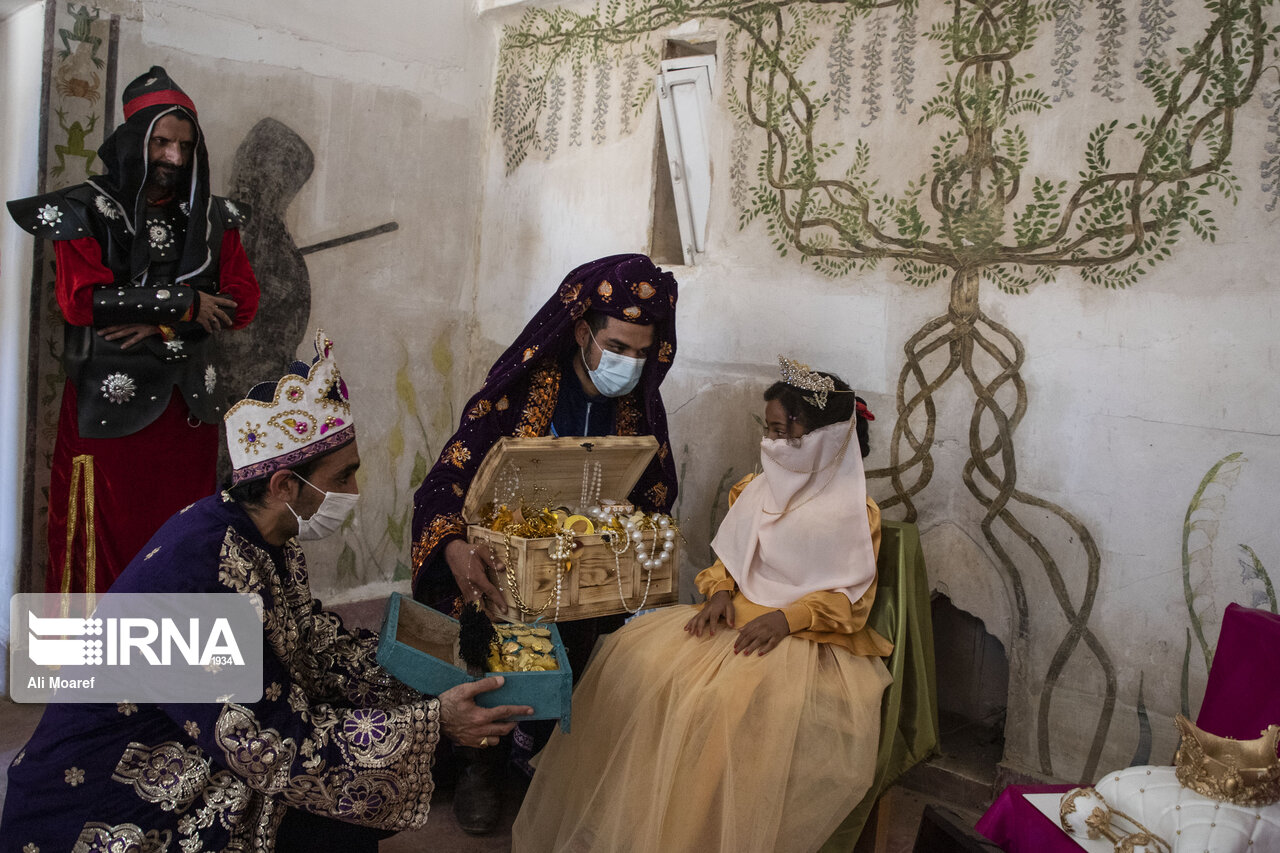
7-Year-Old Cancer Girl’s Wish Comes True in Ancient Castle of Shush

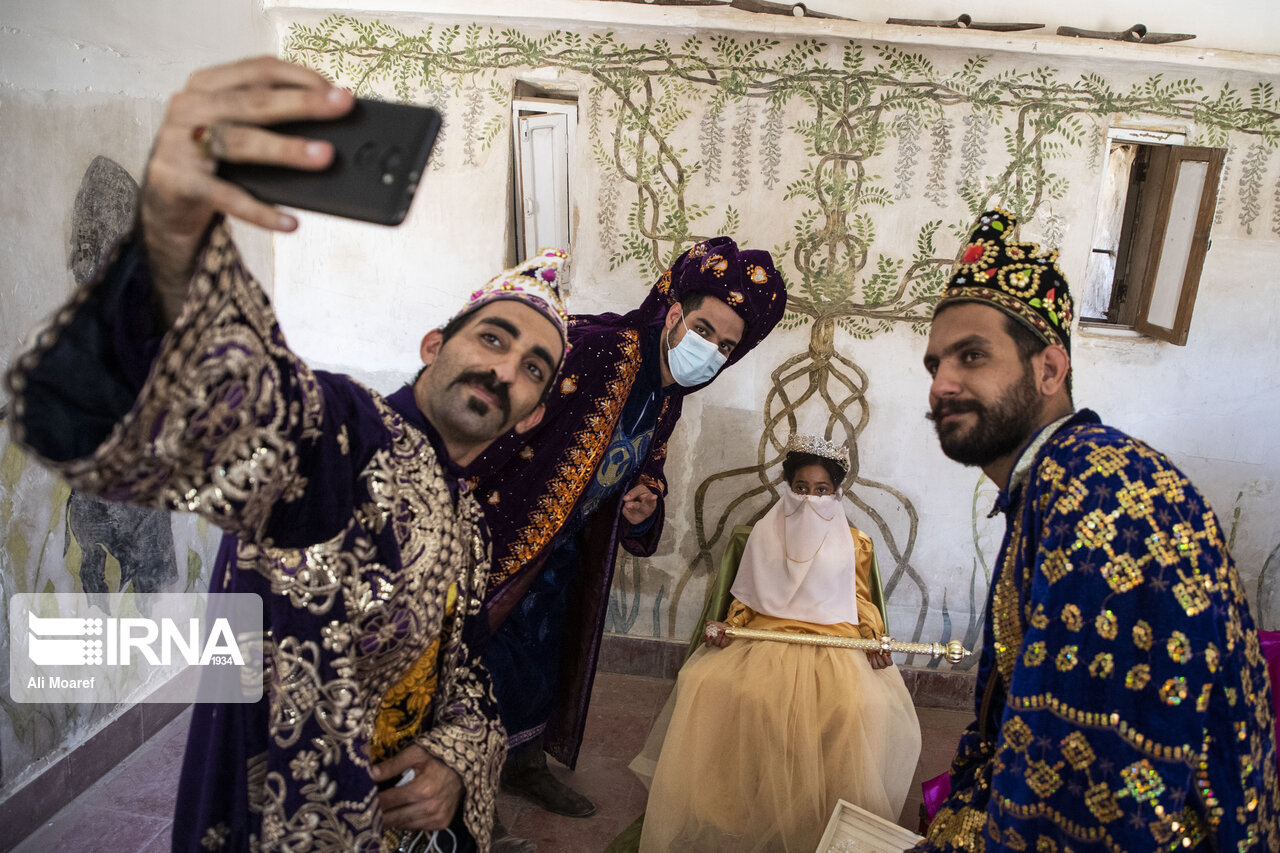
7-Year-Old Cancer Girl's Wish Comes True in Ancient Castle of Shush 1

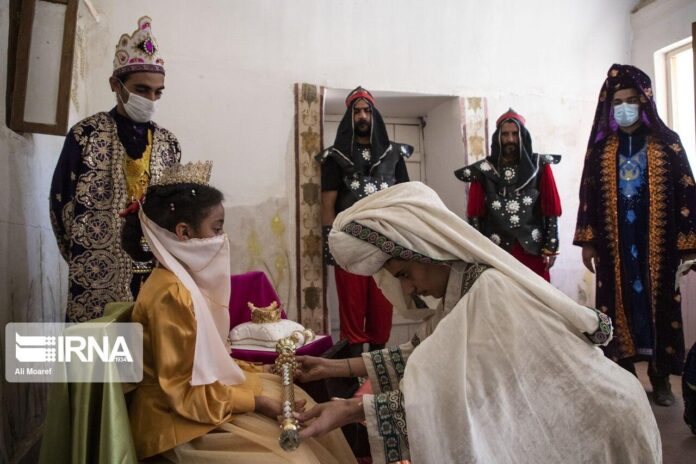
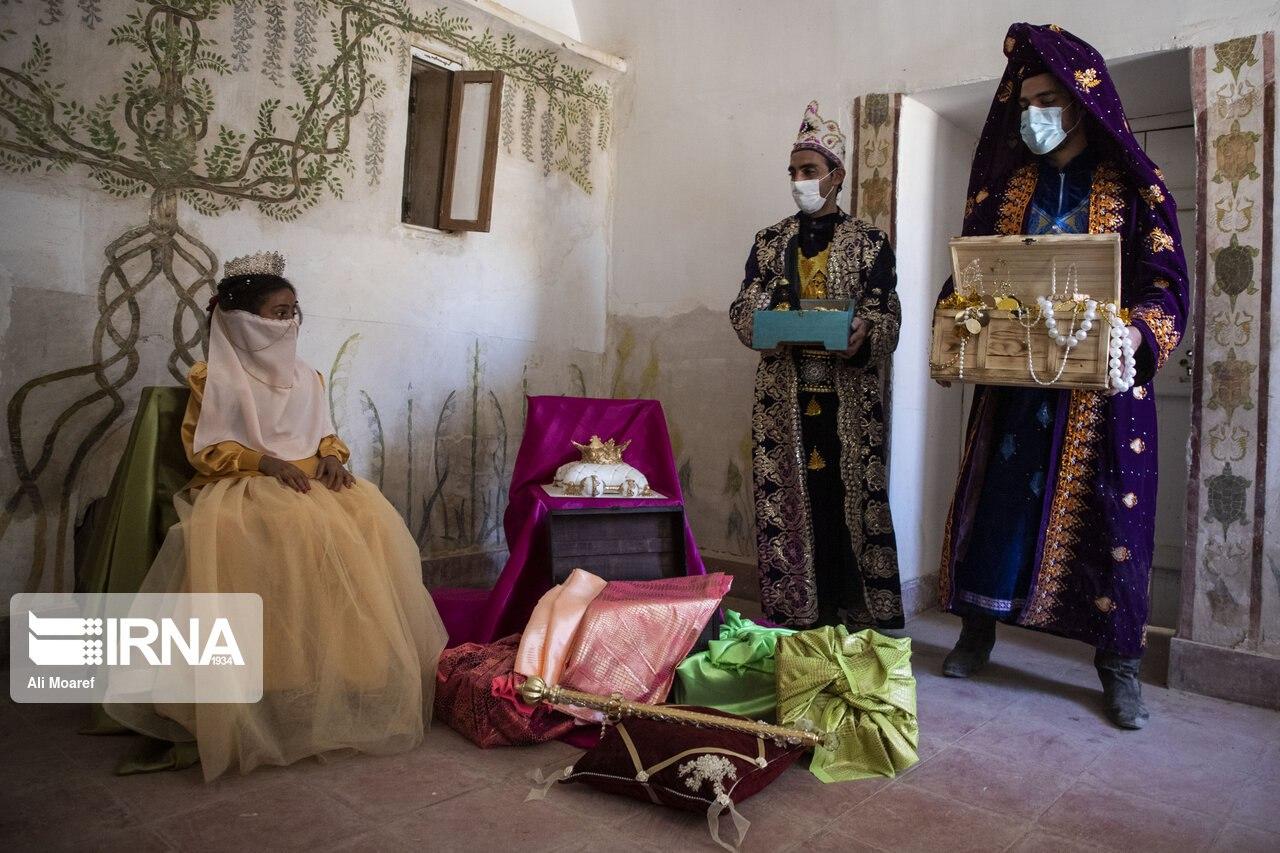
Now the girl’s wish has come true in the Shush Castle located in the ancient city of Susa in south-western Iran.

What follows are IRNA’s photos of the queen and her royal guards:

Iran’s President Hails Arms Embargo Lifting as Victory of Logic over Force

Iran’s President Hails Arms Embargo Lifting as Victory of Logic over Force

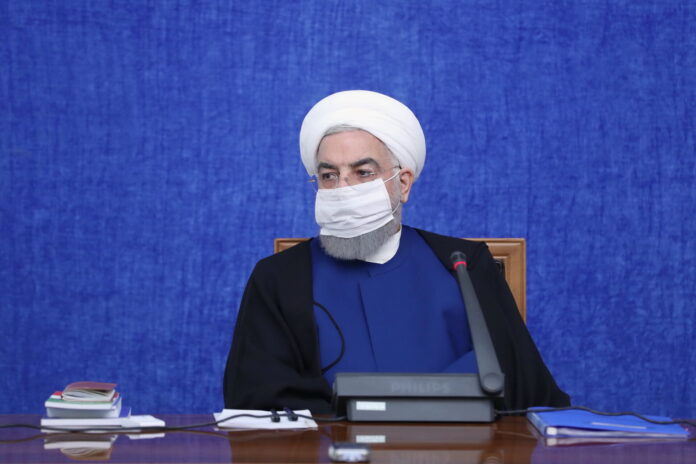
Addressing a weekly cabinet session on Wednesday, President Rouhani lauded the country’s major victory after the US government’s attempts and obstructive tactics failed to prevent the termination of the UN arms embargo on Tehran.

“It doesn’t matter how much weapons we purchase or sell with the arms embargo lifted. What is important is that the logic of right and righteousness and the logic of law and rationalism defeated force and bullying, and that the Iranian nation achieved its rights,” the president added.

President Rouhani also highlighted the failure of the US and the Zionist regime to convince the JCPOA parties to withdraw from the nuclear deal, saying the Islamic Republic behaved wisely and adopted a “very complicated and calculated policy” after Washington’s unilateral withdrawal from the nuclear accord.

Today, one can definitely conclude that the US’ actions against the Iranian nation have ended in failure, the president underlined.

“It is by no means important for the Islamic Republic of Iran who wins the US presidential election, because any government taking power in the US would have to surrender to the Iranian nation,” President Rouhani noted.

The president further highlighted Iran’s efforts to boost the non-oil exports despite the enemy’s disruptive measures, adding, “Diversification of the country’s non-oil exports prevented the enemy from obstructing or disrupting our country’s non-oil exports.”

Iranian Army, IRGC Start Massive Air Defence Exercises

Iranian Army, IRGC Start Massive Air Defence Exercises

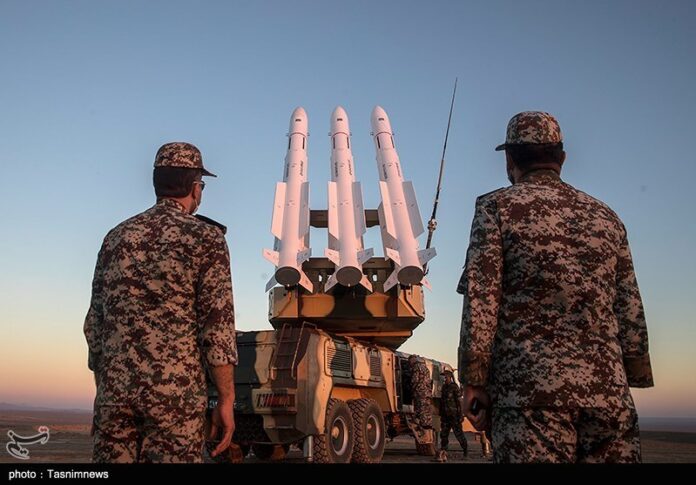
The joint air defense exercise, codenamed ‘Guardians of Velayat Sky-99’, kicked off on Wednesday morning, attended by air defense units from the Army and the Islamic Revolution Guards Corps (IRGC).

Various types of homegrown missile systems, radars, electronic warfare equipment, and communication systems have been employed in the war game to practice countering aerial threats in low, medium and high altitudes.

Organizers say the drill is aimed at boosting the combat preparedness and consolidate the air defense capabilities of the Armed Forces in simulated real-war conditions.

Iranian fighter jets, bombers and drones are flown in the war game.

Iran’s Air Defense holds annual war games in order to enhance capabilities to defend the country’s airspace.

In 2018, Leader of the Islamic Revolution Ayatollah Seyed Ali Khamenei underlined the important role that Iran’s Air Defense plays in protecting the country, saying it is on the front line of countering enemies.

Iran’s UN Envoy Stresses Sovereignty over Trio of Persian Islands

Iran's UN Envoy Stresses Sovereignty over Trio of Persian Islands

Speaking at a virtual meeting of the UN Security Council on Tuesday, Majid Takht-Ravanchi reacted to some unsubstantiated accusations raised against Iran’s regional role and attempts to dispute the country’s sovereignty over the trio.

Earlier at the session, Secretary General of the Persian Gulf Cooperation Council (GCC) Nayef Falah al-Hajraf had urged Iran to respond to the body’s call to resolve the dispute over the islands through negotiations.

“Since the issue related to Iranian islands has been mentioned here, I have to say that Abu Musa, Greater and Lesser Tunb islands have always been part of Iran. These islands are Iranian and will remain so,” Takht-Ravanchi said in response.

The strategically-positioned islands of the Greater Tunb, the Lesser Tunb and Abu Musa have always been part of Iran, the proof of which can be found in and corroborated by countless historical, legal, and geographical documents in Iran and other parts of the world. However, the United Arab Emirates has repeatedly laid baseless claims to the islands.

Referring to Iran’s peaceful role in the Persian Gulf region, the envoy said, “The Islamic Republic of Iran has played an incontestable role in ensuring energy security, commercial navigation and stability in the Persian Gulf region and we will continue to contribute to the promotion of peace and security in this sensitive region.”

He also stressed that the Islamic Republic’s defensive requirements, including its missile program, stem from “geostrategic calculations and a significant historical experience.”

Iran, he added, is building up its defense capabilities in a bid to protect itself from the crimes similar to those committed by former Iraqi dictator Saddam Hussein during the 1980-88 imposed war.

“During Saddam Hossein’s eight-year aggression against Iran that was supported through different means by the US and a number of Persian Gulf Cooperation Council countries, our cities were showered by Iraqi missiles and our people [fell] victim to chemical and other lethal weapons provided to Saddam mainly by the West. Simultaneously, unjust sanctions and restrictions deprived us of rudimentary means of self-defense. It is our responsibility now to prevent the recurrence of such appalling situation,” Takht-Ravanchi said.

Elsewhere in his address, the Iranian ambassador criticized certain Persian Gulf states with huge military expenditures for turning the region into “a powder keg” and committing war crimes against the Yemenis.

“It should be borne in mind that security must originate from within and cannot be purchased from outside. Those in our region who spend hundreds of billions of dollars on sophisticated armaments annually should realize that huge military expenditures neither create legitimacy nor long-lasting security,” he said.

“They have only turned our region into a powder keg. And the only beneficiaries are the exporters of these deadly weapons. Some GCC forces are using these sophisticated armaments against the innocent people of Yemen who are experiencing the worst man-made humanitarian catastrophe of contemporary history; a clear case of war crime.”

Nonetheless, Takht-Ravanchi underlined the need for promoting cooperation on an equal footing as well as building mutual trust and respect for sovereignty and territorial integrity of states and no interference in their internal affairs.

“Let me conclude by once again reiterating our call for a constructive dialog with our neighbors with a view to dispelling misunderstandings and restoring friendly relations among all littoral States of the Persian Gulf,” he added.

Picking Correct Tools for Distant Learning

Picking Correct Tools for Distant Learning

For tutors, allowing students to check for useful information on the term paper assistance site alone no longer proved sufficient, and therefore, most of them converged to offer different solutions to the needy students online.

But with the increasing volume of information and tools available online, tutors, learners, and parents can easily get confused about the best digital tools to use. So what digital tool should you look for and actively utilize in your online-based learning programs?

The Correct Tools for Distant Learning

  • Game-Based Learning Tools

Game-based learning tools can become useful for students in picking activities that meet their particular interests and needs while providing tutors with access to their data in adjusting lessons suitably. You can select the various game-based tools such as Gimkit, Kahoot, Quizlet, Quizizz, and Educandy based on your preference. The common feature of all these games involve fun despite helping with learning in the form of word searches, anagrams, etc.

  • Interactive Lessons

Several tools exist when it comes to sharing media content and developing interactive lessons that can engage learners in understanding academic concepts. All you need entails the creation of an account besides getting an activity or lesson to begin with. Such tools consist of Nearpod, Pear Deck, BrainPop, etc.

  • Storytelling

Many different ways exist in which students can display their understanding of the concepts taught. Because tutors have to prepare learners not only for the immediate but the future, technology becomes central in educating them. It mainly arises because technology will dominate almost every sphere of life then, and it proves sensible for them to start getting used to some.

Further, it assists everyone, including the students in getting exposed to diverse opportunities that can get explored in content creation, especially the format. Additionally, the family can participate in helping the student learn, and also get involved when creating content of their choice. Such storytelling tools include Flipgrid, Buncee, and StoryboardThat.

  • Daily Activities besides Connecting. Tutors and parents eagerly search for ideas in effecting remote learning to home activities. One of the top resources includes an activity listing for diverse subjects, roles, and age groups in education. For instance, Lynne Herr developed a COVID-19 global support listing by utilizing the Glide.app. The resource included an enormous amount of content and subjects that cater to everyone.

The resource includes Live Cams that helps you to learn about places, animals, and climate, among others by watching live feeds from diverse locations world-over. Other resources entail NASA that has more than one hundred and forty thousand pictures and resources in their library. Daily read-aloud, Khan Academy, Livestream activities, Crash courses, Scholastic, and Virtual 360 tours entail the rest of the resources, among many others available for use in learning.

Conclusion

Having the right digital tools and resources to learn online can enable you to not only continue with your schoolwork during this forced break, but expand your knowledge in several things that wouldn’t have passed as possible before. All you need to do entails picking a resource or a tool among the pool of available ones online. The ones discussed above offers a great place to start if unsure of what to use.

Iran FM Discusses Persian Gulf Situation in UNSC Speech

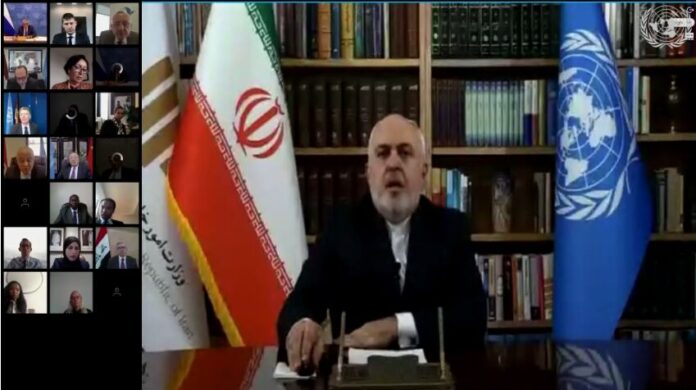
Iran FM Discusses Persian Gulf Situation in UNSC Speech

“We can choose to remain prisoners of the past and perpetuate instability and tension. Or, all of us can choose peace, security, stability, and prosperity for all,” Foreign Minister Zarif said in his speech.

“The choice should be obvious to all,” he added.
What follows is the full text of the statement:

In the Name of God, the Compassionate, the Merciful

Mr. President,

Allow me to begin by thanking you for convening this important meeting, and thank Russia for its constructive initiatives. I would also like to acknowledge and welcome the initiative by my friend, State Councilor Wang Yi. 

A year ago, I participated in a similar meeting of the Security Council, presided by you, Minister Lavrov, to present the Hormuz Peace Endeavor—or HOPE—that had just been launched by President Rouhani in his address to the General Assembly. 

Iran stands by that initiative which is the culmination of various Iranian proposals for security and confidence building in the Persian Gulf region. Our first proposal in 1985 became the foundation of paragraphs 5 and 8 of Security Council Resolution 598, which read:

  1. Calls uponall other States to exercise the utmost restraint and to refrain from any act which may lead to further escalation and widening of the conflict and thus to facilitate the implementation of the present resolution;

….

  1. 8Further requeststhe Secretary-General to examine in consultation with Iran and Iraq and with other states of the region measures to enhance the security and stability of the region;

Regrettably—and despite our persistent follow-ups—those paragraphs remain unimplemented.  

And our region has since been the scene of several wars, massive foreign military buildups, ensuing nightmare of extremism and terrorism, dangerous accumulation of the most sophisticated weaponry, and aggression and power projection by various actors.

The disparities in power, geographic size, and natural and human resources are very real. Historical anxieties and rivalries among many regional countries cannot be overlooked. But three flawed prescriptions have caused catastrophic consequences: 

First, that you can purchase security from others: Be it from Saddam Hussein invading Iran on some of our neighbor’s behalf; or from the U.S. coming to rescue our neighbors from the monster that they had together created; or through unprecedented purchase of military hardware. 

Second, that you can have security at the expense of the insecurity of your neighbors: Be it Iran, Kuwait or Qatar at one time or another. 

And third, that you can establish regional hegemony: Be it in Yemen, North Africa or the Horn of Africa.

Extra-regional actors have looked at our regional disparities, unending rivalries, and new hegemonic illusions as opportunities to expand their military presence and to sell more weapons.

The U.S. has deployed nearly 50,000 troops in the Persian Gulf region in 29 military installations with more than 300 combat aircraft. 

It has at least one aircraft carrier patrolling our waters at any given time, as well as tens of destroyers and other vessels with four Central Command Headquarters for its Army and its Special Forces, Air Force, and Navy. 

And, from 2014 to 2018, the Persian Gulf States accounted for nearly one quarter of global arms imports, almost double compared to the preceding five years. Unsurprisingly, the United States sold most of these lethal armaments.

Yet, the military build-ups and hundreds of billions of dollars of arms sales have enhanced neither the security of the external powers, nor of the region. 

Let me take this opportunity here and express our appreciation to the overwhelming majority of Security Council members for rejecting U.S. efforts to kill the JCPOA and Security Council Resolution 2231.  Iran does not intend to engage in an arms race in the region and start a buying spree in spite of the end of Security Council restrictions.

For too long, foreign forces have come to our region to project their power, not to protect our people. 

The illegitimate U.S. presence—7600 miles from its shores— culminated in the cowardly assassination by President Trump of General Qassem Soleimani, Daesh’s Enemy No.1. 

Dear Friends,

Security is contingent on a reliance on our own peoples and cooperation with our own neighbors. 

Yes, with money one can buy the most sophisticated weaponry. But the truth is: security and stability can never be bought.

We need collective efforts by regional countries to establish inclusive dialogue and security networking in this region. Otherwise, we will all be engulfed in turmoil for generations to come.  

And our turmoil will be everyone’s turmoil.

We need a fundamental paradigm shift in our region. 

We need a strong region that precludes hegemonic illusions by any power—regional or global. 

A strong region that requires homegrown political and territorial stability. 

And a strong region in which all neighbors exercise strategic self-restraint. 

Our Hormuz Peace Endeavor (or HOPE) is founded on these imperatives.

HOPE also rests on the responsibility of every state in the region to ensure peace, stability and prosperity in our neighborhood, and to benefit from it. 

HOPE is founded on a commitment by all littoral states to:

  • Promote mutual understanding, peaceful and friendly relations and cooperation among all States and peoples of the Persian Gulf region; 
  • Ensure the territorial integrity and inviolability of international boundaries of all Persian Gulf littoral states; 
  • Cooperate in eradicating terrorism, extremism and sectarian tensions across the region; 
  • Promote peaceful resolution of all regional tensions and conflicts through enhanced communication and early warning; and
  • Ensure the freedom of navigation and energy security for all

To achieve these objectives, we propose adherence to common principles such as 

  • dialogue and mutual respect; 
  • equal footing; 
  • respect for each other’s sovereignty; 
  • rejection of the threat or use of force; 
  • non-aggression and non-intervention in the internal affairs of each other; and 
  • rejection of participation in alliances and coalitions against one another.

We believe that a new regional approach should be the outcome of collective deliberations. Last year, President Rouhani shared our initial thoughts with all the leaders of the littoral states of the Persian Gulf, inviting them to enrich these ideas and participate in their implementation. 

Together we can envisage a broad spectrum of cooperation and confidence-building measures that include water management, environmental protection, nuclear safety, energy security, education, tourism, economic cooperation, trade, investment, poverty eradication and people empowerment. 

We can agree on regional early warning systems and on military contacts among Persian Gulf littoral states. 

We can agree to establish joint task forces regarding practical measures to gradually expand cooperation.

Mr. President,

We know that most of our neighbors prefer peace and dialogue. That cannot be achieved if one or two pursue confrontation and wishfully wait for alien vampires to “cut their neighbor’s head”. That delusion will never be realized. 

My Friends,

We all have anxieties and grievances. 

Certainly, Iranians will never forget 8 years of an imposed war: the aggressor fully financed by our neighbors. 

So, we can choose to remain prisoners of the past and perpetuate instability and tension. 

Or, all of us—and I stress all—can choose peace, security, stability and prosperity for all

The choice, surely, should be obvious to everyone.

Thank you.

Government’s Top Priority Is to Protect Iranians’ Lives: President

Government’s Top Priority Is to Protect Iranians’ Lives: President

Addressing a Tuesday session of the Administration’s Economic Coordination Headquarters, President Rouhani said the efforts to safeguard the health and lives of people make up the administration’s first priority.

“The government will do its utmost to protect the health of people, and the organizations in charge are obligated to make the necessary arrangements in the cycle of production and distribution to ensure the consumers’ reliable and rapid access (to commodities) across the country,” the president emphasized.

President Rouhani further ordered the Iranian institutions involved in the process of supplying basic commodities and medicine to avoid imposing any restrictions and step up efforts to facilitate public access to the necessary goods.

After hearing reports from the governor of the Central Bank of Iran, the minister of Industry, Mine and Trade, and the minister of Economy about the plans to handle the country’s monetary, currency and commercial sectors in the coming months, the president said the administration’s another main goal is to overcome the current economic problems and reduce the pressure on the vulnerable groups.

The overriding priorities in the administration’s economic strategy under the current special circumstances include plans to supply the basic commodities and raw materials for factories, and to counter the cruel sanctions that the enemies have imposed with the purpose of crippling Iran’s economy and production, the president noted.

President Rouhani also pointed to the cabinet’s plans for stability in the foreign currency market and controlling inflation, saying the main measures include prioritization of imports commensurate with the currency incomes and the strategies to repatriate the foreign currency earned from the exports to the country’s economy.

Iran Not to Join Regional Arms Race: Spokesman

New US Sanctions Not to Affect Iran’s Activities: Spokesman

In response to a question about Iran’s plans after the termination of the UN arms embargo, Ali Rabiei said at a press conference on Tuesday, “The Islamic Republic of Iran does not intend to join the arms race in this region, which serves the financial interests of the arms-producing companies.”

“I make it clear that we are concerned about this region turning into a stockpile of weapons, and hold the US accountable for the unbridled sale of arms to the region,” he stressed.

The spokesman then noted that Iran has no special plans for arms trade for now, adding, “Whenever we deem it necessary – considering our legitimate and reasonable defence needs – we will take action in compliance with the customary international law and every state’s inherent right to self-defence.”

The arms embargo on Tehran was founded upon “false Iranophobia”, he stated, saying US President Donald Trump and Israeli Prime Minister Benjamin Netanyahu resorted to a massive Iranophobia campaign to prevent the removal of the arms embargo.

“It basically lacks credibility,” Rabiei said of the arms embargo that was terminated on October 18.

The futile arms sanctions against Iran have only strengthened the country’s self-reliance in the process of manufacturing defense products, he added.

“These sanctions did not restrict Iran’s defence capabilities, nor would the removal of these restrictions today result in any new change in the path we had already taken,” the spokesman said.

“As I mentioned, we have never started any war, and believe that security is ensured through the will of people and self-sufficiency. During the years that we faced the arms embargo, we had no choice but to work on research and development of the indigenous defence industry. After these years, today we enjoy great advantages in manufacturing special defense products, and are prepared to sell them at the request of purchasers with special conditions,” he added.

“We, however, believe that arms are not the solution in the region. Arms are not the solution (to the conflicts) among the countries. What we must rely on is security in light of peace and friendship in the region,” Rabiei stated.

“We have red lines and considerations when it comes to arms trade. Our arms trade doctrine is not different from our defence doctrine,” the spokesperson concluded.