Monday, April 20, 2026
Home Blog Page 2625

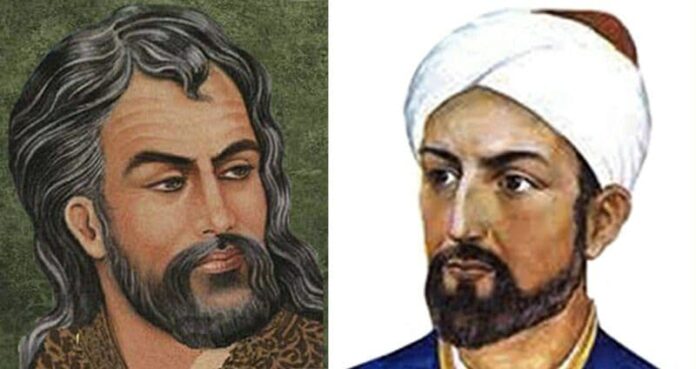
14th-Century Poets Khujandi, Hafez Linked Tajikistan, Iran: ECO

Sorour Bakhti made the comment in a ceremony held in cooperation with the national commission of the United Nations Educational, Scientific and Cultural Organization (UNESCO) marking the 700th anniversary of the birthday of Khujandi.

The official noted ECO has the honour of running, in cooperation with UNESCO’s national commission, an exhibition showcasing works by the two literary figures from Tajikistan and Iran.

Khujandi was born in Khujand in Tajikistan. His final resting place is located in the city of Tabriz in northwestern Iran.

The ECO chief underlined that Khujandi is the link between Iran and Tajikistan as well as between several other countries in the region.

As Bakhti added, Khujandi was not only a poet, but also a mystic.

It is said that there was a sort of connection between the two prominent poets, he added.

He said by looking at the books of poems of the two eminent literary figures, one would find out that the two were in contact. There are similarities between their sonnets, suggesting they had drawn on one another’s works.

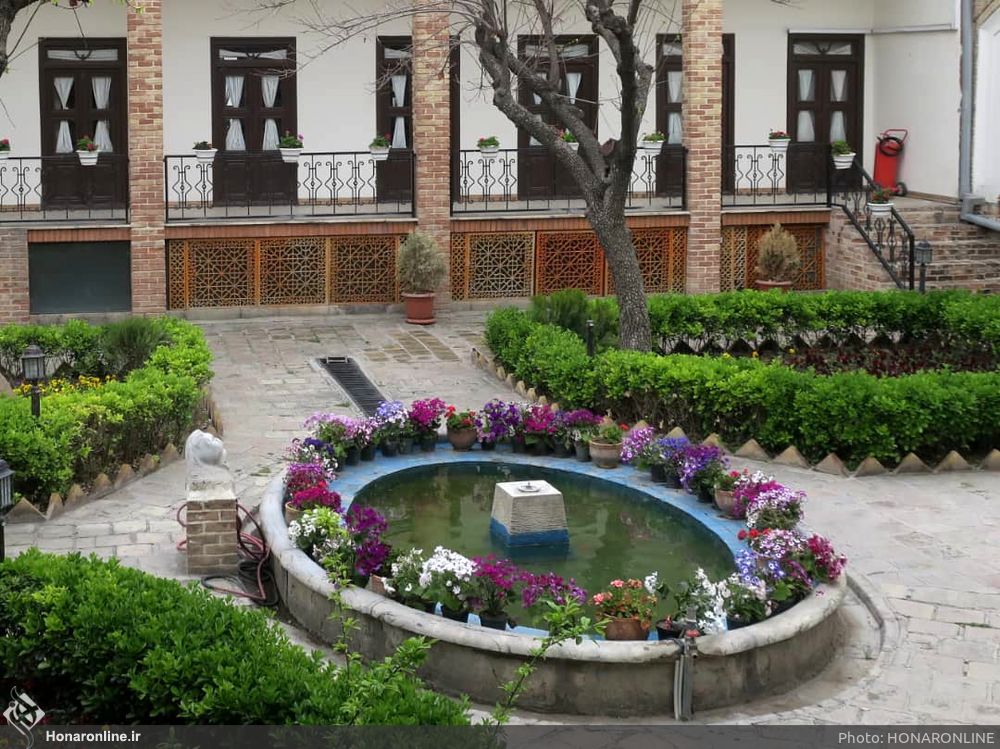
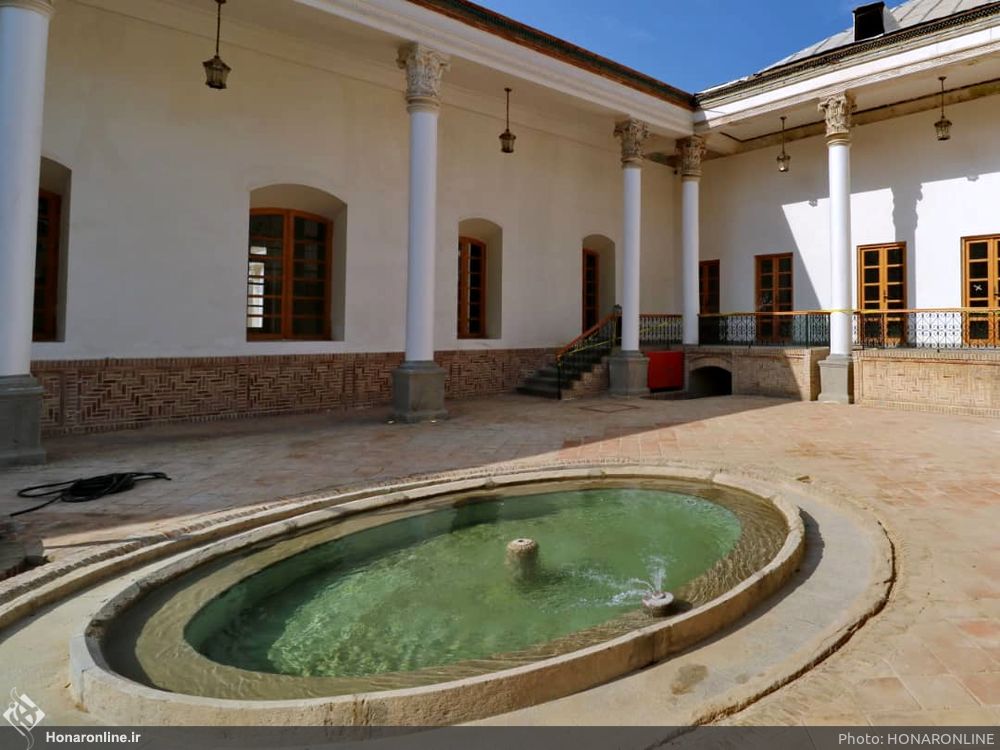
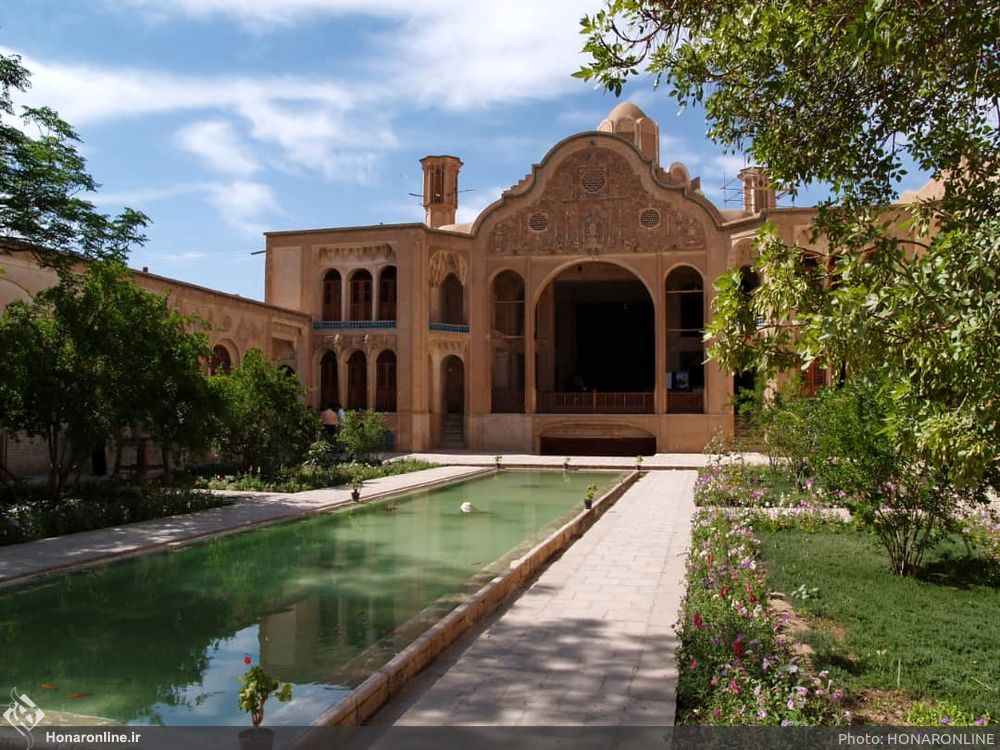
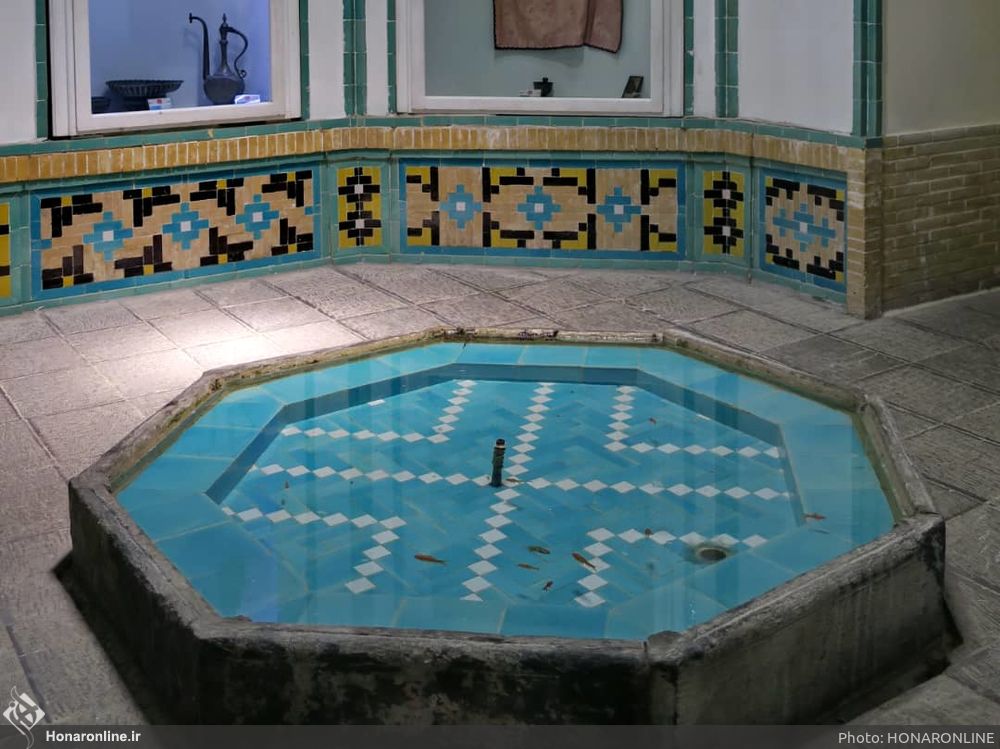
Howz: An Architectural Wonder in Traditional Iranian Houses

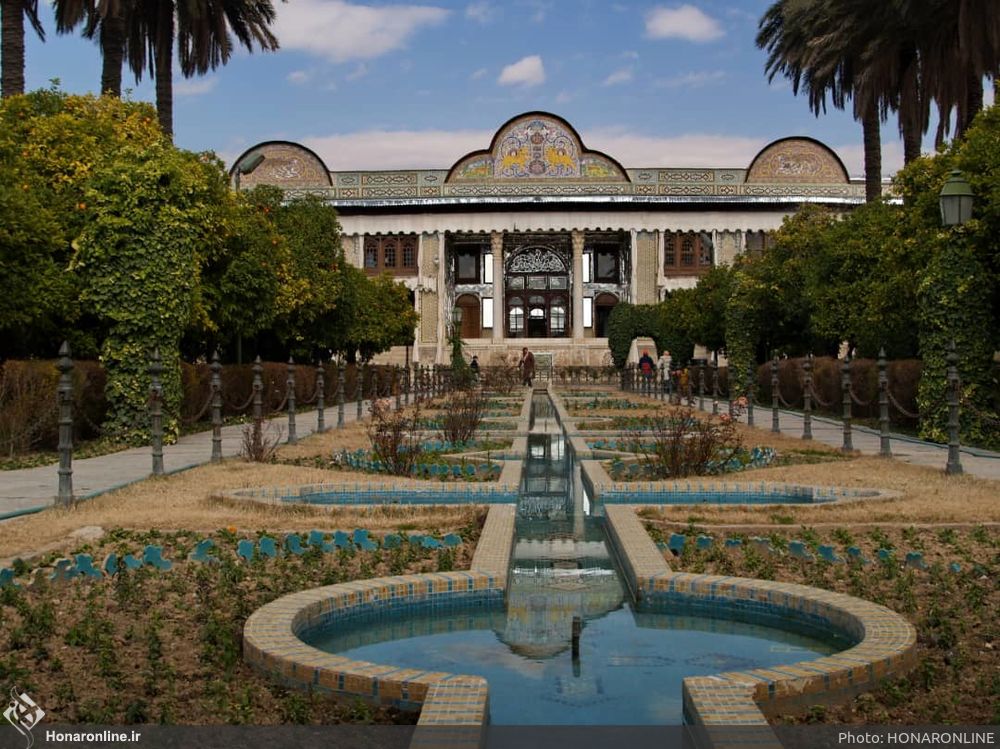
Water is vital to life, and its existence in Iranian homes would give families peace of mind. In the past, most places in Iran, especially desert areas, faced a shortage of water.

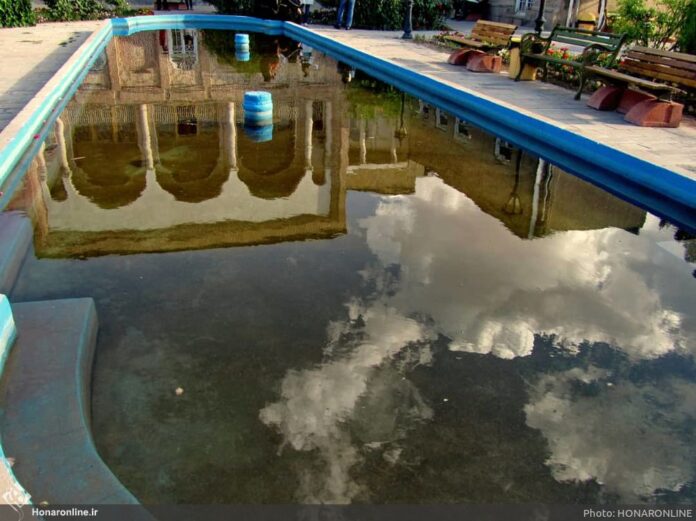
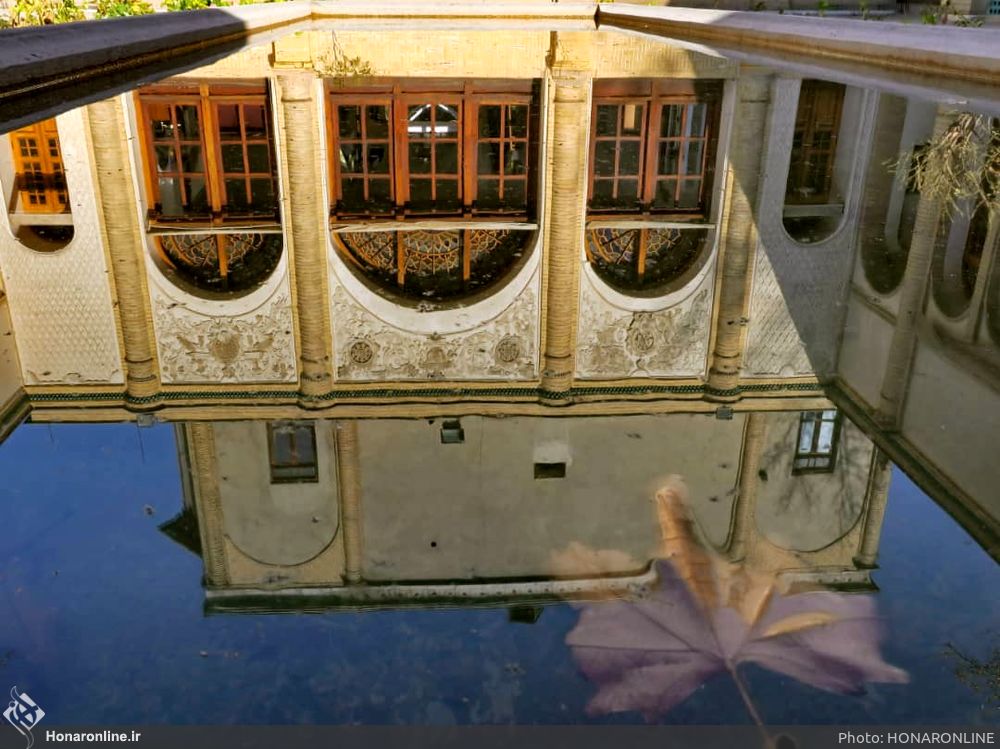
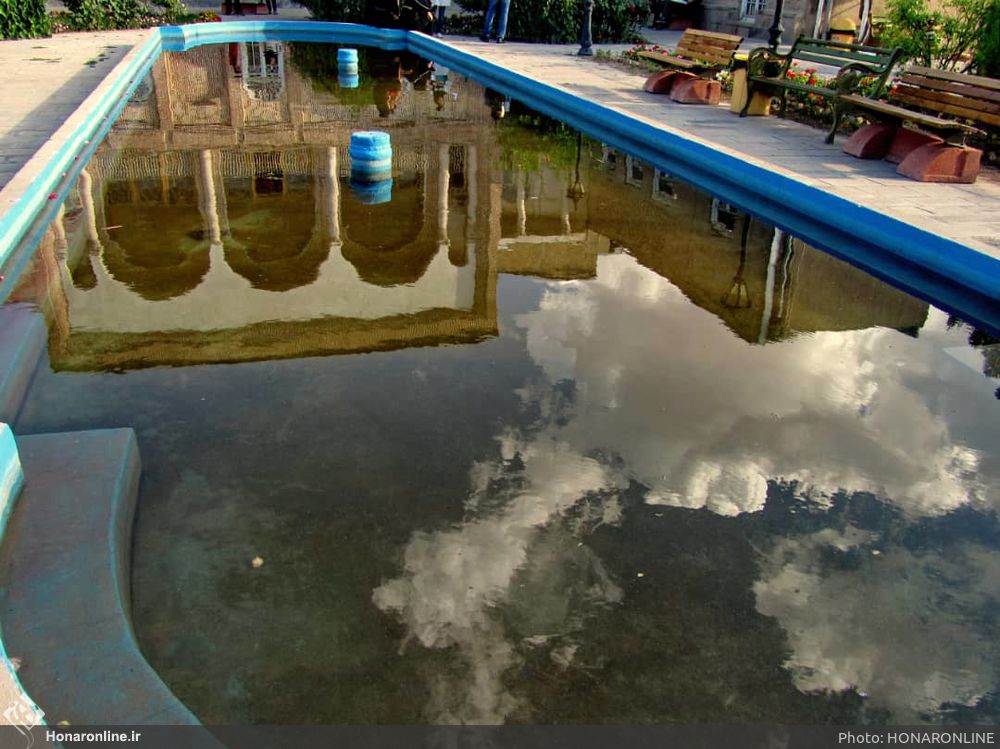
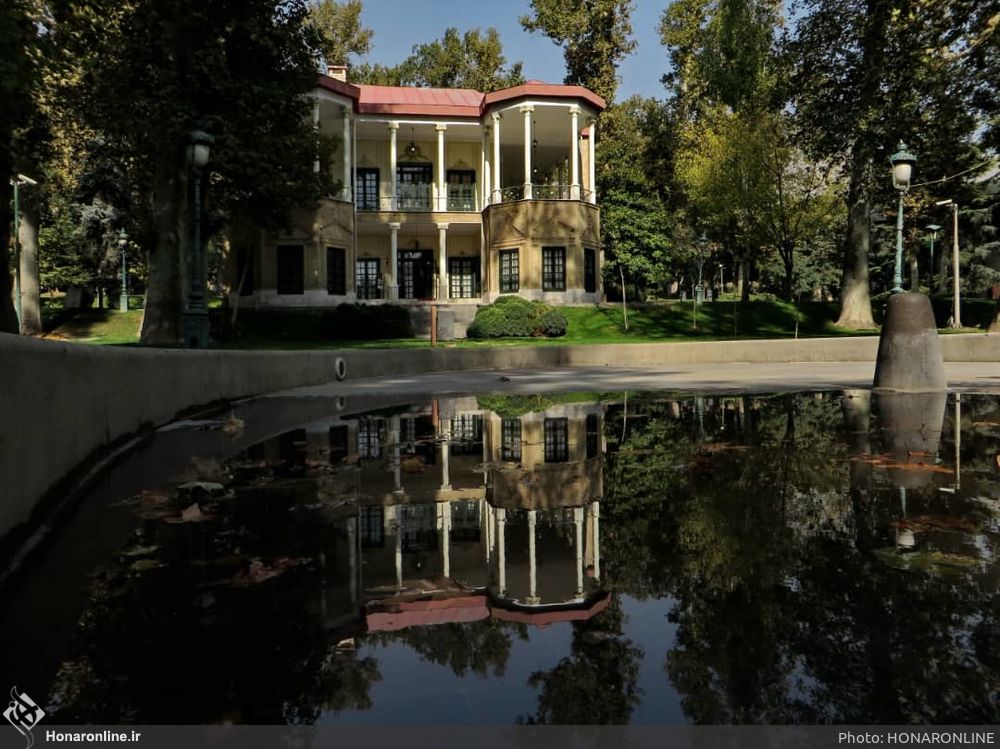
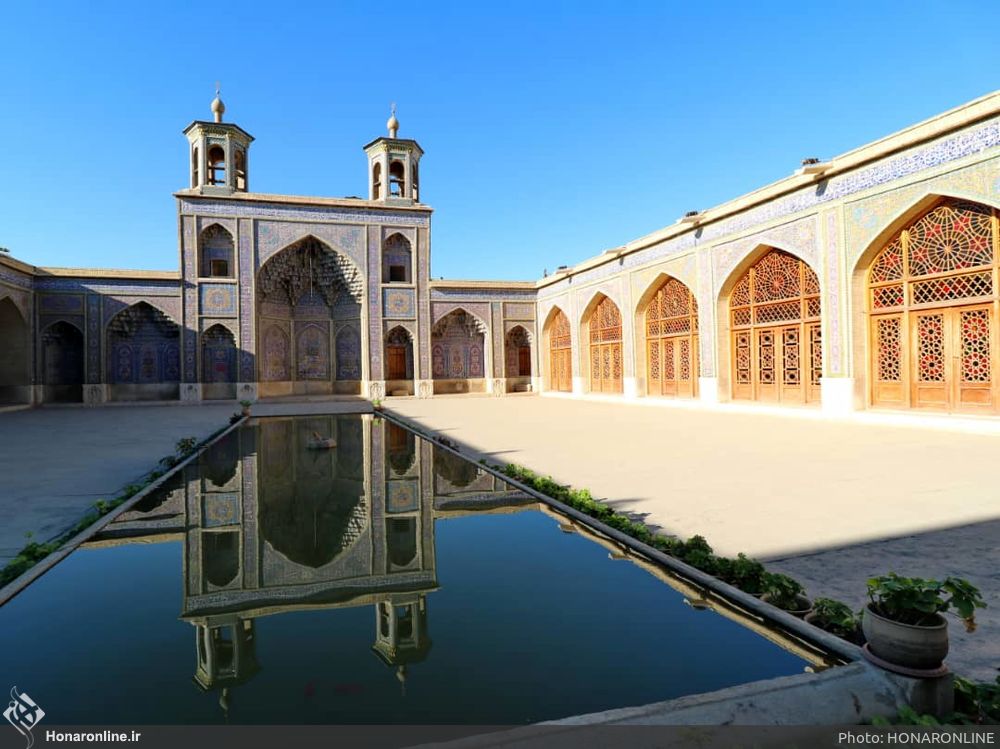
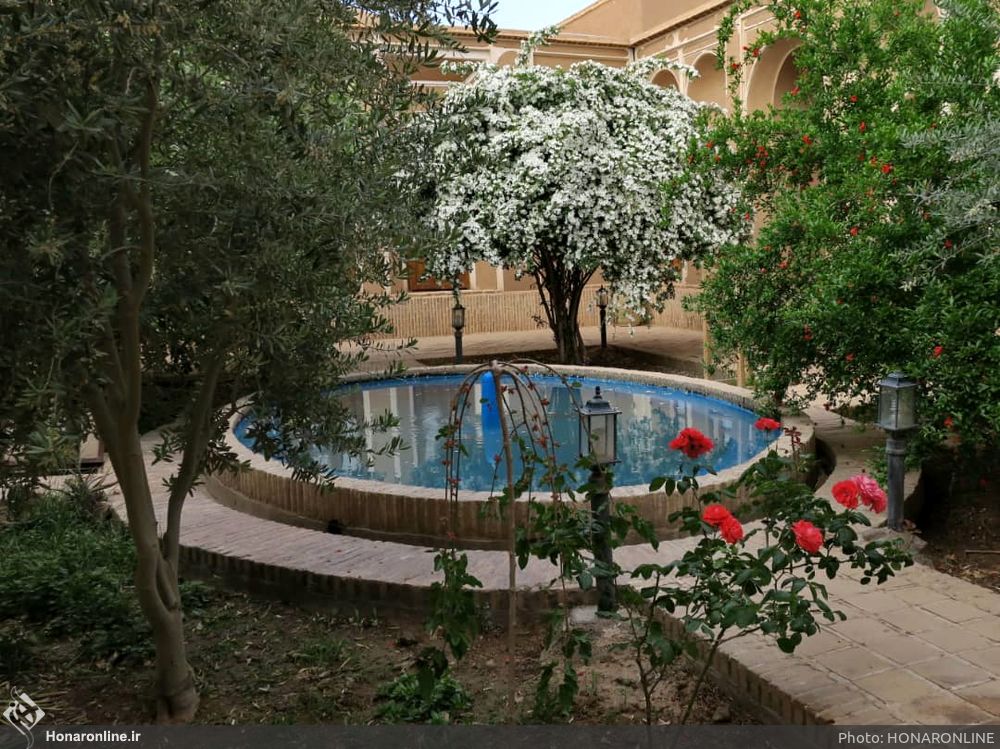
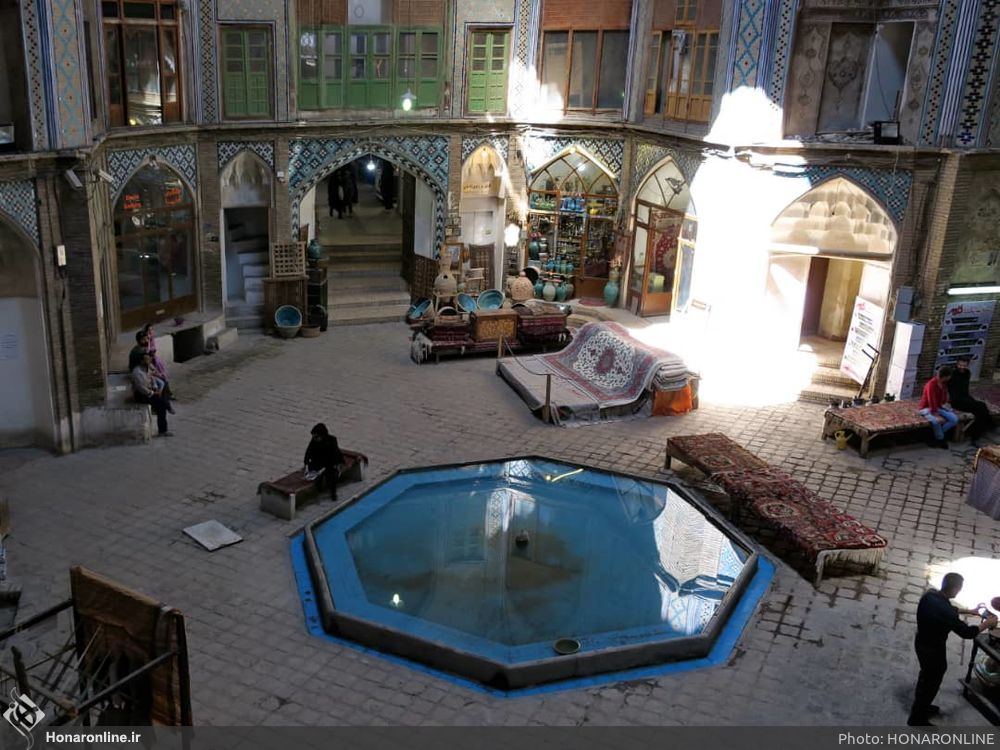
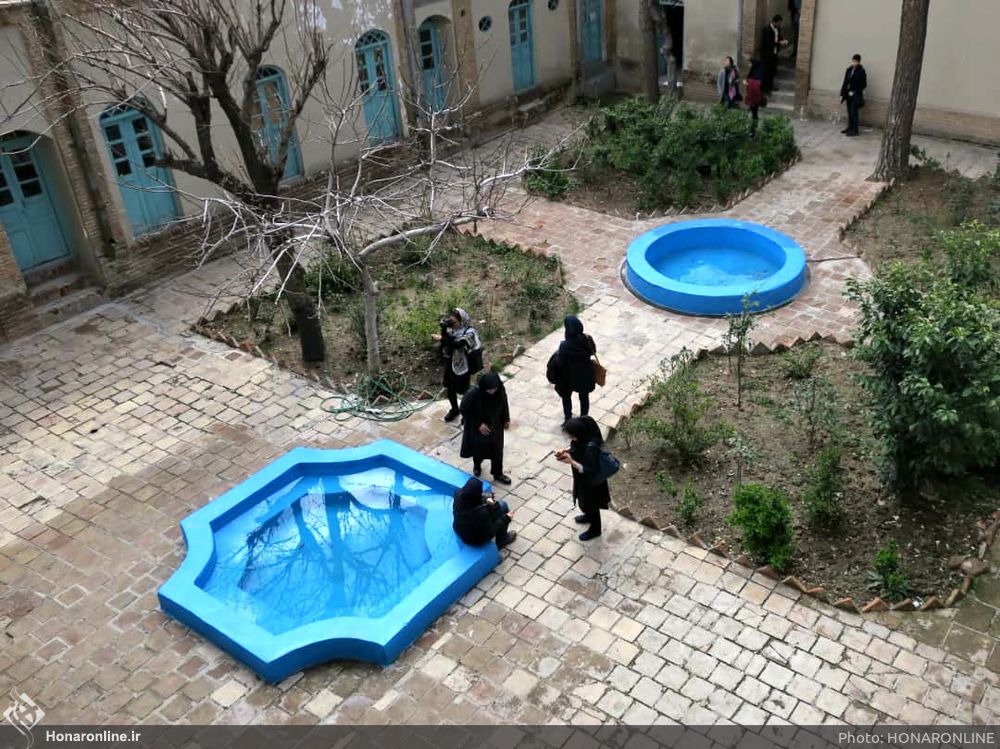
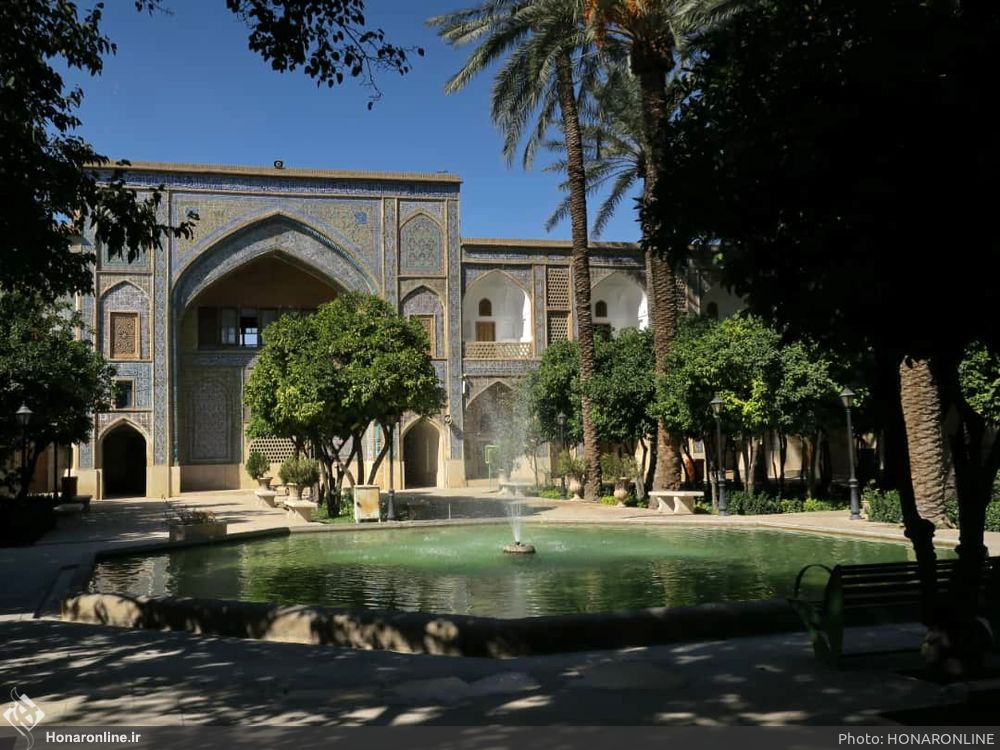
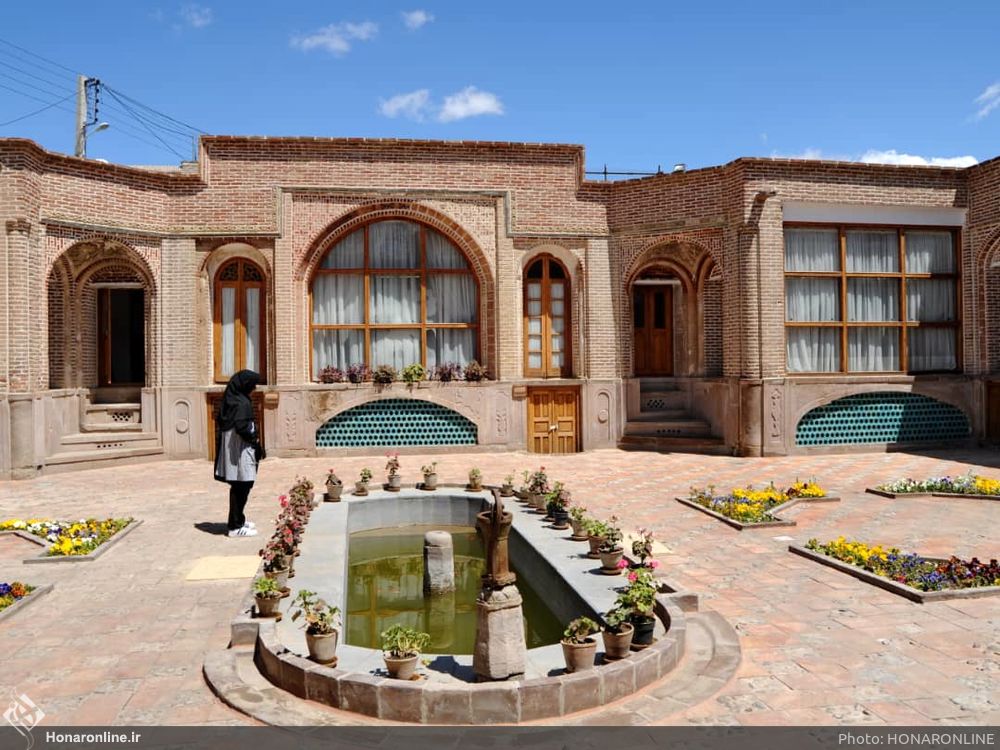
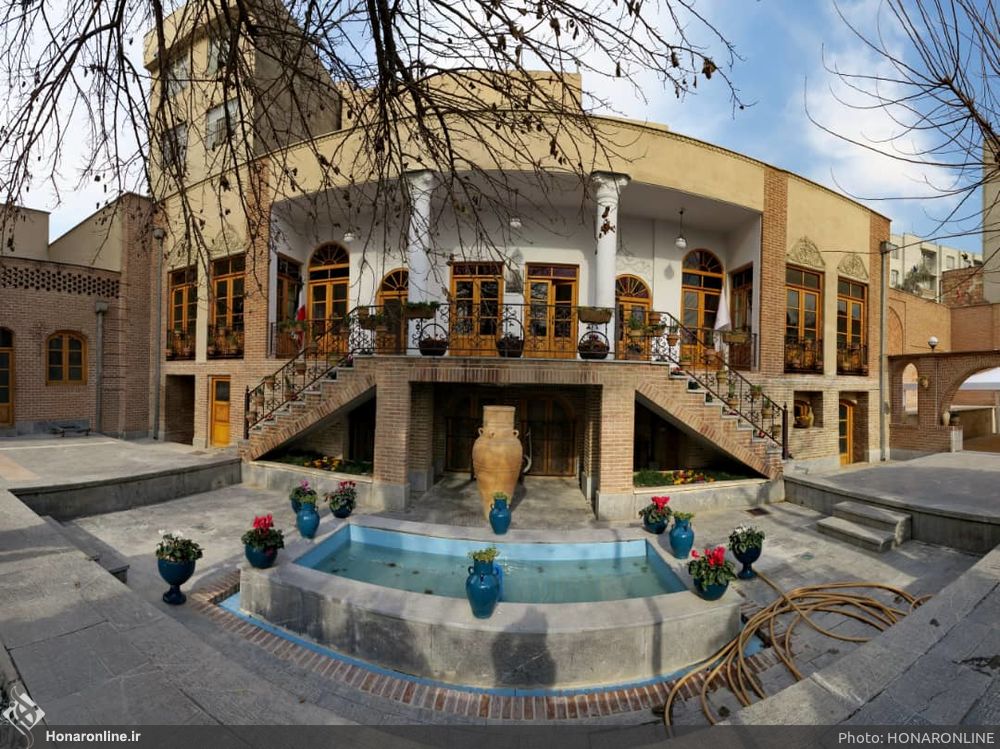
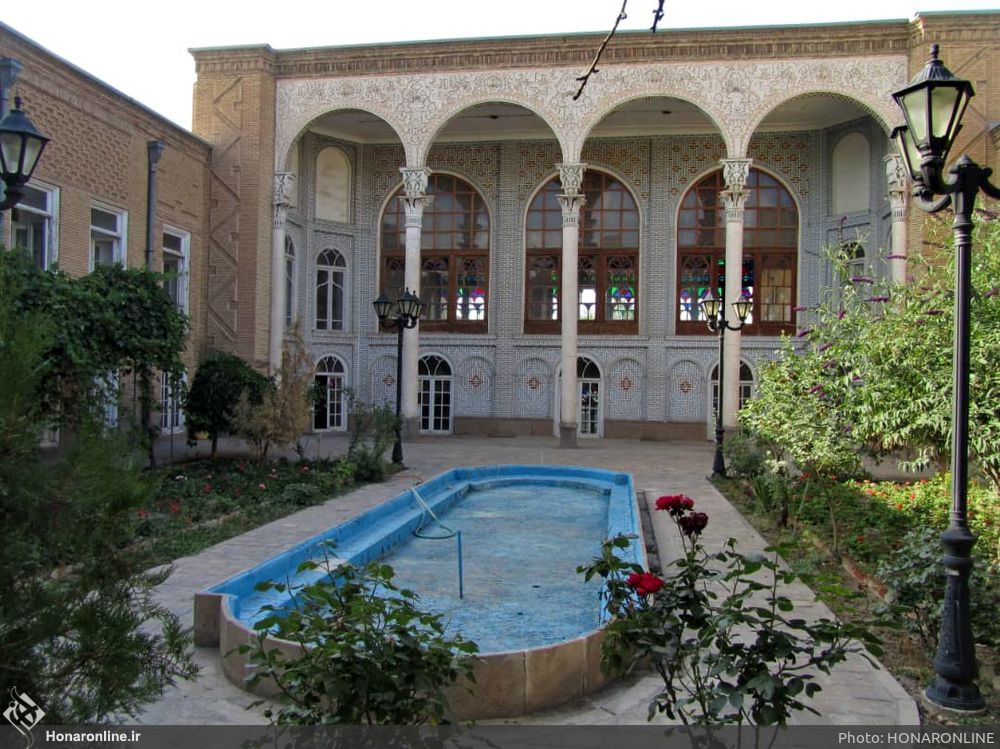
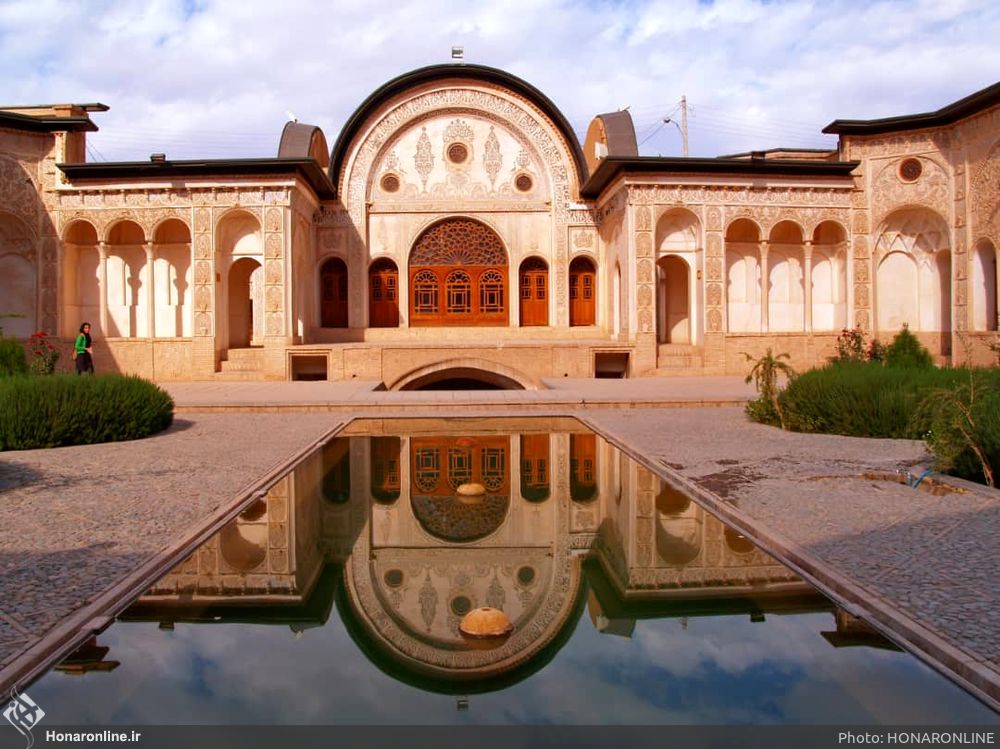
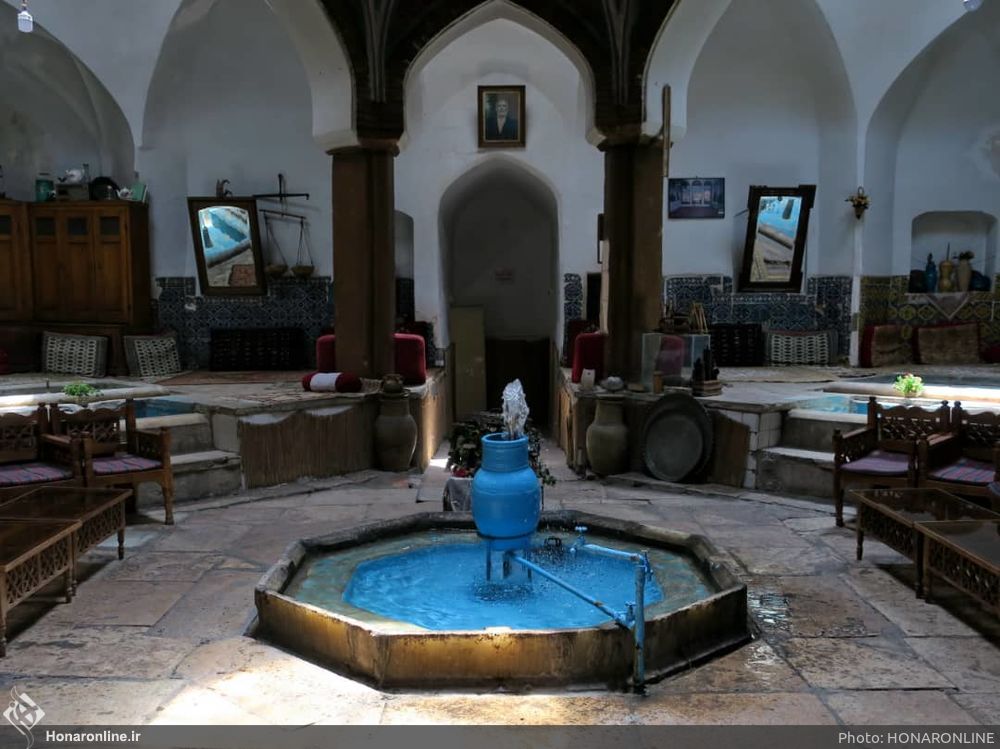
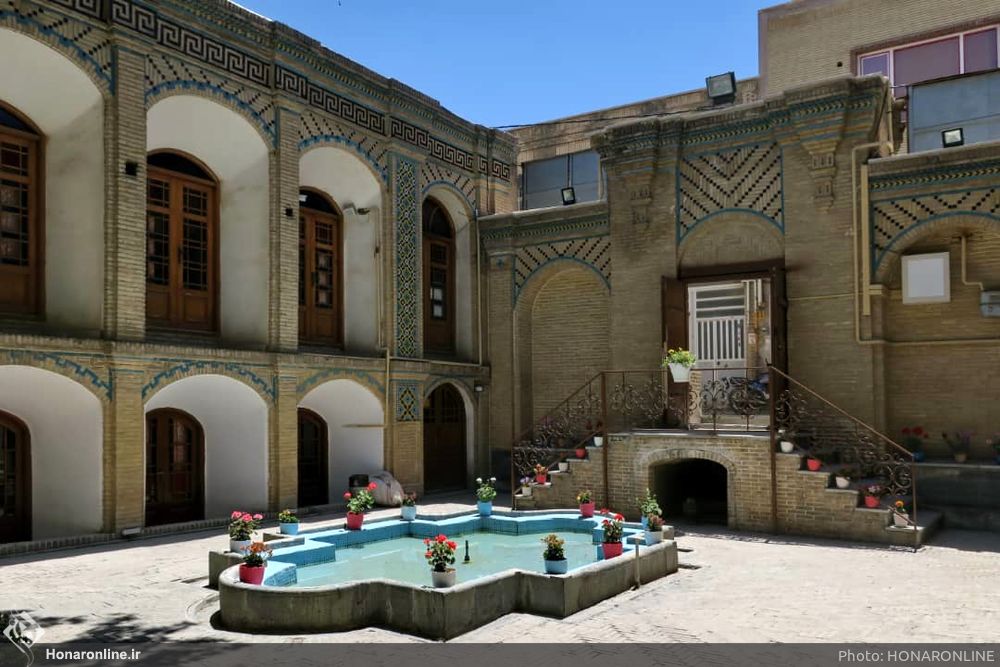
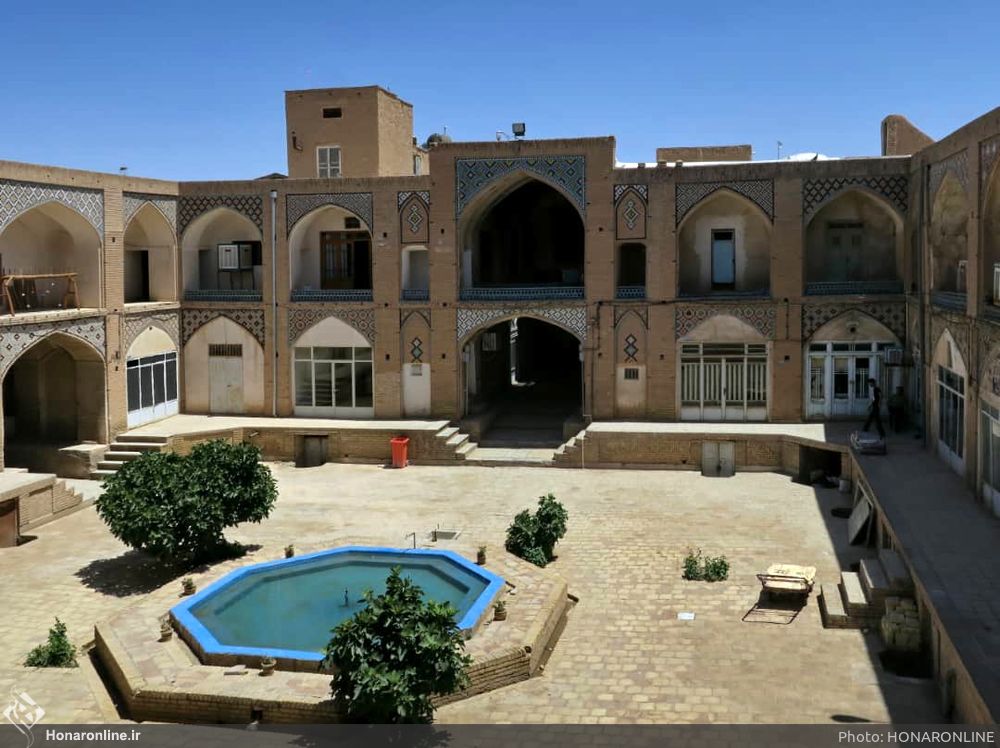
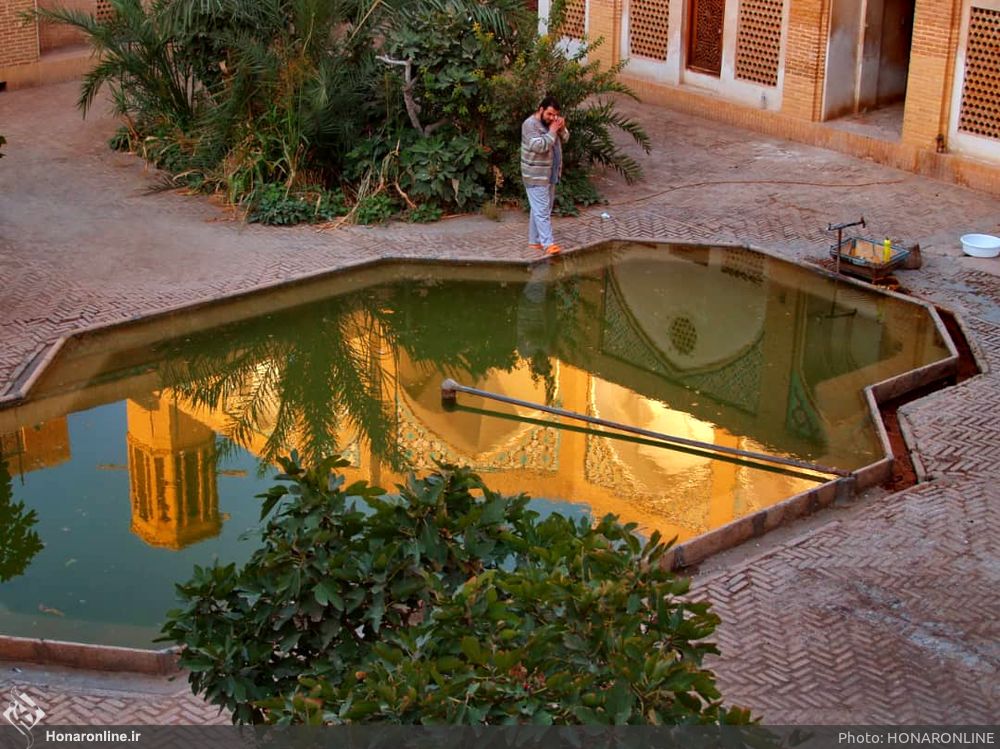
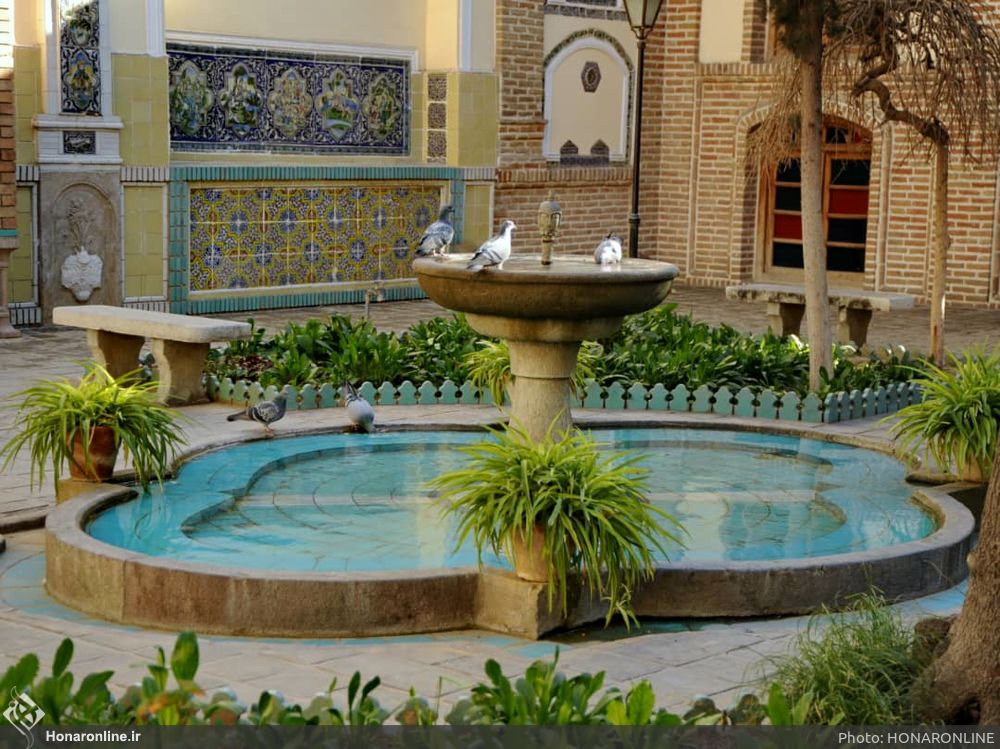
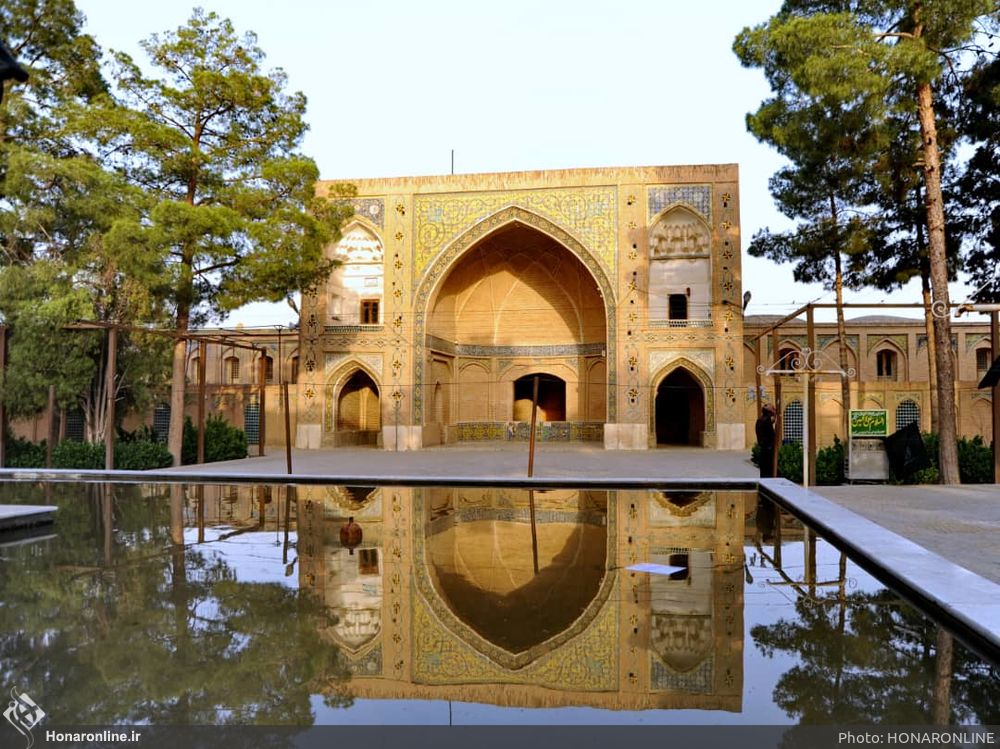
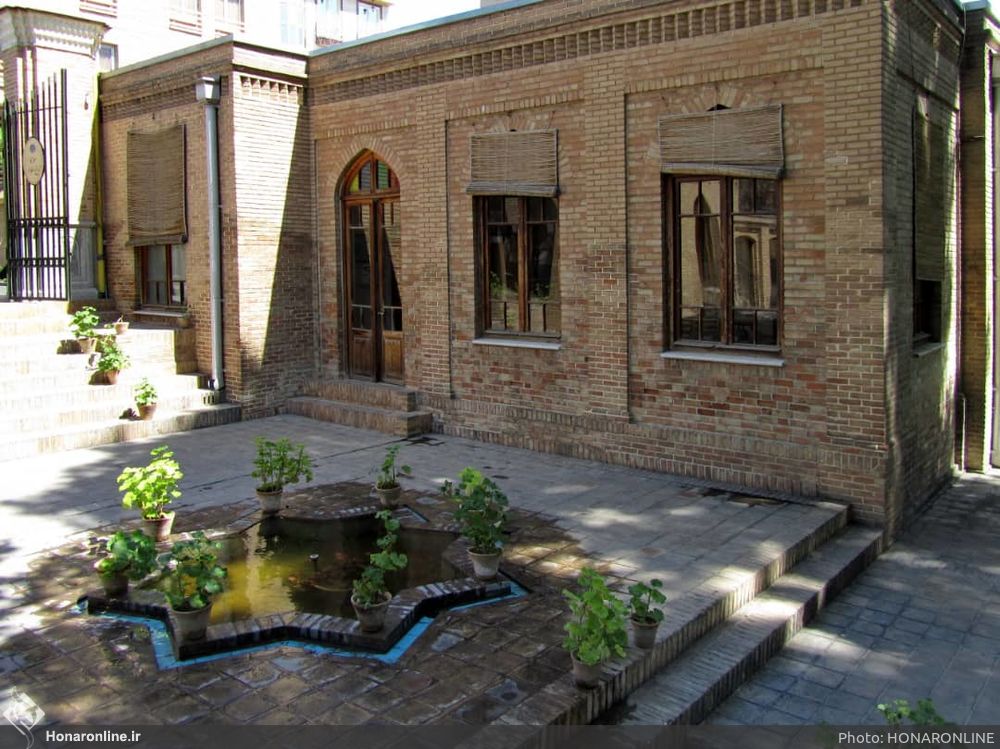
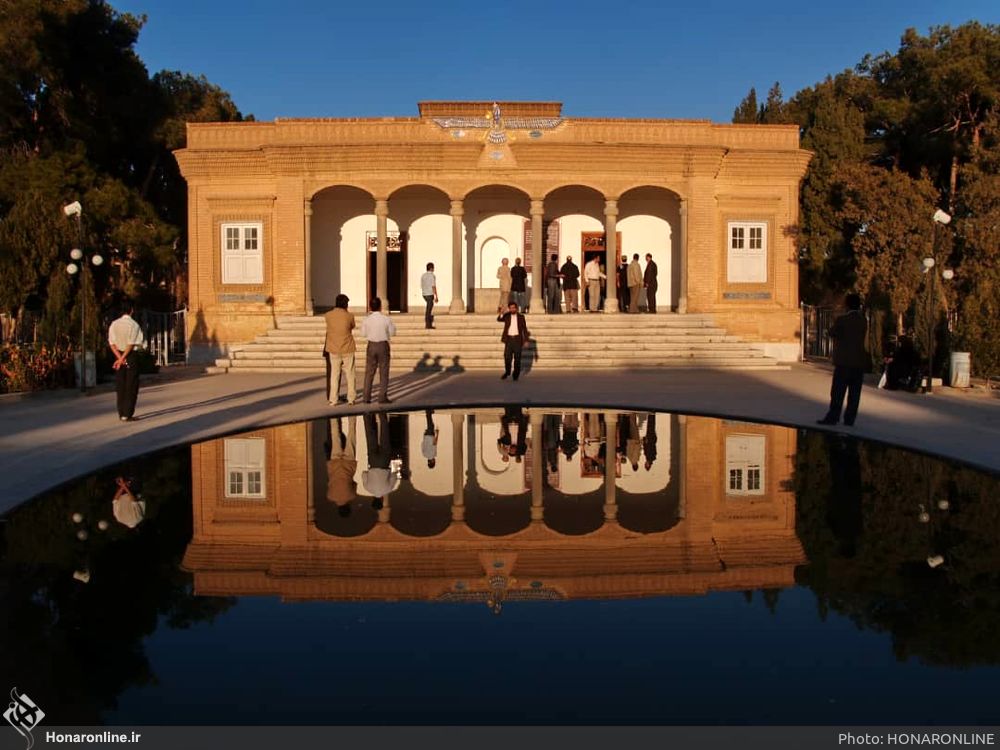
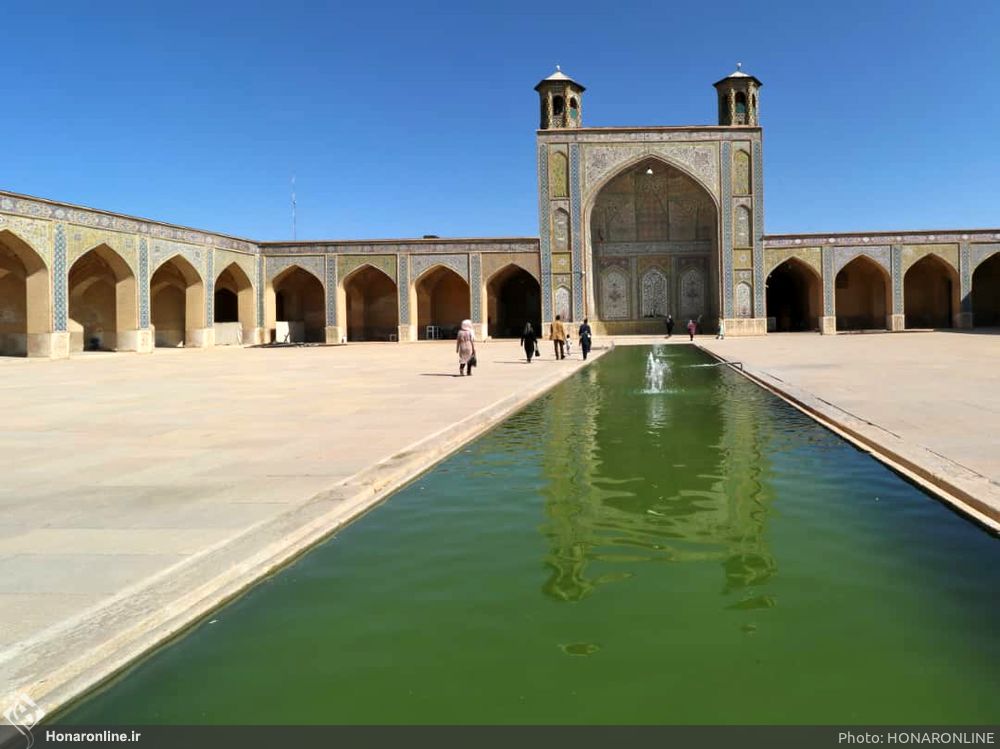
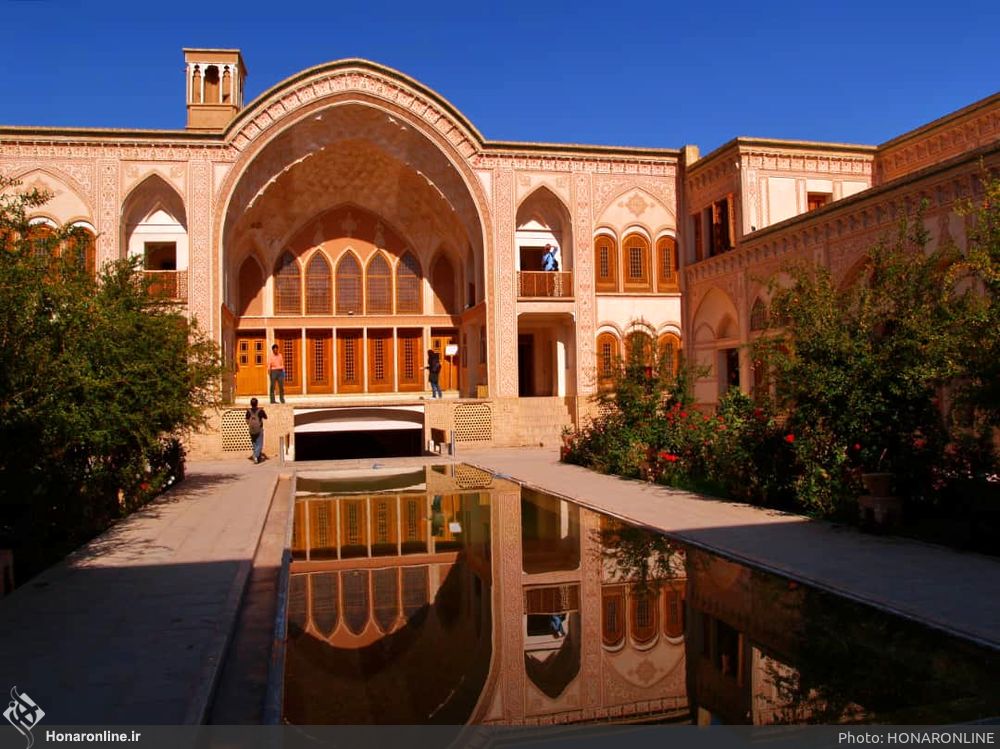
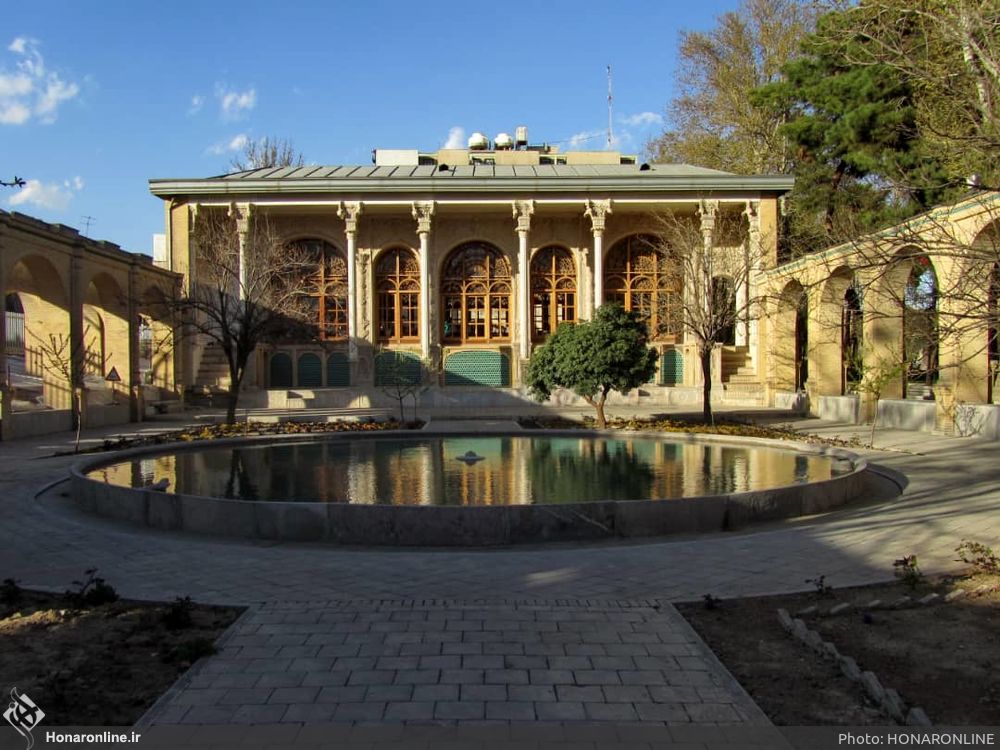
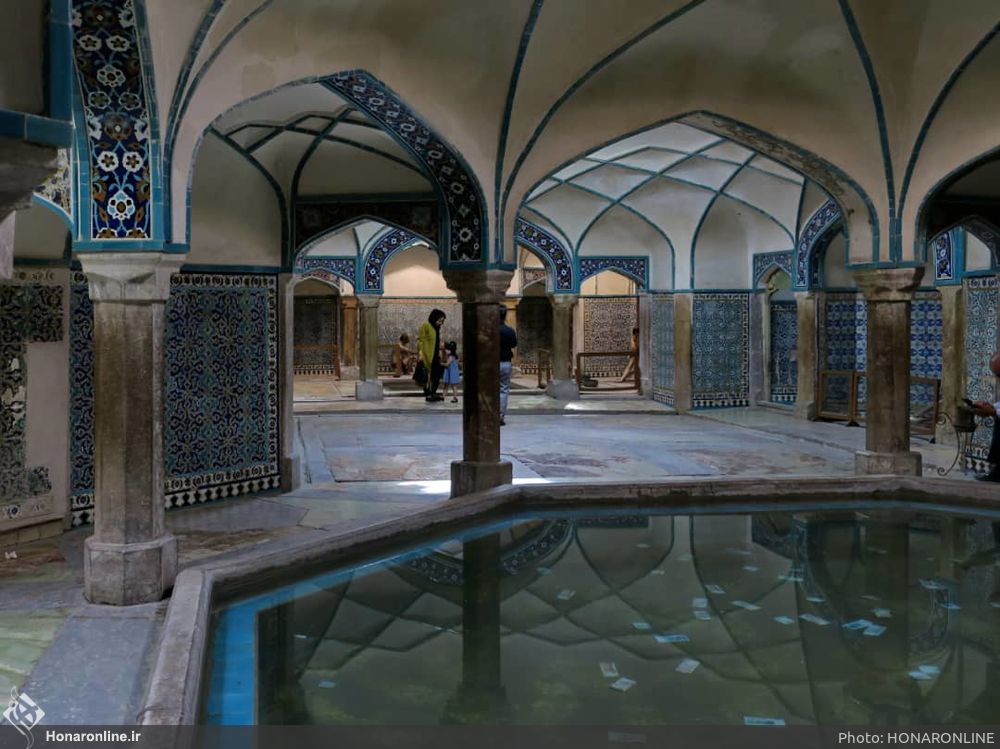
Howzs with water in them reflected the sky and even the building of the house, producing beautiful images. Moreover, howzs created the impression that the house was larger than it really was. Furthermore, the splash of water in howzs would not only have a soothing effect on family members, but also drown out noises inside the house, thus causing the household commotion not to be heard outside.

Howz: An Architectural Wonder in Traditional Iranian Houses
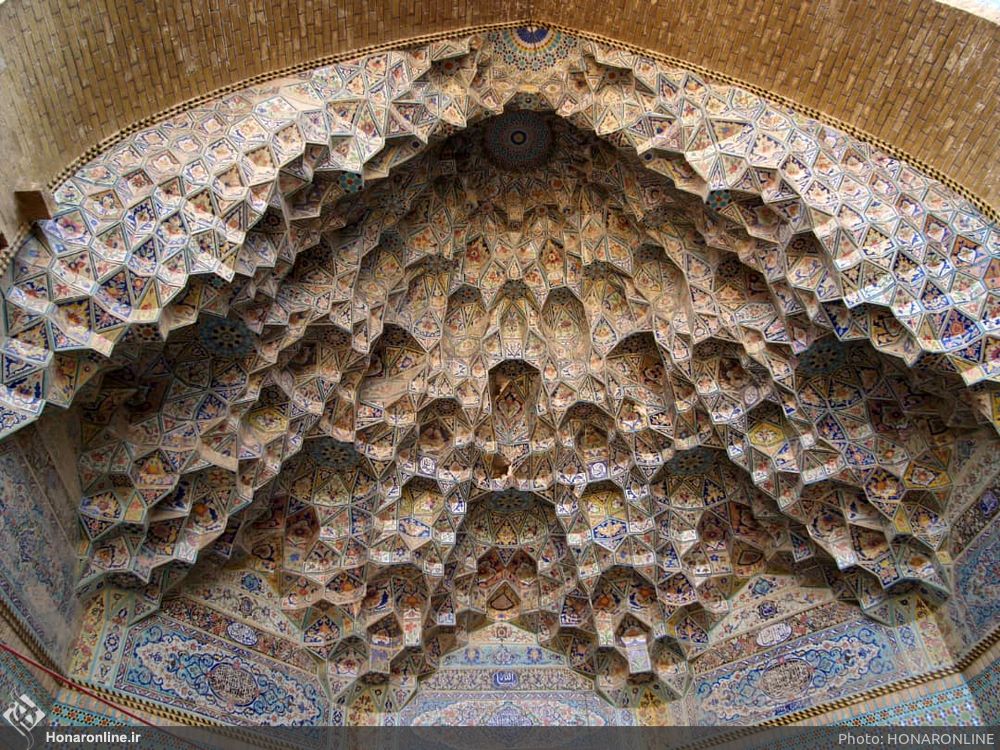
Muqarnas: An Exquisite Ornamental Art in Iranian Architecture

Above all, howzs were used to store water for everyday use such as washing, watering trees, etc. In certain areas, howzs even played a key role in cooling the space because they were built on the path of the wind or wind towers and made the environment cool.

We may believe that it was not a difficult to build these ponds in old houses and that their construction did not require any special architecture. However, the interesting point is that Iranian architects took pride in building howzs in the past due to the special design they required, and regarded the art of building howzs as an edge over foreign architects.

In fact, Iranian architects would make completely level and balanced howzs without using any special tools such as set squares, plumb bobs, etc.

Iranian architects would only use their eyes and water to build an even and balanced howz. They would simply look at the surface of the water and found out whether or not the howz was level. A completely level and balanced howz wouldn’t overflow with water until fully filled. When the howz was filled to capacity, water would overflow evenly from all sides.

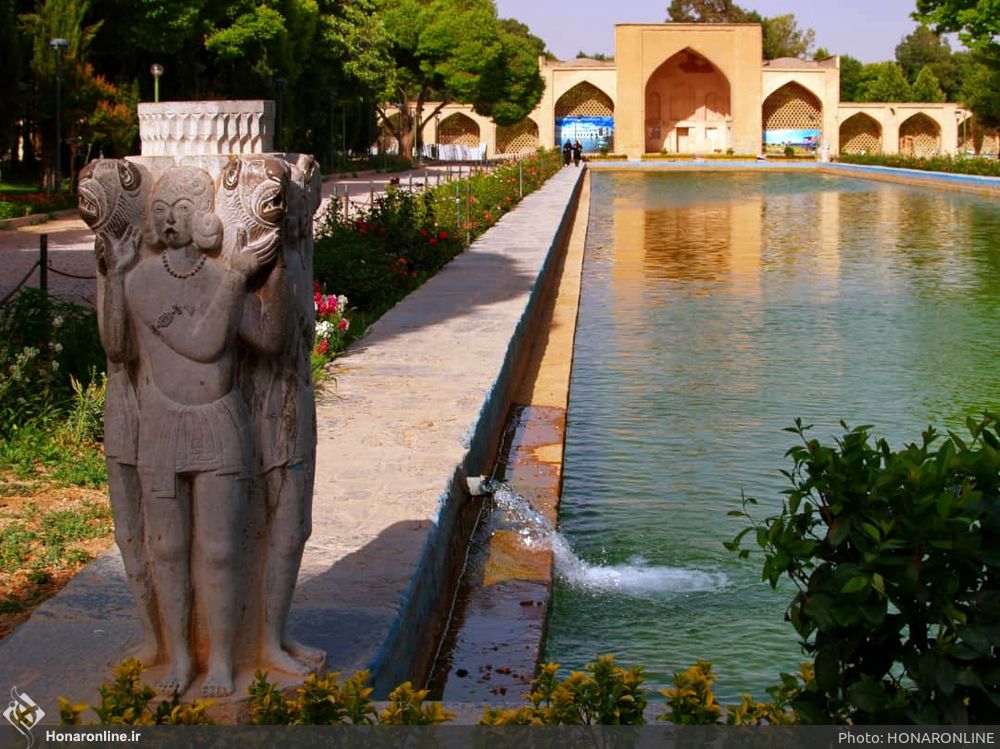
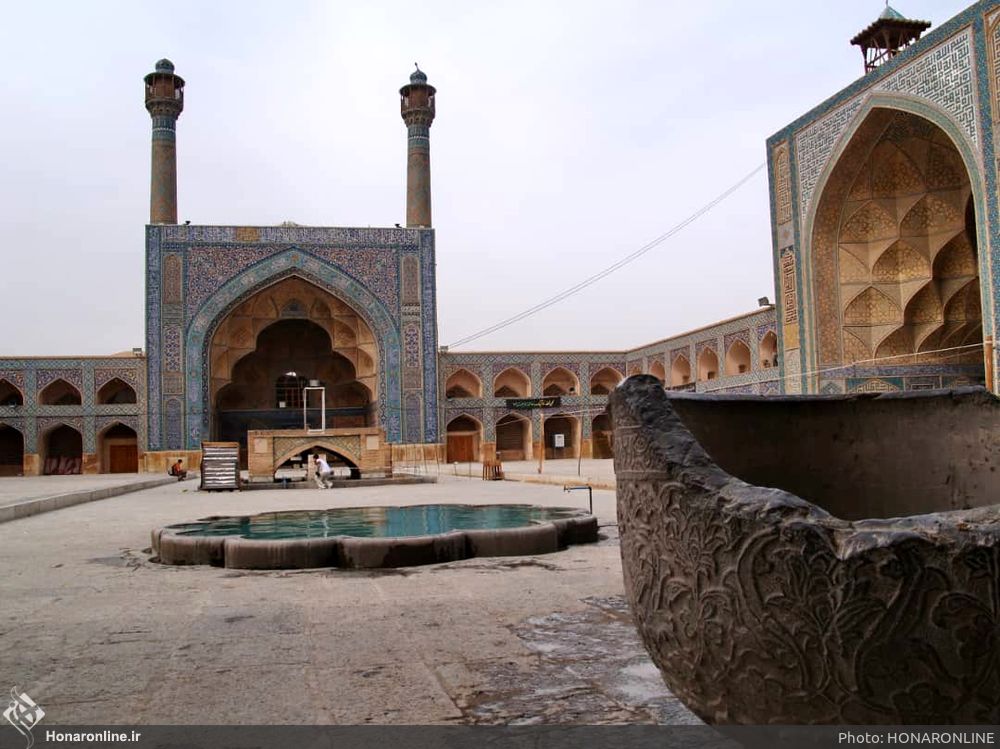
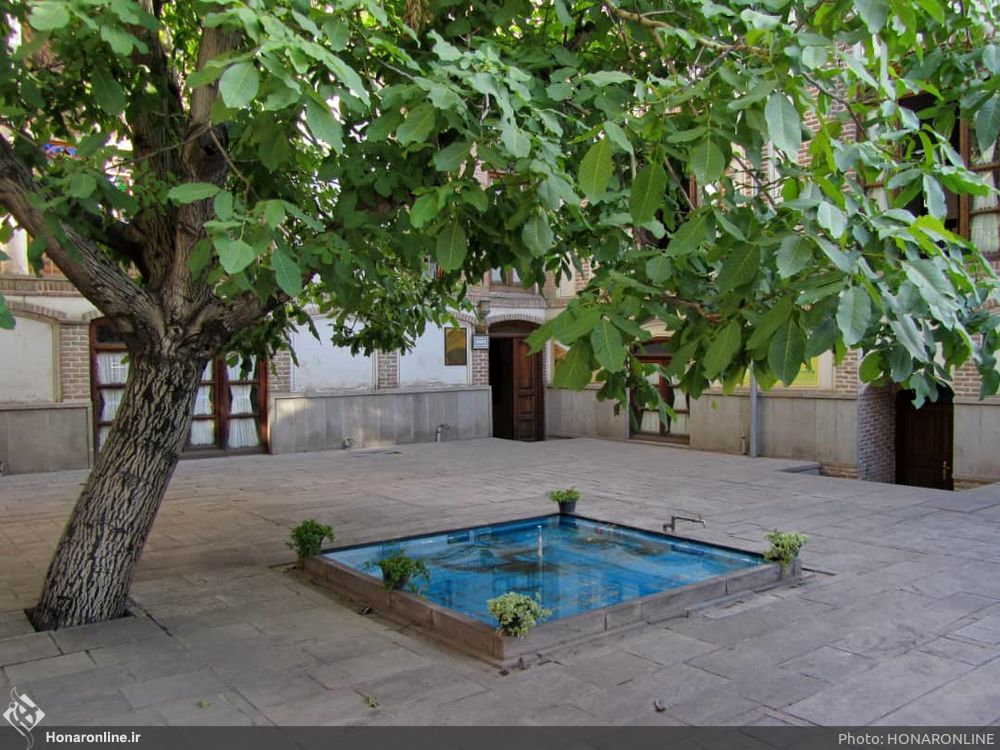
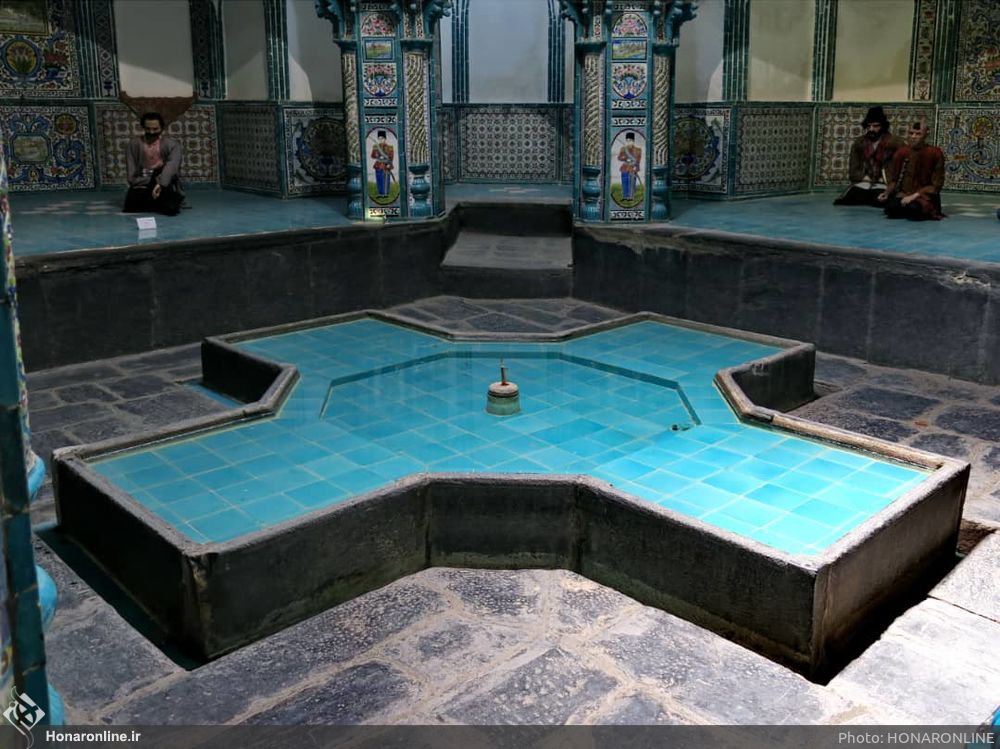
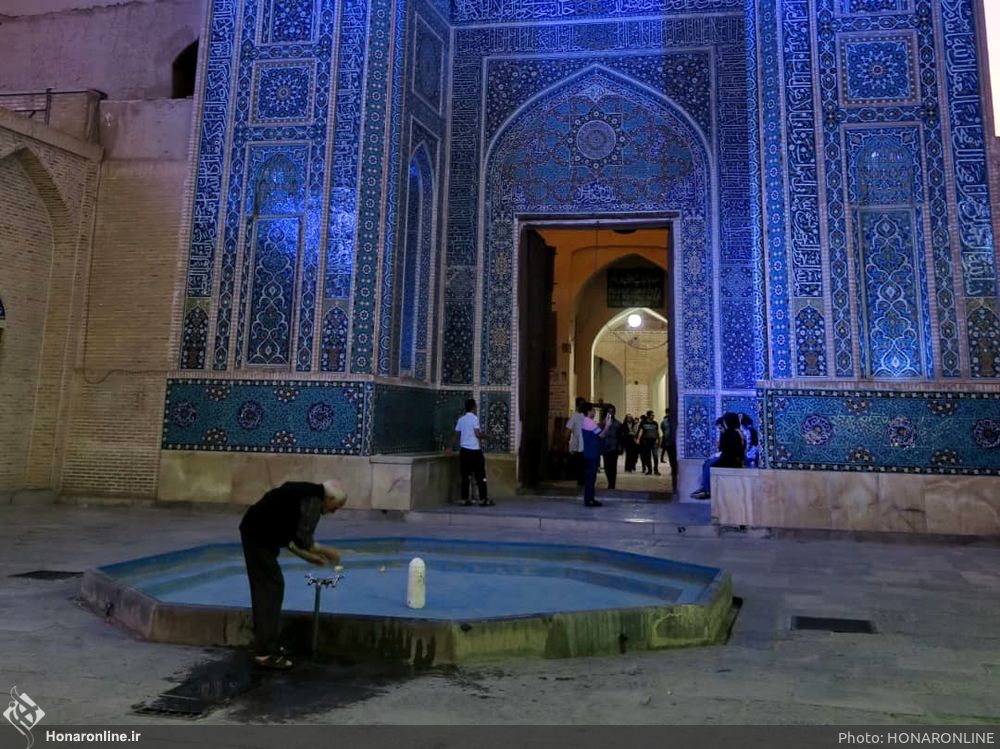
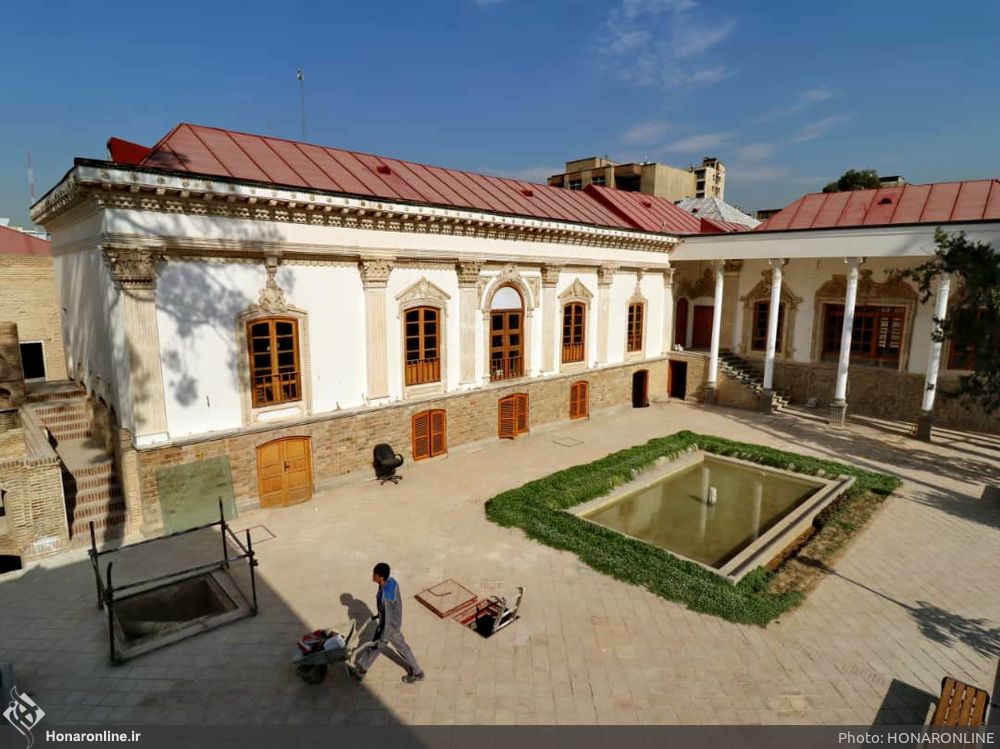
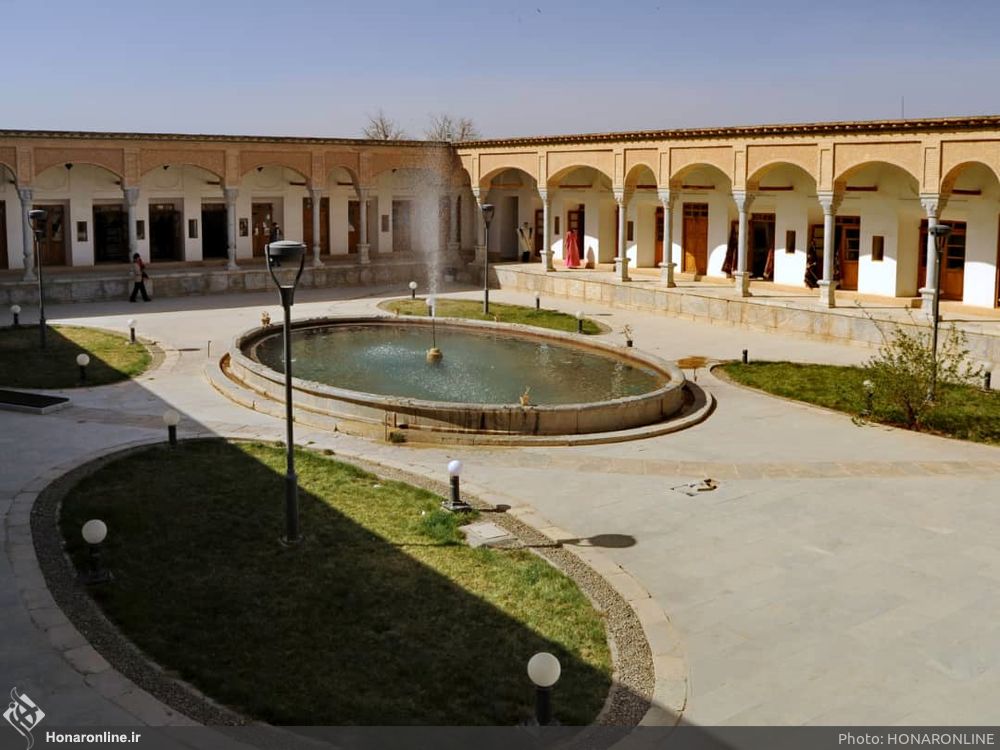
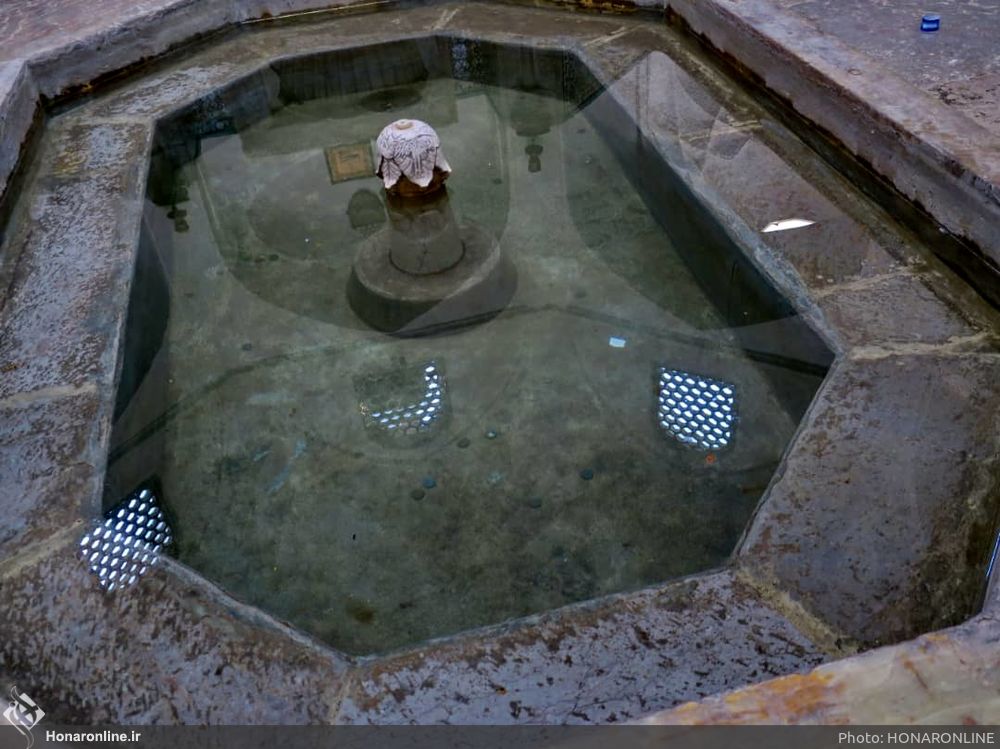
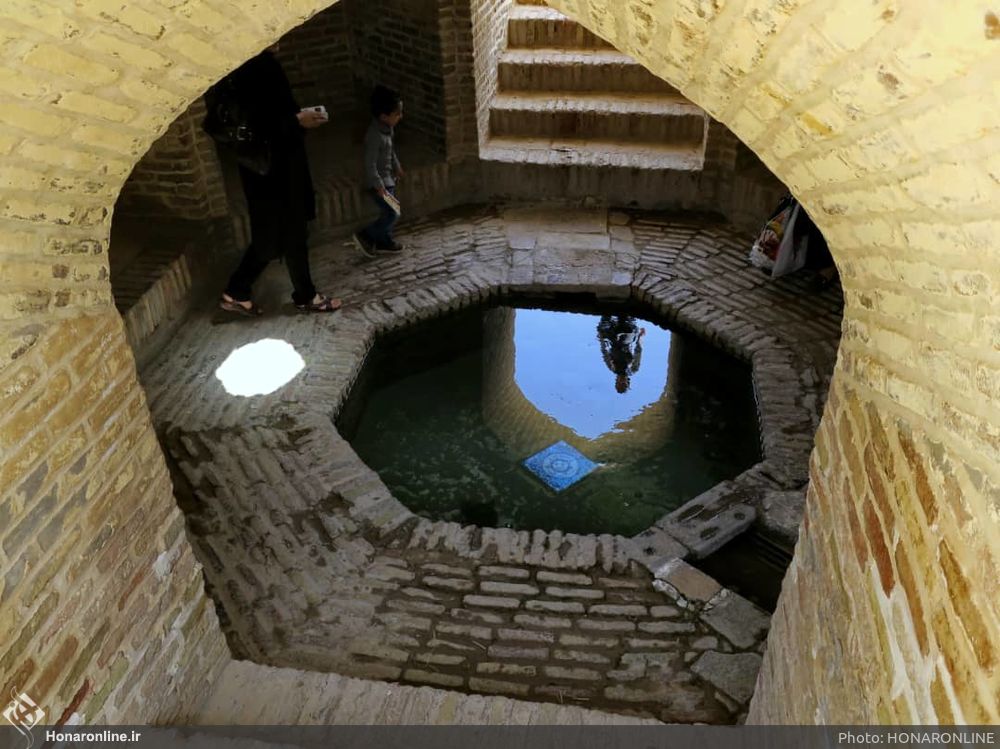
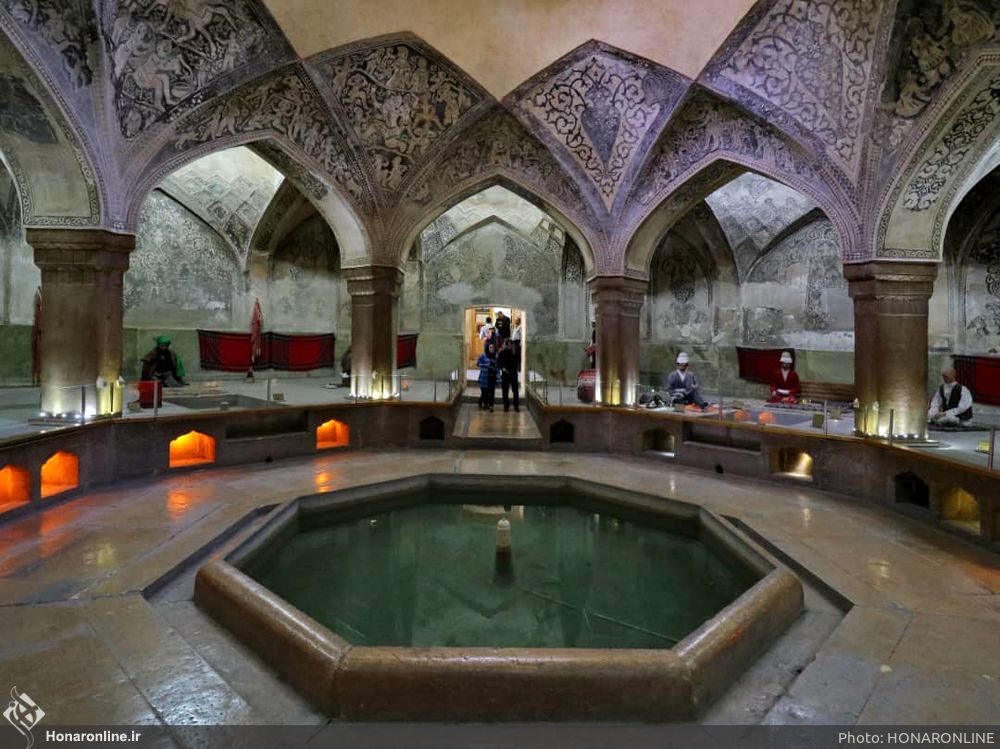
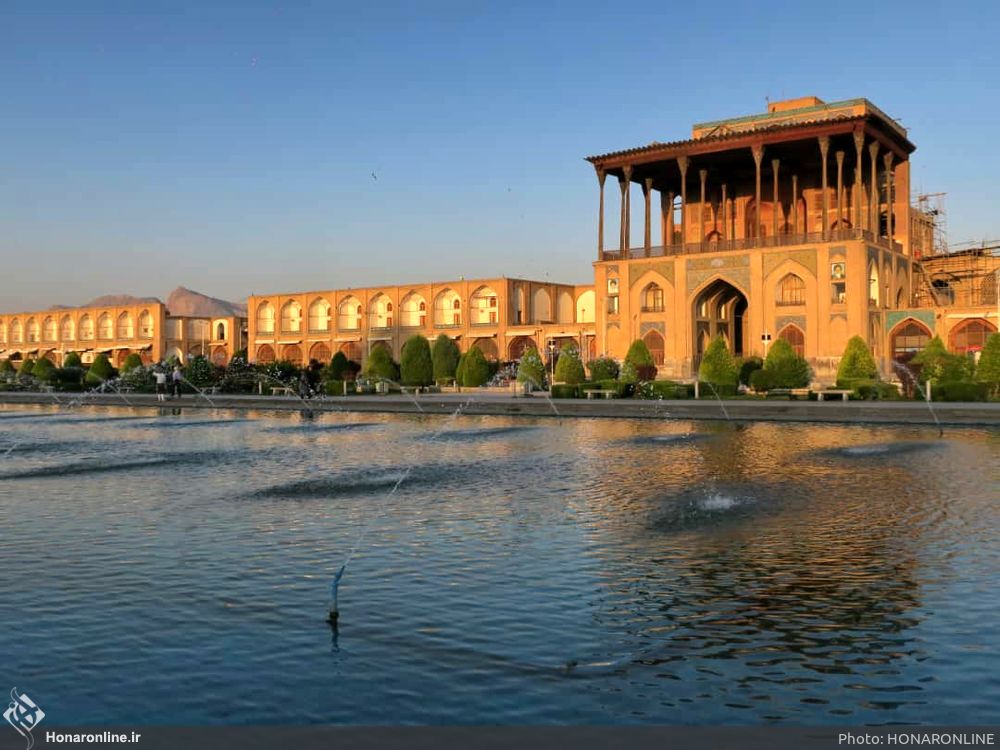
Below you see images of ancient howzs which no longer exist in the Iranian architecture.

Iran’s New COVID-19 Fatalities, Infections Down by 50% in Two Weeks

According to Health Ministry spokeswoman Sima-Sadat Lari, the new fatalities increase Iran’s overall death toll to 53,625, and the new cases raise the total number of infections to 1,158,384.

The figures show the partial lockdown enforced by the government has effectively halved the number of new cases and infections compared with two weeks ago.

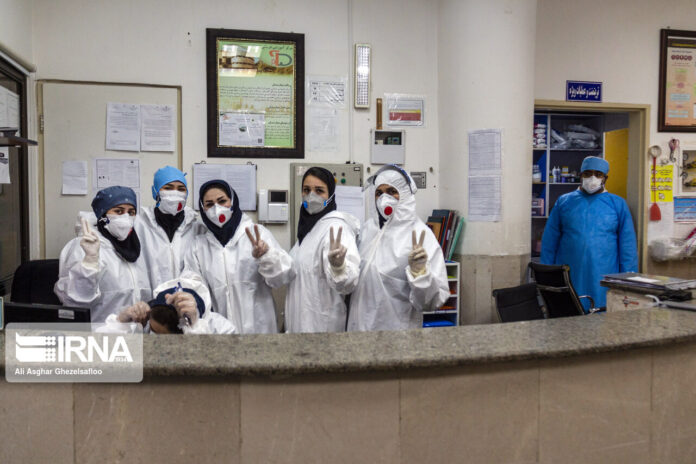
Lari went on to say that 5,563 patients are also in critical conditions caused by more severe infection.

The spokeswoman noted that 7,046,447 COVID-19 tests have been taken across the country so far.

She said currently 205 cities are in the “orange zone” and 243 are in the “yellow zone” in terms of coronavirus outbreak.

Iran, Qatar Call for Enhancement of Sports Ties

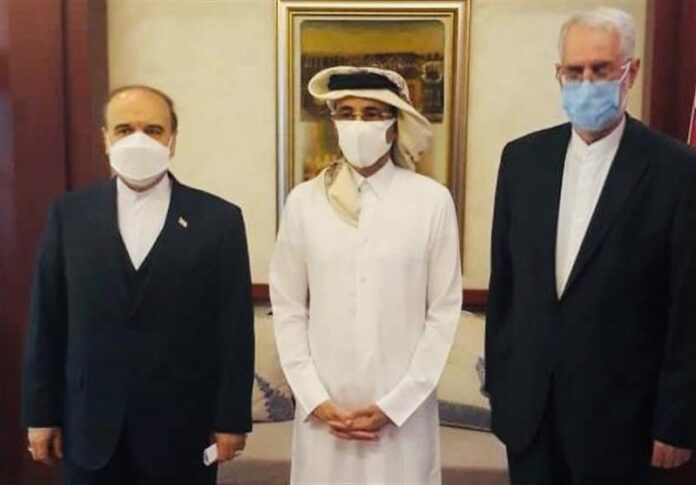
In the meeting which came during his day-long visit to Doha, Soltanifar expressed his gratitude to the Qatari official for inviting him to visit Qatar and for hosting the Asian Football Confederation (AFC) Champions League as well as its final match held between Iran’s Persepolis team and Ulsan Hyundai of South Korea.

The Iranian minister highlighted the importance of enhancing sports relations between the two sides.

In line with the implementation of a Tehran-Doha sports agreement, Soltanifar invited the Qatari minister to visit Iran to finalize and sign the plan.

The Qatari minister, in turn, said he was ready to form a joint committee with Iran to exchange views on sports and cultural issues.

Salah bin Ghanim Al Ali expressed hope he will visit Iran by next summer.

Iran to Wait and See How Biden Will Act: Spokesman

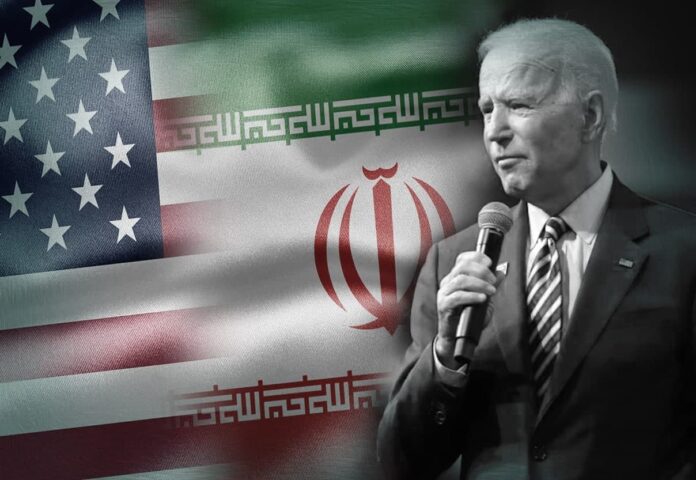
In an interview with Iranian daily newspaper Hamshahri, Saeed Khatibzadeh touched upon Iran’s stance on the US, and said, “Iran’s position is clear: Whenever the US, in practice, returns to its commitments, we will reverse all measures through which we scaled down our obligations.”

“What is important to us is action. There is a striking contrast between Mr. Biden’s comments and the performance of the current US government. But we should wait and see how the next US administration will act,” Khatibzadeh said.

The spokesman said the “maximum pressure” policy adopted by the United States against Iran led to “maximum failure” for Washington.

“Whoever is at the helms at the White House, has no other option than correcting this path,” he noted.

He further hit out at the United States for unilaterally pulling out of the deal.
“The JCPOA remains part of a binding UN resolution and all members of the world body are required to abide by it, but the US, as a signatory to the deal, stopped being a party to the agreement [by unilaterally withdrawing from it] and afterwards Washington blatantly violated Resolution 2231 by failing to make good on its commitments and impeding the implementation of obligations by others,” he said.

“The Europeans, too, have seriously failed to deliver on their commitments by failing to fulfil their obligations with regards to the lifting of sanctions,” he said.

Elsewhere in his comments, the spokesman noted Iran should rely on its domestic potential to meet its needs as reliance on foreign resources will never ensure the country’s long-term interests.

He also said Tehran welcomes negotiations within the region, but the JCPOA is off limits.
“If [by negotiations] some countries mean holding talks on the JCPOA, first [it should be noted that] the JCPOA is not supposed to be renegotiated; moreover, the JCPOA is an issue of our national security and is none of anybody’s business except Iran,” he said.

A Look at Iranian Newspaper Front Pages on December 20

Iranian Newspapers

Aftab-e Yazd Newspaper:

1- Zarif: Iran Has Not Yet Removed Taliban from Its List of Terrorists

2- ECO Is Biggest Failed Global Convergence

A Look at Iranian Newspaper Front Pages on December 20


Arman-e Melli Newspaper:

1- Iran’s Economic Growth Rate Becomes Positive Despite Sanctions

A Look at Iranian Newspaper Front Pages on December 20


Ebtekar Newspaper:

1- Zarif: US Must Leave Region

2- VAR Strips Iran’s Persepolis of ACL Championship

* Penalty Was Persepolis’ Christmas Gift to Korean Team

A Look at Iranian Newspaper Front Pages on December 20


Etemad Newspaper:

1- Yalda of Loneliness

2- Trump’s Maximum Pressure Policy Complete Failure: Ilhan Omar

A Look at Iranian Newspaper Front Pages on December 20


Ettela’at Newspaper:

1- Rouhani: We Have No ‘Red’ City in Terms of COVID-19 Outbreak

2- UN Chief Calls on World Countries to Resume Trade Ties with Iran

A Look at Iranian Newspaper Front Pages on December 20


Iran Newspaper:

1- Rouhani: Let’s Not Gather Together on Yalda Night So as to Save Our Lives

2- Guterres Calls for Effective Int’l Cooperation to Facilitate Trade with Iran

A Look at Iranian Newspaper Front Pages on December 20


Javan Newspaper:

1- Trump: We’ll Go Wild

2- Online Yalda Celebration to Appreciate Nurses’ Efforts

3- Persepolis Gives Away ACL Cup to Korean Rival

4- No Coronavirus Red Zone for Now

A Look at Iranian Newspaper Front Pages on December 20


Kayhan Newspaper:

1- Documents Speak for Themselves: FATF Weapon of US Chamber of War

2- Two Simultaneous Fires in Haifa Refinery; Tel Aviv Trying to Pretend Everything’s Alright

3- Most Advanced Remote Medical Device Produced by Iranian Researcher

A Look at Iranian Newspaper Front Pages on December 20


Khorasan Newspaper:

1- Autumn Gets Over with Last Yalda of Century [in Iranian Calendar]

A Look at Iranian Newspaper Front Pages on December 20


Mardom Salari Newspaper:

1- Iran Globally Registers Miniature Art Along with Countries Most Irrelevant to This Art!

2- Zarif: US Must Leave Region

A Look at Iranian Newspaper Front Pages on December 20


Shahrvand Newspaper:

1- Guardian Council Agrees to Hold Elections with Electronic Machines

A Look at Iranian Newspaper Front Pages on December 20


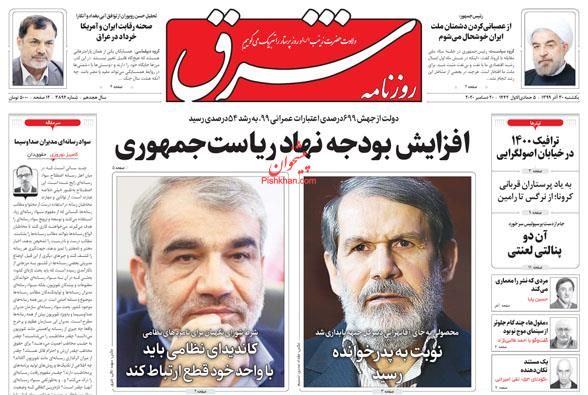
Shargh Newspaper:

1- Iraq, Scene of Iran-US Competition

2- Rouhani: I’m Pleased to Outrage Enemies of Iranian Nation

A Look at Iranian Newspaper Front Pages on December 20

Iran Says INSTEX Must Prove Its Efficiency

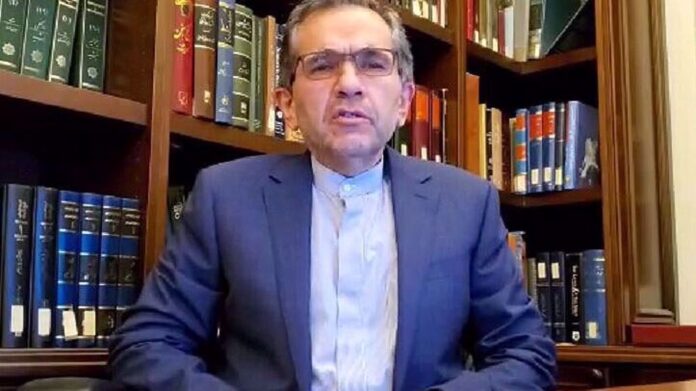
Majid Takht-Ravanchi, the Iranian ambassador to the United Nations, made the remarks on Saturday in reaction to the UN secretary-general’s 10th report on the implementation of the Security Council Resolution 2231, which endorsed the 2015 nuclear deal between Iran and world powers – the US, the UK, China, Russia, and Germany.

Based on the historic deal, officially known as the Joint Comprehensive Plan of Action (JCPOA), Iran agreed to restrict parts of its nuclear energy program in return for the removal of nuclear-related sanctions imposed on the country, mainly by the US.

However, in May 2018, US President Donald Trump unilaterally pulled his country out of the JCPOA and re-instated the anti-Iran sanctions that had been lifted under the accord.

Iran then threatened to pull out of the deal unless other parties to the JCPOA make up for the reimposition of the US sanctions. The European parties proposed the INSTEX as a special purpose vehicle to circumvent the US bans. However, it has been used only in a very small number of transactions so far.

“The system must prove its efficiency after two years,” Takht-Ravanchi said in his Saturday remarks, highlighting the European countries’ promise to guarantee that Iran will reap the economic dividends of the JCPOA if it remains in it.

After the European parties failed to live up to their commitments to Iran, namely protecting their business ties with Tehran against the American sanctions, Tehran was prompted to go for retaliation on May 8, 2019, exactly one year after the US ditched the multilateral pact, when it began to suspend parts of its commitments on a stage-by-stage basis under Articles 26 and 36 of the JCPOA.

In his Saturday comments, the Iranian ambassador to the UN said Iran’s reduction of its nuclear commitments was a result of the other parties’ violation of the deal and was within Iran’s rights under the JCPOA.

Iran, however, has made it explicitly clear that once the US returns to the JCPOA and lifts all the sanctions, it is ready to reverse all the steps it has taken to reduce its commitments.

The Iranian ambassador’s remarks came after UN Secretary General Antonio Guterres underlined the need for preserving the 2015 landmark nuclear deal, urging the world countries to engage in trade ties with Tehran based on Security Council Resolution 2231 that endorsed the agreement.

He hailed the nuclear deal, also known as the Joint Comprehensive Plan of Action (JCPOA), as a testament to the effectiveness of multilateralism, diplomacy and dialogue, saying the agreement is the best way to ensure a comprehensive, long-term and proper solution to Iran’s nuclear issue and to help promote regional and international peace and security.

Guterres also called for the continued commitment of the JCPOA’s signatories to preserve it and highlighted the importance of the deal’s economic benefits for the Iranian people.

The UN chief reiterated the significance of initiatives aimed at supporting trade and economic relations with Iran amid the current economic and health challenges caused by the coronavirus pandemic.

He encouraged the UN member states to cooperate with the JCPOA parties in creating the necessary conditions required for business with the Islamic Republic based on UNSC Resolution 2231.

Guterres further expressed regret at the unilateral US withdrawal from the JCPOA, saying the re-imposition of anti-Iran sanctions is contrary to the goals set by Resolution 2231.

Other measures taken by Washington to restrict activities authorized under the JCPOA may impede the implement of UNSC Resolution 2231, he added.

Iranian People Entitled to Lifting of Sanctions: VP

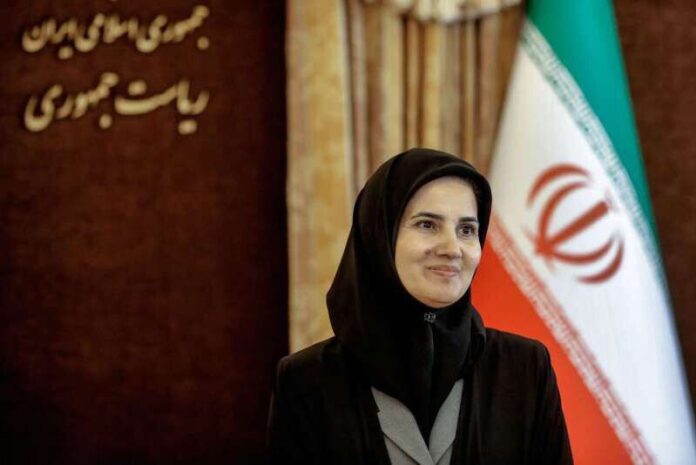
Vice President for Legal Affairs La’ya Joneydi said the pressure of sanctions was so much that the Rouhani administration was not able to keep public contentment at a high level.
In an interview with the Hamshahri newspaper, the senior official touched upon sanctions as well as several other key issues.

In her comments, she referred to the legislation passed by Iranian lawmakers to push for the lifting of sanctions.

She said if the plan is implemented logically and all pillars of the Establishment work towards the proper implementation of the initiative, things will go well.
“Otherwise, there will be problems,” she noted.
The vice president then said political competition is something necessary.
“Part of the health of the political power structure lies in these political rivalries; so, we shouldn’t think wrongly. The openness of the competitive atmosphere for political parties and factions means people’s political rights are being exercised,” she said.
She also mentioned the governments’ drawing up of the Citizens’ Rights Charter, saying the move is a tool to help implement Chapter three of the Constitution which concerns people’s rights.