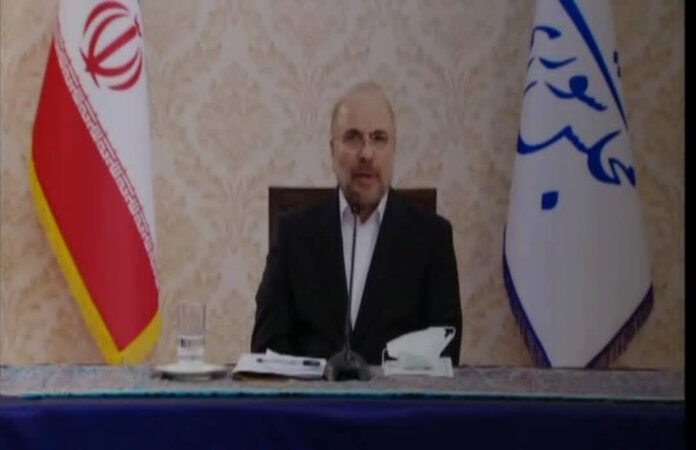
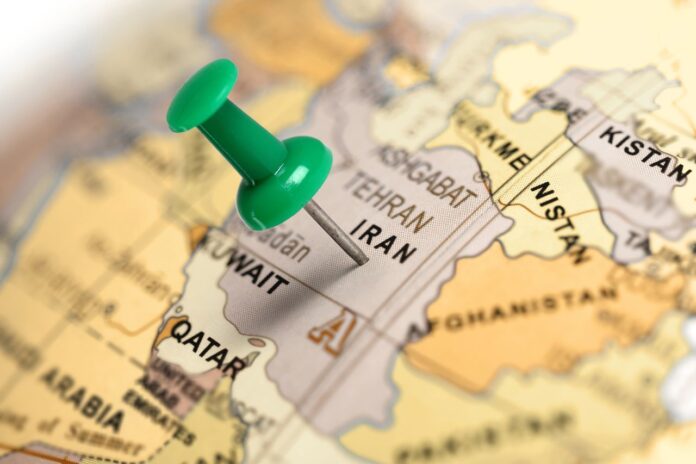
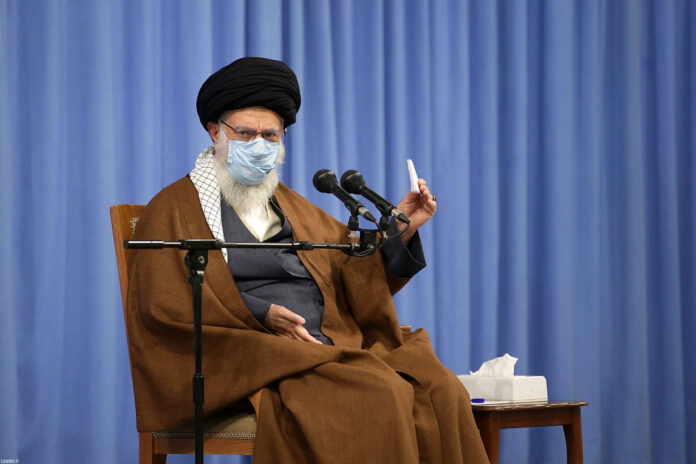
Speaking in a Tuesday meeting with heads of the trio branches of power, Ayatollah Seyyed Ali Khamenei said the Europeans keep taking positions against Iran while they themselves are making the most incorrect interference in regional issues.
“Our missile program and our region are none of your business,” said the Leader, addressing the E3 leaders.
“They keep telling us not to meddle in the region while Britain and France possess destructive atomic missiles, and Germany is one the same path,” said Ayatollah Khamenei.
The Leader also warned the Iranian officials that foreigners cannot be trusted.
Elsewhere in his remarks, the Leader described anti-Iran sanctions as a crime.
“The issue of sanctions is a bitter reality and a crime committed by the US and its European partners against the Iranian nation,” he explained.
“This crime has been committed against the Iranian nation for years, but it has intensified over the past three years,” he noted.
Ayatollah Khamenei urged people to continue their resistance against sanctions.
“If we can overcome sanctions by making efforts and taking initiatives and standing up to problems, and the other side sees that sanctions have become ineffective, they will gradually give up on sanctions,” he said.
The Leader said Iran should either have the sanctions removed or try to neutralize them.
“We once tested the first path and engaged in negotiations for years, but that did not work,” he said, suggesting that the country’s officials must strive to neutralize the sanctions instead of opting for negotiation with the new US administration.
Government Spokesman Ali Rabiei noted the lifting of sanctions will also contribute to a growth in foreign investment.
“With the easing of ‘maximum pressure’ and lifting of cruel sanctions and with Trump gone, the presence of foreign firms and willingness to invest in Iran will rise,” said the spokesman in a Tuesday press conference.
He said foreign companies have recently increased their contacts requesting to open offices in Iran.
Rabiei underlined the companies which have already been present in the country will have more opportunities to expand their activities.
“Iran has significant potential for investment by foreign companies,” he noted.
The spokesman said Iran’s special social status as well as expert workforce and inexpensive sources of energy are among the potentialities attracting foreign investment.
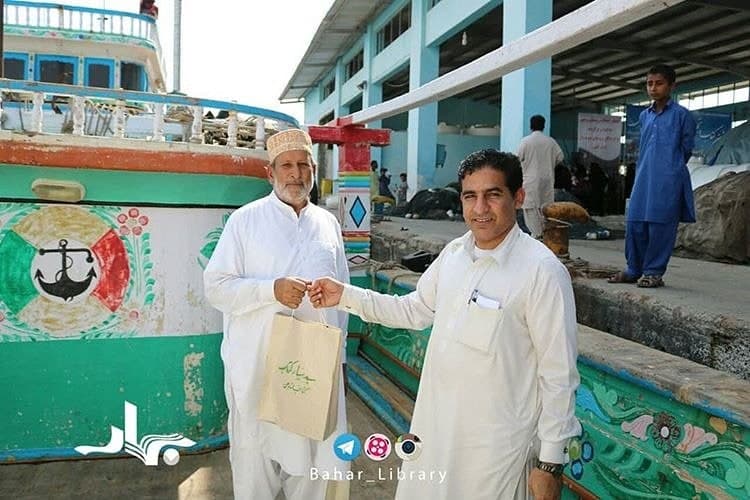
It has been ten years now that the Ramin village is known for the library built by Mr Bahar, not for its fishermen and fabulous tourist attractions.
Bahar has even been nominated for the Astrid Lindgren Memorial Award (ALMA), one of the world’s most prestigious awards for children’s and young adult literature. The ALMA is also known as the Children’s Nobel Prize among writers.
As Astrid Lindgren overhauled children’s literature of Sweden and of the world altogether, Abdolhakim Bahar played a pivotal role in promoting the culture of book reading among residents of the village.
He was born in the Lipar village on the outskirts of the southern port city of Chabahar, the same village which is also known as the “Bride of Chabahar.” The Lipar village is named so because of its beautiful pink-coloured lagoon.
Abdolhakim Bahar lived in this village until he turned five.
“Whenever I got back home tired after playing, my grandma, who happened to be illiterate, told me to sit down. She would pick some old newspapers and began telling stories as if she were reading from the papers. However, not caring about the old appearance of the newspapers, I loved the stories that my grandma made up,” he says.
After his family migrated from Lipar to the Ramin village, he had the chance to listen to his grandma’s stories once or twice a week.
“I was a primary school student when, one day, I went to call on my grandma in the Lipar village. I saw kids had books other than school books in their hands. … They were simple books for kids. But it was interesting for me as I hadn’t seen any books other than textbooks before. So, I decided to save money and buy books!” he says.
Room Converted to Library
The books that he bought during his childhood and teenage years stayed with him even until after he got married.
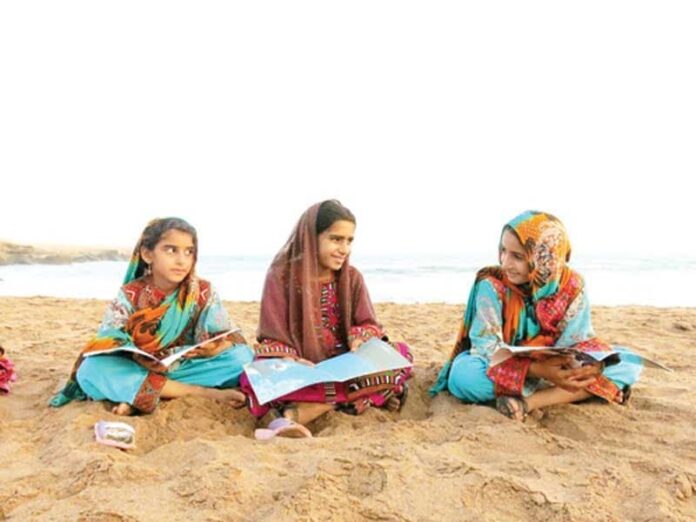
He sometimes lent them to children in the village, and sometimes he himself read them to children at the beach, until 2004 and on the threshold of the Persian New Year, when, at the suggestion of his wife, he decided to donate the books to the school library.
“I collected the books, which numbered around 400, and took them to the school, but against my expectation, school authorities did not welcome the donation of the books,” he explains.
“So, I returned home with my tail between my legs. When my wife saw me down in the dumps with all those books, she suggested we convert one of our rooms into a library!” he says.
“I called village kids. All of them came and began working with joy to turn the room into a library,” he says.
The captain was illiterate, but he took the books to the sea so that the seaman would read them to him
“First there were 20 of them, but then their number increased to 70, and it was no longer possible to run the library form home. With the help of the village council, we took an old, abandoned connex, which had lain unused in the village for years, and prepared it to become the first village library,” he says.
“The establishment of the library coincided with the first Festival of Villager and Nomad Book Lovers. Upwards of 600 villages had attended the event, and the Ramin village made it to the top ten. Part of the award was a cash prize. We bought around Rls. 100 million worth of books for the library. The rest of the cash prize was spent on restoring the connex and buying equipment for it,” says Bahar.
Separating Children’s Library from Adults’
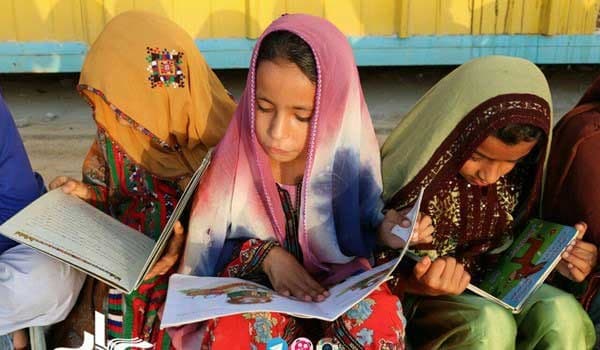
The number of bibliophiles in the village rose so much that Bahar had to separate children and young adults’ section in the library from that of adults.
“We have 7 thousand volumes of books in the field of children and young adults, and 6 thousand for adults,” he explains.
“All these books remained in the same connex until the Iranshahr University of Medical Sciences built a large medical centre in Ramin and the building of the former clinic became vacant. With much effort, we manage to get the permit to turn it into a libaray,” Bahar says.
Convoy of Knowledge Ambassadors
Of course, Abdolhakim Bahar is not only concerned about promoting the culture of book reading among residents of the Ramin village; rather, he seeks to spark an interest in book reading among people in all nearby villages as well. He uses a mobile minibus library to do this.
“With the cooperation of village kids, The Convoy of Knowledge Ambassadors stops village by village, reads books to kids and lends books,” he says.
He says another plan he has done is to lend books to seamen who spend long days at sea.
“One of the advantages of this program is to boost the relationship between the older and younger generation. Old sailors who are illiterate take part in book-reading circles held by younger sailors, which could be the start of good happenings,” he explains.
Today, more than 80 book reading clubs are up and running in the Ramin village. Club members participate both in book reading circles and in environmental activities.
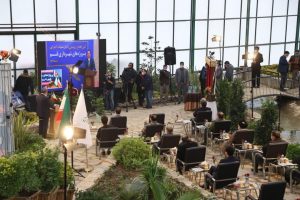
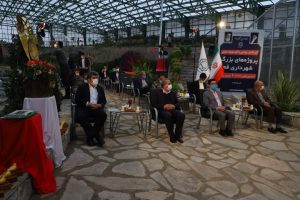
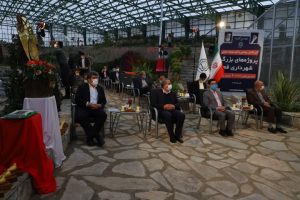
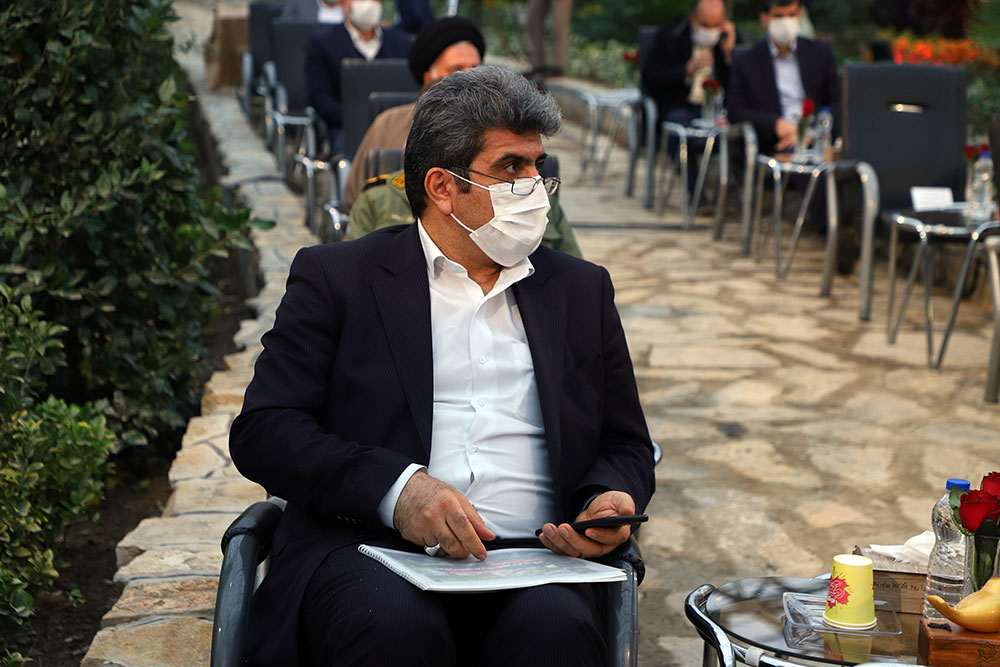
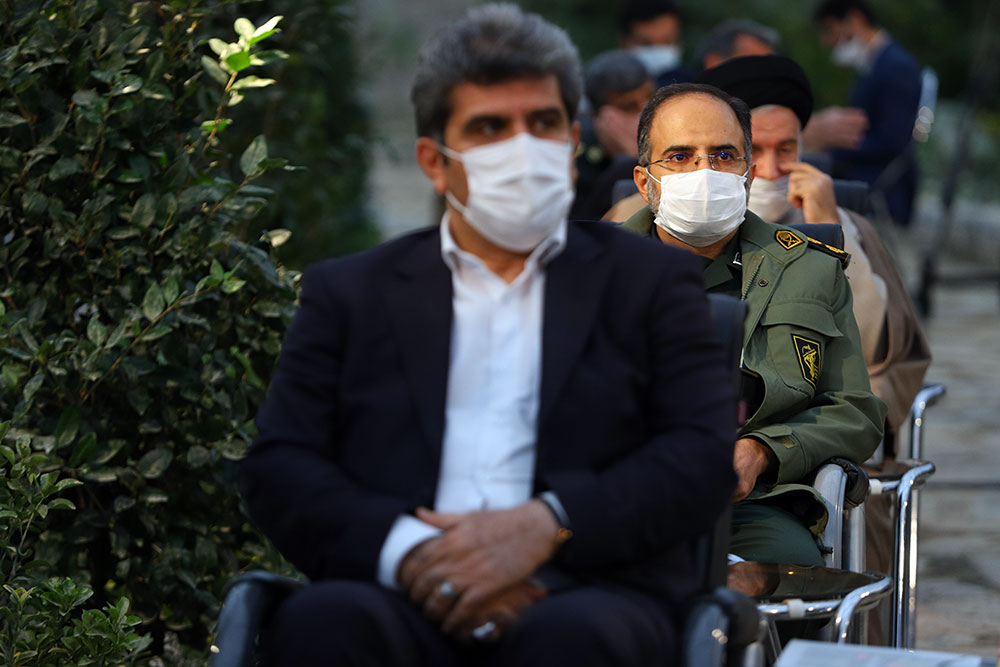
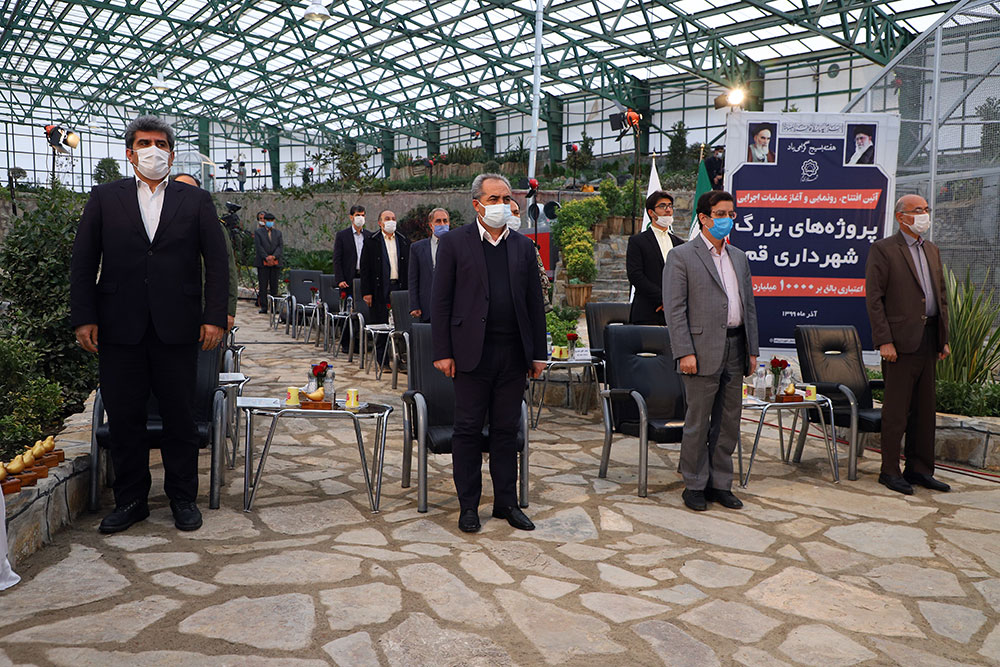
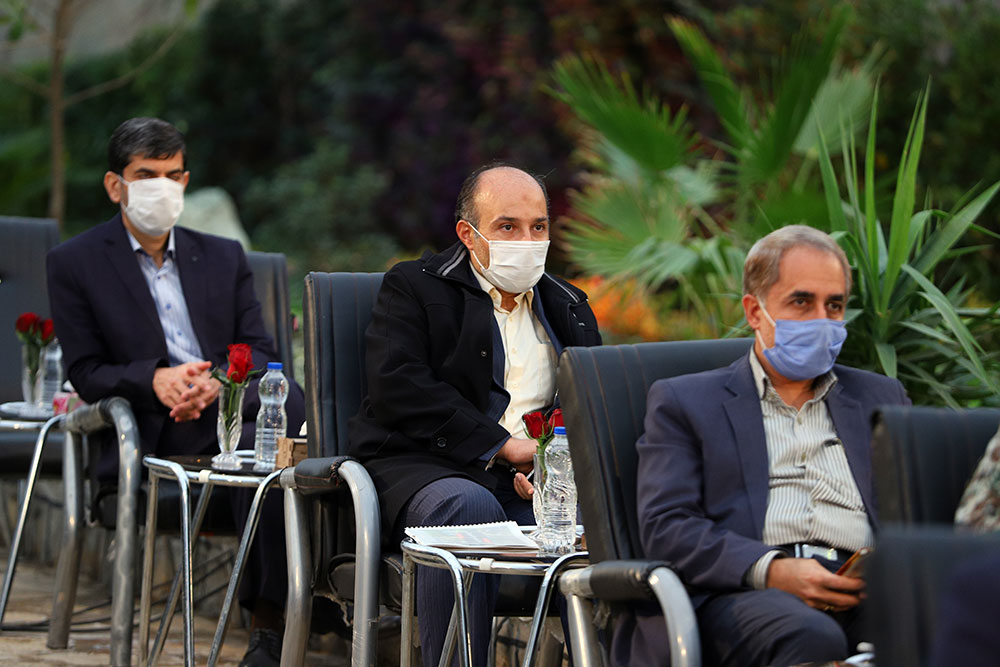
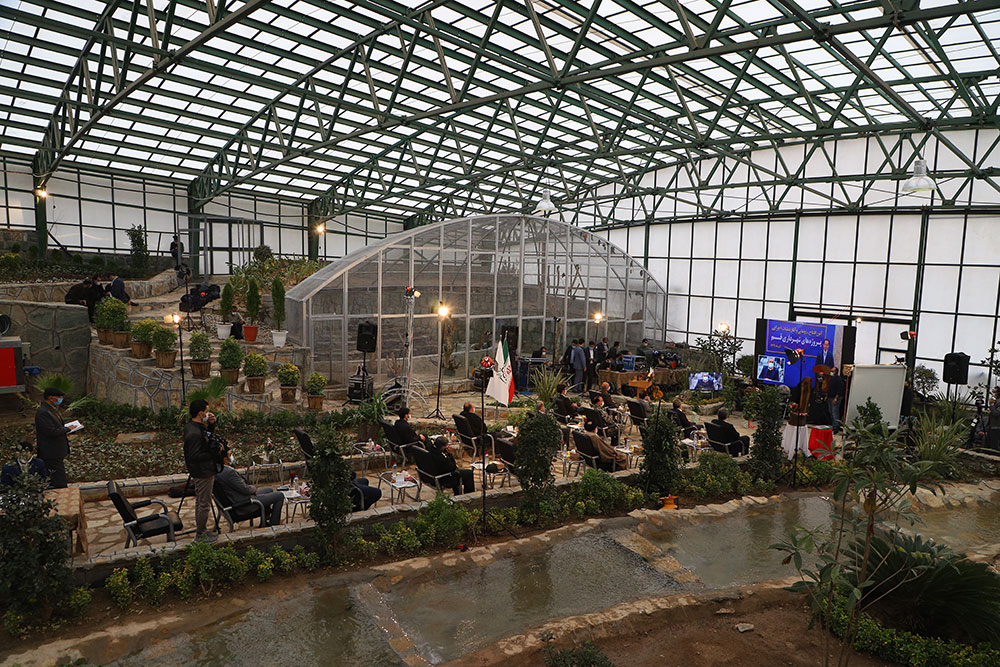
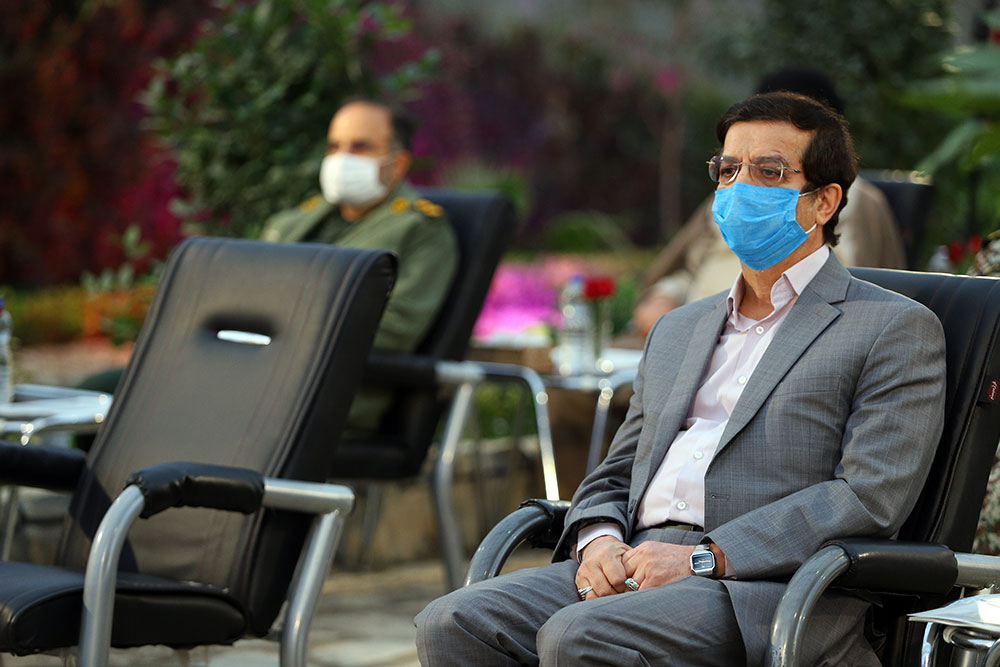
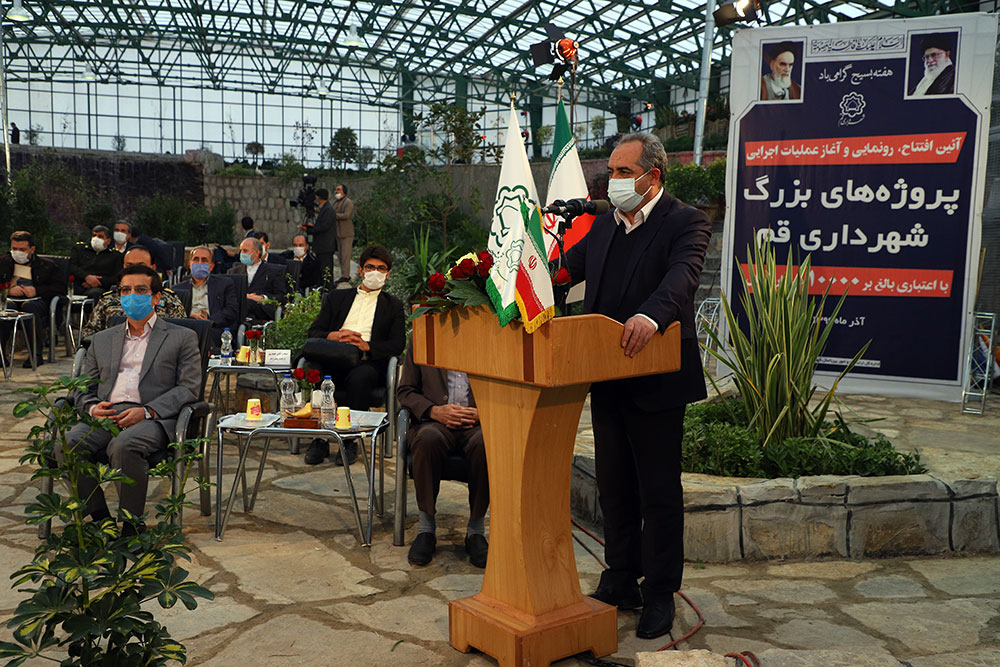
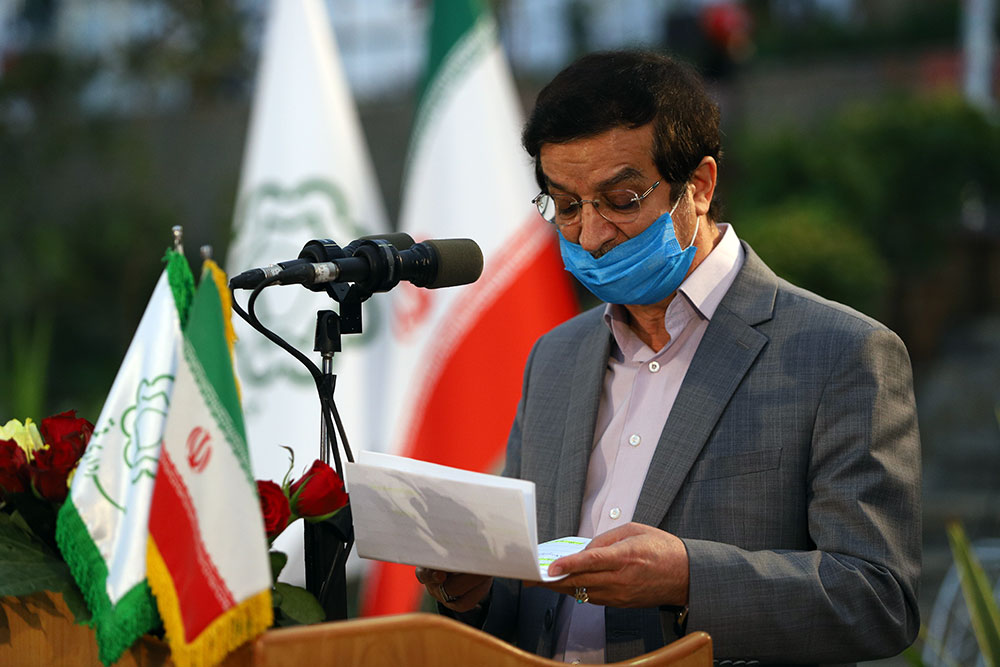
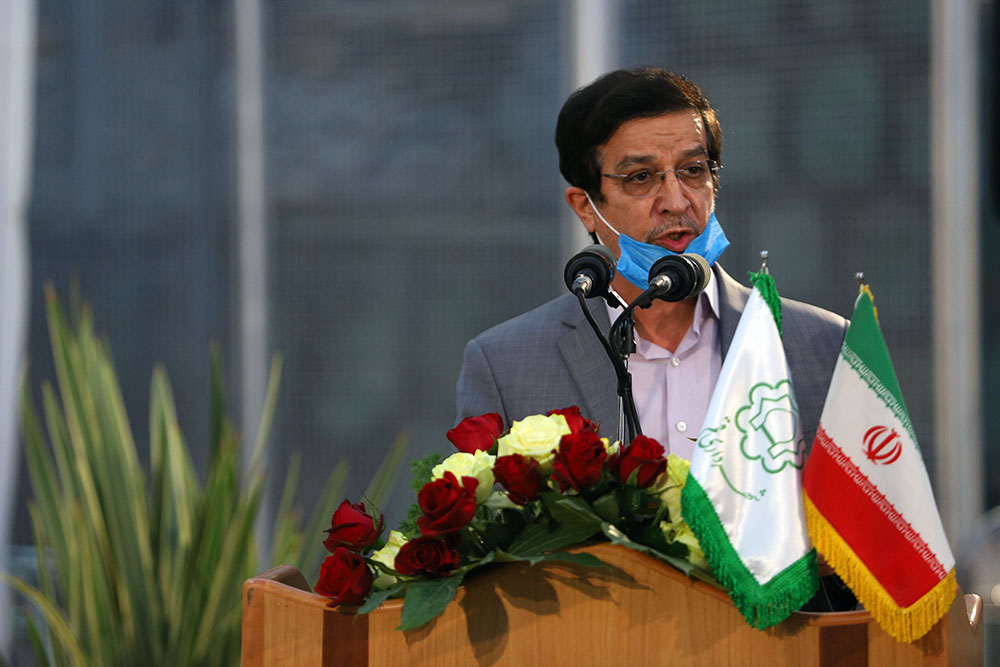
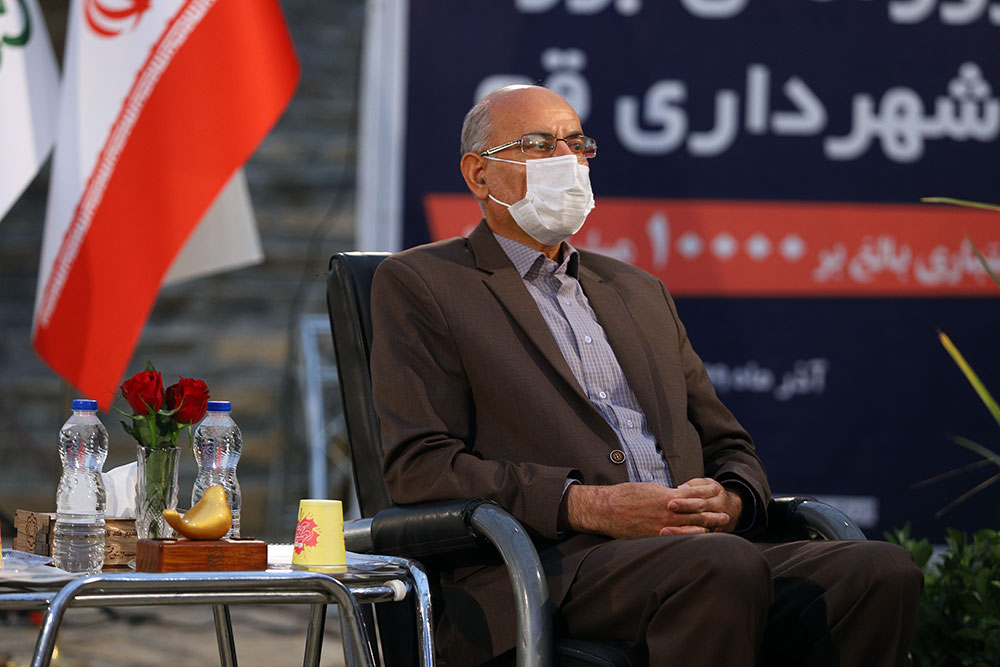
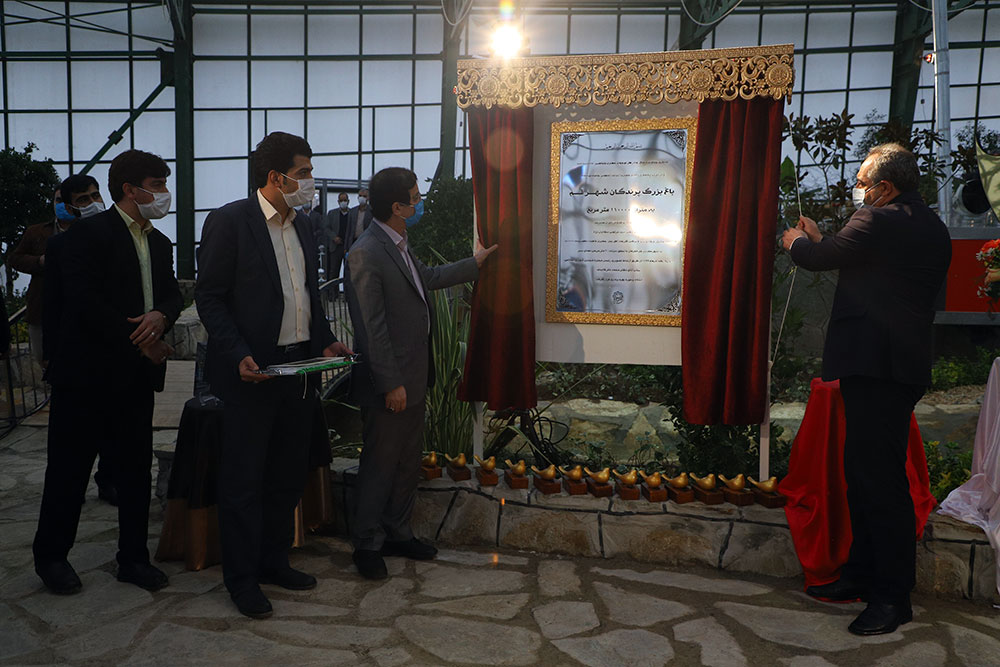
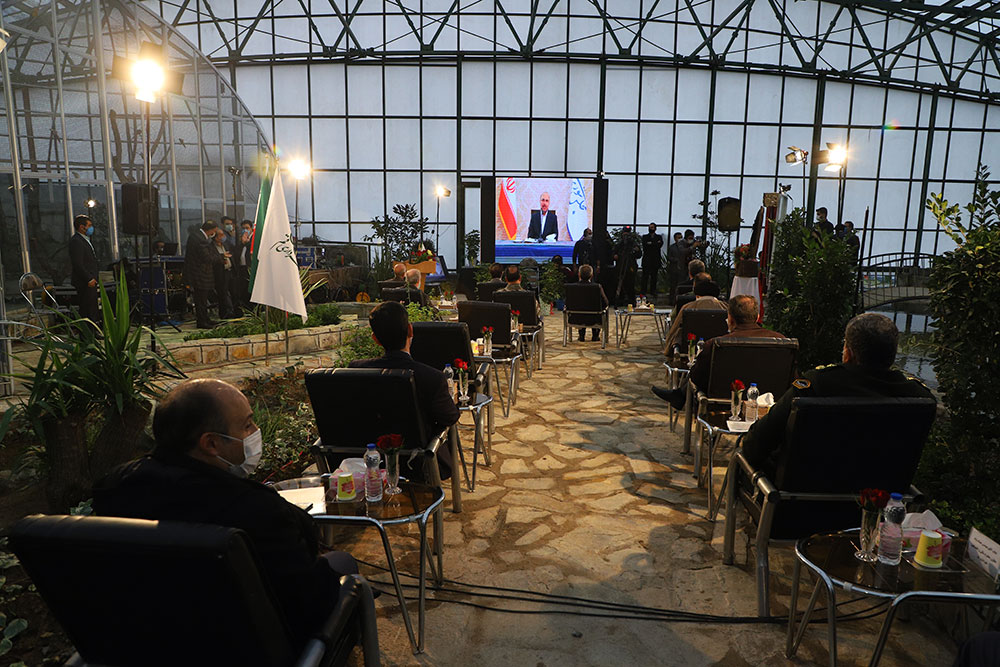
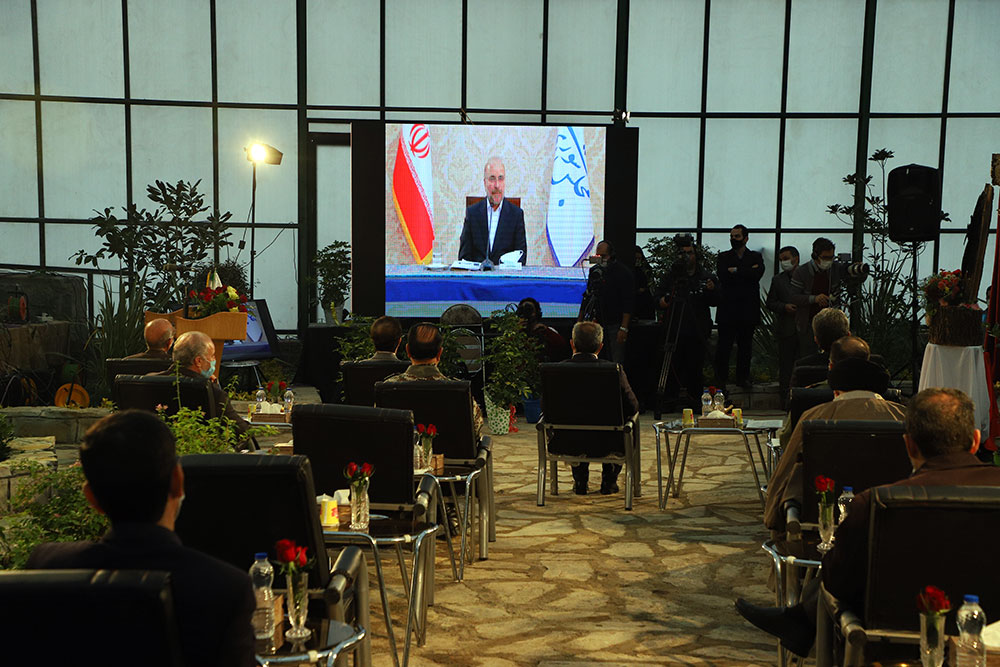
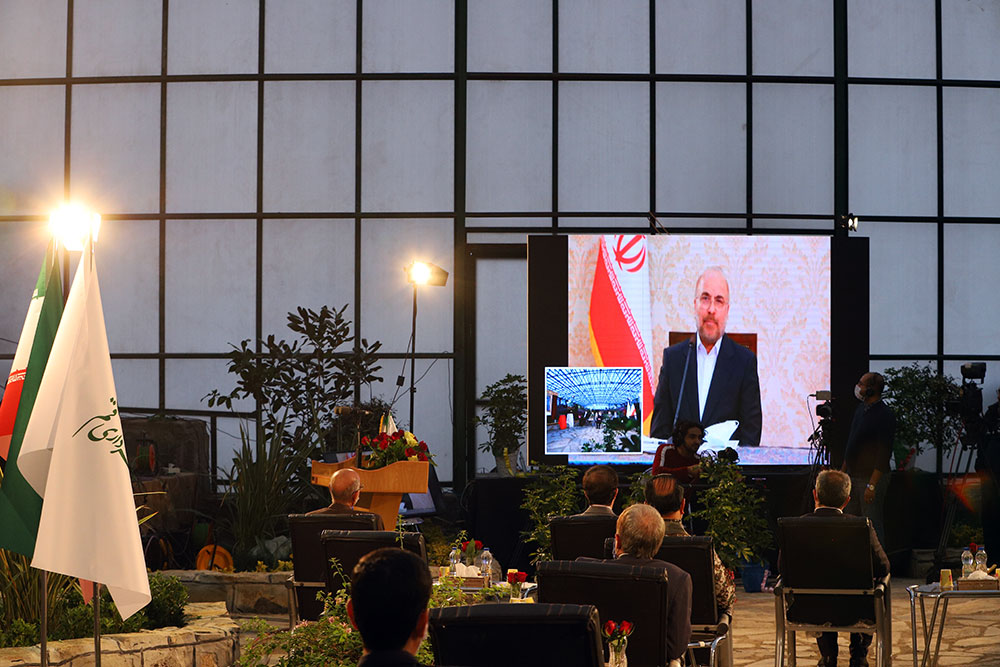
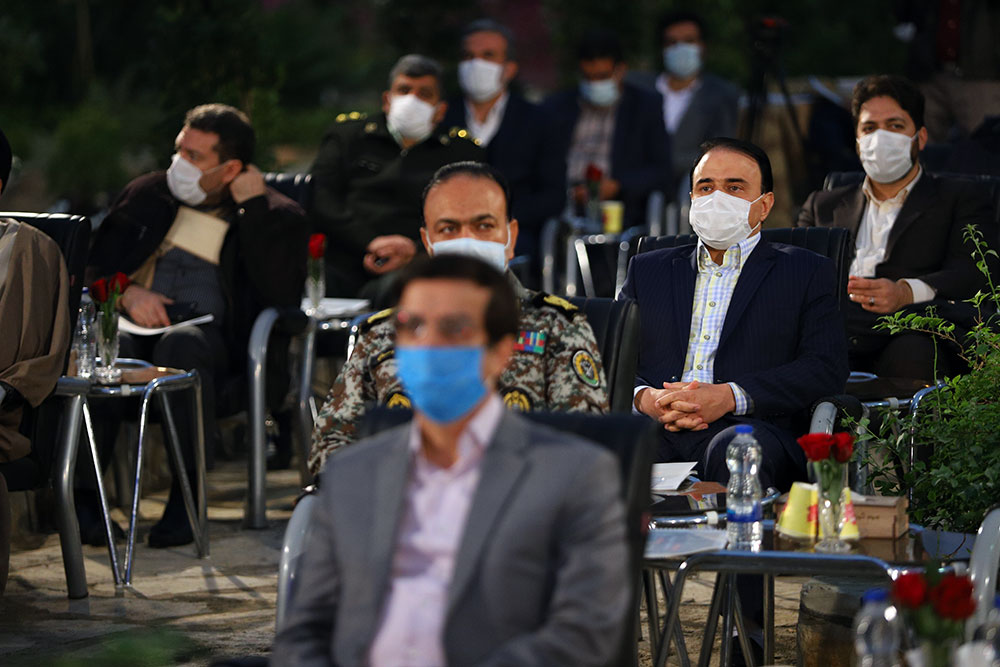
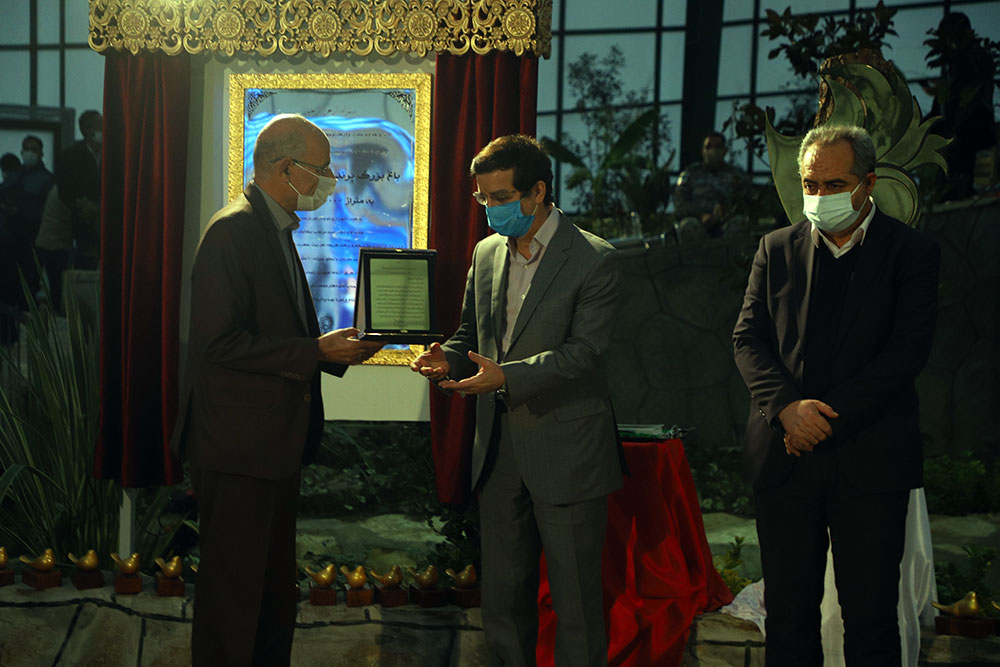
The opening ceremonies were held by the attendance of Bahram Sarmast, Governor of Qom, Dr. Seyyed Morteza Saqaeiannejad, Mayor of Qom, Abdullah Jalali, Chairman of the Islamic City Council of Qom, Seyyed Reza Mousavi Meshkini, Director General of the Head Office of Qom Province Environmental and Rafiei, Director General of Veterinary organization as well as a group of city managers.
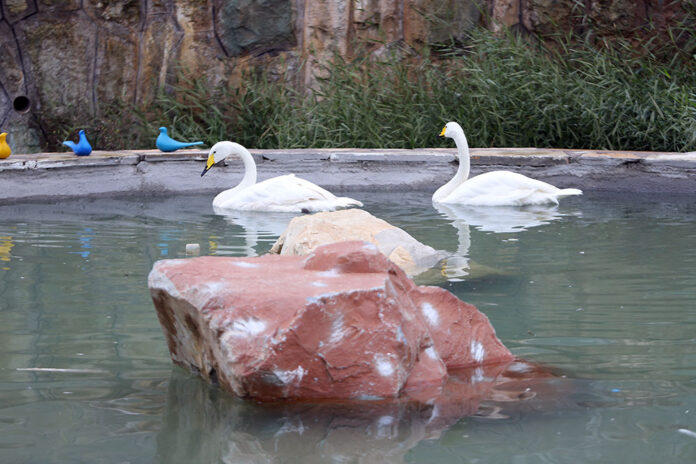
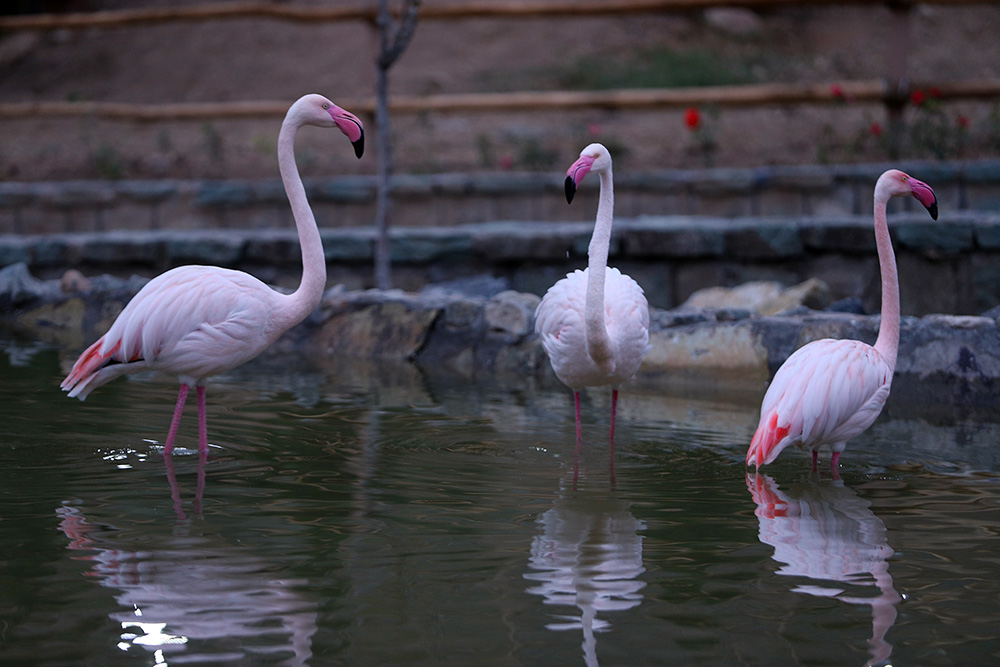
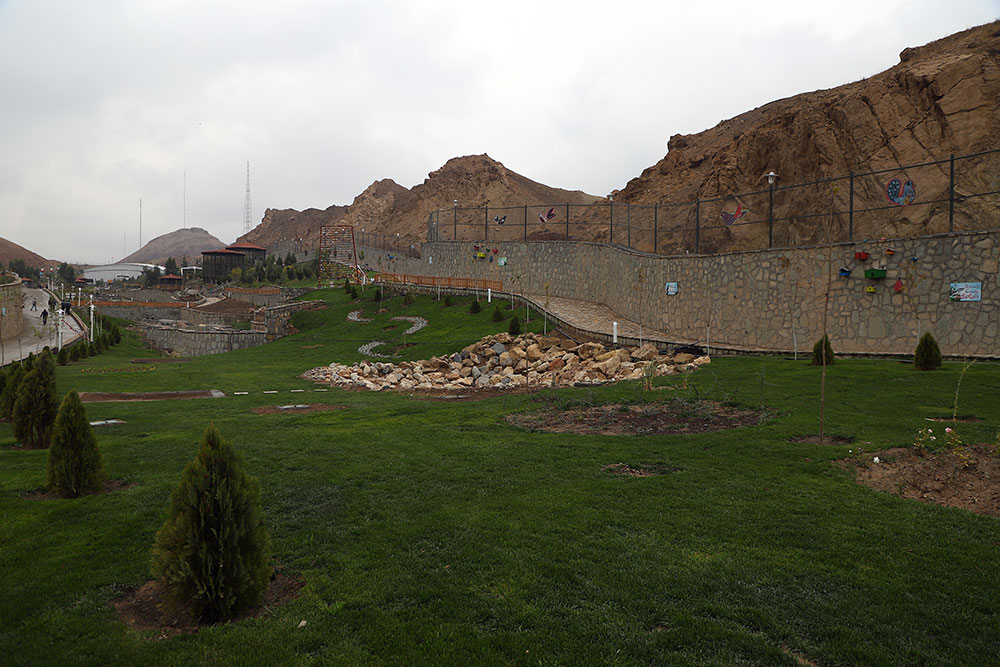
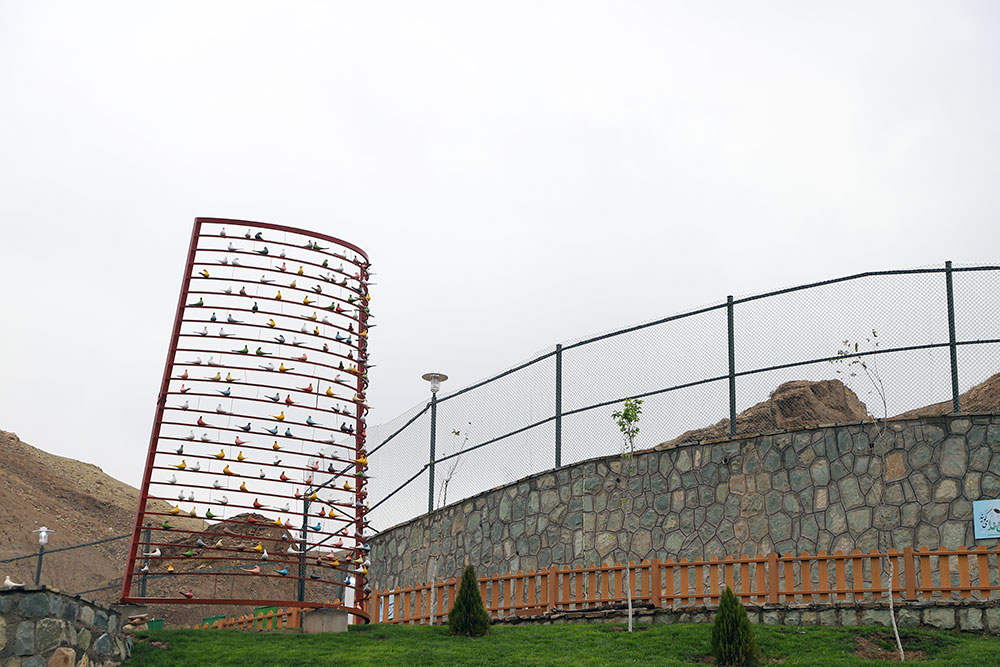
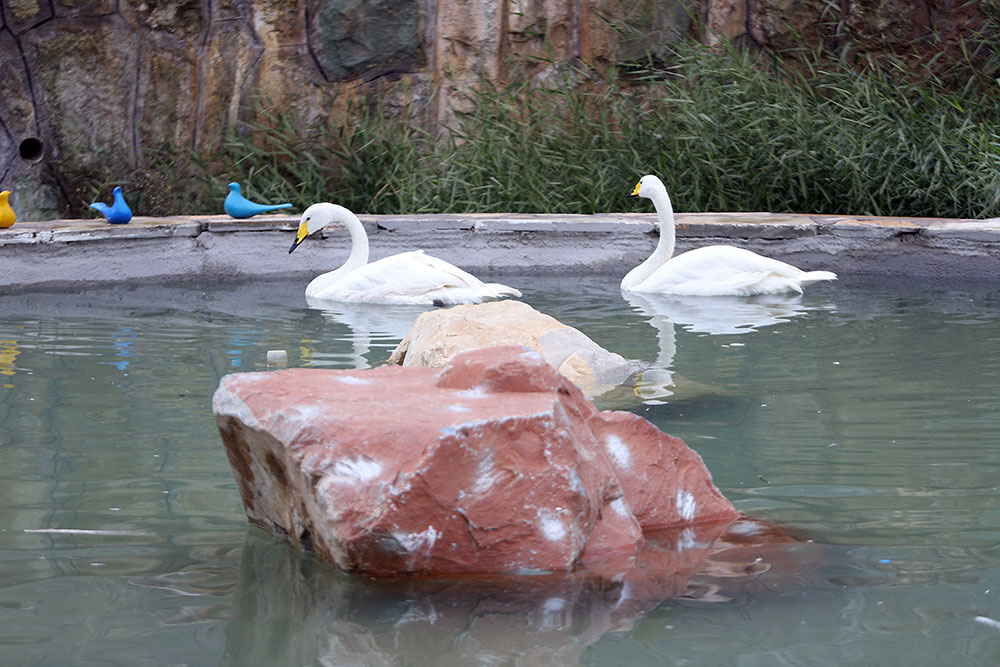
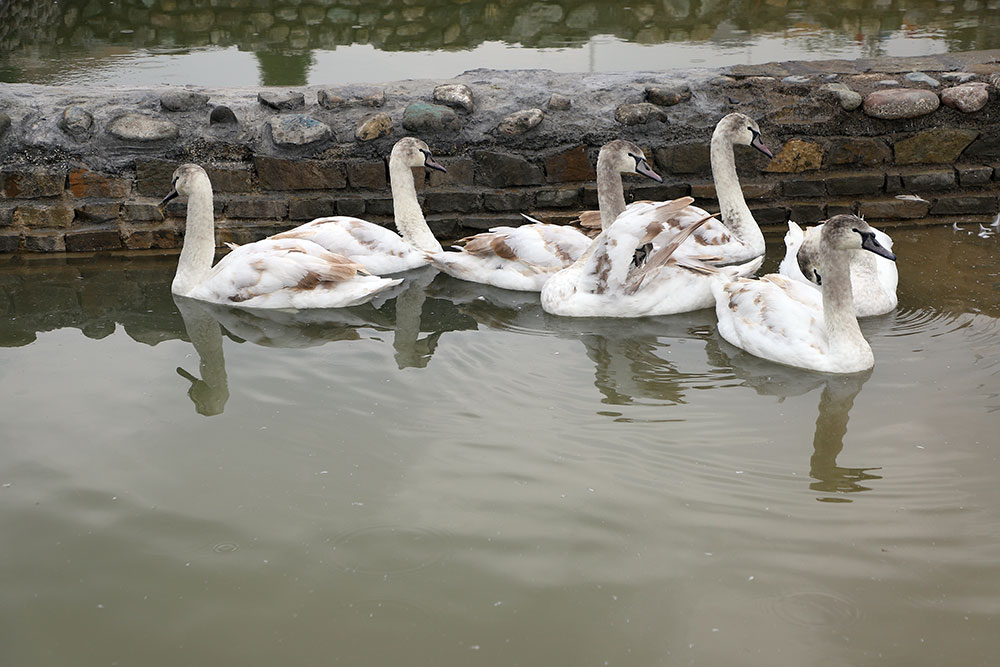
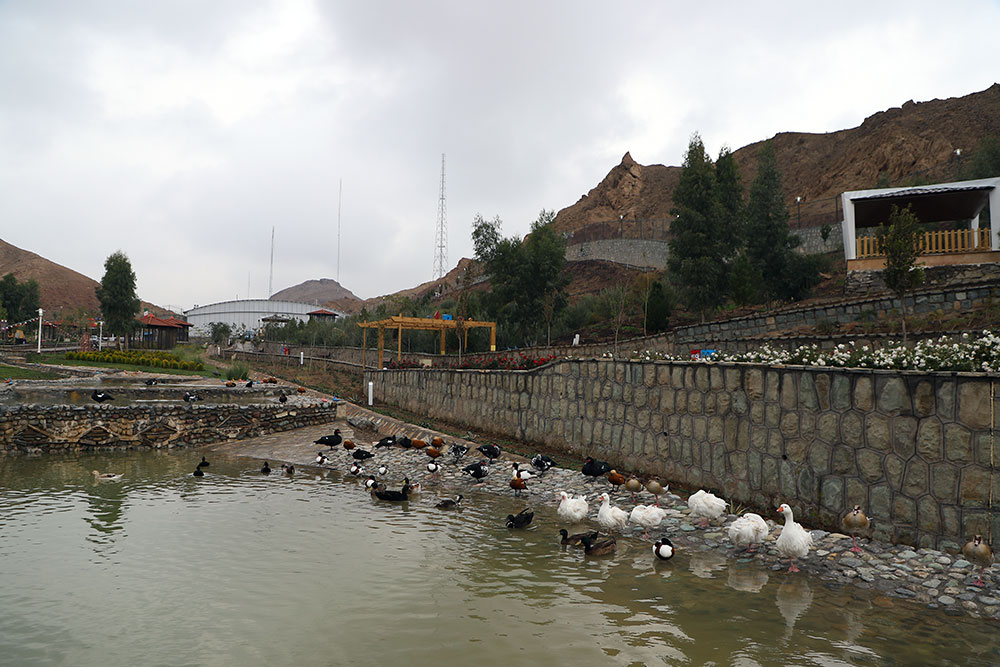
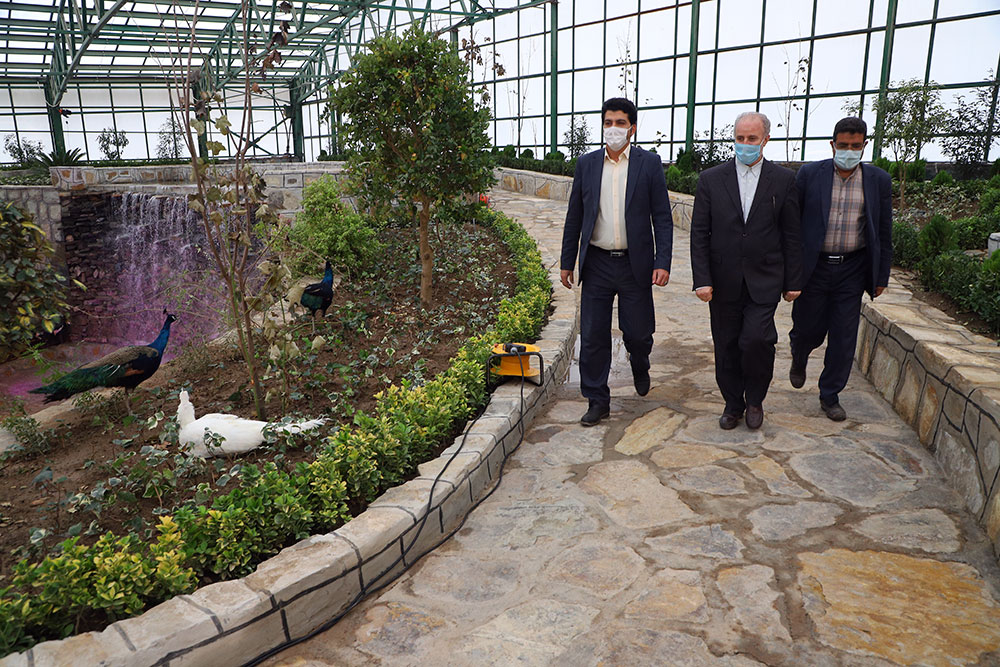
Qom’s Birds garden
The construction of Qom Birds Garden has been started in July 2017 with the aim of increasing per capita green space and creating social vitality by developing recreational and tourist facilities.
This garden with an area of 70,000 square meters is located in Mofid Square and Shahid Avini Boulevard.
Construction of retaining walls, footpaths and pavements, entrance building and WCs, waterfall and pond, bird cages, and tropical cages are among the measures taken in this project.
Executive operation of non-level intersection of Namaz square
Th Deputy of Transportation and Traffic of Qom Municipality, the Technical Deputy of Civil Engineering and the representative of Qom people in the parliament were also present in the inauguration ceremony of non-level intersection of Namaz square.
The multi-level intersection project of Namaz Square has been built in three levels with overpasses, underpasses and street level with more than 69 billion Tomans credit.
The 42,500 (SM) project, which is designed and started today with the aim of balancing and improving urban traffic in this area, will help complete the network of urban passages along the Islamic Republic Boulevard.
Park of Martyr Zeinoddin
The multi-storey park of Martyr Zeinoddin in District 4 was also inaugurated today with the presence of provincial managers
The Deputy of Urban Services and the Deputy of Urban Architecture of Qom Municipality were also among guests.
ُThe Park with an area of 20,000 square meters has been implemented with a number of level flat areas in order to increase the per capita green space and create recreational places, as well.
Farhad Dejpasand said Iran has been following resistance economy policies amid sanctions.
“At a time when we are involved in a tough economic war and amid the coronavirus pandemic, which has extremely affected global economy, Iran managed to show considerable resilience by God’s grace and with people’s cooperation, and this is the same ‘economic resilience’,” he noted.
The minister said the enemy failed to achieve its evil objective of bringing about a “regime change,” which the enemy claimed could happen in three months.
“However, we are seeing that 24 months have passed since the time the enemy made that comment, and the Establishment of the Islamic Republic of Iran stands firm as ever, and this amounts to a major defeat for them,” he said.
The minister said Iran minimized the effects of the enemy’s economic war by adopting the necessary measures coupled with people’s rapport and cooperation.
Saeed Namaki said Iran is seeking to buy the vaccine from different channels.
“We are pursuing this through three channels. The first one is to buy the vaccine from sources which have been confirmed in the world. We are among countries which can choose which sources to pick,” he said.
“We have chosen four sources to buy the vaccine from, and we are scheduled to buy around 18 million doses of the COVID-19 vaccine,” the health minister noted.
“We are also holding consultations with other vaccine producers in the world, so that we would be able to buy their surplus vaccines,” he said.
“The second method is a model in the form of a joint contract which brings together domestic production and foreign technical know-how,” he said.
“The third model is to rely on domestic know-how and production. Four of our companies presented a report on their performance to the World Health Organization through a webinar,” he noted.
The health minister said the products of two of the four companies will be authorized to enter the “human phase,” so that at least one of them will be able to begin undergoing human phase tests.
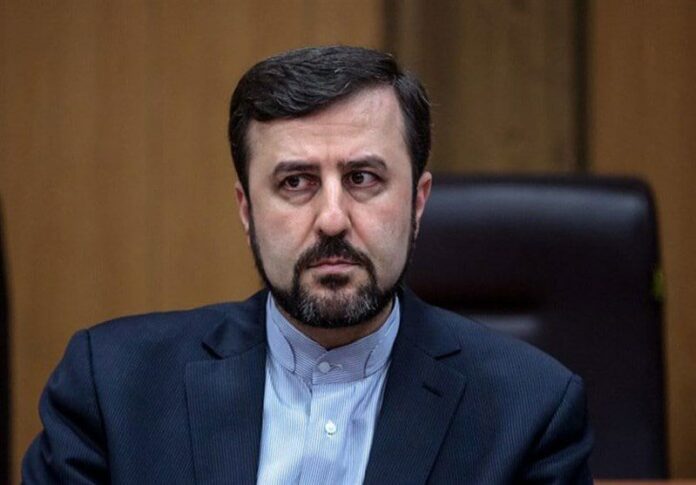
Kazem Gharibabadi, Iran’s ambassador to international organizations based in Vienna, said comprehensive, multilateral, coordinated and extensive support should be offered to countries which need assistance to cope with the virus.
“We voice deep concern over the serious repercussion of the coronavirus for many developing countries, including vulnerable nations and those facing serious challenges which are out of their control,” said Gharibabadi at conference of United Nations Industrial Development Organization (UNIDO) held via videoconferencing.
He said the disease deeply affects the ability of these countries to tackle COVID-19 as well as investment in the implementation of sustainable development plans.
The top diplomat said fighting the coronavirus requires global cooperation and solidarity.
“We are still seeing unilateral sanctions being used against countries, which is a flagrant violation of the objectives and principles of the UN Charter, international and human rights as well as the principles of multilateralism and norms of diplomacy and international relations,” he said.
Gharibabadi noted the campaign against the coronavirus pandemic is a global one.
He also urged UNIDO to work closely with other UN bodies to help with efforts to reach out to countries needing support to fight the coronavirus.
Taher Mouhebati said the Iranian Presidential Office will pursue the matter.
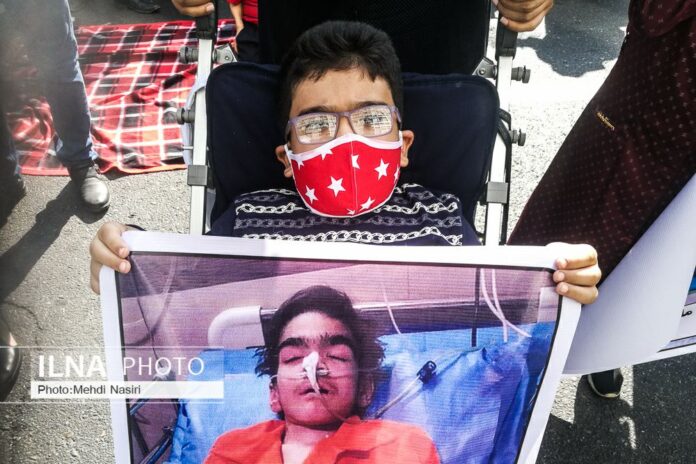
“Sanctions have affected people’s health at different levels,” said Mouhebati, the deputy head of the health ministry for legal, parliamentary and provincial affairs.
“This issue is being pursued by the Legal Department of the Presidential Office, and the health ministry, too, has provided the department with the necessary documents to follow up on the matter at international bodies,” he added.
He noted sanctions have impeded the procurement of medical equipment and medicines needed to tackle the coronavirus outbreak.
He said if domestic companies were not able to produce the necessary medical devices, “we would really run into problems.”
The official noted that the supply of vaccines is very important as well because it is directly related with people’s health.
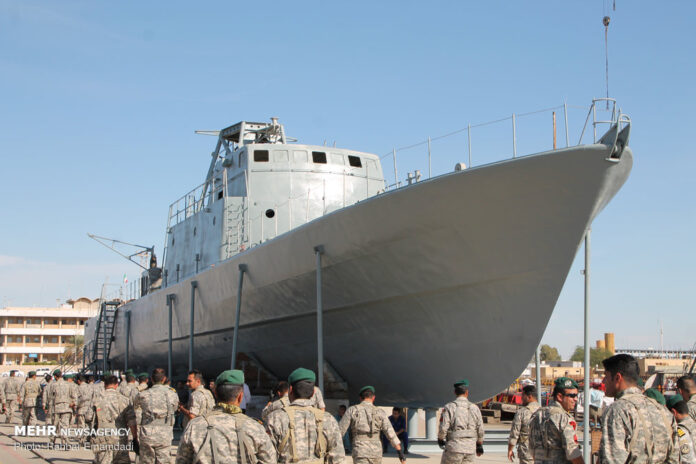
Brigadier General Amir Hatami said on Monday the vessel is the result of considerable progress made by the Armed Forces in recent decades.
“The destroyer Dena, which is a completely Iranian vessel, is different from destroyers of the same generation in terms of facilities, equipment and performance,” said the defence chief at a ceremony held via videoconferencing to mark National Basij Week.
He said Iran has developed the vessel despite facing the toughest and most hostile sanctions in the defence domain.
“During this very period, we designed, produced and handed over to the Armed Forces the most effective defence equipment,” he noted.










 Abdolhakim Bahar lived in this village until he turned five.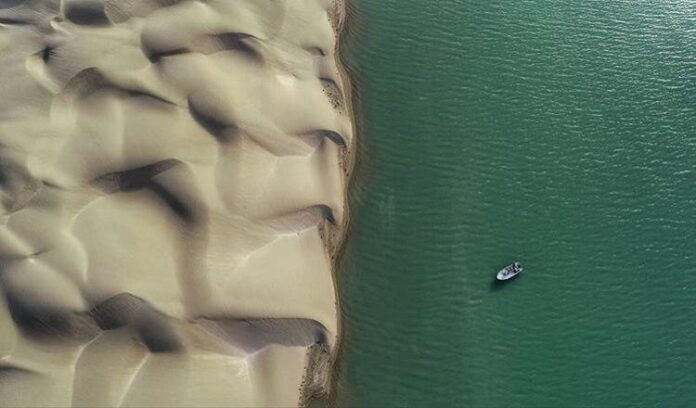
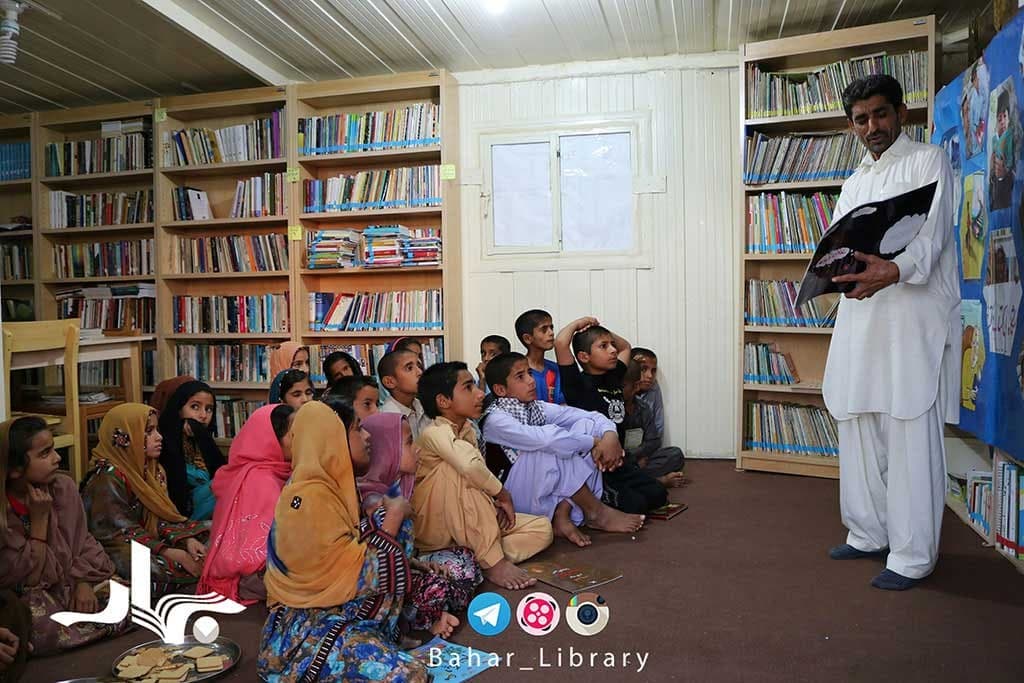
 “So, I returned home with my tail between my legs. When my wife saw me down in the dumps with all those books, she suggested we convert one of our rooms into a library!” he says.