Wednesday, December 31, 2025
Home Blog Page 2596

First Case of Mutated Coronavirus Strain Identified in Iran: Minister

Iran to Resume Trade with Arab States in Compliance with Health Protocols

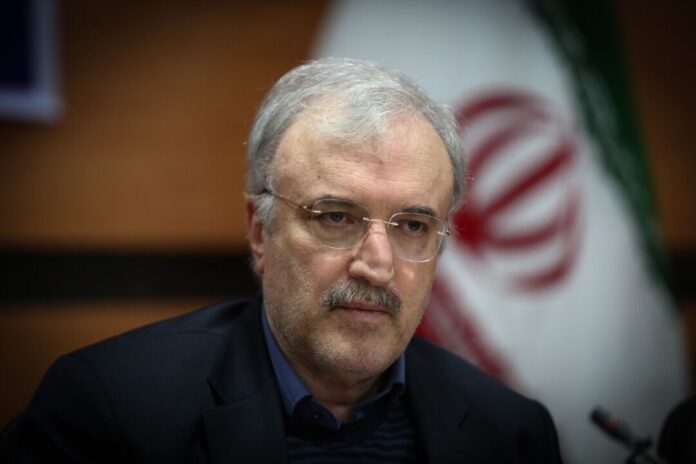
In remarks at a televised speech on Tuesday, Health Minister Saeed Namaki said the presence of the new strain of the coronavirus in Iran does not mean any new panic, urging people to observe the health protocols more strictly.

The minister said the first carrier of the mutated coronavirus is an Iranian national who has returned home from the UK.

The new variant of coronavirus was detected after a long process of screening, he added, saying the patient had been admitted to a private hospital and was tested positive with the mutated strain after several procedures.

The patient is currently in good health conditions, the minister noted.

The passenger has acted quite wisely after arriving in Iran and has self-isolated despite holding a negative PCR test result upon arrival, Namaki said, noting that the new strain of COVID has not been detected in any of the people in contact with the patient.

He further dismissed reports about another case of the mutated coronavirus in the western provinces, saying a physician suspected of being infected underwent several tests and more than 240 people in contact with that doctor were also screened, but there was no trace of the new strain.

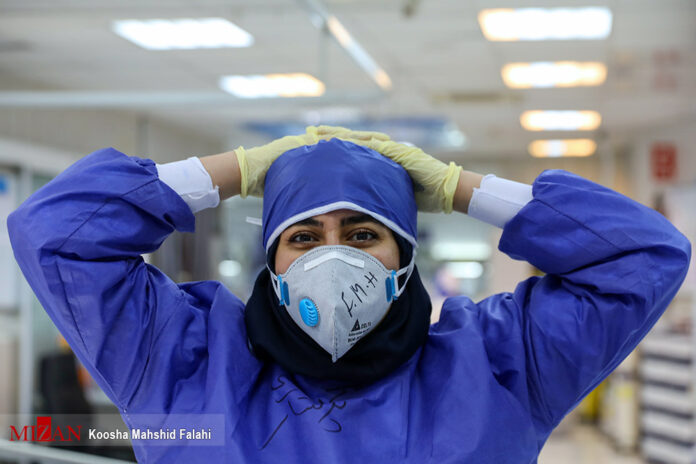
He also hailed the Islamic Republic’s success in lowering the daily death toll from COVID-19 to a two-digit number after months, saying only 98 coronavirus patients have died over the past 24 hours, although even one single death is still too much.

Namaki finally noted that the decline in the coronavirus fatalities is a result of unwavering efforts of the healthcare personnel and the medical society.

Iran on Tuesday confirmed 98 new deaths caused by the novel coronavirus in the past 24 hours, the lowest figure since June 20, 2020, increasing the overall death toll to 55,748.
Daily Surge in Iran’s COVID-19 Fatalities Down to Lowest in Six Months

Coronavirus in iran

In a press briefing on Tuesday, Health Ministry spokeswoman Sima-Sadat Lari reported 6,113 new cases of COVID-19 infection, raising the total number of cases to 1,255,620.

So far, Lari added, 1,029,028 patients have recovered from the disease or been discharged from the hospital.

Lari said 4,829 patients are also in critical conditions caused by more severe infection.
The spokeswoman noted that 7,885,416 COVID-19 tests have been taken across the country so far.

According to Lari, the four cities of Sari, Amol, Ramsar, and Northern Savadkuh are currently in the “red” zone, 43 cities in the “orange” zone, and 401 cities in the “yellow” zone in terms of coronavirus outbreak.

Iran Capable of Enriching Uranium Up to 40-60 Percent: Spokesman

In comments on Tuesday, Kamalvandi said the Parliament’s legislation has also allowed the government to prepare the grounds for uranium enrichment beyond 20 percent if needed.

Iran on Monday announced the beginning of the process to enrich uranium to 20 percent purity at its Fordow nuclear facility.

The measure was taken under a law, dubbed the Strategic Action Plan to Counter Sanctions, which the Parliament approved late last year.

The legislation requires the AEOI to produce at least 120 kilograms of 20-percent enriched uranium annually and store it inside the country within two months of production.

It also urges the AEOI to start the installation, gas injection, enrichment and storage of nuclear materials up to an appropriate enrichment degree within a period of three months using at least 1,000 IR-2m centrifuges.

Iran Denies Holding South Korean Vessel ‘Hostage’, Calls Seoul ‘Hostage-Taker’

Seized South Korean Ship in Iran

“Regarding the allegations of ‘hostage-taking’ which I’m hearing these days; if there is a hostage taker here, that’s the South Korean government which has taken hostage over $7 billion in Iranian funds for groundless pretexts,” Rabiei said in a Tuesday press conference.

Even when it comes to commodities like medicine which they claim are not under sanctions, they cite baseless pretexts to deny Iran’s access despite the difficult conditions of our people, he noted.

“We haven’t been a hostage-tanker. If there is any hostage-taker here, I believe it’s the Korean government. Our nation’s historical memory will never forget it. They [Koreans] did not make any extra efforts to give the Iranian people access to their money,” he reiterated.

“Regarding the vessel, it has been seized based on a judicial order, according to our military and judicial officials. It has been confiscated because of oil pollution in the Persian Gulf,” Rabiei noted, referring to the IRGC Navy’s Monday seizure of a South Korean chemical tanker in the Persian Gulf.

“It had earlier received warning, and the request for its seizure has been a technical one made by a technical organization. It is usual in the world, and it’s nothing complicated,” he added.

President Rouhani Highlights Efforts to Facilitate Investment in Iran

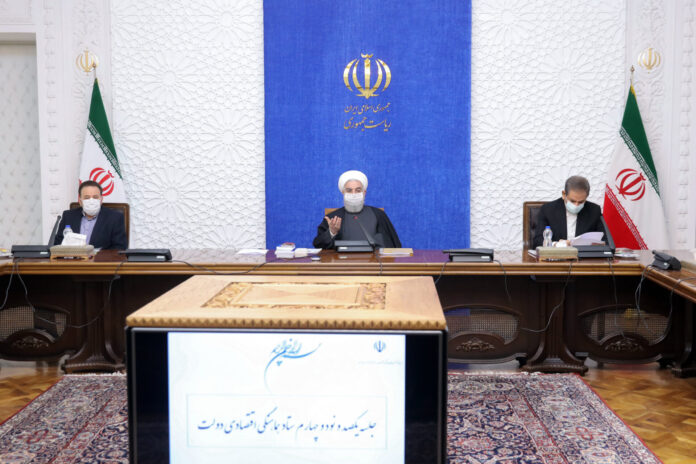
Addressing a Tuesday session of the Administration’s Economic Coordination Headquarters, President Rouhani said the government has always pushed for the removal of obstacles to investment.

The administration has tried to revoke and reform the obstructive regulations and reduce the damaging bureaucracy for attraction of investment in order to neutralize the sanctions and attain the goal of a jump in production and improvement of resistance economy indices, the president added.

A rise in investment is one of the main factors in economic development, President Rouhani added, saying the enemies have imposed sanctions to impede foreign investment in the development of Iran’s infrastructures.

“Erasing the motivation for the withdrawal of investment from the country and encouraging the attraction of investment from abroad are two basic steps in sustainable development and strengthening of the country’s economy,” the president noted.

The major element in attraction of investment is the mutual trust between the government and the private sector, the president noted, stressing, “None of the investors making an investment in the country legally should feel economic, social and political insecurity in the process of participation in the development of the country.”

President Rouhani also urged the Iranian ministries dealing with the investment issues to carry out their duties accurately, stressing the need to create “direct and indirect economic incentives” and formulate clear regulations on application for the permissions.

The Iranian administration provides special support for the domestic and foreign investors making investment in revenue-generating economic sector and would offer them incentives to ensure reliable and secure investment, the president added.

President Rouhani finally warned that the attempts to misrepresent the situation in Iran and carry out harmful psychological measures in the economic sector, as in the stock exchange and currency markets, are aimed at dissuading the community of economic activists and investors.

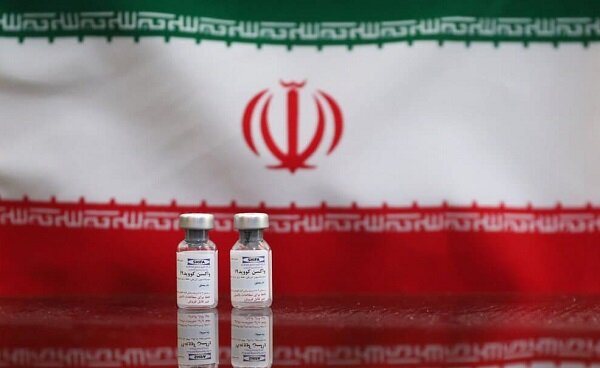
Iran Draws Up Timetable for Distribution of COVID-19 Vaccine

Alireza Moezzi said the timetable specifies the groups to be vaccinated in order of priority.

“As President Rouhani officially announced, by purchasing vaccines from different companies in the coming weeks, vaccination will get underway based on the priorities said and the table drawn up based on the target community, with medical personnel and the elderly taking precedence,” said Moezzi, the deputy chief of staff of the President’s Office for communications and information dissemination.

He reiterated that the president and vice president had already announced that the government would not delay efforts to either import or develop the vaccine domestically.

“They had also stressed transparency in the distribution of the vaccine,” he added.

“The vice president had also announced clearly that Iran would not wait even for a single day if it can import safe vaccines from any part of the world,” Moezzi noted.

“Jahangiri (the vice president) also said clearly that no state official and their families have the right to access the vaccine outside the instructions,” he added.

Moezzi underlined the government major concern amid sanctions is to ensure citizens’ health.

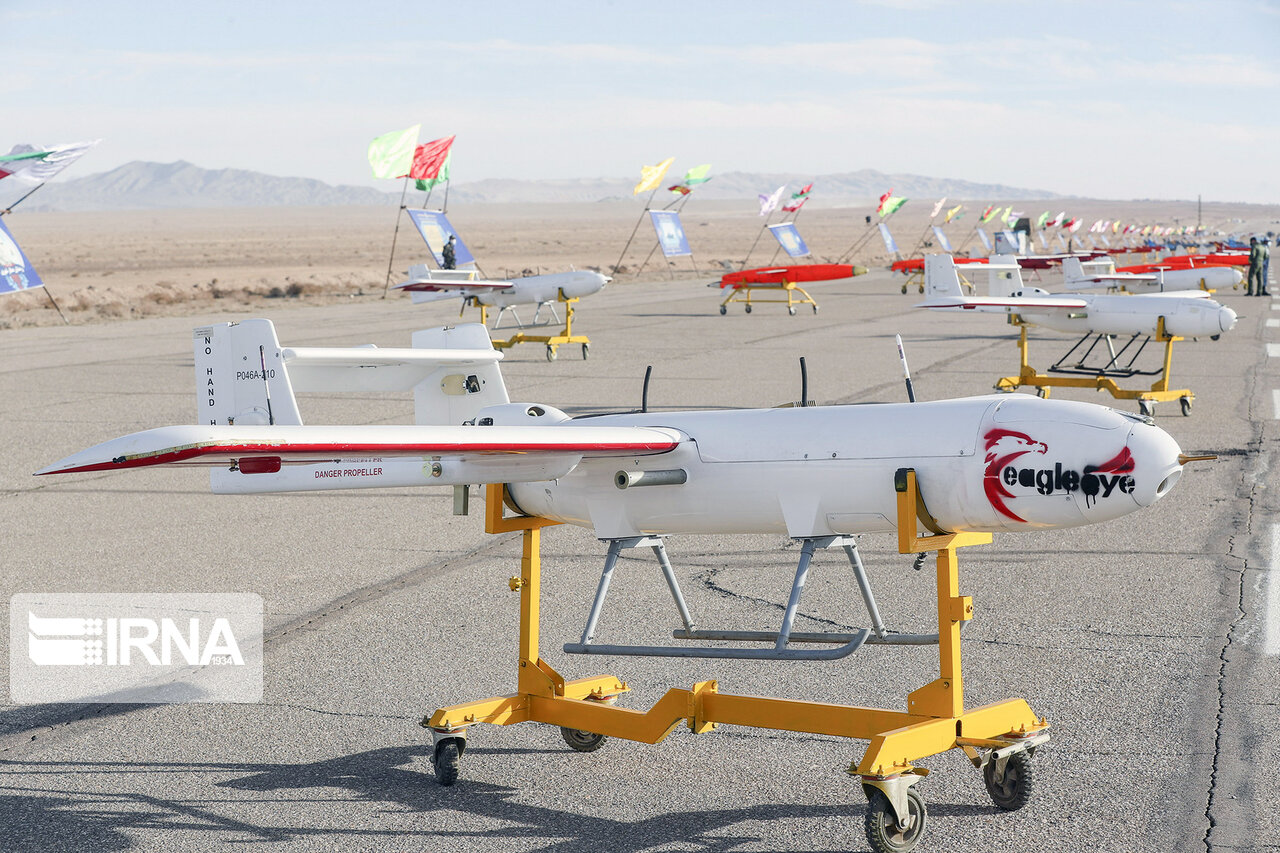
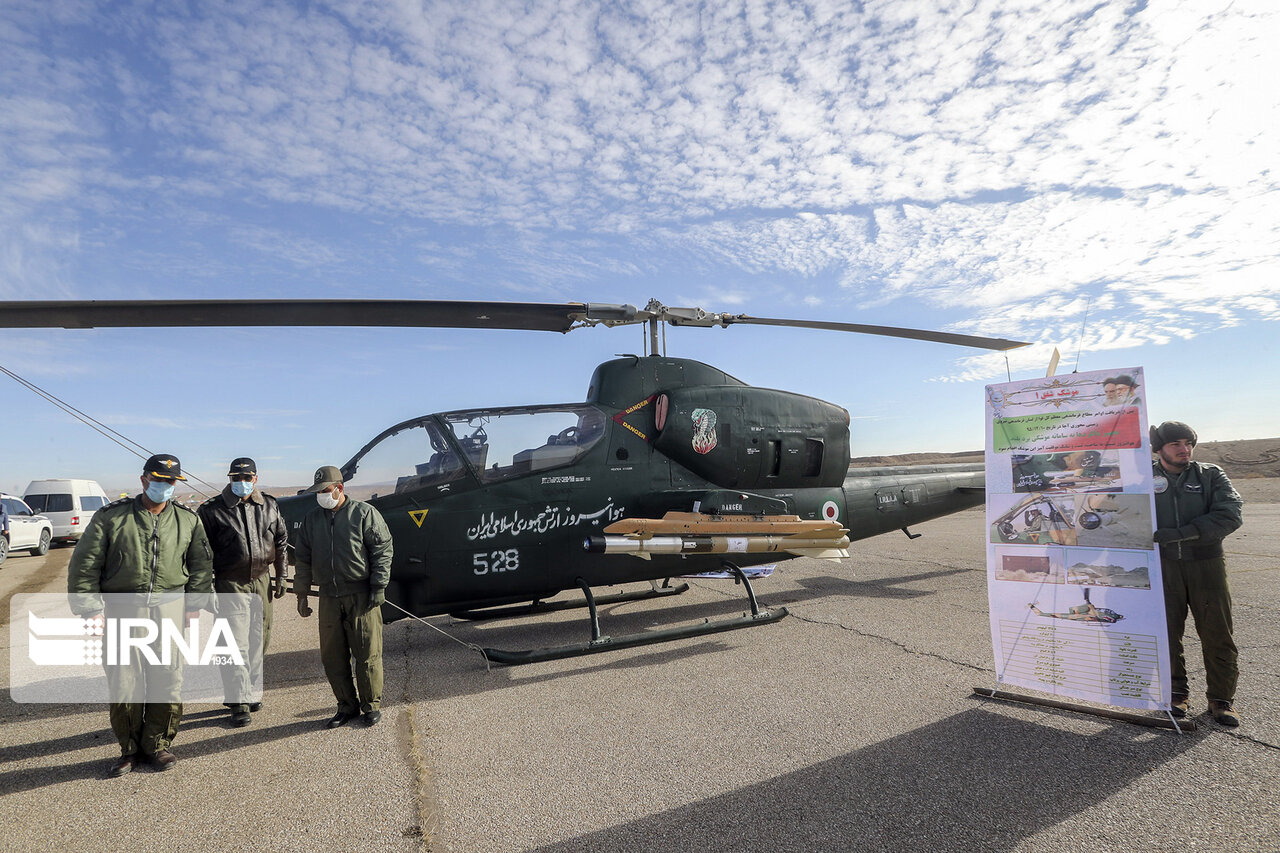
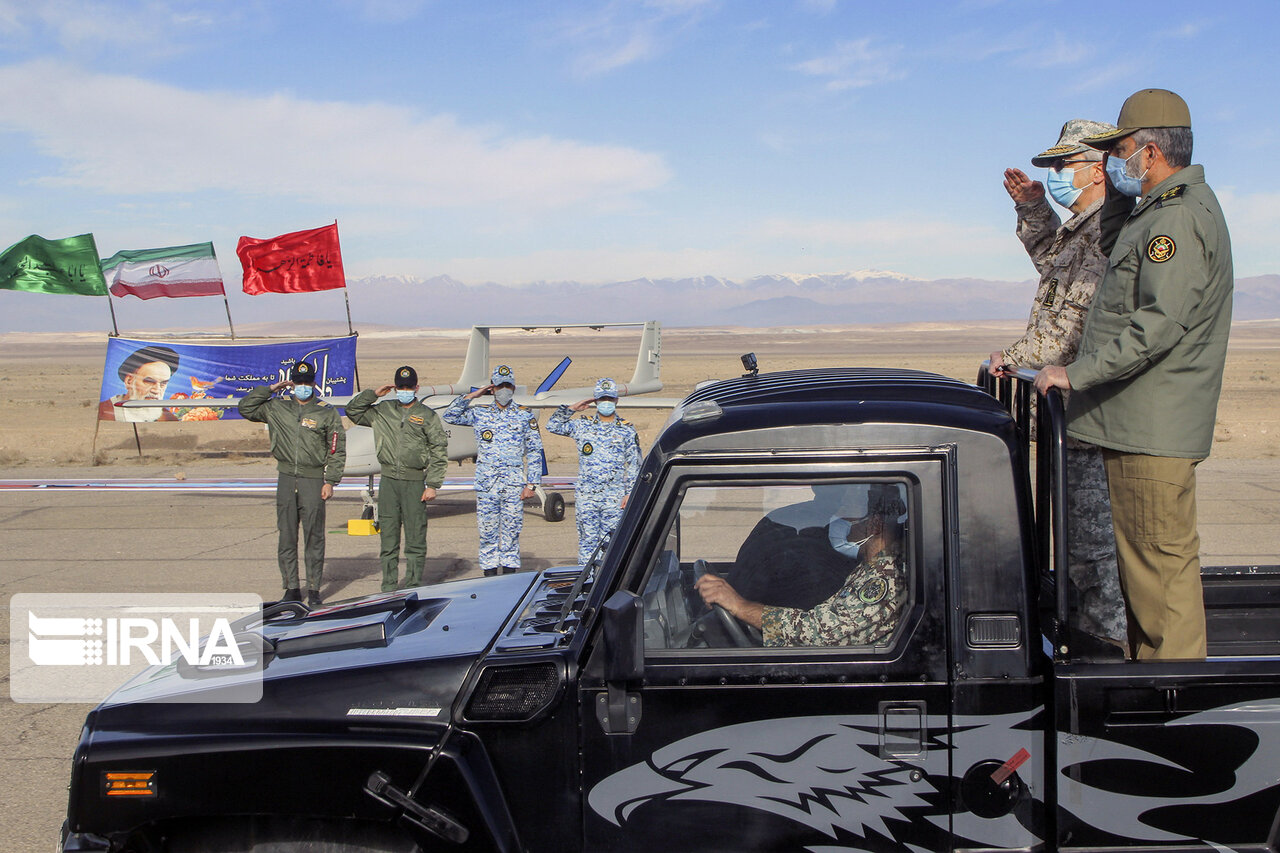
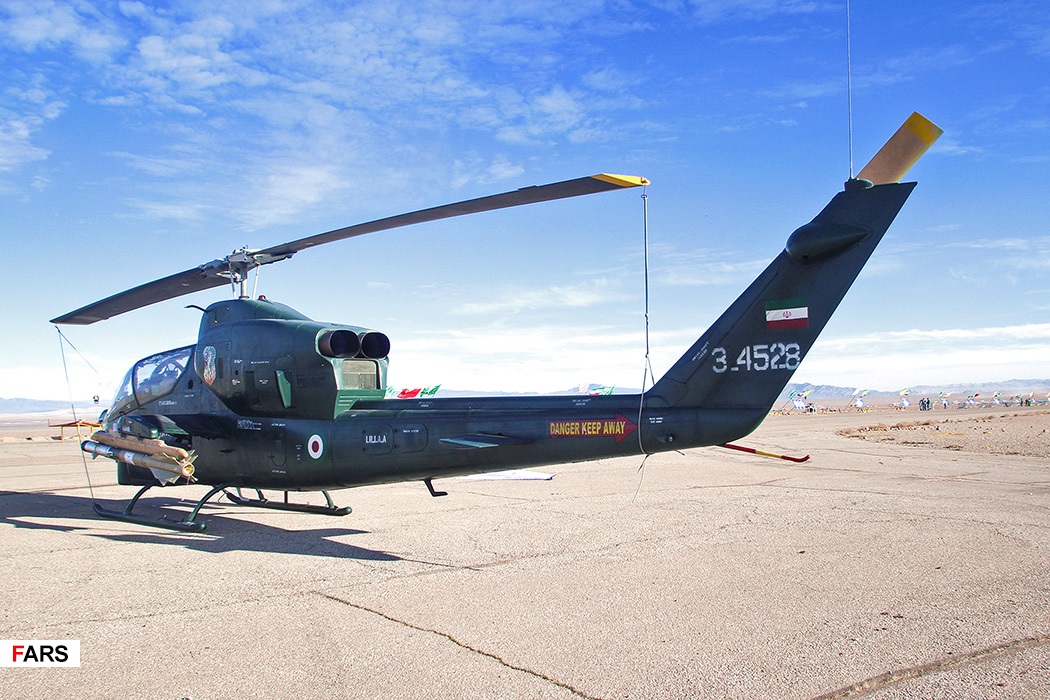
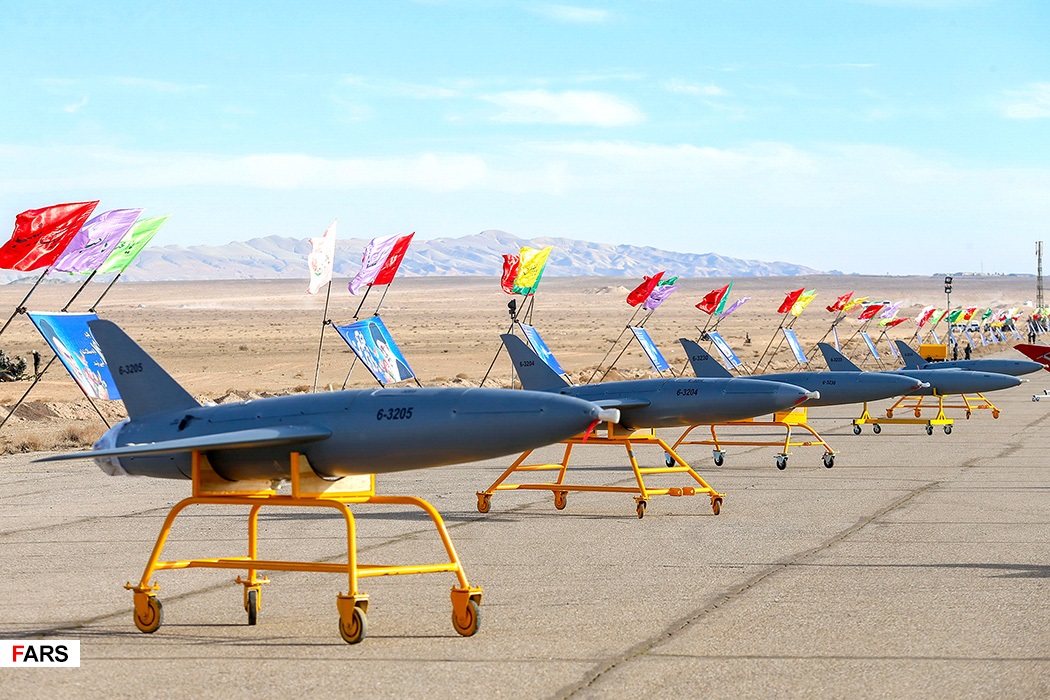
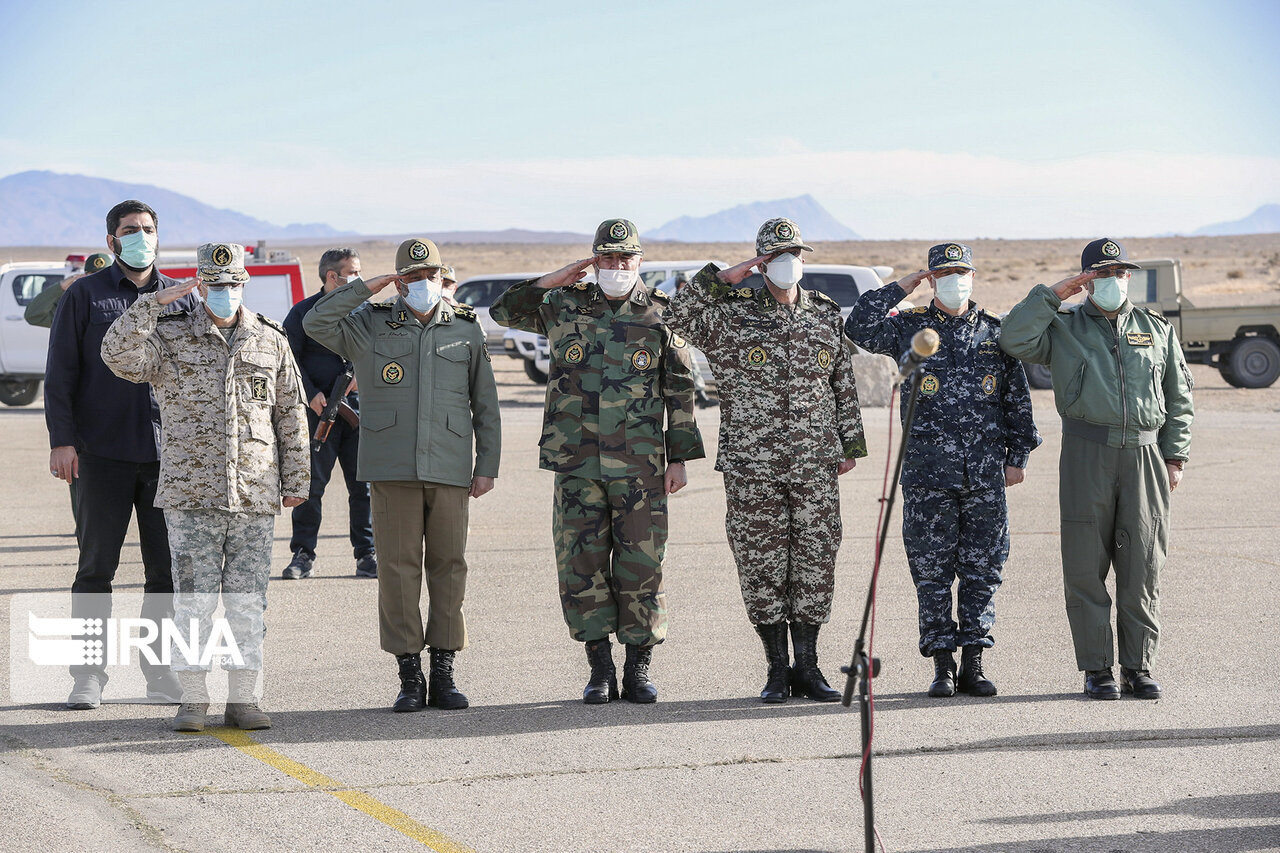
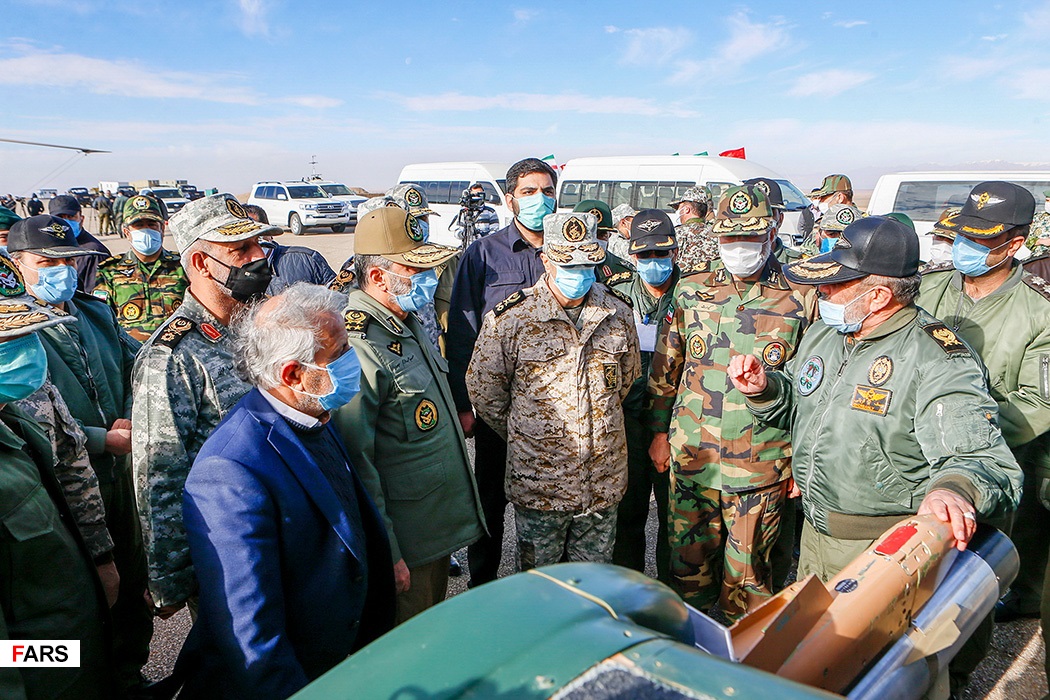
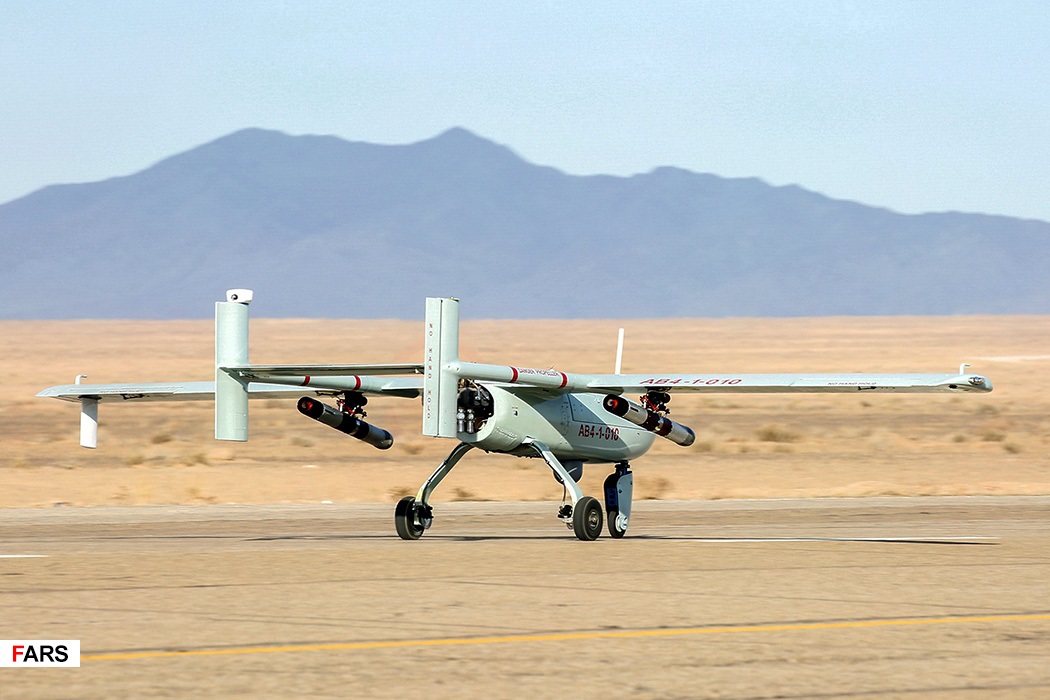
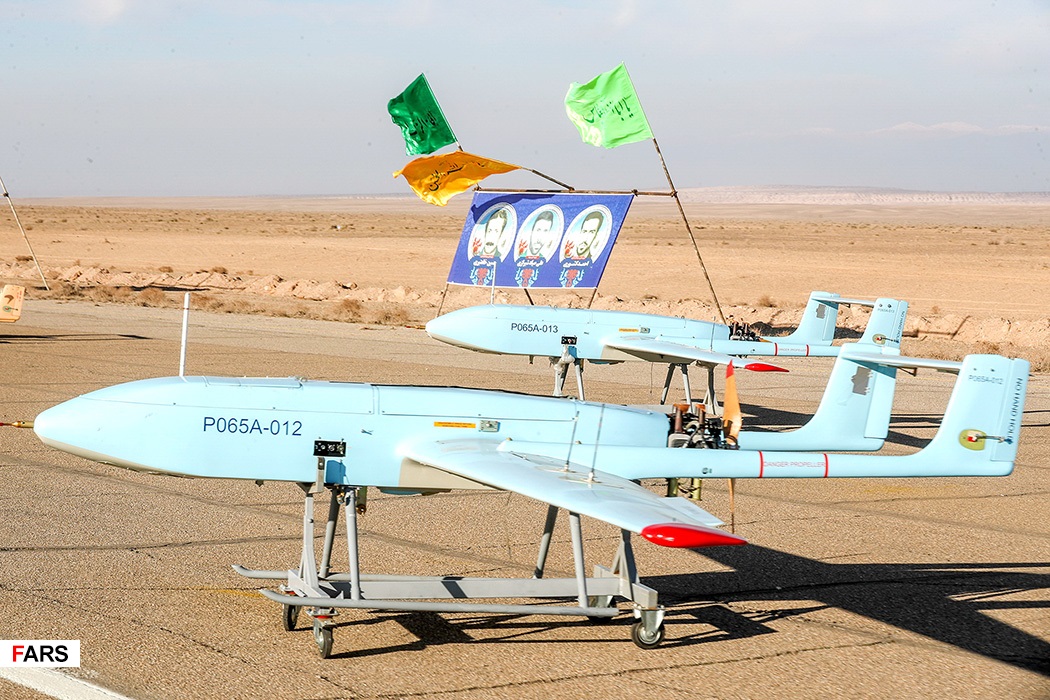
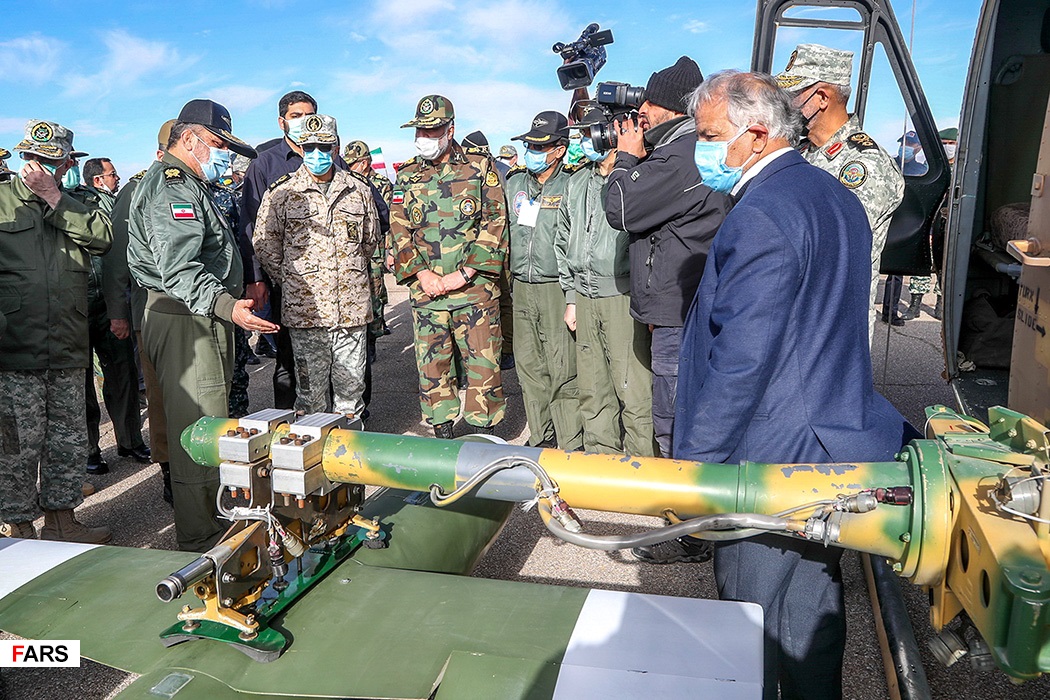
Iran’s Army Starts First Large-Scale Drone Drills

The two-day drill involves hundreds of operational drones of the army’s ground, air and navy forces in the general area of Semnan province and different parts of the country.

The homegrown unmanned aerial vehicles undertake combat, surveillance, reconnaissance, and electronic warfare in short and long distances flights.

The army is also showcasing its achievements in drone manufacturing in an exhibition with the presence of high-ranking military commanders.

Some $9.2 Billion in Iranian Funds Frozen at South Korean banks: Yonhap

The figure was announced on Tuesday by South Korean news agency Yonhap, which quoted the country’s banks as saying.

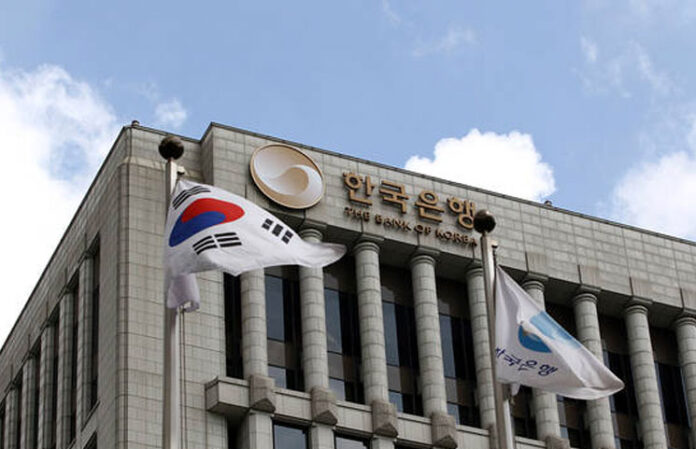
As of September last year, about 3 trillion won worth of Iranian money was held at the Bank of Korea. The money was deposited by the Seoul branch of Bank Mellat of Iran.

Separately, about $7 billion worth of Iranian oil money was frozen at two South Korean banks — Industrial Bank of Korea and Woori Bank.

Hossein Tanhaee, head of the Iran-South Korea Joint Chamber of Commerce, reportedly said last year that the amount of Iran’s frozen funds in South Korea is between $6.5 billion and $9 billion.

Tensions between Seoul and Tehran rose on Monday after the IRGC seized a South Korean-flagged tanker in Persian Gulf waters, citing “chemical pollution” offences.

A South Korean delegation is to visit Tehran in coming days to discuss possible resolution of the disputes.

Iran Closely Monitoring US, Israel Moves in Region: Foreign Ministry

Speaking at a weekly press conference on Monday, Khatibzadeh said the mischievous acts of the United States are not concealed from Iran.

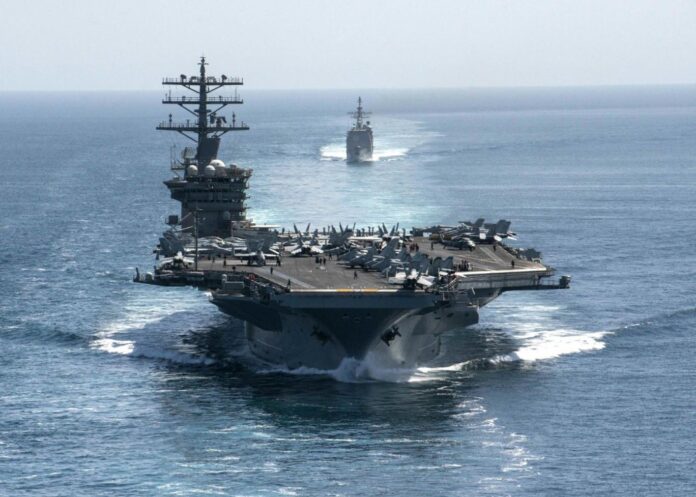
“Our intelligence, security and military organizations are fully aware of the apparently covert movements of the United States in Iraq and the region,” he underlined.

The spokesman said the US has been given “the necessary messages through various channels explicitly and clearly” about the consequences of its activities.

In addition to Washington, the whole Persian Gulf countries have also received the message and have been warned not to be entrapped by the acts of mischief, Khatibzadeh added.

“We are monitoring the moves carefully,” the spokesman stressed.

Reiterating the warnings issued by Iranian diplomats over the past few days, he said Iran is “clearly observing the role of the elements and allies of the Israeli regime in the creation of some tensions, particularly in Iraq.”

“They have no compunction about reaching a number of their objectives with the blood of Americans,” he noted.

“However, our response is that we do not look for tensions, but we do not hesitate a moment to defend our national boundaries and interests, and we will respond seriously, openly and directly,” Khatibzadeh stated.

Iran Says Rapprochement Possible If Saudi Arabia Changes Tack

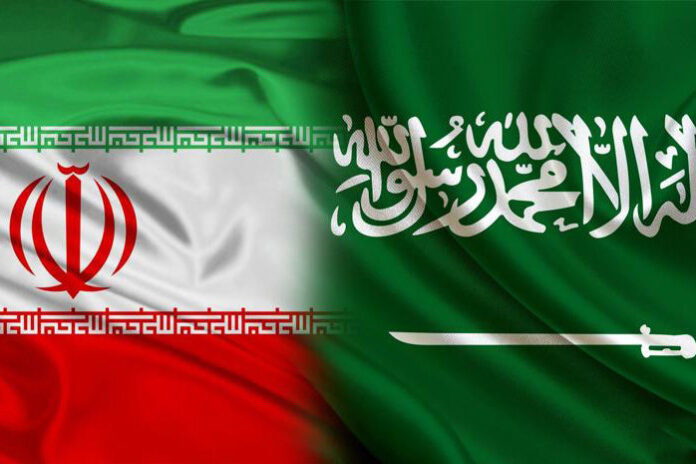
“Iran’s message has remained the same. When Saudi Arabia comes to realize that it can talk to us and to the region in a straightforward manner, and return to the region and stop buying security from countries beyond the region, then the region will definitely have better days ahead,” Khatibzadeh said Monday.

“Saudi Arabia is an important country. Saudi people are highly respected. We had good relations in the past. And it is possible to revive those relations if the Al Saud rulers stop following the wrong path they have chosen,” he said.

He lashed out at Saudi Arabia for imposing a blockade and famine on the Yemeni nation, and said if the Yemen crisis is settled, it will benefit the whole region.

“What is happening in Yemen, and is happening every day is really saddening. Imposing a blockade and famine on a nation is a historical catastrophe,” he said.

“Yemen is a close neighbour of Saudi Arabia, and Riyadh should know that this is not the right way of dealing with a neighbour,” he added.

“Saudi Arabia has also maintained a blockade on Qatar for several years now, which is not good at all. We believe the sooner any of these two crises are settled, the better it will be for the region,” said the spokesman.