Tuesday, April 7, 2026
Home Blog Page 2592

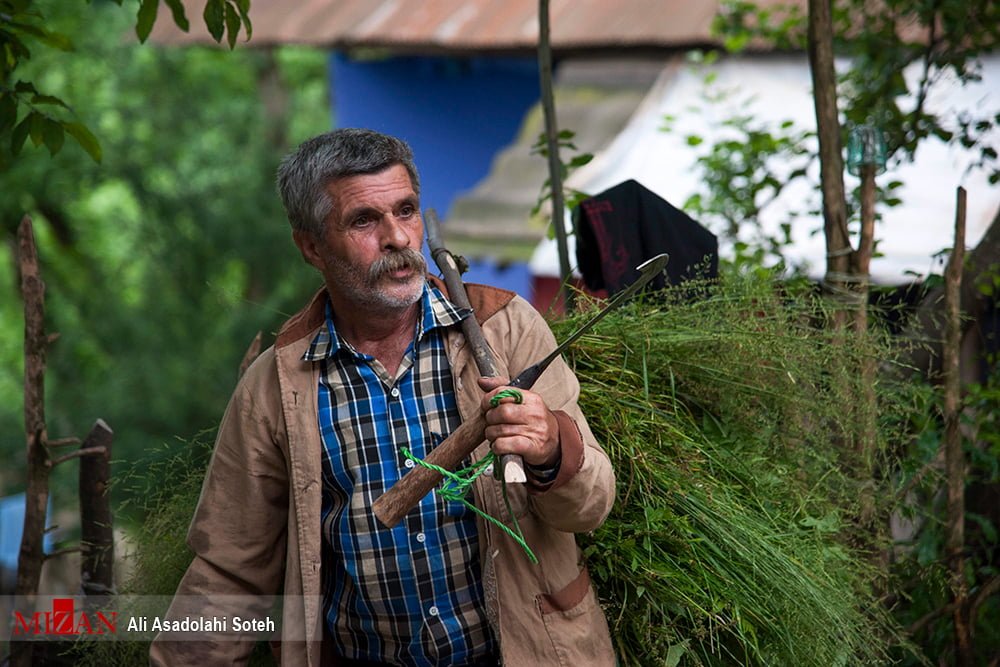
Iran’s Beauties in Photos: Sarash Village

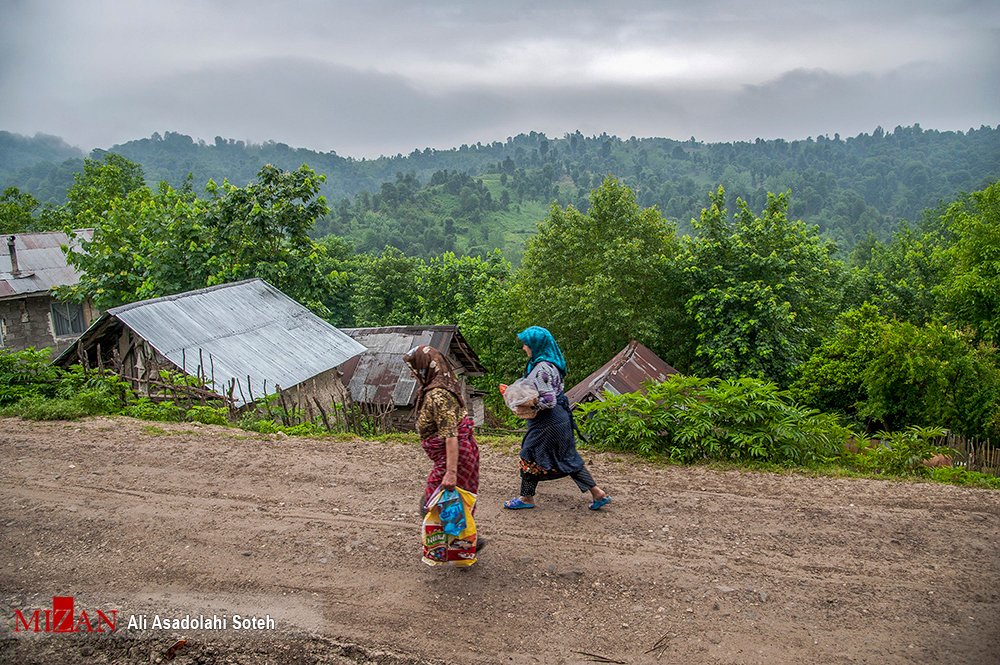
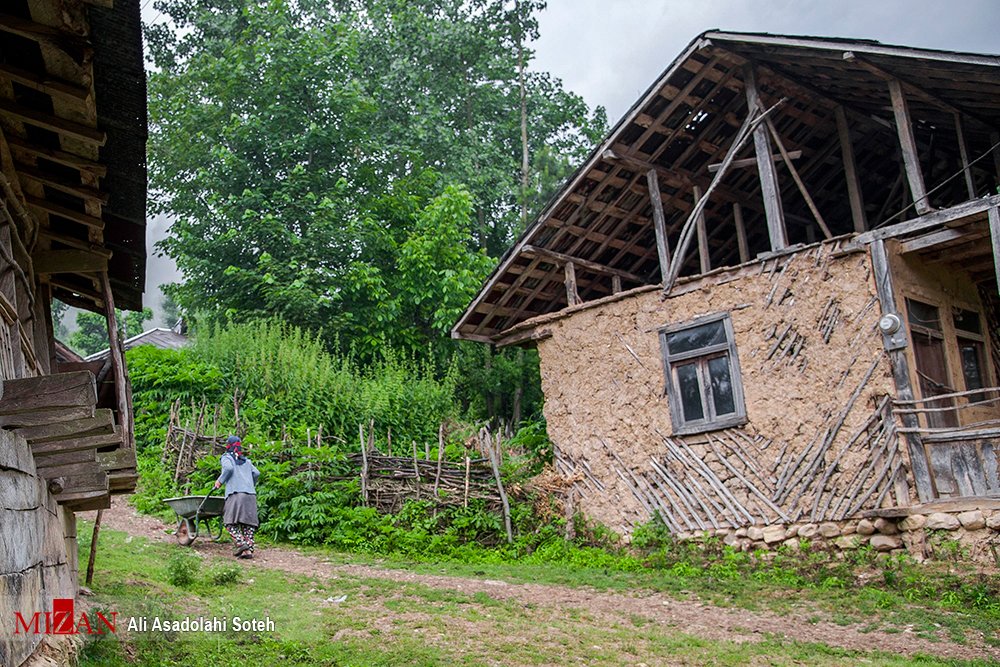
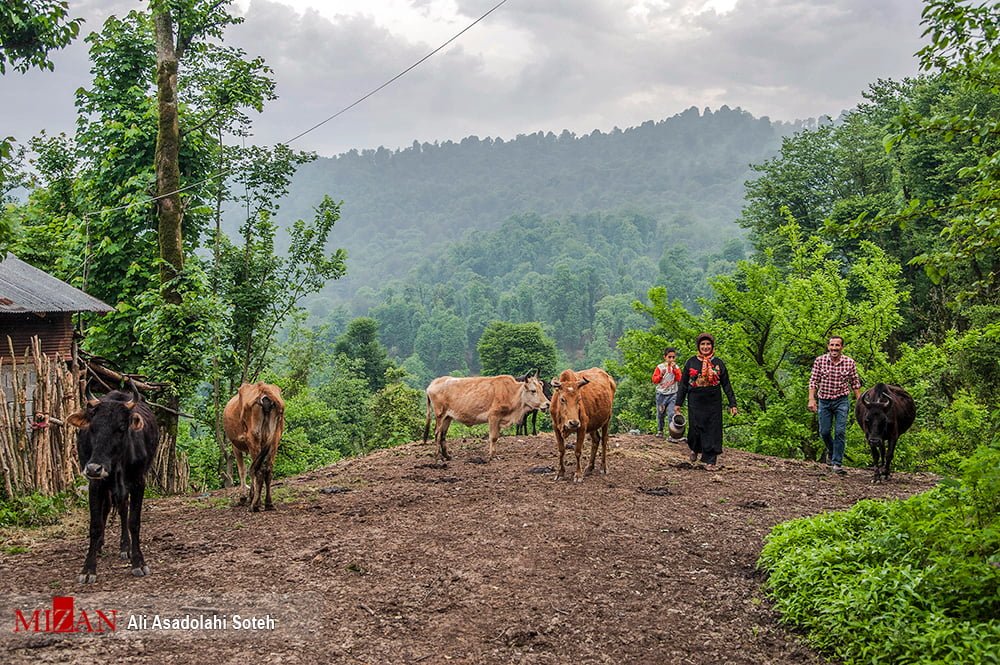
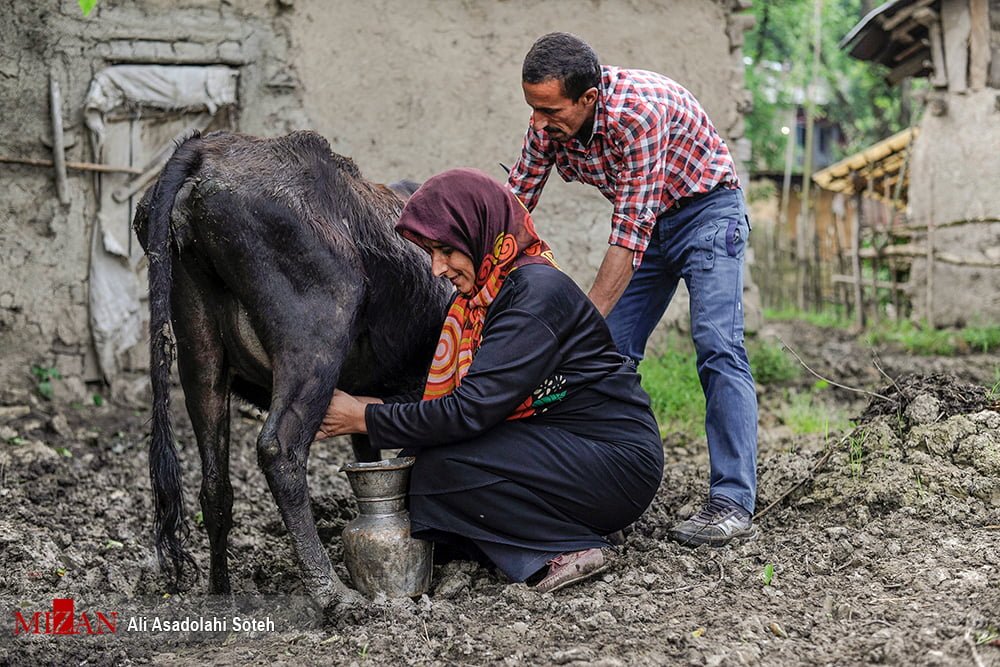
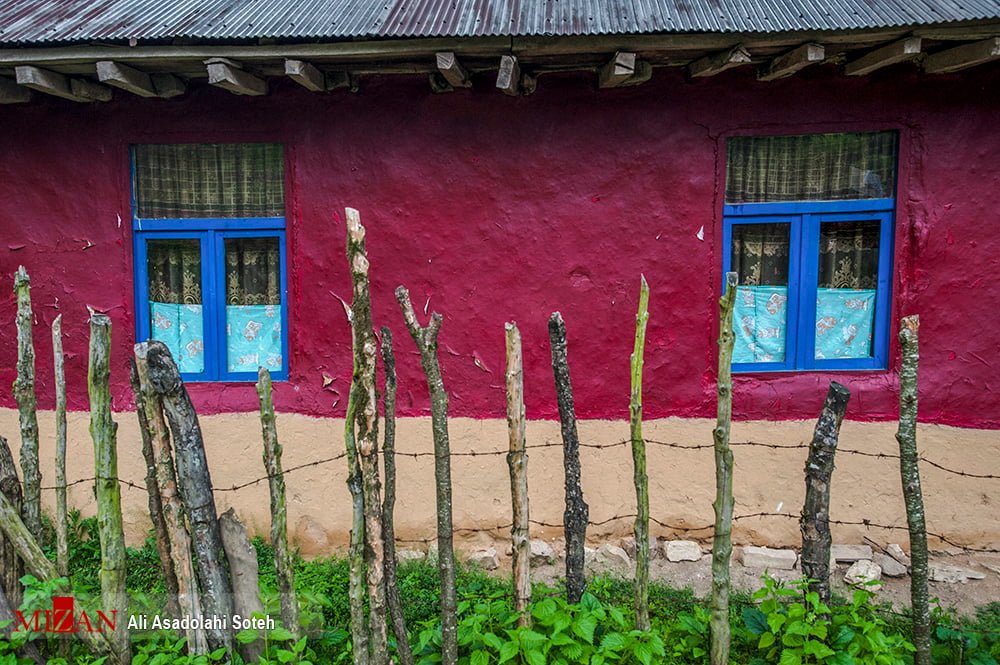
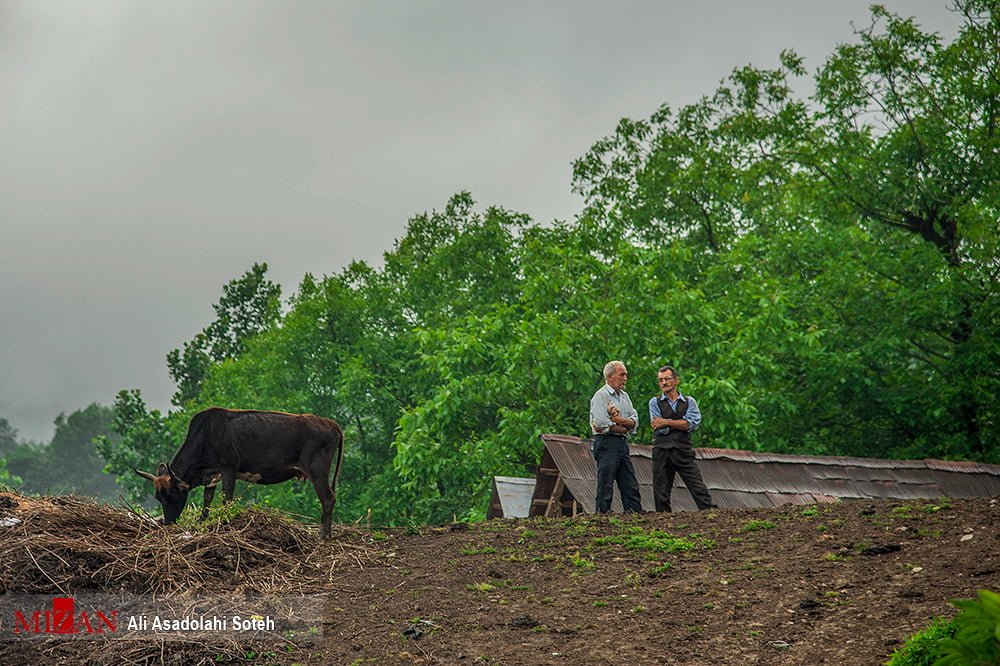
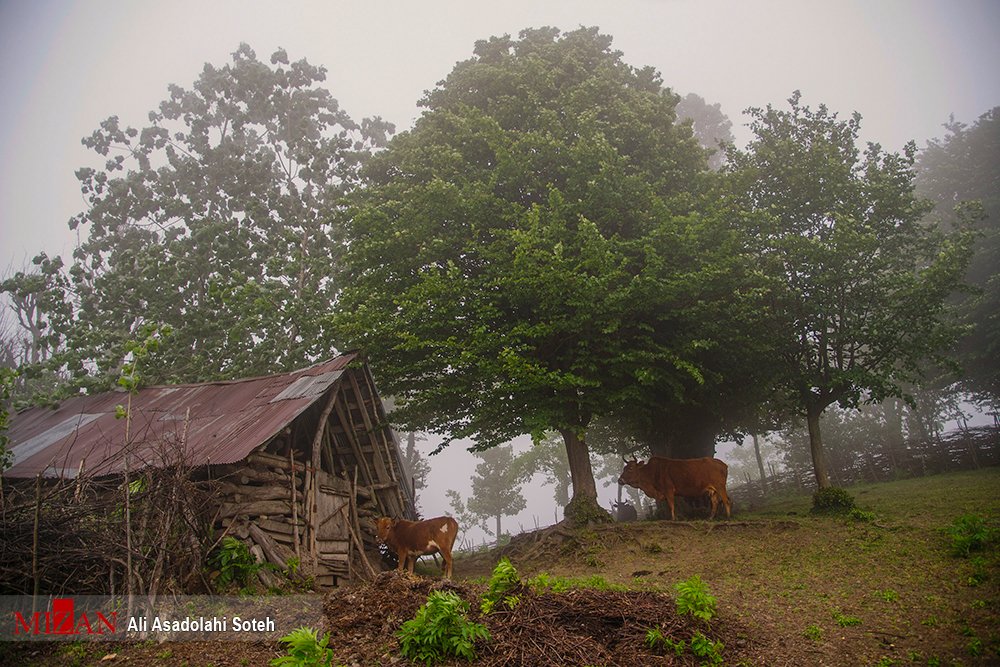
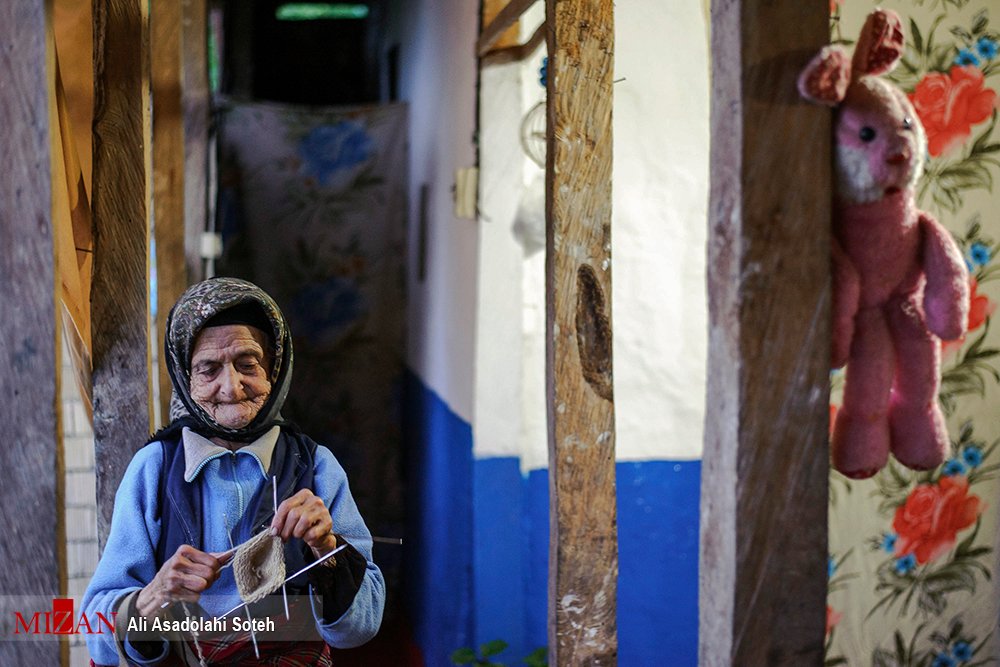
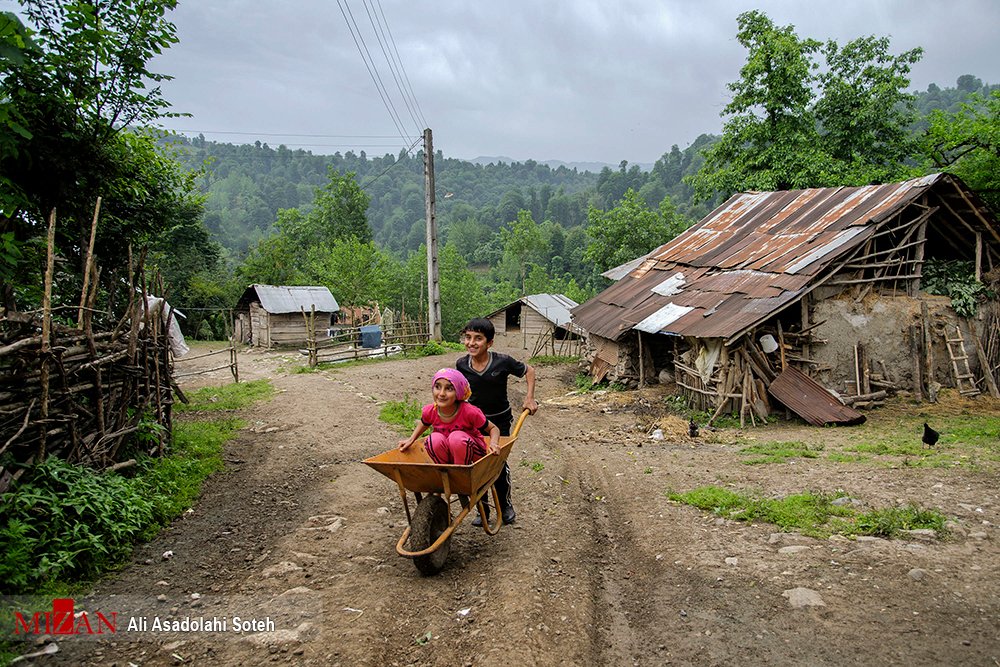
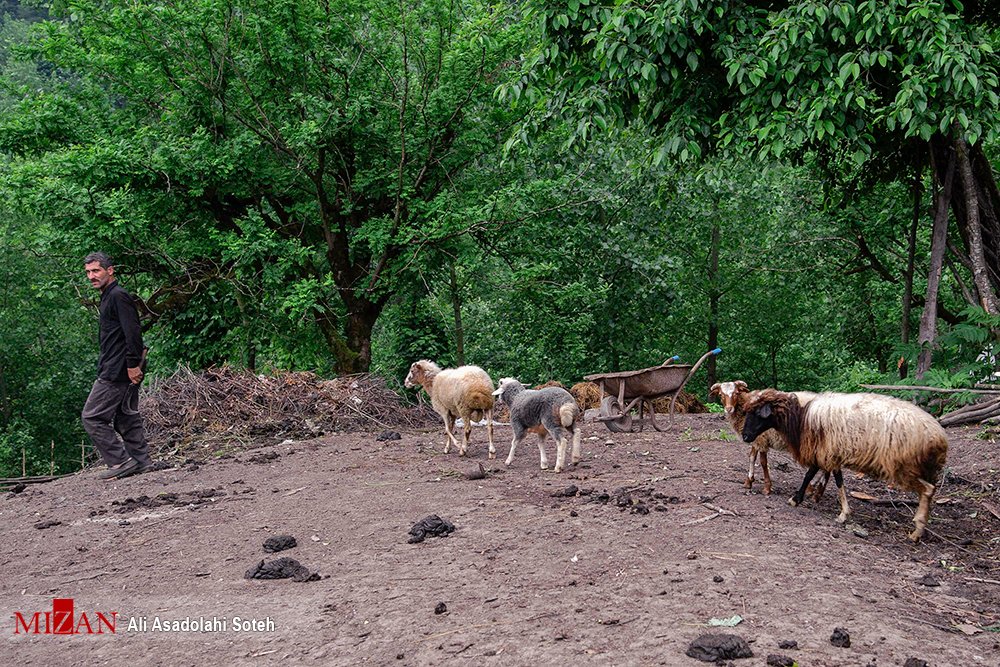
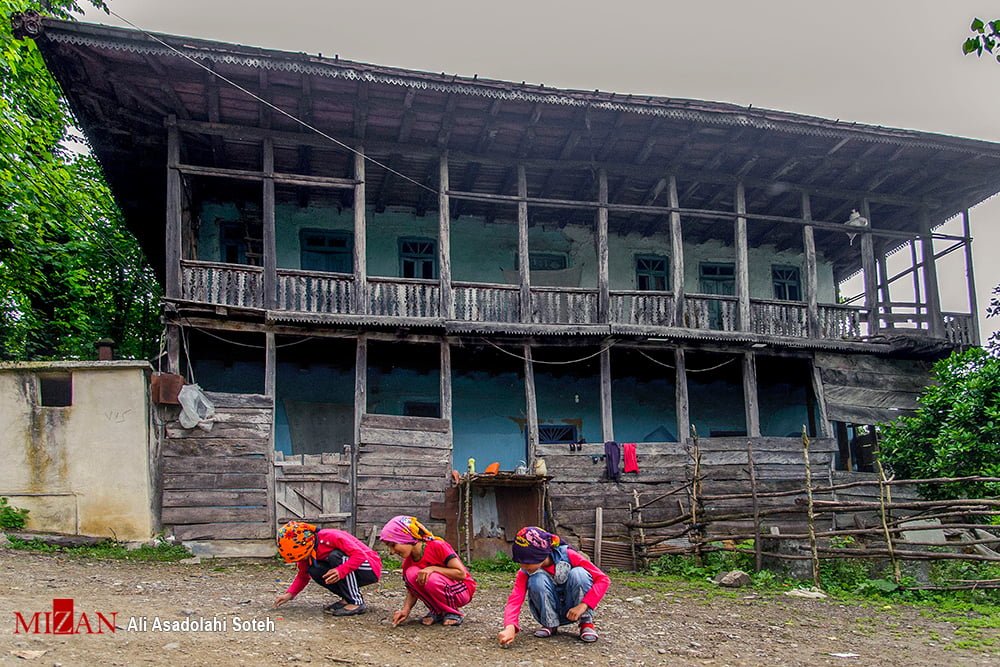
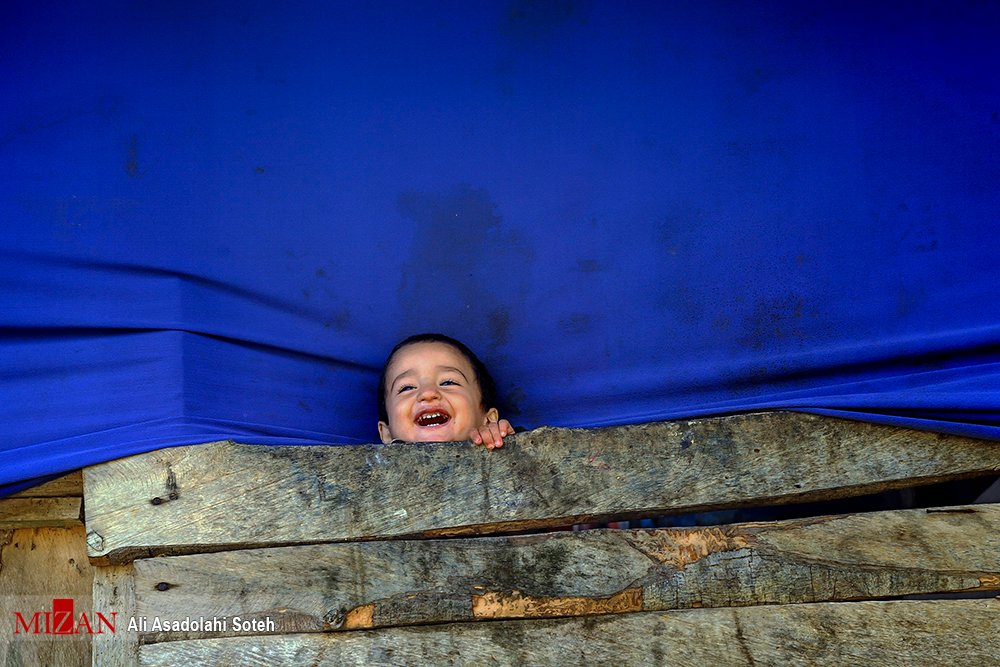
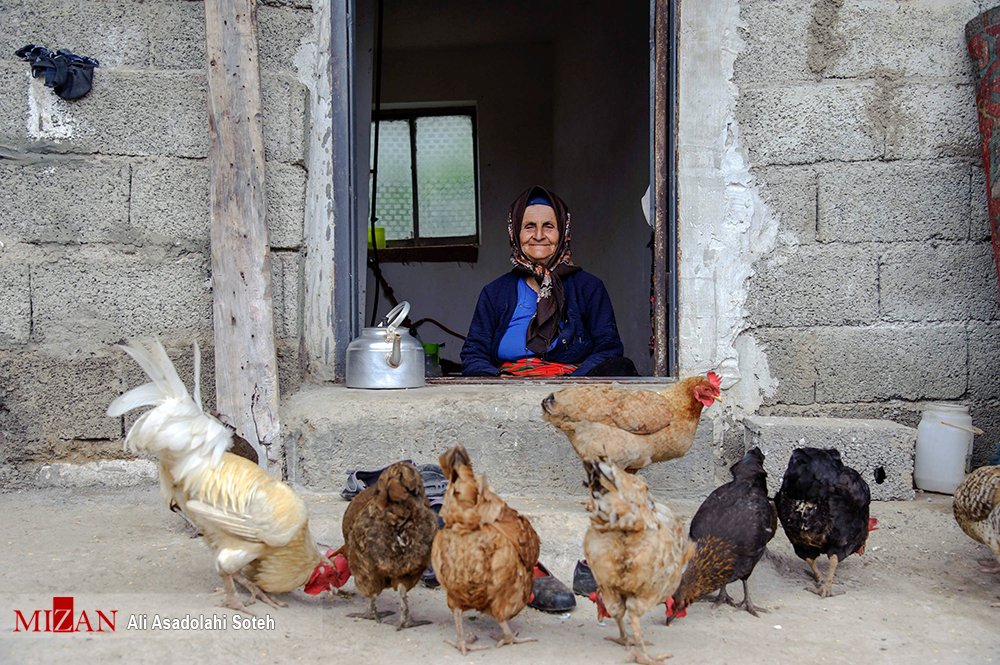
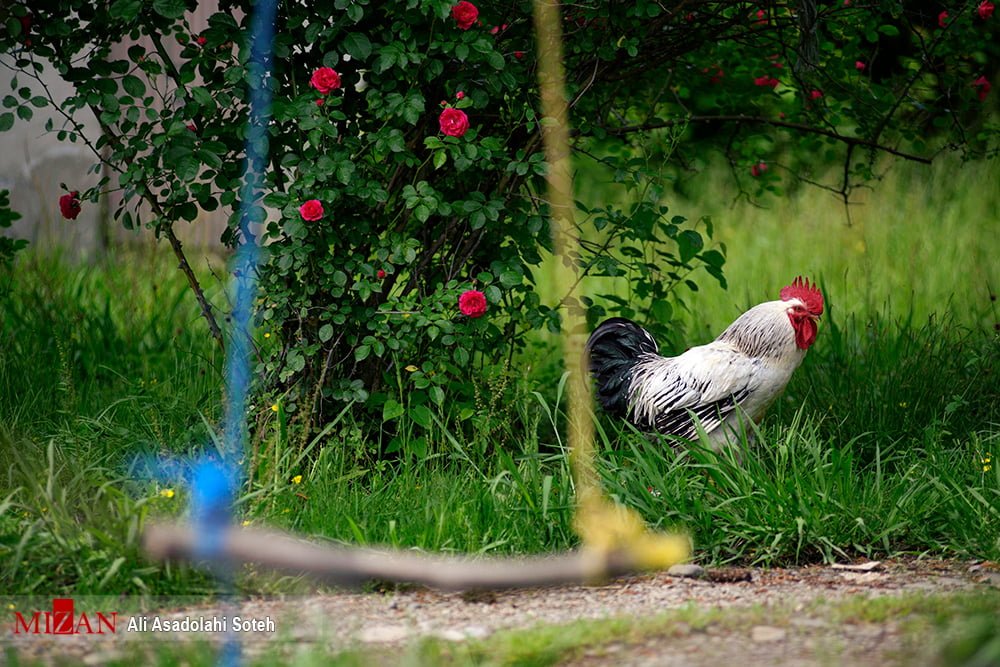
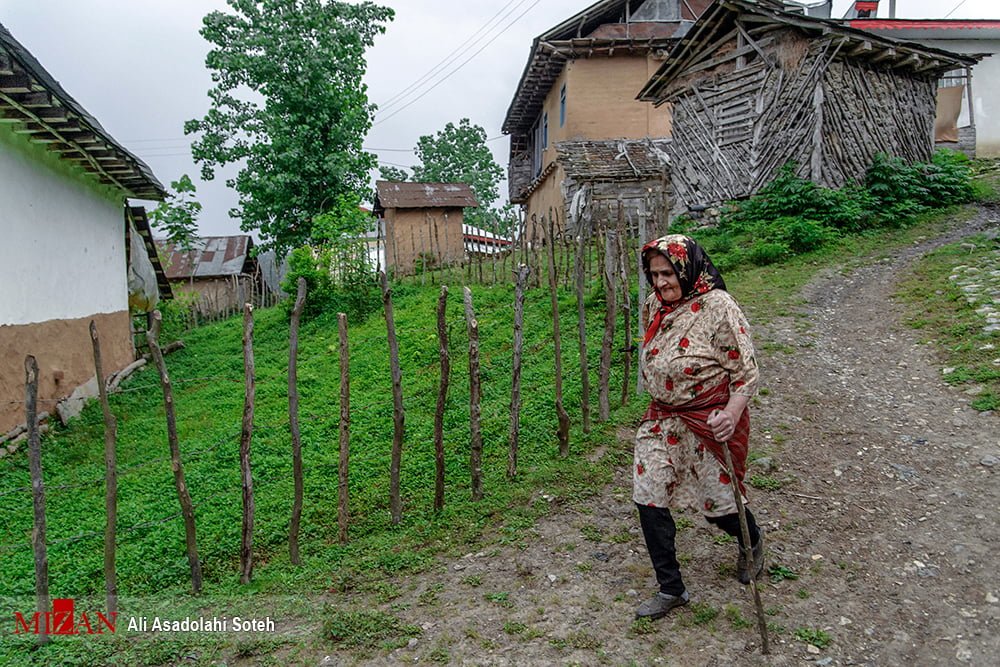
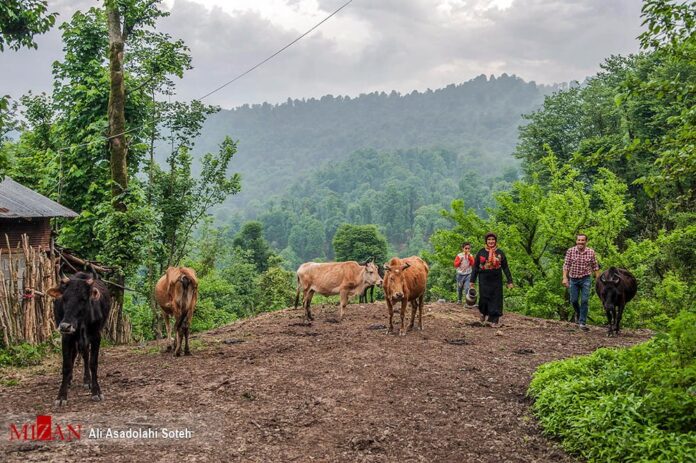
About 17 kilometres away from Lahijan, Sarash lies at a great height above the sea level and enjoys fresh climate due to its location in the hillsides of the surrounding mountains.

The beautiful village boasts virgin natural sceneries and is home to warm, hospitable people whose main occupations are farming and animal breeding.

What follows are Mizan News Agency’s photos of the village:

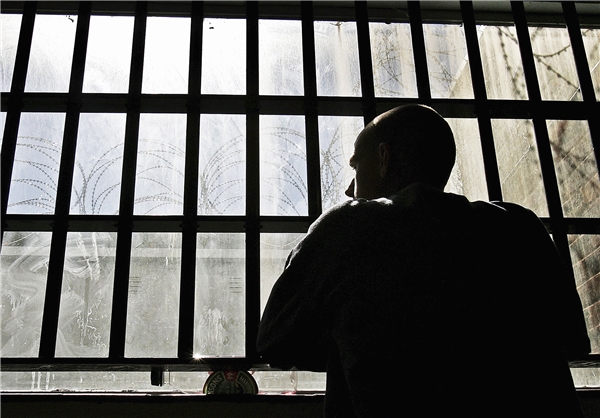
“Tehran Doing Its Utmost to Free Iranians Jailed Abroad over US Sanctions”

prison

The Iranian top diplomat made the remarks in a Tuesday meeting with the families of a group of Iranian nationals illegally jailed in various countries at the request of the US government and under the pretext of violating the US’ oppressive and illegitimate sanctions.

During the talks, the families were briefed on the latest conditions of the Iranian nationals in foreign jails and the latest follow-ups made by the Iranian Foreign Ministry on their fate.

Zarif thanked the families for remaining patient while the fate of their beloved ones is being pursued. He also elaborated on the legal and diplomatic attempts made so far by the Iranian Foreign Ministry to follow up each case.

He also underlined the urgency of following up the cases of the Iranian prisoners until their freedom and said the imprisonment of the Iranian nationals is illegitimate and politically-motivated.

He called for unconditional extradition of the Iranians jailed abroad and said the Iranian Foreign Ministry will do its utmost and tap into all of its legal and diplomatic capacities to follow up each case separately until the final freedom of all Iranian inmates illegally held in foreign countries.

According to Zarif, the imprisonments are totally “illegitimate and oppressive” and amount to a hostage taking to gain further advantages.

Iran, Turkey Discuss Bilateral Cooperation in All Areas

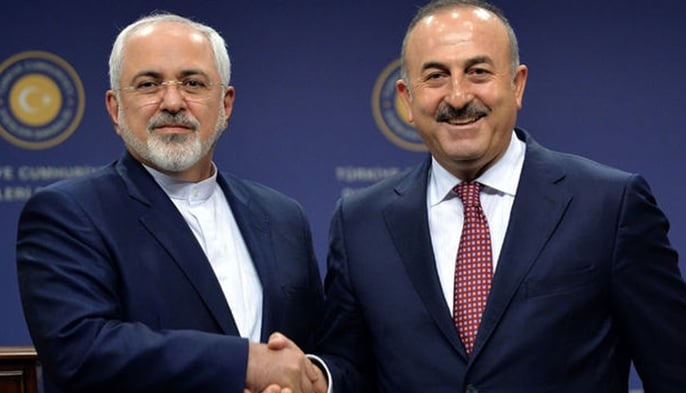
During the phone conversation, Mohammad Javad Zarif congratulated Mevlut Cavusoglu on his re-election as Turkish Foreign Minister and wished him success.

The two sides also touched upon the good and constructive relations between Tehran and Ankara, and stressed the need to continue and further promote mutual cooperation in all bilateral, regional and international areas in order to secure the interests of both nations and maintain and boost stability and security in the Middle East and across the world.

Erdogan on Monday named the ministers in new Turkish Cabinet, first to be functioning under the presidential form of government.

The post of prime minister in the new cabinet has been abolished following the transition to the presidential system.

According to Erdogan, Fuat Oktay, the former head of Turkey’s Disaster and Emergency Management Authority (AFAD), will be Turkey’s only Vice President.

Cavusoglu retains post of foreign minister in new Turkish government, while former Chief of General Staff of the Turkish Armed Forces Gen. Hulusi Akar will serve as the country’s Defence Minister.

Erdogan also appointed his son-in-law Berat Albayrak as Treasury and Finance Minister.

Iran to Send Skilled Workforce to Germany

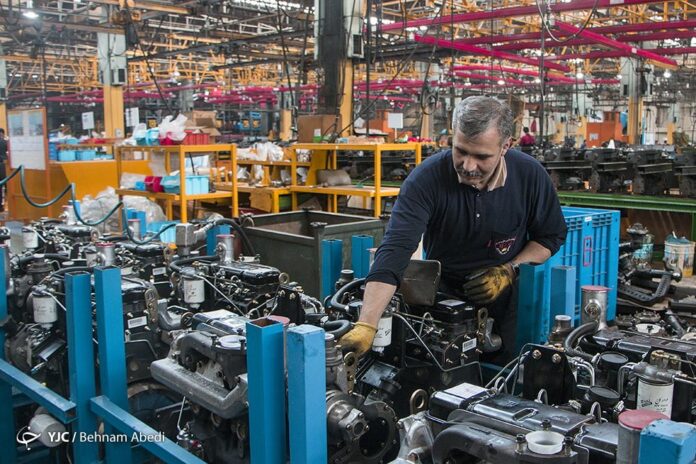
Soleiman Pakdasht, the head of the Iranian Technical and Vocational Training Organization, says Iran plans to send between 3,000 and 5,000 skilled workers to Germany, adding the two countries are to finalize a memorandum of understanding in that regard in September.

He said the arrangements have been made to send skilled Iranian workforce to Germany.

“In a recent trip to Germany, the issue of sending skilled workforce [to Germany] was on the agenda of the talks held with the public sector as well as the institutions of the private sector, which are the main employers demanding workforce,” he said as quoted by Mehr News Agency.

He said job opportunities in Germany are growing.

“That is why Germany is among the countries demanding potential workforce, but this country has its own structure and standards to recruit foreign workforce defined and monitored within the framework of a modern skills-based training system; accordingly, foreign workers who would like to work in Germany have to take courses on the required skills before entering the job market,” said Pakdasht, who is also Iran’s deputy minister of labour.

“Not only should the qualification of the workforce be examined, applicants should meet the conditions and requirements set by Germany, including having a good command of the German language and receiving civil and residents training in order to adapt themselves to the conditions in the country,” he said.

He said the talks with German officials focused on how to link the activities of the Iranian Technical and Vocational Training Organization with the vocational training courses in Germany.

As agreed, he noted, applicants who would like to work in Germany must have a perfect command of the German language, which is verified by the Iranian Educational Testing Service, and a certificate which confirms they have received training about the skill required.

If applicants meet these requirements, said Pakdasht, they can enroll in short-term training courses in Germany in cooperation with the German University of Applied Sciences.

He said the terms and conditions of applying for jobs in Germany will be announced as soon as the MoU between the two countries is finalized.

Based on statistics, he said, there will be some 25 million job opportunities in Germany in the coming decades, of which only 5 million can be filled domestically.

“So, some 20 million jobs in Germany should be done by foreign workforce, and under the current circumstances, we believe we can plan and make arrangements for the dispatch of between 3,000 to 5,000 skilled workers to this country,” he added.

Pakdasht said he will travel to Germany in August to draw up and arrange the conditions and process of sending workforce to the country before an agreement in finalized in September.

Child Worker Meets His Football Hero Alireza Jahanbakhsh

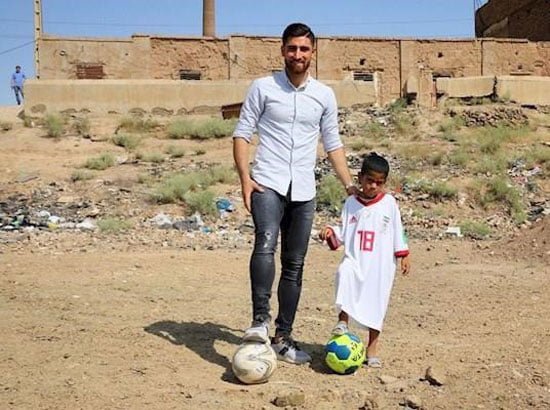
Last month, 24-year-old Jahanbakhsh, who plays as a winger and attacking midfielder for professional Dutch club AZ Alkmaar and the Iran men’s national football team – nicknamed Team Melli, published the picture on his Instagram page, asking people to let him know if they are aware of the boy’s whereabouts.

Jahanbakhsh’s fan was finally identified and tracked down to Khavar Shahr village, which is located on the southern outskirts of the Iranian capital city of Tehran.

The Eredivisie top goal scorer then went to Khavar Shahr, where he met his fervent young supporter, who goes by the first name Matin, and a number of his friends.

Jahanbakhsh presented them all with balls and shirts, and also autographed his own shirt, which read “Dear Matin, I wish you the best of luck in your future,” and gave it to the child.

The Iranian football star then played with the children, before saying his farewell to them and leaving the village.

Child Worker Meets His Football Hero Alireza Jahanbakhsh

Iran Exporting Nanotechnology Products to 45 Countries: Official

Iran Exports 20% of Domestically-Produced Nano-Products

According to Sarkar, currently some 420 certified nanotechnology products are being produced by 170 firms inside Iran.

Iran Exporting Nanotechnology Products to 45 Countries: Official“So we are now focused on the export of our nano-products. We intend to increase our share from global markets, and fortunately we are currently exporting them to over 45 countries now,” he said in an exclusive interview with the Iran Front Page.

Iran is now exporting its nano-products to such developed states as South Korea, China, Australia, the UK, Germany, Spain, Italy, and Russia, he noted.

He also expressed the hope that the country would be able to increase the quantity of its exports in coming years even though it has had considerable progress in the development of its markets.

“As of 2013, we have witnessed a 100% growth in the development of our markets each year. By March 2017, we managed to export IRR 7,000 billion worth of nanotechnology products,” he added.

Sarkar says the country aims to increase the value of its nano exports to IRR 30,000 billion by March 2020.

For a brief review of Iran’s achievements in various fields of science and technology, check the book “Science and Technology in Iran: A Brief Review

In the first part of his interview with the Iran Front Page, Sarkar was quoted as saying that after the establishment of the INIC in 2003, a 10-year strategic document was developed for the emerging technology.

“In that 10-year document, the focus was mostly on the promotion and training of human resources in the field of nanotechnology,” he said.

However, he says, once the first 10-year document was over in 2015, a second 10-year document was developed, in which the focus was on further industrialization of nanotechnology as well as the development of market and export.

“Today, if a nanotechnology meeting is to be held between the world’s top ten countries, Iran is definitely a major part of that meeting,” he noted.

Iran Exporting Nanotechnology Products to 45 Countries: Official

How Iran Turned into Exporter of Nanotechnology

Sarkar says the Islamic Republic’s achievements in the field of nanotechnology are globally unique. “Wherever we talk about them, people are surprised to find how Iran managed to reach such a level of progress.”

He referred to the anti-Iran sanctions as one of the main barriers that could hinder the development of nanotechnology in Iran.

“We needed advanced laboratory equipment for our research and training, but whenever we tried to buy them, they said they couldn’t sell them to Iran because of sanctions,” he added.

Therefore, he said, Iran had no choice but to repair and renovate the old equipment it had and to design and build the equipment inside the country.

“We first found and collected all the equipment existing in our universities and research centres across the country. The broken ones were all repaired in cooperation with the INIC. We trained technicians for it and created a network to support all the labs that were members of the INIC,” he said.

“So we renovated the equipment and made them available to all nanotechnology experts across the country.”

“As the next step, we also managed to design and build 150 of these advanced pieces of equipment,” he said.

“These days, universities and research centres in Iran are using home-grown equipment, and even many of them are being exported to other countries as they are totally competitive in terms of price and quality,” he added.

“Iranian companies have turned into the rivals of foreign firms, which had boycotted Iran during the time of sanctions. This was a great step,” Sarkar noted.

Nanotechnology Exhibition to Bring World’s Leading Firms to Tehran


He further divided nanotechnology into three phases.

“The first phase is that we can synthesize and produce nano-material. Fortunately, we can say we have the knowhow of designing and making 90% of the nano-material currently available.”

“The country is currently mass producing those materials which have industrial uses,” he added.

“The second phase is that nanotechnology can be used to improve the efficiency and quality of existing products. We are trying to prepare the grounds for industrialists to use this capacity.”

“If they don’t pay attention to this issue and use nanotechnology in their industries today, their products will lose their competitiveness and markets in the near future,” he warned.

“Fortunately today we have managed to introduce nanotechnology to over ten industrial fields including pharmacy, health, textile production, construction, oil and petro-chemistry, agriculture, and auto manufacturing,” he added.

“The third phase is smart nanotechnology. In this phase, smart textiles, smart materials, and smart pharmaceuticals are released in the market with a very huge added value.”

“Therefore, we should not focus on the first two phases very much and forget the third phase. We have now focused on the third phase, and have already gained very good accomplishments which will soon be declared to the public,” he went on to say.

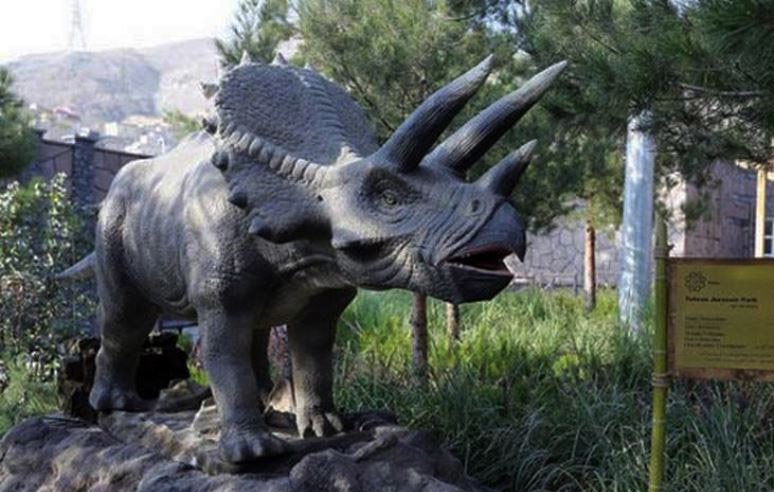
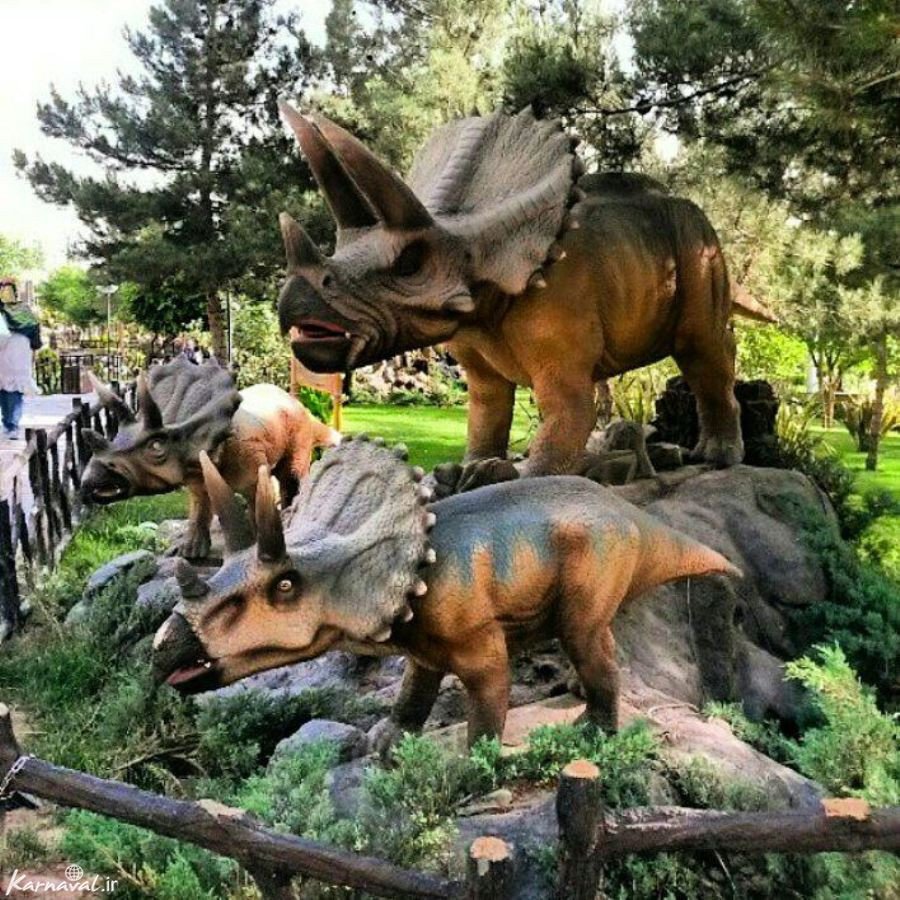
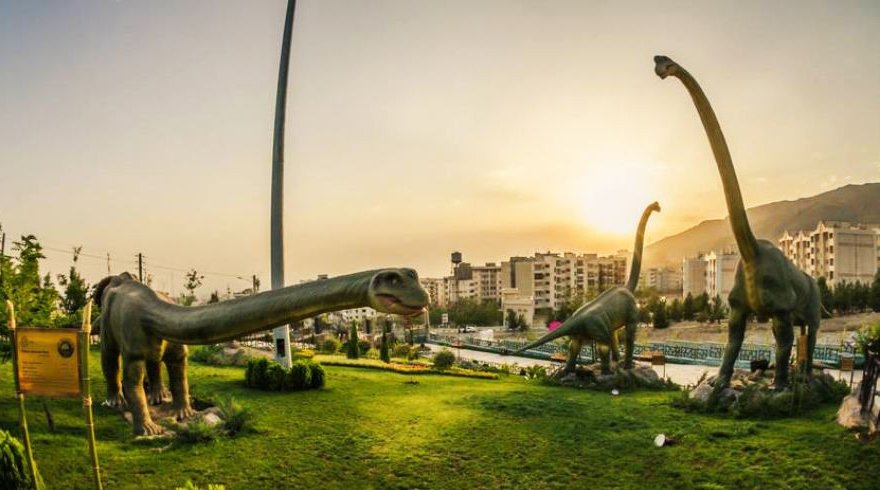
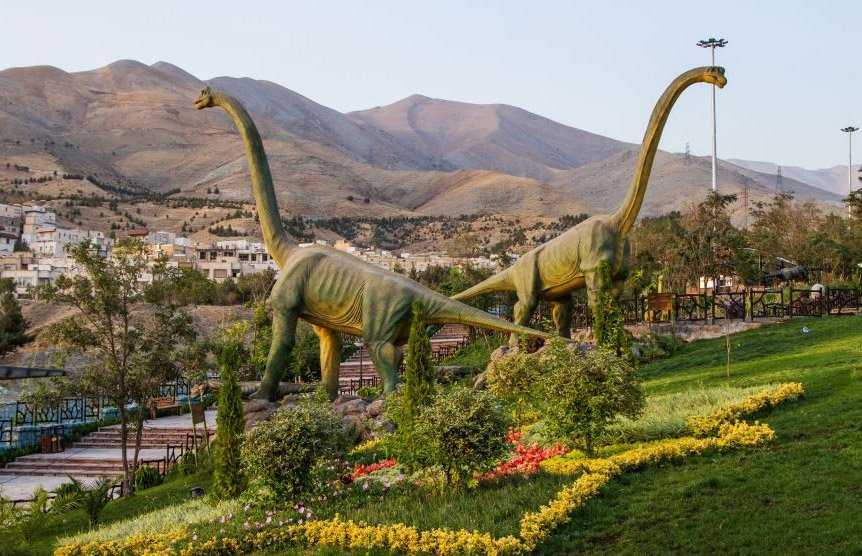
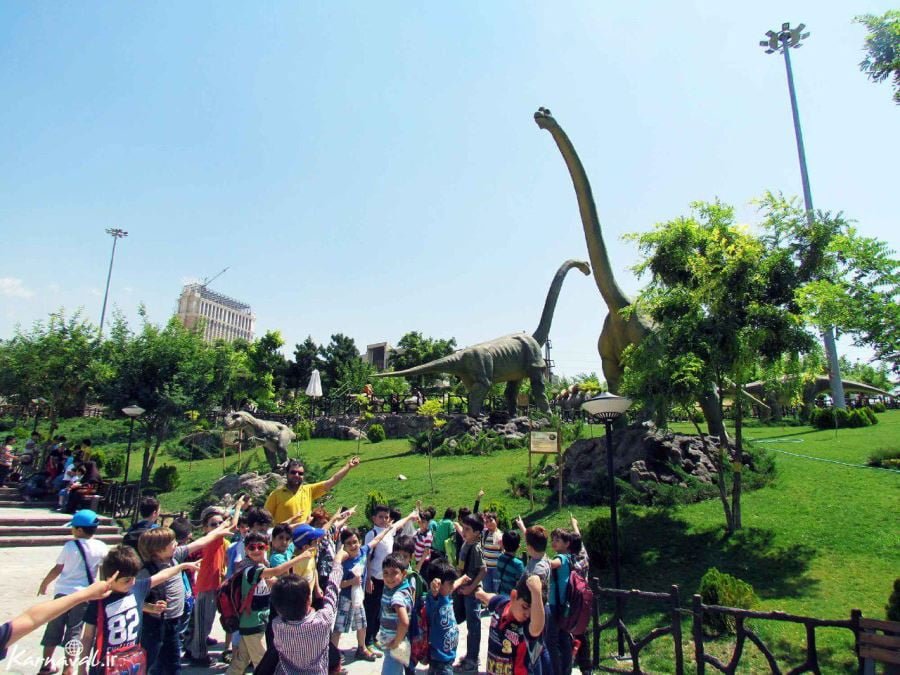
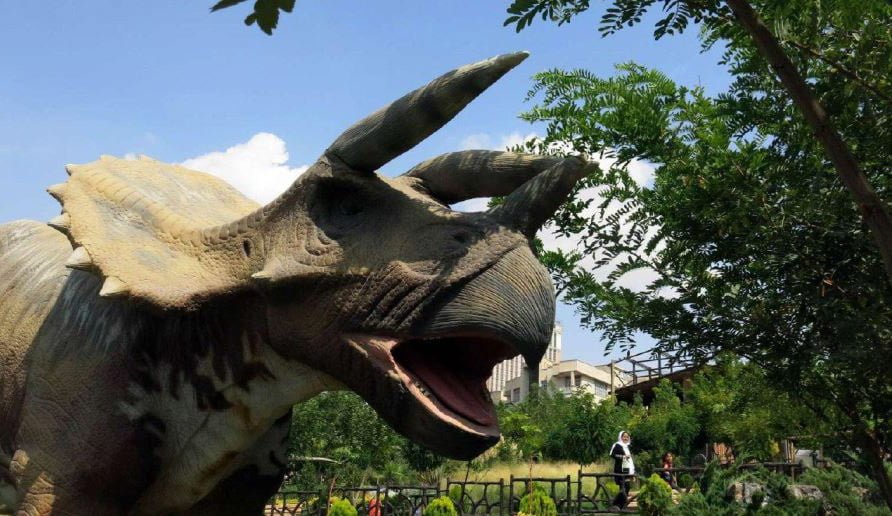
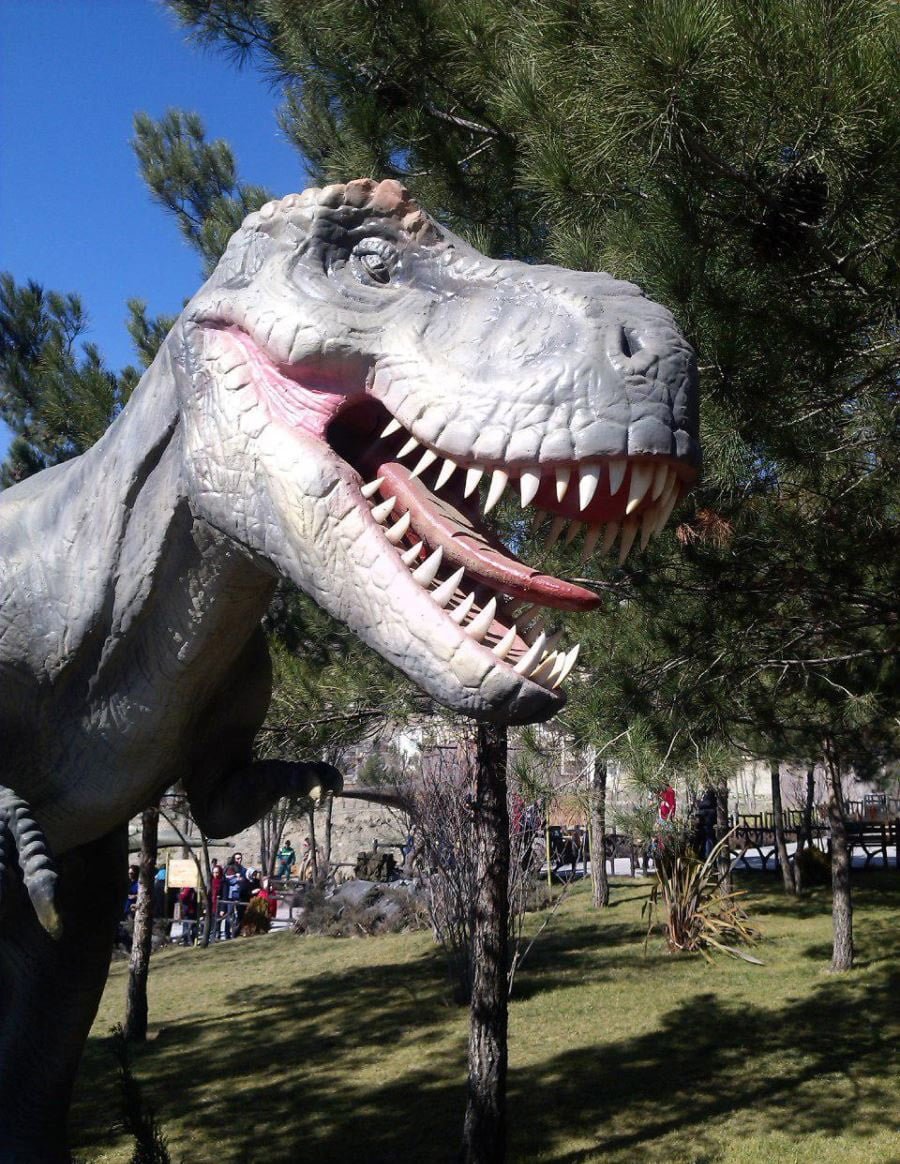
Tehran Jurassic Park: Dinosaurs in Capital

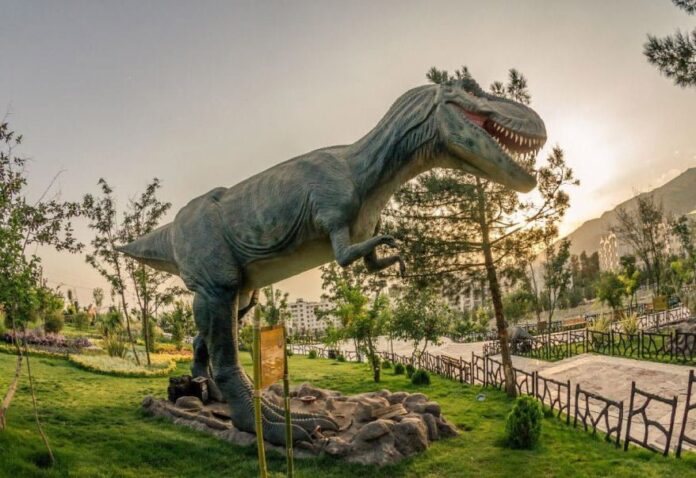
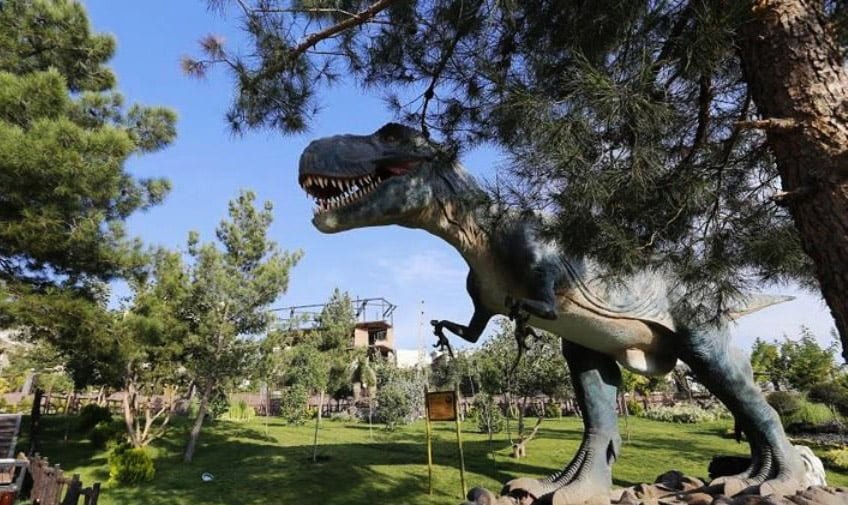
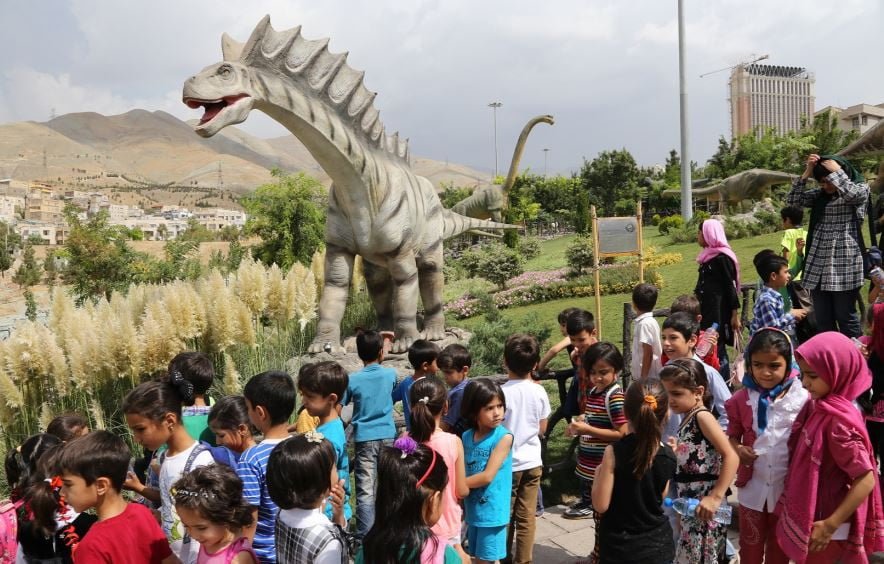
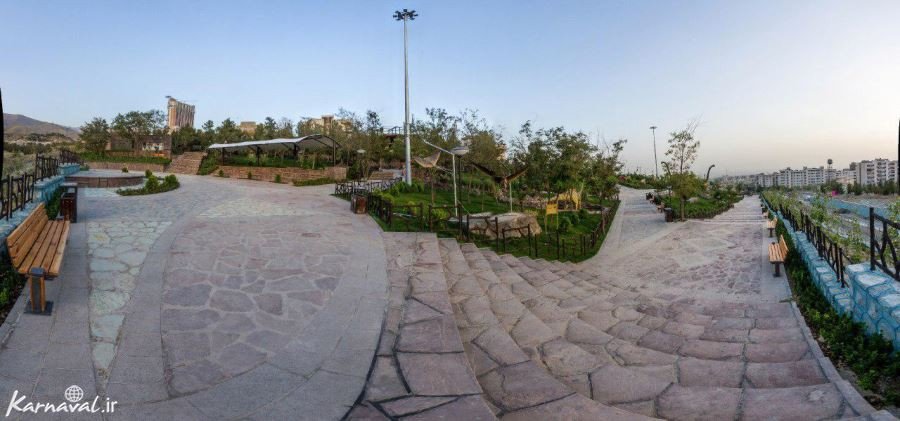
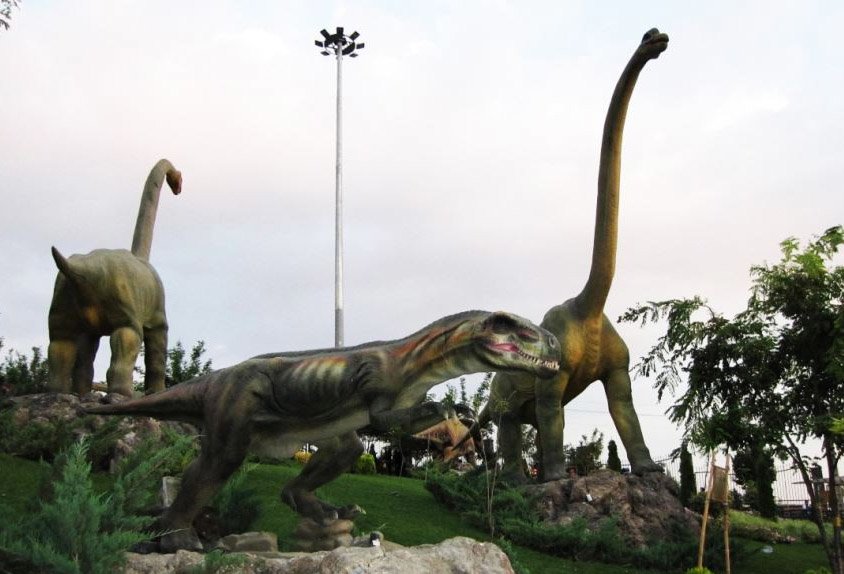
The park was established in 2014 on a 30,000-square-metre area in western Tehran with 28 movable dinosaurs and some other Jurassic animals in actual size. It is an educational and recreational park which provides the interested visitors with a chance to get familiar with how the dinosaurs used to live and eat.

The dinosaurs’ scientific names are shown in front of them so that the visitors could be able to get more familiar with their history.

An interesting point about them is their natural design, which lets the visitors see the dinosaurs blinking and moving their hands and feet. Also there is a baby dinosaur coming out of its egg and going into it again in one corner of the park.

The moves of the dinosaurs in actual size of the park come with sound and special effects. There is also a big dinosaur’s egg in a corner of the park which the visitors can watch to learn how the dinosaurs were born.

The children and teenagers visiting the park can get familiar with the worlds of pre-history animals.

Meanwhile, there are some workshops, studios (for special shooting with dinosaurs), a 3-D cinema and shops which attract the visitors further with the interesting world of this animal.

The term “Jurassic park” was first used by American doctor and writer Michael Crichton as the title of his novel in 1990. Steven Spielberg made a blockbusting film based on it in 1993. After the film, dinosaurs’ park museums called “Jurassic Park” were built around the world in important cities like Warsaw, Havana, Los Angeles and Kiev.

What follows are photos of Tehran’s Jurassic Park retrieved from various sources:

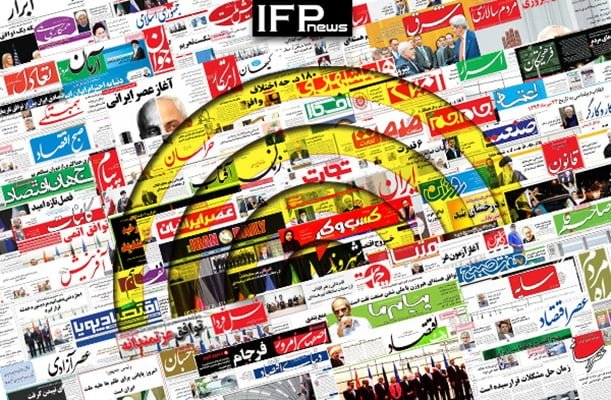
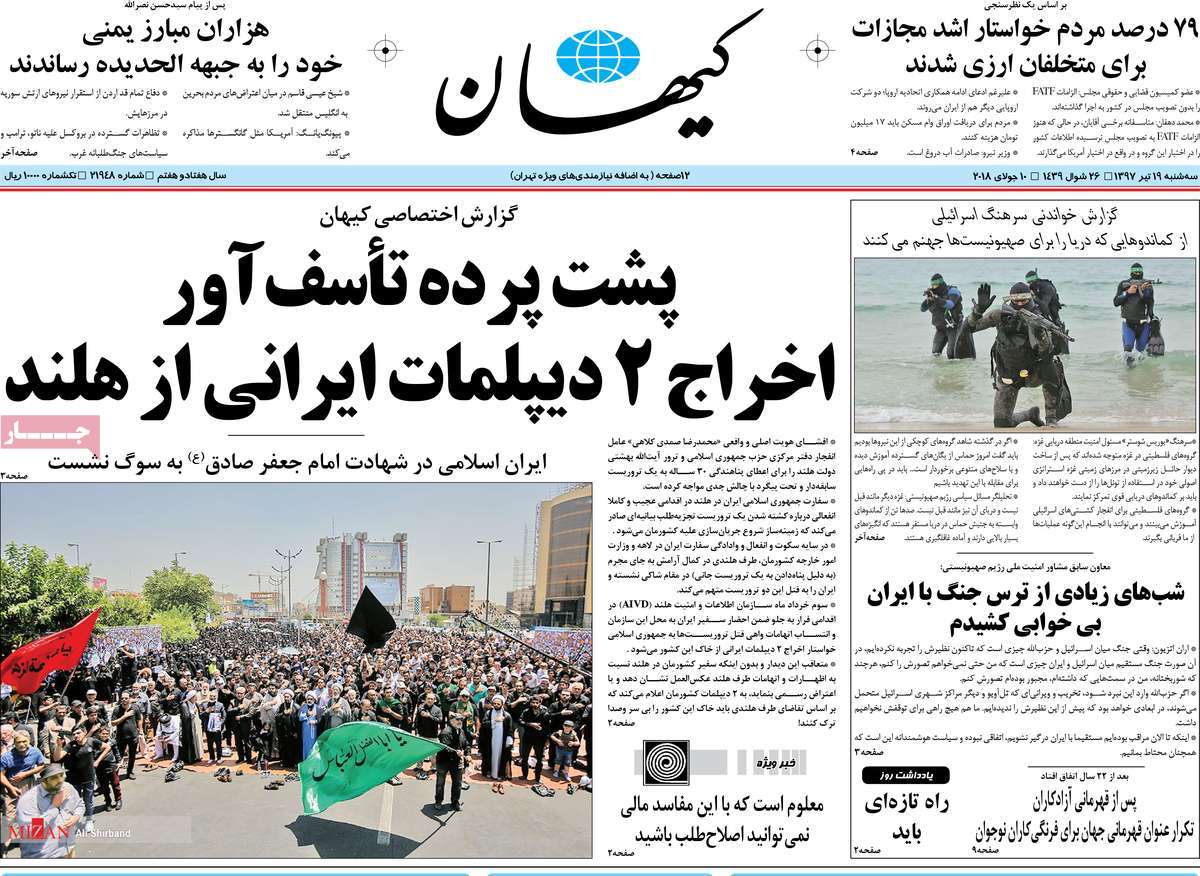
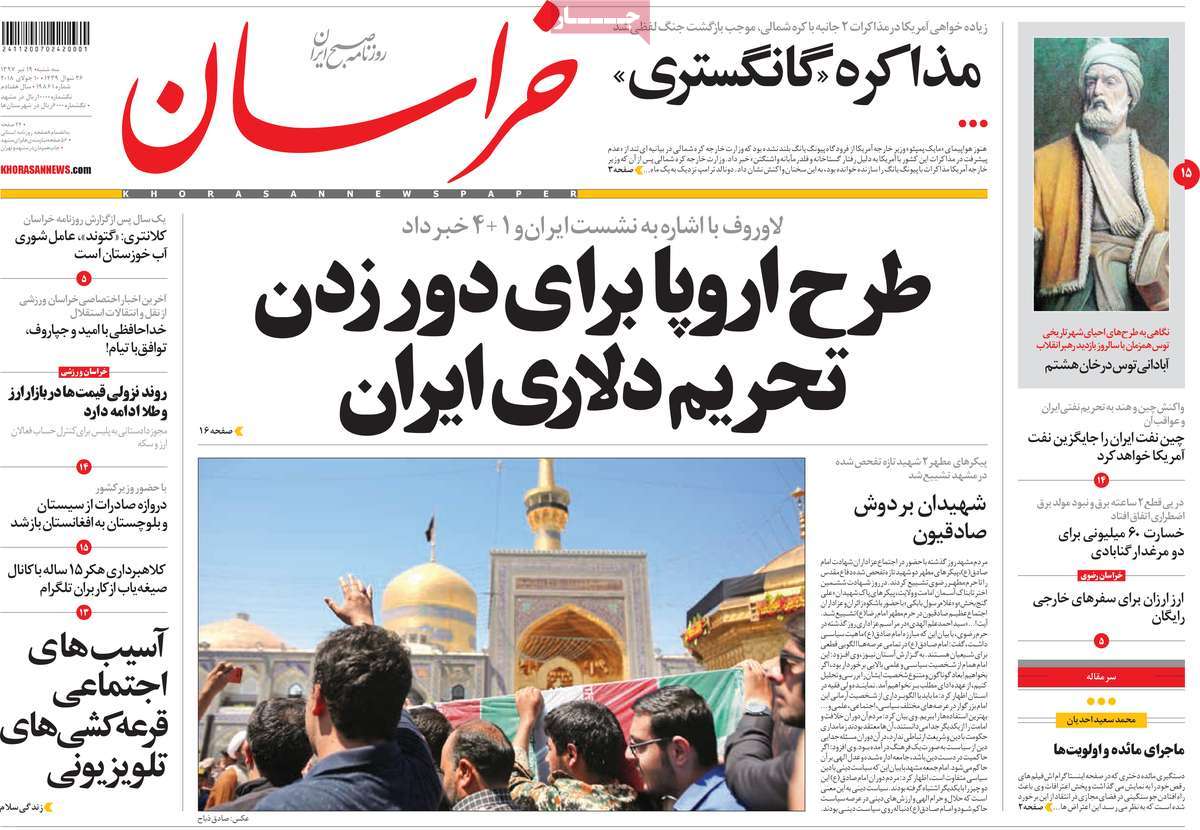
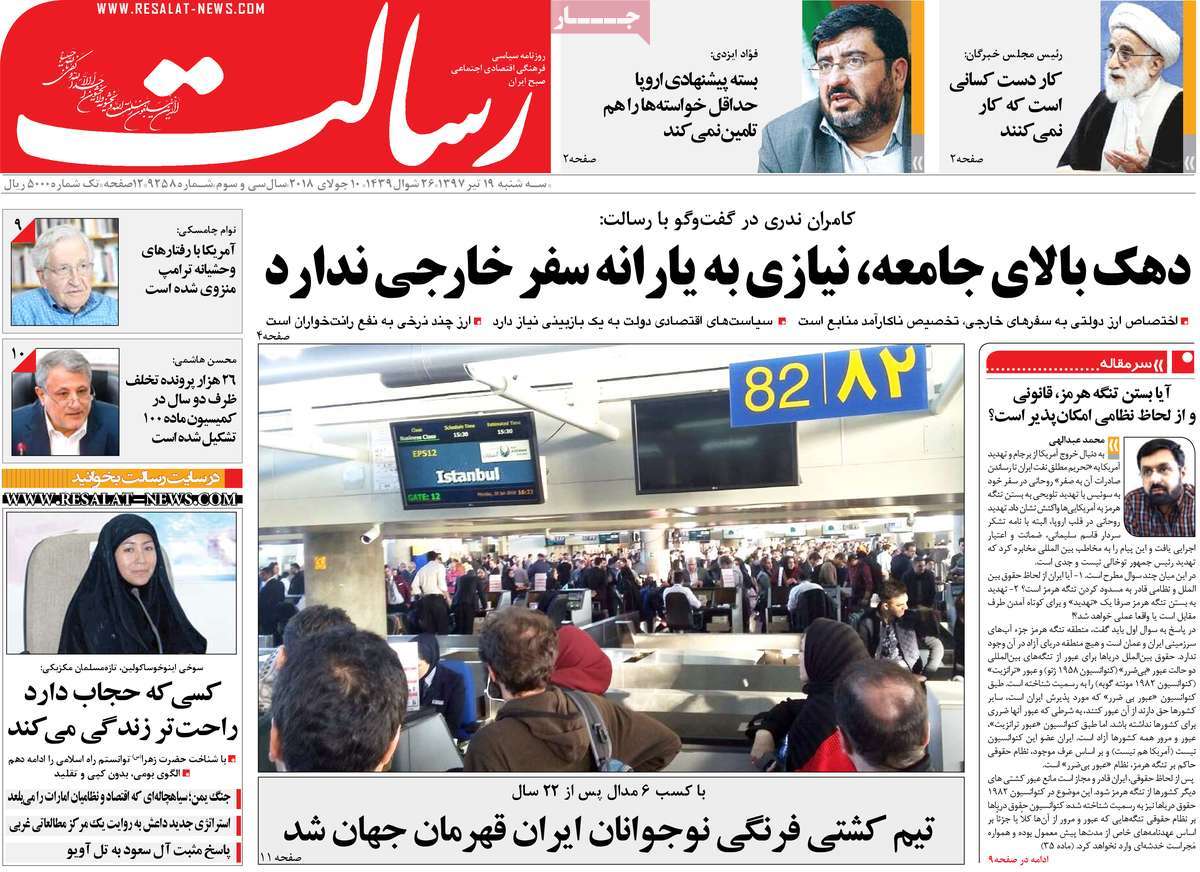
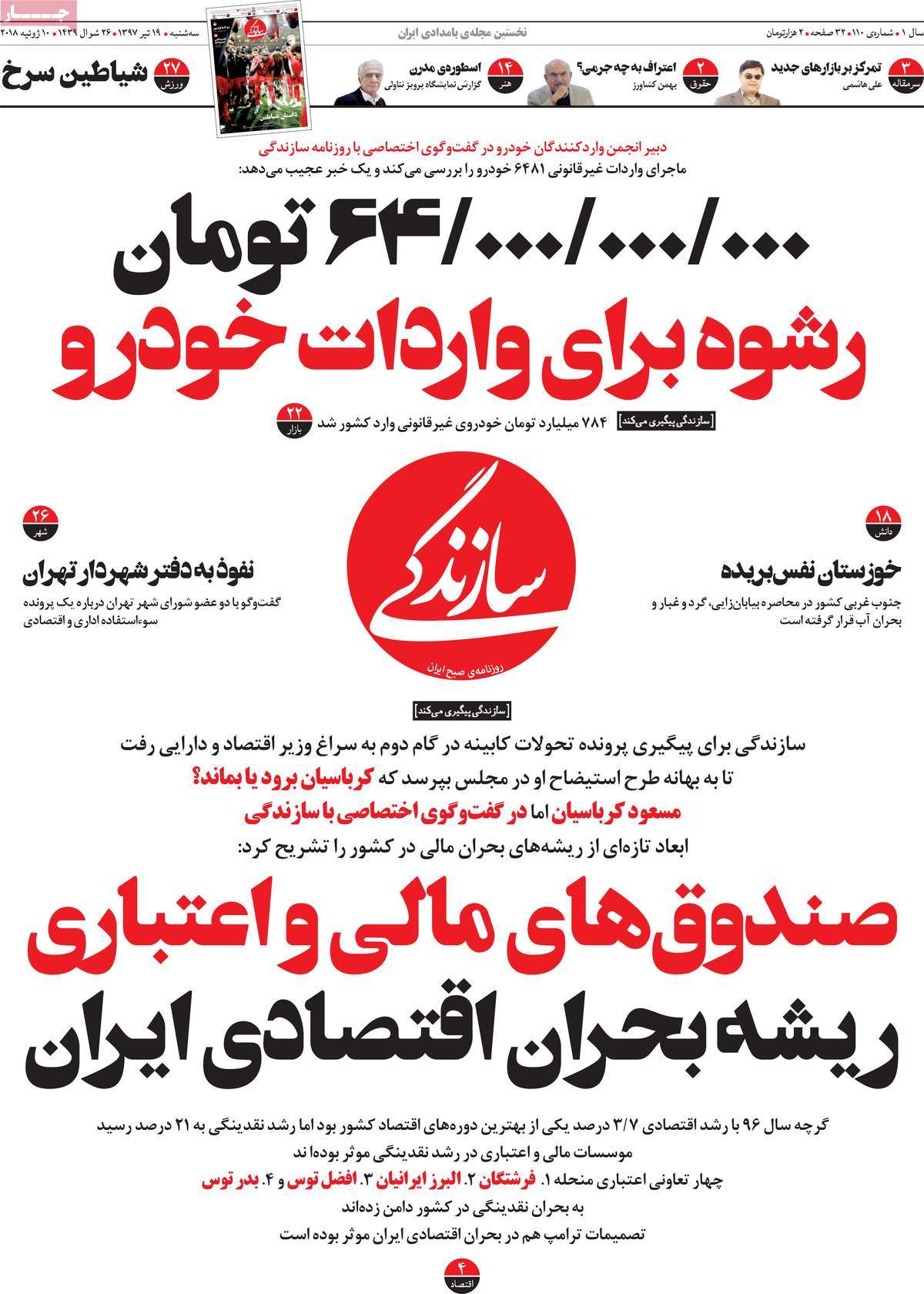
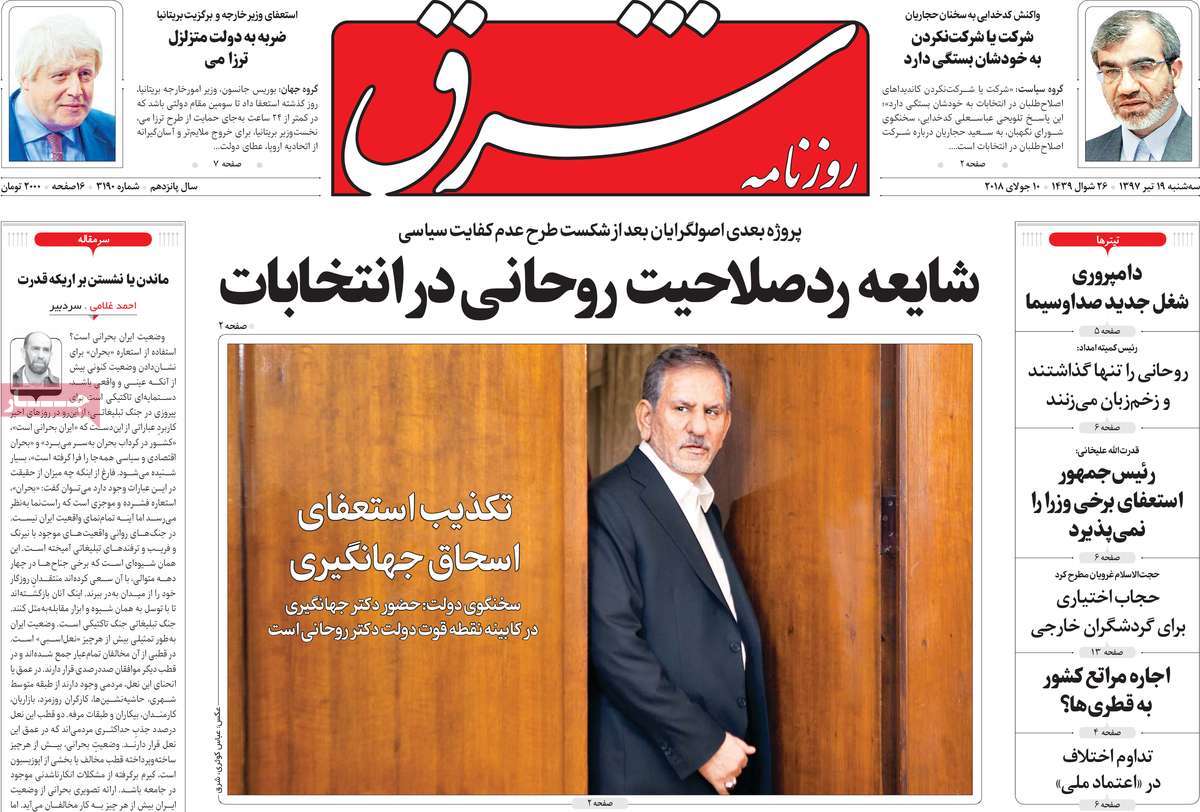
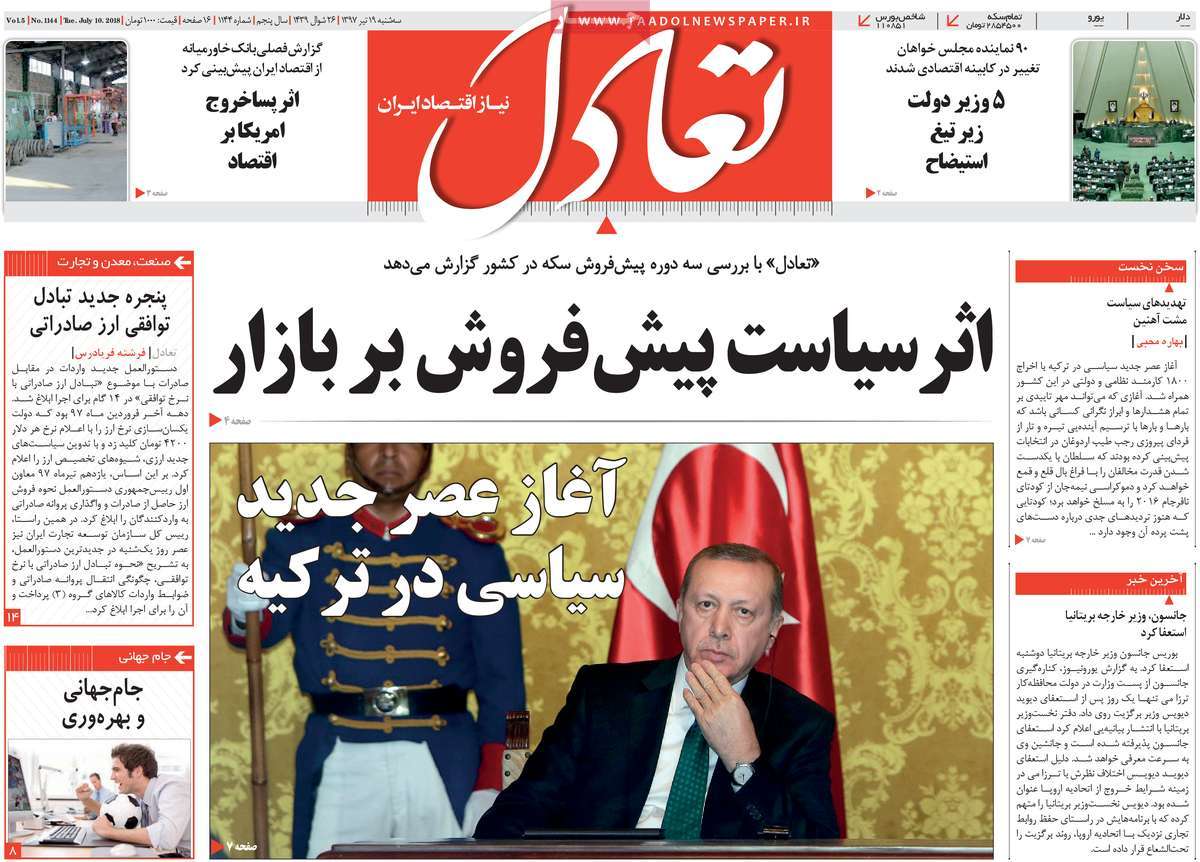
A Look at Iranian Newspaper Front Pages on July 10

A Look at Iranian Newspaper Front Pages on November 19

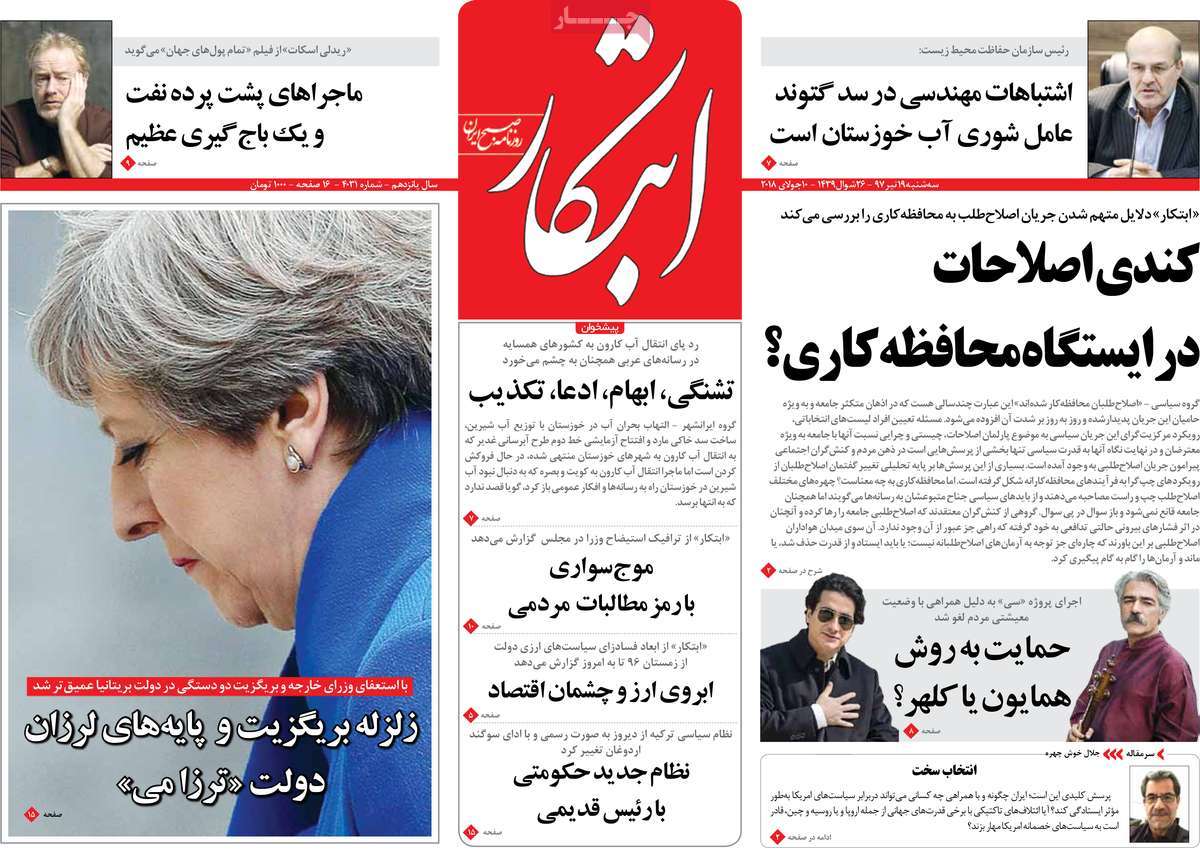
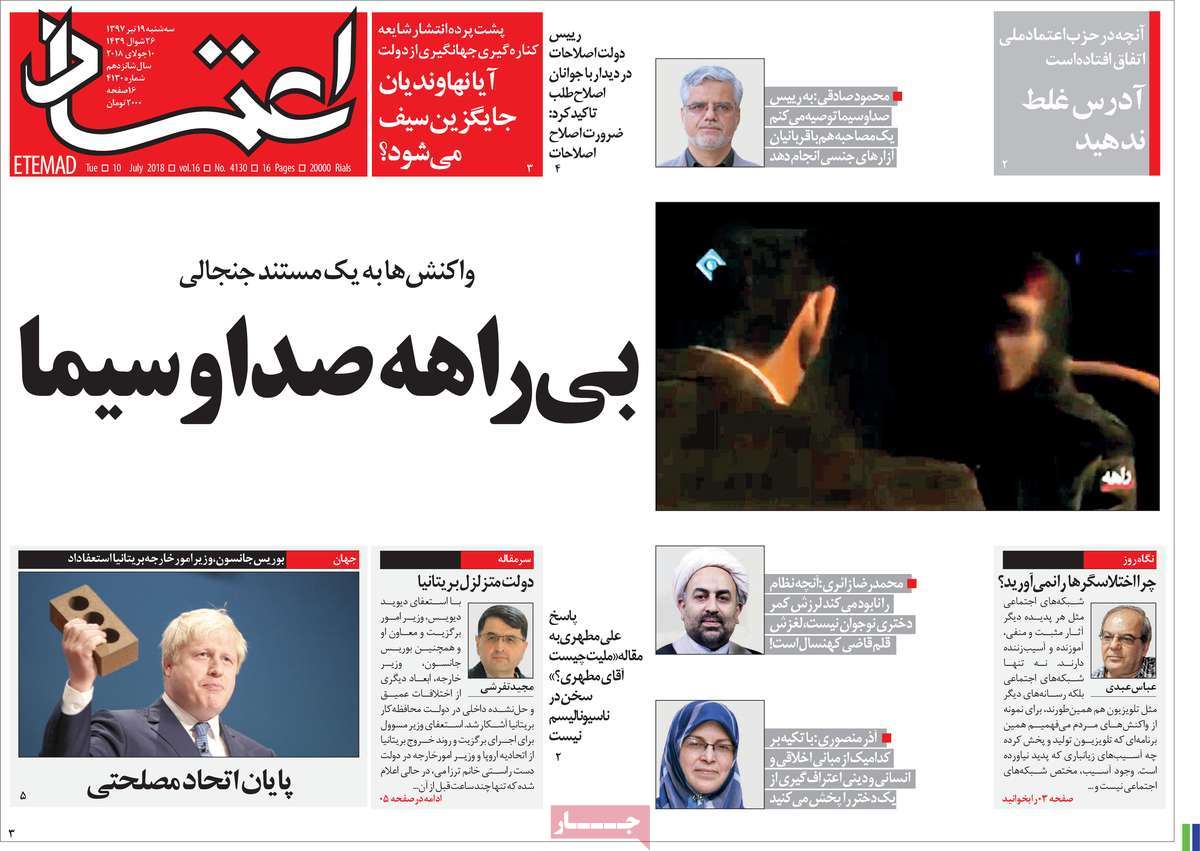
Newspapers today widely covered the recent political developments in the United Kingdom, particularly the resignations of British secretaries of foreign office and Brexit, which have made the government of Theresa May ‘shaky’.

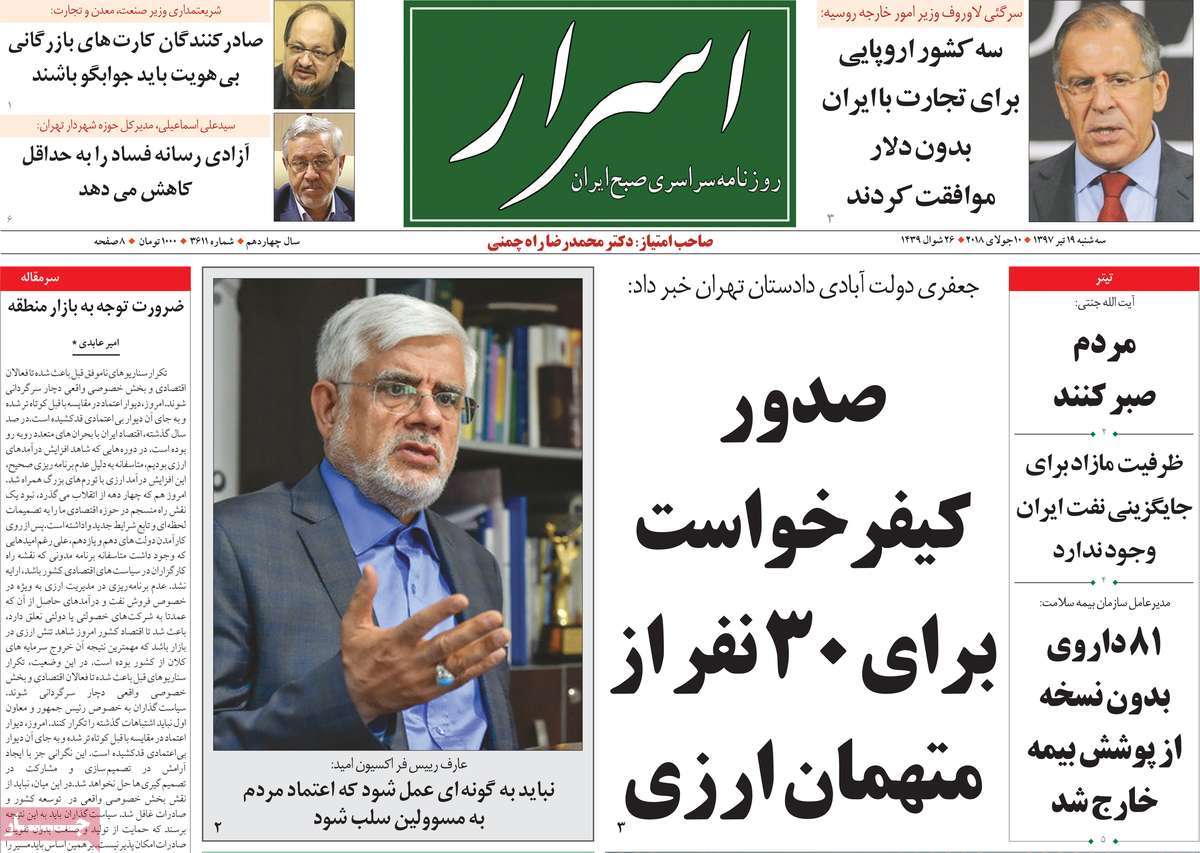
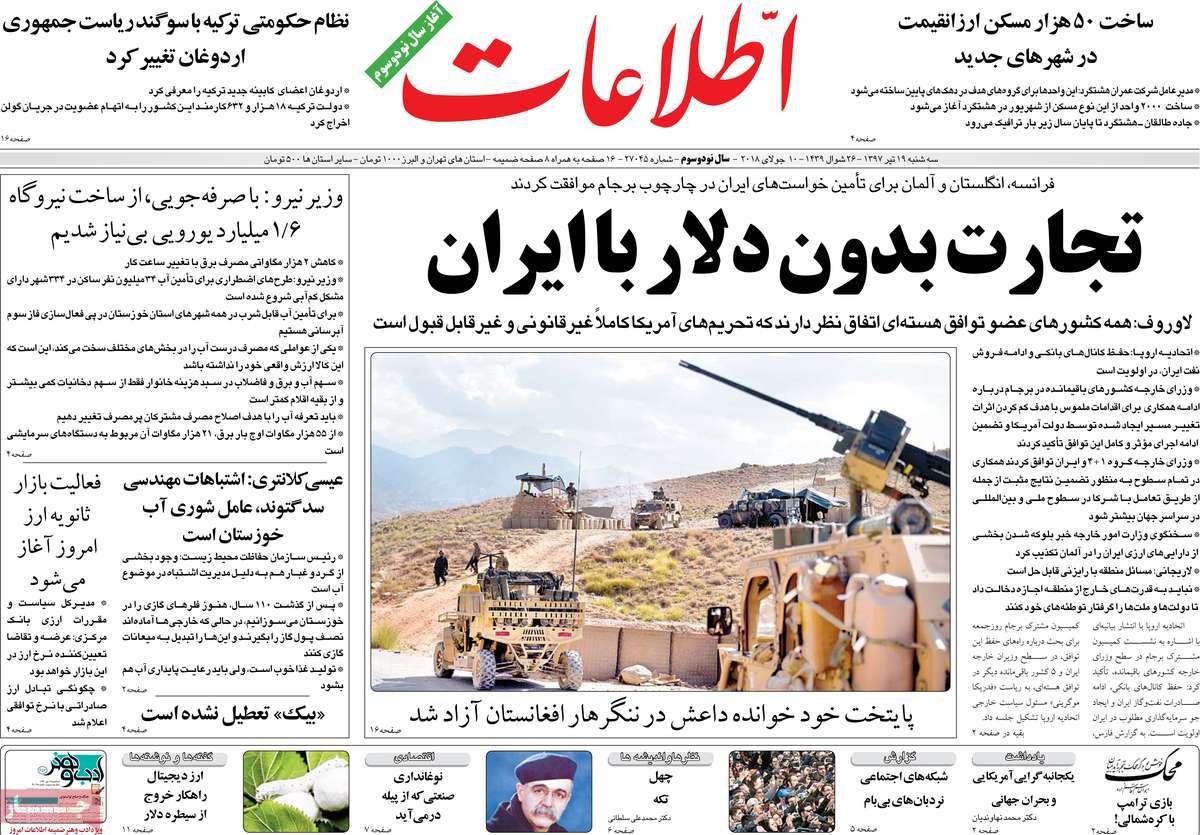
Also a top story was comments by Russian Foreign Minister Sergei Lavrov about a deal between Germany, France, and the UK to do business with Iran without using the US dollar in a bid to save the Iran nuclear deal.

Iran’s oil exports and its threat to close the Strait of Hormuz in case the US prevents Tehran’s customers from buying its crude oil also remained a top story today.

The above issues, as well as many more, are highlighted in the following headlines and top stories:


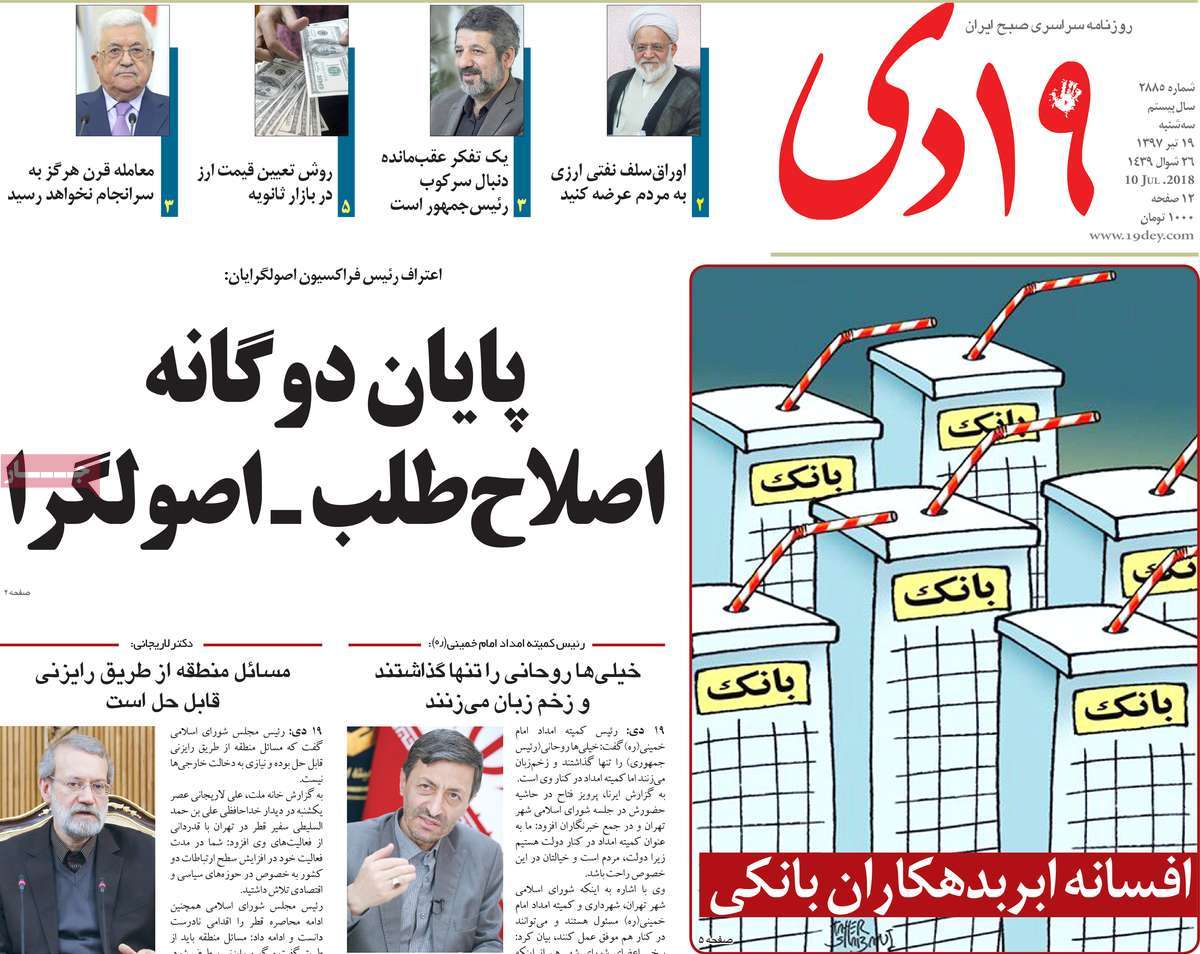
19 Dey:

1- Conservative Lawmakers Admits: Dichotomy of Reformist-Conservative No Longer Existing

A Look at Iranian Newspaper Front Pages on July 10


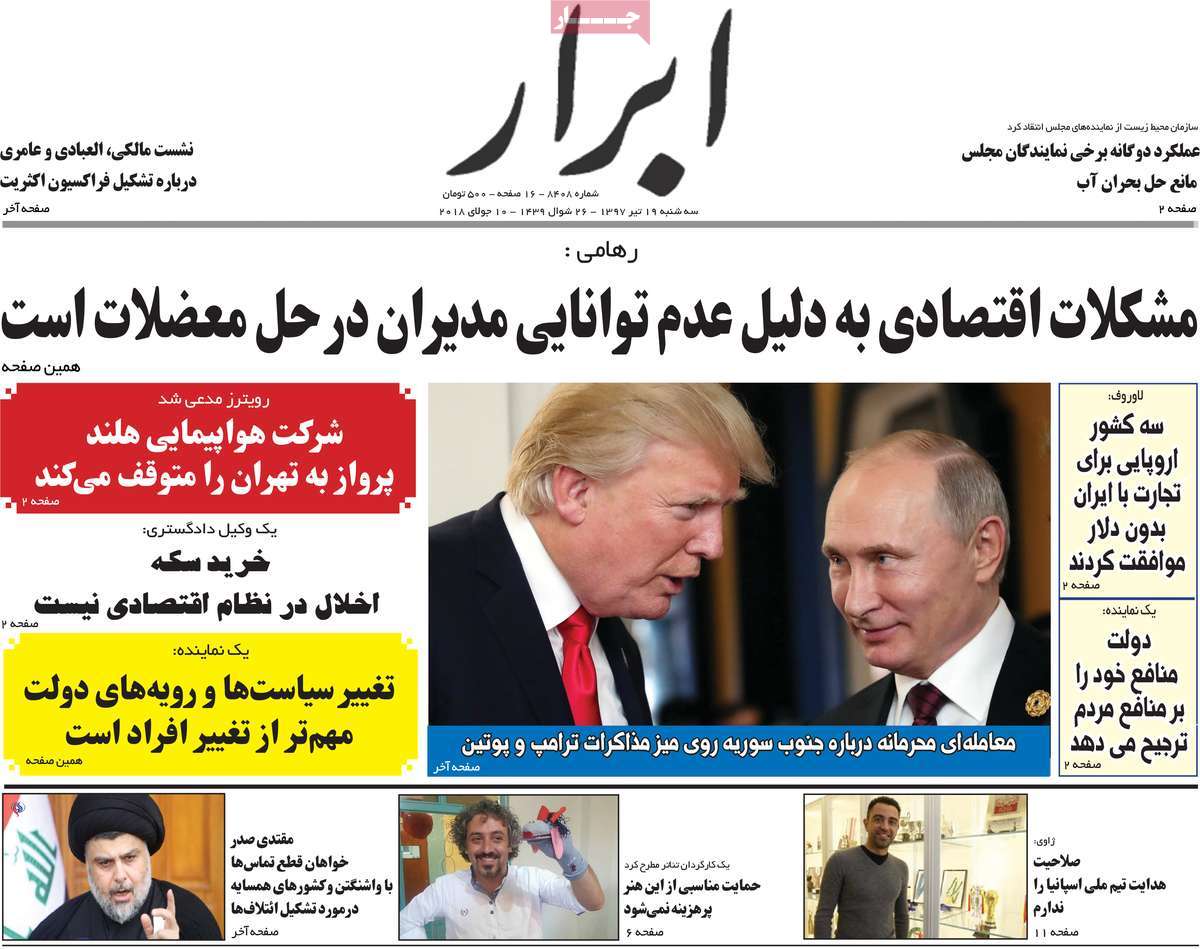
Abrar:

1- Putin, Trump Working on Secret Deal on Southern Syria

A Look at Iranian Newspaper Front Pages on July 10


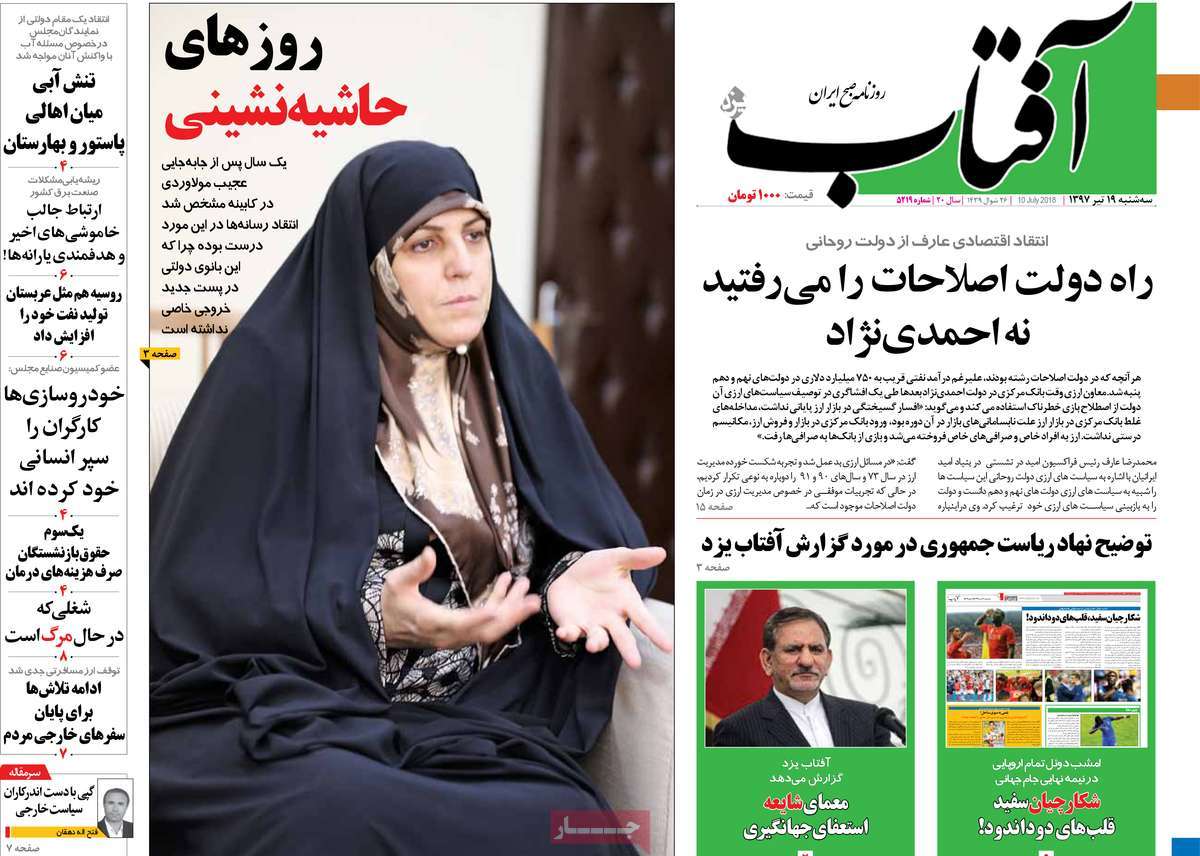
Aftab-e Yazd:

1- Russia Increases Its Oil Output Just as Saudi Arabia Did

2- Continued Efforts to Keep People from Making Foreign Visits

A Look at Iranian Newspaper Front Pages on July 10


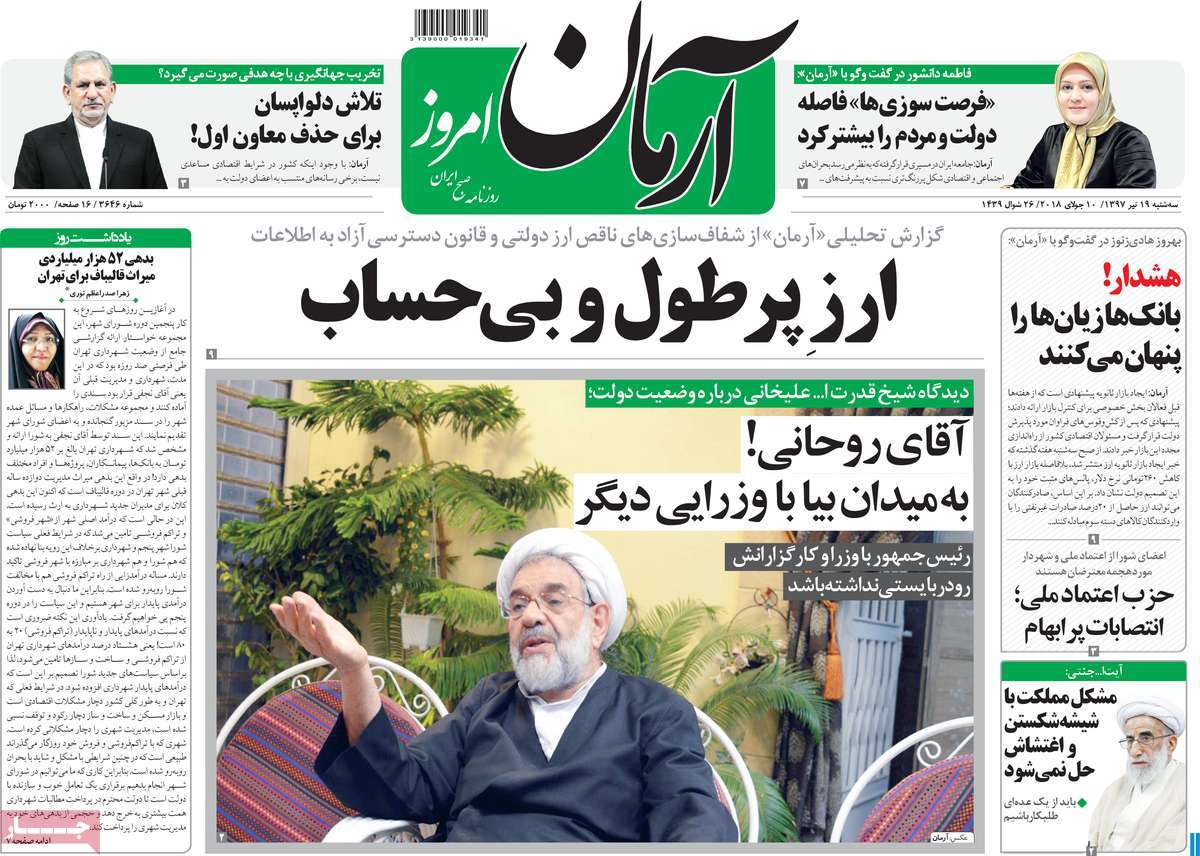
Arman-e Emrooz:

1- Hardliners Trying to Remove First Vice-President from Cabinet

  • What Are Purposes behind Attacks on Jahangiri?

A Look at Iranian Newspaper Front Pages on July 10


Asrar:

1- Lavrov: Three European Countries to Do Business with Iran without US Dollar

A Look at Iranian Newspaper Front Pages on July 10


Ebtekar:

1- Brexit Earthquake and Shaky Foundation of May’s Government

  • Division More Serious in British Government after Resignation of Brexit, Foreign Secretaries

A Look at Iranian Newspaper Front Pages on July 10


Etemad:

1- End of Coalition: Johnson Resigns as UK Foreign Secretary

2- Shaky Government of Britain [Editorial]

A Look at Iranian Newspaper Front Pages on July 10


Ettela’at:

1- France, UK, Germany Agree to Meet Iran’s Demands within JCPOA

  • Dollarless Trade with Iran

2- Turkish Ruling System Changed after Erdogan Is Sworn in

3- Lavrov: All Parties to JCPOA Agree US Sanctions Totally Illegal, Unacceptable

A Look at Iranian Newspaper Front Pages on July 10


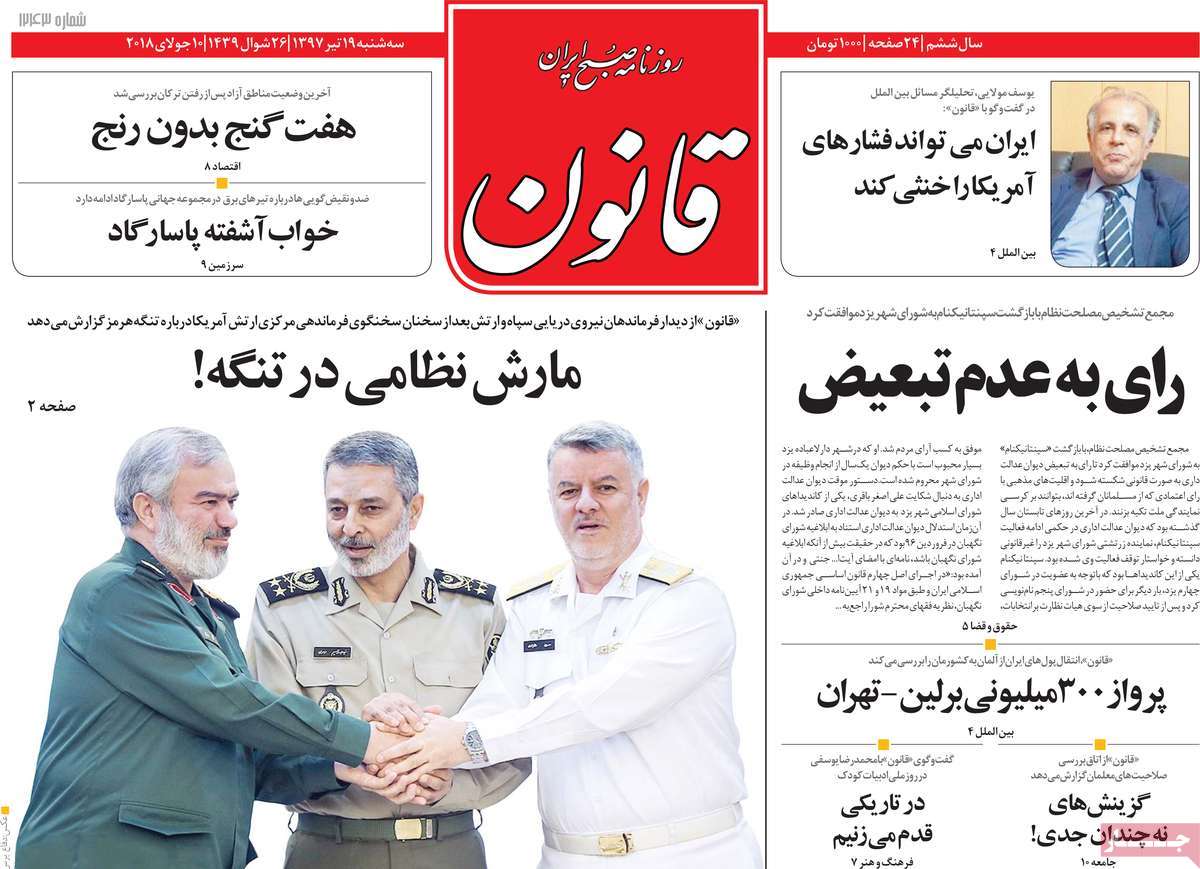
Ghanoon:

1- Military Parade in the Strait!

  • Commanders of Iranian Army’s Navy, IRGC Navy Meet after US Remarks on Hormuz

2- A Report on Transfer of Iran’s Money from Germany: 300 Million at Stake

A Look at Iranian Newspaper Front Pages on July 10


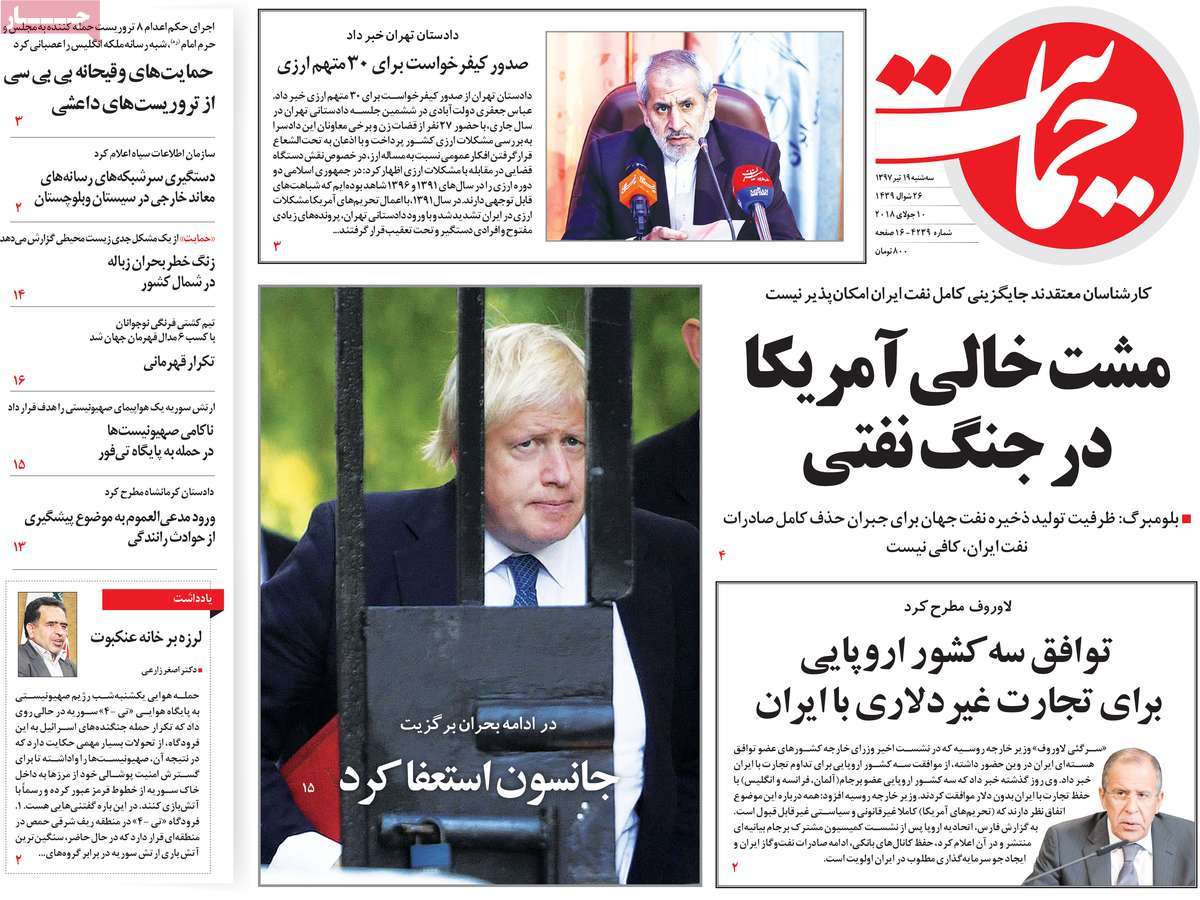
Hemayat:

1- US’ Empty Hand in Oil War: Experts Believe It’s Impossible to Fully Compensate for Iran’s Oil

A Look at Iranian Newspaper Front Pages on July 10


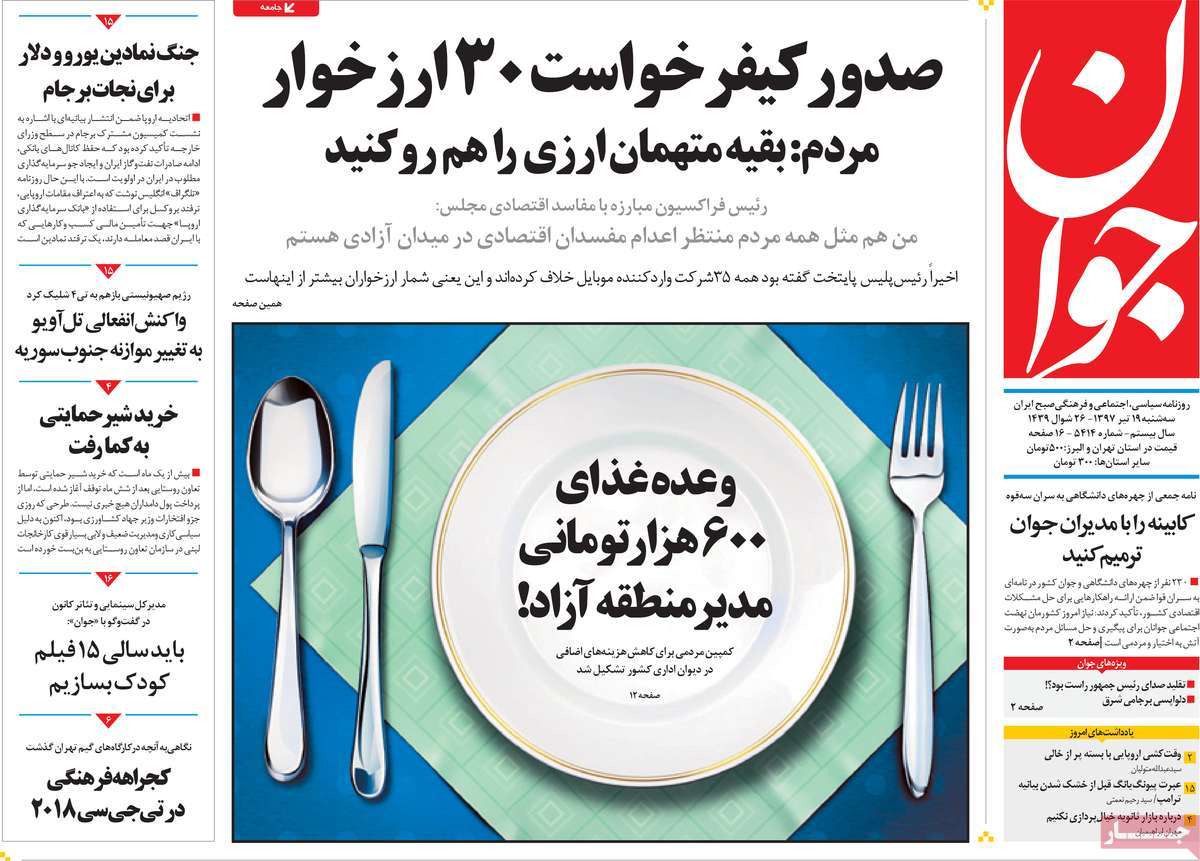
Javan:

1- Symbolic War between Euro, Dollar to Save JCPOA

A Look at Iranian Newspaper Front Pages on July 10


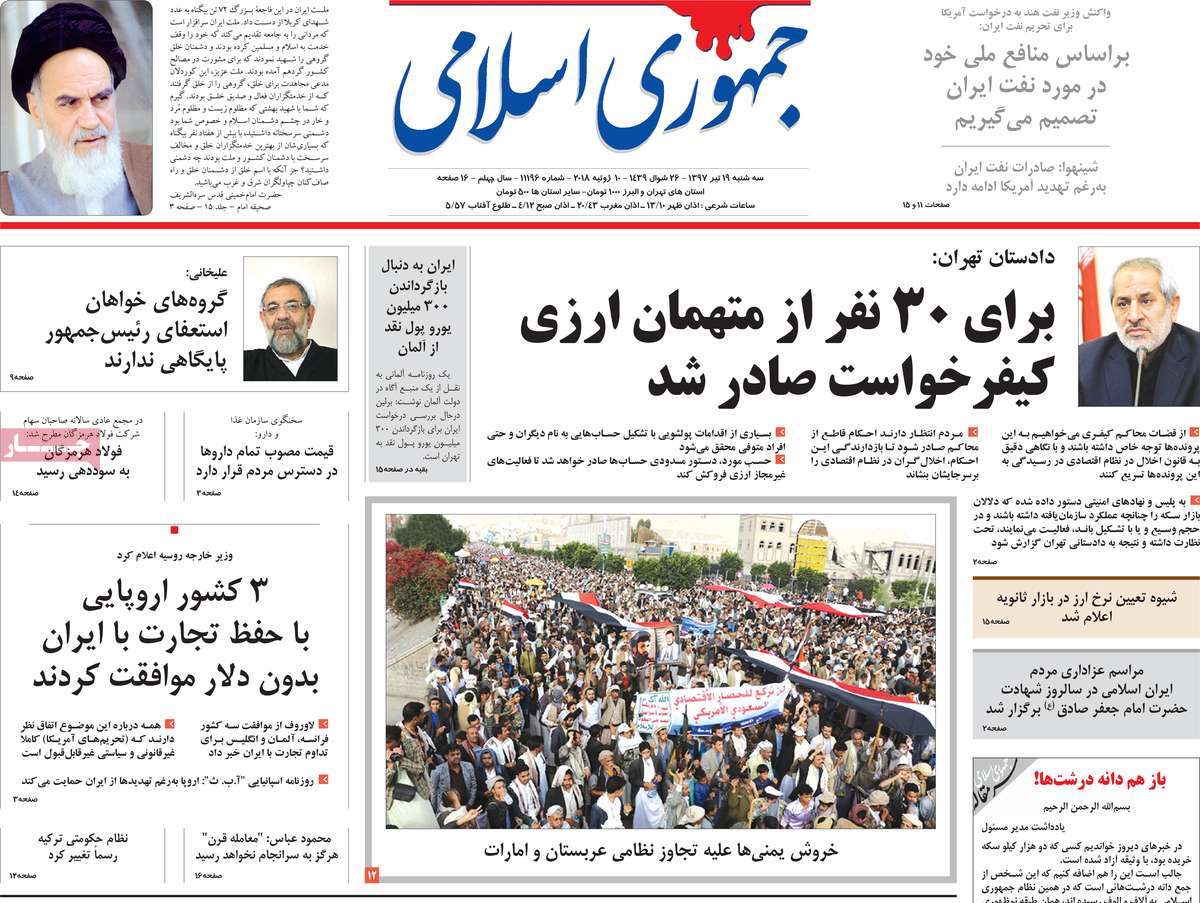
Jomhouri Eslami:

1- Indian Oil Minister’s Response to US’ Call for Boycotting Iran’s Oil

  • We Make Decision on Iran’s Oil Based on Our Own National Interests

2- Yemenis Roar against Saudi-Emirati Military Invasion

A Look at Iranian Newspaper Front Pages on July 10


Kayhan:

1- Regrettable Secrets behind Expulsion of Iranian Diplomats from Netherlands

2- Former Israeli National Security Official: I Had Insomnia for a Long Time for Fear of War with Iran

A Look at Iranian Newspaper Front Pages on July 10


Khorasan:

1- Talking Like a Gangster

  • US’ Excessive Demands in Bilateral Talks with Pyongyang Lead to Rhetorical War

A Look at Iranian Newspaper Front Pages on July 10


Resalat:

1- Iran’s Greco-Roman Wrestling Team Claims World Cadet Title

A Look at Iranian Newspaper Front Pages on July 10


Sazandegi:

1- Economy Minister: Financial Institutes Main Cause of Economic Crisis in Iran

A Look at Iranian Newspaper Front Pages on July 10


Shargh:

1- Cleric Supports Proposal to Allow Foreign Tourists to Avoid Wearing Hijab in Iran

A Look at Iranian Newspaper Front Pages on July 10


Ta’adol:

1- Beginning of New Political Era in Turkey

A Look at Iranian Newspaper Front Pages on July 10


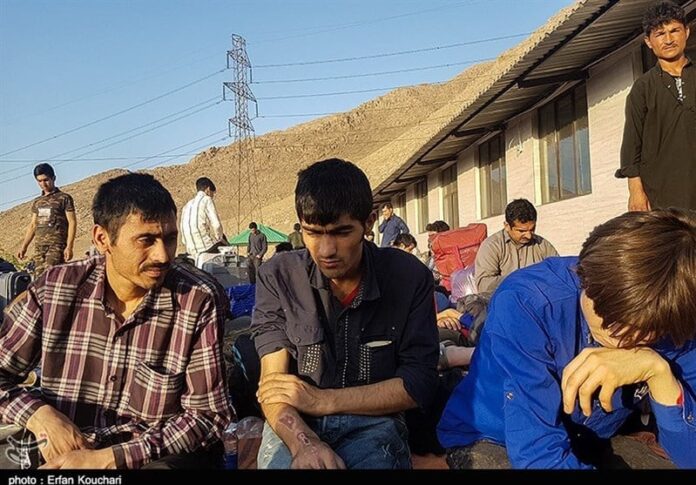
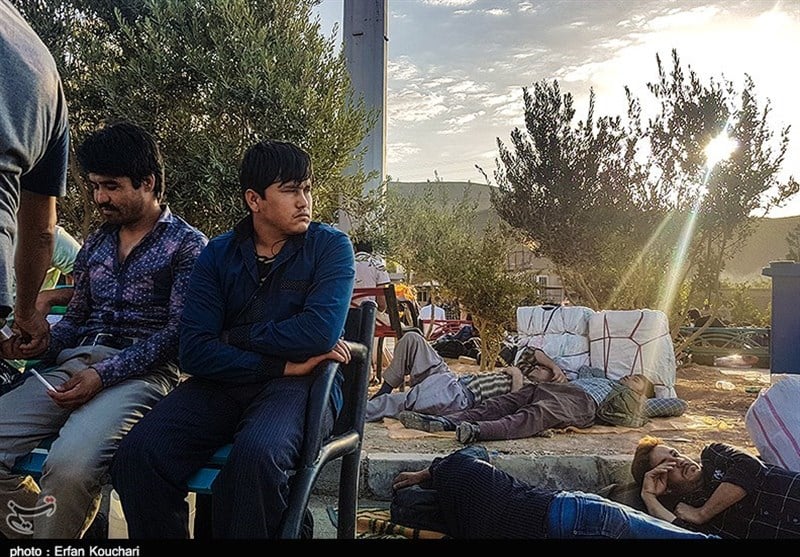
Afghan Immigrants Leaving Iran after Devaluation of Iranian Currency

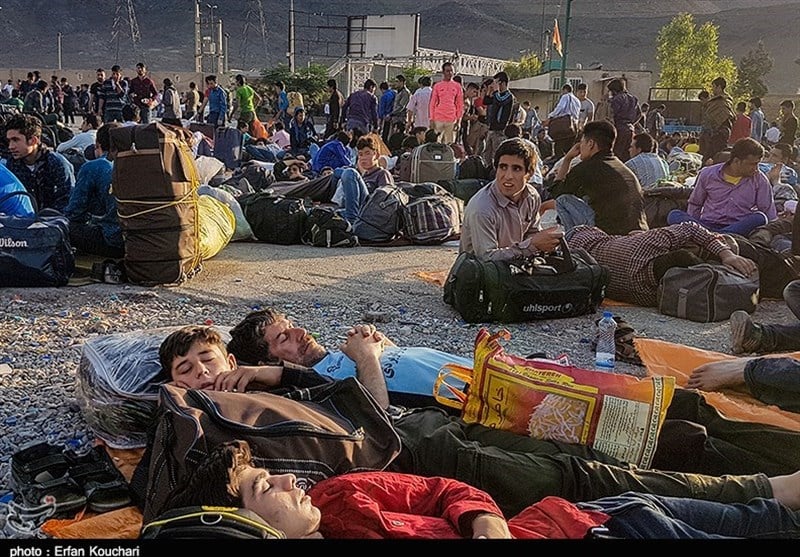
It’s been a while that Afghan immigrants, after living in Iran for several years and decades, have decided to leave the country for other countries in the region amid the volatile economic situation in the Islamic Republic.

“The back-to-back economic shocks in Iran have forced the Afghan migrants in Iran to leave the country for other regional countries for a better work and life,” a report by Ghanoon daily newspaper said.

Nasirallah, who arrived in Iran alone six years ago for a better life, says “I’ve been working as a construction worker over the past two years and received my monthly wages regularly. But given the devaluation of the Iranian rial, it seems working in Iran is not economic anymore.”
Afghan Immigrants Leaving Iran after Devaluation of Iranian CurrencyIn an interview with Ghanoon, Nasirallah said he and other Afghan immigrants working in Iran sent their monthly wages to their families in Afghanistan but over the past months given the volatile economic situation in the Islamic Republic and its declining national currency, they can’t save money to send to their families.
“What’s the use of staying in Iran when we can’t even save money to send to our families? Each month, we receive IRR 10 million which is equal to 8,000 Afghanis. No one in Afghanistan can live with this amount of money for even a single month,” he said.

These days, most Afghan immigrants in Iran are leaving for Turkey and Dubai. Today, Istanbul has replaced Iran as the utopia of Afghan workers.

Afghan Immigrants Leaving Iran after Devaluation of Iranian CurrencyAref and two other Afghan immigrants who are leaving Iran for Turkey through the western borders pay IRR 60 million to a bus driver in Tehran to take them to Turkey. They don’t have passports. But by paying an extra IRR 2 million each to the driver, they are ensured that there would be no serious problem for entering Turkey.
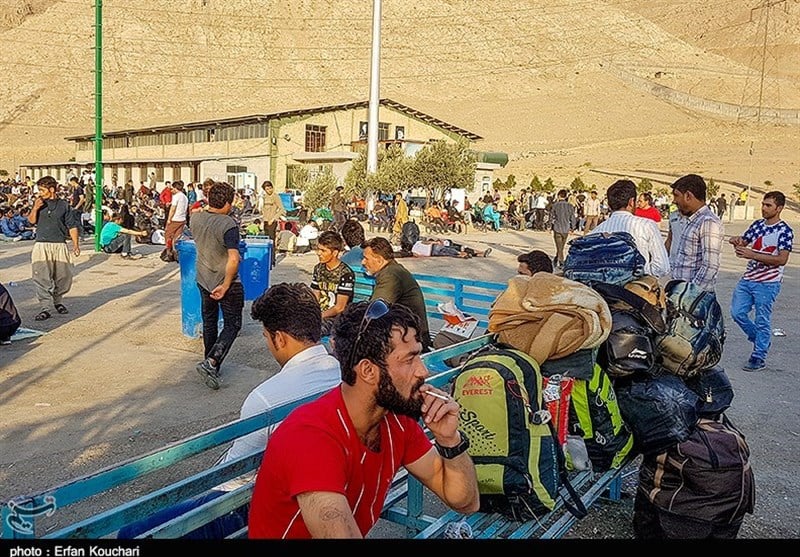

In a bus terminal in southeastern Tehran, Afghans account for the majority of the passengers in the 10 to 15 buses leaving for Taybad in eastern Iran near Afghanistan border. “The wave of Afghans’ immigration from Iran gained momentum about 6 months ago. Most of them depart for Turkey and Dubai and many others return to their homeland.”

Abdollah says he has been in Iran since 1998. “Iran used to be a paradise for Afghan workers. But today the value of the country’s national currency is too low and it is not economic for us anymore to stay here. Most of our friends have already left for Turkey. We go to Turkey and may be to Europe.”


Afghan Immigrants Leaving Iran after Devaluation of Iranian Currency

IRGC Releases Drone Footage Showing US’ Cooperation with ISIS

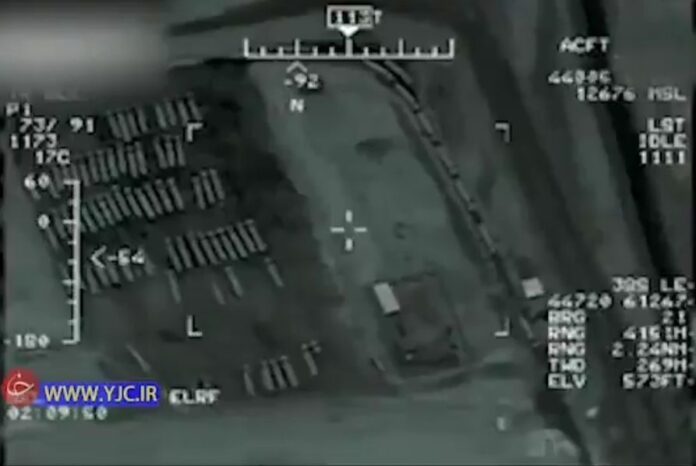
The video taken by a US drone includes footages of ISIS terrorists who are involved in planting mines in Iraq and Syria.

This means that the US has been fully aware in advance of the terrorists’ nasty operations in the two countries without making any efforts to stop them, a report by Khabar Online said.

Thousands of Iraqis and Syrians, mostly civilians have lost their lives or got wounded by the mines planted by the terrorists over the past years.

The video also includes an aerial footage of an area in Iraq in which most of the oil tankers used by ISIS to sell Iraq’s oil are camped. Interestingly enough, the US drone leaves the area after filming without even firing a single missile.

According to the experts, the US forces could simply cut the financial resources of ISIS and put an end to the terrorist group’s operations in Iraq and Syria by targeting the area.

The main question lingering in mind is that why on earth the US remained idle towards the terrorists’ operations in the two war-torn countries.

The IRGC had announced earlier that it had managed to penetrate into the US central commands in the region.

Last year, Commander of Aerospace Force of the Islamic Revolution Guards Corps Brigadier General Amir-Ali Hajizadeh said the IRGC had penetrated into the US central commands.

In a TV interview, the General said the IRGC had been monitoring the US central commands’ operations over the past years.

“If the top leadership of the Islamic Republic allows the IRGC, we will release some documents to shed further lights on the US scandalous moves in Iraq and Syria.”

He underlined that releasing the documents achieved by the IRGC on the US regional operations will turn into a major scandal for Washington.

Iran and its regional allies accuse the US of supporting ISIS in Iraq and Syria. The US rejected the accusations claiming it has been dealing ISIS a heavy blow.

The release of the new video comes three months after the senior Commander of the IRGC Quds Force provided the country’s Foreign Ministry with documents proving US collaboration with ISIS beyond a shadow of a doubt.

Major General Qassem Soleimani’s documents “contained precise information on the geographical position, time and exact details” of US collusion with the terrorists.