Wednesday, December 31, 2025
Home Blog Page 2550

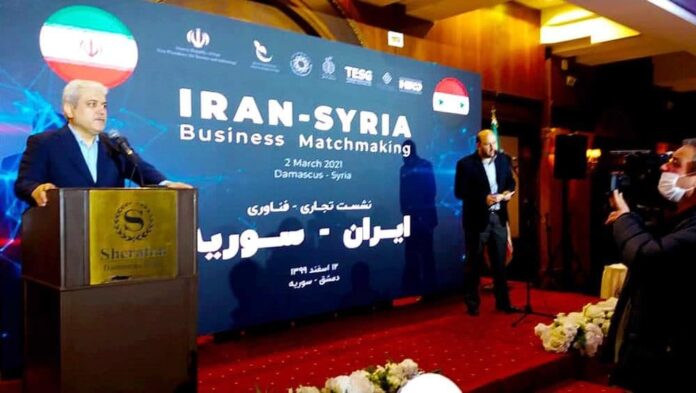
Second Iran-Syria Business Matchmaking Meeting Held in Damascus

Addressing the opening ceremony on Tuesday, Sattari touched upon the developments which have taken place in Iran over the past six years.

“All of you know Iran for its huge oil and [natural] gas reserves. We have the largest hydrocarbon resources in the world. But what has happened in the past few years is the emergence of expert manpower potential and [the emergence of] a new economy alongside the traditional oil-and-gas-driven economy,” he told the gathering, which brought together some 40 Iranian and Syrian technological bodies.

“Today, more than 40 knowledge-based companies are present in this conference, which is only a small part of the events that have happened in the domain of technology in Iran,” he explained.

“Today, Iran has the largest startups in the region in the domains of communications and information technology, nanotechnology, biotechnology, aerospace, stem cells and other modern technologies,” Sattari added.

Future of Iran’s Economy Hinges on Youth’s Potential

Sattari, who is also the head of the Iranian Elites’ Foundation, said the new generation of knowledge-based, technological and innovative companies in Iran has been developed by young and educated manpower.

“These young people and modern companies amount to the future of Iran’s economy. They serve as a bulwark against international sanctions and threats. This new generation of companies is learning how to export their products to international markets,” he said.

“Sales of products by Iranian knowledge-based firms have reached more than $12 billion.
This economy has caught up with the existing, traditional markets in Iran,” said Sattari.

“The oil, gas and petrochemical economies have seen considerable growth. I hope the meetings today will establish a proper link between the two Iranian and Syrian sides, so that technological and knowledge-based exchanges between the two countries will increase. Iran knows no limits for trade and technological exchanges with Syria,” he said.

The vice president also touched upon the opening of the Iranian Innovation and Technology Centre in Syria.

“We have established similar centres in China and Kenya, too, and tomorrow the third such centre will be inaugurated in Syria. We hope this office will help develop trade and technological exchanges between the two countries in the knowledge-based domain,” Sattari said.

Governments Duty-Bound to Link Technology Experts

Sattari added governments have a responsibility to establish a connection between university students, professors, technological companies, businessmen and industrialists, so that they can find each other in different countries and have technological and scientific exchanges with one another.

“The Science and Technology Department of the [Iranian] president’s office also seeks to develop technology diplomacy,” he said.

Sattari said diplomacy technology is, in fact, a new form of diplomacy.
“We introduced this concept because of our technological potentialities in the world, and we hope this gathering will result in good events between Iranian and Syrian technology experts. I invite all of you to come to Iran and visit Iranian knowledge-based firms and rich history,” said the vice president.

The second meeting of Iranian knowledge-based companies and Syrian technological institutions was held aimed at creating an atmosphere to present Iranian products. On the first day of their stay in Syria, representatives from Iranian knowledge-based and innovative companies took part in face-to-face meetings with Syrian technological firms in order to get familiar with the business climate in Syria. These meetings were held in cooperation with the Science and Technology Department of the Iranian president’s office and the Iranian Innovation and Development Fund.

In the meetings, Iranian and Syrian companies introduced to each other their achievements and capabilities in order to secure a market for t their exports.

The first face-to-face meeting of 40 Iranian knowledge-based, technological and innovative companies was held in July 2020 at the same time that the Syrian Reconstruction Exhibition was underway. Fifteen companies were present at the national pavilion of knowledge-based companies at the exhibit.
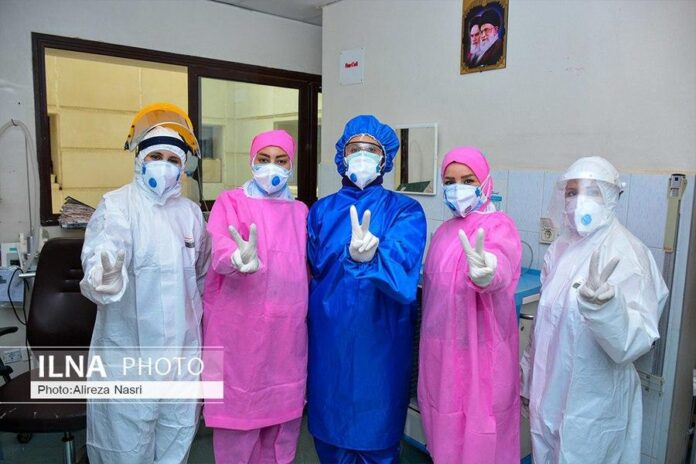
Over 1.4 Million Iranians Recover from COVID-19: Health Ministry

Some 157,000 Recover from COVID-19 in Iran

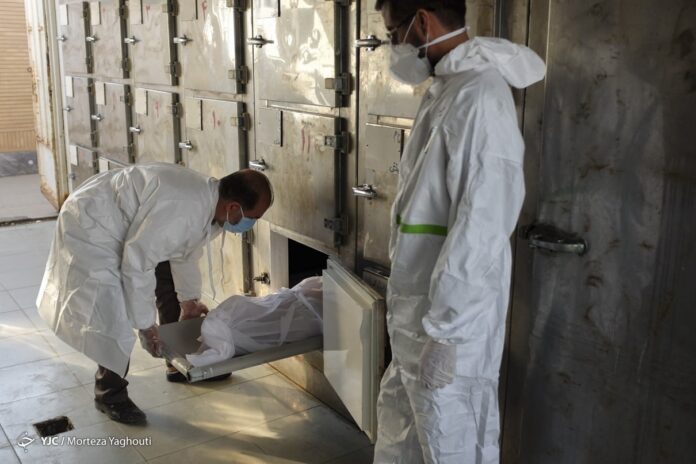
In a press briefing on Tuesday, Sima-Sadat Lari said the virus has killed 86 patients since Monday noon, increasing the overall death toll to 60,267.

She said 1,648,174 patients have contracted the novel coronavirus so far, including 8,495 new cases identified in the past 24 hours.

Lari said 3,738 patients are also in critical conditions caused by more severe infection.
The spokeswoman noted that 10,972,109 COVID-19 tests have been taken across the country so far.

She said currently 11 cities are in the “red” zone, 32 cities are in the “orange” zone, 251 are in the “yellow” zone, and 154 are in the “blue” zone in terms of coronavirus outbreak.

According to Lari, the “red” cities are all in Khuzestan province in southwestern Iran, and include Abadan, Ahvaz, Mahshahr, Khorramshahr, Dezful, Dasht-e Azadegan, Ramhormoz, Shadgan, Shushtar, Karoun, and Hoveyzeh.

Iran, Syria Discuss Closer Sci-Tech Cooperation in Damascus

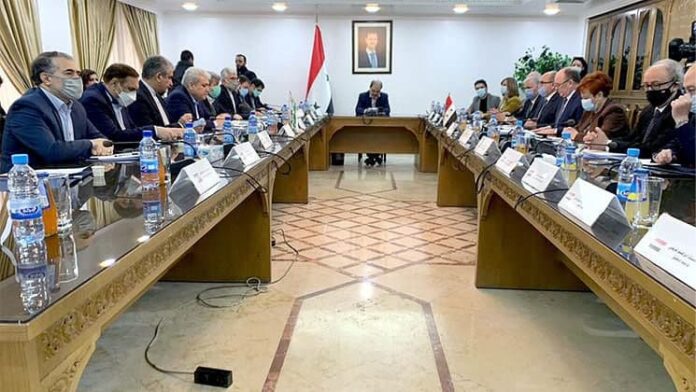
In the Tuesday meeting, the two sides stressed the need to forge closer scientific and technological cooperation between Tehran and Damascus.

Sattari touched upon developments in the domain of Iran’s technology and innovation ecosystem, adding that innovations presented by millions of students currently studying at Iranian universities should be utilized.

“Many players have a part in this ecosystem (the technology and innovation ecosystem), including innovative and knowledge-based companies, sci-tech parks, innovation centres, accelerators and risk-prone funds,” he added.

“In this ecosystem, ideas and innovations are turned into products,” he explained, adding that these are technological products which meet people’s needs.

“This ecosystem took shape 7 years ago and has grown stronger over these years, so much so that there are currently hundreds of innovation centres, more than 50 sci-tech parks, around 10,000 start-ups and over 50,000 knowledge-based companies,” Sattari noted.

He said the biggest start-ups in the region in the domains of nanotechnology, biotechnology, information technology and aerospace belong to Iran.

The Iranian vice-president noted that it is important for these firms to sell their products as the revenues will significantly contribute to the growth of economies.

“Sales by these companies have reached $12 billion, so far,” he said.
Sattari further highlighted that Iran has made considerable progress in the nanotechnology sector as well.

The Syrian minister, in turn, touched upon the great potential for cooperation between the two countries, saying Iran and Syria should work together closely in scientific and technological areas.

Iran Says Waiting for Biden Administration’s Action

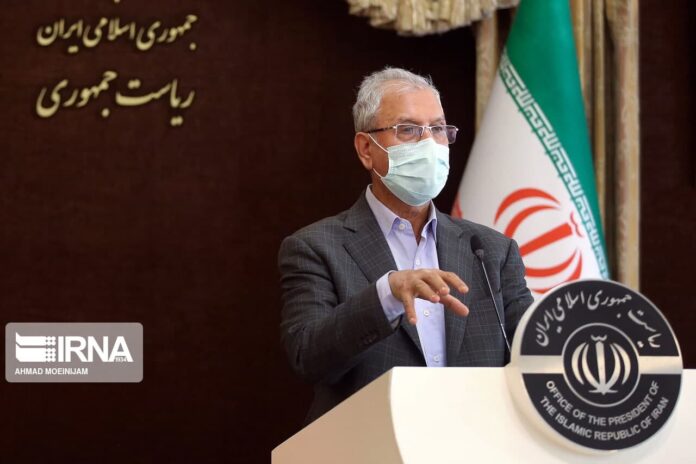
Ali Rabiei said Iran will immediately begin to deliver on its commitments once the US does so.

“Iran’s stopping the voluntary implementation of the Additional Protocol based on Parliament’s legislation was a balancing move in accordance with Clause 36 of the JCPOA, which authorizes a party to the agreement to stop fulfilling their commitments, in whole or in part, if the other signatories fail to keep their side of the bargain. We acted within the same framework,” Rabiei said in a weekly press briefing on Tuesday.

“We remain committed to the JCPOA, and if the other signatories begin to make good on their obligations, we will immediately deliver on our commitments, including the full implementation of the Additional Protocol,” said Rabiei.

The spokesman then touched upon a recent deal between Iran and the International Atomic Energy Agency (IAEA).

“The recent agreement between Iran and the IAEA was a goodwill gesture by Iran,” he said.

“By this agreement, we once again showed the international community Iran’s determination to have peaceful nuclear activities. Of course, we expect this goodwill gesture to be met with another goodwill gesture by members of the IAEA’s Board of Governors,” Rabiei added.

“From our perspective, with the agreement reached between Iran and the IAEA, there should be no concerns about Iran’s stopping the voluntary implementation of the Additional Protocol,” the spokesman explained.

“Still, if the United States has any cause for concern, it should return to is commitments under the JCPOA to set the stage for Iran’s reciprocal move and allay this false concern. It is up to them to alleviate this concern,” he said.

“We are not in a hurry to announce our position and take remedial steps, but we will reciprocate any positive or negative move with proportionate action in due time with the appropriate method,” he noted.

“There is no use repeating the history of the past several years. The ‘maximum pressure’ policy failed. Issuing statements and pressing ahead with pressuring Iran is not an appropriate move to contribute to global peace and ensure global security. We recommended the path of diplomacy,” Rabiei added.

He also said that if any resolutions are adopted against Iran, the country will reconsider its recent deal with the IAEA,”

“This is a warning also given by our IAEA representative,” he said.

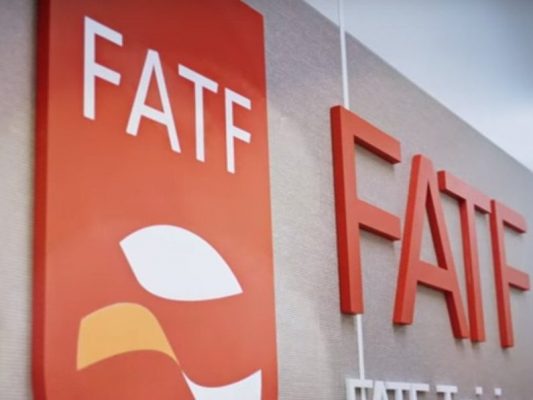
Iran Likely to Approve FATF Soon: Official

FATF’s Blacklisting of Iran; Threat or Opportunity?

Mohammad-Reza Bahonar, a conservative member of the council, said the key point with regards to the FATF is to see where national interests are or are not compatible with global interests.

The official stressed that Iran is against terrorism, and added the country will announce at international circles how it will join the Palermo protocols and Countering the Financing of Terrorism (CFT) mechanism.

“However, this should not be a lever to neutralize Iran’s fight against sanctions. This is a technical and precise job which takes some time to do,” he said.

“In order to neutralize sanctions, we need to circumvent them some times and ignore the laws of hostile countries,” he said.

Iran Berates US for Turning Blind Eye to Israeli Nukes

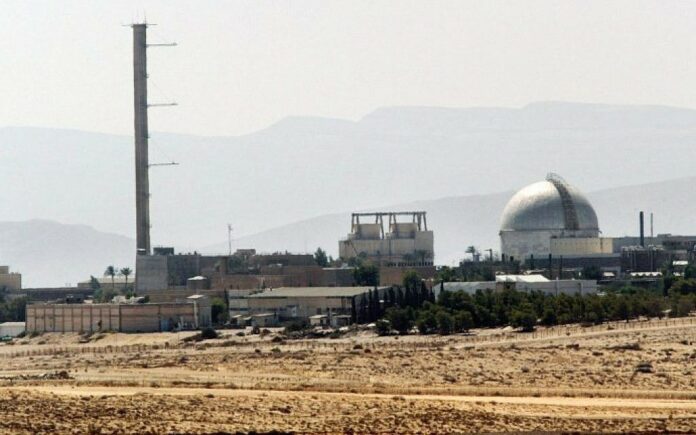
Israel's Dimona nuclear facility

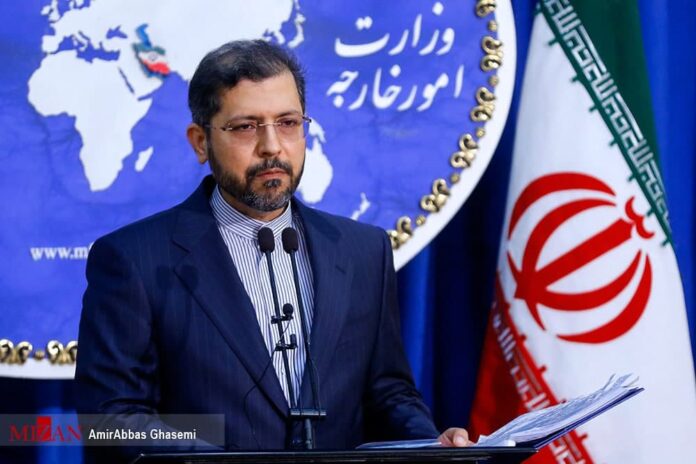
Saeed Khatibzadeh said Israel keeps expanding its nuclear arsenal with impuity.

“Unfortunately, it is the West and the United States that have turned a blind eye to dozens and probably hundreds of atomic bombs which are stockpiled in the occupied territories and whose numbers increase day by day and are in the possession of the Israeli regime which has the blood of people in the region on its hands,” said the spokesman in a press conference on Monday.

He said this comes as “there has never been any room for nuclear weapons in the Islamic Republic of Iran’s doctrine.”

Elsewhere in his remarks, Khatibzadeh slammed the Israeli regime for playing “blame games” by accusing Tehran of attacking an Israeli-owned vessel in Sea of Oman.

“The [Israeli] regime occupying Quds is the source of all insecurity and instability, and these blame games follow a clear pattern,” he said.

“The Persian Gulf and the Sea of Oman are integral parts of our security domain, and we will not allow them to spread fear with such words and comments,” he explained, categorically denying Iran’s role in the attack.

“The prime minister of the Israeli regime has a pathological mental obsession with Iran. Of course, they think the extremely deplorable situation in the occupied territories which is at its nadir could be justified by these blame games,” he noted.

“Of course, the Israeli regime’s pathological mental obsession with Iran is nothing new. However, all these indicate utter chaos in the occupied territories, which is the fallout from adventuristic behaviour both inside and outside the occupied territories,” he said.

“The Israeli regime is a regime which is the root cause of much of the problems and much of the insecurity in the West Asia region. Naturally, the Islamic Republic of Iran closely monitors developments,” he stressed.

“These blame games will only serve the interests of the corrupt prime minister of the Israeli regime. The Islamic Republic of Iran has pursued its polices based on its own interests and doctrine,” he said.

“Israel has also started other suspicious activities in our region which we are closely monitoring. The Israeli regime knows well that we have always given a firm and precise response in the domain of our national security,” Khatibzadeh added.

Iran Reports Highest Daily Rise in COVID-19 Deaths in Two Months

In a press briefing on Monday, Sima-Sadat Lari reported 8,510 new cases of COVID-19 infection, raising the total number of cases to 1,639,679.

So far, Lari added, 1,399,934 patients have recovered from the disease or been discharged from the hospital.

Lari said 3,727 patients are also in critical conditions caused by more severe infection.

The spokeswoman noted that 10,912,409 COVID-19 tests have been taken across the country so far.
She said currently 11 cities are in the “red” zone, 32 cities are in the “orange” zone, 251 are in the “yellow” zone, and 154 are in the “blue” zone in terms of coronavirus outbreak.

According to Lari, the “red” cities are all in Khuzestan province in southwestern Iran, and include Abadan, Ahvaz, Mahshahr, Khorramshahr, Dezful, Dasht-e Azadegan, Ramhormoz, Shadgan, Shushtar, Karoun, and Hoveyzeh.

No Talks with US Before It Corrects Wrong Policies: Iran

khatibzadeh-Iran

“We have no bilateral talks with the United States, and unless the US corrects its wrong path, there will be no change in Iran’s policies,” Khatibzadeh said in a press conference on Monday.

“Up to now, almost two months since the Biden administration took office, they have not officially declared their return to the JCPOA, even verbally. This is really a historical shame for Mr Biden, who had set up his presidential campaign in a different way, but in practice we are seeing a different administration,” he added.

“Nice words have been uttered sporadically here and there, and we have heard those words, but we want action, and don’t base our policies on words. In other words, we will reciprocate the other side’s action proportionately.”

The spokesman said it’s “bitter” that the JCPOA is being put on the verge of collapse by the US administration and the same people who had negotiated it.

“A historical responsibility will fall on their shoulders, and history will not forget,” he added.
“As regards our ties with the EU and Mr Borrell, the path of diplomacy has always been open; nothing has happened to the JCPOA Joint Commission’s meetings, and Iran’s talks with the four remaining parties to the JCPOA as well as the channels for communication, discussions, and dialogues will continue as before,” Khatibzadeh said.

“It is the US that as the violator of the JCPOA must return to its commitments if it wants to return to the negotiating table,” he added.


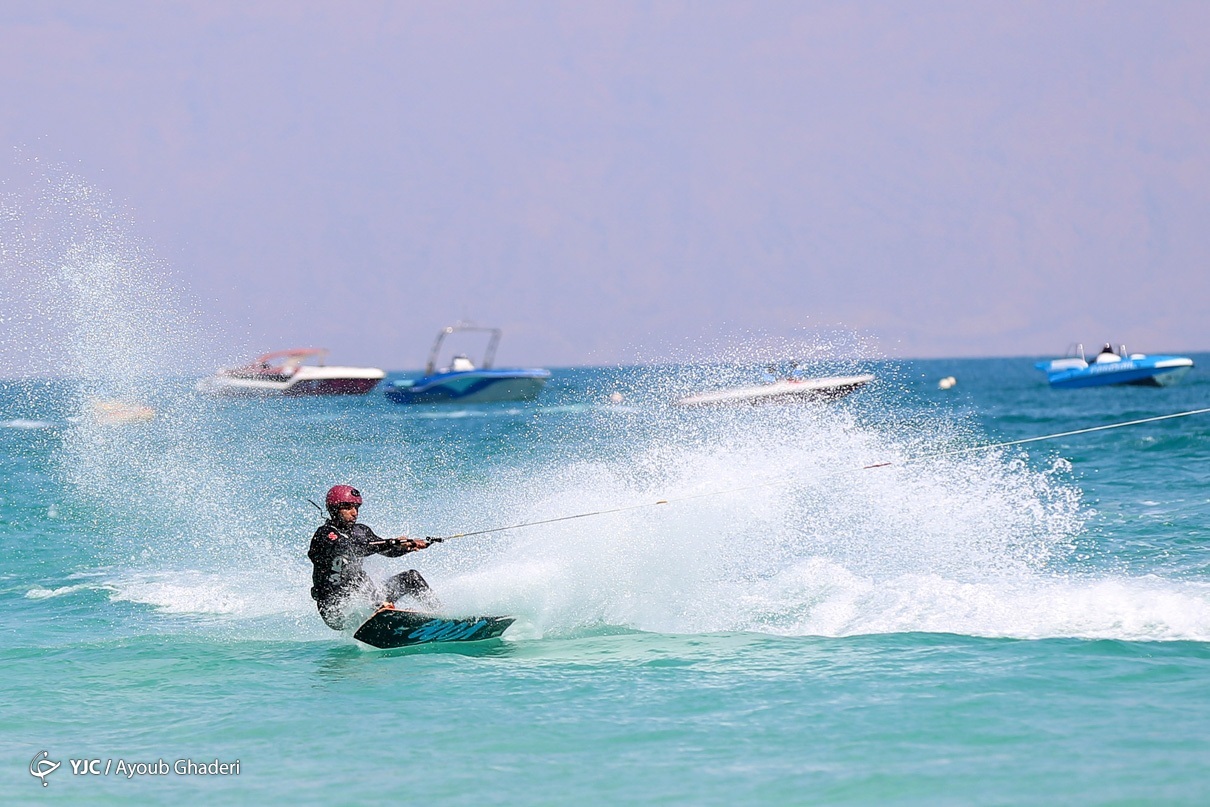
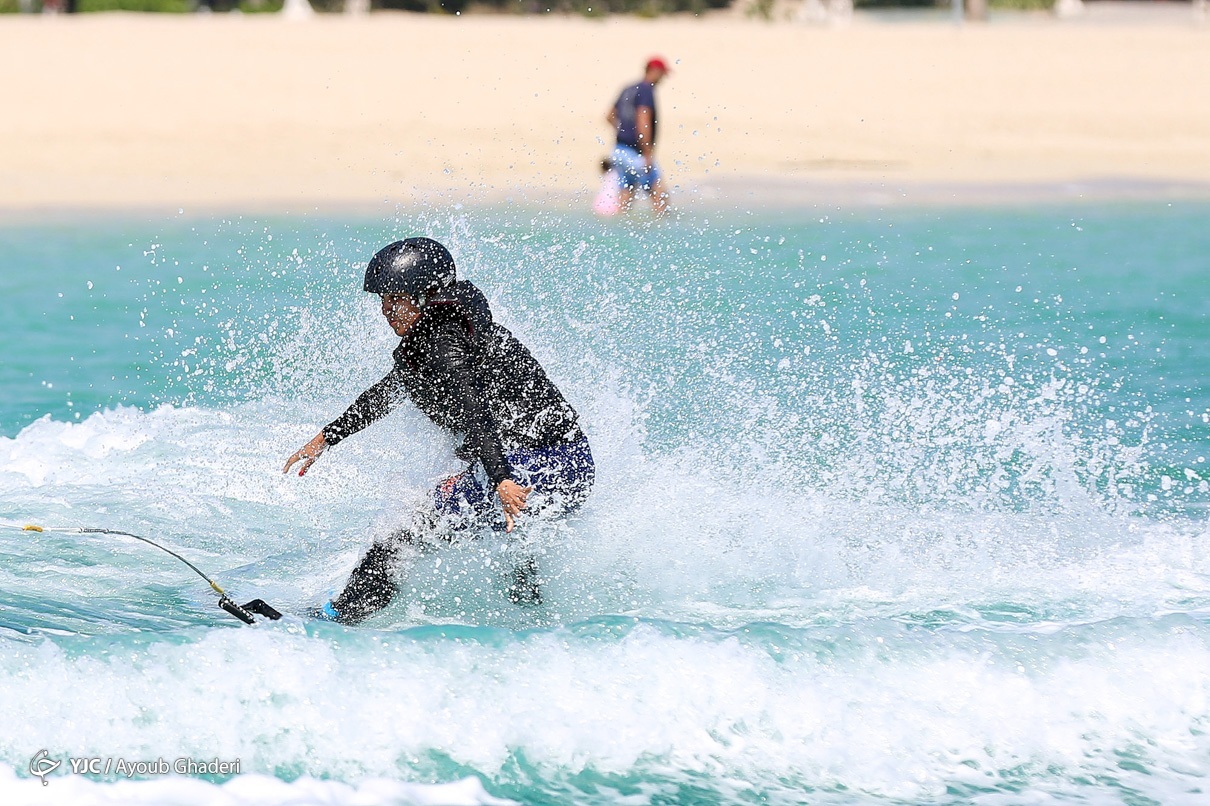
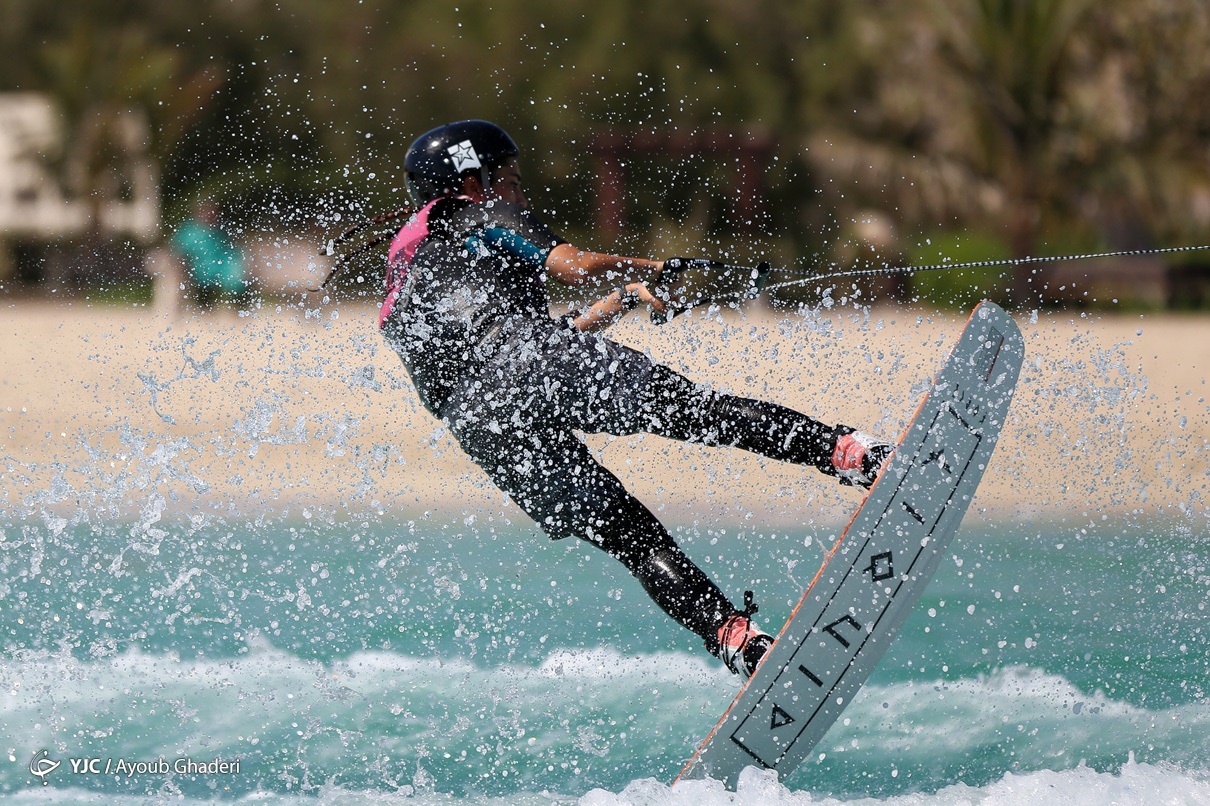
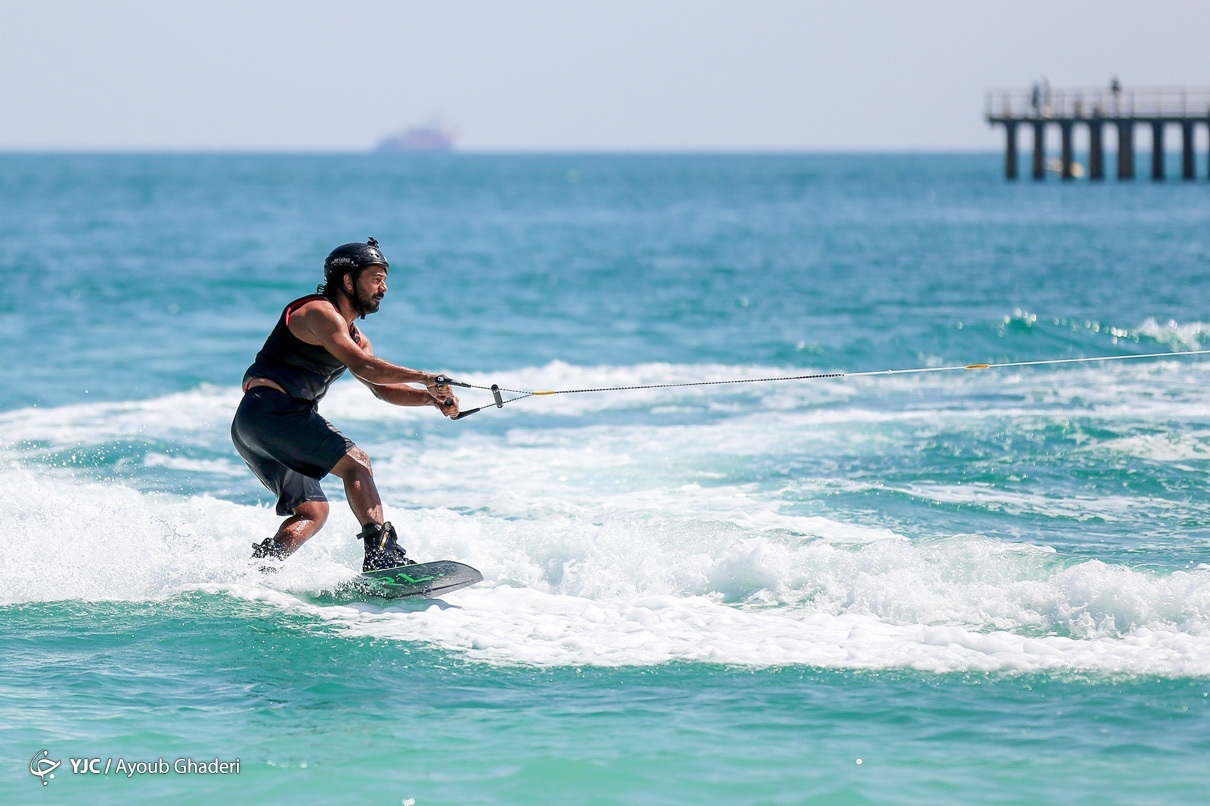
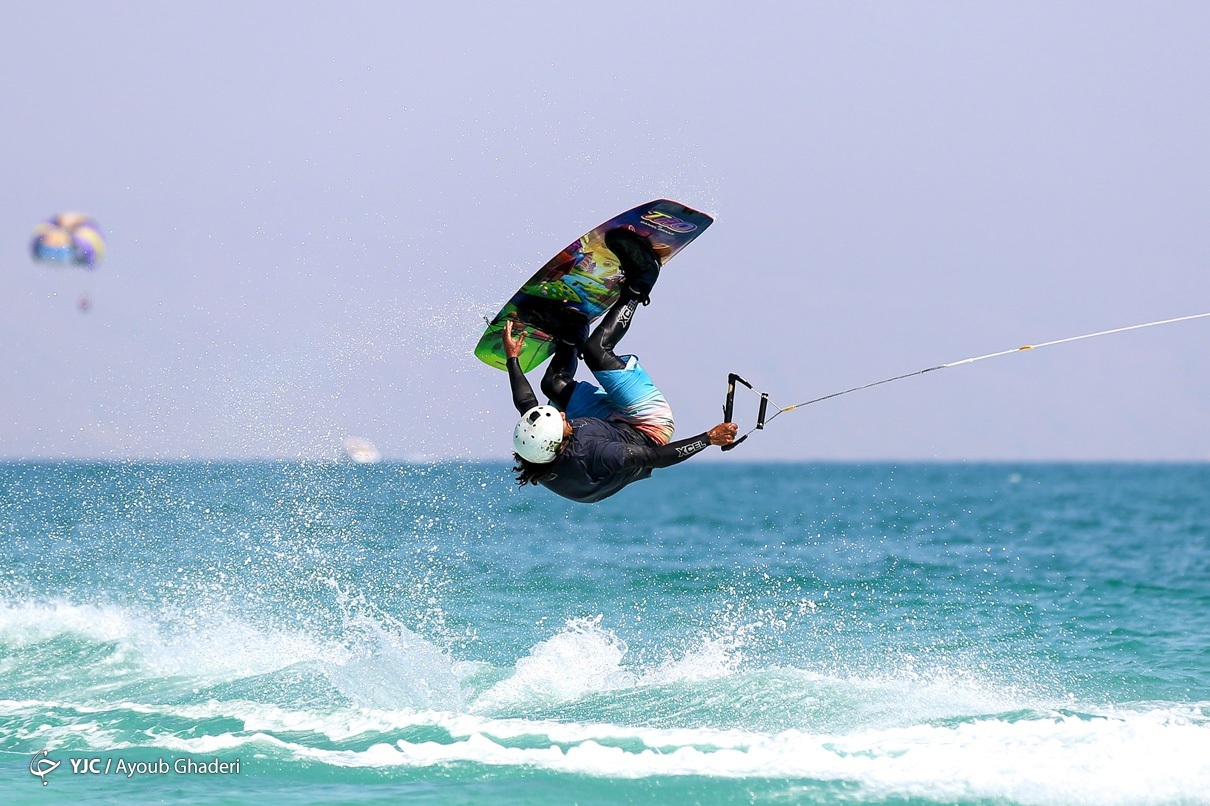
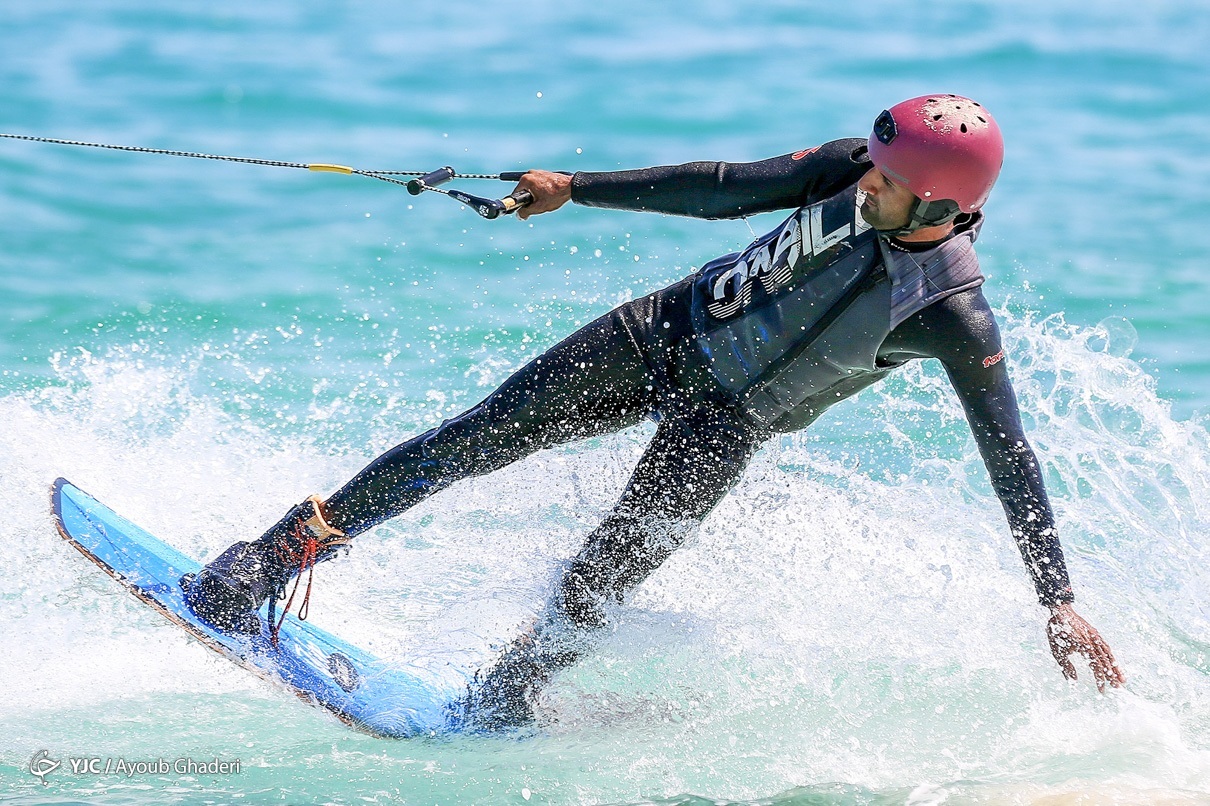
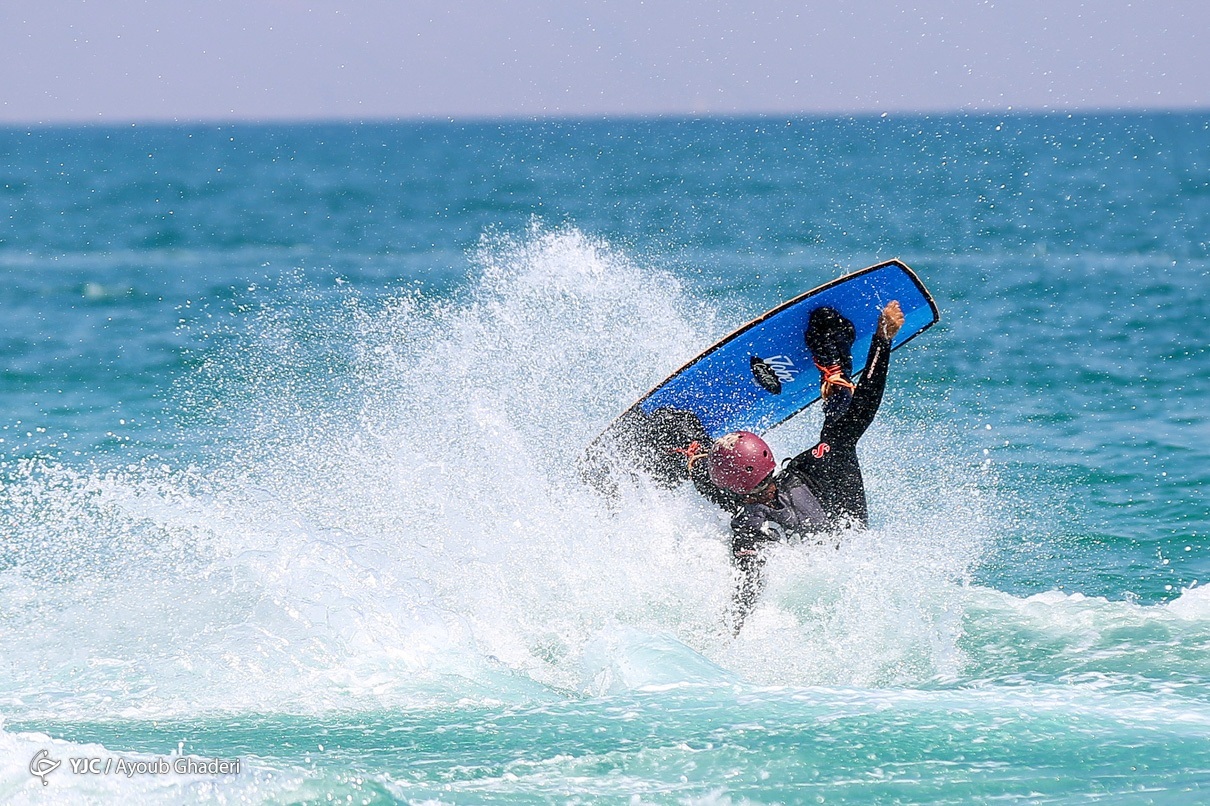
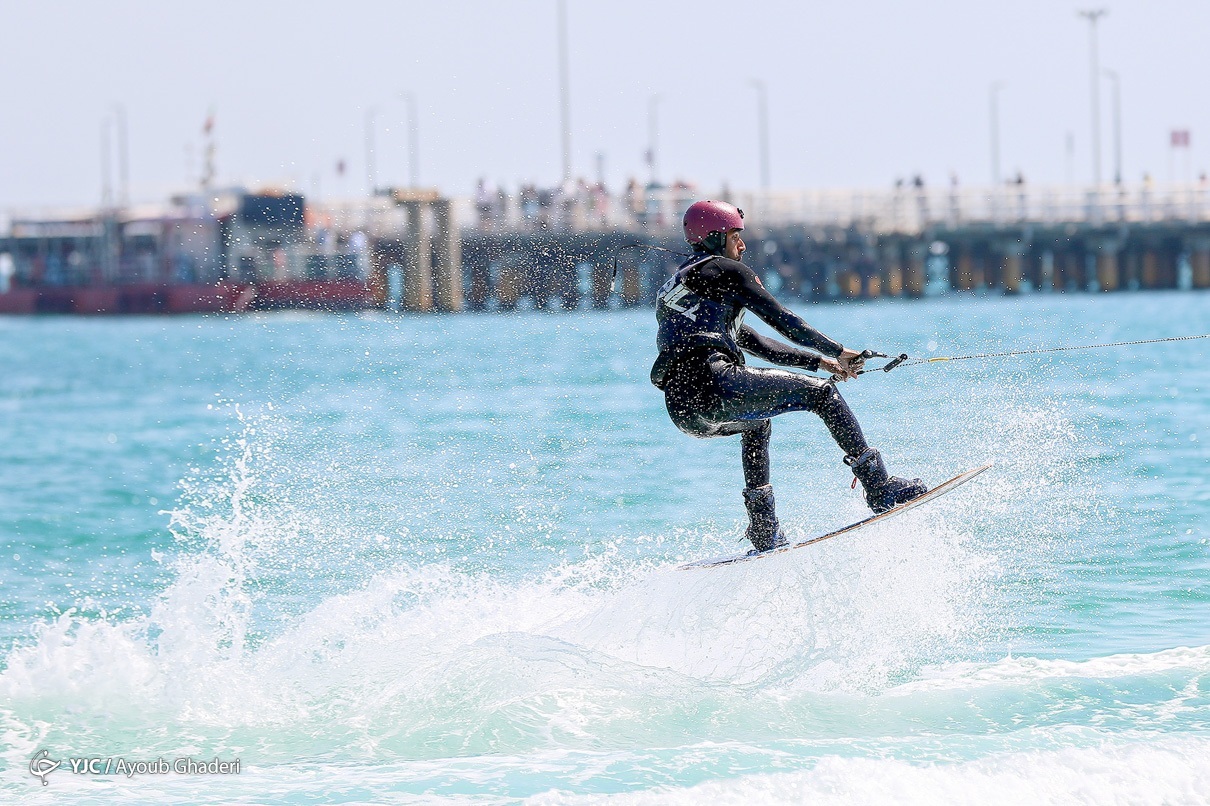
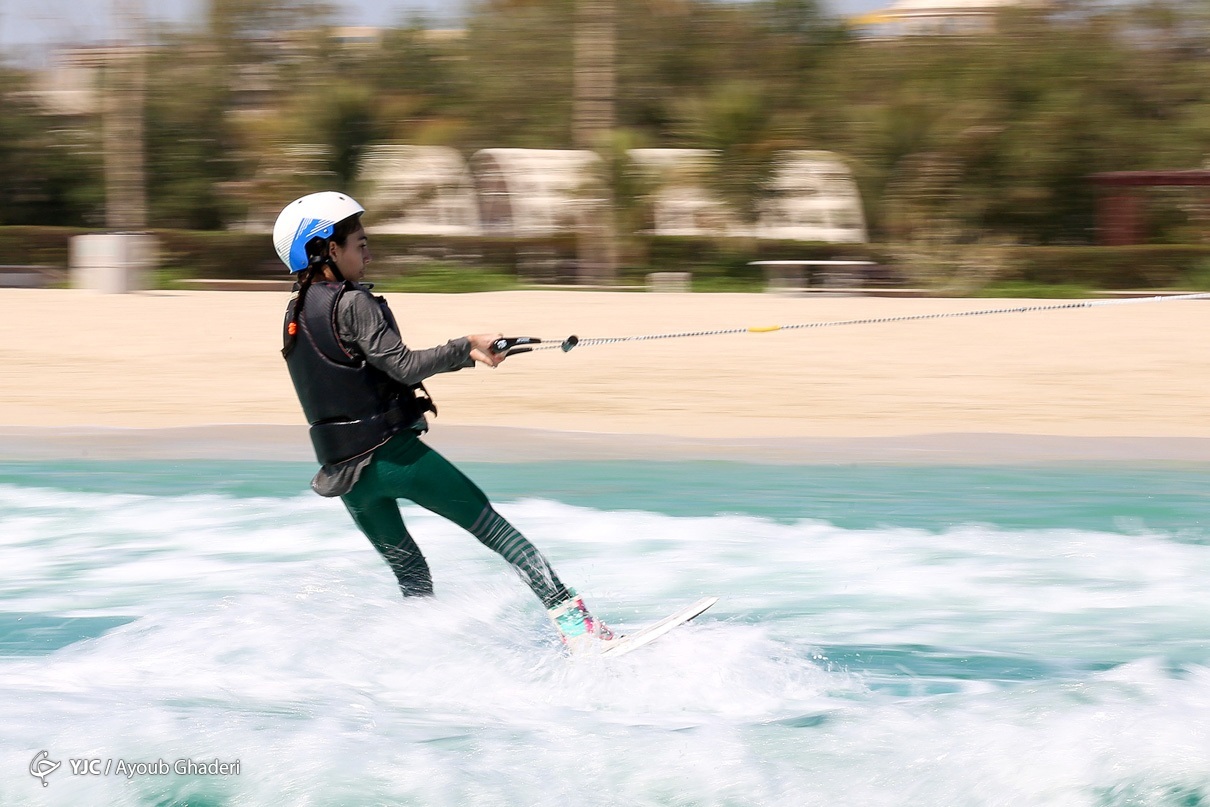
Kish Island Hosts Water Ski and Wakeboard Tournament

The tournament was held at the recreational pier of the island.

What follows are photos of the tournament retrieved from the Young Journalists’ Club (YJC):

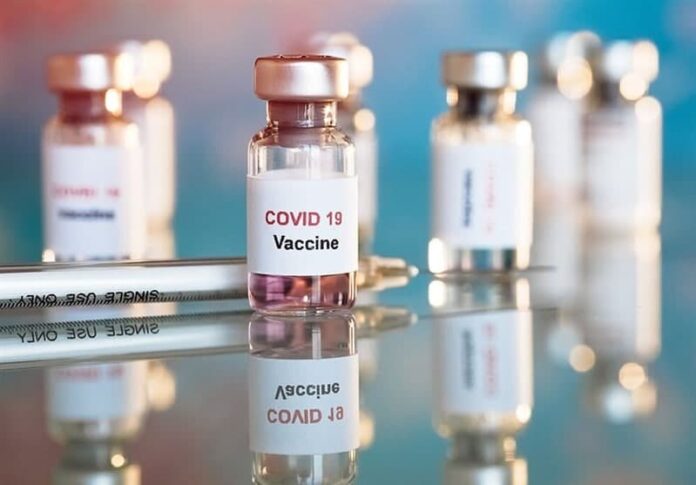
Iranian-Cuban COVID-19 Vaccine to Undergo Phase 3 of Human Trial

Iranian-Cuban COVID-19 Vaccine to Undergo Phase 3 of Human Trial

Some 50,000 people will receive the jab in this phase, said Alireza Raisi, the spokesman for the headquarters.

“Between two and four million doses of the vaccine will be produced by April 2021, and this is the first Iranian [coronavirus] vaccine administered,” he said on Sunday.

He noted that the vaccination will take place in accordance with the priorities set by the Coronavirus Headquarters.

Raisi said the elderly, the disabled and medical personnel are among the first to be inoculated.

Earlier in the day, Iran’s Razi Vaccine and Serum Research Institute started the first phase of the human trial of Iran’s second homegrown COVID-19 vaccine after successfully completing the initial steps.

The vaccine, produced by Iranian experts at the Razi Institute, is the first injectable-inhaled mRNA recombinant vaccine for coronavirus.

Razi COV-Pars was administered to two volunteers at a ceremony in Tehran attended by Agriculture Minister Kazem Khavazi and a number of other officials at Tehran’s Rasoul Akram Hospital.

A total of 133 people will get two shots 21 days apart in the first clinical trial of the vaccine. On Day 51, the booster (inhaler) is administered in the form of an intranasal spray, according to the Razi Institute.

Iranian scientists had earlier unveiled another domestic vaccine, named COVIran Barekat, which is undergoing clinical trials.