Saturday, April 11, 2026
Home Blog Page 2532

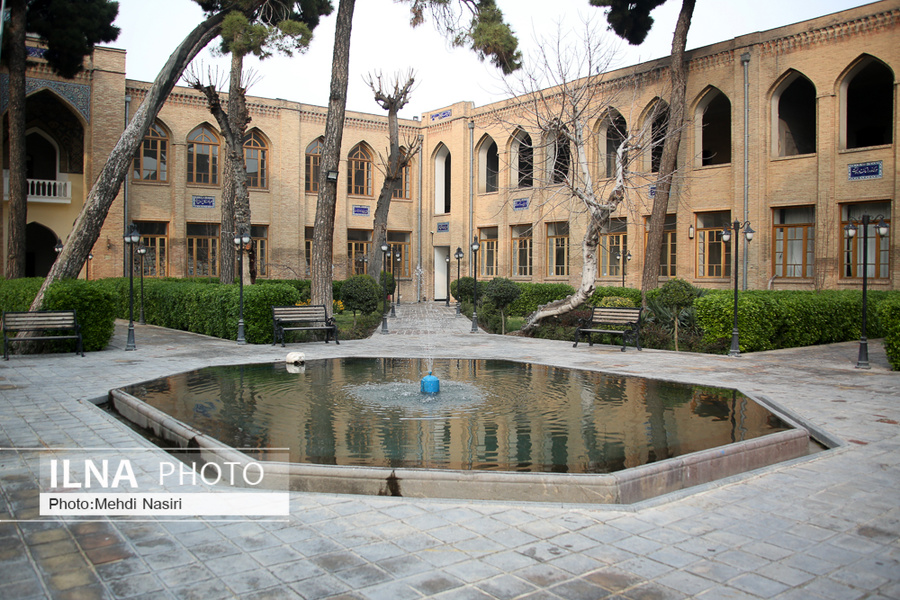
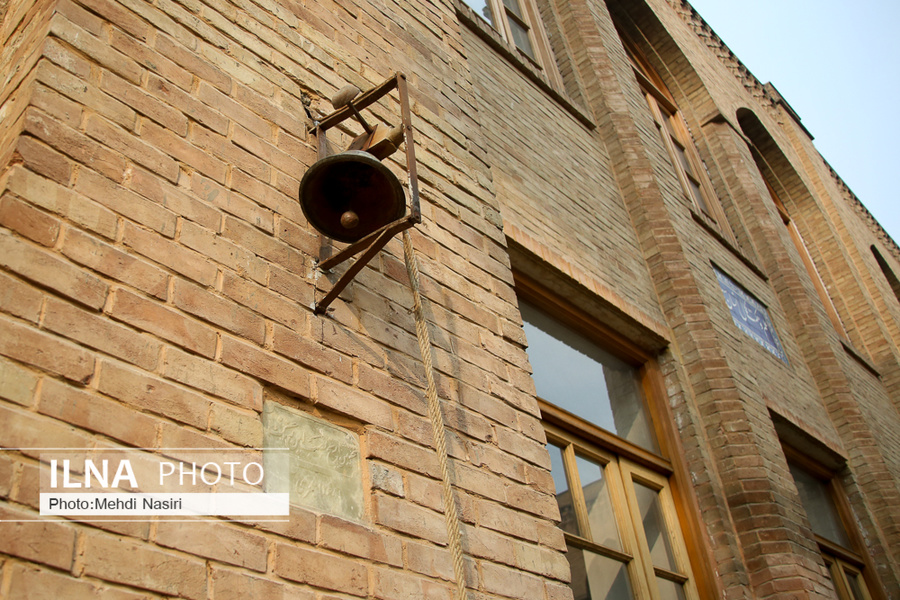
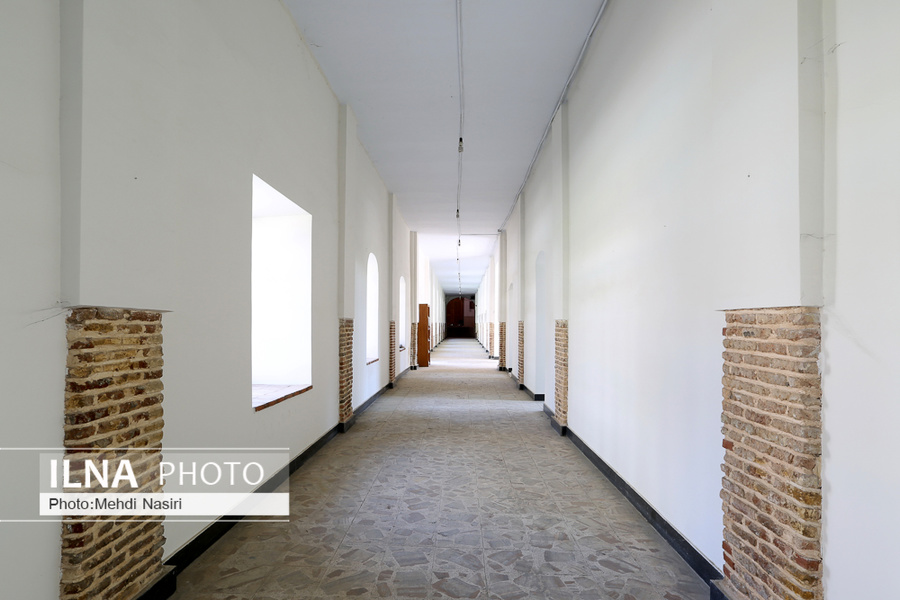
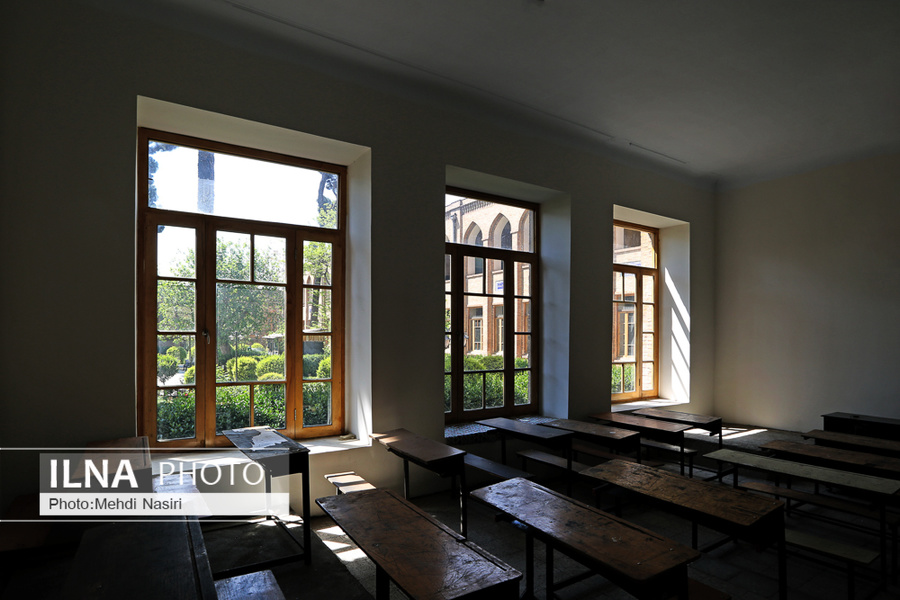
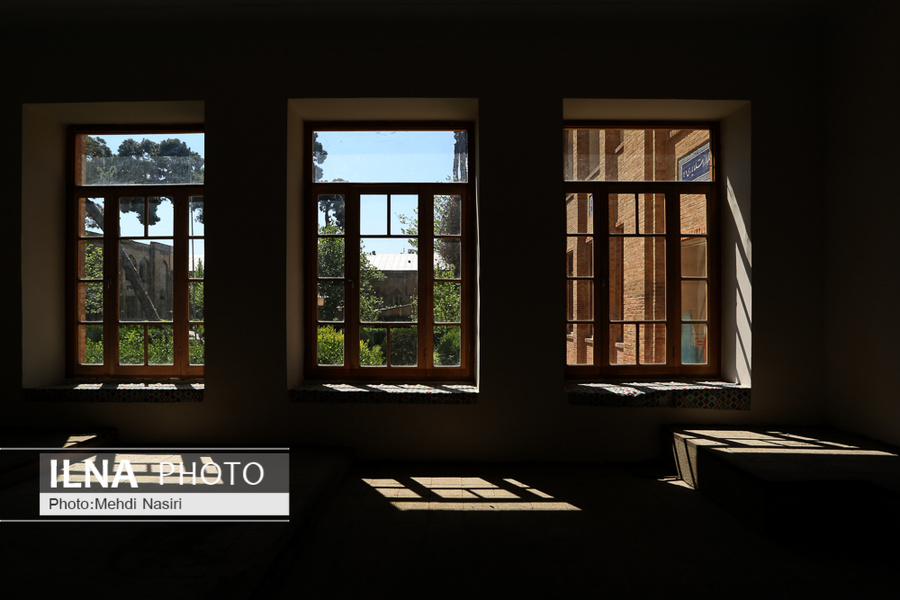
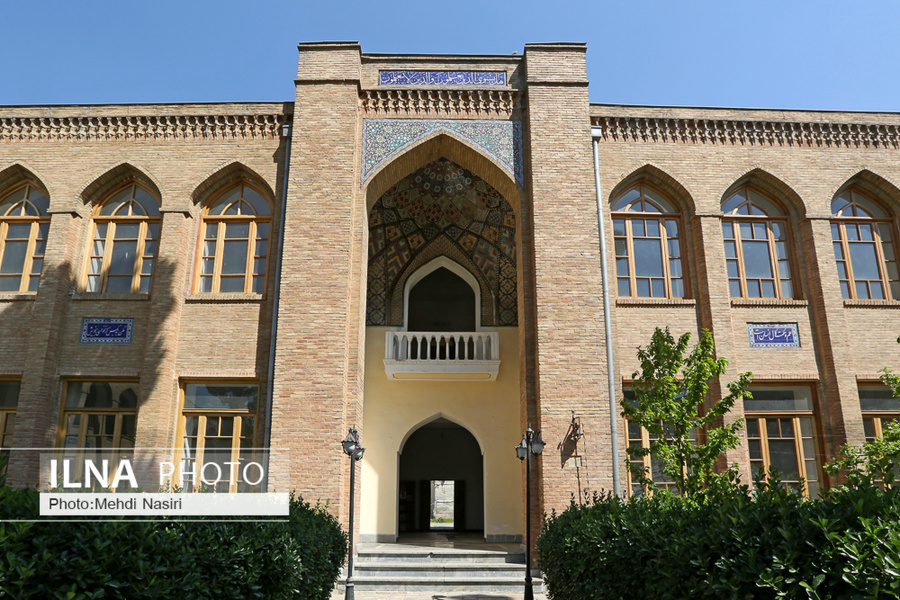
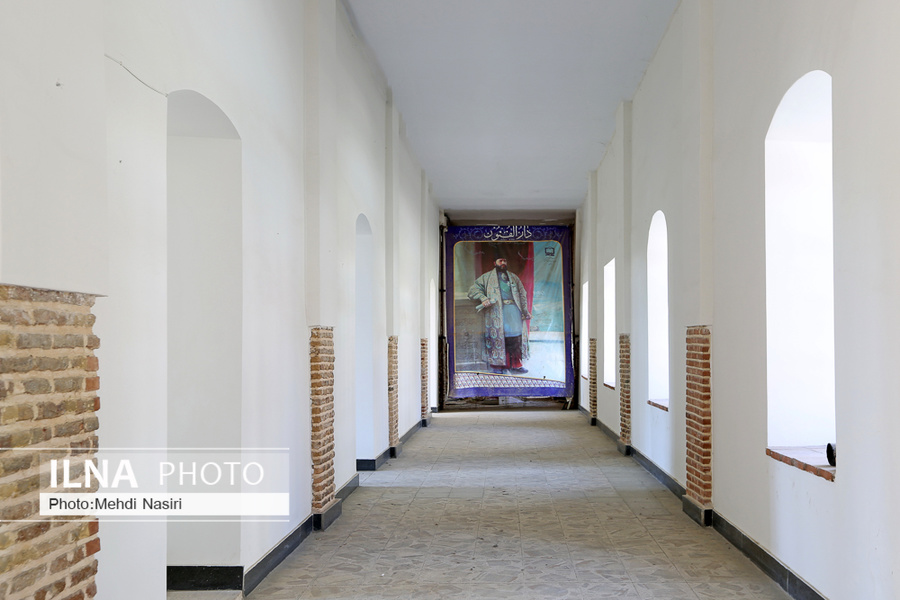
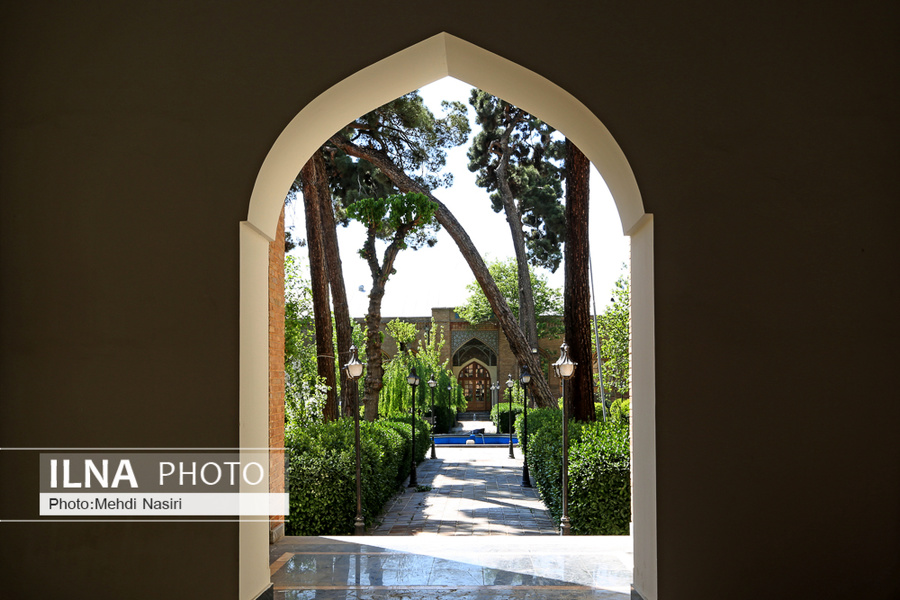
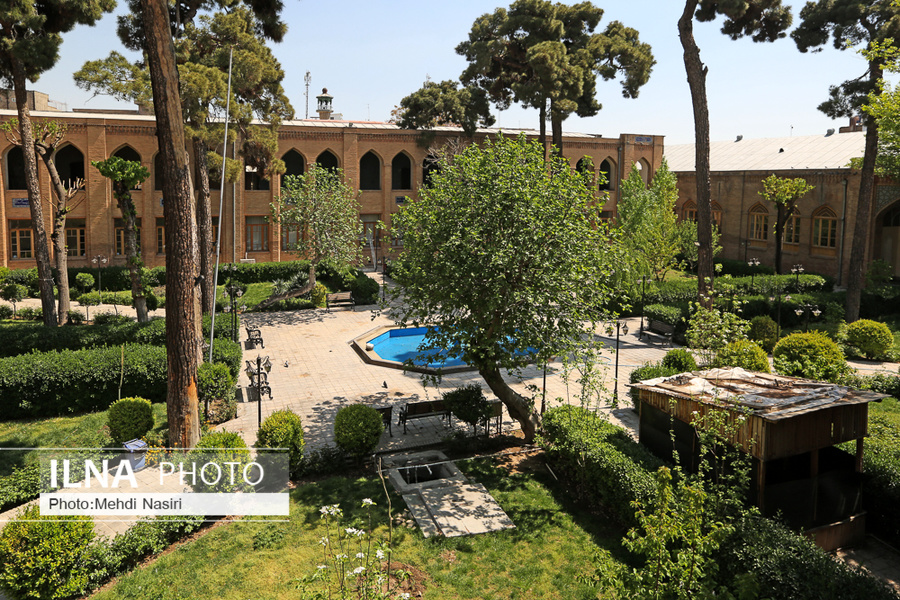
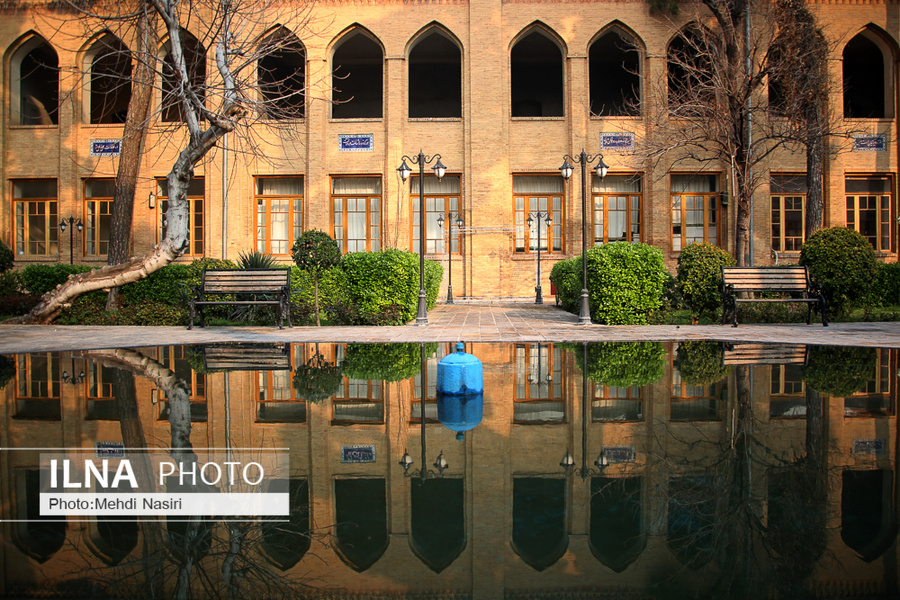
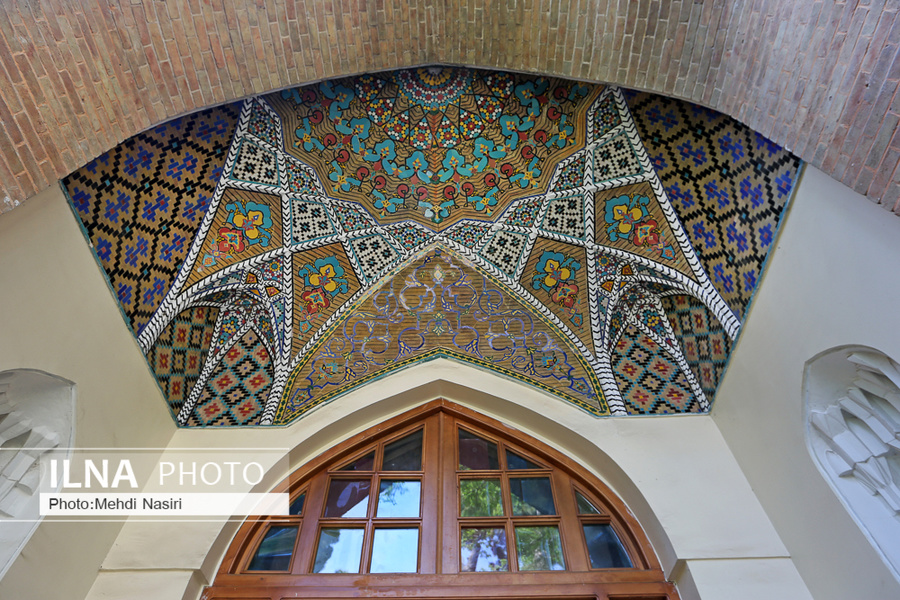
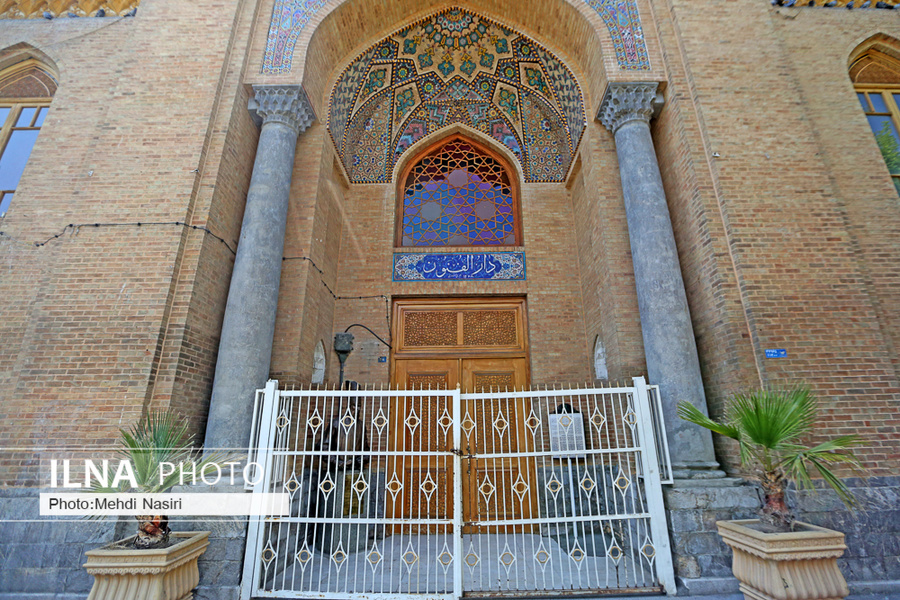
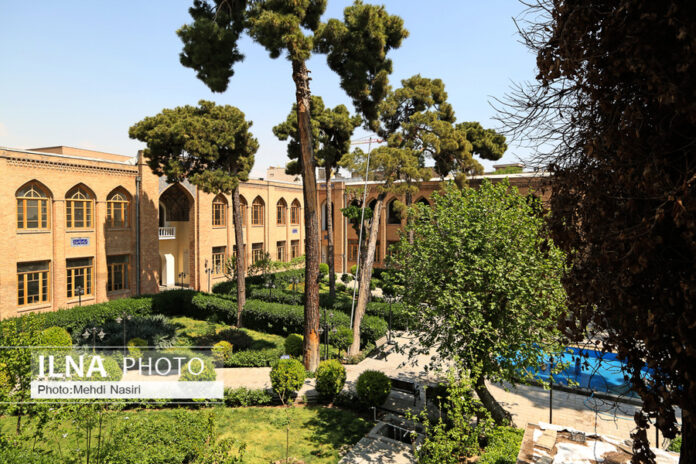
Dar ul-Funun: Iran’s First Modern Centre for Higher Education

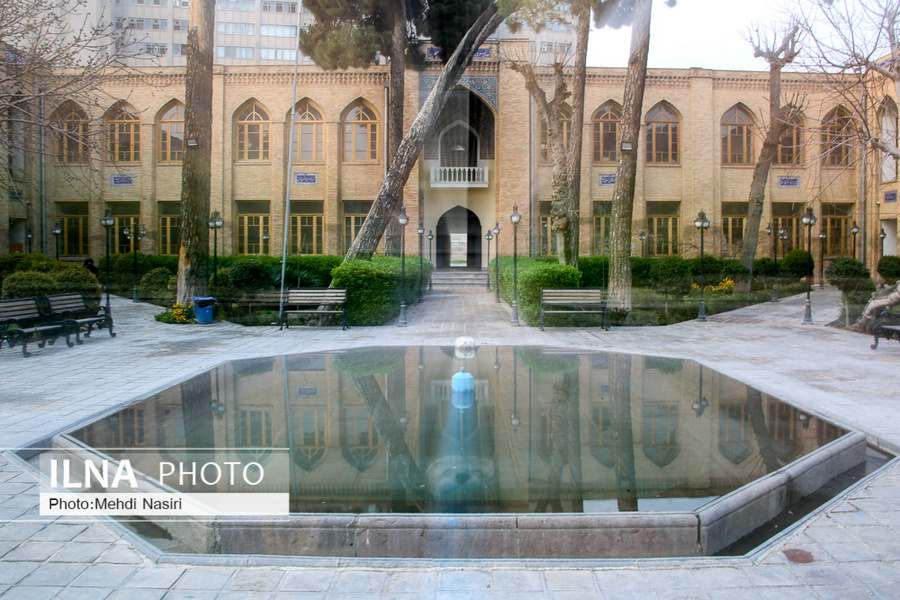
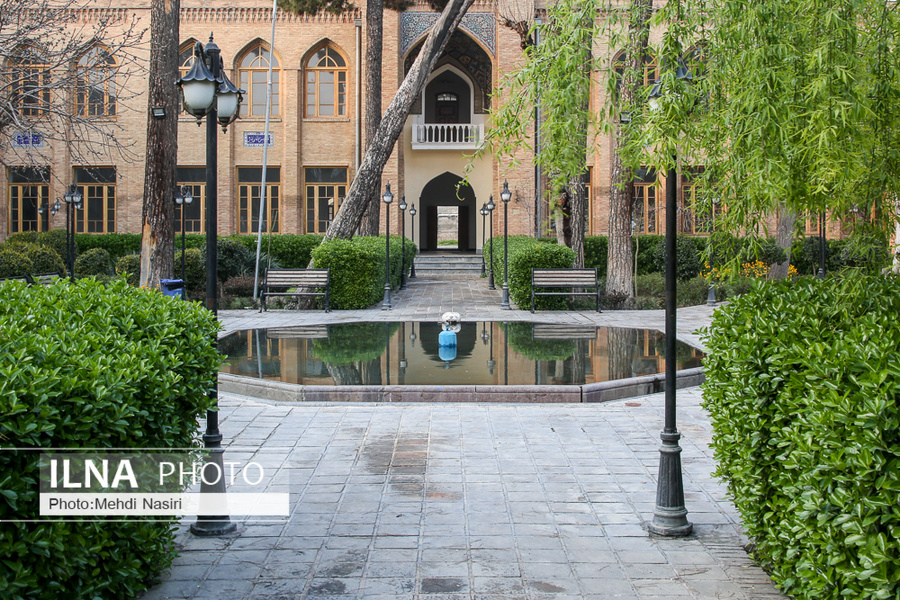
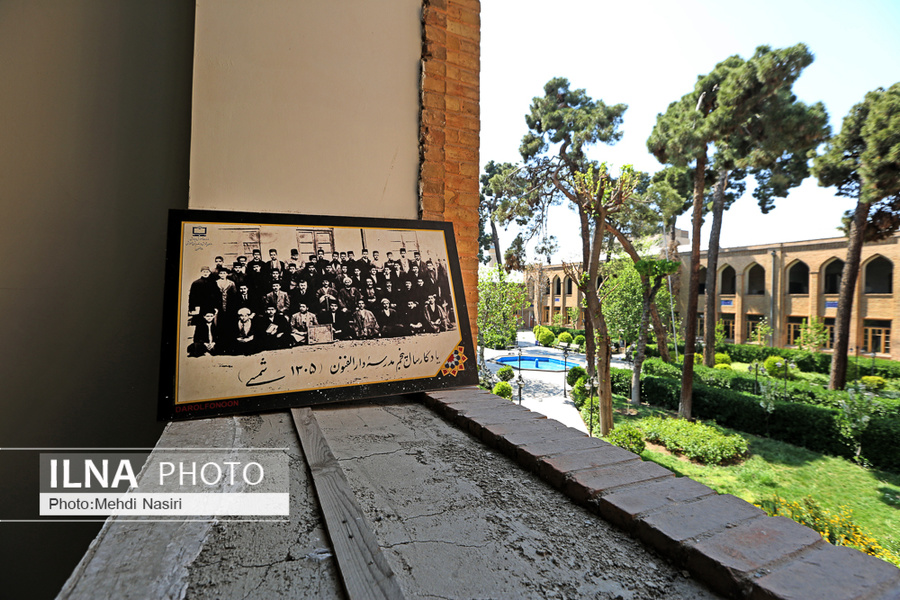
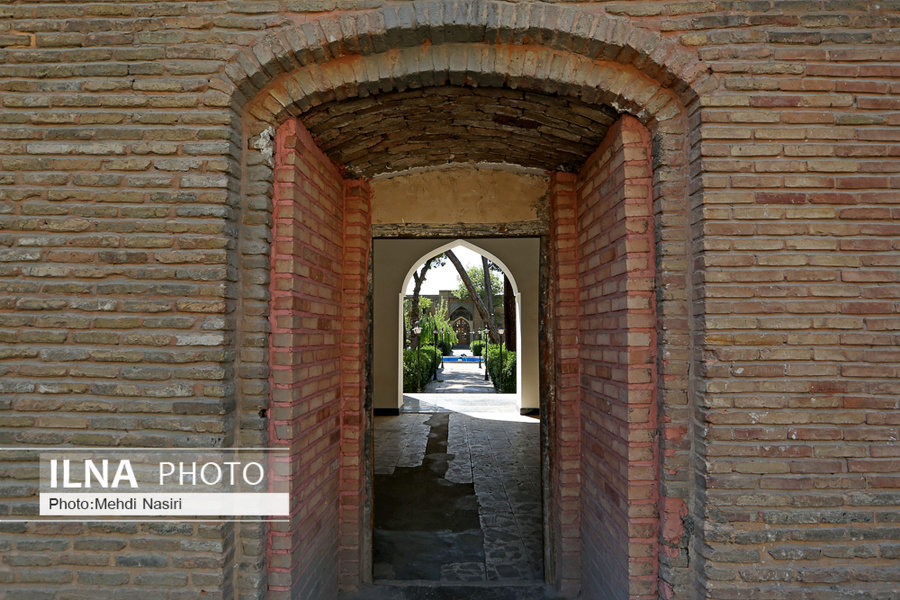
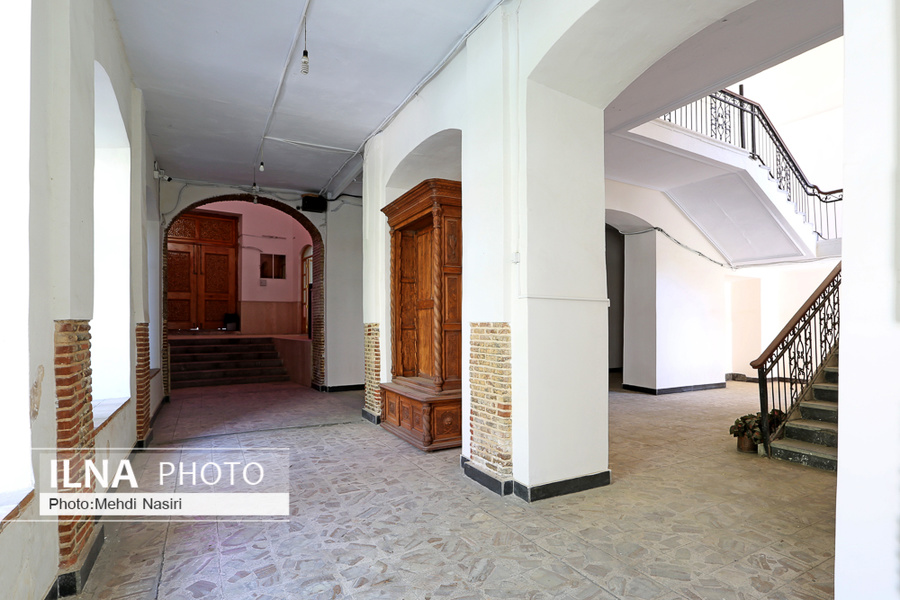
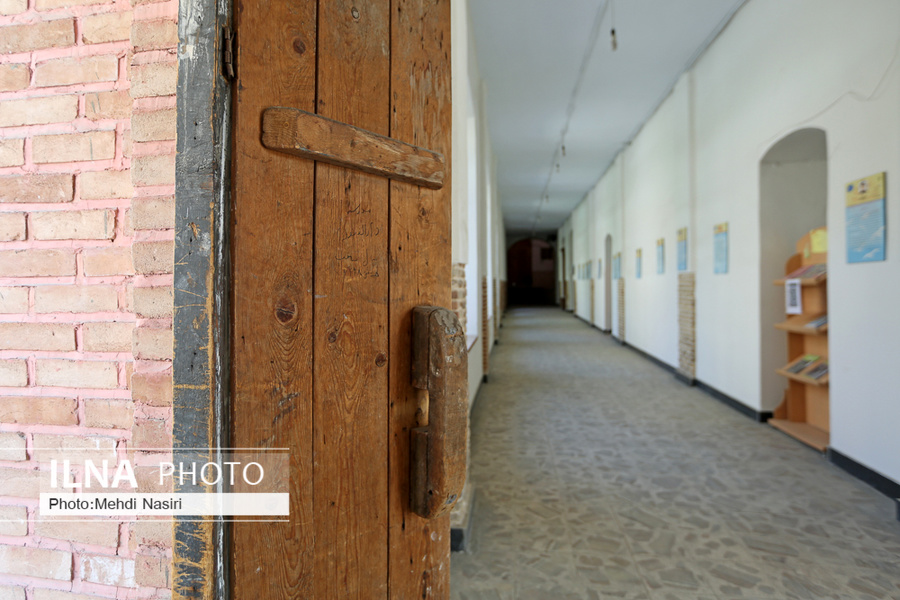
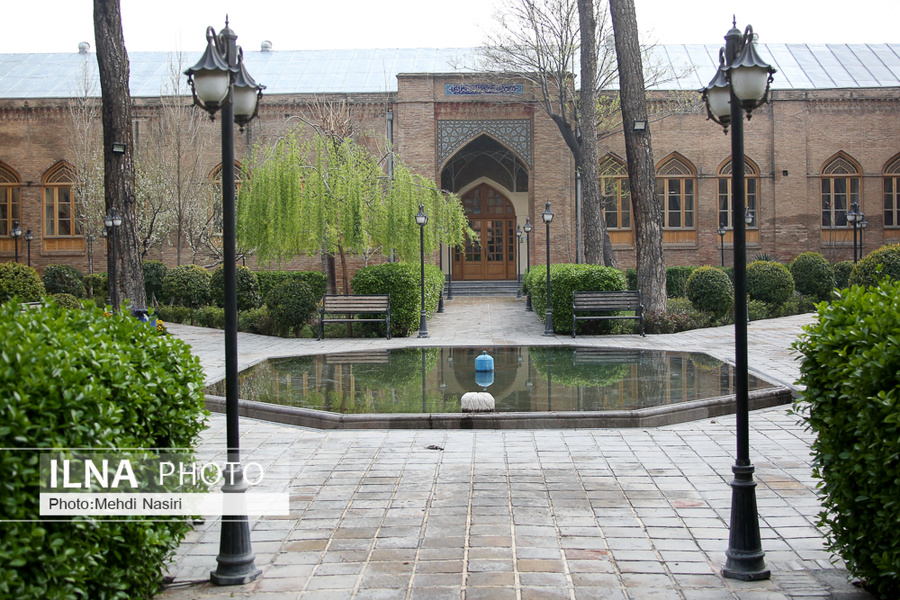
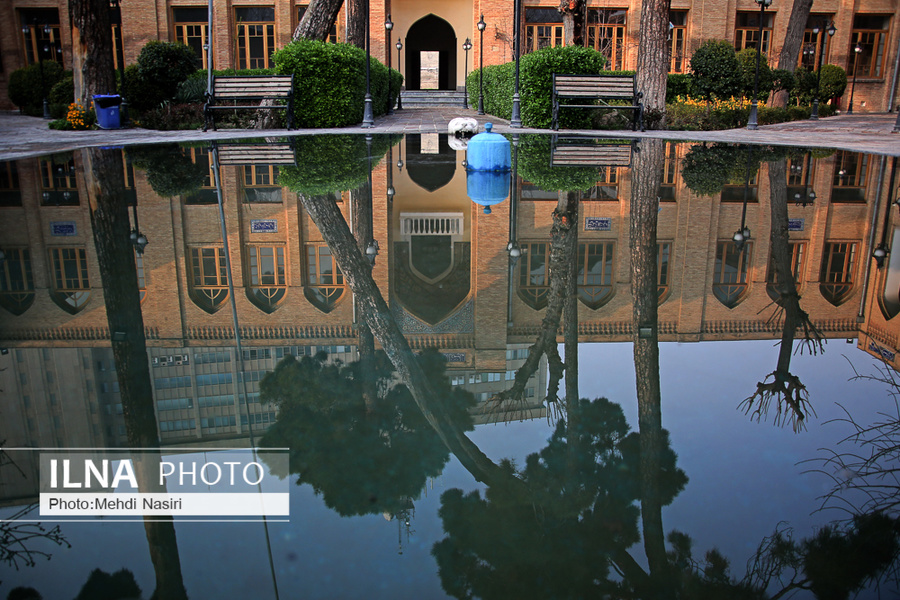
Dar ul-Funun (meaning ‘polytechnic college in Persian) was established in Tehran in 1851 by Amir Kabir, the royal vizier to Nasser al-Din Shah Qajar, the King of Persia, as an institution to teach new sciences and skills.

During his trips overseas before becoming the royal vizier, Amir Kabir visited several countries and always kept asking himself why Iran had submitted to signing disgraceful agreements and had been defeated in wars despite all the brave commanders it had.

He arrived at the conclusion that Iran was way behind modern sciences and military knowledge. Therefore, he came up with the idea of founding Dar ul-Funun to teach Iranians sciences in different areas, namely in the military domain, in order for them to be able to defend the country.

The historical Dar ul-Funun institution was inaugurated on December 27, 1851. In the meantime, a tragic incident happened. Amir Kabir was remove from his post as the royal vizier and, nearly two weeks after the opening of Dar ul-Funun, he was killed in Fin Bathhouse by an assassin sent by Nasser al-Din Shah.

After his murder, the original idea that late Amir Kabir had in mind for Dar ul-Funun failed to materialize. Rather, the institution only admitted students from royal families and the higher classes of society.

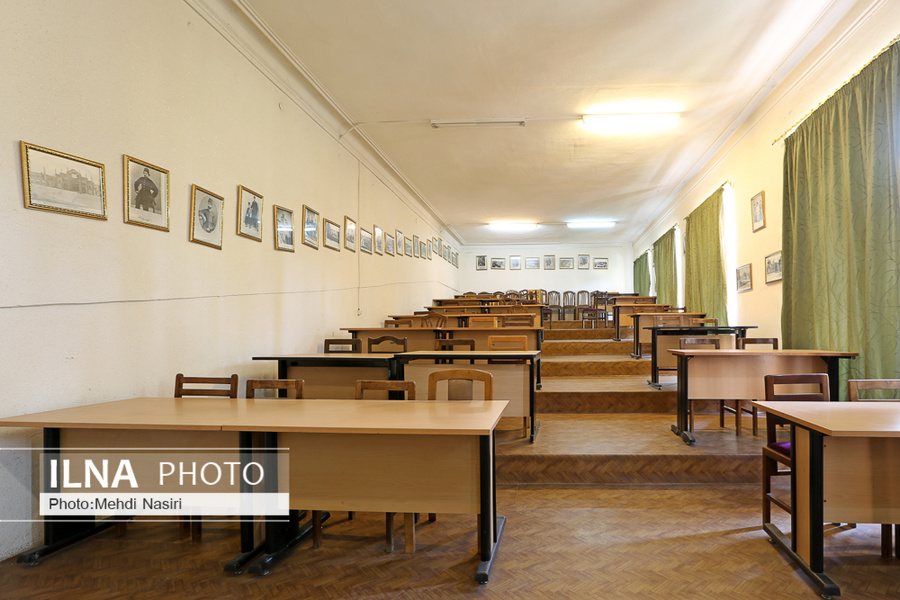
The academic year 1984-1985 was the last year that Dar ul-Funun served as a high school.

Afterwards, it was used as a teacher training centre until 1989. Many of those who currently work at education departments and in senior positions across Iran are alumni of Dar ul-Funun.

Many of the instructors working at Dar ul-Funun were from countries such as Austria, Germany and France.

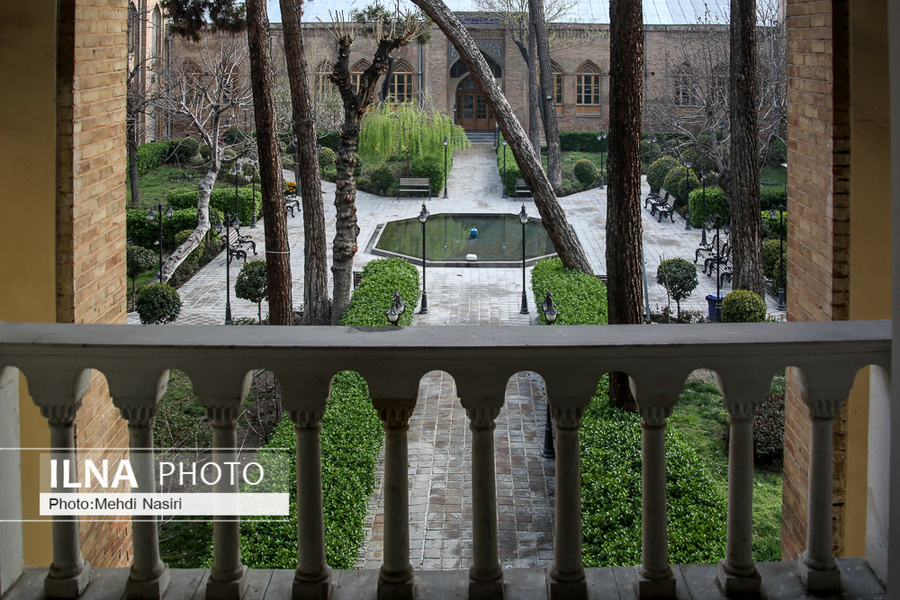
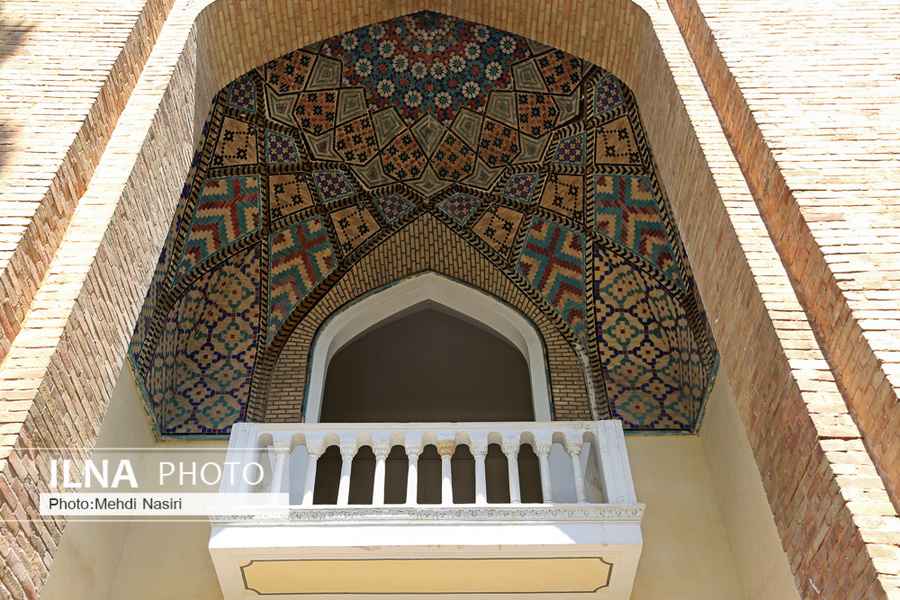
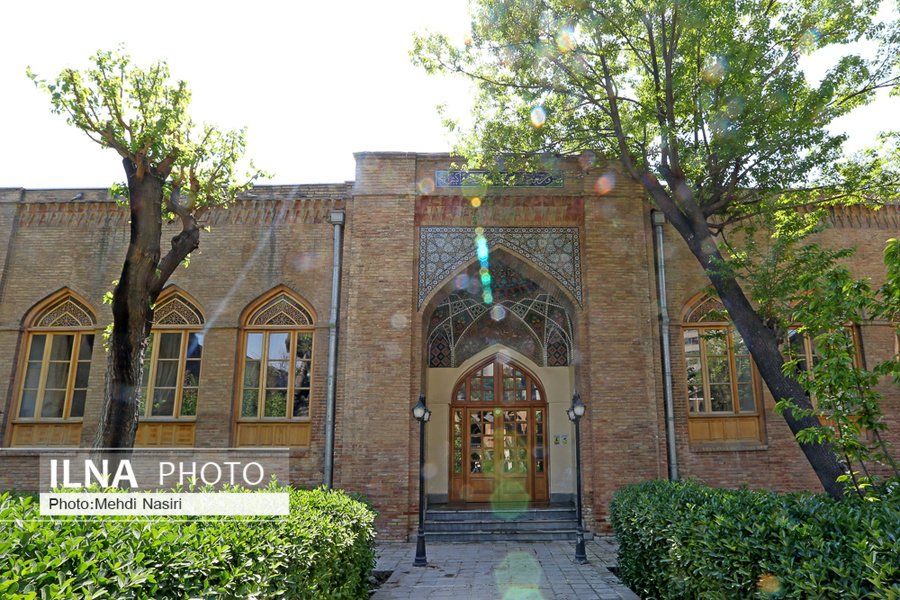
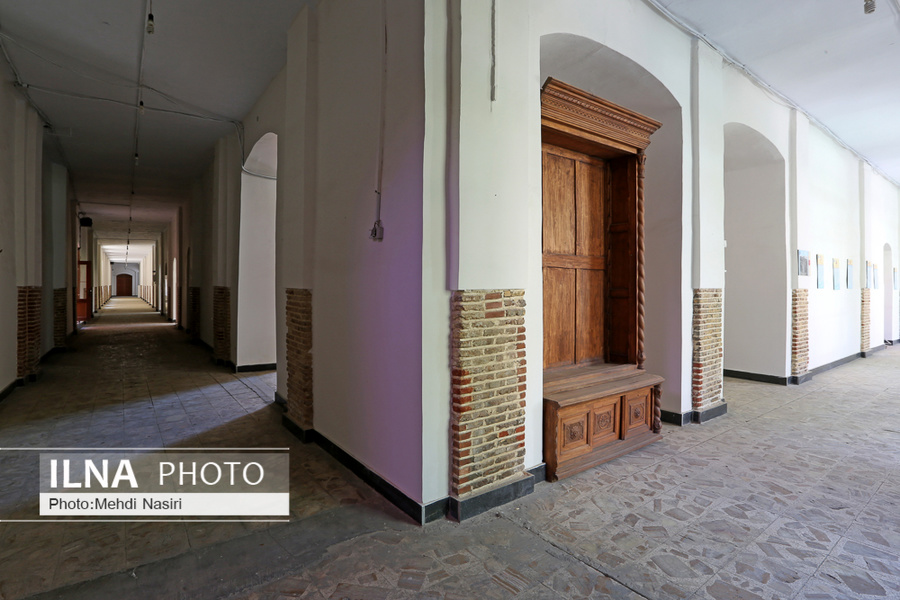
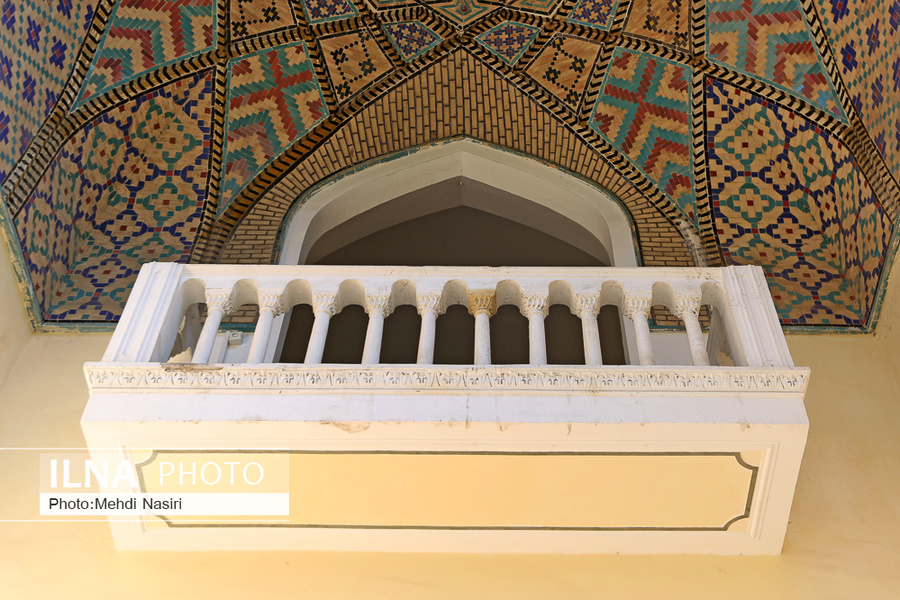
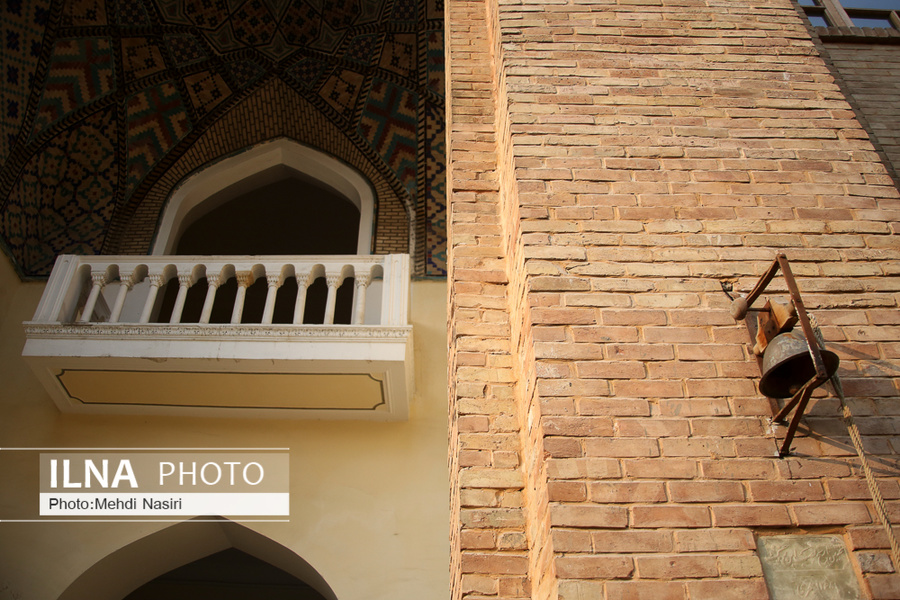
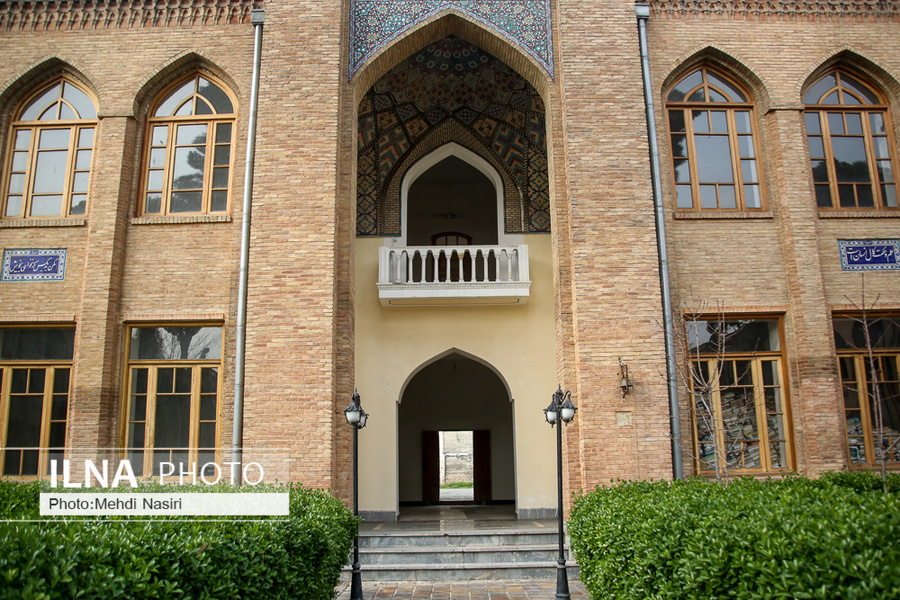
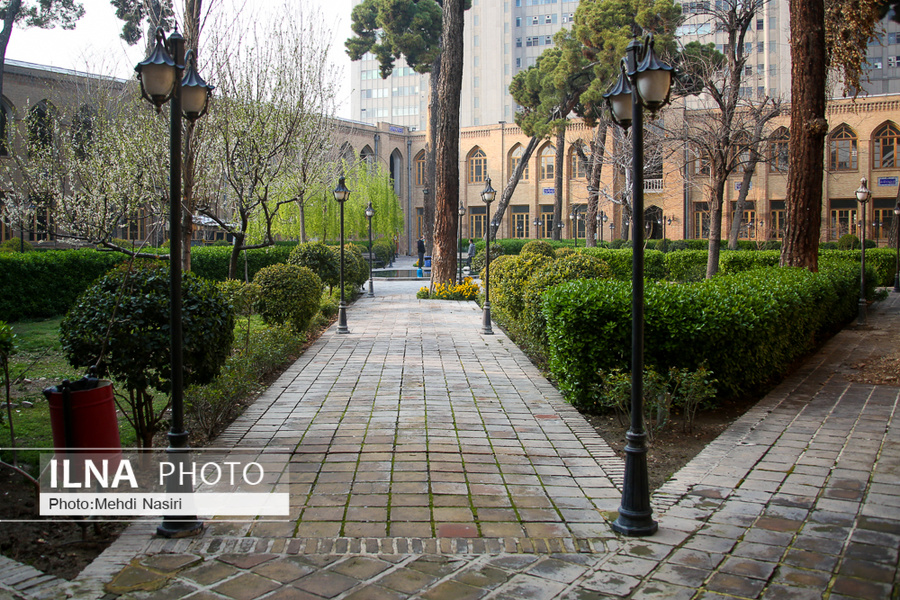
The Dar ul-Funun building is located on Nasser Khosro Street in downtown Tehran. Currently, the building is a museum and is seen as an education and research heritage.


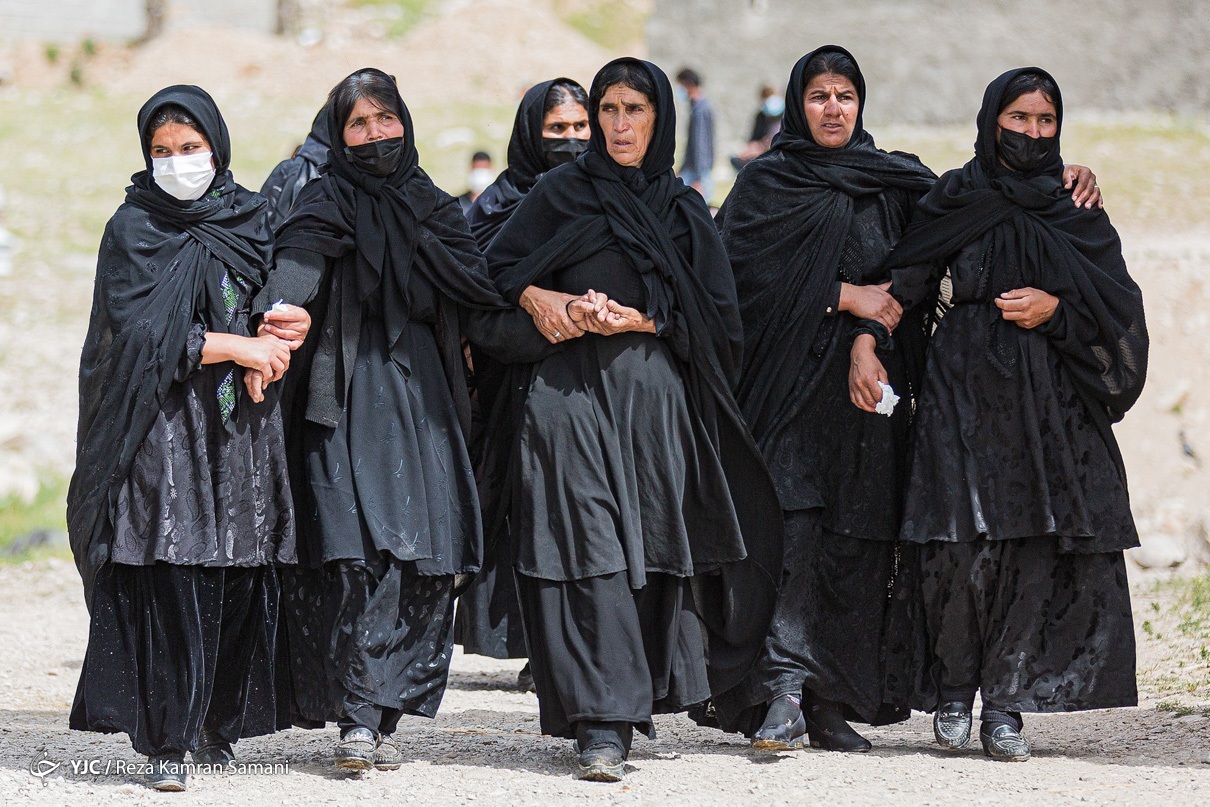
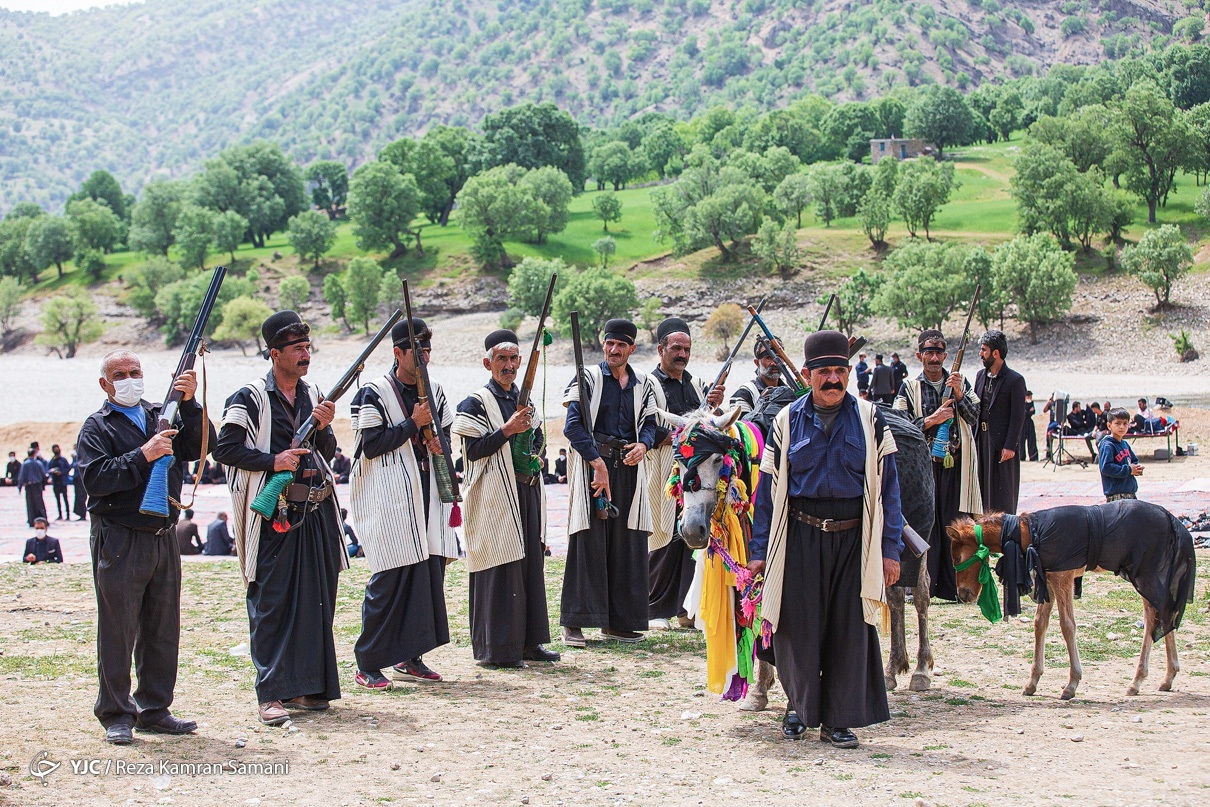
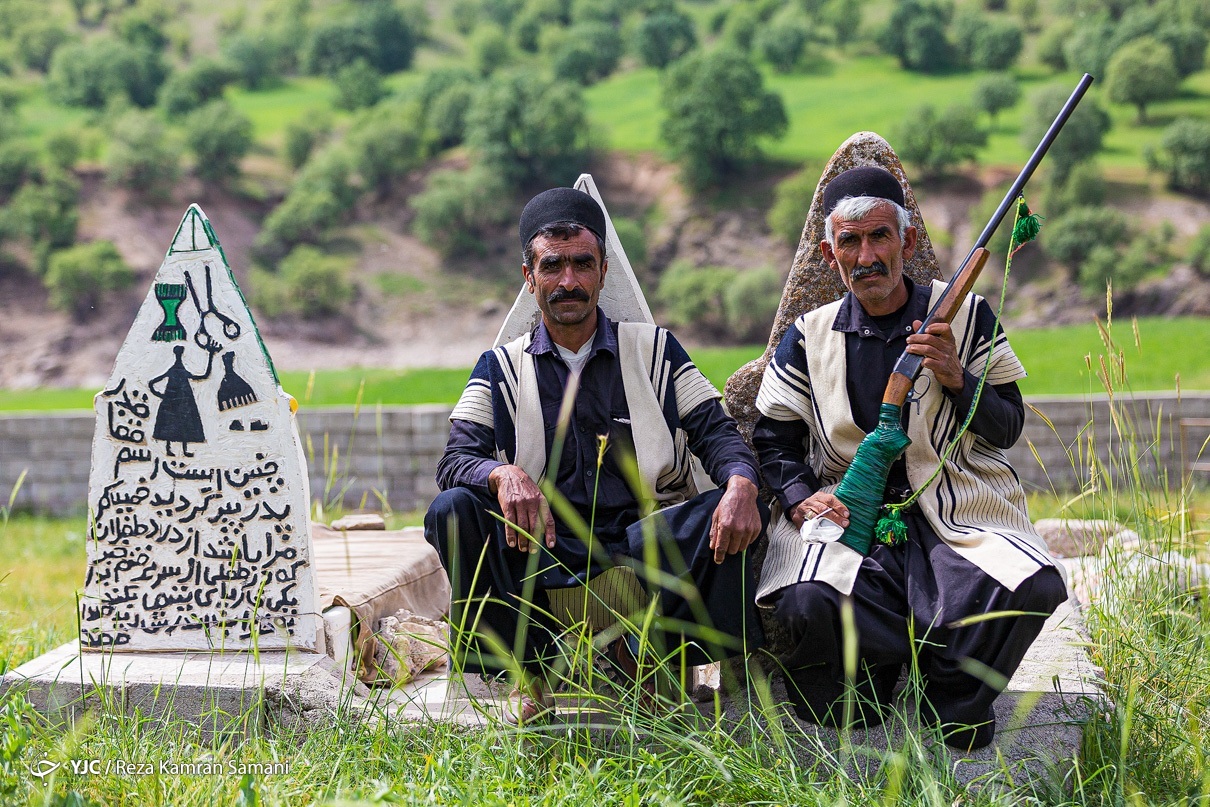
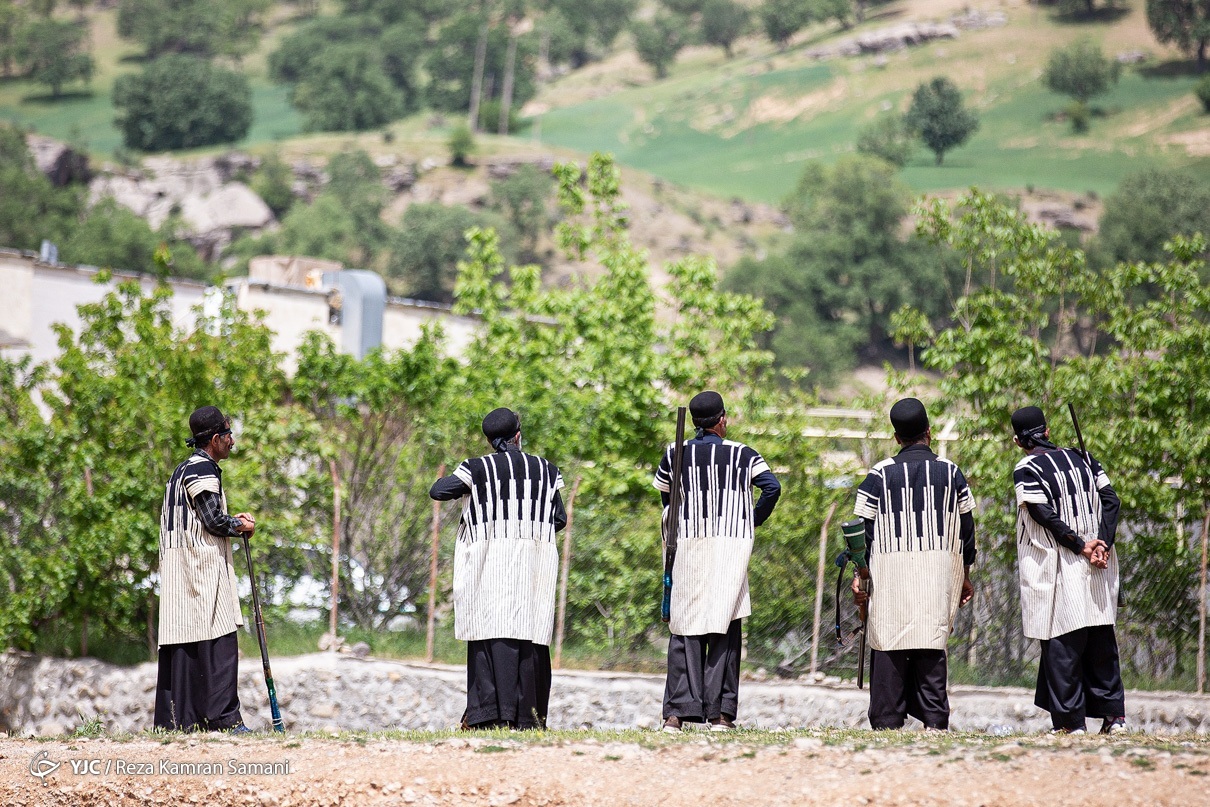
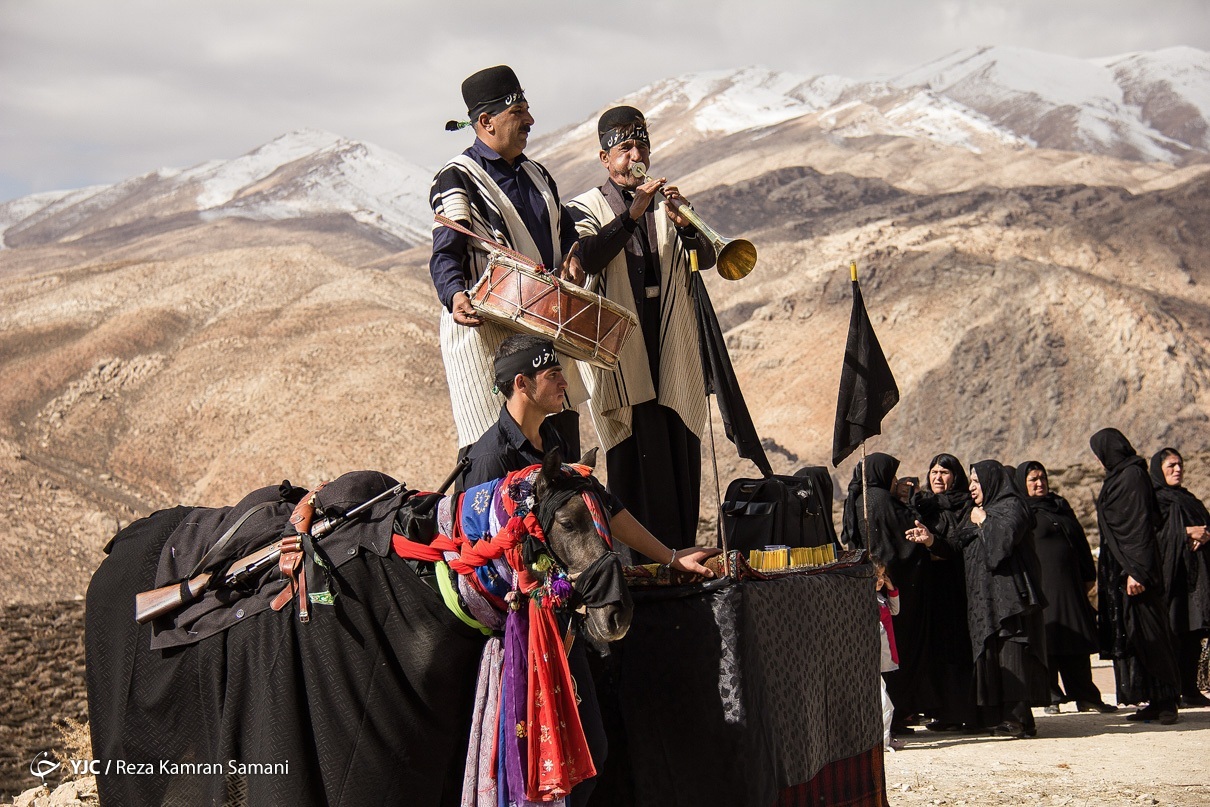
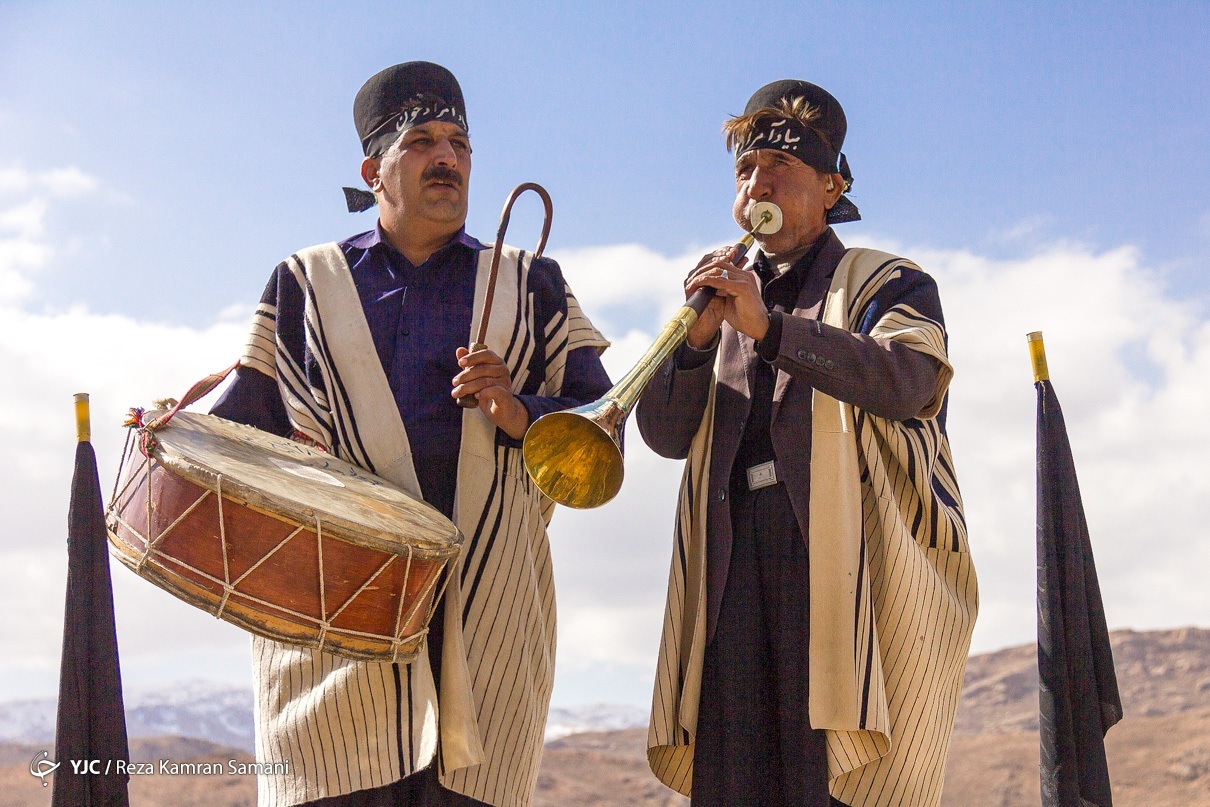
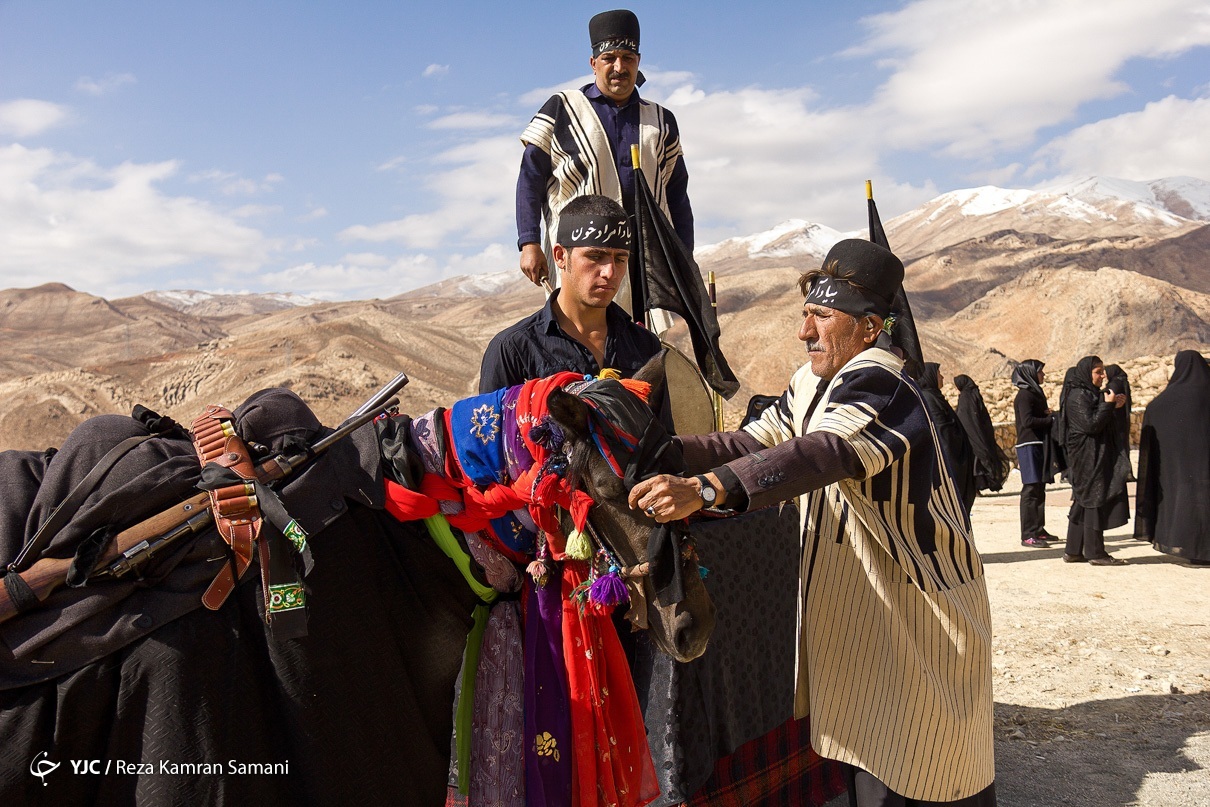
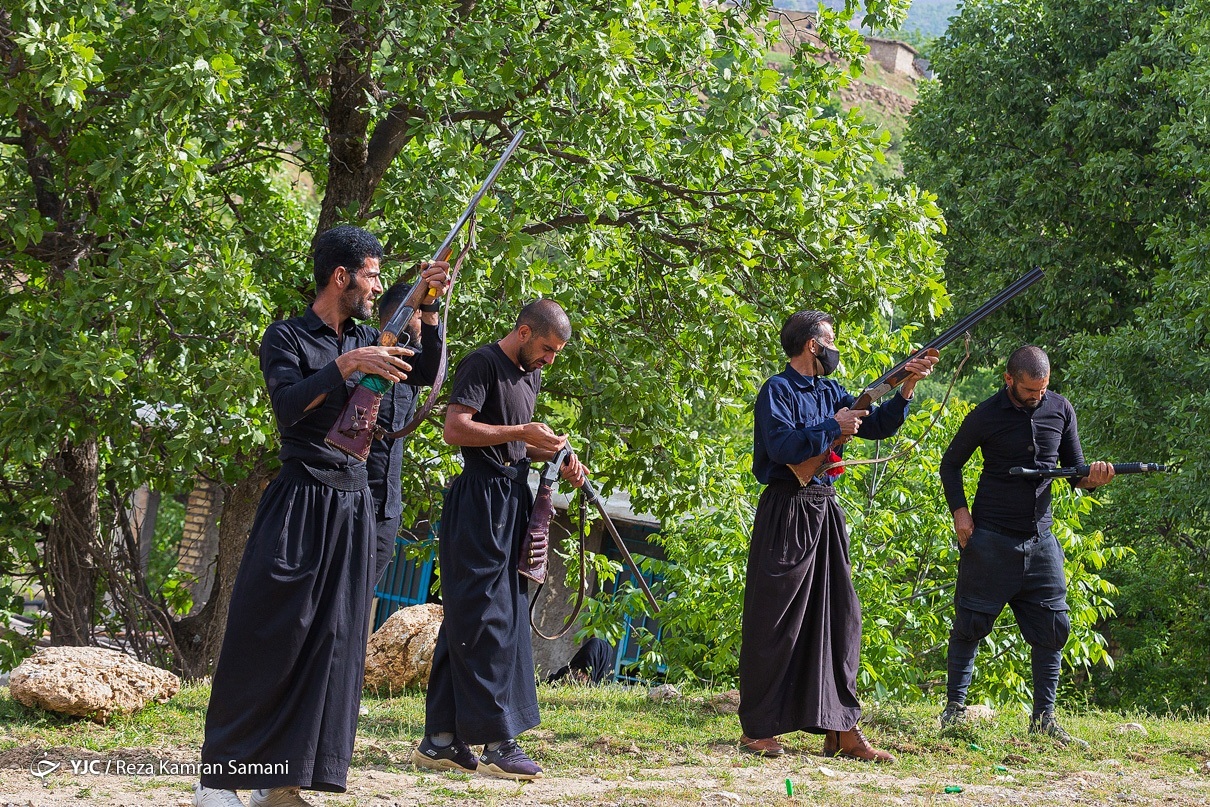
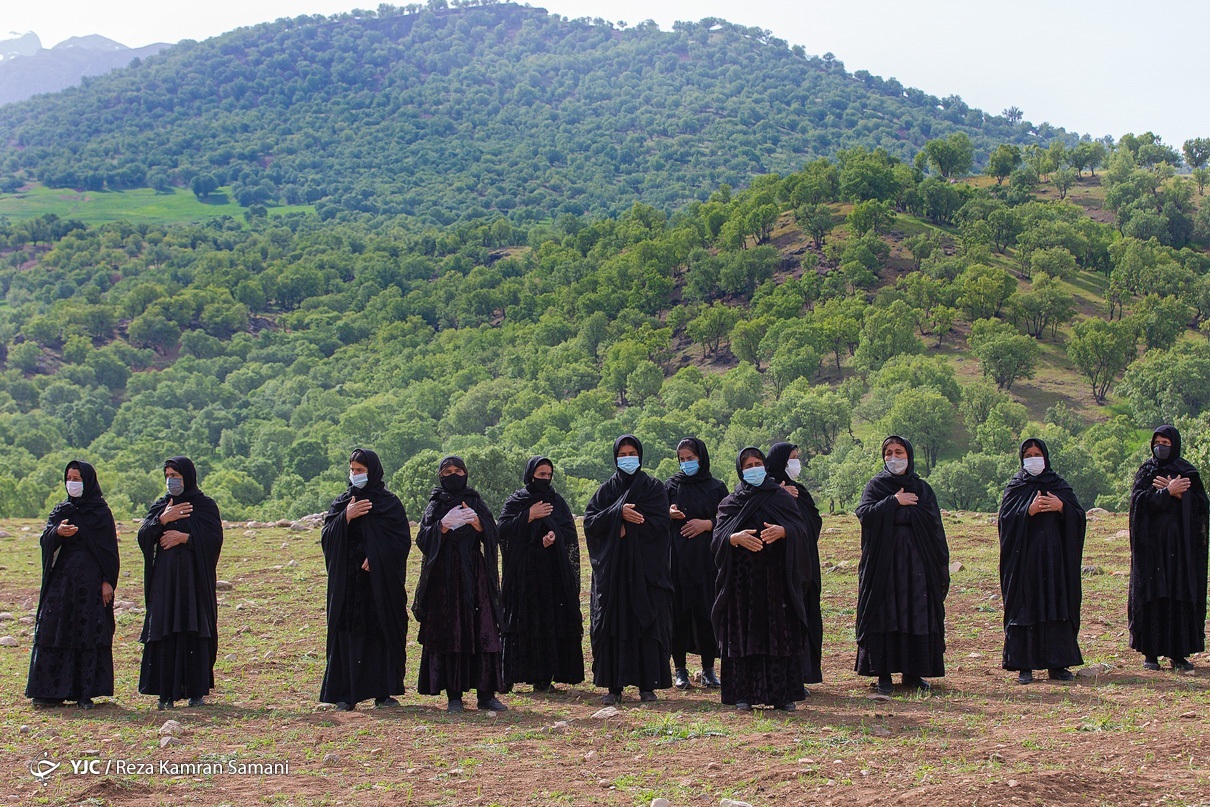
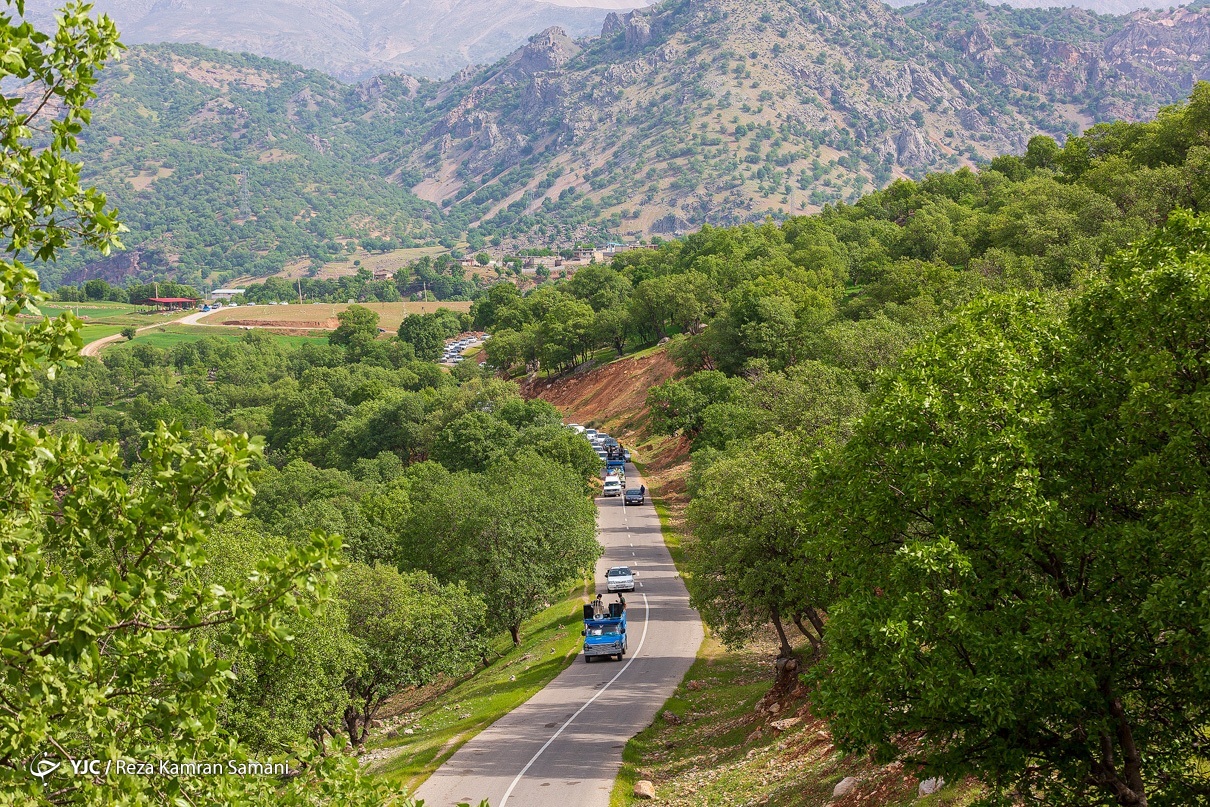
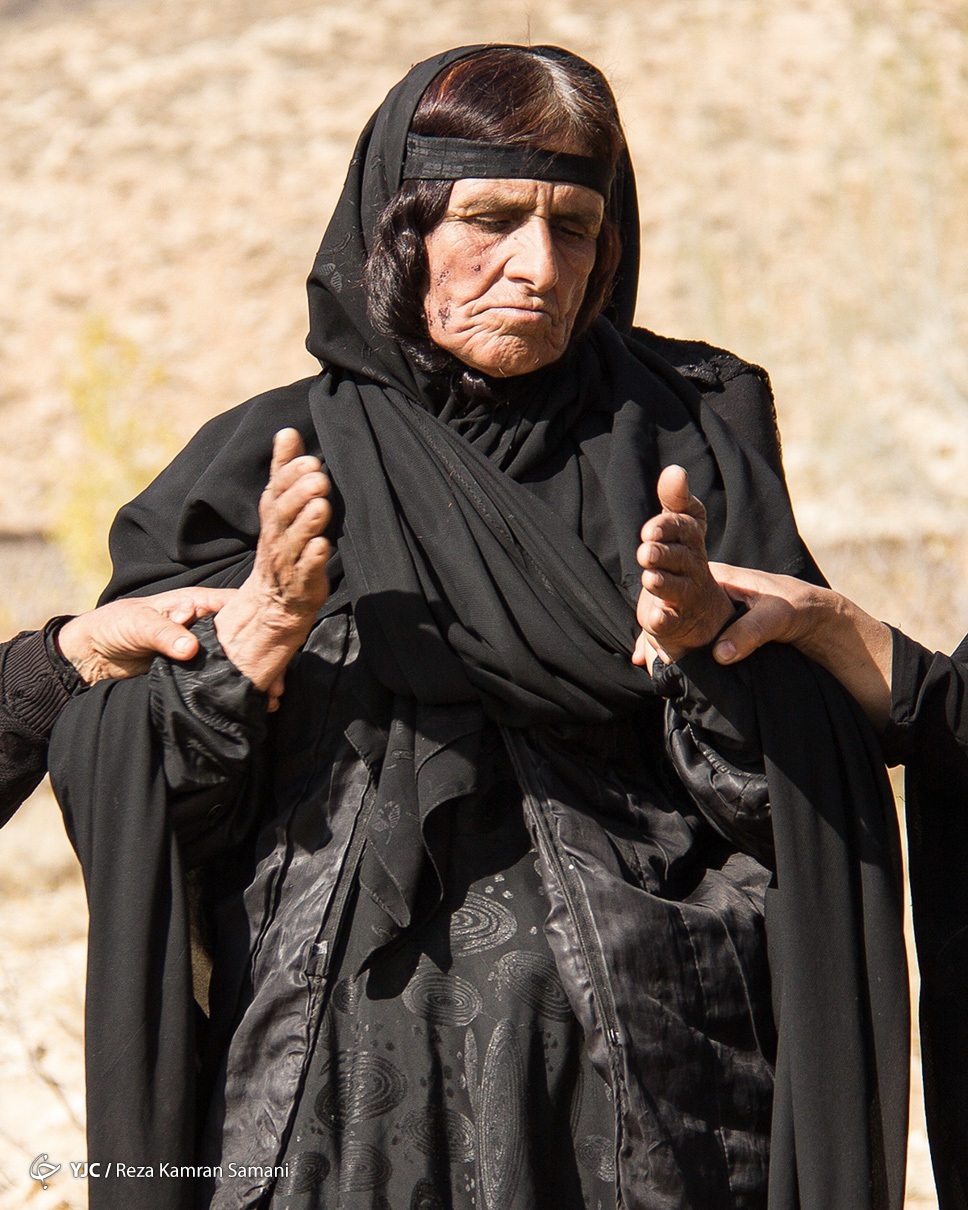
Kotal Bandoon; A Traditional Ritual to Mourn the Dead

The rite demonstrates the deceased person’s social values as well as acts of bravery in the past.

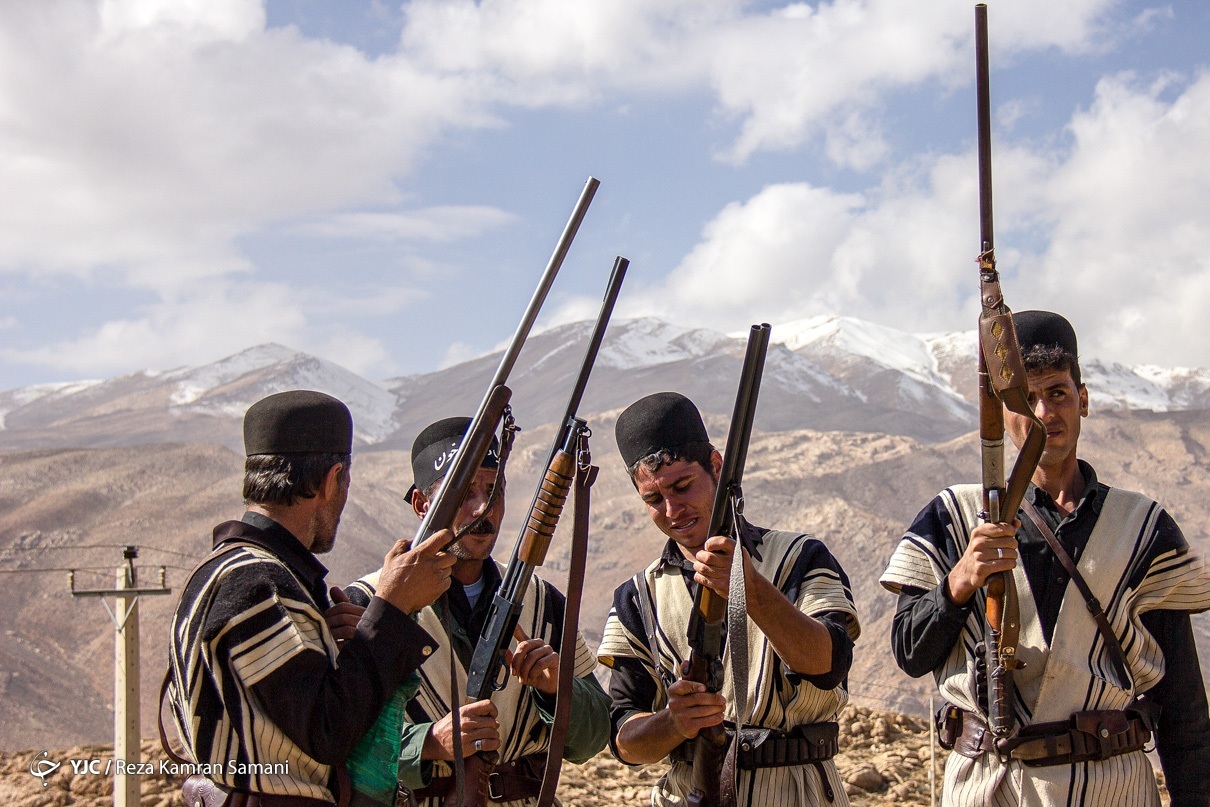
During the ritual, riderless horses are decoraded with coloured cloth, with two shotguns and combat gear being hung from their saddles.

The horse is led by several armed men to circle around a cubic-shaped stone structure.
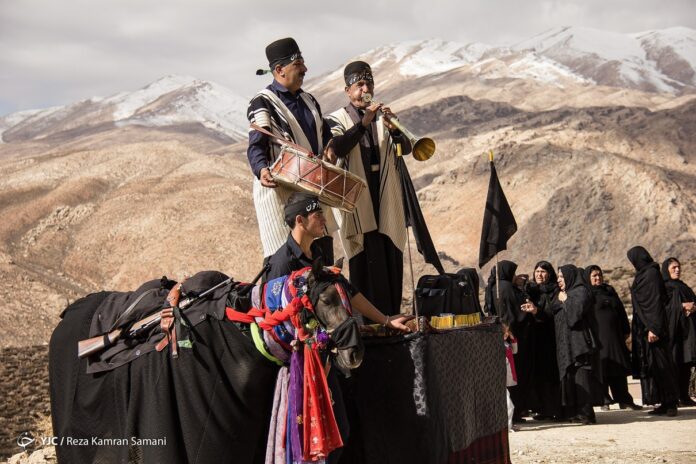
The ritual is coupled with a special song and music played as an elegy.
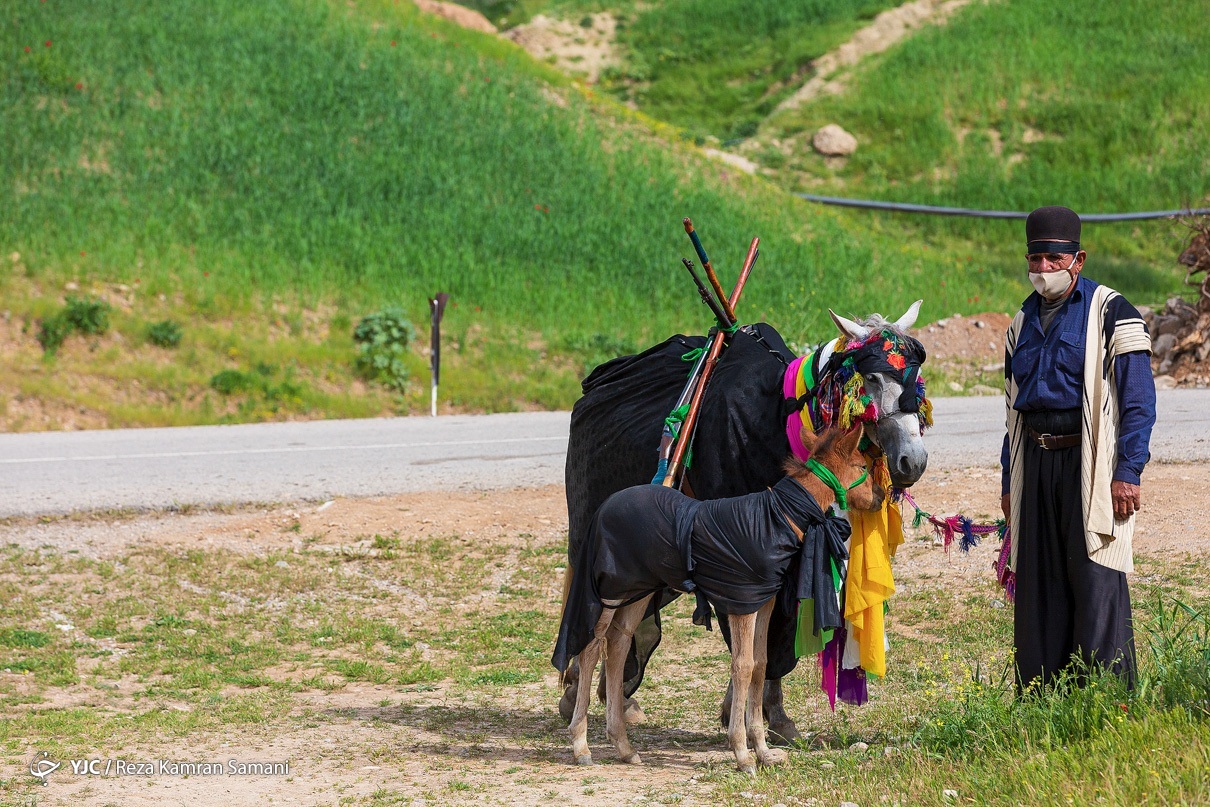
Different songs are sung for people of different ages and social strata.

Zarif Says Tour of Arab States amid Vienna Talks Shows Iran Highly Values Neighbours

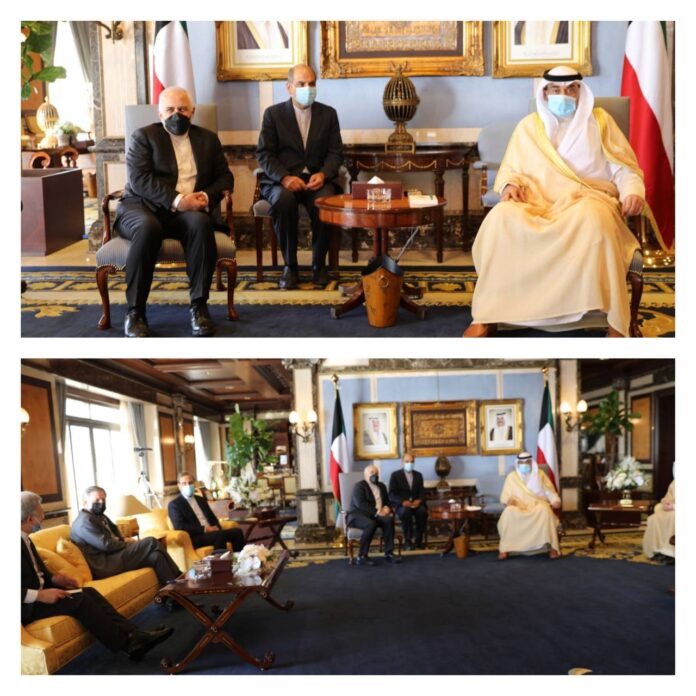
In the Thursday meeting, the two sides discussed issues of mutual interest.

Foreign Minister Zarif touched upon mutual relations in different areas, and highlighted the need to further upgrade reciprocal ties and actualise the existing potential, especially in economic and trade domains.

He expounded on Iran’s view on the latest regional developments as well as talks with the P4+1 group in Vienna.

Zarif said his tour of the region at a time when Vienna negotiations are underway indicate Iran’s special attention to regional issues and relations with neighbouring countries.

He urged Iran and Kuwait to make efforts to resolve the existing problems and issues and to further promote multilateral cooperation among regional countries.

The Kuwaiti prime minister, in turn, welcomed Zarif’s visit to the Arab country and underscored the necessity of further discussions between the officials of both countries.

He touched upon the existing potential for further enhancement of mutual cooperation and briefed Zarif on Kuwait’s views on regional issues as well as the need for an initiative in regional talks.

He further highlighted the status of the two countries in the region.

The Kuwaiti prime minister expressed content with the continuation of talks in Vienna, expressing hope the negotiations will produce positive results.
Among other topics discussed in the meeting was cooperation on different issues, including fighting the coronavirus pandemic, environmental issues, consular affairs and visa issuance as well as some problems related to Iranian launches in Kuwaiti ports.

Tehran, Kuwait Enjoy What It Takes to Promote Level of Ties: Minister

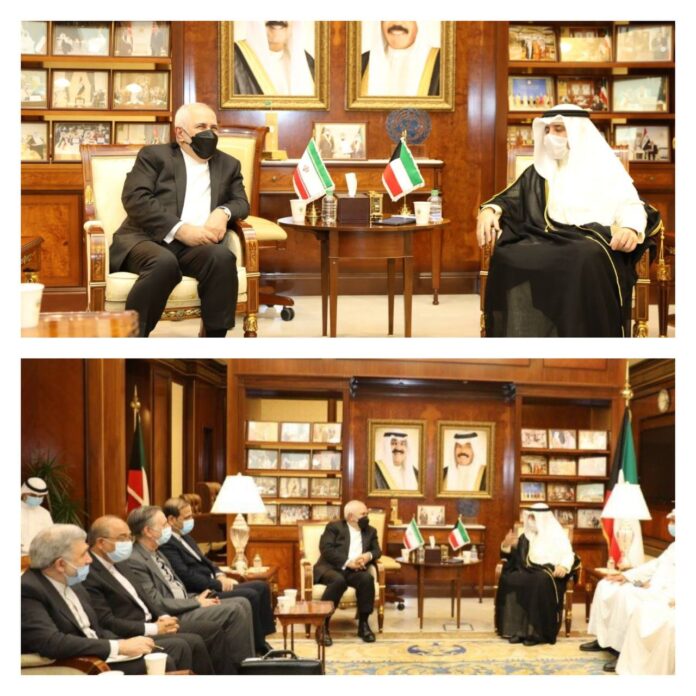
In the Thursday meeting, the two sides reviewed bilateral relations in political, economic and trade ties.

Foreign Minister Zarif said Iran stands ready to further expand its relations with Kuwait on all fronts.

The top Iranian diplomat elaborated on Tehran’s viewpoints on the regional arrangements adopted by countries in the region.

He said it is necessary that regional states rely on their own potential to secure constructive cooperation that would lead to further stability.

The Kuwaiti foreign minister, in turn, described relations between Tehran and Kuwait City as historical.

He said the two countries have what it takes to establish relations at higher levels, expressing Kuwait’s readiness to enhance cooperation and exchange delegations with Tehran.

Among other topics discussed in the meeting were talks between Iran and the P4+1 group in Vienna, the expansion of multilateral cooperation in the region, consular issues, cooperation on environment as well as consultations on the latest developments in Yemen, Syria and Libya.

Iran Says Concerned by Border Clashes between Tajikistan, Kyrgyzstan

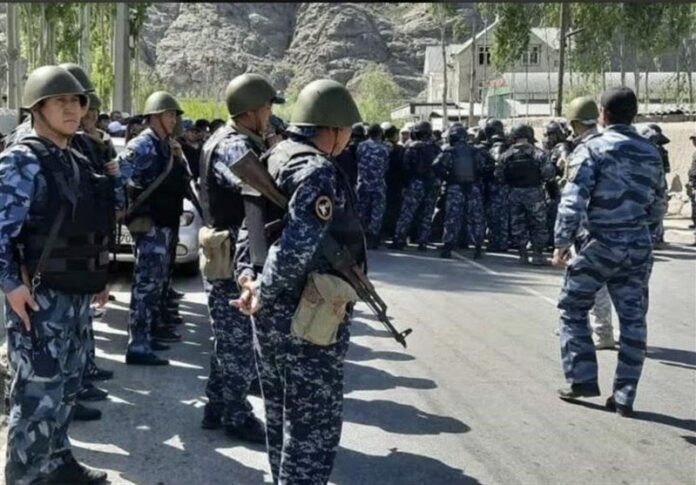
“The Islamic Republic of Iran is worriedly following up on the news pertaining to the recent fighting in border areas between the two friendly and brotherly countries of Tajikistan and Kyrgyzstan which have killed and wounded a number of citizens of both sides,” said Khatibzadeh on Friday.

“While appreciating the prompt measures adopted by heads of states of both countries to stop the fighting, we are confident that the continuation of talks between the two countries will lead to the peaceful settlement of any border disagreements,” he said.

“The Islamic Republic of Iran announces its readiness to offer assistance to advance negotiations between the two sides and also offer its legal and technical experience in that regard,” he noted.

Intensive Talks Held in Vienna between Iran, P4+1 Group

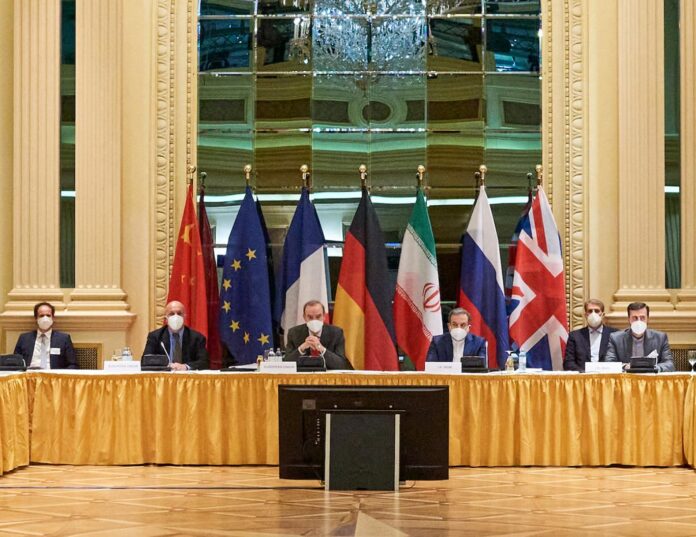
On Thursday, head of the Iranian negotiating team Seyyed Abbas Araqchi also had a quadrilateral meeting with heads of the three European delegations.

Meetings were also held between Araqchi and Deputy Secretary-General for Political Affairs of the European External Action Service Enrique Mora.
Araqchi also sat down for talks with the Austrian foreign minister.

Negotiations are scheduled to continue in different working groups to review the texts.

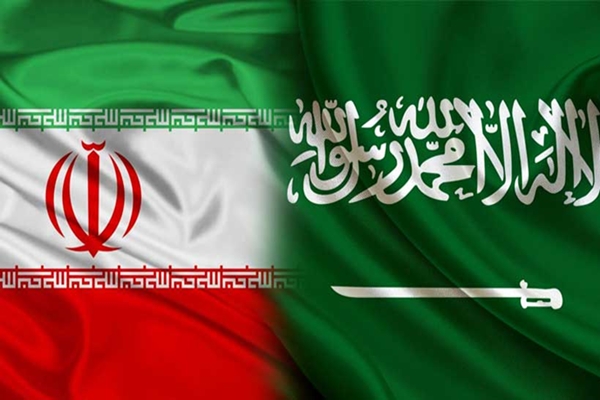
Iran Welcomes Bin Salman’s Conciliatory Tone

Tehran Still Ready to Mend Ties with Riyadh Despite ‘Foolish’ Moves

“Iran and Saudi Arabia, as two important countries in the region and the Muslim world, can enter a new chapter of interaction and cooperation to achieve regional peace, stability, and development by adopting constructive and dialogue-based approaches,” Khatibzadeh said on Thursday.

“By presenting proposals and initiatives for dialogue and cooperation in the Persian Gulf region, including the Hormuz Peace Endeavour (HOPE), the Islamic Republic of Iran has been a pioneer in the path of amity and regional cooperation, and welcomes the change in Saudi Arabia’s tone,” he added.

Khatibzadeh finally expressed hope that the holy month of Ramadan, the month of divine mercy, would be a blessed beginning for convergence among the Islamic society and end of war, displacement, and insecurity in this region.

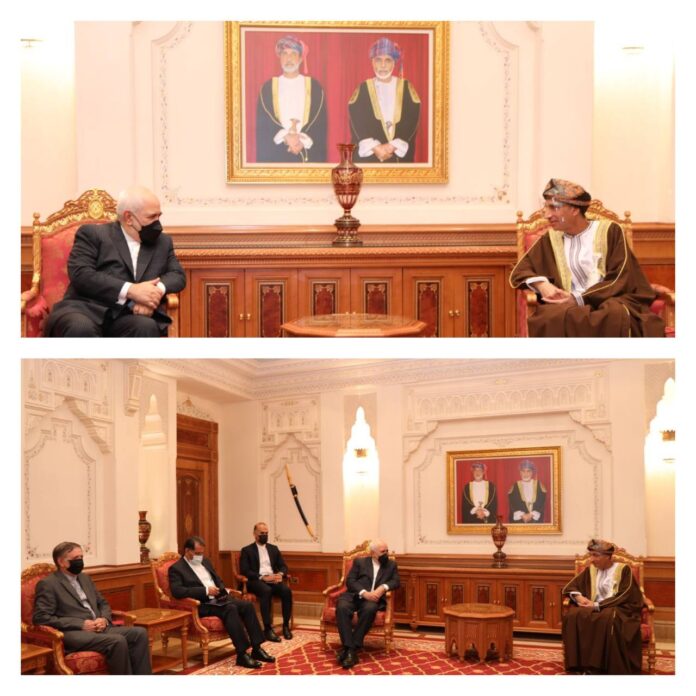
Tehran, Muscat Discuss Expansion of Regional Cooperation

In the Thursday meeting, the Iranian foreign minister touched upon some areas where the two countries need to work harder within the framework of the viewpoints of both countries’ senior officials in order to achieve the desirable outcome.

Zarif said he was content with mutual cooperation in different political, economic and regional domains.

He also briefed the Omani side on the latest developments related to Iran’s negotiations with the P4+1 group as well as regional developments pertinent to the Islamic Republic of Iran.

The top Omani official, in turn, welcomed mutual visits to both countries by the two sides’ officials in order to learn about the viewpoints of the two capitals.

He described Tehran-Muscat relations in different areas as significant and called for the enhancement of mutual cooperation, especially on certain regional issues.

Among other topics discussed in the meeting were issues related to some Iranian inmates in Oman along with mutual economic, trade and financial issues as well as regional issues, particularly developments in Yemen.

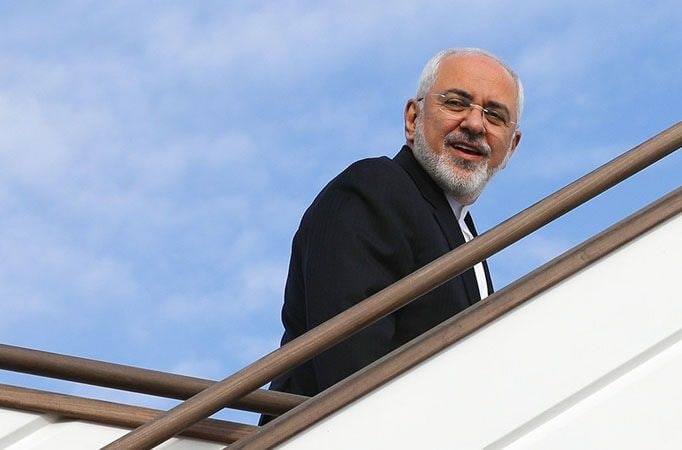
Iran FM to Visit Kuwait in Previously Unannounced Trip

According to Foreign Ministry Spokesman Saeed Khatibzadeh, the Iranian foreign minister will discuss bilateral relations and regional issues during his stay in Kuwait.

Zarif is currently visiting Oman, the third leg of his regional tour which earlier took him to Qatar and Iraq.

Iran FM, Oman’s Deputy PM Call for Removing Barriers to Enhanced Ties

In the Wednesday meeting, the two sides discussed the latest developments pertaining to bilateral relations as well as regional issues of mutual interest.

In the meeting, they highlighted good relations between Tehran and Muscat, saying they are determined to remove obstacles and expedite the implementation of the decisions made by both countries’ senior officials.