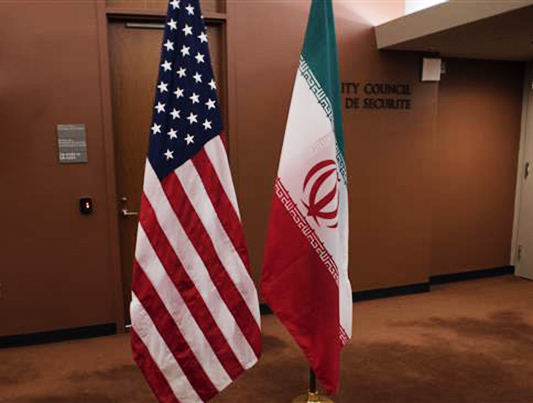
Speaking to Al Mayadeen TV, an informed source had claimed that in addition to the prisoner swap deal, the US has also agreed to release $7 billion in Iranian frozen assets.
It was claimed that Iran will also release Iranian-British national Nazanin Zaghari-Ratcliffe in exchange for the United Kingdom’s payment of its 400-million-pound debt.
However, Iranian Foreign Ministry spokesman Saeed Khatibzadeh said while the issue of prisoners has always been on Iran’s agenda, the Sunday report by Al-Mayadeen news network is untrue.
“The issue of prisoners has been a humanitarian issue which has always been on the agenda of the Islamic Republic of Iran and has been pursued through other conversations and [diplomatic] channels separately from the JCPOA or related issues,” Khatibzadeh said.
Khatibzadeh also denied reports that Tehran and London had been in talks over the release of Zaghari, the Iranian-British national who was found guilty of propaganda activities against the Islamic Republic last month and sentenced to one year in prison, shortly after serving her five-year sentence for alleged espionage.
Earlier, US State Department Spokesman Ned Price had also denied any prisoner swap deal with Tehran.
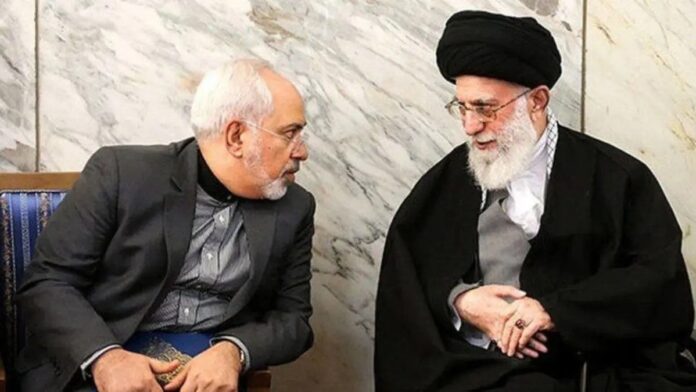
Zarif said on Instagram that the Leader had the final say on “expert issues.”
“As always, the friendly remarks of the Supreme Leader serve as the final word for me and my colleagues, and are the last say on expert discussions,” said the top diplomat.
He said foreign policy should boost national unity and solidarity, and “should be managed and led by the highest levels.”
“Accordingly, following the Leader’s viewpoints and decisions is an undeniable necessity for the foreign policy,” he said.
“I regret that some of [my] personal views, which were expressed merely to share [my] experience in a sincere manner and without any particular intention, were published after being stolen and were utilized selectively and used as a pretext by the ill-wishers of the country and the people and the Revolution to bear animosity and [I regret that this] upset the respected Leader,” Zarif further said.
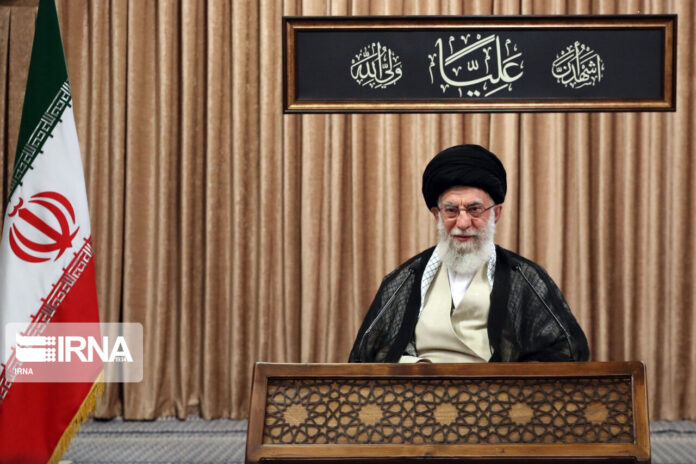
In a televised address on Sunday, Ayatollah Khamenei Zarif for his “regrettable, surprising, and unfortunate” remarks about the Quds Force of Iran’s Islamic Revolution Guards Corps (IRGC) and its late commander General Qassem Soleimani, which were disclosed in a leaked audio file.
The Leader described the Iranian foreign minister’s remarks as the words of the enemy, and said he made a big mistake by making such comments.
“We have recently heard some things from some of the country’s officials that were surprising and unfortunate,” the Leader said on Sunday.
Without referring to Zarif by name at any point during the speech, Ayatollah Khamenei said, “We should not say things that make it seem like we are repeating what America says.”
He said a foreign ministry’s job is to execute policies set out by superior bodies and officials.
“Nowhere in the world does the foreign ministry determine foreign policy.”
In a leaked recording, aired last Sunday, Zarif was heard complaining about having little influence over foreign policy compared with the IRGC and General Soleimani’s influence in the foreign policy domain.
Speaking in a televised speech, Ayatollah Khamenei described the Iranian foreign minister’s remarks as the words of the enemy, and said he made a big mistake by making such comments.
“We have recently heard some things from some of the country’s officials that were surprising and unfortunate,” the Leader said on Sunday.
Without referring to Zarif by name at any point during the speech, Ayatollah Khamenei said, “We should not say things that make it seem like we are repeating what America says.”
He said a foreign ministry’s job is to execute policies set out by superior bodies and officials. “Nowhere in the world does the foreign ministry determine foreign policy.”
In a leaked recording, aired last Sunday, Zarif was heard complaining about having little influence over foreign policy compared with the IRGC and General Soleimani.
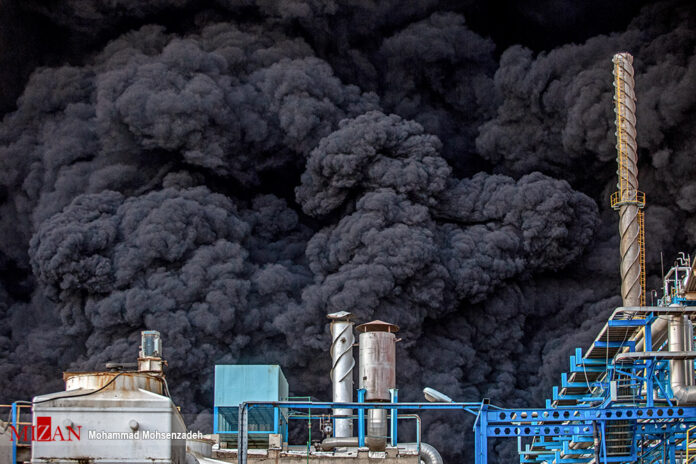
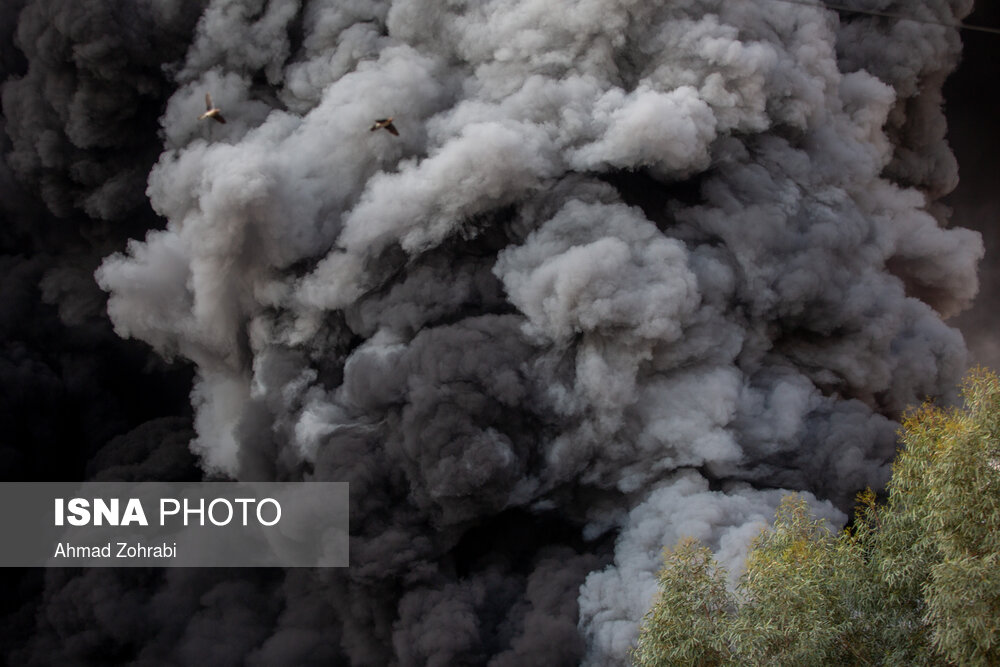
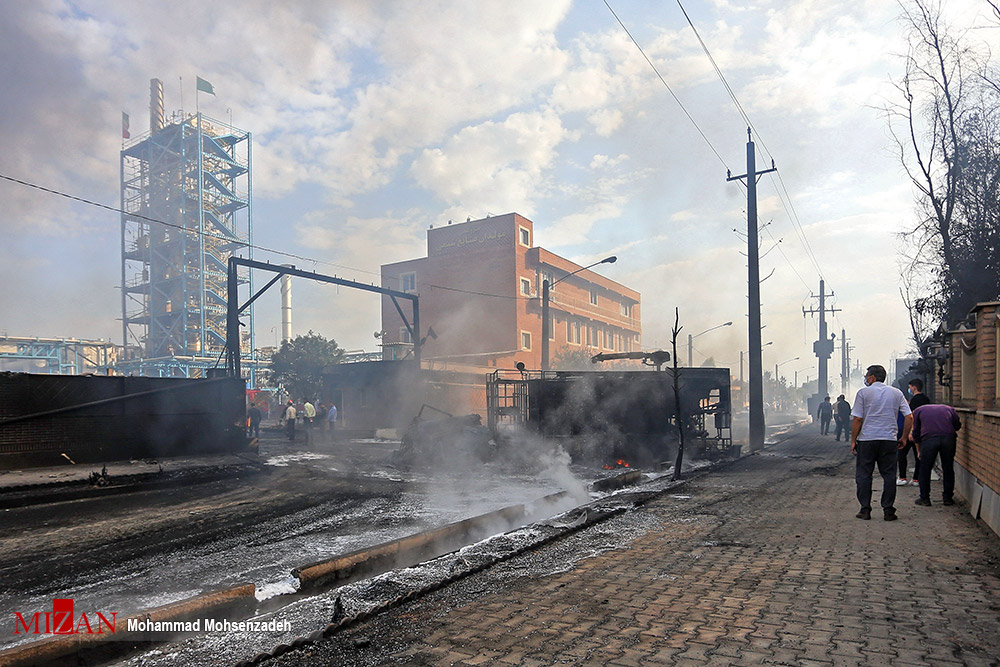
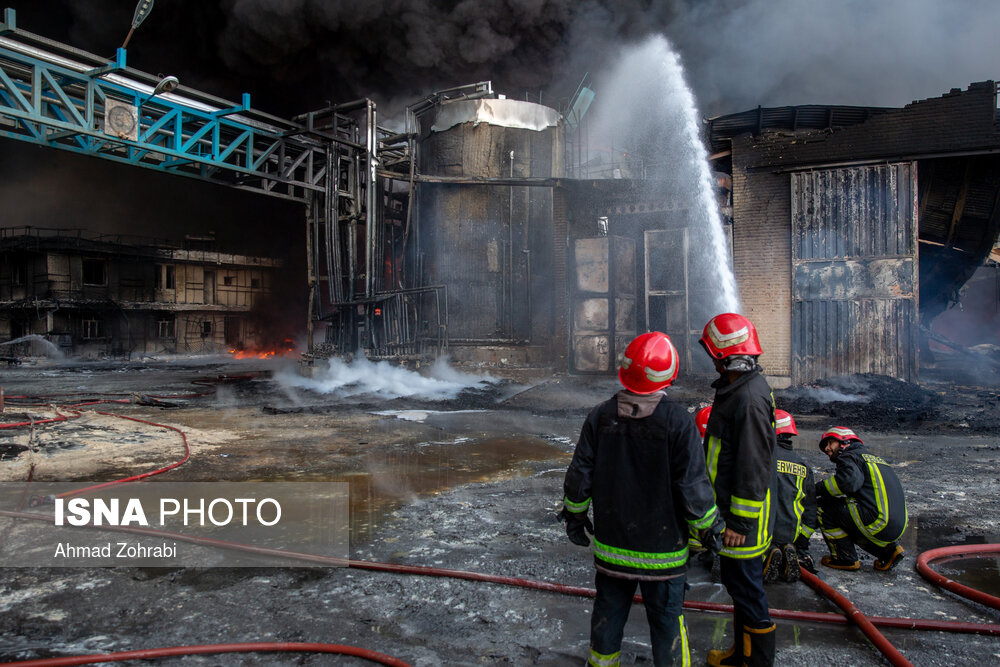
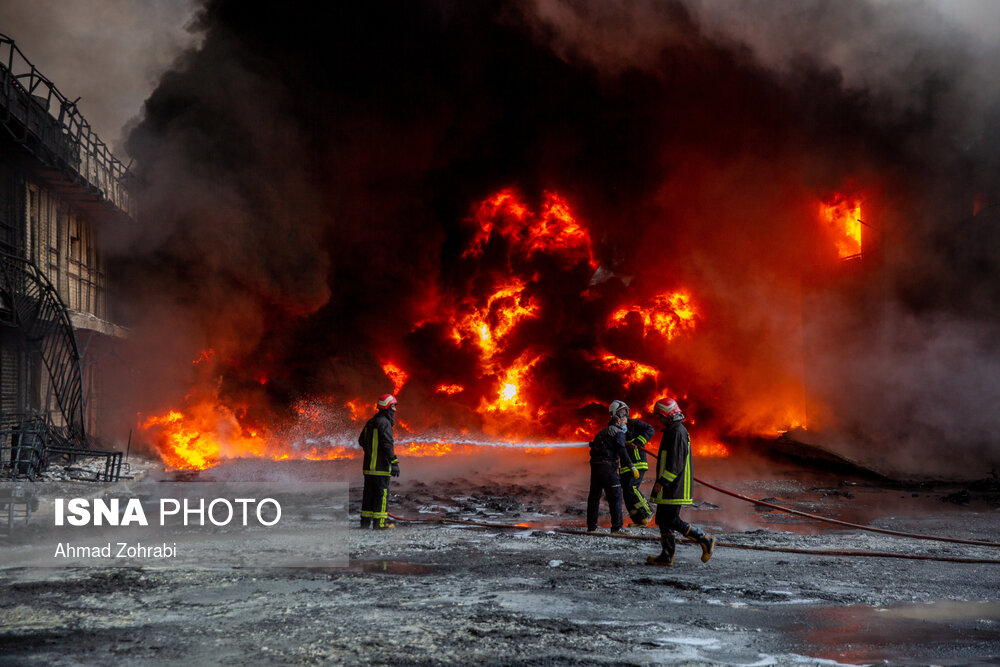
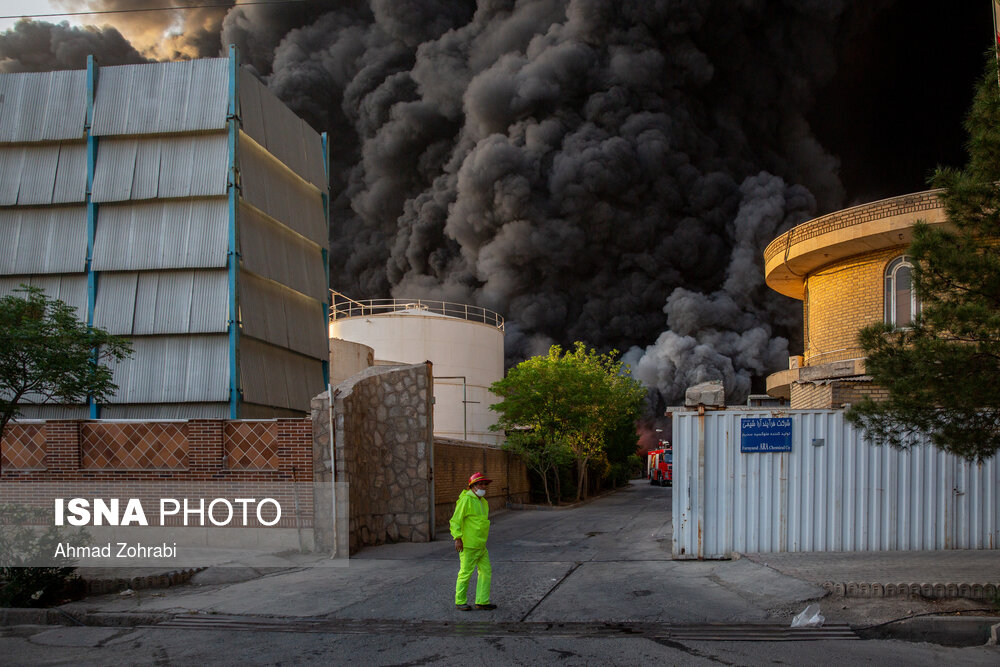
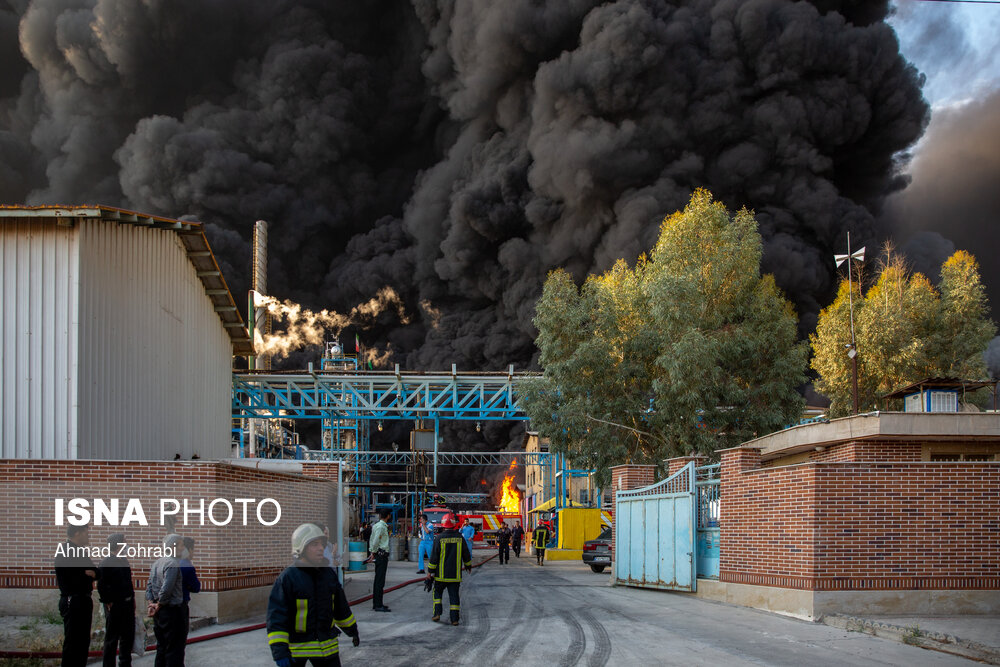
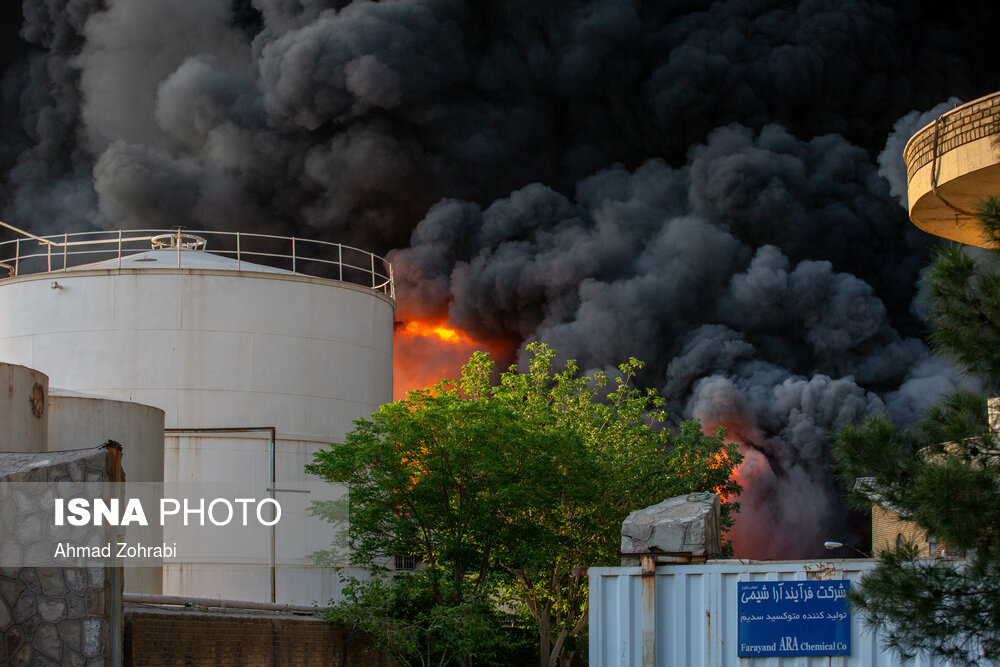
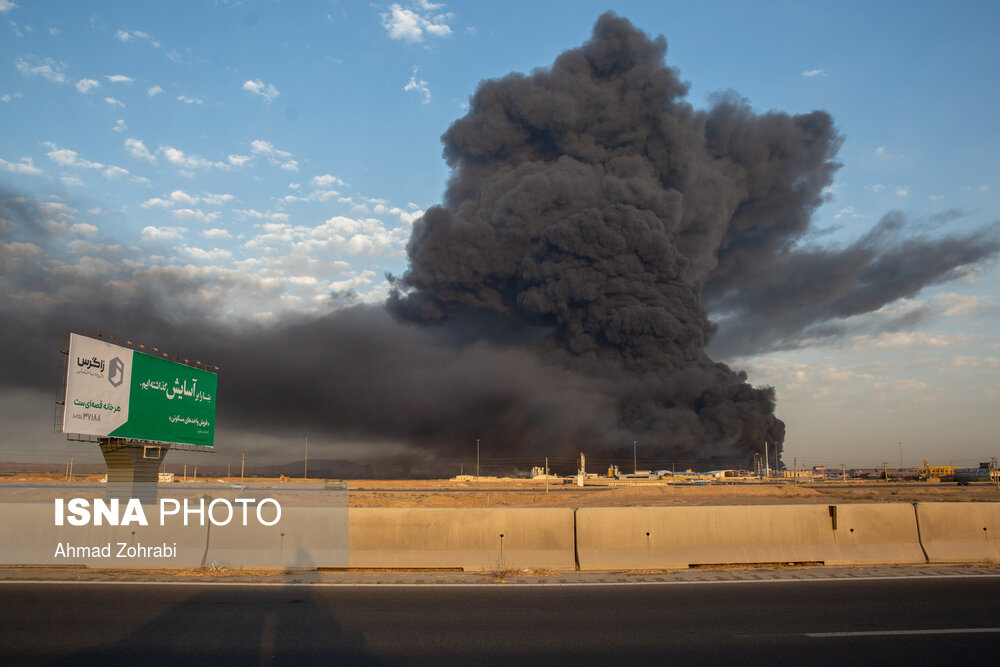
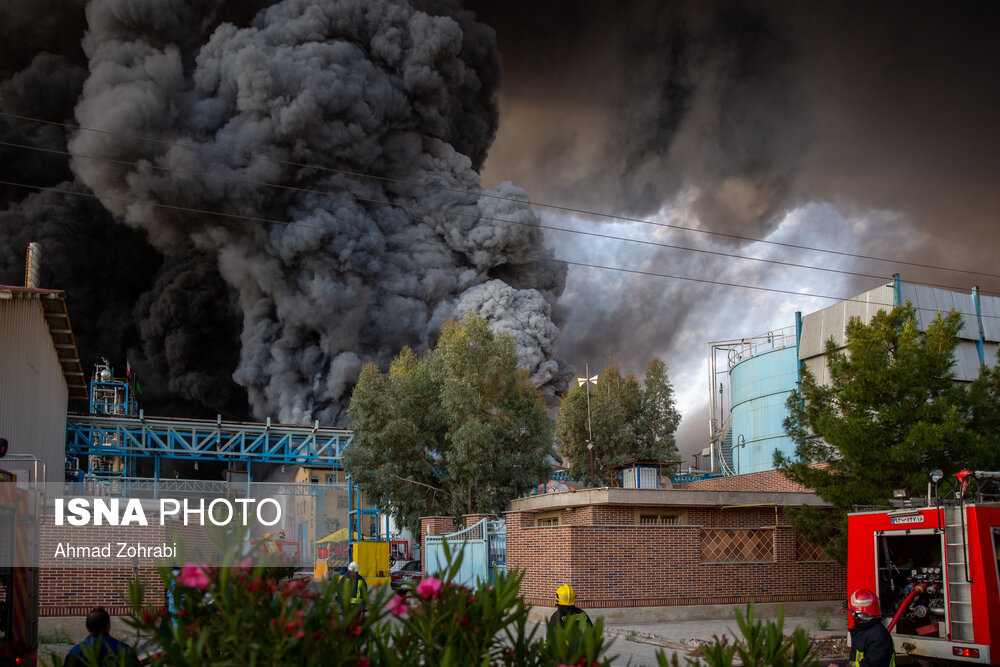
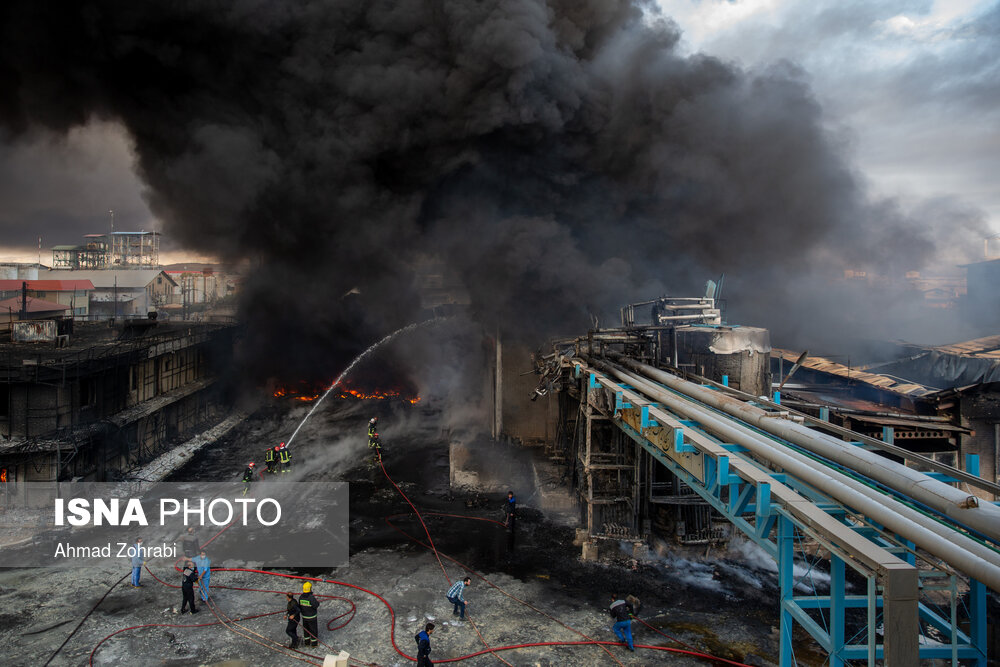
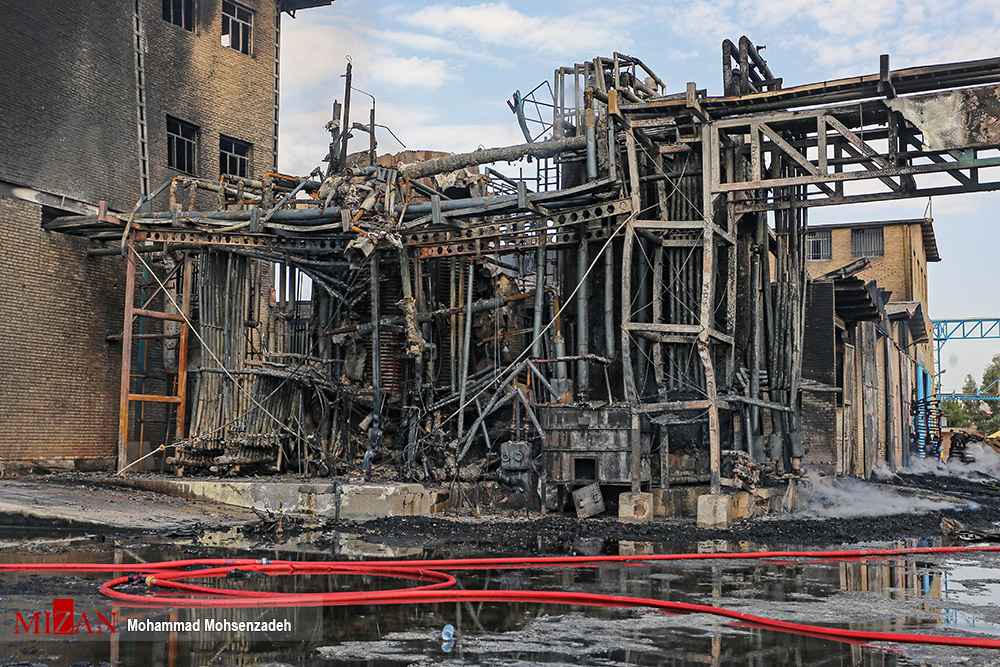
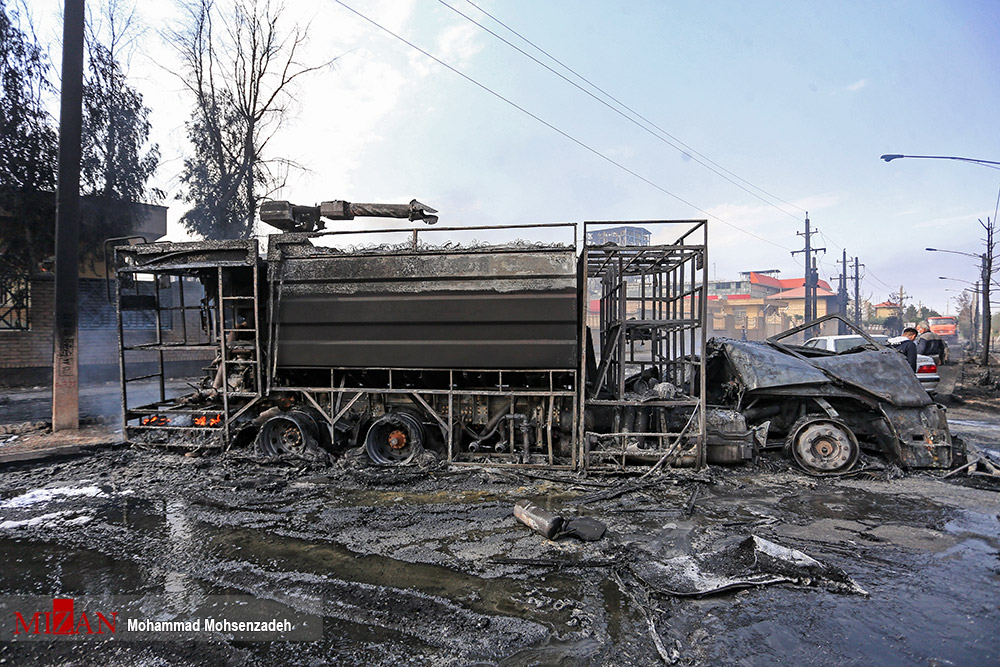
The fire broke out on Sunday morning at Movalledan factory in Qom’s Shokouhiyeh Industrial Town, south of Tehran.
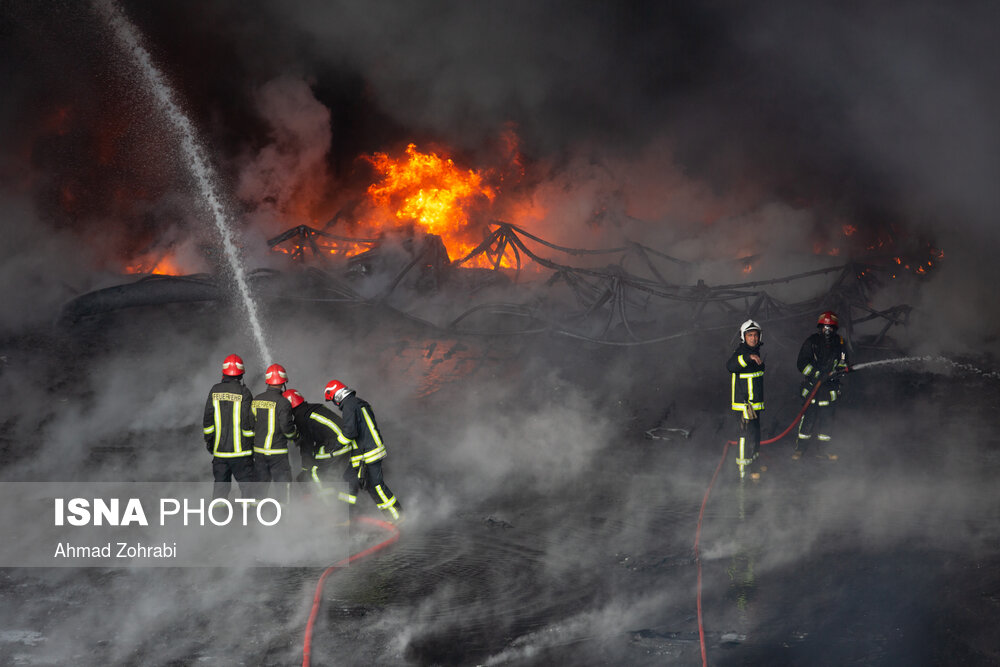
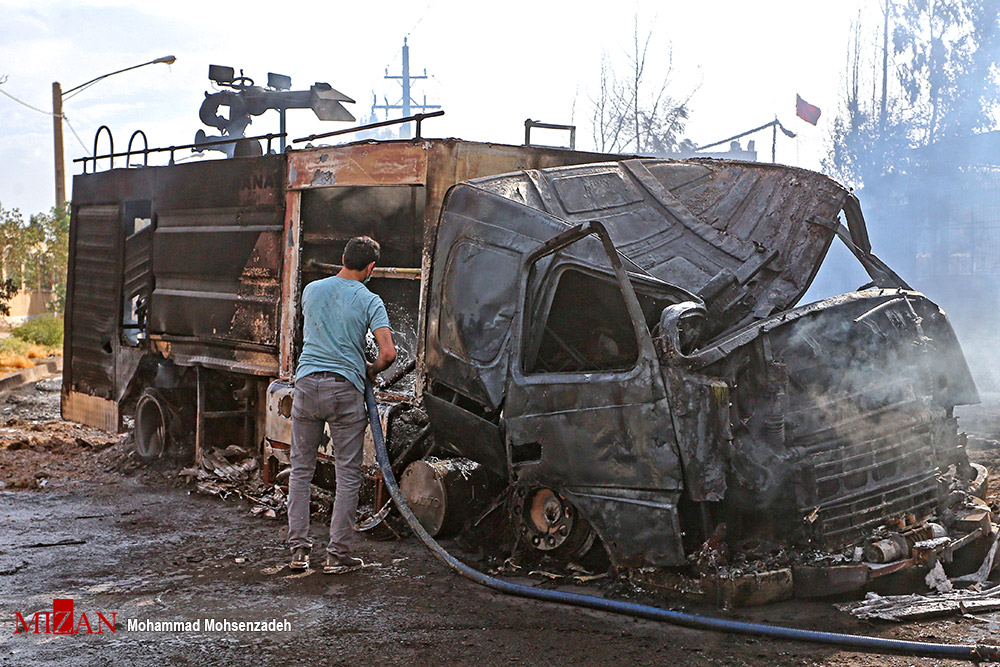
Over 100 firefighters were dispatched to contain the fire. Two firefighters were seriously injured and were transferred to the medical centres by emergency agents, according to Hamid Karimi, a spokesman for Qom Fire and Safety Services.
Several other people were also injured, some seriously.
The cause of the incident is not clear yet, but the fire was contained after a few hours.
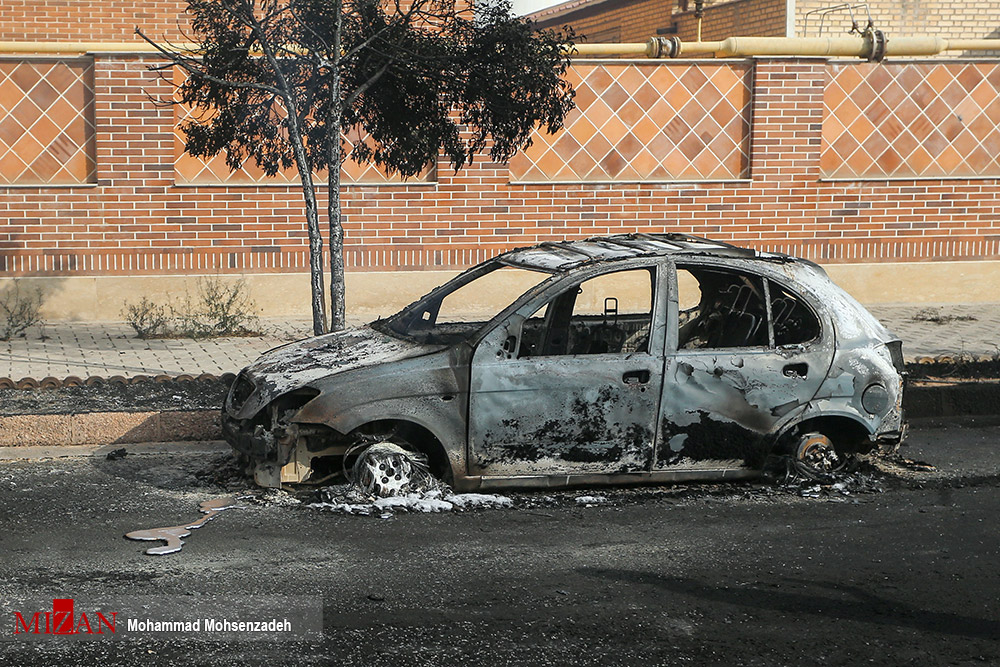
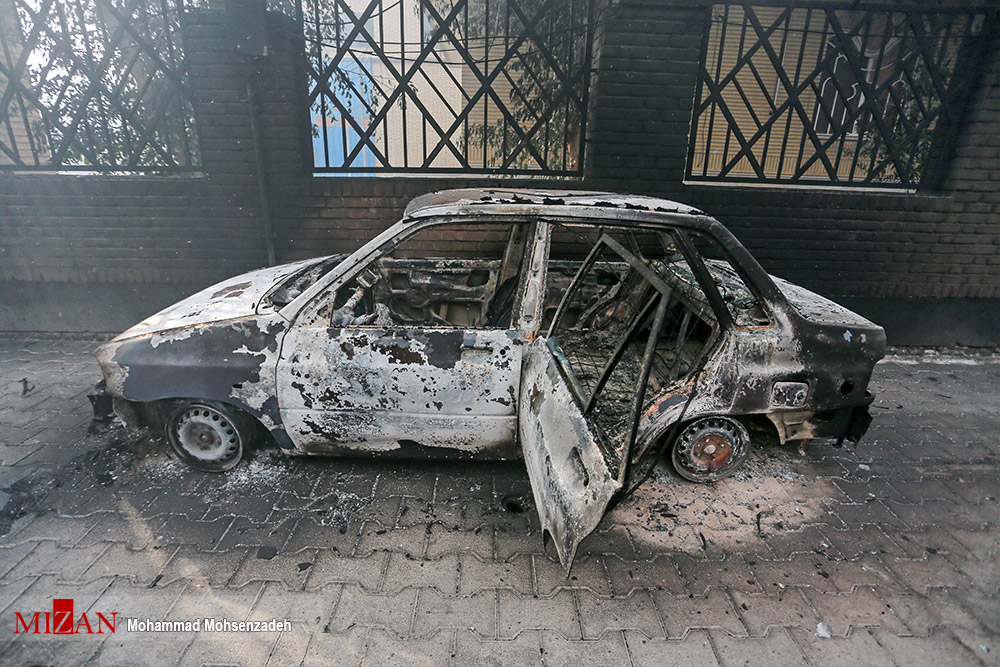
Two fire engines and at least 10 cars were totally destroyed in the fire.
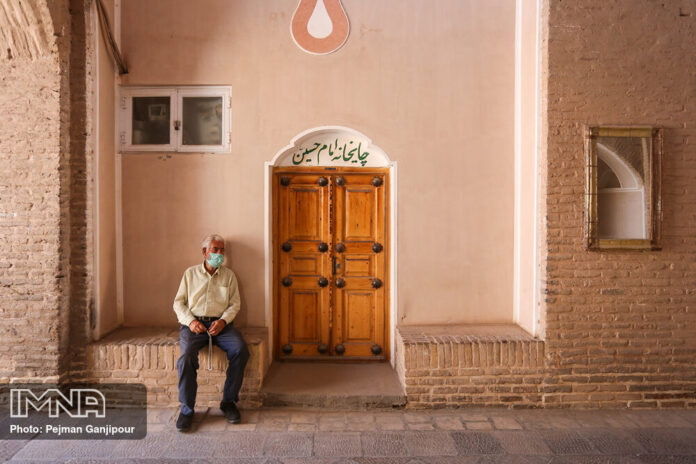
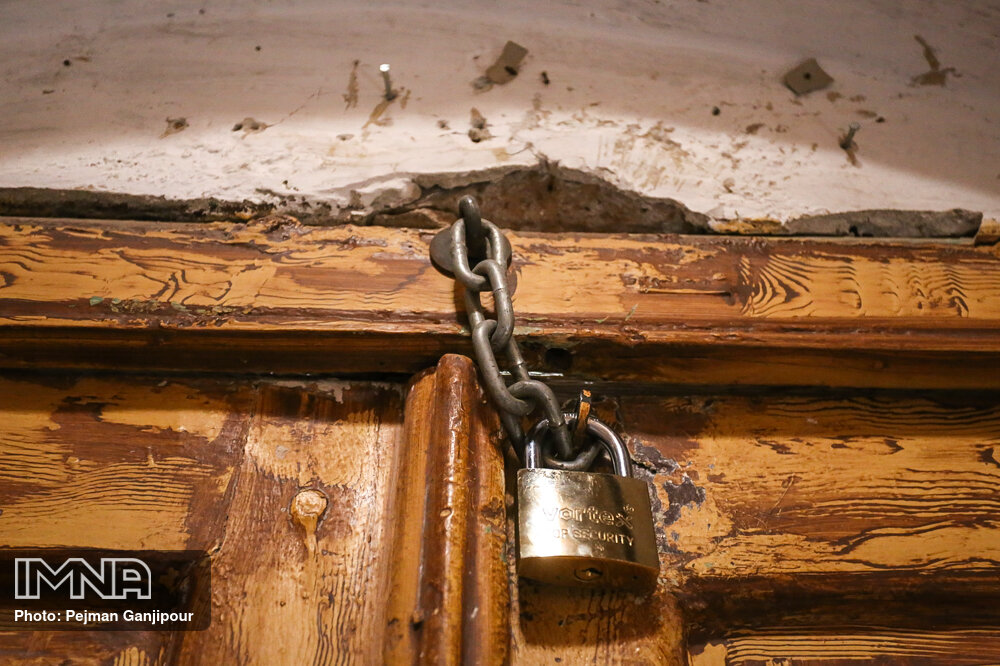
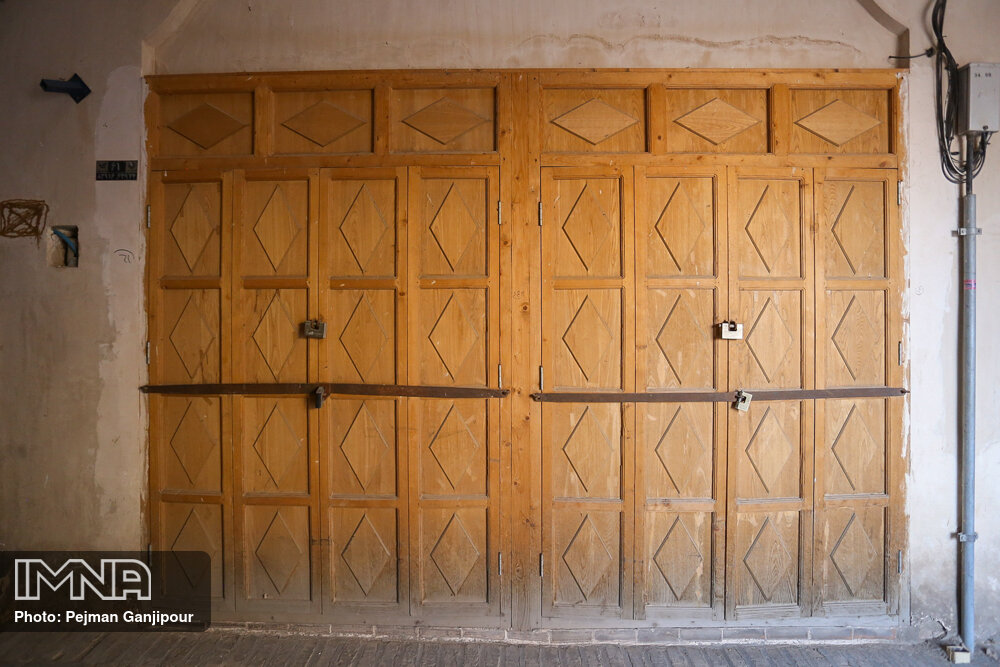
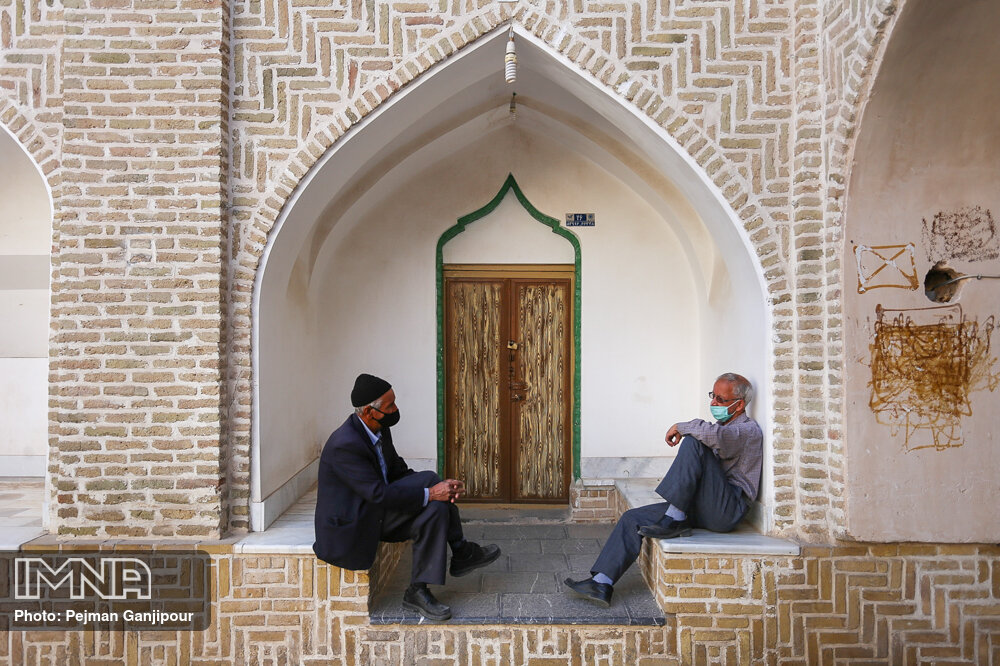
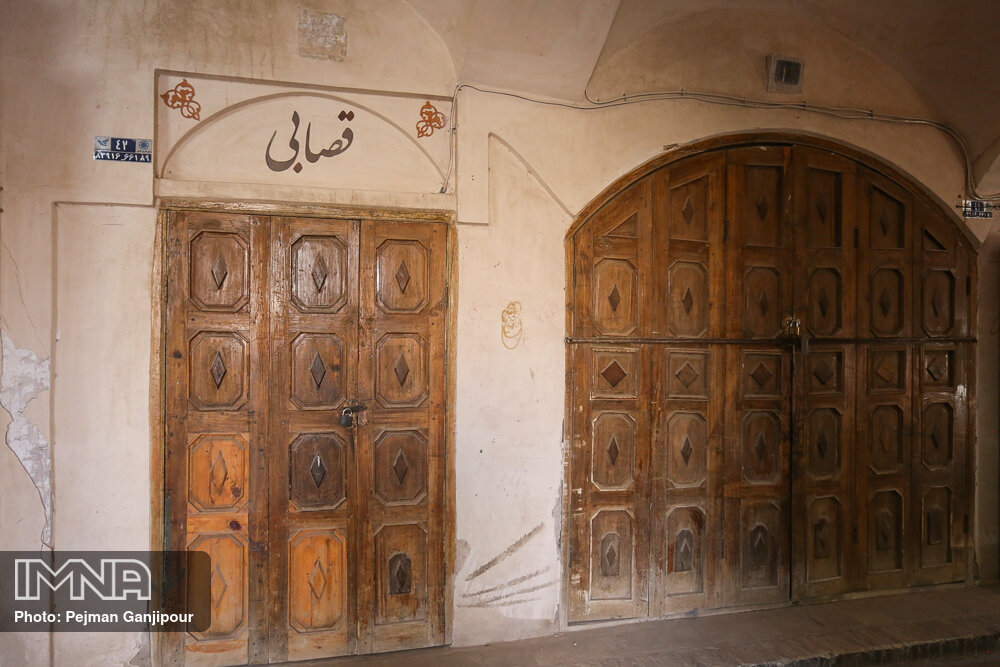
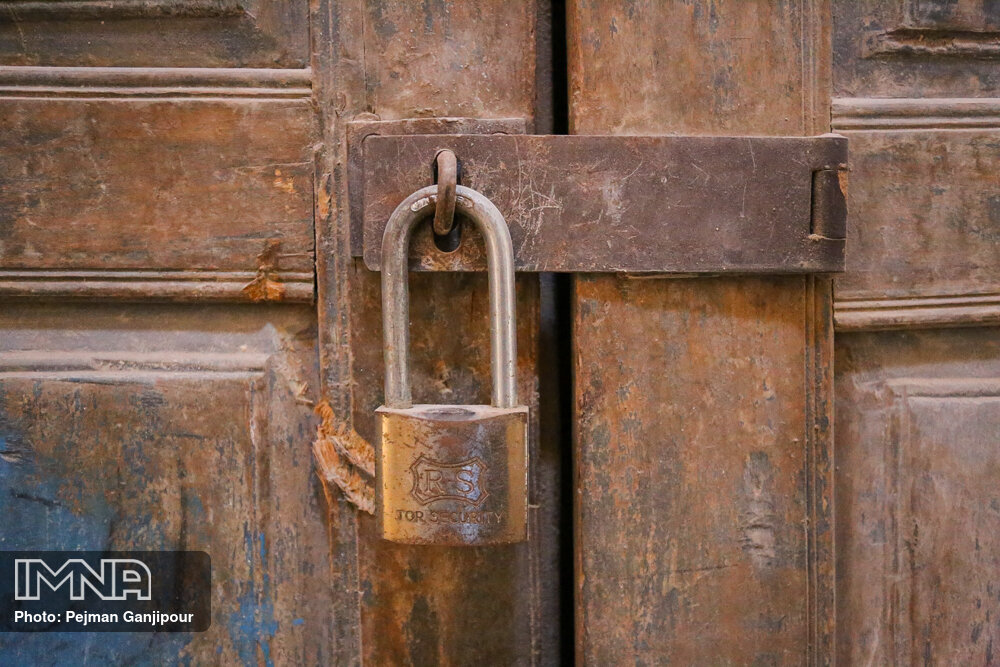
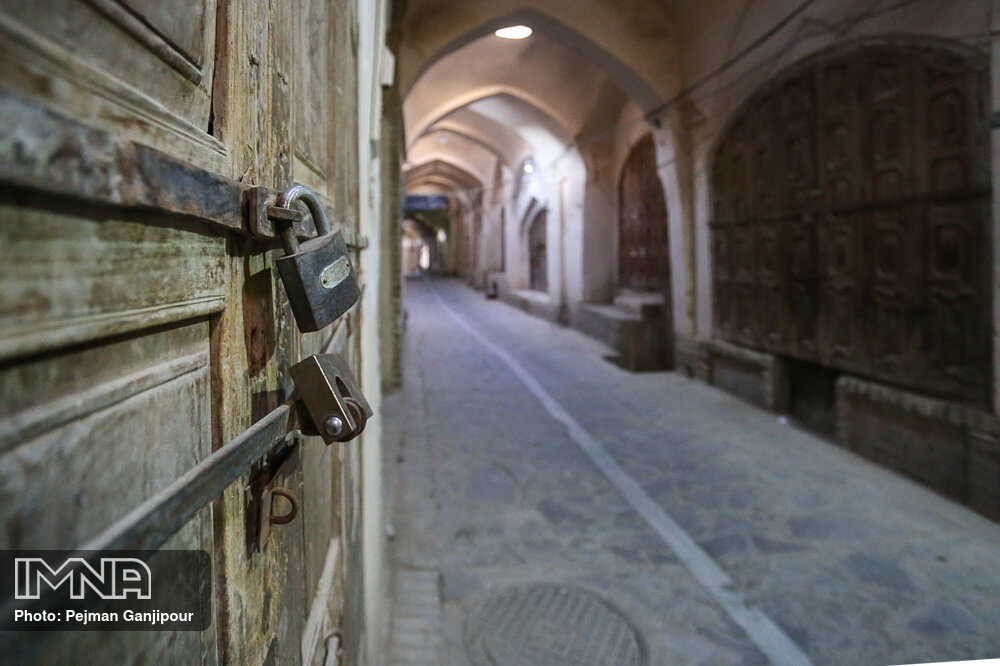
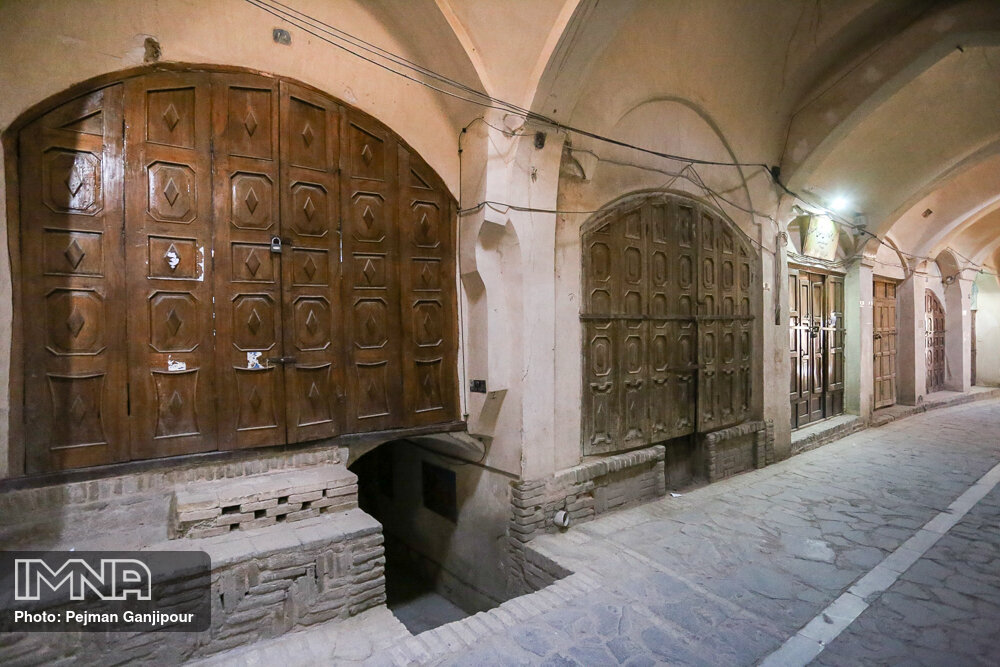
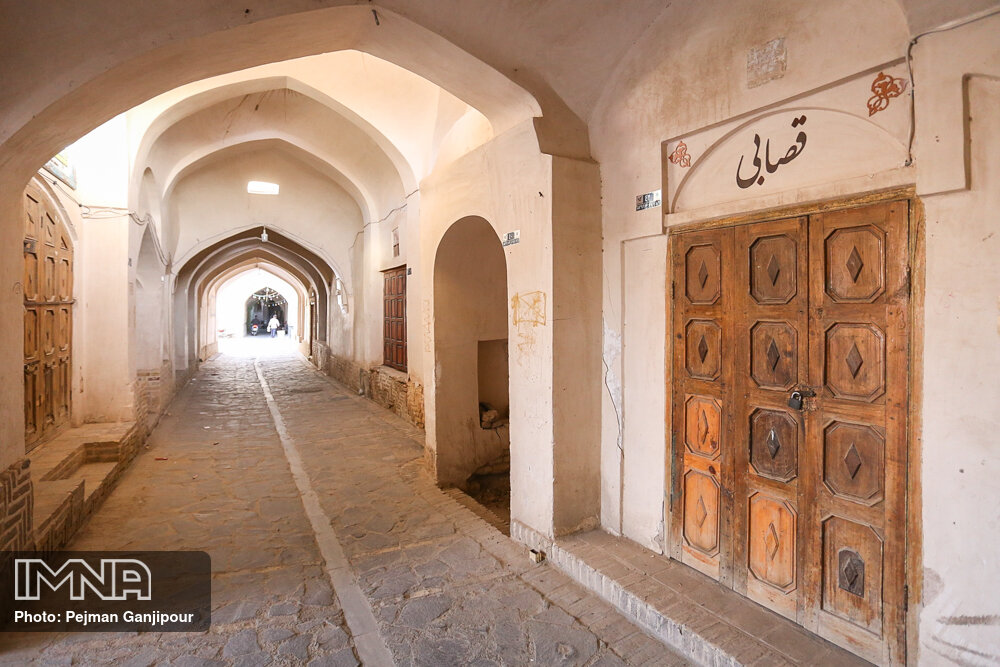
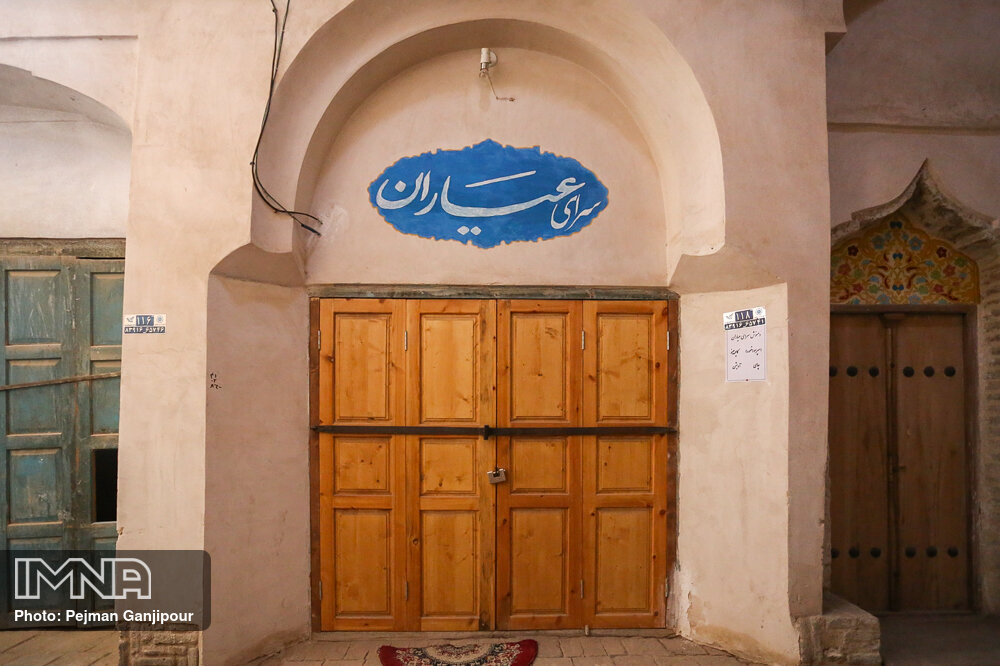
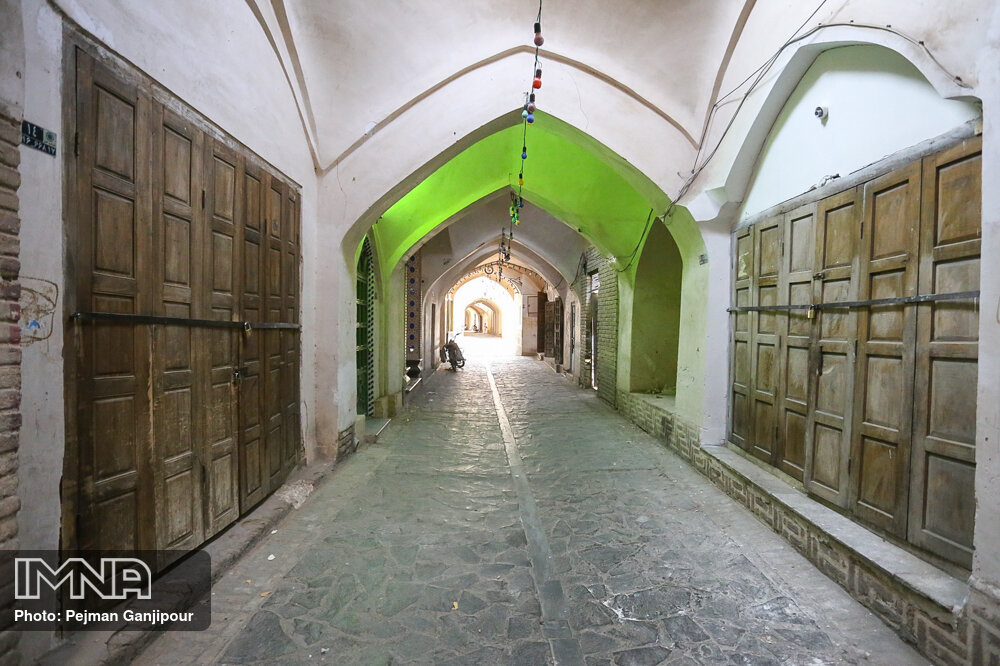
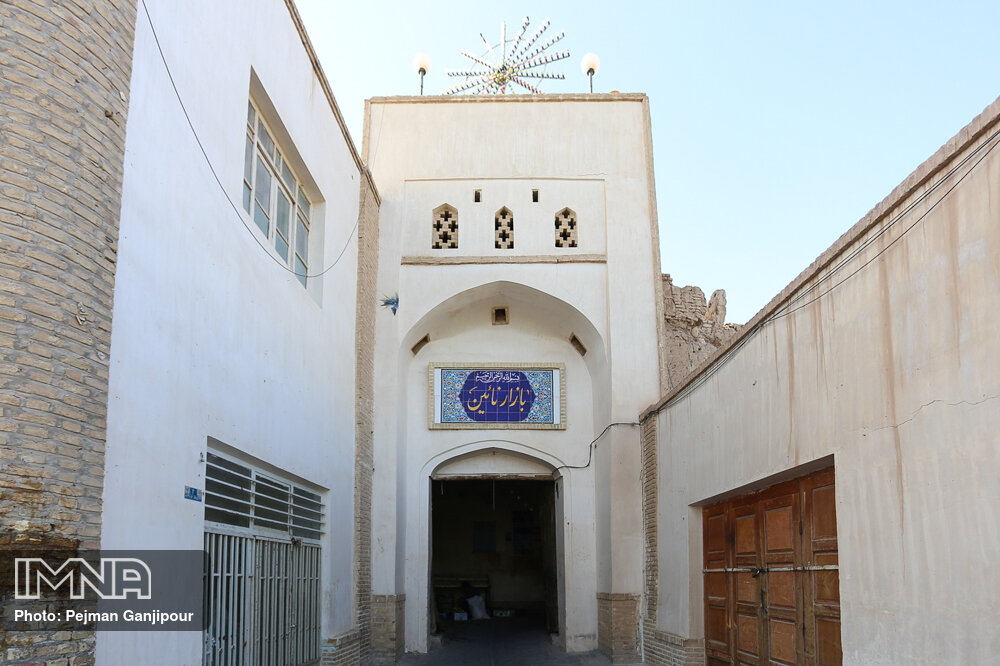
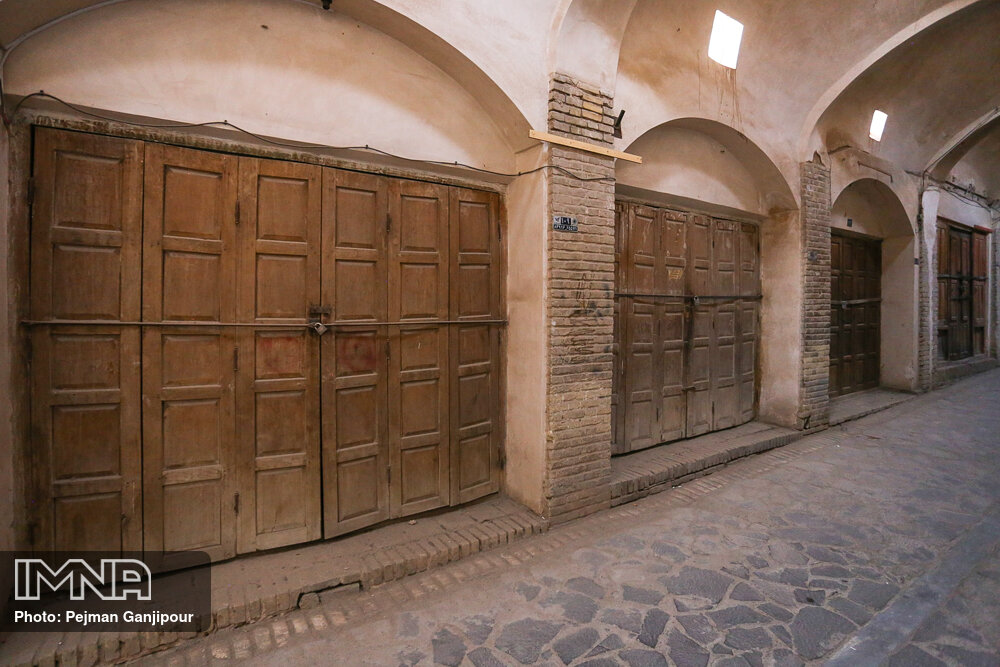
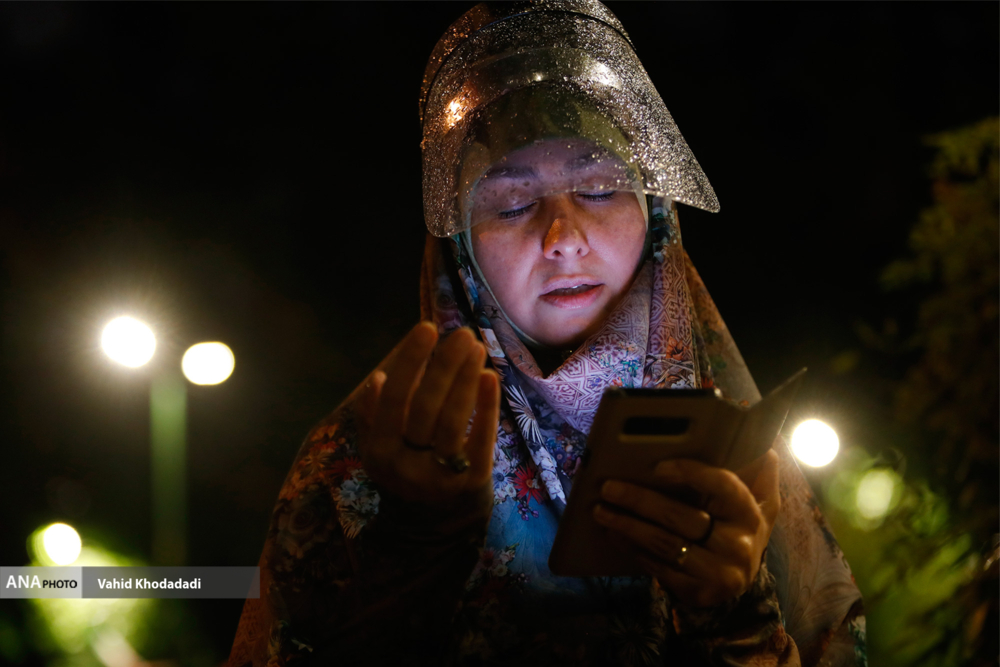
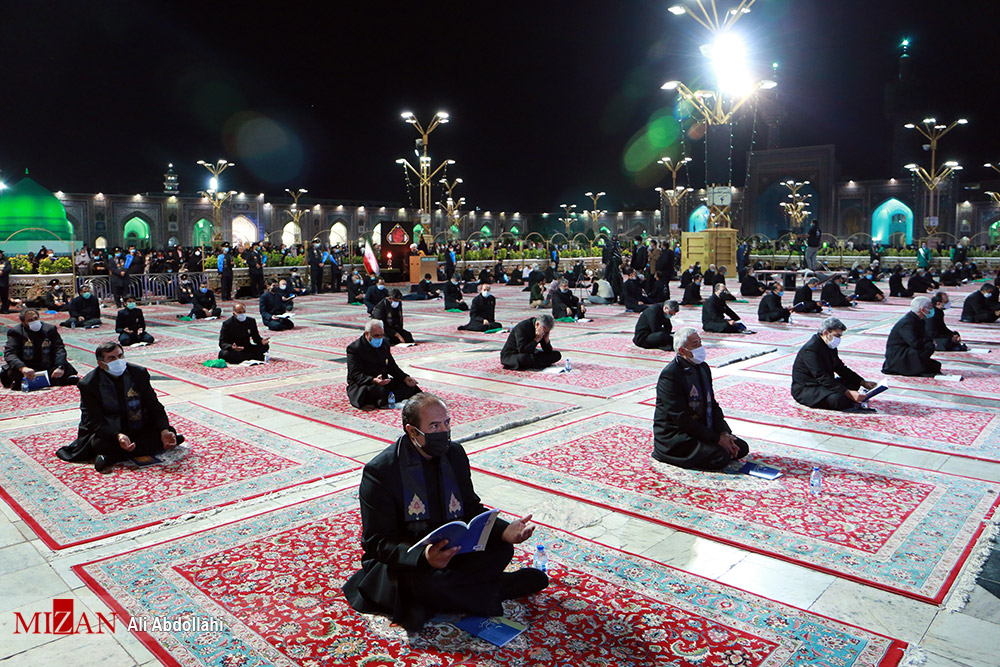
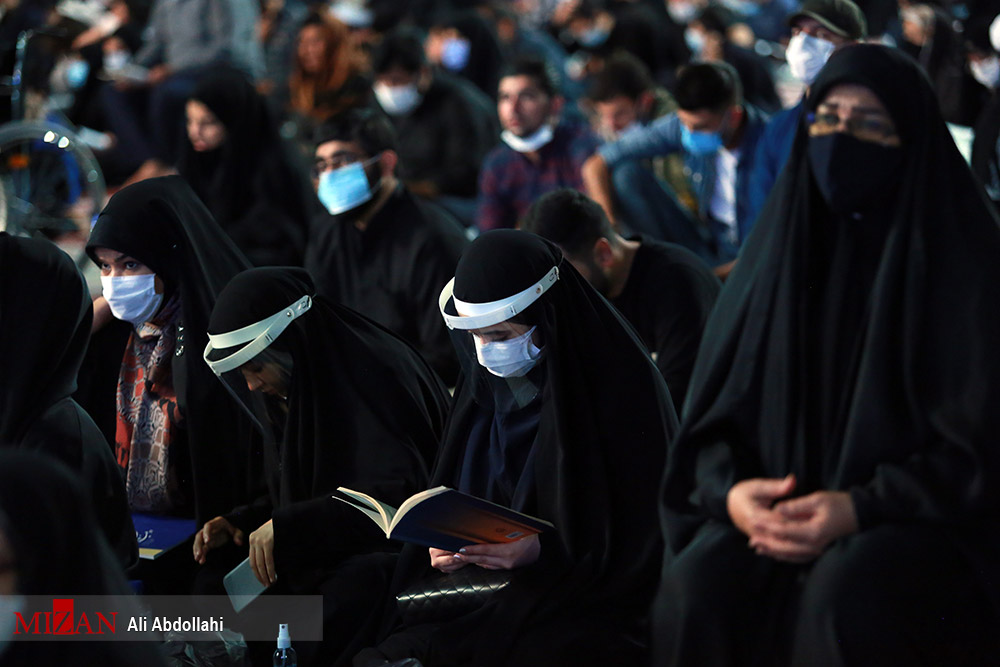
The decision to close down the markets was made by the National Coronavirus Headquarters as the two towns are marked “red” by the regulatory body, meaning COVID-19 infections and deaths have reached extremely high levels there.
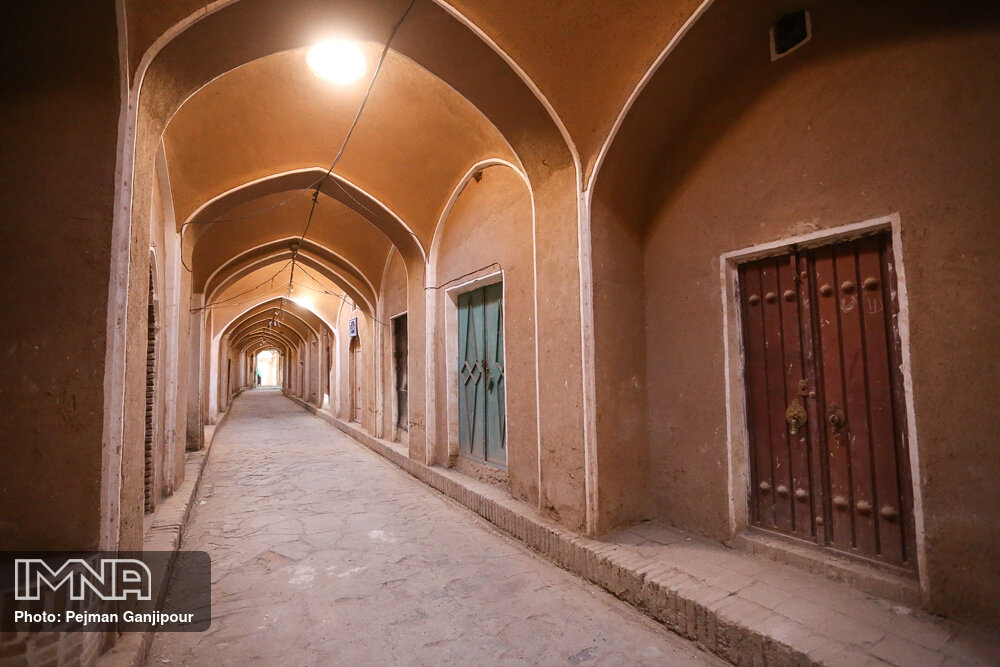
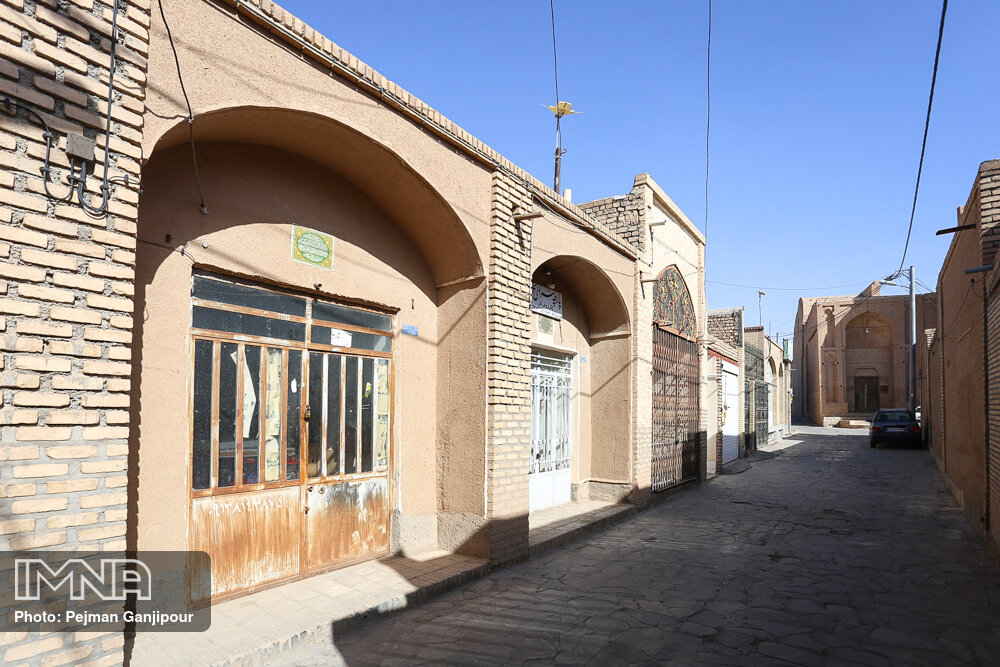
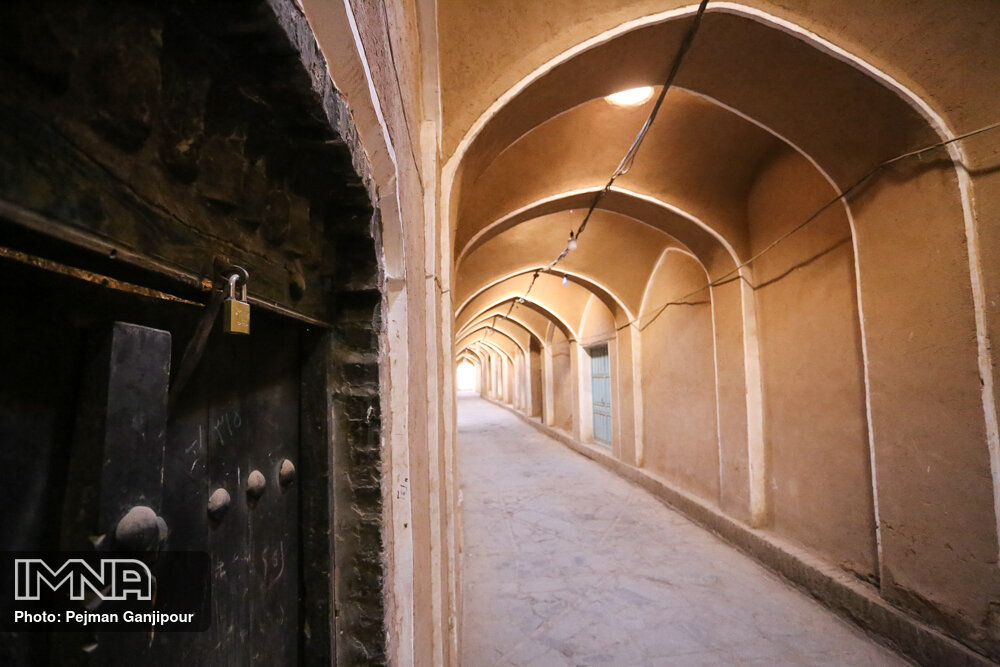
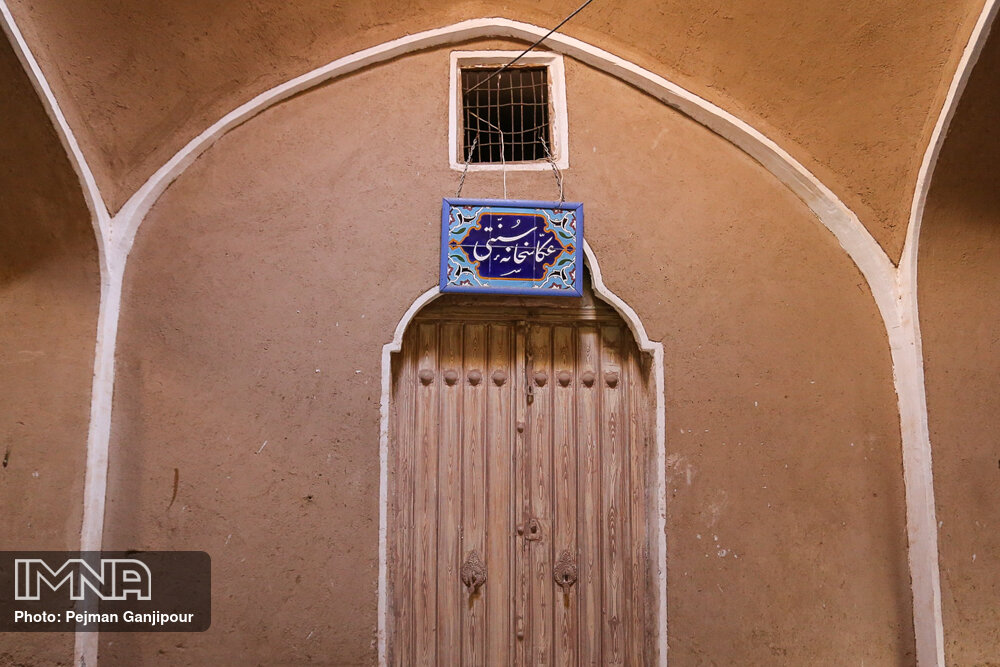
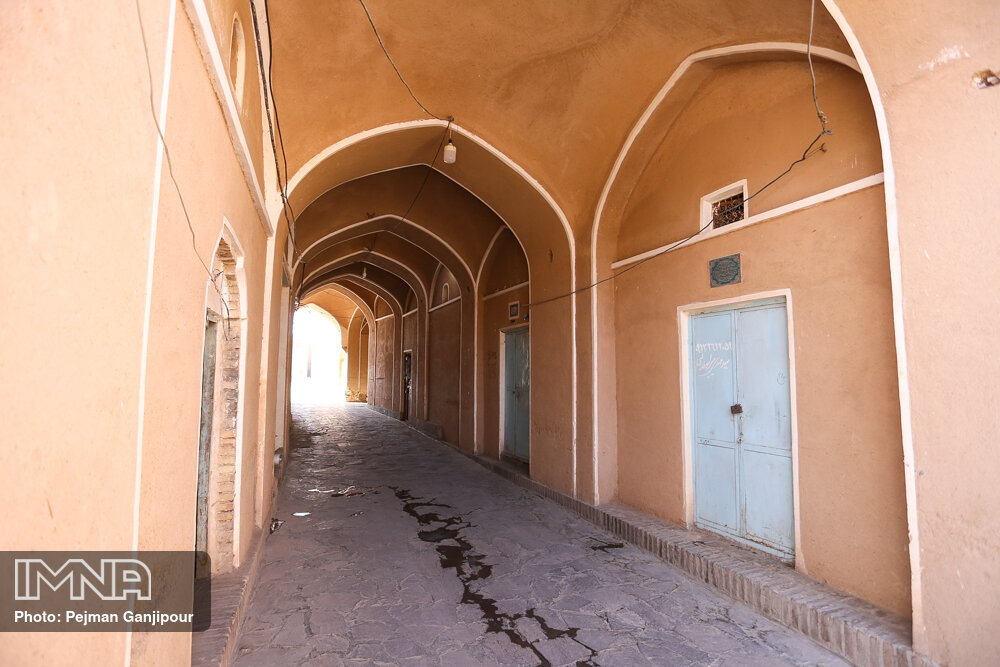
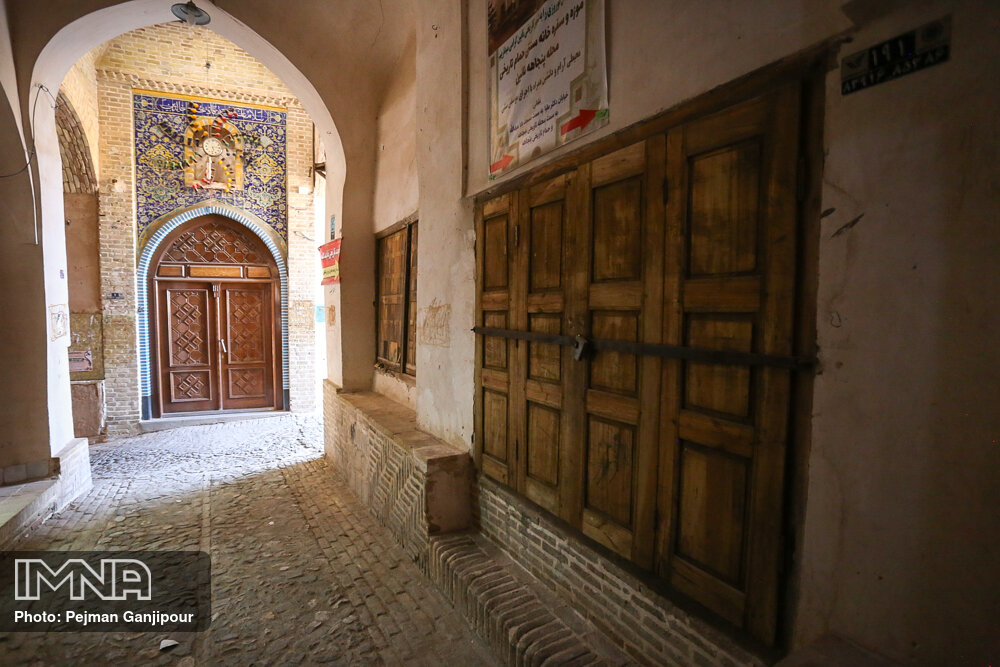
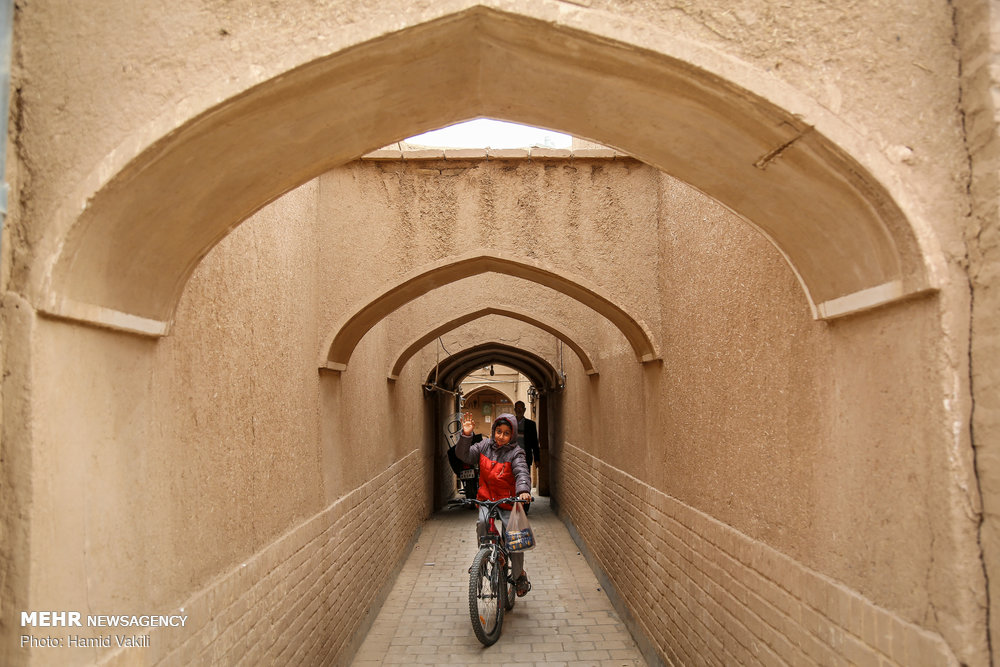
In the past, the historical bazaar of Naein used to be the town’s main thoroughfare and trade centre which crossed the heart of the ancient quarter of Naein.
The entrance to the market was, in fact, one of the ancient gates to the town known as the Chel-Dokhtaran Gate.
The traditional Naein market was expanded in different eras. Its original structure dates back to the Ilkhanate era and the market saw its boom times during the Safavid dynasty.
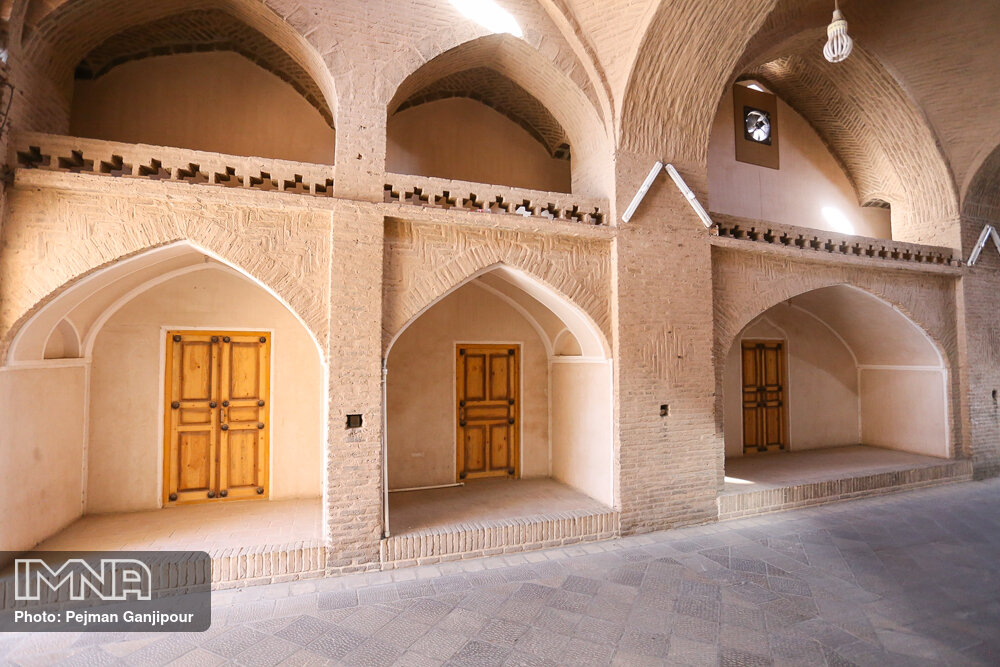
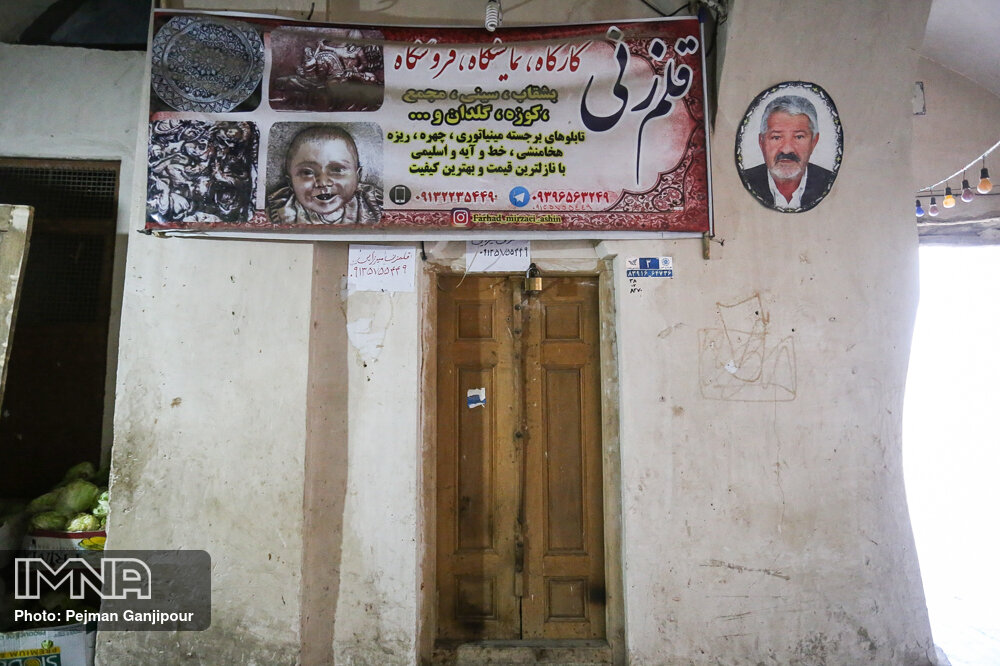
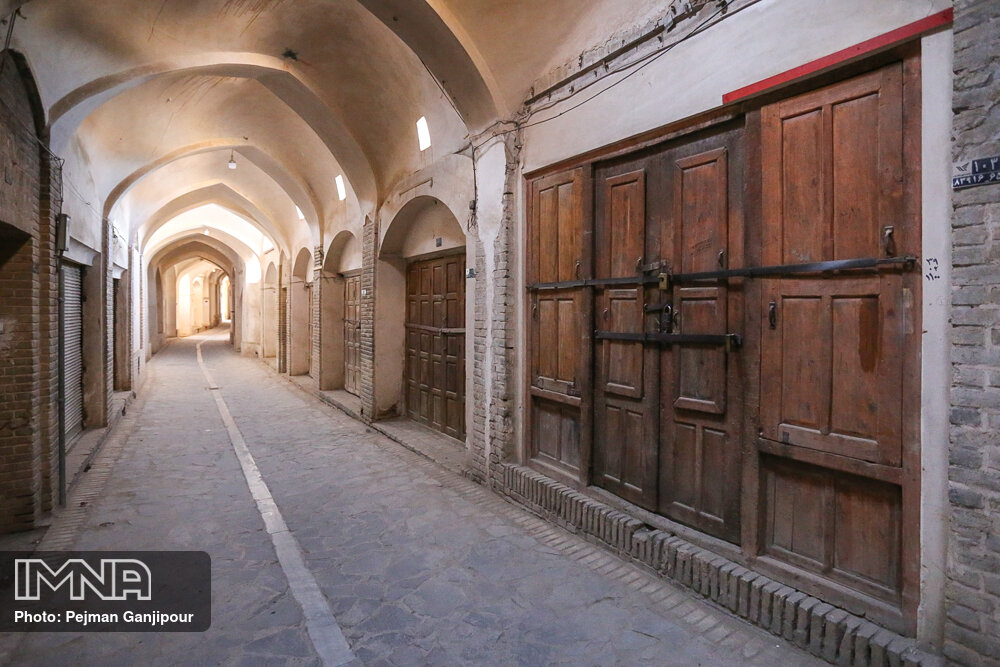
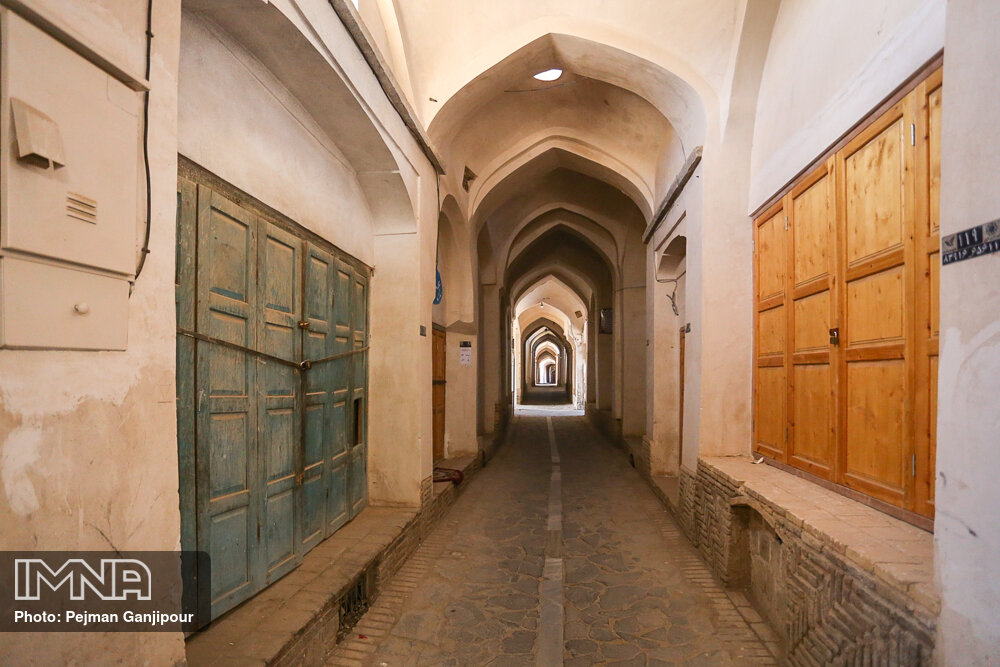
The Naein bazaar is an alley with a wooden dome-shaped roof and round skylights in the middle of each dome. The alley is lined with shops on either side. The shops have wooden doors and two floors (with a basement).
Since old times, Naein has been a major trade and commercial centre. It has also been a resting place for passing caravans which travelled all the way from the east to the west and from the north to the south, and which would rest and barter commodities in this town.
Zavareh Traditional Bazaar
Zavareh is a small town located on the southern fringe of Dasht-e Kavir, a desert in central Iran.
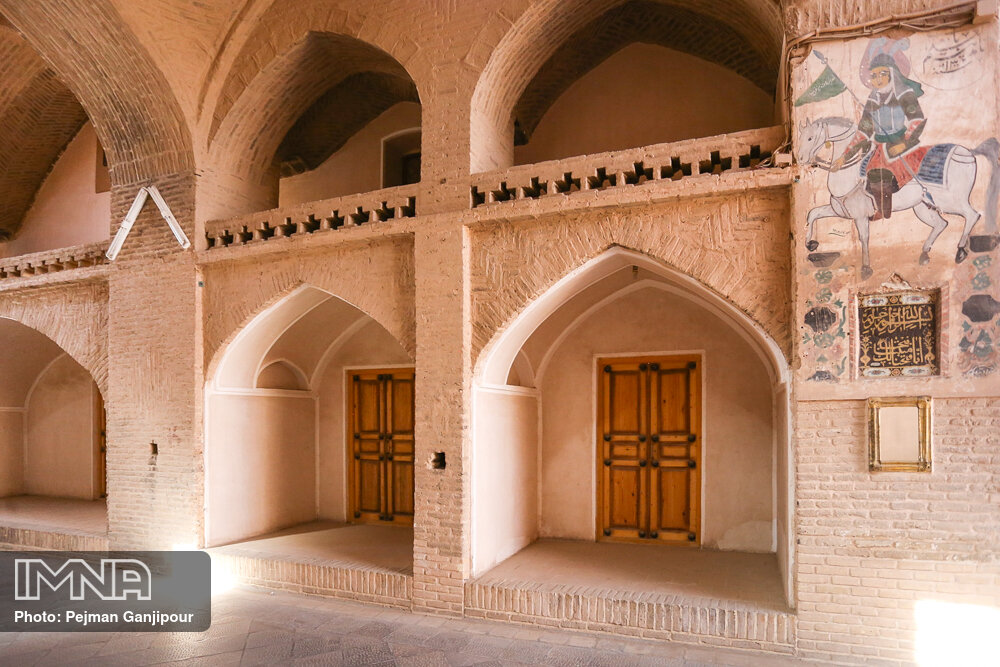
Zavareh lies 12 kilometres from the city of Isfahan, the capital of Isfahan province. Zavareh is one of ancient Iranian cities. It dates back to the pre-Islamic era and boasts historical monuments dating back to the Sassanid era, indicating the town is a historical one. The historical market in Zavareh is roofed, too, and goes back to the Zand dynasty and the early Qajar era.
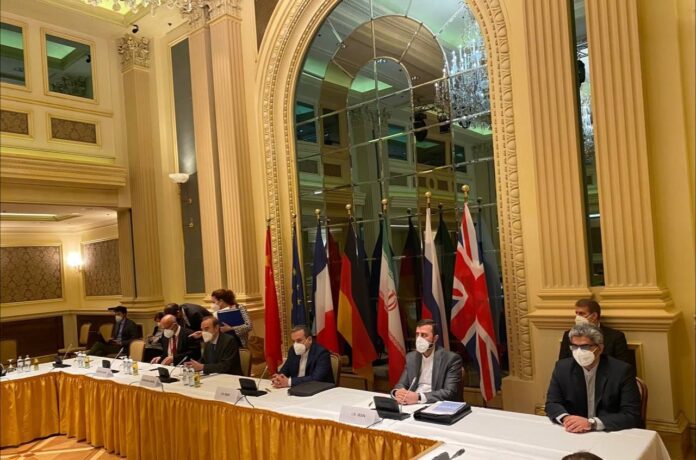
In this meeting, the participants reviewed the latest status of consultations among expert-level working groups in the fields of sanctions removal, nuclear issues, and practical arrangements.
It was decided that the delegations return to their capitals following this meeting, and resume the talks next Friday.
Based on an earlier decision by the Joint Commission on expediting the process of negotiations, the talks were held bilaterally or multilaterally in an intensive way this week, and the parties tried to minimise their disagreements over the drafts.
The participants agreed that in the next round of talks, the process should move forward in a faster and more serious way.
In the past few days, the delegations have held expert meetings as well as bilateral and multilateral talks at different levels in order to review the drafts and declare their positions.
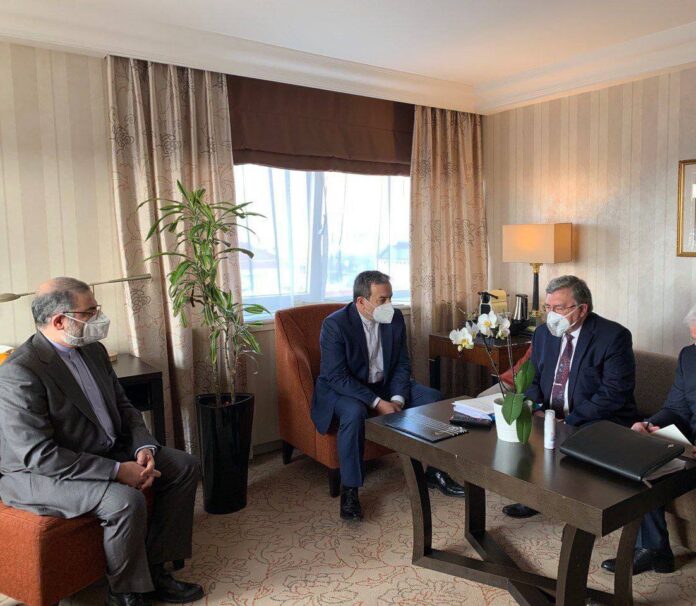
Before the Saturday plenary meeting, the Iranian chief negotiator held separate meetings with Deputy Secretary-General for Political Affairs of the European External Action Service Enrique Mora and Mikhail Ulyanov, the head of the Russian delegation.
The rather lengthy meeting was held on Saturday ahead of a plenary meeting of the Joint Commission of the Joint Comprehensive Plan of Action (JCPOA).
During the discussions between the two top diplomats, both sides once again coordinated their positions and highlighted the need for Tehran and Moscow to maintain their close viewpoints.
In the meeting, the Russian side reiterated Moscow’s support for the JCPOA as well as the necessity of the US lifting its sanctions on Iran.
The JCPOA Joint Commission is to meet in a matter of hours to review the outcome of the discussions of expert groups.