Monday, December 29, 2025
Home Blog Page 2527

Unwarranted Concerns over Nuclear Program ‘Headache’ for Iran: Rouhani

Addressing a ceremony where over 130 Iranian nuclear achievements were unveiled, President Hassan Rouhani said all of Iran’s nuclear activities are peaceful and geared to non-military objectives.

“Our goals have been clear since the outset, and we have used nuclear technology in different sectors in the country, including industry, medicine and power generation,” he said.

He added one of the glorious results of the 2015 nuclear accord, officially known as the Joint Comprehensive Plan of Action (JCPOA) was that it fully legalized nuclear technology in Iran and restored Iranians’ right.

President Rouhani added his administration takes pride in having further developed nuclear technology on all fronts during its tenure.
Elsewhere in his remarks, the president underlined Iran’s compliance with the Nuclear Non-Proliferation Treaty (NPT).

“We have abided by the NPT. [But] what assistance and cooperation have you offered us? The International Atomic Energy Agency (IAEA), the US, Europe and major industrial countries are indebted to us in this regard and should pay this debt,” he said.

He also lashed out at Washington for having used nukes.

“We are still seeing the dangerous effects and consequences of the Untied States’ non-peaceful use of nuclear energy in Japan,” he added.
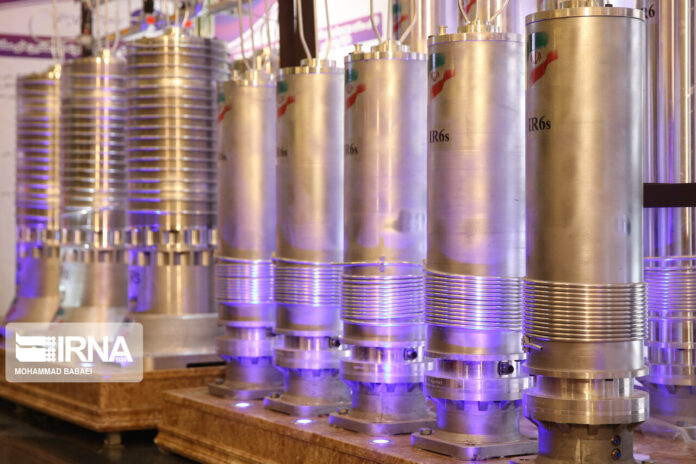
Iran Begins Feeding Gas into Dozens of New IR-5, IR-6 Centrifuges

Mass production of IR-5 and IR-6 centrifuges also began in a Saturday ceremony where 133 nuclear achievements were unveiled by Iranian President Hassan Rouhani, marking National Nuclear Technology Day.

The accomplishments also included projects to design, build and assemble centrifuges as well as several medical, industrial and uranium enrichment projects among others.

Iran’s National Quantum Technologies Centre and National Centre to Separate and Expand Applications of Stable Nuclides also came on stream as part of the nuclear accomplishments.

Rouhani Blames British Variant of COVID-19 for 4th Surge in Cases

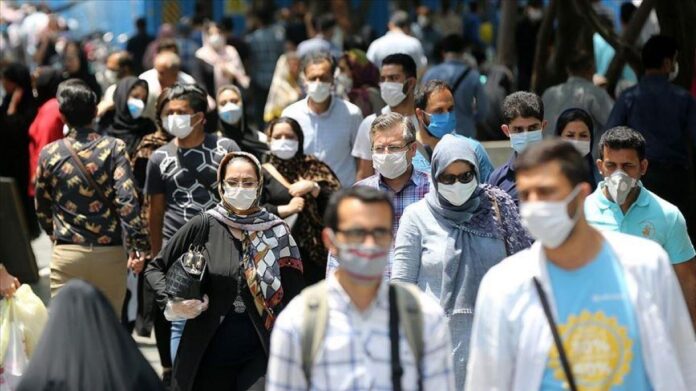
President Hassan Rouhani said Iran had already gone through three waves of the disease, and every effort was made to ward off a fourth surge, but to no avail.

“Despite all attempts made, we are unfortunately facing a fourth peak in the disease in the country, and the key contributor to this situation has been the British strain of COVID-19 getting into Iran from Iraq through Khuzestan and Ilam borders,” he said.

The president said other factors which contributed to the fourth surge include people thronging stores and shopping malls in the run-up to New Year holidays in Iran, visiting relatives at New Year without observing health protocols, and going on trips during holidays without respecting coronavirus protocols and restrictions.

He added it will be very dangerous if infected patients break the quarantine they are in, and any such violation should be dealt with.

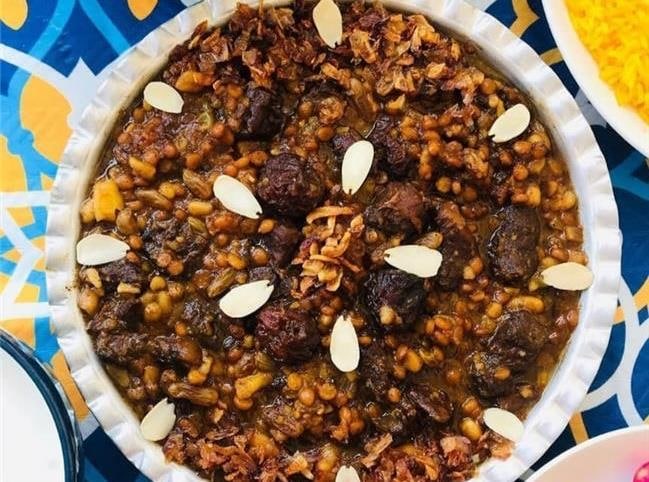
Habashi Stew: A Gourmet Iranian Food

The stew is a local food and served in parties.

It is made with both grape syrup and pomegranate paste, and has an interesting and different taste.

Ingredients:

Meat: 300gr

Lentils: Half a cupful

Fried onions: 3 spoons

Pomegranate paste: Half a cupful

Grape syrup: 3-4 spoons

Almond powder: 1.5 cupfuls

Dried plums: 5 or 6 ones

Prunes: 5 or 6 ones

Green sultanas: 50gr

Salt & pepper: As much as needed

Dried mint: 2 spoons

Garlic: 2 cloves

Butter: 50gr

Brewed saffron: 2 spoons

Stew spice: As much as needed

Habashi Stew: A Gourmet Iranian Food


Stew spice is one of the most commonly used spices in Iran. There is a clear-cut recipe to make stew spice, but locals in different provinces make some changes to the ingredients depending on their taste. Stew spice increases metabolism and helps remove excess fat from the body. In other words, stew spice is a fat-burning additive.

In the south, stew spice is usually made with 24 different items including red pepper, black pepper, fennel, caraway, green cardamom, turmeric, paprika, coriander seeds, ginger, curry powder, nutmeg, cloves, galangal, tarragon, thyme, hogweed, fenugreek, the Damask rose, mint, bay laurel, mustard, dried lime, mango powder.


Recipe for Habashi Stew:

1. Chop the meat and wash it well. Meanwhile, soak the lentils in water. Melt the butter in the dish in which you want to pour the stew, add the meat and fried onions and sauté them all together.

2. Remove the lentils from inside the water, add them to the meat and sauté them. When the water of the meat has evaporated, add the stew spice and mix them with the meat, fried onions and lentils. Take care that the spice is not left on the heat for so long as it will get burnt. So, you should immediately pour water into the casserole till it covers the materials. Now put the casserole lid back on and wait until the meat and lentils are cooked through. Now wash the prunes and dried plums and let them soak for 15 minutes.

3. After the food keeps boiling for three hours, add the pomegranate paste and grape syrup. Clean the sultanas and let them soak for 15 minutes. Afterwards, add almond powder, prunes, dried plums and sultanas to the stew. Now you may also add salt, pepper and saffron to make the stew more delicious.

4. Now that all ingredients are added to the stew, turn down the flame and put the casserole lid back on till the stew is cooked through.

5. Finally, cut the garlic into circular or whatever forms you desire and fry it. Then sauté the mint in oil or butter. Garnish the stew with fried garlic and onions before serving it.


Vienna Talks Constructive, but Rocky Road Ahead: Iran

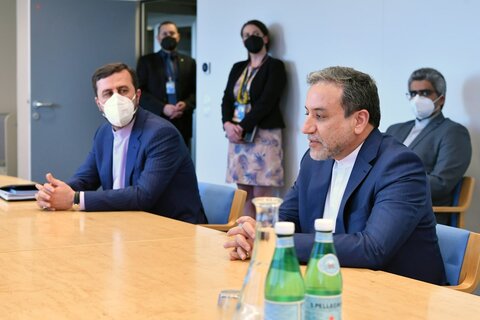
“It was a busy week. Back-to-back consultations were going on between all sides,” said Deputy Foreign Minister for Political Affairs Abbas Araqchi.

“We have separate meetings with the three European countries as well as Russia and China, which helped move forward with the negotiations,” he told the state TV on Friday.

“I can say we are on track, but there is a rocky road ahead,” Araqchi noted.

“It is difficult. It needs work. The United States needs strong willpower to decide to lift its sanctions. We hope it will be fruitful,” he added.

The Iranian official highlighted that talks are being held amid the COVID-19 pandemic.

“These countries have come together for such an important discussion in Vienna at a time when the city is under full lockdown due to the coronavirus, and specific arrangements and health protocols are in place,” he said.

“This indicates the countries’ determination to revive the JCPOA,” he said.

He underlined members of the JCPOA Joint Commission had a positive spirit and were seriously determined to achieve a result during the talks.

“The climate of the negotiations is constructive and positive. We have moved forward somehow, but we cannot say for sure that talks will produce results,” Araqchi said.

“There are many problems in the way, but we have not lost our hope,” he said.

“It was decided that the negotiating teams return to their respective capitals and stay there for a few days for further consultations,” the top diplomat explained.

“We will probably resume talks next week,” he said.

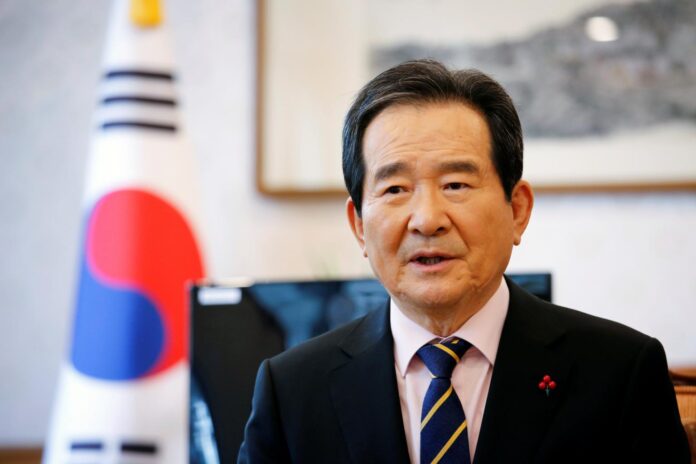
South Korean Prime Minister to Visit Iran on April 11: Spokesman

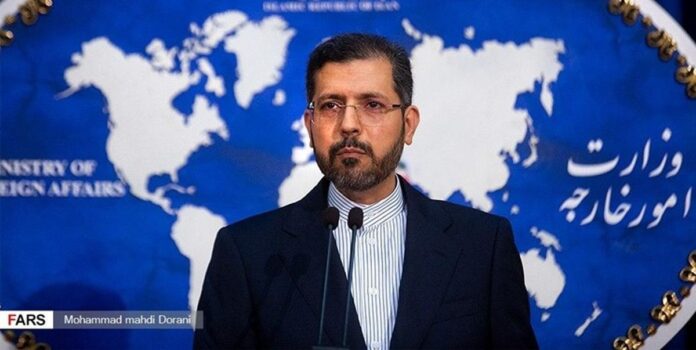
According to Khatibzadeh, the South Korean prime minister will meet with Iranian officials and discuss bilateral issues including the unlawful restrictions imposed against the access of the Central Bank of Iran to its assets in the East Asian country.

“Technical arrangements are being made by the two countries to finalise the details of the visit,” he added.

During his stay in Tehran, the South Korean official will hold talks with Iran’s First Vice-President Es’haq Jahangiri and Parliament Speaker Mohammad-Baqer Qalibaf.

He will also hold a friendly meeting with Ali Larijani, the Supreme Leader’s advisor, considering the history of relations between the two Iranian and Korean officials.

JCPOA Joint Commission Wraps Up Second Round of Talks in Vienna

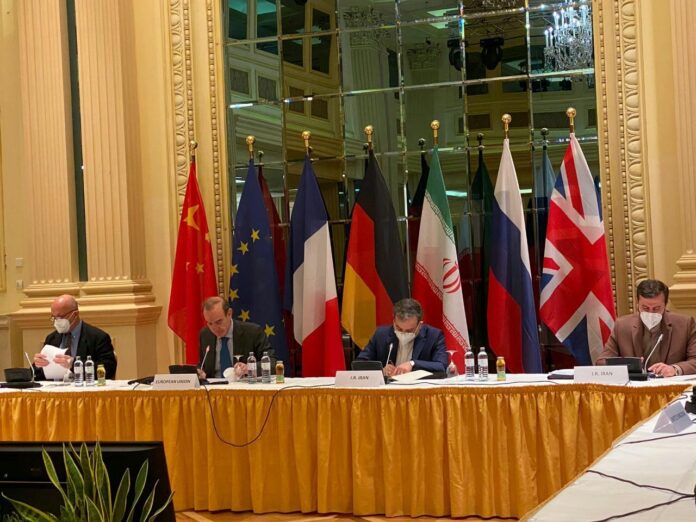
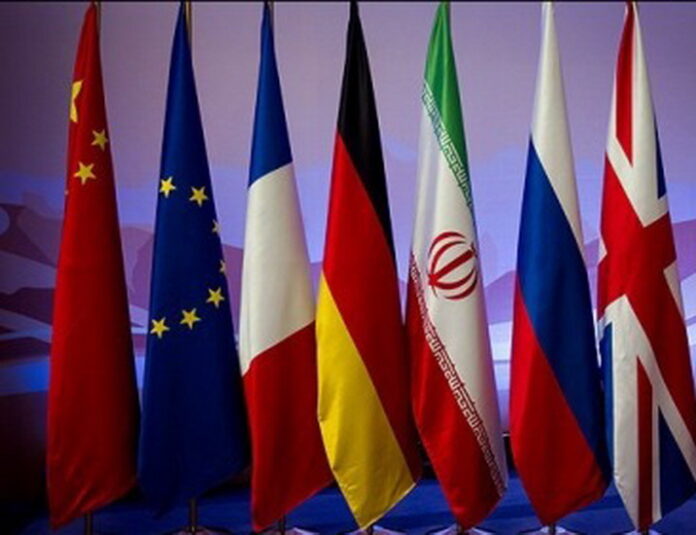
The Joint Commission was chaired, on behalf of EU High Representative Josep Borrell, by the EEAS Political Director Enrique Mora and was attended by representatives of China, France, Germany, Russia, the United Kingdom and Iran.

Participants took stock of the discussions held at various levels since the last Joint Commission in view of a possible return of the US to the JCPOA and discussed modalities to ensure the return to its full and effective implementation. The Joint Commission was briefed on the work of the two expert groups on sanctions lifting and nuclear implementation measures and participants noted the constructive and results oriented exchanges.

In light of the joint ministerial statement of 21 December, the participants emphasised their resolve to further pursue the ongoing joint diplomatic effort. The coordinator will continue his separate contacts with all JCPOA participants and the United States.

The Joint Commission tasked expert groups to continue their work and agreed to reconvene in Vienna in the course of next week.

According to Iran’s Foreign Ministry, the next round of talks will be held in Vienna on Wednesday. First, the meeting will be held at the level of deputies; then expert-level talks will be held to prepare a list of actions that need to be taken on the removal of US sanctions and Iran’s nuclear measures.

During the Friday meeting, Iran’s chief negotiator Seyyed Abbas Araqchi said Iran is resolved to continue serious interactions, but that depends on the other side’s political resolve and seriousness.

“Otherwise, there will be no reason for resuming the talks,” he warned.
He also reiterated that all the sanctions imposed and reinstated against Iran by former US president Donald Trump must be lifted before Iran reverses its remedial nuclear measures.

There Are Signs US Moving Towards Removal of All Sanctions: Iran

Araqchi made the comments on Thursday, one day before the beginning of a second round of talks between members of the Joint Commission of the Joint Comprehensive Plan of Action (JCPOA) in Vienna.

The intensive talks are underway to lift the US unilateral sanctions on Iran and revive the JCPOA, commonly known as the Iran nuclear deal, after the former US president Donald trump almost wrecked it by its withdrawal.

“We are not yet in a position to judge, and negotiations have not yet been concluded,” Araqchi said, adding that there is a long path forward but the talks are constructive.

Araqchi also said on Thursday that the Iranian negotiators are engaged in talks over the removal of sanctions all at once as well as details of which and how the sanctions would be lifted.

“In our view, America has to take its actions in one step, then we’ll verify, and then Iran will follow with its own actions,” he reiterated. “How verification will happen is another point of our discussion.”

Araqchi also denied indirect talks with Washington through the European parties to the JCPOA, saying the talks involve China and Russia in addition to the Europeans.

“We are negotiating here with all of the current members of the JCPOA, namely the three European countries, Russia and China, as well as the European Union, which is the coordinator of the JCPOA, and they, on the other hand, are talking to the Americans and convey the results of the talks,” he said.

Back in May 2019, Iran began to scale down its nuclear compliance under Article 36 of the JCPOA, saying the move was a response to the US withdrawal and the remaining parties’ failure to protect Iran from US sanctions.

Under a law passed by the Iranian Parliament last December, the Iranian administration started to produce and store enriched uranium with a 20-percent purity level, breaking the 3.67-percent enrichment parameter set by the 2015 nuclear agreement.

However, Tehran has repeatedly said its measures will be reversed as soon as Washington removes its illegal sanctions.

“Our 20% enrichment is now moving even faster than the speed envisaged by the Islamic Consultative Assembly (the Iranian Parliament) in its law, and 20% enriched materials are being produced now,” Araqchi said.

He asserted that the process will continue until an agreement on the implementation of the JCPOA is reached, under which the US should remove all of its sanctions.

“As it has been stressed many times, all of the sanctions must be removed in one step,” the top Iranian negotiator added.

JCPOA Joint Commission Kicks Off Second Round of Talks in Vienna

This round of talks is aimed at reviewing the results of expert-level talks held among “sanctions removal” and “nuclear” working groups on Wednesday and Thursday.

The first round of in-person talks between members of the JCPOA Joint Commission was held on Tuesday.

Following the second round, delegations attending the Vienna talks are expected to return to their countries for consultations, and then resume the talks next week.

‘Opponents of Iran-China Cooperation Document Seek to Isolate Tehran’

In his post, Saeed Khatibzadeh described China as economic heavyweight.

“As a major power having an economy with a top global rating, China has signed and is signing comprehensive cooperation agreements as well as major trade contracts with different countries, from the US and Europe to Arab countries in the Persian Gulf region as well as countries in Central Asia, the Middle East and the Far East,” he wrote.

“For Iran, too, strategic relations with China have been of special importance,” he added.

“The enhancement of relations with Iran up to the level of strategic partnership was also a priority for China, which was realized during the Chinese president’s trip to Iran,” he added.
“As a player with a role in international relations, Iran naturally cannot succumb to pressure caused by the United States’ cruel sanctions when delineating its development programs, and seizes every opportunity to promote its policies,” the spokesman noted.

“It goes without saying that the attempts we make on this path are not favourable to those who want Iran to give in or to be isolated; so, they hastily put on their agenda plans to distort [realities] and launch propaganda campaigns against such agreements as the same thing happened with this case (Iran-China cooperation).”

“The Iran-China Cooperation Program is a roadmap for cooperation which can benefit Iran and its people if it enters the practical phase and particularly lead to economic agreements between those working in different sectors,” he said.

“The short video which has been prepared is a glimpse at what is included in the agreement and probably at what is not included therein,” he added.