Monday, December 29, 2025
Home Blog Page 2528

There Are Signs US Moving Towards Removal of All Sanctions: Iran

Araqchi made the comments on Thursday, one day before the beginning of a second round of talks between members of the Joint Commission of the Joint Comprehensive Plan of Action (JCPOA) in Vienna.

The intensive talks are underway to lift the US unilateral sanctions on Iran and revive the JCPOA, commonly known as the Iran nuclear deal, after the former US president Donald trump almost wrecked it by its withdrawal.

“We are not yet in a position to judge, and negotiations have not yet been concluded,” Araqchi said, adding that there is a long path forward but the talks are constructive.

Araqchi also said on Thursday that the Iranian negotiators are engaged in talks over the removal of sanctions all at once as well as details of which and how the sanctions would be lifted.

“In our view, America has to take its actions in one step, then we’ll verify, and then Iran will follow with its own actions,” he reiterated. “How verification will happen is another point of our discussion.”

Araqchi also denied indirect talks with Washington through the European parties to the JCPOA, saying the talks involve China and Russia in addition to the Europeans.

“We are negotiating here with all of the current members of the JCPOA, namely the three European countries, Russia and China, as well as the European Union, which is the coordinator of the JCPOA, and they, on the other hand, are talking to the Americans and convey the results of the talks,” he said.

Back in May 2019, Iran began to scale down its nuclear compliance under Article 36 of the JCPOA, saying the move was a response to the US withdrawal and the remaining parties’ failure to protect Iran from US sanctions.

Under a law passed by the Iranian Parliament last December, the Iranian administration started to produce and store enriched uranium with a 20-percent purity level, breaking the 3.67-percent enrichment parameter set by the 2015 nuclear agreement.

However, Tehran has repeatedly said its measures will be reversed as soon as Washington removes its illegal sanctions.

“Our 20% enrichment is now moving even faster than the speed envisaged by the Islamic Consultative Assembly (the Iranian Parliament) in its law, and 20% enriched materials are being produced now,” Araqchi said.

He asserted that the process will continue until an agreement on the implementation of the JCPOA is reached, under which the US should remove all of its sanctions.

“As it has been stressed many times, all of the sanctions must be removed in one step,” the top Iranian negotiator added.
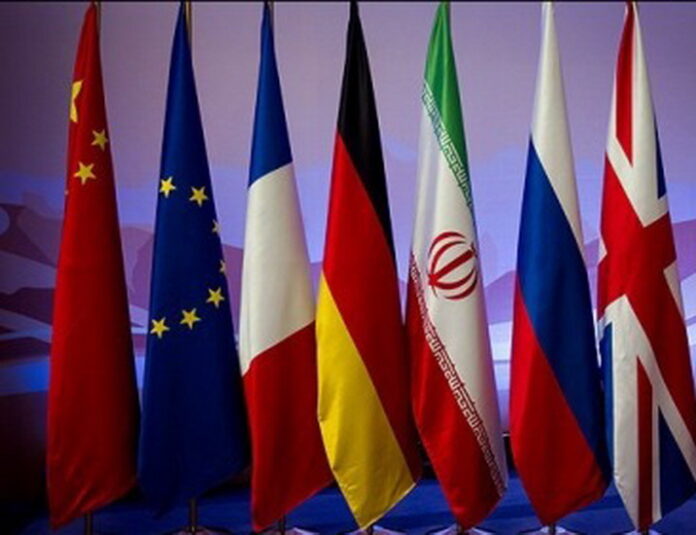
JCPOA Joint Commission Kicks Off Second Round of Talks in Vienna

This round of talks is aimed at reviewing the results of expert-level talks held among “sanctions removal” and “nuclear” working groups on Wednesday and Thursday.

The first round of in-person talks between members of the JCPOA Joint Commission was held on Tuesday.

Following the second round, delegations attending the Vienna talks are expected to return to their countries for consultations, and then resume the talks next week.

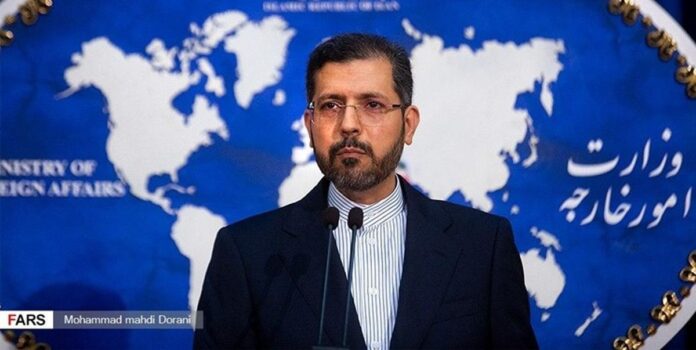
‘Opponents of Iran-China Cooperation Document Seek to Isolate Tehran’

In his post, Saeed Khatibzadeh described China as economic heavyweight.

“As a major power having an economy with a top global rating, China has signed and is signing comprehensive cooperation agreements as well as major trade contracts with different countries, from the US and Europe to Arab countries in the Persian Gulf region as well as countries in Central Asia, the Middle East and the Far East,” he wrote.

“For Iran, too, strategic relations with China have been of special importance,” he added.

“The enhancement of relations with Iran up to the level of strategic partnership was also a priority for China, which was realized during the Chinese president’s trip to Iran,” he added.
“As a player with a role in international relations, Iran naturally cannot succumb to pressure caused by the United States’ cruel sanctions when delineating its development programs, and seizes every opportunity to promote its policies,” the spokesman noted.

“It goes without saying that the attempts we make on this path are not favourable to those who want Iran to give in or to be isolated; so, they hastily put on their agenda plans to distort [realities] and launch propaganda campaigns against such agreements as the same thing happened with this case (Iran-China cooperation).”

“The Iran-China Cooperation Program is a roadmap for cooperation which can benefit Iran and its people if it enters the practical phase and particularly lead to economic agreements between those working in different sectors,” he said.

“The short video which has been prepared is a glimpse at what is included in the agreement and probably at what is not included therein,” he added.

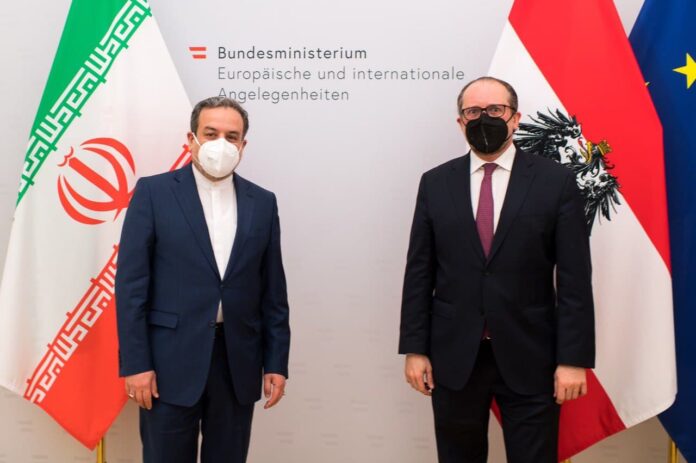
Iranian Diplomat, Austrian FM Meet in Vienna ahead of Friday Nuclear Talks

In the Wednesday meeting, the two sides called for the enhancement of mutual relations in different areas. They also discussed issues of mutual interest.

They further exchanged views on the latest status of talks by members of the JCPOA Joint Commission in Vienna.

Accordingly, Araqchi expressed gratitude to the Austrian government for its efforts and hospitality as it is hosting the negotiations by the JCPOA commission.

Araqchi also elaborated on Iran’s position on the talks and the need for the lifting of all sanctions and the practical steps that the US government should take to return to the JCPOA.

Schallenberg, in turn, said his country is ready to offer any necessary facilities and make any attempt to create the right atmosphere for the talks in Vienna.

He emphasized that the JCPOA and its survival is “in the interest of all of us.”
Also present at the meeting were the Austrian deputy foreign minister and the Iranian embassy to Austria.

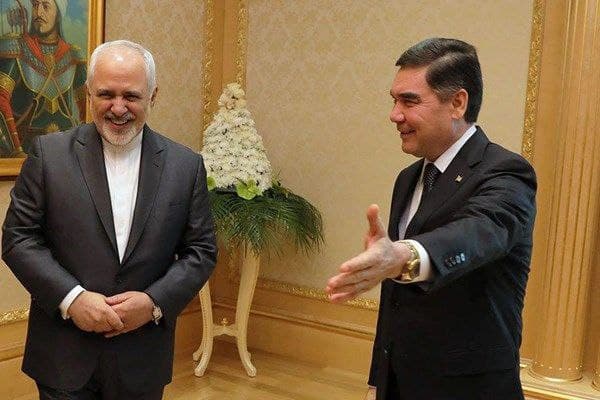
Iran, Turkmenistan Discuss Closer Cooperation on All Fronts

In the Thursday meeting, Zarif elaborated on variouis dimensions of Iran-Turkmenistan ties in different political, economic and cultural areas, and highlighted the importance of reciprocal relations between the two countries.

The Turkmen president, for his part, praised Tehran-Ashgabat relations in political, economic and cultural areas, saying his country is determined to forge closer cooperation with Iran.

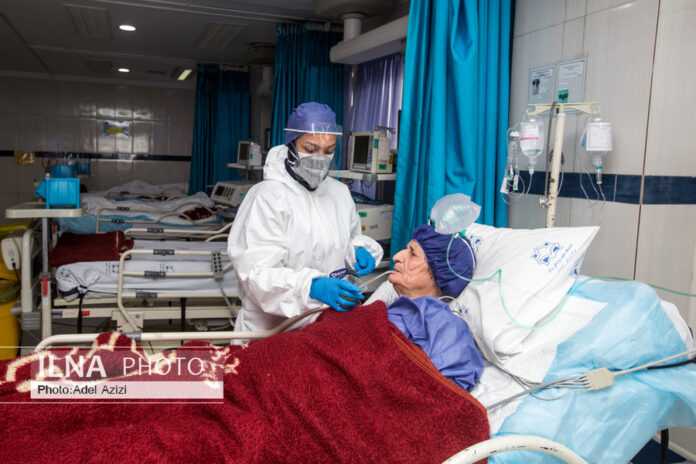
Iran’s COVID-19 Cases Hit 2 Million as Daily Rise Breaks All-Time Record

In a press briefing on Thursday, Sima-Sadat Lari said the new cases identified in the past 24 hours increase the total number of cases to 2,006,934.

She further confirmed 185 new deaths caused by the novel coronavirus in the past 24 hours, increasing the overall death toll to 63,884.

So far, Lari added, 1,684,570 patients have recovered from the disease or been discharged from the hospital.

Lari said 4,221 patients are also in critical conditions caused by more severe infection.
The spokeswoman noted that 13,412,327 COVID-19 tests have been taken across the country so far.

She said currently 257 cities including Tehran are in the “red” zone, 129 cities are in the “orange” zone, 51 are in the “yellow” zone, and 11 are in the “blue” zone in terms of coronavirus outbreak.

Iran, Malaysia Discuss Bilateral Ties, Regional Issues in Tehran

In the meeting, Mohajer touched upon the age-old relations between the two countries, and announced Iran’s readiness to forge closer relations with Malaysia on all fronts, calling for measures to facilitate mutual economic and trade ties.

He then referred to the successful presence of Iranian, including businessmen as well as educated people and elite, in Malaysia, and underlined the need to settle their problems, including problems with rendering banking and financial services as well as consular problems.
Mohajer further called for finalizing judicial documents between the two countries.

The Malaysian official who is in Iran as part of his regional tour, said for his part he was pleased to have visited Iran.

He said his visit is aimed at boosting mutual relations, expressing hope that with the removal of obstacles, including the COVID-19 pandemic, relations between the two countries will further expand in different areas, especially in economic and trade domains as well as visits to both countries by Iranian and Malaysian officials.

Dato’ Kamarudin Jaffar also met with officials from the Iranian ministries of industry, mine and trade, and health and medical education, and discussed with them mutual trade and health ties.
His regional tour had earlier taken him to Turkey and Qatar.

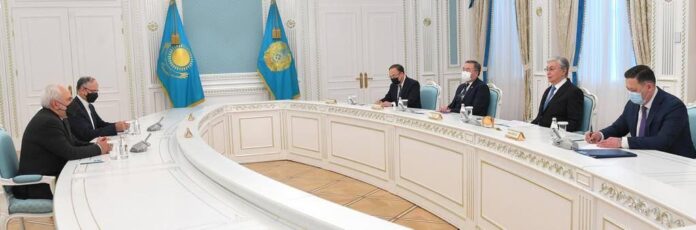
Kazakh President Urges Closer Cooperation with Iran

In the Wednesday meeting, the top Iranian diplomat described Kazakhstan as a friendly and neighbouring country.

Zarif also described as important the common grounds that the two countries have on regional and international issues.

He also underlined it is significant to find stable ways for cooperation in order to maintain and enhance bilateral relations.

Tokayev, in turn, underscored the common history between the two countries as well as the importance of boosting cooperation with Iran.
He referred to Iran as a key partner in the region, and stressed the need to promote all-out cooperation in economic and political areas.

Also on the agenda of the talks were developments pertaining to the 2015 nuclear deal between Iran and world powers, the peace process in Afghanistan, the trend of Astana talks and the Conference on Interaction and Confidence-Building Measures in Asia (CICA).

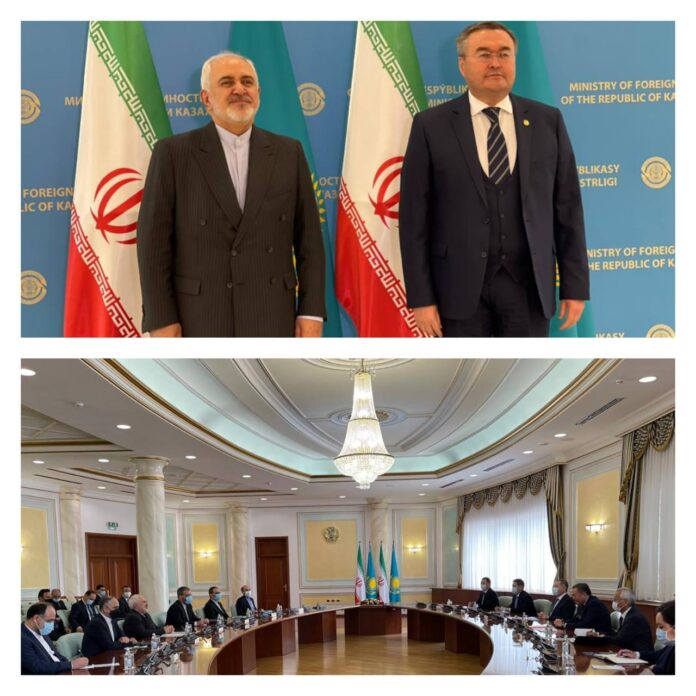
Iranian, Kazakh Foreign Ministers Meet in Nur-Sultan

In the Wednesday meeting, the Iranian foreign minister offered congratulations on Nowruz, and described it as a factor that links the people of region together.

He expressed pleasure with the beginning of the joint production of the Russian coronavirus vaccines Sputnik-V in Kazakhstan, and expressed satisfaction with the two countries’ cooperation in different political and economic fields.

He also underlined the increased grounds of cooperation in the fields of transportation and transit as well as Kazakhstan’s presence in Chabahar and Incheh Borun.

Zarif described as positive the regional collaborations and coordination between the two countries at international organisations, and appreciated Kazakhstan’s influential and historical role in Almaty nuclear talks as well as the Astana Process on the Syria crisis.

The Kazakh Foreign Minister, in turn, expressed satisfaction with continued cooperation between the two countries in different fields, and said Nur-Sultan is particularly interested in cooperation with Tehran in the fields of free trade zones, joint investments, and transit and transportation routes.
He also underlined the significance of implementing the agreements of Iran-Kazakhstan Joint Cooperation Commission as well as scientific-research cooperation on historical documents.

The latest JCPOA developments, issues related the Caspian Sea, the peace process in Afghanistan, the Astana Process, regional collaborations in Central Asia and CICA were among other issues discussed by the two sides.

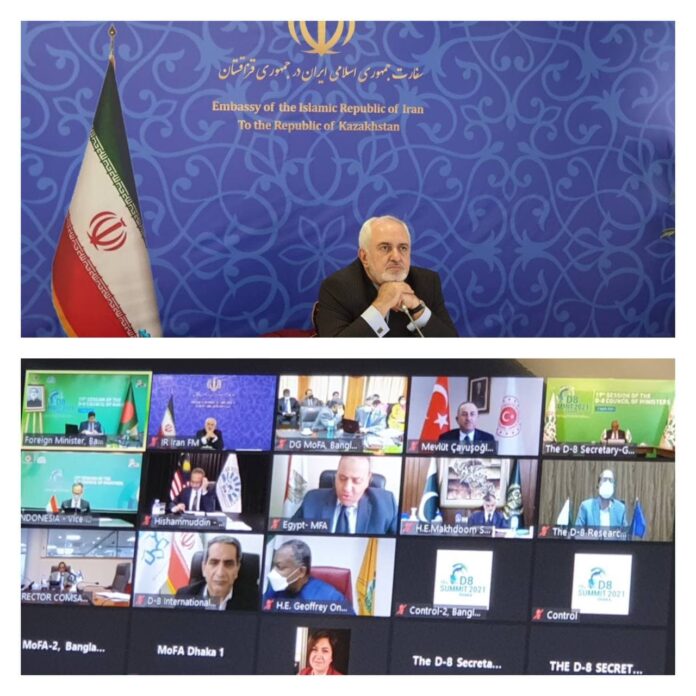
Iran FM Calls for Closer Economic Cooperation among D-8 Countries

In his Wednesday speech, the Iranian foreign minister referred to the unprecedented challenge of COVID-19 pandemic and its destructive impacts on the economies of D-8 member states, and said the pandemic has taught us some valuable lessons.

“We learned that how a health crisis can easily lead to an economic crisis, a humanitarian crisis, an education crisis, a food security crisis, an inequality crisis (to name a few), leaving a disproportionate toll on developing and least developed countries,” he noted.

Zarif also pointed to the US cruel sanctions against the Iranian nation amid the coronavirus outbreak and said another positive lesson we learned from the time of pandemic was “how a global crisis can unleash the blessings of solidarity among nations” and how countries can enhance their cooperation at a time of crisis.

In another part of his speech, the Iranian foreign minister said facilitation and expansion of trade, promotion of transport links, reinforcement of tourism, and tapping into the technological and human capitals, especially those of the youth, are priorities for cooperation among the D-8 member states.

He also expressed Tehran’s preparedness for serious cooperation in these fields.

The meeting of the Council of Ministers of the D-8, chaired by the foreign minister of Bangladesh and attended by the foreign ministers of Egypt, Indonesia, Iran, Malaysia, Nigeria, Pakistan, and Turkey, was held ahead of the 10th Leaders’ Summit of the D-8 Organization.

The Leaders’ Summit, which is to be held virtually on Thursday, April 8, 2021, will be attended by Iranian President Hassan Rouhani, and chaired by the prime minister of Bangladesh.