Exhibition of Ancient Persian Artefacts Opens in London Museum
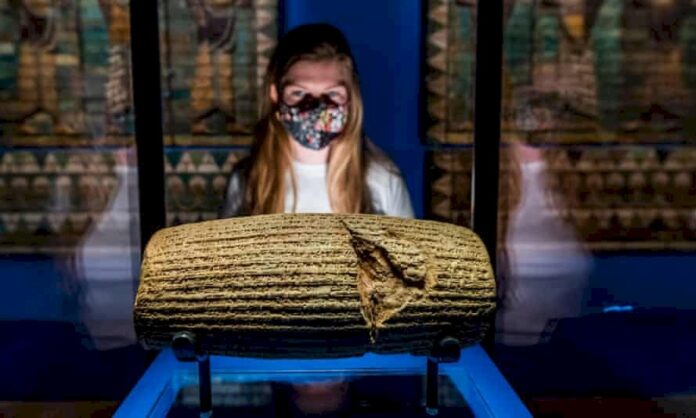
The exhibit, which opened on May 26, 2021, displays antiquities from ancient statues to cotemporary pictures as well as manuscripts, pottery, carpets and textiles.
The items on show include objects associated with Iranian arts, culture and history belonging to the Islamic and contemporary eras of Iran.
The Victoria and Albert Museum of London is one of the leading and most important arts and design museums and the world’s largest exhibition of sculpture and design arts.
The museum was established in 1852, named after Queen Victoria and her husband Prince Albert.
Since the very beginning, the museum showed an interest in collecting items belonging to Iran, so much so that it has one of the most significant collections of Iranian artifacts from middle and modern eras.
It is said that holding such a large exhibition has been unprecedented in Britain in the past nine decades.
The exhibit marries studies on Ancient Iran and Islamic Iran, which had been reviewed separately until before the exhibition was set up. Now the studies are brought together and displayed next to a rich contemporary culture and arts section. The event makes it possible to view artistic achievements of different millennia as a single whole.
The exhibition is composed of ten sections.
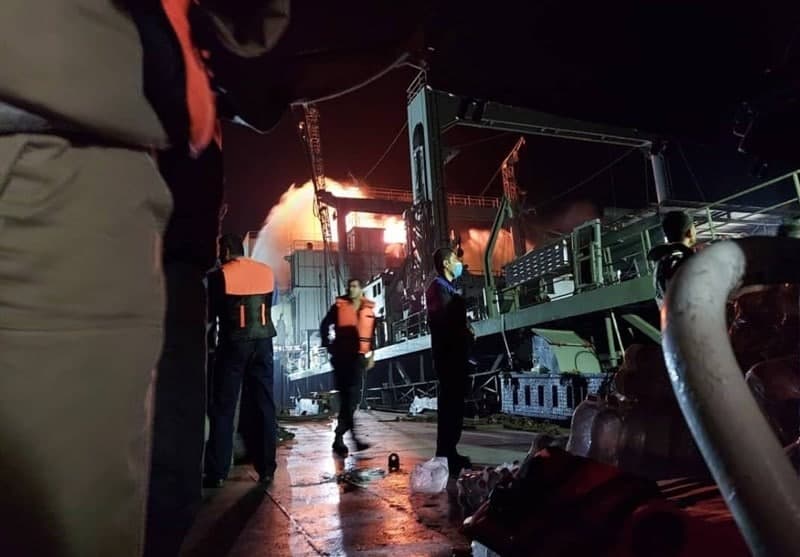
Iran’s Biggest Navy Ship Kharg Catches Fire, Sinks in Sea of Oman
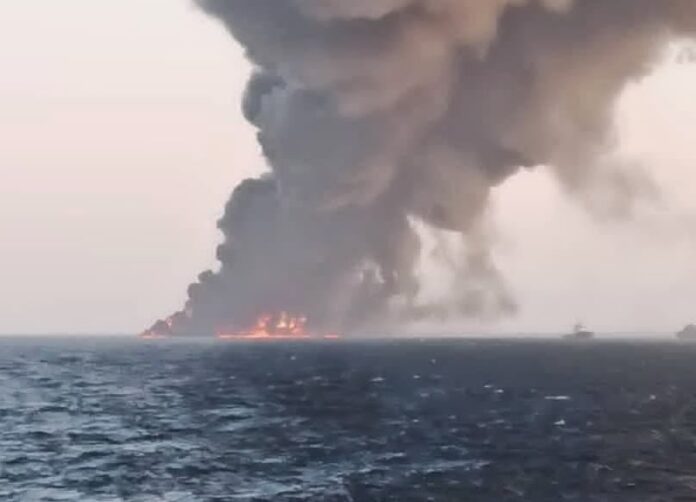
According to the Iranian Navy, efforts failed to save the support ship Kharg, which caught fire around 2:25 a.m.
The firefighters tried to contain it, but their efforts failed and the vessel sank near the Iranian port of Jask near the Strait of Hormuz — the narrow mouth of the Persian Gulf.
Photos circulated on Iranian social media of sailors wearing life jackets evacuating the vessel as a fire burned behind them.

Iran’s state TV referred to the Kharg as a “training ship.”
The Kharg was one of a few vessels in the Iranian navy capable of providing replenishment at sea for its other ships. It also can lift heavy cargo and serve as a launch point for helicopters. The ship, built in Britain and launched in 1977, entered the Iranian navy in 1984 after lengthy negotiations that followed Iran’s 1979 Islamic Revolution.
The cause of the fire aboard the Kharg is not yet clear.
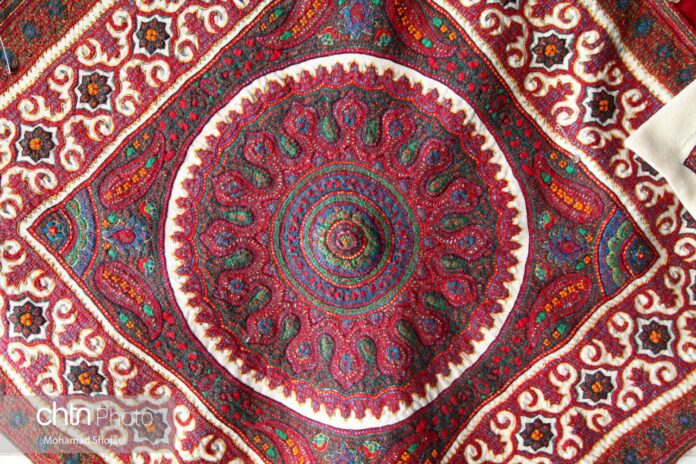
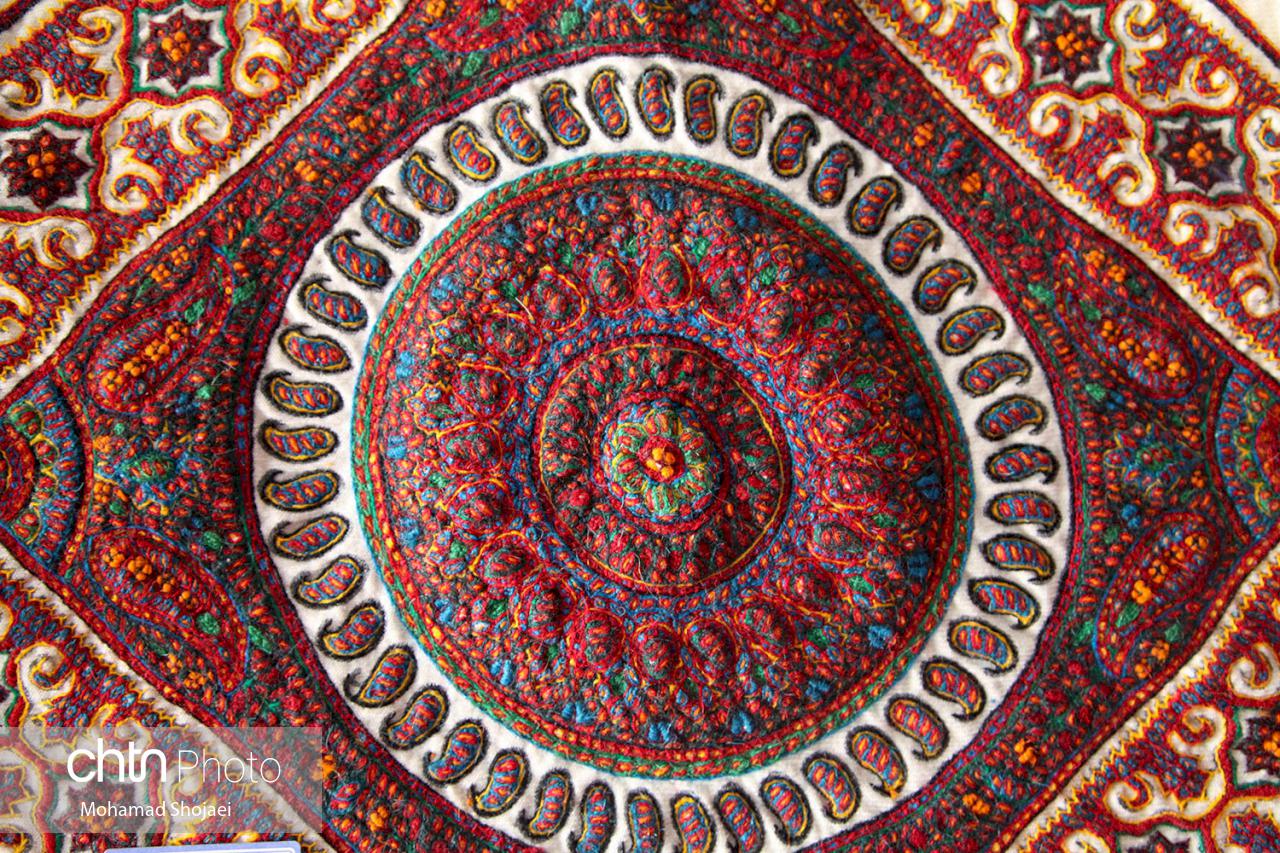
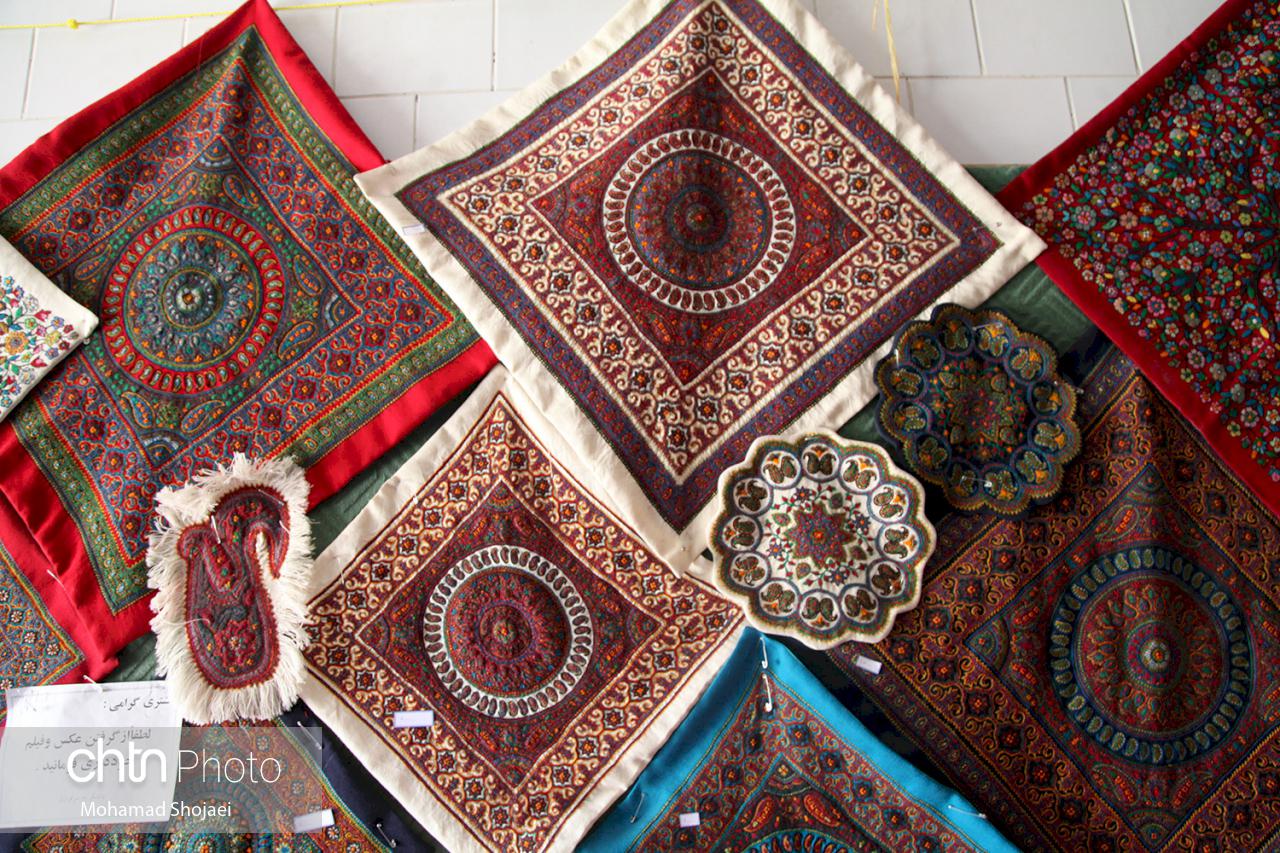
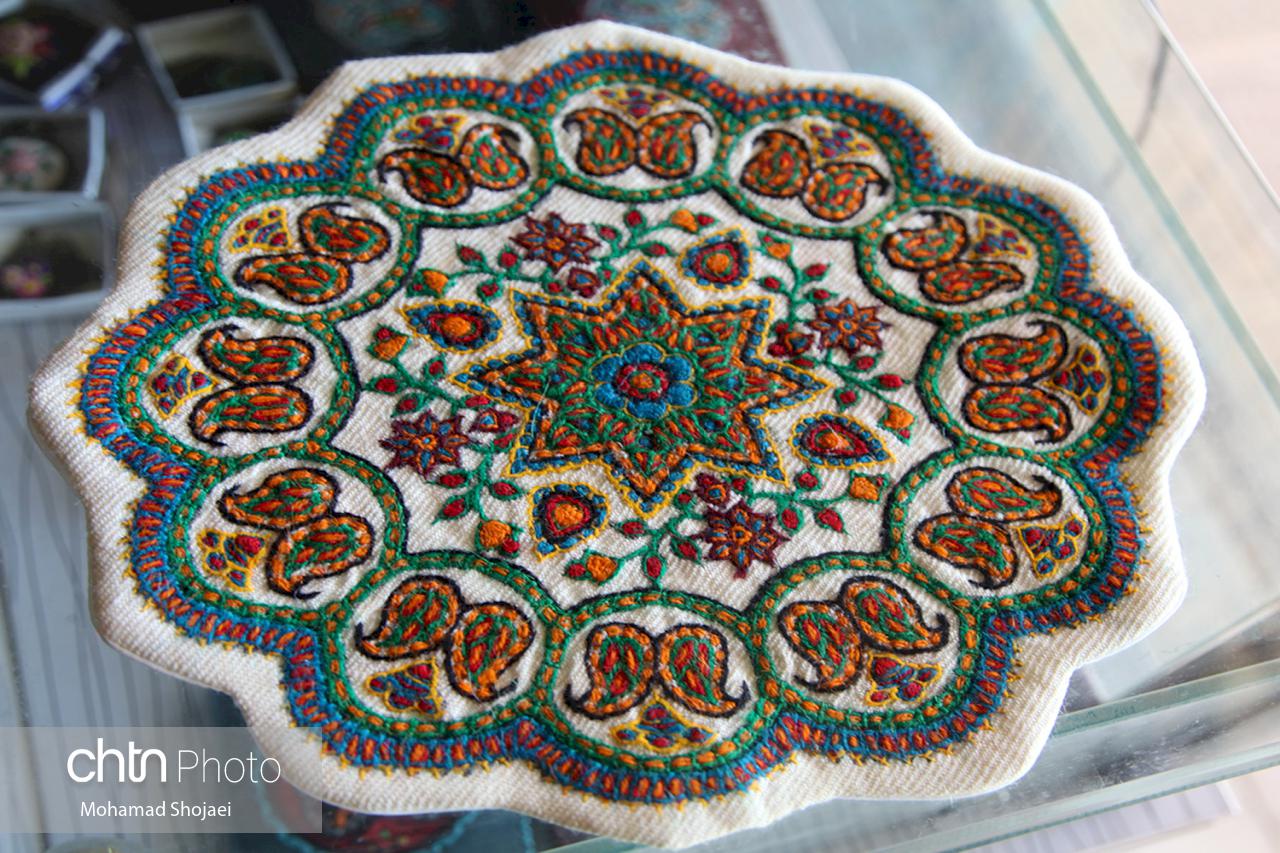
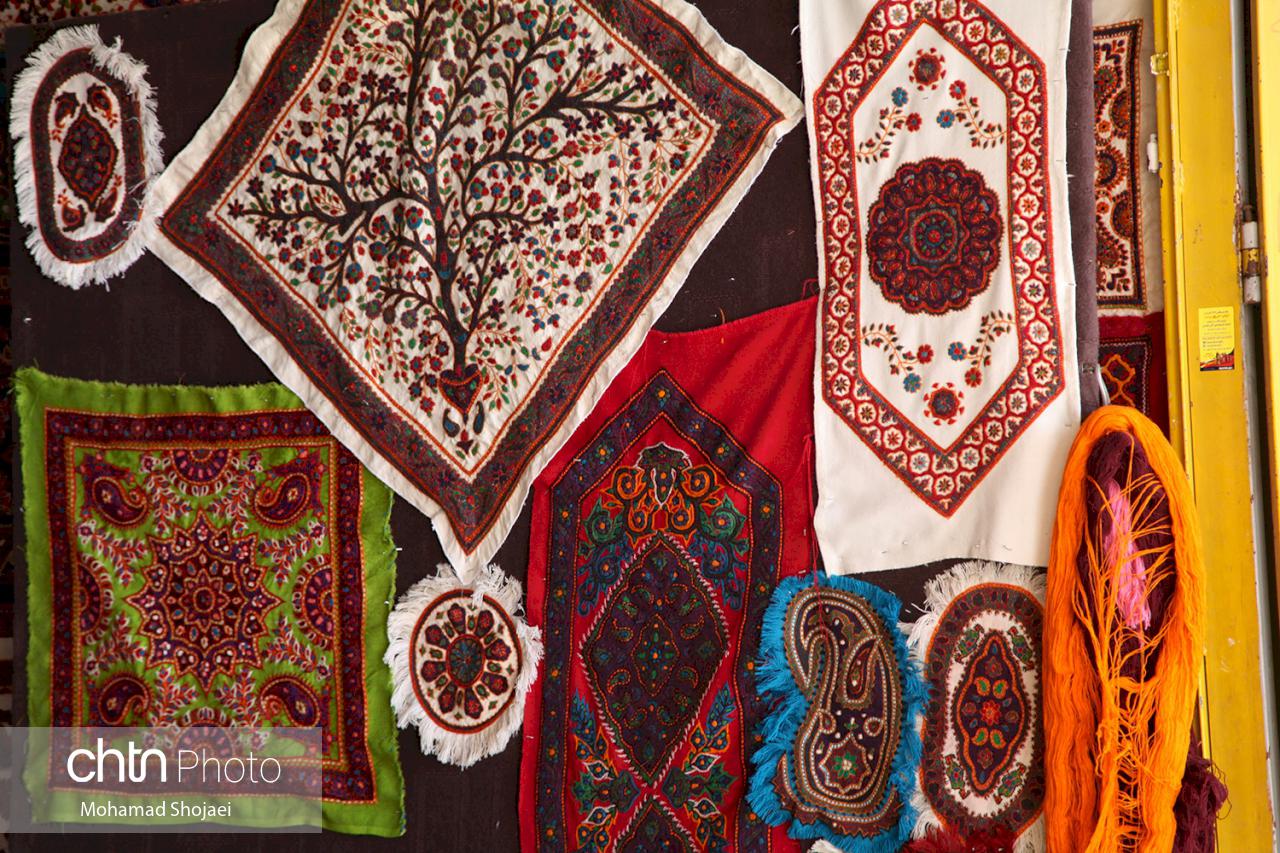
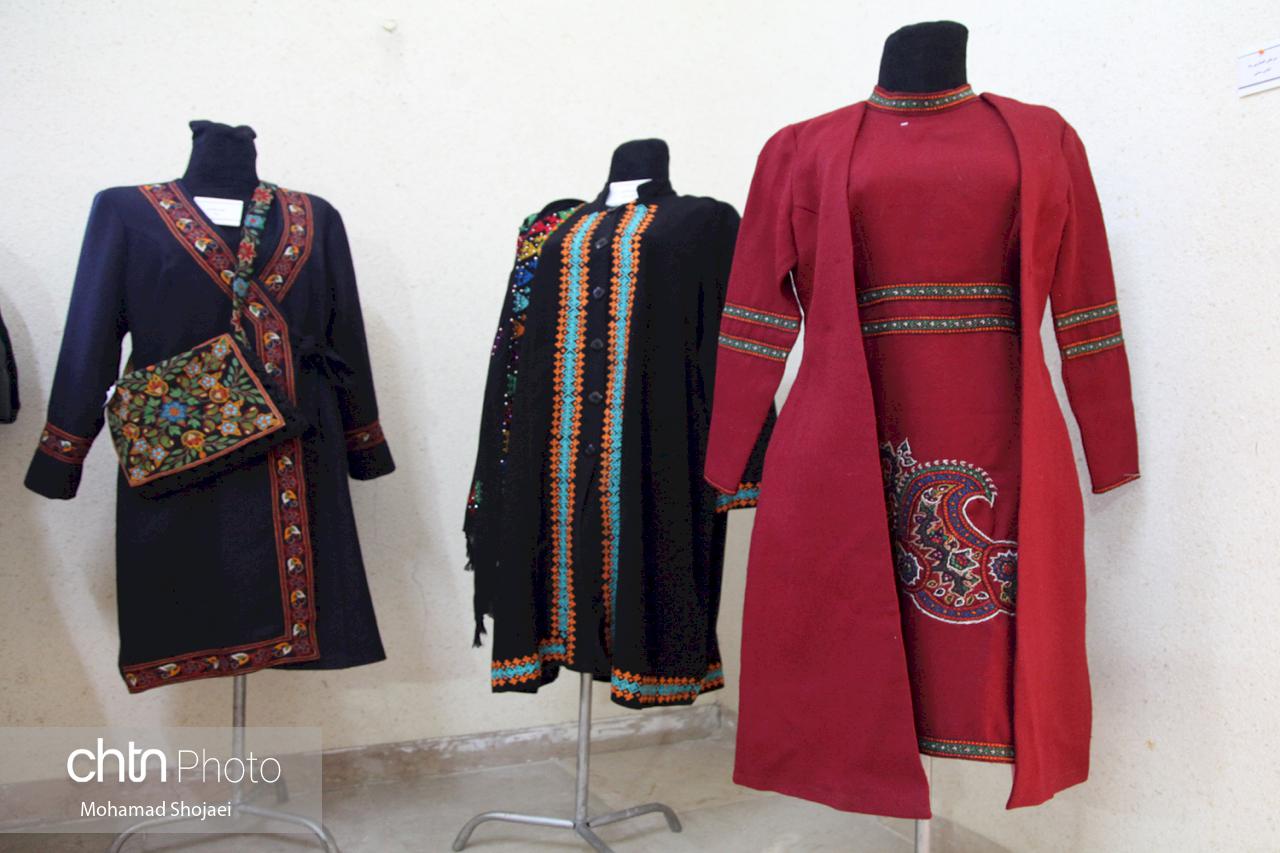
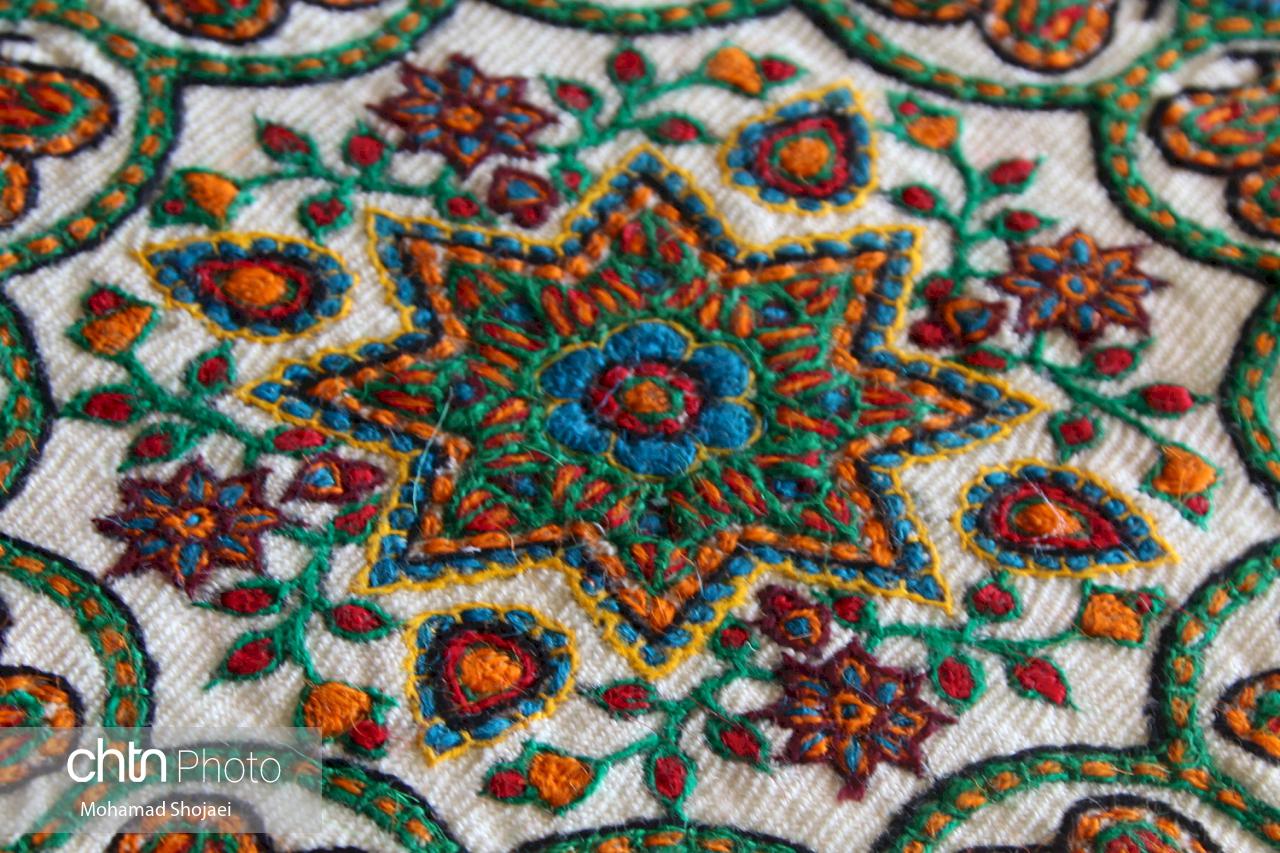
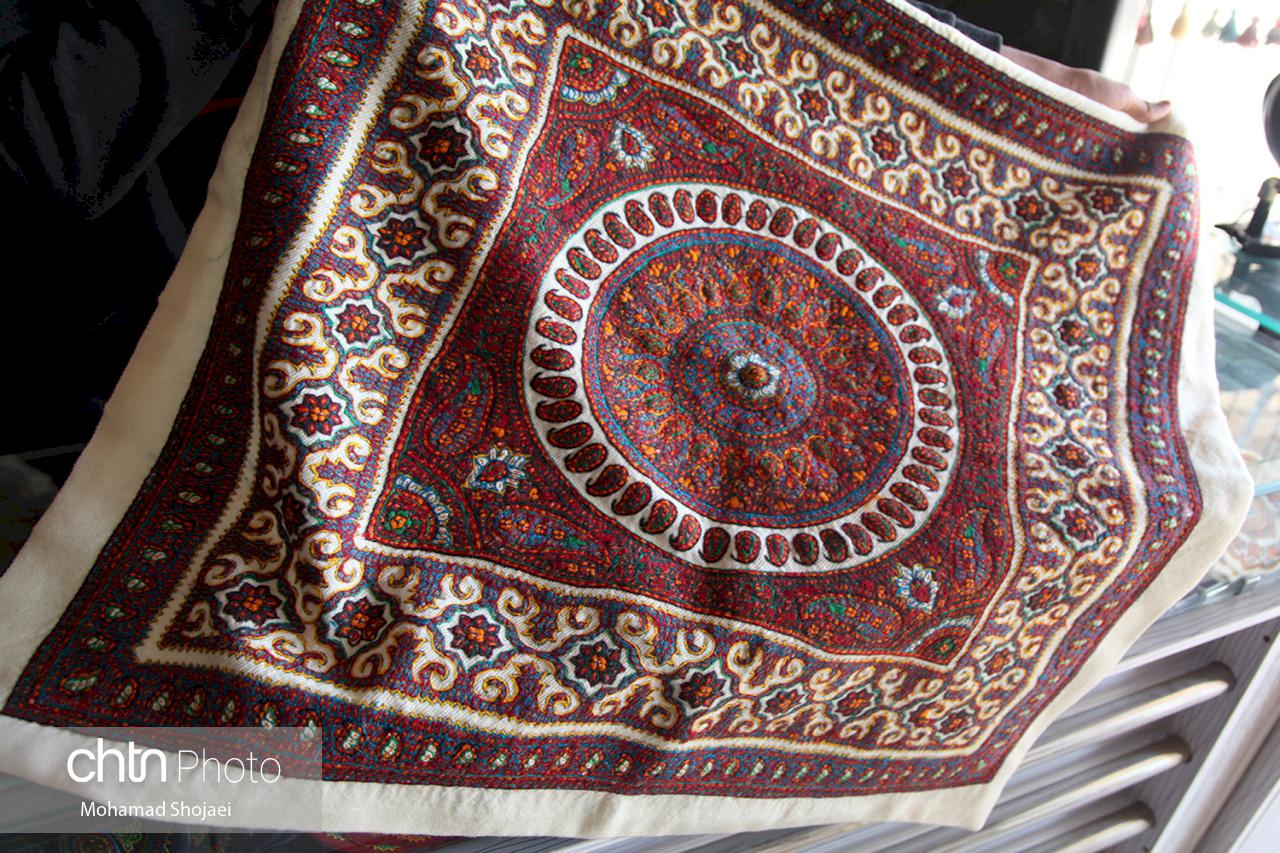
Pateh-Sewing: A Traditional Iranian Handicraft
This art is a form of traditional needlework done on a piece of cloth, part or all of which is covered with colourful stiches and strings.
Read more:
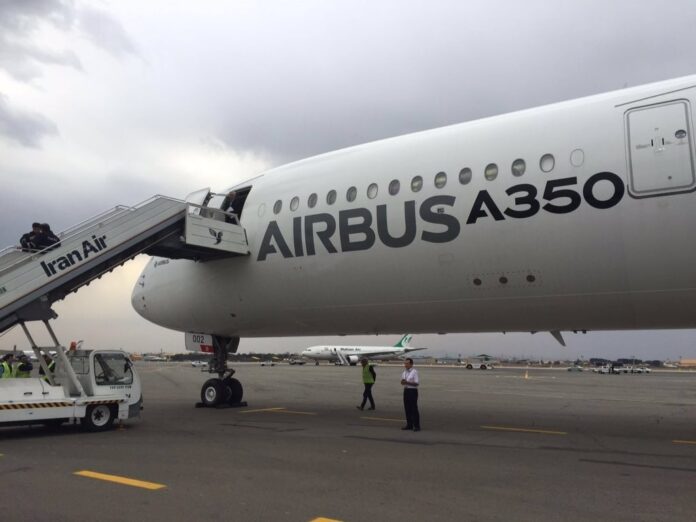
Iran Says Deals with Airbus, ATR to Be Revived If Vienna Talks Bear Fruit
Mohammad-Hassan Zibakhsh said on Tuesday Iran may also hold talks with the American plane manufacturer Boeing if the need arises.
However, he added, that is contingent upon the deal which is being reached in Vienna.
“We hope that would bear fruit,” he added.
Last month, Iran’s transportation minister Mohammad Eslami said both Airbus and Boeing have started works to return to contracts they signed with the country several years ago and before the United States imposed its sanctions on Tehran.
Eslami said Airbus and Boeing have been waiting for the results of ongoing talks in Austrian capital Vienna on Iran’s nuclear deal as they seek to resume their contractual obligations regarding Iran.
“The plane-manufacturing companies are returning from the previous path and beginning to implement the terms of the contracts,” Eslami said.
Iran had placed orders for purchases of 200 brand new planes from Airbus and Boeing after it signed a nuclear deal with global powers in 2015.
However, the plane contracts came to halt in 2018 after the US Treasury banned the two planemakers from supplying the jets to Iran.
Iran took delivery of only three Airbus planes and 13 short-haul airliners from French jet maker ATR in August 2018 just before the US sanctions were enacted.
Iranian airlines have relied on overhauls and chartered jets to perform their flights over the past years.
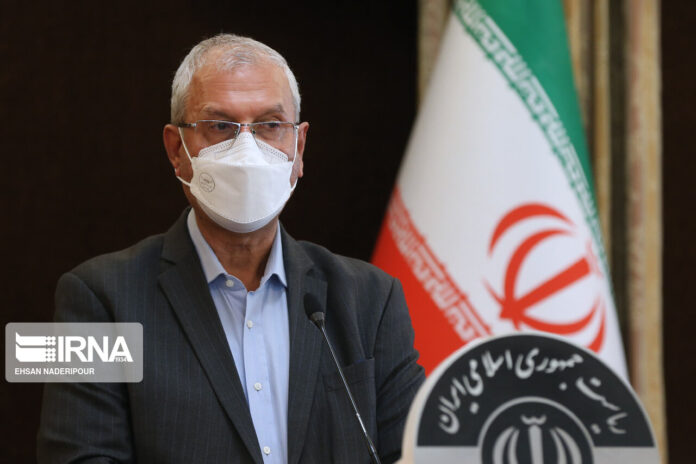
Vienna Talks Have Nothing to Do with Iran’s Presidential Elections: Spokesman
Ali Rabiei, however, expressed hope the 2015 nuclear deal, officially known as the Joint Comprehensive Plan of Action (JCPOA), which is a key subject of the talks in Vienna, will be revived by the end of the tenure of incumbent Iranian President Hassan Rouhani’s administration.
“There are no major obstacles to the revival of the JCPOA. It is natural that some events have happened due to the complexities caused by the Trump-era sanctions as well as the progress we have made,” he said.
“With the willpower which exists in capitals, this issue will be resolved, too,” he added.
He also expressed hope sanctions will soon be lifted. He made it clear that Iran is in no rush in the talks, but at the same time wouldn’t like to see the negotiations drag on.
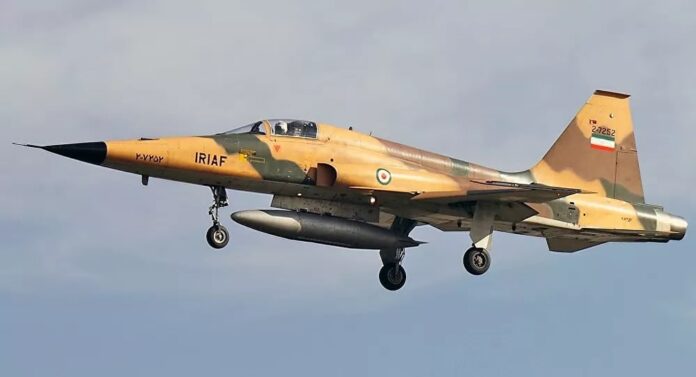
Technical Failure at F-5 Jet Fighter Leads to Deaths of Two Iranian Pilots
The pilots of two-seater jet were killed as a result of the abnormal activation of the ejection seats, according to the IRIB news agency.
The incident took place on Tuesday morning at the Dezful air force base in the southwestern province of Khuzestan.
In 2018, another F-5 fighter jet had crashed in southern Iran, killing its pilot. The co-pilot managed to survive. The cause of the incident wasn’t revealed.
Iran bought its F-5 fighters from the United States before the 1979 Islamic Revolution.
The Northrop F-5 is a family of supersonic fighter jets, initially designed in the late 1950s by Northrop Corporation. In some countries, it remains in service to support training exercises.
Earlier this month, a Swiss Air Force F-5 jet crashed in the central canton of Obwalden. The pilot of the F-5 Tiger successfully ejected from the cockpit and survived the crash.
Remains of 12,000-Year-Old Infant Discovered in Hotu Cave in Northern Iran
The director general of Cultural Heritage, Tourism and Handicrafts Department of Mazandaran Province said the exploration team, led by Hassan Fazeli Nashli, found the skeleton of a child while scanning the lower layers of the Hotu cave. Seifollah Farzaneh said the child is buried in a sitting position and has a necklace of wolf teeth around her neck, which is the first archaeological discovery with such adornments.
“The discovered skeleton belongs to a six to eight-months-old infant and dates back to the epipaleolithic period, which goes back more than 12,000 years,” Farzaneh said.
“Based on the report by the head of the archaeological team all main parts of the infant’s skull are painted red with ocher and a necklace seems to be wrapped around its neck twice. Three teeth belonging to a predator, probably a wolf, are also discovered among the neck vertebrae, which in terms of precedence in Iran, are among the oldest archaeological finds on hunter gatherers with such adornments.”
The official also said the research team believes no such rich evidence on hunter humans has previously been found in Iran. He further explained that two archaeologists, Hamed Vahdati-Nasab and Hassan Fazeli Nashli, each had previously found a single wolf bone during exploration of Komishan cave and its archaeological site. But he said these were not obtained from inside graves and were spotted on their own within cultural layers.
Farzaneh also said the noble burial should apparently be considered a manifestation of one of the most sentimental episodes of the life of hunter humans in Mazandaran Province.
Hotu and Kamarband caves are among the most famous archaeological caves of Iran. They are located near the city of Behshahr and next to Shahid Abad (Trojan) village, which lies on the slopes Alborz mountain range. These caves were first discovered and explored by a team of American archaeologists from Pennsylvania University, headed by Carlton Kon. The caves are significant as they put on display the dwellings of the last cave dwellers in Iran just before the ruralism period began. Hotu and Kamarband caves contain archaeological layers from Epipaleolithic, Neolithic, Chalcolithic periods as well as the Stone Age and Iron Age and Parthian Period.
Some Key Issues Remain to Be Settled in Vienna Talks: Iran
Iran has reacted to comments by Mikhail Ulyanov, Russia’s representative at the JCPOA Joint Commission, who has indicated that the current negotiations in Vienna could be the last and final round of talks.
“We once again announce the position of the Islamic Republic of Iran; we carefully move forward with the talks we are holding in Vienna,” said Iranian Foreign Ministry Spokesman Saeed Khatibzadeh.
“Any round of talks could have been the last one, but the negotiations continued as some issues had still remained [unresolved],” said the spokesman in a press conference on Monday.
“If the outstanding key issues are settled, the talks could be the last round, but otherwise, they will continue,” he said.
“Basically, we shouldn’t rush to judgement about which round of talks could be the last one,” he noted.
“Good and considerable progress has been made with the negotiations in all three working groups, but key issues remain. These issue should be settled carefully, too,” the spokesman added.
He noted all US sanctions should be lifted and Iran should verify that the sanctions have actually been removed.
“This verification will take place within the framework of the formulas being discussed in Vienna,” he said.
After that, he added, Iran will roll back the measures it has adopted in response to the US and other parties’ failure to live up to their commitments.
“There are no deadlocks in the Vienna talks, and we have come to reviewing key issues,” said Khatibzadeh.
“Neither are we in a rush to reach an agreement, nor do we allow the talks to drag on,” he said.
“If decisions need to be made in Tehran with regards to the talks, the issue will definitely be brought up in the capital,” said the spokesman.
He said people’s rights and interests are the yardstick against which to measure other things.
“Accordingly, the Iranian negotiating team has moved forward with the talks based on the executive instructions of the capital,” he added.
He reiterated that all sanctions imposed on Iran by former US President Donald Trump are aimed at depriving Iranian people of the benefits of the JCPOA.