Tuesday, December 23, 2025
Home Blog Page 249

Israeli ultra-Orthodox party leaves Netanyahu government over conscription

Six of the remaining seven members of UTJ, which is comprised of the Degel HaTorah and Agudat Yisrael factions, wrote letters of resignation, Israeli media reported.

UTJ chairman Yitzhak Goldknopf had resigned a month ago. A spokesperson for Goldknopf confirmed that, in all, seven UTJ Knesset members are leaving the government.

Degel HaTorah was quoted by news reports as saying the decision was made “in accordance with the directive” of the group’s spiritual leader, Rabbi Dov Lando.

Degel Hatorah announced in a statement that after conferring with its head rabbis, “and following repeated violations by the government of its commitments to ensure the status of holy yeshiva students who diligently engage in their studies … [its MKs] have announced their resignation from the coalition and the government”.

The decision would leave Netanyahu with a razor-thin majority of 61 seats in the 120-seat Knesset, or parliament.

It was not clear whether Shas, another ultra-Orthodox party, would follow suit.

Ultra-Orthodox lawmakers have long threatened to leave the coalition over the conscription bill. They argue that a bill to exempt “yeshiva” or seminary students from conscription was a key promise in their agreement to join Netanyahu’s coalition in late 2022.

In June, on the eve of Israel’s war with Iran, the coalition barely survived after governing lawmakers reached a deal with ultra-Orthodox parties regarding exemptions to the mandatory military service.

The ultra-Orthodox have long been exempt from military service, which applies to most other young Israelis. But last year, the Supreme Court ordered the Ministry of Defense to end that practice and start conscripting seminary students.

Netanyahu had been pushing hard to resolve the deadlock over the new military conscription bill, which has led to the present crisis.

He is under pressure from his own Likud party to draft more ultra-Orthodox men and impose penalties on dodgers, a red line for the Shas party, which demands a law guaranteeing its members’ permanent exemption from military service.

Netanyahu’s coalition, formed in December 2022, is one of the most far-right governments in Israel’s history.

Syria DM announces ceasefire in Sweida

“To all units operating within the city of Sweida, we declare a complete ceasefire after an agreement with the city’s notables and dignitaries,” Defence Minister Murhaf Abu Qasra posted on X.

Syrian government forces entered the city of Sweida on Tuesday, the interior ministry announced, aiming to end clashes that have killed nearly 100 people.

Druze leaders have urged local fighters in Sweida to resist incoming Syrian government forces.

The southern city had been under the control of armed factions from the Druze minority, whose religious leaders stressed they had approved the deployment of Damascus’ troops and called on fighters to hand over their weapons.

A curfew was to be imposed on the southern city in a bid to halt the violence, which erupted at the weekend and has since spread across Sweida governorate.

The Syrian Observatory for Human Rights war monitor reported 99 people killed since the fighting erupted on Sunday — 60 Druze, including four civilians, 18 Bedouin fighters, 14 security personnel and seven unidentified people in military uniforms.

The defense ministry reported 18 deaths among the ranks of the armed forces.

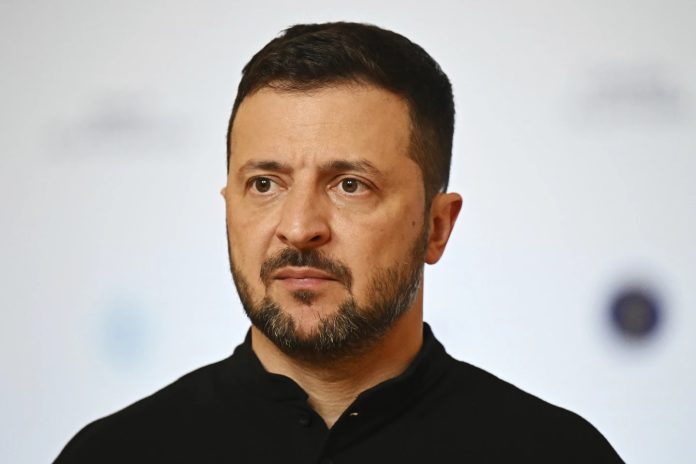
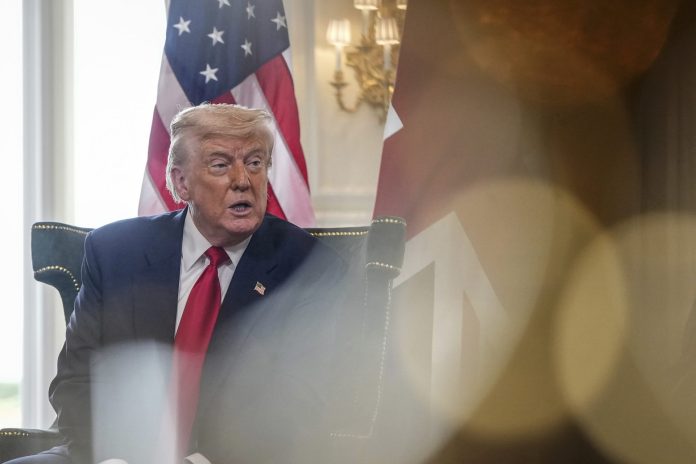
Trump asked Zelensky if Ukraine could strike Moscow: FT

The Washington Post also reported that, according to its source, Trump asked the Ukrainian leader why he had not struck the Russian capital. Zelensky allegedly replied that such an attack would be possible if the U.S. supplied the necessary weapons.

“Volodymyr, can you hit Moscow? . . . Can you hit St Petersburg too?” Trump said, according to the Financial Times, reportedly encouraging the strategy so that Russia can “feel the pain” and agree to negotiations.

The news comes as Trump seems to be warming up to Ukraine after months of a rocky relationship, offering advanced weapons to the war-torn country via a deal with NATO and threatening Russia with “severe tariffs” if Putin does not agree to a peace deal within 50 days.

The conversation reportedly took place during a phone call between Trump and Zelensky on July 4, only a day after the U.S. president talked with Russian President Vladimir Putin.

Following the call with the Kremlin’s chief, Trump complained he had made no progress toward peace and that Putin remained determined to continue his war against Ukraine.

According to the Washington Post, Trump considers authorizing Kyiv to use the 18 ATACMS missiles currently in Ukraine at their full range of 300 kilometers (about 190 miles) and supplying additional missiles.

The outlet also wrote that Trump previously considered supplying Ukraine with Tomahawk cruise missiles, weapons capable of striking Moscow and St. Petersburg, but their delivery is not on the table at the moment.

After the July 4 call between Zelensky and Trump, Ukraine was provided a list of long-range systems it could receive via third-party countries, the Financial Times reported, citing sources.

Speaking at the White House on Monday, Trump and NATO Secretary General Mark Rutte said Ukraine would be receiving significant military support under a new U.S.-NATO scheme, including missiles and Patriot air defenses.

Ukraine has previously received a number of ATACMS missiles from the Biden administration, though it was given permission to use them on Russian territory only in late 2024. Trump criticized the decision to ease the restrictions at the time.

Two drones fell in Iraqi Kurdistan’s oilfield: Counter-terrorism service

US Drone

Khurmala oilfield is located near the Iraqi Kurdish city of Irbil.

The Iraqi Security Media Cell, an official body responsible for disseminating security information, said in a statement that no casualties were reported and only material damage was recorded.

An investigation into the incident was launched in coordination with security forces in Kurdistan, it added.

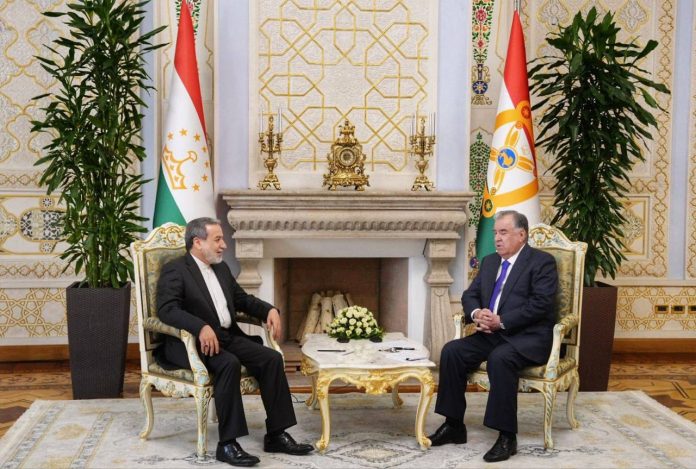
SCO expanding global presence: Iranian FM

Abbas Araghchi

Speaking upon his arrival in China on Tuesday, Araghchi confirmed his participation in the SCO’s 25th Foreign Ministers’ Council meeting, scheduled for Wednesday in Tianjin.

“The Shanghai Cooperation Organization is gradually expanding its global foothold, transcending its regional framework. The organization has incorporated a diverse range of issues into its agenda, spanning economic, political, and security dimensions,” Araghchi said.

He added that the summit would finalize the organization’s development strategy across key sectors, including energy and trade, while also providing a platform for discussions on pressing international issues.

“I will have bilateral meetings with the foreign ministers of China and Russia, which naturally have special importance in the current circumstances,” he said, adding that he is also scheduled to hold bilateral meetings with fellow SCO member states to discuss mutual relations and regional developments.

Referring to the aggression of the Israeli regime and the United States against Iran, Araghchi said all international and regional organizations and more than 120 countries condemned the aggression as well as the attack on Iran’s nuclear facilities, expressing strong support for Tehran.

Araghchi underscored that “the Shanghai Cooperation Organization also issued a statement on this matter, which is commendable,” adding that he will address the issue in his discussions, particularly during the public sessions on Wednesday.

On June 13, Israel launched a blatant and unprovoked act of aggression against Iran, assassinating many high-ranking military commanders, nuclear scientists, and ordinary civilians.

More than a week later, the United States also entered the war by bombing three Iranian nuclear sites in a grave violation of the United Nations Charter, international law, and the Nuclear Non-Proliferation Treaty (NPT).

In response, the Iranian Armed Forces targeted strategic sites across the occupied territories as well as the al-Udeid air base in Qatar, the largest American military base in West Asia.

On June 24, Iran, through its successful retaliatory operations against both the Israeli regime and the US, managed to impose a halt to the illegal assault.

Recent explosions in Iran: Annual gas incident statistics offer crucial context

Firefighter

To better understand the situation, we need to examine annual statistics on fires and explosions caused by gas leaks in buildings throughout Iran.

This helps assess whether such incidents, as portrayed by some media, are truly abnormal or instead part of a recurring accident pattern within the country.

This report, without seeking to confirm or deny the cause of any specific event, presents documented data to provide a rational perspective on the issue. It suggests that gas-related fires and explosions are common in Iran; a reality that may now be used as an opportunity for amplification and exploitation in the current media conflict.

High Volume of Fire Incidents in Iran: A Constant Reality

Iran faces a substantial number of fire-related incidents annually, only some of which result from gas leaks.

According to the Iranian Fire Department and Emergency Services, more than 450,000 firefighting operations take place nationwide each year, with roughly 170,000 fire incidents annually.

These figures reflect extensive emergency activity and a permanent backdrop of incidents, not limited to gas-related causes.

The Silent Killer: Carbon Monoxide Poisoning as an Ongoing Crisis

One of the deadliest gas-related incidents in Iran is carbon monoxide (CO) poisoning, commonly referred to as the “silent killer.”

This colorless and odorless gas claims hundreds of lives each year.

The Iranian Legal Medicine Organization regularly publishes statistics:

•  In the Iranian year 1400 (2021–2022), 839 people died from CO poisoning.
•  In the first 7 months of 1401 (March–October 2022), 255 deaths were recorded.
•  In the first 6 months of 1402 (March–September 2023), fatalities rose by 22.3% to reach 274.
•  On average, about 900 people die from CO poisoning in Iran each year.

These figures highlight an ongoing public health crisis, especially prominent in colder seasons due to unsafe heating appliances or poor ventilation.

Gas Leak Explosions: Recurrent Incidents Over the Years

Explosions and fires stemming from gas leaks in buildings are not new. They’ve occurred across the country for many years.

Although comprehensive yearly statistics are not publicly available for all such incidents, many documented cases confirm their repetition:

•  In 2020, a gas leak at the Sina Athar Health Center in Tehran caused an explosion that killed 19.
In the same year, a powerful natural gas blast in Ahvaz collapsed a five-story building, killing one and injuring 12. Another case in Rasht involved severe burns from a gas heater leak.
•  In 2023, a carbon monoxide leak in a residential complex in Tehran’s Lavizan district poisoned 10 people due to faulty boiler equipment.
•  In 2024, a blast in an unfinished building on Tehran’s Farahzadi Street injured 4.
A similar explosion in a caretaker unit at a religious center in Hamedan caused damage to 45 homes, shops, and vehicles, injuring one person slightly.
•  Most recently, in July 2025, a gas explosion near Chitgar Lake in Tehran injured 4, and another in the Pardisan neighborhood in Qom injured 7, both attributed to gas leaks.

These incidents across cities like Tehran, Ahvaz, Rasht, Deyhuk, Karaj, Hamedan, and Qom reveal the wide geographical distribution of this recurring issue.

Root Causes: Negligence and Technical Failures

Most of these incidents are linked to internal, preventable causes. Customer negligence and human error are among the most frequent reasons for gas accidents.

For instance, in East Azarbaijan Province in 2018, gas user negligence caused 219 incidents, and in 2019, 38 people died due to improper natural gas use.

Poor installation, malfunctioning equipment, and inadequate ventilation are also major contributors.

Conclusion: Common Events as Media Opportunities

Based on the available data, fires and explosions caused by gas leaks are frequent and ongoing in Iran, resulting in significant human and financial losses each year. Organizations like the National Iranian Gas Company and the Fire Department continue efforts, responding to over 343,000 calls in 2024 – 24% of which led to emergency services – but still face challenges like negligence, faulty infrastructure, and hazardous buildings, with 17,000 high-risk structures in Tehran alone.

Thus, while every incident requires accurate investigation, the recent rise in media focus, especially following Israel’s attack on Iran, suggests a trend toward using these commonly occurring events as tools in the media battle.

These incidents, regardless of the specific cause behind each one, unfold within a statistical backdrop of similar events across the country, a fact that should be considered in public analysis.

Israel seeks to weaken Islamic world: Iran’s president

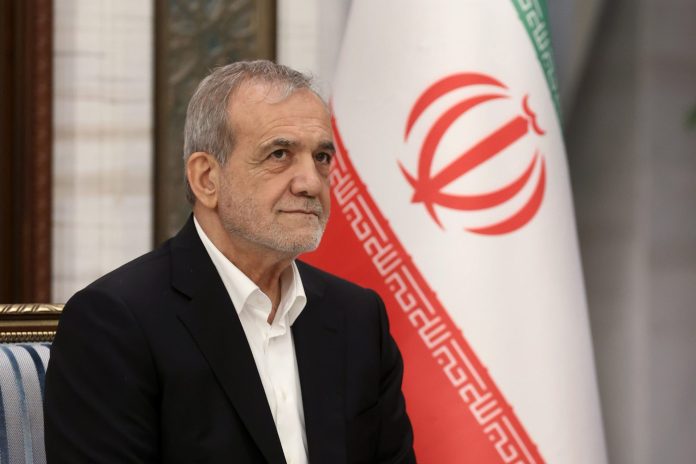
During a meeting with Federal Minister for Interior of Pakistan Mohsin Naqvi on Monday, President Pezeshkian emphasized that politicians and decision-makers across the Islamic world must recognize this sinister strategy of the Zionist regime and counter it by strengthening unity and solidarity among Muslim nations.

Reiterating that the Zionist regime aims to undermine and fragment the Muslim community, the president stressed that leaders and policymakers in the Islamic world must remain vigilant against this wicked strategy and work to neutralize it by deepening cohesion and solidarity among Islamic nations.

Referring to the critical situation in the Islamic world, he described unity and synergy among Islamic countries as an undeniable necessity, adding that if Muslim governments and nations fully understand the importance of Islamic unity, they can stand as a united front against the Zionist regime, which survives by sowing discord and committing atrocities in Islamic societies.

Elsewhere in his remarks, Pezeshkian expressed satisfaction with the current level of bilateral relations between Iran and Pakistan, highlighting the importance of diplomatic exchanges and constructive dialogue to deepen and expand comprehensive cooperation between the two nations.

The president also expressed his appreciation for Pakistan’s sincere support during the Israeli-imposed war against Iran, stating that both countries possess vast potential for expanding cooperation, and Tehran is fully prepared to activate these capacities to enhance bilateral relations and implement mutual engagements.

In response, Pakistan’s interior minister conveyed the greetings and respect of his country’s Prime Minister Shehbaz Sharif to President Pezeshkian and congratulated the Iranian nation on its victory against the Zionist regime’s aggression.

Naqvi noted: “We believe that the wise leadership of Ayatollah Khamenei and your Excellency’s strategic management played a decisive role in this proud resistance, an achievement that is a source of pride for the Islamic Ummah.”

He also recalled Islamabad’s swift and unequivocal condemnation of the Zionist regime’s aggression, stating that Pakistan was among the first countries to denounce the regime’s aggression and affirm Iran’s legitimate right to self-defense.

He went on to describe Iran-Pakistan relations as unique and steadily expanding, emphasizing that the ambassadors of both countries are working diligently to deepen bilateral relations and strengthen cooperation across various fields.

43 Israeli soldiers committed suicide after returning from Gaza war: Report

Israeli Army

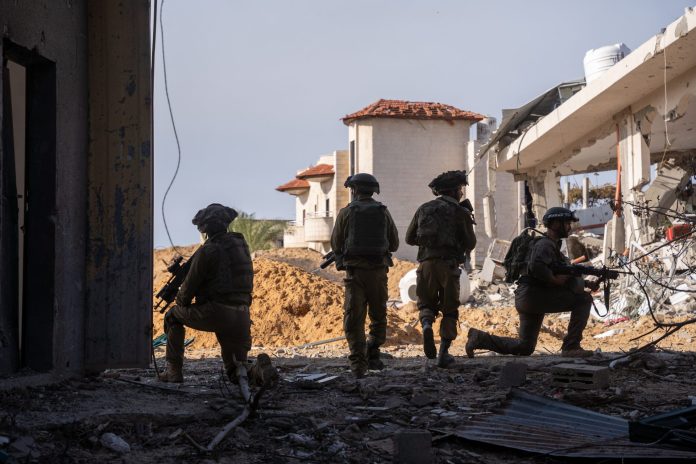
Since the start of Israel’s war on Gaza on October 7, 2023, at least 43 soldiers have taken their own lives, according to reports by Israeli media outlets.

Israel’s Haaretz newspaper, quoting sources, reported that the most recent case involved a soldier from the Golani Brigade, who this week shot himself dead at the Sde Yaman military base.

The soldier took his own life after being questioned by the military police as part of a prior investigation. He had just returned from Gaza for a refresher training session when he was summoned for the interrogation.

Just days earlier, the Israeli news site Walla reported that another soldier had died by suicide after months of psychological suffering brought on by the horrors he witnessed during the prolonged war in Gaza and Lebanon.

His trauma began with the loss of two close friends on October 7, 2023, and intensified with “his continued anguish during the long months of war, and the horrors he witnessed on the battlefield.”

His family stated than he often spoke of “the smell of corpses and the atrocities he had seen.” He had been assigned to transport the bodies of dead soldiers from the fronts in Gaza and Lebanon.

He committed suicide after multiple requests for psychological support “to no avail.”

The Israeli army reportedly refused to bury him with “military honors” or count him among the war’s military casualties.

Despite attempts by the Israeli army to censor reports of suicides among soldiers and the surrounding circumstances, evidence continues to surface of a sharp increase in such cases.

The army has reportedly been burying some of these soldiers without military funerals or public announcements, in a desperate effort to conceal the extent of the crisis.

Meanwhile, the Hebrew-language Maariv daily reports that the Israeli Knesset is set to hold an emergency session following pressure from the families of soldiers, who raised concerns over serious flaws and security gaps in the Puma combat vehicles, heavily deployed in Gaza.

Key issues with the vehicle include the lack of a rear emergency exit, limited peripheral cameras, and weaker protection compared to other armored vehicles.

In recent months, a growing manpower shortage has prompted the Israeli army to recall soldiers diagnosed with post-traumatic stress disorder (PTSD).

Critics say the Israeli regime is sending more soldiers into Gaza to fight in the same areas where battles have already taken place repeatedly.

Tehran committed to utilizing diplomatic means to prevent war, protect Iranians’ rights: President Pezeshkian

In a message to Iranian expatriates, President Pezeshkian stated on Monday that his administration views the solidarity created among the people and officials during the 12-day war imposed by the Zionist regime as an opportunity for greater service to the nation, underlining that authorities still believe the window for diplomacy is open. The president also appreciated the steadfastness and support by the nation during significant situations.

The full text of President Pezeshkian’s message is as follows:

To the dear Iranian expatriates,

In times when our country faced a significant test, the people, as the rightful owners of this nation, demonstrated that they are the beating heart of this land. This steadfastness, support, and backing deserve to be seen, heard, and appreciated today, and it undoubtedly places a heavier responsibility on the officials and raises rightful expectations.

During these events, although significant psychological pressures and difficulties were imposed on our nation, we witnessed the formation of one of the most remarkable displays of public participation, consensus, and social cohesion in contemporary Iranian history. Iranians, both inside and outside the country, critics and non-critics alike, stood united against the aggressor, imposing their will on the enemy.

In this context, the calmness, wisdom, and firmness of the Leader of the Revolution from the very first day of the imposed war were another vital asset for forming a national mobilization against the aggressors, reminding us all of the unity of the Islamic system.
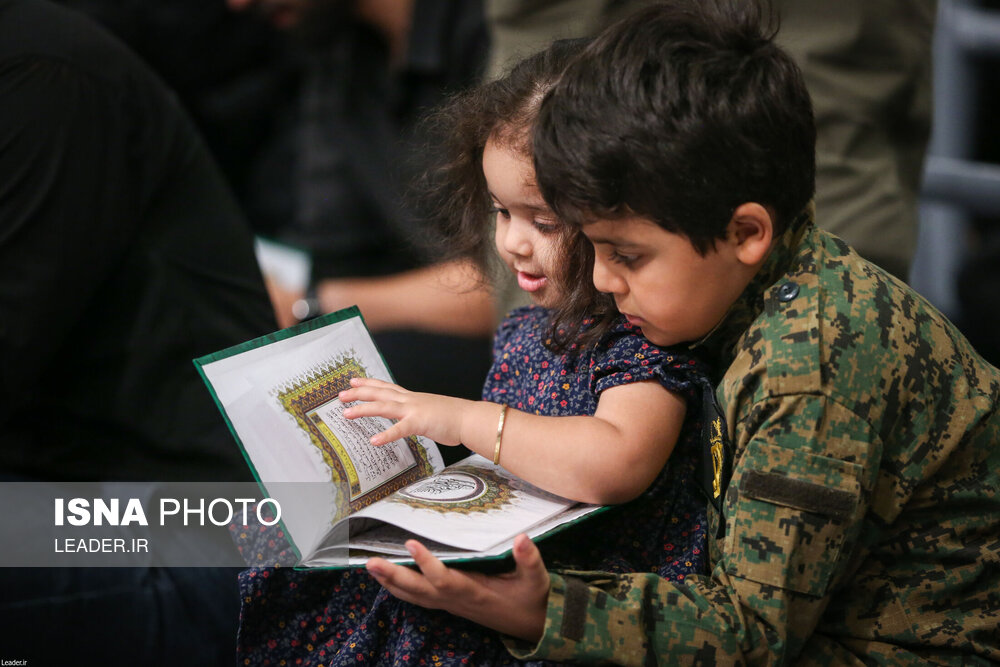
However, today a new chapter has begun. A chapter of hope and movement towards a safer, calmer, and more powerful Iran. This path can only be achieved with the cooperation and solidarity of our dear people, maintaining national consensus, and relying on the energy of youth and new ideas.
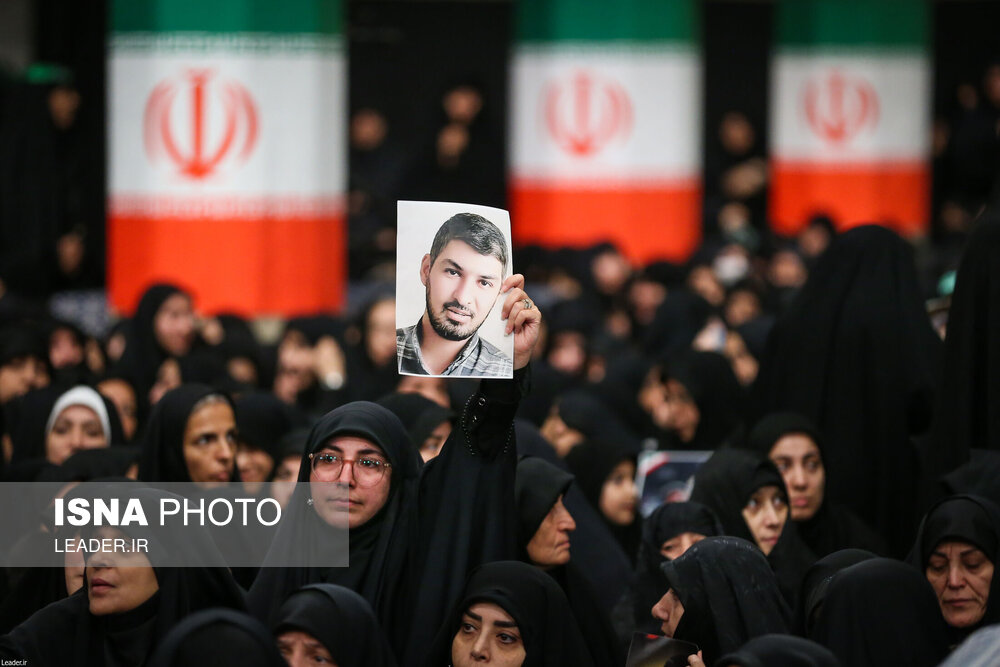
To open new horizons, we must critically reflect on the past. What leads us toward a better future is the reconstruction of hope, readiness to learn, change, and create a new path through consensus, solidarity, and rationality.

Our national security is guaranteed by both military strength and the bond of hearts and social unity. Now is the time to step toward opening horizons and hoping for a bright future, backed by the country’s vast social capital, to build a flourishing Iran. We have never sought war and have always aimed for effective roles in global sustainable peace. Our enemies should know that while our nation seeks peace, it will never submit. Iran is a country that, based on its historical, cultural, and religious roots, seeks justice and human dignity for all nations.

As you know, the Zionist enemy attacked us at a time when, despite distrust of the Americans, we were negotiating with them to resolve any misunderstandings in public opinion and to prove the peaceful nature of our nuclear activities. After five rounds of negotiations, while preparing for the sixth round of talks, the Zionist regime, with US support, cowardly attacked our country, martyring several military commanders, nuclear scientists, and innocent civilians, including women and children. We have repeatedly stated that our doctrine is a peaceful nuclear program. Experience has shown that whenever Iran seeks to move toward stability and peace, the Zionist regime intervenes and disrupts.

According to all principles and international laws and the United Nations Charter, what we did during the 12 days of the Zionist-imposed war was legitimate defense against the aggressor. Despite the martyrdom of some military commanders in the initial attack, with the wisdom and guidance of the Leader of the Revolution, the swift appointment of successors, and the rapid reconstruction of the armed forces’ combat organization, our armed forces were able to deliver more confident and devastating blows to the aggressor.

Nevertheless, the path ahead is clear for us, and the government will spare no effort in opening diplomatic doors and expanding horizons. We still believe that the window for diplomacy is open, and we are pursuing this peaceful path with determination and by mobilizing all political capacities. We advocate for diplomacy and constructive interaction, opposing war, and to keep the shadow of war away from the country, we will utilize all political and diplomatic resources while defending the natural rights of the Iranian people.

The government sees the solidarity created among the people and officials during the 12-day war as an opportunity for greater service to the nation. All executive agencies and officials are particularly attentive to this matter, and the satisfaction of the people is the basis for our planning and actions. We strive with all our might to ensure that there are no problems regarding the livelihood and healthcare of the people. We must join hands and work for the pride of our country.

Relevant ministries and all stakeholders continuously monitor the market situation to ensure that there is no shortage of essential goods through proper management. With the continuation of this oversight and management process and the issued directives, we will witness stability and calm in the market, God willing.

In conclusion, I pray for the elevation of the ranks of all the martyrs of this imposed war and hope that our enemies have recognized our people and will never again make such a miscalculation. Our armed forces are now at the highest level of their defensive capability, contrary to the enemies’ erroneous calculations, and if the enemies intend to invade Iran again, they will face even more crushing responses.

Gas leaks blamed for recent explosions across Iran, officials deny security threat

Firefighter

Authorities have dismissed any claims of terrorism or foreign attacks, urging the public to rely on official sources for information.

Tasnim News Agency reported on Tuesday that initial investigations suggest aging infrastructure and failure to observe safety regulations as primary causes of these incidents. Officials dismissed media reports, stressing that none of the recent events had security or terrorist origins.

One of the most serious incidents occurred in the Pardisan residential complex in Qom on Monday, where a gas leak led to an explosion that injured at least seven people.
Although some social media users compared the damage to Israeli airstrikes, both local officials and national media firmly denied any security-related links.

Additional incidents on the same day include a fire in a Tehran shoe store, thick black smoke from a furniture workshop on the Tehran-Karaj highway, and smoke near Mashhad airport, which was reportedly caused by controlled grass burning.

These incidents follow the war between Iran and Israel which continues to haunt the public.