Monday, April 13, 2026
Home Blog Page 2488

Five Tips to Reduce a Business’s Cash Flow Issues

The result is major cash flow issues which lead to major issues and reduce the business’s ability to pay short term financial bills. This article will share five useful tips to reduce cash flow issues in a business.

  1. Ensure that your money works

The best way to accomplish this is to start a corporate savings account. In this instance, it is important to research interest rates to enable the owner to choose the right savings account option offering a high rate of interest. A corporate saving account will allow business owners to easily and immediately access cash, and it ensures that business owners receive daily interest income on every dollar saved. Both mechanisms serve to increase the business’s cash flow.

  1. Understand the importance of an accountant

An accountant is a trained financial professional who offers required financial services in the form of an investment, instead of expenses. The accountant’s main job is to review the effects of a business’s cash flow projections. The accountants then use their vast financial knowledge to analyze particular areas needing instant focus, and to bring valuable insights to these areas.

  1. Analyze the cash flow

Of the many tools available to analyze a business’s cash flow, the Cash flow forecasting tool is the most effective because it simplifies the analytical process. This tool can highlight a business’s financial cycles.  Business owners can use the details generated to improve their corporate marketing efforts, arrange sufficient manpower to enable optimal business operation and function, and borrow properly.

PayPie is an excellent cash forecasting tool which allows business owners to completely control their business’s financial health. PayPie brings data that is performance driven and can be acted upon to reduce any business’s cash flow problems. In addition, it is useful in terms of providing business owners with insightful analyses of their businesses. Business owners can use these details to make smart decisions that will ensure that their corporations grow. This tool also monitors a business’s fiscal strength, thereby allowing business owners to improve their finances for greater financing opportunities.

  1. Prefer automatic billing

This is crucial in maintaining a steady cash flow for any business, because it ensures that payments will clear automatically on pay day. The process is convenient and avoids any emerging possible cash-flow problems. Many clients will be impressed by the automatic billing process and they will refer future business to the business using such a system.

  1. Expand your payment options

Business owners should focus on expanding payment options available to customers by providing them with several payment facilities. This includes accepting debit cards, credit cards, and other modes of payment. Because mobile payment is very convenient for customers, business owners should consider providing that option to their clients. Business owners will benefit because they will receive the money in their corporate accounts immediately!
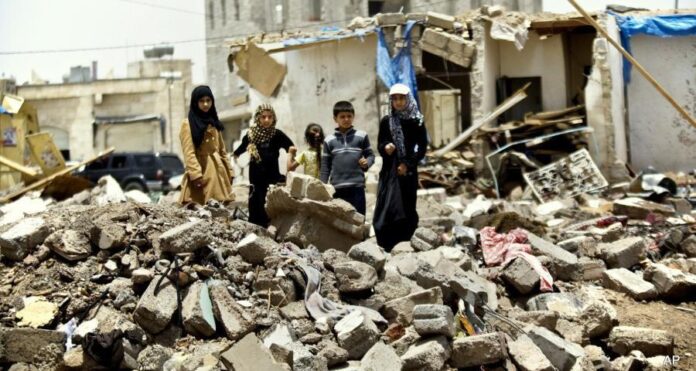
US, France Call for Immediate End to Yemen War

France´s Defence Minister Florence Parly said Tuesday the Saudi-led coalition’s war on Yemen must stop.

“It is more than time that this war ended and it is also important — even France´s priority — that the humanitarian situation must improve and that humanitarian aid can get through,” Parly told BFM television and RMC radio.

“This military situation is an effective dead-end so this war must stop. That´s a priority,” she added.

US Secretary of Defence Jim Mattis and Secretary of State Mike Pompeo also called on all participants in the Yemen war to agree to a ceasefire “in the next 30 days,” a call that comes amid criticism of US support for the Saudi-led coalition in the conflict.

“Thirty days from now we want to see everybody around a peace table based on a ceasefire, based on a pullback from the border and then based on ceasing dropping of bombs that will permit the (UN) special envoy, Martin Griffiths — he’s very good, he knows what he’s doing — to get them together in Sweden and end this war,” Mattis said at an event at the US Institute of Peace in Washington.

His call was later echoed by Pompeo, who issued a statement saying, “The United States calls on all parties to support UN Special Envoy Martin Griffiths in finding a peaceful solution to the conflict in Yemen.”

“Substantive consultations under the UN Special Envoy must commence this November in a third country,” Pompeo added.

Mattis and Pompeo both insisted that the US-backed Saudi-led coalition and the Houthi Ansarullah Movement stop their respective aerial and missile attacks.

“The time is now for the cessation of hostilities, including missile and UAV strikes from Houthi-controlled areas into the Kingdom of Saudi Arabia and the United Arab Emirates. Subsequently, Coalition air strikes must cease in all populated areas in Yemen,” Pompeo said in his statement.

“We’ve got to move toward a peace effort here, and you can’t say we’re going to do it sometime in the future. We need to be doing this in the next 30 days. We’ve admired this problem for long enough down there, and I believe that the Saudis and the Emirates are ready, ,” Mattis said.

He said the talks should lead to the implementation of “confidence-building measures to address the underlying issues of the conflict, the demilitarization of borders and the concentration of all large weapons under international observation.”

More than 22 million Yemenis — three quarters of the population — are in need of humanitarian assistance in a conflict that has raged since 2015, when Saudi Arabia and its allies began bombing civilians.

Since March 2015, Saudi Arabia and some of its Arab allies have been carrying out deadly airstrikes against the Houthi Ansarullah movement in an attempt to restore power to fugitive former president Abd Rabbuh Mansour Hadi, a close ally of Riyadh.

The Yemeni Ministry of Human Rights announced in a statement on March 25 that the war had left 600,000 civilians dead and injured until then. The war and the accompanying blockade have also caused famine across Yemen.

Tehran Raps US’ Resort to Economic Terrorism in Anti-Iran Psywar

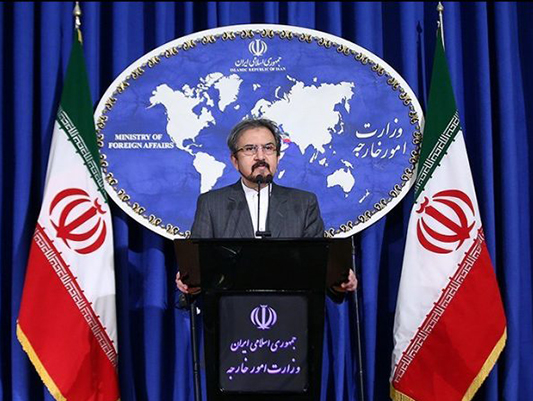
Bahram Qassemi

“In order to cover up their crimes against Iranian people, US officials are using the tool of economic terrorism as well as unfair and illegal sanctions to find a pretext, launch a propaganda campaign and wage psychological warfare against Iranian people,” said the spokesman on Tuesday.

Qassemi made the comment in reaction to US Secretary of State Mike Pompeo’s ‘deceitful’ claim that Iran’s economic growth rate has decreased due to its presence and fight against terrorism in the region.

“Such comments are simply demagogic and deceitful, and amount to blatant fallacy,” he said.

“Fighting terrorism in the region and the maintenance of peace, stability and security along Iranian borders, which has led to the failure of US authorities’ anti-Iran plans and made them worried, are no new plans and policies,” he said.

“Iran’s economy has grown more than eight percent over the past years when our country has taken the lead in fighting terrorism and has been at the forefront of this holy campaign aimed at safeguarding human dignity at a time of global ignorance,” Qassemi noted.

He said the White House is ignoring opposition to its Iran sanctions by other countries, organizations, legal institutions and human rights bodies.

“Current US government officials have based their deceitful policies and approaches in bearing animosity towards Iranian people on the pipe dreams of hated and outcast regimes, individuals and terrorist groups,” he said.

Qassemi underlined that such policies are just pipe dreams and exactly similar to the very same strategic mistakes and errors that the US has repeatedly made over the past four decades.

“Following all these failures, they have, unfortunately, been unable to adopt a wise and civilized approach that would benefit humanity and the international community,” he said.

Iran FM Due in Pakistan to Pursue Fate of Abducted Guards

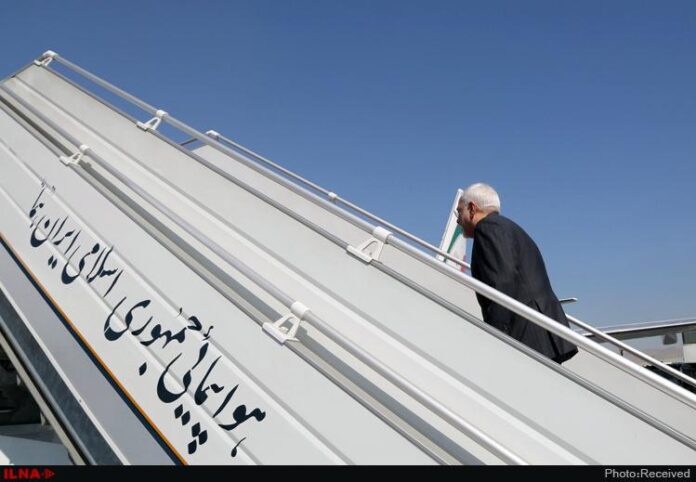
Foreign Ministry Spokesman Bahram Qassemi said Zarif will head a political and military delegation in his visit to Islamabad, which will be made after the end of his ongoing trip to Turkey.

“The latest measures taken by the Pakistani government to ensure the security and freedom of 12 Iranian border guards abducted by terrorist groups would be high on the agenda,” Qassemi said.

He also noted that bilateral relations and the most important regional and international developments would also be discussed during this visit.

At least 12 Iranian guards were kidnapped on the joint border with Pakistan earlier this month.

Later, the Jaish al-Adl terrorist group published photos of the kidnapped border guards claiming that they have seized a large amount of weapons at the time of capturing the Iranian forces in Mirjaveh.

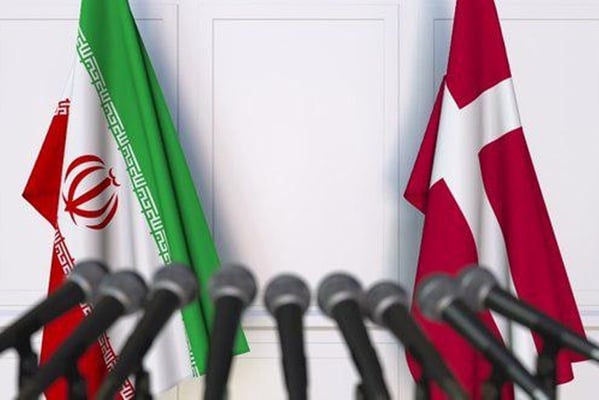
Iran Denies Denmark’s Accusation of Assassination Attempt

Foreign Ministry Spokesman Bahram Qassemi on Tuesday dismissed such claims saying that the allegations are in line with the conspiracies and plots of the enemies of Iran who cannot stand the good and growing relations between Tehran and Europe in the current special situation.

Denmark claimed on Tuesday it suspected an Iranian intelligence service had tried to carry out a plot to assassinate an Iranian opposition figure on its soil.

Swedish security police said a Norwegian citizen of Iranian background was arrested in Sweden on Oct. 21 in connection with the plot and extradited to Denmark.

In protest at the alleged attempt, Copenhagen on Tuesday recalled its ambassador to Tehran.

Iran Thanks Iraq for Warm Hospitality towards Arba’een Pilgrims

In a Tuesday phone conversation with Iraqi President Barham Salih, Es’haq Jahangiri appreciated Baghdad’s warm hospitality during Arba’een.

“For his part, the Iraqi president thanked Arba’een pilgrims, particularly the Iranians,” he noted.

Arba’een Paves Way for Further Friendship between Two Nations

In a separate meeting with the Governor of Najaf Seyyed Javad al-Yasiri, the Iranian official also thanked the Iraqi top Shiite cleric for their guidance to hold Arba’een ceremony with more grandeur and dignity.

“Arba’een has always played a key role in strengthening of ties between the two nations,” he noted.

For his part, Najaf governor expressed delight that the enemies have failed in their plots to create division between the two nations and added despite the recent attack on Iranian consulate in Basra, the ties between Iran and Iraq are deepening.”

He also said Iranian pilgrims observed the laws of Iraq during the procession and added the Iraqi government thanks Iranian pilgrims for their cooperation with the officials in charge to hold Arba’een ceremony smoothly and without any serious problem.

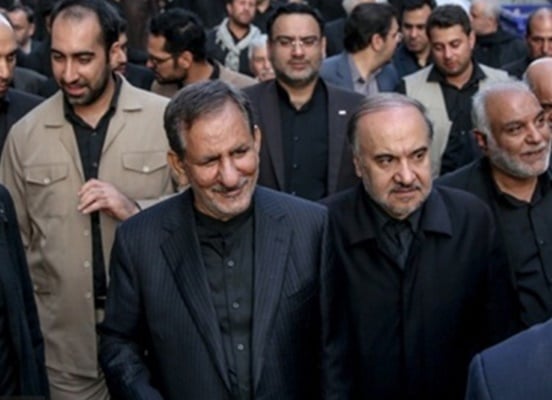
Iran’s first vice president arrived in the holy city Najaf earlier Tuesday for a one-day visit to Iraq. He visited the holy city of Karbala after paying tribute to the shrine of first Shiite Imam in Najaf.

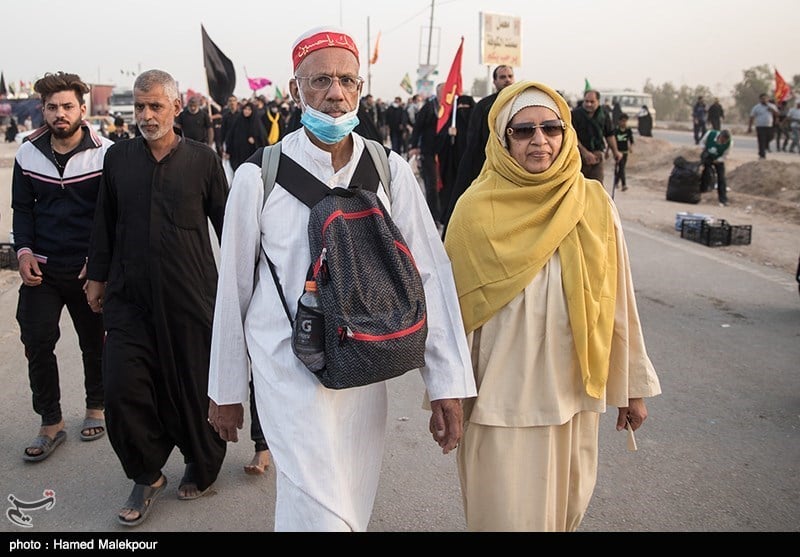
He took part in Arba’een march from Najaf to Karbala on foot. Jahamgiri is accompanied in the visit by Iran’s Sports and Youths Minister Maso’ud Soltanifar and Head of Atomic Energy Organization of Iran Ali Akbar Salehi.

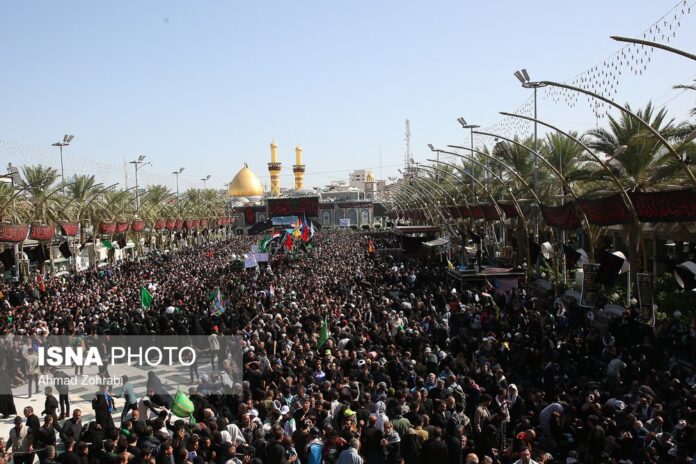
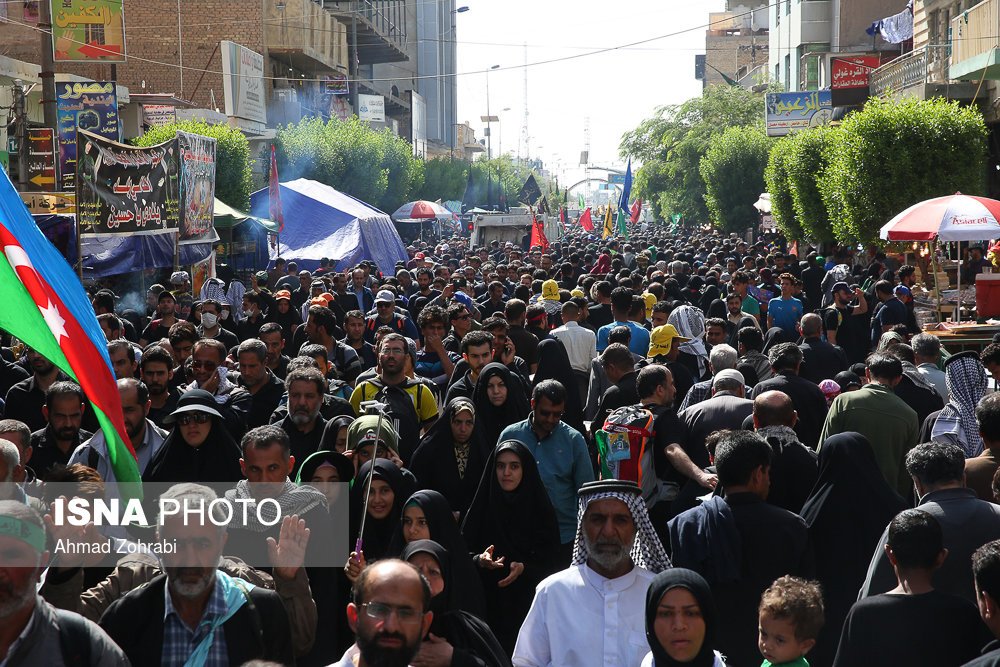
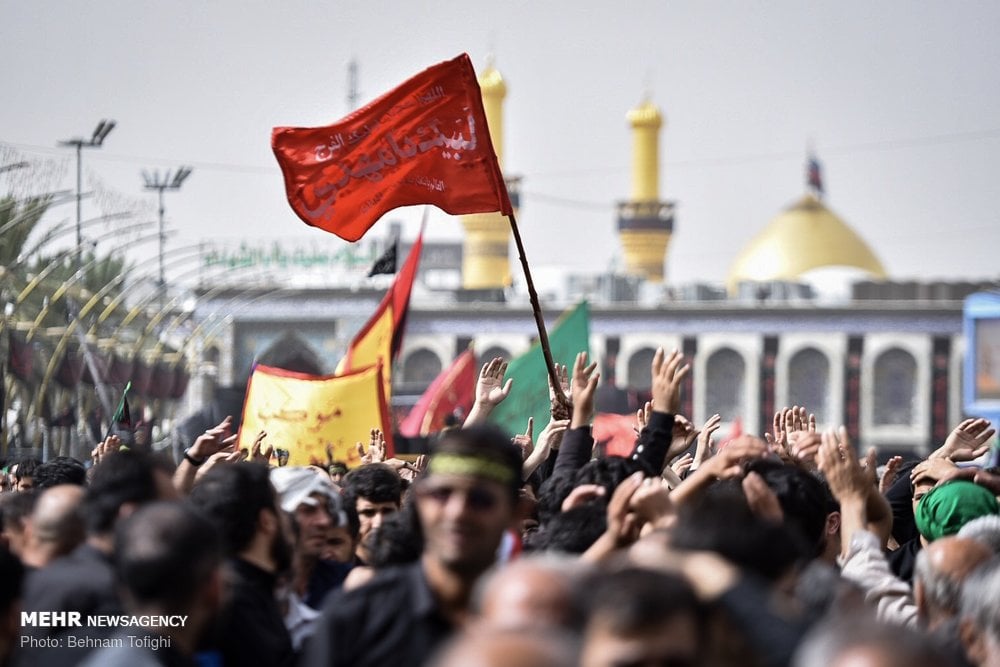
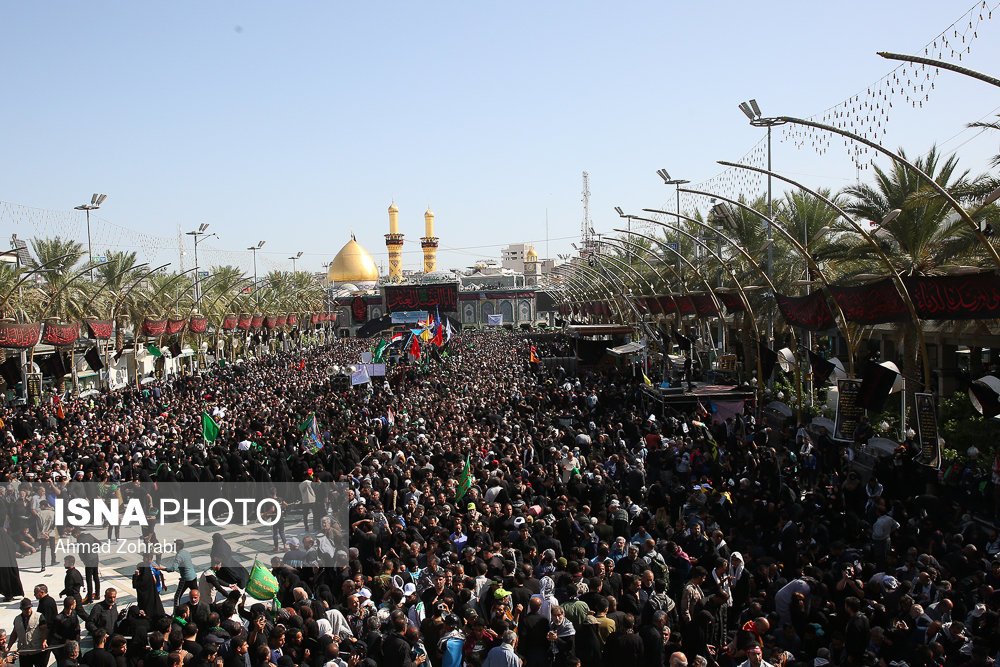
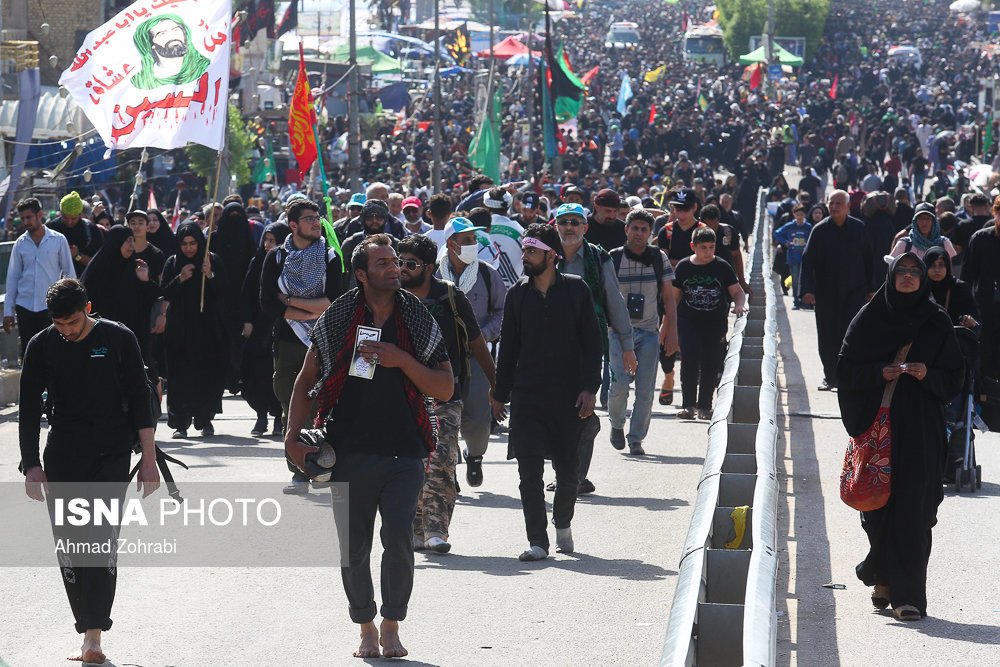
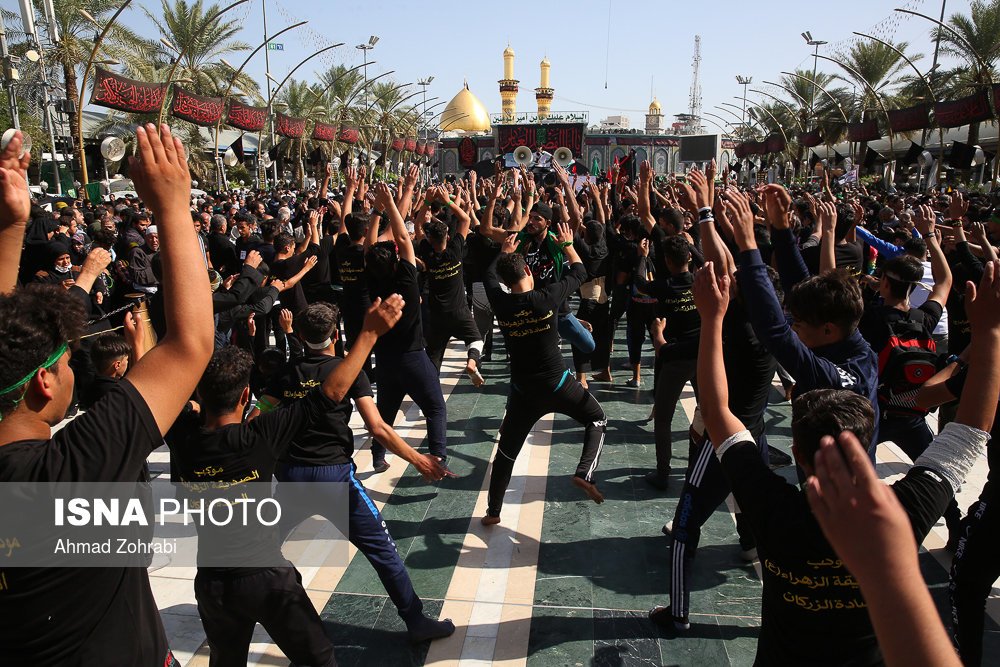
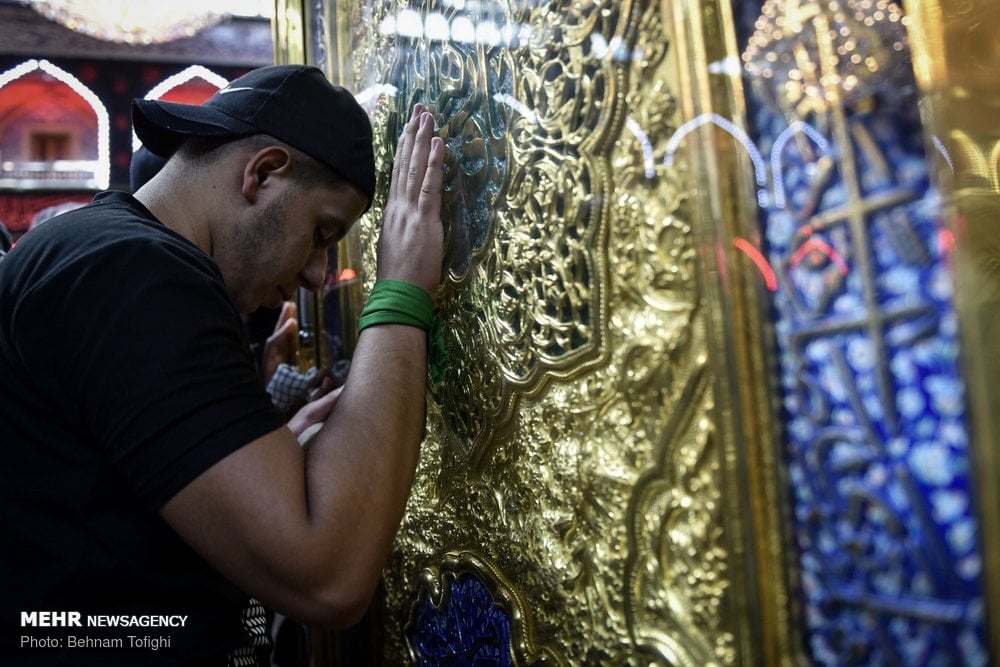
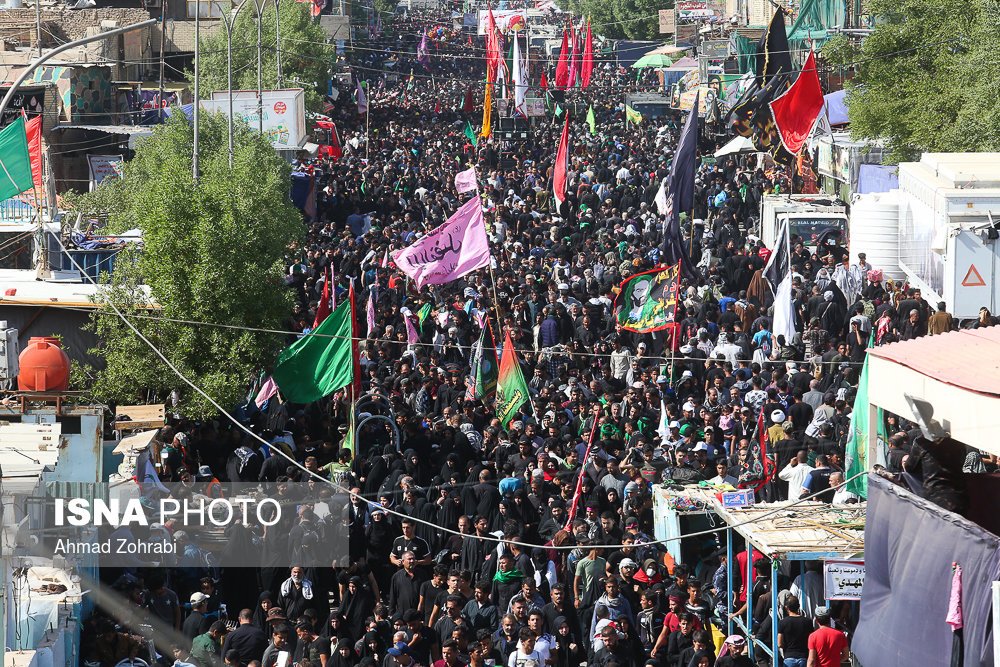
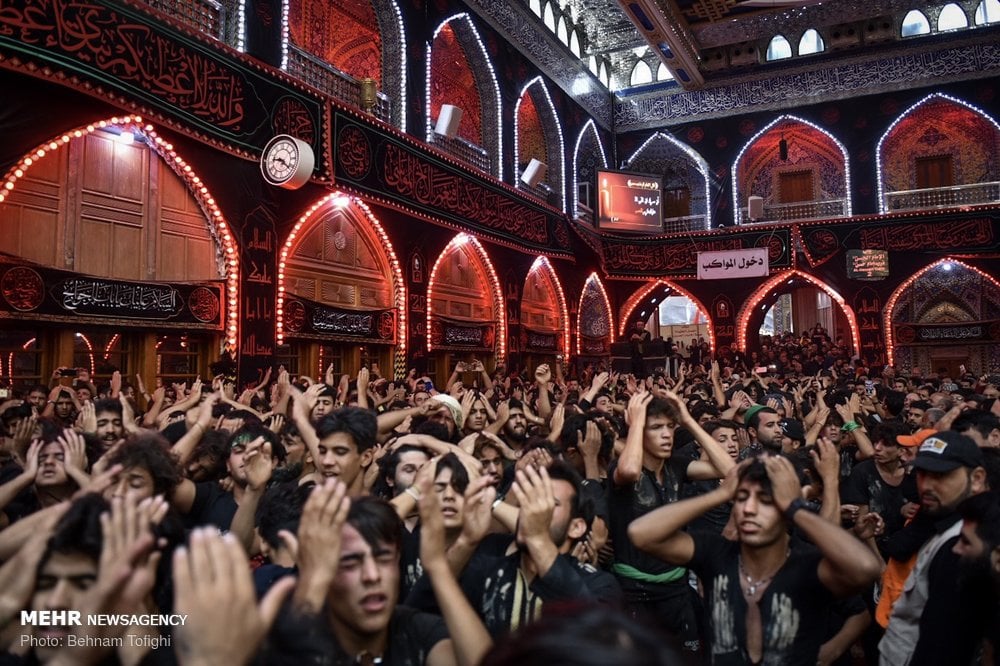
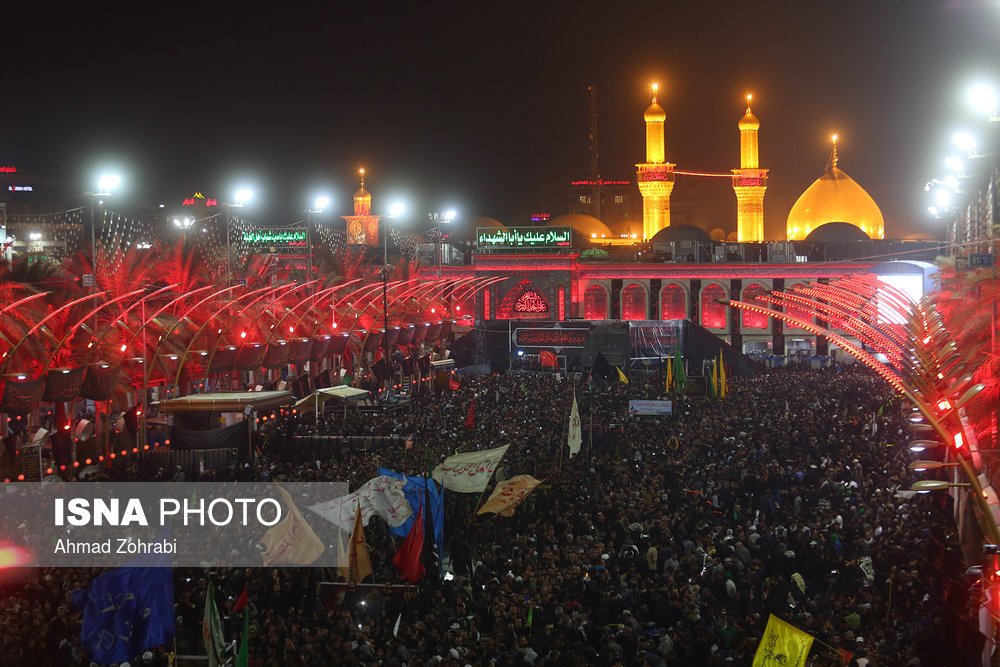
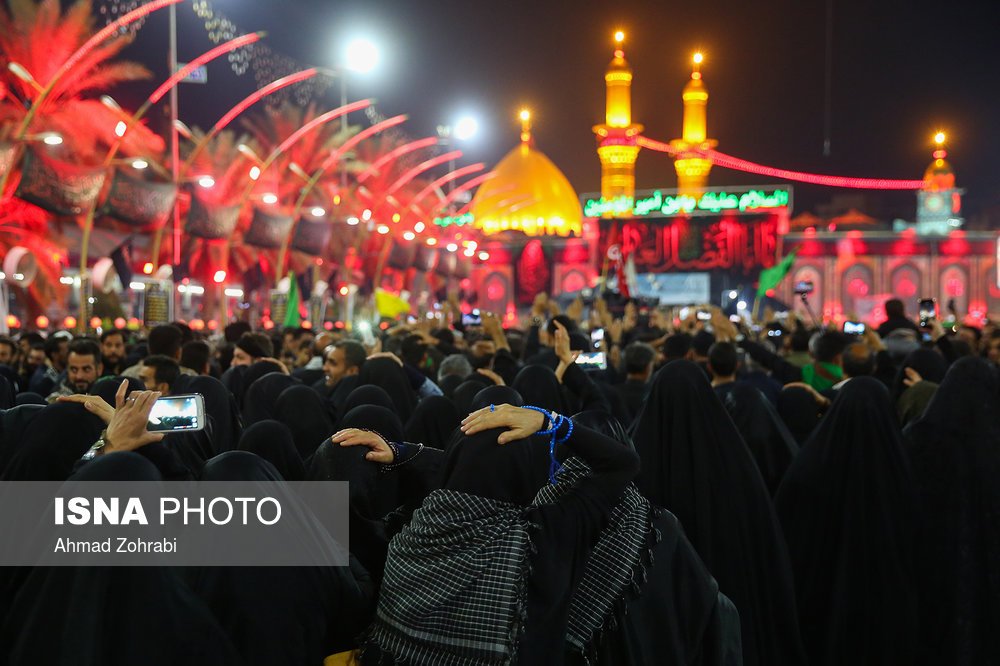
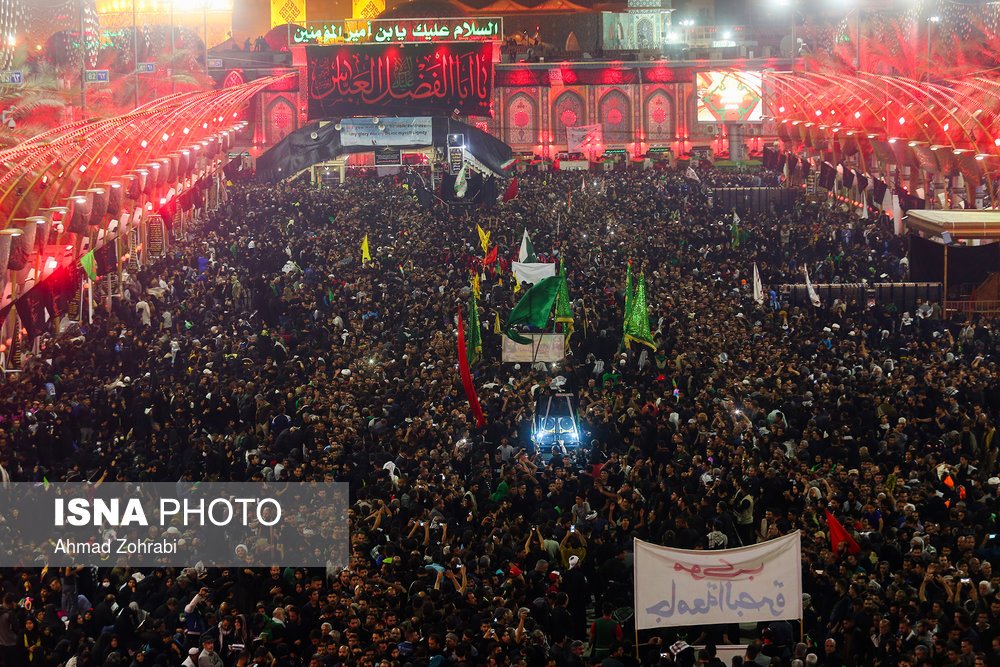
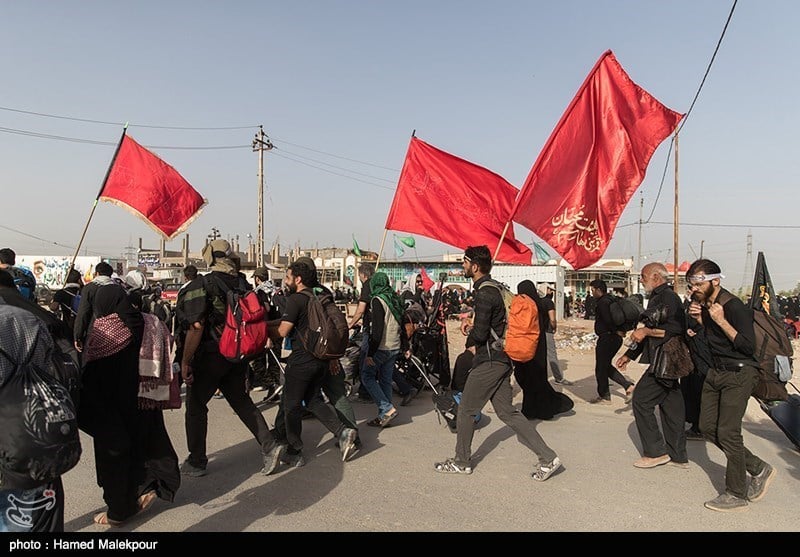
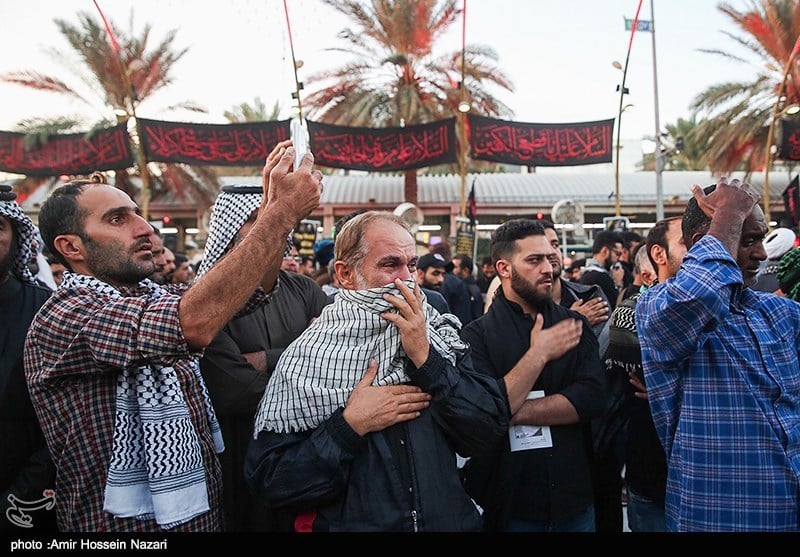
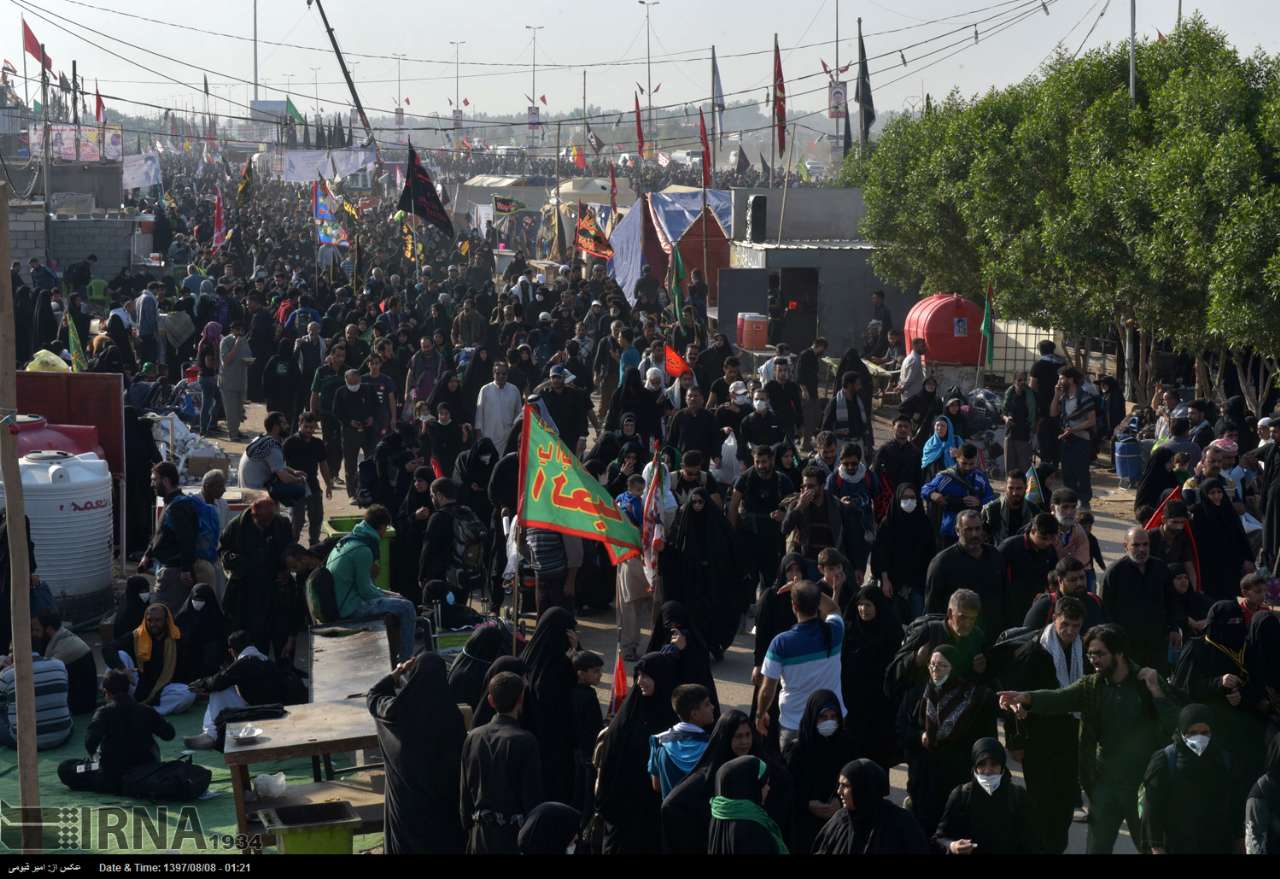
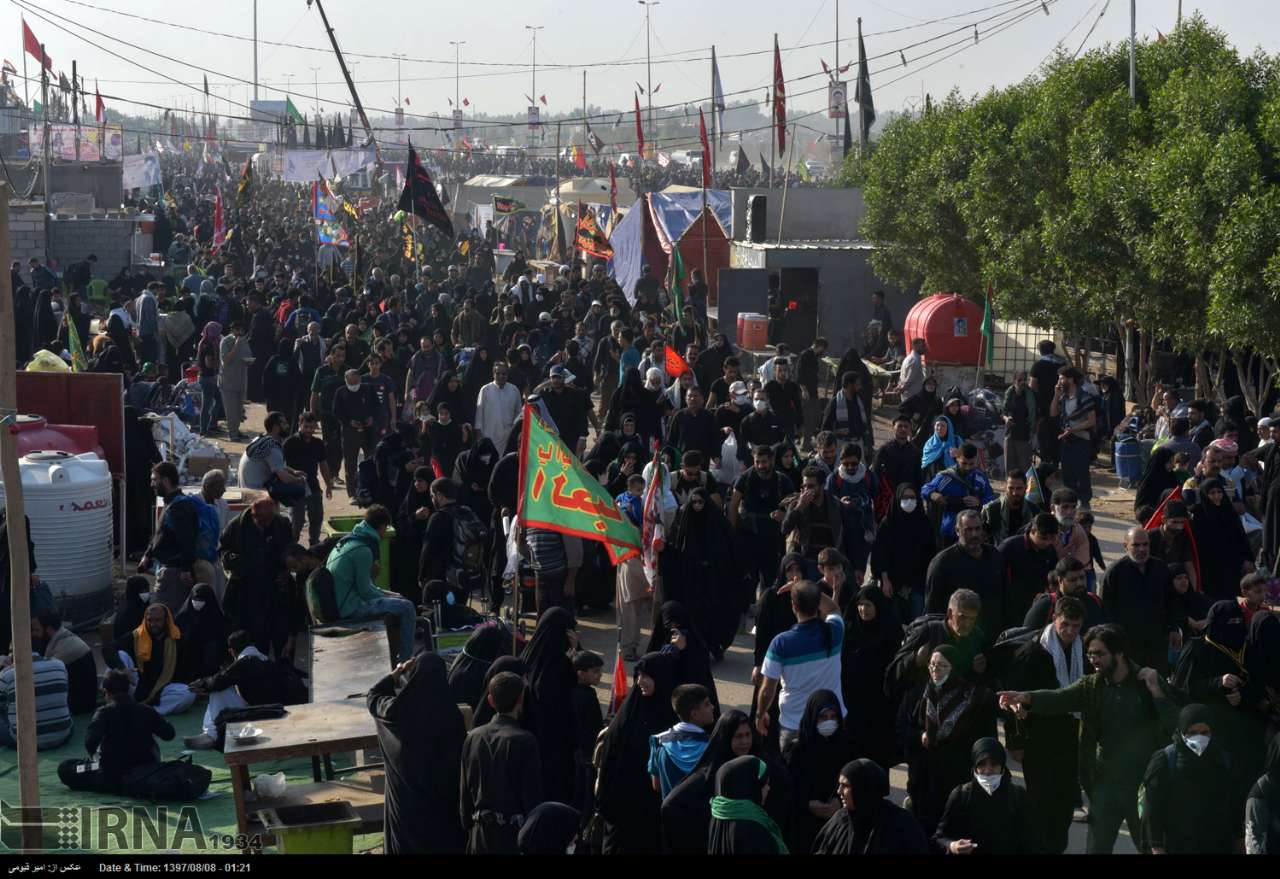
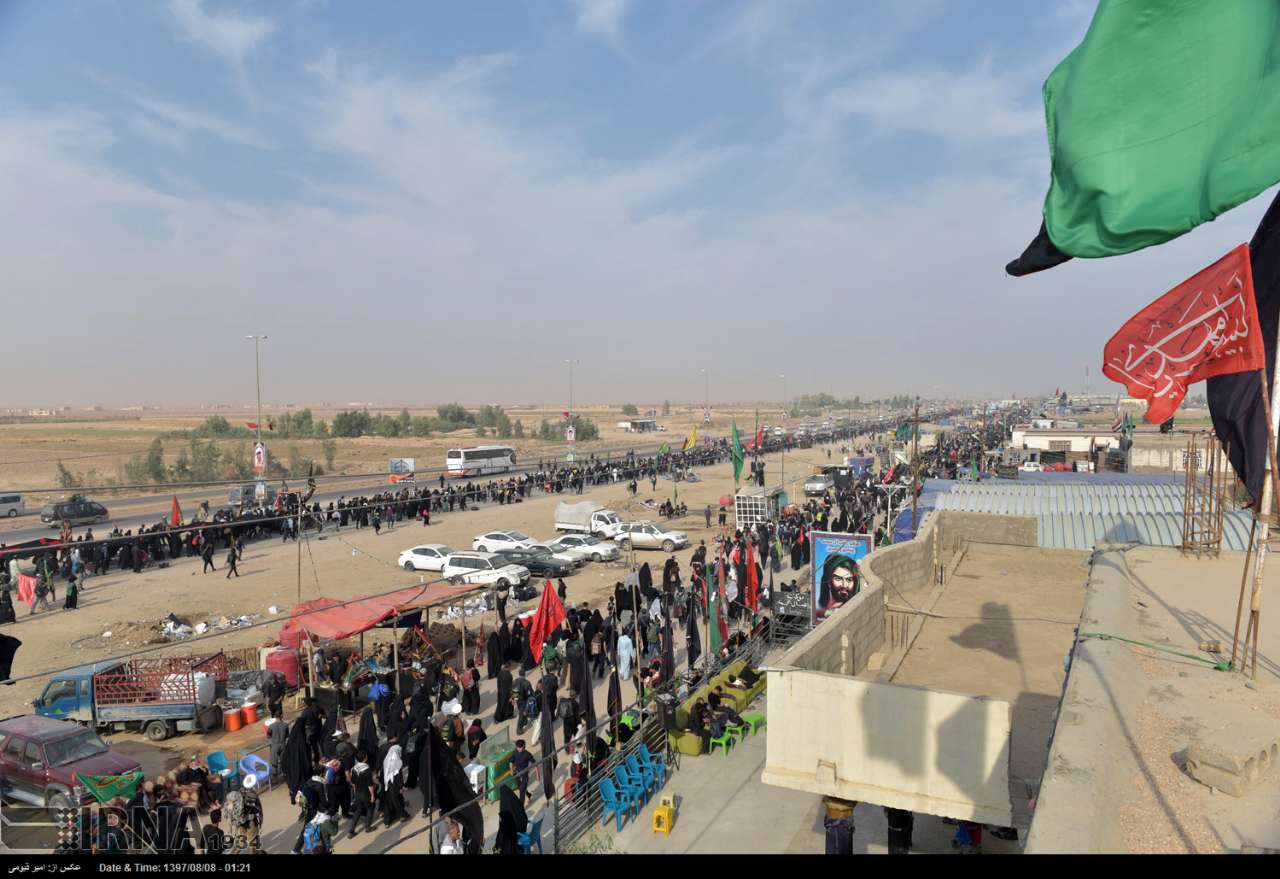
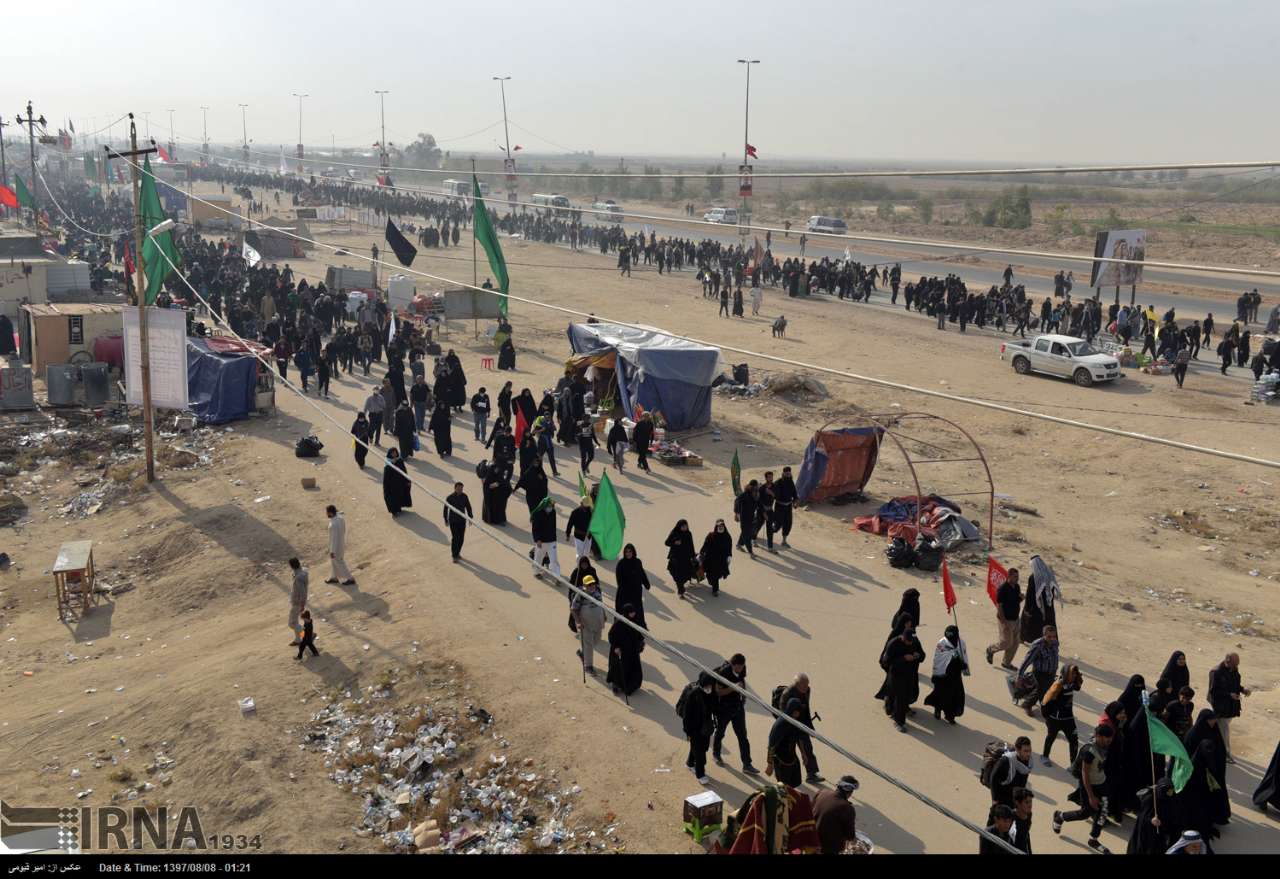
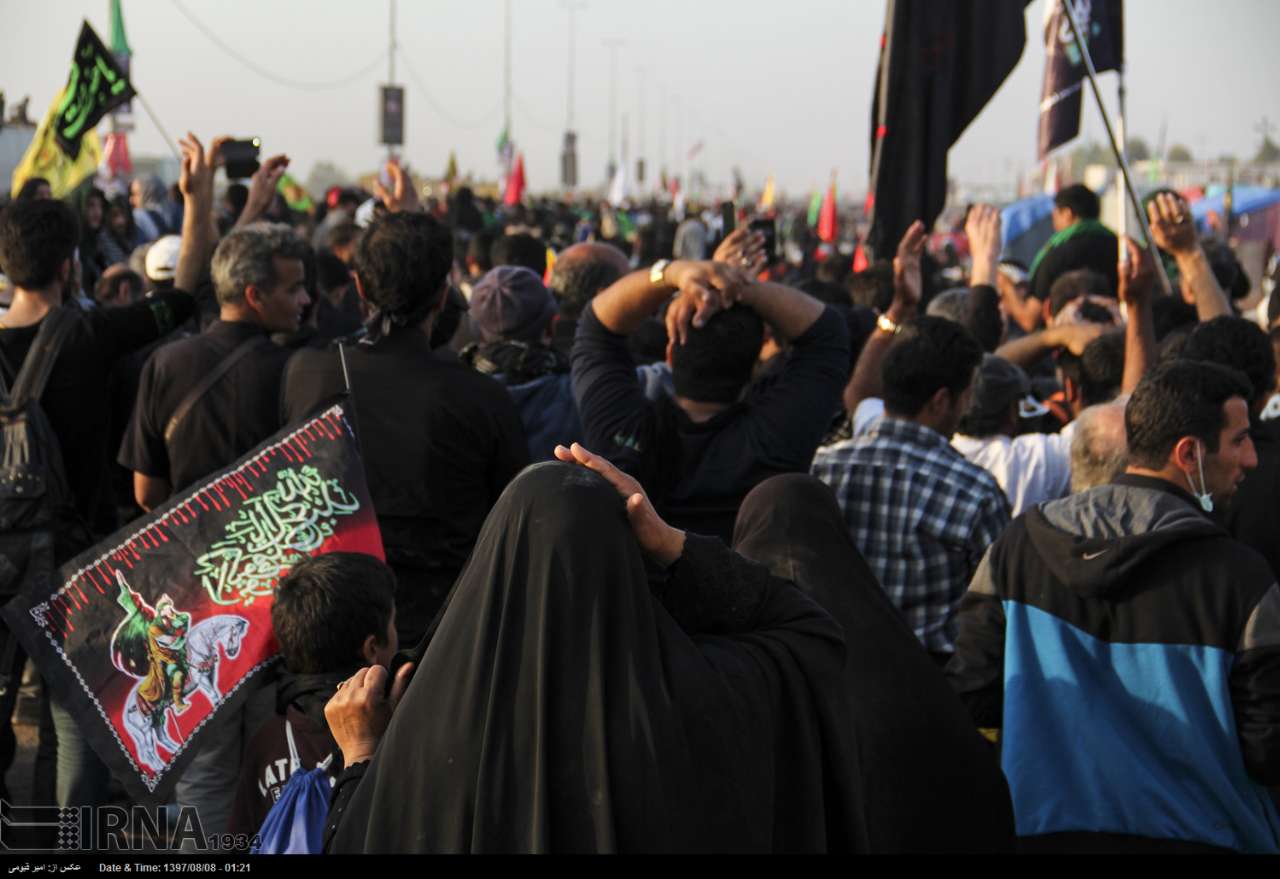
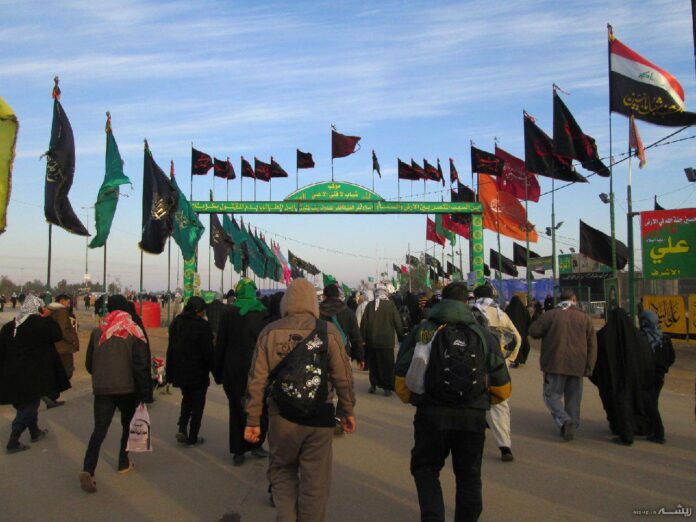
Millions of Pilgrims Converge in Karbala to Mark Arba’een

Shiite Muslims to Observe Arbaeen Remotely over Pandemic: Iran

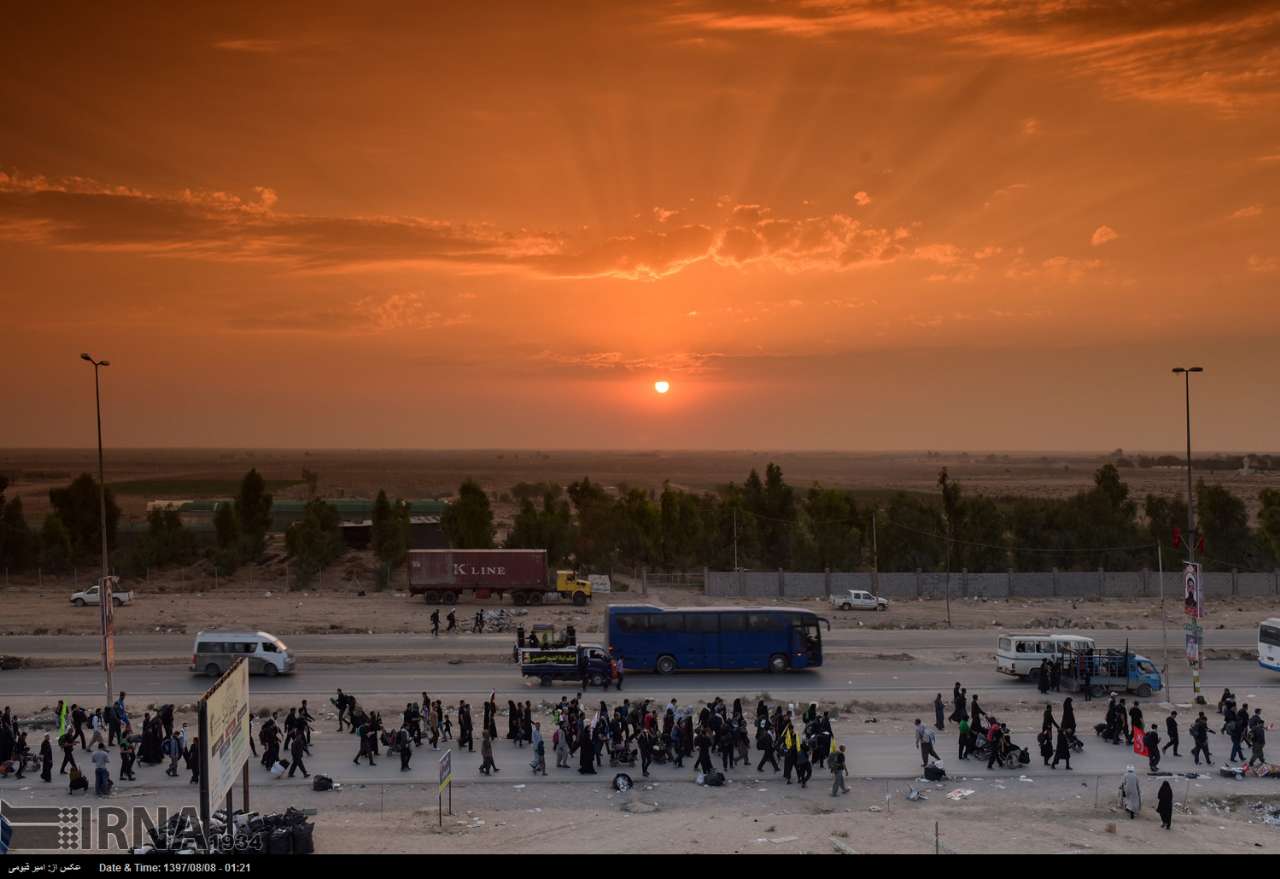
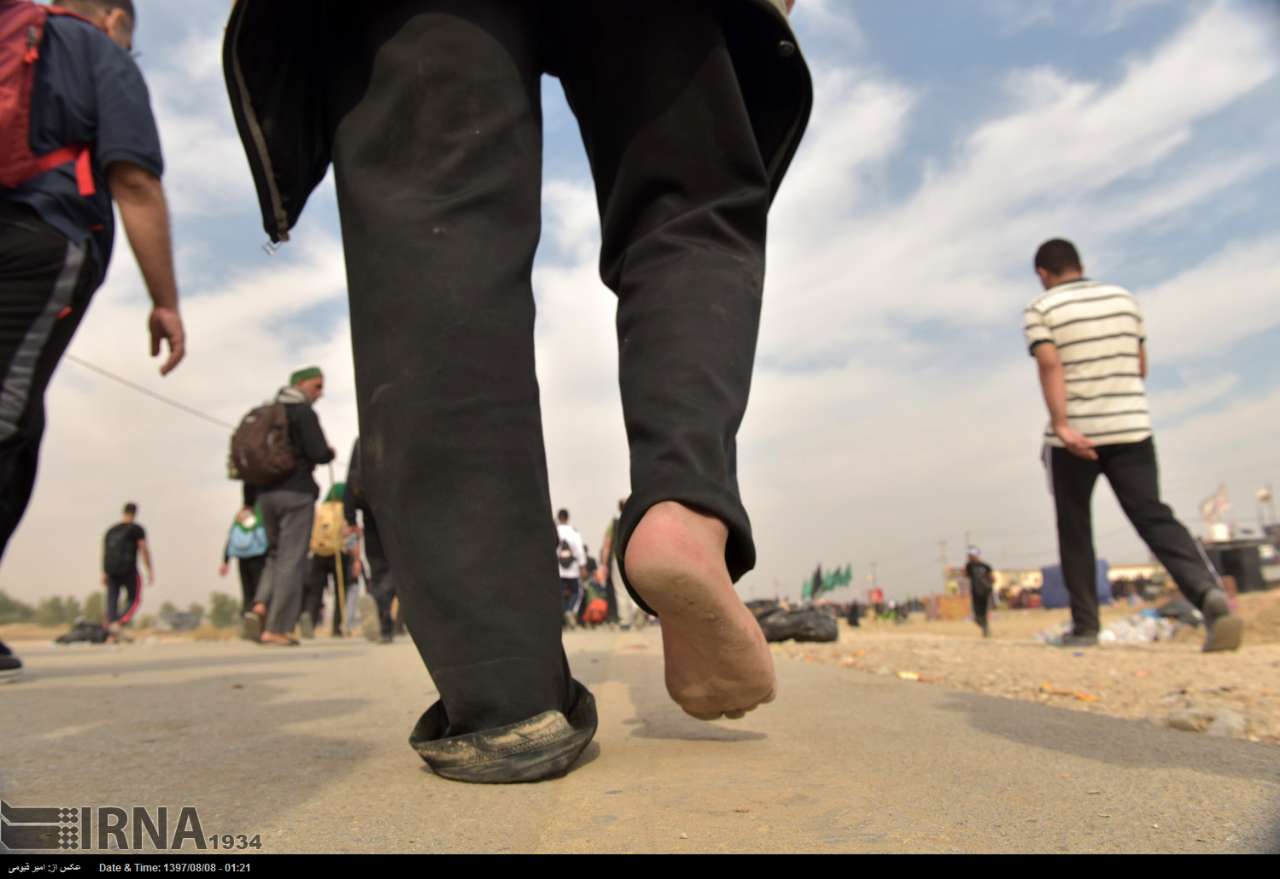
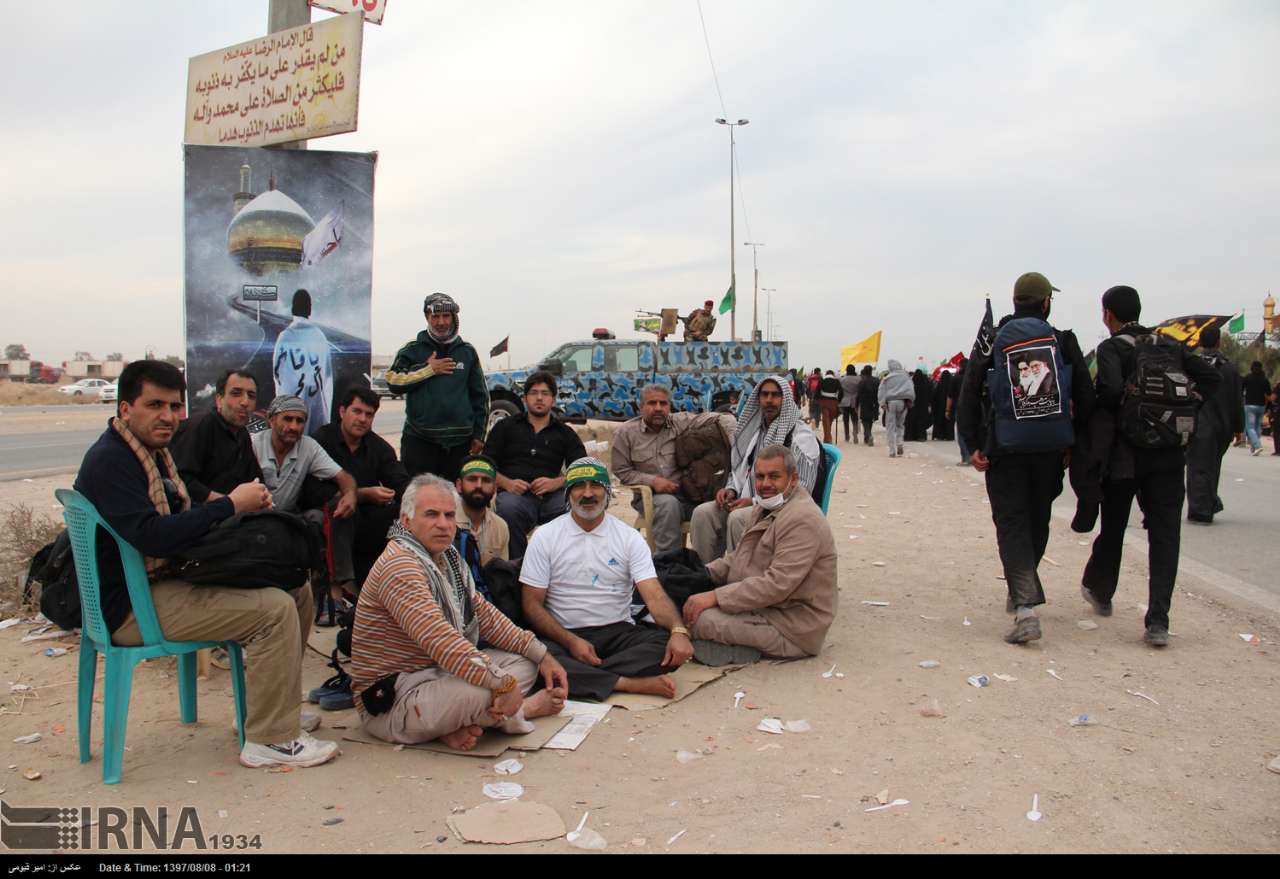
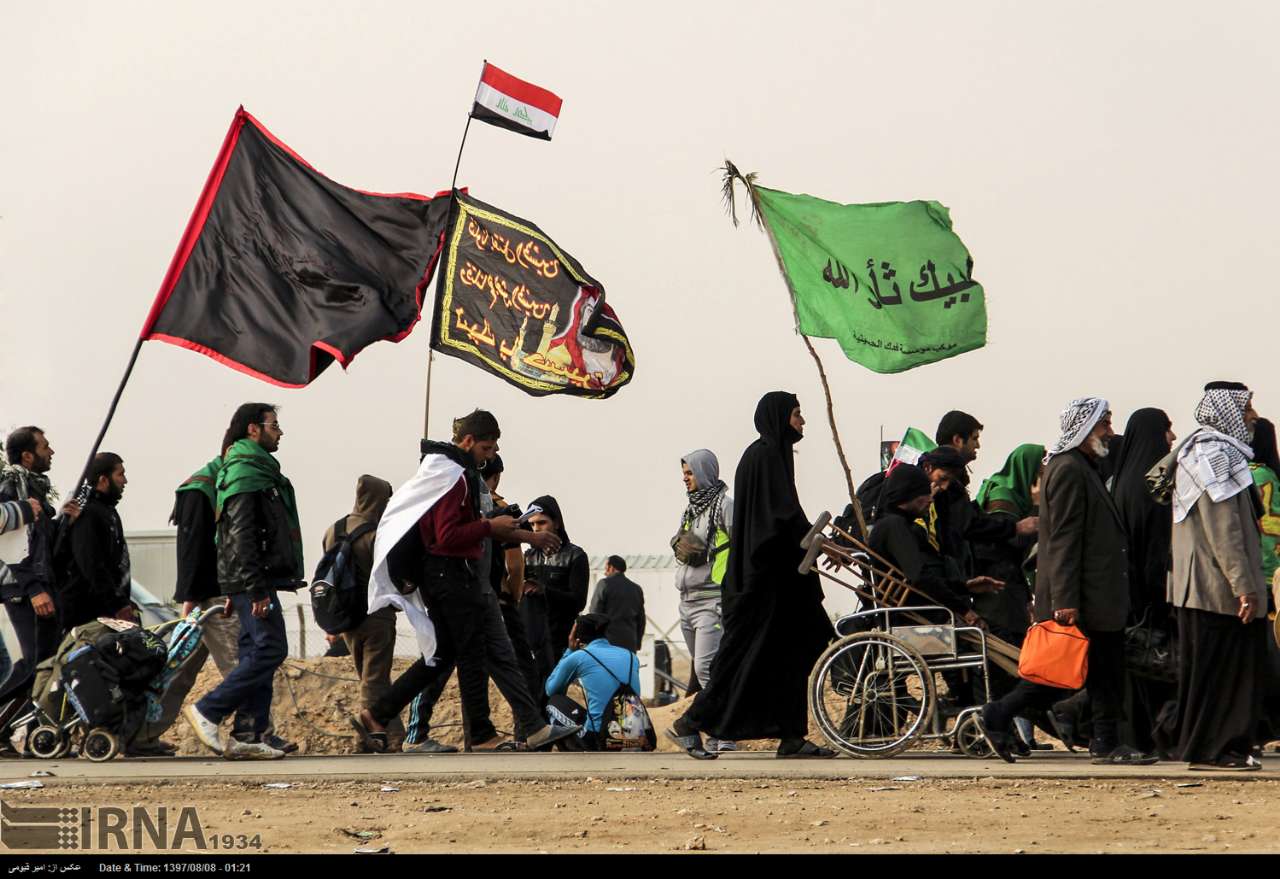
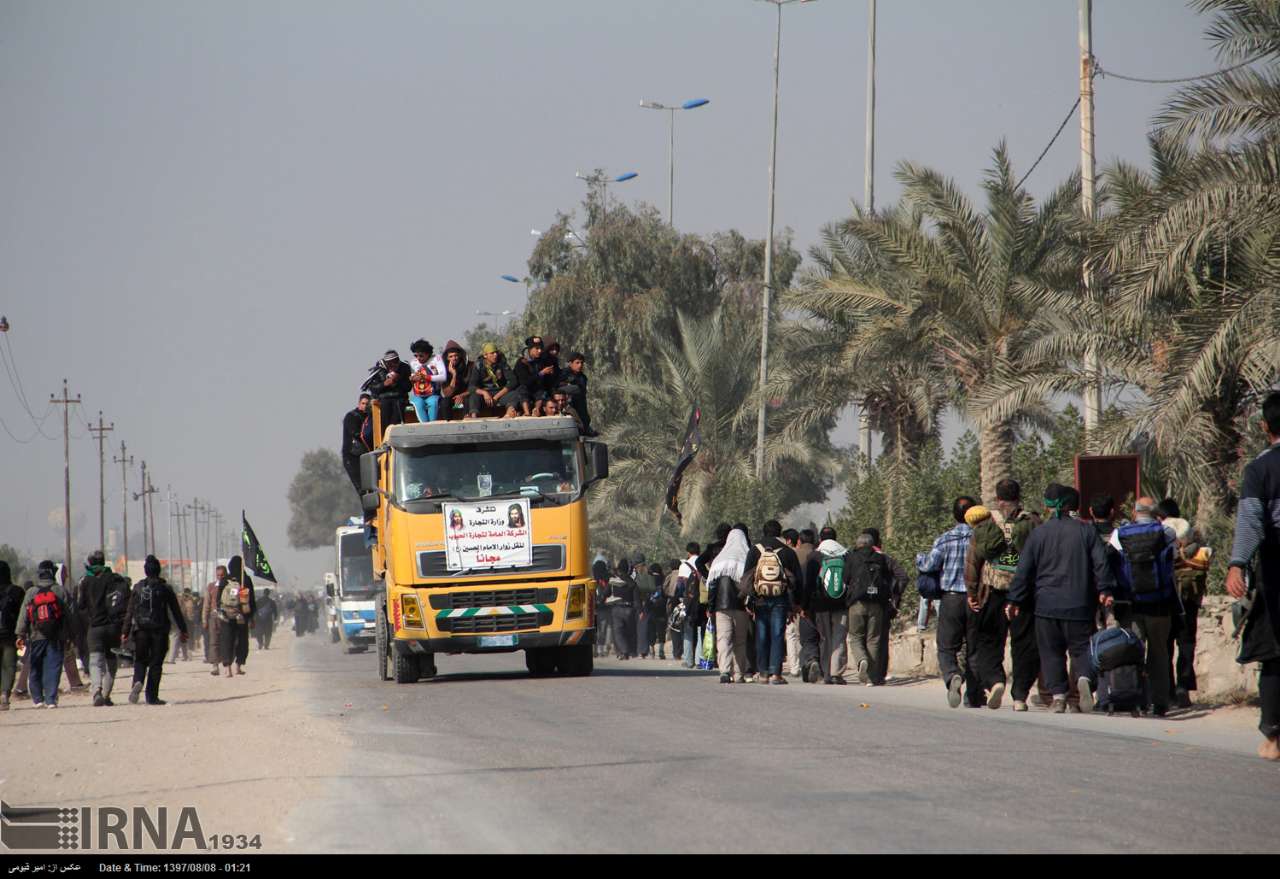
The pilgrims converged on Karbala after an 80km march from the holy city of Najaf.
The procession has been held so far in full security thanks to efforts by the Iraqi army and popular forces.

Arba’een marks the 40th day after Ashura, the martyrdom anniversary of Imam Hussein, the grandson of Prophet Mohammad, in 680 AD.

According to Iraqi officials, pilgrims from 30 countries came to Iraq in Arba’een last year, but the number of countries this year has increased to 60.

Karbala, which hosts the holy shrine of Imam Hussein, has attracted millions of pilgrims, even non-Muslims, who create the world’s hugest human gathering in modern history.

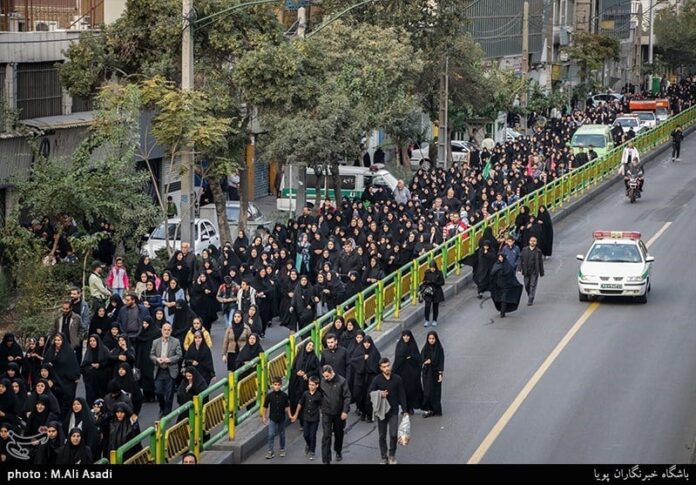
Massive Arba’een Procession Held in Tehran as Shiites Convene in Karbala

A main road to southern Tehran leading to the holy shrine of Abdol Azim al-Hasani (AS) in Rey was blocked to motorists to allow a packed crowd to go on the pilgrimage on foot.

Since a couple of years ago, Tehran residents, calling themselves those “left behind” (for not having had the opportunity to take part in the annual Arbaeen march in Iraq), walk long distances from different parts of Tehran to Rey on Arbaeen.

Arbaeen is a national holiday in Iran. It marks the 40th day after Ashura, the martyrdom anniversary of Imam Hussein (AS), the grandson of Prophet Mohammad (PBUH), in 680 AD.

The Iraqi city of Karbala, which hosts the holy shrine of Imam Hussein (AS), has attracted millions of pilgrims, even non-Muslims, who create the world’s hugest human gathering in modern history.

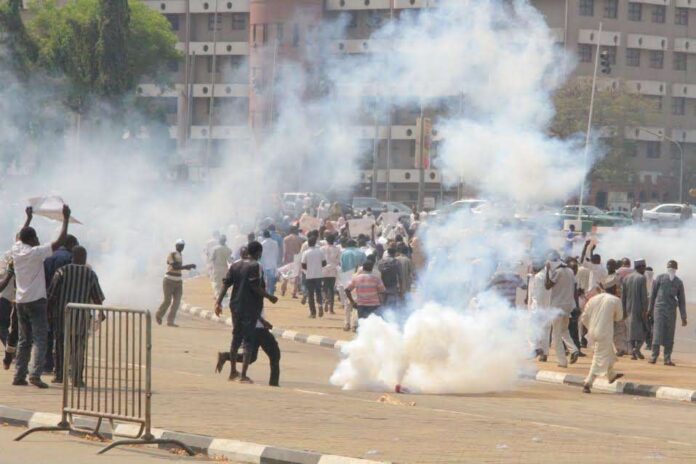
Iran Condemns Killing of Arba’een Mourners in Nigeria

Iranian Foreign Ministry Spokesman Bahram Qassemi on Monday highlighted the need to respect religious ceremonies held by Shiite Muslims in the country.

“We have received conflicting news about the incident, and we are closely monitoring relevant developments and news, waiting for the different dimensions of the incident to come to light,” Qassemi told Fars News Agency.

“Initial information about the incident shows clashes erupted between police forces and mourners which left a number of demonstrators dead and wounded. While condemning this killing, we sympathize with the families of those killed,” he added.

He urged Nigerian security forces to exercise self-restraint and stressed that the dignity of peaceful religious ceremonies held by Shiites should be respected.

The spokesman further expressed hope that both sides will, through peaceful and legal means based on respect for civil rights, be able to manage the situation in order to maintain tranquility and stability and prevent further clashes and tension.

At least 10 people were killed in a raid by Nigerian security forces on members of the country’s Shia Muslim community.

Reports by local Nigerian media said scores of people had also been injured after Nigerian security forces opened fire on Muslim worshippers gathering for a procession in Zuba, in Gwagwalada area of the capital Abuja.

Those killed in the attack were members of the Islamic Movement in Nigeria (IMN), a group that has been subject to a harsh government crackdown over the past three years.

Local media said the Muslim worshipers had gathered near Abuja from Suleja, in Niger state, for a three-day procession to commemorate the annual Arba’een occasion, which marks the 40th day since the anniversary of the martyrdom of Prophet Muhammad’s grandson, Imam Hussein.

Arba’een Pilgrims Earn Iraq $80m in Revenues

The head of the Iraqi General Authority for Border Ports, Kazim al-Aqabi, told a press conference on Monday that the visa fee for each pilgrim is $40, and that has generated $80 million for the government.

This Iraqi official stated that the police, security forces and other institutions are involved in providing security.

The Iraqi forces have taken tight security measures on the paths leading to Karbala to prevent any possible attack by the ISIS and other terrorist groups.

Shiites, Sunnis, and people of other faiths from across the world have been on a spiritual journey to the Iraqi city of Karbala since almost three weeks ago. Many of them are from Iran going on foot to the holy Shrine of third Shiite Imam, Hussein ibn Ali, in Karbala.

Over two million Iranians have so far entered the Iraqi territory for this year’s Arba’een.

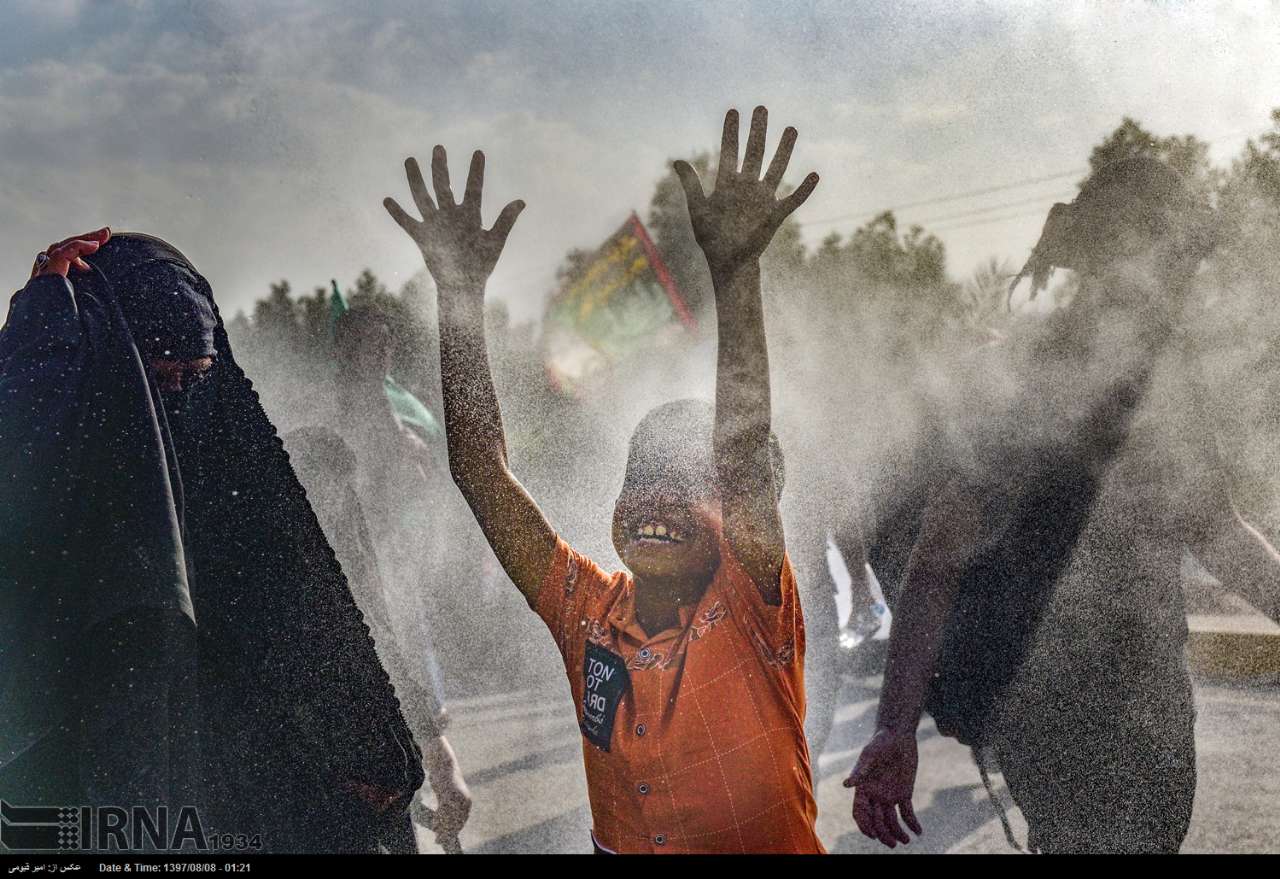
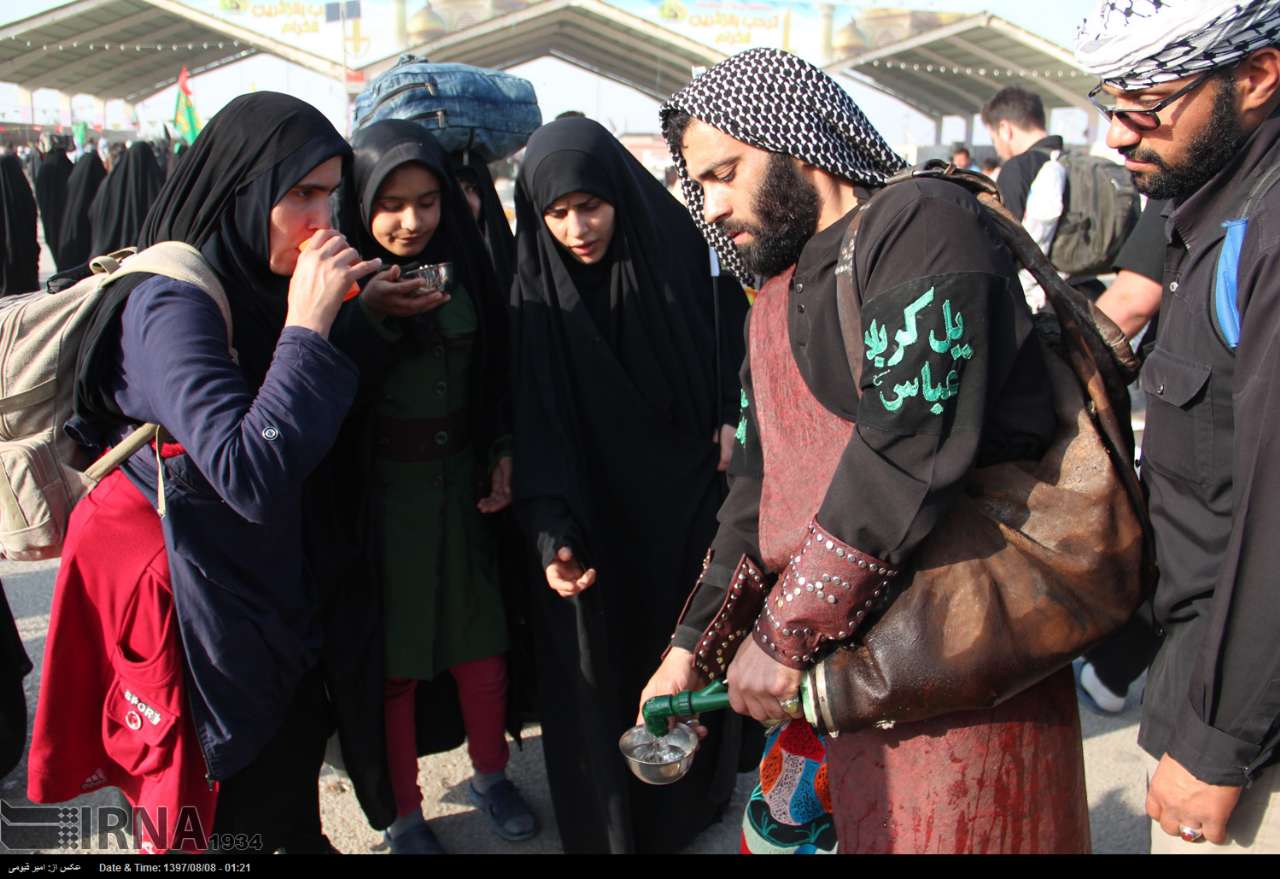
Many people, mainly Iranians and Iraqis, are doing volunteer work along the routes to Karbala. They offer everything from drinking water, meals, and shoe polishing service to the pilgrims free of charge.