Saturday, December 27, 2025
Home Blog Page 2455

A Look at Iranian Newspaper Front Pages on August 15

Abrar Newspaper:

1- Coronavirus Kills 466 More Iranians

2- Tehran Government Offices, Businesses, Banks to Close as of Monday

3- All Roads to/from Tehran to Remain Closed Until Aug. 27

A Look at Iranian Newspaper Front Pages on August 15


Afkar Newspaper:

1- Raisi: All Illegal Traffic Must Be Stopped

A Look at Iranian Newspaper Front Pages on August 15


Aftab-e Yazd Newspaper:

1- Another Period of Useless Shutdowns to Contain Coronavirus

2- Insisting on Wrong Decisions [Editorial]

* Experts Believe This Type of Shutdown Will Only Help Spread Virus

A Look at Iranian Newspaper Front Pages on August 15


Ebtekar Newspaper:

1- New Coronavirus Restrictions: Lockdown to Be Imposed from Monday to Saturday

A Look at Iranian Newspaper Front Pages on August 15


Etemad Newspaper:

1- Raisi: Iran to Buy 30 Million Doses of Vaccine

A Look at Iranian Newspaper Front Pages on August 15


Ettela’at Newspaper:

1- National Resolve to Counter Coronavirus

A Look at Iranian Newspaper Front Pages on August 15


Farhikhtegan Newspaper:

1- Iran to Accelerate Import of Vaccines

A Look at Iranian Newspaper Front Pages on August 15


Hamshahri Newspaper:

1- Number of Children Contracting Coronavirus Increasing

A Look at Iranian Newspaper Front Pages on August 15


Javan Newspaper:

1- Coronavirus Won’t Be Contained with Such Lax Lockdown (Photo of Traffic Jam in Iran Roads)

A Look at Iranian Newspaper Front Pages on August 15


Kayhan Newspaper:

1- Lockdown Holidays Will Double COVID-19 Deaths If Used for Going on Vacation

A Look at Iranian Newspaper Front Pages on August 15


Khorasan Newspaper:

1- Be Strict This Time!

* Massive Lockdown, Preventing Traffic as of Sunday Night

A Look at Iranian Newspaper Front Pages on August 15


Mardom Salari Newspaper:

1- A Review of Coronavirus Mismanagement

* Will One-Week Lockdown Decrease COVID-19 Deaths?

A Look at Iranian Newspaper Front Pages on August 15


Quds Newspaper:

1- Fifth Peak of Coronavirus: We’re the Culprits

* A Report on How People Don’t Observe Health Protocols

A Look at Iranian Newspaper Front Pages on August 15


SMT Newspaper:

1- Iran at Centre of A Mega-Crisis

A Look at Iranian Newspaper Front Pages on August 15


Shargh Newspaper:

1- Muharram Mourning Ceremony at Iran Leader’s Hussainya without People’s Presence

2- National Solidarity against Coronavirus

A Look at Iranian Newspaper Front Pages on August 15


Tejarat Newspaper:

1- Countering COVID-19 with Five-Day Shutdown of Gov’t Offices and Businesses

2- Iran’s Economy Lagging Behind Due to Coronavirus, Blackouts, Growing USD Rates

3- Coronavirus Decreases Plane Ticket Prices

A Look at Iranian Newspaper Front Pages on August 15


Vatan-e Emrooz Newspaper:

1- Major Change in Management of Pandemic

* Massive Spread of Mutated Virus Killing 500, Infecting 40,000 in Iran Every Day

A Look at Iranian Newspaper Front Pages on August 15

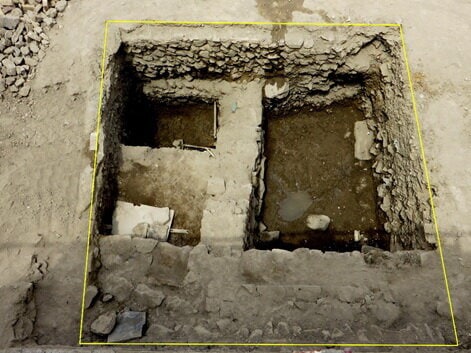
Ancient Objects Unearthed at Site of ‘Lost City’ in Western Iran

“Until before 2005 when the Cultural Heritage Department of Hamadan Province invited [archaeologist] Mahdi Rahbar to make speculations in Dokhaharan neighbourhood, no action had been taken to explore the Laodiseh district,” said Mohsen Janjani, the head of the team of archaeologists, as quoted by the Public Relations Office of the Cultural Heritage and Tourism Research Centre.

The lead archaeologist underlined that speculations and excavations had been conducted in four seasons in 2005, 2011, 2012 and 2019.

Ancient Objects Unearthed at Site of ‘Lost City’ in Western Iran“Given the densely constructed buildings in Dokhaharan neighbourhood, which is regarded as an underprivileged district in Nahavand, the team of archaeologists faced numerous problems, including choosing a proper location for speculation.
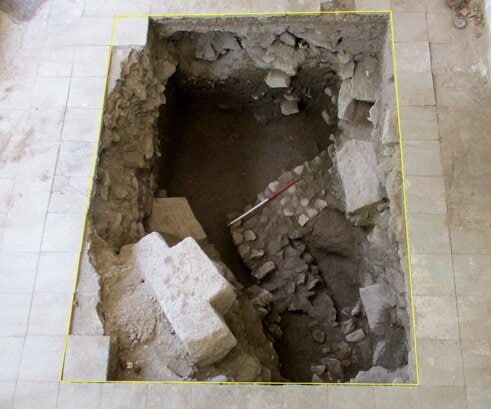
He touched upon the ongoing excavations at the site as well as the outcome of those excavations, saying, “Antiquities belonging to the Seleucid and Parthian eras, including capitals, columns and pottery were found.”

Ancient Objects Unearthed at Site of ‘Lost City’ in Western IranHe underlined search is underway to discover the Laodiseh temple, expressing hope it will be found in the upcoming excavations.
Laodiseh is known as the lost city of Seleucid whose discovery will bring to light well-kept secrets of this historical dynasty.

This historical site and the Dokhaharan area where the Laodiseh temple is thought to have been located was registered as cultural heritage on Iran’s List of National Monuments.

Archaeologists Looking for Lost Greek Temple in Iran’s Nahavand


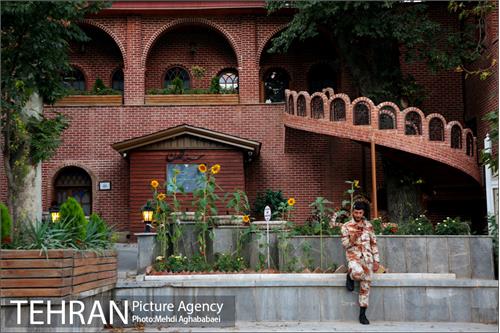
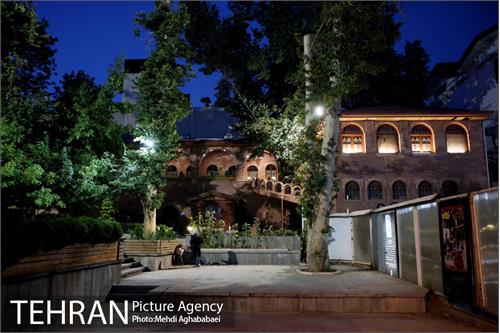
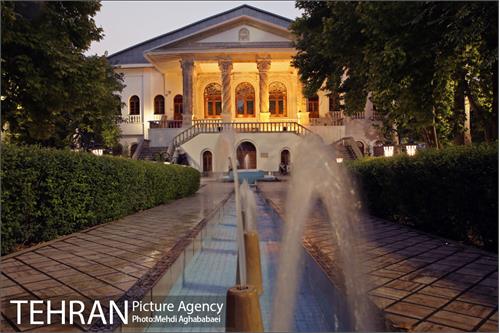
Ferdows Garden: A Mesmerizing, Ancient Monument in Heart of Tehran

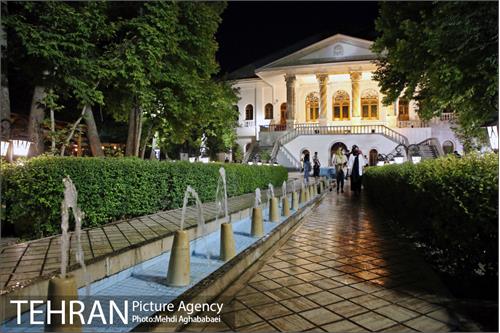
The foundation of the summertime resort mansion was established by Haji Miraghasi, the grand vizier of Mohammad Shah Qajar. 

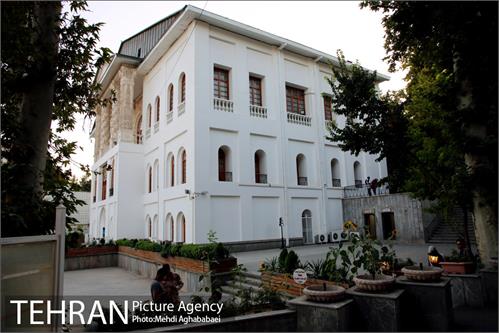
An edifice built in the northern part of the garden was constructed as a palace and a luxurious place of residence since the very beginning.

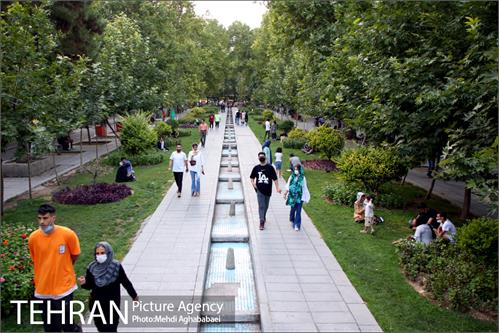
The Ferdows Garden is an invaluable and historical monument located in an old neighbourhood, bearing the same name, in Shemiran district in northern Tehran.

The ancient garden turned into a cinema museum in 2002.

The land of the garden measures 20,000 square meters. Its mansion has three storeys with a total area of 10,000 square metres.

The garden is full of impressive stucco decorations. There are thick, round columns artistically decorated with stucco
The monument was registered on Iran’s List of National Heritage sites on August 2, 1997.

The garden is currently a cozy location for artists’ get-togethers due to its green space, numerous café and the cinema museum.

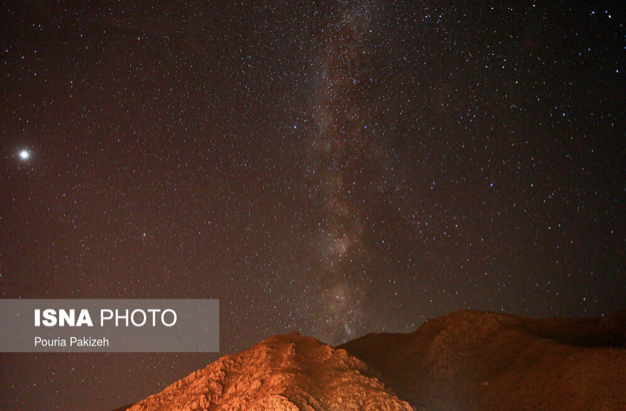
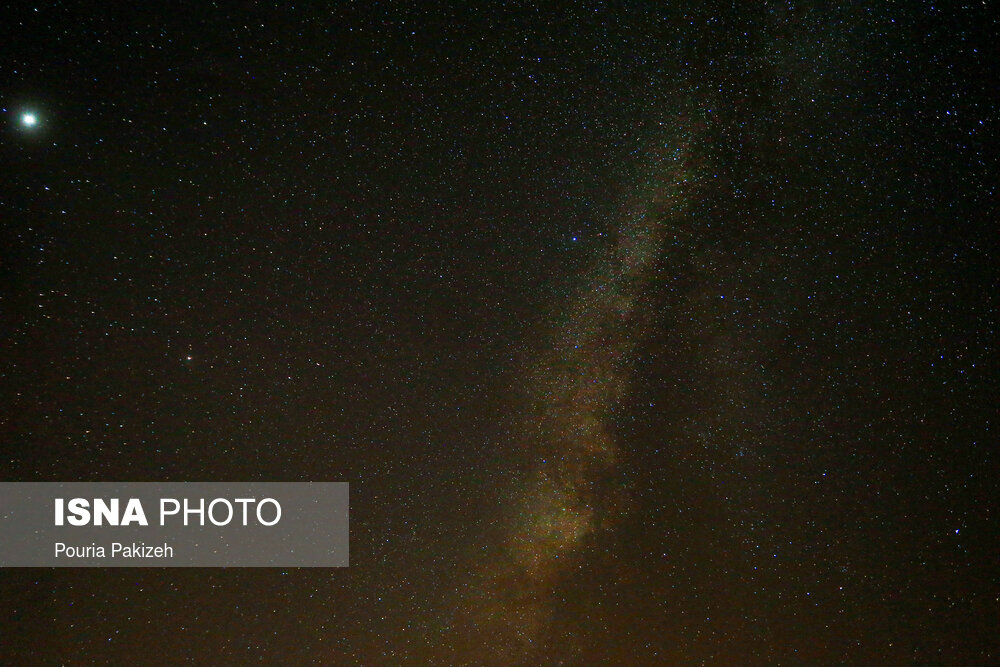
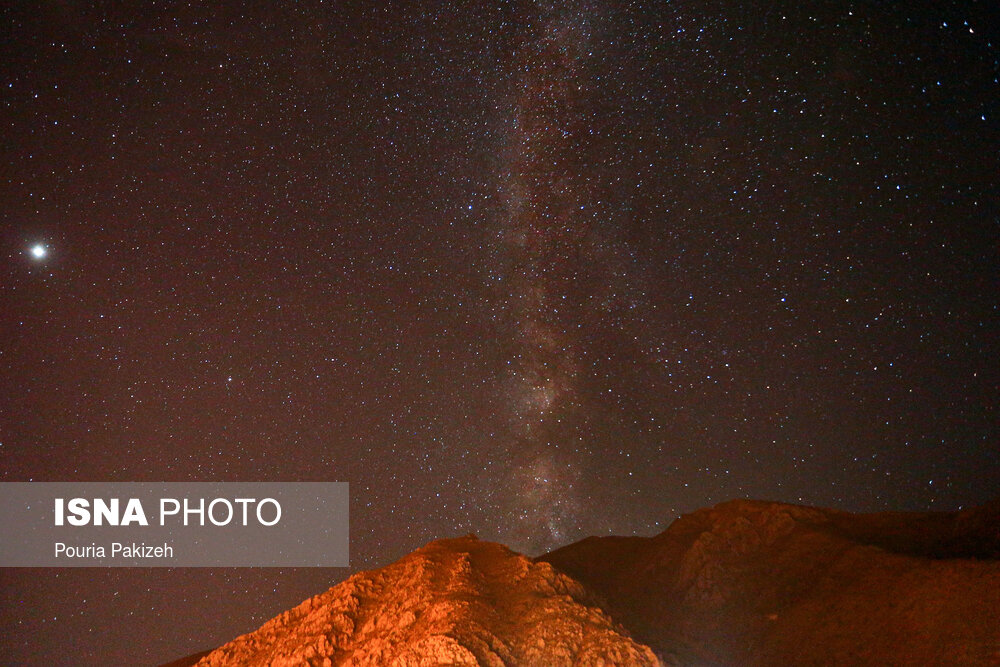
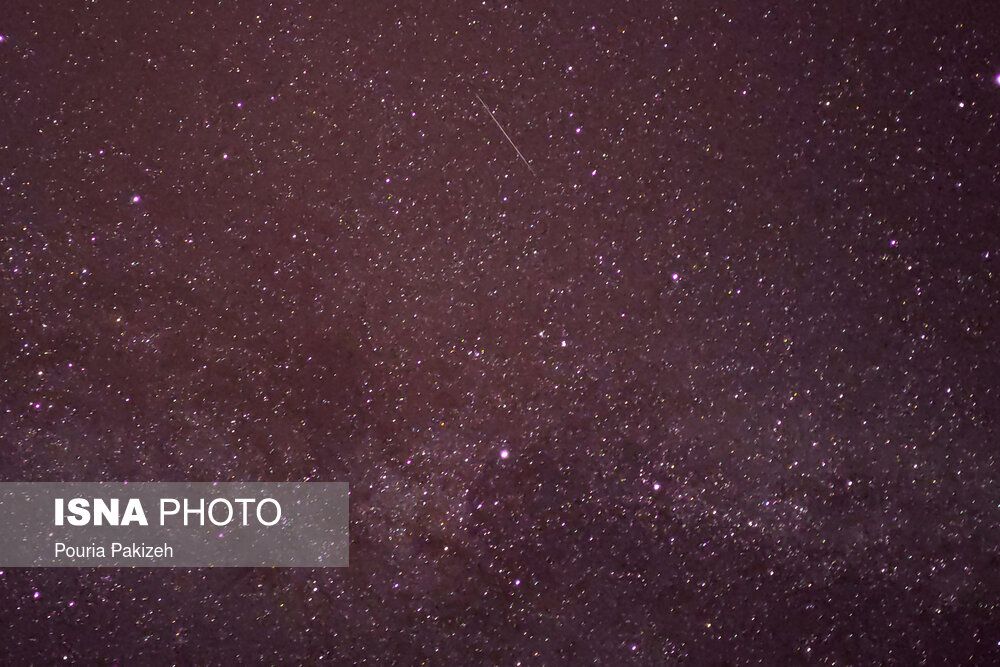
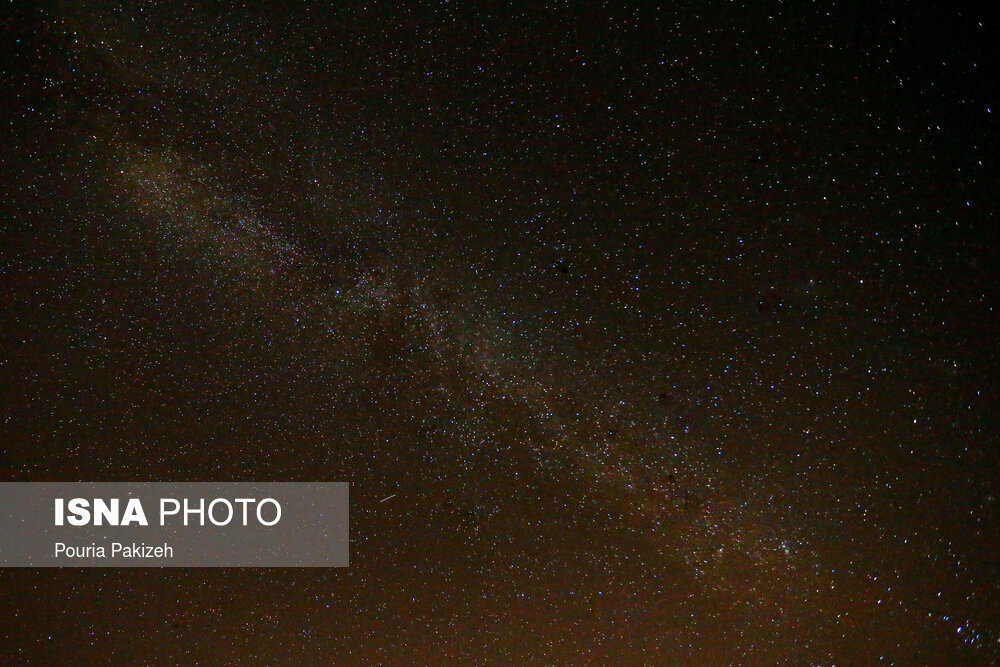
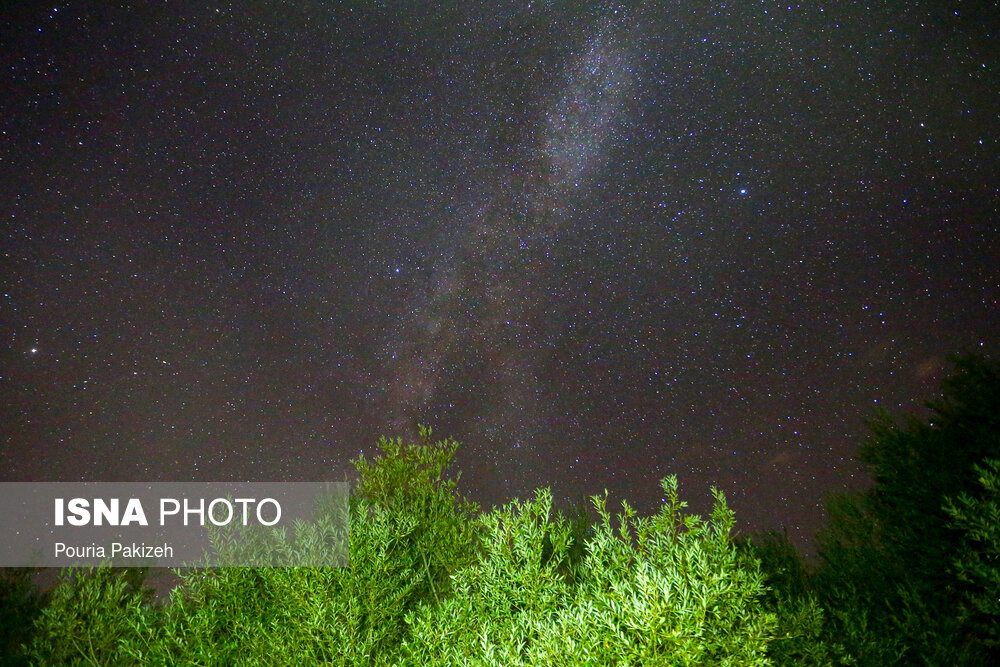
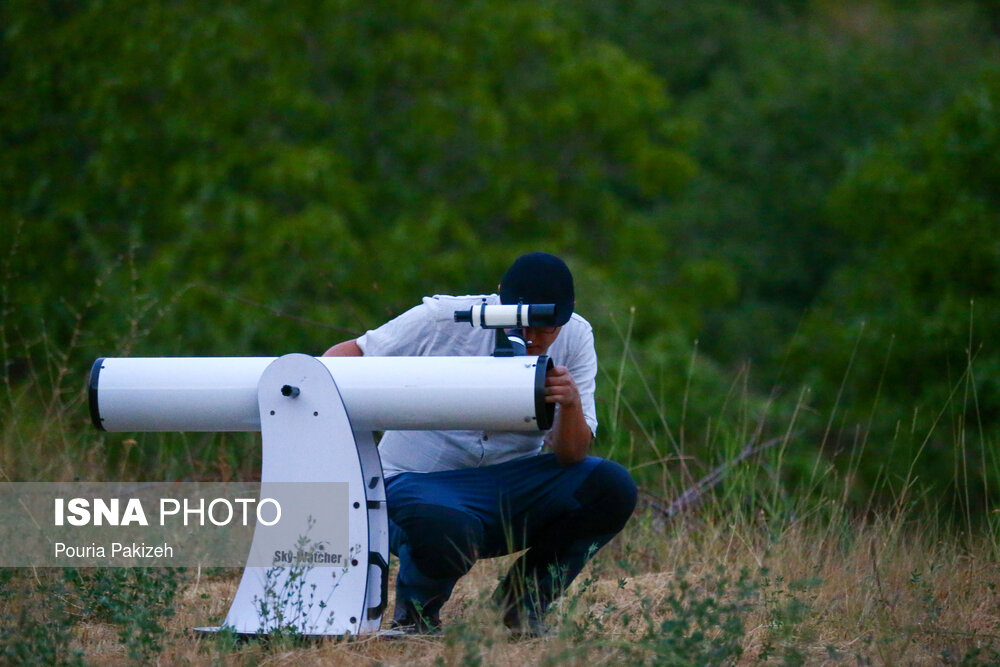
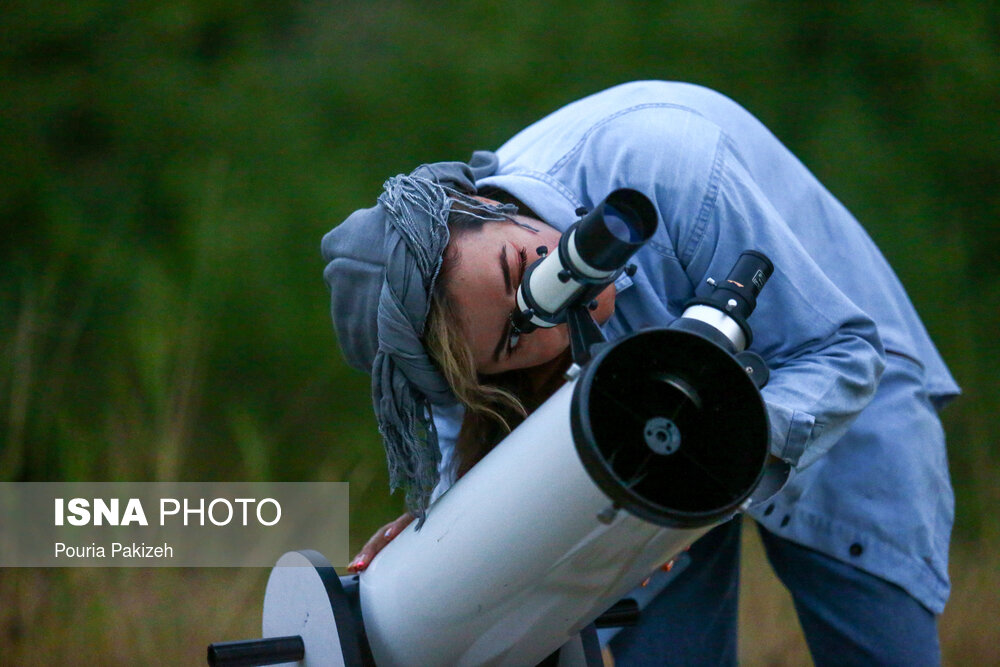
Stargazers Get Chance to Observe Impressive Phenomenon of Preseids

The Perseids are a prolific meteor shower caused by the remaining masses of particles from the comet Swift–Tuttle, and are active for around a month. The meteors are called the Perseids because the point from which they appear to hail lies in the constellation Perseus.

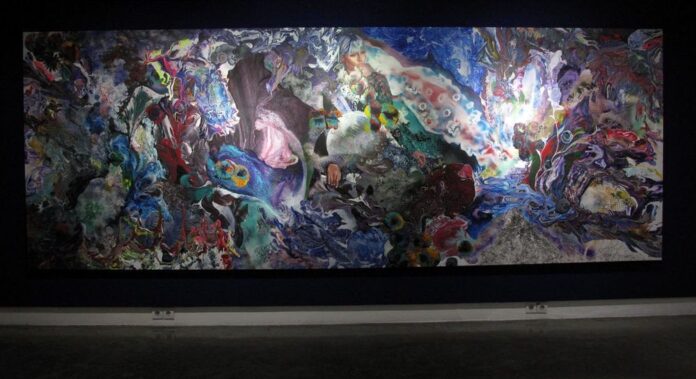
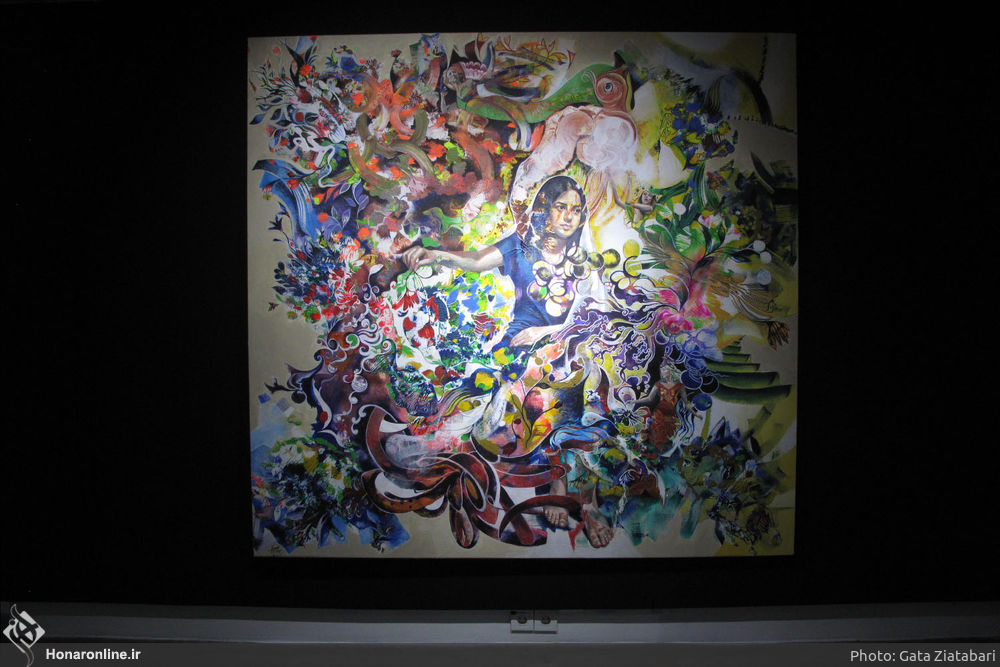
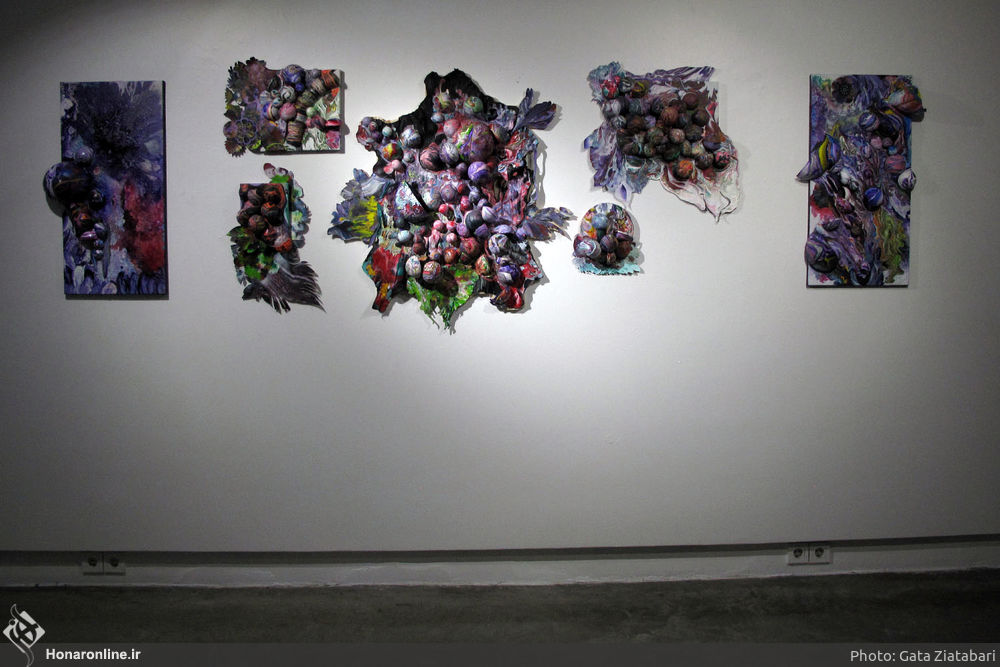
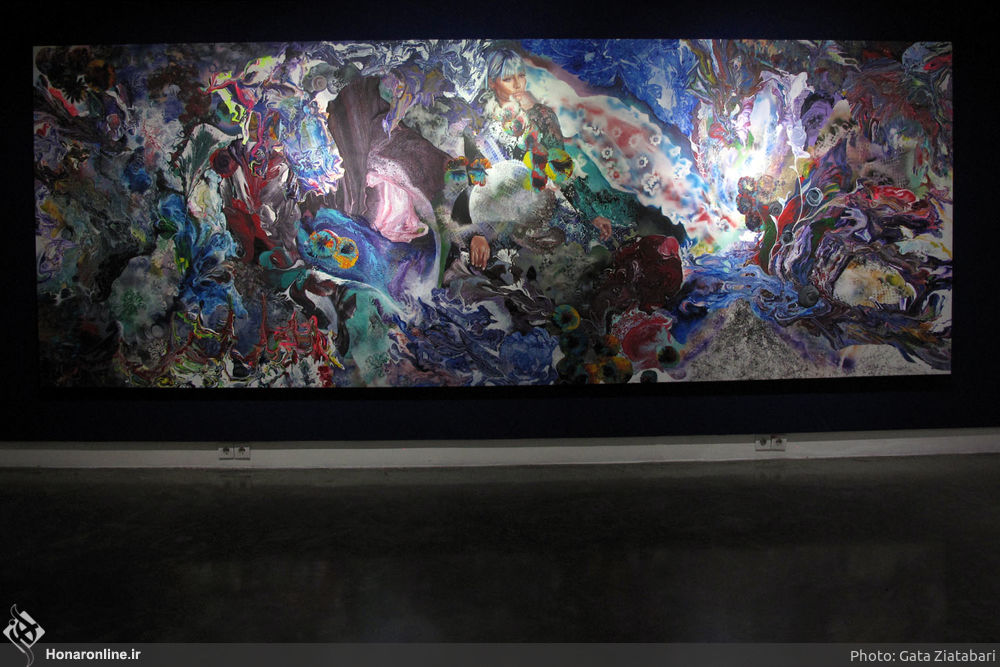
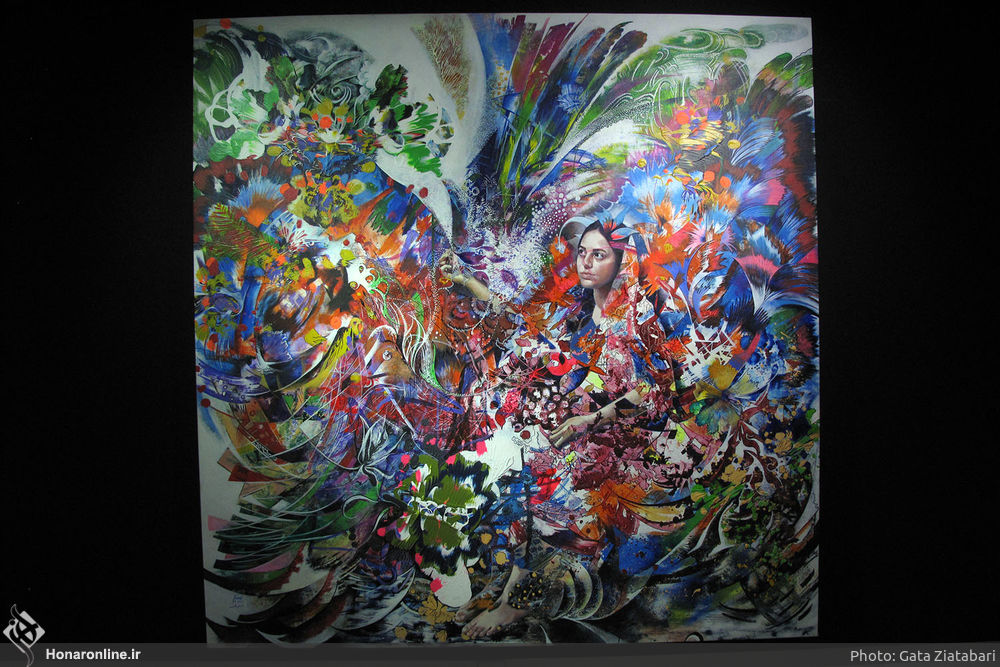
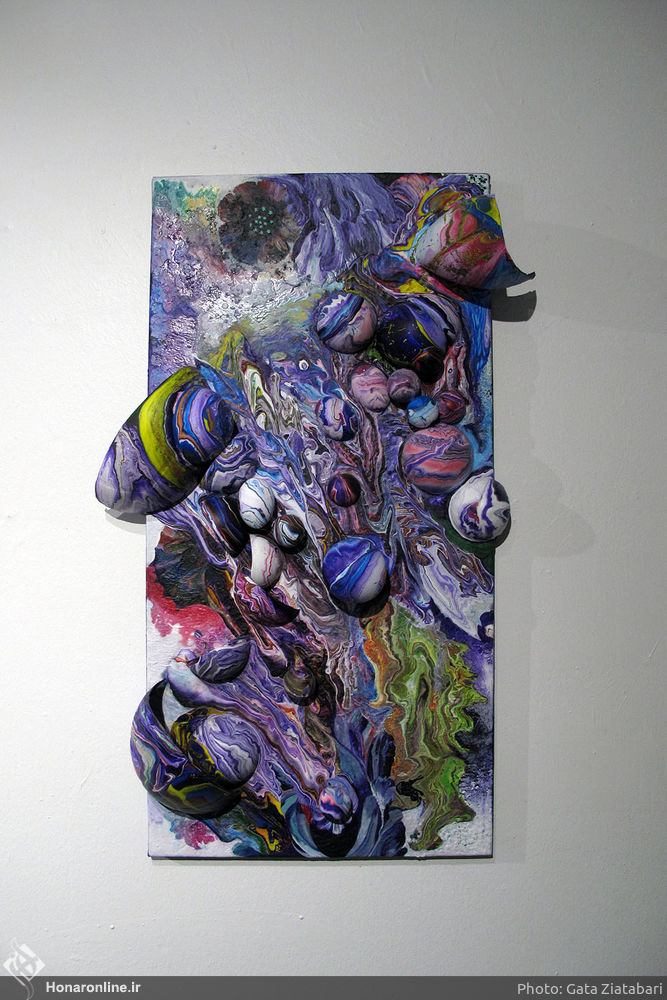
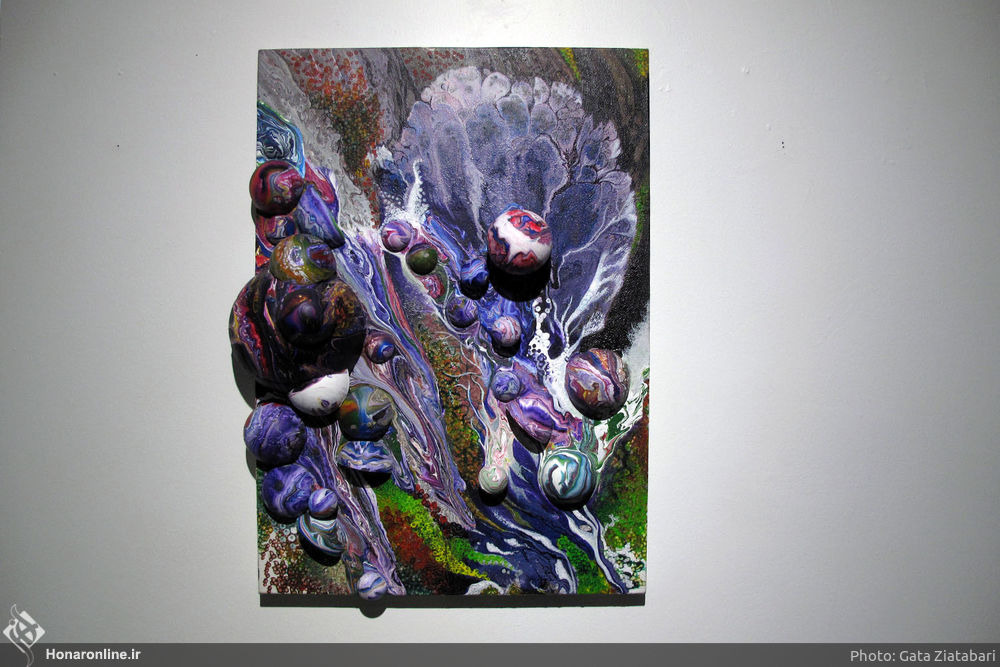
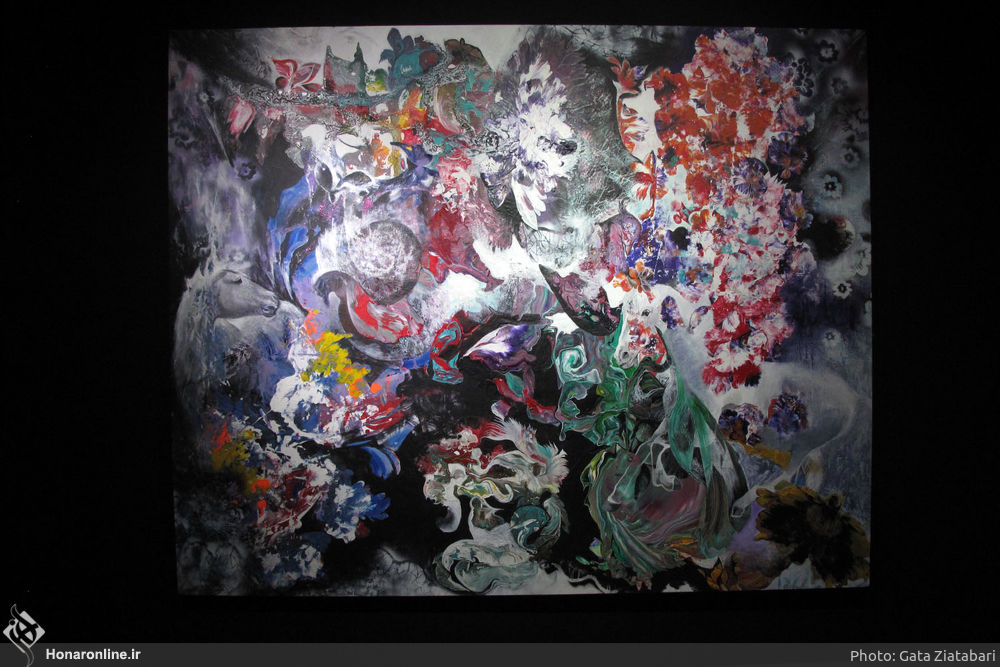
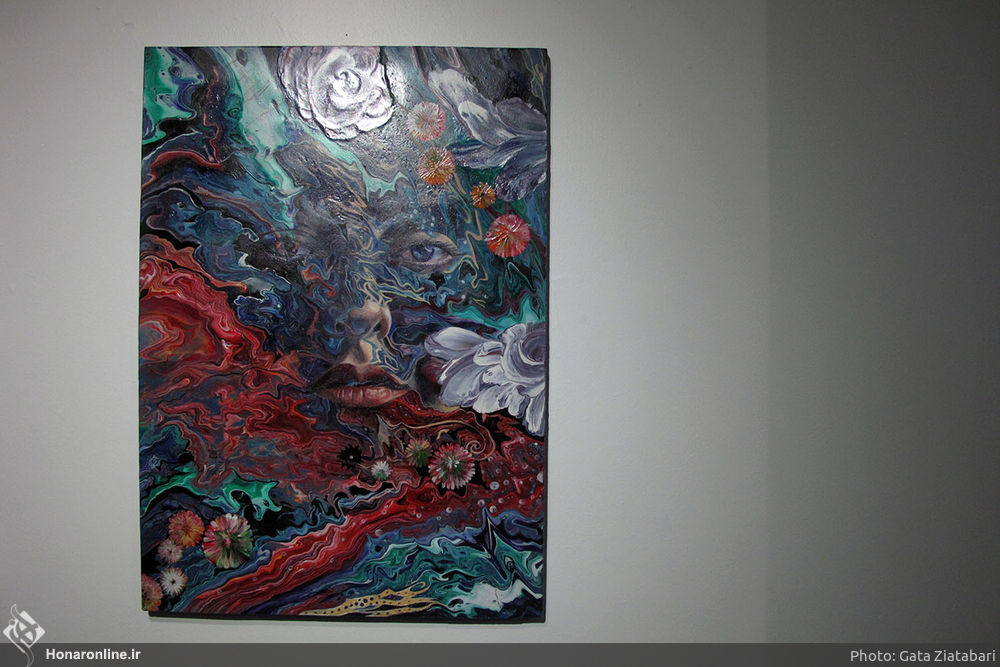
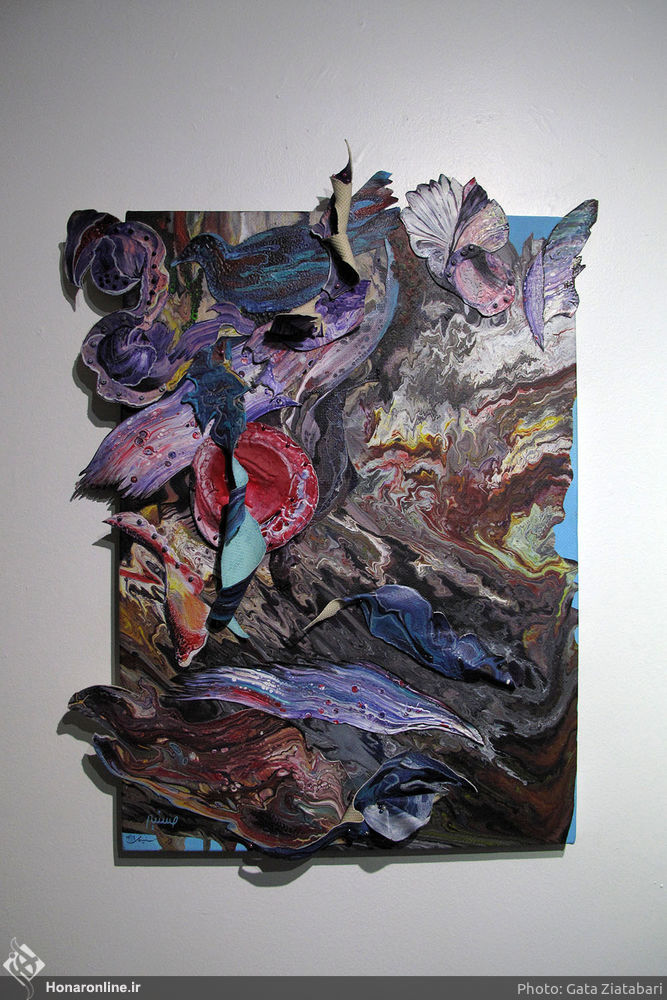
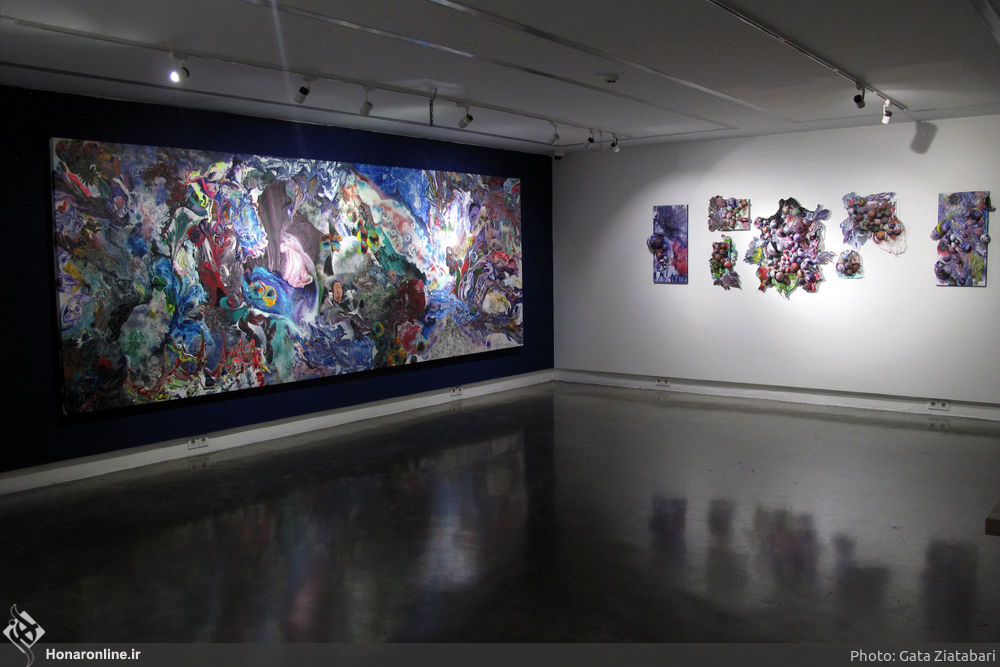
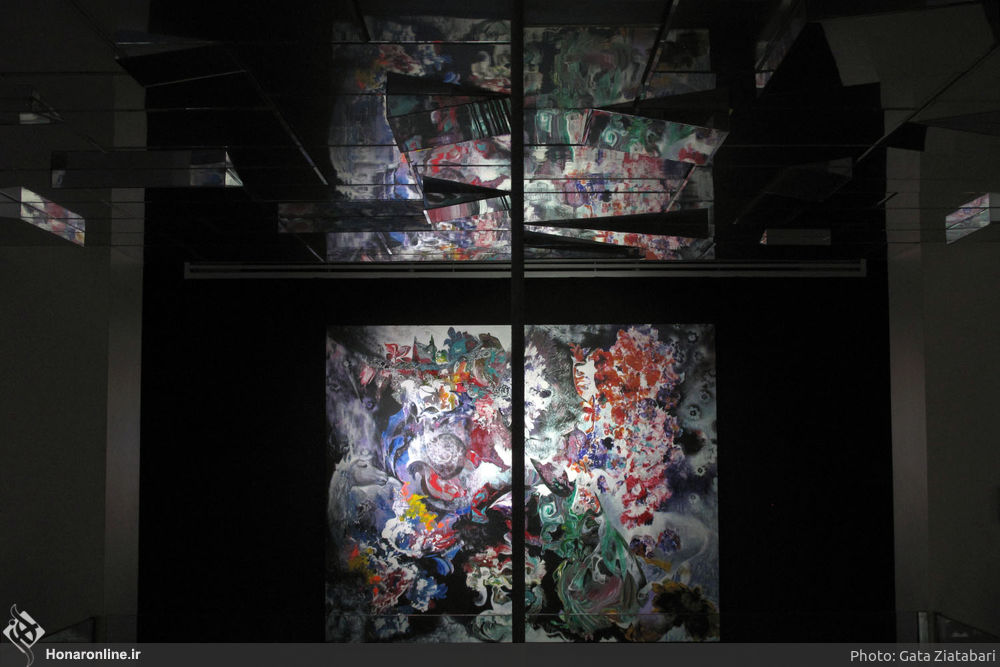
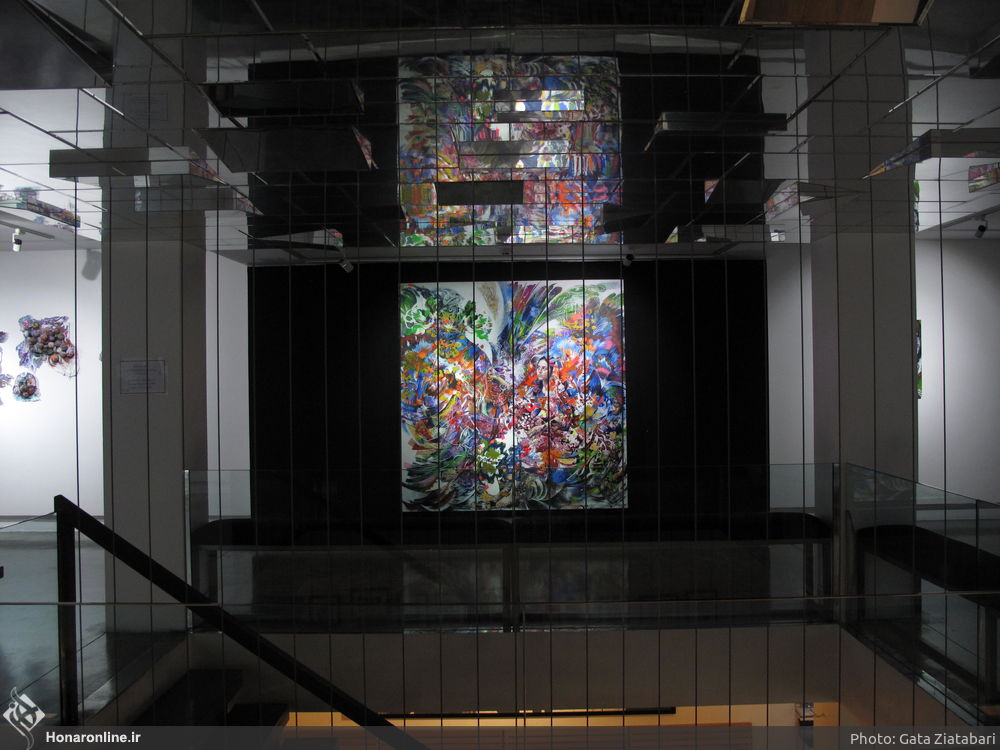
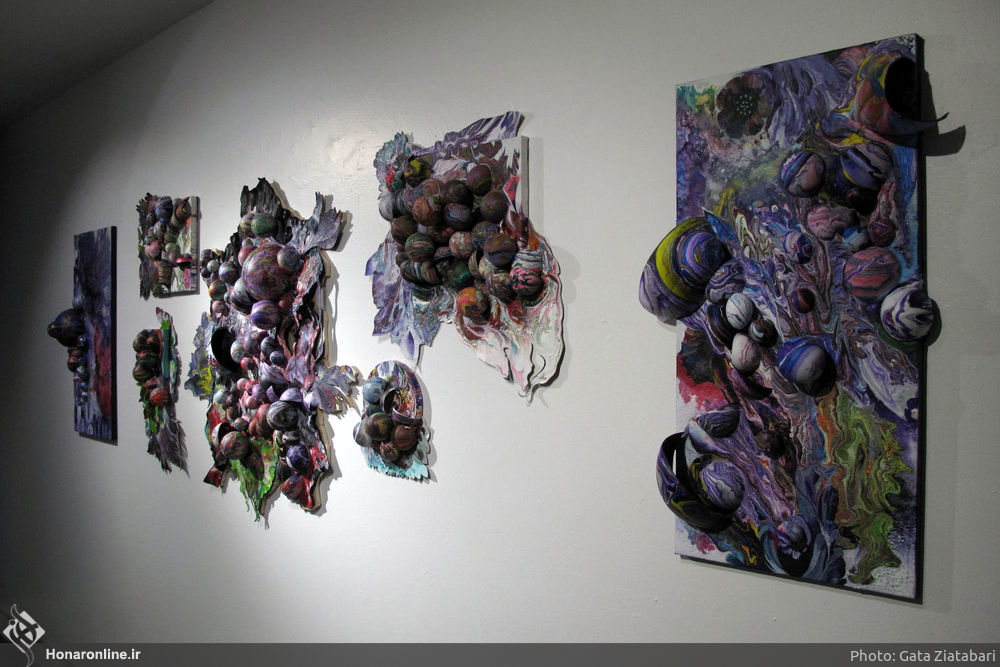
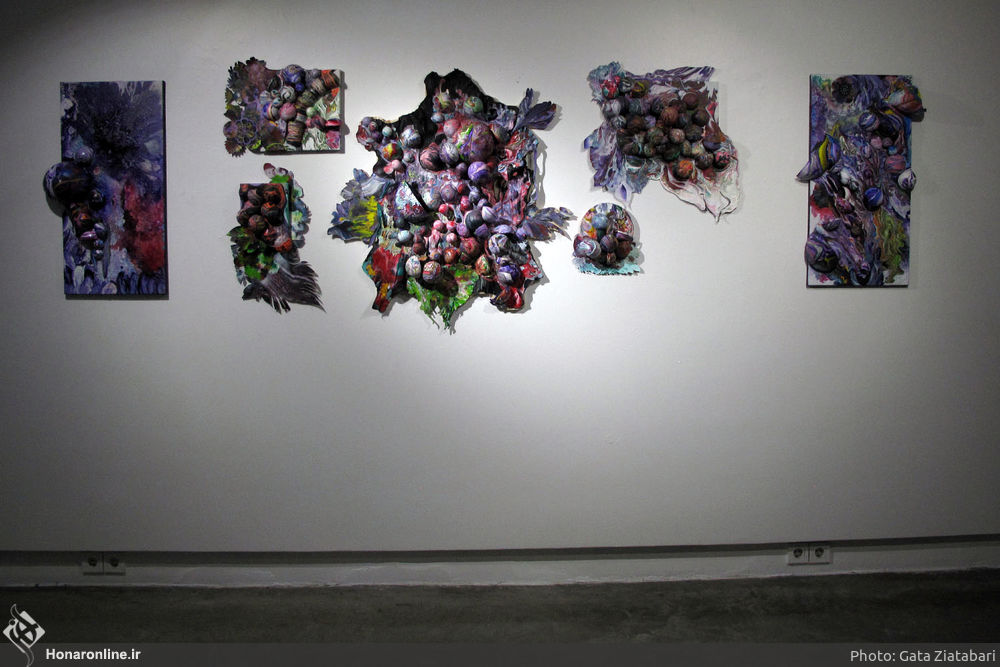
Tehran Hosting Exhibition of Unique Abstract Paintings

Some of the works are 3-D paintings created by using plastic, canvas and paint.

The paintings created by artist Hasaniyeh Roomi reflect order emanating from a sort of chaos.

The collection called “Post-, Pre-Time” has taken shape from a whole gamut of various points in time, showcasing a mixture of the present and the past and offering an unparalleled, timeless and colourful amalgamation.

In these paintings, objects and creatures are floating somewhere between the commencement of creation and eternity.

“This is how I create these works: I pour paint on the canvas arbitrarily, which creates an abstract atmosphere from which I extract figurative images and different elements such as plants, objects, etc.,” says Roomi.

“The elements created from an abstract atmosphere are usually imaginary and may not actually exist in reality,” the artist adds.

The exhibit runs until August 17, 2021 at Sales Art Gallery in central Tehran.


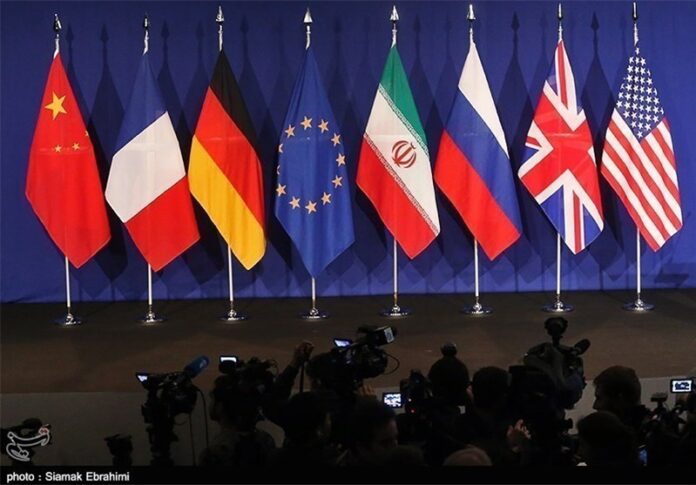
Nuclear Talks Unlikely to Get Anywhere: Iran VP

Nuclear Deal Talk, JCPOA, Flags

Mohammad Mokhber underlined the necessity of self-reliance, adding the country cannot pin its hope on abroad in order to solve its problems.

“The Supreme Leader and the president highlight [the necessity of] the lifting of sanctions, but we are unlikely to get anywhere by reliance on the hegemonic system,” he said.

“We cannot base our programs for running the country on the removal of sanctions, and we should make plans with the supposition that the hegemonic system will not lift the sanctions,” he added.

“As the Supreme Leader said, we are completely optimistic about the future of the country and we hope to be able to weather the current situation with honour,” he noted.

The top official underlined that hegemonic powers are trying their utmost to exert economic pressure on the country.

He said hegemonic powers are planning and trying to take revenge on Iranian people and leave no stone unturned in that regard and even compromise on people’s health to achieve their objective.

“Amid the coronavirus pandemic, we saw that the necessary measures were adopted to import vaccines, but, in the last moment, they prevented this necessary commodity from entering the country,” he said.

Mokhber said hegemonic powers claim that there are no restrictions on Iran when it comes to procuring medicines, but, in practice, they do not allow Iran to make payments for the drugs and practically prevent the imports of medicines.

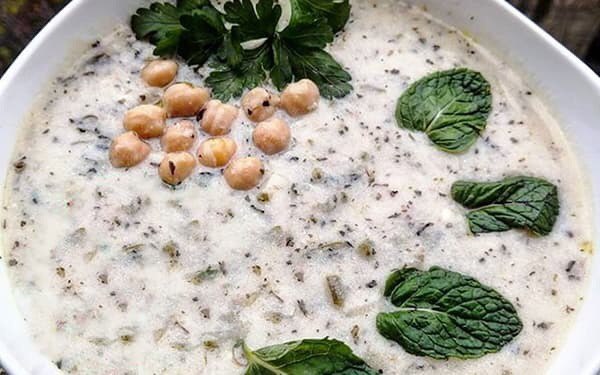
Doogh Broth: A Yummy Nutritious Iranian Dish

This ambrosial food has recently been registered on Iran’s List of Intangible Heritage.

The doogh broth helps improve the functioning of the heart and cure chronic diseases.

It also reduces joint pain and burns fat.

The doogh broth contains elements essential for the body, including calcium, iron, phosphorus, sodium, potassium, starch, copper, etc., which reinforce the body’s immune system and foster the growth of muscles.

Ingredients:

Yogurt: 4 cupfuls

Bulgur: half a cupful

Rice: 4-5 spoons

Coriander & spinach: One average-sized bunch plus a little beet greens

Cooked peas: One cupful

Flour: 1 spoon

Eggs: 1 egg

Salt and pepper

Recipe:

Make doogh with sour yogurt (leave the yogurt outside the fridge for one day until it turns sour) and water. Pour some of the doogh in a dish and add a stirred egg. Then add one spoon of flour and mix them all again.

Pour the mixture inside a casserole and put it on low heat until it begins to boil. Take care you should keep stirring the dooghuntil it starts to boil.

Cook the peas in a separate dish. Sauté chopped vegetables with hot pepper in another pan.

Put bulgur and rice in separate containers.

When the doogh begins to boil, add peas, vegetables, bulgur, rice and salt to the doogh all at once and mix them together.

Put the casserole lid back on and wait until the mixture inside starts boiling.

Cook the bulgur and rice before adding the doogh to them. Then keep stirring the mixture until it begins to boil. Then add the vegetables and peas and leave them on heat until the vegetables are cooked through.

You may cut 2 or 3 semi-hot capsicums and add them to the mixture. Add some salt and pepper after it is cooked through.

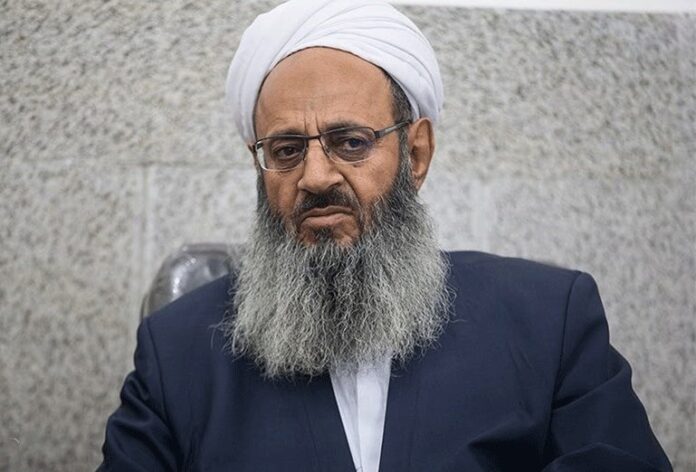
Taliban Backed by Public, Helped by God: Iran’s Top Sunni Cleric

“For several decades, the honourable people of Afghanistan have been suffering from war, insecurity and problems and today, this Islamic country is in need of peace, security and development,” said Molavi Abdolhamid Ismaeelzahi, who is Zahedan’s Friday prayers’ leader, on his personal website.  

“One of the main problems the present world is facing is ignoring the realities. ‘Taliban’, just like others, are part of the realities of Afghanistan, whose sacrifice and Jihadi fight led to the withdrawal of western occupiers, who had come to Afghanistan from far away.”

Molavi Abdolhamid also said the Taliban “have their roots in the people of Afghanistan” and are supported by the Afghan public.

“Large-scale and rapid advances of the Taliban, who have captured vast swathes of Afghanistan[‘s territory], shows this movement has its roots in the people and enjoys God’s help and public support,” he said.

Abdolhamid also described the “present” Taliban as different from the “past”. He said such moves as declaring a “public amnesty” shows they are capable and, as they have said, they are after fighting corruption and ensuring justice, and not killing people.

“The Taliban have also announced they will have friendly and good neighborly ties with their neighbors and have undertook to pose no threat to neighboring countries, which is a high capacity they are showing,” he said.

Abdolhamid also touched on the militants’ “some acts of extremism”, saying these, including on the rights of women, are correctible if Islamic clerics advise them on the issue.

He also called for peace and security for Afghanistan and urged Afghans to seek unity and work together to ensure their security and development.

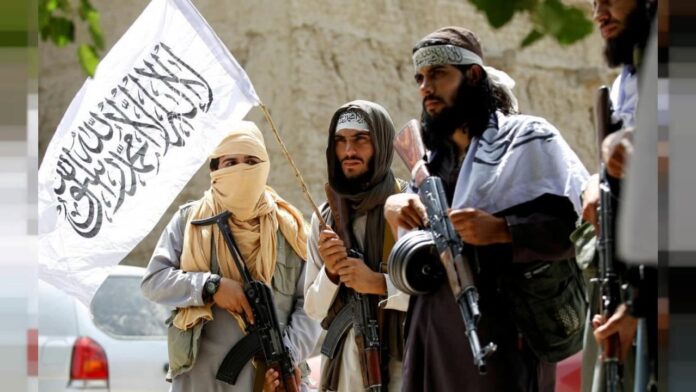
The Taliban militants have made rapid advances in Afghanistan, capturing 18 provincial capitals, so far. Some reports say they are now controlling two thirds of Afghan territory. Over the past weeks, the militants have been repeatedly accused of targeting civilians and imposing strict limits on women’s exit from their houses.

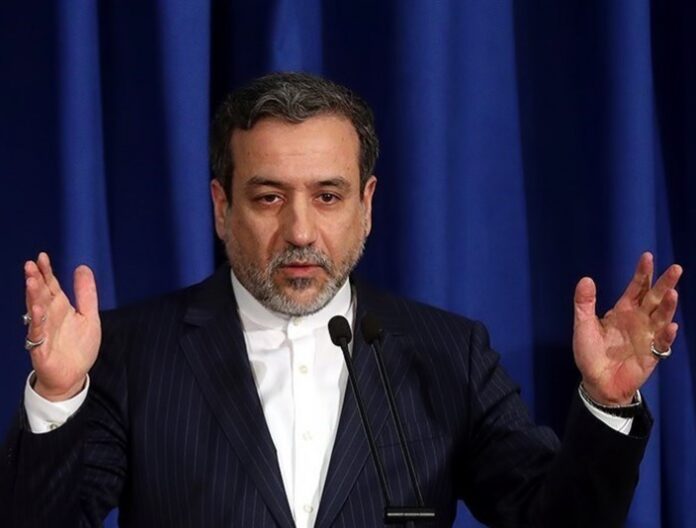
US, Not Iran, Hindering Release of Iranian-British Prisoner: Araqchi

“You know better than anybody else that deal for release of 10 prisoners – including Anoosheh Ashoori – was concluded weeks ago but your friends in [Washington] DC froze it,” Araqchi said in a tweet.

“Ashoori and 9 more are taken hostage by US for political goals. Hope you’ll explain this to your own people.”

Araqchi was responding to Dominic Raab’s tweet in which he accused Iran of “arbitrarily” detaining dual nationals.

“On the 4th anniversary of Anoosheh Ashoori’s detention, I call on Iran in the strongest possible terms to free Anoosheh, and all our dual nationals arbitrarily detained, so they can be reunited with their families,” Raab had said in a tweet.

Last month, Iran’s Foreign Ministry Spokesman Saeed Khatibzadeh said Iran spoke indirectly with the US and also talked with the UK on the “humanitarian” issue of release of prisoners. He said the talks were held on the sidelines, but separate from, the Vienna talks on the revival of the 2015 nuclear deal.

Khatibzadeh said all sides agreed on a prisoner swap deal but the Americans failed to do their side of the deal. He said it later turned out that the Americans had tied the issue to the nuclear talks and their result, which the spokesman described as “wrong”.

“We advise them to stop exploiting the humanitarian issue for political ends and, instead of hollow statement, take action so that Iranian families can [at least] reunite with their families, [even] if they [the Americans] are not interested in the release of other prisoners,” he said.

He added that the option of a prisoner swap is still available to the Americans and the British if they fulfill their side of the deal.

Iran Concerned about Escalation of Violence in Afghanistan: Spokesman

In a statement on Friday, Khatibzadeh called for attention to maintaining the lives of people and civilians amid the current situation.

The spokesman said now that the city of Herat is controlled by the Taliban, the group needs to pay serious attention to ensuring the full safety of diplomats and diplomatic sites.

Khatibzadeh also noted that the Iranian Ministry of Foreign Affairs is constantly in touch with its Consulate-General in Herat, and follows up on the health conditions of the personnel stationed there.

Earlier, Iranian Foreign Ministry official Rasoul Mousavi had tweeted that the “Islamic Emirate” forces are now controlling the city of Herat, where Iranian diplomats, consul-general and personnel are still stationed.

He said those controlling the city are “committed to ensuring the full safety of the Consulate General and the diplomats and staff working there.

The three major cities of Kandahar, Lashkar Gah and Herat in western and southern Afghanistan were confirmed on Friday to have fallen to the Taliban, as the insurgency’s race to seize control of the country accelerated.

In seizing Kandahar and Lashkar Gah in the country’s southern Pashtun heartland, as well as Herat, a vital cultural and economic hub, the insurgents appear to be nearing a complete military takeover. Only three major cities — including the capital, Kabul — remain under government control, and one is under siege by the Taliban.

Iran Concerned about Escalation of Violence in Afghanistan: Spokesman

With both Kandahar and Lashkar Gah, the capital of Helmand Province, in their hands, the Taliban now effectively control southern Afghanistan
Over the past week, the insurgents have toppled city after city in a stunning advance that has well positioned them to attack Kabul. It has also laid bare the Afghan security forces’ near complete collapse less than three weeks before the United States is set to completely withdraw. Some American officials fear the Afghan government will implode within 30 days, and are preparing for an evacuation of the US Embassy in Kabul.

The insurgents now control well over half of the country’s 400-odd districts. And they hold more than a dozen provincial capitals, including another capital south of Kabul, Ghazni, and one in the northwest, Qala-e-Naw.