Thursday, December 25, 2025
Home Blog Page 2433

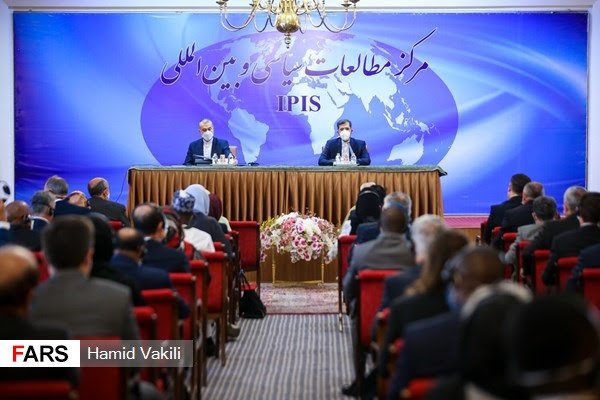
Iran FM: US main culprit in violating JCPOA

main culprit behind violating the agreement.
He was speaking on Monday at his first session with foreign ambassadors to Tehran.

The foreign minister however noted the European troika is also partly to blame for the situation of the deal also known as the JCPOA.

Amir Abdollahian said the European troika- Britain, France and Germany- failed in sticking by its side of the JCPOA and couldn’t prevent the US from violating the deal.

Referring to the stalled talks in Vienna over the Iran nuclear deal, he added that Tehran believes talks for talks’ sake will not be useful.

Amir Abdollahian described Iran’s foreign policy as balanced, active, dynamic and smart, adding Iran’s priority is its neighbors and Asia but it will expand ties with the rest of the world including Arab and Islamic countries, Africa, Latin America, Europe and the West. On Afghanistan, He said Iran is in touch with all countries involved and wants a broad-based government in Afghanistan with the participation of all Afghans.

He voiced concern over the developments in Afghanistan as well as the growth of terrorism and drug trafficking there.

The foreign minister also said the Islamic Republic is pursuing a program that aims to vaccinate more than 4 million Afghan refugees in Iran against Covid-19.

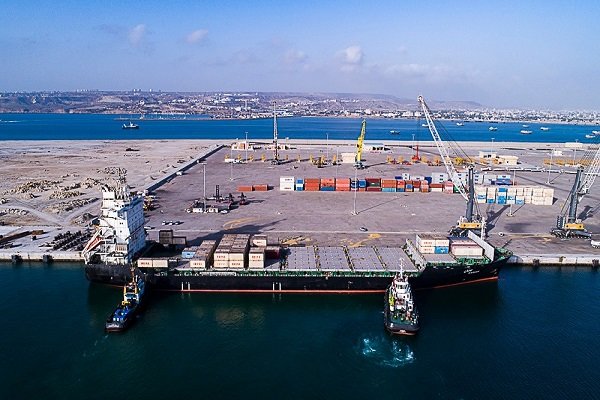
Iran Records a Trade Surplus of $1.2bn Last Month, China largest client

Spokesman for the customs administration Rouhollah Latifi said Iran exported $3.2 billion of non-oil products between July 23 and August 22. Latifi said this is a 54 percent growth compared to the previous year, but a nine percent fall compared to the previous Persian calendar month.

Latifi further said China has been the largest client of Iran during the July 23 to August 22 period, importing over $1.5bn worth of products, equal to 45 percent of Iranian exports.

Iraq, the UAE, Turkey and Afghanistan were the other largest importers from Iran, with purchases of $346mn, $285mn, $184mn and $127mn , respectively.

The spokesman also said $2.05bn worth of products were cleared from Iranian customs administration over the one-month period, which is a 26 percent fall compared to the same period last year.

Latifi explained that the lion’s share of the imports were from the UAE, China, Turkey, Germany and Switzerland, from where Iran bought $711mn, $476mn, $281mn, $105mn and $33mn worth of imports, respectively.

Latifi also touched on goods transited through Iran in the 31-day period. He said Iran was a transit route for 974-thousand tons of foreign goods in the period, which is a 94 percent growth, year on year.

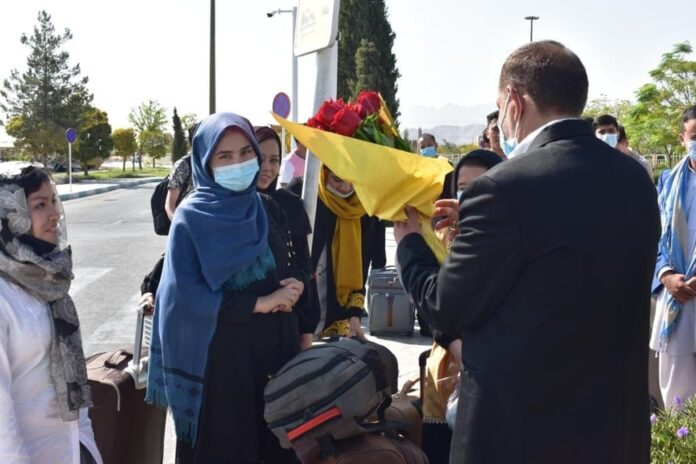
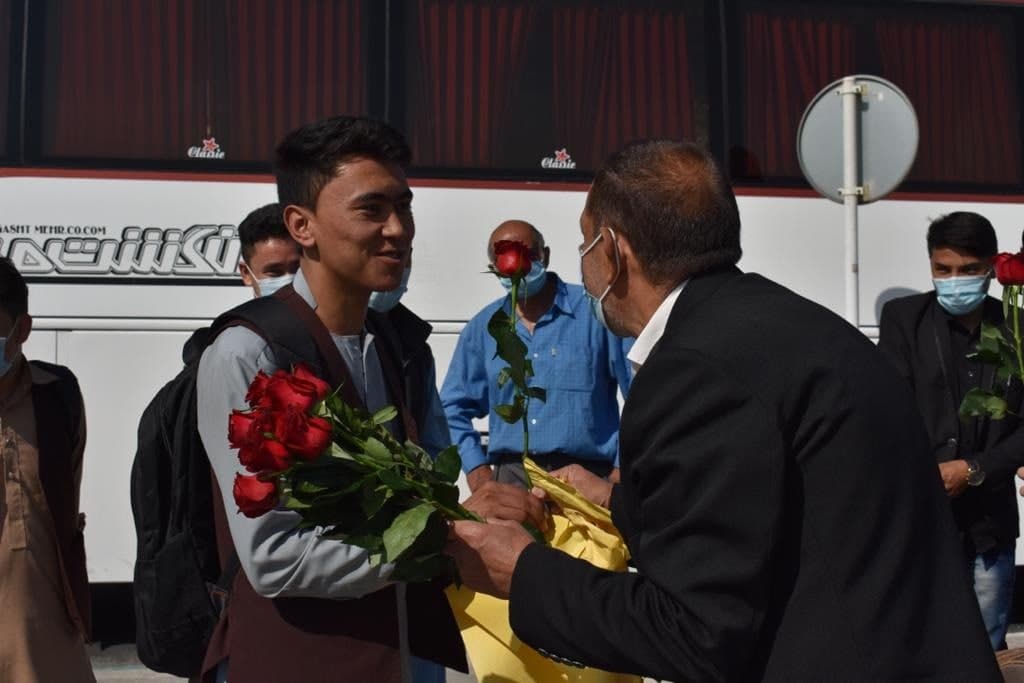
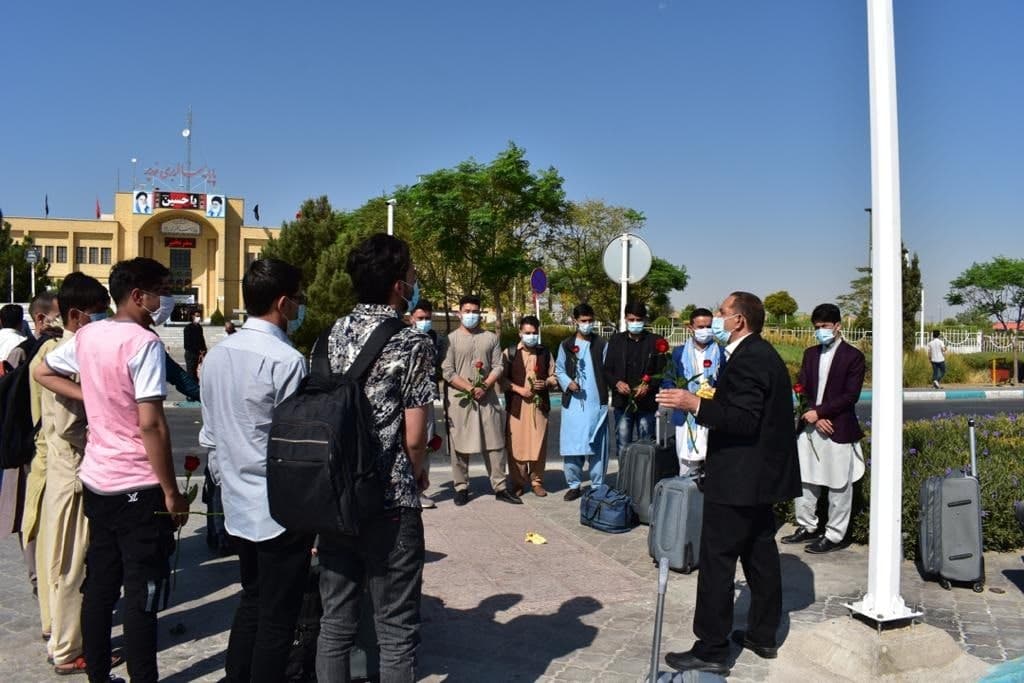
Afghans to get scholarship and special residency in Iran

According to the office of Iran’s vice president of Science and Technology, so far 200 Afghan citizens have been vetted for this purpose.

A human resources official at the office said qualified candidates will be granted 3-, 5- and 10-year residency. Seyeyd Ali Hosseini added that those holding such a residency will be treated as Iranian citizens and enjoy all rights except the voting right.

Afghans to get scholarship and special residency in IranHosseini said Afghans who receive the special residency card will be employed as researchers and entrepreneurs at knowledge-based companies.

He noted that people from other countries like France, Spain, Syria, Lebanon and Iraq have received the special residency and they no longer need to extend their visas. Hosseini said some 100 prospective students who contested the Afghan university entrance exams were also identified and 80 students said they were willing to study in Iran for a Bachelor’s degree.

He said after obtaining a Bachelor’s degree, the students may apply for admission to graduate programs but their success in doing so depends on their performance as undergraduate students. That’s, Hosseini said, also the case with PhD candidates.

Afghans to get scholarship and special residency in Iran

Iraqi resistance: Saudi Arabia, UAE run Daesh militants

“The intelligence services of Saudi Arabia and the UAE directly run Daesh elements,” Abu Ali al-Askari said via his Twitter account, adding that “this is obvious to the relevant services”.

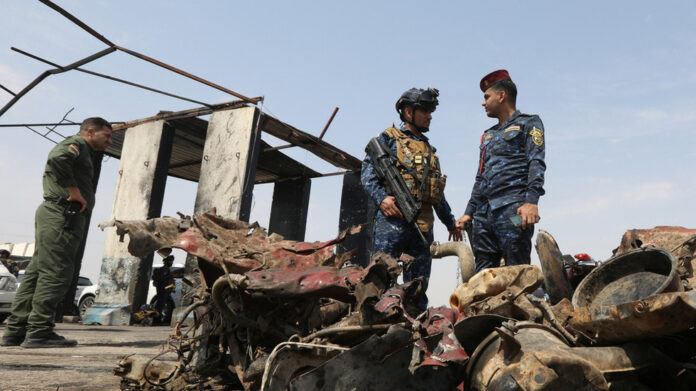
He made the remarks after 13 Iraqi policemen were killed and three wounded in a Daesh terrorist attack against a checkpoint near Iraq’s northern city of Kirkuk on Sunday.

In a separate attack on Sunday, at least three Iraqi soldiers were killed and one wounded when Daesh terrorists targeted an army checkpoint southeast of the Iraqi city of Mosul.

“Those who are negligent in this regard are complicit in these crimes … The commanders of Hashd Al-Sha’abi (PMU) must take charge, especially in the northern regions,” Al-Askari stated, using the Arabic name of the Popular Mobilization Units, which is the largest coalition of Iraqi resistance groups that played a key role in Iraq’s 2017 victory against Daesh.

He then cautioned forces of the PMU to beware of the conspiracies hatched by the United States and Israel.

Al-Askari also asked Yemen’s Ansarullah resistance movement to attack Saudi Arabia and target its infrastructure, especially the country’s energy resources, which are the main financial source of sponsoring criminal groups.

In a large-scale operation on Saturday, the Yemeni Armed Forces, run by Ansarullah, used 16 drones and ballistic missiles to hit targets deep inside Saudi Arabia. The attacks targeted vital facilities, including Saudi Aramco facilities in Ras Al-Tanura, Jeddah, Jizan and Najran regions.

Source: Press TV

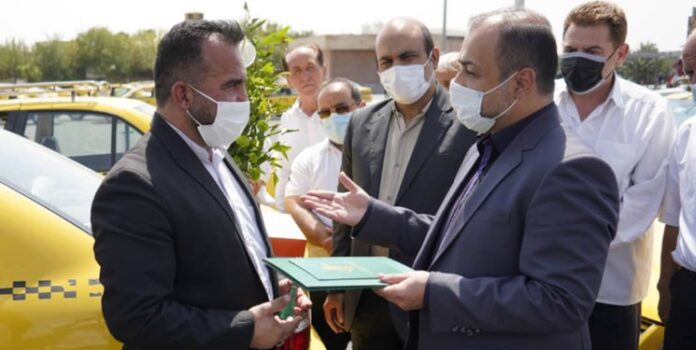
Tehran City Council Members Thank Taxi Driver Paralympics Coach

The taxi driver, Ali Fakhravar, coached the Iranian national weightlifting Paralympics team as they hauled a whopping six medals including one gold and four silvers. That helped Iran get its best Paralympics performance ever in Tokyo with 12 gold, 11 silver and one bronze medals.

Fakhravar, a paralyzed war veteran, works as a taxi driver at the taxi stand of Mehrabad Airport in Tehran.

On Monday, two city council members, Meisam Mozaffar, a former managing director of the Taxi Organization of Tehran, accompanied by Mohammad Akhoundi, a former spokesman for the Physical Education Organization of Iran, paid an unannounced visit to the Merhrabad Airport’s taxi stand.

They praised Fakhravar’s efforts at the presence of his colleagues and handed him flowers and sweets as well as a gift on behalf of the Islamic Council of the City of Tehran.

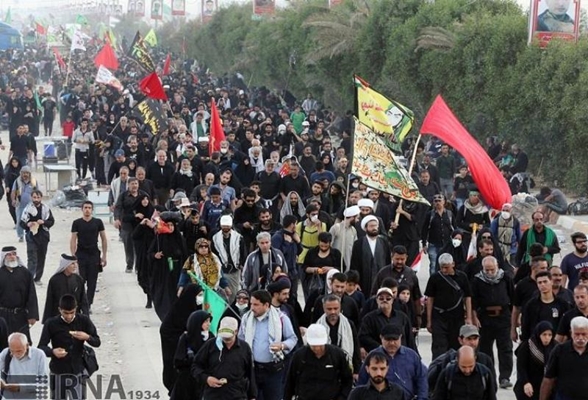
Iraq Admits No Arbaeen Pilgrims Via Land Borders

“As announced by Iraqi officials, travels to Iraq’s shrine cities for the Arbaeen march are only possible by air. Therefore, if people want to take part in these ceremonies, they should only use air travel,” said Valiollah Hayati, the deputy governor for security and law enforcement affairs.

“Due to the coronavirus outbreak, Iraq has imposed a 30-thousand limit on the number of Iranian pilgrims, who seek to participate in the Arbaeen march this year.”

The official said individuals who want to set up Moukebs [temporary pavilions] to serve the pilgrims in Iraq should also go there by air. He added that no such pavilions will also be set up in Iran’s Shalamcheh and Chazzabeh border crossings this year, due to the coronavirus pandemic.

The official also noted that anyone seeking to travel to Iraq by air should take a PCR test for the coronavirus disease 72 hours ahead, and should have a certificate of negative test result to avoid being barred from entry into Iraq.

The Arbaeen march, which bring millions of pilgrims to Iraq every year, was first cancelled in 2020 due to the coronavirus pandemic.

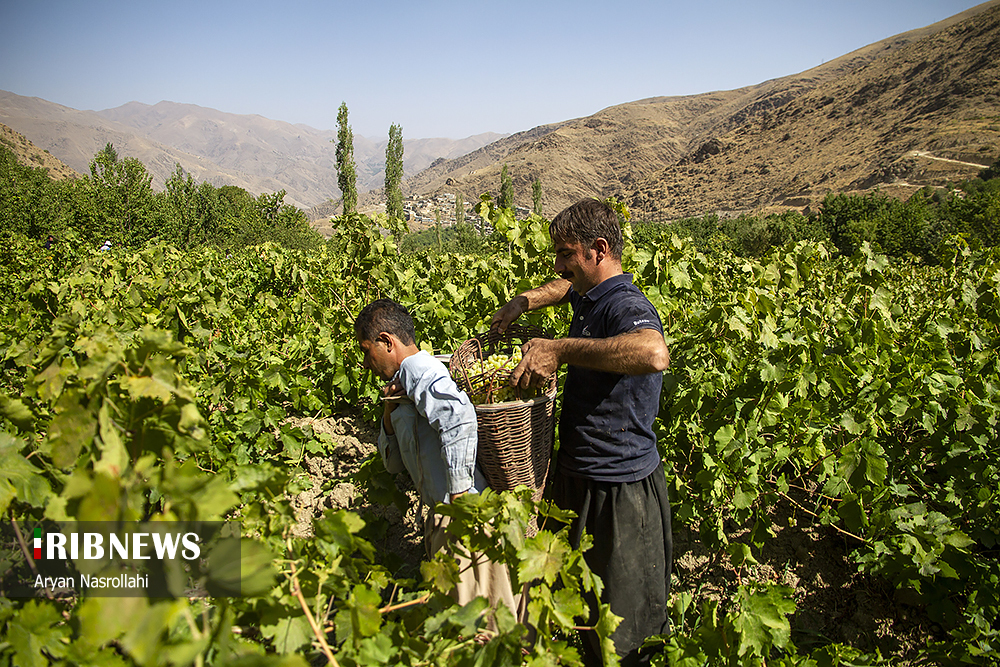
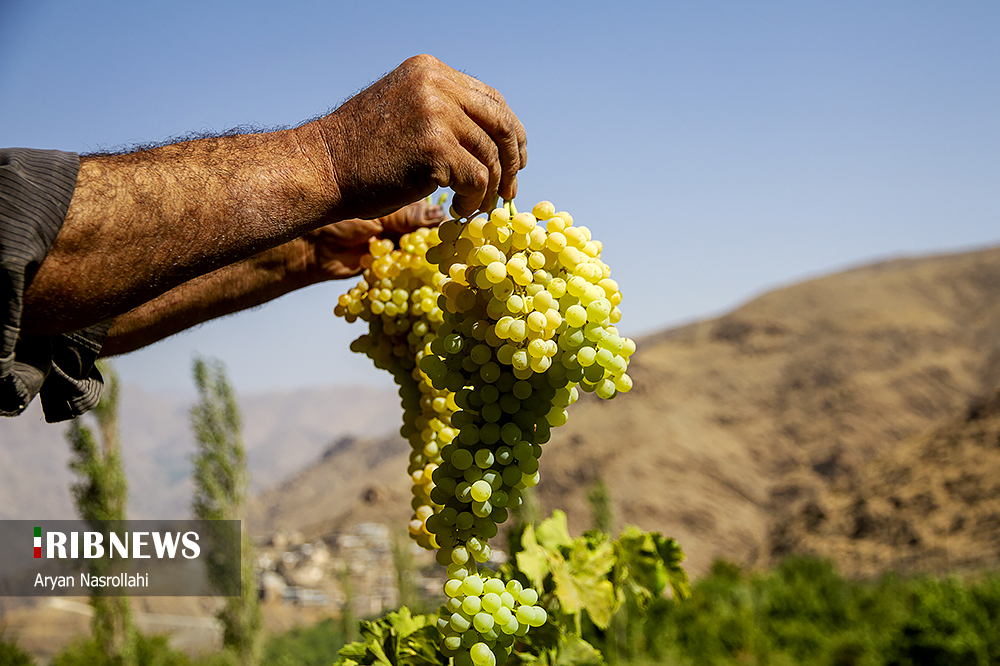
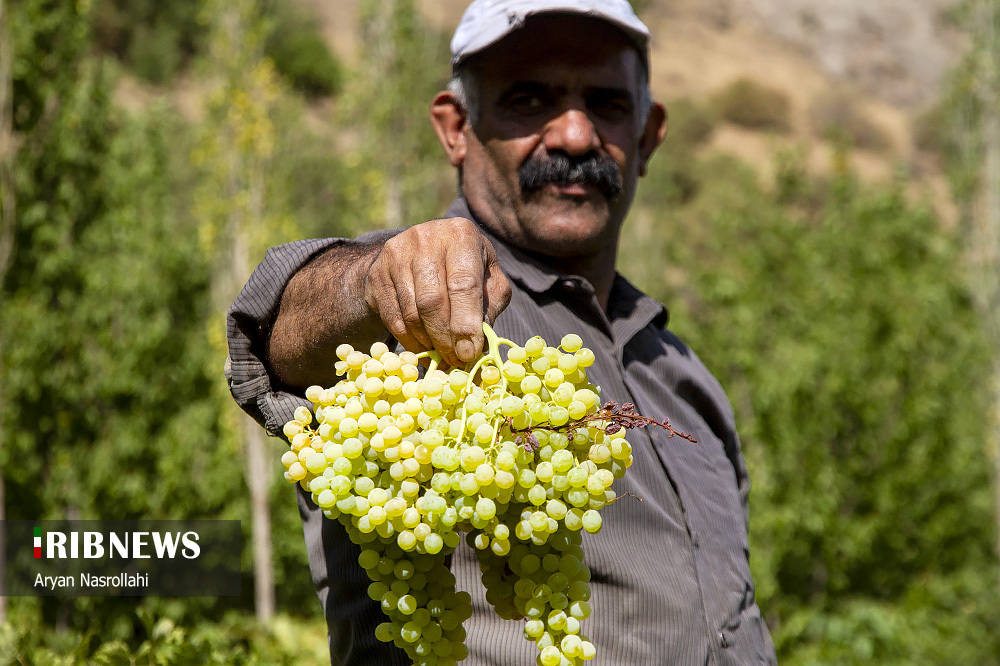
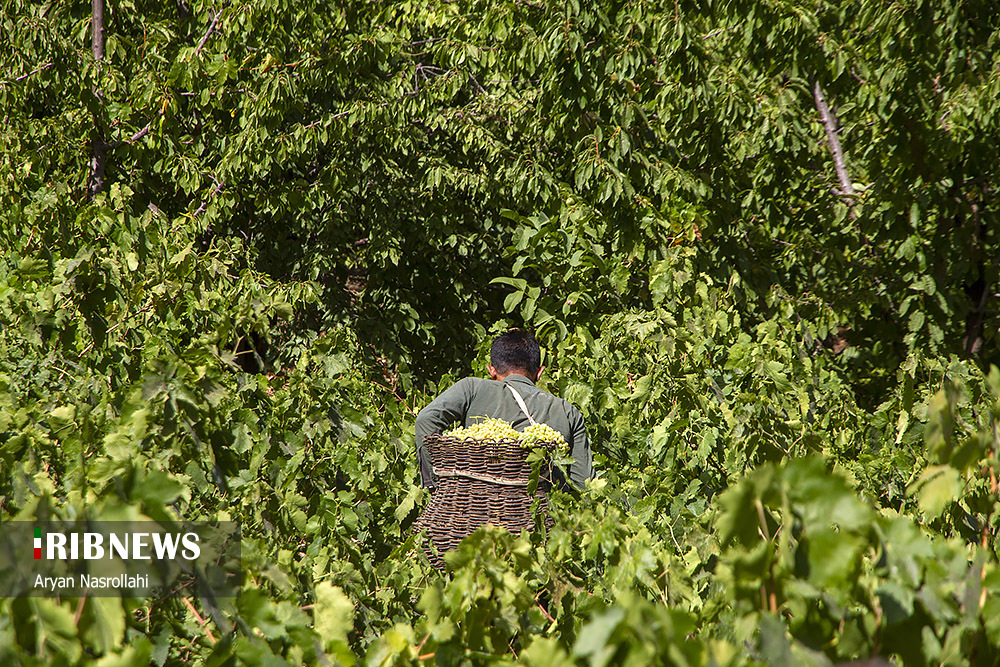
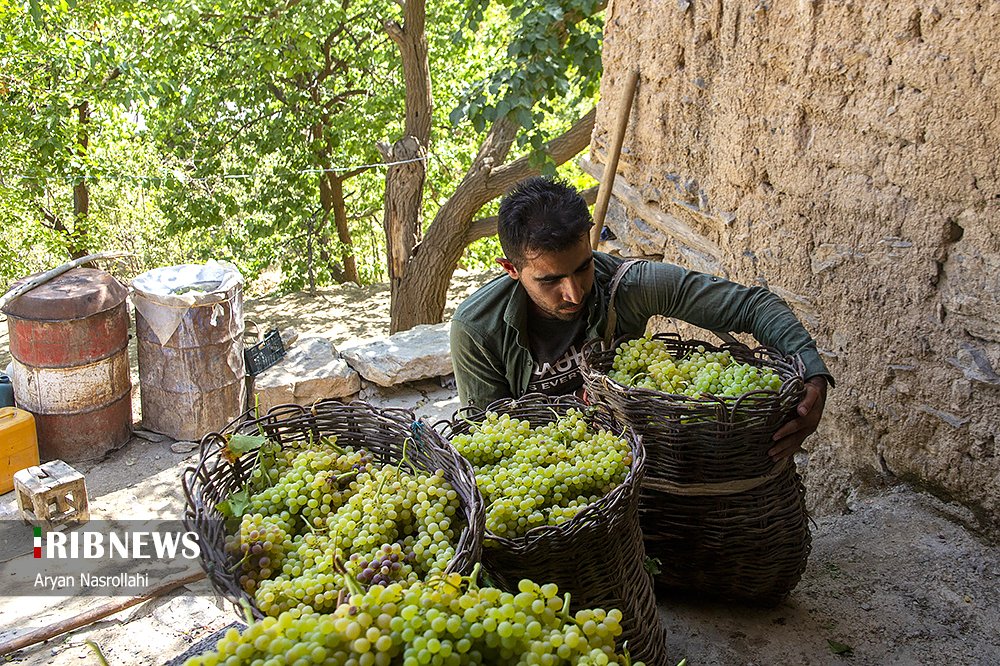
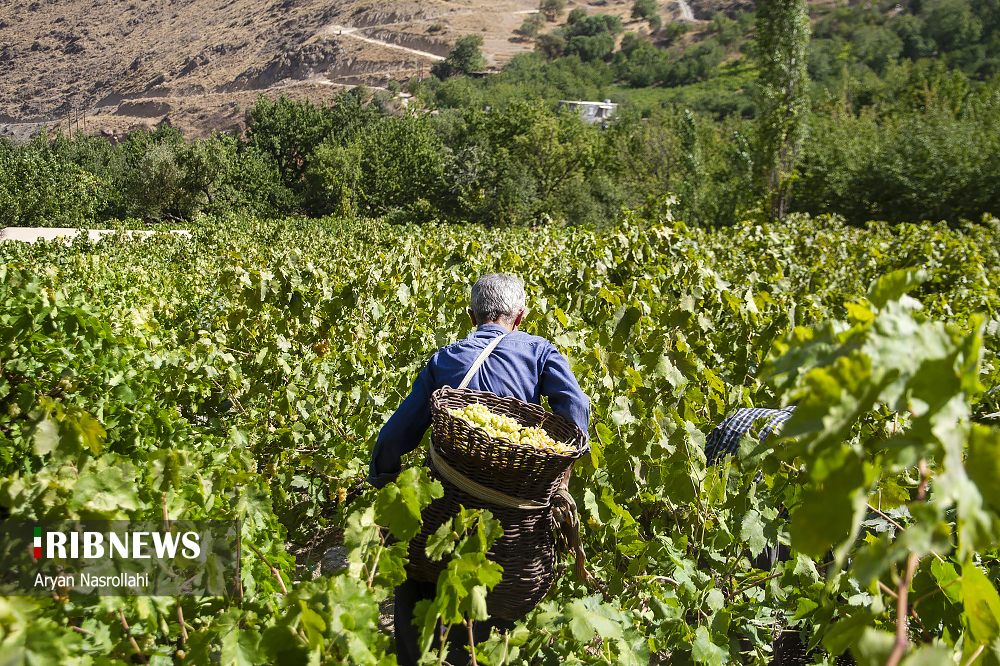
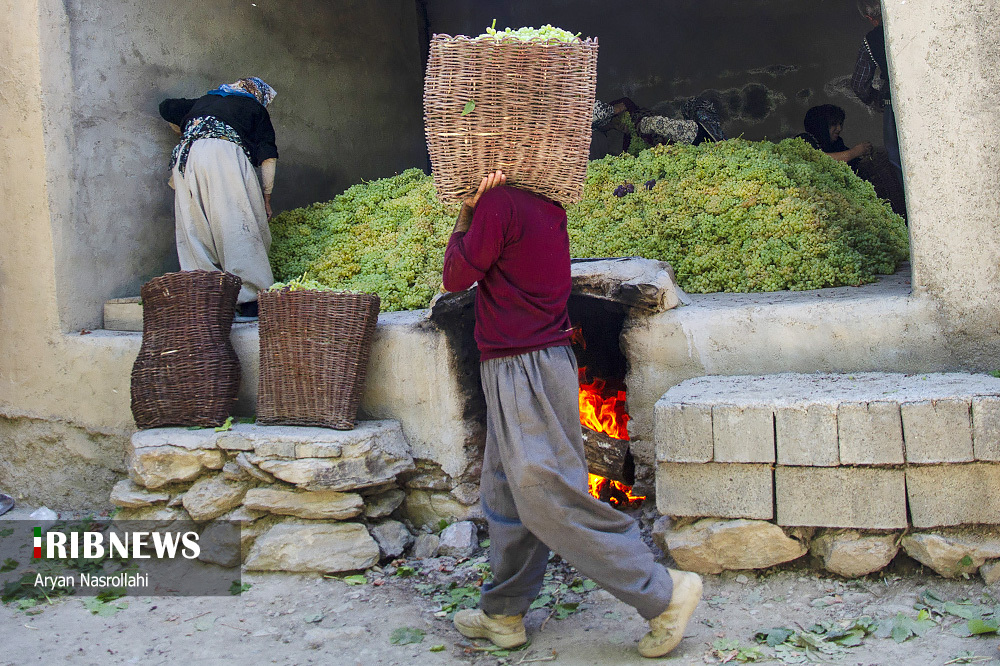
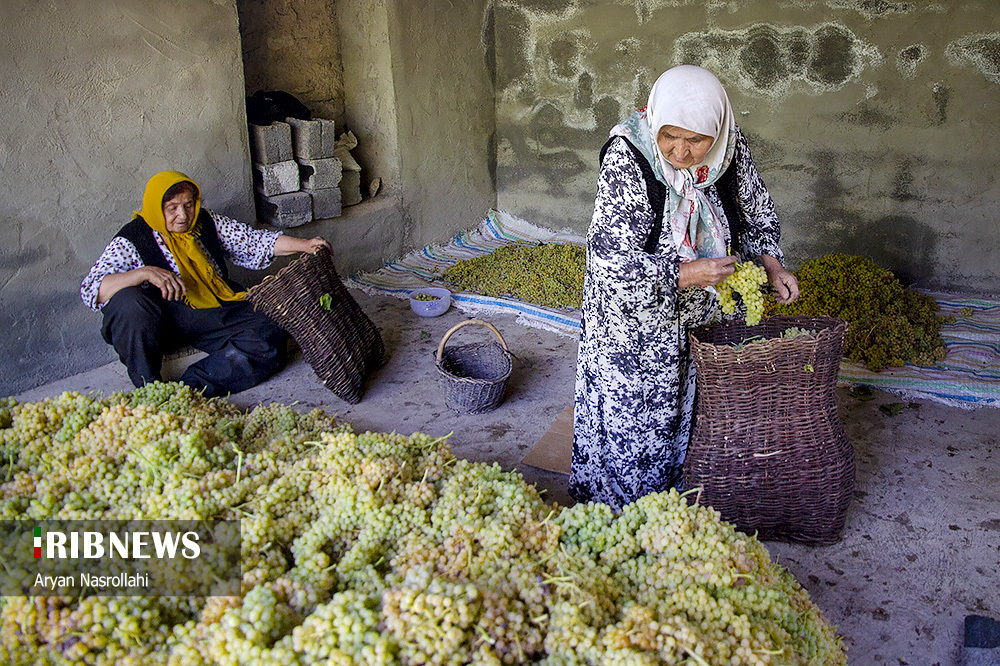
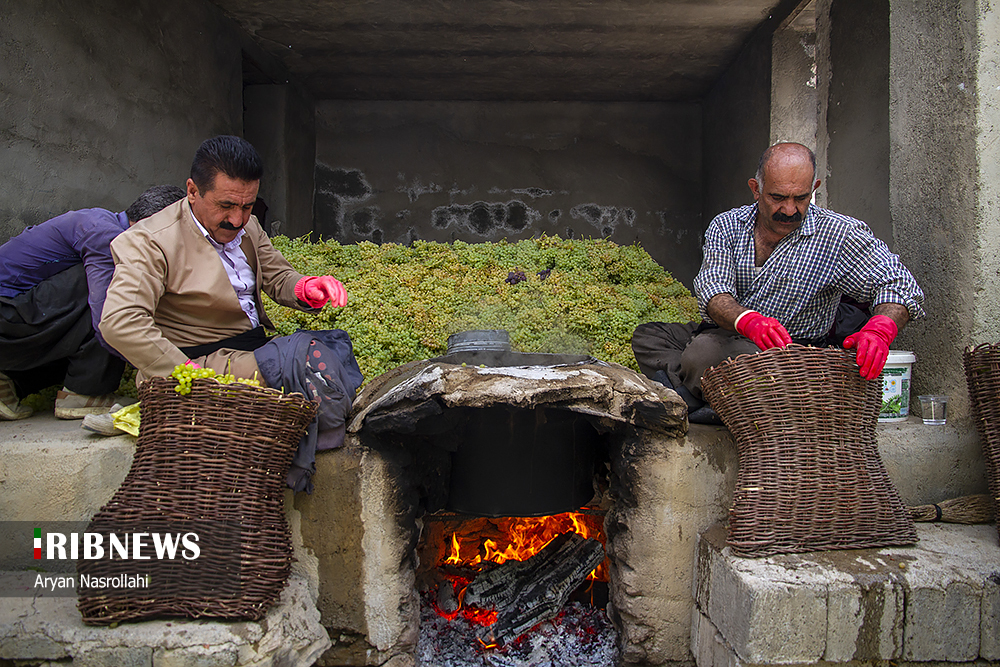
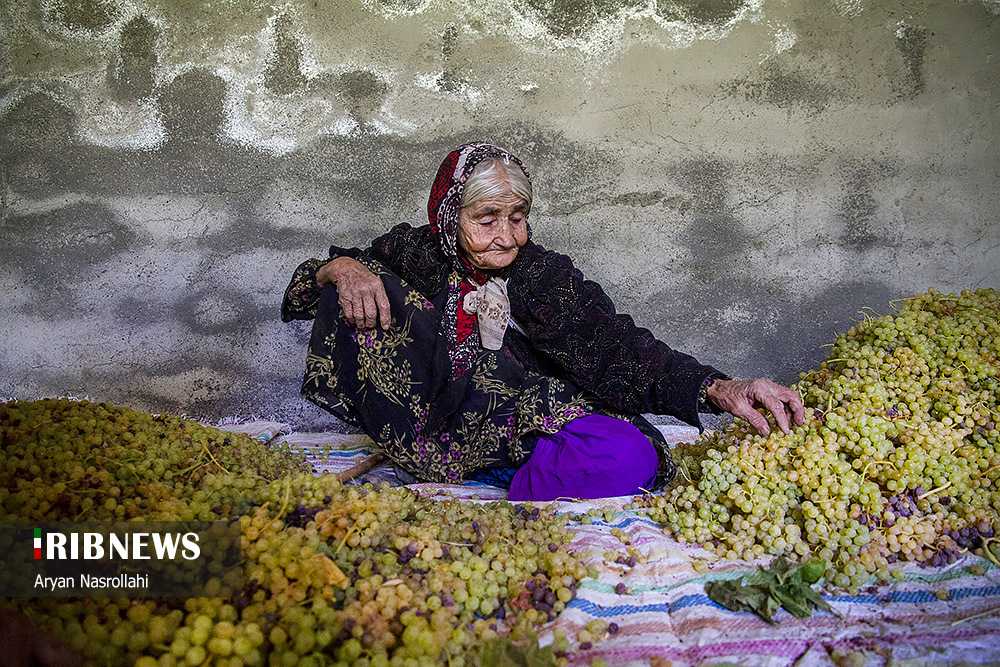
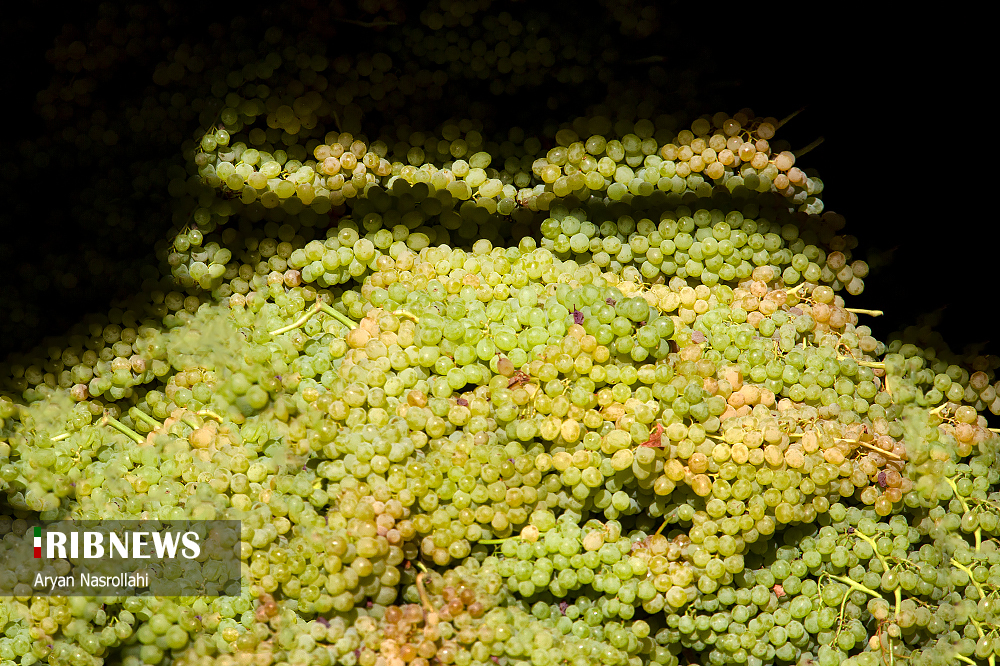
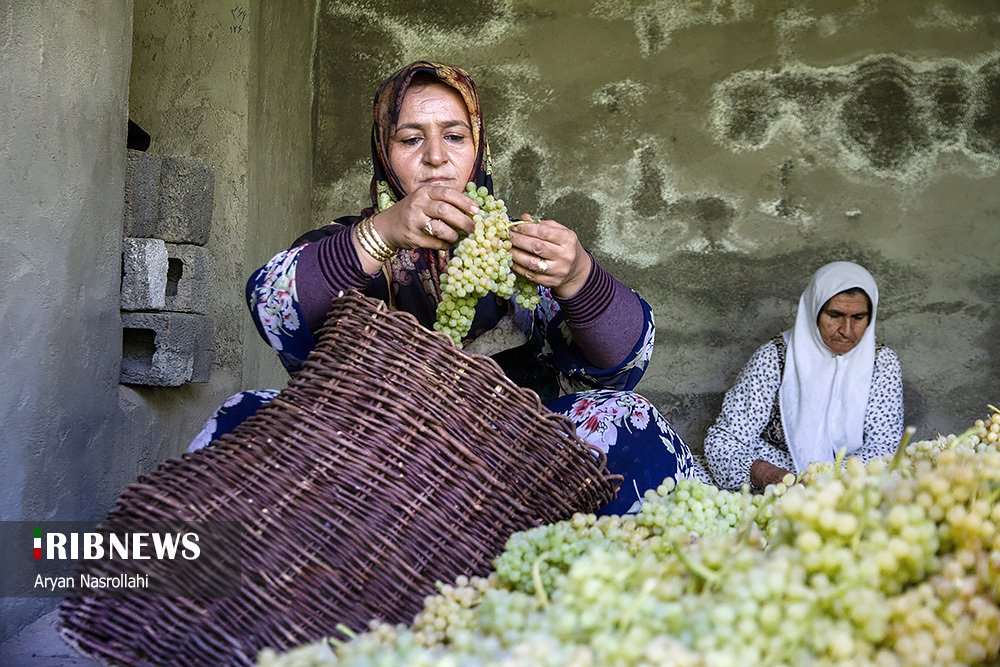
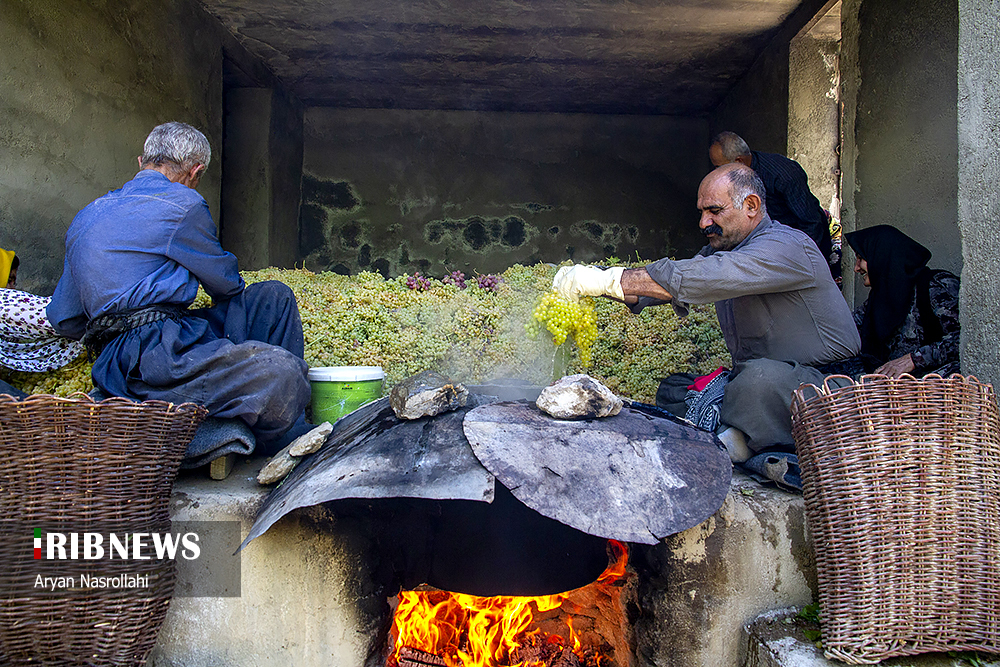
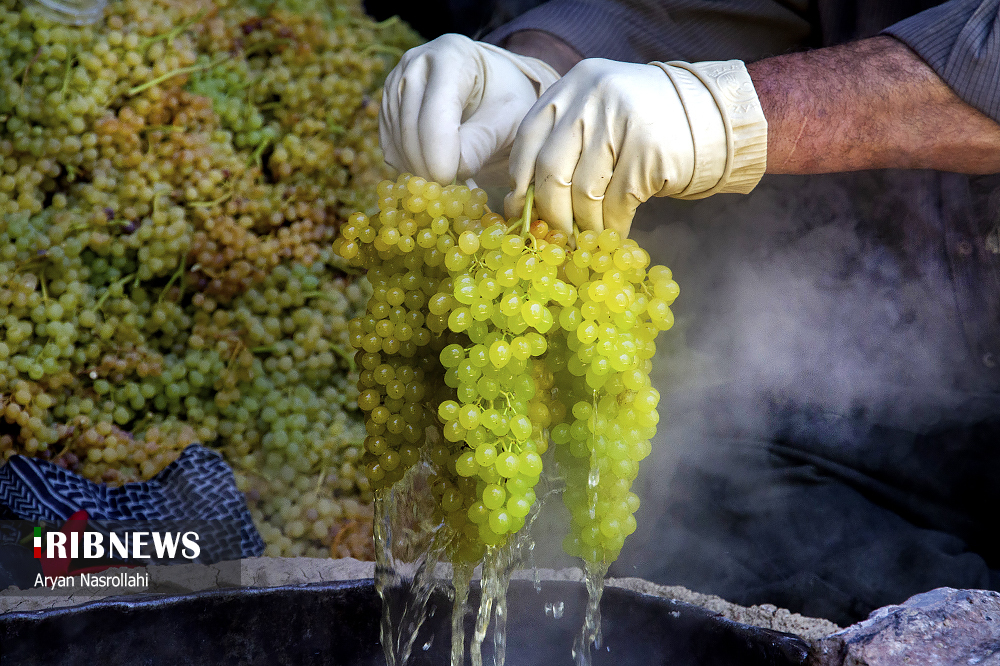
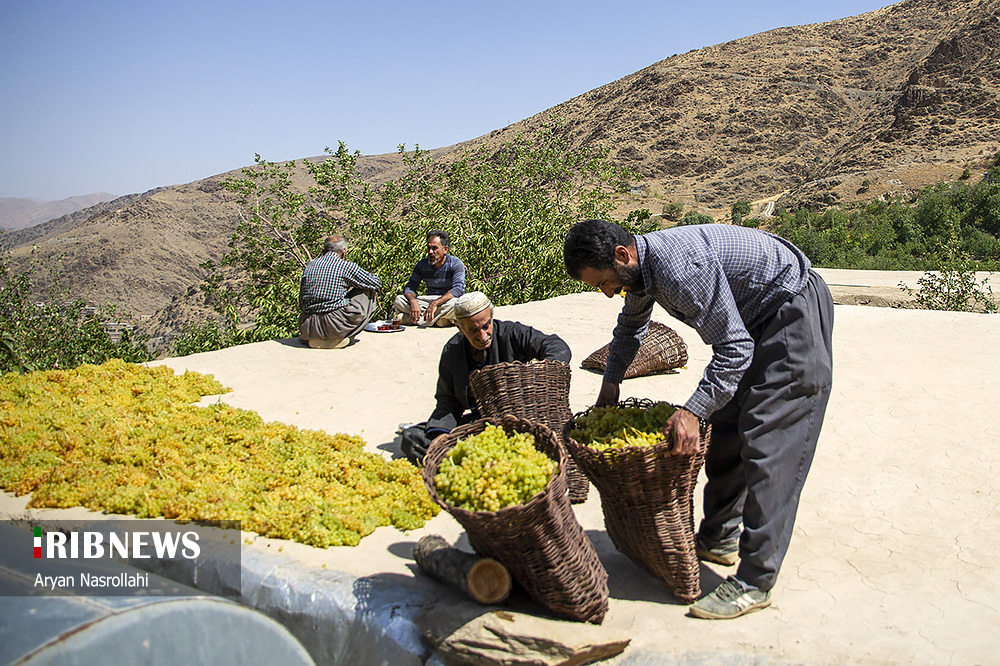
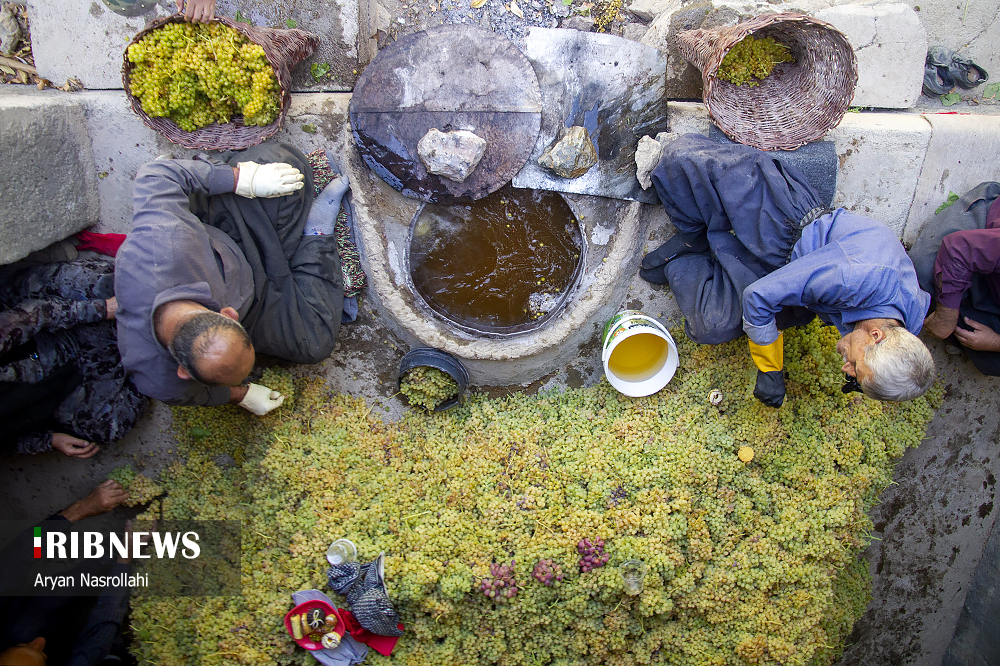
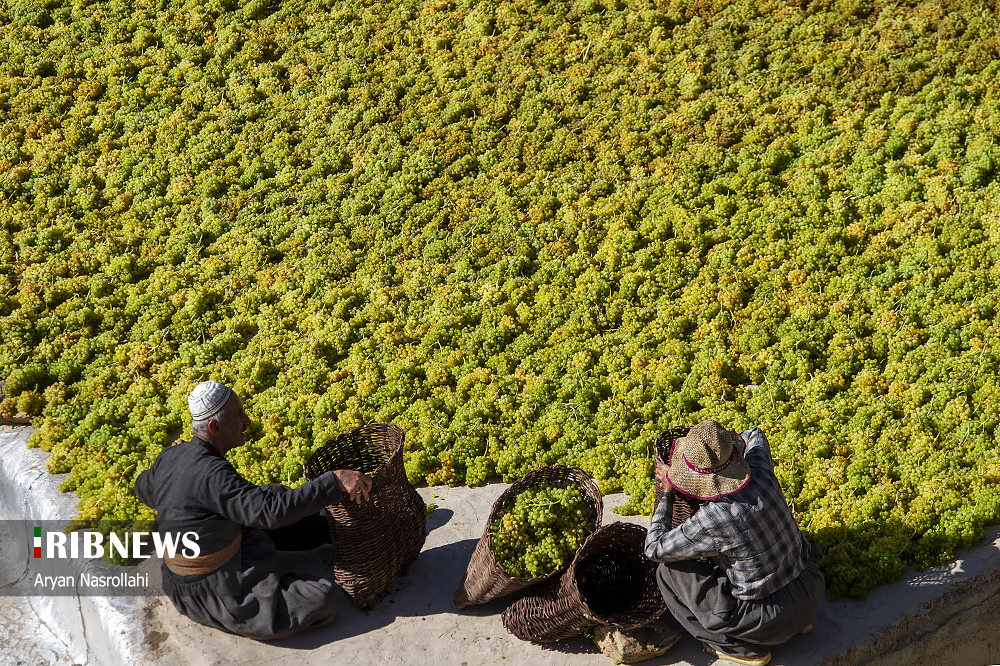
Grapes Harvest and Raisin Production in Kordestan Vineyards

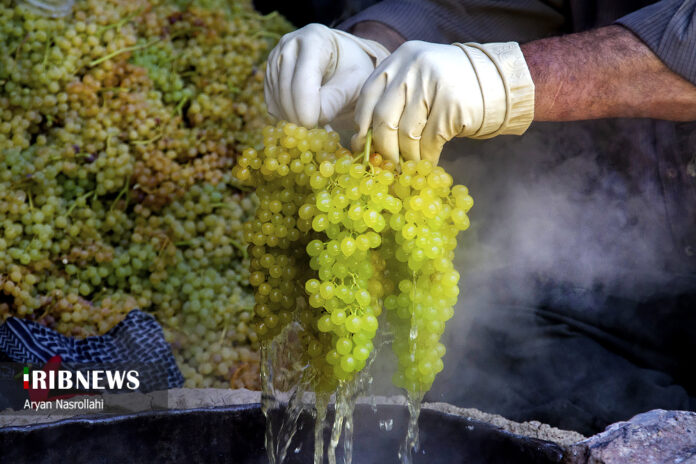
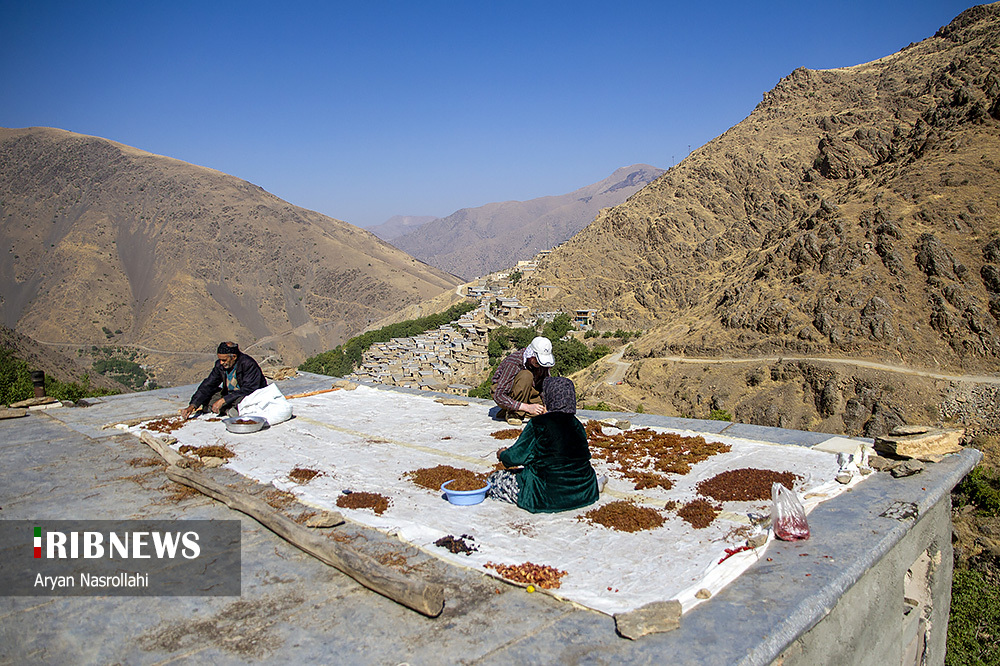
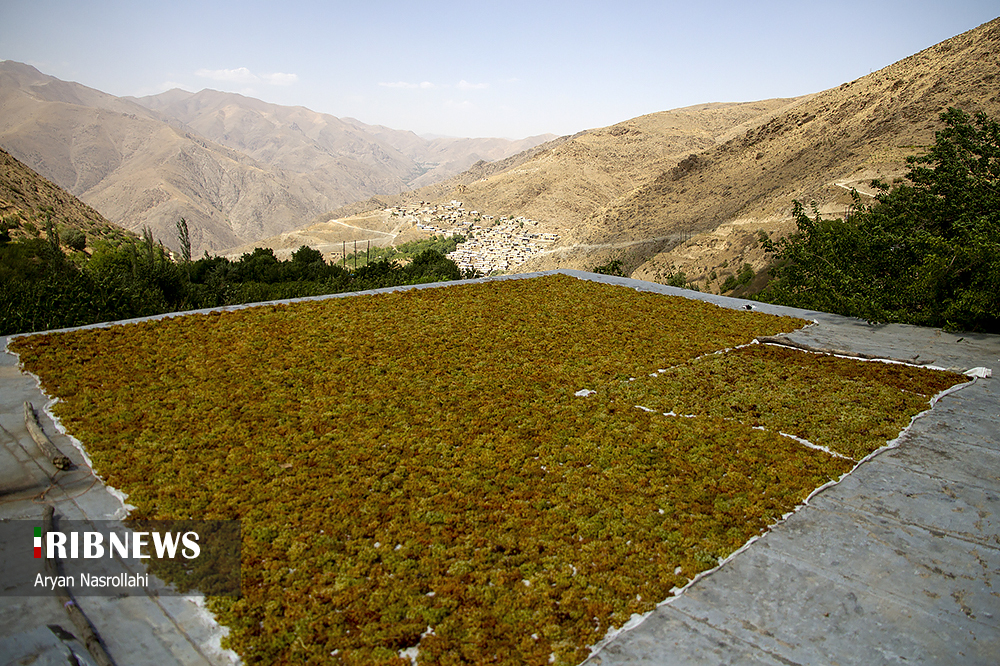
This method is used by gardeners in the village of Dulab in the western Iranian Province of Kordestan.

To produce raisins, gardeners boil wood ash in water, let the water cool down and the ash to settle down. The result is what they call “Khoushab”.

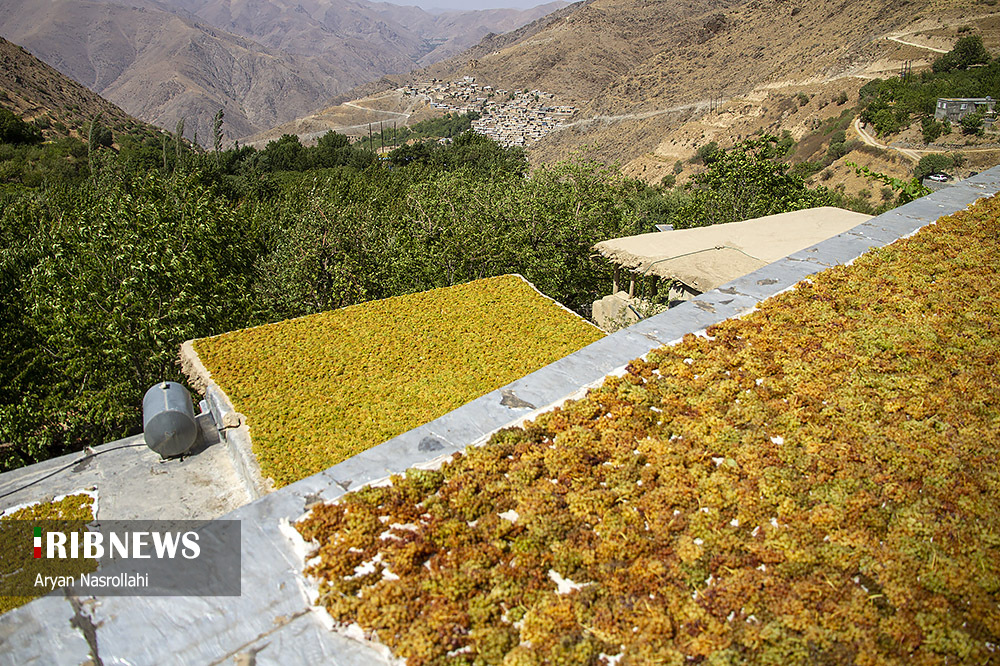
The gardeners then soak the grapes with Khoushab and let them dry on rooftops, under the sun. It takes almost 15 days for the grapes to dry.

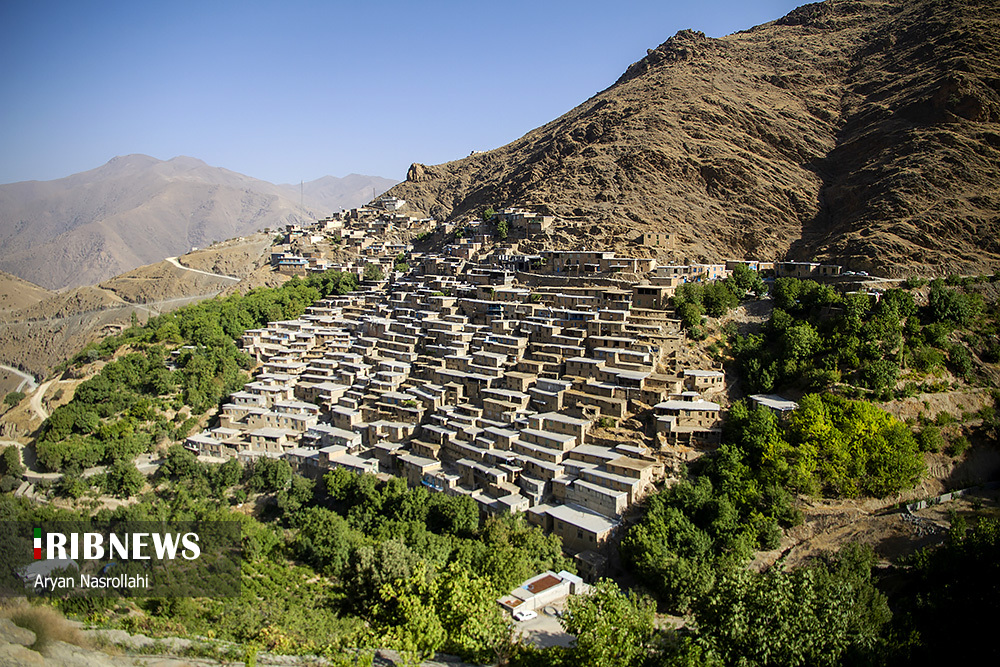
The Boulav tradition has its roots in the past and has turned Dulab into a raisin hub in the region. Dulab is a terraced mountainous village, which is located 40 kilometers away from the Kordestan capital of Sanandaj.

Yemen calls strike on Saudi Arabia ‘natural reaction’ as US, UK blast move

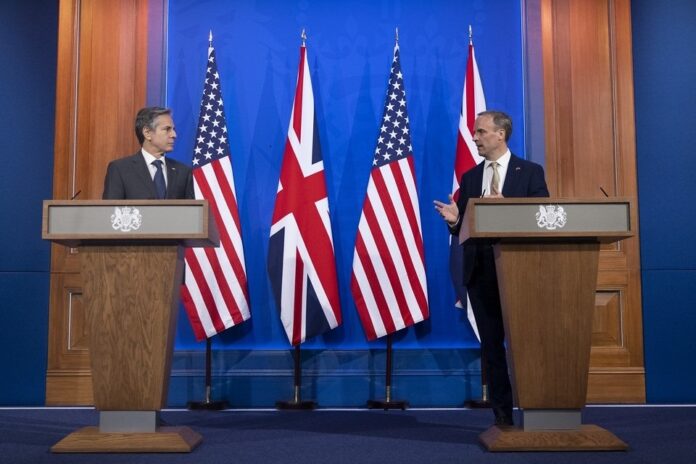
US Secretary of State Antony Blinken has termed the operation “completely unacceptable”, and said such attacks “threaten the lives of the Kingdom’s residents, including more than 70,000 US citizens”.

“We once again urge the Houthis to agree to a comprehensive ceasefire immediately and to stop these cross-border attacks and attacks inside of Yemen, particularly their offensive on Ma’rib, which is exacerbating the humanitarian crisis and prolonging the conflict,” he added.

The British government also reacted to the military operation with Foreign Secretary Dominic Raab calling it the “reckless behavior” by the Ansrallah fighters, while blaming Iran for “facilitating it”.

Yemeni troops claimed responsibility for the retaliatory attack, stating that armed forces have used 16 drones and ballistic missiles to hit targets deep inside Saudi Arabia in their latest operation.

Bakhiti has termed the operation a “natural reaction” to actions of “the aggressor countries”.

Referring to recent bombings of Ma’rib, a strategic gateway from the central highlands to southern and eastern Yemeni provinces, by Saudi Arabia and its allies in the war, the senior official called out the international community’s double standards.

“Recently, they were proud that they bombed Ma’rib 170 times,” he said, adding that “and we did not see any condemnation from outside”.

He stressed that the Sana’a-based National Salvation Government in Yemen seeks “complete liberation of the country’s lands” from the foreign occupying forces.

“A distinction must be made between liberating Yemen from all foreign occupying forces and a monopoly on political decision-making,” he noted.

He asserted that Ansarullah does not intend to monopolize political decision-making in the Yemeni capital, but strives toward a process that takes along all groups across the political spectrum.

“We are not targeting any political spectrum, our goal is to liberate Yemen from foreign forces,” al-Bakhti said, adding, “In addition, there is military pressure on Riyadh to force it to accept a political solution after the depth of its territory is targeted.”

The Ansarullah official further underlined that peace in the war-ravaged country is not possible “except by lifting the siege, stopping the aggression and completely withdrawing foreign forces”.

Referring to the movement’s stance on secessionism in southern Yemen, the official underscored “not all people” want separation.

“We are ready for dialogue, even with those who want secession,” he declared, noting that most people in the south want to continue the struggle for the liberation of the occupied territories.

Yemen has been battling foreign aggression and chaos since 2015, when Saudi Arabia and its allies launched a devastating war against the poorest Middle Eastern country in a bid to reinstall the unpopular government of Abd Rabbuh Mansur Hadi in Sana’a.

The war while failing to reach its objectives has killed hundreds of thousands of Yemeni civilians and triggered the worst humanitarian catastrophe in modern history.

Sources: Press TV and Al-Masirah

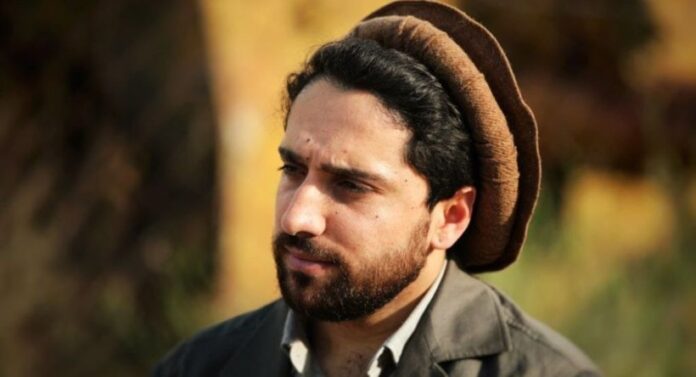
Panjshir Leader Calls for National Anti-Taliban Resistance

“We welcomed the statement by the religious leaders and called on the Taliban to end the war and resolve the differences through talks,” Ahmad Masoud said in a voice message.

“But the Taliban, in defiance of the decision by the religious leaders, and after the statement by the Panjshir front, attacked with full force and showed their true colors [that is] they have no belief in the faith, religious leaders’ decision and also unity.”

Ahmad Masoud made the comments amid fighting in Panjshir, northeast of the Afghan capital Kabul, which has been the only area not under the Taliban control since their blitz takeover of Afghanistan last month.

He stressed that the group has not changed in comparison with how their rule looked like before the US invasion of Afghanistan in 2001.

“The international community and neighboring countries should not stay silent toward the crimes now happening in Afghanistan. The Afghan people have their eyes on their behavior,” Masoud added.
He also stressed that forces loyal to him remain present in different parts of Panjshir and continue their struggle against the Taliban.

His comments come as Taliban Spokesman Zabihullah Mujahid claimed Monday that the Panjshir resistance has collapsed.

The Taliban further claimed that some leaders of Panjshir have been defeated and others have escaped the region.

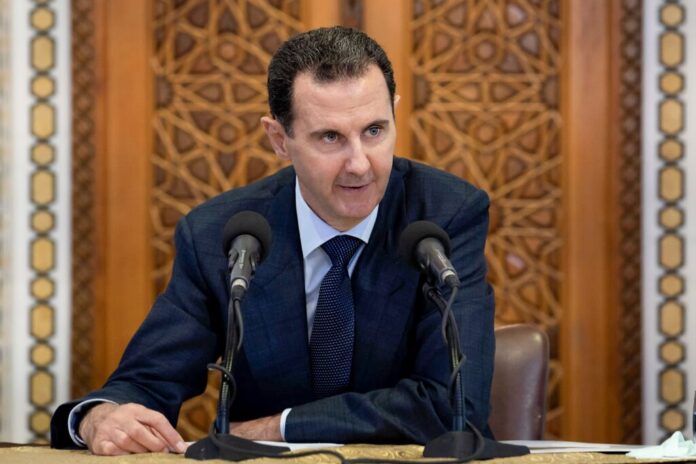
Assad: Syria to continue Lebanon support

The Syrian leader made the pledges on Sunday in a meeting with a Lebanese delegation, led by chairman of the Lebanese Democratic Party, Talal Arslan.

Assad stressed that Damascus-Beirut relations should not be under the influence of changes or circumstances and that both Arab nations should work to strengthen the bilateral ties.

The Syrian president also emphasized that the visiting delegation, which he described as the true face of Lebanon, represented the majority of the Lebanese who believe in the necessity and importance of the relationship with neighboring Syria.

He also stressed that the Lebanese were loyal to maintaining strong ties with Syria and stood by it during the past decade, during which foreign-backed militancy and terrorism wreaked havoc in the Arab country.

Assad also noted that the leaders, who have correct and clear vision, are capable of leading their respective nations to the correct goal and stability and safeguard their people, despite insurmountable odds, from attempts of dismantling the social and national structures in the region.

The President also stated that the battle that leaders must fight is the battle to protect minds from attacks to abolish identities and abandon them.

Arslan, for his part, also stressed that Syria taught the whole world a lesson of not surrendering to global colonialism, emphasizing that the suffering of the Lebanese and Syrians is the product of neocolonialism that seeks to deprive the rights and dignity of nations.

Lebanon, home to more than six million people, has been mired since late 2019 in a deep economic and financial crisis, exacerbated by a political deadlock and persisting energy shortages

The currency has lost more than 90 percent of its value during the past two years and more than half of the population has been rendered jobless as businesses have shut down.

Source: SANA