Saturday, December 27, 2025
Home Blog Page 2404

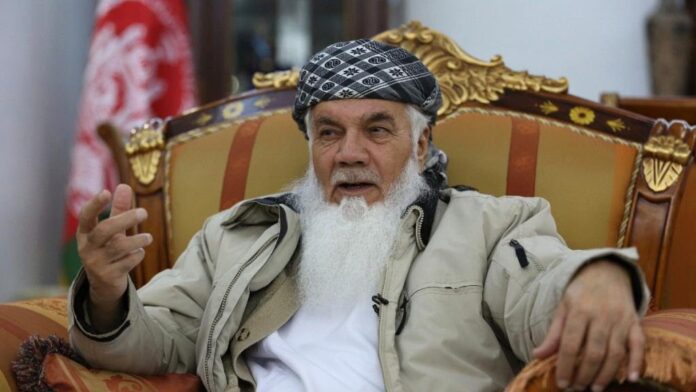
Ismail Khan: Recent events in Afghanistan coup, Ghani committed treason

There are several prominent names in the history of jihad and resistance in Afghanistan. Alongside Ahmad Shah Massoud, Mazari and Rabbani, the name of one of the greatest heroes and political and military leaders of the last 43 years of Afghanistan is shining: Amir Mohammad Ismail Khan. He is an influential figure in Herat who has been the governor of this province and even its neighboring areas for many years. Ismail Khan was one of the pioneers in the struggle against the communist regime in Kabul, and a few years later he stood up to the Taliban. Although he was captured by the Taliban as a result of deception by people around him, he later escaped from this captivity thanks to his genius. He stood up to the Taliban again and defeated them to liberate Herat, creating a golden age there based on construction and prosperity.

In the recent Taliban offensive, Ismail Khan, earlier than other jihadi leaders, raised the banner of fighting against the Taliban and managed to keep them behind the gates of Herat for nearly two months. This time around, his recapture by the Taliban happened due to betrayal and deception on the part of the central government and Ashraf Ghani himself. Although Amir Ismail Khan is a military figure, he also has a cultural background. He has a sense of belonging to ancient Herat and, therefore, is interested in the culture, myths and civilization of historical and ancient Iran. In this cordial and familiar conversation, we asked him about the Shahnameh, the Persian language, Iran, and the myths of the Shahnameh. All the answers were encouraging and based on his freeman culture and his love for Iran.

Although Ismail Khan is a Sunni Muslim, he has never been anti-Shia and in response to a question about this, he explicitly emphasized that his view of Shia and Sunni Muslims is the same. He was an honest friend of Iran. In the early years of the US presence in Afghanistan, it was Ismail Khan who bravely and courageously resisted the presence of US forces in Herat and prevented the surrender of Shindind Airport to the Americans. In fact, Ismail Khan endangered his power and government so that the Westerners would not settle in the territory of Iran’s a neighbor, and in this way he went to the brink of war and lost his beloved son in this battle. But he refused to follow in the footsteps of the Americans along the Iranian border, and it is interesting that Ismail Khan never recalls this sacrifice. Ismail Khan is a patriot, free man, progressive and at the same time a Muslim and a believer. He is also optimistic about the leader of today’s resistance, namely, Ahmad Massoud.

Here’s his interview with Entekhab news website:

Q: Mr. Ismail Khan, the first question, why are you called Khan? Were you a Khan and a landowner?

A: In Afghanistan, both landowners and military officers are called khans, and I was called a khan because I was an officer.

Q: When did you enter the struggle, in the era of Zahir Shah or Davud Khan or the Communist era?

A: I was a dissident during Zaher Shah’s reign. We thought that we should stand up to the injustices that were taking place. The system almost belonged to one family, and only those around the royal family and those who served the king could have a place in the system or command or forbid. Thus, people lived as incompetent and indifferent subjects, against tyranny or any order given by the king. In the time of Zahir Shah and in the time of Daud Khan, we thought that we should fight for a change in Afghanistan and push for social justice and an Islamic system. We always thought about this.

Q: Mr. Ismail Khan, when did the issue of Jamiat-e-Islami come up?

A: in 1978 when we staged an uprising and later when we were building fronts to fight the ruling regime and some parties came into being. They were Islamic parties. We merged with the Jamiate-Islami in 1979.

How was the uprising of Esfand 24, 1979? It was the first general uprising against the communists, right?

A: Yes.

Q: How come Herat took the lead? Was it because the city was also inspired by some of the Islamic Revolution in Iran? I think Noor Mohammad Taraki accused Iran of being involved in this uprising. What happened that suddenly, a month after the Iranian revolution, that uprising took place in Herat?

A: Herat is an almost religious-cultural city, and the majority of the people are more broad-minded than most of the cities of Afghanistan. At that time, the presence of a communist government and the tyranny and oppression that took place also prompted people to rise up to save themselves. In particular, the attitude of the communists towards the Muslims in Afghanistan in general and in Herat in particular. The attitude of the communists, both in terms of belief and in terms of the atmosphere of oppression and tyranny they inflicted on the people; all these caused people to rise up to save themselves.

Q: It is said that in the period when Dr. Najib came to power, it would have been better for the Mujahideen to enter into a compromise with him and with a national colalition, the structures in Afghanistan would have been maintained. Don’t you think it would be better for them to enter into a compromise with Najibullah and maintain the regime?

A: Well, on the whole, the people of Afghanistan did not accept the communist government, and Najibullah was among those who were members of Afghanistan’s intelligence agency Khad, and most of the oppression took place in the pre-Najib era when he was the head of Khad. At the same time, oppression and tyranny had increased and Afghanistan was in ruins. Despite all this oppression, the people could not accept to form a government with them.

Q: After the Mujahideen won the war in Kabul on May 28, it is said that they did something wrong out of their inexperience and got into internal disputes. What do you think happened that they failed to form a good, sustainable government at that time?

A: Unfortunately, the leaders could not accept each other during their exile. As a result, several parties have sprung up, and various parties have recently emerged within Pakistan so that they could pursue their aspirations in Afghanistan easily. [Pakistan] created different parties, and this caused those different parties to get into a lot of disagreements and fail to agree to form a government in which they could have a position and be able to establish a stable government in Afghanistan. It was both external interventions and the tastes or some selfishness of some of those figures that unfortunately created this situation.

Q: The first time you were captured by the Taliban, you were treated badly. You were able to save yourself very heroically. Is there anything you can say about this?

A: With a very big intention to save Afghanistan, we chose to go to Herat through northern Afghanistan, because it also has strong fronts. There were forces of (Abdul Rashid) Dustom and Malik (Abdul Malik Pahlavan). When we went there, unfortunately, the internal disputes between Malik and Dustom caused Malik to communicate with the Taliban, and with the connections he had with the Taliban and the interactions he had with the Taliban…

Q: Were you having dinner?

A: It was morning and we were drinking tea for breakfast. He invited us to get ready for an attack on the Taliban. When we left, we saw it was a trick to drag us into the room. They attacked us and had already taken the guards somewhere farther away from where we were. Unfortunately, we were arrested. At the same time that they arrested us, they took us into a valley to kill. When they took us down the hill, the Taliban arrived. They said, “Our first condition with you was that you hand over Ismail Khan to us.” [As a result] they had to hand us over, so they came back, brought and took us to Faryab. We were in Faryab prison at night. We came to Kandahar and we were in Kandahar for three years after we were handed over to the Taliban. There, because of our long history of jihad, the guards who took care of us inside that prison contacted us and said that they were ready to work to save me. At first I did not believe and I was like, “Maybe it’s a deception”. Then, when I said, “Well, I can believe your words if you take my letter to our house and bring the letter from our house”, they took the letter and brought it to us. I was like, “Well, we will take action to select you”. I said, “If you are right, then take your family to Iran first so that we can be sure”. They said, “If you help us, we will do it”. I wrote a letter to my children saying that these people are coming. You have to pay for them to buy a car if they bring their family to you. Rent a house for them and help them settle, and they brought their family, and they brought back a letter that said, “They took their family here, and we helped them settle”. He brought us and his nephew from Iran to Kandahar and bought a Land Cruiser car in Kandahar. One night he told me they would get me out of prison the following evening. My hands and feet were in shackles. They brought me new shackles. He shouted at me and said we have to break these shackles use these new ones and will give you the key. They opened those shackles and I was thrown in new ones. Then at 3 am, he came and opened the gate. When he opened the gate, we got out of prison and got on the car that had been bought, and we moved to Iran.

Q: How long were you in prison in total?

A: Three years.

Q: During these three years, did they not respect you as a veteran jihadist and chained you?

A: I was in shackles but there were no threats or insults.

Q: After the US attacked the Taliban, were you able to easily visit Herat and liberate it from the Taliban?

A: No, again when I was released from prison, on the way, I was hit by a mine and wounded in the border areas of Afghanistan’s Zabul and Nimroz. From there we came to Iran. I was in Iran for about another year and a half until we moved away. After moving away, we went to Afghanistan. This time around, we went to another central province of Afghanistan, that is, Ghor province. We went to Chakhcharan and Ghor. We were in Ghor and Badghis for about six months. We liberated them and Ghor’s districts.

Q: When did this happen?

A: The year of 9/11. It happened in 2001. When we were in Baghdis, 9/11 happened. After Baghdis was liberated, we moved toward Heart and liberated it.

Q: In 1995 you were imprisoned. In 1997, you were released and in 1998 you returned to Afghanistan and two years before 9/11, you were fighting?

A: Yes.

Q: After you became the governor of Herat, you formed a southwestern constituency that included Herat, Farah, Badghis, Ghor and Nimroz. And you built a lot during that time and developed the area, right?

A: Things that exist in Heart…Herat turned from a ruin into a real city. Many things were built, for example, universities, industrial estates. Much progress has been made in the fields of health and education. There was a lot of road construction and urban development.

Q: The Americans and Khalilzad were constantly trying to limit your power, right?

A: Well, one of Khalilzad’s wishes was that he could somehow kick me out of Heart. In the heart of other provinces, there was insecurity and war, and so on, but in Heart, there was progress and solidarity, and most importantly, I organized a good army. A large army. We also conducted a military drill and invited Khalilzad. A 10,000-strong contingent took part in the maneuver. We had tanks, we had planes. We had warplanes. This made Khalilzad and the Americans very sensitive. They thought that with this military hardware, if what they wanted was not provided, especially when they asked us to fly to the airport, we would not hand it over to them. They asked us for a base to come from either Germany or the United States. I told them, “As long as I was there, we would not allow them to because it was safe there”.

Q: You mean there were no foreign troops in Herat?

A: No, we did not allow foreign troops to come to Herat while we were there. This made them very sensitive, and that was why they started a war against us, and in that war, we fought a serious war for 15 days and nights, but they could not enter Herat. From Kandahar, Farah, from Ghor, Uruzgan, even Ghazni, they brought a large army, and the Afghan army soldiers were parachuted down to Shindand airport, and the Americans entered the field directly by warplanes. The battle lasted for 15 days and nights. They captured only Shindand airport, but they could not enter Heart. Then both sides called a truce and agreed that they would not come to Herat and we would not go to Shindand airport. Things went on that way until Mirwais was martyred. They finally asked me again to come to the Ministry of Mines. But I did not go. For three months, they asked me to go the ministry but I did not accept the offer. Finally, they insisted that I go to a ministry and I went to the Ministry of Energy and Water…

End of part one 

Part Two: https://ifpnews.com/ismail-khan-iran-can-pressure-taliban-into-forming-inclusive-government
 

Iran Leader Appoints New Air Force Commander

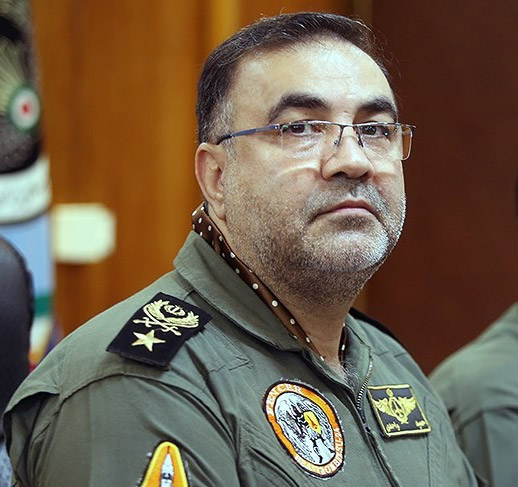
Ayatollah Khamenei cited Vahedi’s commitment and merit as the reason for his appointment to the post. The Leader also said the commander of Iran’s Army had proposed Vahedi as the commander of the Air Force.

Ayatollah Khamenei urged the new commander to do his best to enhance the combat readiness of the Air Force in the face of any aerial threat and to help develop the human asset with a view to an indigenous Air Force of Islamic establishment class in an effective and synergetic interaction with the Islamic Republic of Iran’s Army and related military and civilian organizations.

The Leader also thanked Vahedi’s predecessor Brigadier General Aziz Nasirzadeh.

Iran’s new secretary of Expediency Council appointed

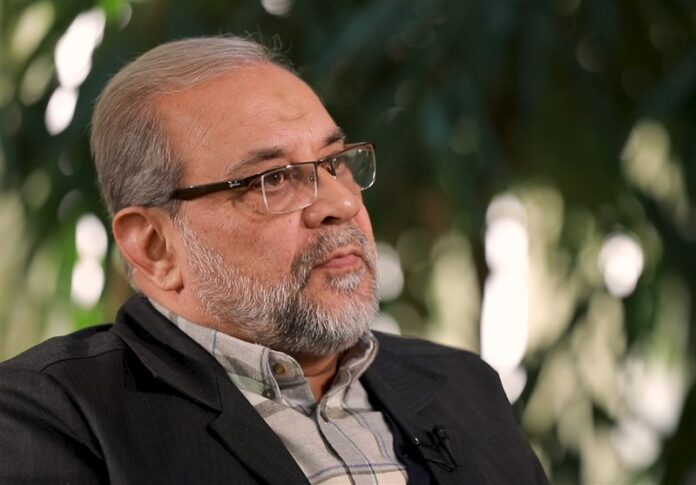
In an order, Ayatollah Larijani described Zolghadr as an experienced and revolutionary figure, appointing him to the post.

Larijani expressed hope that Zolqadr will be able to fulfill his tasks as the secretary of Iran’s Expediency Council. Zolqadr is a former Islamic Revolution Guards Corps commander. He was deputy commander of the IRGC. He also worked as the Iranian Judiciary’s Strategic Deputy in the past.

Zolqadr was declared as the new secretary of Iran’s Expediency Council by Larijani following his approval by leader of Iran’s Islamic Revolution Ayatollah Seyyed Ali Khamenei.

Mohsen Rezaei who has been appointed as the vice president for economic affairs, was long secretary of the Expediency Council.

Advising the supreme Leader is among the main tasks of the Council.

Iran Corona fatalities around 4 hundred over 24 hours

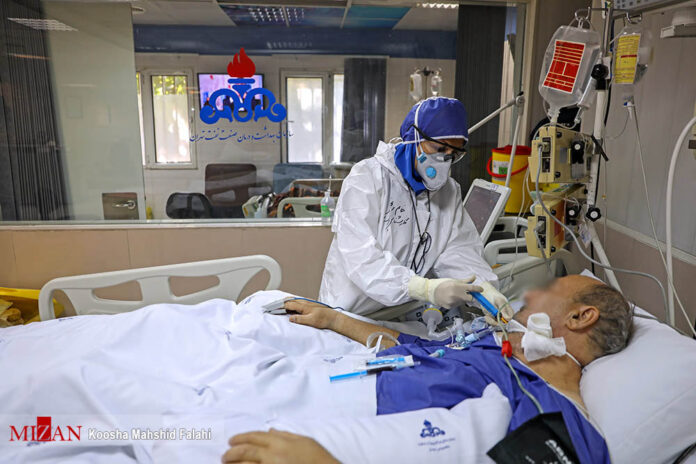
According to the ministry figures, the total Covid death toll now stands at 116,182.

Unofficial sources however say the number of people killed by the disease is much higher.

Health Ministry officials also registered 15,975 new infections in the last 24 hours. Iran’s total Coronavirus caseload has risen to 5,424,835.

The number of infections and deaths are now lower than the early days of the fifth wave of the Coronavirus pandemic. Hospitalizations are also down. Authorities attribute this to the huge number of daily Covid vaccinations.

Iran started a nationwide vaccination drive months ago to contain the disease. The Iranian Health Ministry says 1,368,000 people have got Covid jabs countrywide. Meanwhile, 29,467,568 Iranians have so far received the first dose of the vaccine while 13,904,702 people have been fully inoculated.

The age limit for vaccination in Tehran is also going to get lifted on Tuesday. The rising pace of the vaccination is due to a hike in vaccine import and production inside Iran. Officials say all Iranians will be fully vaccinated in a few months.

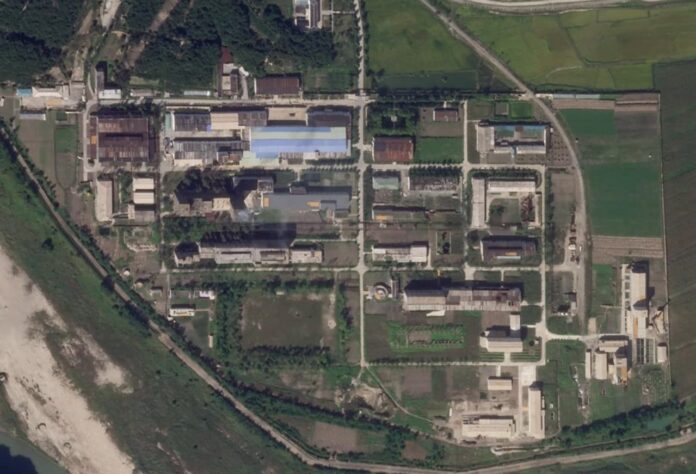
Satellite photos show North Korea expanding nuclear facility

The photos showed that North Korea is expanding its uranium enrichment plant, a move that experts say indicates that the country aims to increase the production of bomb materials.

Jeffrey Lewis and two other experts at Middlebury Institute of International Studies at Monterey said in a report that the expansion of the uranium enrichment plant could mean a significant increase in uranium production.

“The expansion of the enrichment plant probably indicates that North Korea plans to increase its production of weapons-grade uranium at the Yongbyon site by as much as 25%,” the experts stated.

The report added that satellite photos taken at the beginning of the month by imagery company Maxar showed forrest clearing to prepare the ground for construction. An image taken on Sept. 14 showed that a wall had been erected to enclose the area the AP reported.

Overall, the area measures about 10,760 square feet with enough space to store nearly 1,000 centrifuges. The images also showed work being done to remove panels from one side of the enrichment plant to allow access into the new enclosed area.

The expansion of North Korea’s plant, which is located at its Yongbyon nuclear complex, follows the country’s move to execute missile tests for the first time in six months. The tests and the materials expansion come as disarmament negotiations between the northern Asian country and the United States remained suspended.

Both highly enriched uranium and plutonium can be used to build nuclear weapons. North Korea’s Yongbyon facilities can produce both.

Satellite photos taken last month reportedly showed that North Korea resumed the operation of facilities that produce plutonium.

In 2019, Kim Jong-un proposed dismantling the Yongbyon complex, which has been called “the heart” of North Korea’s nuclear program, but former President Donald Trump shot down the offer at the time, viewing it as a limited denuclearization step.


Source: The Associated Press

France: US, Australia ‘lying’ over sub deal

The row between France and Australia, the U.S. and the U.K. that emerged after a security pact that saw Canberra scrap a contract to buy French submarines in favor of American vessels resumed Saturday as Paris accused others of “lying” and described the situation as a “serious crisis”.

“There has been lying, duplicity, a major breach of trust and contempt. This will not do,” French Foreign Minister Jean-Yves Le Drian told France 2 television, stressing a “serious crisis” was now in progress between the allies after Paris recalled its ambassadors to Canberra and Washington.

“The fact that, for the first time in the history of relations between the United States and France, we are recalling our ambassador for consultations is a grave political act that shows the intensity of the crisis today between our two countries and also with Australia,” Le Drian added.

He also lashed out at the “permanent opportunism” of the British government, which he dismissed as the “third wheel” in the security pact with Australia and the United States.

NATO would have to take account of what has happened as it reconsiders future strategy, he stated.

Canberra announced on Thursday it would scrap its 2016 deal with France’s Naval Group to build a fleet of conventional submarines and instead build at least eight nuclear-powered ones with U.S. and British technology after striking a trilateral security pact dubbed the AUKUS.

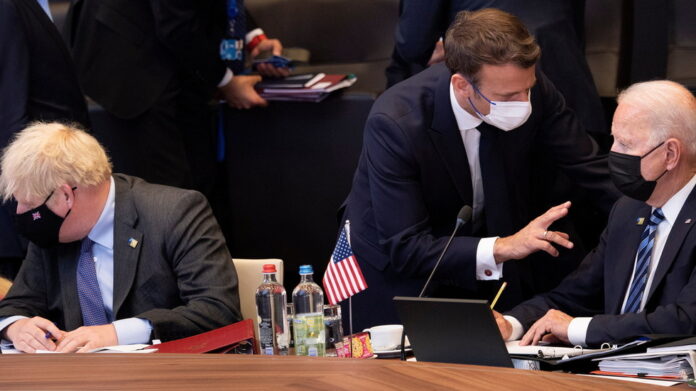
Le Drian said French President Emmanuel Macron had not spoken with U.S. President Joe Biden about the submarine issue.

The foreign minister again drew a parallel between the U.S. president’s action and the unpredictable style of his predecessor Donald Trump, adding that Biden had acted “without the tweets but with a sort of solemn announcement that is rather unbearable”.

The surprise cancellation of a multibillion-dollar submarine contract in favor of a U.S. one that was widely billed in France as the “contract of the century” has triggered the unprecedented show of anger among allies.

“This has been a huge mistake, a very, very bad handling of the partnership,” French Ambassador Jean-Pierre Thebault also said before flying home to France.

The row between Paris and Canberra marks the lowest point in their relations since 1995 when Australia protested France’s decision to resume nuclear testing in the South Pacific and recalled its ambassador for consultations.

What French officials have called a complex, multilayered contract was about more than submarines. It was the underpinning for France’s vision of the critical Indo-Pacific region, where France has a presence and China is looking to bolster its influence.

The U.S. deal scraps an AU$90 billion ($66 billion) contract with French majority state-owned Naval Group to build 12 conventional diesel-electric submarines. The Naval Group announced in a statement that the consequences of the contract cancelation would be analyzed with Australia “in the coming days”.

It noted that teams in France and Australia have been at work on the project for the past five years. Australian employees working with Naval Group and their families have set up home in the Normandy port of Cherbourg.

A union official, David Robin, told BFMTV that employees were informed there may be an option to keep them on.

Australian Foreign Minister Marise Payne’s office earlier had issued a statement responding to the diplomat’s recall and noting Canberra’s “regret” over its ally’s withdrawal of its representative.

“Australia understands France’s deep disappointment with our decision, which was taken in accordance with our clear and communicated national security interests,” the statement said. It added that Australia values its relationship with France and looked forward to future engagements together.

Payne and Defense Minister Peter Dutton are currently in the United States for annual talks with their U.S. counterparts and their first with Biden’s administration.

U.S. State Department spokesperson Ned Price noted France was a “vital ally” and that the United States would work in the coming days to resolve the differences.

Before he was recalled, Thebault stated on Friday he found out about the U.S. submarine deal “Like everybody, thanks to the Australian press.”

“We never were informed about any substantial changes,” Thebault continued, adding, “There were many opportunities and many channels. Never was such a change mentioned.”

After the U.S. deal was made public this week, Prime Minister Scott Morrison said he told Macron in June that there were “very real issues about whether a conventional submarine capability” would address Australia’s strategic security needs in the Indo-Pacific. He has not specifically referred to China’s massive military buildup, which had gained pace in recent years.

Morrison was in Paris on his way home from a Group of Seven nations summit in Britain where he had talks with soon-to-be-alliance partners Biden and British Prime Minister Boris Johnson. Thebault claimed he had also been at the meeting with Macron and Morrison.

Morrison mentioned “there were changes in the regional situation”, but gave no indication that Australia was considering changing to nuclear propulsion, Thebault said. 

“Everything was supposed to be done in full transparency between the two partners,” he added.

Thebault noted difficulties the project had encountered were normal for its scale and large transfers of technologies.

Iran crowned at Asia volleyball championship

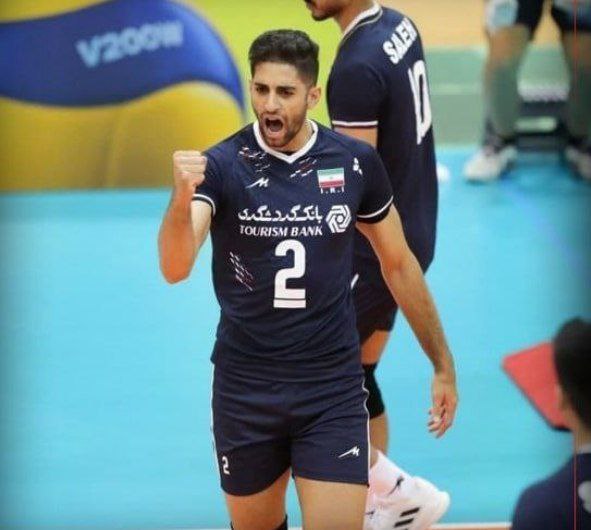
Thanks to the win, Iran’s national volleyball team have now regained the first place in Asian volleyball ranking.

A total of 16 teams competed in the 21st Asian Volleyball Championship from Sept. 12 to 19 in Chiba, Japan. 

At the end of the competitions, the Iranian coach Behrouz Ataei was introduced as the best coach in Asia, while the Iranian player Saber Kazemi was also named the most valuable player in the competitions. 

This was Iran’s fourth win in the Asian championships, while Japan have won the title nine times so far. 

Iran and Japan will represent Asia at the 2022 FIVB Volleyball Men’s World Championship in Russia. The 2022 Men’s World Championship will take place from August 26 to September 11.

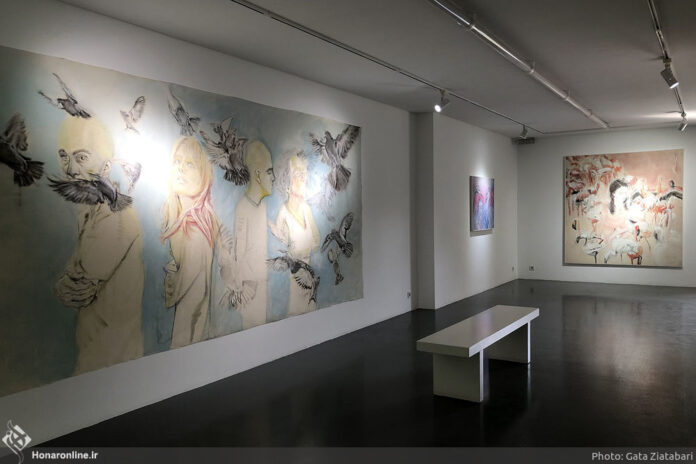
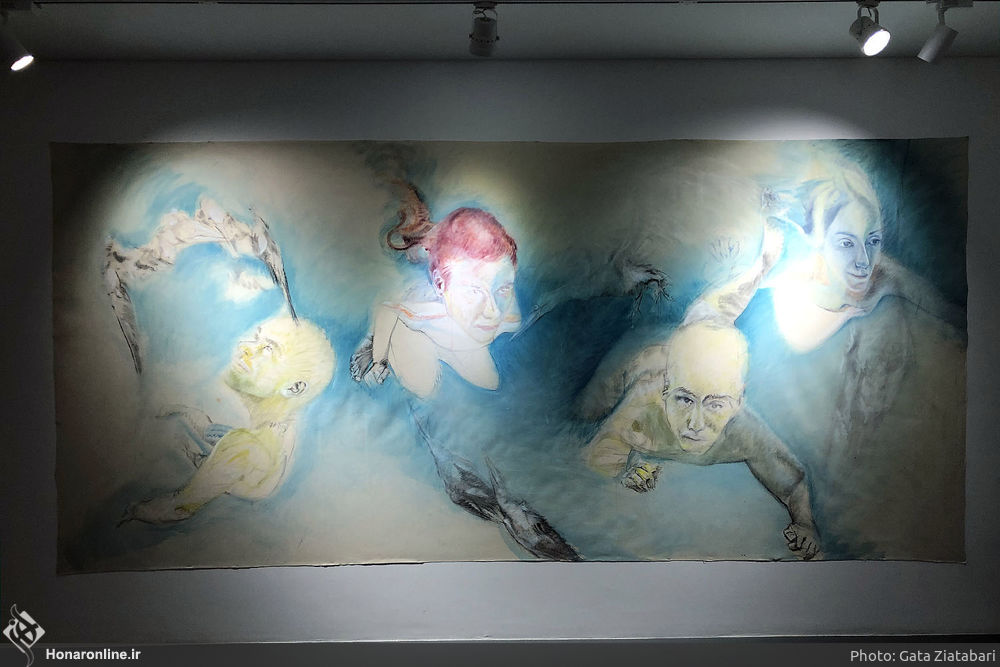
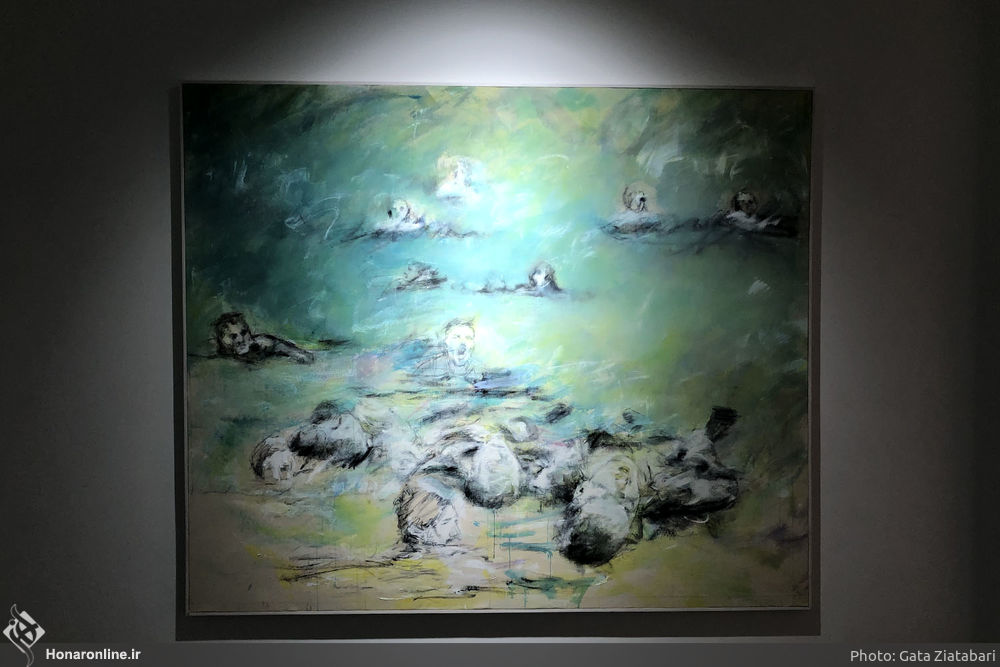
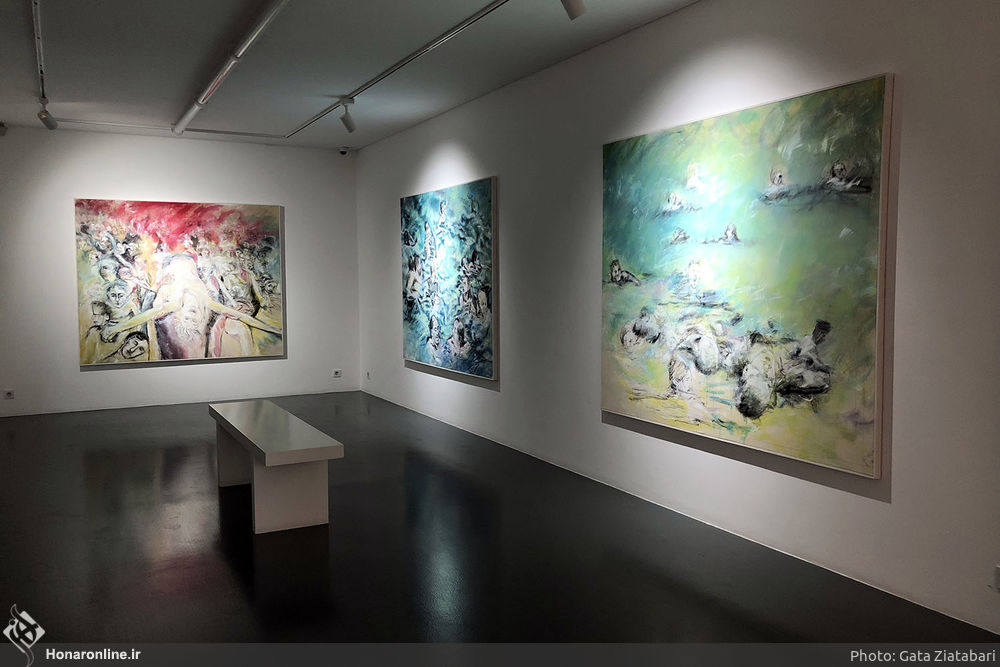
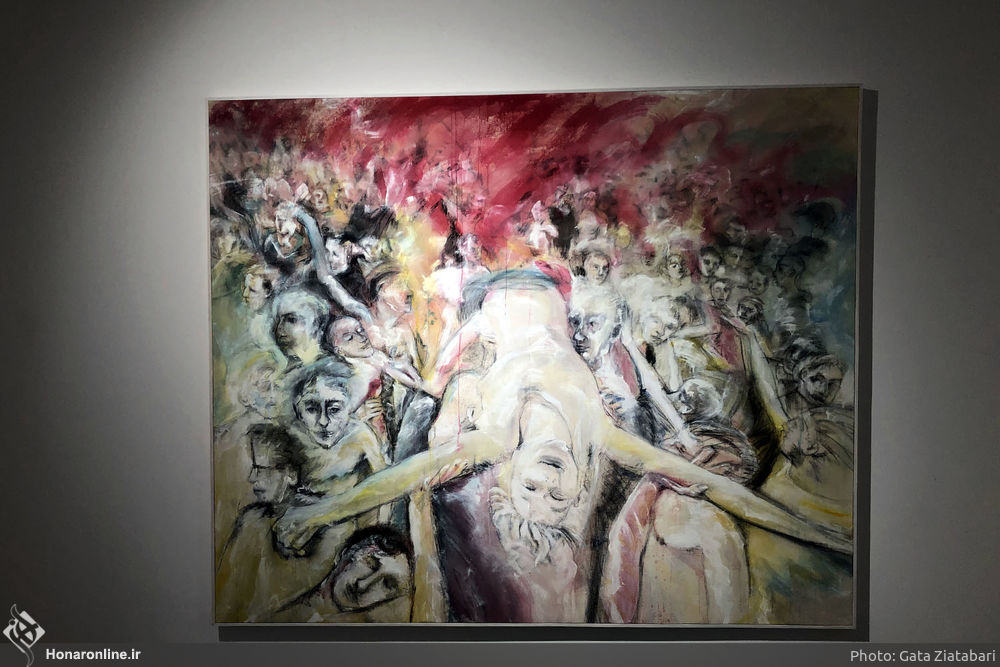
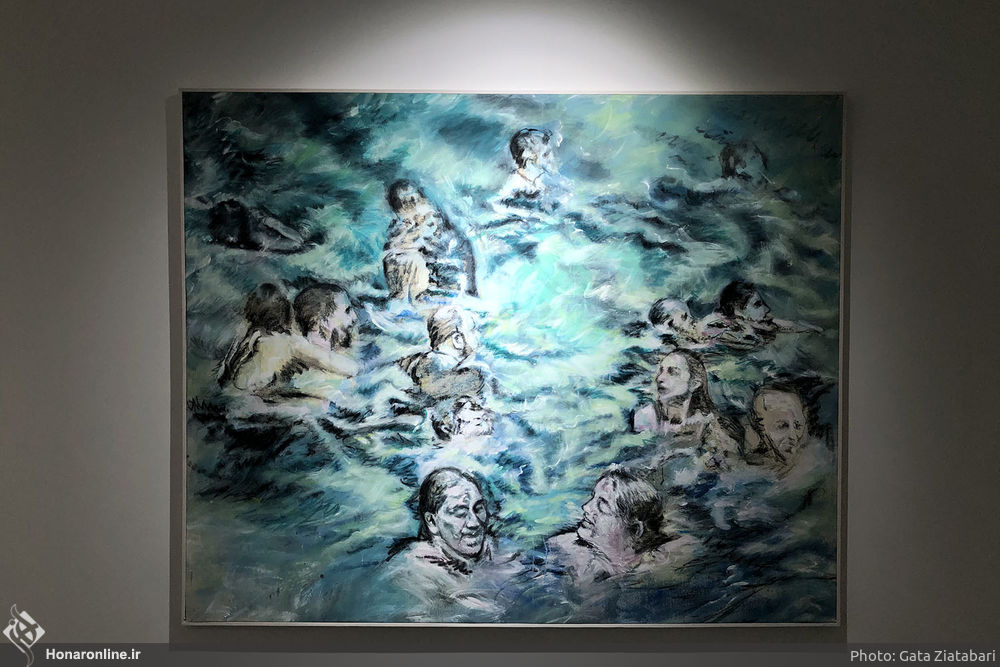
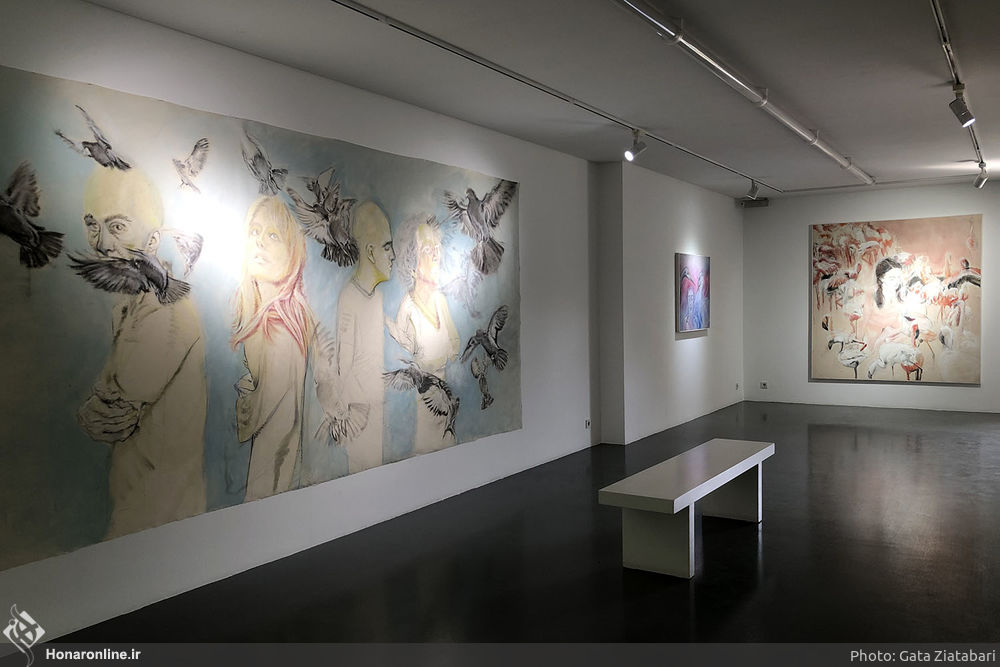
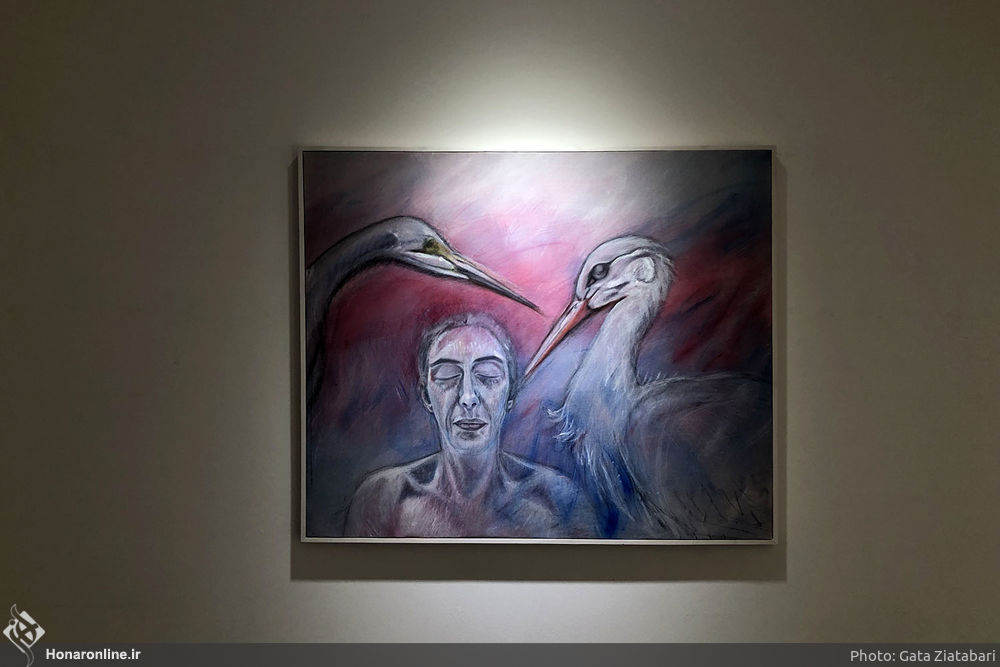
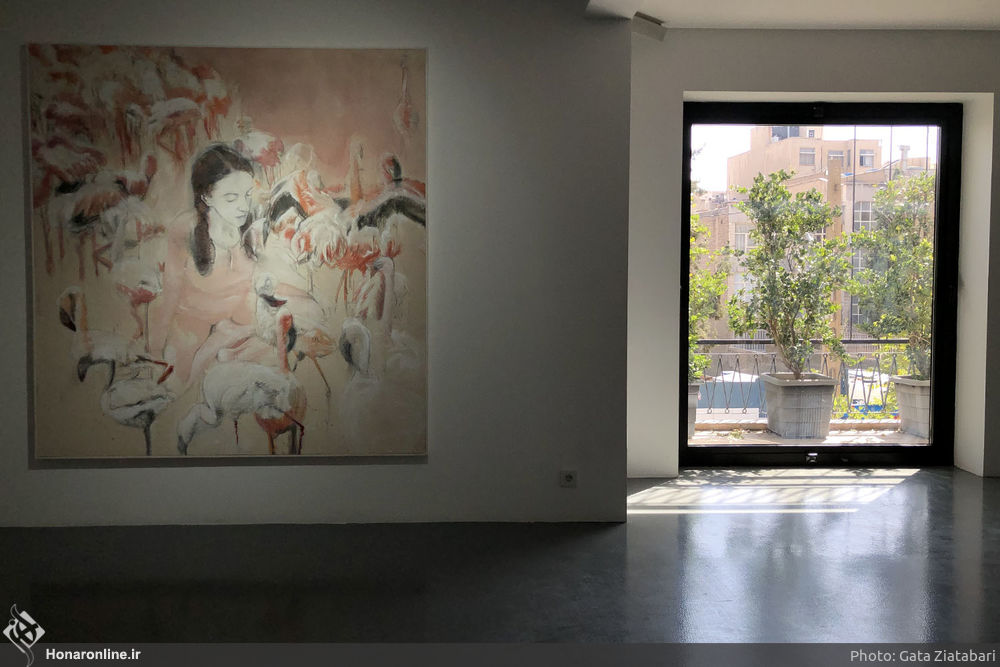
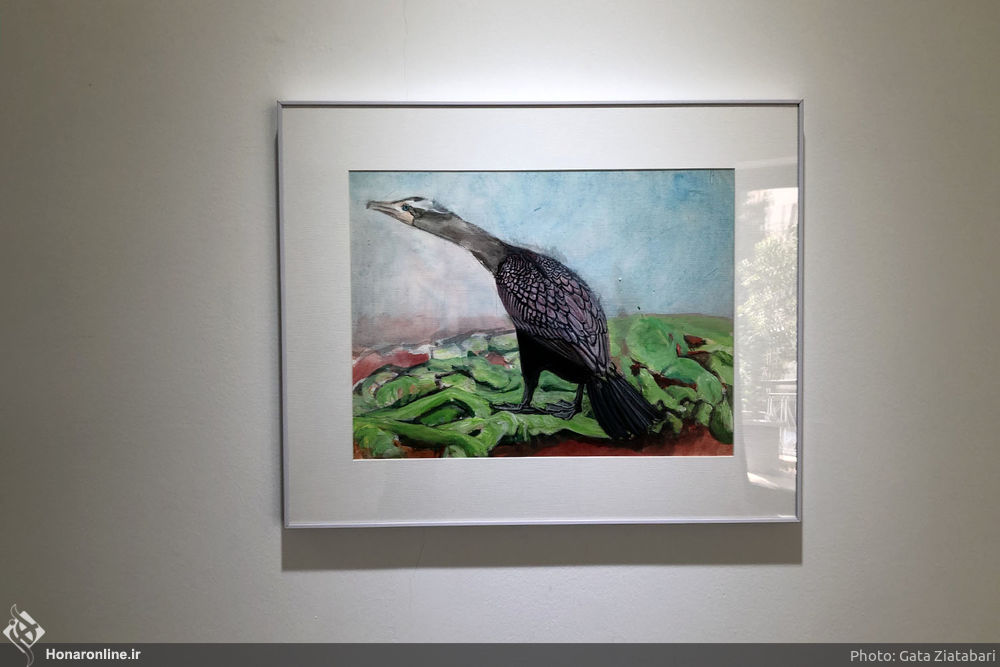
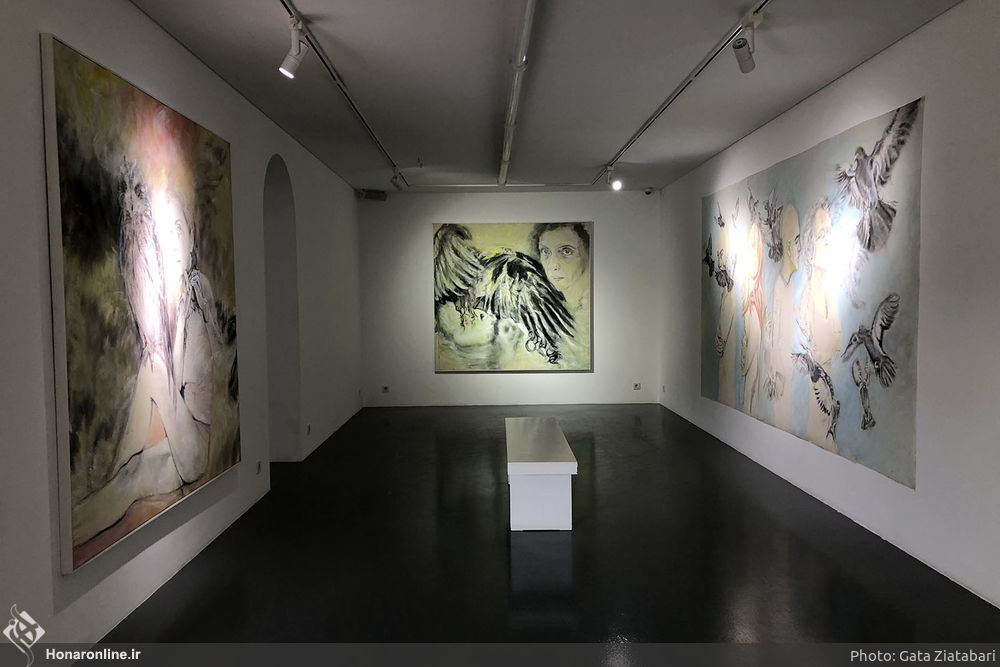
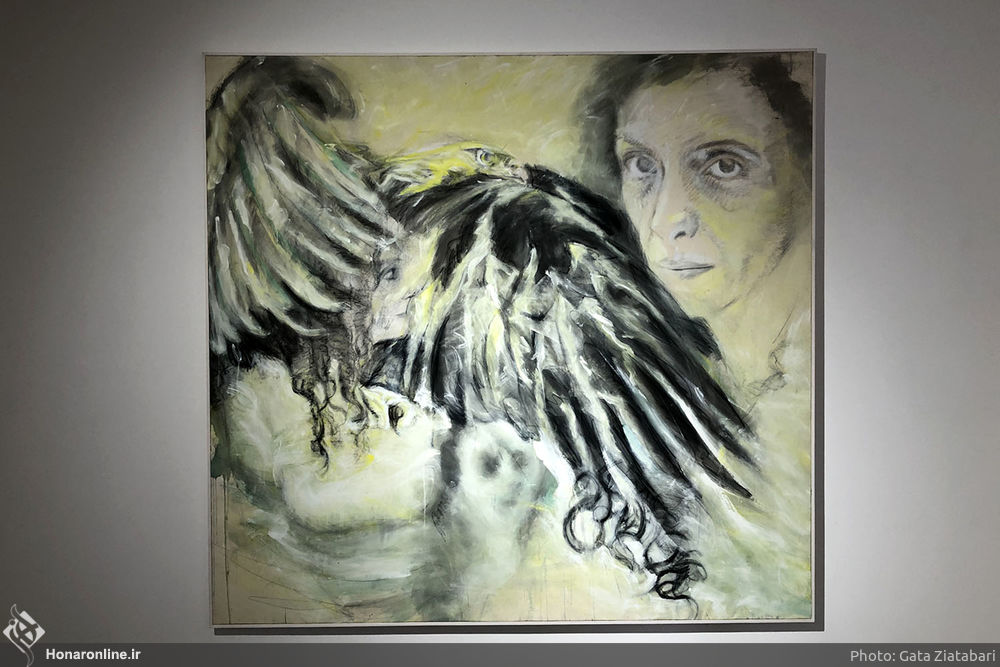
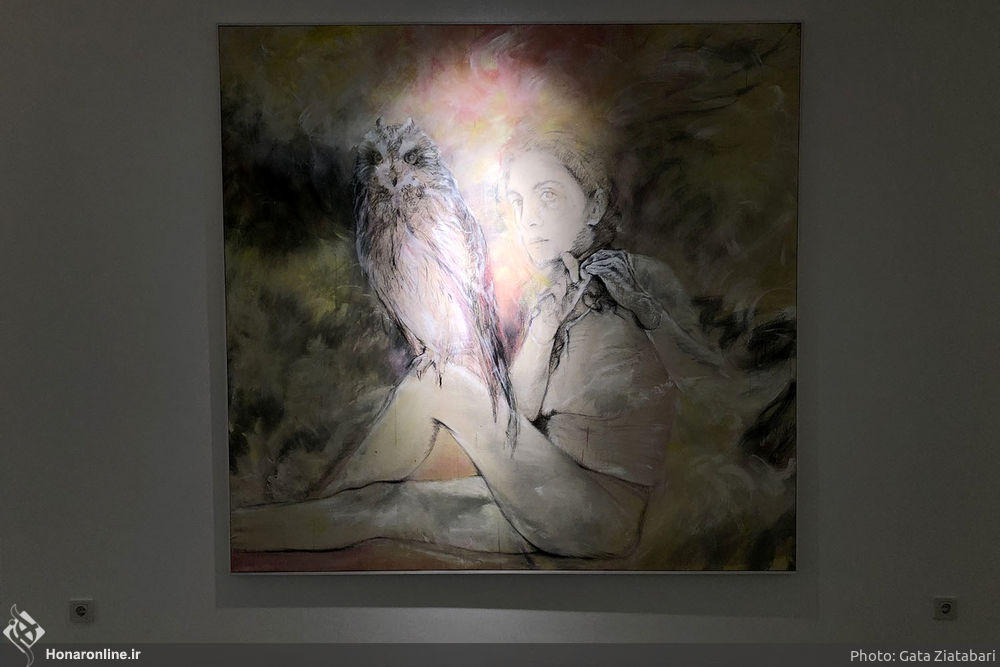
Iranian artist holds exhibition entitled “Amazed by Bird”

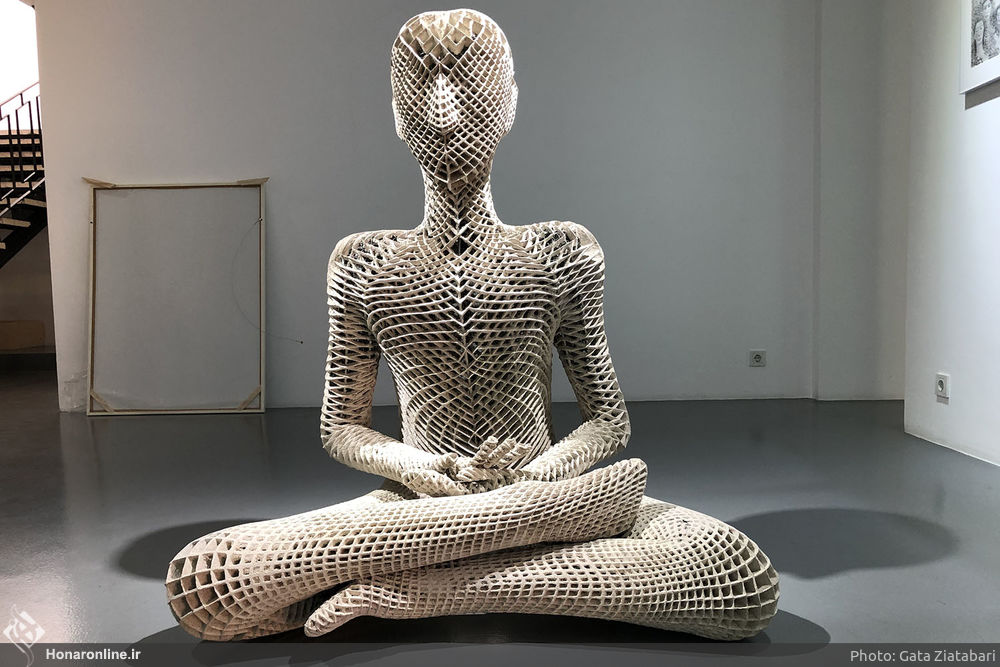
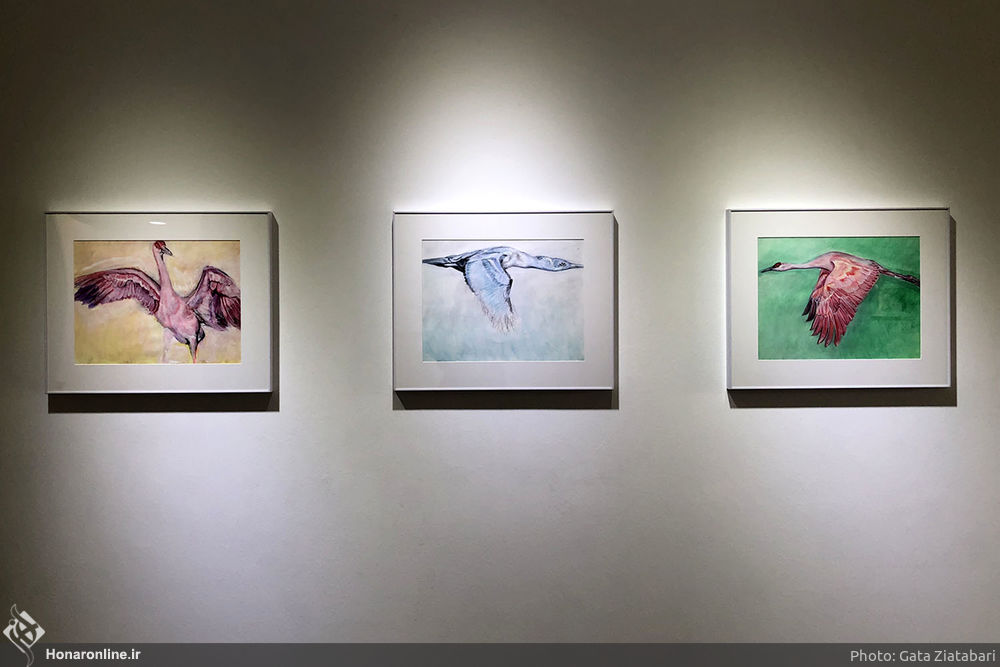
The exhibition displays a selected collection of Pantea Rahmani’s drawings, paintings and sculptures which draw inspiration from an allegorical world of birds. 

The statement of the exposition says: This multi-layered project involves documentary films on birds that are on the brink of extinction in Iran’s wildlife. 

It also features the unveiling of a drama book. Birds are already an integral part of our relationship with myths, social culture and our surroundings. But now, they have turned into a peripheral issue and have become vulnerable animals which are on the verge of extinction in huge groups.” 

Project

“Amazed by Bird aims to look into our relationship with nature and to give us a deeper insight into nature and birds as one of the key parts of our daily lives.”

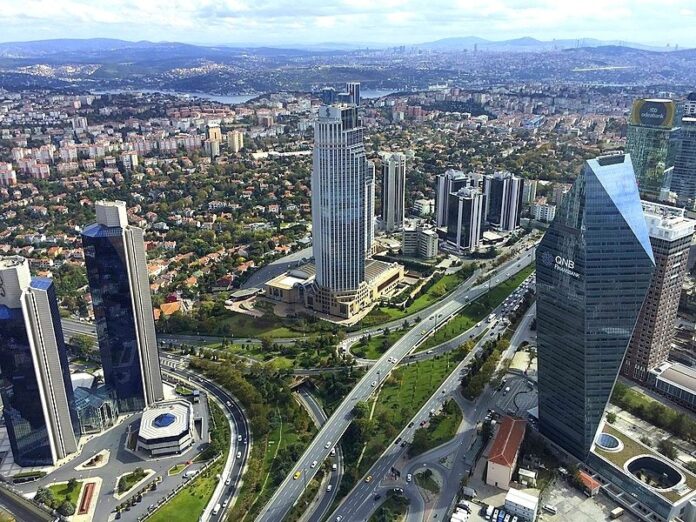
Iranians Set Record of Purchasing Houses in Turkey

According to the latest report by the Turkish authority, Iranian citizens purchased 4,600 housing units in Turkey since the turn of the year, which is a 21 percent rise compared to the same period last year, and a 47 percent increase compared to 2019. 

Iranians flocked to Turkey to procure houses starting from 2018 when the US re-imposed its unilateral sanctions, which were earlier eased under the 2015 nuclear deal, and the subsequent plunge in the value of the Iranian rial.

Turkey gives temporary residence permit to foreigners, who buy or rent houses in the country.

Iranians had purchased only 424 housing units in Turkey in the entire 2017. It means the number of housing units Iranians acquired in Turkey surged 10-fold in four years.

Iranians also bought more houses in Turkey than citizens of any other foreign country over the past two years. 

Iraqis surpassed Iranians when hopes were raised in Iran due to the talks for removal of the sanctions leading to fewer Iranian purchases.

Khashil: A Yummy Persian Dish

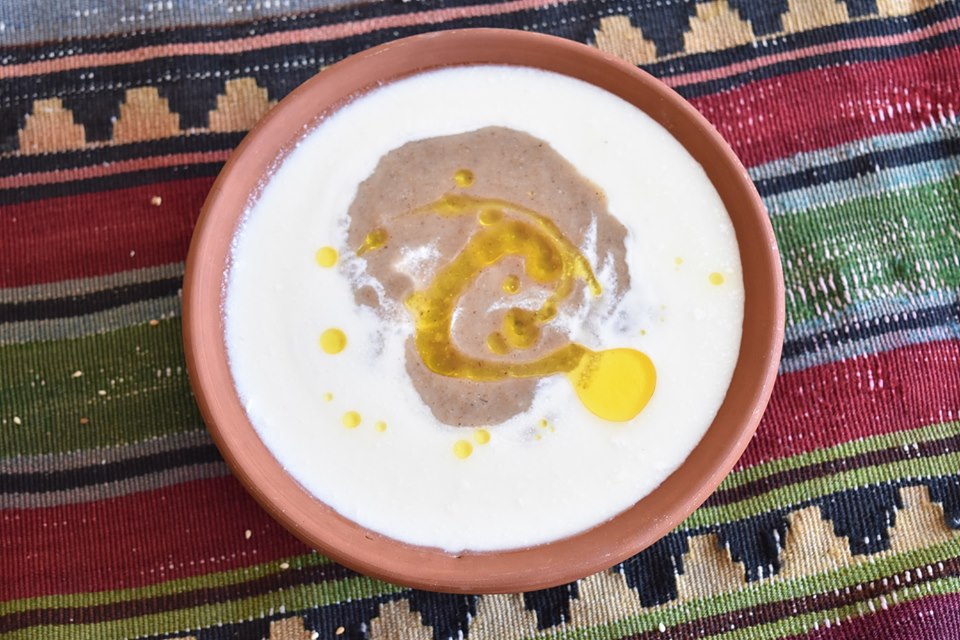
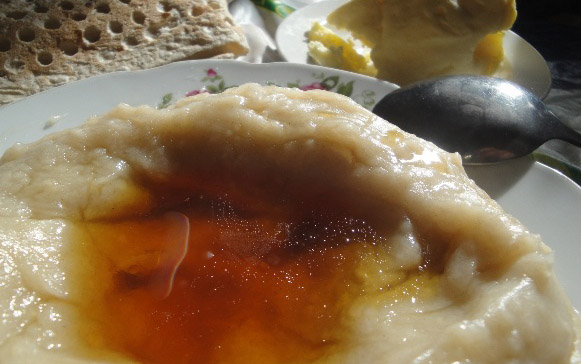
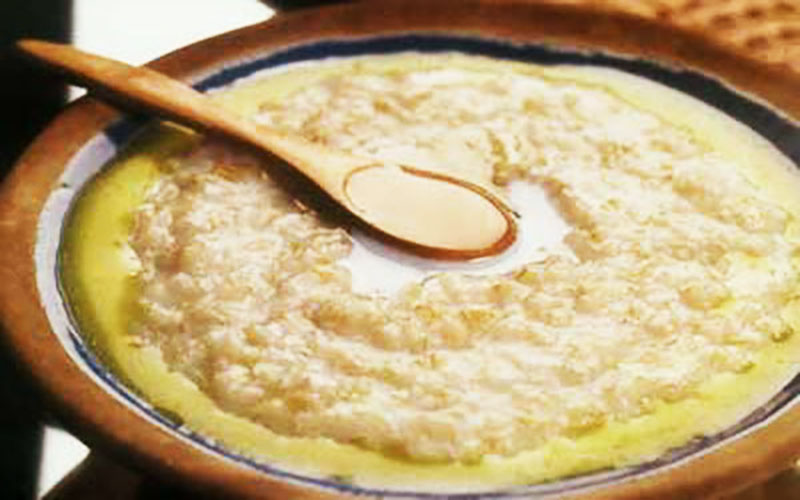
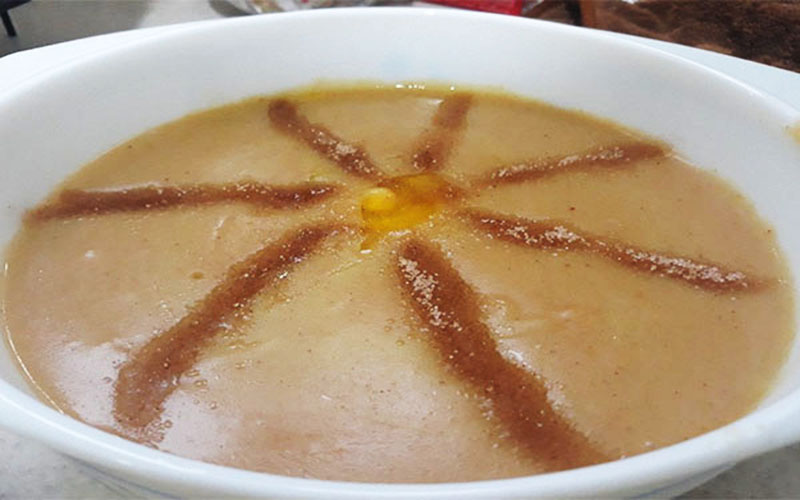
Khashil recipe - A Yummy Persian Dish

Native to the northwestern Iranian city of Ardebil(wikipedia), Khashil is usually cooked on cold days with sugar, or grape syrup or honey and tastes very delicious.

Khashil recipe

Ingredients For Khashil

  • Wheat bulgur: 4 soup spoons
  • Flour: 4 spoonfuls
  • Turmeric: 1 dessertspoon
  • Salt: A little
  • Water: 5-6 glasses
  • Sugar & cinnamon: As much as necessary
  • Grape syrup or honey as alternatives for sugar: As much as needed
  • Butter or animal oil: 50gr

khashil ingredient

Recipe for khashil

Wash the wheat bulgur and soak it in 3 glasses of water with turmeric and put it on low heat to cook.

Then add 25gr of butter or animal oil to the bulgur.

Afterwards, solve 4 spoons of flour in 2 glasses of cold water before adding it to the coocked bulgur and mixing them together.

Then add a pinch of salt and allow Khashil to be cooked through. At the end, serve the dish with a little butter of animal oil plus mixed sugar and cinnamon, or honey and grape syrup, as you wish.

How to make khashil

key point on cooking khashil

1. Some cook Khashil with flour only and without bulgur. They sauté the flour to make the smell of rawness go away.

Then add milk and water to it plus a little turmeric so that it turns yellow.

Finally, serve it in a deep dish and have it with grape juice, honey, or sugar plus butter and cinnamon.

Iranian food Khashil

2. Khashil is a local food of people of Azarbaijan and is commonly made by residents in various parts of the region, especially during Yalda Night ceremonies.

Since Khashil contains a large amount of wheat, sugar and organic butter, it is believed that the food helps boost the body’s endurance to cold.

3. Make sure to add a liter of water when mixing the flour with the other ingredients and pour it on baked bulgur.

4. Khashil can burn on the surface of the pot really quickly; therefore, you have to stir it constantly until it is ready to serve. Also, turn the heat down so the food doesn’t burn.

Khashil: A Yummy Persian Dish

5. You can also use sesame and walnut kernels in the recipe that contains milk.

Can we just leave out the fat from Khashil or change the mixture of spices?

In some recipes, the Ardebil version of Khashil is made with flaxseeds, dates and wheat flour and the food has a dark color.

Sometimes, salt and turmeric replace the sweet ingredients, depending on the taste of each individual.