Wednesday, December 24, 2025
Home Blog Page 2364

Israel’s FM to discuss Iran during US visit

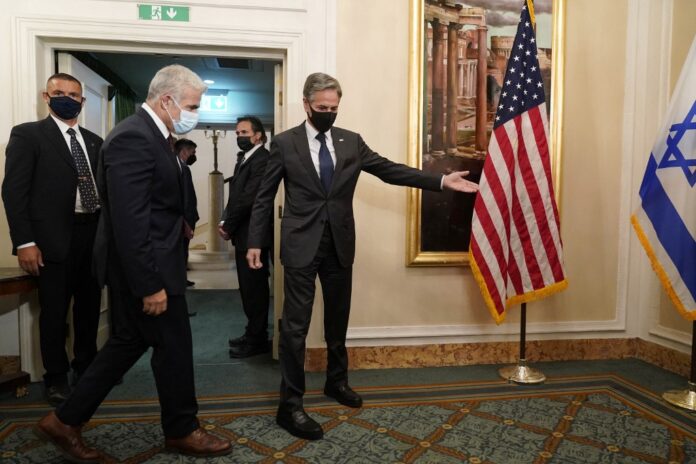
Israel’s top diplomat will be in Washington from Oct. 12 though Oct. 14, during which time he will hold discussions with Secretary of State Antony Blinken, National Security Adviser Jake Sullivan and Vice President Kamala Harris, multiple news outlets reported on Wednesday, citing Lapid’s office.

The string of meetings come as the U.S. and Iran are at a stalemate in their nuclear talks.

Biden has said he wants Iran to re-enter the Joint Comprehensive Plan of Action (JCPOA) — the nuclear deal that was brokered under the Barack Obama administration in 2015, which former President Donald Trump withdrew from in 2018 — contending that the agreement is the only way the U.S. can stop Iran from obtaining a nuclear weapon.

Nuclear talks had been underway in Vienna but they were ultimately adjourned in June. Now, the U.S. has only been engaging in indirect talks through its allies.

Newly elected Iranian President Ebrahim Raisi, during a speech to the United Nations last month, called for nuclear talks to resume.

Earlier this month, however, the country’s Foreign Minister, Hossein Amirabdollahian, asked that the U.S. unfreeze $10 billion of its funds to restart nuclear discussions.

Israel is now looking to develop a backup plan for if the U.S. talks with Iran fail, according to Axios.

Lapid and Blinken also met in June during a trip to Rome, according to The Jerusalem Post.

Sullivan met with his Israeli counterpart, Israel’s national security adviser Eyal Hulata, on Tuesday, as part of a chain of meetings between the U.S. and Israeli officials to talk about their military, diplomatic and intelligence communities.

The White House emphasized that diplomacy remains the ideal course of action when it comes to nuclear talks.

“We, of course, remain committed to a diplomatic path,” a senior administration official stated.

Israeli Prime Minister Naftali Bennett slammed Iran during his own speech to the U.N. General Assembly, saying that the Islamic republic had crossed all nuclear red lines.

“Iran’s nuclear weapons program is at a critical point. All red lines have been crossed,” Bennett continued.

“Iran’s nuclear program has hit a watershed moment, and so has our tolerance. Words do not stop centrifuges from spinning,” he added, promising that Israel “will not allow Iran to acquire a nuclear weapon”.

Iran’s permanent ambassador to the United Nations has denounced the blame game launched against Iran by Israel.

Majid Takht-Ravanchi decried Bennett’s rhetoric, saying his speech about Iran was full of lies.

“Iranophobia peaked at the UN,” wrote Takth-Ravanchi in a tweet.

Austrian chancellor accused of bribery

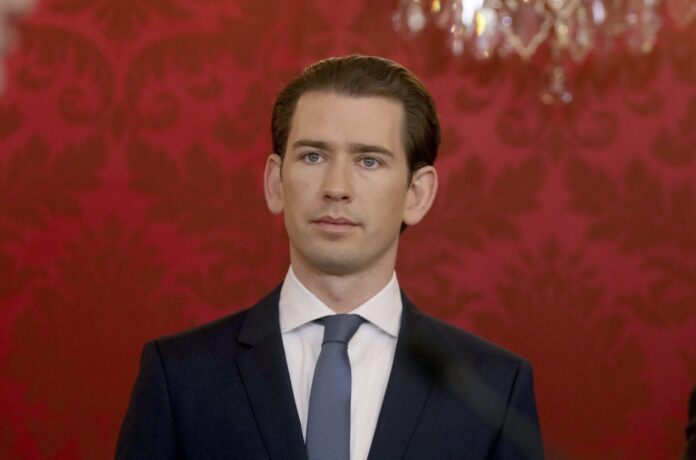
The investigation, which prosecutors confirmed hours after raids on the Chancellery, Finance Ministry and the offices of Kurz’s party, is a fresh political threat to Kurz, whom anti-corruption prosecutors placed under investigation separately in May on suspicion of perjury.

Kurz and his People’s Party (OVP) dismissed the investigation as politically motivated.
The suspicion in this investigation is that, starting in 2016 when Kurz was foreign minister and seeking to become party leader, and later as he became chancellor, the conservative-led Finance Ministry paid for advertisements in a newspaper in exchange for polling and coverage favourable to him.

“The Prosecutors’ Office for Economic Affairs and Corruption has placed Sebastian Kurz and nine others as well as three organisations under investigation on suspicion of breach of trust … corruption … and bribery …, partly with different levels of involvement,” the office said in a statement.

The early morning raids took place at locations including the homes and Chancellery desks of three senior Kurz aides.

“I am convinced that these accusations, too, will prove to be false,” Kurz said in a brief statement, adding that text-message exchanges had been taken out of context to “construct” a case against him.

OVP Deputy Chairwoman Gaby Schwarz dismissed the raid on its headquarters as “political staging” aimed at achieving a “show effect” to harm both Kurz and the party. The OVP has repeatedly accused anti-corruption prosecutors of bias against it and Kurz, which prosecutors’ and judges’ organisations deny.

That reaction exposed tensions in the ruling coalition between Kurz’s conservatives and the left-wing Greens, who campaigned on “clean politics” and have avoided saying how far they will support Kurz if the cases against him progress.

“The accusation of show politics is an empty one simply because a judge’s approval is required for this instrument, namely carrying out a raid as part of an investigation,” Greens leader and Vice Chancellor Werner Kogler told a news conference, adding that prosecutors should be able to keep working freely.

MANIPULATED POLLING

Tabloid daily Oesterreich, which Austrian media identified as the newspaper at the centre of the investigation, issued a statement earlier on Wednesday denying taking state money for advertising in exchange for publishing polling.

Without naming the newspaper, prosecutors said they suspect that from 2016 until at least 2018 Finance Ministry funds paid for party-politically motivated and sometimes manipulated polling that was published in the newspaper, and that some of those under investigation could influence what was reported.

Kurz took over as OVP leader in May 2017 and led his party to an election victory later that year.

Finance Minister Gernot Bluemel told a news conference the investigation related to a time before he took office last year and he was not a target. Kurz was due to appear on ORF TV’s evening news at 10 p.m. (2000 GMT).

Austria’s three main opposition parties called for a special session of the lower house of parliament to address the investigation and called on Kurz to resign.

Around two dozen killed, hundreds injured in Pakistan quake

Provincial Home Minister Mir Ziaullah Langove told the media that a state of emergency has been declared in all districts of the province affected by the earthquake to assist rescue efforts and health services.

The minister added that helicopters are being sent to the affected areas to shift the seriously injured to other cities, including the provincial capital of Quetta.

According to the National Seismic Monitoring Center of Pakistan, the 5.9-magnitude quake hit at 3:01 a.m. local time with focal depth of 15 km and the epicenter located near the Harnai district.

The jolts were also felt in different areas, including Quetta, Mastung, Muslim Bagh, Qila Saifullah, Sibi and Pishin.

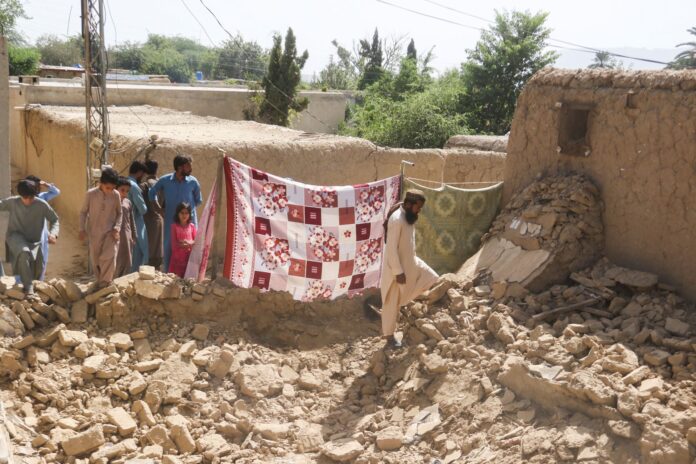
Director General of Provincial Disaster Management Authority in Balochistan, Naseer Nasar, said casualties were reported from the Harnai district of the province where houses collapsed after the jolts.

Rescue teams have rushed to the affected areas and started rescue work, noted Nasar, adding that rescue work was facing problems due to the mountainous terrain of the district and disconnection of power supply.

According to local media reports, landslides in the quake-hit areas have blocked several roads affecting the rescue works.

Nasar stated heavy machinery for rescue work has been sent to the affected areas but it will take some time to reach the sites.

Nasar added initial reports from the ground said that at least three villages were the worst hit in Harnai district where around 70 houses collapsed.

Deputy Commissioner for Harnai city Sohail Anwar Hashmi said the bodies and the injured were being shifted to nearby hospitals, adding that the majority of the deceased and injured were women and children.

The official told the media that the death toll might further rise as at least 15 of the injured people were in critical condition and several people were buried under the debris of the collapsed houses.

Iran FM, Lebanon president discuss Zionist threats, bilateral cooperation

During their meeting on Thursday, the two sides stressed the need to increase the level of interaction and cooperation in the economic, political and cultural fields.

The issue of standing up to the threats of the Zionist regime and the Islamic Republic of Iran’s support for the territorial integrity and independence of Lebanon were discussed during the talks.

Later in the day, Amirabdollahian sat down for discussions with Lebanese Parliament Speaker Nabih Berri.

The top Iranian diplomat stressed the need to expand cooperation between the two countries in different fields.

During the meeting with Berri, Amirabdollahian also thanked and appreciated the Lebanese resistance against the Zionist regime adding that Iran, with all its strength, will stand by Lebanon in all crises.

He told reporters after the meeting that Iran is ready to provide all possible assistance to Lebanon to overcome the current situation.

He also described foreign forces as the main cause of problems and tensions in the region

The Iranian foreign minister says during his meetings in Lebanon he will put forward better and newer suggestions for breaking the economic blockade of Lebanon, adding that Iran will keep up its current form of support for Lebanon as long as Beirut wants.

A severe economic meltdown has left Lebanon severely short of fuel and other basic necessities.

Iran has been transferring much-needed fuel to Lebanon through Syria in recent weeks.

IRGC’s Navy holds drill in Persian Gulf

The video also shows how the IRGC Navy’s speedboats closely monitor foreign ships in the Sea of Oman and the Persian Gulf.

The drills are meant to commemorate the bravery of Iranian soldier Mahdavi and his companions who were martyred in 1987 at the hands of US terrorist forces in the region.

The US directly and indirectly helped Iraq’s former Ba’athist regime in the 1980s in its war on Iran.

Iran has held numerous military exercises in the past years to send a strong message to the world that any aggression against the Islamic Republic will have dire consequences for the aggressors.

Report: Dubai ruler ordered hacking of former wife’s phone via Israeli spyware

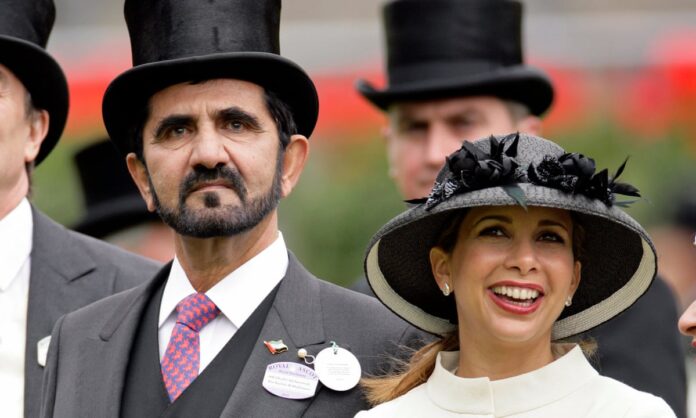
The ruler of Dubai hacked the phone of his ex-wife using NSO Group’s controversial Pegasus spyware in an unlawful abuse of power and trust, a senior high court judge has ruled.

The president of the family division found that agents acting on behalf of Sheikh Mohammed, who is also prime minister of the United Arab Emirates, a close Gulf ally of Britain, hacked Haya and five of her associates while the couple were locked in court proceedings in London concerning the welfare of their two children.

Those hacked included two of Haya’s lawyers, one of whom, Fiona Shackleton, sits in the House of Lords and was tipped off about the hacking by Cherie Blair, who works with the Israeli NSO Group.

In July, a Guardian investigation revealed for the first time that Haya and her associates were on a dataset believed to indicate people of interest to a government client of NSO, thought to be Dubai.

Sir Andrew McFarlane’s damning judgment from 5 May, only now published, appears to confirm that finding – which was part of the Pegasus project investigation – and goes further in saying that unlawful surveillance was actually carried out.

Haya’s phone was found to have been hacked 11 times in July and August last year with Sheikh Mohammed’s “express or implied authority”.

The Met police announced it was informed of the alleged hacking last year and detectives carried out “significant inquiries” over the course of five months but the investigation was closed in February due to “no further investigative opportunities”.

Although McFarlane’s findings were on the lower civil standard of proof, which requires a conclusion on the balance of probabilities rather than the criminal standard of beyond reasonable doubt, a Met police spokesperson said, “We will of course review any new information or evidence which comes to light in connection with these allegations.”

In another judgment by McFarlane, one of 11 rulings to which the Guardian and other news organisations were granted access on Wednesday, it was revealed that agents working on behalf of the sheikh had attempted to buy a £30m estate next door to Haya’s Berkshire home. In response, the judge created a 100-metre exclusion zone around her property and a 1,000ft no-fly zone above it to protect her from the sheikh and his agents.

In his phone-hacking judgment, McFarlane criticised Sheikh Mohammed in the strongest terms.

“The findings represent a total abuse of trust, and indeed an abuse of power, to a significant extent,” he stated, adding, “I wish to make it plain that I regard the findings that I have now made to be of the utmost seriousness in the context of the children’s welfare. They may well have a profound impact upon the ability of the mother and of the court to trust him with any but the most minimal and secure arrangements for contact with his children in the future.”

On one occasion, according to the judgment, when Haya’s phone was hacked, 265 megabytes of data was uploaded, equivalent to about 24 hours of digital voice recording data or 500 photographs. It occurred during a period described by McFarlane as “a particularly busy and financially interesting time in these proceedings, with the buildup to key hearings relating to the mother’s long-term financial claims for herself and the children”.

In a witness statement, the sheikh, who has not appeared in court throughout the proceedings – unlike his ex-wife who was a regular attendee – argued that “it is hard to see how the hacking allegations make a substantial difference” to his contact with his children, but this was dismissed out of hand by McFarlane.

The latest judgments will increase scrutiny on Britain’s relationship with the UAE, coming after a December 2019 ruling by McFarlane that found the sheikh orchestrated the abductions of two of his other children, Princess Latifa and Princess Shamsa – in the latter case from the streets of Cambridge – and subjected Haya to a campaign of “intimidation”.

McFarlane used the opportunity of the phone-hacking ruling to criticise the sheikh’s claim after the December 2019 judgment in which the Dubai ruler noted, “As head of government I was not able to participate in the court’s fact-finding process.”

McFarlane stated this was untrue as the sheikh had submitted two witness statements to that trial and had had a large legal team that he had instructed to withdraw from the courtroom rather than participate.

Sheikh Mohammed’s expensively assembled legal team had attempted to prevent McFarlane ruling on the phone hacking by claiming that the court had no jurisdiction to sit in judgment on a foreign act of state, namely the alleged use of spyware by the UAE and/or Dubai. However, in separate hearings this was rejected by the high court and court of appeal, with the supreme court refusing to allow a further appeal.

Haya fled to London in April 2019 with the couple’s two young children, triggering a still ongoing legal battle over custody, access and financial support.

In a witness statement supporting her application for the exclusion zone around her Castlewood House home, previously occupied by Prince Andrew and Sarah Ferguson, Haya said, “It feels as if I am being stalked, that there is literally nowhere for me to go to be safe from [her ex-husband], or those acting in his interests.

“It is hugely oppressive … I feel like I cannot breathe any more; it feels like being suffocated. I don’t want the children to live with the kind of fear that punctuates my existence at all times. They do not deserve this,” Haya added.

On 9 December last year, granting her request, McFarlane said that in the abduction of his two adult daughters, the sheikh had demonstrated “his ability to act and to do so irrespective of domestic criminal law”, explicitly referencing the fact that Shamsa was taken from Cambridge to Dubai by helicopter.

“The mother is justified in regarding the purchase of a substantial estate immediately abutting her own as being a very significant threat to her security, both in terms of providing an opportunity for 24-hour close surveillance and as a close-to-hand transport hub for a helicopter,” the judge said.

After the findings were published, Sheikh Mohammed issued a statement in which he continued to deny the allegations relating to hacking.

“These matters concern supposed operations of state security. As a head of government involved in private family proceedings, it was not appropriate for me to provide evidence on such sensitive matters… Neither the Emirate of Dubai nor the UAE are party to these proceedings and they did not participate in the hearing. The findings are therefore inevitably based on an incomplete picture,” he stated.

Northwestern Iranian cities snow-covered

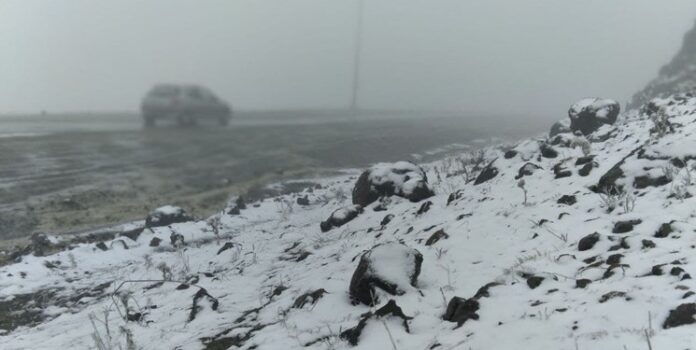
The snow downpour is now ongoing in the Khalkhal-Asalem and the Khalkhal-Pounel roads while a heavy fog has reduced visibility in those areas, causing problems for drivers.

The head of Khalkal’s roads department visited the Asal road. He said the roads in the area are frosty and this has made them slippery, which has slowed the traffic.

Marouf Khosravi urged drivers to have winter safety equipment at their disposal.

He added that road keepers have been deployed to the areas to help people.

Blinken says time running out to revive Iran nuclear deal

Blinken in a phone call with Russian Foreign Minister Sergei Lavrov on Wednesday discussed the progress made on the Joint Comprehensive Plan of Action (JCPOA) and noted that there was not much time left before a return to the original agreement becomes pointless.

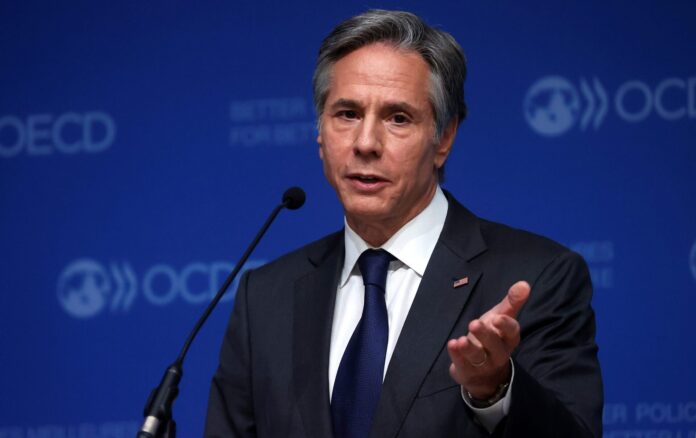
“Yes, we [Blinken and Lavrov] focused on the JCPOA,” Blinken stated during a press briefing at the Organization for Economic Co-operation and Development conference in Paris.

“Given what Iran is doing with its nuclear program […], we are getting closer and closer to a point where simply returning to compliance with the JCPOA won’t recapture the benefits of the agreement,” he added.

Blinken reiterated that both Russia and the US are interested in seeing a mutual return to compliance with the JCPOA.

Earlier in the day, following a meeting with the Iranian Foreign Minister Hossein Amir Abdollahian, Lavrov noted that Tehran is ready to resume negotiations on the JCPOA in Vienna as soon as possible.

In 2015, Iran signed the nuclear deal with the P5+1 group, which includes the United States, China, France, Russia, the United Kingdom, Germany and the European Union. It required Tehran to scale back its nuclear program and severely reduce its uranium reserves in exchange for sanctions relief, including the lifting of an arms embargo five years after the deal was inked.

In September, Foreign Ministry Spokesman Saeed Khatibzadeh stated the 4+1 group of countries that remain party to the JCPOA will resume nuclear negotiations in Austrian capital Vienna within the next few weeks.

During the last official meeting with the president and the cabinet members of the twelfth government in late July, Leader of the Islamic Revolution Ayatollah Seyyed Ali Khamenei has said that one key lesson for future administrations to learn from the experience gained during the tenure of Hassan Rouhani is that there is no benefit in putting one’s trust in the west.

“The others should use your experience,” Ayatollah Khamenei told the meeting, adding, “There is a specific experience… that I have noted to you and the people many times before, and let me repeat the same thing here, which is [the need for] a lack of trust in the west.”

“This is an experience that the posterity should use. As it became manifest during the tenure of this administration, nothing can be gained from putting one’s trust in the west,” the leader stated.

The leader added that domestic programs should in no way be tied to western states under any circumstances due to the proven failure of such an approach.

“Wherever you tied your work to the west, you failed, and wherever you rose and moved forward without trusting the west, you succeeded,” he said in an address to members of the outgoing administration.

“Wherever you tied issues to an agreement or talks with the west, America and the like, you failed to move forward,” he said, adding, “Because they don’t help. They are the enemies, of course.”

“The Americans say [in words] and promise that ‘we will remove the sanctions’ but they have failed to do so,” stressed the leader, denouncing the US attempts to add new terms to the agreement to push Iran to begin talks on other issues.

By adding such a clause, according to the leader, the Americans are seeking to gain an excuse for further meddlesome acts regarding the JCPOA, Iran’s missile program and regional issues.

“And if Iran refuses to talk about [those issues], they would say ‘you have violated the JCPOA and therefore there won’t be an agreement anymore,’” he stated.

Ayatollah Khamenei drew attention to the fact that the US has refused to provide Iran with a guarantee that it will not violate its commitments again.

He noted that Washington will not shy away from violating its contractual commitments in the same manner it did in 2018, a move that was “completely costless” for them.

NATO to expel several Russian diplomats

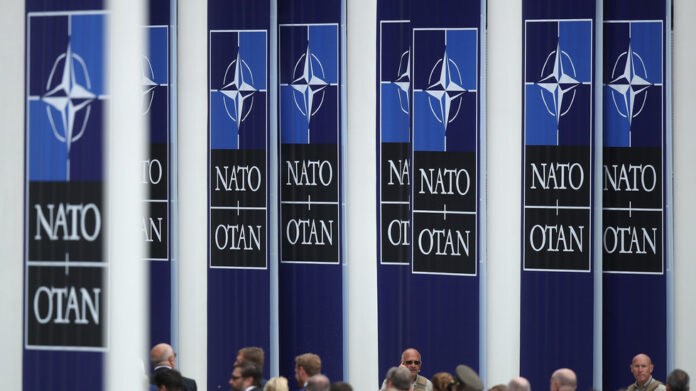
NATO has confirmed that Russia’s mission to the alliance would be halved from 20 to 10 positions, the alliance’s press service told TASS on Wednesday.

“We can confirm that we have withdrawn the accreditation of 8 members of the Russian Mission to NATO,” the official said alleging that those members were undeclared Russian intelligence officers.

“We can also confirm that we have reduced the number of positions which the Russian Federation can accredit to NATO to 10 (from the previous 20),” the press service added.

“NATO’s policy towards Russia remains consistent. We have strengthened our deterrence and defense in response to Russia’s aggressive actions, while at the same time we remain open for a meaningful dialogue,” the spokesperson assured.

Eighteen diplomats are currently working in Russia’s mission to NATO, and two positions are vacant.

Sky news had earlier reported that this decision was made following Russia’s alleged “malign activities over recent years”. As Sky News reported, NATO made its decision after asking its member countries to compile reports on suspicious hostile activity they may have noticed on their territory. All the relevant data were collected last month, before the decision was taken.

The TV channel quoted an unnamed NATO official claiming that the expelled Russian diplomats were allegedly “undeclared Russian intelligence officers”.

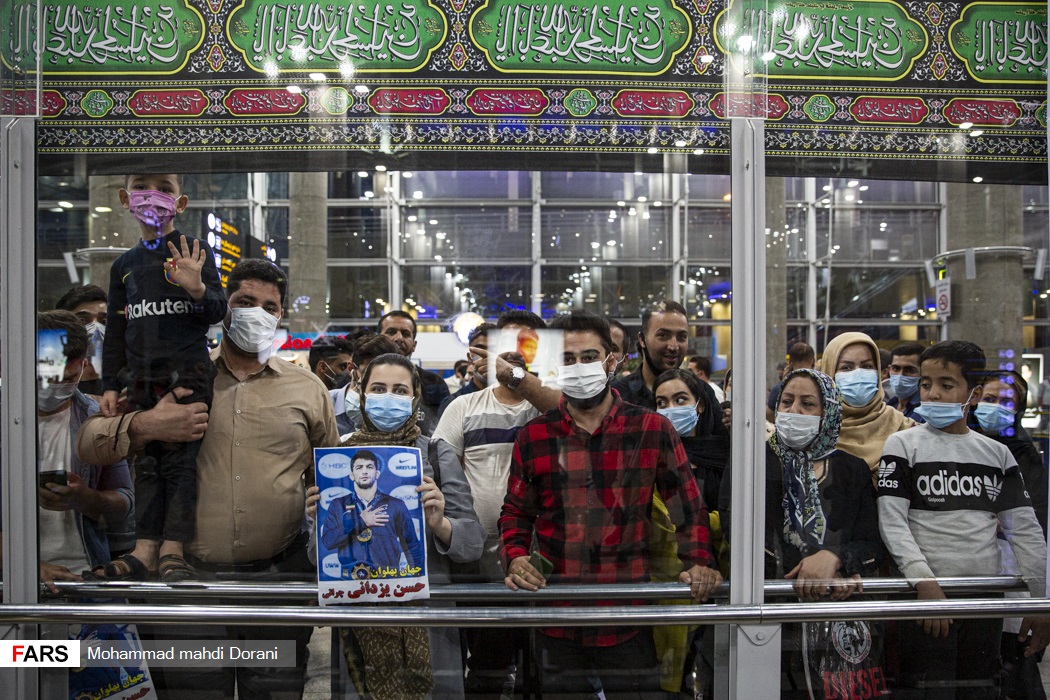
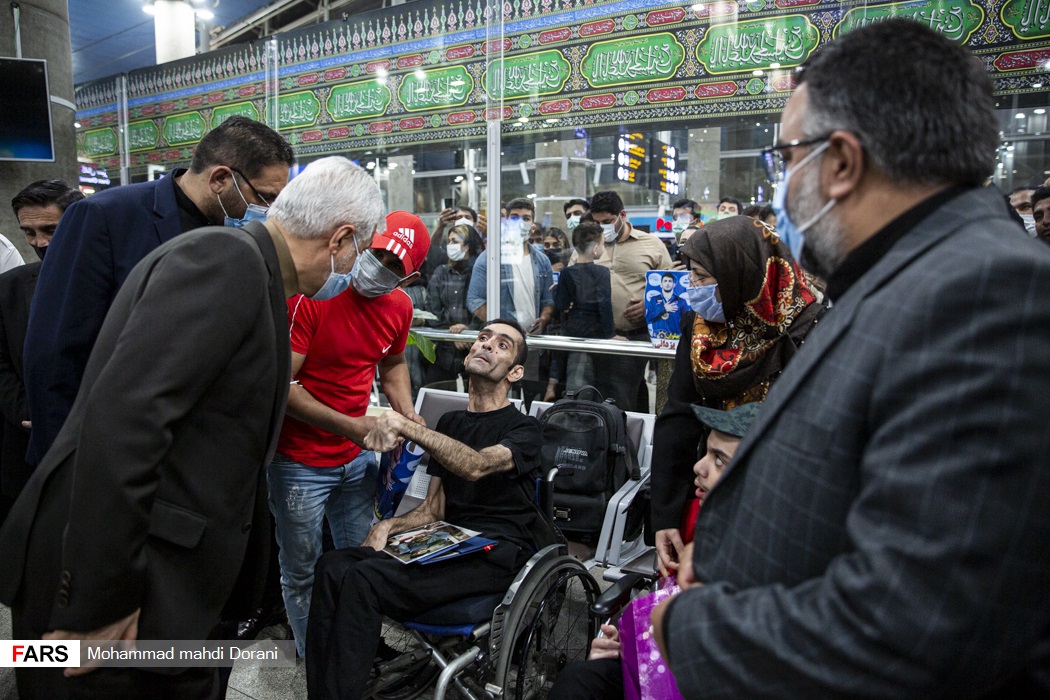
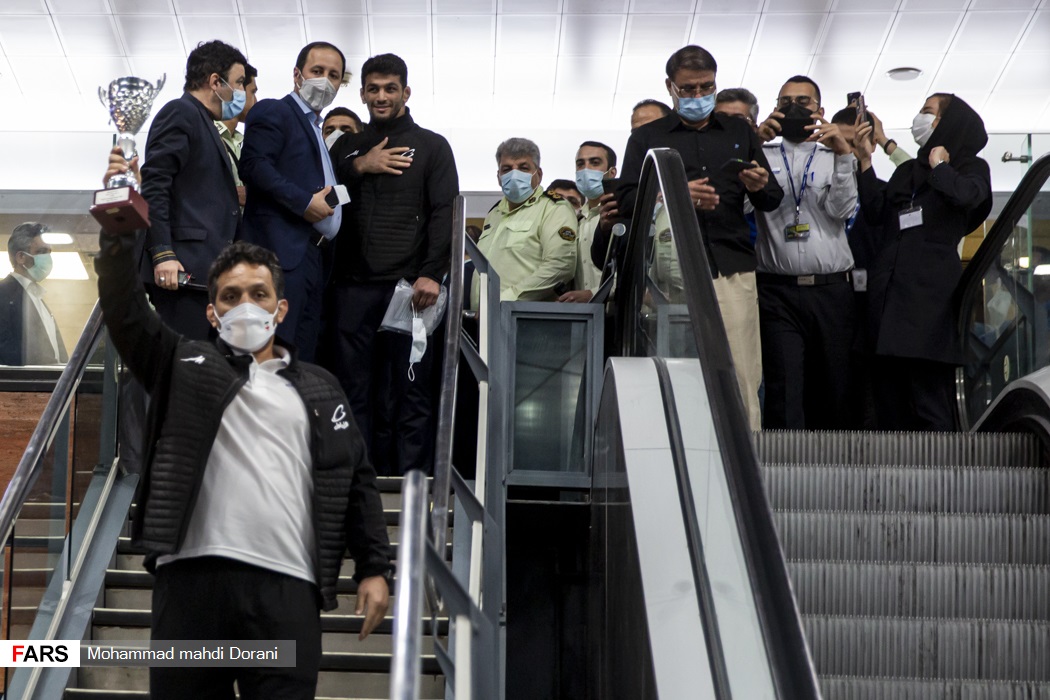
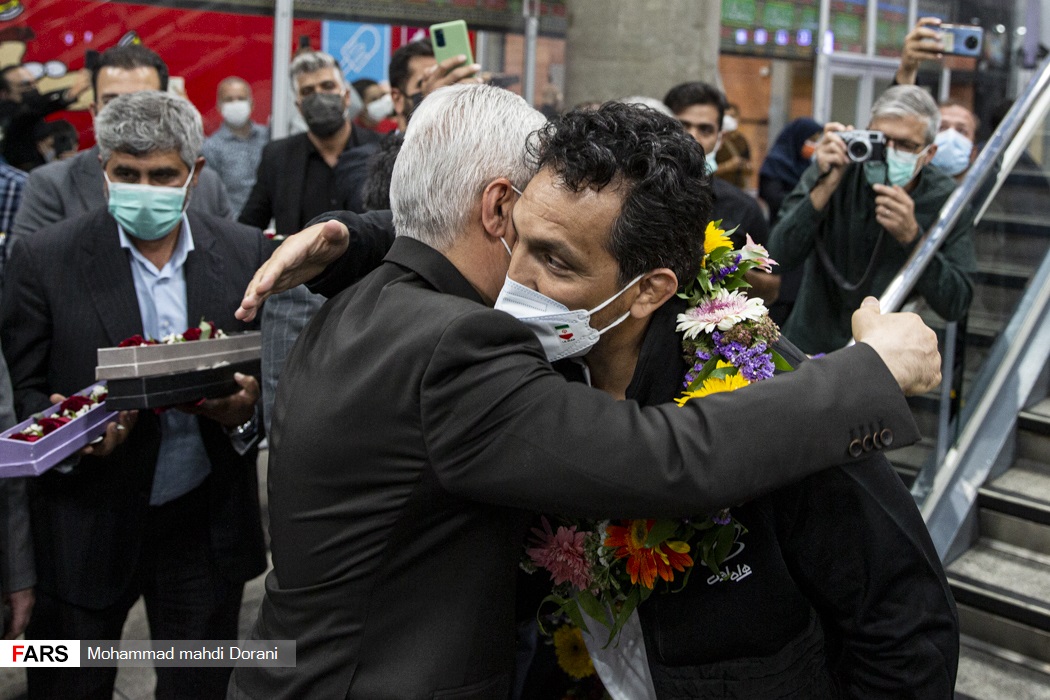
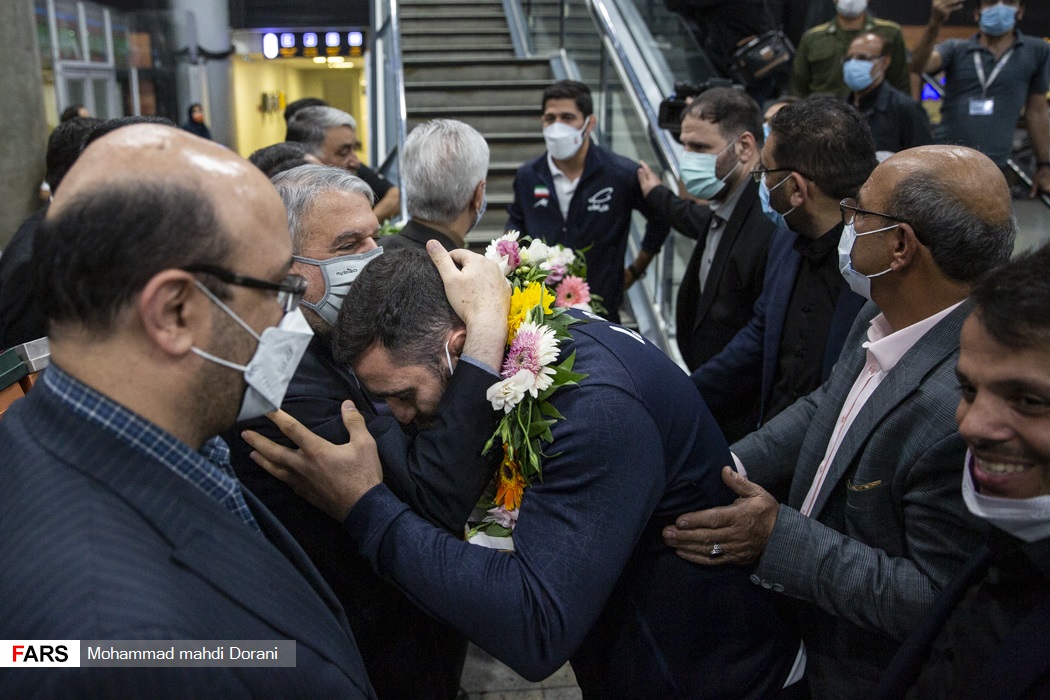
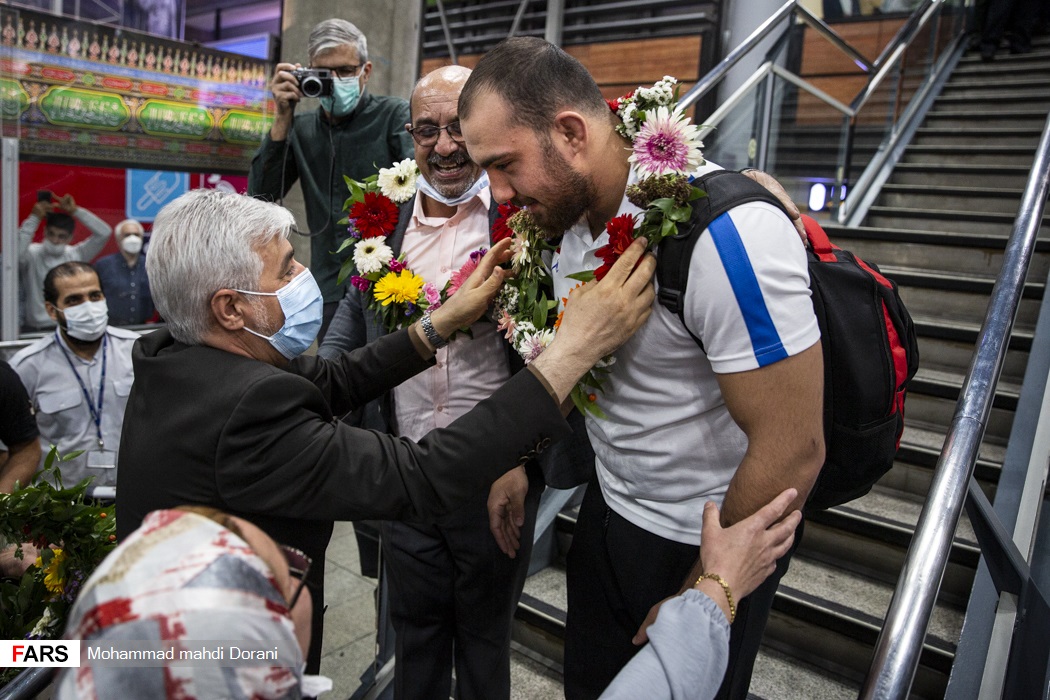
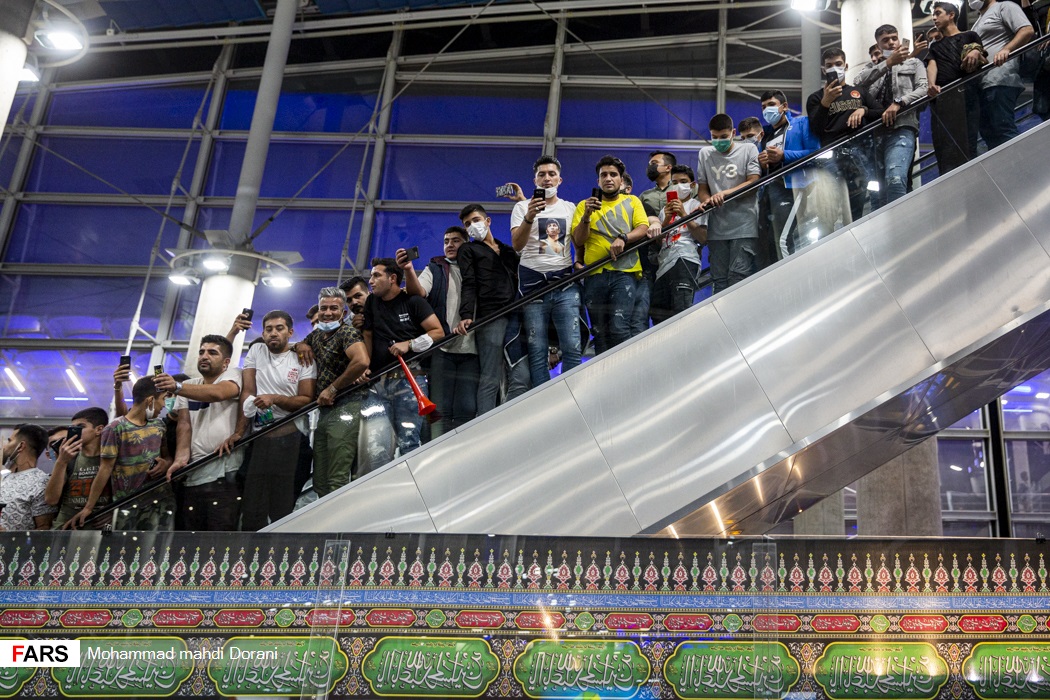
Iranian wrestlers receive hero’s welcome at home

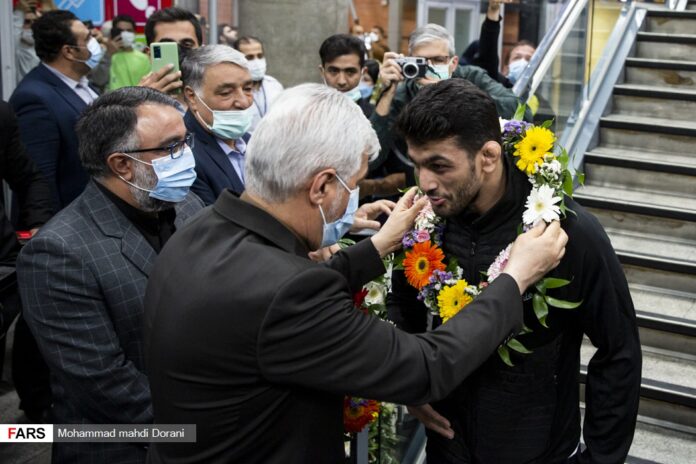
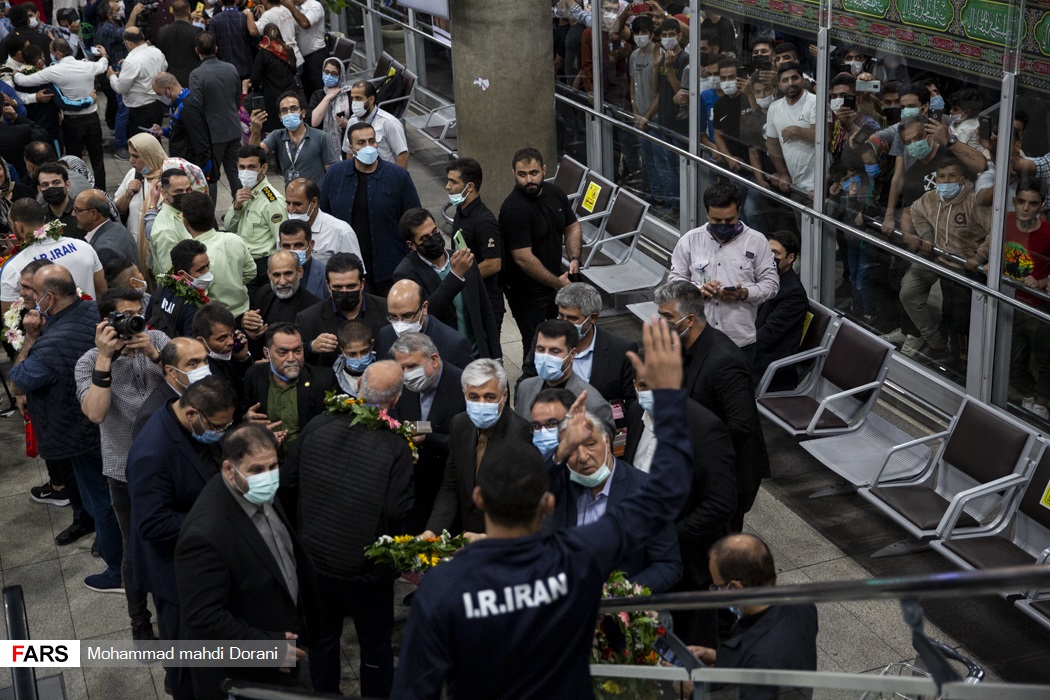
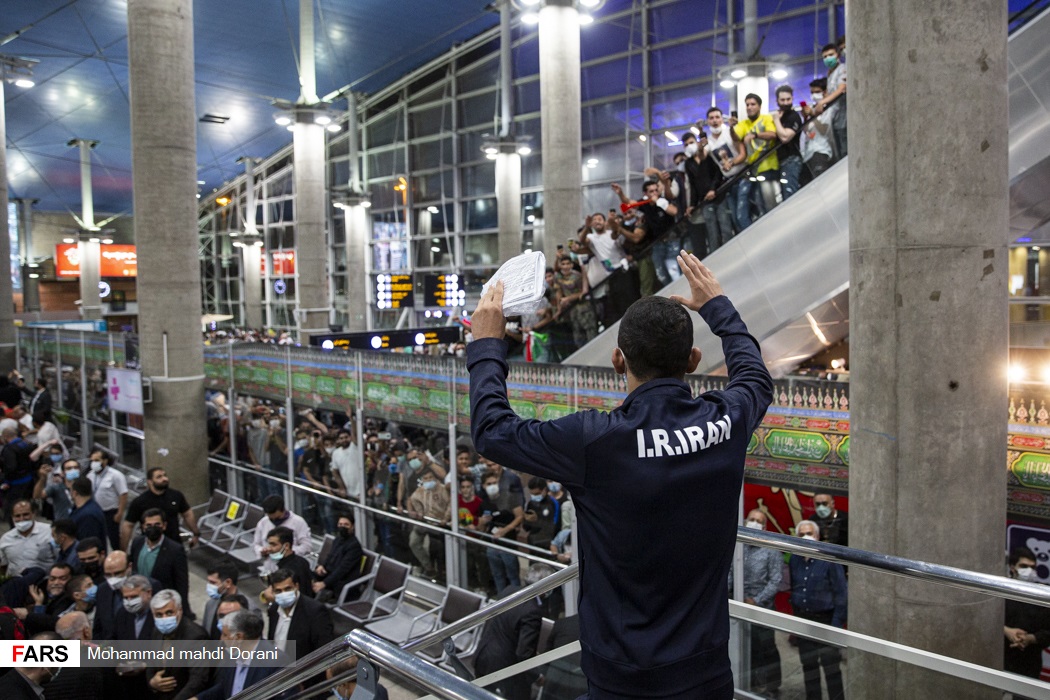
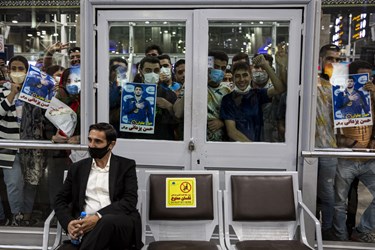
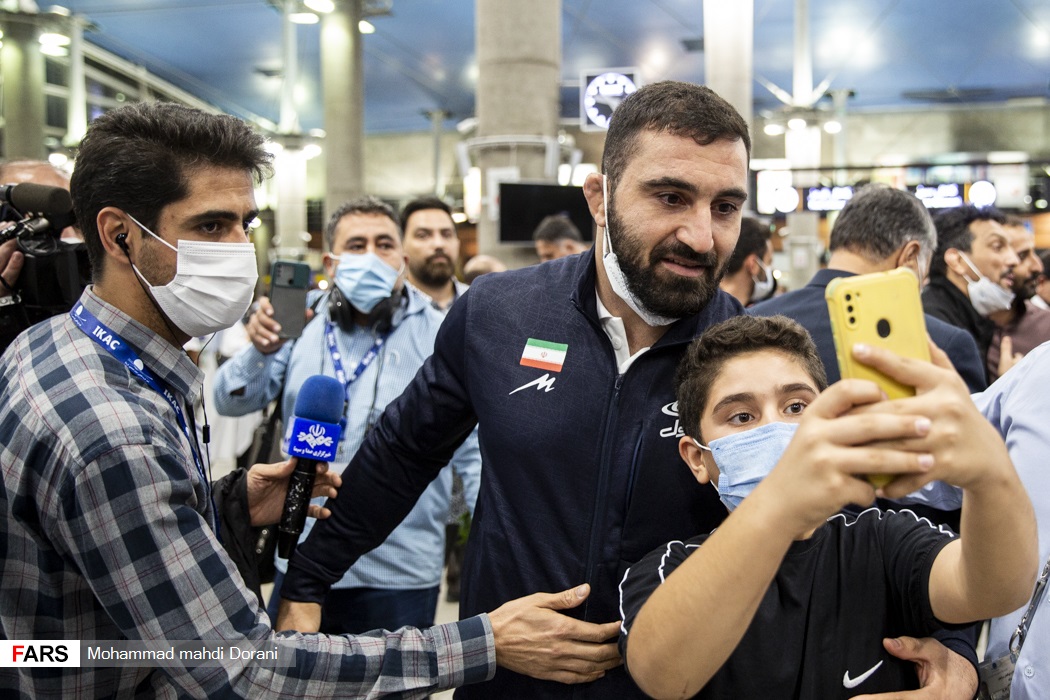
The Iranian wrestlers were welcomed by Minister of Sports and Youth Affairs Hamid Sajjadi and a group of other officials and wrestling enthusiasts at Imam Khomeini International Airport south of the capital Tehran.

Iran won three golds, three silvers and a bronze medal finishing in third place in team ranking.