Tuesday, April 14, 2026
Home Blog Page 2314

Iran Judiciary: Indictment issued against leader of al-Ahvazieh terroroist group

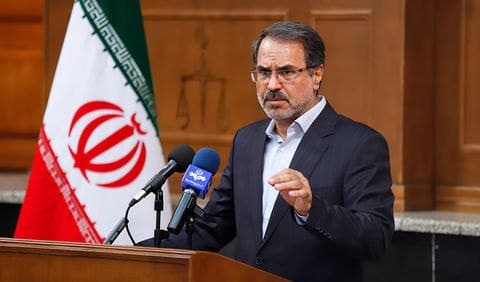
Zabihollah Khodaeian added that the indictment has been sent to the Revolution’s Court. Khodaeian said the leader of the group was identified and arrested in a border region and confessed to his crimes against the Iranian people.

He added that people will be informed of the details of the case. Khodaeian also said al-Ahvazieh group is supported by foreign intelligence agencies.

He added that the group is implicated in many crimes in Iran including planting bombs at public and private places, assassinating officials and killing ordinary people, spying, destroying oil and gas installations, and money-laundering.

According to the Judiciary’s spokesman, the key members of the Al-Ahvazieh terrorist group are in Europe and are busy orchestrating criminal acts and terror attacks against the Iranian people.

Khodaeian said the group promotes violence in Iran through its television channel.

Khodaeian also spoke of Iran’s legal actions against the US. He said the US has caused heavy material and spiritual damage to Iran and Iranians by such actions as the Tabas attack, the 1953 coup, support of terrorist acts against the Iranian people, and also support of the former Iraqi regime with chemical weapons.
European sources: Iran’s Bagheri to meet French, British diplomats within days

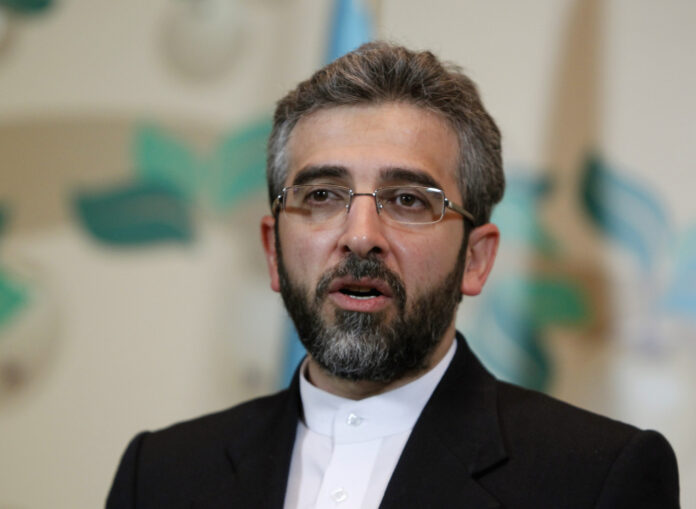
Iran's deputy negotiator Ali Bagheri speaks during a news conference in Almaty April 5, 2013. REUTERS/Shamil Zhumatov

The Iran’s top nuclear negotiator will hold talks with French officials on Tuesday as part of efforts to plan for the resumption of nuclear talks on Nov. 29, a French diplomatic source stated on Monday.

Bagheri will meet French political director Philippe Errera, who heads up France’s negotiating team.

Patrick Wintour, The Guardian diplomatic editor, also wrote on Twitter Bagheri will meet senior British foreign ministry officials on Nov. 11.

Iran’s Foreign Ministry spokesman Saeed Khatibzadeh told reporters Monday Bagheri will visit London, Paris and Berlin later this week.

Iran has announced negotiations are slated to resume in Vienna on November 29, on the revival of the 2015 Iran nuclear deal known as the Joint Comprehensive Plan of Action (JCPOA).

Official: Iran’s goods exported to 142 countries

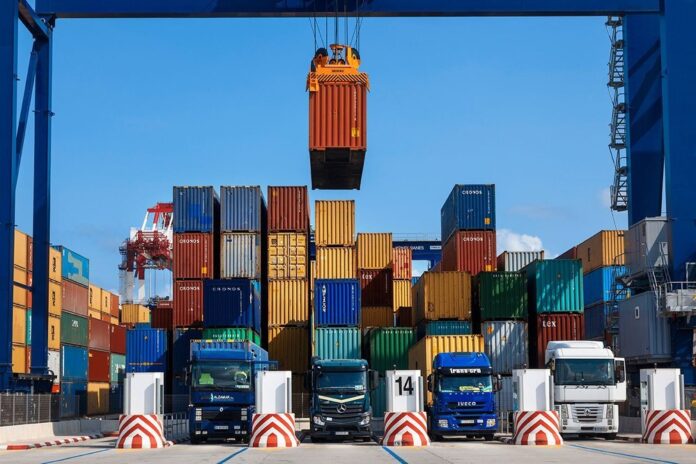
Rouhollah Latifi spokesman for the Islamic Republic of Iran Customs Administration stated on Monday that Iran has exchanged 99 million tons of goods worth of 55 billion dollars from the beginning of the Iranian Year (21 March 2021).

Iran’s exports in this period amounted to 57.2 million tons in weight and 27.74 billion dollars in value, according to the official.

China with 7,689, Iraq with 5,483, Turkey with 3,397, the UAE with 2,590, and Afghanistan with 1,126 million dollars top the list of Iranian exports destinations.

Meanwhile, Iran has imported 23.5 million tons of goods worth of 27.739 billion dollars in the same period, as said by Latifi.

The UAE with 8,596, China with 6,107, Turkey with 2,861, Germany with 1,039, and Switzerland with 1,035 million dollars were the top sources of Iran’s imports.

Iran’s Nazemi nominated for world best woman referee

According to the IFFHS official website, “At the end of the month of November, the IFFHS will announce the Awards 2021 winners in all categories.”

Other nominees were, Anastasia Pustovoitova (Russia), Stéphanie Frappart (France), Esther Staubli (Switzerland), Kateryna Monzul (Ukraine), Shona Shukrula (Netherlands), Edina Alves Batista (Brazil), Mariana de ALMEIDA (Argentina), Valeria PALMA (Chile), Karen Diaz Medina (Mexico), and Kathryn Nesbitt (USA).

Nazemi had earlier been nominated for the Futsal Referee of the Year Award 2019.

She had also been shortlisted with nine other leading referees to receive the best referee award in the world.

Iranian president names pick for Education Minister

The spokesman for Parliament’s Presiding Board said Raeisi’s letter was presented to Parliament on Monday. Seyyed Nezameddin Mousavi said the legislature will announce receipt of the letter on Tuesday.

He added that the proposed minister’s plans will be reviewed by specialized parliamentary committees for a week, and a vote of confidence will be held next week. The member of Parliament’s Presiding Board added that a date has yet to be set for the vote of confidence.

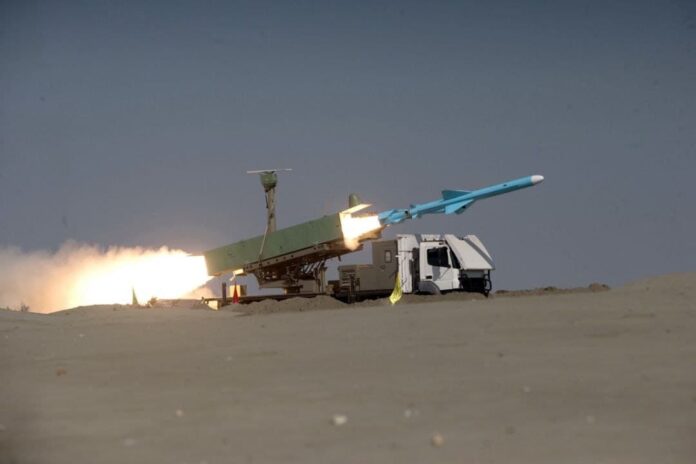
Iran large-scale drills: Anti-ship cruise missiles destroy targets

The war games cover one million square kilometers from the east of the Hormuz Strait to the north of the Indian Ocean.

“An operation to destroy the enemy’s surface and floating units was carried out using Iranian Qader and Nasr cruise missiles,” spokesman for the Iranian Army’s annual military exercises Rear Admiral Mahmoud Mousavi said on Monday.

At this stage of the exercises, the Qader cruise missile was successfully launched from missile sites on the coast of Mokran at a target vessel 200 kilometers away, Mousavi explained.

He also noted that the Nasr missile, which was fired by a guided missile destroyer, hit its sea surface target.

He went on to say that the Qader long-range cruise missile also hit its surface target at a distance of 300 kilometers during the main phase of the drills.

The spokesman for the military exercises said that the strategic naval force of the Islamic Republic of Iran has a wide range of cruise missiles, adding that unique capabilities, including effective warheads with high explosive power and also the ability to withstand the enemy’s electronic warfare are some of the features of the projectiles in the Navy’s arsenal.

The Navy’s missile enhancement continues, and today it is able to use long-range systems, surface-to-surface units, and submarine units to destroy targets at long distances using indigenous projectiles. This growing movement will continue uninterrupted and the capabilities will increase day by day, Rear Admiral Mousavi stated.

He described the missile capabilities of the Navy as a trump card in any naval battle.

“Today, the Navy’s missile units are stationed along the coasts of the country and stand ready to bury any aggressor who intends to encroach on the waters of the Islamic Republic of Iran…at the bottom of the sea,” Mousavi warned.

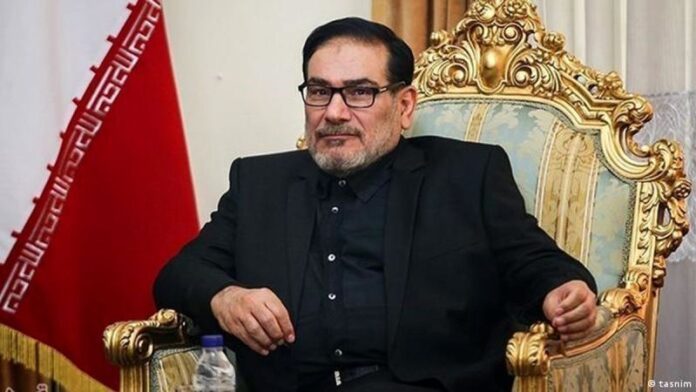
Iran’s security chief to visit India

Rear Admiral Shamkhani and his counterparts from Russia, China, India, Uzbekistan, Tajikistan, Turkmenistan and Kyrgyzstan will discuss the latest security developments in the region.

The initiative to hold the meeting was first launched by Iran. The first conference happened in 2018 in Tehran on the crisis in Afghanistan.

The second security conference also convened in Tehran in 2019 with high-ranking and security officials of Russia, China, India, Afghanistan, Tajikistan and Uzbekistan in attendance.

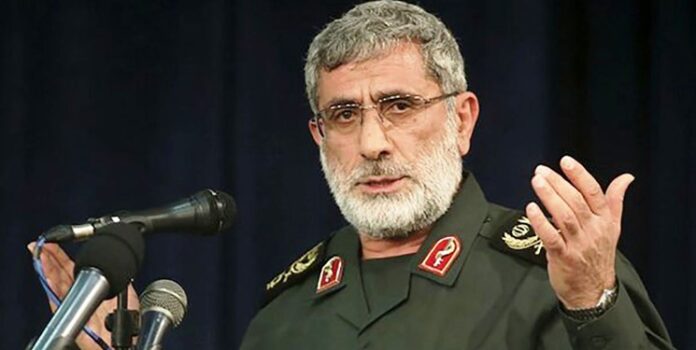
TV: Iran’s Quds Force commander visits Iraq

According to Lebanon’s al-Mayadeen TV channel, Ghaani also met with two other Iraq officials, underscoring the need for Iraq to maintain its stability and national unity. He also told the Iraqi officials that any move which would threaten Iraq’s security must be avoided.

Accoording to al-Mayadeen, in the meetings, Ghaani stressed that it is necessary Iraqi officials heed the demands of those who protest the results of the recent parliamentary elections within the confines of law.

His visit to Iraq comes at a time when tension is mounting in Iraq following Sunday’s drone strike against the Iraqi prime minister house.

The Iraqi government declared on Sunday that the explosive-laden drone hit Kadhimi’s house but the prime minister escaped the attack unharmed. Following the incident, Kadhmi called on all Iraqis in a tweet to calm down and exercise restraint.

The situation has been tense in Iraq since the parliamentary vote. People held a bloody protest on Friday against the election results. They claim the vote was rigged. But officials deny this.

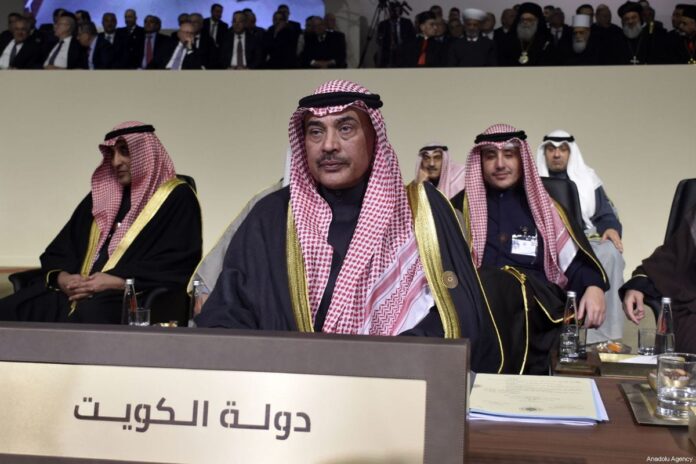
Kuwait government submits resignation

The government has been locked in a standoff with opposition lawmakers who have insisted on questioning Prime Minister Sheikh Sabah Al-Khalid Al-Sabah in the elected parliament.

On Sunday, Kuwait’s cabinet approved draft decrees for a planned amnesty for political dissidents, the government announced, in an effort to end the standoff between opposition lawmakers that has blocked legislative work for months.

The amnesty has been a key condition of the opposition for ending its standoff with the administration that has paralysed legislation and hindered efforts to boost the state finances and enact measures including a debt law that will make it possible to tap global markets.

“The cabinet approved the necessary draft decrees in preparation for submission to His Highness the Emir,” the government said.

The emir tasked the parliament speaker, the prime minister and the head of the supreme judicial council with recommending the conditions and terms of the amnesty ahead of it being issued by decree.

The three had presented a “preliminary report” last week, spelling out the standards of the planned amnesty.

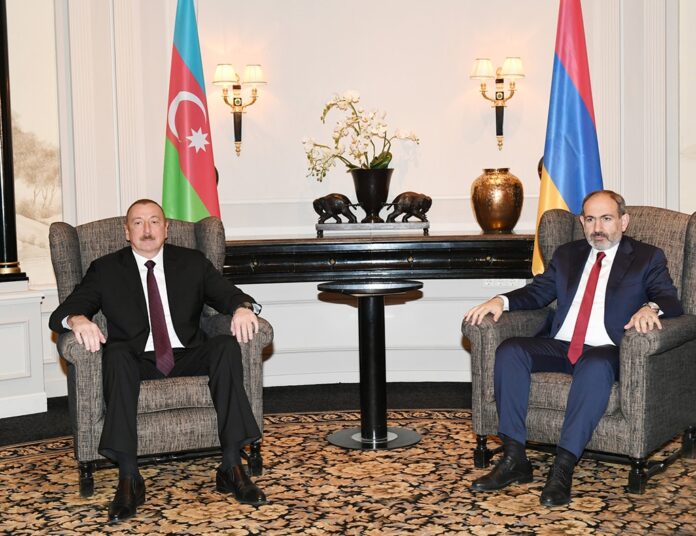
Azerbaijan says ready to normalize ties with Armenia

“The basis for Azerbaijan’s long-term outlook is ensuring a lasting peace, development and progress. With the factor of occupation of its territories removed, Azerbaijan is ready to normalize relations with Armenia on the basis of strict adherence to the principles of international law, in particular, sovereignty, territorial integrity and the inviolability of borders,” the statement said.

In order to ensure a future peace and stability in the region, at this stage, ‘’it’s important to fully implement the provisions of the trilateral statements’’ that were signed by the leaders of Azerbaijan, Armenia and Russia on November 9, 2020, and January 11, 2021, it added.

“Azerbaijan expects that Armenia will respond adequately to its steps in this direction,’’ the statement read.

Clashes between Azerbaijan and Armenia erupted on September 27, 2020, with intense battles raging in the disputed region of Nagorno-Karabakh. On November 9, 2020, Russian President Vladimir Putin, Azerbaijani President Ilham Aliyev, and Armenian Prime Minister Nikol Pashinyan signed a joint statement on the full cessation of hostilities in Karabakh. According to the document, the Azerbaijani and Armenian sides stopped at the positions that they had maintained, and Russian peacekeepers were deployed along the engagement line in Nagorno-Karabakh and along the Lachin Corridor. On January 11, the leaders of Russia, Armenia and Azerbaijan agreed to create a working group consisting of the deputy prime ministers of the three countries that would focus on rebuilding the transportation and economic ties in the region.