
Majid Ehsani died due to a cardiac arrest and stress after her favorite team lost 1-0 in the match against Aluminum in the country’s Premier League competitions.
Ehsani was born in 1991.
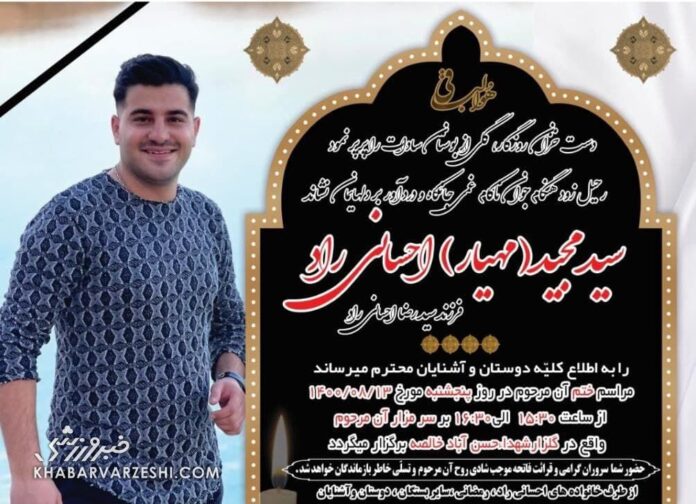
Majid Ehsani died due to a cardiac arrest and stress after her favorite team lost 1-0 in the match against Aluminum in the country’s Premier League competitions.
Ehsani was born in 1991.
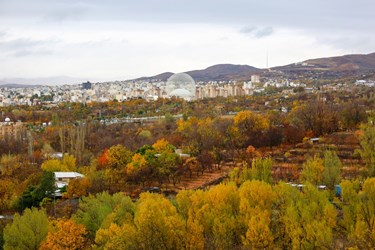





How mesmerizing are the moments when fallen leaves leave themselves to the tender mercies of rain drops only to redouble the beauty of it all.
An all along, garden alleys in the beautiful city of Hamedan in western Iran are littered with yellow, orange and red leaves.
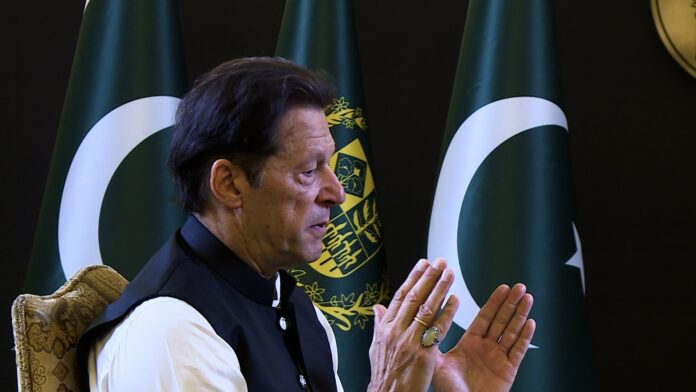
Shahbaz Sharif, leader of the country’s main opposition Pakistan Muslim League (Nawaz), said that the Imran Khan government has “exceeded all limits of incompetency, inefficiency, and corruption”.
“The government is about to increase inflation by raising the petroleum levy on the orders of IMF, which is cruel. The government has also given in to the IMF’s conditions for increasing electricity tariffs. The nation is asking: these are the good days [the PTI government] has brought?” Sharif stated on Friday, responding to the increase in petrol and diesel prices by more than PKR 8 ($0.047).
Questioning the logic behind the inflationary measures, the PML-N President has cited recent decisions of the India, Bangladesh, and Sri Lanka governments, which lowered the fuel prices.
“Government officers are being changed because of incompetence, but Imran Khan is [still] sitting on his seat after the biggest incompetence and corruption,” Shahbaz added, highlighting the 130 percent jump in cooking oil prices since 2018.
Pakistan People’s Party (PPP) vice-president Sherry Rehman noted that for the first time in Pakistan’s history, prices of all the petroleum products are more than 110 Pakistani rupees (PKR) per litre ($0.65 per litre).
The PPP has been also highlighting sugar prices that overtook the price of one litre of petrol recently.
Imran Khan’s government has been talking to the IMF to be granted $6 billion under an Extended Fund Facility for two years to provide much-needed support for the ailing economy.
The IMF has withheld the release of a $1 billion tranche, demanding the State Bank of Pakistan – the central bank – enjoy full autonomy first as it is alleged to be overly influenced by politicians and bureaucrats.
The Imran Khan government has received financial support from China, the UAE, and Saudi Arabia amid the growing debt to the annual national income of the country.
A World Bank report suggests that the country’s debt-to-Gross Domestic Product (GDP) ratio exceeded 80 percent in the first quarter of this year.
On Wednesday, Imran Khan’s government announced a $705 million relief package to mitigate against rising food and fuel prices. The IMF, the largest contributor of which is the US, withheld a $1 billion tranche to debt-ridden Pakistan, demanding more autonomy to the country’s central bank.

20-year-old Reza Hedayati, who had been deployed to an area near routes used by terrorists outside the town of Sardash in West Azarbaijan province to ensure security, was shot on Friday morning.
The wounded soldier was immediately transferred to a medical center but succumbed to his wounds.
The Law Enforcement Force of the Islamic Republic of Iran says Reza Hedayati, who was single and originally from Bandar Anzali in northern Iran, was shot in clashes in a border area known as Beloft on the border with Iraq.
On Saturday, provincial officials and people gathered in a ceremony in Sardashto to bid farewell to his body before it was flown to his birthplace for burial.
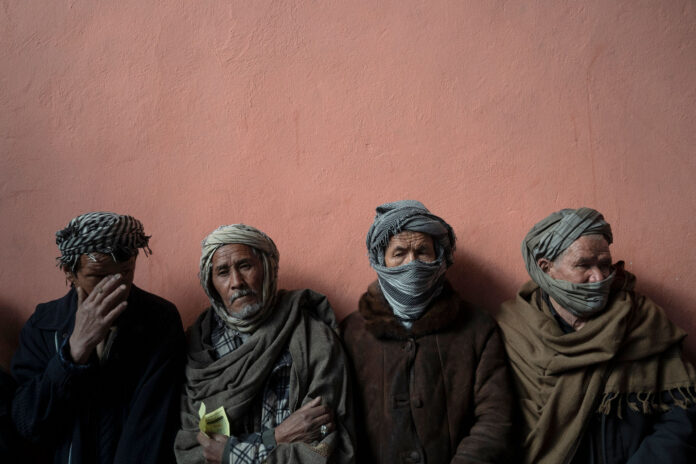
India is hosting the ‘Delhi Regional Security Dialogue on Afghanistan’ on November 10. The meeting will be at the level of the NSAs and will be chaired by NSA Ajit Doval.
Two earlier meetings under this format, sources said, have been held in Iran in September 2018 and December 2019. The third meeting in India could not be held earlier due to the Covid-19 pandemic.
A source stated there has been an “overwhelming response to India’s invitation”.
“Central Asian countries as well as Russia and Iran have confirmed participation,” the source continued, adding that this would be the first time that all Central Asian countries, not just Afghanistan’s immediate neighbours, would be participating in this format.
“The enthusiastic response is a manifestation of the importance attached to India’s role in regional efforts to promote peace and security in Afghanistan,” the source noted.
Invitations have been extended to China and Pakistan too, and “formal responses are awaited”.
But Pakistan, the source said, has indicated through the media that it will not attend.
“Pakistan’s decision is unfortunate, but not surprising. It reflects its mindset of viewing Afghanistan as its protectorate. Pakistan has not attended the previous meetings of this format. Its media comments against India are an unsuccessful attempt to deflect attention from its pernicious role in Afghanistan,” the source added.
The high-level participation at the meeting being hosted by India, the source said, “reflects the widespread and growing concern of regional countries about the situation in Afghanistan and their desire to consult and coordinate with each other”.
“India has an important role to play in this process,” the source added.
On Tuesday, Pakistan NSA Moeed Yusuf said he would not be attending a meeting on Afghanistan being hosted by India. Speaking at a press conference in Islamabad, Yusuf noted, “I will not go, a spoiler can’t be a peacemaker”. He was responding to a question on whether Pakistan would be attending the meeting.
For Delhi, the meeting next week is important since the government has made it clear that it has red lines on the new Taliban dispensation in Afghanistan — that it should not allow safe havens for terror on its soil, the administration should be inclusive, and the rights of minorities, women and children must be protected.
So far, the signs from the Taliban have not been encouraging. This has been the assessment shared by New Delhi with interlocutors ever since the Taliban formed its cabinet.

At least 125 people have been injured in clashes in the Iraqi capital between security forces and demonstrators as people once again rallied to protest what they call foreign-sponsored fraud and vote irregularities at the October parliamentary elections.
Iraqi security sources reported on Friday that police fired tear gas and live ammunition into the air to disperse the demonstrators while scores of the protesters threw stones and tried to advance towards Baghdad’s heavily fortified Green Zone, which houses government buildings and foreign embassies.
The Iraqi Health Ministry announced in a statement that 27 people and the rest of the security forces were wounded while no gunshot wounds and no deaths were recorded, the National Iraqi News Agency (NINA) reported.
The protesters were hurt mostly from smoke inhalation while nine policemen sustained injuries from being pelted by stones, hospital sources stated.
The Iraqi capital and a number of major cities have been tense over the past few days as several political factions and their supporters in the Arab country have rejected the preliminary results as “fraudulent.”
A total of 329 seats were up for grabs in the election. More than 3,240 candidates were running, including 950 women.
According to the preliminary results, the Fatah Alliance won 14 seats in the October 10 elections after taking 48 seats in the 2018 vote.
A count based on initial results from several provinces plus Baghdad, verified by local government officials, suggested that Sadr’s Sairoon coalition had won more than 70 seats, which, if confirmed, could give him considerable influence in forming a government.
Kurdish parties won 61 seats, the results showed, including 32 for the Kurdistan Democratic Party, which dominates the government of the semi-autonomous Kurdish region of Iraq, and 15 for its rival Patriotic Union of Kurdistan party.
Sunni Parliament Speaker Mohammed al-Halbousi’s Taqaddum coalition won 38 seats, Iraq’s state news agency reported, making it the second largest in parliament.
The State of Law Alliance, headed by former Prime Minister Nouri al-Maliki, who led Iraq from 2006 to 2014, came third overall with 37.
Iraqi Shia political parties won fewer seats than in the last election in 2018, according to the results and local officials.
The elections were originally planned to be held in 2020, but the date was brought forward in response to a mass protest movement that broke out in 2019 to call for economic reforms, better public services, and an effective fight against unemployment and corruption in state institutions.
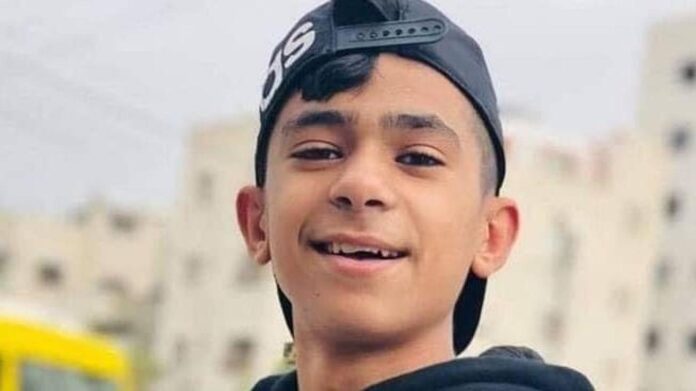
A 13-year-old Palestinian boy has been killed by Israeli fire in Deir al-Hatab, a village east of the city of Nablus in the occupied West Bank.
The Palestinian ministry of health said that Mohammed Daadas, 13, arrived at hospital with a bullet in his stomach. His heart had stopped and all attempts by the medical staff to revive him were unsuccessful, Wafa news agency reported.
The Palestinian agency added that clashes between Palestinians and Israeli forces had erupted in Deir al-Hatab after Friday prayers.
Daadas is from Askar refugee camp in Nablus. There was no immediate comment from the Israeli forces on the incident, Reuters reported.
Deir al-Hatab village in the north of the West Bank was subject to several settler attacks in October, with olive trees targeted during the annual harvest season, which is a lifeline for thousands of Palestinian families.
In Beit Dajan, six Palestinians suffered from suffocation caused by inhaling tear gas launched by Israeli soldiers on Friday, while five Palestinians were injured by rubber-coated bullets in clashes with Israeli forces in Beita, a village threatened by land grabs from Israeli settlers near Nablus.
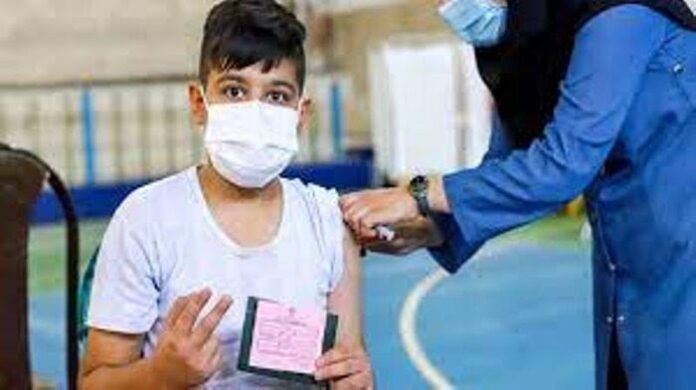
“So far, as many as 5,607,827 students ranging in age from 12 to 18 have received their first doses of the coronavirus vaccine in the country,” said Azam Goodarzi, the acting head of the Health Office of the Education Ministry.
“Based on the existing figures and statistics, 85% of school students across the country have received the first does of the coronavirus vaccine to gain immunity against the virus, though the frame of reference for immunity against the virus is that two weeks must pass from the date of the second dose injection,” she explained.
“Accordingly, school students have begun receiving their second coronavirus doses in the past days, and more than 24% of students have got their second COVID-19 jabs so far,” she said.
She noted the ministry has set up some 200 vaccination centers to inoculate students who have not been vaccinated yet.
This comes as schools opened partially to secondary school students across Iran on November 5, so that pupils would be able to attend classes in person.
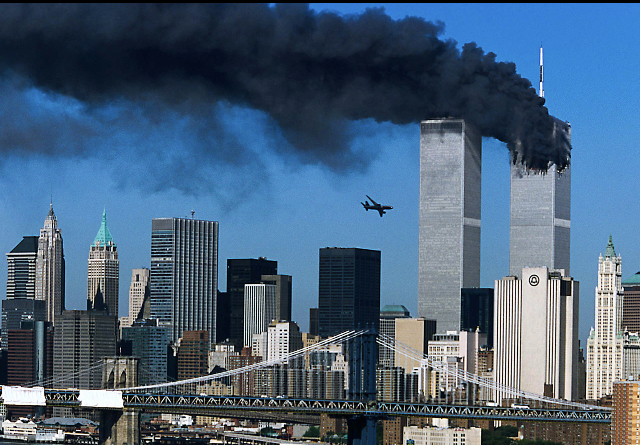
The documents show that the FBI extensively probed the level of support given to three Saudi nationals — including from a Saudi Embassy official in Washington, D.C., — once they landed in the US, including “procuring living quarters and assistance with assimilating” in the country.
The investigation also looked into whether the Saudi Embassy employee used his position to help “oversee and direct the facilitation of the hijackers”, according to the recently released documents, which show the FBI sought to discern whether or not Saudi Arabian officials had advance knowledge of the attacks.
Previously, the 2004 9/11 Commission Report found little evidence that the Saudi government had been linked to the hijackers.
The FBI papers noted that that al Qaeda maintained strict separation between members playing different roles in its major attacks in a bid to maintain operational security.
“Specifically, in relation to the 9/11 attacks, the hijackers knew there was a martyrdom operation, but did not know about the nature of the operation until shortly before the attack for operational security reasons,” they stated.
The FBI concluded that it “has not identified additional groups or individuals responsible for the attack other than those currently charged”.
The documents detail the investigation into Omar al-Bayoumi, who was thought to be a Saudi student in California and was suspected of providing logistical support to two of the hijackers, Nawaf Al-Hazmi and Khalid Al-Mihdhar.
The FBI documents also detail how the investigators spent nine years reviewing financials, telecommunication records, travel histories and conducting interviews with known associates of the hijackers to determine whether there was advance knowledge that they were in the US to conduct a terror attack.
Andrew Maloney, a lead lawyer for the victims’ families, told CBS News that the FBI has “now released a substantial amount of very incriminating documents regarding the Saudi government’s role in helping al Qaeda and these two hijackers in particular”.
The Saudi embassy did not immediately respond to The Hill’s request for comment but announced in September that the kingdom “welcomes” the release of the documents related to the 2001 attacks.
“Any allegation that Saudi Arabia is complicit in the September 11 attacks is categorically false,” the embassy said in a statement in September.
The documents released follow another published on Sept. 11, after President Joe Biden signed an executive order directing the Justice Department and related agencies to make some such files public.
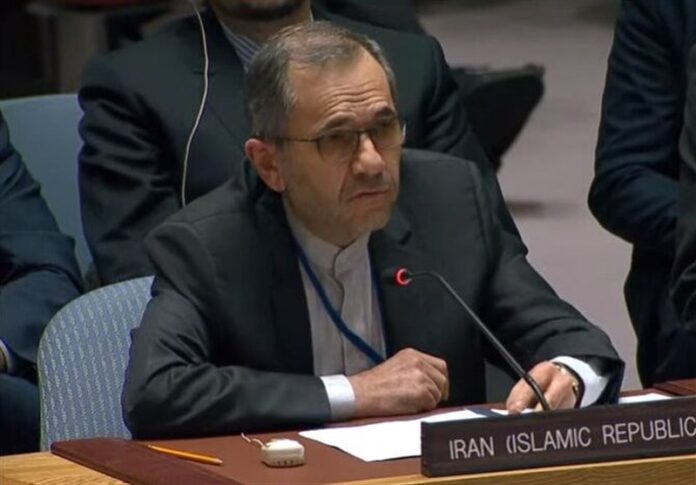
Majid Takht-Ravanchi wrote in a note on the proposed resolution on Friday that the number of atomic weapons in the world has dropped dramatically since the Cold War, but given their far greater explosive power, the new nuclear weapons pose a grave threat to human life and the planet that’s no less than the old arsenals.
Takht-Ravanchi noted that all nuclear weapons states, under the Treaty on the Non-Proliferation of Nuclear Weapons (NPT), have pledged to eliminate all their atomic arms.
However, he wrote that existing statistics and realities show that nuclear states lack the necessary political will to achieve nuclear disarmament, and are in fact moving in the opposite direction by increasing their nuclear weapons’ budget and modernizing and increasing the destructive power of their atomic arsenals.
Iran’s permanent representative to the UN said the main purpose of the Iranian proposed resolution is the implementation of the disarmament commitments of the nuclear states based on the NPT.
In late October, the UN General Assembly First Committee, with the support of a majority of member states, approved the Iranian-proposed resolution on pursuing the implementation of the agreements reached at the NPT Review Conferences in 1995, 2000 and 2010.
The resolution urges NPT signatories to intensify their efforts to fulfill their commitments based on previous agreements on the elimination of atomic arms under international supervision and in line with principles of transparency and irreversibility.
© All Content by IFP News ( Iran Front Page ) is licensed under a Creative Commons Attribution 4.0 International License.
