Sunday, December 28, 2025
Home Blog Page 2293

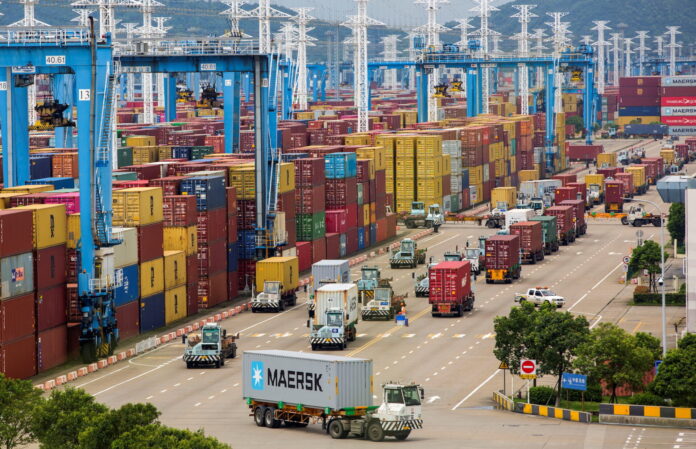
Iran, Pakistan to facilitate traffic from China to Europe

Speaking in a conference on asphalt and related machinery on Tuesday, Qassemi criticized the current construction methods and stated that the Ministry under his leadership would use experts to leverage modern building and roads construction technology to prevent energy dissipation and reduce renovation costs.

He referred to his recent meetings with Pakistani officials and noted the two countries have agreed to facilitate the traffic of Iranian trucks directly to China and Pakistani truck to Europe.

Iran has great advantages in transportation sector, he said, pointing to the passage of a Finnish cargo train which took 21 days to reach to its destination, while it had to spend three months to travel though marine routes.

He also added that the Ministry of Roads and Urban development was determined to make a great transition in railroads and highways as well as the relation transportation fleet.

Iran FM to German counterpart: Using language of force and threats not helpful

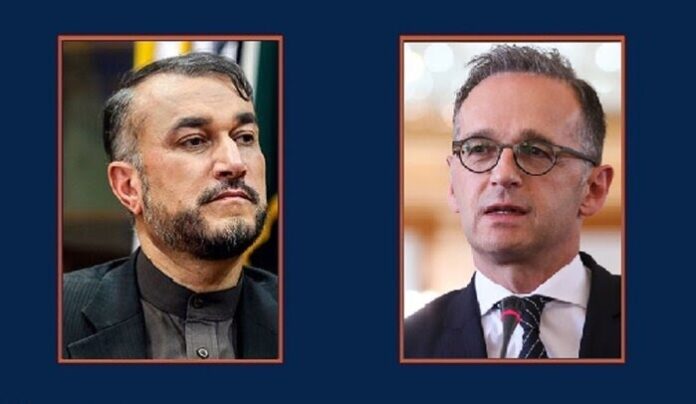
Iranian Foreign Minister Hossein Amir Abdollahian and his German counterpart Heiko Maas, in a phone conversation, have discussed the latest status of bilateral ties, the Vienna talks and the regional developments.

During their talks held on Monday night, Heiko Maas asked about the health situation of Amir Abdollahian and wished him full recovery.

The Iranian foreign minister, in turn, touched on the good record of cooperation between Iran and Germany in different fields and underlined the significance of their expansion.

Maas, for his part, said German companies are interested in cooperation with Iran and expressed hope that such cooperation are strengthened after removal of existing problems.

The two sides also reviewed cooperation in the areas of industry, renewable energies, power plants, agriculture, medicine, science and technology as well as environment and under the significance of relevant joint work.

The Iranian foreign minister also referred to the upcoming talks in Vienna. He said the US is to blame for the current situation.

“The US withdrawal [from the nuclear deal] and the failure of the three European countries to fulfill their obligations have increasingly deepened mistrust. Therefore, full removal of sanctions is a necessity,” he said.

Amir Abdollahian also reiterated the need for the European sides to avoid issuance of statements and comments, which fuel tensions.

“On the path to the talks and in media terms, using a language of force and threats is not helpful and the Islamic Republic of Iran will not give in to unfounded propaganda. Any inaccurate comment, which does not comply with the facts, can jeopardize ongoing efforts,” he said.

The German foreign minister also said his country understands Iran’s lack of trust. He noted that his country will put efforts into returning the US to the nuclear deal, and also to help talks bear results.

During the conversation, which was held in a friendly atmosphere, regional issues were also reviewed. 

On the current situation in Iraq, the Iranian foreign minister once more reiterated Iran’s condemnation of the attack on the residence of the Iraqi prime minister.  

The German foreign minister, in turn, touched on the joint stance of Germany and Iran to condemn the attack and underlined the necessity of continued support for peace and stability of Iraq. 

Meanwhile, Amir Abdollahian talked about the situation and developments in Afghanistan, and stressed the need for sending more aid to the country. He also said the campaign to vaccinate some four million Afghan nationals in Iran is almost complete, noting that Tehran is ready to dispatch Germany’s aid to Afghanistan through Iran borders.

The Iranian foreign minister also called for an end to the humanitarian blockade on Yemen, which was welcomed by his German counterpart. 

The developments in Lebanon and support for the country’s legitimate government were among other topics highlighted during the phone call.

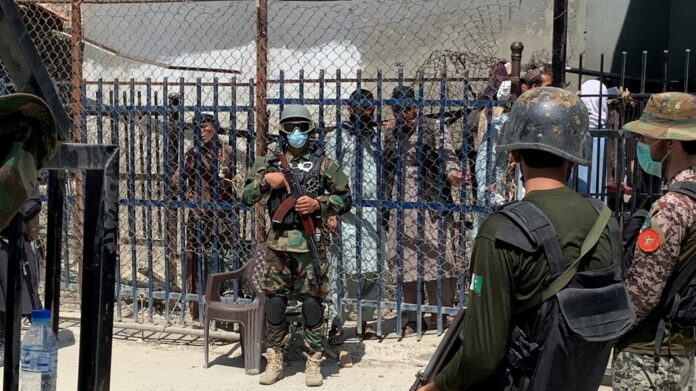
Pakistan reaches ceasefire agreement with local Taliban

Government spokesman Fawad Chaudhry stated the Taliban government in Afghanistan helped facilitate the ceasefire between the government of Prime Minister Imran Khan and the banned outfit.

“The government of Pakistan and banned Tehreek-e-Taliban Pakistan (Pakistan Taliban) have agreed on a complete ceasefire,” Chaudhry noted in a statement on Monday.

According to state broadcaster Pakistan Television (PTV), the minister added the focus of the talks was on “state sovereignty, national security, peace, social and economic stability in the areas concerned”.

In a statement, Pakistan Taliban spokesperson Mohammad Khurasani confirmed the ceasefire beginning November 9 would remain in place until December 9, during which both sides will form a committee to continue talks. He noted both sides will adhere to the ceasefire.

The peace talks between the government and the TTP began last month. Chaudry underscored the truce could be extended if talks continue to make progress.

The Pakistan Taliban is a separate organisation from Afghanistan’s Taliban, which seized power in August.

Authorities had earlier underlined that peace talks were taking place with TTP leaders in Afghanistan, where they have been hiding for the past several years. The Pakistan Taliban was formed by armed rebels in 2007 and since then, thousands of people have been killed in dozens of attacks claimed by the group in the past 14 years.

About a million people were displaced when Pakistan launched operations in the northwest in 2013 to clear out TTP fighters. They returned to their homes after 2017 after Pakistan claimed victory against the armed group.

Pakistan military offensives have driven the Pakistan Taliban from its stronghold in the tribal districts but it is estimated to control some 4,000-5,000 fighters, many based across the border in Afghanistan.

Both Pakistan and the former western-backed government in Kabul regularly accuse each other of providing shelter to Taliban groups and allowing them to conduct cross-border attacks.

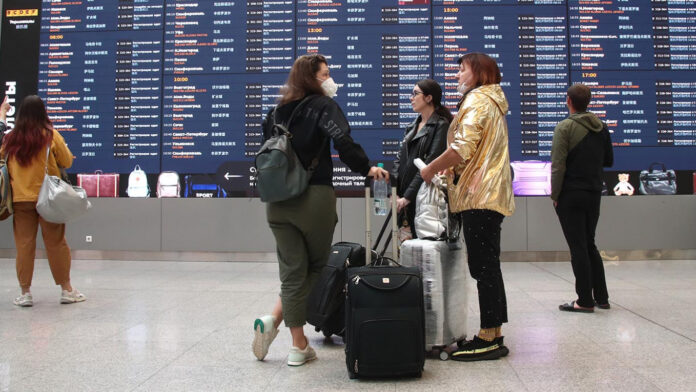
Russia resumes flights with several countries, including Iran

Russia has stopped its regular flights to various countries since March 2020 when COVID-19 outbreak started.

Russia has resumed its flights to Iran, the Bahamas, Norway, Slovenia, Tunisia, Sweden, and Thailand.

Accordingly, three flights will be made between Tehran and Moscow every week and one flight between Sochi and Tehran.

Earlier, Head of Rospotrebnadzor Anna Popova in a meeting with Iranian Ambassador to Russia Kazem Jalali hoped for opening Russian borders to Iranian businessmen, students, and people.

Deputy Minister of Cultural Heritage, Tourism, and Handicrafts for touristic affairs Ali Asghar Shalbafan had announced that the first group of Russian visitors will enter Iran following declaration of new regulations for trips by foreign tourists amid COVID-19 pandemic.

Iran: Pakistani measures helped curb drug trafficking via borders

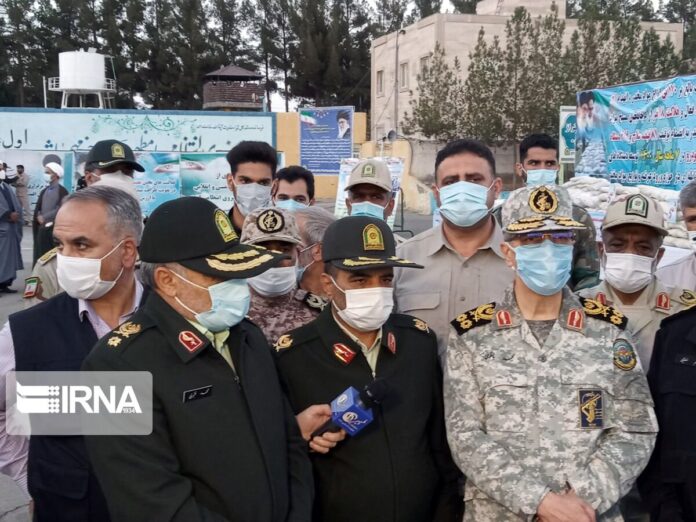
Major General Mohammad Bagheri made the comment during a visit to the provincial capital of Zahedan, where security forces have seized a large narcotics haul.

He said Iran’s intelligence and operational work at the border area and “appropriate measures” taken by Pakistan to set up border barriers and increase border patrols have helped reduce drug trafficking into Sistan and Balouchestan province.

“All these measures by the neighboring country [of Pakistan] have been in full coordination with the Iranian border guards and have ultimately led to enhanced security and turned this border to a hub of peace, friendship and lasting security and these ties will continue,” he said.

Meanwhile, Deputy Chief of the Iranian Law Enforcement Brigadier General Ghasem Rezaei said during Bagheri’s visit that over 170 tons of industrial and other narcotics were seized and 130 drug lords were arrested in Sistan and Balouchestan over the past seven months. 

He said 4.6 tons of the drugs were seized over the past 72 hours.

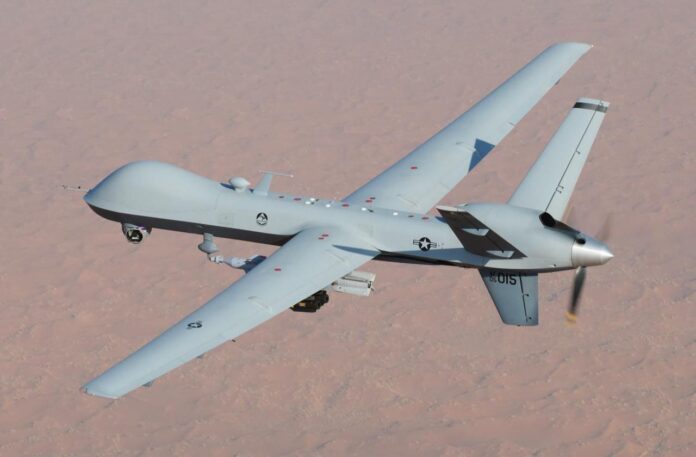
Iranian air defense units intercept us drones during war game

The United States’ MQ-9 and RQ4 unmanned aerial vehicles (UAVs) were already being fully monitored by Iran’s integrated air defense network when they were kilometers away.

They intended to gather intelligence by getting close to the area where the war game was being conducted.

However, the drones were intercepted and received serious warning when they flew into the IDIZ.

Afterwards, UAVs changed course and flew away from the Iranian borders.

The large-scale maneuvers codenamed Zolfaghar 1400 drew to a close on November 9 with a parade by vessels and submarines.

The parading units included different types of destroyers, frigates, warships and submarines accompanied by warplanes, reconnaissance aircraft and drones. 

Rear Admiral Mahmoud Mousavi, the spokesman for the drills, said the military exercises featured a whole range of operations carried out in a vast area of over 1 million square kilometers. 

He said the maneuvers were aimed at boosting the Army’s combat capability to defend the country’s territorial integrity and reinforcing their presence in remote international waters and strategic areas. 

The joint drills involved forces from the four divisions of the Iranian Army, namely the Ground Force, the Naval Force, the Air Force and the Air Defense Force. 

Commander of the Iranian Army Major General Abdorrahim Mousavi also said among the key achievements of the military exercises was a qualitative and quantitative improvement in the use of drones and smart shells.

He added the evaluation of the performance of the systems along with tactics and methods used indicate the exercises were successful.

Two Syrian soldiers wounded in Israeli strikes

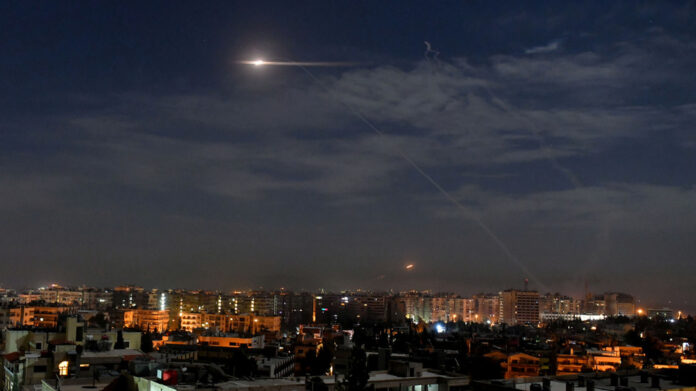
Syria’s official news agency SANA reported on Monday that the air defenses had intercepted “hostile targets” over the countryside around the city of Homs after confirming that explosions were heard in Homs and the coastal city of Tartus. The port of Tartus is home to a Russian naval base.

Later on, the Syrian military confirmed the attack, saying in a statement that the airstrike was conducted by Israeli aircraft from north of the Lebanese capital of Beirut.

The Syrian military announced most of incoming Israeli missiles were shot down, adding that two Syrian soldiers were injured and there was some material damage.

Moreover, the Lebanese media reported Israeli aircraft had been spotted over Lebanon shortly before the strikes were reported and that Syrian air defense system was activated to repel the aerial attacks.

The latest airstrike comes less than a week after Israel launched a similar attack with a number of missiles targeting a site in the town of Zakia on the outskirts of the capital Damascus. Citing an unknown military source, the Syrian state TV reported early on Wednesday that the attack resulted in “material damage”. The same area had been targeted by Israeli missiles in a rare daytime aggression in less than a week earlier.

Israel frequently targets military positions inside Syria, particularly those held by the Lebanese resistance movement Hezbollah, which has been a significant helping hand to the Syrian army in its fight against foreign-backed terrorists. The Tel Aviv regime mostly keeps quiet about its attacks on Syrian territories, which many view as knee-jerk reaction to the Syrian government’s increasing success in confronting terrorism.

Israel has been a main supporter of terrorist groups that have opposed the government of President Bashar al-Assad over the past ten years.

Iran, Iraq’s Kurdistan discuss closer trade ties

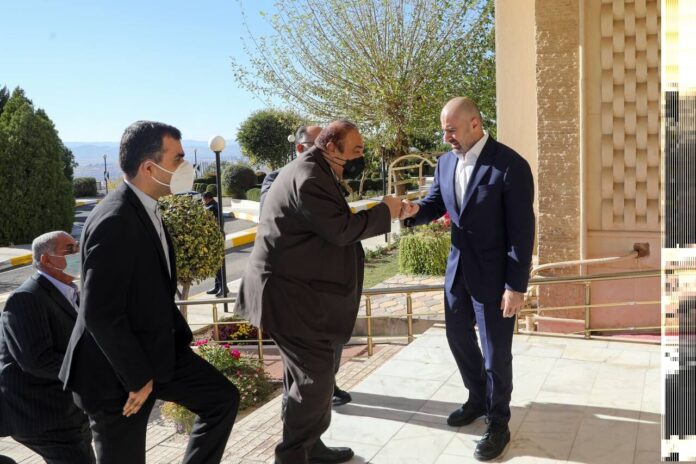
The announcement came in a meeting in the Iraqi city of Sulaymaniyah between Iranian Deputy Foreign Minister Mehdi Safari and Head of the Patriotic Union of Kurdistan Bafel Talabani along with several members of the union’s leadership council.

In the meeting where Iranian Consul General in Sulaymaniyah Mehdi Shooshtari was also present, the two sides discussed the enhancement of bilateral ties, especially economic and trade cooperation between Iran and the Iraqi Kurdistan Region.

High on the agenda of the talks were ways of removing the existing problems and obstacles to the promotion of mutual relations, support for Iranian companies’ participation in the implementation of strategic projects and launching joint ventures in the Kurdistan Region as well as in the Sulaymaniyah area.

Shooshtari also sat down with governors and a number of trade authorities of Sulaymaniyah and Halabja on Sunday.

In the meeting, the Iraqi side enumerated some of the problems and hurdles to mutual relations and called for further promotion of economic and trade ties with Iran.

The Iranian official, in turn, touched upon the numerous potentialities for, and areas of cooperation between the two sides.

He said a rise in mutual trade relations is not unlikely.

He also referred to the great potential of Iranian firms as well as the high quality of their products, saying Iranian companies are prepared to make joint investments in Kurdistan.

Armenia condemns “violation of ceasefire” at borders with Azerbaijan Republic

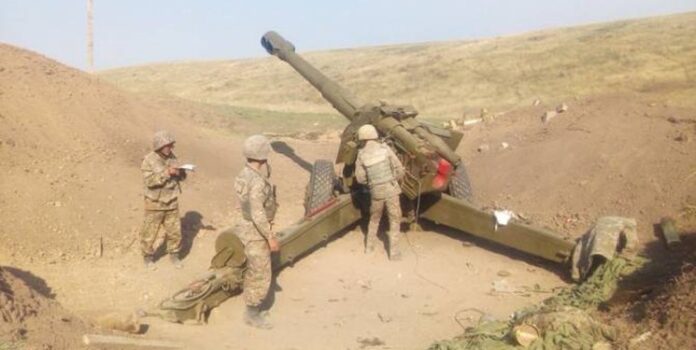
The ministry said the Azerbaijan Republic’s forces opened fire on civilians doing construction work near the Stepanakert-Shushi road, which is under the control of Russian peacekeepers. 

The ministry said the incident took place on November 8 and left one civilian dead and three others injured.

“We strongly condemn the gross violation of the ceasefire regime by the Azerbaijani armed forces, which was established by the Statement of November 9, 2020. It is noteworthy that the incident took place on the eve of the first anniversary of the signing of the Trilateral Statement and on the day of the visit of the President of Azerbaijan Ilham Aliyev to Shushi, wherein another statement full of Armenophobic rhetoric and threats of use of force was delivered,” the ministry said in a statement.

The ministry stressed that the attack was the second by the Azerbaijan Republic’s armed forces within a month that caused human casualties. 

Armenia has repeatedly accused the Azerbaijan Republic of violating the ceasefire, brokered by Russia, at border areas, which Baku denies.

Baku had earlier issued a statement to mark the anniversary of the “victory in Karabakh conflict”. In the statement, it called for normalization of ties with Yerevan and implementation of the trilateral ceasefire.

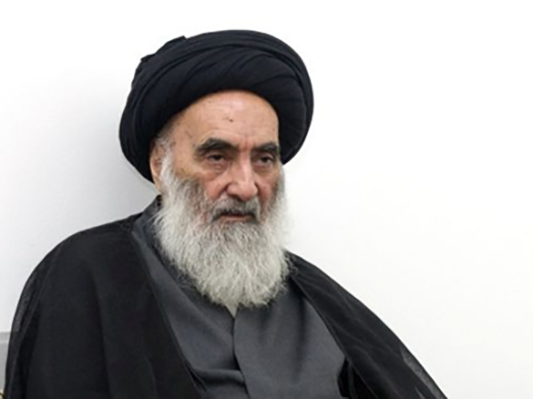
Ayatollah Sistani bans purchasing from firms supporting Israel

Iran's President Lauds Ayatollah Sistani’s Vital Role after Controversy

The top Shia authority, who lives in the holy Iraqi city of Najaf, said if it’s proven that a company effectively supports Israel, it’s not permissible to do business with them. 

Israel is widely seen by the vast majority of people in Muslim countries as a pariah, an occupying regime and an outlier in the Middle East. Despite that, governments of some Muslim countries, especially in the Arab world, have diplomatic relations with Israel. Others have secret dealings with the regime.