Tuesday, December 30, 2025
Home Blog Page 2284

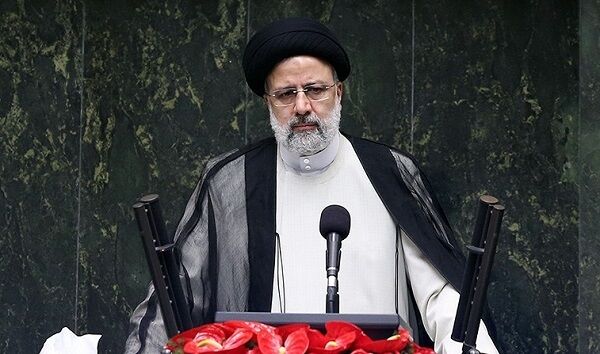
Raeisi: Iran oil sales program moving ahead as planned

Raesi added that the revenues from crude exports have increased the Islamic Republic’s foreign and domestic currency reserves and this is helping boost the country’s economy. 

Raeisi was speaking before Parliament on Tuesday. 

He added that Iran has already taken good economic steps which have decreased worries over resources such as basic goods and supplies. 

He also referred to Iran’s foreign policy with regard to relations with other countries. He underlined Iran’s policy to prioritize ties with neighbors. 

The president however said Iran already has good ties with nations that want interaction with the Islamic Republic based on mutual respect and dignity. 

On the Covid vaccination campaign, the president said Iran has taken a good step toward protecting the lives of citizens by providing 100 million doses of vaccine for the inoculation program. 

Raeisi said although the danger has not been fully averted, people are not concerned over access to vaccine and the situation has changed. 

The president also noted that Iran’s development today requires solidarity between the government and Parliament.

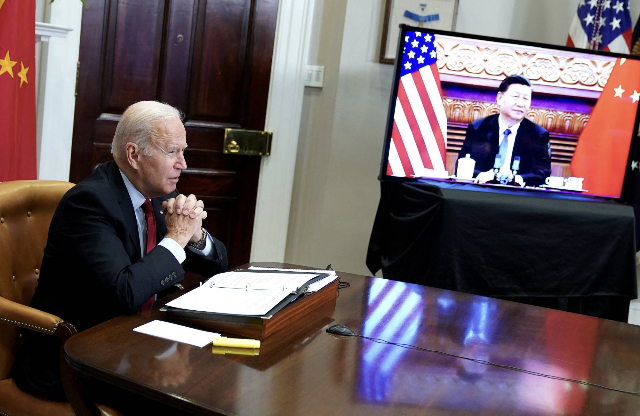
US, China presidents discuss Iran, regional and intl. developments

The two leaders have exchanged views on key regional challenges, including North Korea, Afghanistan, and Iran, according to a statement made public by the White House on Tuesday.

Biden also expressed concern over Beijing’s actions with regards to the Tibet Autonomous Region, the Xinjiang Uygur Autonomous Region and the Hong Kong Special Administrative Region during the video conference with Xi.

“President Biden raised concerns about the PRC’s practices in Xinjiang, Tibet, and Hong Kong, as well as human rights more broadly,” the statement said.

The US leader discussed with his Chinese counterpart the importance of a free and open Indo-Pacific region and conveyed the continued determination of the United States to uphold its commitments in the region.

“President Biden reiterated the importance of freedom of navigation and safe overflight to the region’s prosperity,” the statement added.

Additionally, Biden “was clear about the need to protect American workers and industries from the PRC’s unfair trade and economic practices.”

Biden noted that the US supports the “one China” policy during the video conference with Xi.

“On Taiwan, President Biden underscored that the United States remains committed to the ‘one China’ policy, guided by the Taiwan Relations Act, the three Joint Communiques, and the Six Assurances (in relations with Taipei), and that the United States strongly opposes unilateral efforts to change the status quo or undermine peace and stability across the Taiwan Strait,” the statement read.

Xi has said the one-China principle and the three Sino-US joint communiques are the political foundation for China-US relations.

“We are patient and willing to do our utmost to strive for the prospect of peaceful reunification with the utmost sincerity,” Xi stated, while warning that if “Taiwan independence” forces provoke the issue, or even cross the red line, the mainland will have to take decisive measures.

China is willing to conduct dialogue on human rights issues on the basis of mutual respect, but is not in favor of using human right to interfere in the internal affairs of other countries, Xi added.

According to China Central Television, the online meeting of the two leaders began at 08:46 Beijing time. The first half of the meeting lasted about 1 hour 56 minutes after which the sides took a break. The second half of the meeting began at 11:06 Beijing time and lasted about 1 hour 18 minutes. In total, the talks lasted about 3 hours 14 minutes.

This is the first official meeting between the two leaders since the US president assumed office in January 2021. Earlier, they exchanged messages and held telephone conversations. Their most recent telephone conversation was on September 10, 2021.

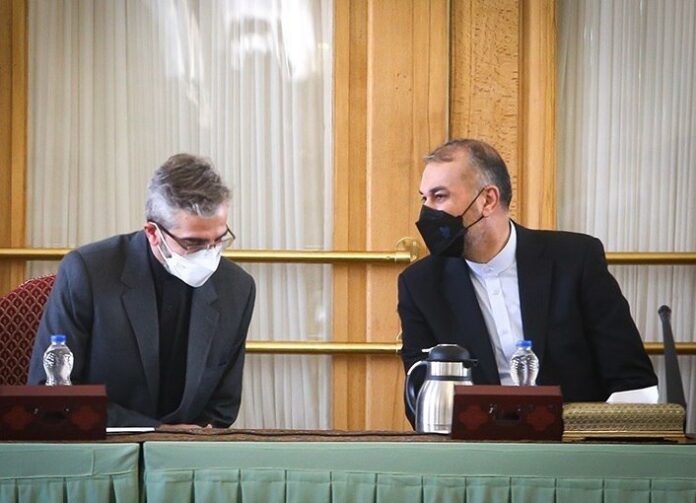
Iran newspaper: US should pay reparations, lift sanctions verifiably

The newspaper outlines Iran’s approach in five points which are as follows:

1-Not only will the Iranian negotiating team not allow talks over the country’s missile program and regional role, but it will also avoid negotiations over Tehran’s nuclear program. Ali Bagheri, Iran’s Deputy Foreign Minister, recently dismissed nuclear talks in a meeting with the director general of France’s Foreign Ministry. He also told the British newspaper The Guardian that Iran will not negotiate over its defensive and security issues, saying the Iran nuclear deal, known as the JCPOA, has a clear framework and other issues have nothing to do with the deal.

2-The US has violated the JCPOA and is not part of the talks. The US must take action to compensate its past mistakes and pay reparations to Iran and also take necessary confidence-building measures.

3-The US must also stop dividing sanctions and must remove all the bans imposed on Iran during the Obama and Trump administrations. Bagheri says Iran’s goal is to get the sanctions lifted which are all illegal and violate the UN resolutions.

4-The genuine removal of sanctions requires verification and Iran must have an opportunity to make sure the sanctions have been removed through selling oil and transfer of foreign currency into the country.

5-The US must give assurances that it will not leave the JCPOA again. Since the US has a history of destroying international treaties, it’s likely that it will abuse the trigger mechanism enshrined in the JCPOA. Iran’s Foreign Minister Hossein Amir Abdollahian has said the US violations such as sanctions make it necessary for Washington to give tangible guarantees.

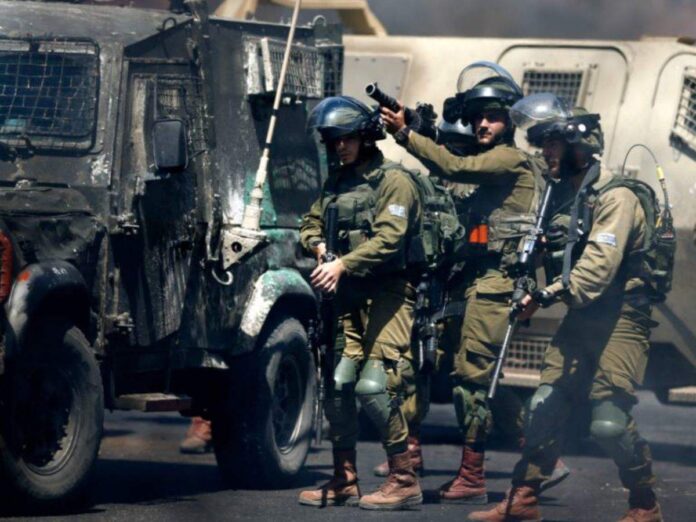
Israeli troops kill Palestinian youth in West Bank

The Ministry of Health confirmed that 26-year-old Saddam Hussein Ban Odei was killed after he was shot by Israeli forces during the clashes that erupted in the aforementioned city.

It added Bani Odeh was shot with a bullet that penetrated his left shoulder and heart and settled in his left lung.

Israeli forces usually use force to disperse anti-settlement weekly rallies in the occupied West Bank.

Israel occupied the West Bank and the Gaza Strip — territories the Palestinians want for a future state — during the six-day Arab-Israeli war in 1967. It later had to withdraw from Gaza.

More than 600,000 Israelis live in over 230 settlements built since the 1967 occupation of the Palestinian territories of the West Bank. All the settlements are illegal under international law. The United Nations Security Council has condemned the settlement activities in several resolutions.

Iranian film “TiTi” shines at French Nouvelles Images Persanes

The film had participated in the competition section of the festival and gained the prize on Monday.

The festival offers six feature films and competition films unreleased in France, documentaries, short films, a tribute to JC Carriere and a retrospective of the works of the late Abbas Kiarostami, as well as various aspects of the Persian culture, music, poetry, literature, exhibitions, conferences, etc.

It is a project of discovery and humanist exchanges to meet populations with a prestigious culture of Iran.

TiTi is a 2020 Iranian drama film directed by Panahandeh and written by Panahandeh and Arsalan Amiri. The film screened for the first time at the 33rd Tokyo International Film Festival. In 2021, at the 39th Fajr Film Festival the film earned three nominations.

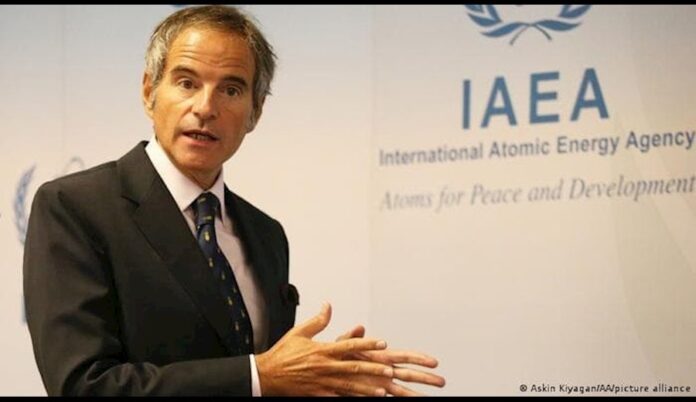
IAEA confirms Iran Grossi invitation

In a statement, the IAEA said the date of the visit is being finalized. 

Earlier, Iranian Foreign Ministry spokesman Saeed Khatibzadeh said Grossi will soon visit Iran where he will hold talks with the country’s top diplomat Hossein Amir Abdollahian as well as its nuclear chief. 

On November 3, Grossi told The Associated Press that the agency had no access to data and online images of monitoring equipment installed at Iranian nuclear facilities. 

Iran imposed restrictions on the activities of the IAEA in the country from late 2020 and also suspended its voluntary implementation of the additional protocol to the Non Proliferation Treaty (NPT) from March 2021. The restrictions included denying the IAEA inspectors access to the data of cameras monitoring Iran’s nuclear activities. 

It followed the US withdrawal from the Iran nuclear deal and the re-imposition of its sanctions against Tehran. 

Iran says the restrictions are imposed under the safeguards of the IAEA. 

Iran has said it’s going to remove the restrictions if the Vienna talks aimed at lifting US sanctions are successful.

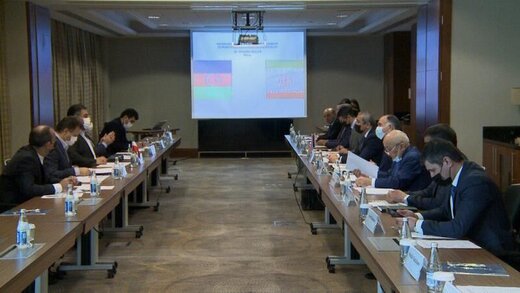
Tehran, Baku discuss ways of resolving road transportation problems

The Iranian delegation headed by Javad Hedayati, Director General of the Transit Department of Iran’s Roads and Transportation Organization, and Azeri officials are exploring ways of expanding cooperation in road transportation. 

At the meeting, Hedayati highlighted the importance of the meeting, saying the negotiators hold discussions about obstacles to developing trade relations and road transportation and will also explore ways of boosting transportation ties between Tehran and Baku. 

Hedayati added that the two sides intend to design new mechanisms and initiatives in order to define roads in a targeted way, facilitate road transportation, especially along border routes through reduction of transportation costs, and expand transit along the north-south corridor. The Azeri official for road transportation affairs for his part stressed the need to increase transportation cooperation between the two countries.  

Anar Rezayev said age-old relations between Tehran and Baku pave the way for cooperation in different areas. Rezayev expressed confidence that Iran and Azerbaijan will use the existing potentials to boost cooperation in road transportation. 

The Azeri official also noted that all problems are resolvable.

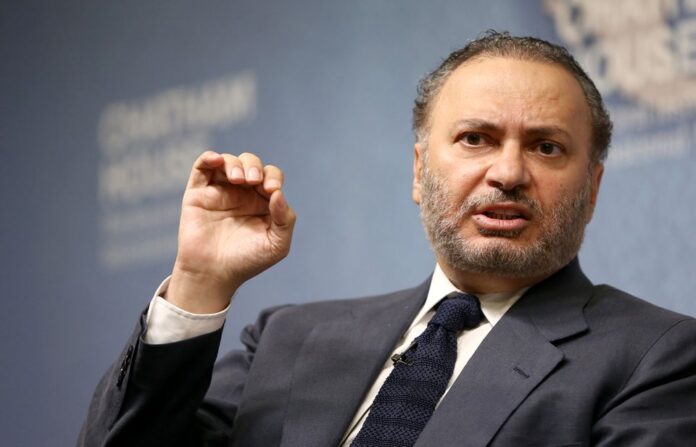
UAE says seeking to reduce tensions with Iran

Anwar Gargash, diplomatic adviser to the UAE president, stated the Gulf state remains deeply concerned about Iran’s behaviour in Iraq, Syria, Yemen and Lebanon.

“Despite this we have taken steps to de-escalate tensions as we have no interest in a confrontation. The whole region would pay the price of such a confrontation for decades to come,” Gargash told the Abu Dhabi Strategic Debate.

“I am realistic about the chances of success. It will be a slow process, but we hope that over time we can build together greater confidence between us and start to make progress towards a more sustainable and mutually beneficial status quo,” he added.

Gulf states are closely watching talks between global powers and Iran to revive a 2015 nuclear pact. The UAE, along with neighbour Saudi Arabia, believe the deal was flawed for not addressing Iran’s missile programme and network of regional proxies.

Gargash noted the UAE was working to build bridges with all countries, including those with which it has serious disagreements.

He cited last year’s establishment of diplomatic ties with Israel as an example of the UAE’s policy, as well as its recent actions regarding crises in Ethiopia and Sudan.

On Afghanistan, Gargash stated recent developments had been “very troubling” for the UAE on two fronts: the rise of extremism, and the perceived role of the United States in the region.

The UAE has moved to combat Islamist groups in the region such as the Muslim Brotherhood, which Gulf states see as a threat to their dynastic system of rule.

“We know that (the US) role is changing, but it is still a vital one,” he said, adding that the United States remains the UAE’s dominant security partner.

Bagheri: Lifting US sanctions high priority for talks

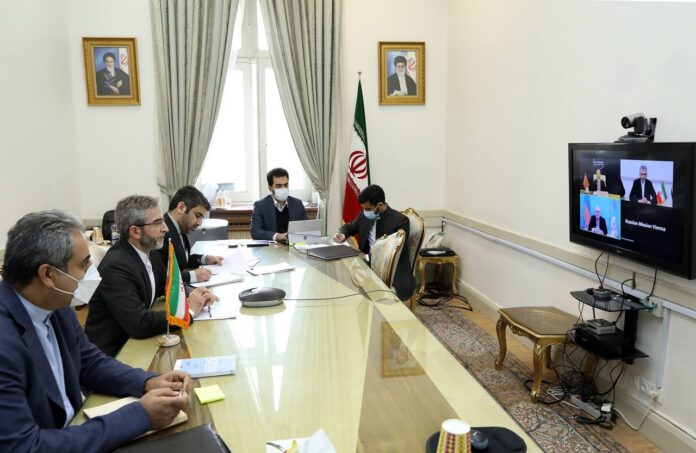
Iran’s Deputy Foreign Minister Ali Bagheri held talks via video conference on Monday with his Chinese and Russian counterparts Ma Zhaoxu and Sergei Ryabkov on the upcoming talks aimed at removing sanctions against Tehran.

During this video call, the Iranian deputy foreign minister referred to the ties between the Islamic Republic of Iran, the Russian Federation and the People’s Republic of China and the alignment of the three countries’ positions on different international issues.

Bagheri stressed the principled stance by the three countries in promoting multilateralism and countering unilateralism. He stated that the oppressive U.S. sanctions against Iran are the cost of countering unilateralism.

Bagheri said it is necessary that all sanctions contrary to the Joint Comprehensive Plan of Action be removed and actions contrary to resolution 2231 be reversed in a verifiable manner and in line with Iran’s economic benefits from the normalization of its economic and trade relations. He described this as a necessary condition for the success of the forthcoming negotiations.

The Iranian deputy foreign minister referred to the recent consultations in France, Germany, Britain and Spain on the forthcoming talks, saying the effective removal of illegal U.S. sanctions is a key necessity and a high priority for the forthcoming talks.

In this video call, the deputy foreign ministers of Russia and China emphasized the need for continued consultations and coordination among the three countries on different issues. They said the U.S. unilateral move to violate the agreement and re-impose sanctions against Iran is the main cause of current problems in implementing the agreement between Iran and the P5+1.

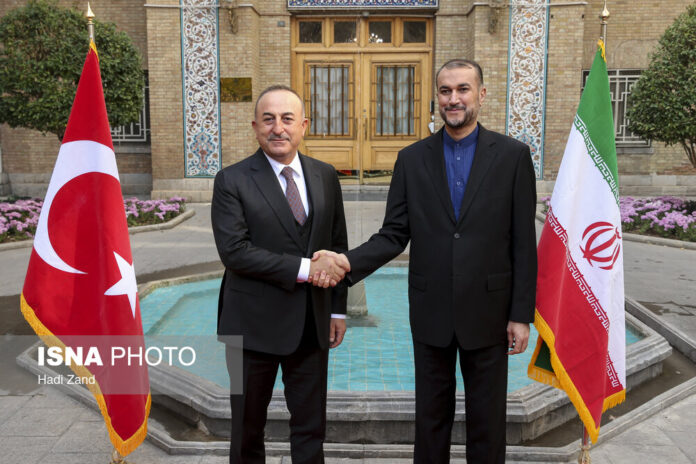
FM: Turkey encouraging investors to work with Iran

Mevlüt Çavuşoglu in a Monday meeting with his Iranian counterpart, Hossein Amir Abdollahian in Tehran, added Turkey has always opposed illegal sanctions against the Islamic Republic of Iran.

During the meeting between top Turkish diplomat Mevlüt Çavuşoglu with Iran’s Foreign Minister Hossein Amir Abdollahian, the most important issues regarding bilateral relations and regional as well as international developments were discussed.

In the meeting, Amir Abdollahian put emphasis on the policy of the Government of the Islamic Republic of Iran to expand relations with its neighbors and Turkey’s important place in this regard. He expressed hope that the Turkish president’s visit to Tehran with the aim of holding the seventh meeting of the Supreme Council of Cooperation between the two countries will happen in the near future.

He described the drawing up of a comprehensive document of cooperation between the two countries as useful. Amir Abdollahian said facilitating trade and investment and developing economic cooperation is of great importance in relations between the two countries. The Iranian foreign minister further underlined the need for the two countries to work towards protecting the environment and managing common water resources. Çavuşoglu also welcomed the views of his Iranian counterpart, saying “Turkey has always opposed illegal sanctions against the Islamic Republic of Iran and we encourage Turkish investors and companies to cooperate with Iran and call for paving the way for bilateral cooperation in this regard”.

The Turkish foreign minister said the finalization of the documents needed for the purpose of developing relations and increasing contacts between the officials of the two countries is necessary for the expansion of ties. He announced Mr. Erdogan’s readiness to visit Iran at the earliest opportunity.

Amir Abdollahian and Çavuşoglu also held talks over other topics including parliamentary and media co-operation, joint efforts to resolve consular and judicial problems, ways of facilitating the two countries’ diplomatic missions, and also the fight against drug trafficking, illegal immigration and terrorism.

The two foreign ministers also exchanged views on the most important regional developments, especially the current situation in Afghanistan and Yemen. They also stressed the need for the two countries to cooperate in order to strengthen stability and security in the region