
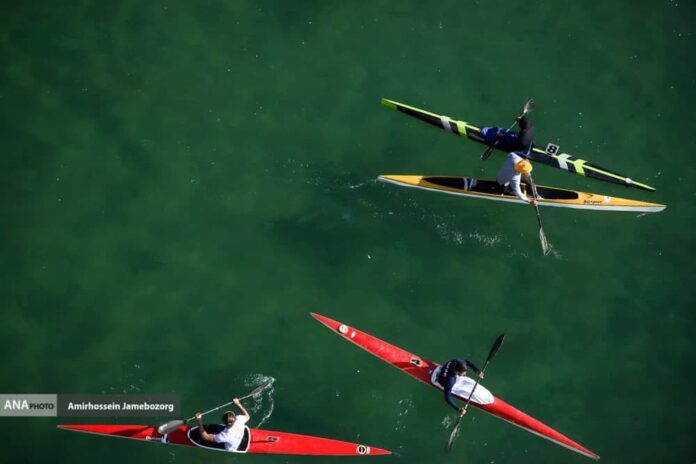
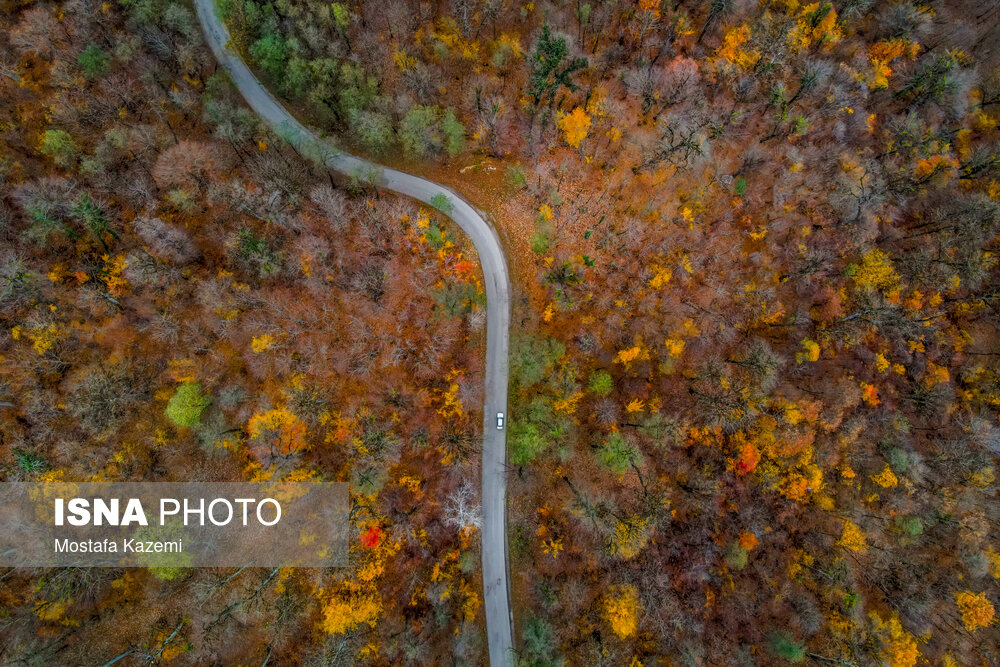
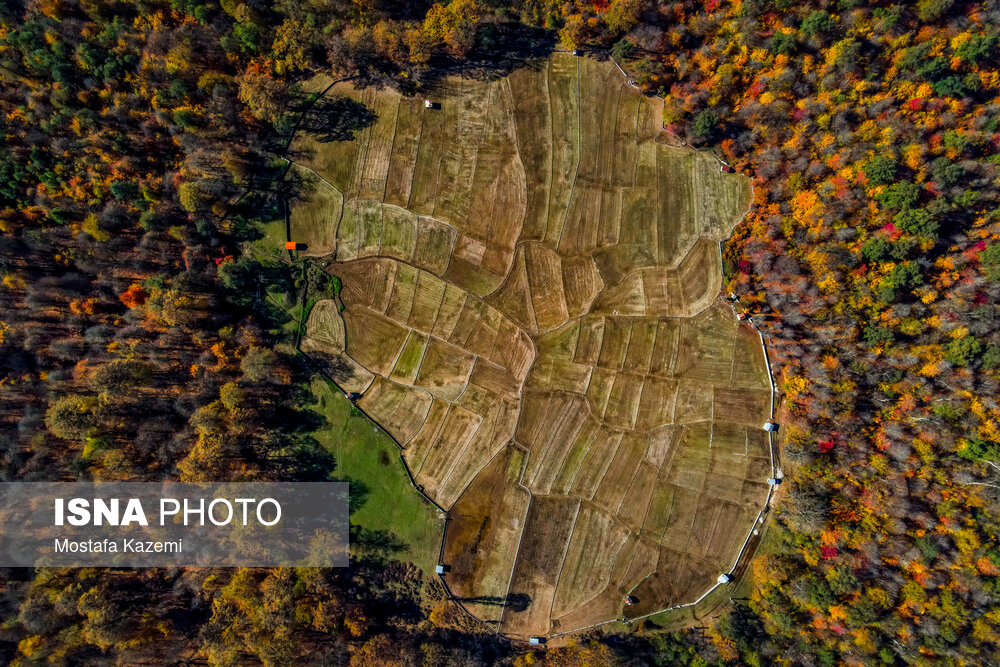
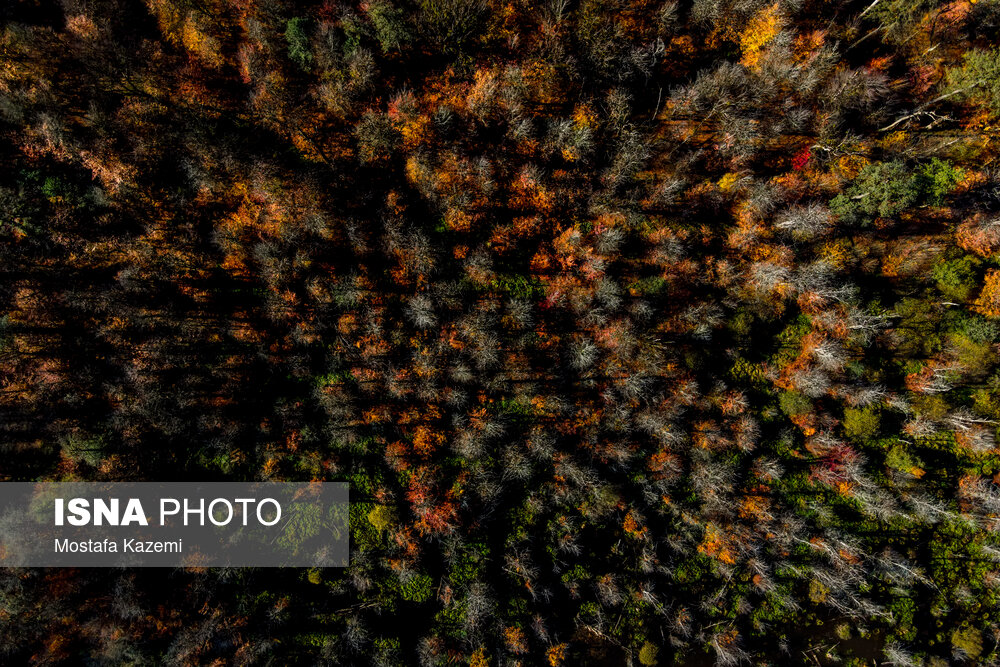
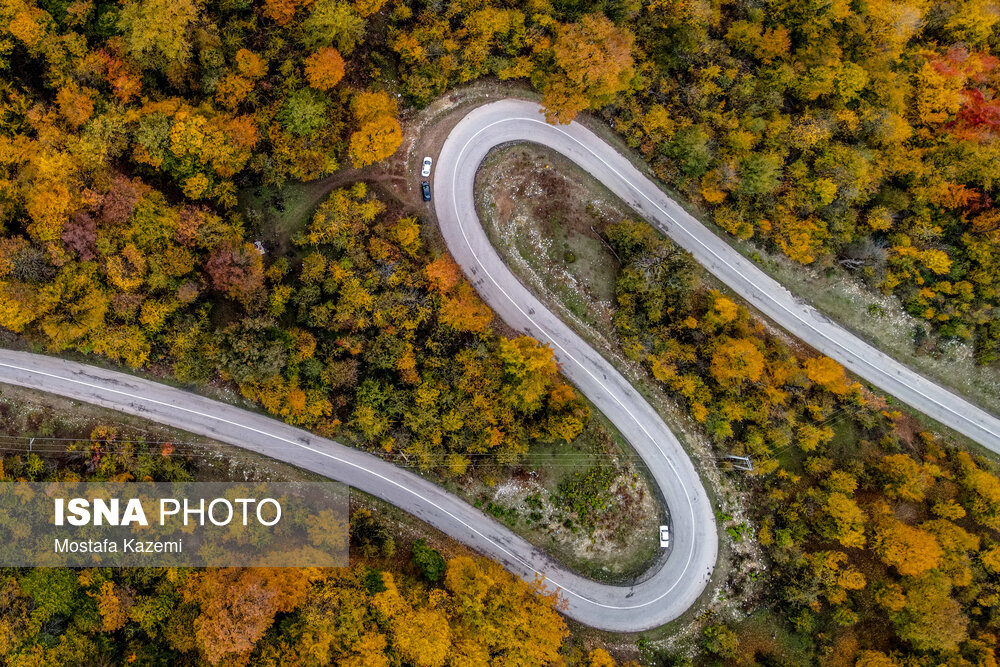
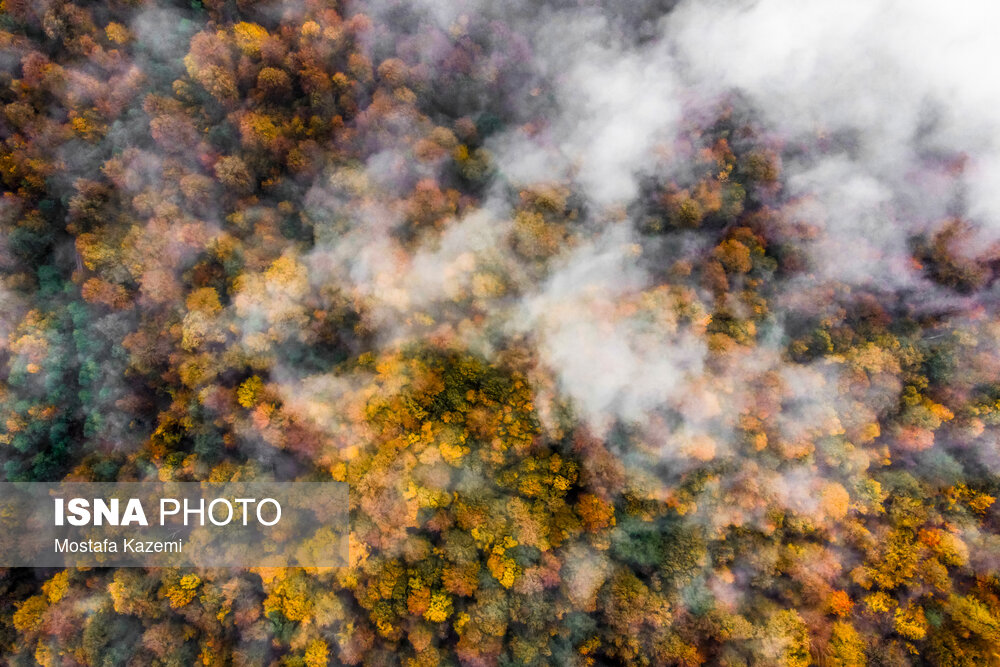
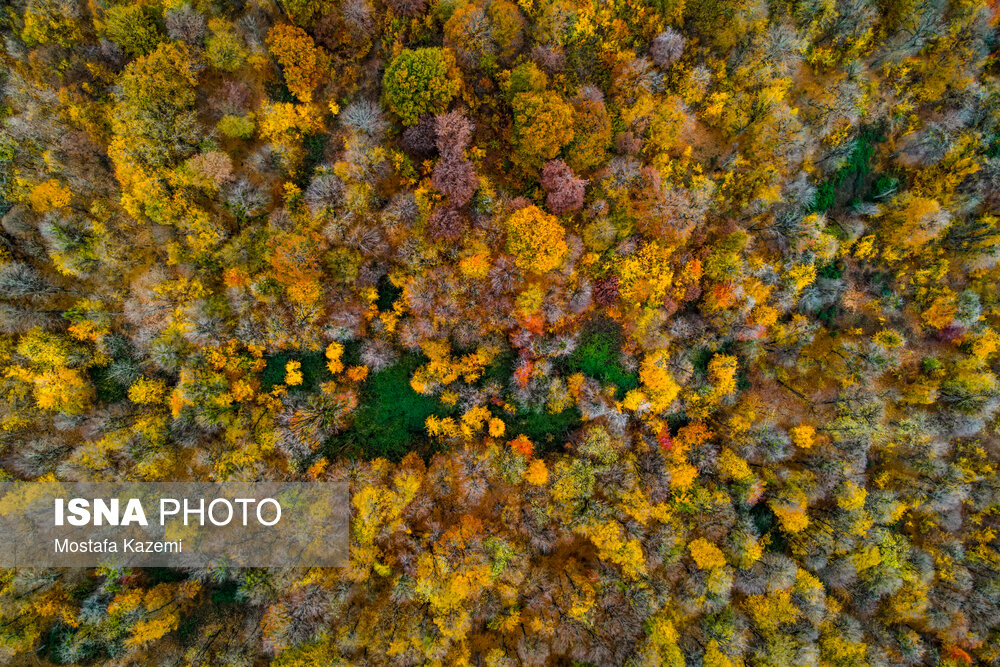
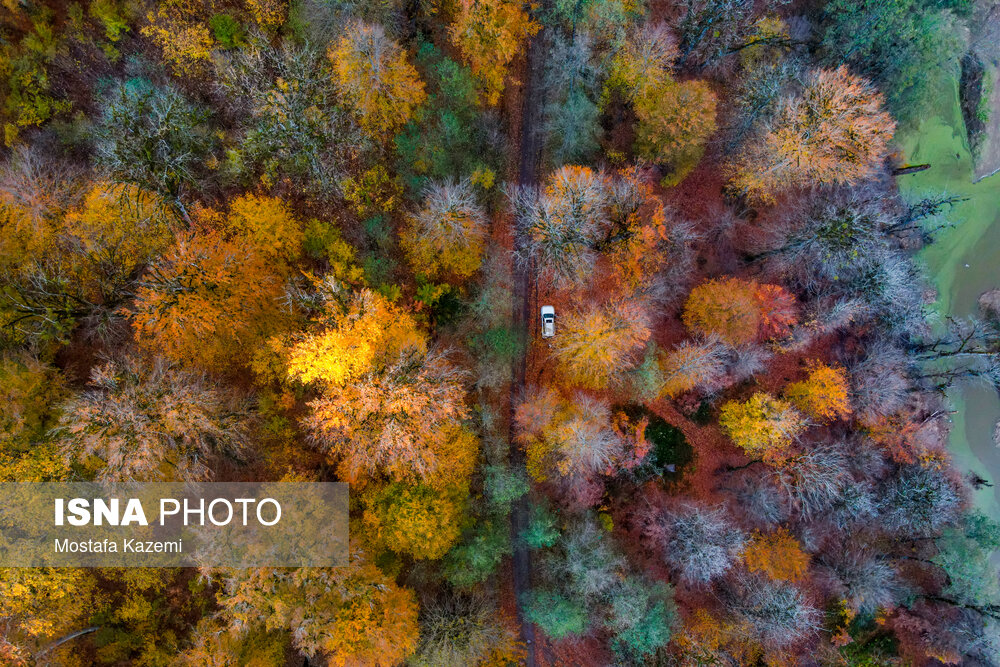
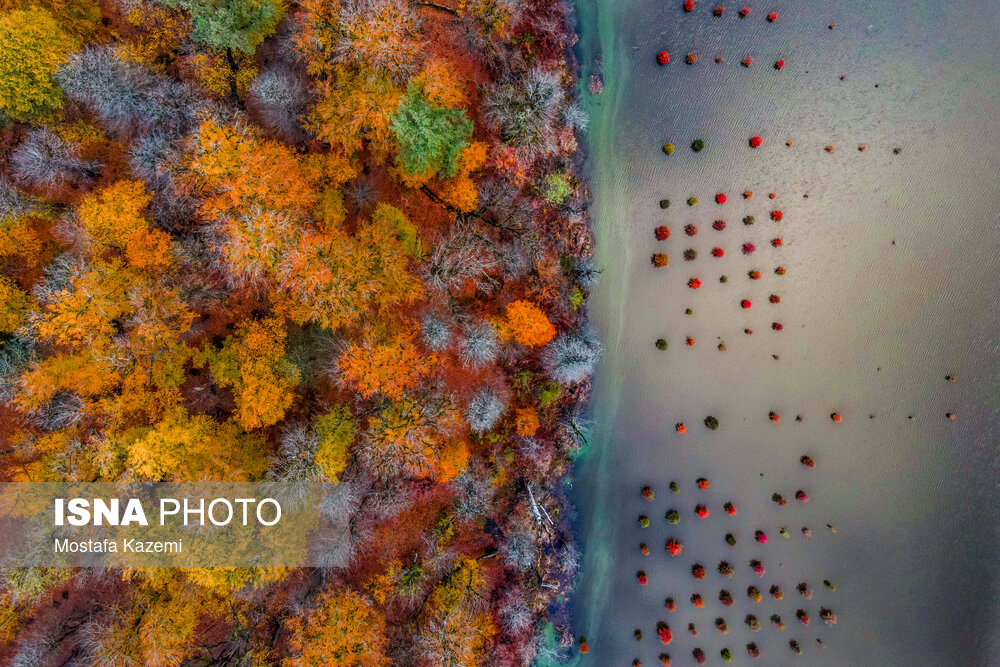
Beauties of Iran: Somewhere between fall and winter
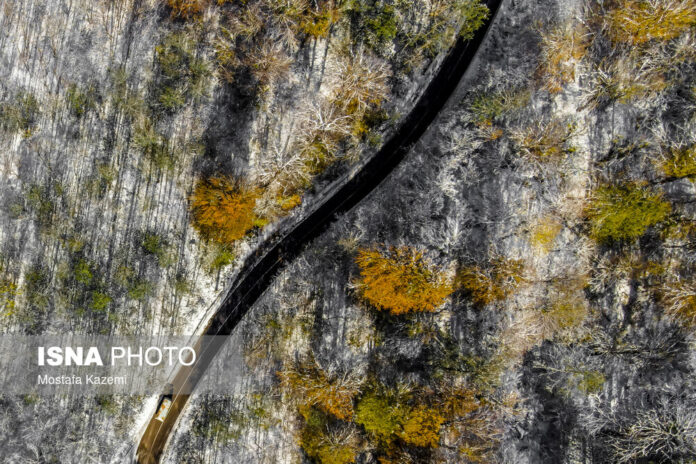
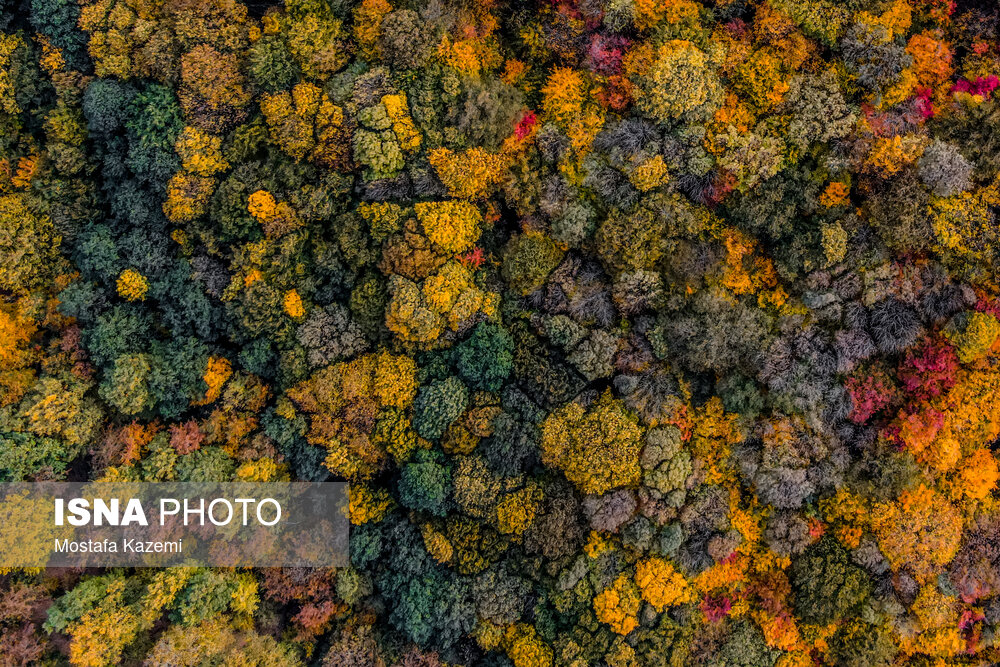
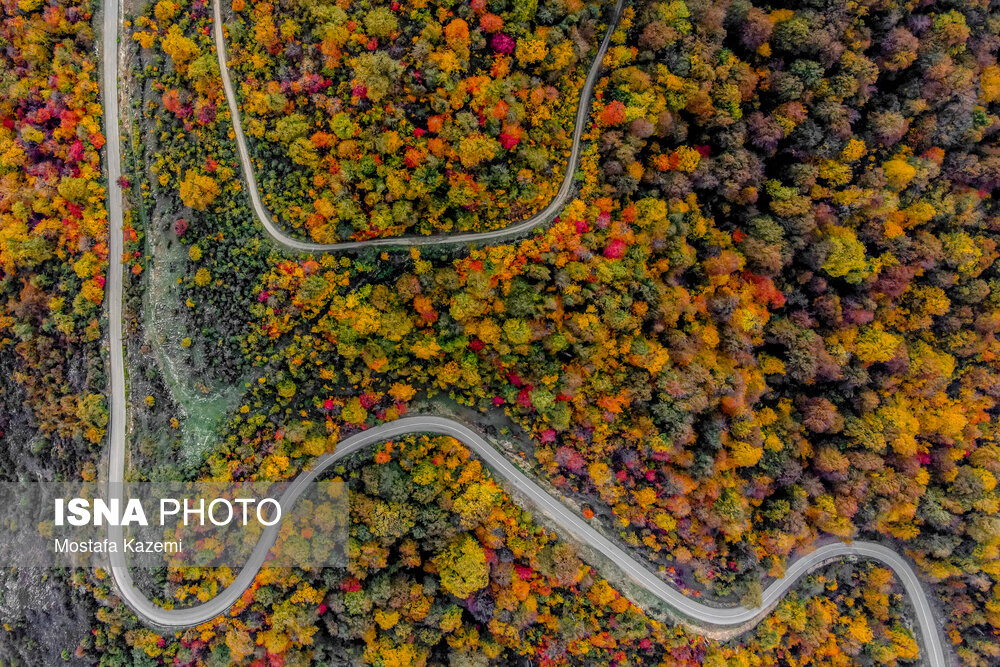
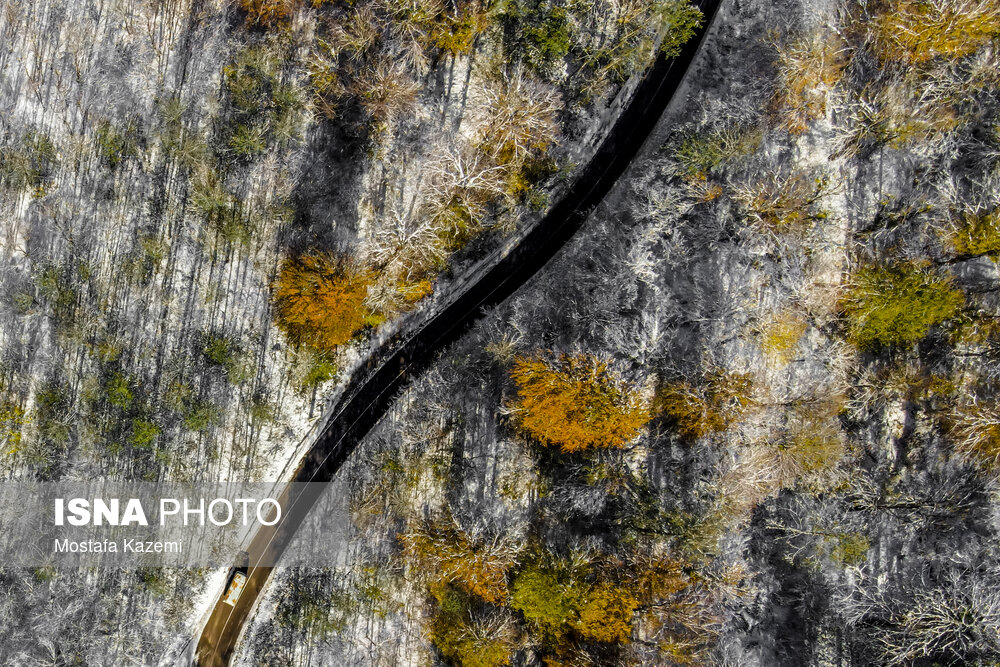
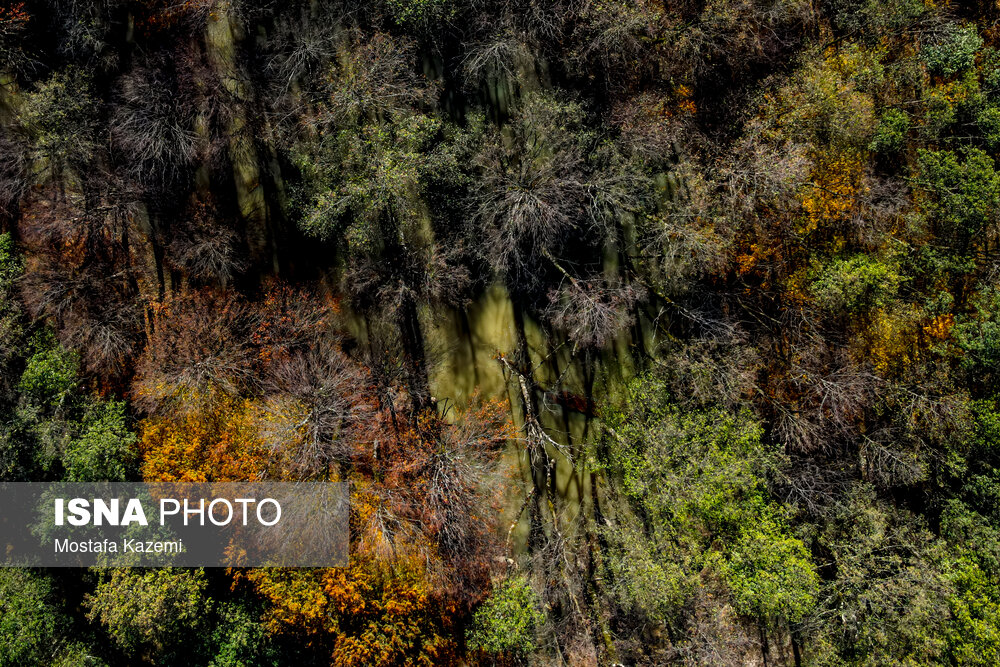
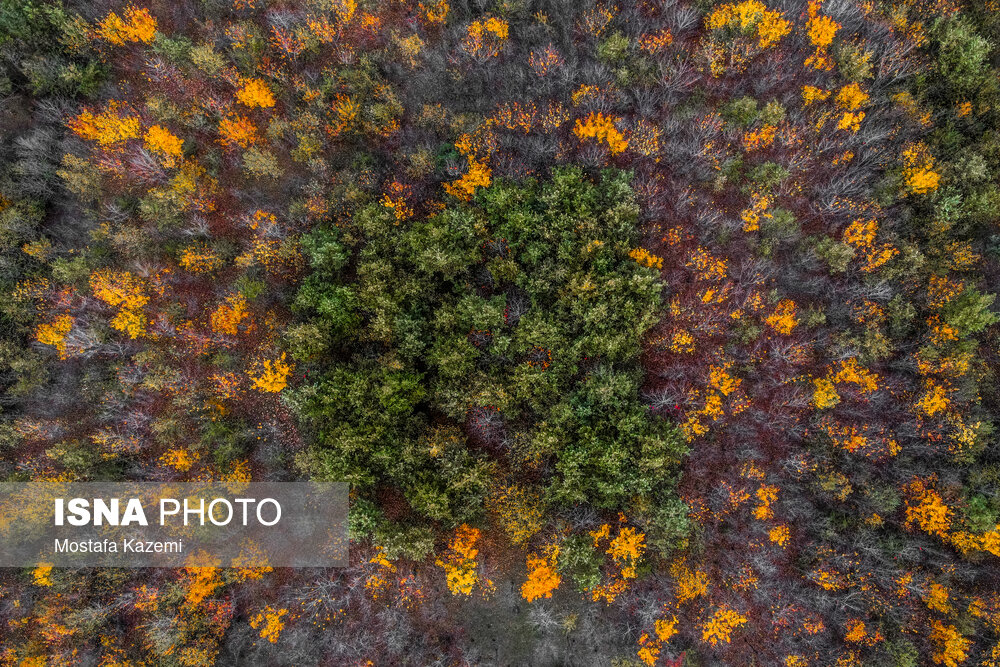
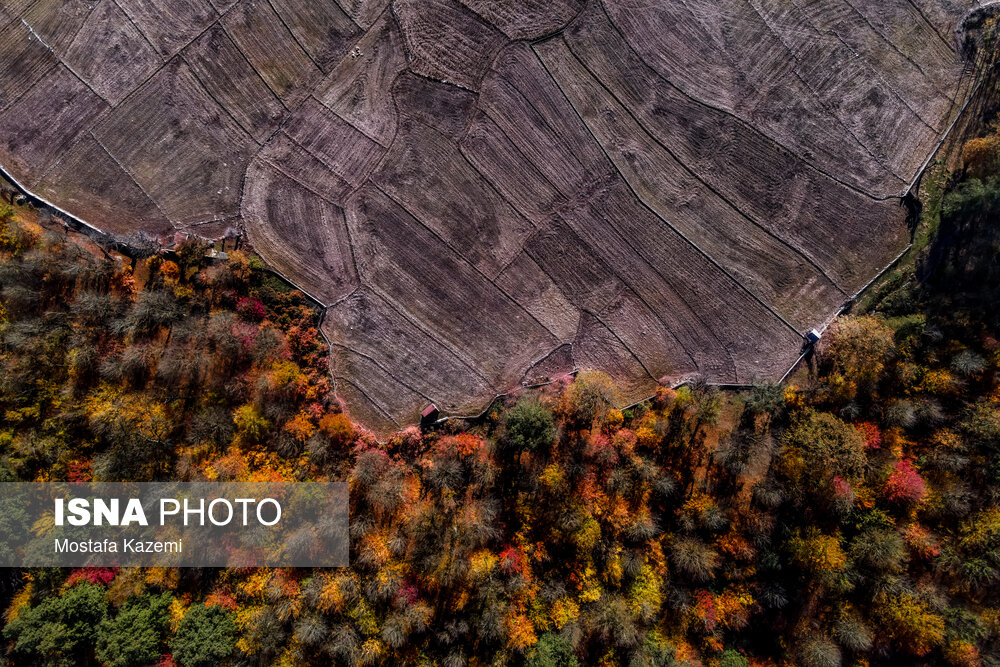
The fall of the Mazandaran’s Hyrcanian forests begins from early November in the upstream forests and reaches the downstream forests by late December.
Chahardangeh and Dodangeh regions of Sari, Savadkuh, Hezar Jerib in Neka, Dalikhani and Javaherdeh forests in Ramsar, Mazichal in Kelardasht and the region of Two Thousand and Three Thousand in Tonekabon are the most prominent of these regions, which are extremely gorgeous in autumn and winter and catch the eyes of every viewer.






Iran seeks holding new round of talks with Saudi Arabia
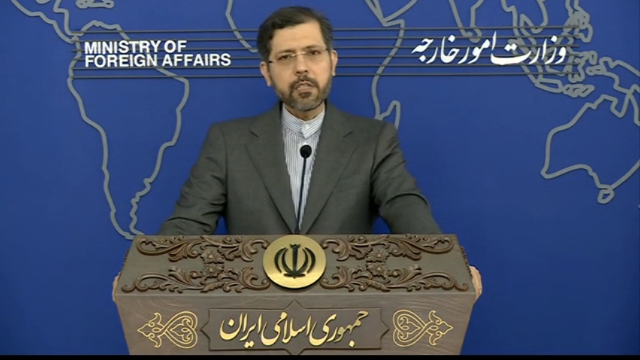
Khatibzadeh noted that Iran has tried its best to continue talks and sustainable ties with Riyadh.
On the situation in Lebanon, Khatibzadeh said foreign countries try to meddle in Lebanon’s internal affairs while Iran believes that Lebanon’s sovereignty must be respected.
Khatibzadeh also said Iran aims to strengthen synergy among Lebanese factions.
In response to a question about the presence of a Saudi delegation in Vienna, he said such meetings are not limited to Saudi Arabia and all countries visit Vienna. Khatibzadeh added that the discussions are not about today and yesterday and they have happened in the past as well.
He also spoke of a South Korean delegation’s visit to Vienna during talks between Iran and the P4+1 group. Khatibzadeh said the visit had nothing to do with South Korea’s debts to Iran.
Referring to the Vienna talks he added that talks have reached a decisive point which will show if the other sides are determined enough to reach a deal or not.
The Iranian Foreign Ministry spokesman then turned to the Taliban acting foreign minister’s visit to Tehran, describing talks with the group as positive. He added that the Taliban welcomed Iran’s call for the formation of an inclusive government in Afghanistan.
Asked about the Iranian Foreign Ministry’s position on the Taliban, Khatibzadeh said Iran is not yet at the point where it can recognize the Taliban.
Elsewhere, the Iranian Foreign Ministry spokesman referred to US National Security Advisor Jake Sullivan’s remarks about Iran’s new sanctions against US officials for their involvement in the assassination of General Qassem Soleimani.
He said the US is used to imposing sanctions on others unilaterally and does not speak with others on equal footing.
Khatibzadeh also said what happened on January 3, 2020 was a flagrant war crime against a high-ranking Iranian national. He added that the Islamic Republic will sue those who ordered and perpetrated this crime and will not give up its efforts until they are brought to justice.
On Iranian President Ebrahim Raisi’s upcoming visit to Moscow, Khatibzadeh said the visit to Russia is in line with bilateral cooperation between the two countries. He added that trade and regional issues will be on the agenda of talks that will be held at bilateral, regional and international levels during Raisi’s trip to Moscow.
The Foreign Ministry spokesman also referred to the situation in Yemen. He said Iran has always tried to stand by the Yemeni people and to find a political solution to the Yemen crisis through talks between Yemeni sides.
Regarding the developments in Kazakhstan, Khatibzadeh said Iran has been closely monitoring the situation there and has been in touch with the government in the country. He added that Iran believes the people and government of Kazakhstan are able to resolve their problems but unfortunately, we are witnessing foreign interference in Kazakhstan’s internal affairs.
Iran FM arrived in Oman on official visit
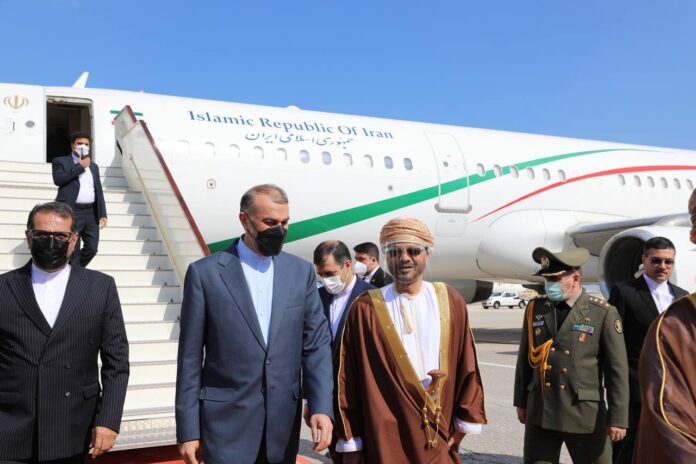
Upon his arrival, Amir Abdollahian said he will hold talks with top Omani officials, including his Omani counterpart, during the Iranian delegation’s one-day visit.
The foreign minister added that his talks will focus on expanding cooperation with Oman.
Amir Abdollahian further noted that Iran and Oman enjoy “strong” ties and he will use his visit to try to upgrade political relations with Muscat to the current level of cultural, economic and trade ties between the two countries.
He said this will be within the framework of a four-sided agreement earlier signed by Iran, Oman, Turkmenistan and Uzbekistan.
Four dead, dozens of cars damaged in Iran pileups
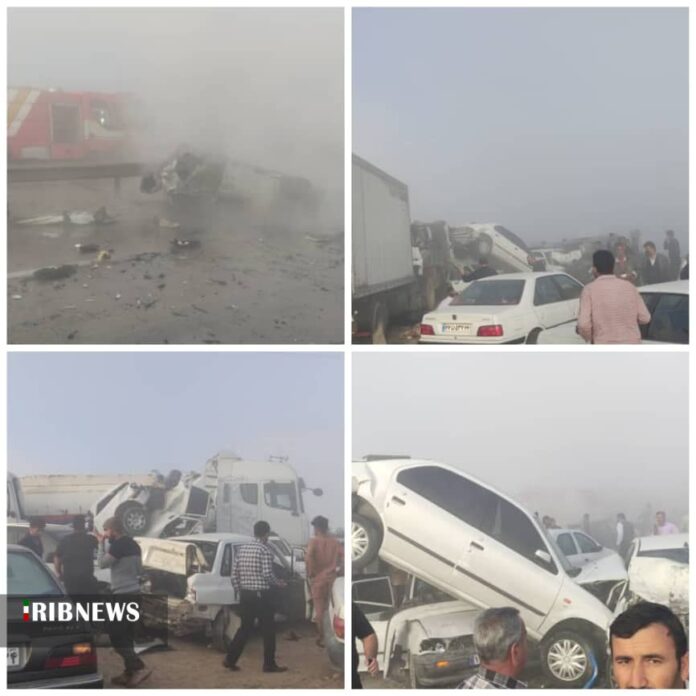
The crashes took place in a single location on opposite lanes on the road between the cities of Behbahan and Ramhormoz.
“The incident took place on two lanes. In one of the lanes, 9 cars smashed into each other and in the opposite lane, around 50 cars crashed, and three of them burst into flames,” said Khouseztan Roads Police chief, Colonel Reza Dolatshahi.
Dolatshahi added that three passengers of a single car and a passenger in another car were those who lost their lives. He further explained that foggy weather is thought to have caused the pileups.
Meanwhile, the relief operations department of Khouzestan’s Red Crescent Society said 33 people, including a pregnant woman, have been injured in the incidents.
SANA: US building Syria refinery to increase oil theft
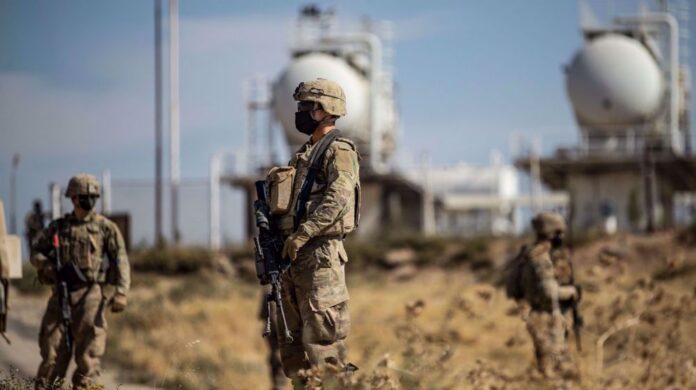
According to the SANA news agency, the capacity of the new facility at Rmelan fields in the northeast of Hasaka province is estimated at 3,000 barrels per day.
The oil fields in Rmelan are one of the largest in Syria.
The armed conflict in Syria has been going on since 2011 with Syrian President Bashar Assad’s forces fighting different insurgent groups. In late 2017, Daesh was declared defeated in the country, pushing the issues of a peaceful political settlement, the country’s reconstruction, and the return of refugees to the forefront.
The US armed forces illegally control territories in the northern and northeastern parts of Syria, where the country’s major oil and gas fields are located. Damascus has decried the US presence there as occupation and pillaging.
Damascus, however, stresses the unlawful deployment is meant to plunder the country’s resources.
Former US President Donald Trump admitted on several occasions that American forces were in Syria for its oil.
After failing to oust the Syrian government with the help of its proxies and direct involvement in the conflict, the US government has now stepped up its economic war on the Arab country.
Taliban Foreign Ministry calls talks in Tehran “constructive”
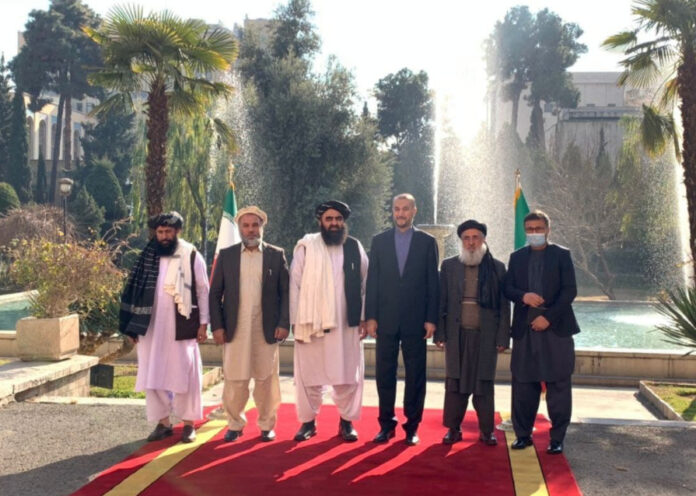
The Taliban Foreign Ministry Deputy Spokesman Hafiz Zia said in a tweet Amir Khan Motaqi who visited Tehran at the invitation of the Iranian Foreign Ministry held talks with Iran’s top diplomat Hossein Amir Abdollahian.
Hafiz added that Amir Abdollahian and Motaqi discussed economic issues between Iran and Afghanistan and they also held constructive negotiations over trade, oil products, transit and security issues.
He also quoted Amir Abdollahian and Motaqi as saying Afghanistan serves as an export bridge linking southern to central Asia and that Iran can use the route for exporting goods to regional countries and Afghanistan can also use Iran as a transit route.
Iran’s Farhadi loses Golden Globe race to Japan’s Hamaguchi
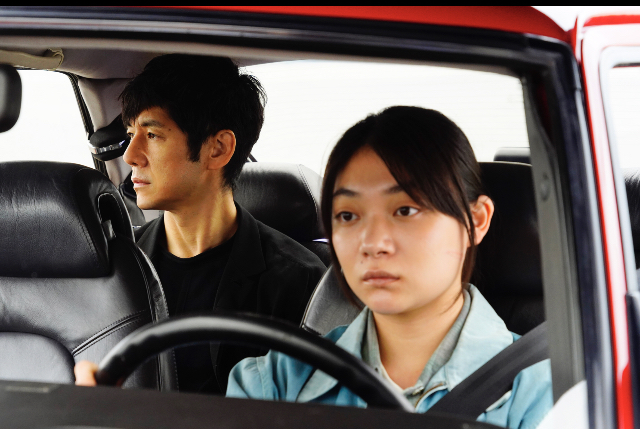
The other candidates at the foreign language category were ‘Compartment No. 6’ (Juho Kuosmanen, Finland), ‘The Hand of God’ (Paolo Sorrentino, Italy), and ‘Parallel Mothers’ (Pedro Almodovar, Spain).
“Drive My Car”, based on a short story of the same title by novelist Haruki Murakami, recently won the top prize and was selected for three other awards by a US film critic society, while it also won the award for best screenplay at the Cannes Film Festival last year.
On Saturday, members of the National Society of Film Critics gave the best picture, best director, best screenplay and best actor awards to “Drive My Car”.
The brooding and melancholic drama has also been nominated in the international feature film category for the 94th Academy Awards in March. “A Hero”, Norway’s “The Worst Person in the World”, Italy’s “The Hand of God” and Finland’s “Compartment No. 6” are among the 15 films that will advance to the next round of voting in the Oscars Best International Feature Film race, according to the Academy.
This was the fourth time the Iranian director is nominated for the foreign language film award at Golden Globe. His previous movies “A Separation”, “The Past” and “The Salesman” found their way into the final list in the category in 2012, 2014 and 2017, while “A Separation” won the award.
Farhadi has received two Oscars for Best Foreign Language Film for “A Separation” and “The Salesman”, making him one of the few directors worldwide who have won the category twice.
The Iranian filmmaker has also received the Cannes Film Festival Award for Best Screenplay for “The Salesman”. In 2021, he received the Cannes Film Festival’s Grand Prix for “A Hero”.
Intl. peacekeepers to stay in Kazakhstan until situation stabilizes
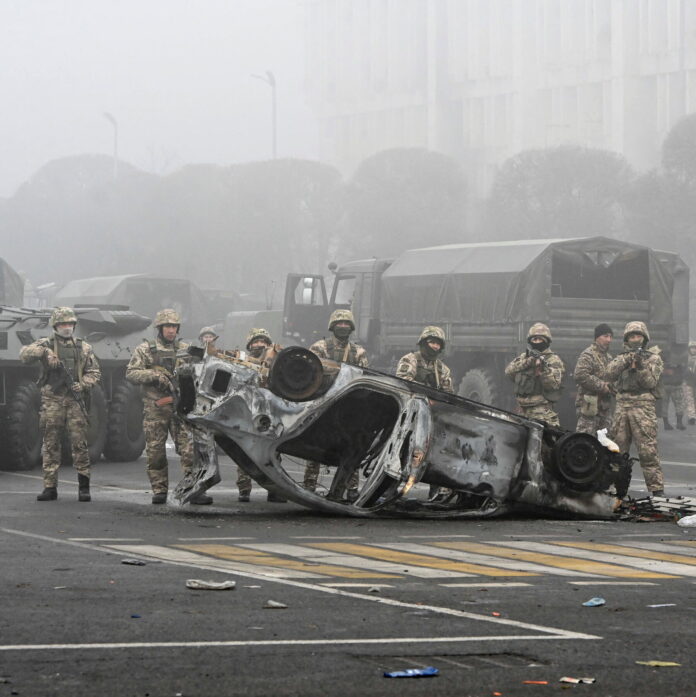
“Units of the Collective Peacekeeping Force will continue to execute their tasks until the situation in the country stabilizes fully,” Serdyukov said.
CSTO peacekeepers are protecting the important military, state and social facilities in Almaty and adjacent areas, he added.
“At the present, units of the peacekeeping forces are performing tasks to protect important military, state and socially essential facilities in the city of Almaty and adjacent areas,” Serdyukov continued.
A wave of deadly riots swept across Kazakhstan last week, following a sharp rise in gas prices. Despite the government’s attempts to quell the crowds and now-fulfilled promises to decrease prices, peaceful protests turned into violent clashes with law enforcement officers, as well as looting, arson and acts of terrorism across the country. President Kassym-Jomart Tokayev asked for the CSTO assistance at the height of the violence, with several member-states of the alliance agreeing to deploy CSTO peacekeepers to Kazakhstan to safeguard vital infrastructure facilities in the country, while Kazakh law enforcement agencies work to bring the situation under control.
Russian Ambassador to the US Anatoly Antonov has claimed that thousands of jihadists were involved in efforts to wreak havoc in Kazakhstan.
“Kazakhstan came under attack by radicals that preached misanthropic ideology,” he said in a post on the embassy’s Facebook page, adding, “Thousands of jihadists and looters made an attempt to shatter the constitutional order.”
“They use weapons against peaceful citizens,” he went on to say, noting, “They damage government-owned and private property.”
The unrest followed the withdrawal of US troops from Afghanistan, which gave rise to the spread of extremist ideas in the region, Antonov said.
He also added the rioters included terrorists and the uprising was an effort to oust the government.
“This is a new attempt at a color revolution with the help of gunmen and looters,” the ambassador continued, stating, “I’m sure Kazakhstan’s competent agencies will get to the bottom of the situation and terrorism will be uprooted from the Kazakh soil.”
More than 160 people were killed and 6,000 including several foreign nationals, detained in Kazakhstan during the unrest that shook the central Asian country.
Iran seizes opium hidden in screwdrivers bound for Europe
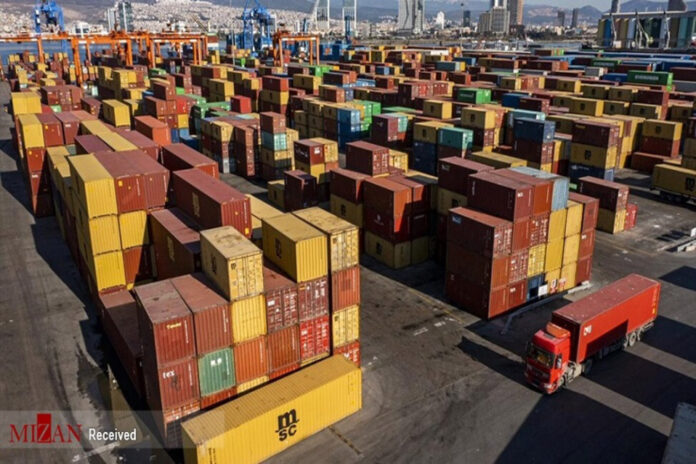
Over two kilograms of the illegal narcotics were found as border protection officials were inspecting the UK-bound postal shipments, which contained a large number of screwdrivers.
Iran has long been fighting a relentless battle against international drug networks.
The country, which has a 900-kilometer common border with Afghanistan, is used as a transit route for drug trafficking from Afghanistan to markets in Europe.
