Thursday, January 1, 2026
Home Blog Page 2123

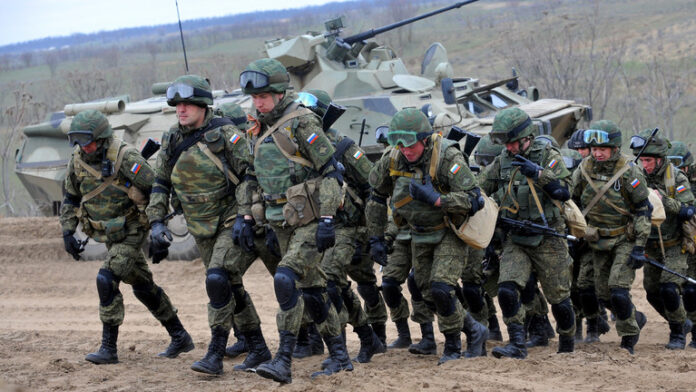
Russia says to keep troops near Ukraine due to NATO actions

“There are Russian troops on the territory of the Russian Federation next to the Ukrainian borders. And we find it necessary to keep those troops there in front of the very tense situation and very unfriendly environment,” he stated in an interview with CNN.

In a situation when NATO is staging various military drills and is moving its military infrastructure moving towards Russia’s borders our borders, “we have to respond, we have to take measures of precaution, that’s why we have our military guys on our territory there,” he noted.

Recently, Western countries and Ukraine have been speaking about Russia’s possible aggression against Ukraine. Peskov earlier slammed such statements as hollow and groundless with the intention of fanning tensions. He stressed that Russia is a threat to no one but did not rule out possible provocations to justify such statements and warned that attempts at using force to settle the crisis in southeastern Ukraine would have the most serious consequences.

Russia is threatening no one with military actions over Ukraine but will be ready to take countermeasures if need be, Peskov stated.

“No one is threatening anyone with military actions. This will be just a madness to do that. But we will be ready to take counteractions,” he noted, commenting on the host’s remarks that Russia is allegedly threatening with military actions because of the situation in Ukraine.

However, according to Peskov, Russia “will have to do something,” if NATO ignores its concerns and continues to move its military infrastructure closer to the Russian borders.

Russia has no troops either in Donbass or in Ukraine, Russian troops are deployed only on Russia’s territory, Peskov said.

“There are no Russian troops in Ukraine. There are no Russian troops in Donbass,” he continued, adding, “There are Russian troops on the Russian soil, on the Russian territory next to the Ukrainian border.”

NATO is a weapon of confrontation rather than a tool of peace and stability and it is getting closer and closer to the Russian borders, he noted.

According to the Kremlin spokesman, the current situation did not develop overnight, it has been developing for decades.

“In our understanding, NATO is an organization that was tailored and was created for confrontation, not for defense,” he said.

“NATO is not a dove of peace, not a dove of stability, not a dove of prosperity. NATO is a weapon of confrontation. And this weapon of confrontation with each year started to get closer and closer to our borders,” Peskov noted, adding that Russia has been observing “the gradual invasion of NATO into Ukrainian territory with its infrastructure, with its instructors, with supplies of defensive and offensive weapons.”

“And that brought us to the red line that brought us to the situation when we could not tolerate it anymore,” he stressed.

Relations between Russia and NATO has approached the red line due to the alliance’s movement in Ukraine, Peskov said.

“With the time being, we have seen the gradual invasion of NATO into Ukrainian territory with its infrastructure, with its instructors, with supplies of defensive and offensive weapons. And that brought us to the red line that brought us to the situation when we could not tolerate it anymore,” he stressed.

“And that was the main reason for President [of Russia Vladimir] Putin to say: ‘Guys, this is a real threat for us. And this is a real threat for stability and security in European architecture. Let’s find a way out, let’s produce some guarantees for us, let’s think about returning NATO’s military infrastructure back to the borders of 1997, let’s get rid of the idea of Ukraine’s membership in NATO and also let’s get rid of the idea, let’s abandon the idea of the deployment of any offensive weapons on the territory of Ukraine next to our borders,” he added.

The new proposed US sanctions, including against the Russian leadership, may break off all relations between the two countries, Peskov stated.

“Of course, it’s beyond our understanding,” Peskov noted, referring to some of the latest US proposals that call for sanctions against the Russian leadership.

“Potentially this kind of sanctions can lead to discontinuation of any relations between our two countries,” which won’t benefit either Moscow or Washington, he continued, adding, “It would be a great mistake.”

The Kremlin spokesman said Russia isn’t afraid of sanctions. 

“To some extent we are trying to take advantage of them in terms of developing our domestic economy, our domestic production,” he noted, adding, “We are quite big and quite self-sufficient to be fragile against these sanctions.”

Peskov said sanctions never succeeded in making countries change their course.

“Can you recall any example of a situation when sanctions helped you to solve a problem? Where sanctions were really effective in making a country to make certain steps?” he asked, adding, “It’s never happened.”

On Wednesday, a group of Democrat legislators led by Senator Bob Menendez introduced a bill to the US Senate on restrictions against Russia if tensions around Ukraine escalate. Titled Defending Ukraine Sovereignty Act of 2022, it involves, among other things, sanctions against Russian President Vladimir Putin, the prime minister, heads of the Foreign Ministry, the Ministry of Defense, the chief of the General Staff of the Russian Armed Forces, and other members of the military leadership. In addition, restrictive measures may affect the Nord Stream 2 gas pipeline.

To come into effect, the bill should be approved by both houses of Congress and signed by the US President. Emily Horn, spokeswoman for the White House National Security Council, announced earlier that the US administration supports the proposed legislation.
Experts warn of new wave of Covid in Iran

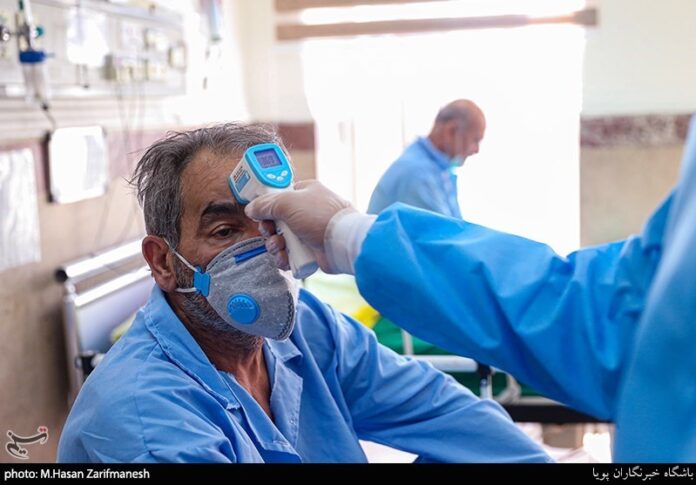
Minoo Mohraz added that the wave will reach its peak in the next 3 to 4 weeks. 

She also said the vaccine has little effect on the new strain of Covid dubbed Omicron, so it is important people get their boosters because the higher the level of antibodies and immunity to the virus, the less likely it is to contract the variant. 

Mohraz noted that when the number of Omicron cases increases, there is a possibility of death due to this strain.

According to the member of the scientist committee of Iran’s National Task Force for Fighting the Coronavirus, in European and American countries, where the incidence of Omicron is very high, the number of hospitalizations is low as great percentages of people in these countries have received their third dose of the vaccine.

Iran footballer Taremi second-best striker in Portuguese league

The second half of the Portuguese league started, with Porto leading with 47 points and Sporting Lisbon second with 44 points.

In a report, “Goal Point” introduced the top three players of each position in the first half of the season, in which the name of Taremi is also seen.

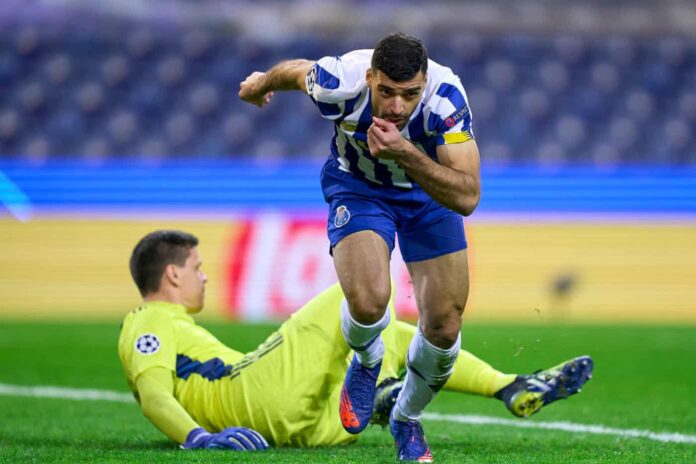
The Iranian striker of the Porto team scored nine goals with six assists in the first half of the season and received a score of 6.78.

Above Taremi is Darwin Nunes, the Benfica striker who has managed to score 14 goals and send two assists to his teammates. He has a score of 7.18.

In this lineup, Luis Diaz, the player of the Porto team, with a score of 7.65, has the best score and has been the best player of the first half of the season.

UN warns millions of Yemenis face hunger

“Displaced families in Yemen face rising hunger due to the cut of food assistance,” the UN refugee agency UNHCR said on Twitter.

It added over half of four million displaced Yemenis “live in areas categorized as an emergency food situation.”

“In January, millions will receive reduced food ration”, the UNHCR announced, citing that the UN relief and aid agencies in Yemen, including the World Food Programme, are running out of funding.

The World Food Programme has also warned that Yemen’s food reserves are rapidly dwindling, more than half of the country’s population are severely hungry.

According to the World Food Programme, the ongoing war and deepening economic crisis has pushed millions of Yemenis into poverty. Due to the deteriorating situation and the epidemic, 20 million people in Yemen are currently in need of various forms of humanitarian assistance or protection.

Saudi Arabia and its allies launched a war against the Arab world’s most impoverished nation in March 2015. The war has been seeking to restore power in Yemen to Riyadh’s favorite officials.

The death toll of the war, now in its seventh year, will reach an estimated 377,000 by the end of 2021, according to a recent report from the UN’s Development Programme.

The fighting has seen some 80 percent of the population, or 24 million people, relying on aid and assistance, including 14.3 million who are in acute need.

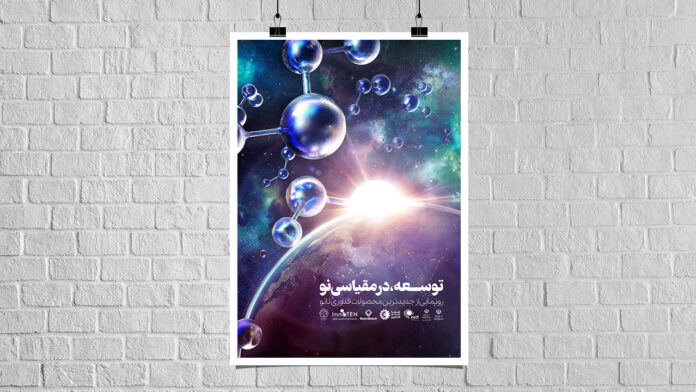
Iran unveils over 55 nano products

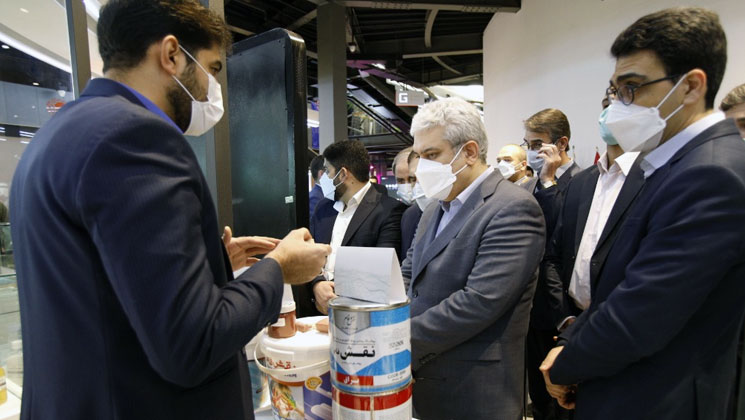
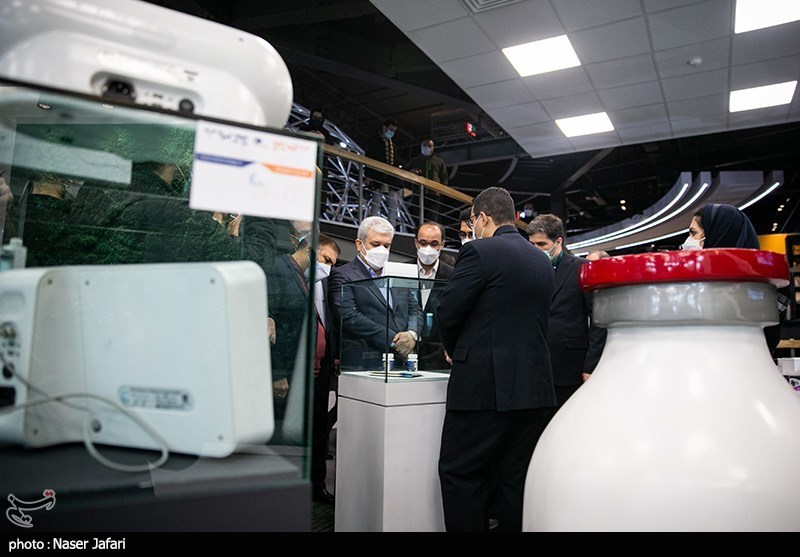
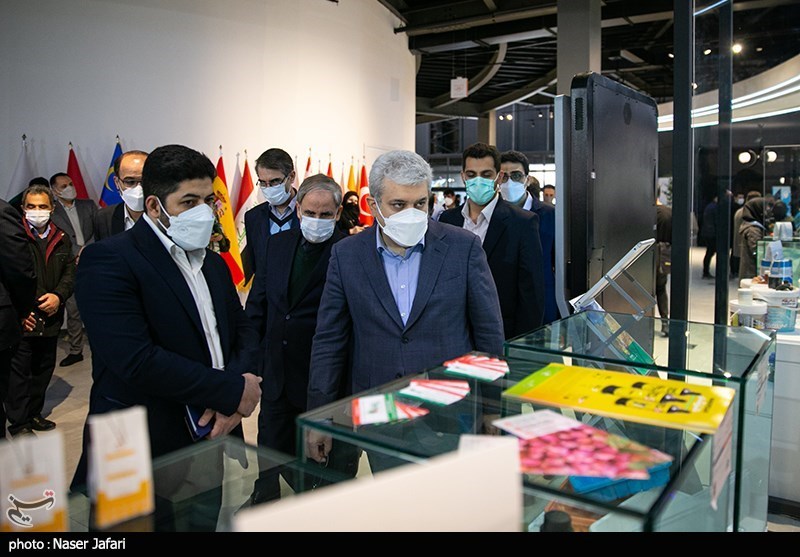
Iran’s Vice President for Science and Technology Sorena Sattari and head of Iran Nanotechnology Innovation Council, Saeid Sarkar, attended the inauguration ceremony of the exhibition displaying the country’s latest achievements in the nanotechnology sector.
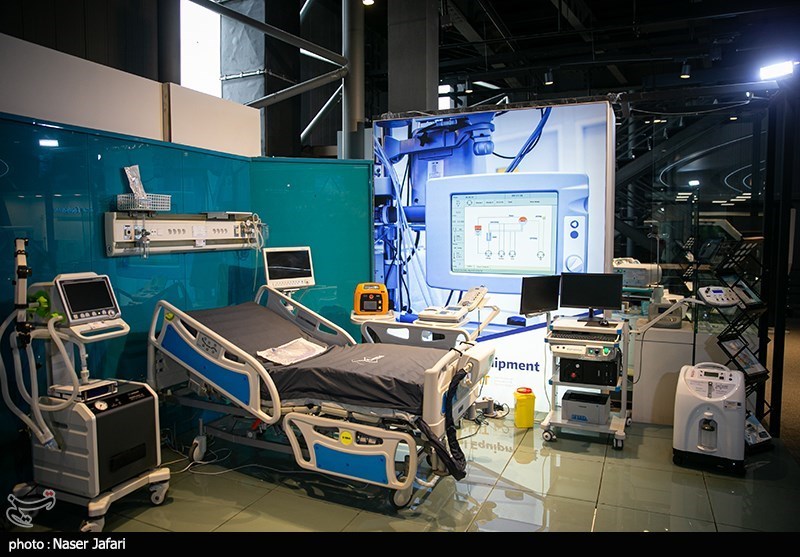
According to the IRIB reporter, more than 400 nano products have been put into display in the four-day exhibition.

Iran unveils over 55 nano productsThe newly-unveiled nano products will meet the domestic needs in medical, industrial, aviation, and construction sectors.

More than 450 knowledge-based and industrial companies in Iran have so far produced over 800 types of nano goods. Parts of these items are exported to more than 40 countries.


Iran: US should decide on sanctions, other issues, before Vienna talks advance

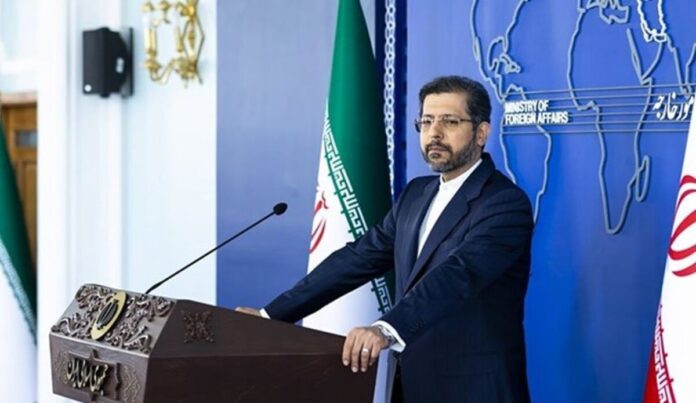
“Part of the parentheses have been cleared and agreements have been made, to a great extent, on tabled ideas. What remains are key issues that specifically call for special political decisions and Washington should make its decision on outstanding issues and the removal of the sanctions,” the ministry’s spokesman Saeed Khatibzadeh said in his weekly presser.

Khatibzadeh added that if such decisions are made after chief negotiators in the talks return to Vienna Monday, then one can say “We are moving toward a reliable and lasting agreement with a good pace”.

He also talked about the demand by 110 US republican lawmakers that Washington leave the Vienna talks. 

“We do not recognize more than one government in the US and stress the clear responsibility of the US in fulfilling its obligations in the 2015 nuclear agreement and the resolution 2231 of the UN Security Council. The US has arrogantly refused to meet its obligations under this resolution,” he said.

Also referring to the implantation of the 25-year strategic partnership agreement between Iran and China, he said 

“The logic behind this agreement is a roadmap for long-term cooperation between the Islamic Republic of Iran and People’s Republic of China and upgrading ties to a comprehensive strategic partnership.” 

“The agreement was pending the implementation of its various articles in the fields of economy, culture, politics, parliaments and judiciaries, and this was done thanks to the special focus by the government.”

Khatibzadeh then addressed the issue of ties with Saudi Arabia. He said as already clarified by President Ebrahim Rasisi, Iran is ready to open its embassy in Saudi Arabia, but that “depends on the Saudi side and what actions they take”. 

Next he talked about President Ebrahim Rasisi’s upcoming visit to Moscow. The spokesman said Raisi is visiting Moscow upon repeated invitations by Russia and as part of his government’s policy of a balanced foreign diplomacy.

Khatibzadeh said, during the visit, Raisi will hold detailed discussions with his Russian counterpart Vladimir Putin on a range of issues including cultural, political, economic and technological cooperation.

Biden aide says US paying price for Trump ‘catastrophic mistake’ on Iran

“The reason we’re in the situation we’re in right now is because the previous administration pulled out of the Iran deal and we are paying the wages of that catastrophic mistake,” he stated in an interview with CBS’ “Face the Nation”.

The Joint Comprehensive Plan of Action (JCPOA) was inked by Iran and six world powers in 2015. Under the deal, Tehran agreed to put limits on certain aspects of its nuclear activities in exchange for the removal of draconian international sanctions imposed against the country.

In 2018, however, the US pulled out of the pact and reinstated sanctions under the so-called ‘maximum pressure campaign’ against Tehran, effectively depriving Iran of the deal’s benefits by forcing third parties to stop doing business with Iran.

Iran remained patient for an entire year, after which it began to take incremental steps away from its nuclear obligations, especially after Europeans failed to salvage the deal under the US pressure.

The Islamic Republic’s decision to ramp up its nuclear activities prompted other parties to revive talks earlier this year.

The White House has stepped up criticism of Trump, blaming him for the current situation over the Iran nuclear deal. Several American officials have stated the United States in some ways more isolated diplomatically than Iran because of the course that the previous administration had pursued.

US Secretary of State Antony Blinken has recently criticized Trump for the current situation over Iran’s nuclear programme. The top diplomat has called Trump’s move to pull Washington out of the Iran nuclear dal as ”one of the worst decisions made in recent American foreign policy”. Blinken had called Washington’s withdrawal from the 2015 agreement “a terrible mistake”.

President Joe Biden has recently stated the United States is “continuing to suffer” from Trump’s decision to pull Washington out of the Iran nuclear deal.

Iran and the five remaining parties to the JCPOA — Germany, Britain, France, Russia and China — began the talks in the Austrian capital in April with the aim of removing the sanctions after the US voiced its willingness to return to the agreement.

During the seventh round of the Vienna talks, the first under President Ebrahim Raeisi, Iran presented two draft texts which address, separately, the removal of US sanctions and Iran’s return to its nuclear commitments under the JCPOA. Tehran also said it was preparing a third draft text on the verification of the sanctions removal.

The eighth round of talks kicked off in Vienna in late December. The negotiations seek to restore the JCPOA in its original form and bring the US back into the agreement.

Iran insists that the talks must lead to the removal of all American sanctions that were imposed against Tehran following Washington’s unilateral withdrawal from the landmark agreement in May 2018. Tehran has also demanded credible guarantees that Washington will not abandon the deal again.

Vienna talks to resume on Monday; Bagheri in Austria’s capital

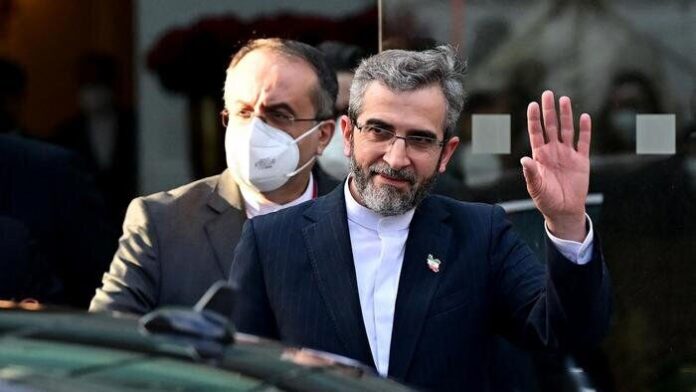
Iran’s chief negotiator in the Vienna talks for the revival of the 2015 nuclear deal has arrived in the Austrian capital.

Ali Bagheri Kani and his European counterpart in the Vienna talks returned to their capitals Friday for consultations with top officials to decide on the way forward in the discussions.

The negotiations, which were ongoing at the expert level during Bagheri’s two-day stay in Tehran, are scheduled to officially resume on Monday after the arrival of the Iranian delegation in Vienna.

Iran and the remaining signatories to the nuclear deal are holding the eighth round of talks to revive the agreement and remove anti-Iran sanctions.

The eighth round began on December 27 and has raised hopes that the parties could hammer out an agreement, despite warnings by both sides that negotiations are moving forward slowly and that key issues remain to be resolved.

Iran’s diplomats stationed in Saudi Arabia; six years into ties cut-off

Several weeks ago, Iranian Foreign Minister Hossein Amir Abdollahian, in a press conference with his Iraqi counterpart, Fouad Hussein, in Tehran, referred to Baghdad’s role in holding four rounds of talks between Iran and Saudi Arabia. 

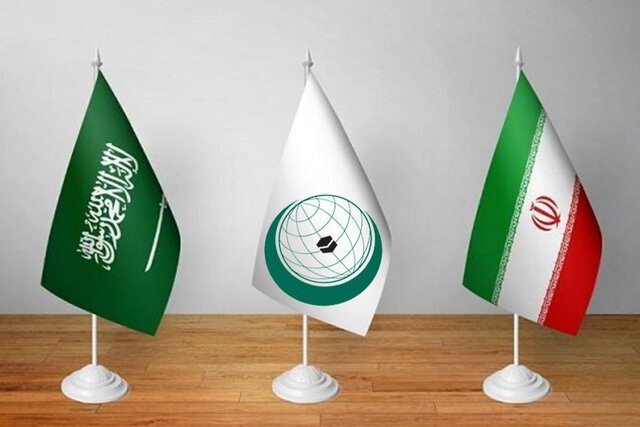
He said Saudi Arabia had agreed to issue visas for three Iranian diplomats to be stationed in the headquarters of the Organization of Islamic Conference in Jeddah. 

He later told Al Jazeera that the issuance of visas for Iranian diplomats in Jeddah was a positive sign.

Meanwhile, Hussein Ibrahim Taha, the new Secretary General of the Organization of Islamic Cooperation, in separate messages to Iranian President Ebrahim Raisi and Foreign Minister Hossein Amir Abdollahian, announced his readiness to strengthen cooperation with the Islamic Republic of Iran.

Iran and Saudi Arabia have held several rounds of negotiations in Baghdad to normalize their relations in the past months. 

The Saudis moved first in cutting ties with Iran in early 2016 after Iranians protested the execution of Shia Saudi cleric Sheikh Nimr al-Nimr by holding rallies outside the Saudi embassy in Tehran.