Wednesday, December 31, 2025
Home Blog Page 2103

Second quake hits Iran’s Tabriz in as many days

The quake measuring 4.3 on the Richter scale struck at 6:18 at a depth of 14 kilometers with its epicenter being 9 kilometers from Basmenj on outskirts of Tabriz.

The earthquake was felt in some other parts of Iran’s East Azarbaijan Province, forcing people to rush out of their homes in panic.

There are no immediate reports of casualties or damage. However, rescue teams have been dispatched to old and vulnerable parts of Tabriz to assess if any casualties or damage took place.

Also on Sunday, a 4.4-magnitude earthquake rattled Tabriz. That tremor left no casualties.
Most of Iran’s territory including Tabriz is quake-prone and quakes are commonplace in the country.

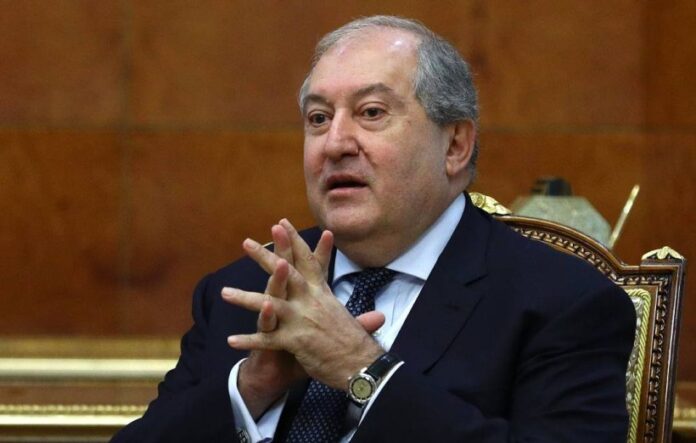
Armenian president announces resignation

arkissian explained that he was leaving office early because he found himself incapable of affecting the situation in the country and using his powers to resolve systemic problems in its domestic and foreign policies.

He stressed that he had simply never had the tools he needed to do that.

“This decision is not emotional at all. It follows a certain logic. The president of the country does not have the necessary tools to influence the most important issues concerning the state and nation,” he announced in his statement.

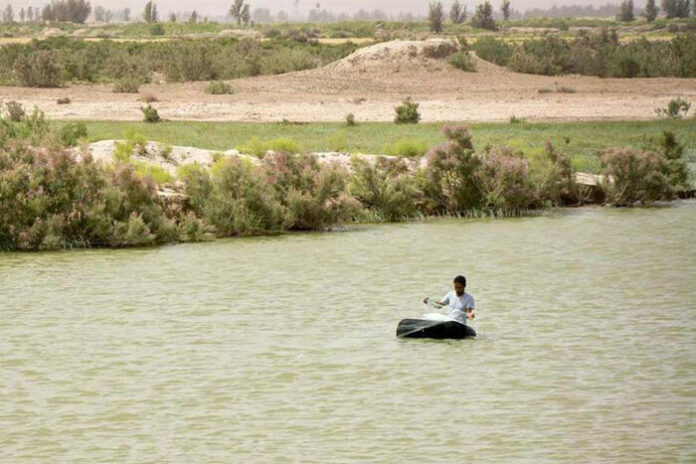
Rainfalls fully restore water to Jazmourian wetland in SE Iran

Citing satellite maps, Marjan Shakeri, the director-general of the Environment Department of Iran’s southeastern Kerman Province, told Tasnim news agency on Sunday that 100 percent of Jazmourian was now full of water and the wetland had even overflown to adjacent villages in the wake of the recent downpours.

Over the past years, Jazmourian — the only water source for Kerman Province — has been on the verge of complete desiccation due to climate change, excessive dam construction, low precipitation, high temperature rates, and the depletion of groundwater resources.

“This year, the region has seen the best rainfalls in the past 40 years and the wetland has been filled up with water to the highest level,” she said.

The official said efforts were underway by local environment authorities in the provinces of Kerman and Sistan-and-Balouchestan, between which the wetland is nestled, to draw up a comprehensive 20-year plan to revive Jazmourian, which has turned into a seasonal wetland due to consecutive dry spells.

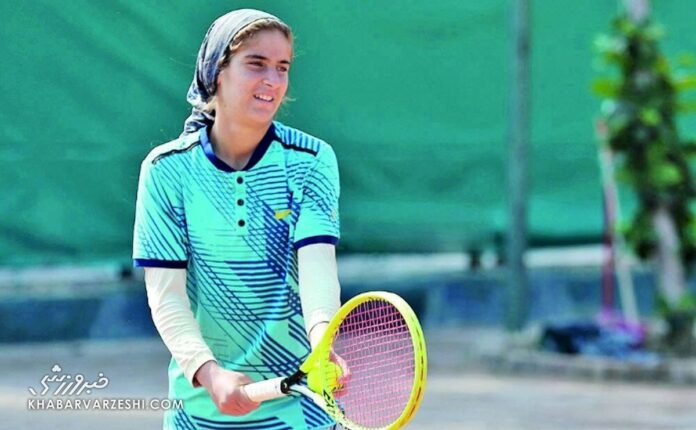
Iranian girl becomes 1st to win match in Australia tennis games

Safi, 17, beat her rival Anja Nayar from the host country 6-4, 6-3 in the match on Sunday to become the first Iranian girl to win a match in the 2022 Australian Open-Girls’ Single.

Safi was the first Iranian player to enter the top 100 of the world junior rankings earlier this month and arrived at the Australian Open ranked No. 87.

“Meet Meshkatolzahra Safi [from Iran]. The first player from Iran to be ranked in the junior Top 100 and competing in the #AusOpen Girls’ Singles!” tweeted the WTA.

In another post, the tennis association described Safi’s win as one of the “historic milestones” of the tournament.

In a video message released by IRIB’s Varzesh 3, Safi thanked the Iranians for all their support for her.

She said her next match would be with a Belgian rival, expressing hope that she will be able to display a good performance there.

Videos and photos of the tennis player went viral on social media, drawing lots of attention to her observing of the Islamic dress code during the game.

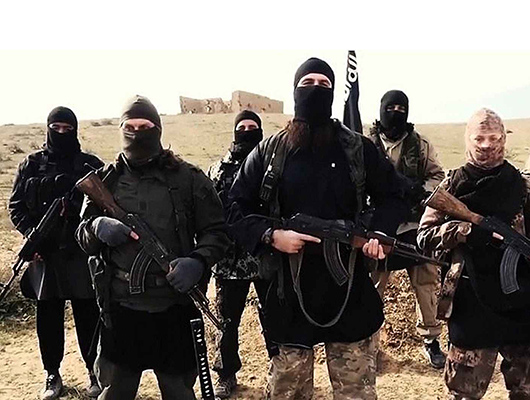
Increasing Daesh activities in Iraq threatening Iran borders

daesh

In a piece published on Sunday, the Khorasan daily said the project to activate Daesh sleeper cells in Syria and Iraq had gathered pace in the wake of a recent attack on a prison in Syria’s northeastern province of Hasakah and a jail break of dangerous Daesh elements from the facility.

In Iraq, there has been a sharp hike in terrorist operations of Daesh, in the latest of which 11 members of the Iraqi military lost their lives, the paper said.

“Although it was initially believed that Daesh would establish a foothold in Afghanistan in the months to come, the Taliban’s management of Afghanistan has blocked the growth of Daesh and members of the terror group are instead recruiting and regrouping in Syria and Iraq,” the daily said.

“On the other side, Daesh activities are notable in [Iraq’s] Diyala Province near Iran’s western borderline, something that can be described as a threat to Iran,” it warned.

The newspaper linked the rise in Daesh activities to the central Iraqi government’s lack of control over the country’s peripheries and the Damascus government’s “abandoning” of Syria’s northern areas, which are occupied by US-backed Kurdish militants.

The two factors, it added, are currently posing serious challenges to the resistance axis “which are unlikely to be overcome easily.”

Russia says wants Vienna talks to conclude by February

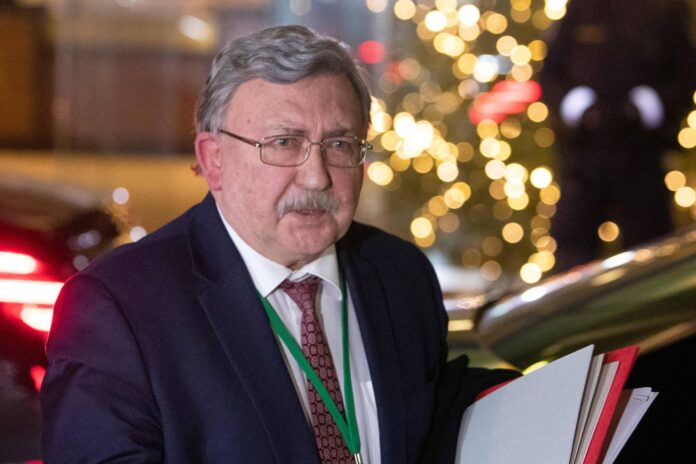
Russia's Governor to the International Atomic Energy Agency (IAEA) Mikhail Ulyanov is pictured at the Coburg Palais, venue of the Joint Comprehensive Plan of Action (JCPOA) after the meeting aimed at reviving the Iran nuclear deal, in Vienna on December 27, 2021. (Photo by ALEX HALADA / AFP)

Mikahil Ulyanov told IRNA on Sunday that Russia has opposed to setting deadlines during the talks but the negotiations cannot continue for months and all sides must finalize them by February.

In response to a question from IRNA’s reporter about how Iran can trust the Western sides given the US left the JCPOA unilaterally in 2018, he said Russia understands the hardships Iran went through due to the US’s campaign of maximum pressure against the Islamic Republic.

The Russian diplomat added that the other parties to the Vienna talks will try to make sure they can guarantee that the situation will improve in this respect.

He added that political consultations are going on in a step-by-step manner, noting the negotiations are progressing.

Ulyanov also said he held a meeting on Sunday with Ali Bagheri Kani, top Iranian negotiator, exchanging views on the latest related to the talks.

Ulyanov also said he, along with other negotiators from the P4+1 group, met with Bagheri and all participants in the negotiations discussed one of the most important issues on the agenda. Ulyanov did not specify what the issue was.

Iran and the P4+1 on Sunday continued talks in Vienna aimed at reviving the 2015 nuclear deal, JCPOA.

Bagheri Kani met with the coordinator of the JCPOA’s joint commission Enrique Mora at Vienna’s Coburg Hotel. Bagheri later met with his peers from the European troika.

Survivors of Saudi strikes on Yemeni detention center recount scary experience

Yemeni detainee Mohammed Ali Salem was lucky a missile fired by fighter jets of the Saudi-led coalition on the next ward caused a wave strong enough to shatter the door of his cell.

That was how he was able to escape before a second bomb fell.

“When they struck Ward 8… the door opened from the pressure and we walked out. God granted us safety, thank God,” he said, recounting the dawn attacks that targeted the detention center where he was held on Friday.

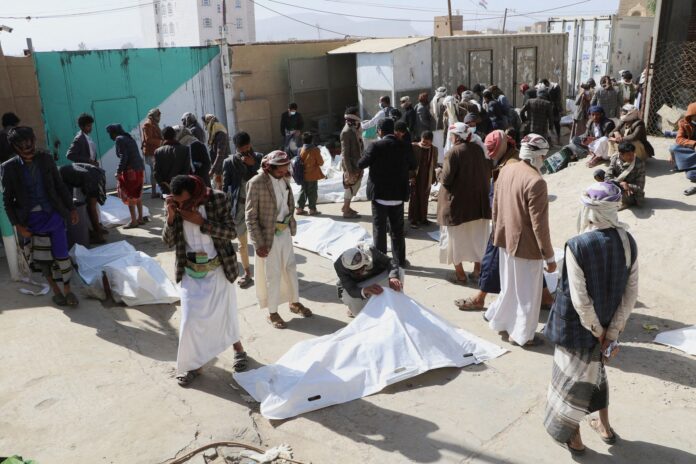
Others, wrapped in white body bags, were not that lucky. At least 80 people were killed when missiles hit a detention center in the Yemeni province of Saada.

Save the Children announced in a statement three children were also reportedly killed by air raids on Friday in the western city of Hodeidah.

The raids, which followed missile and drone attacks on the United Arab Emirates on January 17, have caused an international uproar and brought back attention to a forgotten and deadly conflict.

The Saudi-led coalition denied on Saturday targeting the detention center and added that it was not on no-targeting lists agreed upon with the United Nations and did not meet the standards stipulated by the Third Geneva Convention for Prisoners of War, according to the state news agency.

The attacks, the deadliest in more than two years, came amid an unprecedented escalation in the seven-year conflict with clashes raging over the control of Yemen’s oil-rich regions Shabwa and Marib, and an uptick in cross-border attacks.

The attacks on Abu Dhabi followed dozens of similar attacks on Saudi Arabian cities with armed drones and ballistic missiles.

In Saada, hundreds of people gathered around lined-up body bags on Saturday near the concrete rubble of the detention center, seeking information about their relatives. Some were checking the bodies hoping to identify their loved ones.

“We came from Amran province on a visit to find out that the prison has been hit by warplanes. This is another crime to be added to their other crimes,” said Salman Badi, one of the relatives.

Sultan al-Qahim, whose face was burned in the attack, stated he lost consciousness after a third bomb fell.

“I was sitting with my mates in our ward and then the warplane came and hit with a first strike. And a while later, two more hit. After that, nothing,” he noted in the Republican hospital in Saada, where most of the wounded have been treated.

The United Nations has called for “prompt, effective and transparent investigations into these incidents to ensure accountability”.

Iran unveils 30 new technological products

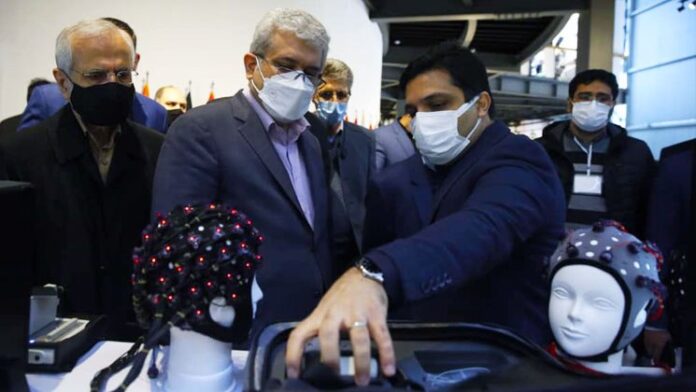
The unveiling happened at a ceremony at the permanent exhibition of export knowledge-based products attended by Iran’s Vice President for Science and Technology Sorena Sattari.

In the exhibition, technological achievements and products in the fields of brain implants, deep electrical brain stimulation, magnetic brain stimulation, virtual reality for rodents, olfactory stimulation, eye tracker, electrodes and brain stimulation recording systems, as well as games and applications were put on display.

Sattari said at the ceremony that cognitive technologies pave the way for clout and leadership in global competition.

“This technology in conjunction with others can be transformative”, he added. Sattari also said good strides have been made in the development of cognitive technologies, and Iran still has a long way to go.

The vice president for science and technology noted that with the private sector playing a major role, a lot of money should be spent on developing the frontiers of knowledge, education and cognitive technologies.

He added that many large-scale projects and products of knowledge-based research have been achieved using the same pattern.

Sattari maintained that cognitive science and technology is a new field and requires training of human resources, adding, “In many universities, we need to use Iranian graduates abroad, and therefore we have provided the ground for the return of these elites.”

The vice president for science and technology said the most important projects concern the development of reading and writing technologies in the brain and new tools for studying the brain, the development of combined applications of cognitive sciences, artificial intelligence and big data, the development of the applications of stem cell and cognitive technologies.

Iranian health minister: vaccine of children aged 9 to 19 to begin soon

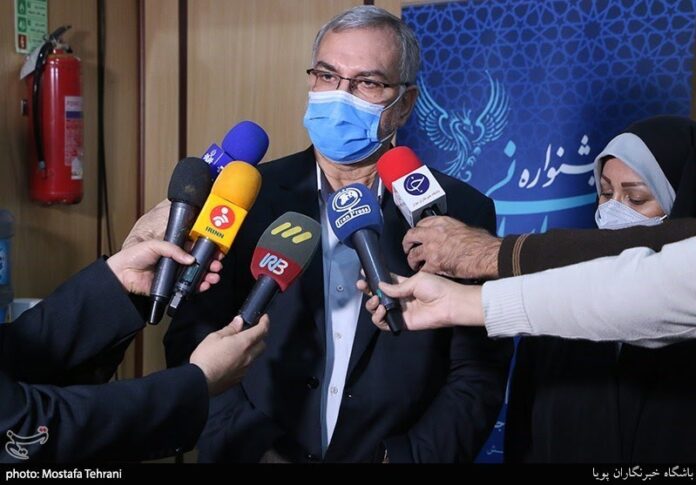
“During the Saturday meeting at National Taskforce for Fighting Coronavirus, we concluded that as per recommendations of scientific committees and international centers on vaccination of children and the results of research conducted by scientists, children under 12 years old should also be vaccinated”, Einollahi added.

He said it will take several days for the scientific committee to approve the type of vaccine that is to be given to these children and then with the announcement of the Ministry of Health, this vaccination will begin voluntarily.

The minister also criticized the fact that people have not well received the injection of the third dose of vaccine, adding that currently, about 22% have got their boosters. Einollahi also said given that the Omicron variant is highly contagious, people should get their third doses of vaccine.
Iran’s Health Ministry announced Sunday so far 14,563,440 people have been triple-vexxed.

Raisi hails Iranian women’s history-making role in Islamic Revolution

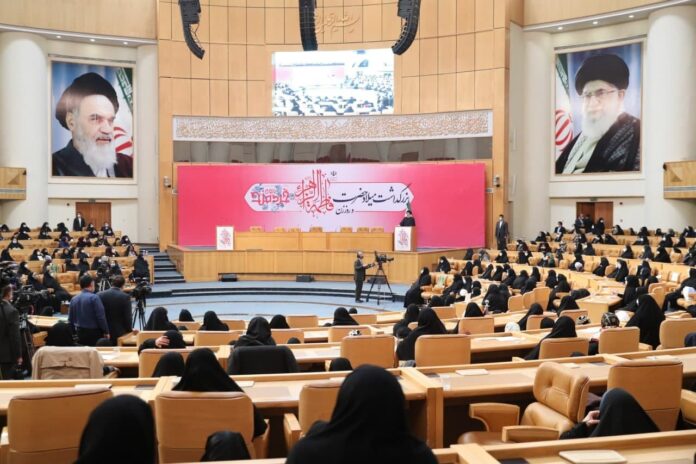
Raisi on Sunday met with a group of women, including academics, government employees and bereaved relatives of martyrs, on the occasion on the National Women’s and Mothers’ Day, which coincides with the birth anniversary of Hazrat Fatimah (PBUH), the daughter of Islam’s Prophet Muhammad (PBUH).

The president said the status of women and their female identity deserved true respect, and that the country would not achieve success unless such respect is paid to women.

Raisi referred to statements of Leader of Iran’s Islamic Revolution Ayatollah Seyyed Ali Khamenei on the status of women in the country’s recent history and said, “The role of women in the victory of the Islamic Revolution and the Sacred Defense [against ex-Iraqi regime], during which 7,000 women were martyred, is not unknown to anyone.”

He criticized the Western and Eastern societies for viewing women as instruments and said the “civilian-building culture” of Hazrat Fatimah could serve as a path to safety in the modern world.