
Kazem Gharibabadi, in a tweet, described the protesters as peaceful, saying their protest has been stifled in the so-called Land of the Free.
Gharibabadi also slammed the silence on the issue. He said, “Nobody ever dares to talk about egregious human rights violations taking place on a daily basis in Canada.“
The truck drivers are angry over Covid pandemic restrictions. They held numerous rallies over the past month in Ottawa but their action was met with police crackdown after Canadian Prime Minister Justin Trudeau invoked emergency powers.
On Sunday, Canada’s capital was quiet after police broke up the truck drivers’ weeks-long rallies that morphed into demands for the government to resign.
The Freedom Convoy of the truck drivers challenged Canada’s reputation for politeness and respect of authority.
During the crackdown, many people were arrested amid silence from the Western governments.
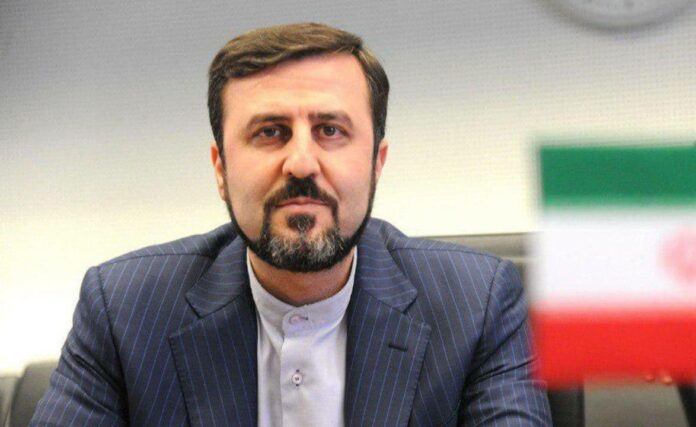
Iranian rights official slams crackdown in Canada
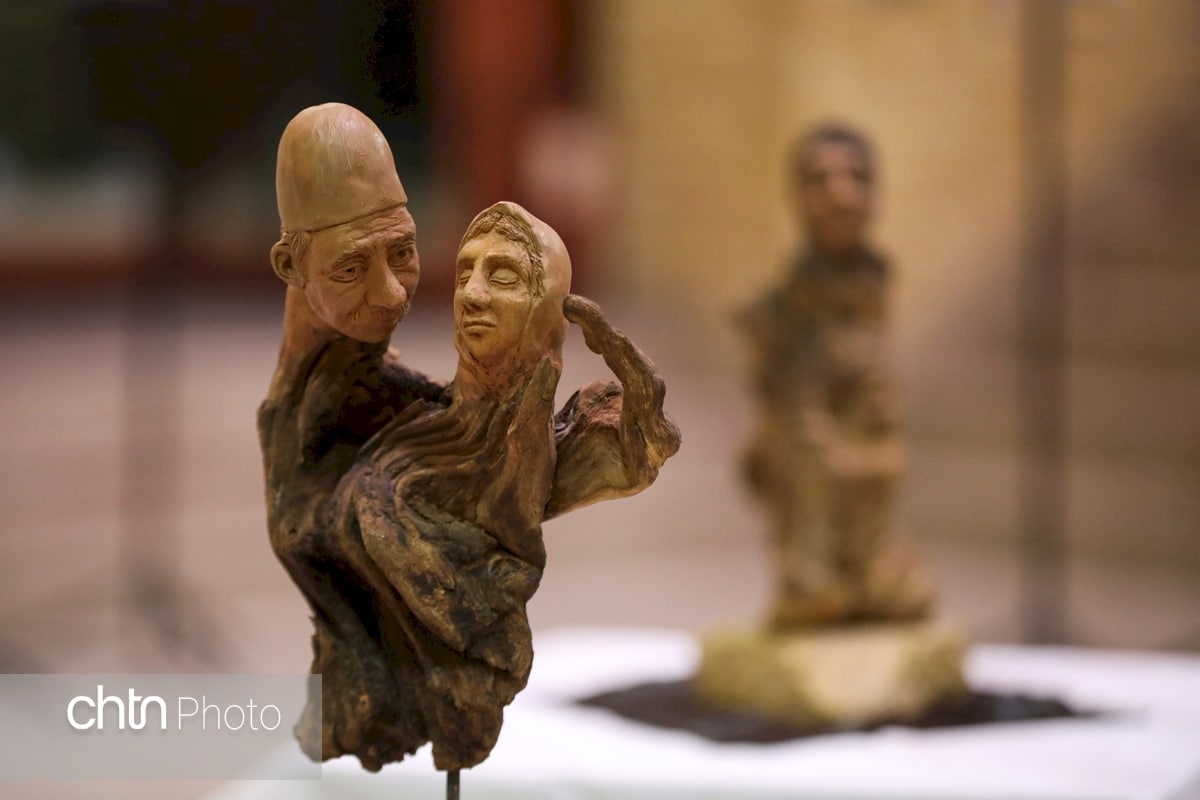
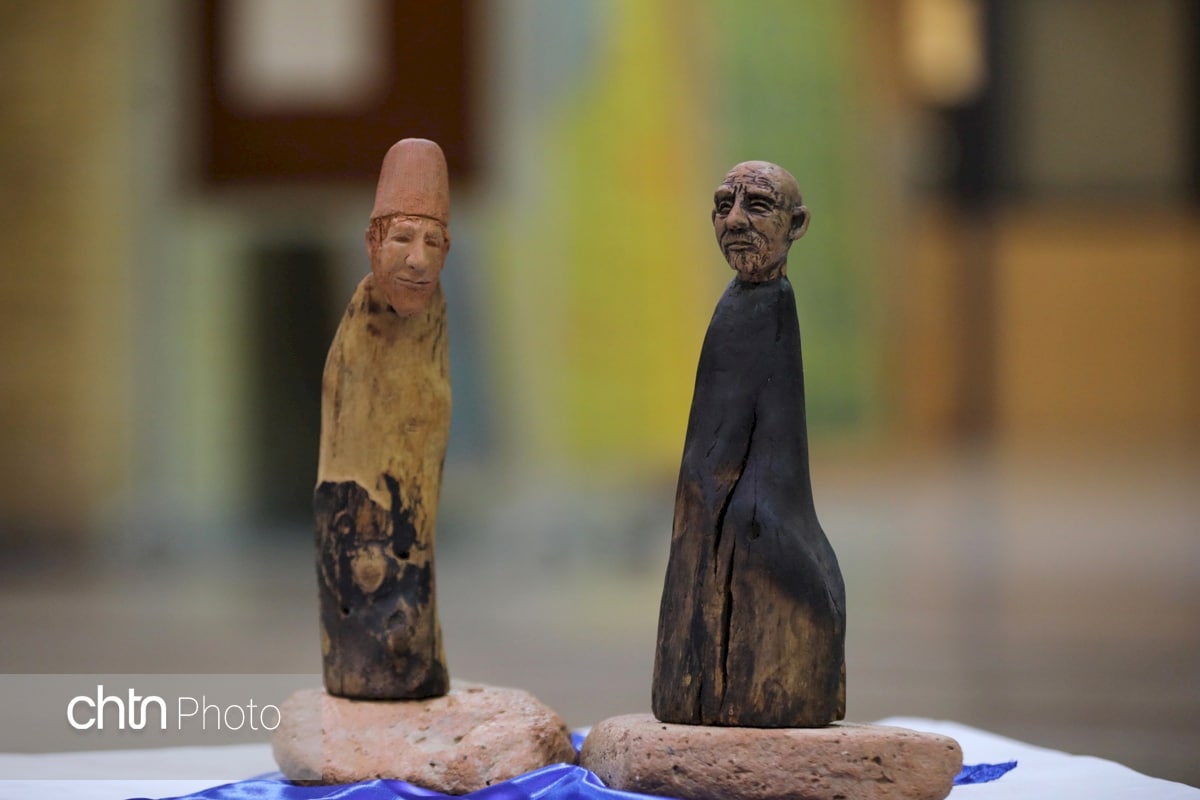
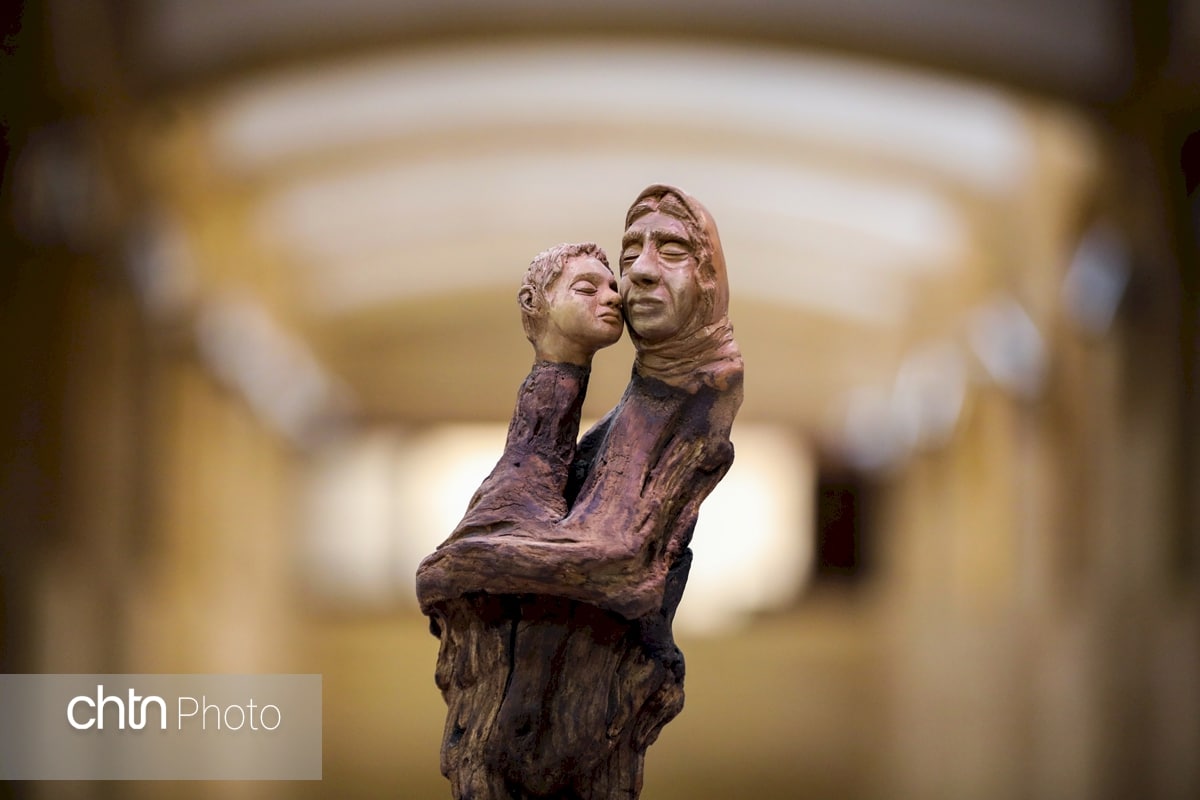
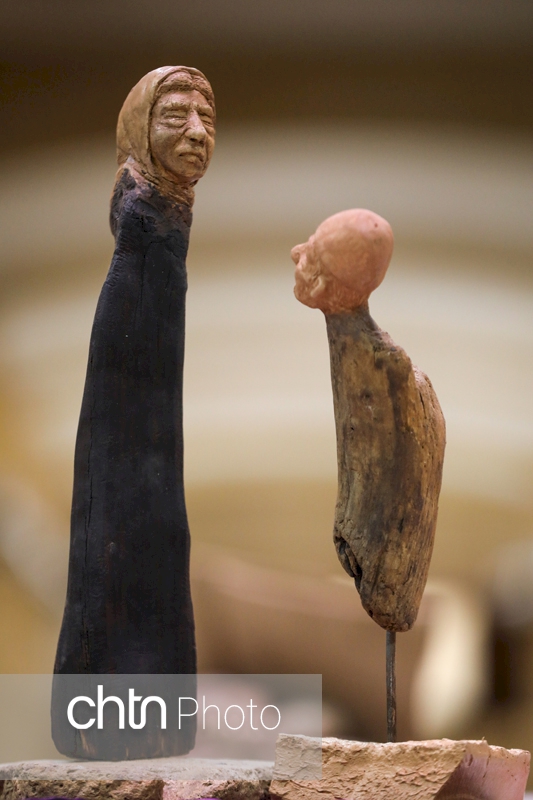
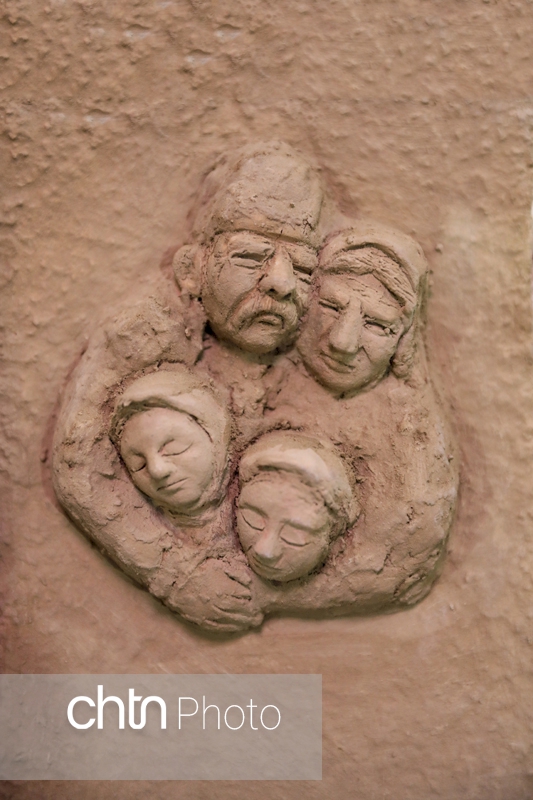
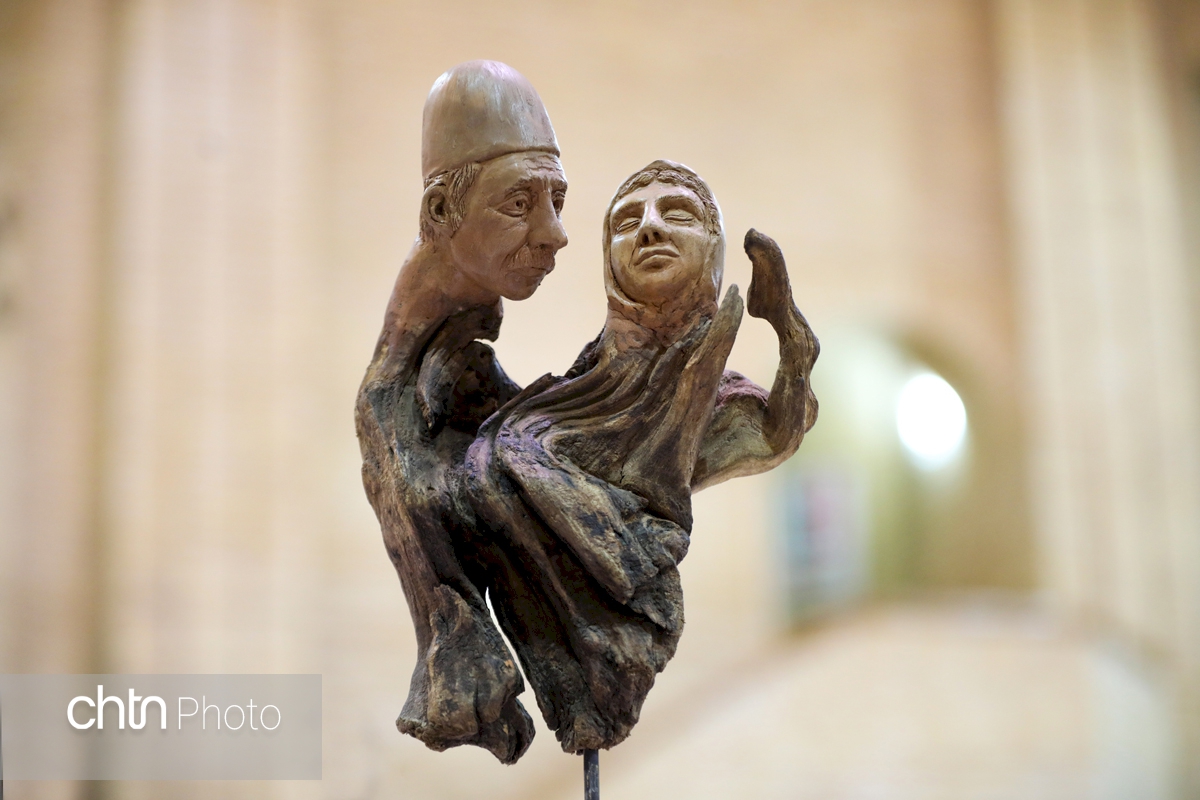
Iran hosts exhibition of compound sculptures
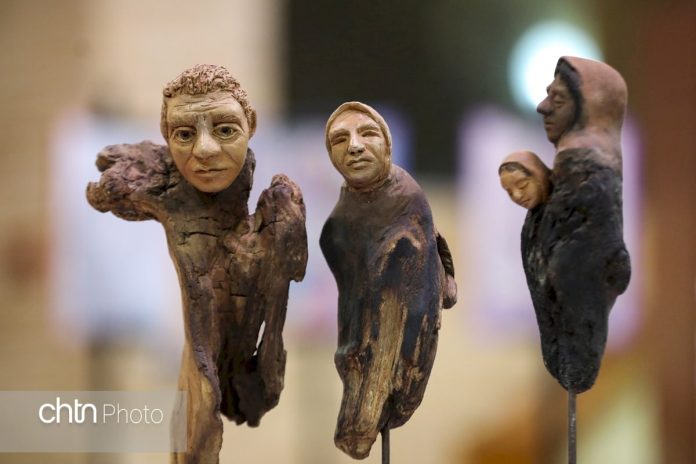
The exhibition, sponsored by the Ministry of Cultural Heritage, Tourism and Handicrafts, puts on display the works of art by handicraft artist Mohammad Shams.




Iranian FM: Tehran ready to expand ties with Norway in oil, gas industries
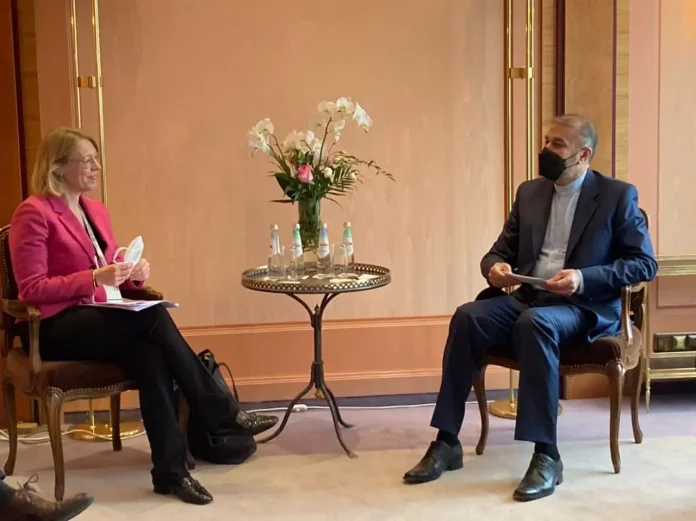
Amir Abdollahian also cited agriculture, renewable energy and fisheries as other spheres in which the two countries can work together.
Amir Abdollahian and Anniken Huitfeldt were meeting on the sidelines of the Munich Security Conference on Sunday.
The Iranian foreign minister stressed the need for Iran and Norway to pursue trade and economic ties regardless of the Vienna talks.
He added that good agreements have been signed between the two countries in the past, and they can serve as a basis for expanding cooperation.
Referring to the strategic position of Iran, Amir Abdollahian described the country’s south and north transit routes as a capacity to facilitate the access of European countries, including Norway, to the Central Asian region and the Caucasus.
The Norwegian foreign minister also expressed hope that after an agreement is reached in the Vienna talks, a new chapter will open in economic relations with Iran.
Saudi FM holds talks with US’ Blinken, EU’s Borrell over Iran, Yemen
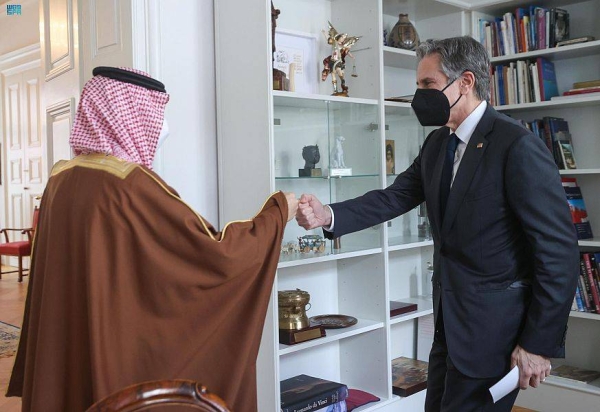
Prince Faisal and Blinken met on the sidelines of the Munich Security Conference and discussed “the importance of stopping Yemen’s Houthi attacks on civil and economic facilities, and their threat to international navigation”, Saudi Press Agency reported.
Moreover, the Saudi and EU officials discussed “ways to enhance joint efforts to stop Houthi violations in Yemen that are obstructing a political solution in the country”.
They also discussed the latest regional and international developments, and efforts to strengthen international peace and security.
Saudi Arabia and its allies launched a war against the Arab world’s most impoverished nation in March 2015. The war has been seeking to restore power in Yemen to Riyadh’s favorite officials.
The war has left hundreds of thousands of Yemenis dead and displaced millions more. It has also destroyed Yemen’s infrastructure and spread famine and infectious diseases there.
The UN’s Development Programme reported last year the death toll of the war, now in its seventh year, will reach an estimated 377,000 by the end of 2021.
The fighting has seen some 80 percent of the population, or 24 million people, relying on aid and assistance, including 14.3 million who are in acute need.
Despite Saudi Arabia’s incessant bombardment of the impoverished country, the Yemeni forces have gradually grown stronger, leaving Riyadh and its allies, most notably the United Arab Emirates, bogged down in the country.
Prince Faisal has also discussed the Iran’s nuclear program and ongoing negotiations in the Austria’s capital with Blinken and Borrell.
The Vienna talks, which involve Iran as well as Britain, China, France, Germany and Russia directly, and the United States indirectly, resumed in late November with the aim of restoring the 2015 landmark agreement.
Western diplomats say they are now in the final phase of the talks and believe that a deal is within reach.
Iran has stressed the ball is in the court of the United States, and that Washington must remove the anti-Tehran sanctions.
Kremlin: Russia has no plan to invade other countries
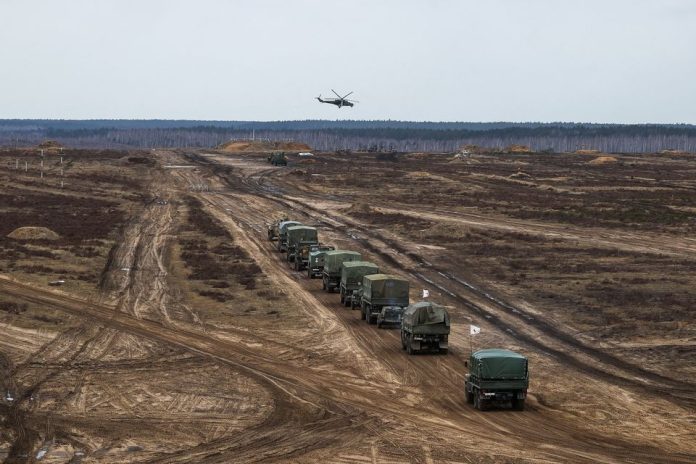
“We are calling for reason. We are urging [the West] to ask itself the question: What point would there be in Russia attacking anyone? We urge you to remember history. Let’s just say that, as we have seen recently, the West isn’t very good when it comes to history. But we remind you that Russia has never attacked anyone throughout its history,” Peskov said in an interview on Russian television on Sunday.
“And Russia, which has survived so many wars, is the last country in Europe that wants to speak about, even say the word ‘war’,” the spokesman added.
Peskov’s comments follow months of speculation by officials and media in the US and among their NATO allies that Russia is preparing to launch an all-out attack against Ukraine. Last week, Politico, PBS and other outlets reported, citing officials, that Russia would definitely begin an invasion of Ukraine on 16 February. The ‘attack deadline’ came and passed without incident, prompting outlets to establish a new deadline, now said to be sometime after 20 February.
On Friday, US President Joe Biden declared that he was “convinced” that Russia’s Vladimir Putin had “made the decision” to invade Ukraine “in the coming days.” When asked to elaborate, Biden said the US had “a significant intelligence capability” and abruptly ended the press conference.
On Sunday, British Prime Minister Boris Johnson claimed that Russia was planning “the biggest war in Europe since 1945,” adding that “people need to understand the sheer cost in human life that could entail.”
The United States and Britain would cut off Russian companies’ access to US dollars and British pounds if the Kremlin orders an invasion of Ukraine, Johnson continued.
The fabled “Russian invasion” has yet to commence. However, the past few days have seen a dramatic escalation of tensions in eastern Ukraine, with authorities from the self-proclaimed Donetsk and Lugansk People’s Republics reporting massive Ukrainian artillery and mortar fire, sniper attacks and infiltration, sabotage and attempted bombing incidents. The Donbass militias fear an all-out invasion by Kiev may be imminent, and have begun an evacuation of their civilian populations to Russia, while calling up reserves.
Western leaders and media have remained largely silent on the Donbass escalation, while Kiev has blamed Moscow, claiming that Russia is artificially fomenting tensions. On Friday, the Russian president called on Ukraine’s leaders to sit down with the Donbass breakaways as soon as possible for peace talks.
On Sunday, Minsk announced Russian military exercises in Belarus – originally scheduled to end on Sunday – will continue, pointing to an increase in tensions along the Ukraine border.
Belarusian Defence Minister Viktor Khrenin stated Russian troops will not withdraw from the country because of rising tensions in Ukraine’s disputed Donbas region and “in connection with the increase in military activity near the external borders” of Russia and Belarus.
On Saturday, Putin ordered the start of strategic nuclear exercises involving launches of ballistic missiles. Separately, Belarusian President Alexander Lukashenko, a close ally of Putin, took part in military exercises alongside Putin from a situation centre in the Kremlin.
The drills involved the Russian Aerospace Force, units of the Southern Military District, the Strategic Missile Troops, the Northern and Black Sea Fleets.
Raisi: Iran sees no limit to boosting ties with Uzbekistan, C Asia states
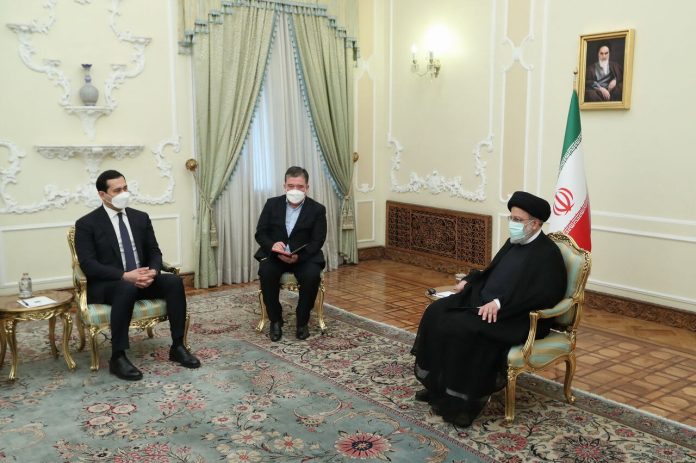
In a meeting on Sunday with Uzbekistan’s visiting Deputy Prime Minister and Minister of Investment and Foreign Trade Sardar Omar Zakov, Raisi highlighted the vast potentials for cooperation between the two states, especially in the areas of economy, agriculture, industry, transit, energy and tourism.
He said the mutual capacities and resources could be used to advance the interests of the two nations and other regional countries.
There is a “political will” in both countries to deepen relations in all areas “and we are resolved to take great steps toward the development and prosperity of the two states by activating all the capacities,” Raisi added.
“Tehran welcomes an increasing expansion of relations with all Central Asian states, particularly Uzbekistan, and sees no limit to this issue,” the president said.
For his part, the Uzbek deputy premier said his country was seeking the enhancement of ties with Tehran in economic and cultural spheres.
The official said Tashkent began work to draw up a road map for the enhancement of ties with Tehran shortly after a meeting between the presidents of the two countries in November 2021.
He said a high-ranking delegation of economic officials and businessmen were accompanying him during his trip to Tehran so that they can study ways to bolster bilateral ties and operationalize the roadmap.
UN slams Israel expulsion of Palestinians from WB as ‘violation of intl. law’
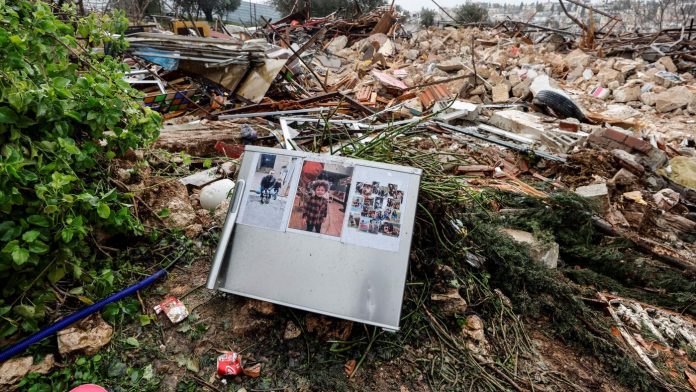
Stephane Dujarric, a spokesman for UN Secretary-General Antonio Guterres, made the remarks at a weekly news conference at the UN headquarters in New York on Sunday, after a UN delegation visited the occupied Palestinian territories, where they met a Palestinian family facing imminent eviction in Sheikh Jarrah.
“Representatives of the United Nations, which are responsible for humanitarian measures, visited the neighborhood of Sheikh Jarrah,” Dujarric said, as he confirmed the news of the visit.
He added that a number of UN and its affiliated agencies’ representatives met with a Palestinian family, who have been living in their home for 70 years in Sheikh Jarrah, and are now facing the risk of displacement.
The Palestinian family includes six children and an elderly woman and is one of 218 Palestinian families, comprising 970 individuals, who live in the neighborhoods of East al-Quds, including Sheikh Jarrah and Silwan.
Dujarric said the UN has repeatedly called for an end to the forced eviction and demolition of homes in the occupied West Bank and East al-Quds.
He added under international humanitarian law, Israeli forces are prohibited from forcibly deporting protected persons, regardless of the motive behind such deportation.
Dujarric further called on the Israeli authorities to “adopt the necessary steps to protect civilians, including Palestinian refugees.”
Sheikh Jarrah has been a flashpoint witnessing crackdowns by Israeli forces on the Palestinians protesting against the threatened expulsion of dozens of Palestinian families from their homes in favor of Israeli settlers.
Since Israel seized East al-Quds in a 1967 war, Israeli settler organizations have claimed ownership of land in Sheikh Jarrah and filed multiple lawsuits to evict Palestinians from the area.
Much of the international community considers the Israeli settlement structures illegal under international law due to their construction on occupied territory.
The looming Sheikh Jarrah expulsions have also drawn international attention and sparked global outrage. The forced evictions are widely seen as part of Israel’s attempts to change the demographic character of the occupied territories.
Iran MPs demand govt. not to sign deal in Vienna without guarantees
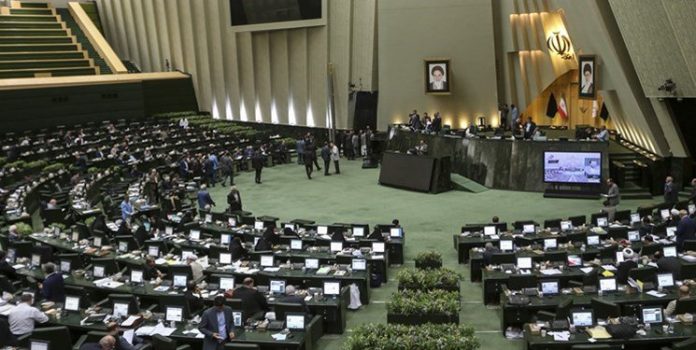
The lawmakers made the demand in a letter to the government.
They thanked the Raisi administration for standing its ground in the Vienna talks, urging it to not give up on Iran’s national interests.
The letter said the Iranian government must learn a lesson from the past as the oppressive and terrorist government of the US and its allies, namely the EU troika, do not abide by any of their commitments and are after dealing a blow to Iran.
It added that the US government and others must give assurances that they will not leave the JCPOA after its revival and will not trigger the so-called snapback mechanism against Iran.
The letter also said the US and the EU troika- Britain, France and Germany- must guarantee that they will remove all sanctions imposed on Iran under false pretexts like support for terrorism, the nuclear and missile programs and human rights.
As for verification, the lawmakers said the US and other parties to the JCPOA must first remove the sanctions and only after Iran has verified their compliance with it, fulfill its obligations under the deal.
The letter added that under Article 7 of the Strategic Action Law of the Iranian parliament, the Government of the Islamic Republic is obliged to report to the legislature the fulfillment of commitments by the West in lifting sanctions, especially oil and banking sanctions and the return of Iranian revenues without any problems.
Iranian FM: Tehran won’t disregard its red lines in Vienna talks
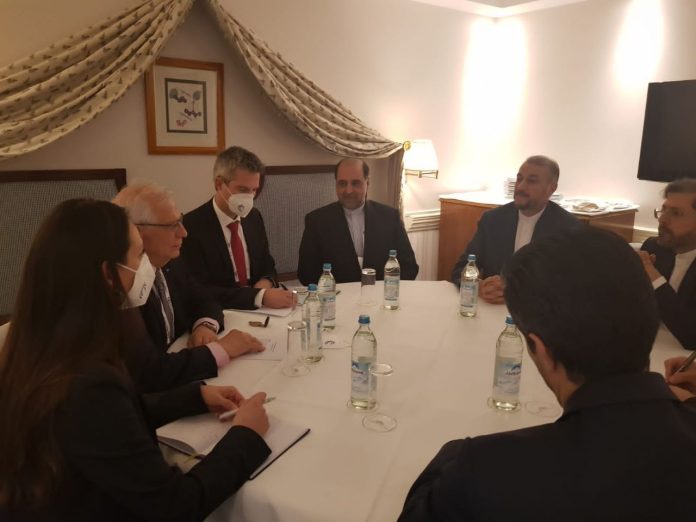
Speaking at a meeting with EU Foreign Policy Chief Josef Borrell on the sidelines of the Munich Security Conference, Amir Abdollahian said it’s time Washington and the three European countries showed they are genuinely determined to reach an agreement with Tehran in the shortest possible time by making necessary political decisions.
The foreign minister said were it not for Iran’s initiatives and proposals, the parties to the talks in Vienna would not be so close to a deal.
He however said the other sides should know Iran will not disregard its red lines. Amir Abdollahian also thanked Borrell and his deputy Enrique Mora who is also the Vienna talks’ coordinator for their role in the negotiations.
During the meeting, Borrell reviewed various parts of the text being discussed with regard to sanctions removal, nuclear commitments, verification and obtaining guarantees, and outlined his views as the Iran nuclear deal’s coordinator.
The two sides agreed to continue their consultations.
Later in the day, Amri Abdollahain discussed the Vienna talks with Spanish Foreign Minister José Manuel Albares.
He told Albares that the negotiations have reached a point where all sides need to make political decisions to reach an agreement, and in this regard, the European troika must heed their role as signatories to the Iran nuclear deal, JCPOA, and try to respect the legitimate rights and interests of Iran.
The Spanish foreign minister said his country has maintained ties with Iran despite sanctions.
Albares said it was difficult for Madrid to do so, but Spain decided to stay in Iran and this shows the Islamic Republic’s importance for the Spanish government and people.
COVID deaths on rise in Iran as Omicron sends more people to hospitals
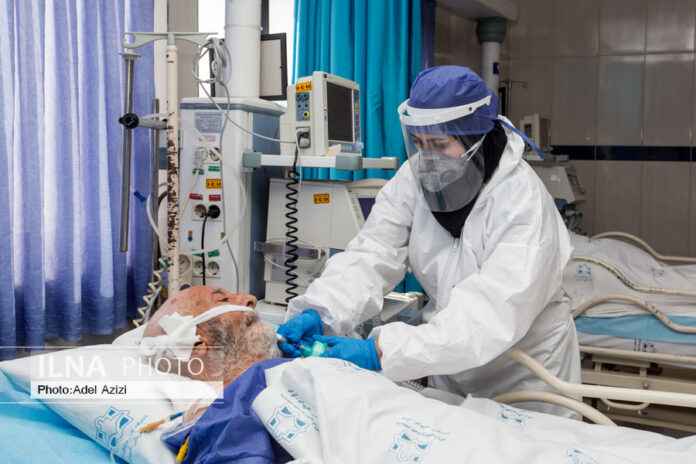
The figures released by the Health Ministry on Sunday showed 242 people had lost their lives to the infectious disease over the past 24 hours, up from 191 a day earlier, pushing the total number of deaths to 135,040.
In the past day, 16,967 cases of infection were detected countrywide, with 2,315 hospitalizations.
With the latest tally, 6,942,452 people have so far contracted the respiratory disease since the coronavirus first showed up in Iran in early 2020.
Meanwhile, a total of 139,467,054 doses of vaccine have been administered in the country, with officials increasingly urging the public to take inoculation seriously.
Officials say many of the hospitalized patients are those who have failed to receive a vaccine, including children.
Across Iran, 337 cities have been classified as ‘red’ in the country’s four-tier, color-coded coronavirus map in the face of Omicron’s sweeping spread. There are 64 ‘orange’ cities, 47 yellow ones, and no ‘blue’ zone.
