Wednesday, December 24, 2025
Home Blog Page 2050

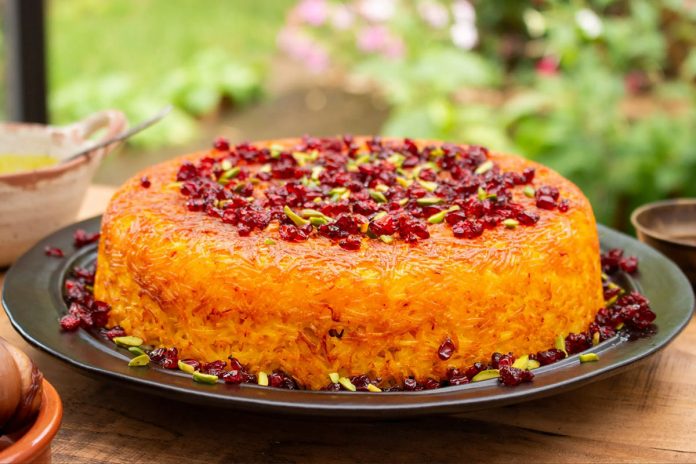
Recipe for Tahchin

Tahchin Recipe

Tahchin is a rice dish flavored with saffron which can appear in one or a few layers with different fillings including chicken, barberries, fried spinach and onions, lamb, or an optional mixture of them. It can also be cooked in one layer with no filling.

The following are instructions for cooking the dish with a filling of chicken pieces and barberries.

Ingredients For Tahchin:

1. Four cups rice (400 grams)

2. Four to five egg yolks

3. 300 grams strained plain yoghurt

4. 300 grams chicken breast

  • To give it a pleasant taste, you can cook it with some sticks of celery, one carrot, one onion, some cloves of garlic and salt to taste. Cut the cooked chicken into pieces. You can marinate the pieces in yoghurt flavored with saffron a night before, if you like.

5. One heaped teaspoon saffron

  • You will need a pestle and mortar to grind it into powder; the powder should not be prepared much in advance, because it will lose part of its aromatic smell. You had better brew it with a little hot water to have better color and aroma. The more saffron is used in the dish, the darker yellow the final meal will be.

6. ½ cup oil/ melted butter

7. 50 grams barberries

  • Soak the barberries for about 10 minutes, then rinse and drain them. Add one tablespoon of sugar, one tablespoon of oil and one tablespoon of brewed saffron to them and leave the mix for half an hour. After that in a frying pan over a low heat, fry them for about two minutes just to let them get warm.

8. Slivered pistachios to taste as a garnish

9. Salt to taste

Cooking Steps For Tahchin

1. Rinse the rice with lukewarm water a few times, then soak it for a few hours in water to which four tablespoons of salt has been added. Bring some water to a boil in a pot. Drain the salt water from the rice and then add the rice to the boiling water. Leave the rice in the boiling water until it is al dente. The rice should be neither too hard nor too soft; it should be firm and slightly chewy. Avoid overcooking the rice.
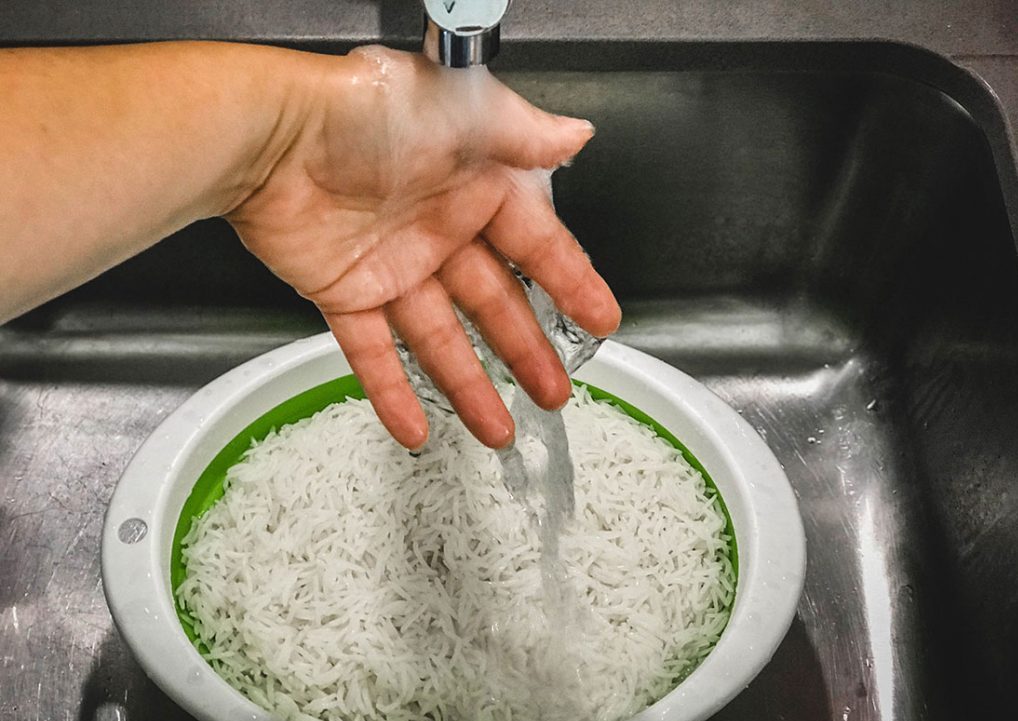
Cooking Steps For Tahchin

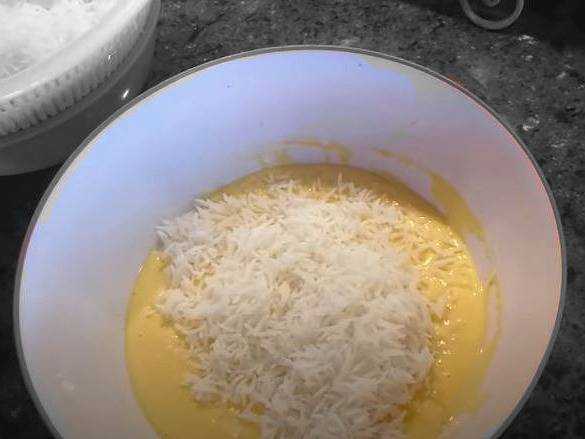
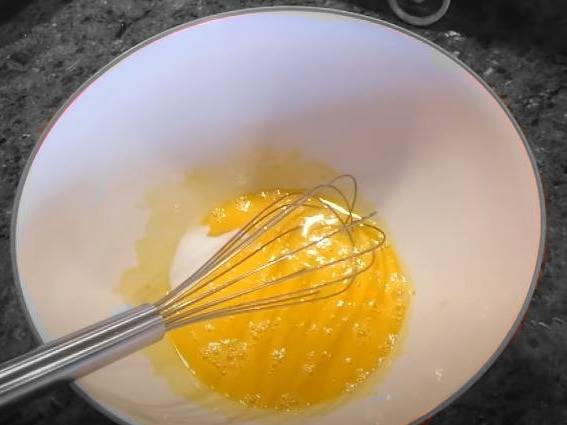
2. In a large bowl, beat the egg yolks, brewed saffron (wikipedia), strained plain yoghurt and oil. Add salt to the mix to taste. Then add in the rice and mix them altogether.
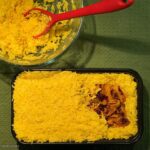
3. Take an oven-safe glass dish [because it’s easier to check on Tahchin and find out when the bottom and side of the dish have turned golden and crispy] and grease it well.With a spatula, spread a layer of the mix evenly at the bottom of the dish.

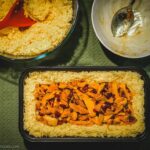
4. Press the first layer down with the back of the spatula, and then cover it with chicken pieces and fried barberries.Place the barberries toward the center, because they tend to burn if they are close to the sides of the dish. Put another layer of the mix on top.

The number of layers depends on the depth of your dish. What is important is that each layer should be spread evenly and pressed firmly down, so that your Tahchin won’t finally fall apart.

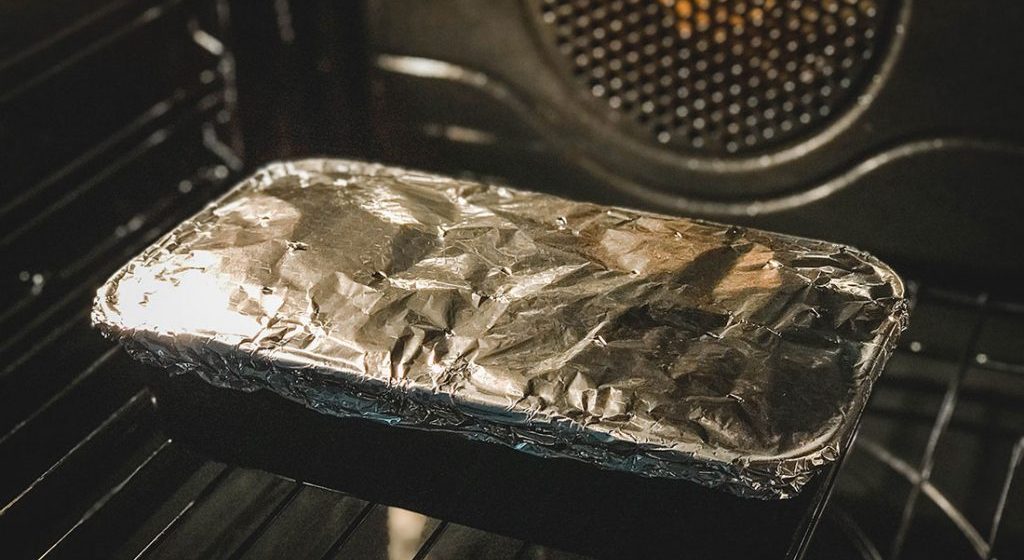
Pour a few spoons of melted butter over the last layer if you like. Cover the dish with silver foil. You can make a few small holes in the foil to let steam go away while it is being prepared in the oven.

5. Preheat the oven to 180˚ C for a quarter. Place the dish in the oven. It usually takes between one to two hours to be ready. You need to check on the dish after one hour and take it out when a golden, crispy crust is formed at the bottom and the sides.
What You Need To Make Tahchin Recipe

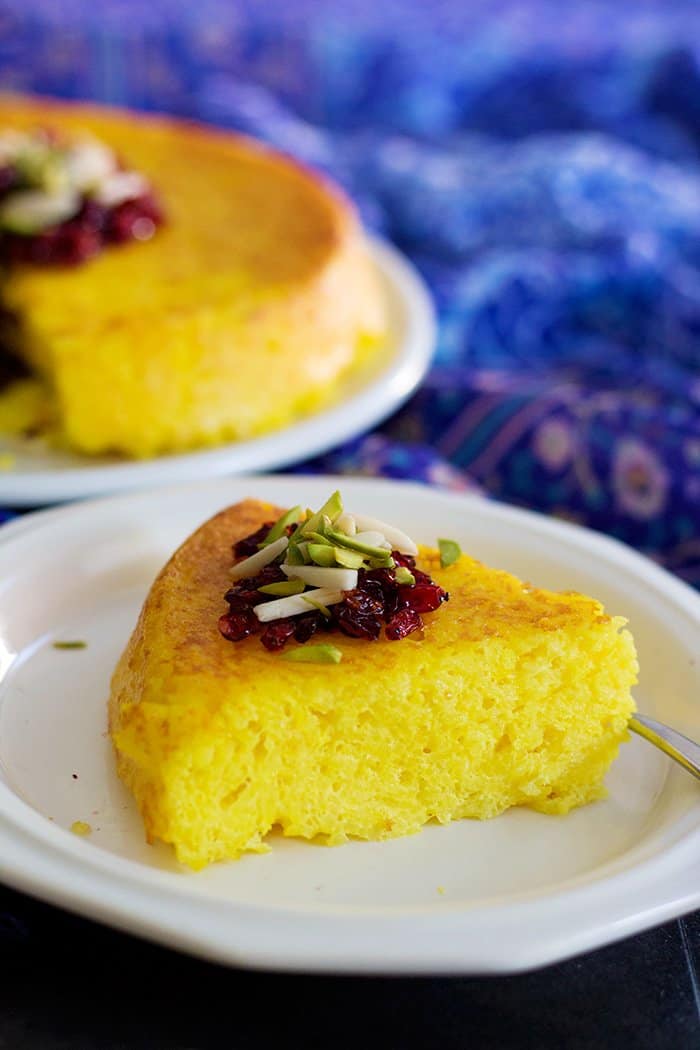
6. Remove the dish from the oven and let it cool for a few minutes. Put the serving platter upside down on the dish and then flip it over so that the crispy golden crust will be on top. If you fail to grease the dish, Tahchin won’t come off easily.

7. You can garnish the dish with fried barberries and slivered pistachios.

 Make Tahchin

Additional tips for making Tahchin

  1. The shape of your mold can be different and therefore your Tahchin can be round, square, rectangular, etc. according to your taste.
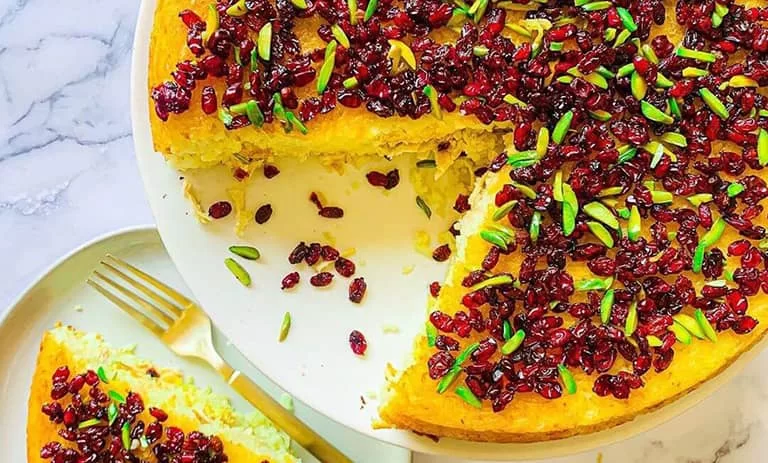
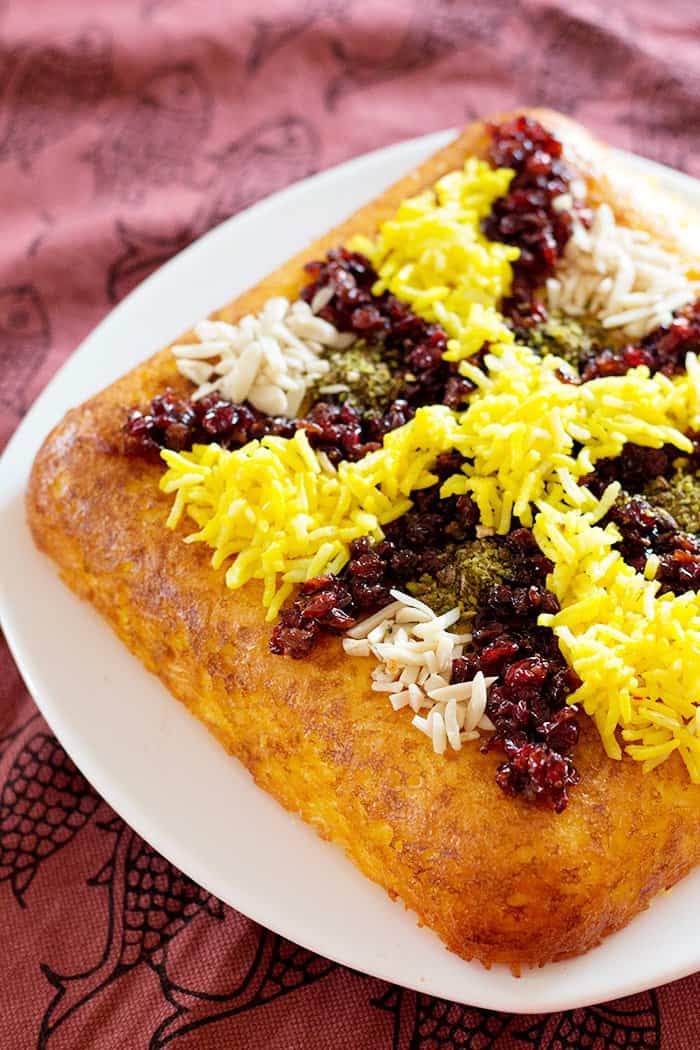
2. The mold can be large or small. You can cut the Tahchin made in a large mold according to your taste or make it in small molds for each person.

3. In Iranian restaurants and at parties, small slices of Tahchin are usually served next to the main course of the meal.
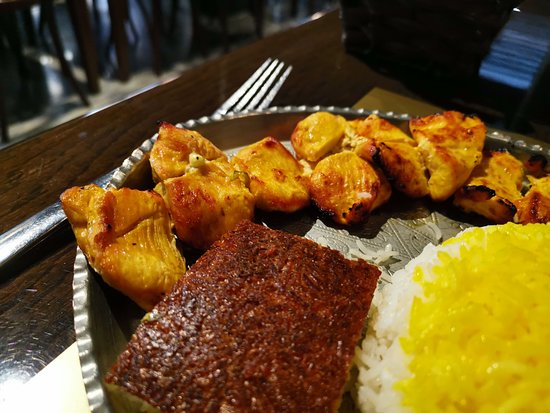
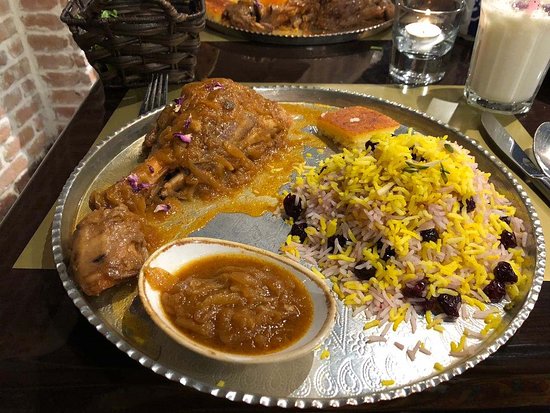
4. You can use different things such as barberries, pistachio, almond, etc. to decorate Tahchin.

Different types of Tehchin are cooked in Iranian cities.

This difference is due to the use of different ingredients (such as chicken, meat, spinach and…) that are added to the main paste (rice, saffron, yogurt, eggs.) Chicken Tahchin, meat Tahchin, eggplant Tahchin and spinach Tahchin are the most common types in Iran.
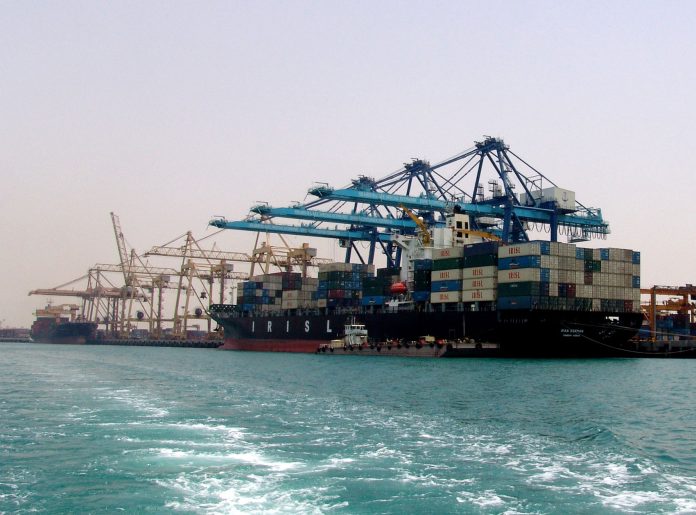
Historic growth in Iran’s foreign trade

Iran’s foreign trade

The Iranian Customs spokesman said nearly 16 million tons of goods worth some 10 billion dollars were exchanged between Iran and other countries between January 21 and February 21.

That translates into 45% increase in weight and 52% in value compared to the same period last year. Seyyed Ruhollah Latifi said China, Turkey and Iraq respectively had the highest amount of trade with Iran during the period.

The hike in foreign trade comes as Iran has been under harsh US sanctions since 2018. The sanctions were placed on the Islamic Republic as part of the US’s so-called maximum pressure.

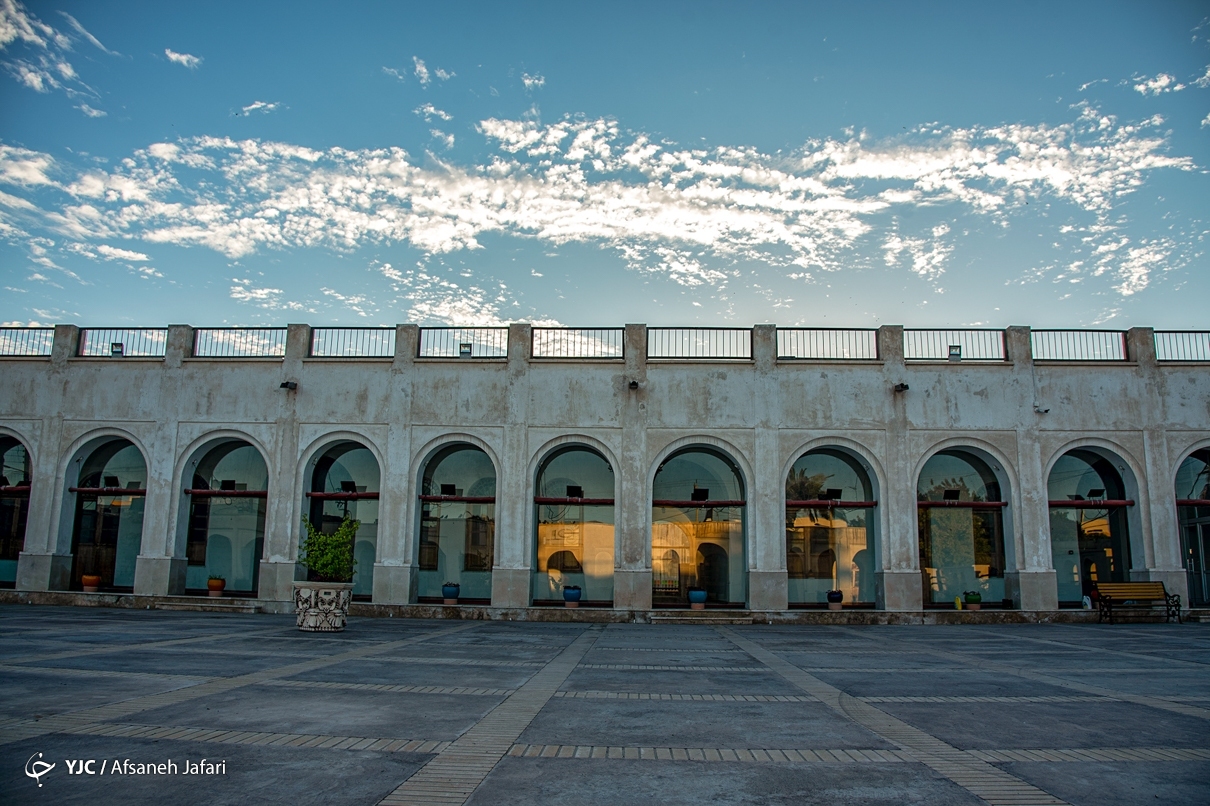
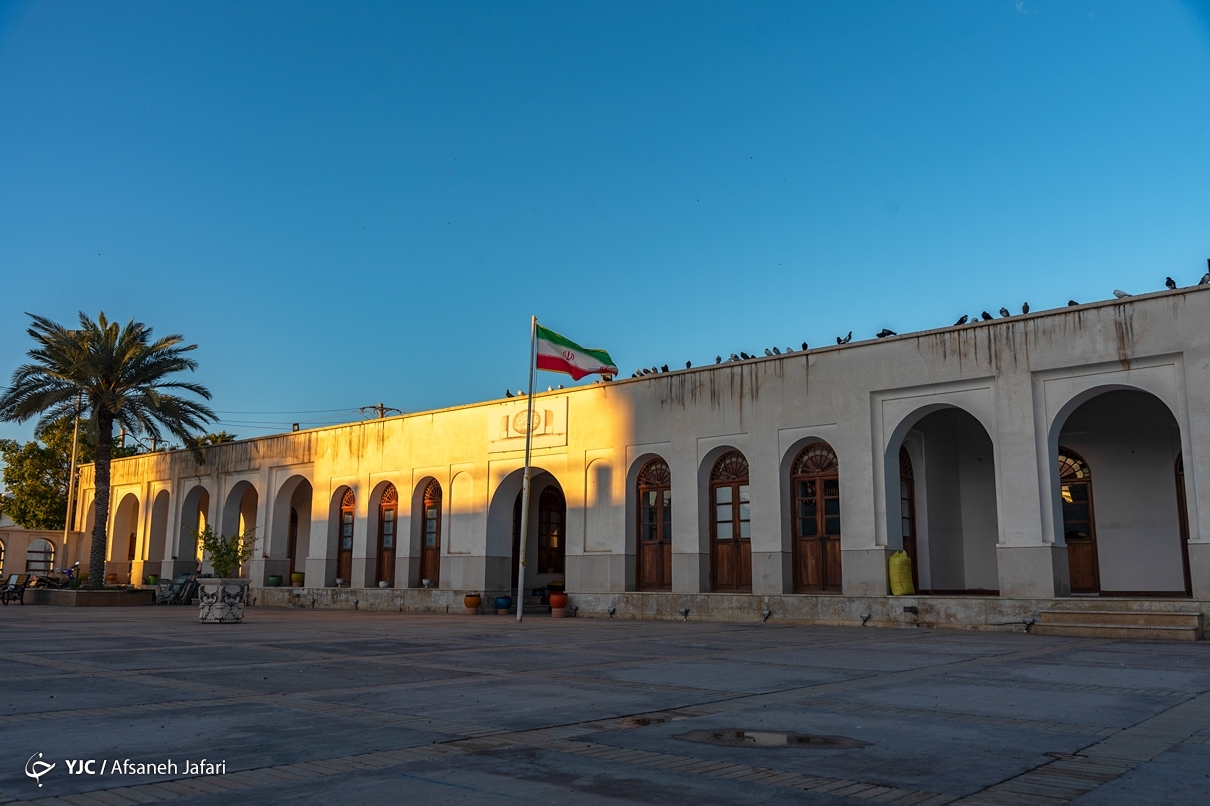
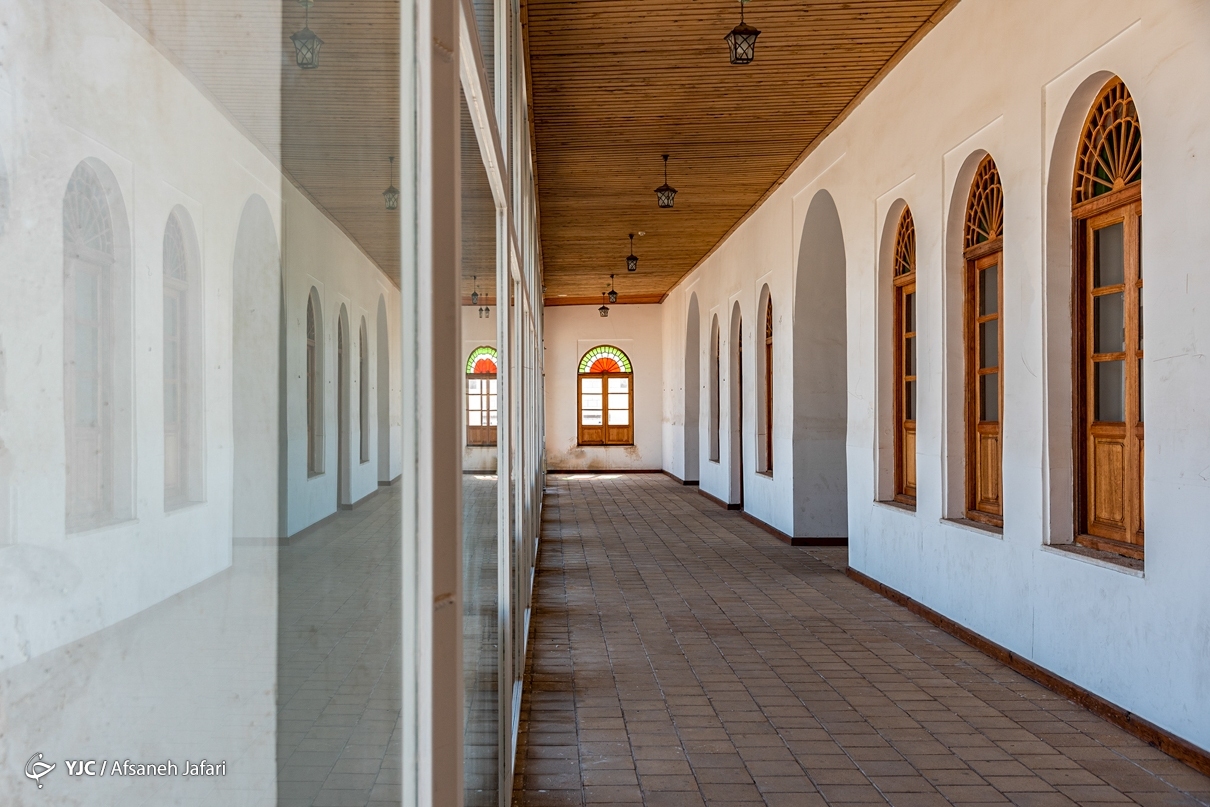
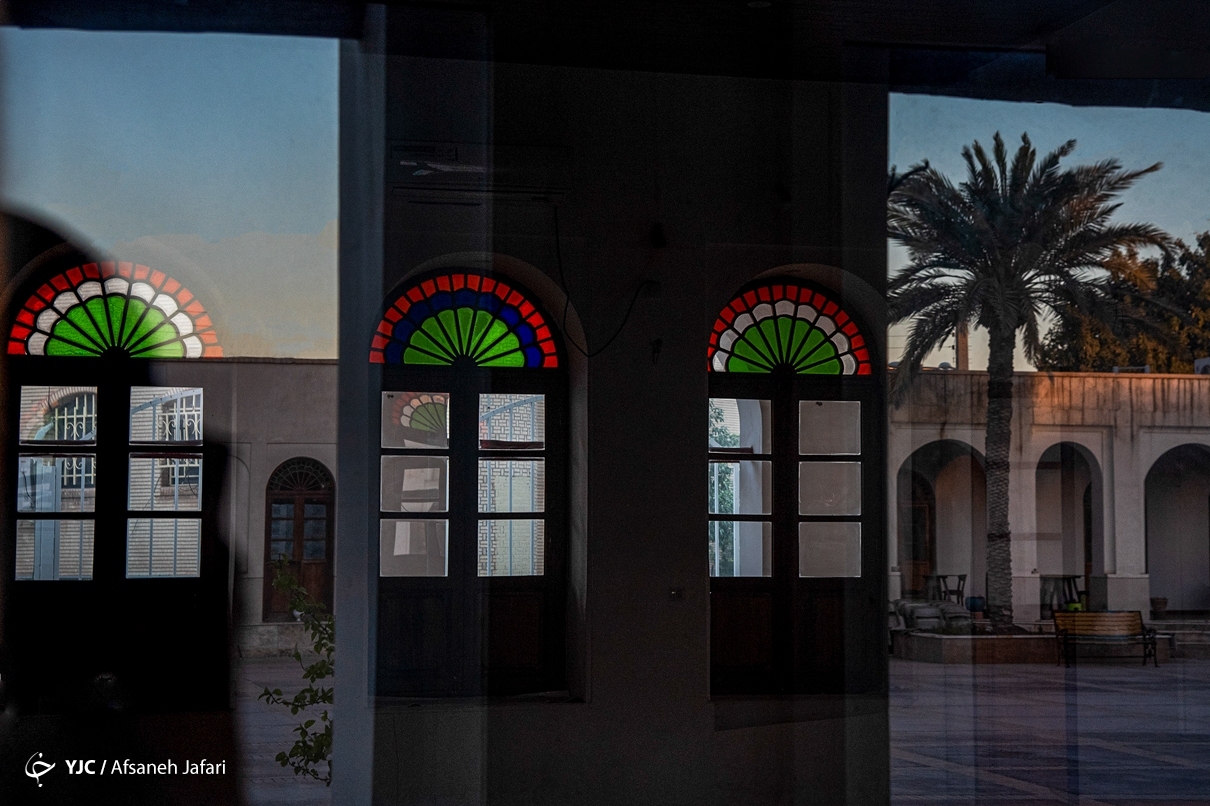
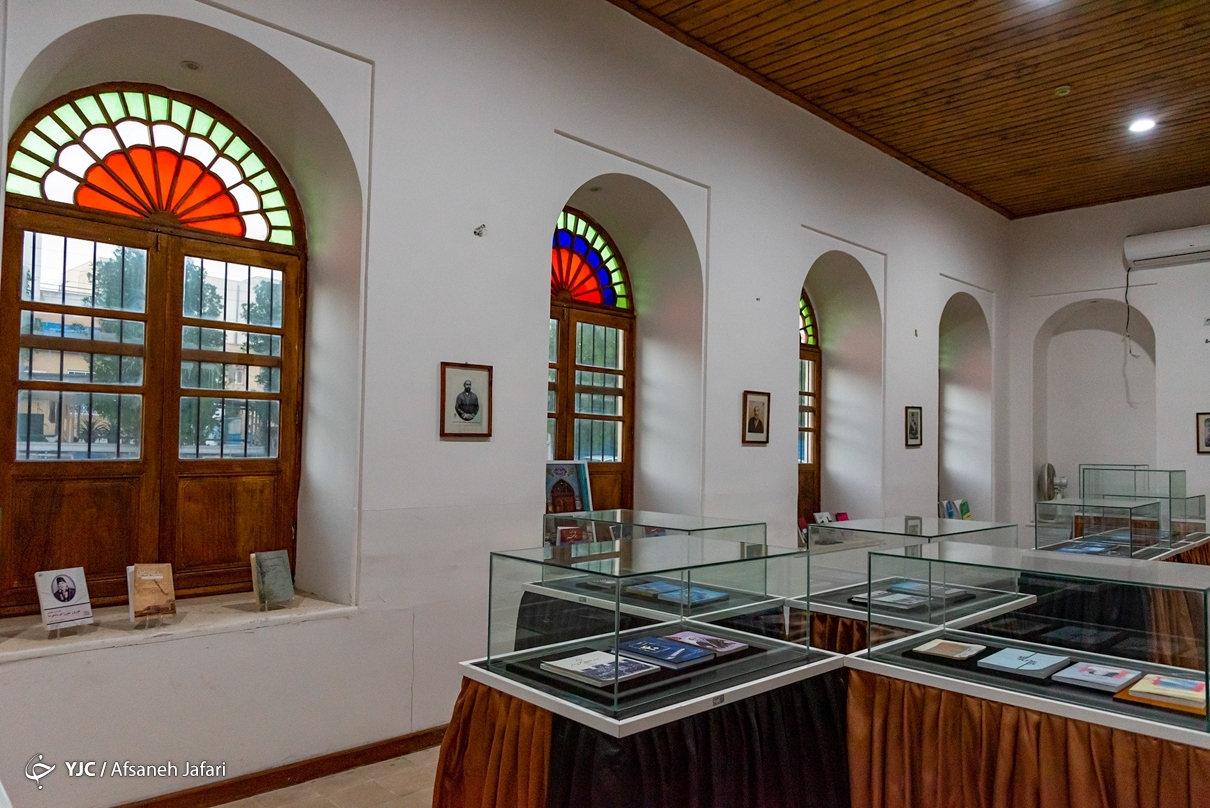
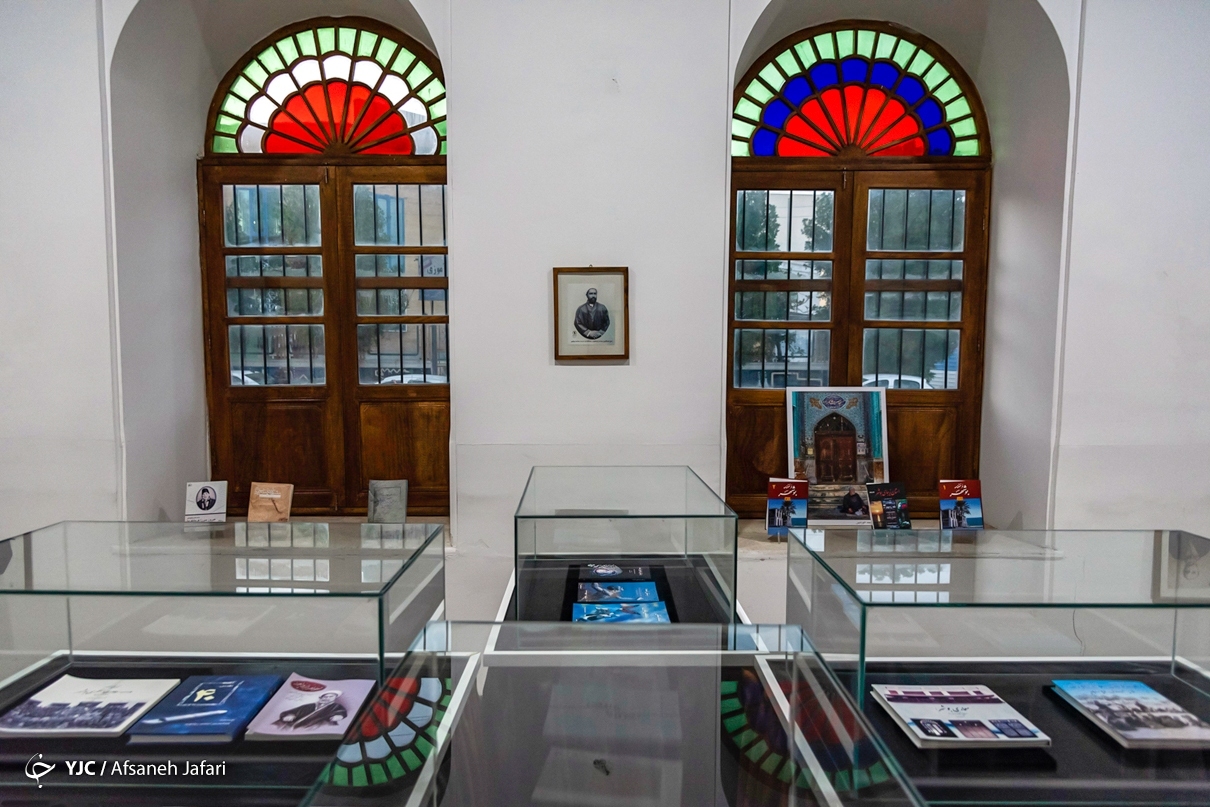
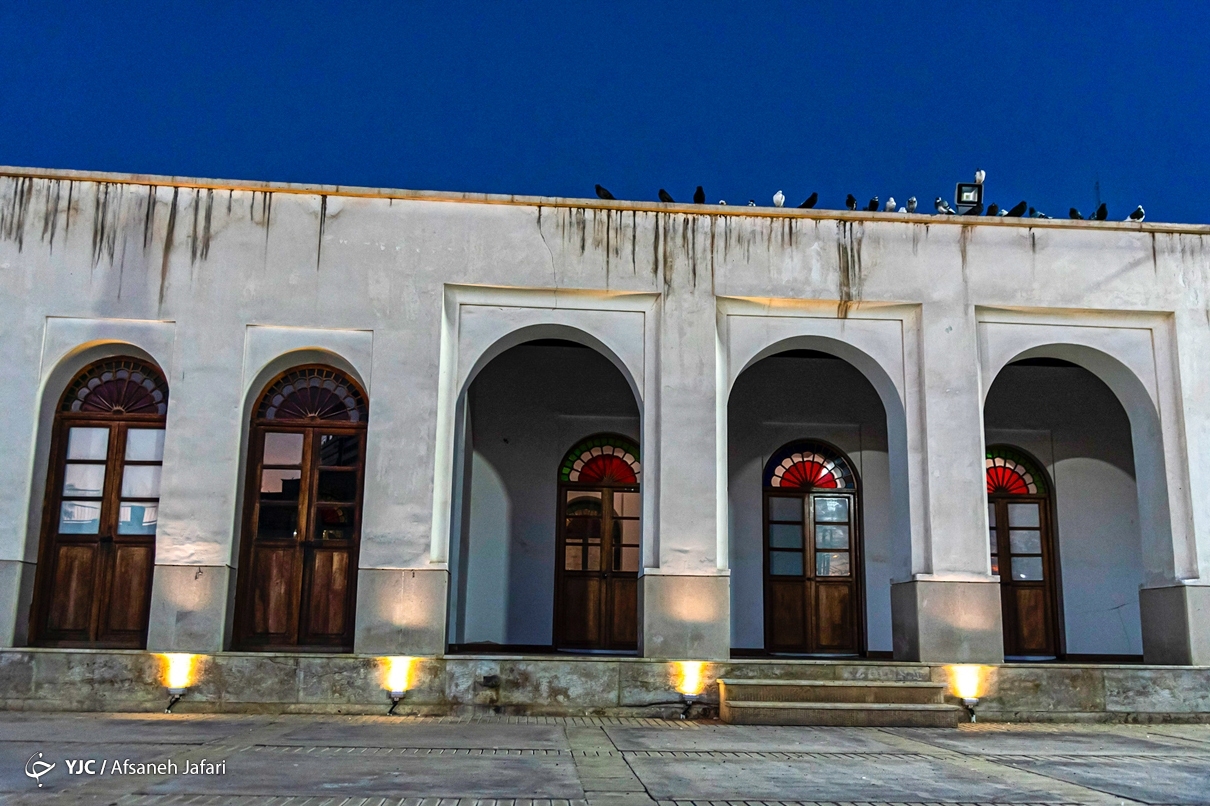
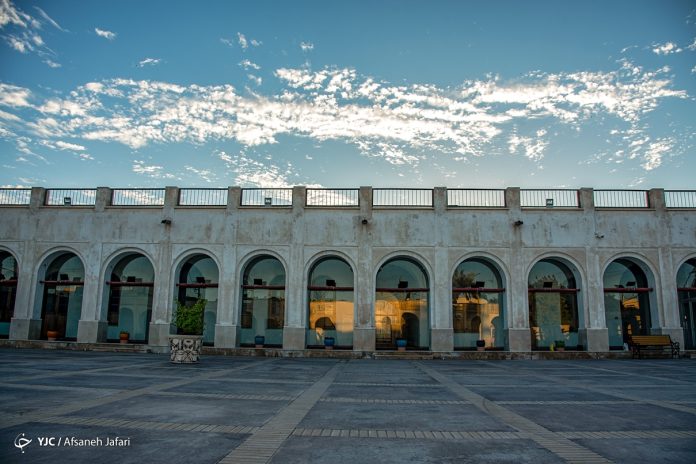
Sa’adat, a historical school in Iran’s Bushehr

Built in 1939, the school is known as the country’s fifth school site that live on in history. It is one of the most important tourist destinations in the city.

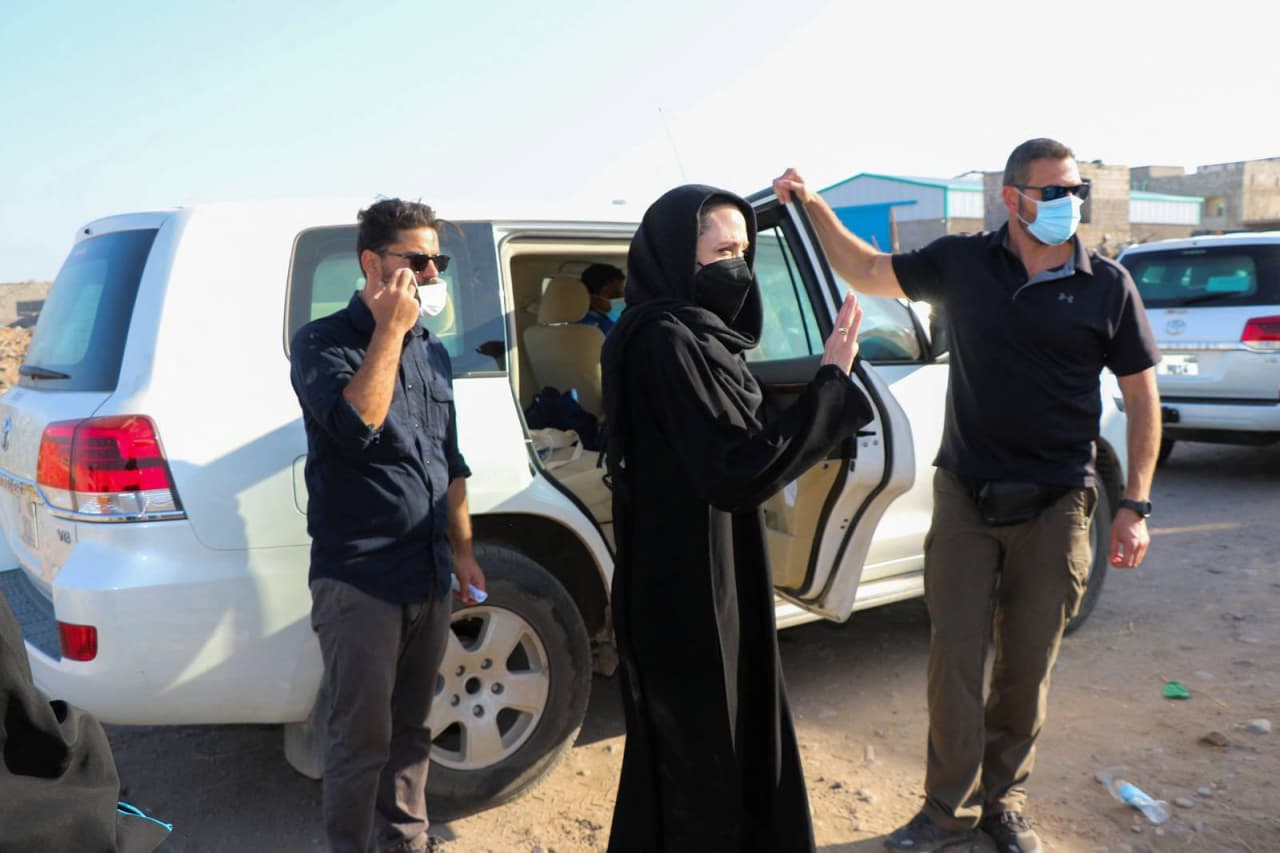
Angelina Jolie decries ‘unimaginable’ plight of Yemenis

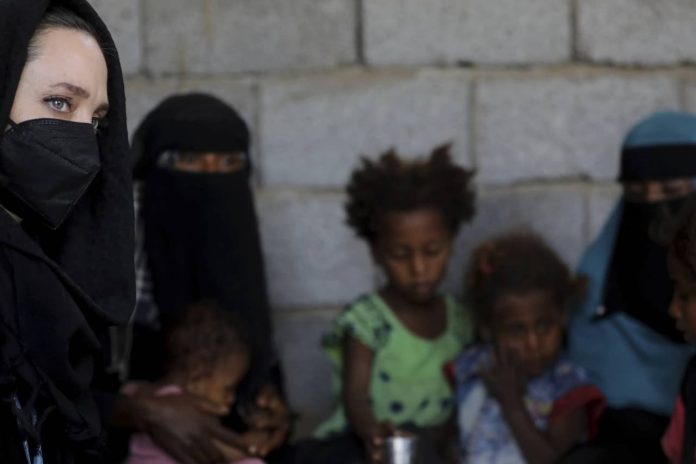
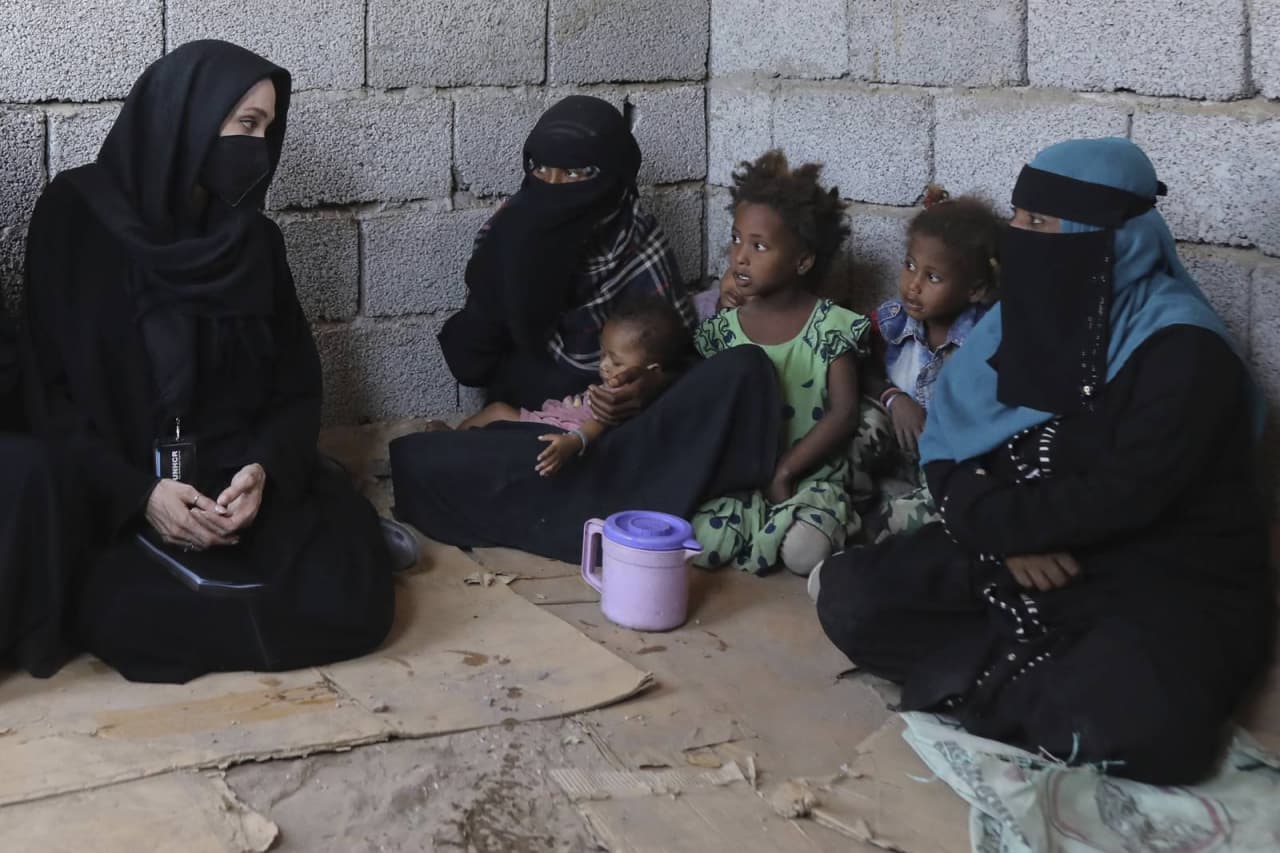
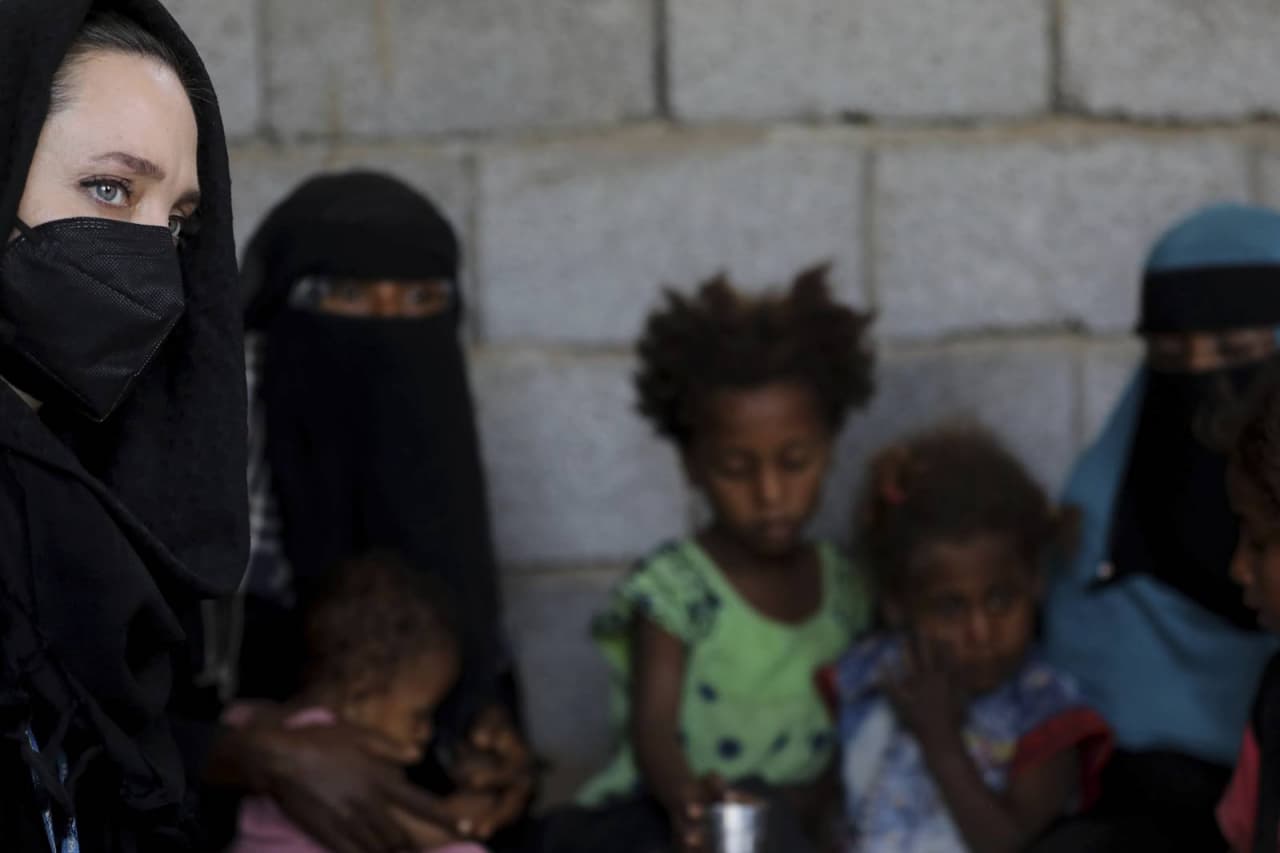
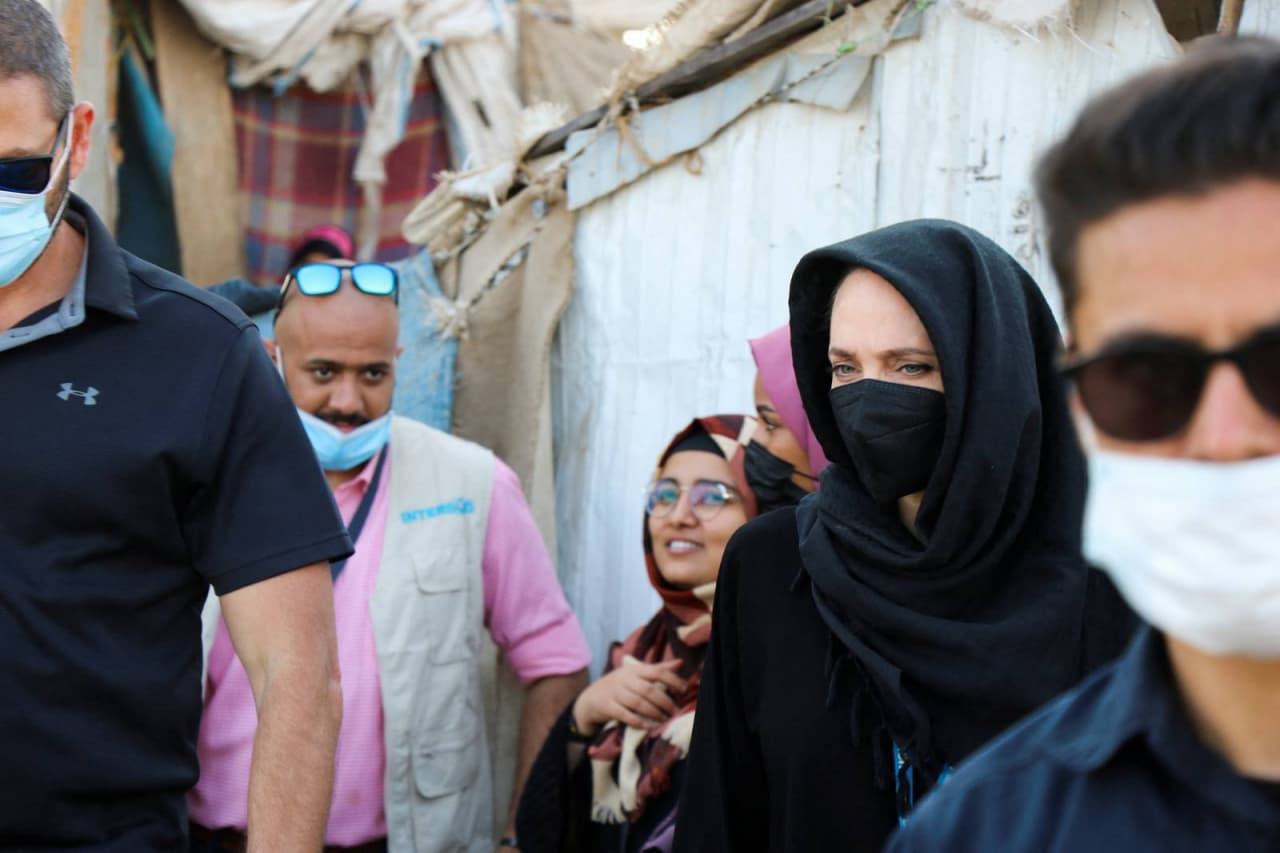
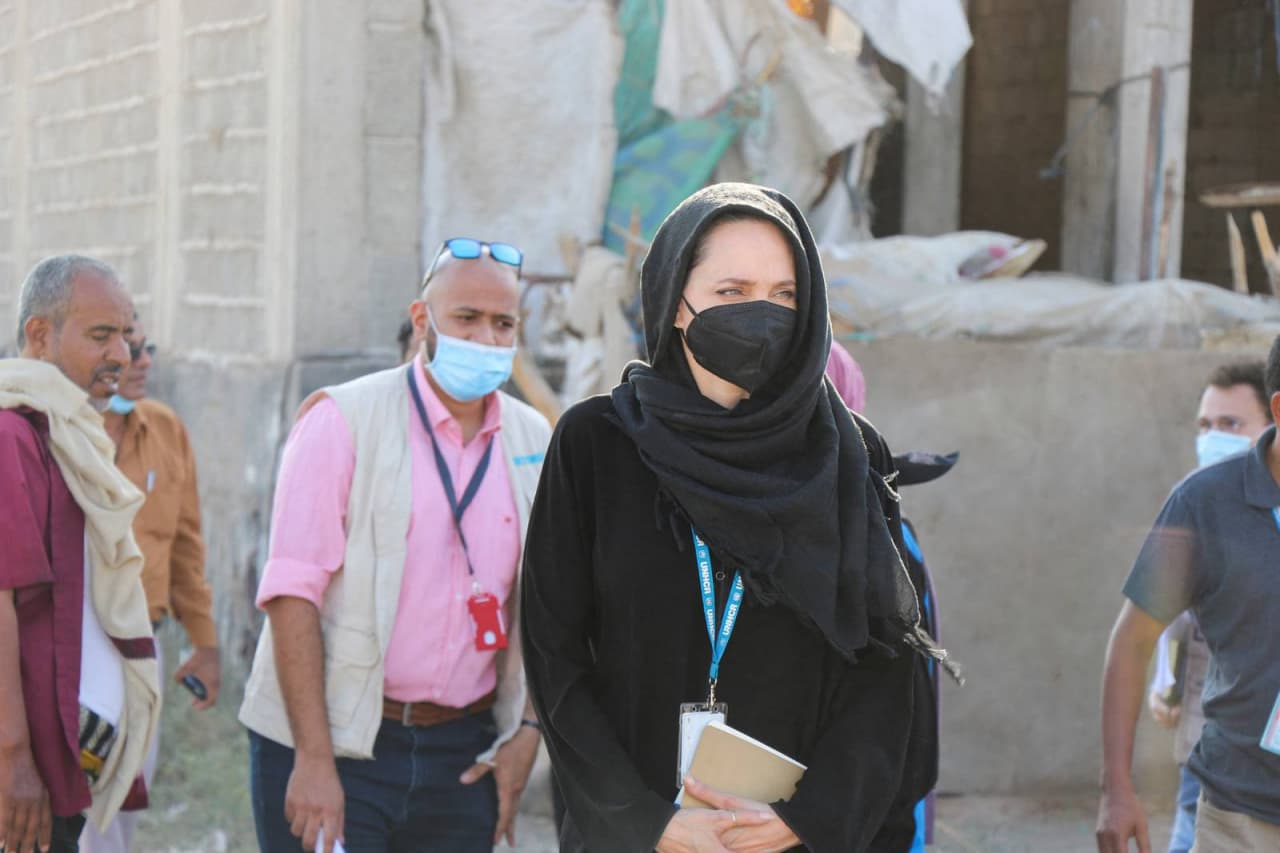
Jolie, the star and director of numerous films, sounded the alarm about impoverished conditions in Yemen after meeting displaced Yemenis in the south and the north of the country.

“The level of human suffering here is unimaginable,” said Jolie, celebrity envoy for the UN refugee agency since 2011.

“For every day that Yemen’s brutal conflict continues, more and more innocent lives are lost, and more people will continue to suffer,” she added.

The actress met families displaced by fighting living in flimsy shelters in southern Yemen’s Lahj governorate.

One mother told the actress how she struggles to feed her children and enrol them in school.

In the north, the actress heard similarly tragic stories of death, displacement and suffering amid fighting between rebels, pro-government and foreign coalition forces.

Jolie noted how headlines are dominated by “suffering and horror” but that this can mask “displays of compassion and international solidarity” that she witnessed during her three-day visit, which began on Sunday.

“I hope this compassion and solidarity will be extended to the people of Yemen, who urgently need a swift and peaceful resolution to this conflict,” she stated.

Her visit came in the run-up to the annual pledging meeting for Yemen on March 16.

UN aid chiefs worry that donor fatigue will affect the event, as governments shift spending to Ukraine, Afghanistan and other global hotspots.

She said aid appeals were “underfunded globally” and urged donors to give generously, according to a statement from UNHCR.

“We urgently need to find solutions that enable conflicts to be addressed and displaced people to be able to return home in dignity and safety,” she added.

Saudi Arabia and its allies launched a war against the Arab world’s most impoverished nation in March 2015. The war has been seeking to restore power in Yemen to Riyadh’s favorite officials.

The war has left hundreds of thousands of Yemenis dead and displaced millions more. It has also destroyed Yemen’s infrastructure and spread famine and infectious diseases there.

The war has claimed more than 370,000 lives, directly and indirectly, the UN says, and has caused widespread suffering, with four fifths of Yemen’s 30 million people needing aid.

The fighting has seen some 80 percent of the population, or 24 million people, relying on aid and assistance, including 14.3 million who are in acute need.

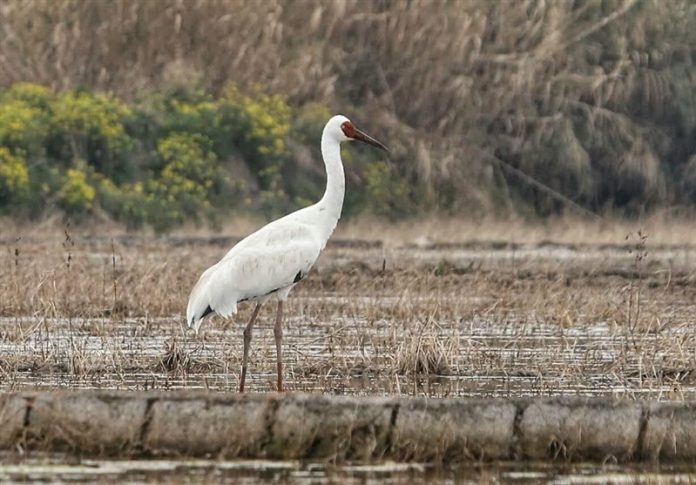
Single surviving W Siberian crane flying back home after spending winter in Iran

The bird, named Omid (Hope), the lone survivor of its population, habitually spends the roughly four cold months of the year in Iran’s Fereyddonkenar wetland, where weather conditions are better in the winter.

Omid has been flying to Iran without company for the past 14 years.

The Siberian crane, also known as the Siberian white crane or the snow crane, is a bird of the family Gruidae. They are distinctive among the cranes for the snowy white color of the adults, and have two breeding populations in the Arctic tundra of western and eastern Russia.

The eastern population migrates during winter to China, while the western population — only one of which remains — spends the cold season in Iran.

Iran slams West for granting immunity to MKO

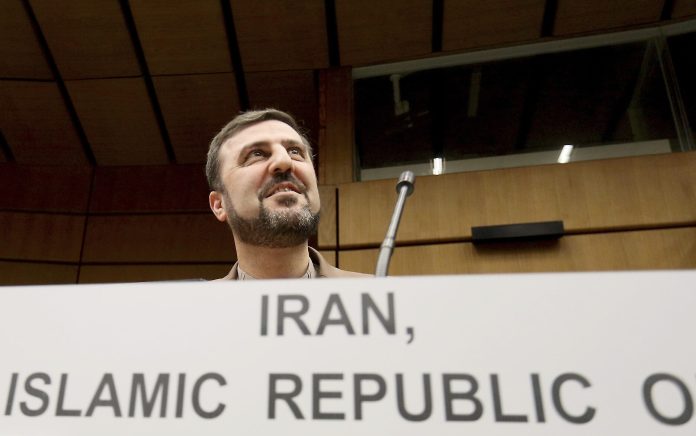
Iran's Ambassador to the International Atomic Energy Agency, IAEA, Gharib Abadi, waits for the start of the IAEA board of governors meeting at the International Center in Vienna, Austria, Thursday, Nov. 7, 2019. (AP Photo/Ronald Zak)

Kazem Gharibabadi, secretary of the country’s High Council for Human Rights, made the remarks in a letter addressed to the United Nations secretary-general, the UN high commissioner for human rights, and the UN Human Rights Council as well as the heads of the European Council, Commission, and Parliament.

The group, he wrote, is responsible for carrying out most of the assassinations that have targeted the Iranian people since the 1979 victory of Iran’s Islamic Revolution.

“In order to introduce the MKO, it suffices to say that their top priority and the main basis of performance [relies on] assassination and murdering the individuals, who do not adhere to the same ideas as they [themselves],” the letter read.

The MKO has a dark history of assassinations and bombings against the Iranian government and nation. It notoriously sided with Saddam Hussein in the former Iraqi dictator’s 1980-88 war against the Islamic Republic.

Out of the nearly 17,000 Iranians killed in terrorist assaults since the Revolution’s victory, about 12,000 have fallen victim to the MKO’s acts of terror.

Western countries, topped by the United States, have, however, taken the group out of their terror blacklists.

The group throws lavish conferences every year in Paris, with certain American, Western, and Saudi Arabian officials as its guests of honor. These have included former US national security advisor John Bolton, former US president Donald Trump’s personal lawyer Rudy Giuliani, former Canadian prime minister Stephen Harper, and former Saudi Arabian spy chief, Prince Turki al-Faisal.

Gharibabadi reprimanded some European countries for providing “safe havens” for the group, allowing it to set up its offices there, and even letting its members to address their government and parliament sessions.

The support, he regretted, had emboldened “the murderous and dangerous organization’s ringleaders to [even] introduce themselves as human rights supporters.”

“This dual perspective of the issue of human rights” and support for a group, which has the blood of thousands of Iranians on its hands “is not acceptable under any circumstances,” the letter said.

It finally urged the United Nations and the European Union to prevent the free movement of the MKO’s members across the European countries and elsewhere and hold them accountable for their atrocities.

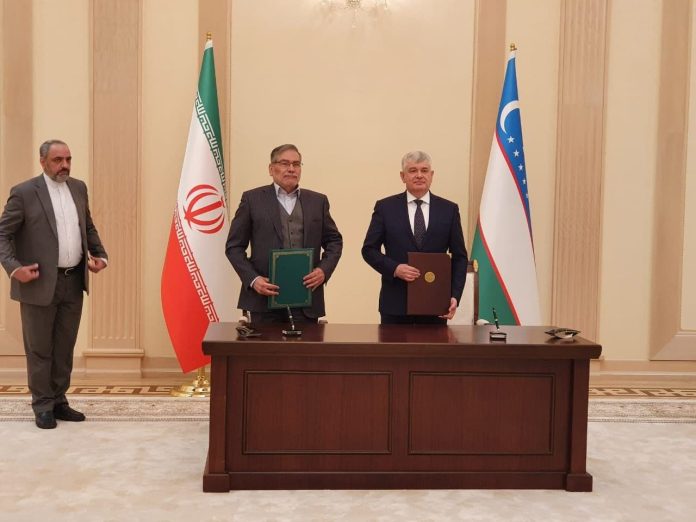
Iran, Uzbekistan agree to set up joint security committee

The document was signed on Wednesday during a meeting between Secretary of Iran’s Supreme National Security Council (SNSC) Ali Shamkhani and his Uzbek counterpart, Viktor Vladimirovich Makhmudov, in Tashkent.

The agreement paves the way for Tehran-Tashkent cooperation in fighting terrorism, extremism, drug trafficking, and other transnational organized crimes, according to an SNSC statement.

As part of their security-intelligence cooperation, the two states will convene annual committee meetings to assess the outcome of their joint efforts.

In a post on social media, Shamkhani described the inking of the agreement as an “important step” toward strengthening bilateral ties.

“Activating regional capacities to create lasting stability is a prerequisite for bolstering the policy of regional cooperation in [Iran’s] 13th administration,” the top security official added.

During the meeting, Shamkhani said, “Iran’s and Uzbekistan’s joint borders with Afghanistan necessitate joint cooperation in resolving the problems and establishing peace and security in the country.”

The Iranian security chief expressed hope for an acceleration of economic and trade relations between the two states.

In turn, Makhmudov urged a swift implementation of the deals reached between senior officials of Iran and Uzbekistan so that the two countries can maximize their cooperation in the fields of economy, transit and security.

He said Shamkhani’s visit to Tashkent would play a decisive role in promoting bilateral ties and fruitful security cooperation to safeguard regional stability and peace.

Shamkhani kicked off his visit to Uzbekistan on Tuesday.

Source: Vienna talks awaiting US decision

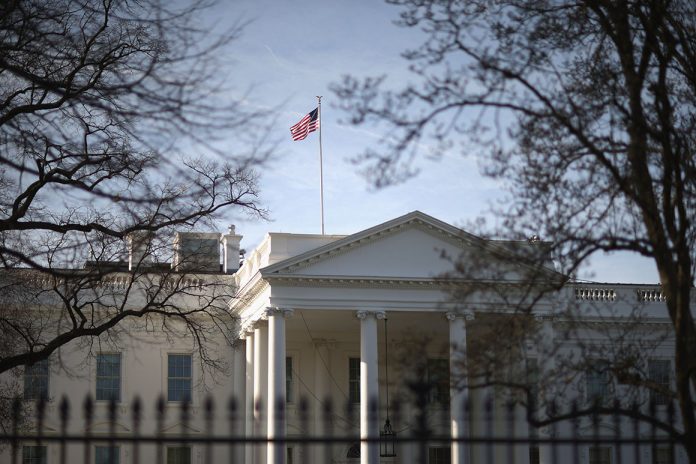
White House

“The Vienna talks have made significant progress over the past few weeks due to Iran’s initiatives and goodwill,” he said, adding that the agreement between Iran and the International Atomic Energy Agency to draw up a joint roadmap to resolve the remaining issues proves this.

The source noted that the US has delayed the process of reaching a good agreement by dragging its feet on making political decisions.

He said the US delegation in Vienna is waiting to receive necessary instructions on the remaining issues and that an agreement in Vienna today requires, more than anything else, a US response to proposals made in the talks.

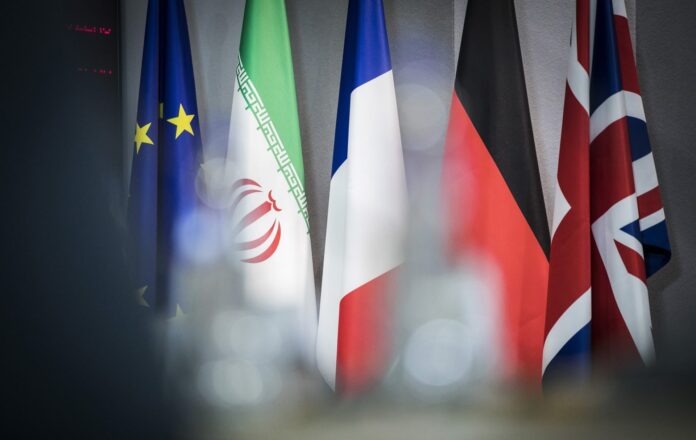
Iran and the P4+1 group of countries started their eighth round of talks to revive the 2015 nuclear deal in December.

During this period, they also drew up a draft agreement meticulously and closed many gaps.

A couple of differences remain which Iran says their resolution depends on political decisions in the US. The chief Iranian negotiator Ali Bagheri is now back in Tehran for consultations and reports say will return to Vienna soon.

IRGC: Israel to pay for air raid that claimed Iranian lives in Syria

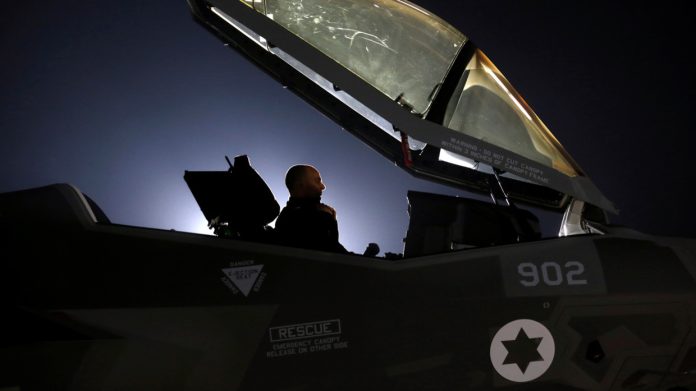
Israel Fighter Jet

In a statement issued late on Tuesday, the IRGC confirmed the martyrdom of two of its members in the Israeli aerial strike, which hit positions south of Damascus in a pre-dawn raid a day earlier.

The martyrs were identified as IRGC Colonels Ehsan Karbalaei-pour and Morteza Saeednejad.

“Without any doubt, the Zionist regime will pay for this crime,” the statement said.

The IRGC also offered sympathy with the bereaved families of the two martyrs and fellow soldiers.

The IRGC has sent military advisors to Syria at the request of the Damascus government in order to boost the Arab country’s fight against terror groups, many of which are Israeli-backed.

In a statement on Wednesday, the Iranian Foreign Ministry sharply condemned the Israeli crime and reaffirmed that the regime will not go unpunished.

The ministry’s spokesman, Saeed Khatibzadeh, said the Israeli crime stemmed from the aggressive, occupying and terrorist nature of the regime.

He added that holding the regime to account for its inhumane atrocities is among the goals of the region’s resistance axis.

Israel has stepped up its air raids on Syria over the past few years, after the Syrian army, backed by Iran and Russia, dealt stinging blows to foreign-sponsored terrorist groups on the battlefield and liberated almost all parts of the country.

US official says Russia demanding more in Iran nuclear deal

Vienna talks

Undersecretary of State for Political Affairs Victoria Nuland’s comments come after Secretary of State Antony Blinken said earlier in the day that Moscow remains engaged in the effort to salvage the Iran nuclear deal, despite a recent demand by the Russian foreign minister, Sergey Lavrov, for written guarantees that sanctions imposed for its invasion of Ukraine will not its impact future dealings with Tehran.

Nuland said “no” when asked at a US Senate Foreign Relations Committee hearing if the administration has provided any written guarantees to Russia that their trade, investment or military cooperation with Iran will not be subject to sanctions.

In his public comments, Blinken has stressed that the Ukraine and Iran nuclear deal issues are “totally different” and “not in any way linked together.”

However, when asked by Sen. Todd Young, a Republican from Indiana, if “anything about your negotiations with the Russians changed as a result of their invasion of Ukraine,” Nuland replied: “Senator in this open setting, I will simply say that you are right. Russia is trying to up the ante and broaden its demands with regard to the JCPOA and we are not playing ‘Let’s Make a Deal.’”

Nuland added the US is not negotiating with Russia “vis-à-vis” Iran and echoed the top US diplomat that Russia and the US share the “same strategic objective” when it comes to efforts to salvage the nuclear deal: to ensure that Iran is never able to get a nuclear weapon.

Tehran denies seeking nuclear weapons, stressing it wants to master nuclear technology for peaceful purposes.