Monday, December 22, 2025
Home Blog Page 1404

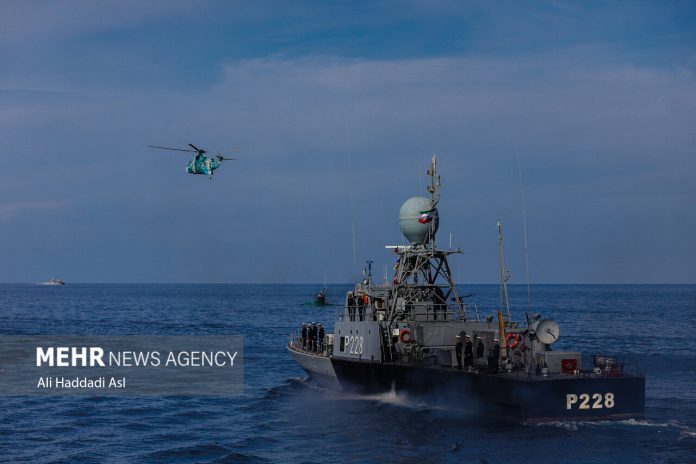
Navy chief: Iran will soon form alliance with Saudi Arabia, other regional states

Iran Navy

In an interview with the national television, Rear Admiral Shahram Irani said the regional countries had today reached the conclusion that security can be established in the region solely “through convergence and collective cooperation.”

To that effect, new regional and trans-regional alliances are in the making, said Irani.

Aside from Oman, Saudi Arabia, the UAE, Bahrain, Qatar, Iraq, Pakistan and India are willing to join the naval alliance with Iran, the Navy commander added.

The news follows a historic reconciliation agreement reached between Iran and Saudi Arabia on the back of mediation efforts by Iraq, Oman and China.

Iran’s ties with Persian Gulf countries have since been growing rapidly.

A regional alliance including Iran will fly in the face of American attempts over the past few years to unite the region under a naval coalition, which many believed worked against the Islamic Republic.

Only two days earlier, the UAE announced that it was withdrawing from the US-led maritime coalition after an extensive evaluation of its security needs, in what observers described as a pivotal moment in the region’s geopolitical landscape.

India: Hundreds killed in “most horrific rail accident in decades”

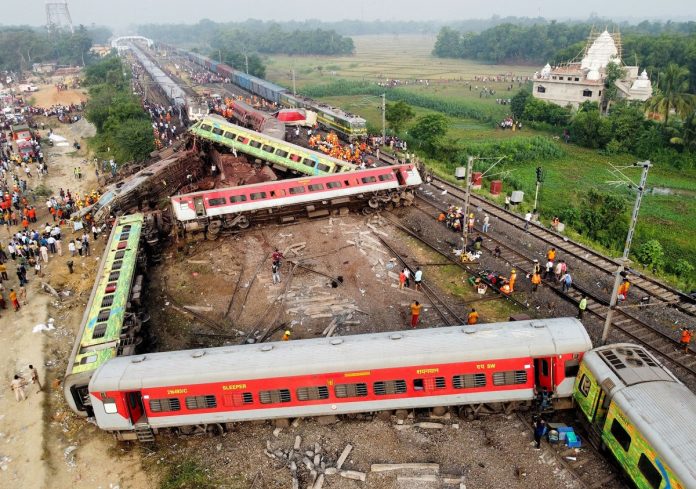
Rail Accident India

Rescuers are continuing to look for survivors following a catastrophic triple train collision in India’s eastern state of Odisha, which has become the nation’s most deadly rail disaster in over 25 years.

The number of fatalities had risen to 288 by Saturday morning, Sudhanshu Sarangi, director general of the Odisha state fire department, said. The official added that more than 850 people were injured.

Saturday has been declared a day of mourning in the state of Odisha, located in the eastern part of the country, on the Bay of Bengal.

The tragedy occurred on Friday evening at a station in the city of Balasore. A passenger train crashed into a cargo train, causing up to 12 freight cars to fall onto the opposite track. Shortly after that, a second passenger train collided with the freight cars and derailed as well, according to Indian Railways spokesman Amitabh Sharma.

India’s Prime Minister Narendra Modi held an emergency meeting over crash on Saturday. The premier also posted a tweet, saying he was “distressed” by what had happened.

“In this hour of grief, my thoughts are with the bereaved families. May the injured recover soon. Rescue ops are underway at the site of the mishap and all possible assistance is being given to those affected,” he wrote.

More than 115 ambulances were dispatched to deliver the injured to hospitals, officials announced. The military has also been deployed, to assist with the massive rescue effort.

The crash in Odisha was the deadliest rail disaster in India in decades. In 1999, two trains collided in West Bengal due to a signaling error, causing at least 285 fatalities. There was also a major incident in 2016, when 140 people were killed in a derailment in Uttar Pradesh.

Iran confirms release of European national from jail

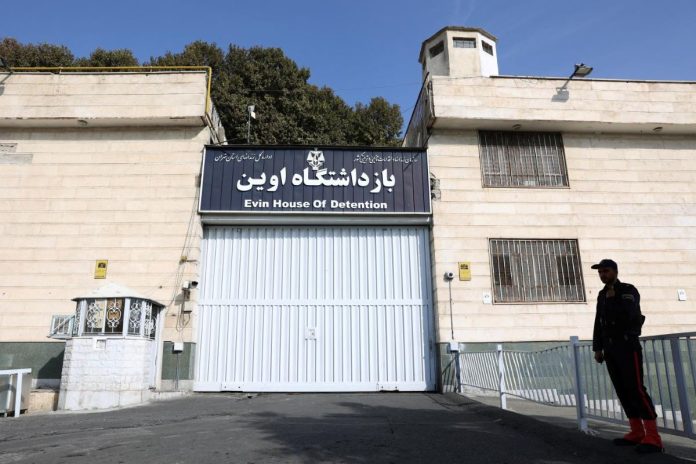
Evin Prison

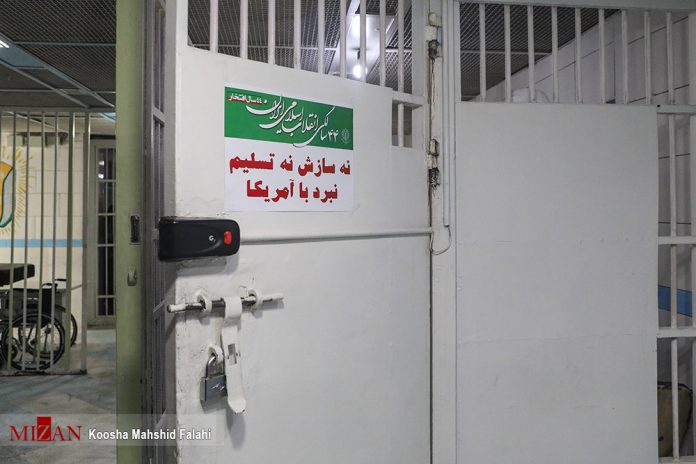
“Two imprisoned Iranian citizens, namely Massoud Mosaheb and Kamran Qaderi, and a Danish prisoner were released today on humanitarian grounds,” read a tweet on Friday evening by Kazem Gharibabadi, the vice-president of the Judiciary for International Affairs and the Secretary-General of Iran’s High Council for Human Rights.

The news was earlier announced by Vienna and Copenhagen, who thanked Oman and Belgium for their helping in securing their release.

Qaderi was arrested in 2016 and sentenced to 10 years in prison after he was found guilty of espionage for the US.

Mossaheb was also detained in 2019 and convicted of providing information to Israel’s Mossad spy agency over Iran’s defense and nuclear programs.

The Danish citizen freed has not been identified.

Media reports said an Oman Royal Air Force Gulfstream IV, which had been on the ground in Tehran for several days, took off shortly before the announcement.

Last week, a prisoner exchange between Belgium and Iran saw the release of Belgian national Olivier Vandecasteele.

In exchange, Belgium freed Iranian diplomat Assadollah Assadi, a diplomat had had been imprisoned on charge of terrorism since 2018. Iran had denied the allegations leveled against Assadi.

Top US diplomat Blinken due in Saudi Arabia within days

Jake Sullivan Antony Blinken

The Department of State said on Friday that the top United States diplomat will meet with Saudi officials and attend Persian Gulf Cooperation Council (PGCC) talks during his visit, starting on June 6.

Blinken will “discuss US-Saudi strategic cooperation on regional and global issues and a range of bilateral issues including economic and security cooperation”, the State Department added.

He is also set to co-host a meeting for the global coalition against Daesh (ISIL or ISIS) to “address the continuing threat of ISIS and reaffirm our commitment to ensure its enduring defeat”, the department noted.

US officials have repeatedly asserted their commitment to the alliance with Saudi Arabia and to the kingdom’s security. Since Riyadh’s normalisation agreement with Tehran, they have also cautiously welcomed the rapprochement.

“From our perspective, anything that can help reduce tensions, avoid conflict and curb in any way dangerous or destabilising actions by Iran is a good thing,” Blinken said in March after the deal was announced.

More recently, Saudi Arabia and the US have been cooperating in Sudan, where they have pushed for a ceasefire between the African country’s warring sides.

Friday’s statement announcing Blinken’s visit did not mention Yemen, where Washington says it has advocated for an end to the years-long conflict pitting Saudi Arabia and its partners against the country’s Houthi rebels, who are allied with Iran.

Saudi Arabia and the Houthis engaged in direct talks in April, which led to a prisoner swap deal, after the kingdom’s agreement with Iran.

Earlier this week, Barbara Leaf, assistant secretary of state for Near Eastern affairs, told US senators during a briefing that the Iranian-Saudi deal is merely a “detente”.

“It’s not a reconciliation, a big rapprochement or a full normalisation,” Leaf stated.

The two countries had in fact agreed to a full normalisation of relations and resumption of diplomatic ties.

Leaf also downplayed China’s role in securing the deal, noting, “This agreement — I would stipulate — was not brokered by the Chinese; they hosted it. The Iranians and the Saudis did all of the agreements and discussions themselves.”

Leaf added that the deal was primarily focused on Yemen, as the Saudis push for wider calm in the region to “pursue their socioeconomic modernisation project”.

At a time when ties between Saudi Arabia and Iran are warming, tensions have spiked between Tehran and Washington. Diplomacy has stalled between the two countries, as Iran pushes forward with its nuclear programme.

Despite the Tehran-Riyadh deal, US officials say they are continuing to push for normalisation between the kingdom and Israel.

“We’ve unlocked Saudi and Omani airspace for civilian flights to and from Israel and Asia — one step along the road toward what we hope will become a full normalisation between Israel and Saudi Arabia,” US National Security Adviser Jake Sullivan stated in a speech last month.

Russia’s “Special Operation” in Ukraine; Day 465: Zelensky says Ukraine ready to launch long-awaited counteroffensive

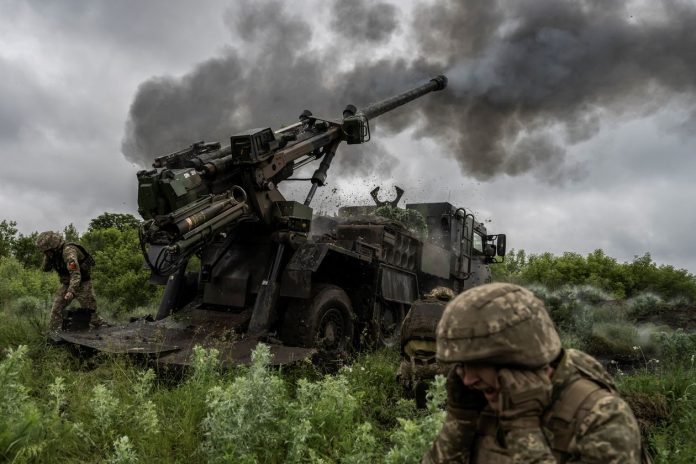
Russia Ukraine War

Ukraine’s counteroffensive remains on track: Deputy DM

Ukraine’s plans for a counteroffensive against Russian occupation remain on track, its deputy defence minister told Reuters on Saturday, despite an “unprecedented” wave of missile and drone attacks across the country in recent weeks.

Ukraine will “start the counter-offensive, with the ambition to liberate our territories this year,” he added.

Volodymyr V Havrylov stated that alongside cruise missile strikes, Ukraine had faced repeated volleys of ballistic missiles in May, especially in urban centres including the capital, Kyiv.

“Their primary goal is to stop our counter-offensive and target decision-making centres,” he said on the sidelines of the security conference, the Shangri-La Dialogue in Singapore.

Havrylov called Russia’s heavy use of ballistic missiles in May a “last strategic resort” and noted that his country’s air defence systems had been “more than 90% effective” against the attacks, Reuters reports.

For Russia “it was a huge surprise to find that the effectiveness of (their ballistic missiles) was almost zero against modern air defence systems, which we received from our partners,” he added.

Ukrainian President, Volodymyr Zelensky, said on Saturday his country was ready to launch a much-awaited counter-offensive. Havrylov said the missile barrages had not affected the timing.

He added, “Nothing can stop our efforts, our desire, and our confidence that we’ll win this war.”

Havrylov declined to comment about recent drone attacks and border incursions into Russian territory, including some strikes that reached near Moscow.

Havrylov stressed, “They (Russia) have a lot of internal events that are of course linked to this war. We have a lot of people inside Russia who support Ukraine.”

Havrylov said Ukraine expects NATO allies to provide a detailed roadmap to membership at the defence pact’s summit in Vilnius, Lithuania, next month.

“We want to see a clear … set of steps to be taken by both sides. Not just an indication that the door is open,” he continued.

He added that Ukraine also expected guarantees of security to be provided while the country is in a “transition period” on the way to membership.

He dismissed a proposal by Indonesia’s defence minister at the Singapore meetings to establish a demilitarised zone to halt the fighting in Ukraine, saying:

“We are not going to negotiate any deal related to loss of our territory, including Crimea,” the official continued.


Zelensky says Ukraine ready to launch counteroffensive

Ukraine is ready to launch its long-awaited counteroffensive to recapture Russian-occupied territory, President Volodymyr Zelenskiy stated in an interview published on Saturday.

The Ukrainian president told the Wall Street Journal, “We strongly believe that we will succeed. I don’t know how long it will take. To be honest, it can go a variety of ways, completely different. But we are going to do it, and we are ready.”

Zelensky said last month that Ukraine needed to wait for more western armoured vehicles arrived before launching the counteroffensive.

He has been on a diplomatic push to maintain Western support, seeking more military aid and weapons, which is key for Ukraine to succeed in its plans.


Wagner chief claims Russian defense ministry placed mines on group’s exit routes from Bakhmut

Yevgeny Prigozhin, the head of the Wagner private military company, claimed in a Telegram post on Friday that the representatives of the Russian defense ministry had placed mines on Wagner Group’s fighters’ exit routes from Bakhmut.

Prigozhin didn’t provide any evidence that supports his claim.

“Shortly before our departure, we detected suspicious activity along our exit route. […] we called law enforcement and began to investigate our exit routes along the roads,” Prigozhin said.

“We found about a dozen places where various explosive devices were placed, ranging from hundreds of anti-tank mines to tonnes of plastic explosives […] Those who rigged those areas with explosives were representatives of the Ministry of Defense,” he added.

“When asked why they did it, they point their fingers up,” Prigozhin said referring to pointing at the Russian leadership.

Prigozhin noted that “there was no need to place those devices to hold the enemy forces back, as it was located in the rear zone.”

“We can therefore assume that those explosives were destined to meet the Wagner’s units, although we do not walk in columns,” he added.

The Wagner chief said, as of Friday, “almost all, 99% of the Wagner PMC units left Bakhmut.”

“All positions have been handed over to the Ministry of Defense at the appropriate time,” he continued.


Four people detained in connection with closed shelter deaths

Ukrainian police have detained four people in an investigation into the deaths of three civilians locked out on the street during a Russian attack.

Three of the people detained may be charged with official negligence, the interior ministry said in a statement on Telegram.

A nine-year-old girl, her mother and another woman were killed by falling debris after rushing to a Kyiv shelter on Thursday and finding it was shut.

“There can be no excuses for this level of negligence in the city,” Zelensky said in an evening video address, adding he had told the strategic industries minister and the interior minister to conduct a “full audit of bomb shelters”.


At least 2 people killed and 6 injured following shelling in Belgorod: Governor

At least two people were killed and six others were injured in shelling in Russia’s Belgorod region on Friday, its governor stated.

Vyacheslav Gladkov said in a Telegram post that the people killed were in the yards of their homes when the attack came. Two children were among those injured, he said, adding that they were hurt by shrapnel.

Gladkov added that the two injured children were “a 13-year-old boy [who] suffered a closed fracture of the left shoulder and an 11-year-old girl [who] sustained shrapnel wounds to the left eye.”

The Belgorod region, which is located near the border with Ukraine, has seen intensified violence in the last several days, the governor previously said.

“A direct hit from a shell set an outbuilding and a garage in two private residences on fire” and there is damage to four more houses in the area, according to Gladkov.


Zelensky orders nationwide inspection of bomb shelters after Kyiv deaths

Ukraine will be inspecting civilian bomb shelters across the country after three people died in Kyiv earlier this week when they were unable to access a shelter during a Russian missile barrage.

President Volodymyr Zelensky said the deaths have caused an “obviously strong reaction” and orders are in place to check shelters in the capital and elsewhere.

“Unfortunately, even today, after all this, Kyiv residents are still publishing information about the inaccessibility of shelters,” Zelesnksy stated.

“Not just about closed shelters, but about welded entrances to shelters, about the absence of shelters in some parts of the city. This level of negligence in the city cannot be justified by any excuses,” he added.

Interior Minister Ihor Klymenko said on Facebook he’d been instructed to commence nationwide inspections and that the State Emergency Service of Ukraine and the National Police are already working.

“Any violations found must be properly recorded, and those responsible must be brought to justice,” he added.

After a month of regular night-time Russian attacks on Kyiv, the city’s authorities have disclosed that 92,000 people used the city’s metro stations as shelters in May. They said that 46 underground stations operate as shelters around the clock


Ukraine knows NATO membership has to wait: Zelensky

President Volodymyr Zelensky has said he understands that Ukraine cannot become a member of NATO while it is still at war.

“We understand we will not be a NATO member, while the war is waging. Not because we don’t want [that], but because it’s impossible,” he said at a news conference in Kyiv.

The alliance’s treaty includes Article 5, a collective defense provision that pledges members to come to the assistance of any state that is under attack.

“Give me an example of one NATO country which is in a state of war with Russia right now; or which NATO country has Russian troops on its territory,” Zelensky added.


Ukraine claims Russia has deployed special forces unit to its Belgorod region

A Russian special forces unit has been deployed to Russia’s Belgorod border region because of “partisan” activity, Ukraine’s National Resistance Center – an official body — announced Friday.

“Because of the need to fight the partisan movement, the detachment of the 322nd center of the Russian SOF ‘Senezh’ arrived on the territory of the Belgorod region,” the centre said.

“The Russians are so afraid of partisans that they urgently stopped all operations of this elite unit and instead placed it in the border settlements of the Belgorod region. The task of the unit is to conduct anti-sabotage activities on the Russian border,” they added.

It comes after the Russian Ministry of Defense released a video showing Russian forces purportedly hitting targets in Belgorod. Russian combat aircraft “delivered nine strikes against retreating Ukrainian formations and enemy reserves,” the ministry added. Earlier, this week the Kremlin said it is concerned about the situation in Belgorod.

Shelling in the Belgorod region, killed two women, the region’s governor Vyacheslav Gladkov said in a Telegram post Friday.

He blamed Ukrainian forces for the shelling, saying they had fired at a road in the village of Maslova Pristan, in the Shebekino district. Ukraine has not commented on the claim.


Chechen forces begin offensive in eastern Ukraine

Russia’s Ministry of Defence has announced that the Akhmat group of Chechen special forces are waging an offensive near the town of Mariinka in eastern Ukraine’s Donetsk region.

On Thursday, Akhmat commander Apti Alaudinov said his forces were being moved to “another area” in preparation for a counteroffensive but did not say where.

Along with the Wagner mercenary group, led by Yevgeny Prigozhin, troops from Russia’s Chechen Republic have been one of the main forces fighting for Moscow in Ukraine.

However, the two groups have openly argued, and on Thursday, one of Chechen leader Ramzan Kadyrov’s close allies cast Prigozhin as a blogger who constantly yells about problems.


US says no ceasefire until Ukraine gains upper hand in war

US Secretary of State Antony Blinken has said the US won’t support peace talks in the war in Ukraine until Kyiv holds the upper hand, possibly after a Ukrainian counteroffensive that appears to be taking shape.

Blinken stated heeding calls from Russia and others, including China, for a ceasefire and negotiations to end the war now would result in a “Potemkin peace” that wouldn’t secure Ukraine’s sovereignty and territorial integrity or enhance European security.

“Potemkin Village” was a tactic Russia’s 18th century government minister Grigory Potemkin used to build brightly painted village fronts to create an illusion of prosperity for Russia’s empress.


Putin says ‘ill-wishers’ are trying to destabilise Russia

President Vladimir Putin says “ill-wishers” are increasing efforts to destabilise Russia and urges members of his cabinet not to allow this “under any circumstances”.

Putin stated that Russia’s Security Council would discuss ensuring security between the country’s 190 ethnic groups.

“Today, we will also be addressing these issues in terms of ensuring Russia’s security, in this case domestic political security,” he added.

Putin has repeatedly called on Russia to unite in the face of “existential threats” from the West but has occasionally faced backlash from ethnic groups who feel targeted by Moscow’s mobilisation drive.


Britain backs Ukraine’s NATO aims but says impossible to join bloc during war

British Defence Minister Ben Wallace says Ukraine’s path to NATO is “open” but political realities may slow the process.

Wallace added that it is impossible to add members in the middle of a war.

“The best thing we can do to help Ukraine is now to help them defeat Russia,” Wallace said in an interview, adding, “After that is to make sure they’re ready and capable and resilient.”

Ukraine’s membership in NATO is on the agenda for the group’s July summit in Vilnius, Lithuania.

President Volodymyr Zelensky has said Kyiv wants “a clear decision” on its accession at the summit.

The Kremlin spokesperson says many European countries are aware of the problems that could arise if Ukraine joins NATO but the United States “calls the tunes” for the alliance.

Dmitry Peskov was asked about Ukraine’s push to join the military alliance, which he said underscored Kyiv’s unwillingness to resolve problems at the negotiating table.

He added that Ukrainian membership in NATO would cause problems for many years and that Moscow would protect its security and interests.


Two people killed in Kharkiv Oblast: Report

Russian forces have bombed Kharkiv Oblast, killing two people and injuring four, according to The Kyiv Independent.

“Russian forces launched two guided bombs at the village of Kivsharivka, killing two people and injuring four others, Kharkiv Oblast Governor Oleh Syniehubov reported on June 2,” it reported.

President of Pakistan’s main opposition party arrested over corruption charges

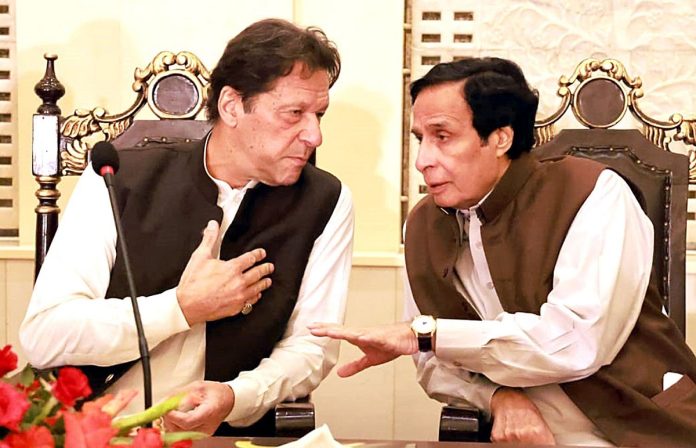
Chaudhry Pervez Elahi and Imran Khan

Elahi, the former chief minister of Punjab, and the president of former Pakistani Prime Minister Imran Khan’s party, was taken into custody as he was leaving his residence, Zahoor Palace, in the provincial capital of Punjab, after a non-bailable warrant was issued on May 26 by the district court in Lahore.

Elahi’s spokesperson alleged that authorities “misbehaved” with the women accompanying Elahi.

His close aide, Khan, took to Twitter to condemn the violent crackdown against Elahi.

“I strongly condemn the arrest of Ch Pervez Elahi on completely frivolous charges. The manner in which he was arrested & manhandled is also shameful & reprehensible,” Khan wrote on Twitter.

“Shameful how the regime doesn’t stop their fascism. The inflation has skyrocketed to 38 percent, and their response is to arrest former CM Punjab Parvez Elahi. Absolutely ridiculous!” the party tweeted along with a video in which the 77-year- old leader was seen being dragged by security personnel from his residence.

Elahi’s arrest comes amidst the ongoing crackdown against PTI members. During the past few weeks, several key PTI leaders have been arrested ever since the violent protests of May 9.

“Pervez Elahi is wanted in several corruption cases,” Amir Mir, caretaker information minister in the eastern province of Punjab, told Reuters.

Mir also said that Punjab’s anti-corruption department had been looking for Elahi for many days, while, Elahi previously denied accusations of corruption.

Many PTI leaders decided to quit the party after being released, while others remain on the run to avoid arrest.

Meanwhile, Khan accused the government of running a campaign to break his party. However, the government denies the accusations and states that the party members are quitting the party on their own free will.

Khan has directly accused the country’s powerful military of owning and running the country’s government.

European sources say Iran has freed 1 Danish, 2 Austrian inmates

Iran Prison

Austrian Foreign Minister Alexander Schallenberg said he was “very relieved” that Kamran Ghaderi and Massud Mossaheb were being brought home after “years of arduous detention in Iran.”

Denmark’s Foreign Minister, Lars Løkke Rasmussen, stated that he was “happy and relieved that a Danish citizen is on his way home to his family in Denmark after imprisonment in Iran.” He didn’t name the person, saying their identity was “a personal matter” and he couldn’t go into details.

Schallenberg thanked the foreign ministers of Belgium and Oman for providing “valuable support,” without elaborating on what form it took.

Løkke Rasmussen thanked Belgium and added that Oman ”played an important role.”

The releases also come after Oman’s Sultan Haitham bin Tariq visited Iran on his first trip there since becoming the Arab nation’s ruler in 2020.

Last week, a prisoner exchange between Belgium and Iran saw Assadollah Assadi, an Iranian diplomat detained in Belgium on terror-related charges, returning to Tehran while a Belgian “spy” Olivier Vandecasteele headed back to Brussels.

Saudi foreign minister to visit Tehran soon

Prince Faisal bin Farhan Al Saud

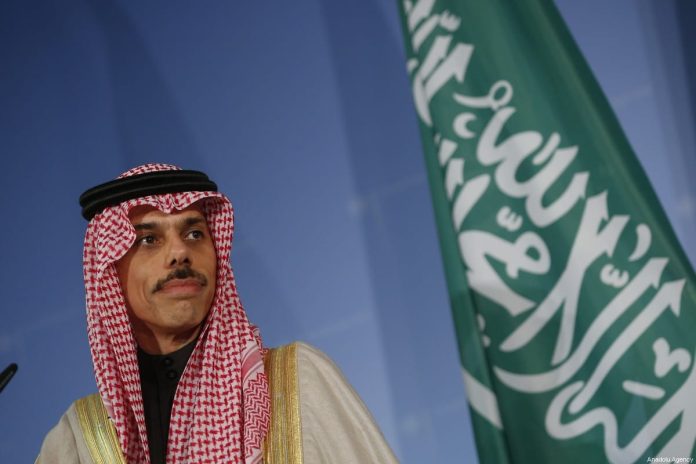
The top Saudi diplomat made the remark in a meeting with Iran’s Minister of Foreign Affairs, Hossein Amirabdollahian in Cape Town, South African.

The two top diplomats sat down for talks on the sidelines of a foreign ministerial BRICS summit, comprising Brazil, Russia, India, and China as well as ‘Friends of BRICS’.

Bin Farhan thanked the Iranian side for the valuable assistance in welcoming the Saudi technical delegation in order to lay the groundwork for the opening of the Saudi Embassy and Consulate in Iran.

He added that with the very good bilateral cooperation, the two sides quickly passed the stages of appointing ambassadors and setting the stage for the opening of political and consular missions, and the two states are moving towards a new stage in their relations, which will serve the interests of the two nations and the entire region.

For his part, Amirabdollahian expressed satisfaction with the good progress made in bilateral ties, saying the ambassadors of the two countries have been introduced fortunately and the stage has been set for the opening of the Embassies and Consulates of the two countries.

He thanked Saudi Arabia for making preparations and providing facilities for Iran’s Hajj pilgrims.

The top Iranian diplomat added that in the previous talks, the two sides discussed the necessity of strengthening the commercial and economic relations between the two countries, and that his Saudi counterpart’s upcoming visit to Tehran will be an opportunity for further discussions and exchange of views aimed at boosting bilateral relations in various fields.

He also considered BRICS as a new opportunity for multilateral cooperation between Iran and Saudi Arabia and other member countries of this group.

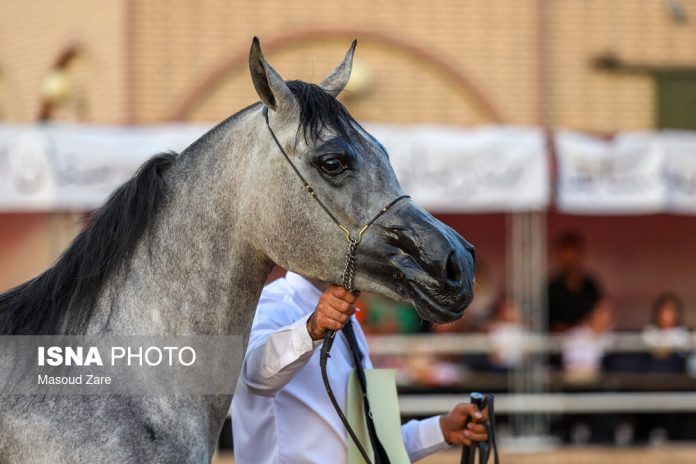
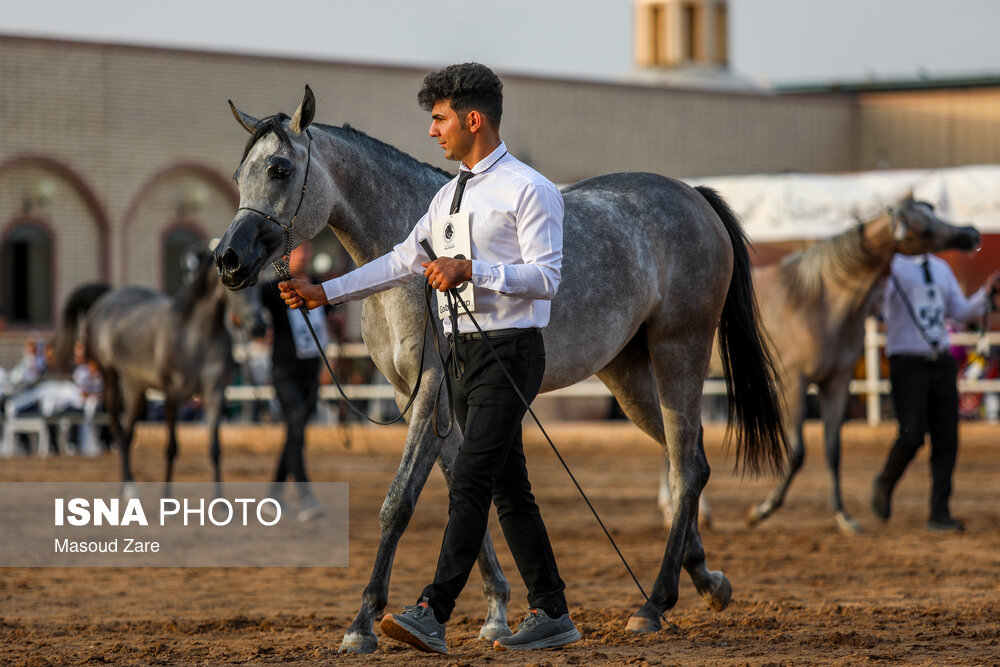
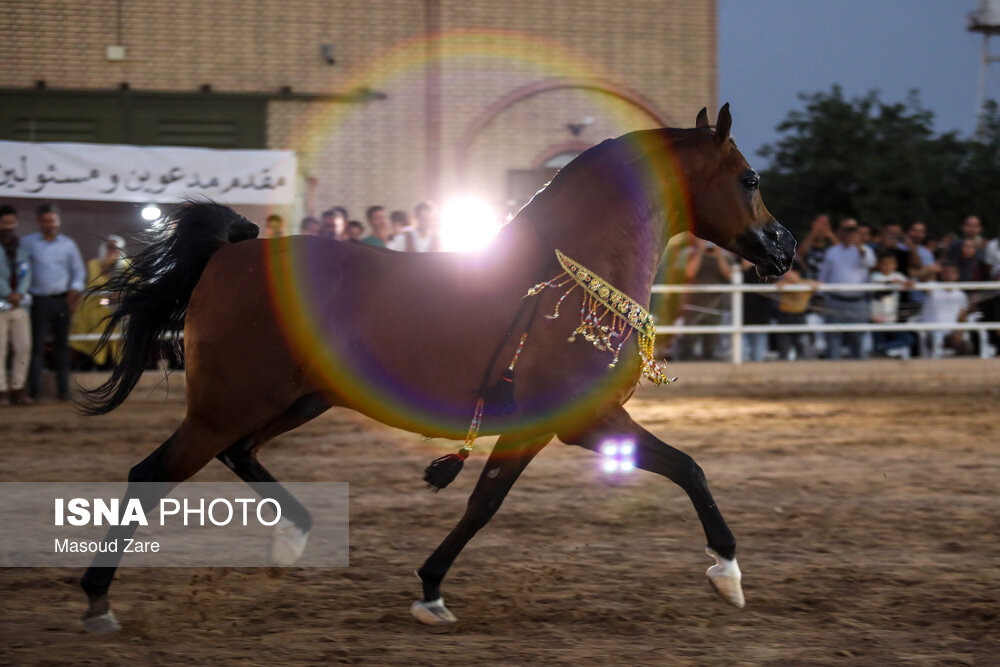
Iran holds Purebred Arabian Horse Competition

More in pictures:

Envoy: Iran won’t be eliminated from reconstruction of post-crisis Syria

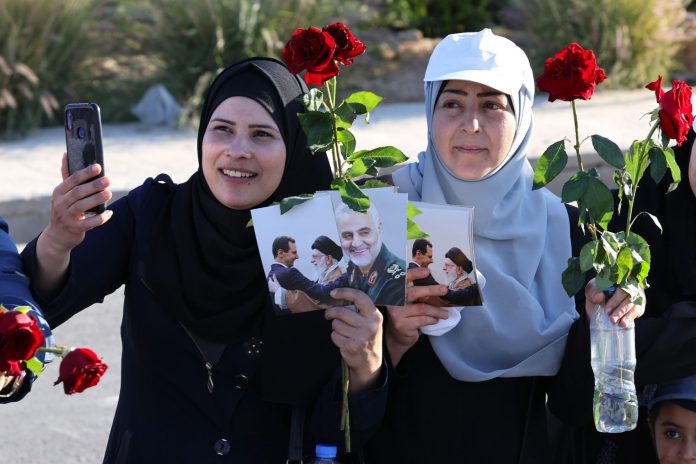
Syrian people, clerics welcome Iranian President at holy shrine near Damascus

Speaking to the Jamaran news portal, Hossein Akbari said Syria’s rapprochement with the Arab countries will make it stronger, and a stronger Syria will promote the regional resistance axis.

Syria has proved, over the past decades, that it stands by Iran under the most difficult circumstances, and “now that it is in its best situation, this (Iran’s elimination) will definitely not happen,” he added.

The Iranian diplomat also elaborated on the economic and political achievements of a recent visit by President Ebrahim Raisi of Iran to Syria, where he inked economic cooperation agreements and held meetings with senior Palestinian resistance figures.

The Iranian envoy said he expected that the implementation of the agreements reached in Syria will start in one month.

Such cooperation, Akbari said, “can create a very good platform for economic activities of both the private and public sectors in the geography of Syria,” following the Arab country’s successful Iran-backed war against Daesh and other militant groups.