Thursday, December 25, 2025
Home Blog Page 1296

Iran to launch 2 or 3 satellites by March 2024: Defense chief

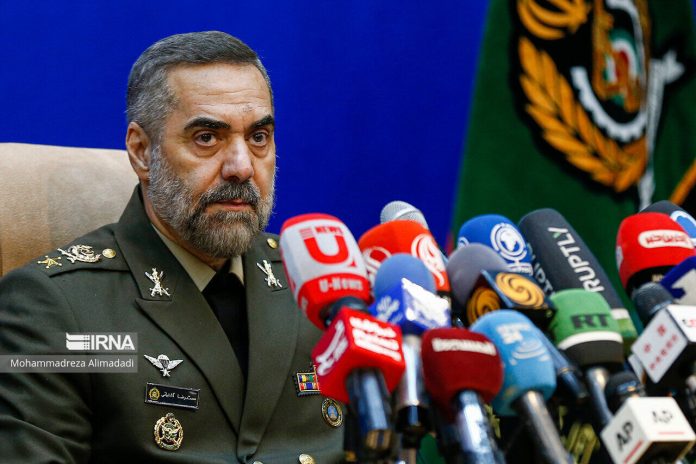
Iran's Defense Minister Brigadier General Mohammad Reza Ashtiani

Brigadier General Ashtiani expressed hope that the launch of the satellites would be successful.

Iran is among a group of countries worldwide capable of launching its own satellites into orbit, he stated.

The minister also elaborated on the latest achievements of the Defense Ministry, citing the homegrown Simorgh satellite carrier as one of the Islamic Republic’s great accomplishments.

Many countries around the world have special equipment to test their satellite carriers, the defense minister continued, adding that Iran must test its satellites through test flights, which imposes certain limitations.

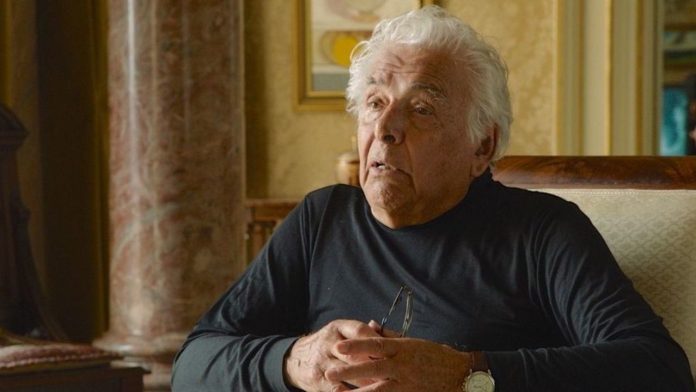
Prominent Iranian filmmaker Ebrahim Golestan dies at 101

Golestan was born in 1922 in the southern Iranian city of Shiraz and became an outstanding filmmaker and literary figure with half a century of shining career.

He established his own studio in 1953, where he made A Fire (1961), Wave, Coral and Rock (1962), the Hills of Marlik (1963), and the Crown Jewels of Iran (1965) among other masterpieces.

He was closely associated with the Iranian poet Forough Farrokhzad and pushed her into cinema.

Golestan immigrated to England for the first time in 1967 and returned to Iran in 1972. He left his homeland again 1977 forever and lived in England for the rest of his life.

Art and culture runs deep in his family. His daughter Leili is a respected translator and author, his late son Kaveh was a photojournalist and documentary filmmaker, and his grandson Mani Haghighi is a decorated filmmaker, actor, and script writer.

Russian governor confirms 3 killed in Ukrainian drone attack

Russia Ukraine War

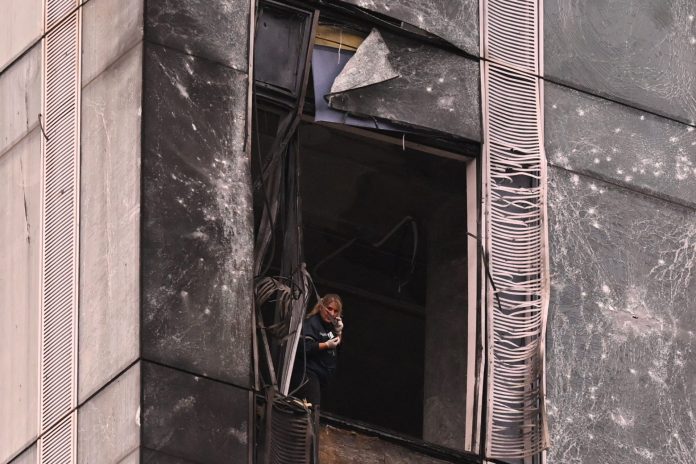
A Ukrainian drone raid has killed three people in Russia’s Belgorod Region, dropping an explosive device on a recreational facility, Governor Vyacheslav Gladkov confirmed on Wednesday.

The attack took place on Wednesday morning in a village some 20km from the Ukrainian border, according to the official. Two men were killed on the spot, while a third male victim succumbed to his injuries shortly afterwards, Gladkov said.

The regional leader called the bombing a “repeat attack” on the facility.

Earlier in the day he noted that Ukrainian forces had dropped two grenades at the same location, causing minor damage and no casualties.

Kiev’s attacks on the region have become a daily occurrence, involving artillery, drones and occasional raids across the border. On Tuesday alone, five settlements were bombed by drones, according to reports from the governor. Ukrainian forces use small UAVs carrying light explosive payloads for such sorties.

There are “still ways to travel” before Israel-Saudi deal: White House

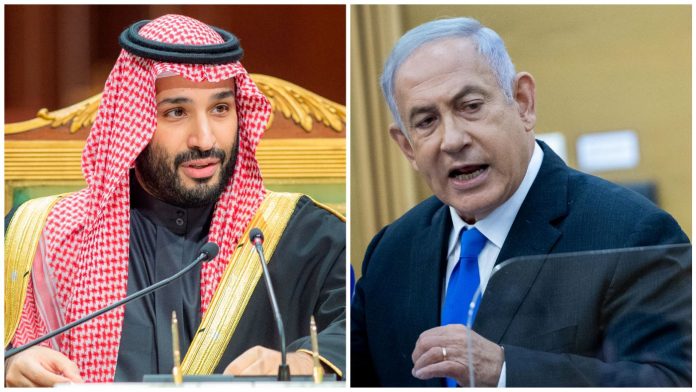
Netanyahu MbS

Sullivan’s comments appeared to be an attempt to try to lower expectations after a flurry of press reports suggested an agreement could be close.

US officials have previously told Axios that the administration wants to try to complete its diplomatic push with Saudi Arabia before the presidential election campaign consumes President Joe Biden’s agenda.

But several outstanding issues remain, including a possible defense treaty between Washington and Riyadh and possible US support for a civilian nuclear program that would include uranium enrichment on Saudi soil.

Sullivan, who has traveled to Saudi Arabia several times over the last six months, told reporters on Tuesday that he doesn’t want to discuss the issue in detail but stressed that the Biden administration is discussing the issue with both Saudi Arabia and Israel.

“For now, it is done in diplomatic channels…and there are still ways to travel…these are highly technical issues,” he said, adding that there was no imminent announcement on a deal expected.

Sullivan stressed that the Biden administration plans to ask the International Atomic Energy Agency for its opinion on a possible civilian nuclear program in Saudi Arabia that includes uranium enrichment.

“Peace between Israel and Saudi Arabia would be a big deal,” Sullivan also said, adding that a normalization agreement would be in the interest of the US because it would create a more stable Middle East in which US allies and partners could work together.

Biden would likely have to pass at least parts of it through Congress, where many Democrats hold highly critical views of Saudi Crown Prince Mohammed bin Salman, also known as MbS, due to the kingdom’s human rights record and the murder of Washington Post columnist Jamal Khashoggi.

Sullivan declined to comment on whether Biden is considering a meeting with MbS at the G20 in New Delhi next month as Axios reported earlier this week.

Such a meeting, if it happened, could give a significant push to the talks.

Iranian court issues final verdicts over murder of security guard Ajamian

Iran Court Roohollah Ajamian

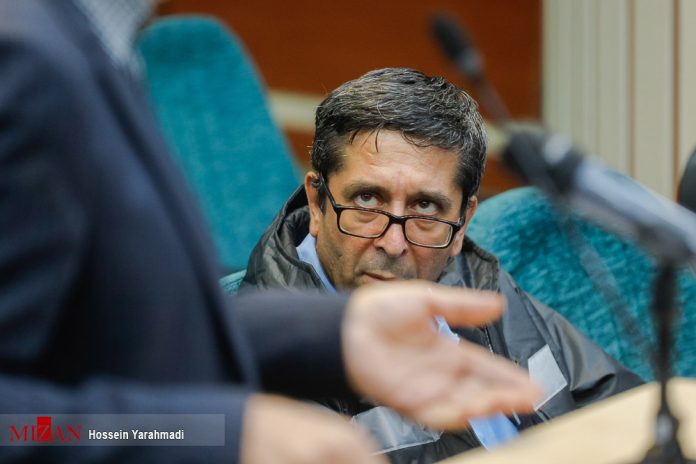
Chief Justice of Alborz Province said on Wednesday, the court has issued the final verdict for the remaining defendants in Rouhollah Ajamian’s case after considering the appeal.

Hossein Fazeli said Hamid Qareh Hasanlou was sentenced to 15 years of imprisonment in exile and Reza Aria, Hossein Mohammadi, and Mehdi Mohammadi were each sentenced to 10 years in exile. The convicts were earlier given death sentences, but the Supreme Court of Iran annulled the rulings ‘due to faulty investigations’.

The provincial chief justice also added the other defendants, Mohammed Amin Akhlaghi, Amin Mehdi Shokrollahi, and Farzaneh Qareh Hasanlou were each sentenced to five years in exile, and Ali Moazzami Goodarzi was sentenced to three years in exile.

Ajamian was stabbed to death by a group of rioters armed with knives in early November last year in Karaj city, the capital of Alborz Province.

A total of 16 people were arrested in connection with the case. The court has yet to decide about the last defendant, Arian Farzam Nia, who was a minor when the murder took place.

Earlier this year in January, Iran implemented the death sentences handed down to the main culprits in the murder case, Mohammad Mehdi Karami and Mohammad Hosseini.

Malaysia says will never recognize US sanctions against Iran

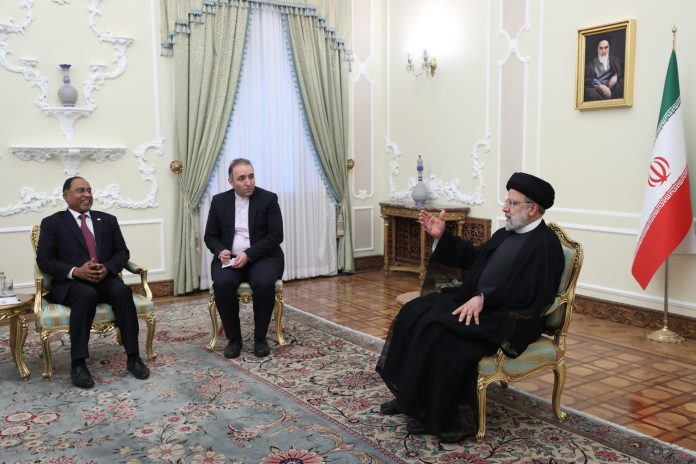
During a meeting with Iran’s President Ebrahim Raisi in Tehran on Tuesday, Zambry described the Islamic Republic as Malaysia’s “very important partner” in the region and the Muslim world.

He also hailed “positive” meetings with Iranian officials during his trip to Tehran on August 20-23.

Zambry further called for the development of bilateral relations, especially in the fields of agriculture, medicine, science, and technology.

Raisi, for his part, said that devising a long-term strategic cooperation plan between Iran and Malaysia will “open up new horizons” in bilateral ties.

He also expressed hope that the cooperation plan will lead to enhanced relations and economic exchanges.

The top Malaysian diplomat paid his first official visit to Iran since assuming office last December, upon an invitation by his Iranian counterpart, Hossein Amirabdollahian.

In a Monday meeting, Zambry and Amirabdollahian held talks about further improvement of Iran-Malaysia ties and some leading regional and international issues.

They further agreed to speed up the extradition of criminals and the exchange of prisoners.

The Iranian foreign minister stated that a session of the Iran-Malaysia joint economic commission would convene in Tehran in the near future and its sub-committees would hold regular sessions to discuss consular, trade, economic, and cultural issues and the fight against terrorism.

He added that diplomatic efforts are underway to organize visits by President Raisi to Kuala Lumpur and the Malaysian prime minister to Tehran.

Resistance groups victories source of pride for Muslim nations: Iran Leader’s aide

Ali Akbar Velayati

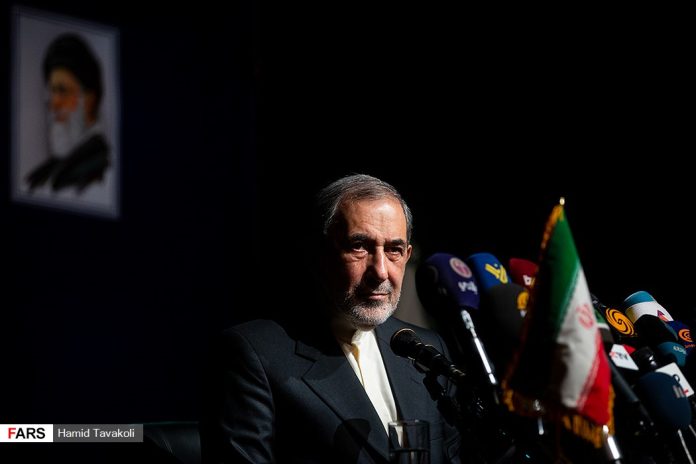
Velayati made the remarks in separate phone calls with Ismail Haniyeh, head of the Political Bureau of the Palestinian resistance movement of Hamas, Ziad al-Nakhala, secretary-general of the Palestinian resistance movement of Islamic Jihad, and Sheikh Naim Qassem, deputy secretary-general of the Lebanese resistance movement of Hezbollah.

Velayati considered the victories to be a source of pride for the Muslim world and the result of “unity and solidarity” between the Palestinian groups and Lebanon’s Hezbollah.

“We are very pleased with your recent victories, and hope for these victories to continue,” he told Haniyeh.

“Whatever effort the Zionist regime puts into preserving itself is met with defeat, and it (the regime) will eventually be faced with more challenges and frustrations,” the Iranian official asserted.

“Victory is undoubtedly yours,” he told the Palestinian official.

Hamas and the Islamic Jihad successfully resisted Israel’s latest war on the Gaza Strip, which targeted the coastal sliver — where the movements are headquartered — last August. They fired upwards of 1,100 rockets towards the occupied territories, which prompted the Israeli military to beat a retreat.

Speaking to Nakhala, Velayati congratulated the Islamic Jihad on the numerous successful resistance operations of the group’s fighters in the occupied West Bank.

“The outcome of the unity [between the Palestinian groups and Hezbollah] will be ultimate victory,” he told the Palestinian official.

Speaking to Qassem, the Leader’s advisor similarly congratulated him on the occasion of the resistance’s recent victories as well as the recent anniversary of the defeat that was imposed by Hezbollah on the Israeli military during Tel Aviv’s 33-Day War of 2006 against Lebanon.

Velayati considered Hezbollah to be “the flag-bearer of struggle in Lebanon and the Muslim world.”

For their part, the resistance leaders voiced gratitude towards the Islamic Republic for its supportive position towards the region’s resistance outfits.

“These victories have been realized on the back of unity and alignment with friendly countries and nations, especially Iran,” the Hamas’ official said. “God willing, we will defeat the Zionist regime and what the resistance has done in the West Bank will continue,” Haniyeh added.

Nakhala, meanwhile, asserted, “The resistance is making progress and realizing victories every day, and continues down its clear path each day stronger than before.”

Qassem, for his part, said the instances of support provided by Ayatollah Khamenei and the Islamic Republic’s stances “have undoubtedly had an important role in [realization of] these victories.”

“God willing, we will be able to free [the holy occupied city of] al-Quds from this cancerous tumor through steadfastness and resistance,” the Lebanese official added, referring to the occupying regime.

Turkey police launch shadow campaign to deport immigrants and refugees

Turkey Police Migrants

The uptick comes on the heels of President Recep Tayyip Erdogan’s successful re-election campaign in May but precedes important municipal elections due to be held next year.

Migration has become a core issue in Turkey in recent years with the country hosting at least 3.6 million Syrians following the outbreak of war in their country in 2011.

They are joined by migrants from Africa, South Asia and elsewhere in the Middle East, who are drawn to the country by its relatively high standard of living and proximity to the EU, which is the ultimate destination for many.

Erdogan moved to reduce migrant and refugee numbers following the 2019 local elections, during which opposition parties were able to tap into growing anti-immigrant sentiment in the country.

Such anger towards new arrivals has increased amid a worsening economic situation, during which costs have soared and inflation has shot up dramatically.

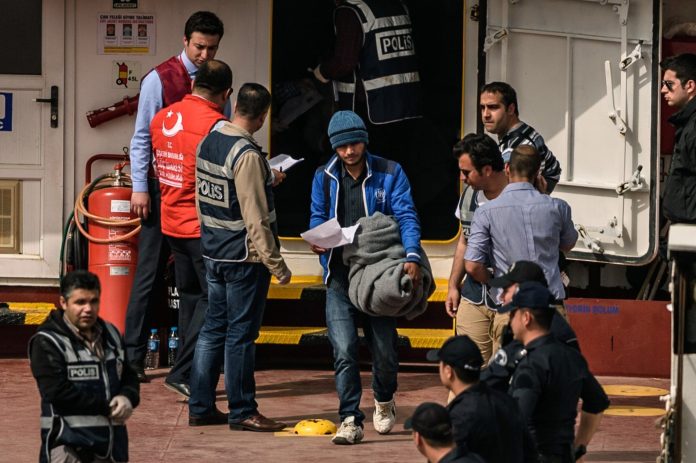
One visible manifestation of newly instituted anti-immigration policies is the frequency of police spot checks on the streets of Turkish cities.

Those suspected of being in the country illegally are often stopped by Turkish police, who check the validity of their residency documents.

A former government official, affiliated with the Ministry of Interior’s Presidency of Migration Management, told Middle East Eye that while “voluntary return” was the main thrust of the government’s plan to reduce numbers, orders for increased police checks had come from the top.

“After Erdogan promised to send at least one million Syrians back, the interior ministry instructed the police to increase regular checks of relevant documents,” said the source, who did not give their name because they were not formally authorised to speak.

“A simple mistake, such as the absence of a residency card, can lead to the detention and eventually deportation of a Syrian,” the source added.

In May, Erdogan vowed to send a million Syrians back to the country’s north, where the Turkish army and its allies have established a “safe zone”.

While voluntary repatriation is the stated aim, many Syrians could be deported on technical violations of their residency permits.

Syrians are required to live and work in the city in which they are registered and need permission to travel to another city, even for a short stay.

Recognising that some Syrians work in bigger cities like Istanbul, Bursa, or Kayseri without the necessary permission or registration, the police have been setting up checkpoints in certain areas, mostly close to where the refugees are likely to work.

According to the Syrian Observatory for Human Rights (SOHR), at least 950 Syrians were deported in July.

The number of Syrians who returned to their country between 2016 and 2022 was 539,332.

Turkish officials say that most of those who left Turkey in recent months have been those returning voluntarily.

But refugees say that even those with the correct papers are being targeted.

“This is beyond sanity,” said Usama, a 34-year-old Syrian, working in a textile factory in Istanbul’s Ikitelli, who asked Middle East Eye to conceal his surname.

“We go through police controls at least twice a week, and sadly have to endure mistreatment.”

Police officers have repeatedly been filmed abusing refugees.

“The fact that most police officers are supporters of the far-right Victory Party plays an undeniable role in the mistreatment, as these young officers are inclined to go beyond their legal limits,” the former employee of the migration presidency stated.

Umit Ozdag’s Victory Party has built a small but influential anti-refugee movement, which managed to draw its allies in Turkey’s main opposition bloc further to the right during and after the May parliamentary and presidential elections.

The harsh rhetoric shared by anti-immigrant campaigners like Ozdag helped fuel widespread anti-immigrant sentiment during those campaigns.

“This hatred is not limited to the police. We feel uncomfortable shopping or going to a park on the weekend,” said Usama.

“Even on public transportation, we are sometimes subjected to verbal harassment,” he continued, adding, “The anti-Syrian sentiment has become prevalent across Turkey. Even my children are excluded from games at school. They feel like they have to hang out with other Syrians only.”

Syrians like Usama have created groups on Facebook and Telegram in order to mitigate the risk of deportation.

“When we see a police checkpoint, we warn each other so that we don’t get caught for having a missing document,” he said.

“It wasn’t like this before the elections. But now, (the police) just detain and send people to a detention centre. Then, only God knows when you can get free.”

This targeting is not confined to Syrians; Africans, as well as Central Asians also face tight police controls

“We are subjected to police checks almost every day. Many of us are detained without proper reason,” Johan, a Nigerian national stated.

Formerly detained refugees claim that detention centres do not have the proper resources for accommodating so many people.

Johan was stopped by police in Taksim in early June on his way back to an apartment where he was staying with his friends.

He claims to have had the necessary documents but was awaiting the renewal of his residency permit. Despite this, he was detained and sent to a processing centre in Istanbul’s Tuzla district.

“I didn’t understand what happened at first, as my Turkish is limited. The police were reckless and didn’t bother to provide any proper explanation (and) I found myself in Tuzla,” Johan said, adding, “That place is filthy, overcrowded, and there is no proper treatment. They force people to sign voluntary return papers. After staying for more than a month…they let me go.”

Despite the allegations of mistreatment, an interior ministry official told Middle East Eye that the government had been applying relevant laws and regulations properly.

“There is nothing wrong but we want to decrease the density of refugees,” the official said, while conceding there might be some improper treatment. “We are running investigations into violations of rights,” he continued.

A former high-level bureaucrat specialising in migration with experience at the Ministry of Interior told Middle East Eye on condition of anonymity that they had requested courses from the ministry on how to properly apply migration regulations. However, their demand was not met.

“But this is not only about the police, nor is it only about the upcoming local elections,” the bureaucrat said.

In their opinion, there are two dimensions to the anti-immigration sentiment within Turkish society.

“Turkey doesn’t have a proper policy for regular migration. For instance, Turkey needs a labour force in several fields, including agriculture, industry, or care for the elderly or disabled people.

“Currently, migrants fill the labour deficit, but the laws and regulations are insufficient to allow them to work legally and under humane circumstances. Therefore, the absence of a proper policy, such as assessing the skills of migrants, matching them with employers, and issuing necessary work permits, forces these people to work illegally and eventually become irregular migrants,” they stated.

“Turkey’s education system, along with the rise of far-right parties like the Victory Party, intensifies xenophobia. Turkey needs a mental transformation to live in peace with other peoples.”

Still, he admits that the government wants to decrease the visibility of migrants in certain cities like Istanbul and Ankara, which were lost to the Republican People’s Party (CHP) in 2019. Following that vote, officials took anti-migrant measures, such as deporting unregistered refugees.

The former official believes that as long as the government and the main opposition parties adopt the anti-immigration sentiment of the far-right, Turkey will experience more social tensions, regardless of the winner of the upcoming local elections.

Potential pressure points abound. In one recent instance, the alleged sexual abuse of a Turkish child by a Syrian in Sanliurfa sparked huge protests in the city, resulting in attacks on Syrian-owned homes and shops.

In another incident, when a Turkish child was beaten by a Syrian adult last week in Izmir, locals attempted to attack Syrians in response.

Muhammed Yasir Bodur, a researcher at the Middle East Institute of Sakarya University, said that the government has changed its policy towards refugees to reduce social tensions, adding that this policy choice is partially related to the upcoming local elections.

“Police checks have been increased to address societal demands,” he stated, adding, “Yet, this is indeed nothing but the implementation of relevant regulations.

“The government had previously adopted a very lenient policy, turning a blind eye to the presence of illegal migrants or the unauthorised relocation of refugees… provocations by far-right groups forced the government to take action,” he continued.

Turkey issues four types of residency permits. One of them is temporary protection, which is issued exclusively to Syrians. The second type is international protection, issued for migrants who face a risk of death or torture in the event of their return to their native country.

The third type is temporary residency, which is generally issued to any non-Turkish national for one year. The final and most exceptional type is the humanitarian residency permit, which is issued to migrants with no documentation.

Last year, the government began imposing certain restrictions on the movement of Syrians, such as not allowing them to reside in neighbourhoods where the foreigner population exceeds 20 percent of the total. In recent months, checks on Africans have also intensified.

In Bodur’s opinion, what has changed is the proper and immediate implementation of the regulations.

“For instance, if a Syrian who is allowed to live in Ankara were caught in Istanbul, the police would issue a warning and let the Syrian go. Now, they take him or her immediately to a detention centre.”

For Africans, Bodur believes the situation is more complicated.

“These people come to Turkey via legal routes but aim to eventually make their way to Europe. They have six months to apply for residency, but most of them are reluctant to do so to avoid spending money on the legal procedure. When they get caught, they are taken to a detention centre immediately.”

However, Bodur adds that this policy will likely be ineffective in reducing the number or density of migrants in Turkey for two reasons.

“First, it was very easy before the pandemic to cross the border, even on foot. Second, according to the law, a detained migrant must be sent back within six months, with an option to extend for another six months.”

“The return centres are almost full, and it is not easy at all to establish effective communication with corresponding states like Afghanistan in order to identify a migrant, receive their documents properly, and facilitate deportation. Therefore, many of them are released again despite the lack of (proper) papers.”

Alongside this crackdown are the pressures on legal migrants. For instance, a restaurant owned and operated by a Somali national in Ankara was closed last year without any valid justification.

Despite the flourishing political, economic, and cultural relations between Ankara and Mogadishu over the last decade, the restaurant owner and even its patrons were subjected to police pressure.

Mohamed Isse Abdullahi, the owner, came to Turkey in 2012 on a scholarship to study in the country.

After studying at a Turkish university, he worked as a documentary maker for several media outlets, including the state-run TRT.

After opening a restaurant in one of Ankara’s central districts, Kizilay, he was met with harassment by neighbouring shop owners and then the police.

“We had every document that was required for staying, working and running a business in Turkey. But our restaurant became a hub for the police to chase and interrogate migrants,” he said.

“A police vehicle was waiting in front of the restaurant, arresting the foreign customers, checking their documents, and releasing them after a few hours. This was another way of saying: we don’t want you,” he added.

Unable to continue operating under such pressure, Abdullahi gave up his business and returned to Somalia.

US-Iran prisoner exchange agreement ‘on track’: White House

White House National Security Adviser Jake Sullivan

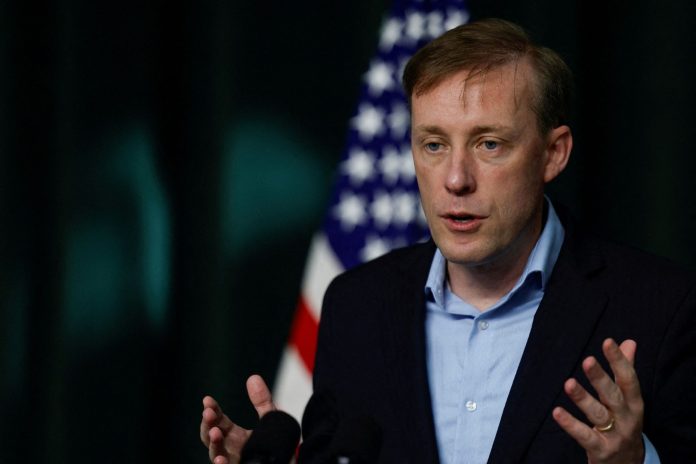
Sullivan’s comments on Tuesday marked a rare public expression of confidence from Washington that the prisoner swap would take place.

“We believe that things are proceeding according to the understanding that we’ve reached with Iran,” Sullivan told reporters during a conference call.

“I don’t have an exact timetable for you because there [are] steps that need to yet unfold. But we believe that that remains on track,” he added.

Several news outlets reported earlier this month that Washington and Tehran were working on a deal to release the five American citizens in exchange for allowing Iran to access $6bn in funds that have been frozen in South Korea due to US sanctions.

The tentative agreement would also see the administration of US President Joe Biden free several Iranian nationals imprisoned in the United States.

But US officials previously cautioned that the deal had not been finalised.

Last week, Secretary of State Antony Blinken welcomed Iran’s decision to move the detained Americans from prison to house arrest as a “positive step”, but he stressed that “they are not home yet”.

On Monday, Iran’s Foreign Ministry Spokesperson Nasser Kanaani said no specific timeline had been set for completing the exchange, but that “it will take a maximum of two months for this process to take place”.

Experts welcomed the announcement as an important step, but said it does not fundamentally shift the US-Iran relationship.

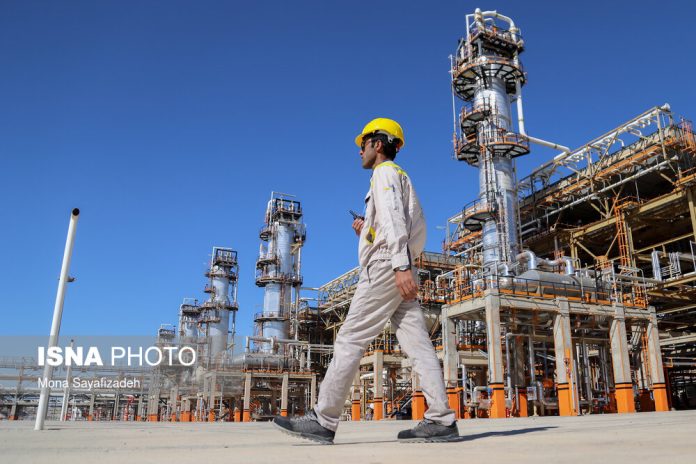
“Iran Oil ministry increases output, completes projects”

Iran Gas

Owji made the remarks in a meeting with members of the Iranian Parliament’s Energy Committee at the National Iranian Oil Company in Tehran.

Hailing the interaction between the Oil Ministry and the Parliament’s Energy Committee, the minister added the oil industry would not witness such achievements if the committee did not support it.

Elaborating on his ministry’s main jobs done over the past two years, Owji referred to an increase in investment, completion of semi-finished projects, and growth of oil, gas, refining and petrochemical production, which the minister said have activated these industries and motivated contractors and will certainly boost output and exports.

In 2022, 31 semi-finished projects worth $12 billion were completed, and 67 partially-finished others valued at $15.1 billion will become operational by mid-March 2024, he said, adding that the executive operations of 15 oil, gas, refining and petrochemical projects worth $14 billion will also start.

If the projects are implemented this year, 128,000 barrels of oil and 39 million cubic meters (mcm) of gas will be added to the country’s daily production while the capacity of transporting oil products will witness a 300,000-barrel increase per day, and the refining capacity, petrochemical production capacity, and gas transmission pipelines will develop, he continued.

The country’s gas production capacity will witness a 56 mcm increase and 70,000 barrels will be added to gas condensate output, added Owji, mentioning that Phase 11 of the South Pars (SP) gas field will become (officially) operational next week.

According to him, the average production in the South Pars Gas Field has increased by seven percent since the current government took over.

Launch of Phase 14, development of Phase 11, and installation of new pipeline of Phase 16 of the South Pars field will greatly help boost gas output, noted the minister.

Shifting to the collection of associated petroleum gas (APG), he stated all projects of gathering APG have been planned and associated gases of all fields will be collected by the end of the incumbent administration’s term.

Owji pointed to the recently inaugurated NGL 3200 plant in southwestern Iran, saying the NGL 3100 plant will also become operational by mid-March 2024.

He also touched upon the domestic petrochemical industry, expressing his satisfaction with the progress made and projects inaugurated in the sector.

In the refining sector, the minister continued, the country has made progress as gasoline output jumped 16 percent and 16 million liters of Euro-5 diesel fuel have been added to the output, and production of refineries’ feedstock has increased.

The construction of two megaprojects named Shahid Soleimani and Makran also started and have so far made good physical progress, he added.

Over the past two years, the Oil Ministry has promoted its cooperation with knowledge-based companies and universities, hiring 95 percent of university graduates, standing top in the productivity rankings, paying all gas debt to Turkmenistan, enforcing Article 10 of the Oil Law, and implementing the Oil Ministry’s plans on social responsibilities, he said.

Iran’s oil production did not exceed two million barrels per day (bpd) when the 13th (incumbent) administration took office, recalled the minister.

The country’s current crude oil production capacity stands at 3.8m bpd, and the report of the National Iranian Oil Company (NIOC) shows that the country is producing 3.2 million barrels of oil a day, stated Owji, adding the figure will rise to 3.4m bpd by the end of summer.

Brutal sanctions reduced Iran’s oil exports and revenues, and the government faced hard currency deficit, which should be made up by the Oil Ministry according to the 2021 Budget Law, he continued.

The minister pointed to a huge energy imbalance, particularly in the gas sector and during winter 2021, electricity blackouts in winter 2020, and sharply-reduced reserve capacity of power plants as other challenges his ministry faced.

Some 87 million barrels of gas condensates in storage offshore and Iran’s condensate funds frozen in South Korea (due to US sanctions) were the other problems, he added.

Now, Iran’s oil and gas condensate exports have doubled as the country’s liquefied petroleum gas (LPG) exports in 2022 and oil and condensate exports in the first five months of the current Iranian calendar year (March 21-August 22, 2023) have witnessed 21 and 60 percent increases, respectively, and there is no offshore storage of condensate and not a single cent of the country’s revenues has been blocked, Owji continued.

Low motivation of dissatisfied human resources, insufficient attention to the development of the value chain in most sectors, and refusal to use domestic companies, particularly knowledge-based firms, were also among the worrying issues the Oil Ministry encountered, he concluded.