Tuesday, December 30, 2025
Home Blog Page 1270

Iran FM to Armenia counterpart: Presence of foreigners in region complicates situation

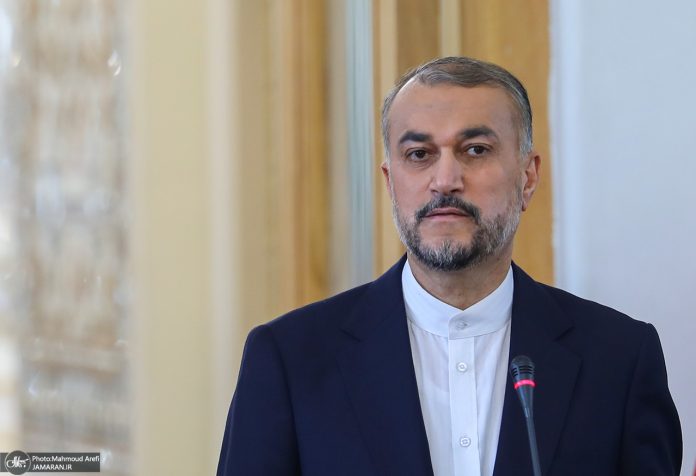
Hossein Amirabdollahian

Iranian Foreign Minister Hossein Amirabdollahian has held a phone conversation with his Armenian counterpart Ararat Mirzoyan.

In the phone talk, the two top diplomats discussed the ongoing developments in the South Caucasus region as well as ways of enhancing and deepening bilateral ties.

The Iranian foreign minister said he was pleased with the growing trend of bilateral ties.

He also said it is vital to implement the road map on preventing the pollution of the Aras River to preserve its ecosystem.

Amirabdollahian further touched upon a military exercise conducted by Armenia and the United States, saying any presence of foreign forces in the region will further complicate the situation there.

The Iranian foreign minister underscored the necessity of tackling the root causes of differences in order to achieve lasting peace, adding the most effective way to secure and all-encompassing peace is regional talks and mechanisms.

Mirzoyan, in turn, described the promotion of ties with Iran as constructive and significant. He touched upon the deployment of Azeri military troops, saying any changes in the borders of the South Caucasus region will be unacceptable.

The top Armenian diplomat referred to the negotiations held between the two countries’ environment chiefs, and stressed the importance of preserving the environment of the Arash River.

He also said the Armenian soil will definitely not be a place for conducting anti-Iran activities.

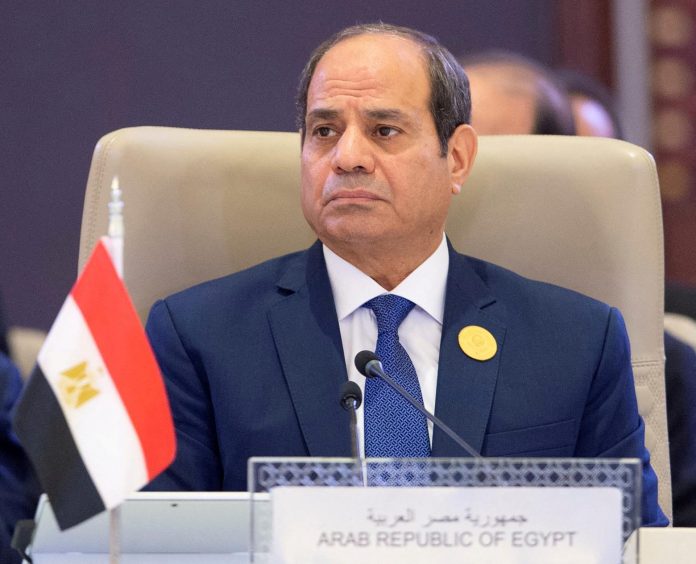
US plans to withhold $85m in aid to Egypt due to political detentions

Sisi

Two other sources familiar with the matter said the $85 million was being withheld and the decision on the other $235 million was expected soon.

“We are consulting with Congress as we finalise our actions,” stated a State Department spokesperson when asked about Senator Chris Murphy’s comments on the Senate floor.

“The administration rightly decided to withhold that first tranche – $85 million tied to the release of political prisoners – because there’s just no question there has not been enough progress,” Senator Murphy, a Democrat, said.

“I would urge the administration to finish the job and withhold the full $320 million… until Egypt’s human rights and democracy record improves,” he added.

Rights groups have long accused Egypt of widespread human rights abuses under President Abdel Fattah al-Sisi’s government, including torture and enforced disappearances.

Egyptian authorities have taken some steps since late 2021 that they say aim to address rights, including launching a human rights strategy and ending a state of emergency, but critics have dismissed the measures as largely cosmetic.

Some high-profile detainees have been pardoned or released but activists say new detentions have outnumbered releases and that thousands of political prisoners remain in jail, with restrictions on free speech as tight as ever.

For decades, the United States has given Egypt about $1.3 billion a year in aid to buy US weapons systems and services. This aid is largely the result of the 1979 Egyptian-Israeli peace treaty.

Over the last decade or so, the US Congress has made some aid subject to human rights conditions.

Under US law, $85 million is contingent on Egypt “making clear and consistent progress in releasing political prisoners, providing detainees with due process of law, and preventing the intimidation and harassment of American citizens.”

These conditions cannot be waived by the executive branch.

A further $235 million is conditioned on Egypt meeting democracy and human rights requirements. These conditions, however, can be waived if the executive branch certifies this is in the US national security interest.

There is a further loophole for the $235 million, which can be given to Egypt regardless if it is for “counterterrorism, border security and nonproliferation programs for Egypt.”

Last year, Washington allowed the full $75 million that was then contingent on progress on political detentions and allowed a further $95 million to go to Egypt under the counterterrorism, border security and non-proliferation exception.

This amounted to a decision to withhold $130 million, the same amount as the year before.

The $85 million withheld “is an important reversal from last year,” stated Seth Binder of the Project on Middle East Democracy rights group.

“But if the administration withholds less than it has the last two years it would in essence be saying to Sisi that it believes the Egyptian government has improved its rights record, which is just not true,” Binder added.

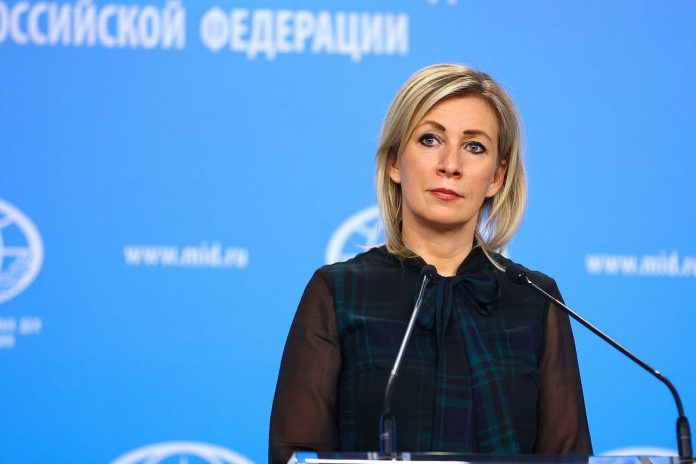
Russia voices annoyance with Azerbaijan, Armenia over elections in Ukraine, Nagorno-Karabakh

Maria Zakharova

Zakharova’s comments reflected a sharp worsening of Russia’s relations with both countries, which have fought two wars in the three decades since the collapse of the Soviet Union.

Distracted by the war in Ukraine, Moscow is struggling to maintain its position as the leading power and security guarantor in the region.

At the weekend, Azerbaijan released a statement on what it called “sham ‘elections’ in certain territories of Ukraine” – a reference to votes that Russia was holding in four partly occupied regions of Ukraine that it claimed as its own after invading its neighbour last year.

The Azerbaijani statement said the Russian vote was taking place in areas internationally recognised as part of Ukraine and was therefore legally void.

Zakharova told reporters that Russia had lodged a diplomatic protest because the comments were “unacceptable to us and do not correspond to the allied nature of relations between our countries”.

“We proceed from the fact that Baku should treat the territorial integrity of our country with the same respect that Baku expects from us, when it comes to the territorial integrity of Azerbaijan,” she added.

Tensions between Armenia and Azerbaijan have risen in the past week, with each side accusing the other of building up troop concentrations near their borders.

Armenia has accused Russia, which has maintained a peacekeeping force in the region since the last war in 2020, of failing to protect it against what it calls Azerbaijani aggression.

Zakharova stated Armenia’s recent statements had an “unfriendly character” and were damaging to the peace process over Nagorno-Karabakh.

The territory is internationally recognised as part of Azerbaijan but is mostly populated by ethnic Armenians who broke away from Baku in a war in the 1990s.

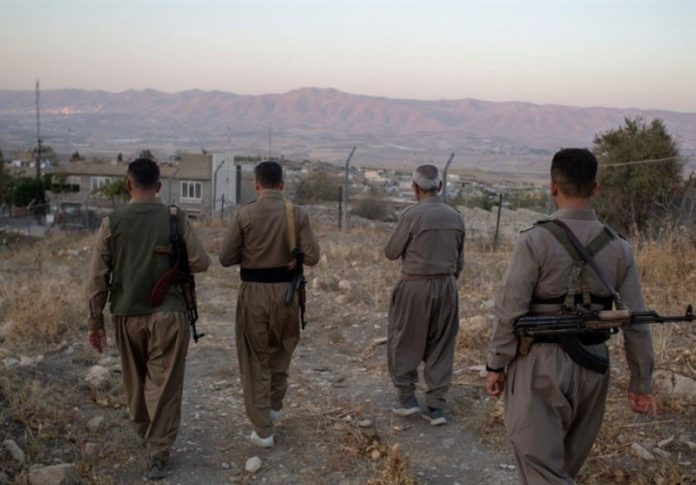
Removal of terrorist bases in Iraq’s Kurdistan underway: Report

Militants in Iran's Kurdistan

The source said that the bases of terrorist and separatist groups in the Iraqi Kurdistan Region began to be dismantled this morning.

According to the source, all bases of terrorist groups, including the Komalah, Kurdistan Freedom Party (PAK), the Kurdistan Free Life Party (PJAK) and the Kurdistan Democratic Party (KDP) along the common border with Iran and in the other parts of the Iraqi Kurdistan Region near the border areas will be dismantled.

The terrorist groups are going to be relocated to a base deep inside the soil of the Iraqi Kurdistan Region, the source added.

“After this stage, the separatist groups will be fully disarmed, otherwise (if the bases of terrorists are not properly dismantled or if a number of them refuse to be relocated), we (Iran) will return to the conditions before the agreement (with KGR) and will fulfill our duty to safeguard the country’s security,” the source stated.

In July, Iran’s highest-ranking military commander cautioned the Iraqi government that its failure to meet a deadline of September for action against hostile armed groups in its northern regions will result in a fresh round of Iranian military strikes against them.

“Armed secessionist groups are there in northern Iraq that cause insecurity at our borders,” Chief of Staff of the Iranian Armed Forces Major General Mohammad Hossein Baqeri said.

The IRGC launched several rounds of military strikes on the positions of separatist groups in Iraq’s Kurdistan Region in 2022.

The first stage of the attacks began on September 24, after terrorists’ move to ignite riots and unrest along border cities west of Iran.

The move by IRGC Ground Force to hit Iraqi-based Komalah and Democrat terrorist groups came after illegal entry by these groups’ armed teams into the Iranian border cities.

The IRGC has announced, “These terrorists – who are backed by the global arrogance and are based in the Iraqi northern region – were forced to flee the country after accepting heavy casualties.”

The IRGC underlined that Iran on many occasions has warned officials of the Iraqi Kurdistan Region about the terrorist groups’ activities in the region but they have failed to pay necessary attention to the warnings and take proper measures to prevent terrorist moves.

It has also described the operations by the Iranian forces as part of efforts to ensure durable security along borders and punish criminal terrorists.

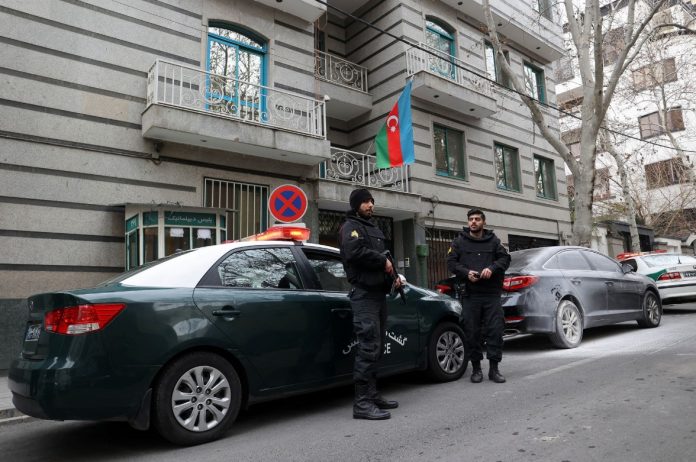
Tehran public prosecutor wants maximum penalty for Azerbaijan Embassy assailant

Azerbaijan Embassy Tehran

Ali Salehi, the prosecutor of the Criminal Court of Tehran, pointed out that the judicial system has stepped up the pace and precision of the proceedings against the assailant of Azerbaijan’s embassy in Tehran.

He stated that, “The assault on January 27 with a firearm that caused the death of one of the embassy staff and the injury of two other personnel, as well as the destruction of part of the embassy’s property was carried out with personal incentives.”

Salehi warned of efforts to politicize the issue and stressed that the incident should not lead to deterioration of relations between Tehran and Baku.

The assailant, identified as Yasin Hosseinzadeh, entered Azerbaijan’s embassy in Tehran with a firearm and started shooting, which left the head of the security service of the embassy killed and two embassy guards injured.

After the assailant was arrested by the police, he claimed that his wife visited the embassy last year and never returned.

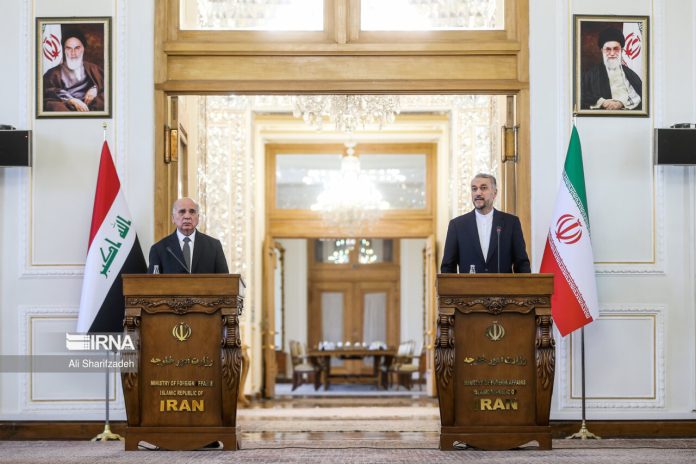
Iran, Iraq pursing security roadmap to confine terrorists to camps

Hossein Amirabdollahian and Fuad Hussein

Amirabdollahian, addressing a joint press conference with his visiting Iraqi counterpart Fuad Hussein in the Iranian capital on Wednesday, stated, “Even one hour of delay in expelling terrorist groups from Iraqi soil will lead to the detriment of the security in Iraq, Iran, the region and the Kurdistan Region.”

The top Iranian diplomat praised Baghdad’s cooperation with Tehran to contain terrorist groups and remove them from areas close to the border with Iran, adding the two countries’ ultimate goal is to disarm terrorist groups.

For his part, the Iraqi foreign minister unveiled a roadmap of security cooperation between Baghdad and Tehran, saying plans are underway to disarm terrorist groups along the border with Iran and relocate them to a camp operating under the supervision of the United Nations.

Fuad Hussein clarified that the Iraqi constitution does not allow any group to stage attacks on other countries from Iraqi soil.

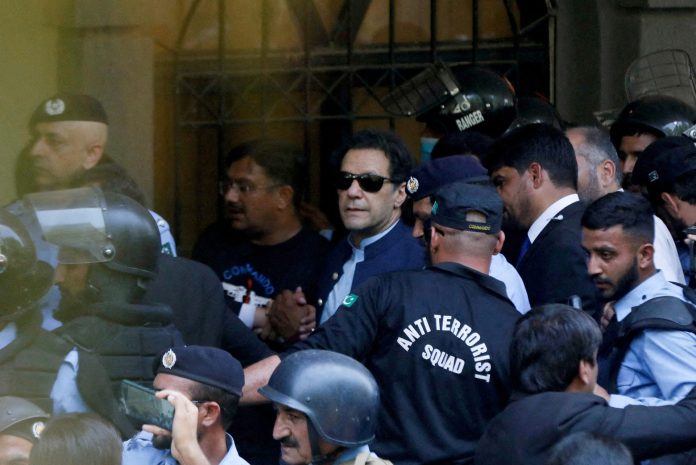
Pakistan court extends ex-PM Imran Khan’s custody for 2 weeks

Imran Khan

The 70-year-old former cricket star has been at the centre of a political crisis since he lost a confidence vote in parliament in April 2022, and his conviction in a separate corruption case last month resulted in him being barred from contesting a national election due to be held in coming months.

In late August, a high court suspended Khan’s prison sentence for corruption just weeks after he was jailed, but a prior order for his remand in custody in the state secrets case prevented his release.

The latest extension of the remand order will keep Khan in jail until Sept. 26, lawyer Naeem Panjutha said in a post on X messaging platform.

In the state secrets case, Khan is charged with making public contents of a confidential cable sent by Pakistan’s ambassador to the United States and using it for political gain, according to a Federal Investigation Agency (FIA) document seen by Reuters.

Khan alleges that the cable proves the United States had pressed Pakistan’s military to orchestrate the fall of his government because he had visited Russia shortly before its invasion on Ukraine in February 2022.

Washington and the Pakistani military have denied Khan’s accusations.

In the corruption case, Khan was sentenced to three years jail for unlawfully selling state gifts during his time as prime minister from 2018 to 2022. As a result, the election commission barred him from contesting elections for five years, and although the prison sentence was suspended last month the conviction still stands.

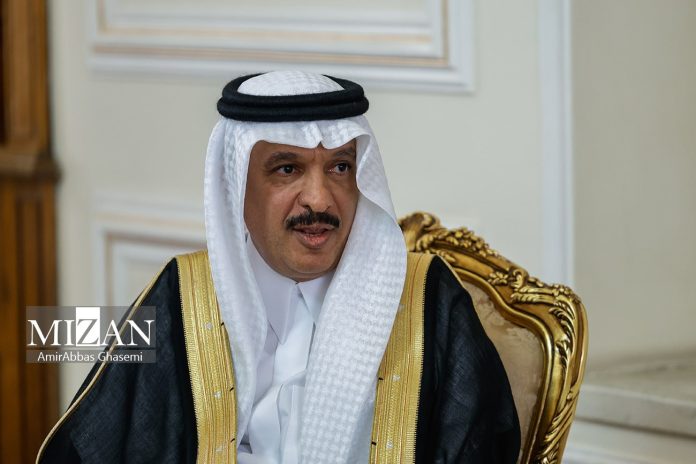
Revived Iran-Saudi ties will be strong in all fields: Ambassador

Saudi Ambassador to Iran

Abdullah bin Saud al-Anzi made the remarks in an exclusive interview with IRNA late on Tuesday, on the sidelines of a ceremony at the Chinese embassy in Tehran on the 74th anniversary of the founding of the People’s Republic of China.

“These relations will be constructive, strong, and based on common interests, mutual respect, and good neighborliness,” he said.

The Saudi diplomat also appreciated the constructive role played by the People’s Republic of China in mediating an agreement on the resumption of relations between Tehran and Riyadh.

He noted that the agreement between Tehran and Riyadh had a great impact on many issues and was met with a positive reaction from the international community.

Al-Anzi also pointed out that Saudi Arabia’s King Salman has invited Iranian President Ebrahim Raisi for a visit to Riyadh, voicing hopes that the visit would be made at an appropriate time.

The Saudi ambassador arrived in Tehran on September 5 and submitted a copy of his credentials to Iranian Foreign Minister Hossein Amirabdollahian.

In March 2023, Iran and Saudi Arabia issued a joint statement in China announcing that they would resume their diplomatic relations after seven years of tensions.

Israel deprived life-saving healthcare to ‘two Palestinian children a day’ in 2023: Report

Palestinian Patients Israel

A staggering average of 60 young patients were not allowed to leave for the occupied West Bank to receive urgent medical attention each month, equivalent to over two children per day.

These denials have left children without access to critical surgeries and urgent medication, which are unavailable in the blockaded enclave.

“Some are desperately sick children who have no options other than leaving Gaza to survive,” said Jason Lee, Save the Children’s director in the occupied Palestinian territory, in a statement.

“Denying children healthcare is inhumane and an infringement of their rights.”

The London-based organisation announced that in May alone, Israeli authorities denied or left unanswered 100 children’s applications to request permits to exit through the Beit Hanoun (Erez) crossing, which Israel controls, in the north of the Gaza Strip.

During the same month, at least seven children were among 33 Palestinians killed in Israel’s attack on Gaza between 9 and 13 May 2023.

Because of the severe lack of medical equipment and personnel, a significant portion of patients in Gaza, notably those suffering from conditions such as cancer and chronic diseases, must obtain medical referrals covered by the Palestinian Authority (PA) to enable them to seek treatment in the occupied West Bank or Israel.

After they receive approvals and financial coverage for their medical treatment, patients are then required to apply for Israeli exit permits to be allowed to leave the strip through the Beit Hanoun, the only land crossing for Palestinians who want to move between Gaza and the rest of the occupied Palestinian territory.

One in 10 patients who seek exit permits from Gaza die within six months after their first application.

Yet, they endure a waiting period of almost five weeks for each application to undergo processing by Israeli authorities.

In 2022, three Palestinian children died after months of waiting for Israeli exit permits that would have enabled them to cross the border and access life-saving medical treatment in the occupied West Bank. Among them were 16-year-old leukaemia patient Salim al-Nawati and 19-month-old Fatima al-Masri.

Masri, who suffered an atrial septal defect (hole in the heart), was born after eight years of marriage and died after Israeli authorities left unanswered five applications her parents submitted to get her an exit permit.

“I submitted the first application at the end of [2021] and got an appointment on 26 December, but shortly before that date, I received a text message saying that her application was pending under review,” Masri’s father, Jalal, previously told MEE.

“I went through the same prolonged procedures again to submit another application and got another appointment on 13 February. Three days before the appointment, I received the same message again. So I submitted a third application to get another appointment on 6 March, which was delayed until 27 March and then 5 April. Fatima died 11 days before that date.”

Devastated by 16 years of an Israeli-led blockade and recurrent military attacks, Gaza’s healthcare system faces immense challenges, with the entry of vital medical supplies, equipment and medications severely restricted by Israel.

According to the Palestinian Ministry of Health in Gaza, around 224 drug items (43 percent of the essential medicine list) and 213 medical disposables (25 percent of the essential list) were at zero stock in May.

While tens of thousands of patients are granted medical referrals outside of Gaza by the PA each year, almost a third of them are denied exit permits by Israel.

In 2022, around 33 percent of the 20,295 patient permit applications submitted to Israeli authorities were denied or delayed. This includes a minimum of 29 percent of applications filed on behalf of child patients, according to the World Health Organisation (WHO).

However, permit denials are not the only challenge Gaza patients face throughout the prolonged process of getting proper medical treatment outside of the strip.

In the majority of cases, approximately 62 percent of the time, Israeli authorities denied or delayed permit applications for caregivers and companions who are meant to accompany patients during their medical journeys.

Moreover, 225 patients underwent security interrogations by Israel, of whom only 24 were granted exit permits.

The coastal enclave, home to more than two million residents, has 36 hospitals providing an average of 1.26 hospital beds for every 1,000 people, according to the Palestinian Ministry of Health.

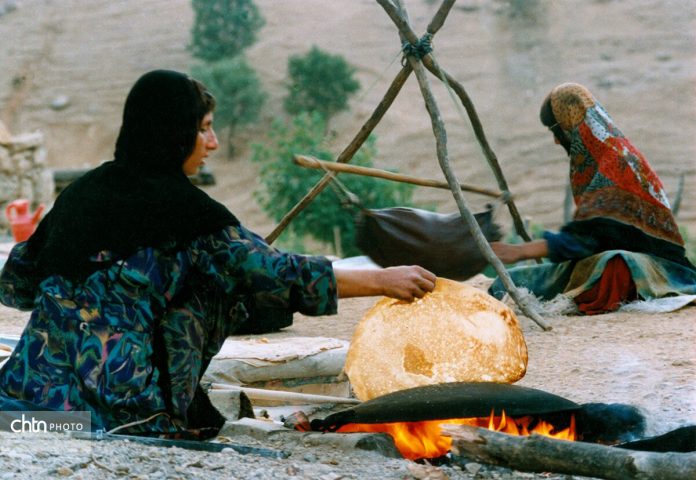
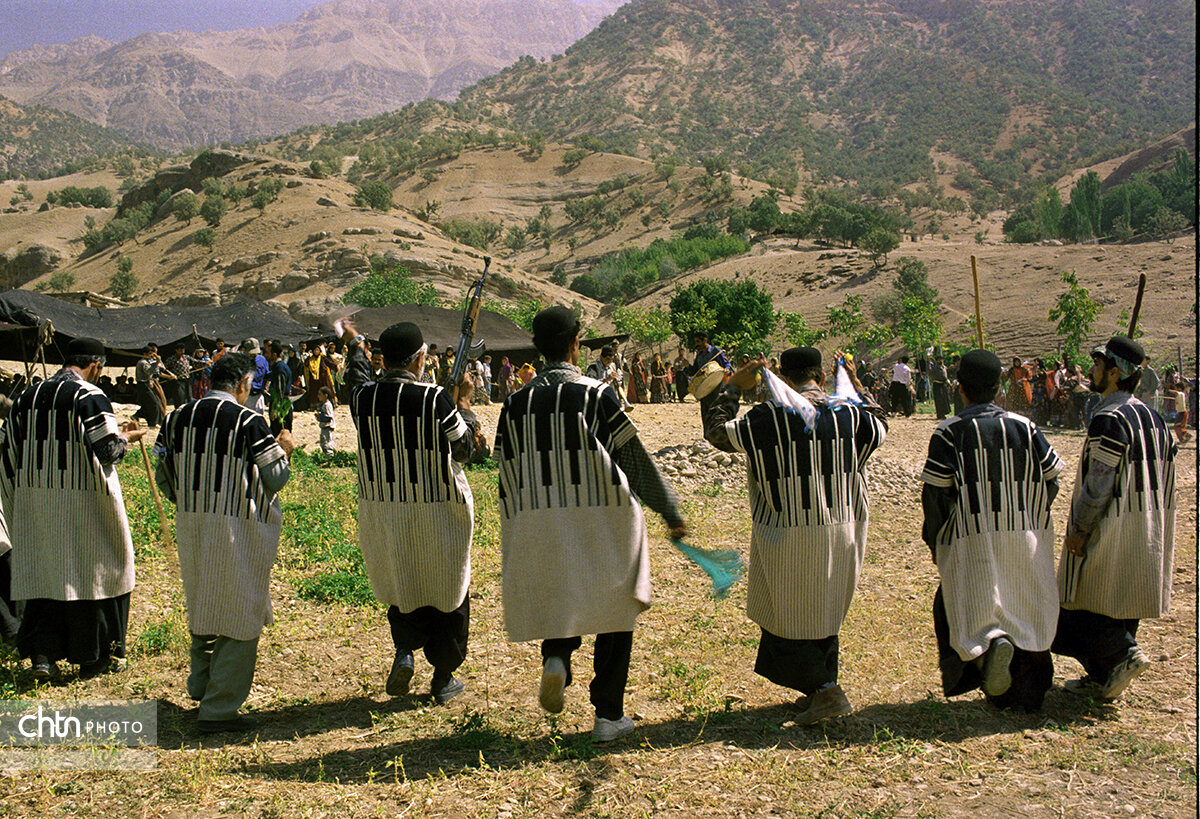
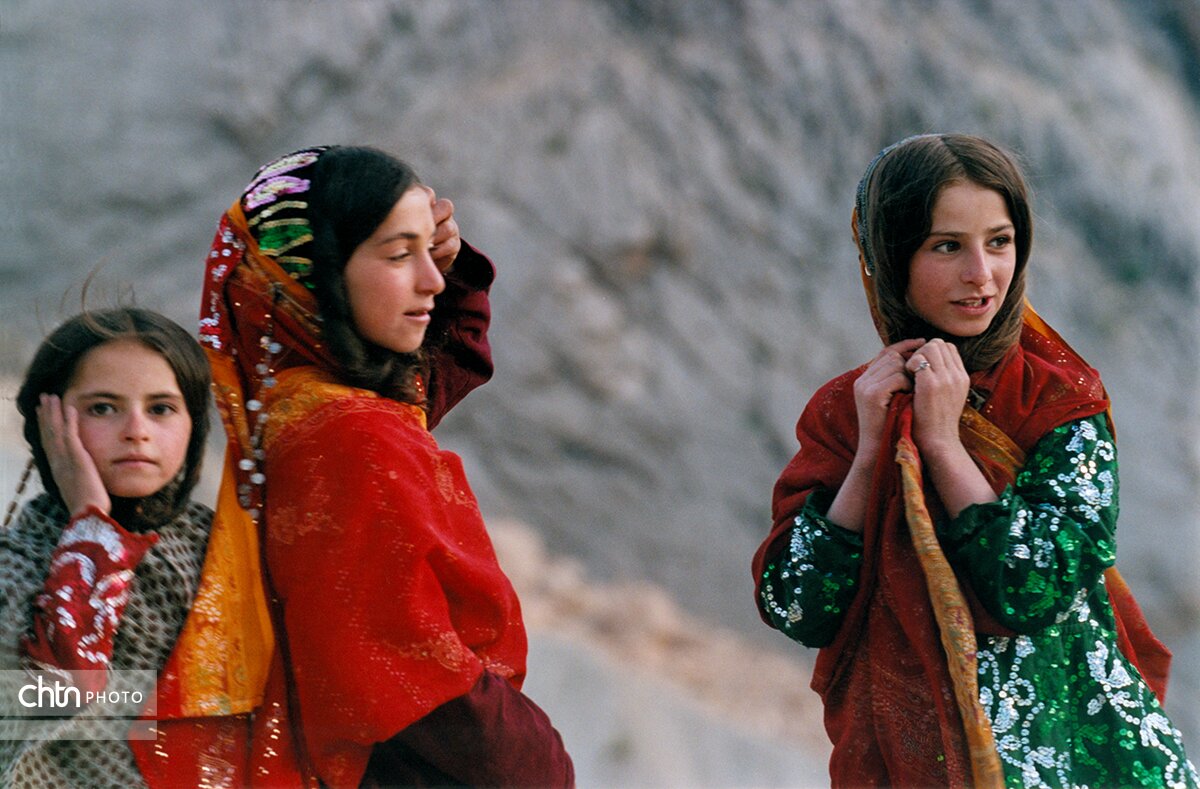
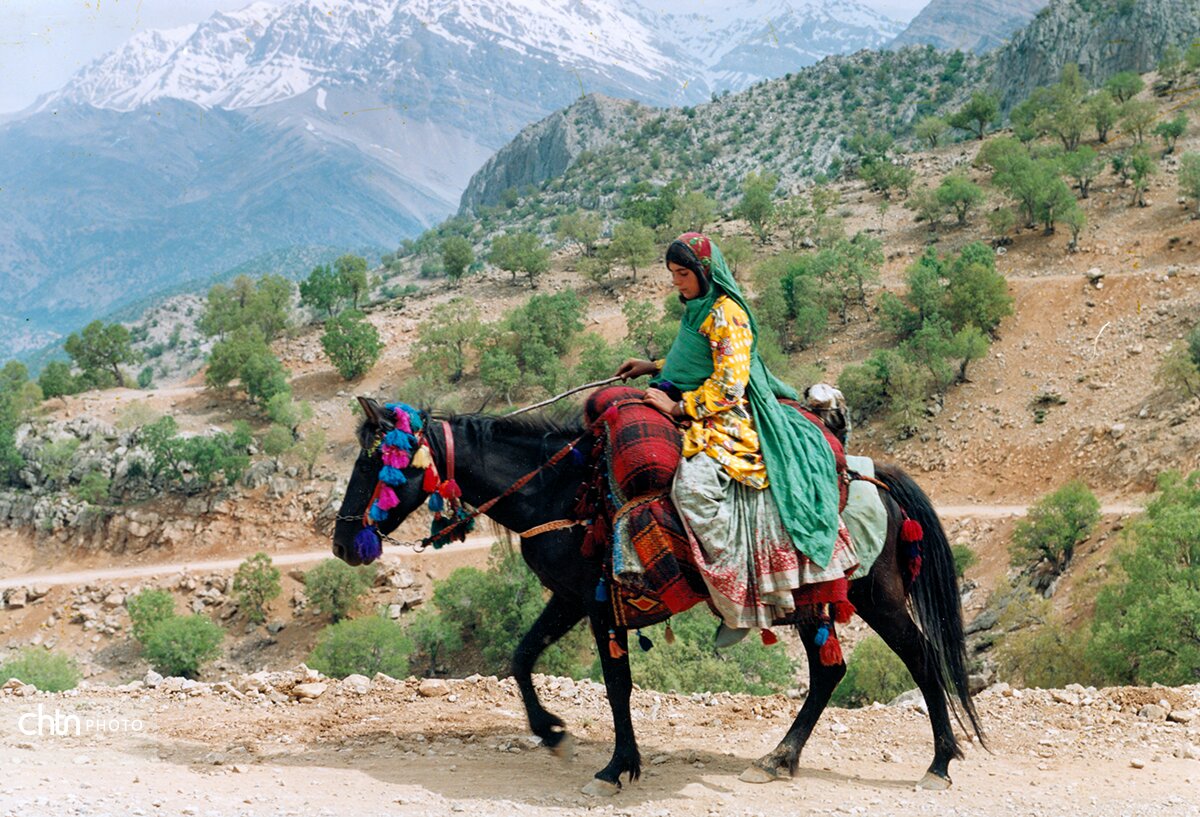
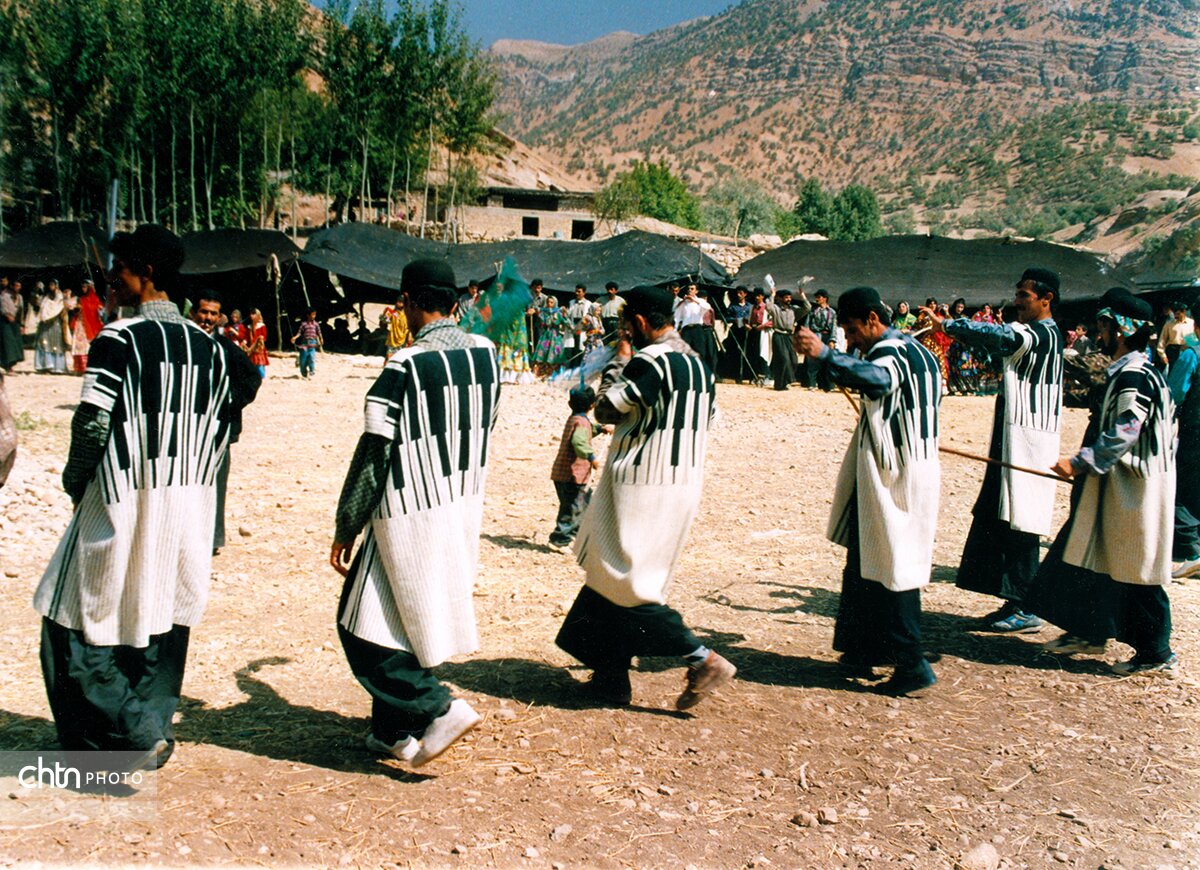
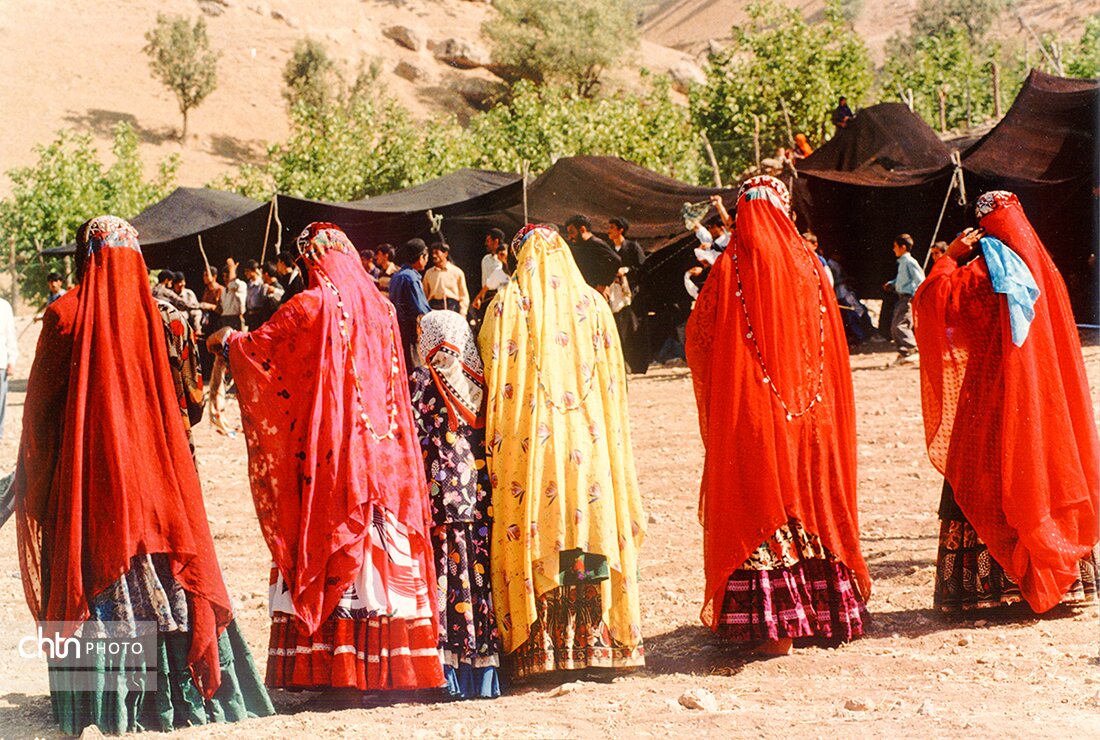
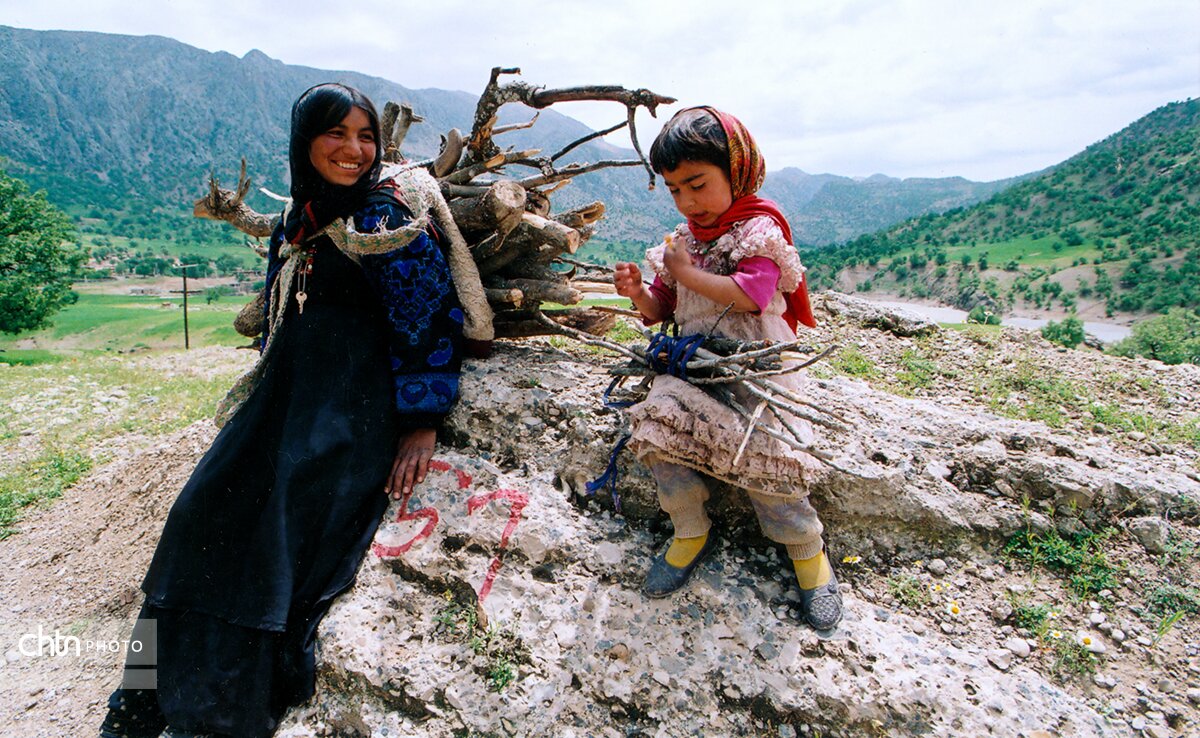
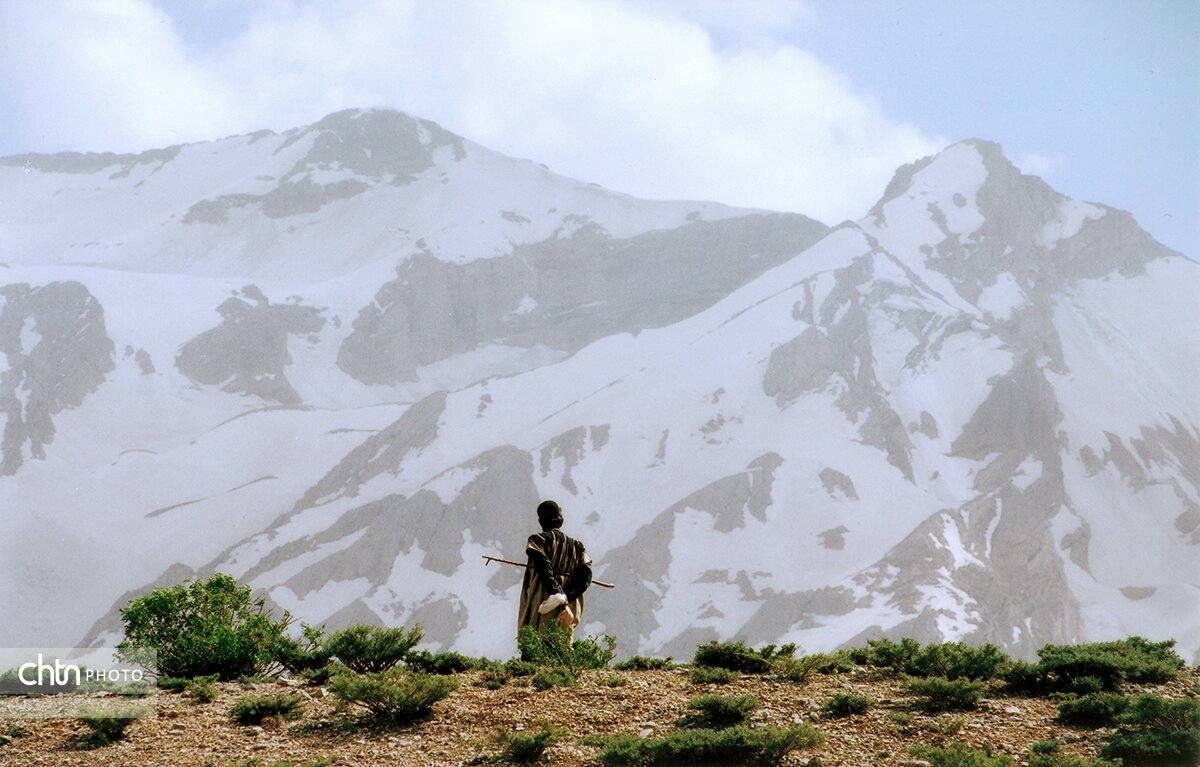
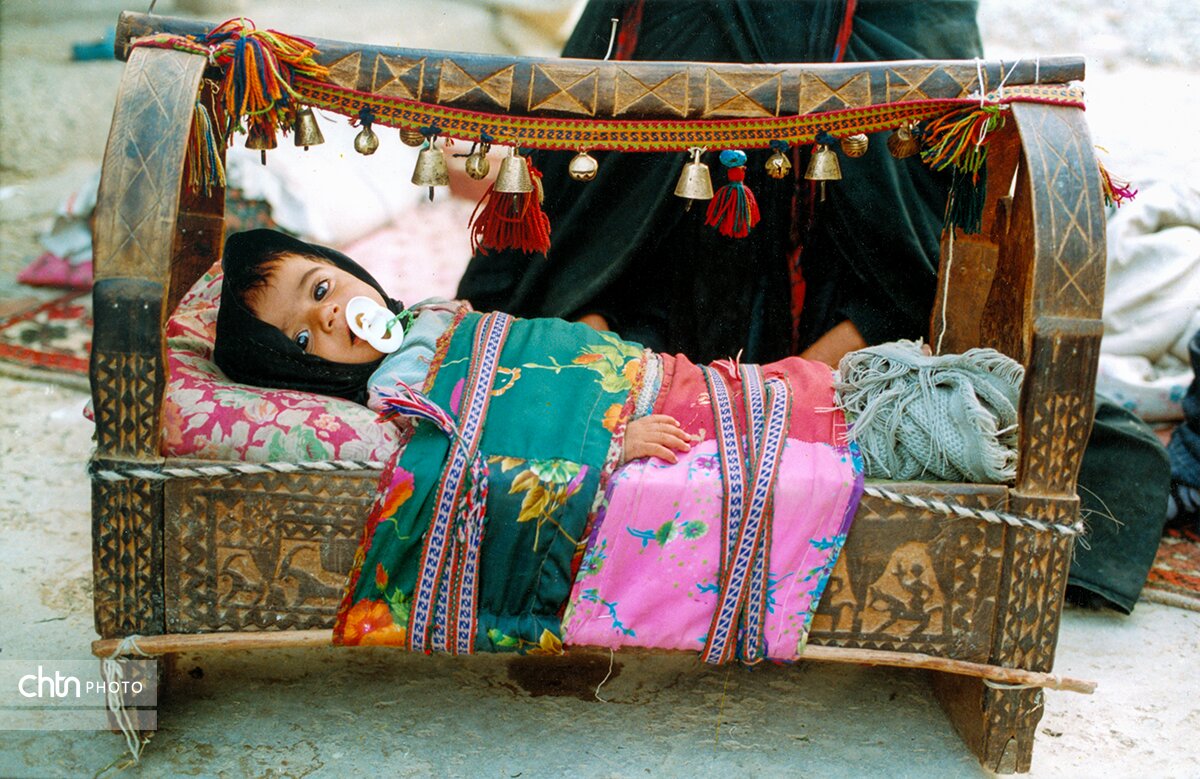
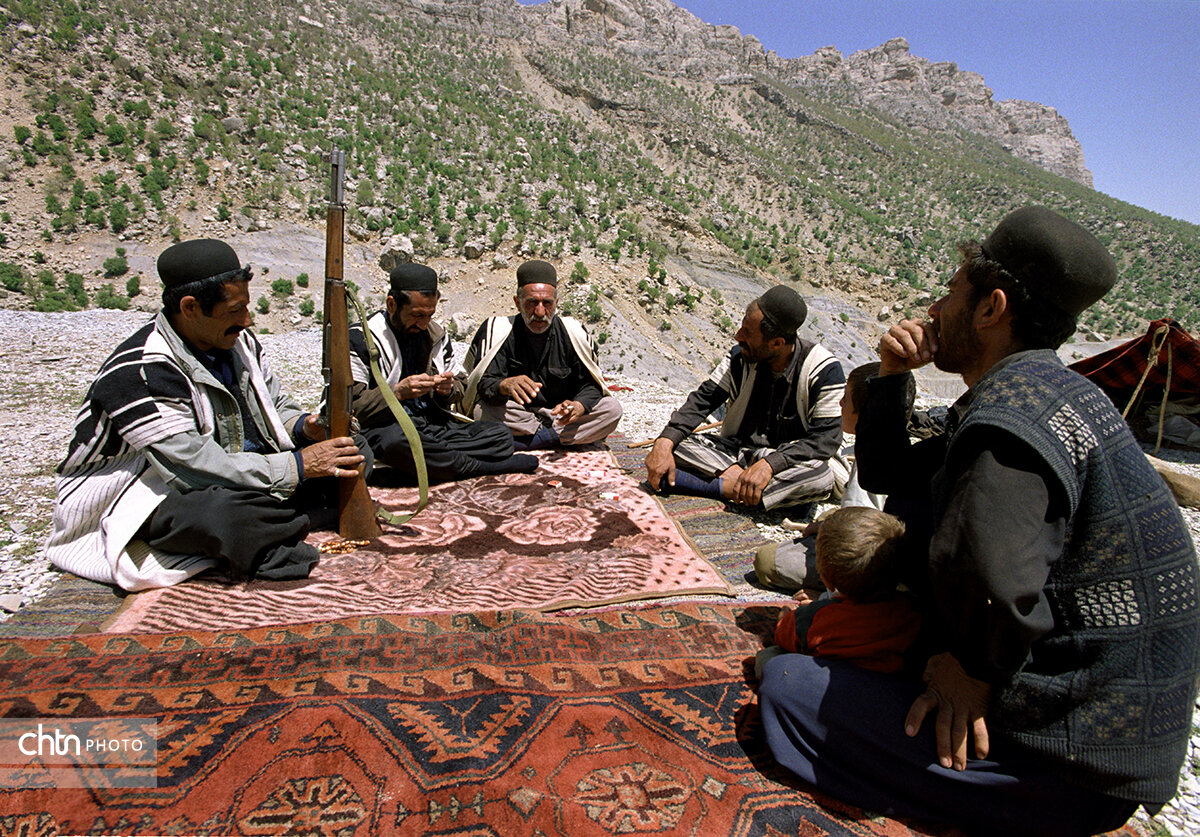
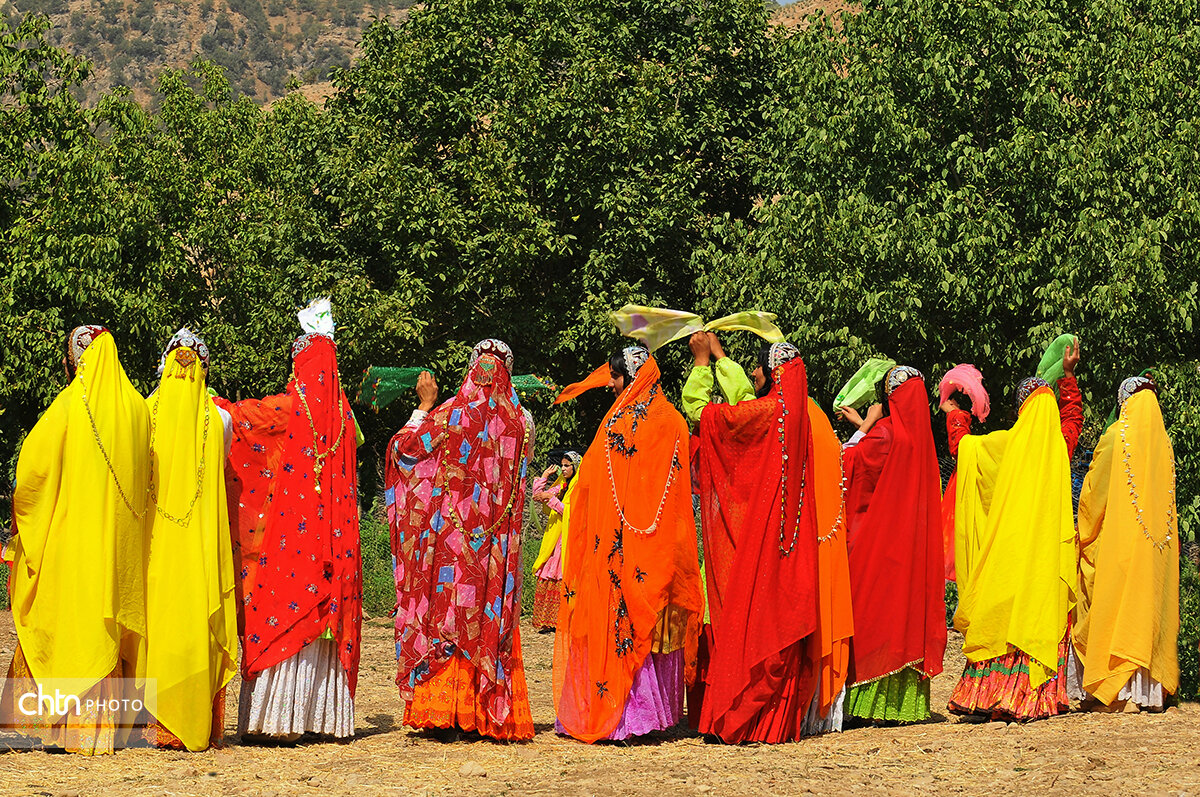
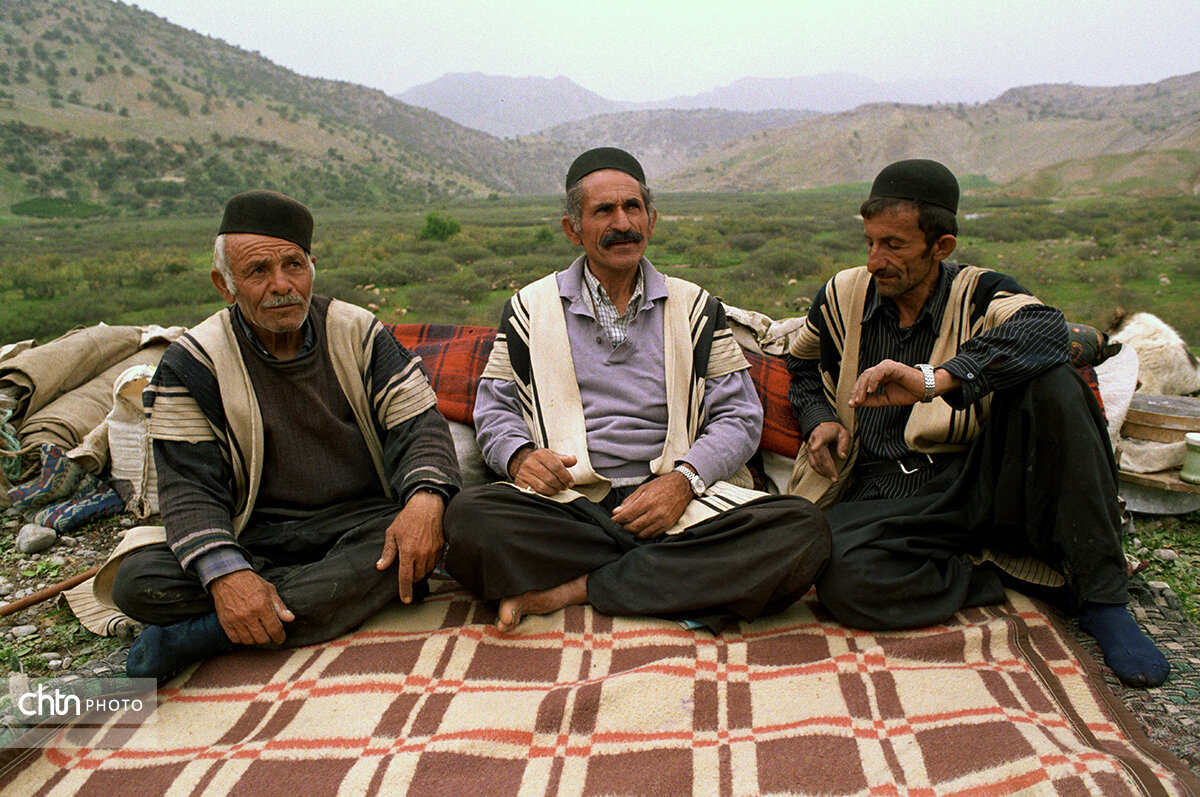
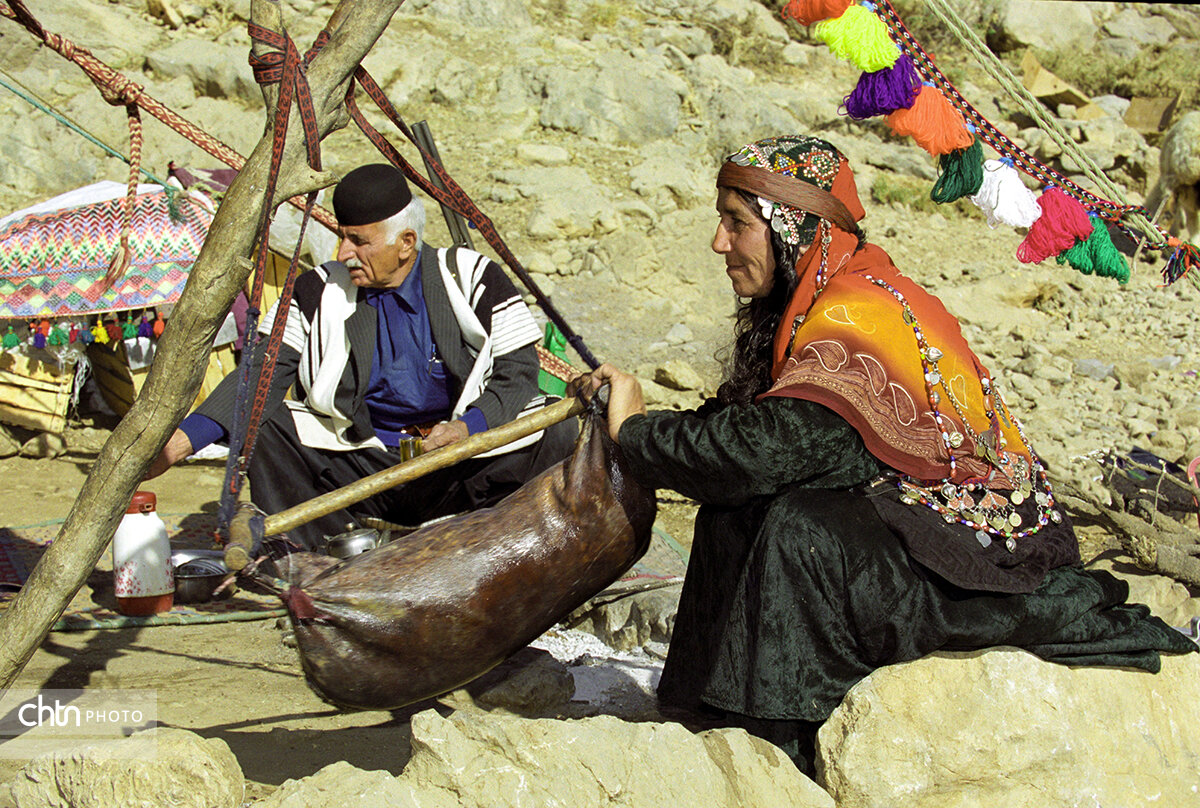
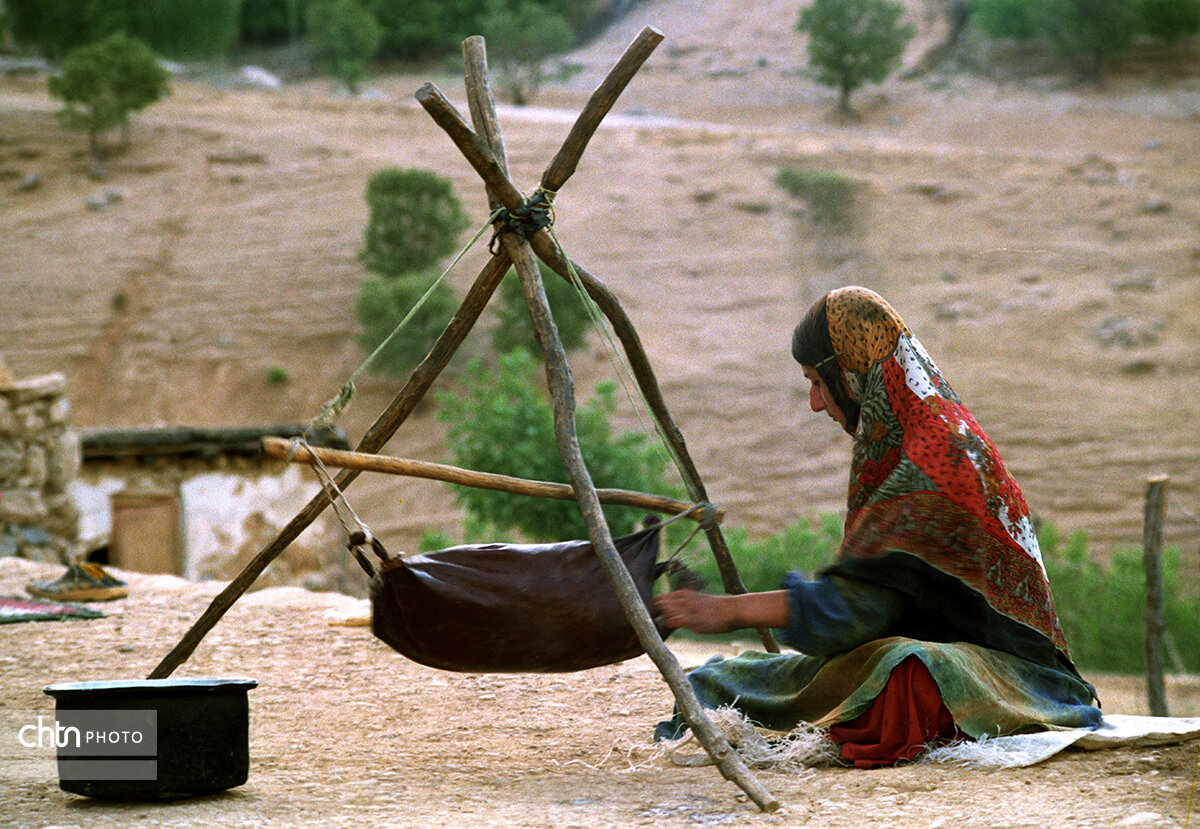
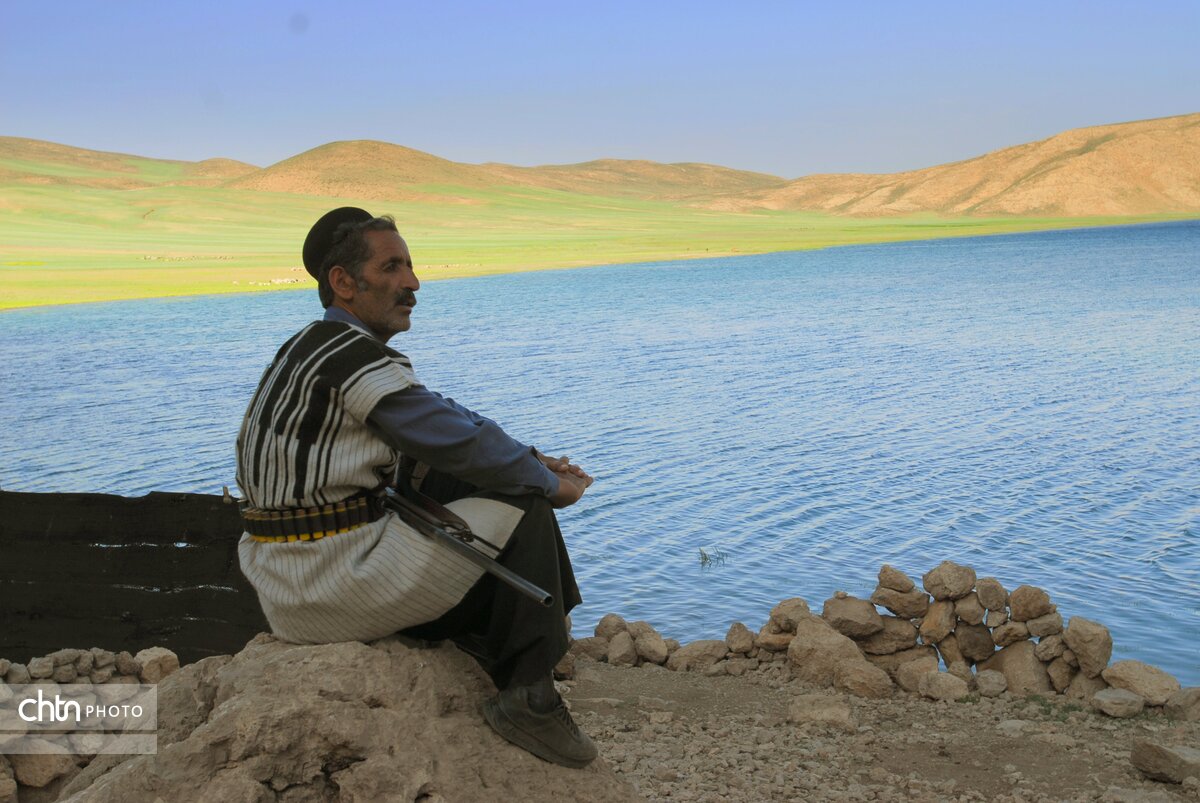
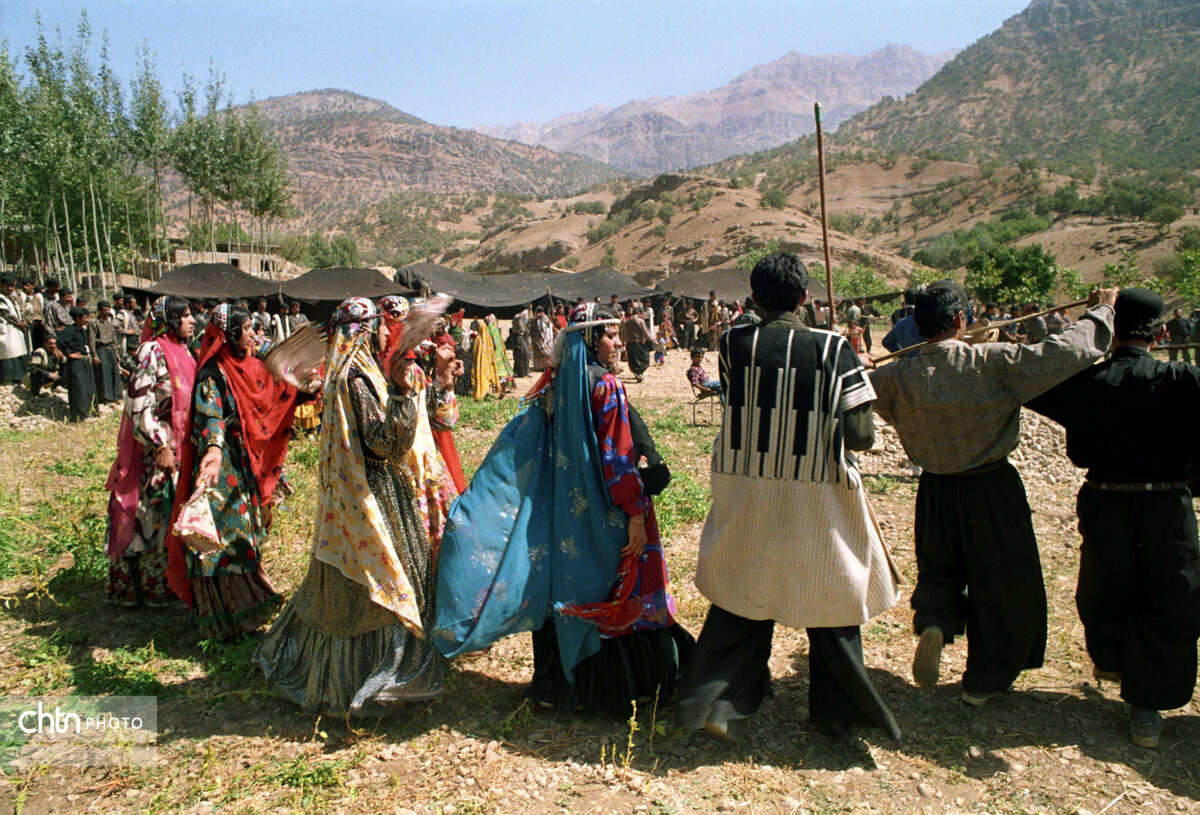
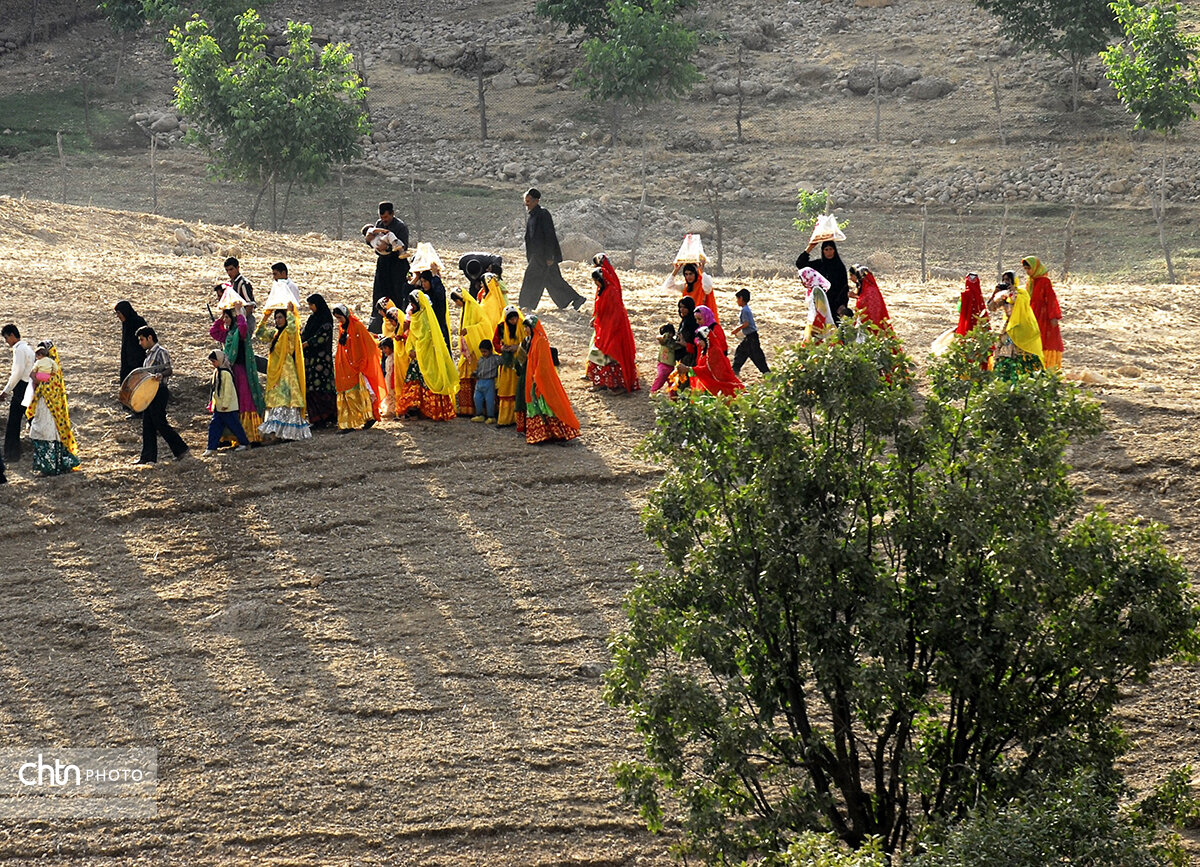
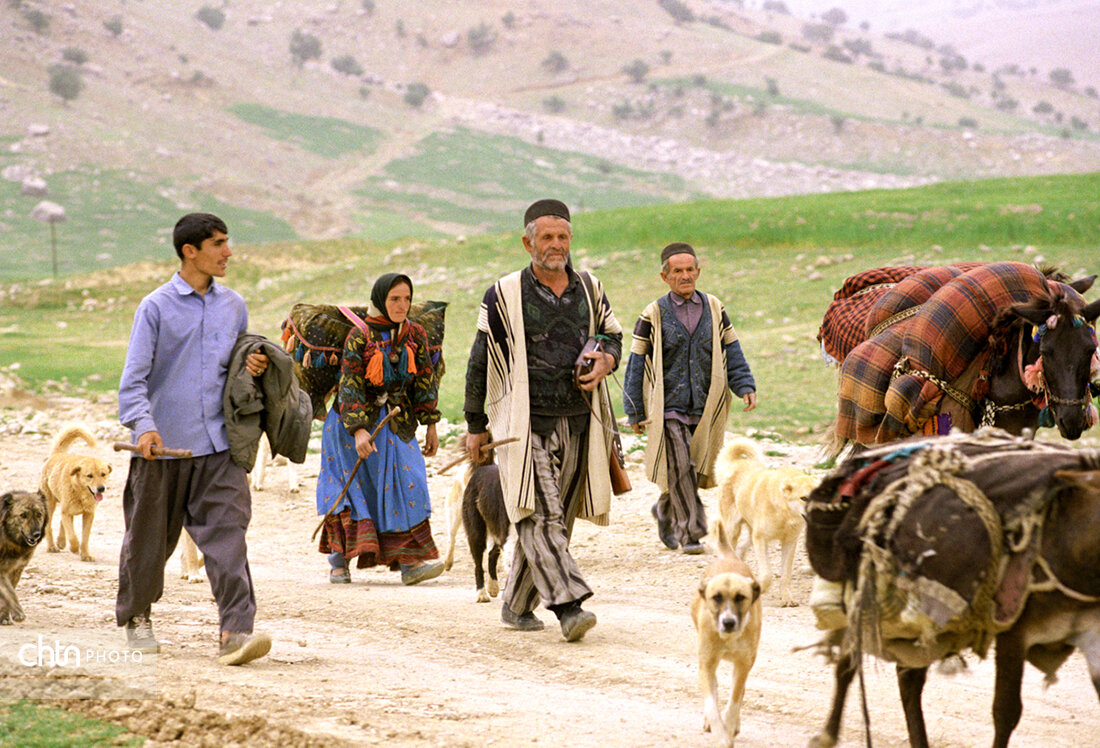
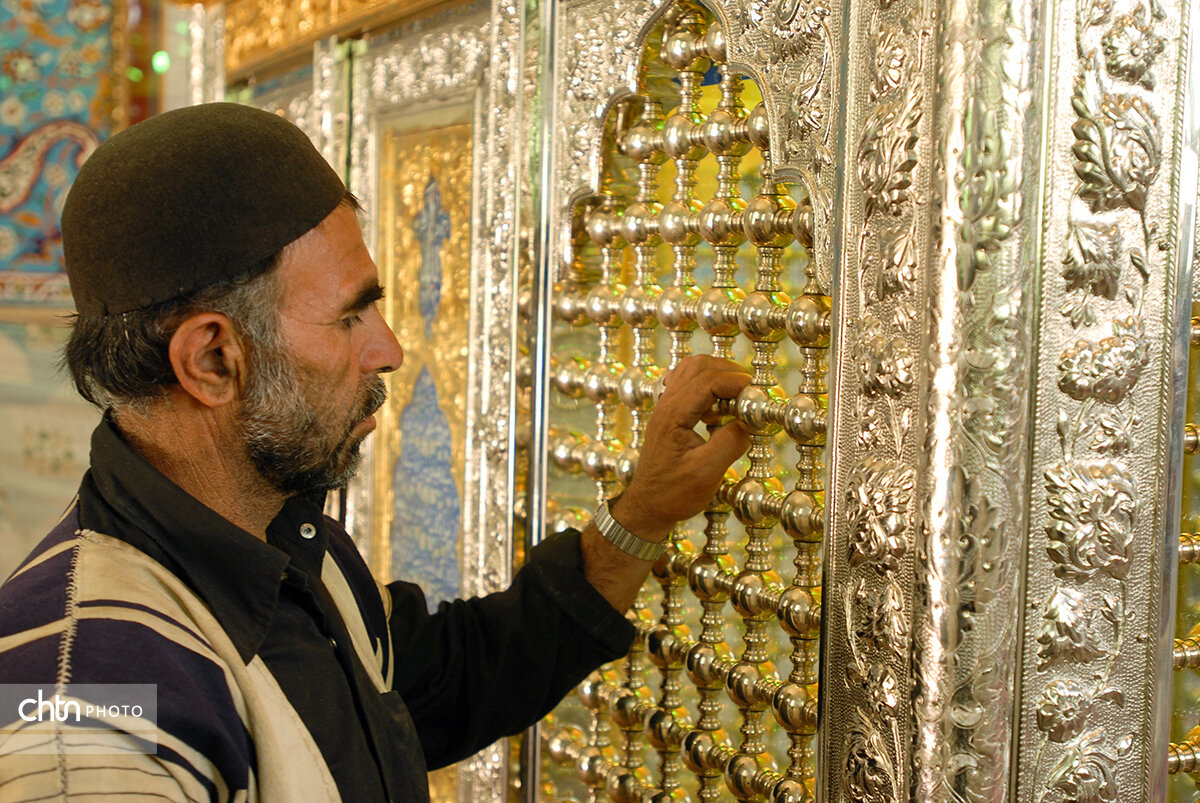
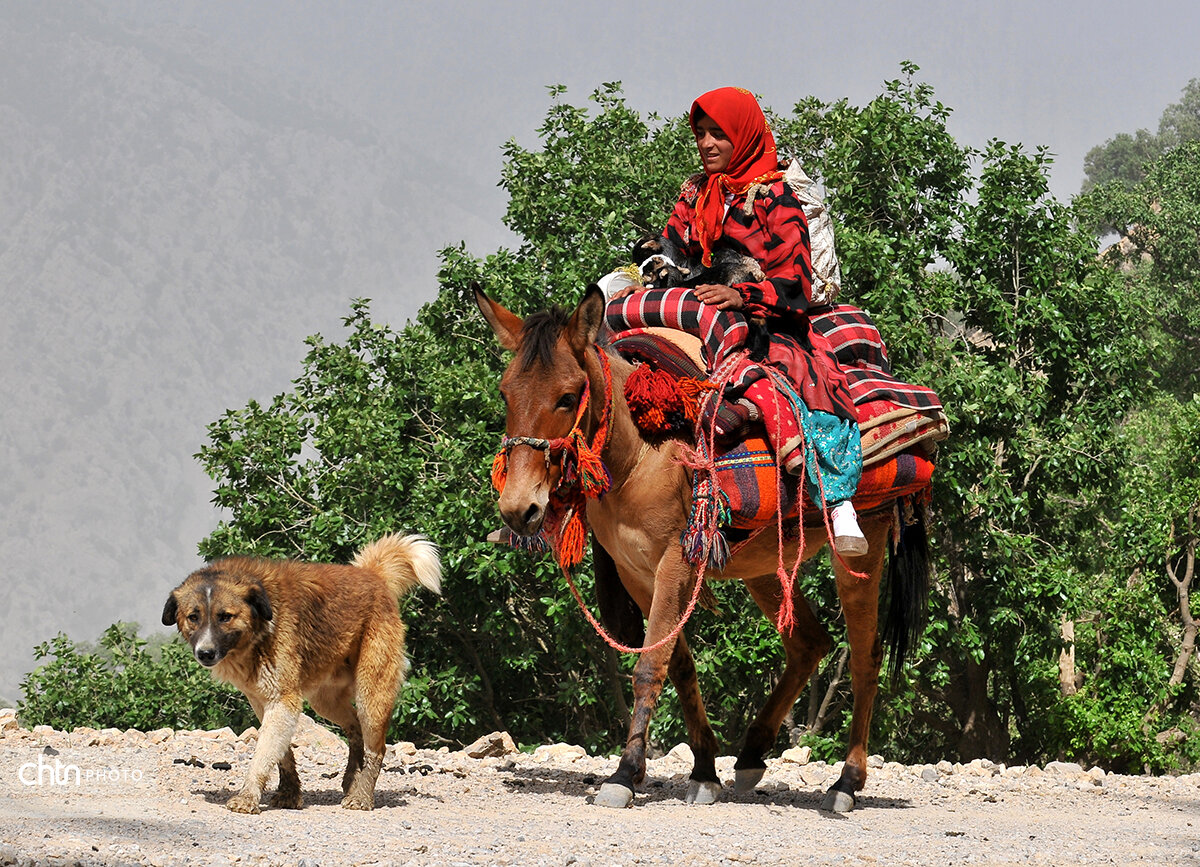
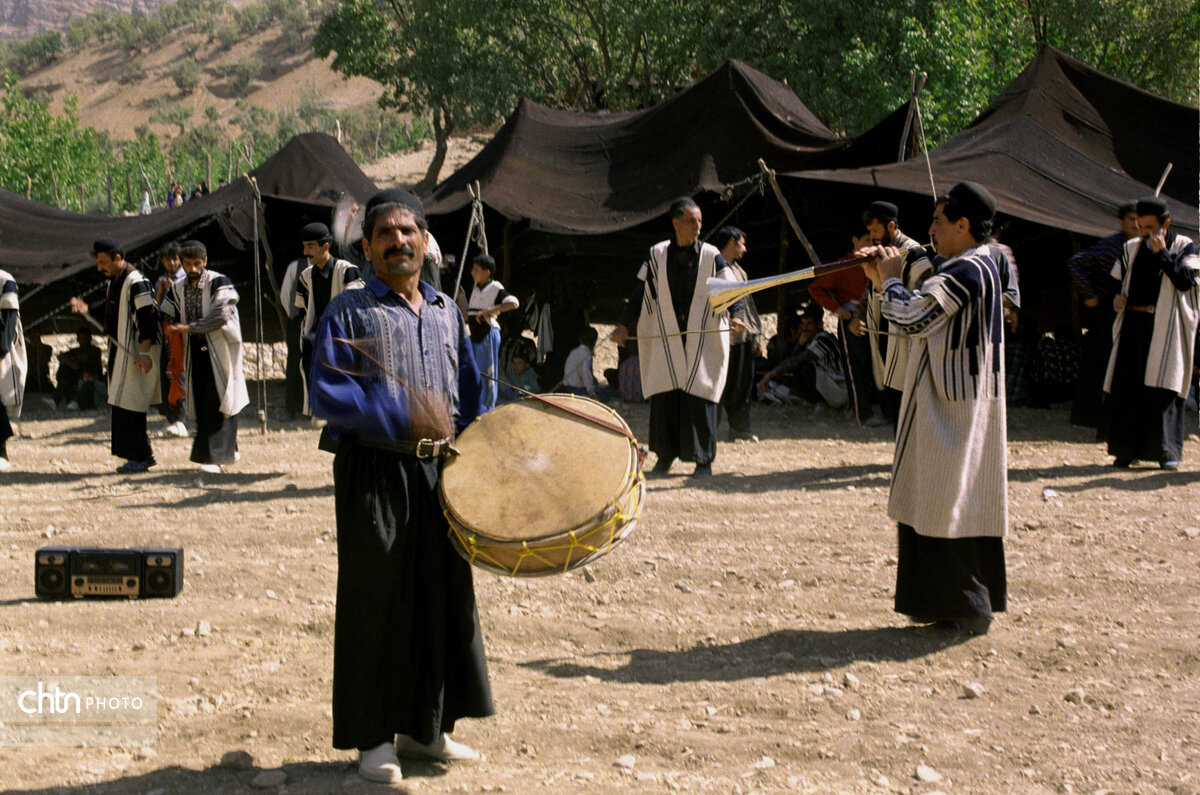
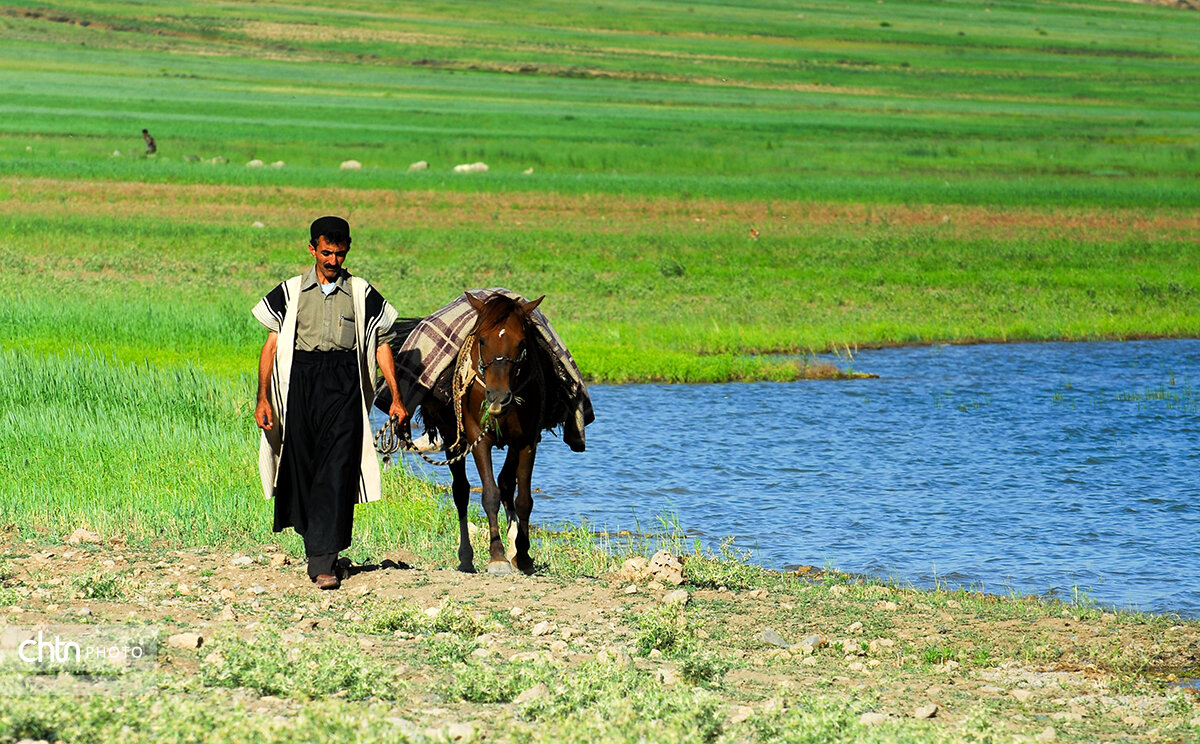
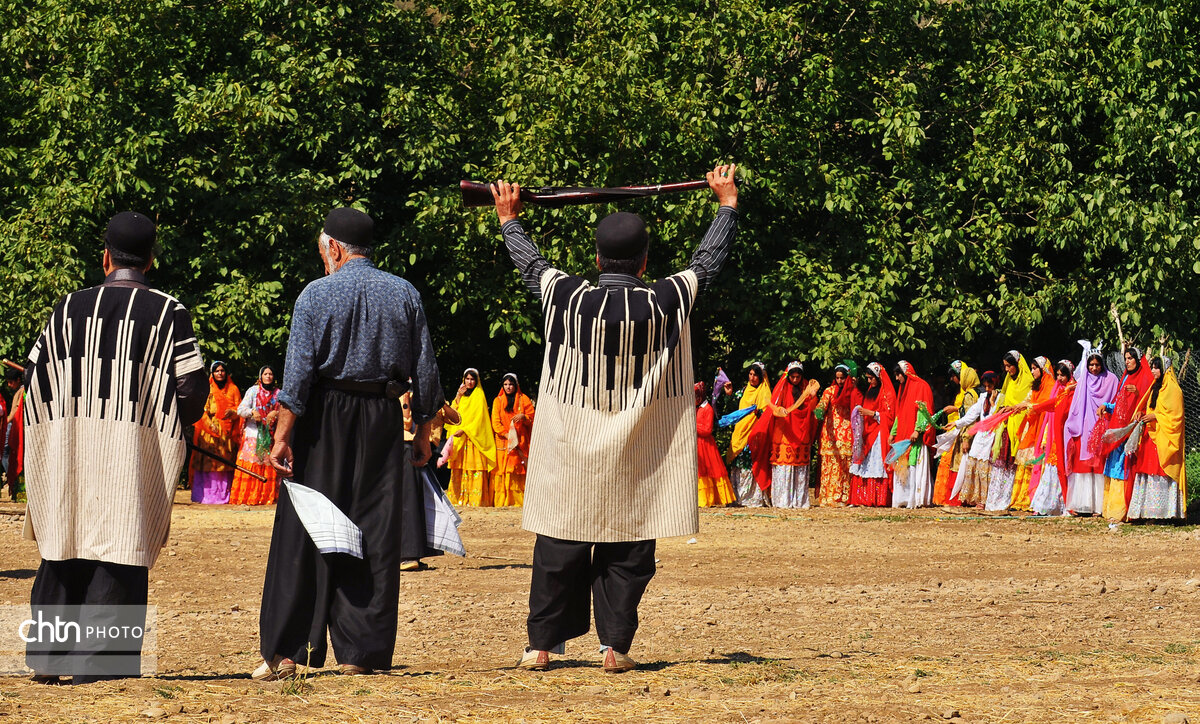
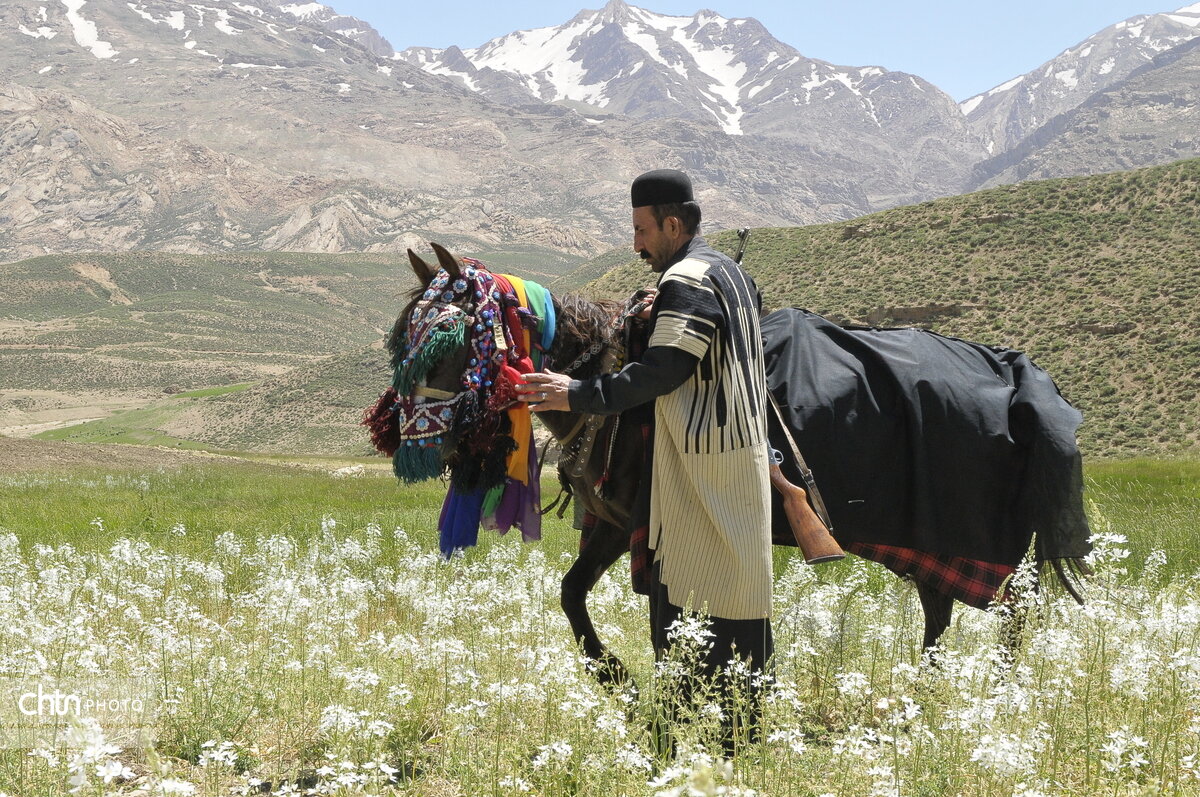
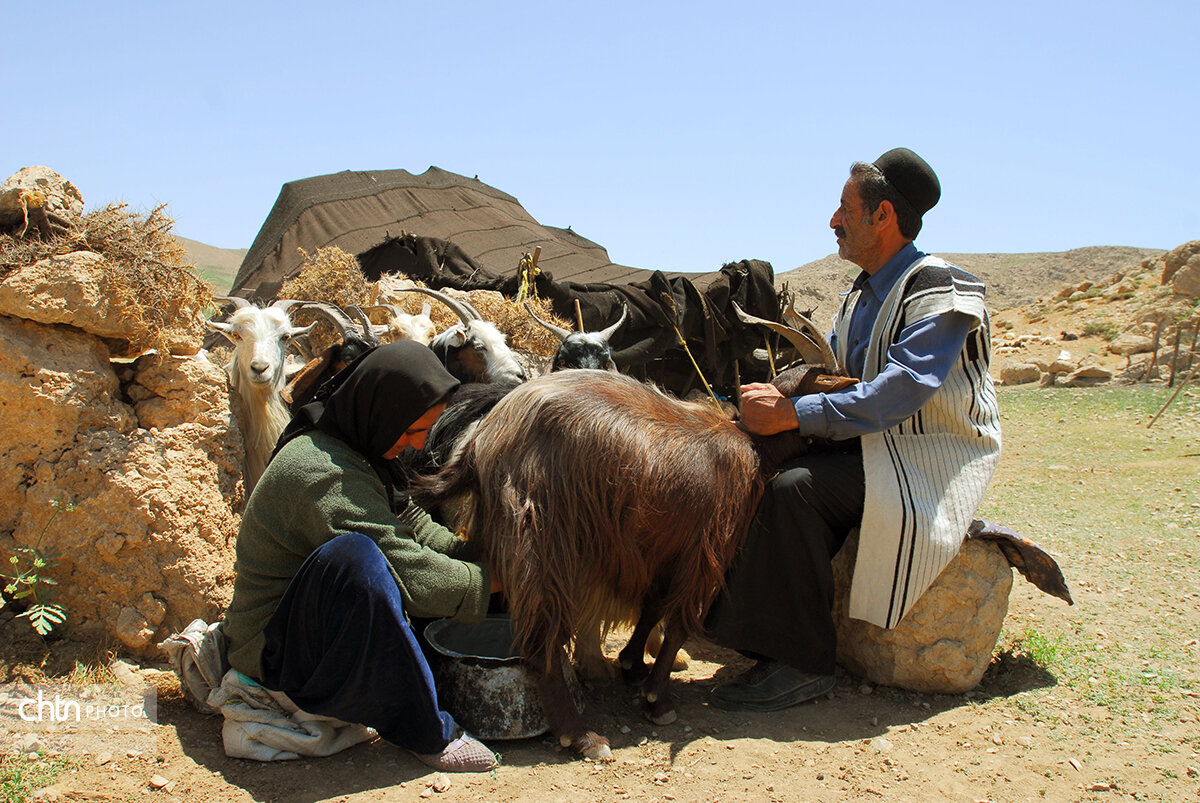
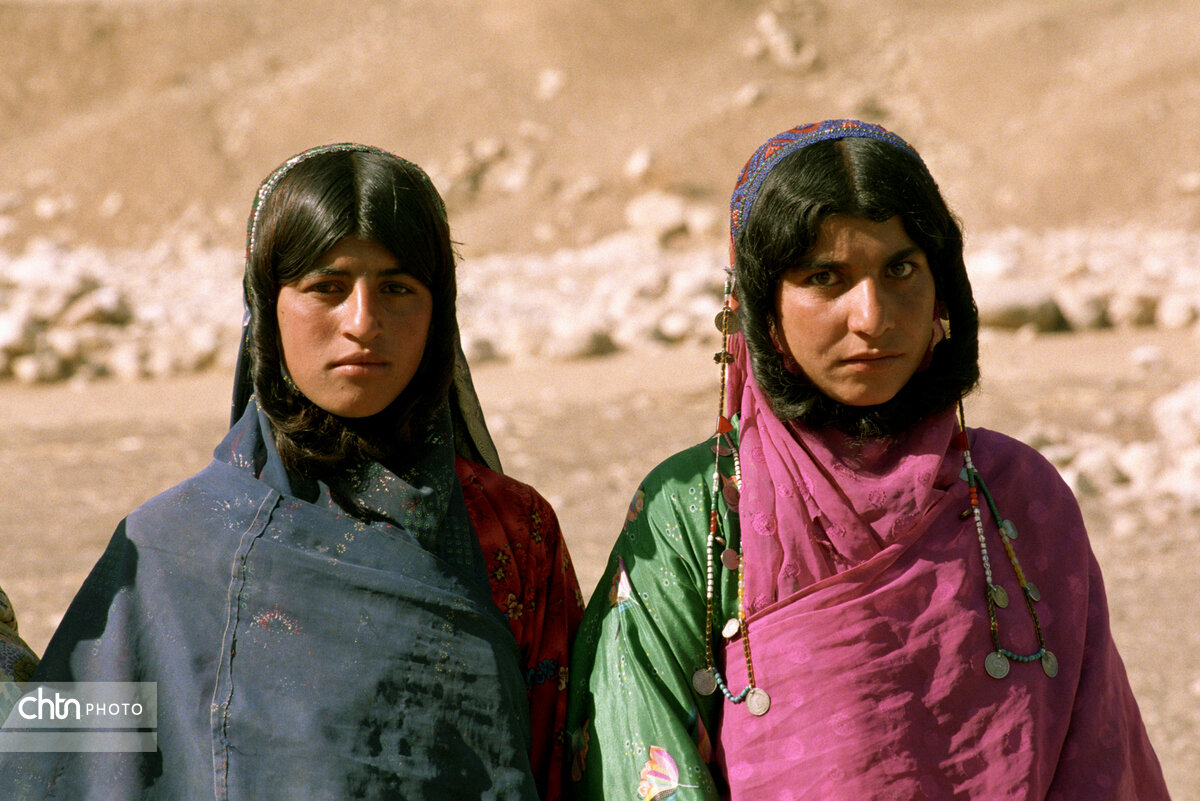
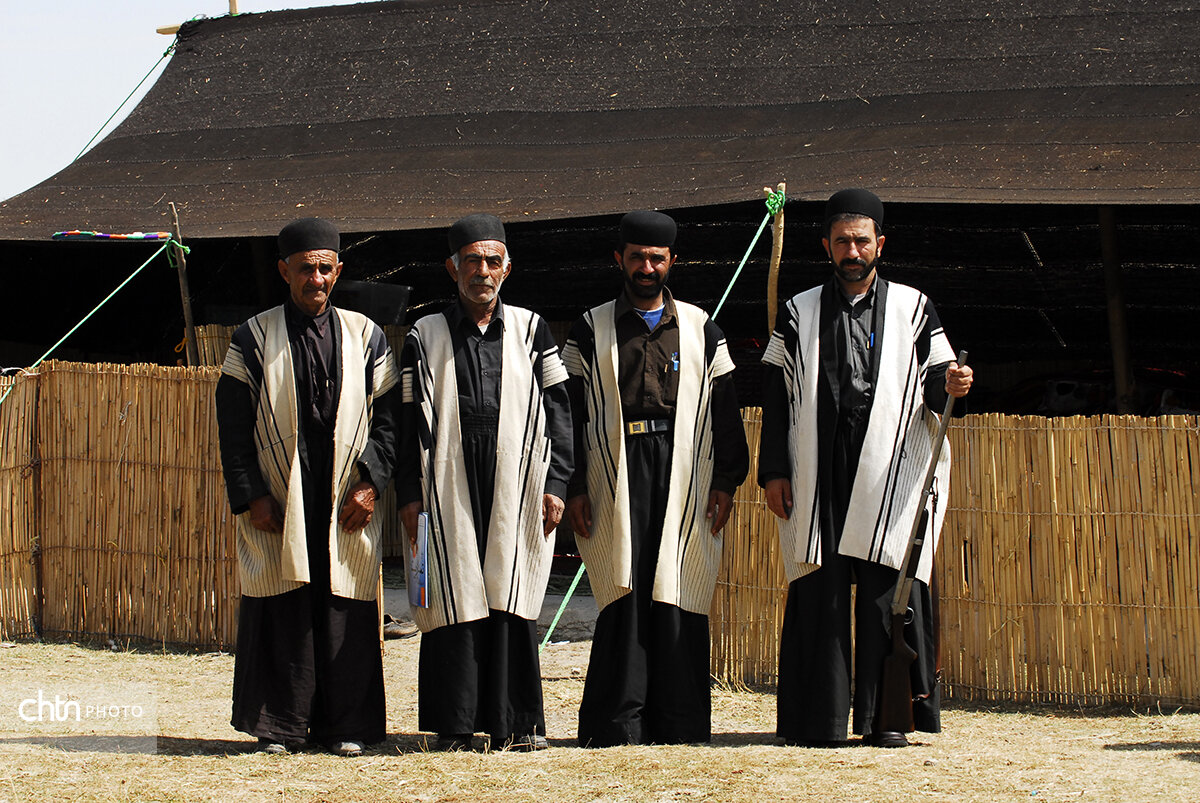
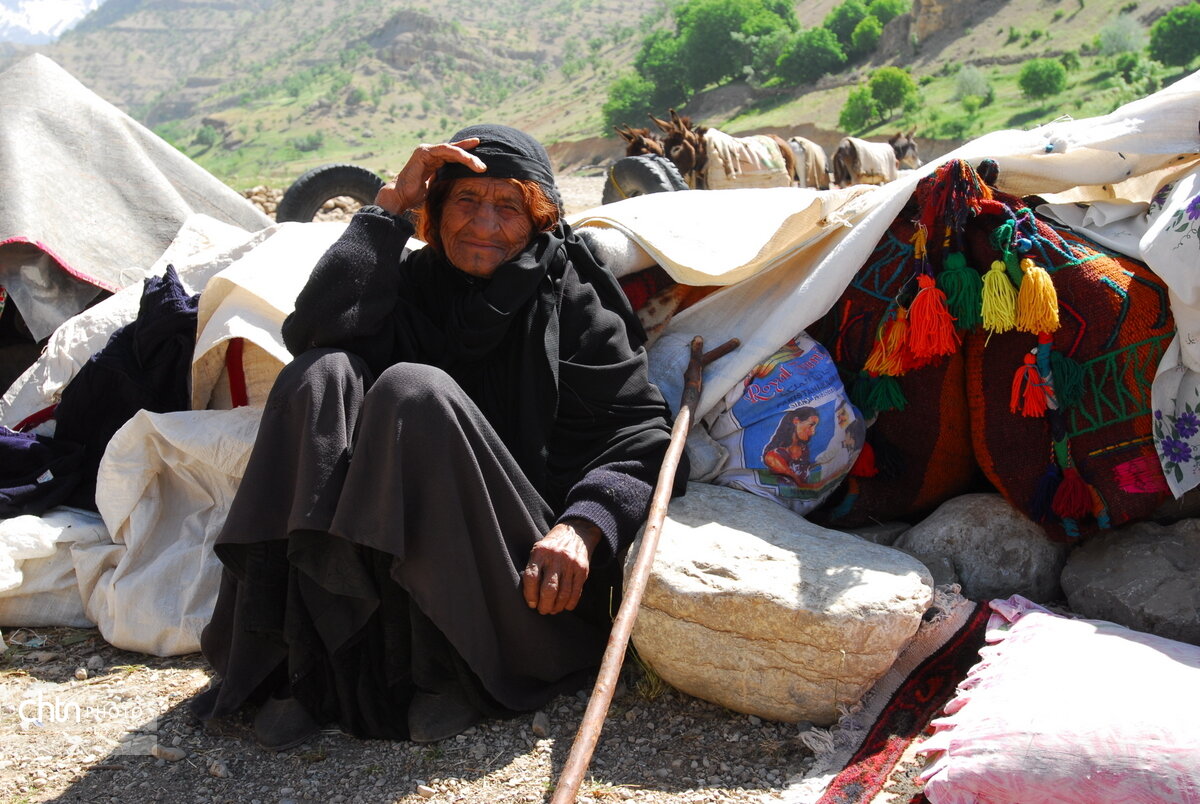
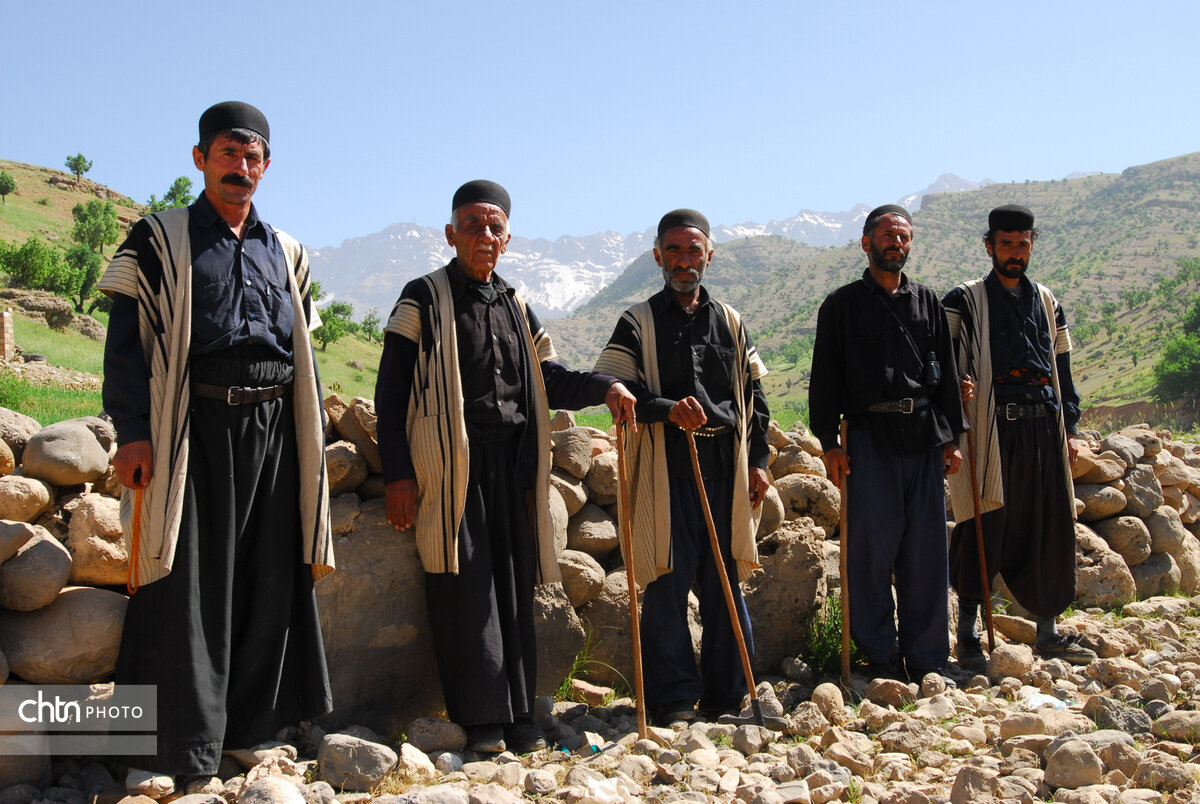
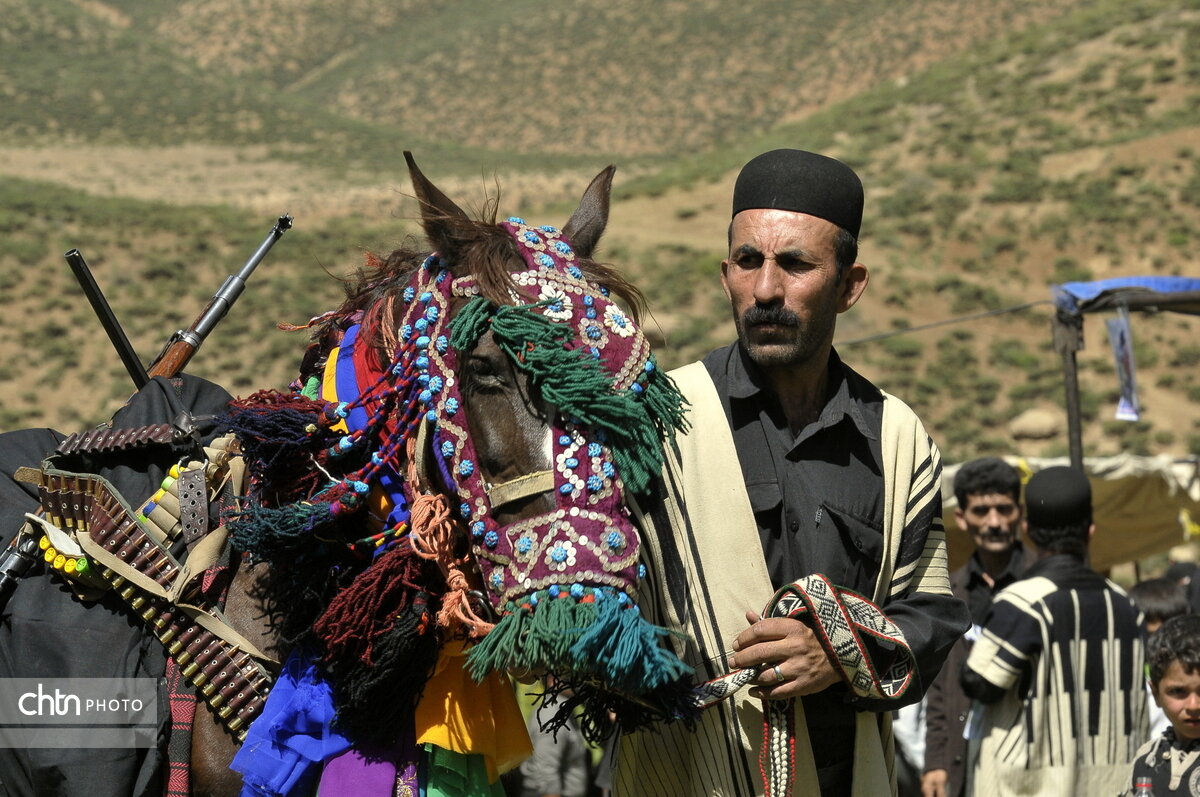
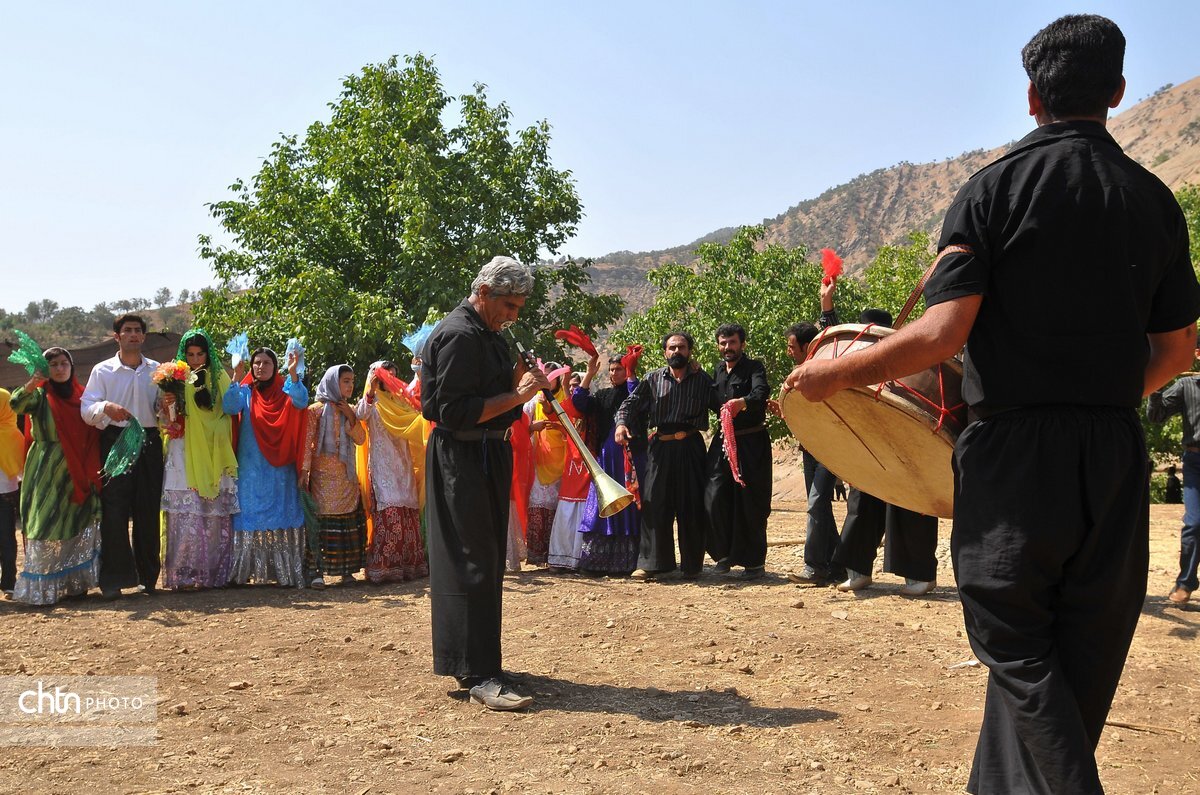
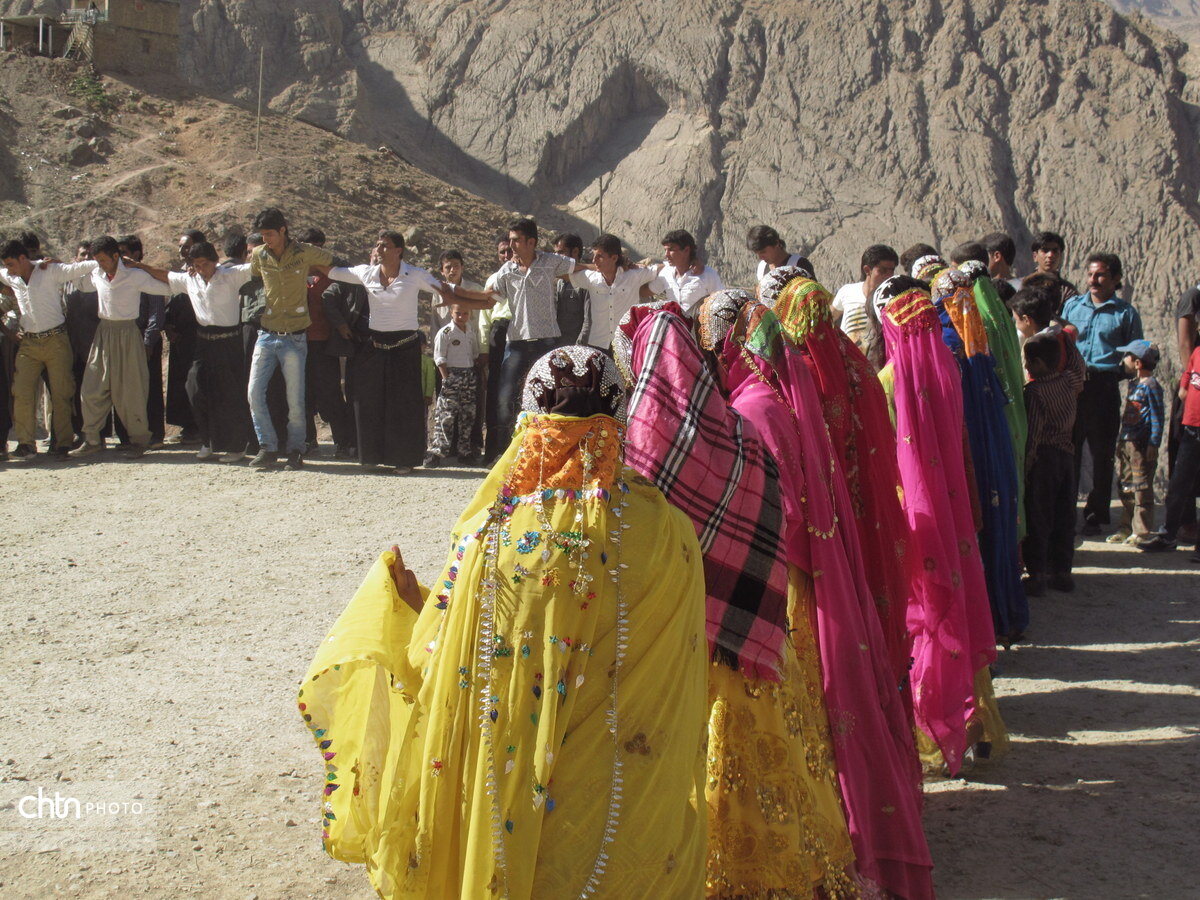
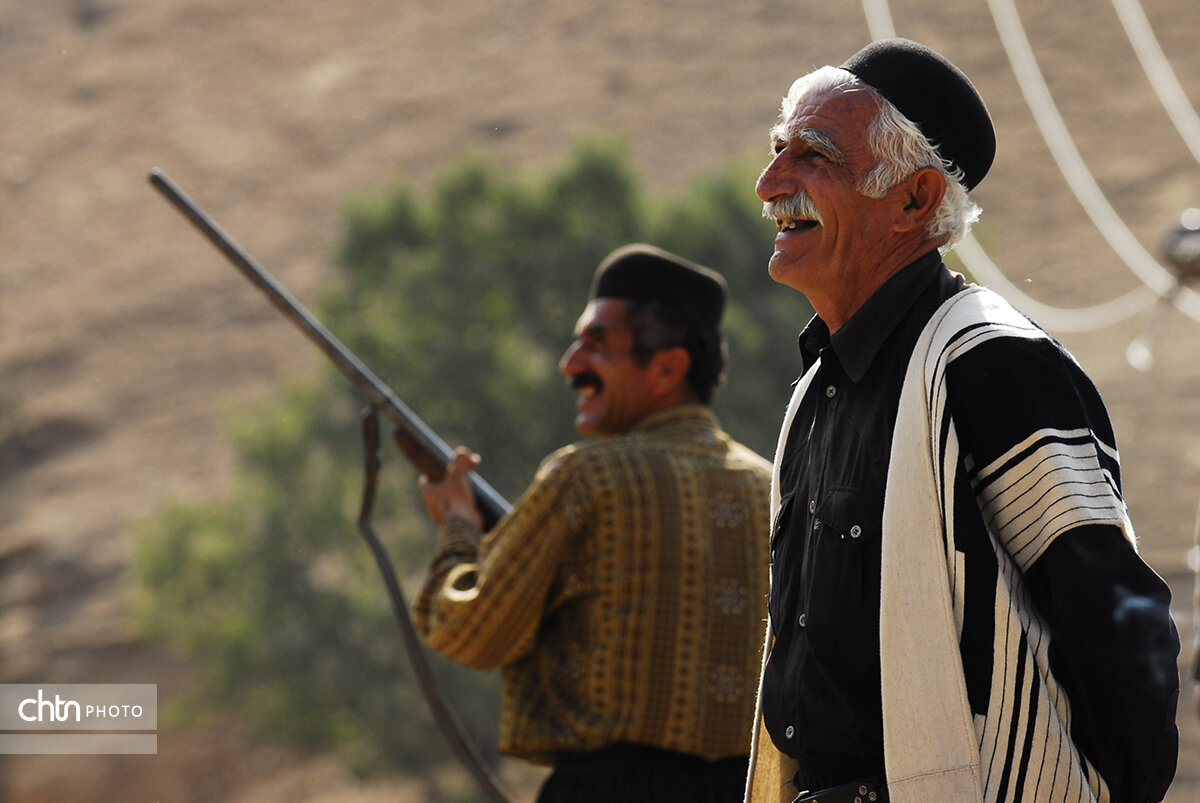
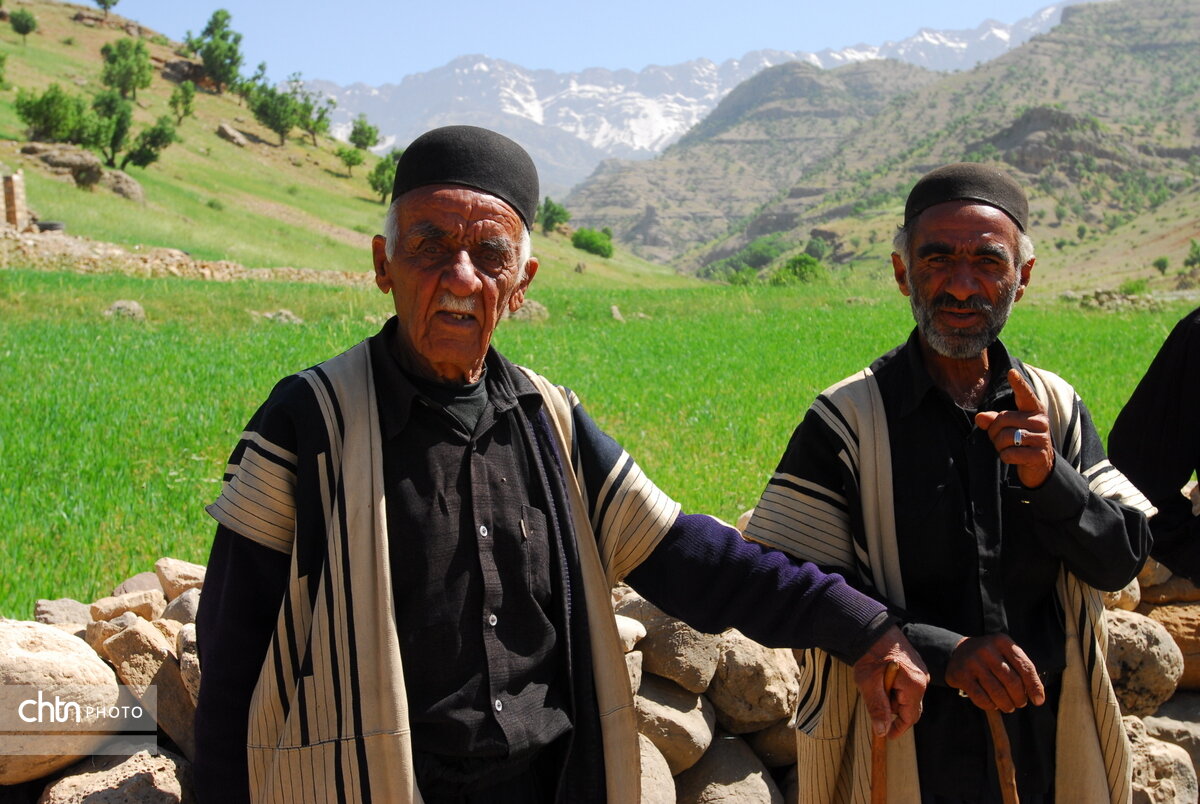
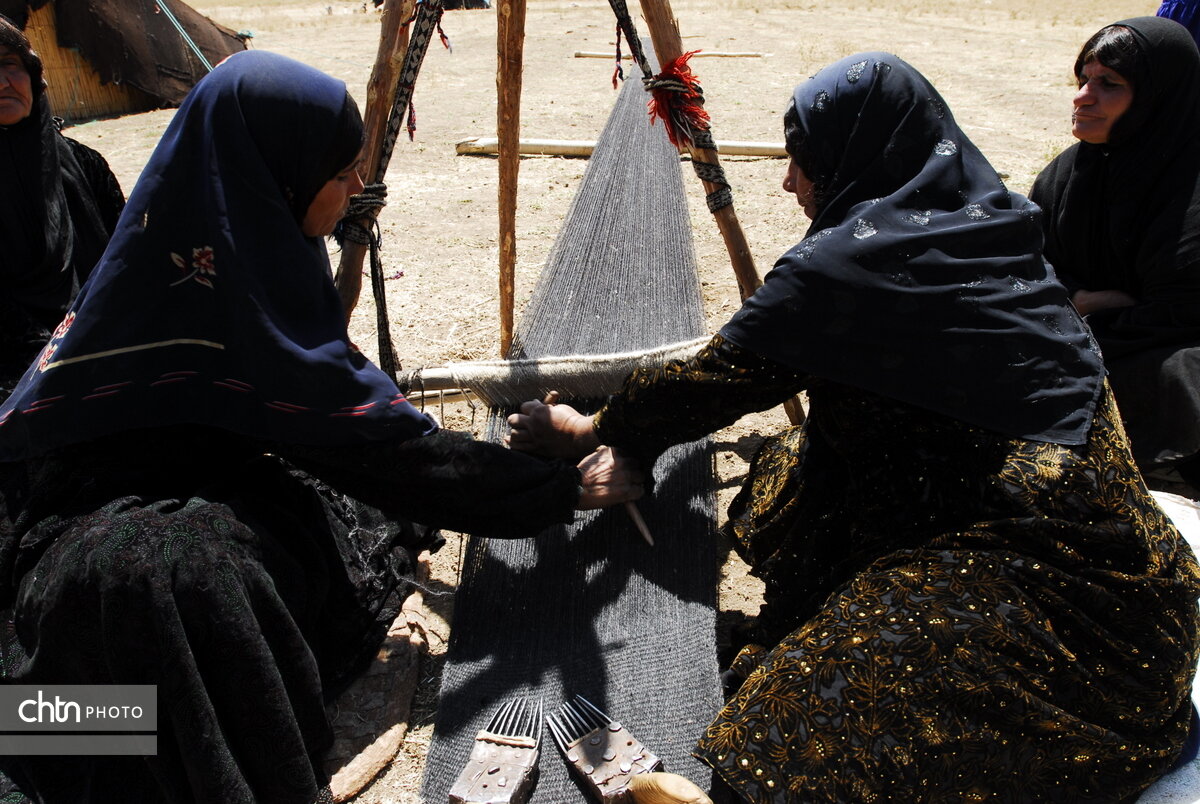
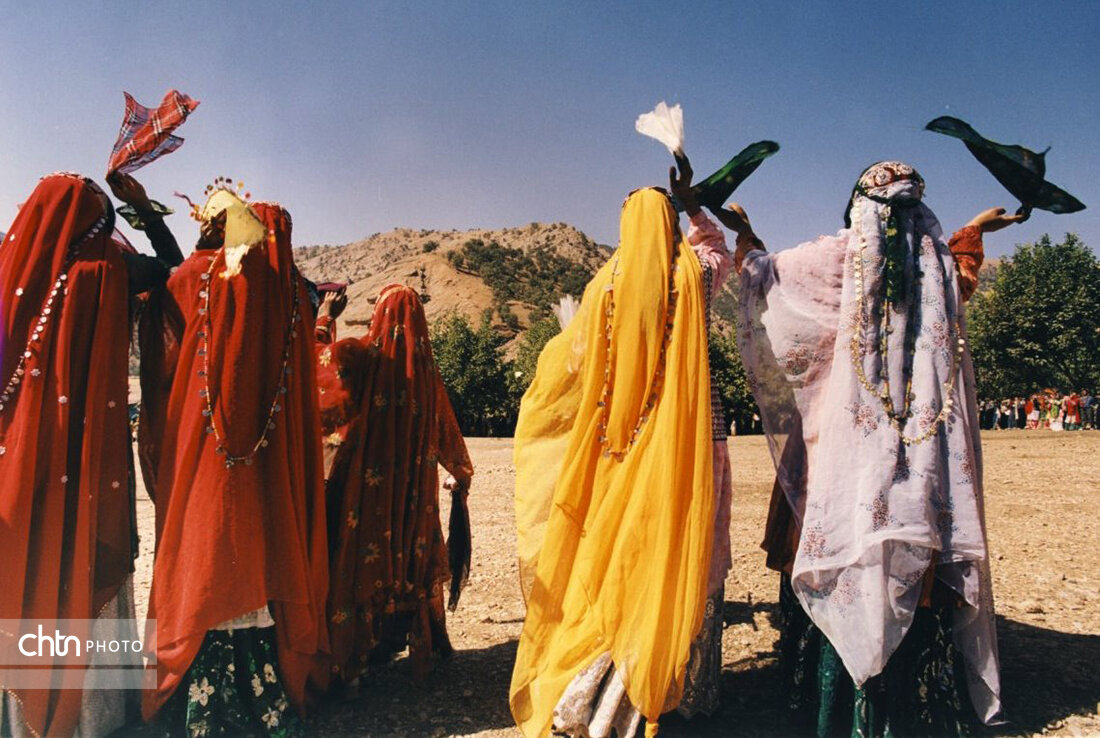
Iranian nomads: hardworking, brave people with no fixed abode

Iranian nomads

They are always on the move in different seasons as they migrate to find better pastures to feed their cattle.
Nomads’ main abode is Siah-Chador, which literally means “a black tent.” Made of goat hair, these black tents are strong, coarse and resistant to humid weather and cold.

Bakhtiari nomads are hard-working people who have always played a role in defending the country.

Stories of their bravery and sacrifices have been handed down from generation to generation.

The following images depict the lifestyle of these brave men and women:

READ MORE: