Thursday, December 25, 2025
Home Blog Page 1248

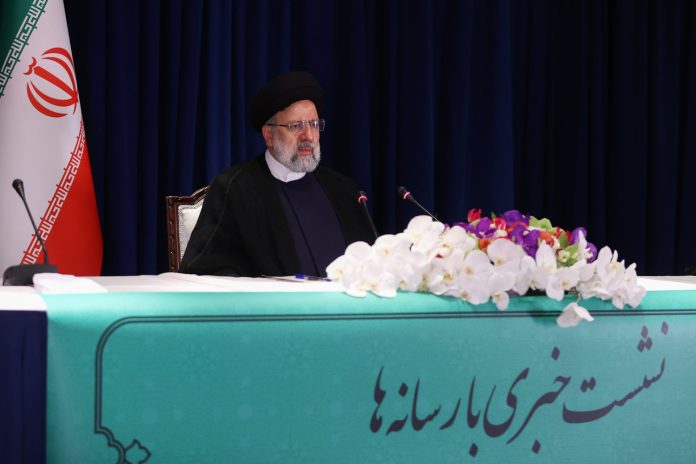
Iran president brings back thousands of Achaemenid tablets from US

Ebrahim Raisi

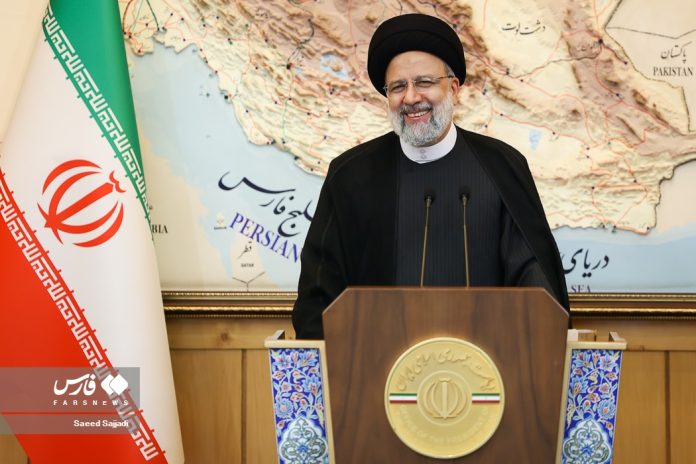
“Thanks to proper follow-ups by the Ministry of Cultural Heritage, Tourism and Handicraft Organization, the permanent mission of Iran to the United Nations in New York and the Ministry of Foreign Affairs, the tablets of the Achaemenid Empire, which were being kept in the United States and the Center for East Asian Studies at the University of Chicago (CEAS) for 84 years were repatriated to Iran. The tablets were originally set to stay there for three years for study purposes,” Raisi told reporters on Thursday evening upon arrival at Tehran’s Mehrabad Airport after a trip to New York.

“It is questionable why the tablets were in the possession of Americans. The scientists who worked on the tablets are of Iranian origin, and have been undertaking studies on them for more than 10 years.”

The Iranian president stated 3,500 clay tablets have been repatriated, and they will be given to Iranian museums in order to be put on display.

Elsewhere in his remarks, Raisi said participation in the annual UN General Assembly creates an opportunity for interaction and clarification of the positions of states.

“The two important issues of amplification of Iran’s position as well as safeguarding the country’s interests and values were underscored during the event and separate meetings with heads of state,” he added.

“Those who forego values would occasionally serve others’ interests. Protection of values is therefore of paramount significance. Homage to the Holy Qur’an is an important issue as it constitutes our identity. Emphasis on family values is also of significance to us and human societies, and should be paid attention to by anyone.”

“We had twenty meetings and interviews with journalists, scholars and politicians. During the meetings, Iran’s positions were made clear. The main focus of the meetings with the heads of more than 10 countries was to elaborate on Iran’s trade and economic relations with other countries as well as regional and extra-regional institutions,” Raisi continued.

The Iranian president also highlighted that Tehran’s preparedness to cooperate and work with various countries and international organizations, particularly as regards political and economic ties, was also emphasized.
Iranian expert calls for resolving FATF-related concerns

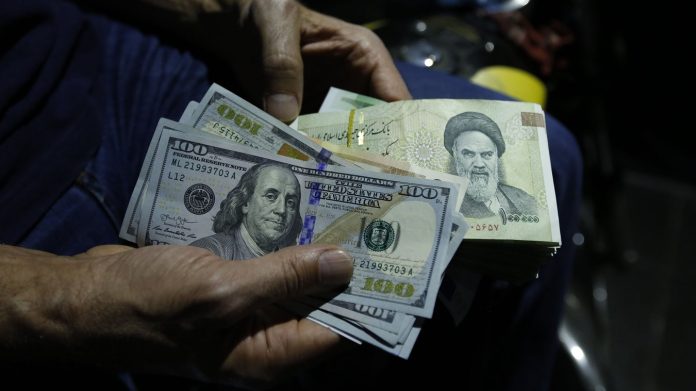
Dollar Rial

In a special feature on Didaar News, Hassan Beheshtipour discussed the potential trade routes connecting India to the West, particularly via the Chabahar-Astara-West corridor.

He noted, “The India-Chabahar-Russia-West route is economically justified but not currently feasible due to the anti-Iran sanctions and it presence on the FATF blacklist.

The expert added, “It’s perplexing why some individuals overlook these significant issues and instead raise concerns about a conspiracy against Iran. All of Iran’s economic and trade affairs, especially the motivation to attract investors for creating new trade routes, hinge on Iran’s removal from the international Financial Action Task Force (FATF) blacklist.”

Iran-US prisoner swap will not change relations between two countries: Russia

Iran US Prisoner Swap

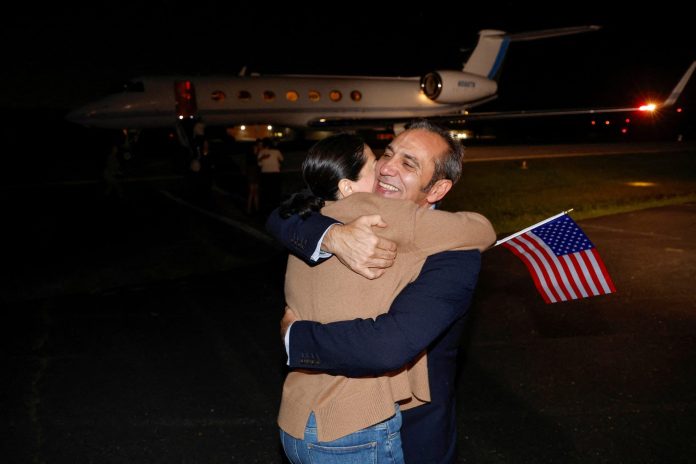
On Monday, the US and Iran exchanged five prisoners each under the deal brokered by Qatar and Oman.

“I do not think that this particular agreement will radically change anything in terms of contradictions, a certain confrontation. On many platforms and in many stories, the US-Iran situation speaks for itself,” Ryabkov stated.

There is no direct connection between the US-Iran prisoner swap and the Joint Comprehensive Plan of Action (JCPOA) dialogue resumption, but this means mutual understanding is possible, the official added.

“There is no direct connection, but [this is] a political signal, as a certain element of demonstrating that mutual understanding is possible,” Ryabkov stated.

Russia is ready, if Western colleagues demonstrate common sense, to resume work on the JCPOA in Vienna, the diplomat emphasized.

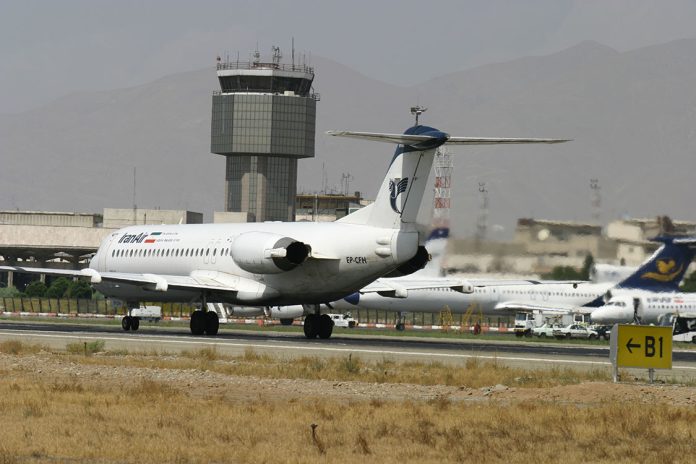
Iran Resumes flights to Azerbaijan and Armenia following peace agreement

Mehrabad Airport

This development follows the recent establishment of peace and a ceasefire in the region.

In a statement to IRNA, Jafar Yazerlu explained that the decision to halt flights was made promptly after the military actions in the disputed Karabakh region escalated tensions between Azerbaijan and Armenia.

Yazerlu noted that tensions have significantly subsided since the previous night, aligning with the established peace and ceasefire agreement.

Azerbaijan Republic initiated a military operation in the region, accusing Armenian-backed forces in Karabakh of activities such as “systematic” shelling, reconnaissance, and fortifying defensive positions, emphasizing a high level of combat readiness.

Subsequently, Armenian separatist forces reported successful mediation by the Russian peacekeeping contingent stationed in the area, leading to a mutual truce agreement between both sides.

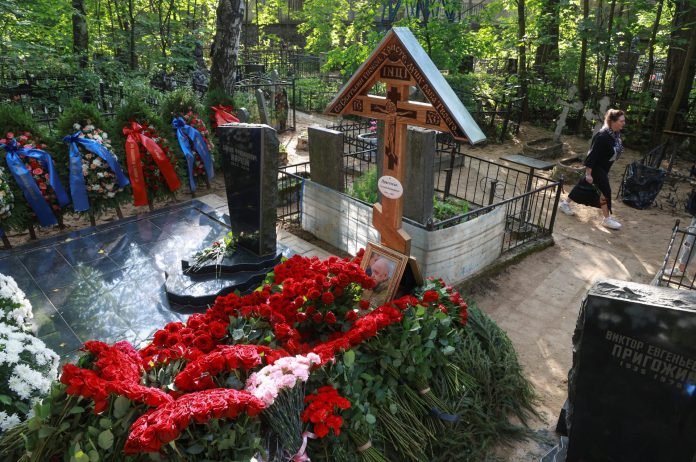
Wagner boss grave under 24/7 guard: Report

Wagner private military company chief Evgeny Prigozhin

According to a report on Wednesday, a guard post and a CCTV camera have been installed after a violin was stolen from the burial site at the Prokhorovskoe cemetery in St. Petersburg.

The instrument is among the symbols of the Wagner Group, whose fighters are nicknamed ‘the Musicians’ due to the name that the PMC shares with classical German composer Richard Wagner.

A violin and a sledgehammer – another symbol of the PMC – appeared at Prigozhin’s grave a few days after his burial on August 29, the cemetery worker recalled. However, he claimed that the musical instrument, which he described as looking “pricey,” had been “snatched” the following day.

According to the worker, a cyclist was seen “racing away” from the site at the time of the incident, but the perpetrator has not been found.

“After that, a CCTV camera and a guard booth were set up at Prigozhin’s grave,” the employee revealed, adding, “Now there’s a security guard on duty there 24/7.”

The worker said it was his understanding that the measures had been organized by Wagner members, who received approval from the cemetery’s administration.

When asked about the whereabouts of the sledgehammer, the cemetery worker replied that it was still at the grave.

Prigozhin and several other high-ranking Wagner figures were killed in a plane crash in Russia’s Tver Region on August 23. The cause of the incident is being investigated, and Kremlin spokesman Dmitry Peskov said late last month that a “deliberate atrocity” could not be ruled out.

The Wagner PMC was instrumental in the Russian capture of the strategic city of Artyomovsk (Bakhmut) from Ukrainian forces in May, making Prigozhin a household name.

However, the PMC leader launched a short-lived mutiny against the Russian military in mid-June, after which a deal was reached for him to move to Belarus. Under an agreement with the Kremlin, Wagner fighters avoided prosecution and were provided with a choice of moving to Belarus together with their leader, joining the Russian armed forces, or retiring.

Iran president Raisi says establishment of ties with Egypt possible

“The Islamic Republic of Iran sees no obstacles in the way of establishing relations with Egypt. This has been announced to the Egyptian side. Today’s meeting between the two countries’ foreign ministers can also pave the way for the establishment and revival of mutual ties,” said Ebrahim Raisi in a press conference in New York on Wednesday.

Raisi was referring to the meeting between the Iranian and Egyptian foreign ministers on the sidelines of the United Nations General Assembly session in New York.

Iran severed ties with Egypt in 1979 following the victory of the Islamic Revolution which led to the ouster of autocratic Iranian ruler, the Shah.

After he was toppled, the Shah fled to Egypt where he was warmly welcomed by then Egyptian President Anwar El-Sadat, something which enraged the Islamic Republic of Iran and prompted Tehran to break its ties with Cairo.

President Raisi also touched upon the detente followed by a rapprochement between Iran and Saudi Arabia.

“Iran and Saudi Arabia have re-established their relations and we intend to enhance these ties,” said the president.

Tehran and Riyadh had severed diplomatic ties years ago over a host of issues, namely Saudi Arabia’s execution of Shiite cleric Sheikh Nimr, one of its vocal critics, which led to the attack on the Saudi embassy in Tehran by angry protestors.

President Raisi further referred to the Tehran-Moscow cooperation, saying the two sides have long had economic, political, technological and scientific cooperation, and will continue to work together.

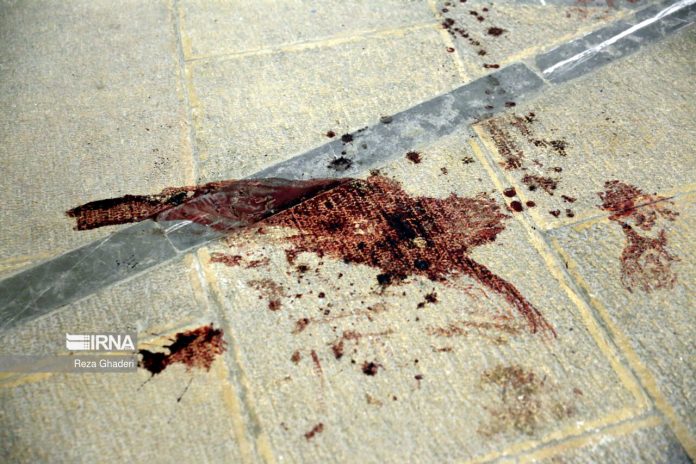
Main defendant in Iran’s Shah Cheragh terror attack case sentenced to death

Shiraz Shah Cheragh Terror Attack

“Defendant number one in the case on the attack on pilgrims of the Shah Cheragh holy shrine, Rahmatollah Nourozov alias Mostafa Aslamyar, a national of Tajikistan, who had launched an armed attack on the shrine on August 13 (2023), was charged with Moharebeh (waging war against God), rebellion and collusion against the country’s national security,” said the head of the Justice Department of southern Fars Province.

The defendant was handed down a death sentence after being found guilty of the charges, added the department.

“After investigations were conducted, a writ of summons was issued [to the defendant] to attend the court hearing, and an indictment was issued at the Public and Islamic Revolution Prosecutor’s Office of Shiraz, and after 20 hours of trial were held, … he was sentenced to death, twice,” the Justice Department explained.

Probes and the convict’s own confessions revealed that he had been acting in cahoots with the ISIS terrorist group and used a firearm to trigger panic, as a result of which two people were killed and 7 wounded.

Iran rejects (P)GCC-US statement on Tehran’s nuclear program, three Persian Gulf islands

Nasser Kanaani

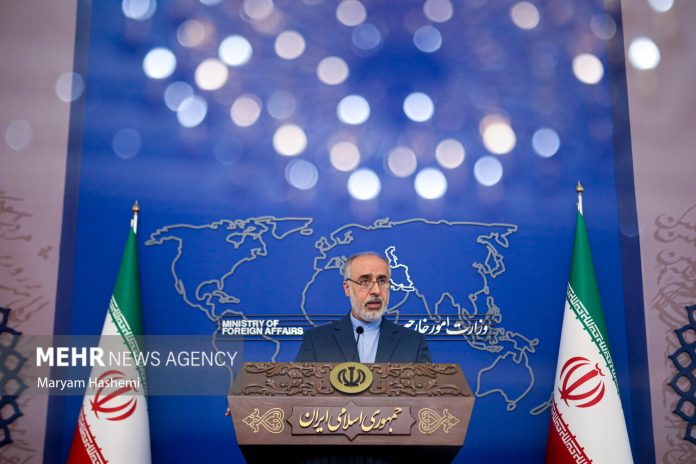
Nasser Kanaani said, “A rehash of unfounded accusations and allegations under the current circumstances in the region can, by no means provide the security of governments and people in the region, and will only serve the interests of ill-wishers who are against the tranquility, economic development, territorial integrity and national sovereignty of the countries in this region and have always sought their illegitimate interests in interference, instability and insecurity in the region.”

On the sidelines of the United Nations General Assembly session in New York on Wednesday, the US Secretary of State and the PGCC foreign ministers urged Iran to “fully cooperate with the International Atomic Energy Agency (IAEA).

They also called on Iran “to cease its proliferation of unmanned aerial vehicles and other dangerous weapons that pose a grave security threat to the region.”

“The Islamic Republic of Iran’s missile and drone capabilities are within the framework of a transparent military doctrine, which is based on deterrence and safeguarding national security, and the real danger is the entrance into the geography of the region by the Zionist regime as the main source of insecurity and threat to Islamic countries,” Kanaani said.

In reaction to the US and (P)GCC support for the United Arab Emirates’ call regarding the three Persian Gulf islands, Kanaani once again emphasized Iran’s unwavering and principled positions, and said the three Iranian islands of Abu Musa, the Greater and Lesser Tunbs are integral and eternal part of the Islamic Republic of Iran’s territory.

“The Islamic Republic of Iran categorically condemns any claim on these islands and regards it as interference in its domestic and territorial affairs,” the spokesman noted.

“Based on its strategic viewpoints and principled policies, the Islamic Republic of Iran always believes the solution to the problems in the region is interaction, cooperation and synergy among the regional countries without interference by trans-regional parties,” the Iranian Foreign Ministry spokesman said.

Syria president arrives in China for first visit in almost 20 years

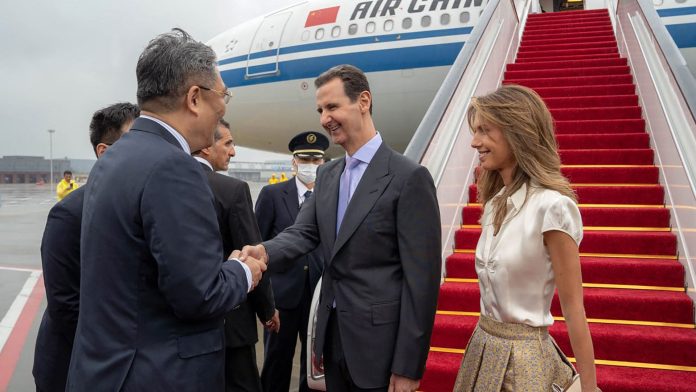
Assad arrived aboard an Air China plane amid heavy fog, which Chinese state media said “added to the atmosphere of mystery” in a nod to the fact the Syrian leader has seldom been seen since the start of a war that has claimed over half a million lives.

Assad is due to attend the opening ceremony of the Asian Games along with more than a dozen foreign dignitaries, the foreign ministry announced earlier.

In a statement on Tuesday, Assad’s presidential office said he would lead a senior delegation for a series of meetings in several Chinese cities, including a summit with President Xi Jinping.

Assad last visited China in 2004 to meet then-President Hu Jintao. It was the first visit by a Syrian head of state to China since the countries established diplomatic ties in 1956.

China – like Syria’s main allies Russia and Iran – maintained those ties even as other countries isolated Assad over the war.

Guantanamo prisoner files lawsuit against CIA torture architects

Guantanamo

In a federal court in the US state of Washington, lawyers representing Abu Zubaydah, whose given name is Zayn al-Abidin Muhammad Husayn, filed the lawsuit against James Mitchell and Bruce Jessen, who were recruited by the CIA in 2002 to design and help conduct interrogations on suspects captured in Afghanistan and elsewhere.

“In proposing the program to the US government, Mitchell and Jessen misled officials regarding the scope and severity of the tactics that they would ultimately use on Abu Zubaydah,” reads the lawsuit.

“In practice, Mitchell and Jessen used torture and cruel and inhuman treatment to force Abu Zubaydah and other subjects into a state of “learned helplessness”.

The lawyers for Abu Zubaydah added that the torture of the Guantanamo detainee did not lead to valuable intelligence, but the two psychologists “were no longer actually seeking information”.

“Rather, they were using Abu Zubaydah as a guinea pig for untested interrogation methods, laying the groundwork for what provided them a hugely lucrative contracting business to provide detention and interrogation personnel to the CIA and the US Defense Department,” the lawsuit stated.

According to a Senate intelligence report, the two contractors were paid $81m by the US government.

Abu Zubaydah, a Saudi-born Palestinian man, was captured nearly two decades ago and held, according to his lawyers, at numerous CIA “black sites” overseas.

According to a Senate intelligence report, Abu Zubaydah was interrogated using techniques that amounted to torture, including being waterboarded 83 times in one month, hung naked from a ceiling, and deprived of sleep for 11 straight days.

Another technique that was approved by the CIA, recently revealed after the declassification of documents in 2022, was called “walling”. It involved placing the detainee’s heels against a plywood wall “which had flexibility to it”, and a rolled-up towel was put around the person’s neck.

“The interrogators would then grab the ends of the towel in front of and below the detainee’s face and shove [the detainee] backwards into the wall, never letting go of the towel,” the report said.

One of the interrogators stated the goal was to “bounce” the detainee off the wall.

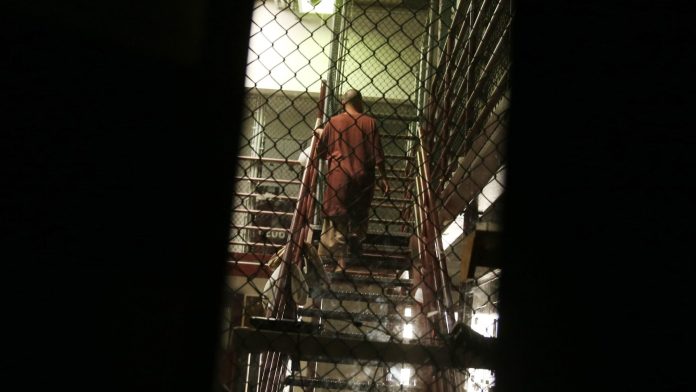
In 2006, Abu Zubaydah was transferred to the Guantanamo Bay military prison, where he is being held to this day without charge.

The court has issued a summons to Mitchell and Jessen.

This is not the first lawsuit brought against Mitchell and Jessen by Guantanamo detainees. In 2017, the two settled a lawsuit against them that was filed on behalf of former detainees Suleiman Abdullah Salim, Mohamed Ahmed Ben Soud, and the family of Gul Rahman, who died in a CIA “black prison” in 2002 during days of interrogation.

In a previous deposition, Jessen said that the two men had reservations about continuing the enhanced interrogation programme.

“Jim and I didn’t want to continue doing what we were doing,” Jessen continued, adding, “We tried to get out several times and they needed us, and we — we kept going.”

In his deposition, Mitchell rejected that waterboarding was painful, and also said that the techniques used on detainees wouldn’t cause long-term trauma.

“It sucks, you know. I don’t know that it’s painful,” he stated, noting, “I’m using the word distressing.”

Abu Zubaydah previously tried to subpoena Mitchell and Jessen in connection with a Polish criminal investigation over his torture at a CIA black site in Poland.