Monday, December 29, 2025
Home Blog Page 1044

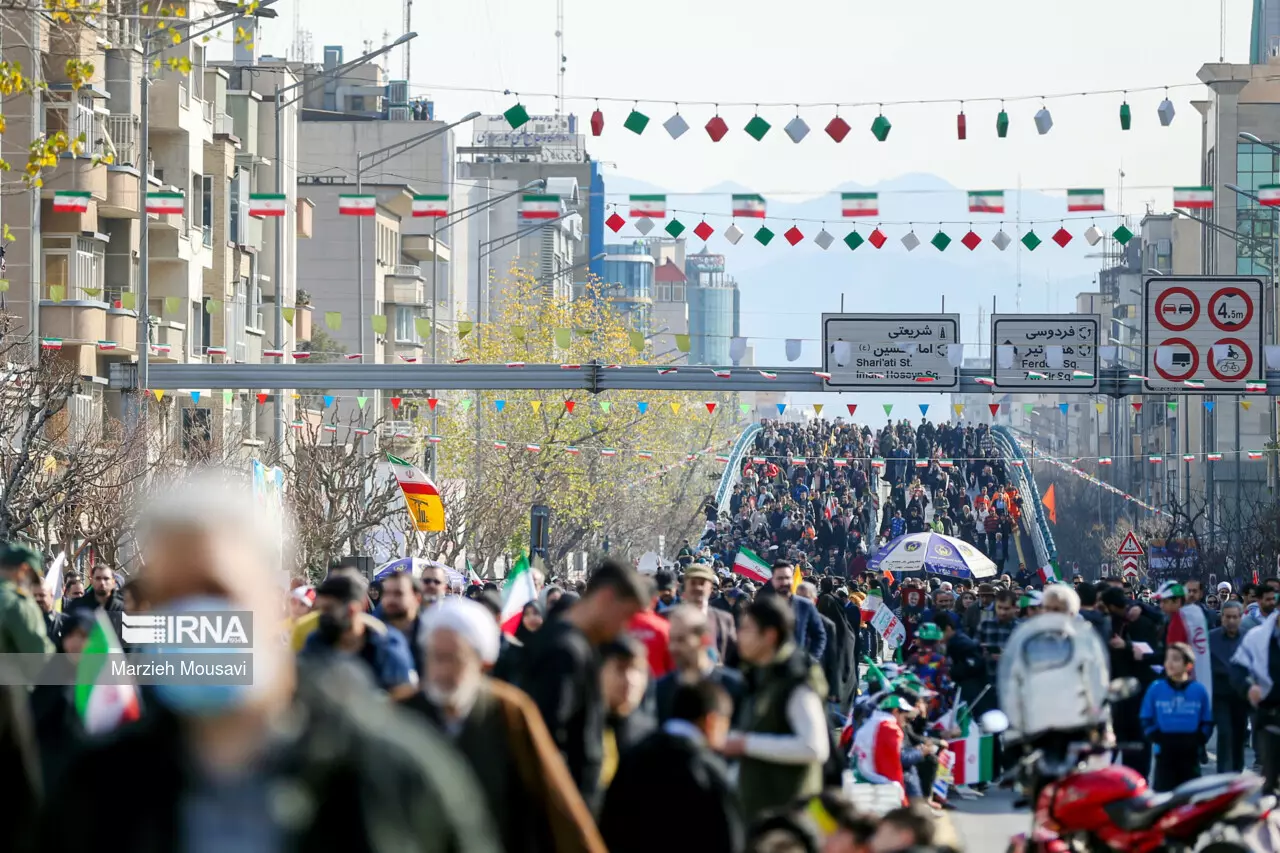
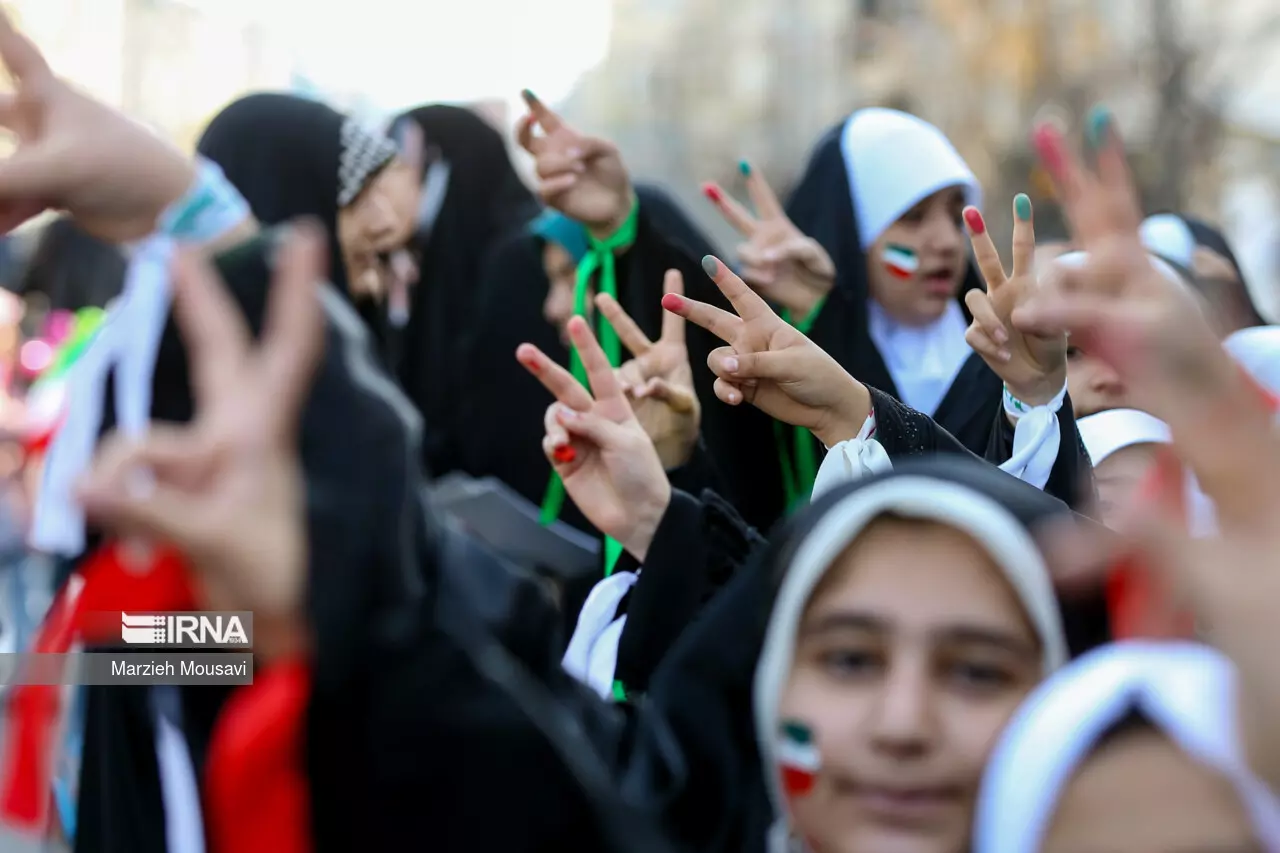
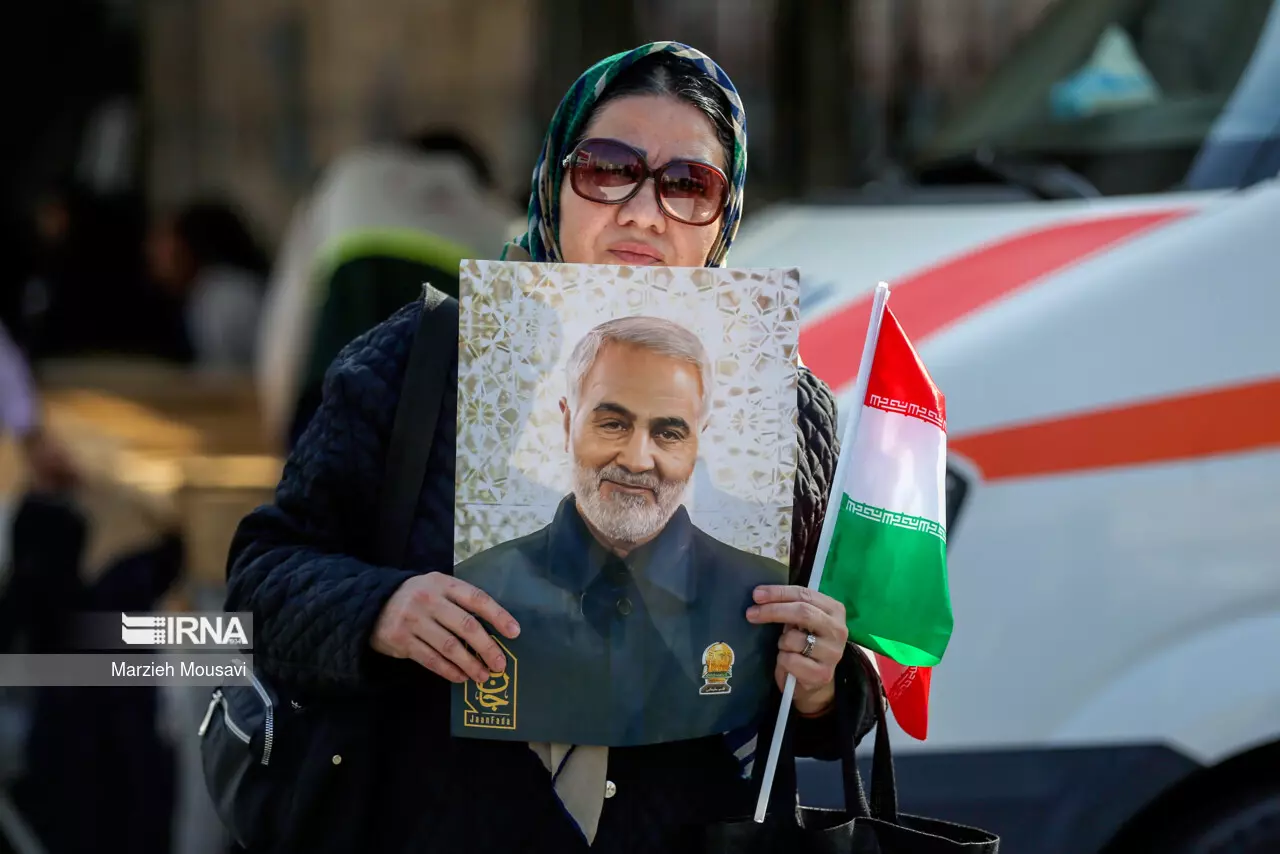
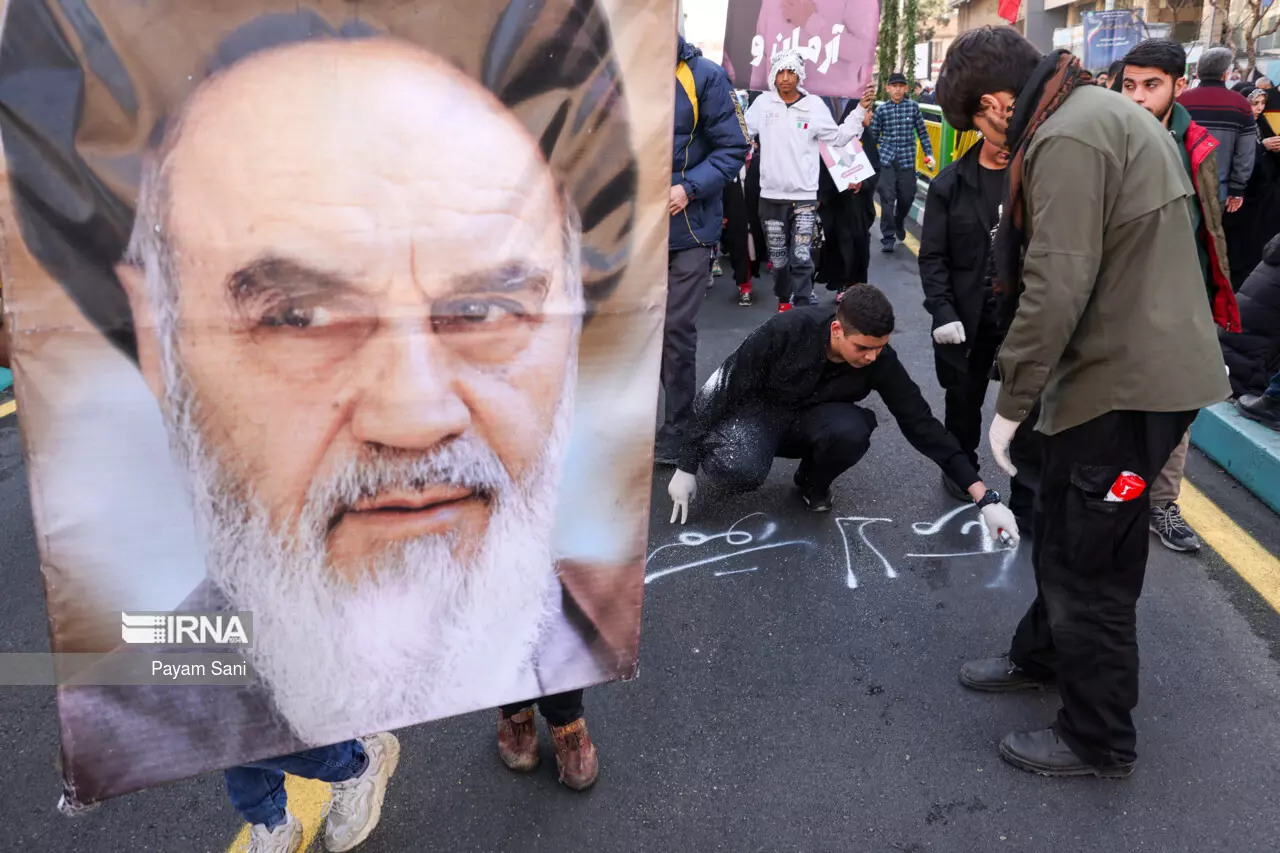
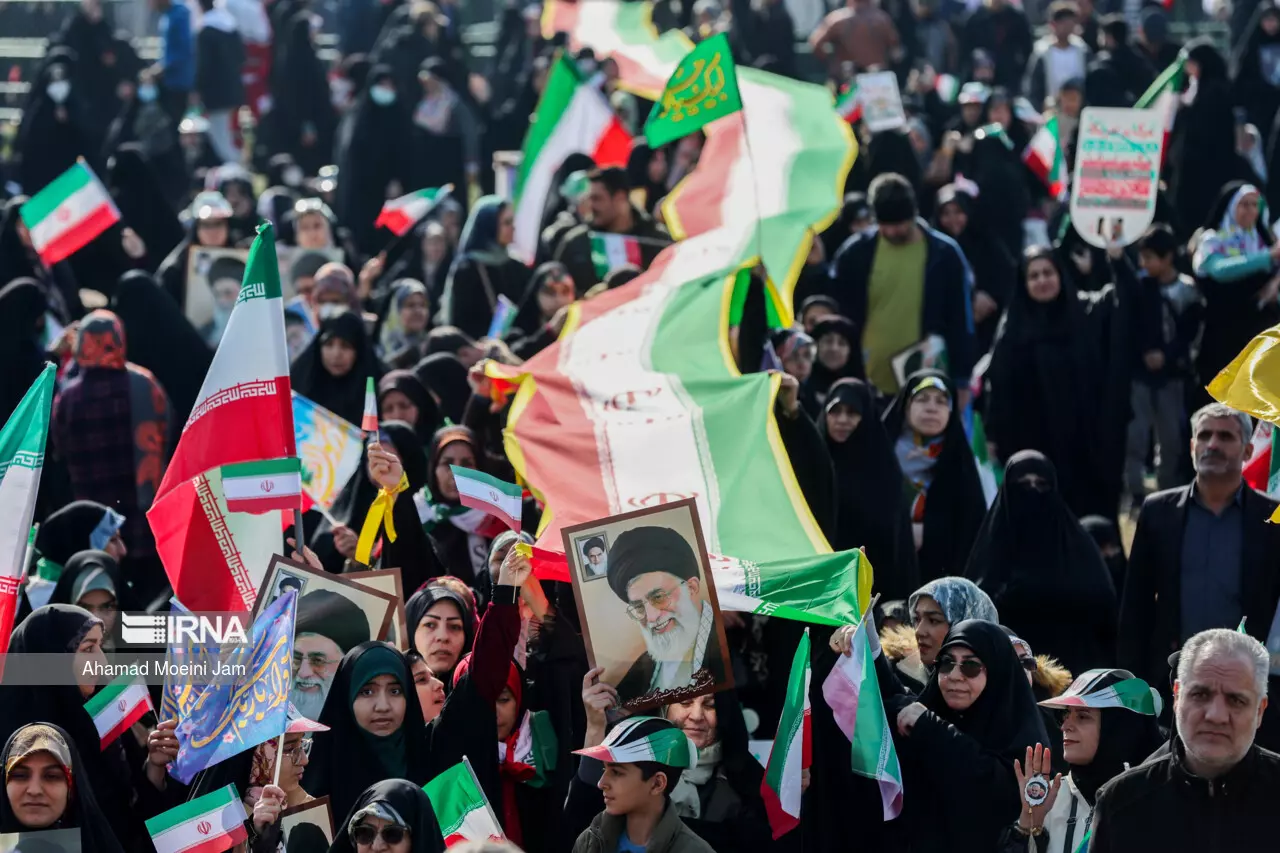
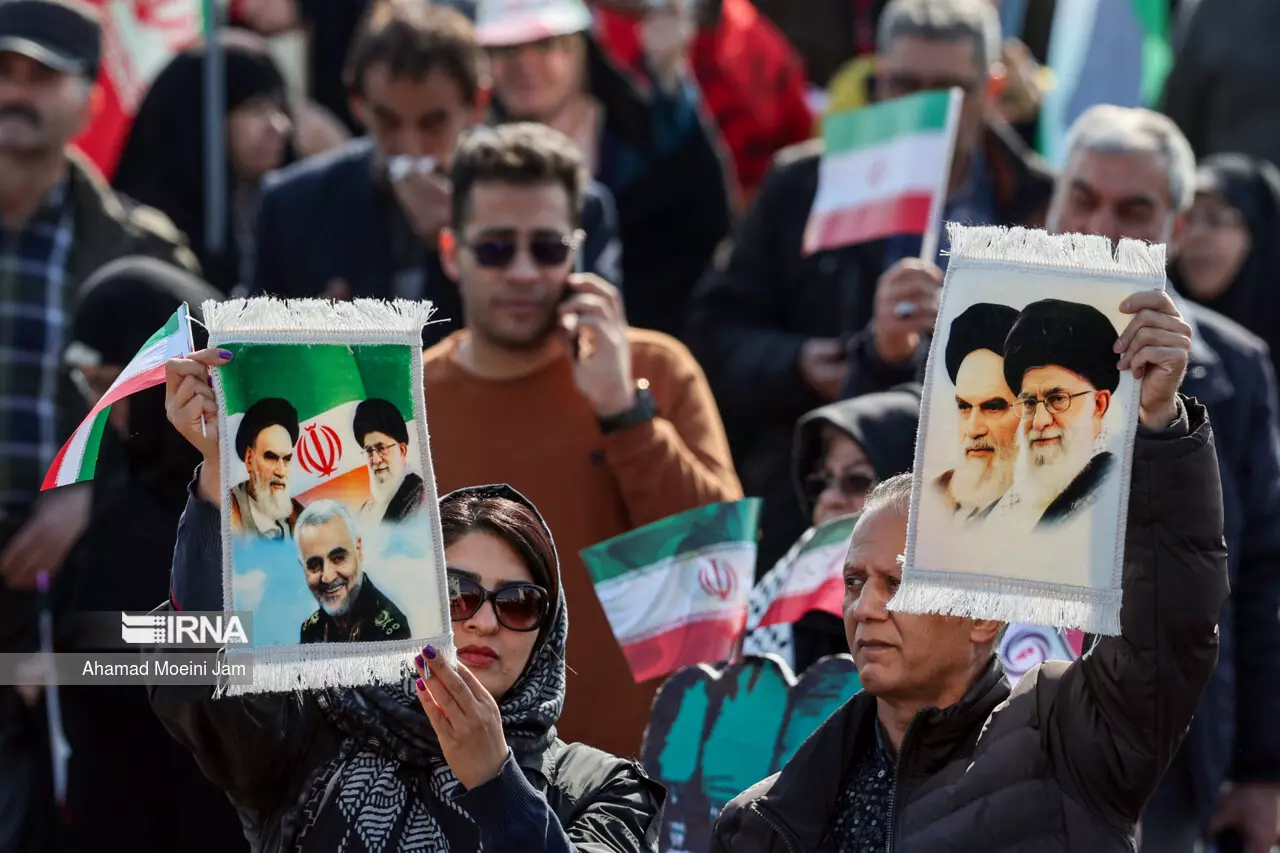
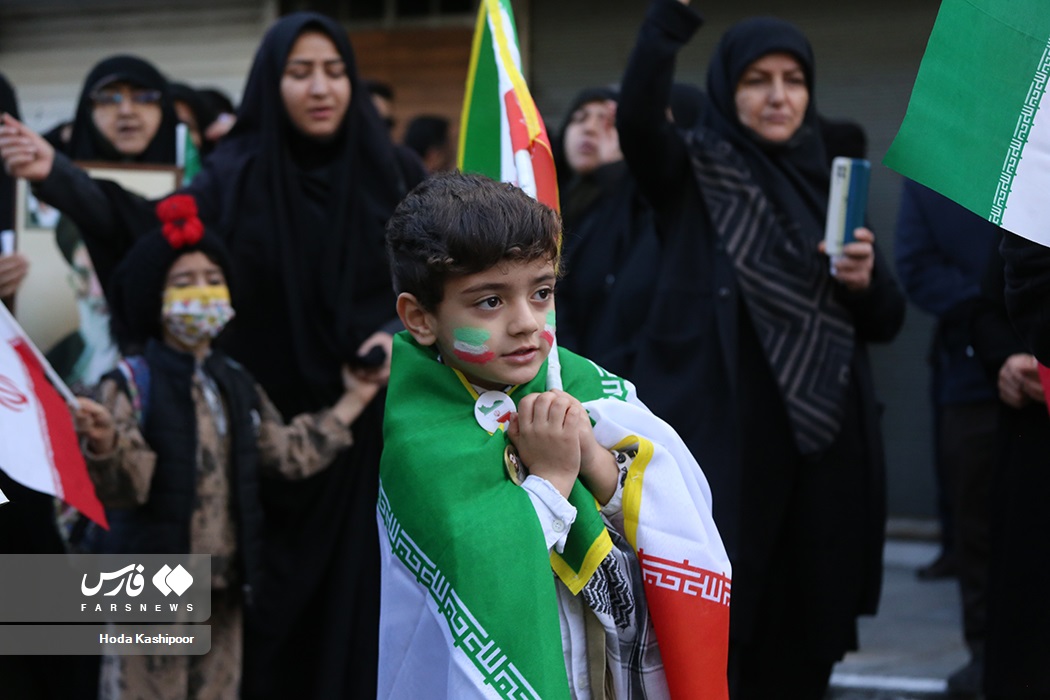
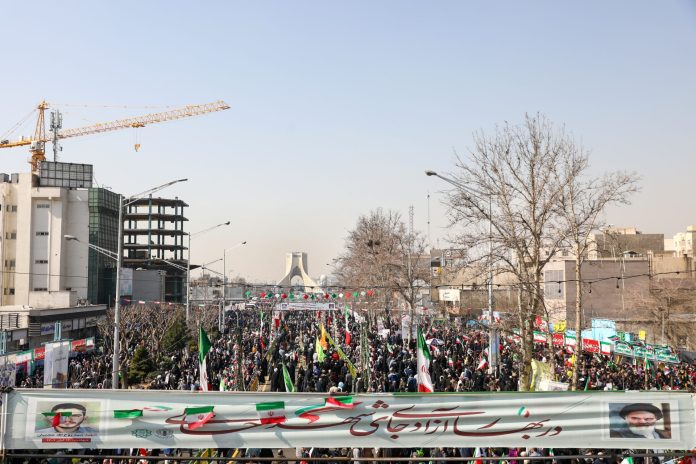
Millions mark 45th anniv. of Islamic Revolution victory in Iran

Millions mark 45th anniv. of Islamic Revolution victory in Iran

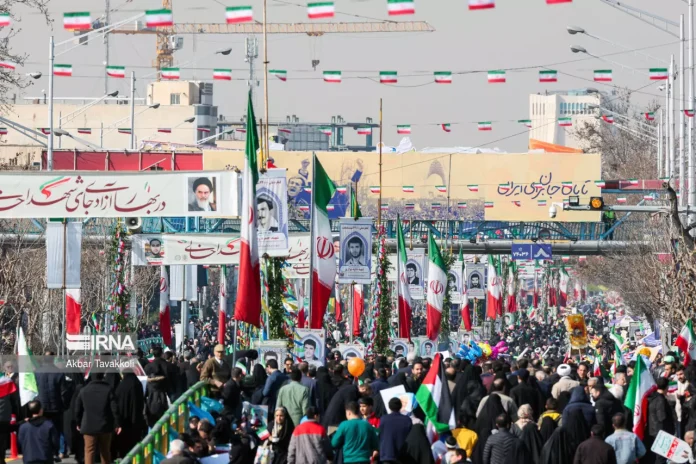
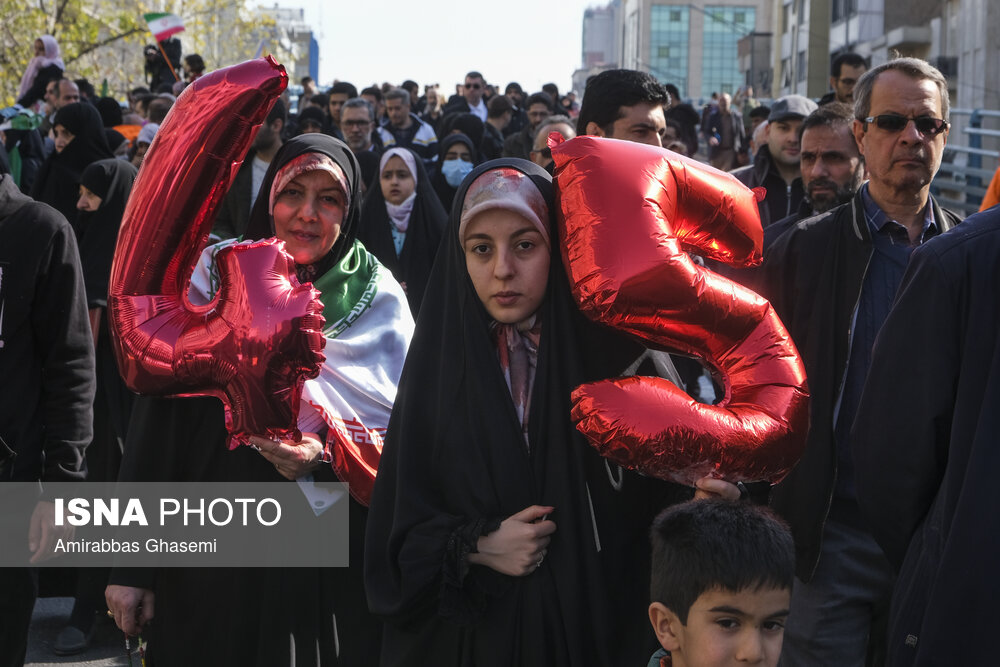
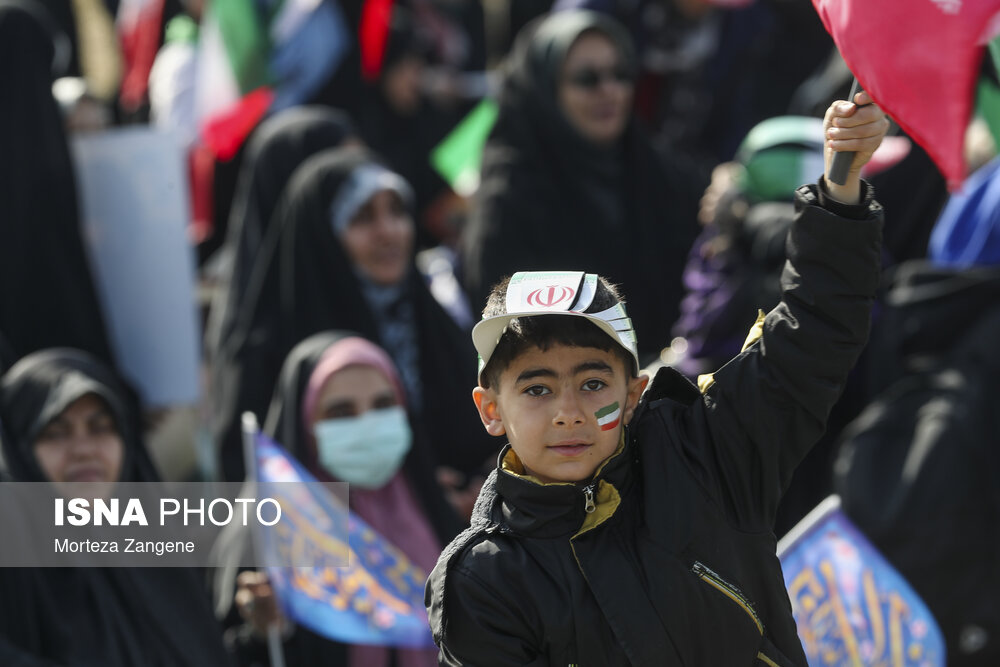
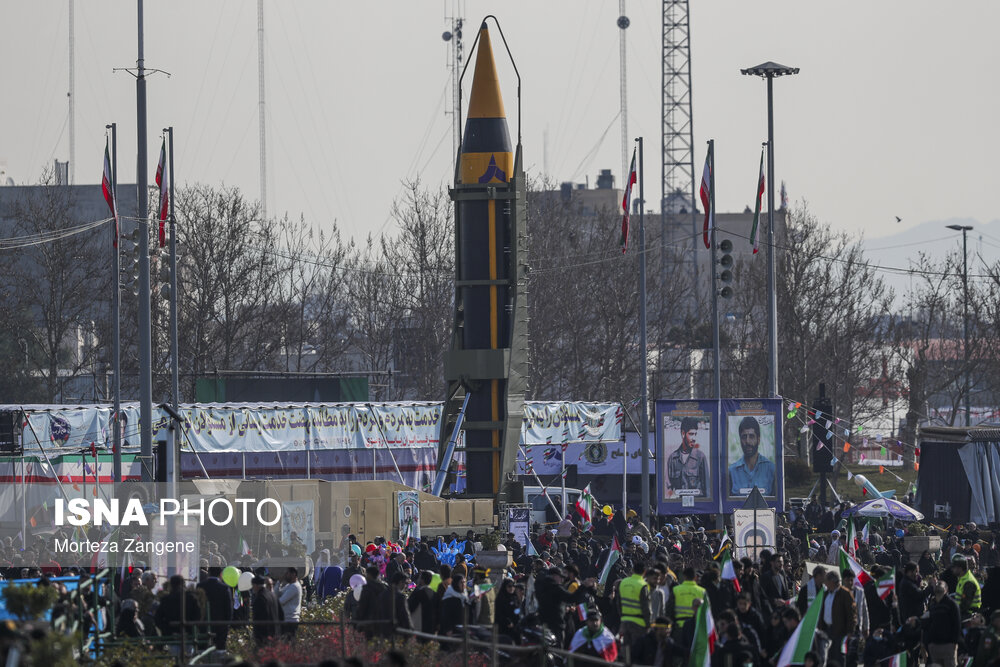
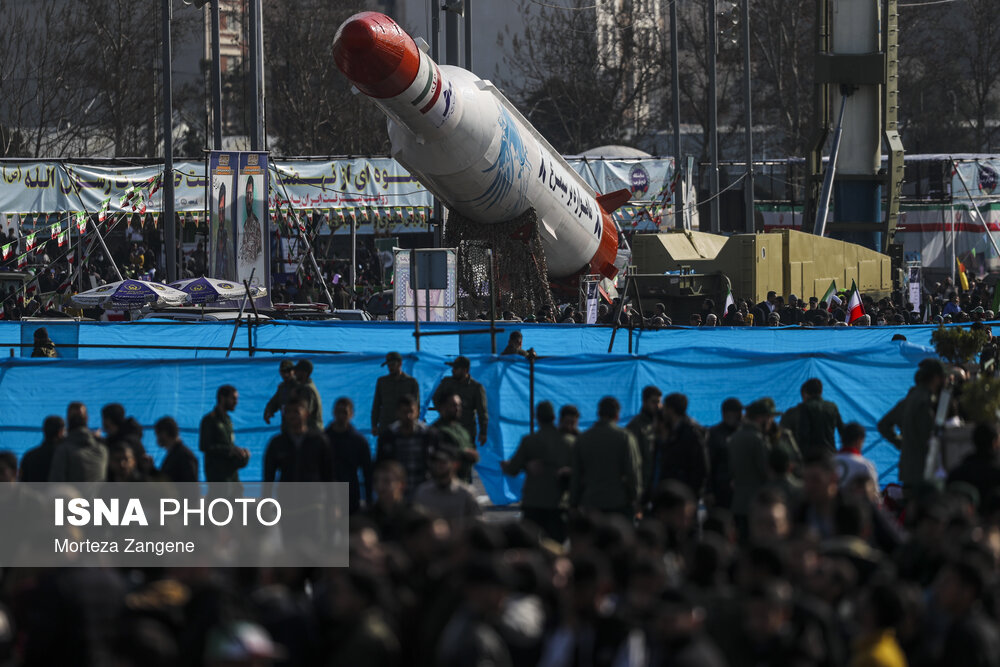
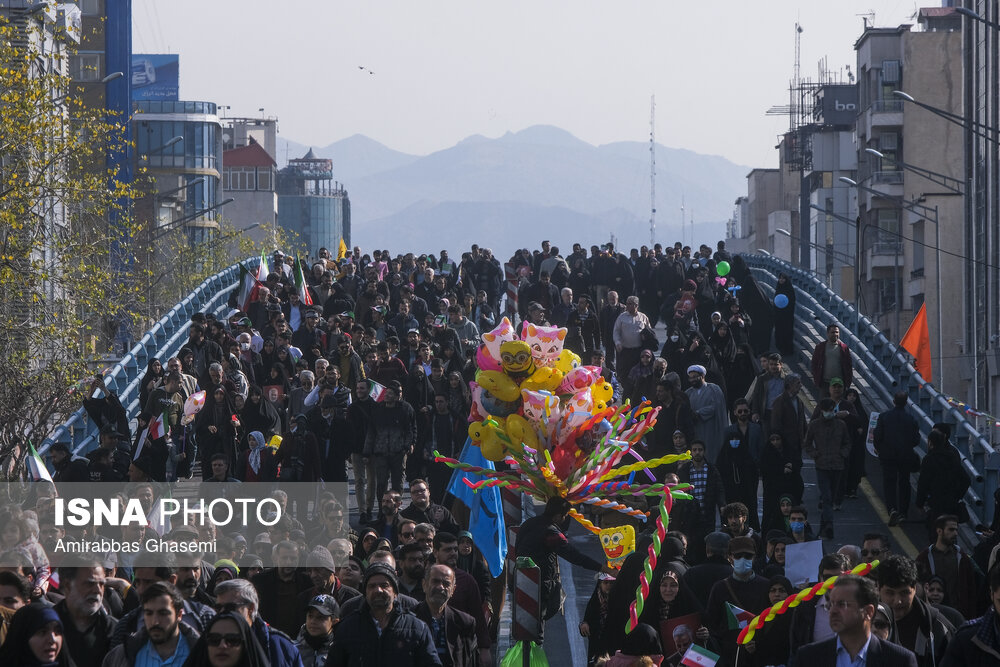
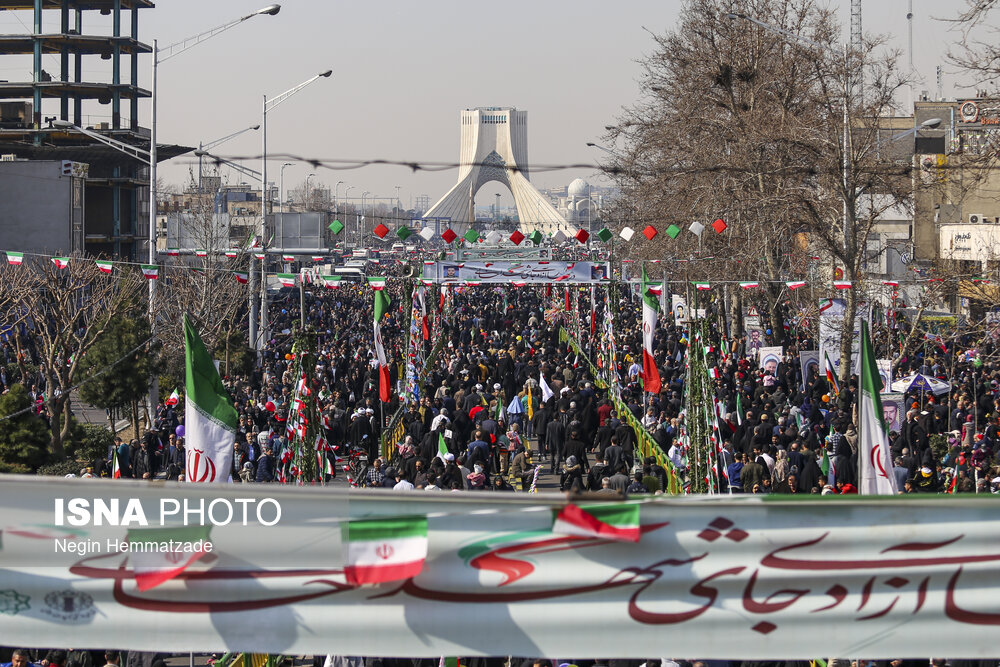
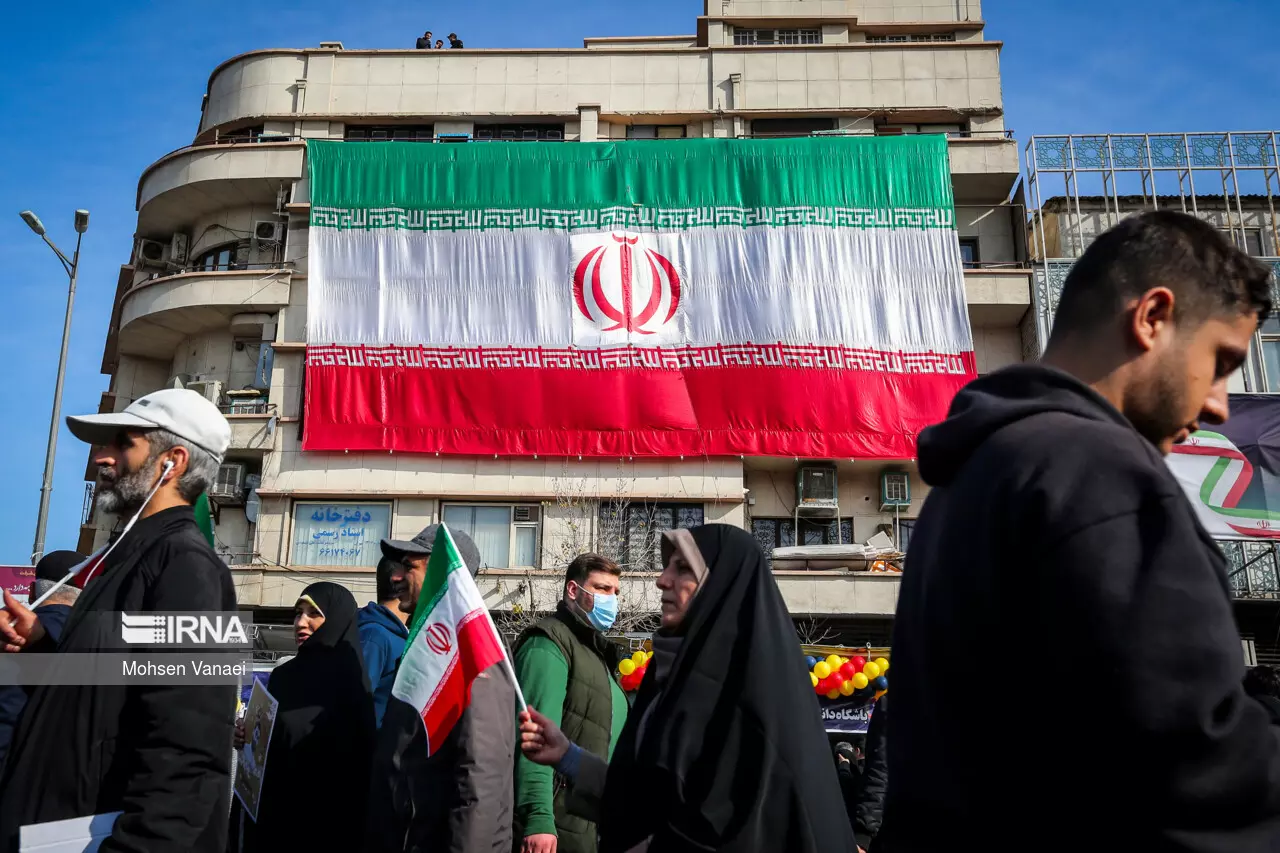
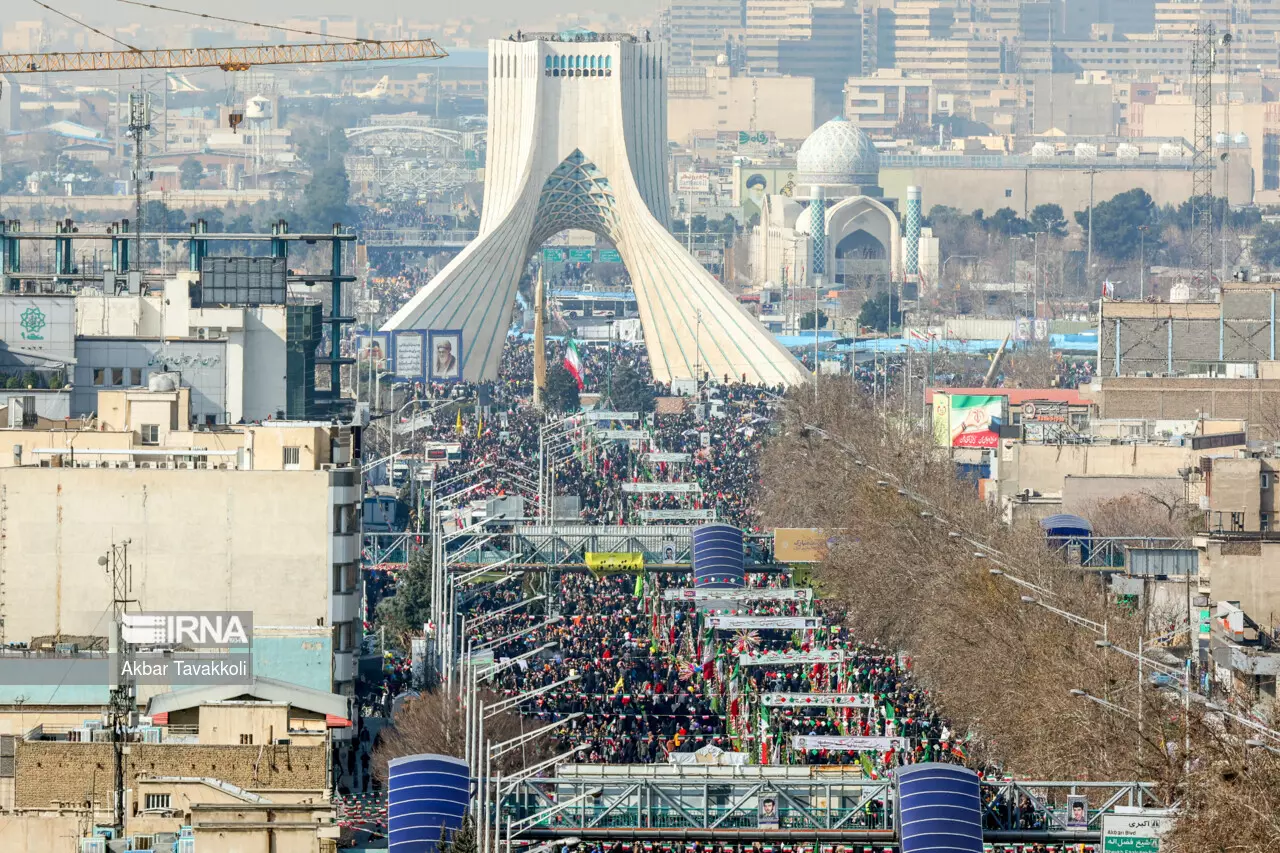
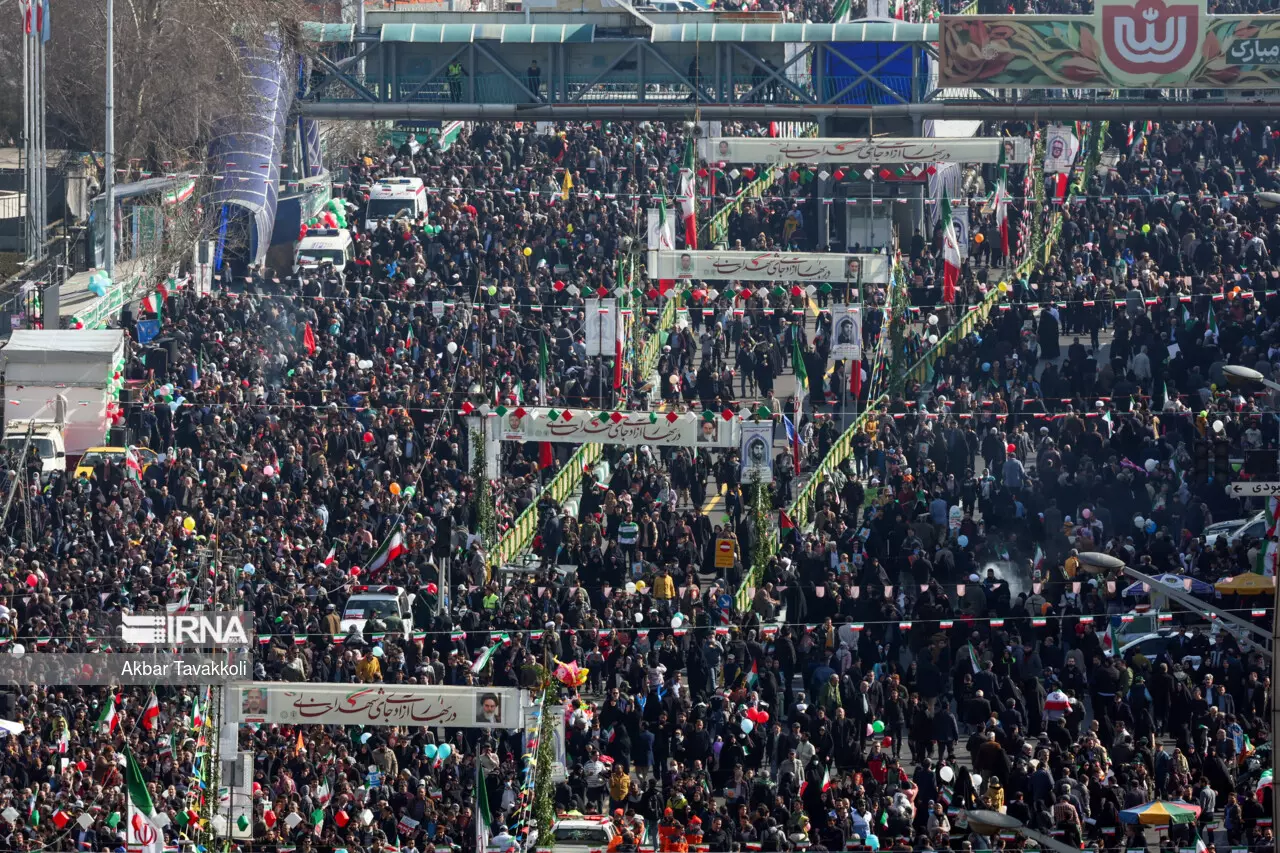
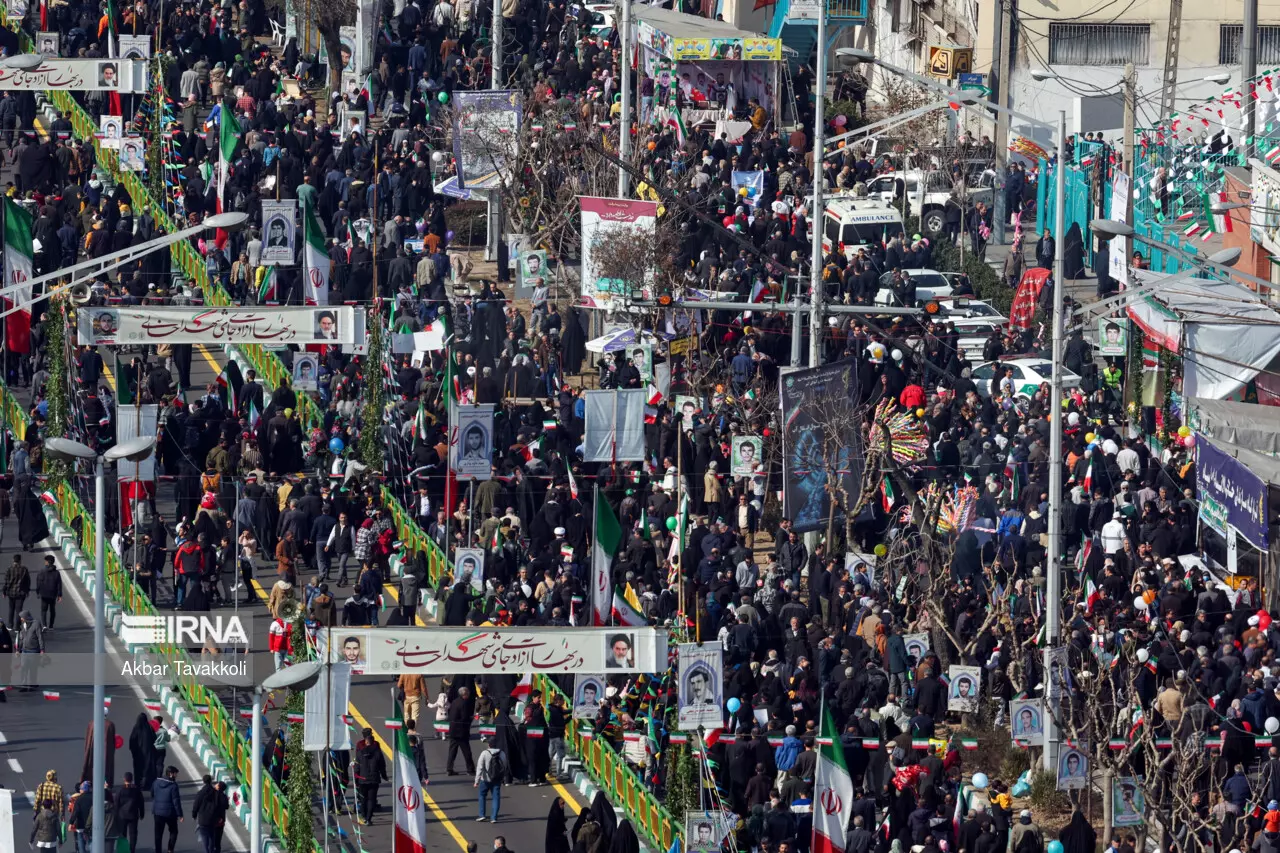
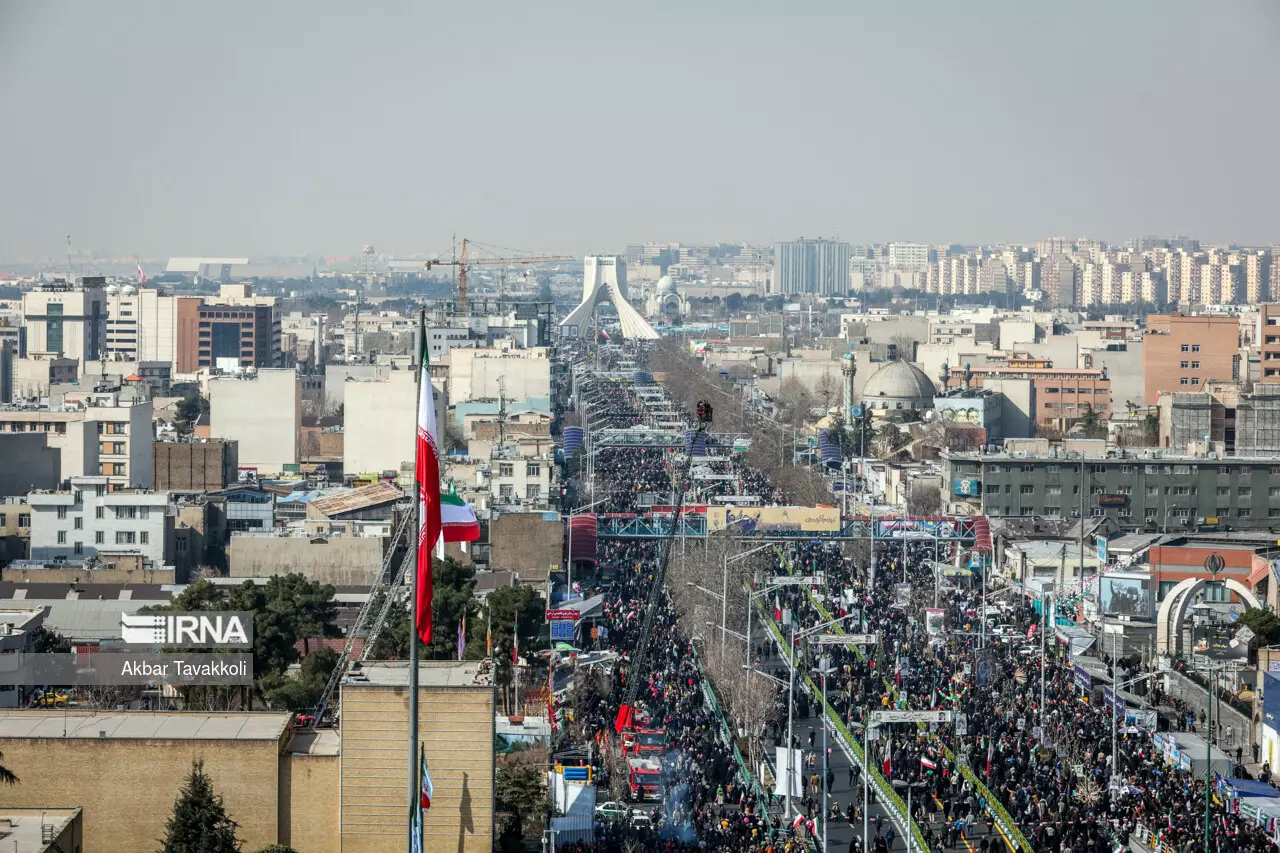
Ceremonies were held in the capital Tehran and other cities with ordinary people and ranking officials, including President Ebrahim Raisi, in attendance.

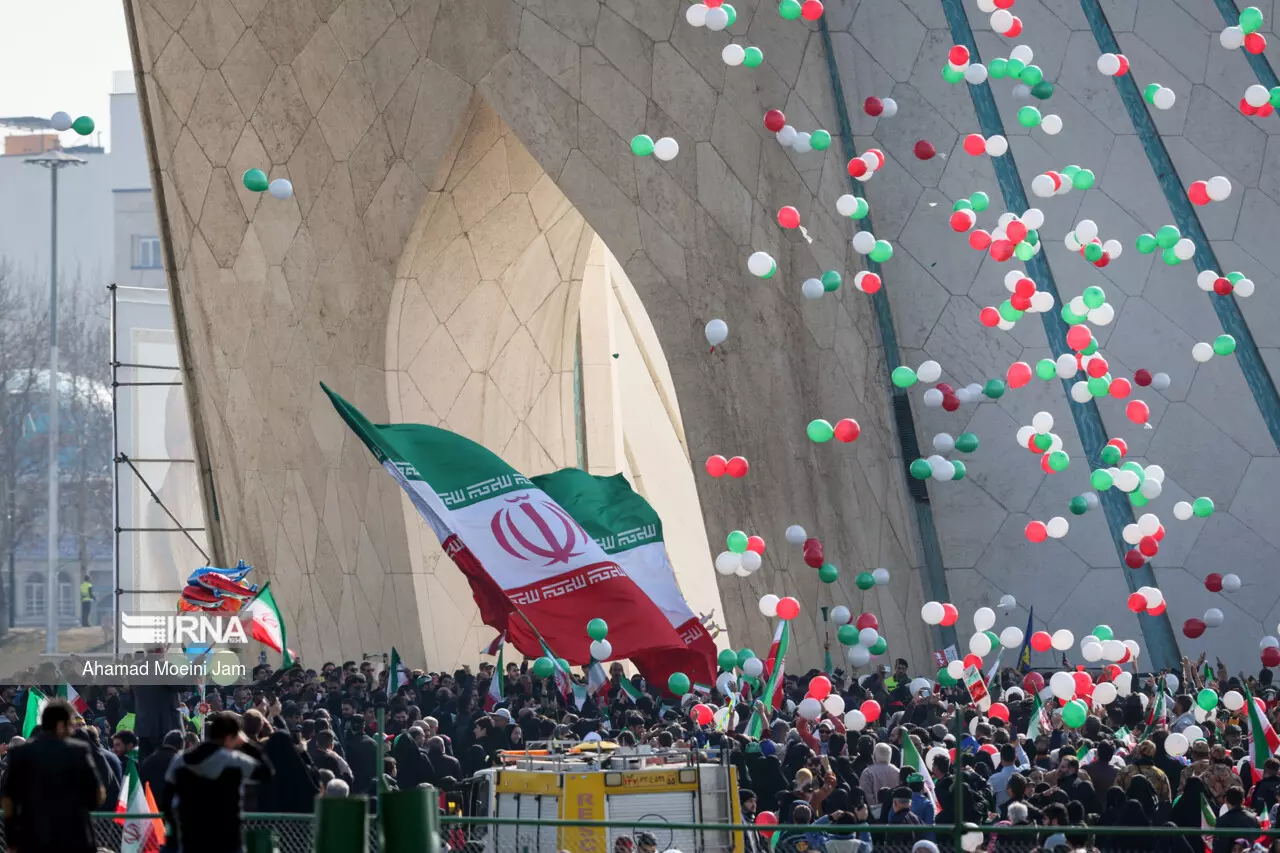
President Raisi, in his address to the crowd at Tehran’s Azadi Square, noted that that people in Iran “chose independence over reliance on foreign powers” and “honor over humiliation” through the Revolution.

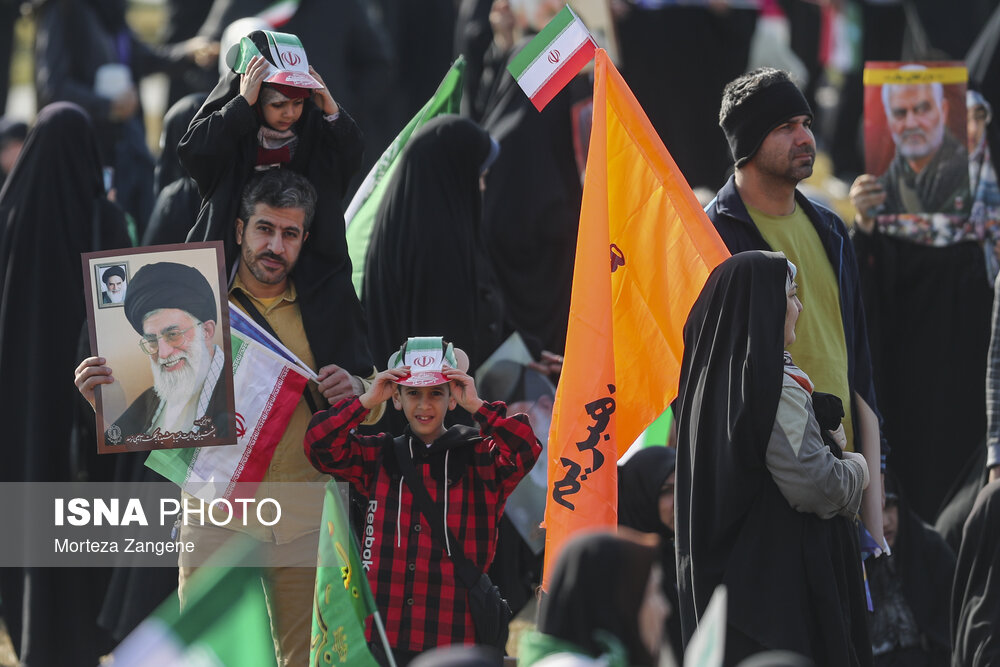
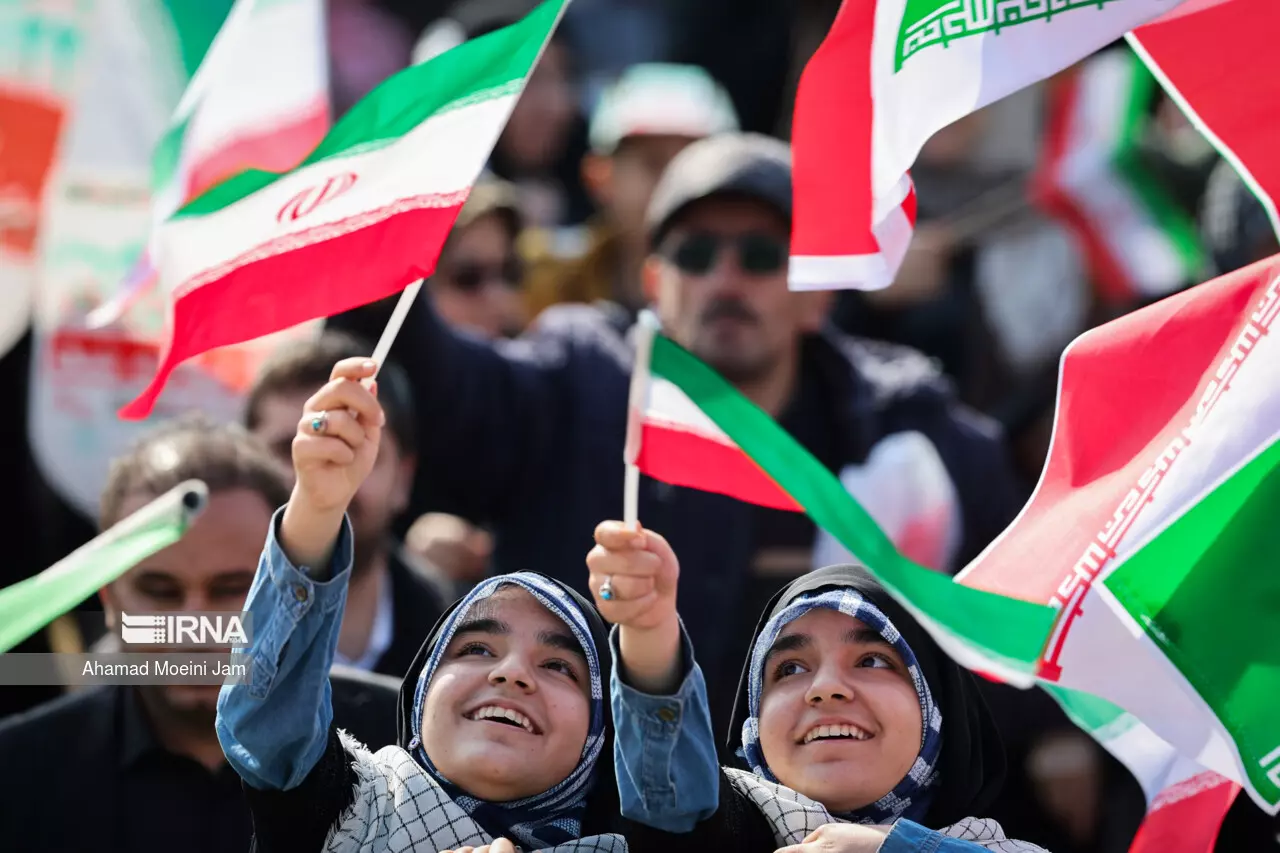
Many families along with their children waved the Iranian flags and speakers blared out songs reminiscent of the Revolution days over four decades ago.

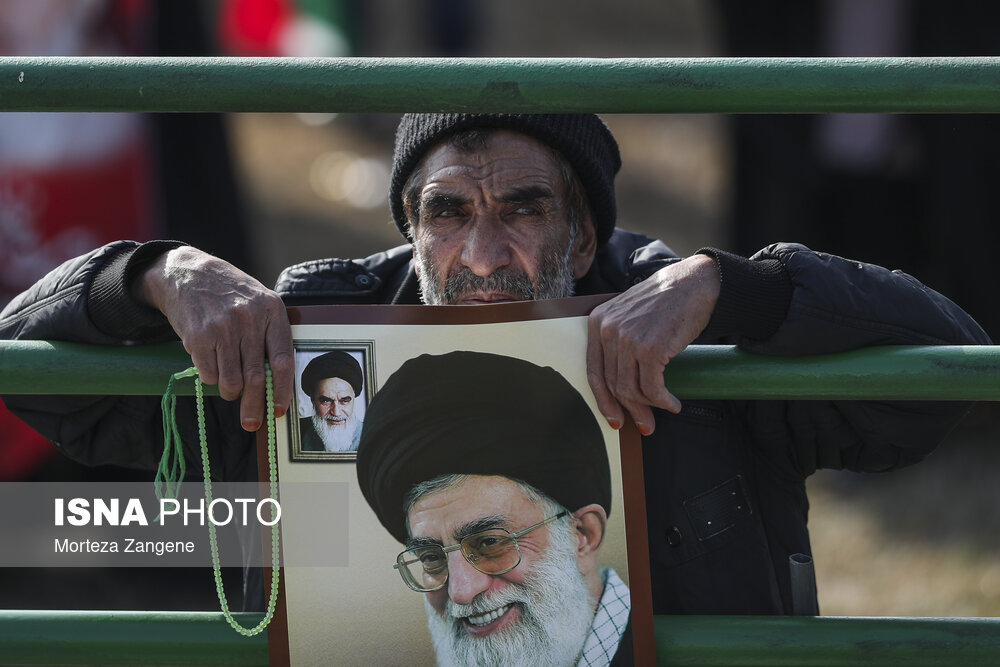
The participants renewed allegiance to the Revolution and its Leader Ayatollah Seyyed Ali Khamenei as well as the founder of the Islamic Republic Imam Khomeini.

A statement was issued at the end of the ceremony, saying the Islamic Revolution stemmed from divine traditions under the auspices and guidelines of the prophets and the leadership of Imam Khomeini.

On February 1, 1979, Imam Khomeini, the leader of the Revolution, returned to his home country after fifteen years of exile.
The Revolution led to the ouster of the former monarch Mohammad Reza Pahlavi and achieved victory ten day later on February 11.

Israeli protesters demand resignation of Netanyahu government, return of captives from Gaza

Israel Hostages

Channel 12 reported that thousands protested in Habima Square in central Tel Aviv against the government and demanded early elections.

The official Israeli broadcasting authority noted “a massive demonstration in Tel Aviv demanding the government to reach a deal for the return of all the hostages, and other two protests in front of Netanyahu’s residence in Jerusalem”.

The Yedioth Ahronoth daily newspaper said that “about 3,000 Israelis demonstrated at the Horev junction in the city of Haifa, demanding an immediate change of government, with protesters holding banners that read: Elections now.”

It is expected that the pace of protests against the government will increase later Saturday across the country, especially in Tel Aviv and Jerusalem.

On Oct. 7, Hamas attacked Israeli settlements near the Gaza Strip, resulting in the death of 1,200 Israelis, injury to 5,500 and the capture of at least 250 hostages.

On November 24, Qatar mediated a deal between Israel and Hamas on a temporary truce and the exchange of some of the prisoners and hostages, as well as the delivery of humanitarian aid into the Gaza Strip. The ceasefire was extended several times and expired on December 1.

Israel estimates the presence of “137 hostages still held in the Gaza Strip”, according to media reports and statements from Israeli officials.

99-year-old Iranian diver crowned at World Aquatics games

99-year-old Iranian diver crowned at World Aquatics games

Photos and videos showed him hiding his tears after he received a medal from authorities and was applauded by the audience in the pool.

Asgari won a silver and bronze medal at the inaugural Asian Games in New Delhi in 1951. He then said goodbye to diving in 1966 after winning a national gold medal.

“For me, I have had a love of diving since I was a teenager. I have always loved diving. Nothing has changed between 1951 and now, except my performance!” he told the World Aquatics website.

Asgari was born and raised in the slopes of Alborz Mountain in Shemiran, located to the north of the Iranian capital, Tehran, where he still lives.

The old diver gave his recommendations to current and future competitors in aquatic games.

“The only thing I want to tell you is about loving this sport and to keep yourself healthy,” added Asgari.

Iranians hold nationwide rallies to mark 45th anniv. of Islamic Revolution victory 

Millions mark 45th anniv. of Islamic Revolution victory in Iran

The annual ceremonies are underway in the capital Tehran and other cities and will continue until noon.

Many families along with their children wave the Iranian flags and speakers blare out songs reminiscent of the revolution days over four decades ago.

The participants renew their allegiance to the Revolution and its Leader Ayatollah Seyyed Ali Khamenei as well as the founder of the Islamic Republic Imam Khomeini.

On February 1, 1979, Imam Khomeini the leader of the Revolution returned to his home country after fifteen years of exile.

The Revolution led to the ouster of the former monarch Mohammad Reza Pahlavi and achieved victory ten days later on February 11.

Israeli PM asks army to remobilize reserve soldiers in preparation for ground offensive in Rafah, 28k Palestinians killed

Gaza War

According to Channel 13, Chief of General Staff Herzi Halevi said: “The army will be able to handle any mission, but there are political aspects that must be addressed first.”

A senior Israeli official, who preferred not to be named, told the channel: “The operation in Rafah is approaching.”

Newspaper Haaretz has also reported that the Israeli government has not concluded the details of the Rafah operation with Egypt, specifically how to handle action against Hamas’s tunnels that cross from Gaza into Egyptian territory.

For this and other reasons, the daily added citing a source familiar with Israeli war cabinet deliberation, a date for the beginning of the assault has not yet been set.

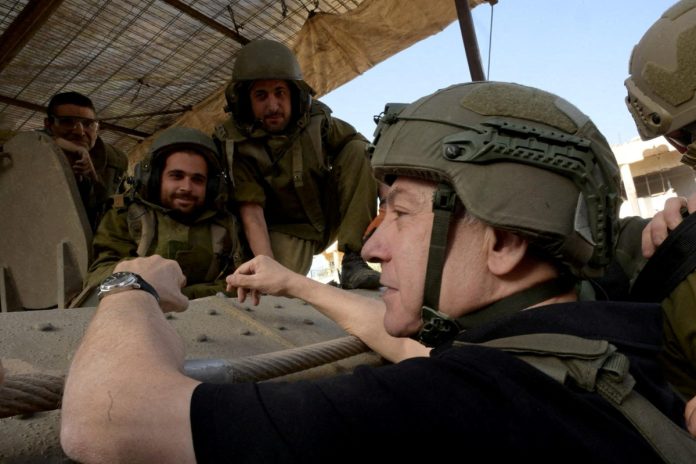
Netanyahu on Friday ordered the military to submit a dual plan to evacuate Palestinian residents from Rafah, home to more than 1 million residents seeking refuge from war, and to defeat the remaining “Hamas battalions”.

The Palestinians have sought refuge in Rafah as Israel pounded the rest of the enclave following the Oct. 7 Hamas military operation. The bombardment has killed more than 28,000 people, besides causing mass destruction and shortages of basic necessities.

The Israeli offensive has left 85% of Gaza’s population internally displaced amid acute shortages of food, clean water, and medicine, while 60% of the enclave’s infrastructure was damaged or destroyed, according to the UN.

United Nations chief Antonio Guterres has stated that half of Gaza’s 2.3 million population “is now crammed into Rafah with nowhere to go”, warning the displaced “have no homes” and “no hope”.

In a statement on X, EU foreign policy chief Josep Borrell also warned that an Israeli offensive in Rafah would lead to an “unspeakable humanitarian catastrophe.”

“I echo the warning by several EU member states that an Israeli offensive on Rafah would lead to an unspeakable humanitarian catastrophe and grave tensions with Egypt. Resuming negotiations to free hostages and suspend hostilities is the only way to avert a bloodshed,” Borrell wrote.

Yemen’s Houthis confirm 17 fighters killed in US-led strikes

Yemen's Houthis

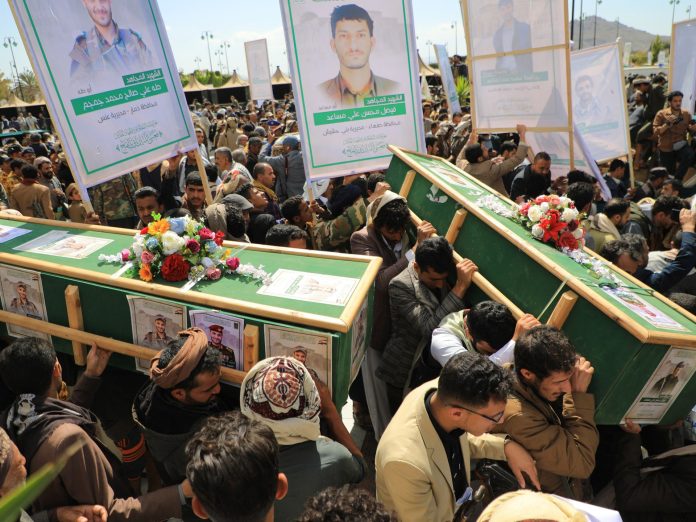
“The bodies of a number of martyrs of the nation and the armed and security forces who were martyred as a result of the bombing of the American-British aggression were carried through Sanaa today in a solemn funeral procession,” a Houthi official media said on Saturday, listing their names.

Washington and London have been hitting Houthi targets in Yemen since mid-January, in an attempt to get them to cease their attacks on ships in the Red Sea.

The Houthis, who control much of war-torn Yemen including the port of Hodeidah, have been targeting what they say are vessels linked to Israel in response to the war on Gaza.

Yemenis have declared their open support for Palestine’s struggle against the Israeli occupation since the regime launched a devastating war on Gaza on October 7 after the territory’s Palestinian resistance movements carried out a surprise retaliatory attack, dubbed Operation Al-Aqsa Storm, against the occupying entity.

Yemeni Armed Forces have stressed that they won’t stop their attacks until unrelenting Israeli ground and aerial offensives in Gaza, which have killed at least 28,000 people and wounded another 67,500 individuals, come to an end.

Large numbers of supporters gathered at Sanaa’s Al-Shaab mosque, formerly Al-Saleh mosque, on Saturday for the funerals of the Houthis killed in the attacks.

On Wednesday the Houthis’ news agency reported that the US and UK had hit targets in Hodeidah province.

On Tuesday, the Houthis announced they had targeted US and British ships in two attacks in the Red Sea, causing minor damage but no casualties.

The Red Sea attacks have raised insurance premiums for shipping companies, forcing many to avoid the vital route that normally carries about 12 percent of global maritime trade.

On Friday, Steve Fagin, the US ambassador to Yemen, said on X via the US Embassy’s account, that the US will classify the Houthis as a terrorist group at the end of next week, unless the group ceases its attacks on ships in the Red Sea.

The US announced this move in January, giving the Houthis 30 days to cease the attacks before it went into effect.

“In response to these continuing threats and attacks, the United States announced the designation of Ansarallah, also known as the Houthis, as a Specially Designated Global Terrorist,” White House National Security Adviser Jake Sullivan said in a statement at the time.

NATO chief says Russia prepares its economy for a long war

Jens Stoltenberg

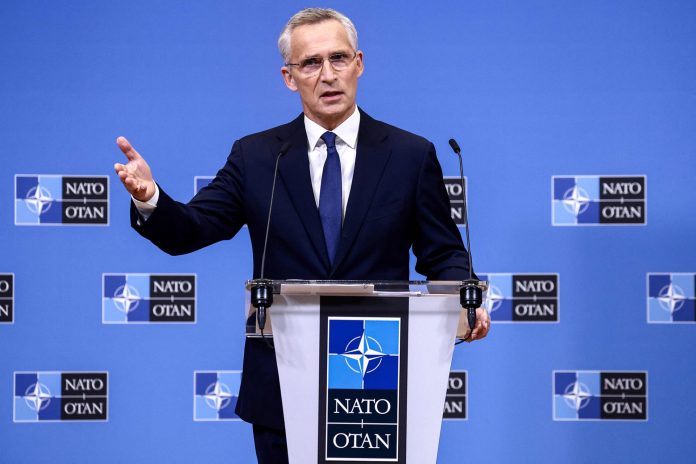
“Because Russia is gearing its entire economy towards war, we also have to do more for our security,” Stoltenberg said in an interview with the German daily Welt am Sonntag.

Stressing that NATO is not looking for a war in Russia, he stated: “But we have to prepare ourselves for a confrontation that could last decades.”

“If (Russian President Vladimir) Putin wins in Ukraine, there is no guarantee that Russian aggression will not spread to other countries,” he continued, adding that supporting Ukraine and investing to advance the alliance’s military capabilities are the best defensive tools against Russia.

“We need to restore and expand our industrial base more quickly so that we can increase deliveries to Ukraine and replenish our own stocks,” the NATO secretary general said.

“This means switching from slow production in times of peace to fast production, as is necessary in conflict,” he added.

Russia says US doesn’t want talks

Kremlin

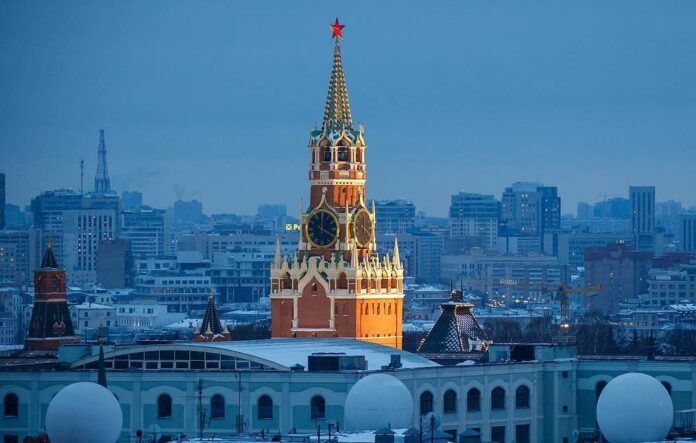
Peskov made the remarks when asked whether the interview that Russian President Vladimir Putin gave to conservative American journalist Tucker Carlson earlier this week will help communicate Moscow’s position on various issues to Washington.

“The US authorities know our position very well, they are perfectly aware of all of Putin’s main points,” the spokesman stated.

However, the US has not demonstrated any readiness to actually engage in negotiations with Russia, according to Peskov.

“This is not an issue of knowledge, but an issue of desire. The desire to do something to get on to the track of negotiations. We have not yet seen such a desire or the political will for this [in the US],” Peskov emphasized.

Nevertheless, the Carlson interview provided a great opportunity for the Russian president to communicate his position to a wider audience in the West, according to Peskov.

“The main thing for us is that our president is heard. And should he be heard, that means more people will think about whether he is right or not. They will think, at least,” he stated when asked about the interest the interview has sparked.

The interview has elicited a “hysterical” reaction from the US authorities and mainstream media, who rushed to warn the public against watching it, Russian Foreign Ministry spokeswoman Maria Zakharova has claimed.

“They’ve had a hysterical fit – the White House, the Department of State, all the mainstream media are shouting at the top of their lungs one thing only: don’t watch [the interview], and that an American journalist shouldn’t conduct such an interview,” Zakharova told Russia’s Izvestia newspaper on Friday, describing such reaction to the conversation as a “phenomenal” one.

The two-hour-long conversation, which largely revolved around relations between Moscow and Kiev and the ongoing conflict, garnered over 100 million views in just one day on Carlson’s X account (formerly Twitter) alone.

The interview, which was published on Thursday, was the first between the Russian president and a US journalist since the Ukraine conflict began in February 2022.

Gaza death toll tops 28k with nearly 68k wounded

Gaza War

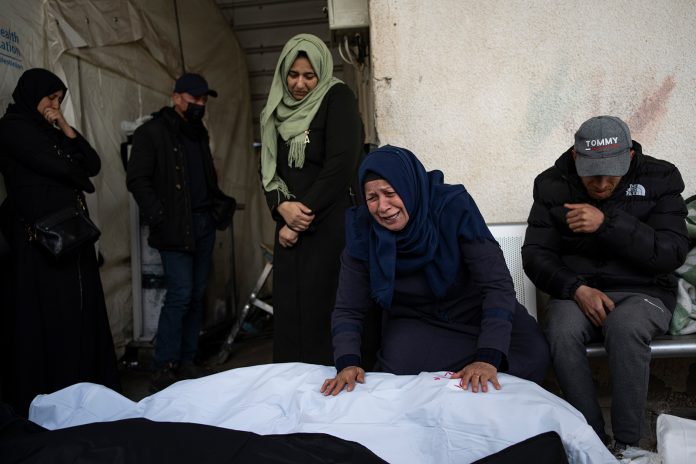
“The Israeli occupation committed 16 massacres against families in the Gaza Strip, leaving 117 martyrs and 152 injured during the past 24 hours,” the ministry said in a statement.

“Many people are still trapped under rubble and on the roads as rescuers are unable to reach them,” it added.

Israel has pounded the Gaza Strip since the Oct. 7 cross-border attack by Hamas, which Tel Aviv says killed nearly 1,200 people. The attacks have killed more 28,064 people, mostly women and children, and wounded 67,611 others.

The offensive has also left 85% of Gaza’s population internally displaced amid acute shortages of food, clean water, and medicine, while most of the enclave’s infrastructure has been damaged or destroyed.

More than 650,000 people have no homes left to return to in Gaza and many more will be unable to return to their residences due to damage inflicted by Israel’s war on the territory and the risks posed by explosives left over from the fighting.

There is also an estimated 12 million tonnes of debris from Israel’s destruction of residential houses in the Palestinian territory that will take more than four years to clear, the UN Office for Coordination of Humanitarian Affairs (UNOCHA) announced in its latest situation report.

The International Court of Justice in a provisional ruling mandated Israel to prevent genocidal attacks in Gaza, but it has continued with the assault.

Israel’s credit rating downgraded on war risks: Report

Israel Economy

Moody’s cut Israel’s credit score to A2, the sixth-highest investment grade, and kept its outlook as “negative”, meaning further downgrades are possible. The agency cited political and fiscal risks from Israel’s continued war with Palestinian militant group Hamas as the reason for the downgrade.

“The ongoing military conflict with Hamas, its aftermath and wider consequences materially raise political risk for Israel as well as weaken its executive and legislative institutions and its fiscal strength, for the foreseeable future,” the agency said in a statement on its website.

“While fighting in Gaza may diminish in intensity or pause, there is currently no agreement to end the hostilities durably and no agreement on a longer-term plan that would fully restore and eventually strengthen security for Israel,” Moody’s added. It noted that it “expects that Israel’s debt burden will be materially higher than projected before the conflict.”

Moody’s placed Israel’s credit rating on review back in October, less than two weeks after the country declared war on Hamas following a surprise attack by the group which killed around 1,200 Israelis. S&P and Fitch also placed Israel on negative ratings watch, but so far have not downgraded its credit score. S&P warned last month that it could also cut Israel’s sovereign rating if the war with Hamas expands to other fronts, such as Lebanon or Iran.

Commenting on the downgrade, Prime Minister Benjamin Netanyahu insisted it does not reflect the state of the country’s economy, but “is entirely due to the fact that we are at war”.

“The rating will go back up as soon as we win the war,” he stated in a statement, as cited by Bloomberg.

Israeli Finance Minister Bezalel Smotrich has also brushed off Moody’s downgrading of Israel’s credit rating, saying the decision linked to the Gaza war was not based on sound economic reasoning, and was tantamount to a pessimistic “manifesto”.

“The Israeli economy is strong by all measures. It is capable of sustaining all war efforts, on the front line and home front, until, with God’s help, victory is achieved,” he stated.