Tuesday, January 13, 2026
Home Blog Page 997

Russia, China veto US resolution on Gaza

UNSC

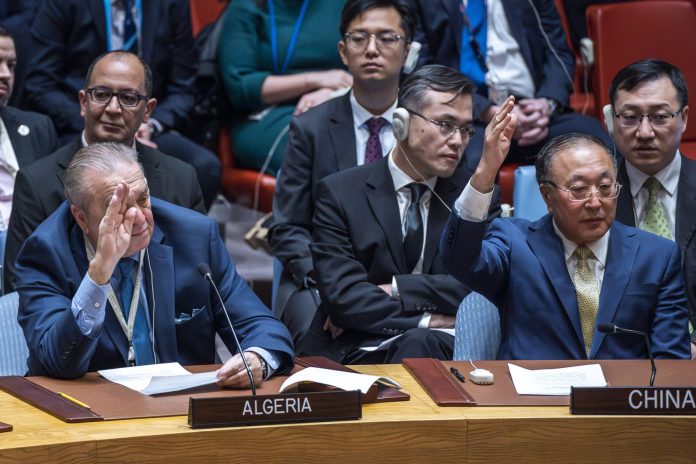
Eleven members in the 15-member UN Security Council voted for the resolution on Friday. Three voted against it, including Russia, China and Algeria. Guyana abstained.

The votes of Russia and China, two of the permanent Security Council members, counted as vetoes.

Before the vote, Russia’s UN Ambassador Vassily Nebenzia said his country backs an immediate ceasefire, but questioned the language in the resolution.

He added the US resolution did not directly demand a ceasefire but rather “determines the imperative” of a ceasefire.

“To save the lives of the peaceful Palestinian civilians, this is not enough,” Nebenzia said. Any Security Council member voting for the resolution “will cover yourselves in disgrace”, the Russian ambassador added.

China’s representative, Zhang Jun, also censured the draft, saying it “dodged the most central issue, that of a ceasefire” through its “ambiguous” language.

“Nor does it even provide an answer to the question of realizing a ceasefire in the short term.”

Commenting on Algeria’s rejection of the US resolution, the Algerian Ambassador to the UN, Amar Bendjama, also underscored the absence of a direct demand for an immediate ceasefire.

“The text presented today does not convey a clear message of peace,” Bendjama told the Council.

“It is a laissez passer to continue killing the Palestinian civilians.”

Pointing out that the US had vetoed three ceasefire resolutions and one Russian amendment since the bombardment of Gaza started in October, the Russian diplomat stated US Secretary of State Antony Blinken and Ambassador Linda Thomas-Greenfield are “misleading the international community” for “politicized” reasons.

Nebenzia accused the US of a “hypocritical spectacle”, saying the proposal contained an “effective green light” for Israel to launch a military offensive in Rafah in southern Gaza, where more than half of the population of 2.4 million has been forcibly displaced.

Separately, the 10 elected members of the Security Council have been drafting another resolution with a direct demand for a ceasefire, but the US envoy, Linda Thomas-Greenfield, said Washington would veto that text if it was presented for a vote.

The US diplomat claimed it would jeopardize the ongoing negotiations in Qatar on a deal which would establish a ceasefire in return for the release of the Israeli captives taken by the Palestinian resistance movement Hamas.

Israel launched its war on Gaza after an Oct. 7, 2023 cross-border incursion by Hamas. It has since killed more than 32,000 Palestinians and pushed the territory to the brink of famine.

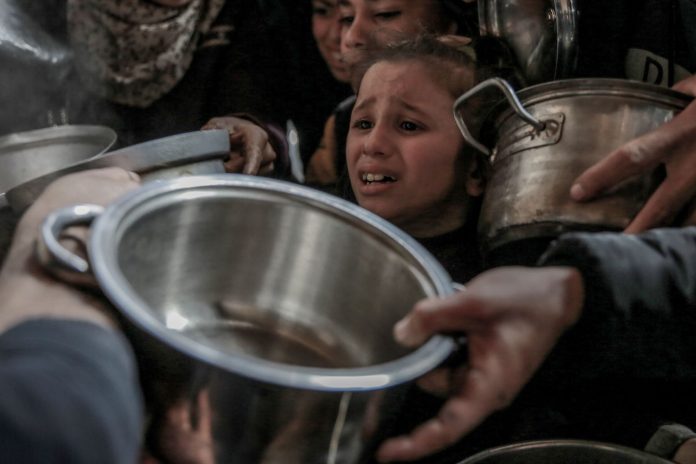
Israel has also imposed a crippling blockade on the Palestinian enclave, leaving its population, particularly residents of northern Gaza, on the verge of starvation.

The war has pushed 85% of Gaza’s population into internal displacement amid acute shortages of food, clean water, and medicine, while most of the enclave’s infrastructure has been damaged or destroyed, according to the UN.

Israel stands accused of genocide at the International Court of Justice, which in an interim ruling in January ordered Tel Aviv to stop genocidal acts and take measures to guarantee that humanitarian assistance is provided to civilians in Gaza.
4 European countries say ready to recognise Palestine as a state

Rally Palestine

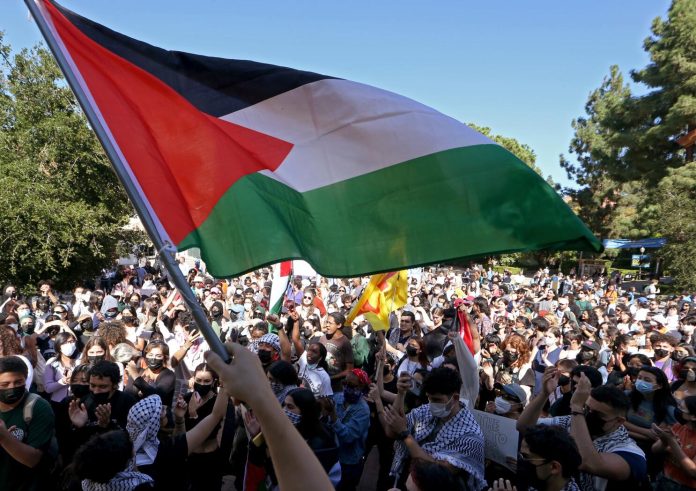
The statement said the countries’ leaders agreed that “the only way to achieve lasting peace and stability in the region is through implementation of a two-state solution, with Israeli and Palestinian States living side-by-side, in peace and security.”

The statement added the four leaders discussed their “readiness” to recognize an independent Palestine.

It noted that they will do so “when it can make a positive contribution and the circumstances are right.”

Spanish Prime Minister Pedro Sanchez offered more details after the European Council meeting in Brussels.

Noting that the joint statement is “necessarily vague” about the timing, he said “the decision is made to recognize Palestine, now the debate is about when.”

Since late last year, Sanchez has vowed to recognize Palestine within this government’s term. For Spain, that means sometime within the next three and a half years maximum.

He added that the European Council’s conclusions on Thursday put Spain in a position of “greater legitimacy so that various countries in the bloc could take this step.”

On Thursday, the bloc’s conclusions spoke of the “catastrophic humanitarian situation in Gaza and its disproportionate effect on civilians,” as well as the “famine caused by the insufficient entry of aid into Gaza.” For the first time, the EU unanimously called for an eventual Gaza cease-fire.

“Honestly, now is the time,” Sanchez told journalists, adding that it will be important to monitor the UN Security Council’s decisions, as well as the reformed Palestinian Authority’s ability to govern in the coming weeks.

“Within Spain, this has nothing to do with ideology. … There are many people from the left, right, and center that can’t bear to see what’s happening — all of the suffering in the Gaza Strip, the injustice in the West Bank. And they are genuinely afraid of the escalation of a conflict that has been ongoing for many months. We need to contribute to end it,” the Socialist prime minister added.

Sanchez also highlighted that the four EU countries willing to make the move belong to different regions in Europe and are ruled by different parties.

Slovenian Prime Minister Robert Golob is a member of the social liberal Freedom Movement, the Maltese Prime Minister Robert Abela belongs to the Labour Party, and Irish Taoiseach Leo Varadkar to the center-right Fine Gael party.

Iran’s Kanaani strongly condemns Moscow deadly terror incident

Moscow Terror Attack

Kanaani offered condolences to the government and people of Russia, particularly the families of the victims.

He said the Islamic Republic of Iran stands by Russia in the face of this tragic incident.

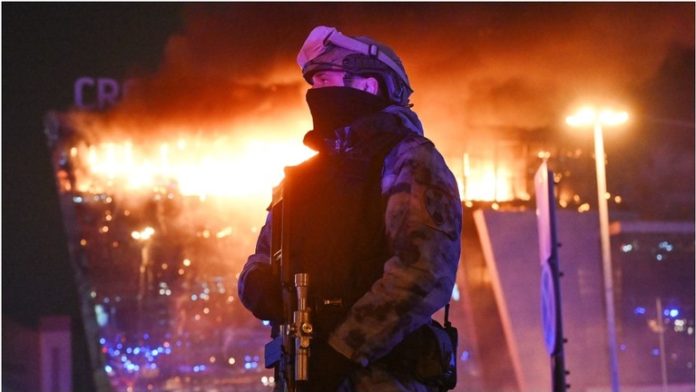
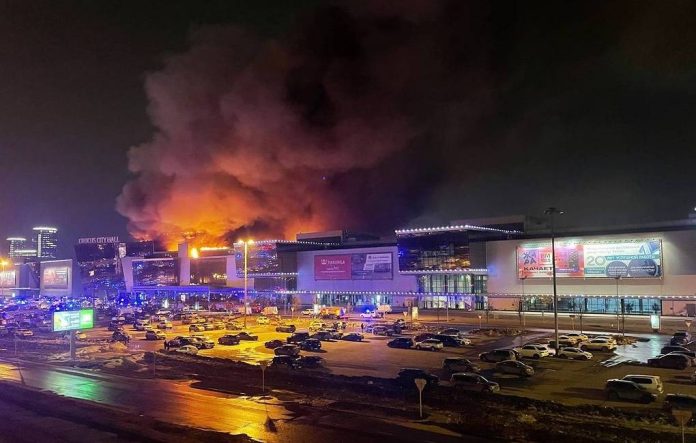
Gunmen burst into a big shopping mall and concert complex in Moscow on Friday and fired automatic weapons at the crowd.

Russia’s Federal Security Service (FSB) reported at least 40 people have been killed and more than 100 injured in the “terrorist attack” at the Crocus City Hall, northwest of Moscow.

Dozens killed, injured in mass shooting at concert hall near Moscow

Moscow Terror Attack

A renowned Moscow region concert venue and shopping centre is on fire on Friday evening, following reports of a mass shooting incident.

Several gunmen, wearing combat fatigues, burst into Crocus City Hall and fired automatic weapons, injuring dozens of patrons and killing a significant number of them, according to Russian media.

At least 40 people have been killed and more than 100 injured in a “terrorist attack” at the Crocus City Hall shopping mall and concert complex, northwest of Moscow, Russia’s Federal Security Service (FSB) reported on Friday.

Press outlets report the use of explosives and video shows black smoke rising above the building. State news wire service TASS suggests up to a third of the huge complex has been engulfed in flames.

The agency has added that special forces from the Russian Guard have arrived at the location.

Moscow Mayor Sergey Sobyanin has ordered city services to provide all necessary assistance to everyone who has been injured. He expressed condolences to the relatives of those killed.

Sobyanin has also canceled all large-scale events in the Russian capital after the incident.

Israel blocks Palestinians from visiting Al-Aqsa Mosque for 2nd Friday of Ramadan

Israel Al-Aqsa Mosque

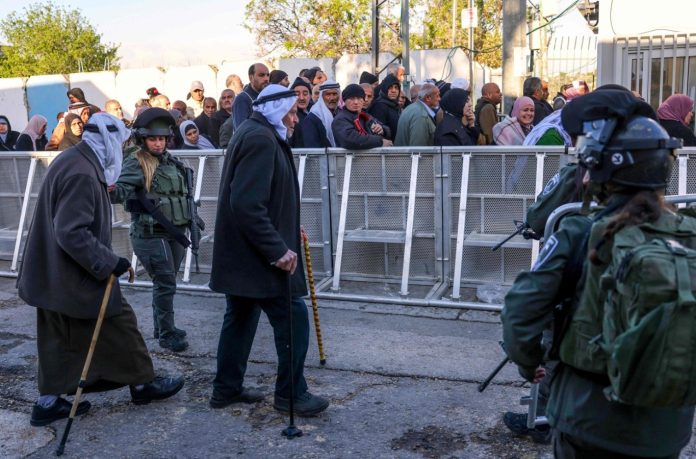
A large number of Israeli soldiers and police are deployed throughout the city to restrict Muslim faithful access to the mosque, witnesses told Anadolu news agency.

An Anadolu correspondent pointed out that several men and women were refused entry by Israeli forces, claiming they did not obtain the necessary permits.

Palestinian Abdullah Hamayel, 63, told Anadolu that Israeli authorities denied him entry to Jerusalem, claiming that he did not obtain a permit, even though he was carrying his American passport.

Hamayel, originally from the town of Beita, south of Nablus, said, “Jerusalem is more precious to us than anything, but today we were prevented from even praying there.”

Beida Omar, 71, stated the Israeli army prevented her from entering Jerusalem because, what the soldiers claimed, she did not follow its instructions to return to the West Bank before the evening prayer last Friday.

“This is untrue. They just want to prevent us from entering Jerusalem. I have a permit, but it is withdrawn,” she added.

Before the start of Ramadan, the Israeli government announced that “during the Fridays throughout the month of Ramadan, people from Judea and Samaria (the Torah name for the West Bank) will be allowed to enter Jerusalem subject to possessing a valid magnetic (security) permit and assessing the security situation”.

The army added that only men over the age of 55, women over the age of 50, and children under the age of 10 will be allowed into Jerusalem. However, Israeli soldiers and police are obstructing and preventing Muslims from offering weekly Friday prayers in congregation during the fasting month again.

Since the outbreak of the war on Gaza on Oct. 7, 2023, police have closed all checkpoints around East Jerusalem to residents of the West Bank.

Israel launched its war on Gaza after an Oct. 7 cross-border incursion by Hamas. It has since killed nearly 32,000 Palestinians and pushed the territory to the brink of famine.

Israel has also imposed a crippling blockade on the Palestinian enclave, leaving its population, particularly residents of northern Gaza, on the verge of starvation.

The war has pushed 85% of Gaza’s population into internal displacement amid acute shortages of food, clean water, and medicine, while most of the enclave’s infrastructure has been damaged or destroyed, according to the UN.

Israel stands accused of genocide at the International Court of Justice, which in an interim ruling in January ordered Tel Aviv to stop genocidal acts and take measures to guarantee that humanitarian assistance is provided to civilians in Gaza.
Survey finds sustained Palestinian support for Hamas despite Gaza war

Hamas

The findings were published by the Palestinian Center for Policy Survey and Research (PCPSR) in Ramallah and done in cooperation with the Konrad-Adenauer-Stiftung (KAS), as international alarm grows over the spiralling Palestinian civilian death toll in the Israeli offensive against Hamas, now in its sixth month.

Fifty-nine percent of the respondents in Gaza and the occupied West Bank said they wanted Hamas to run post-war Gaza, a five percent drop from PCPSR and KAS’s last poll in December.

Another 13 percent said they hoped the PA would return to control the Strip but only under the leadership of someone other than Abbas.

The 88-year-old has seen his popularity plummet in recent years over failures to advance Palestinian hopes for statehood and his reluctance to mend ties with Hamas.

There have also been no substantive peace negotiations with Israel in more than a decade, and the PA is widely seen as having become increasingly corrupt and autocratic.

Abbas, who was elected to a four-year term in 2005, has not named a successor.

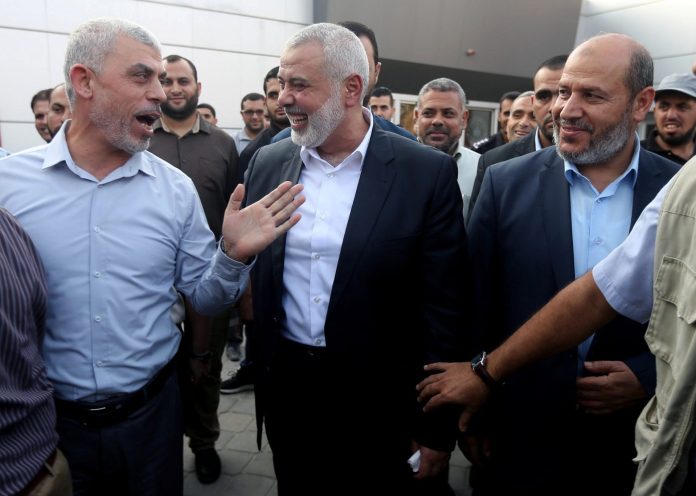
According to the survey, which was carried out between 5-10 March and sampled some 1,580 Palestinian adults in Gaza and the occupied West Bank, 70 percent of respondents said they were satisfied with the role Hamas has played during the course of the war, with 61 percent also approving of the role played by its Gaza-based leader, Yahya Sinwar.

A former member of Hamas’s armed wing, Sinwar spent more than 20 years in an Israeli prison after being convicted of abducting and killing two Israeli soldiers. He was released in a 2011 prisoner swap.

The survey also found that 71 percent of Palestinians in Gaza and the West Bank believed that the attack on southern Israel on 7 October was “correct”, a drop of just one percent, according to the organisation’s previous poll published in December.

Israeli forces have killed nearly 32,000 Palestinians since 7 October, including at least 14,000 children, according to the Palestinian health ministry.

Meanwhile, Israel has been accused of using starvation as a weapon of war, as it has continued to severely restrict the entry of humanitarian aid for over five months.

On Monday, UN agencies said famine was imminent in northern Gaza.

The European Union’s foreign policy chief, Josep Borrell, has stated that Israel was “provoking famine” in the besieged Strip. European Union leaders Charles Michel and Ursula von der Leyen also issued a resolute call Thursday for immediate humanitarian action and reiterated the EU’s support for a two-state solution in the ongoing Gaza crisis at a joint press conference.

A UN-backed initiative found that the entire population of Gaza, estimated to be around 2.3 million, is enduring “acute” food insecurity, while half the population suffers from a greater level of food insecurity classified as “catastrophic”.

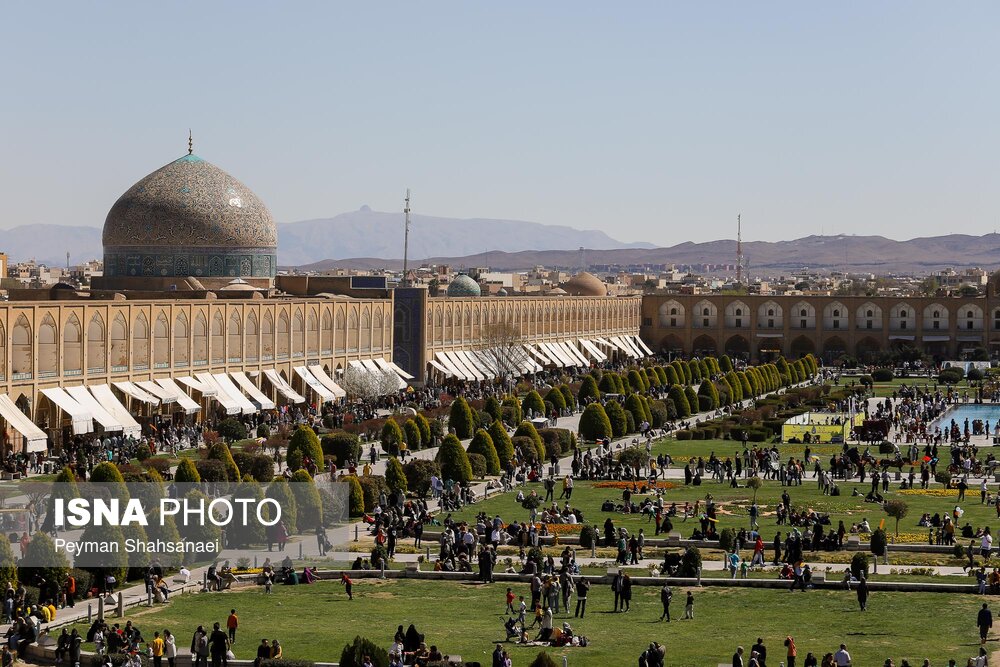
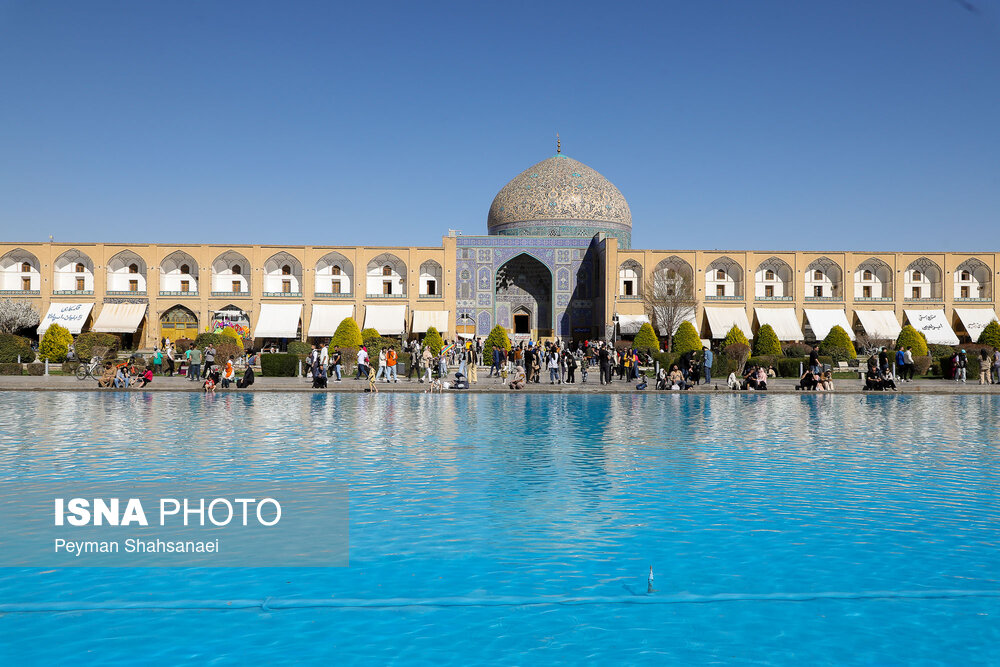
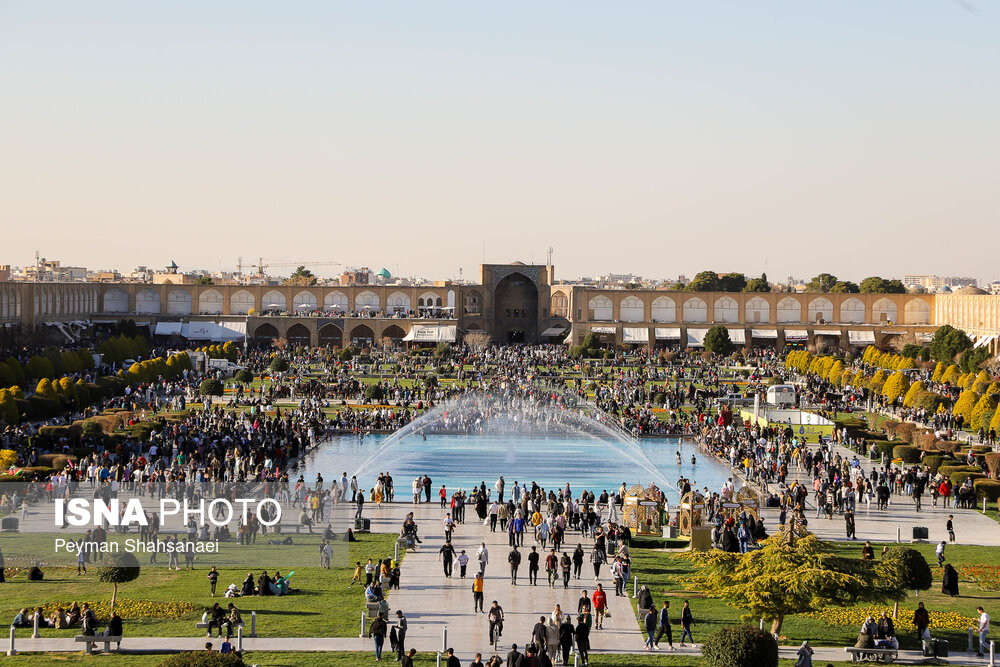
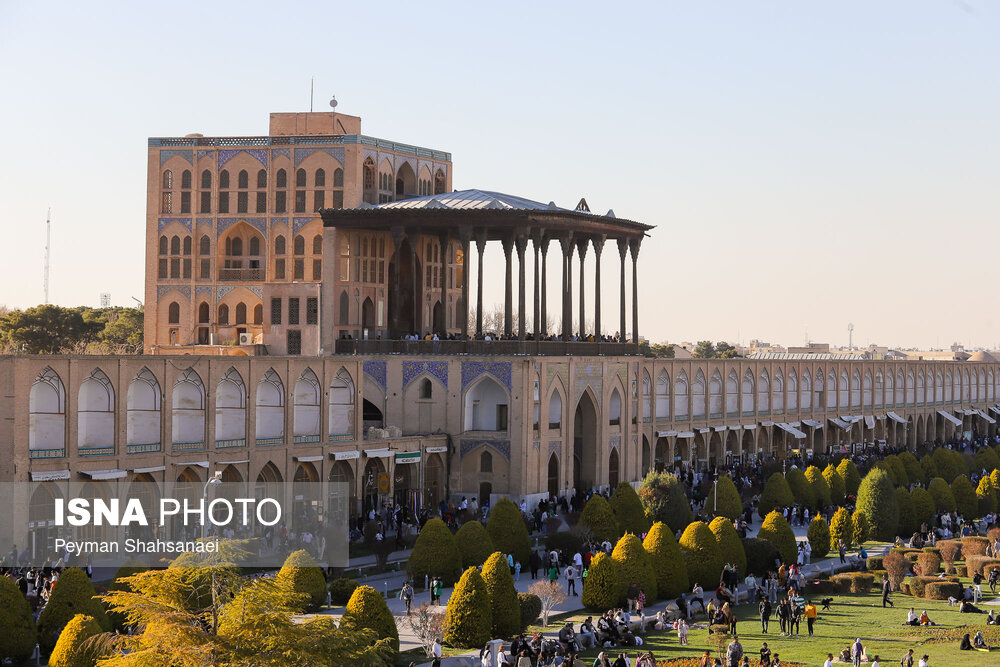
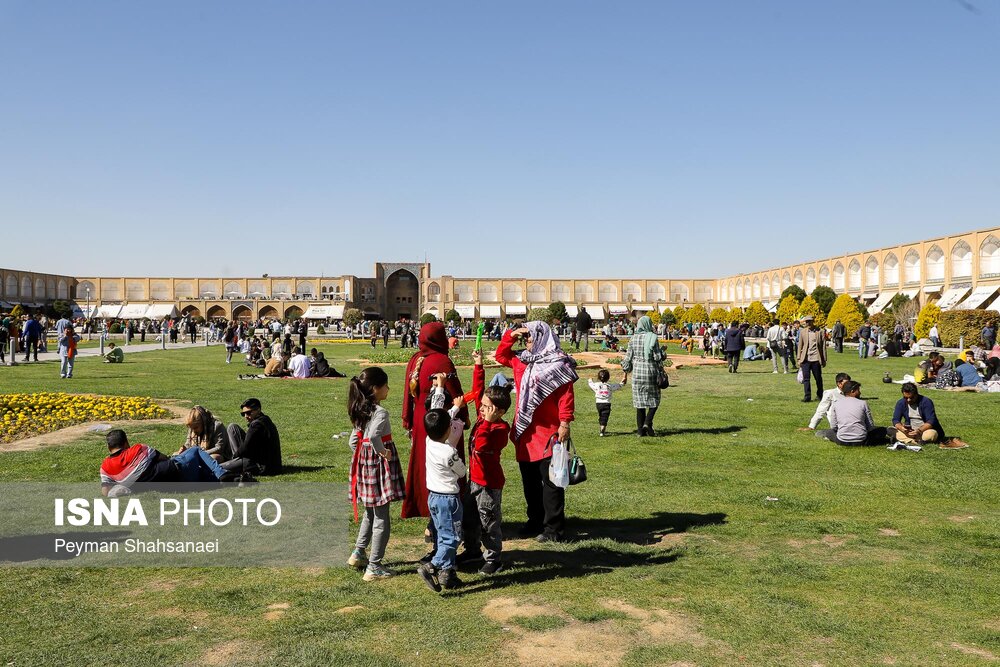
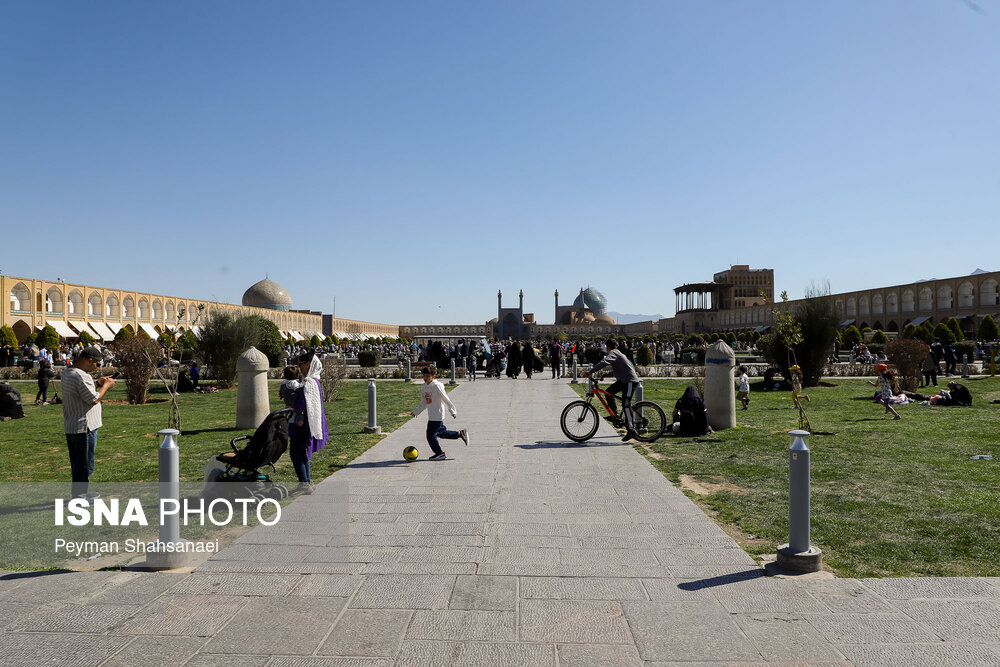
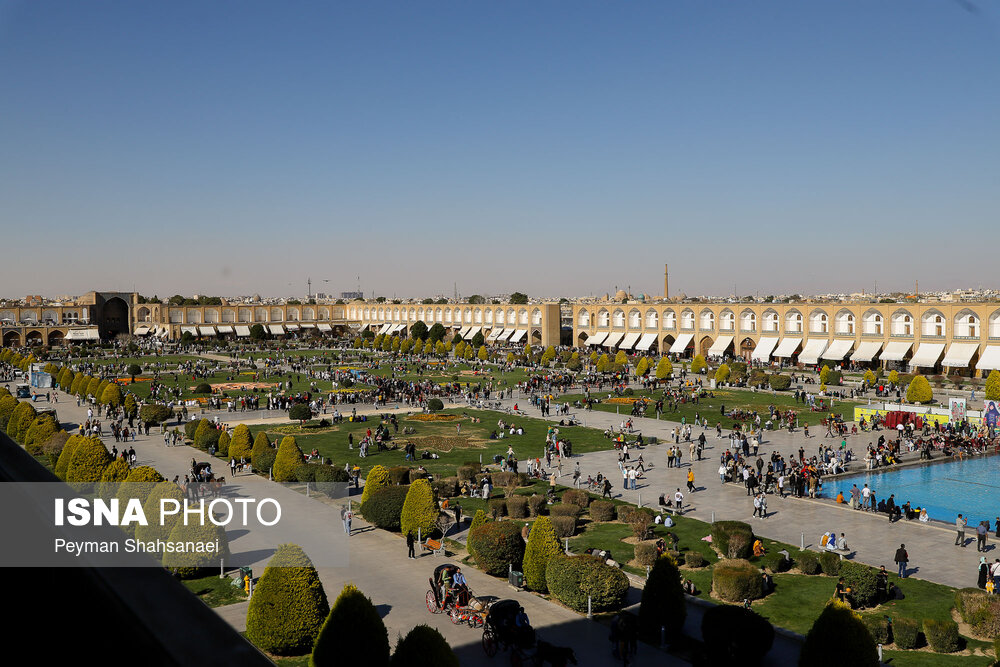
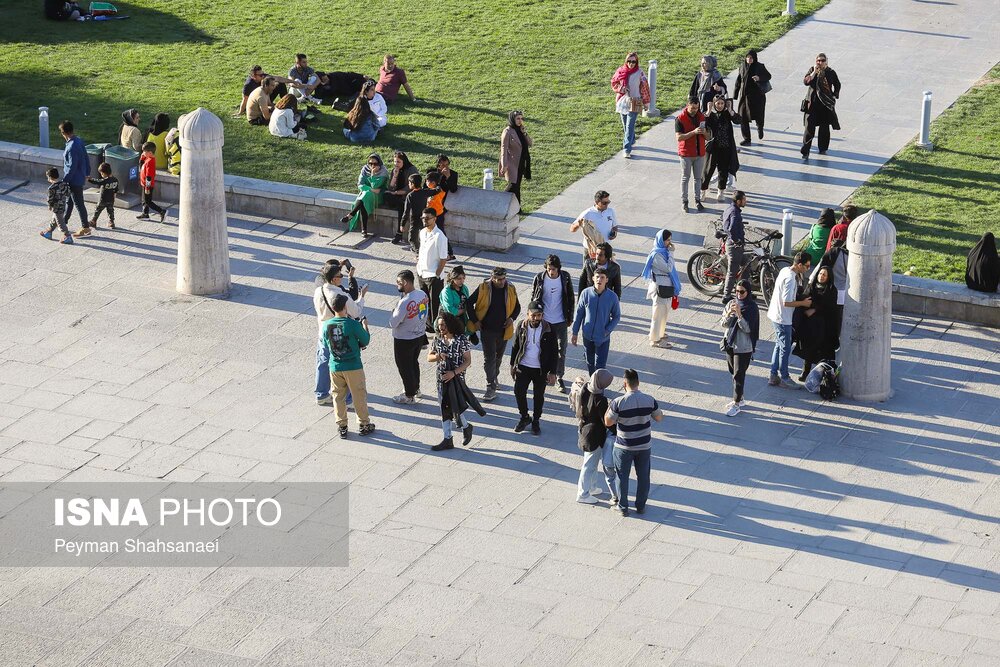
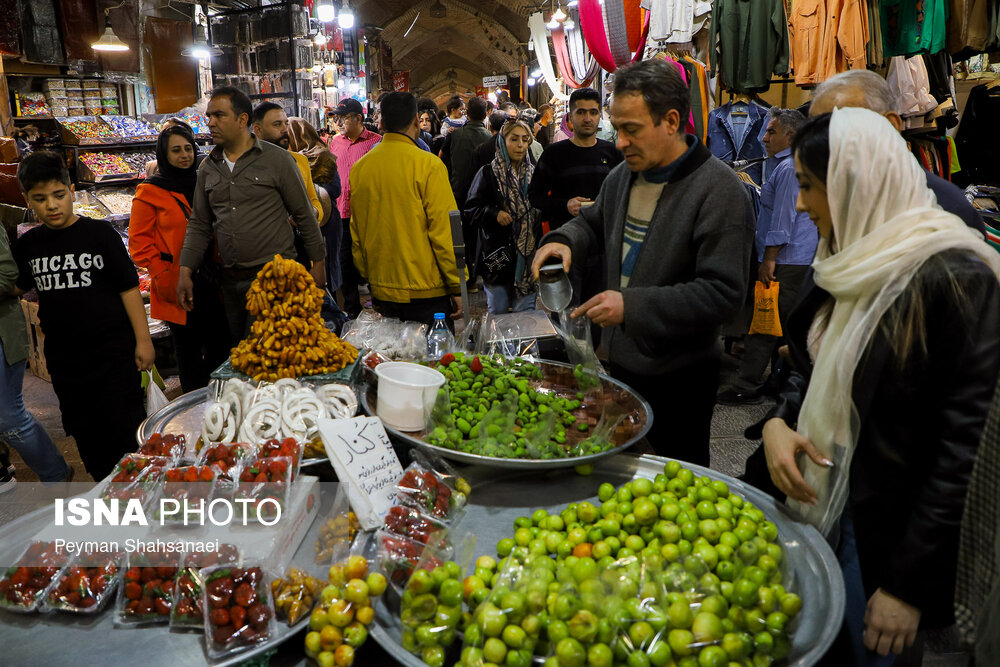
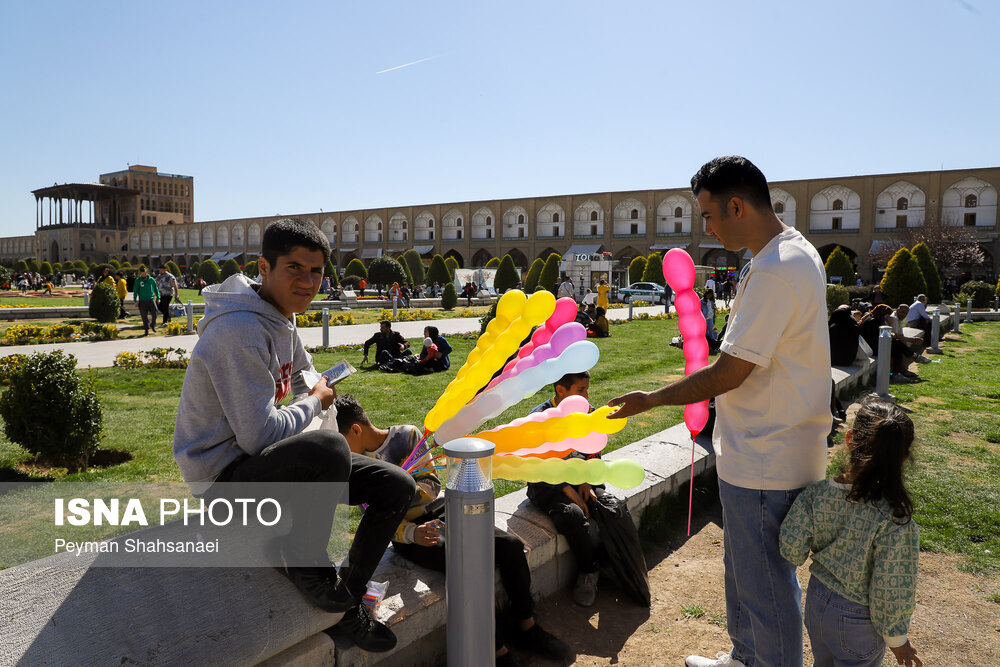
Naqsh-e Jahan in Iran’s Isfahan charms Nowruz tourists

Naqsh-e Jahan Isfahan

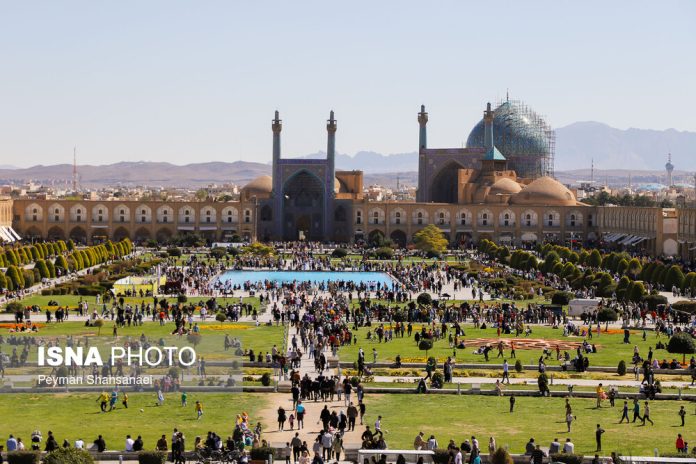
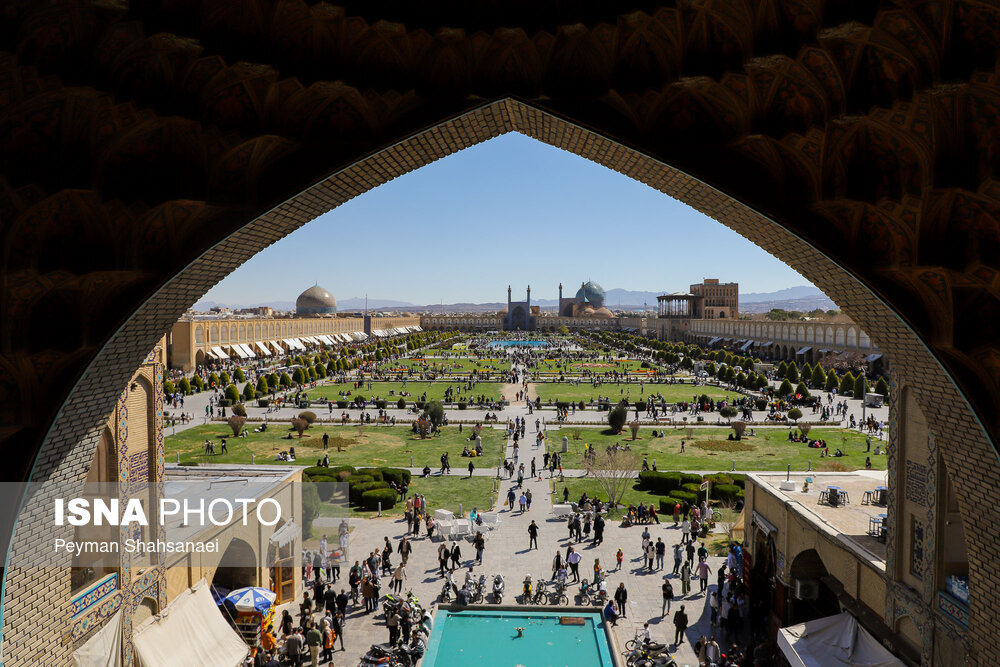
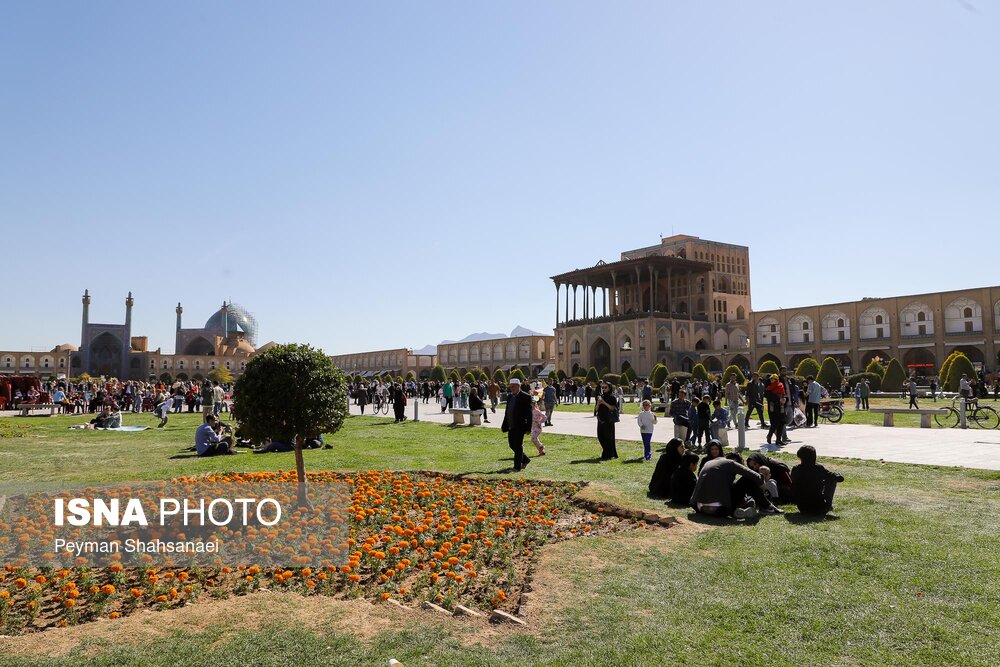
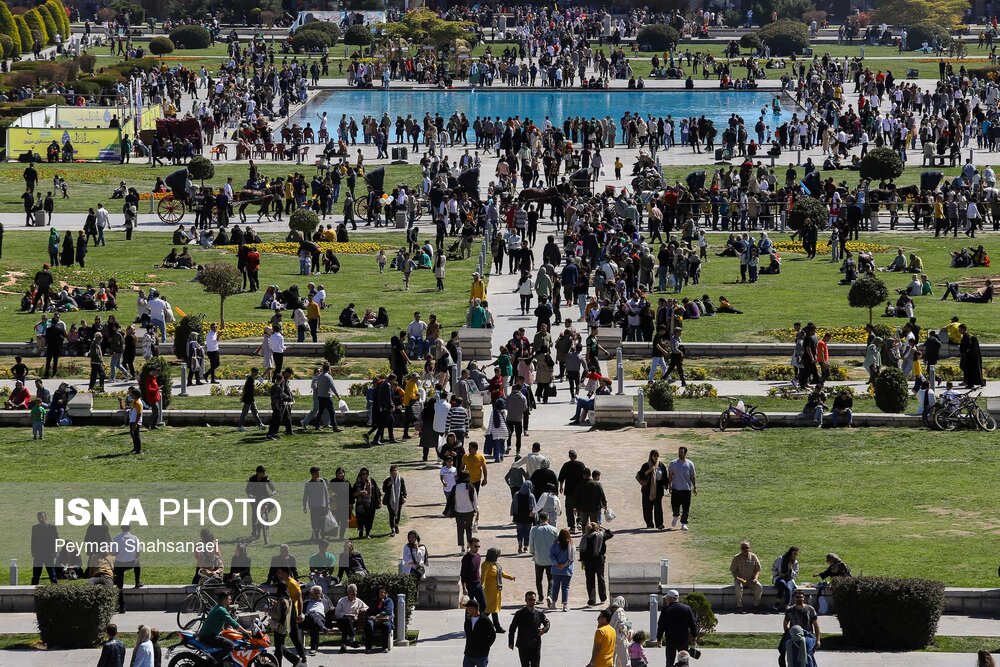
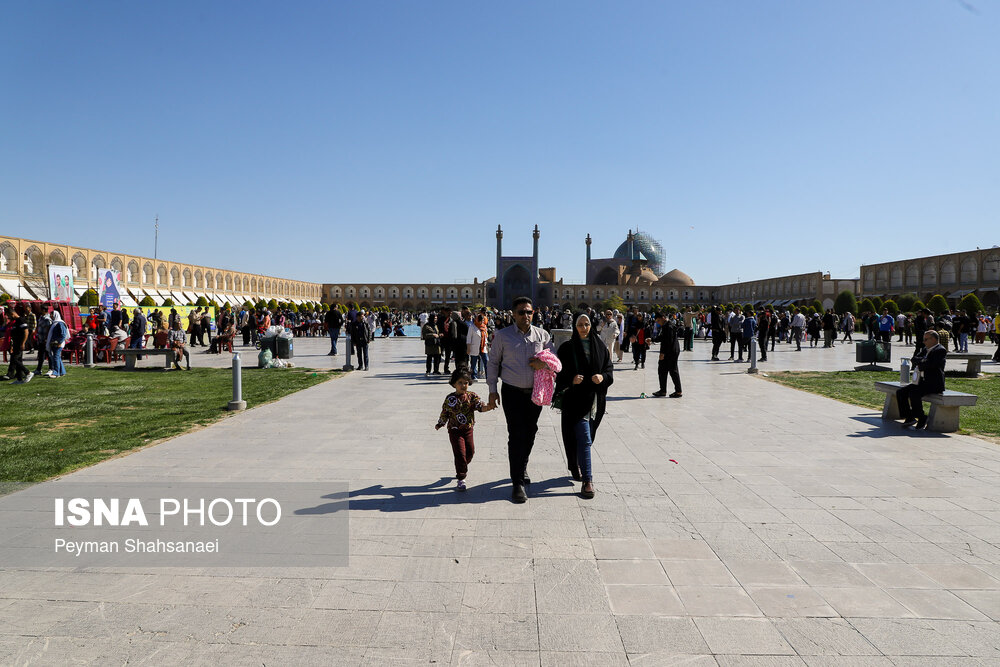
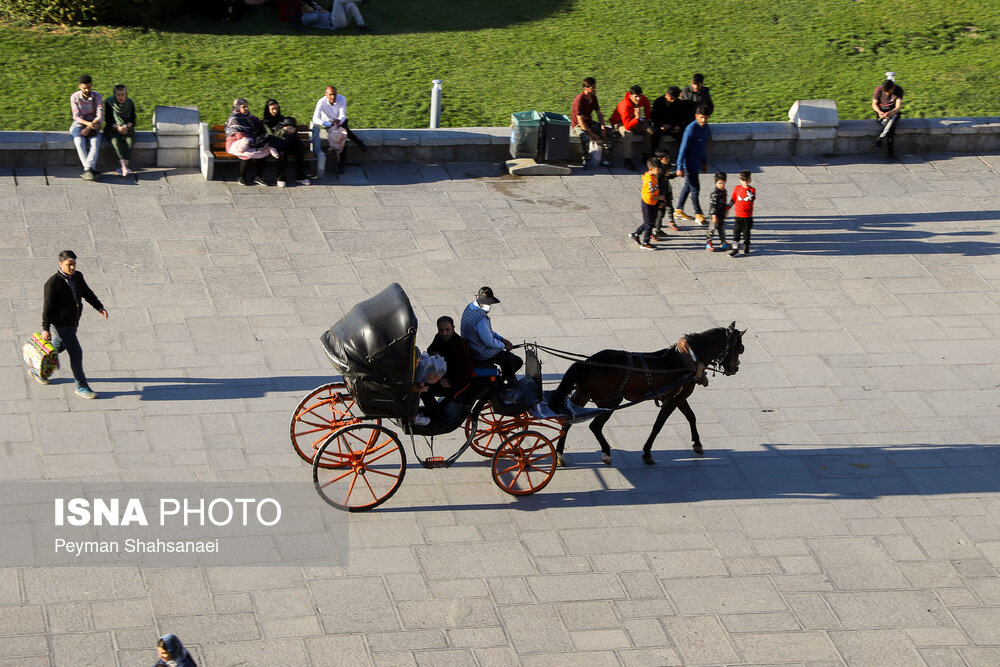
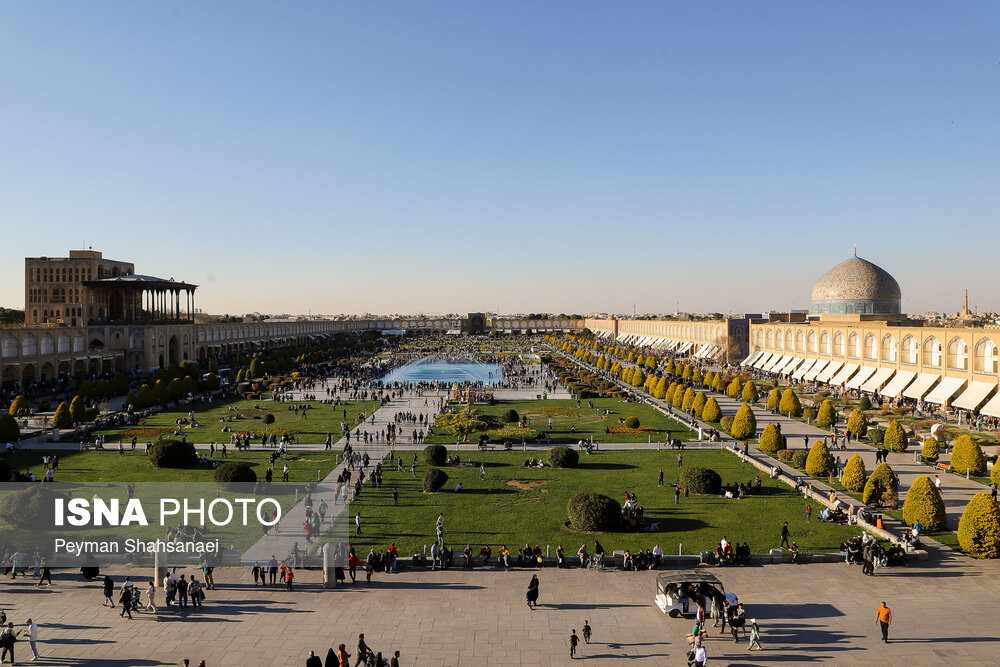
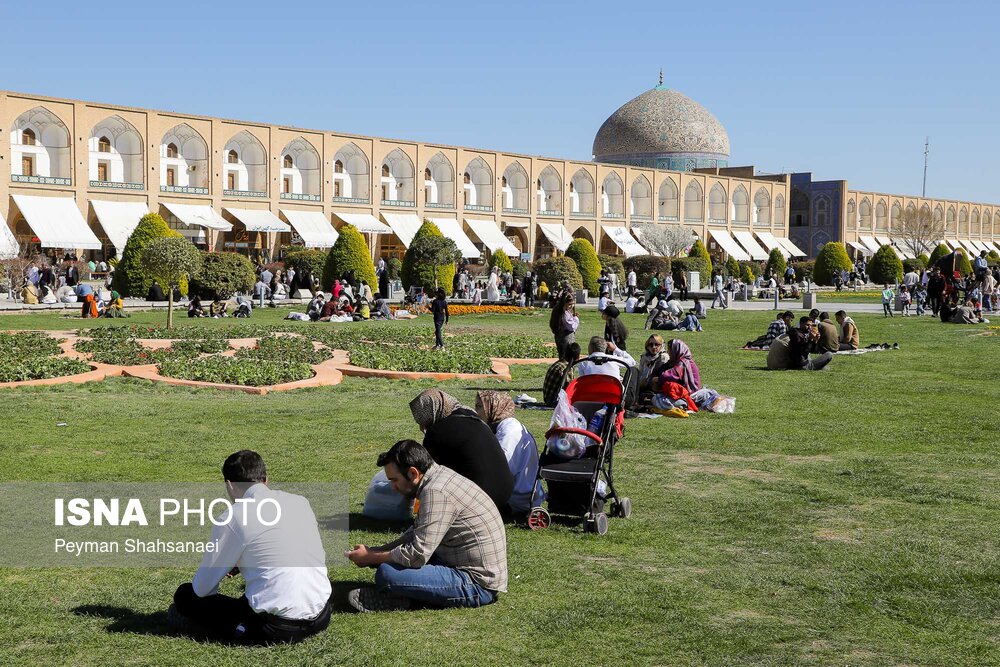
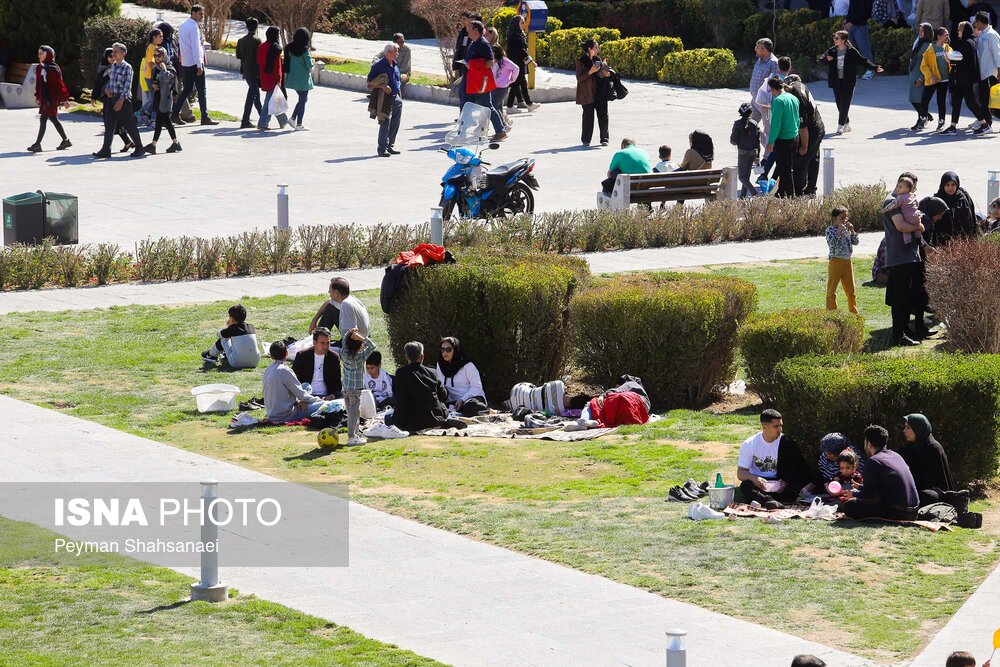
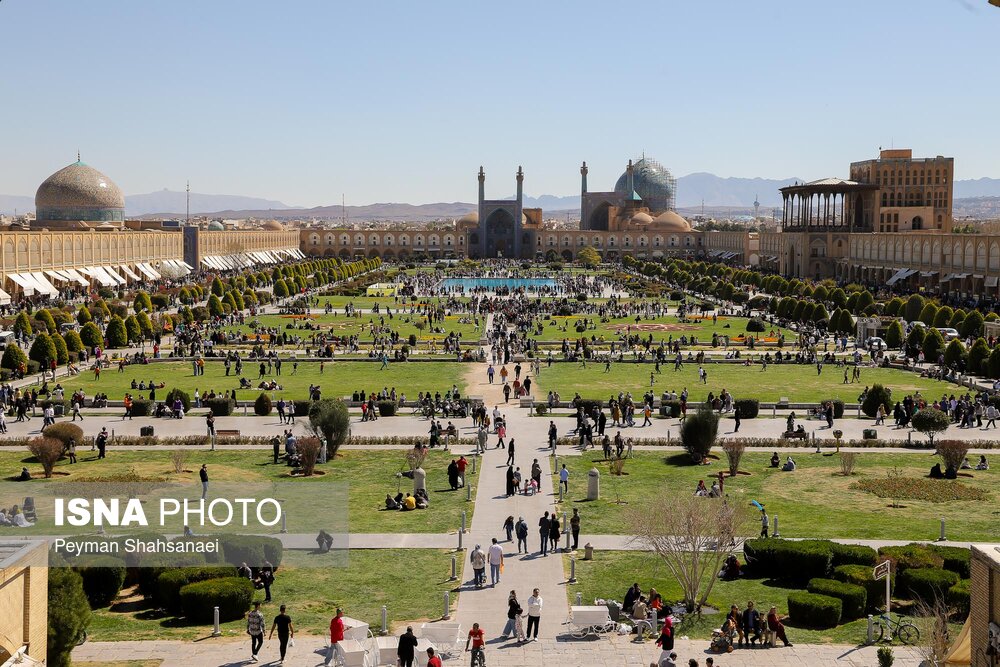
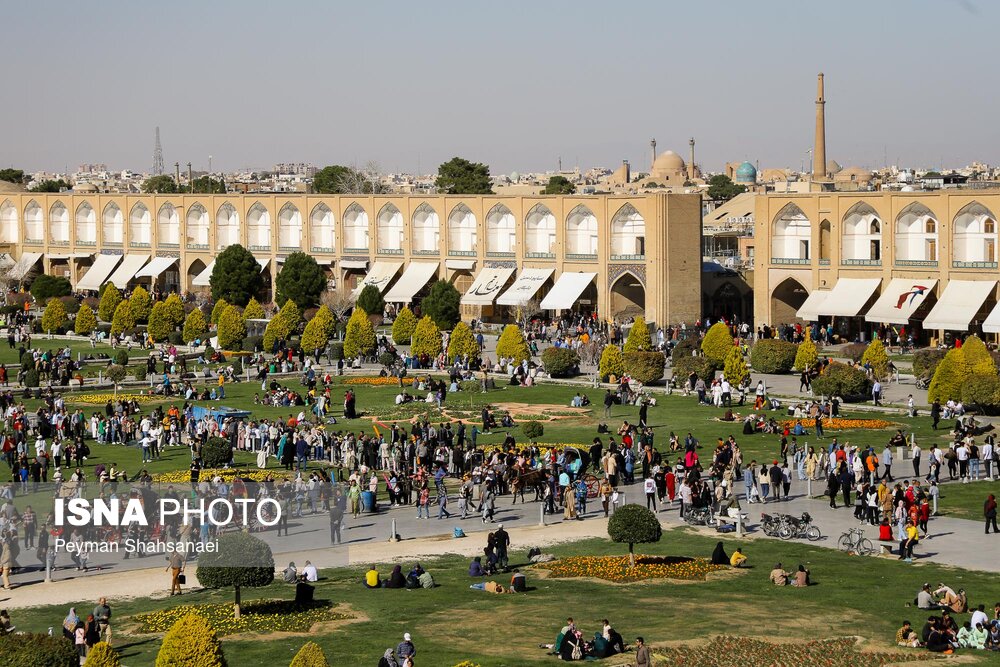
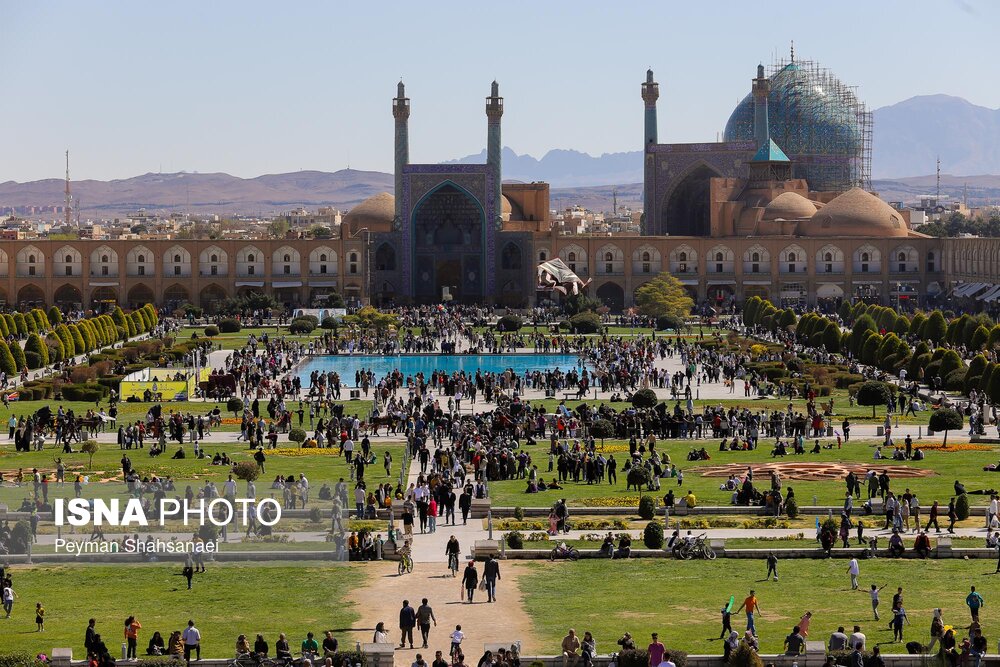
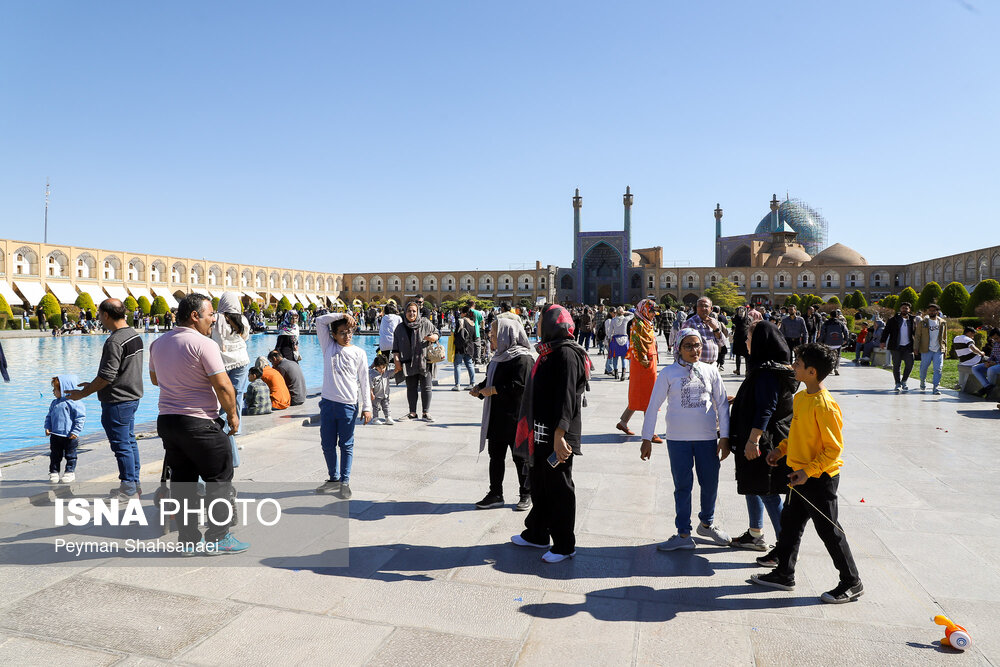
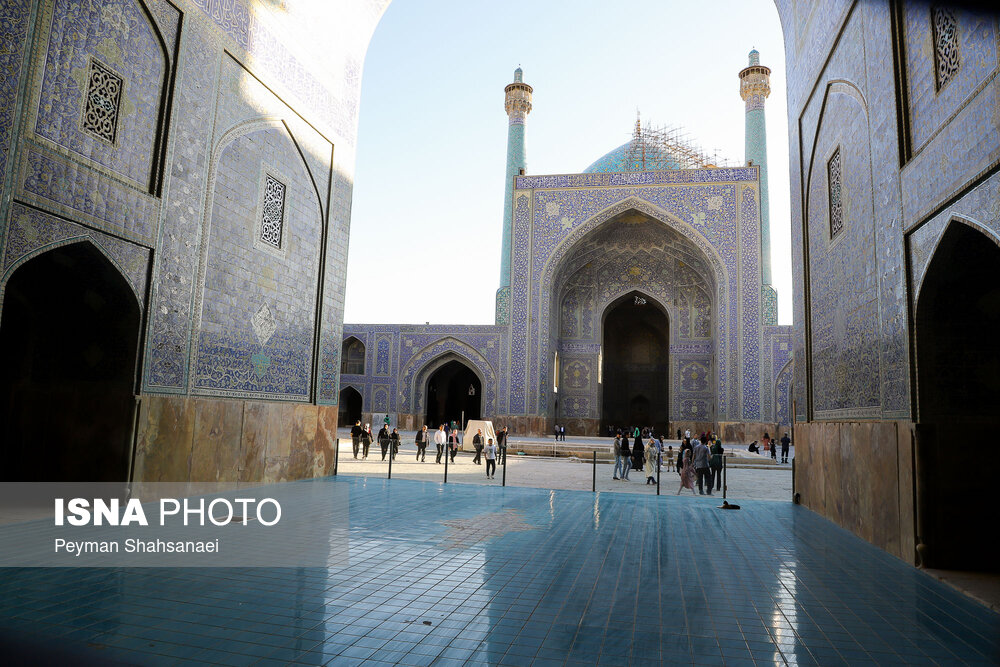
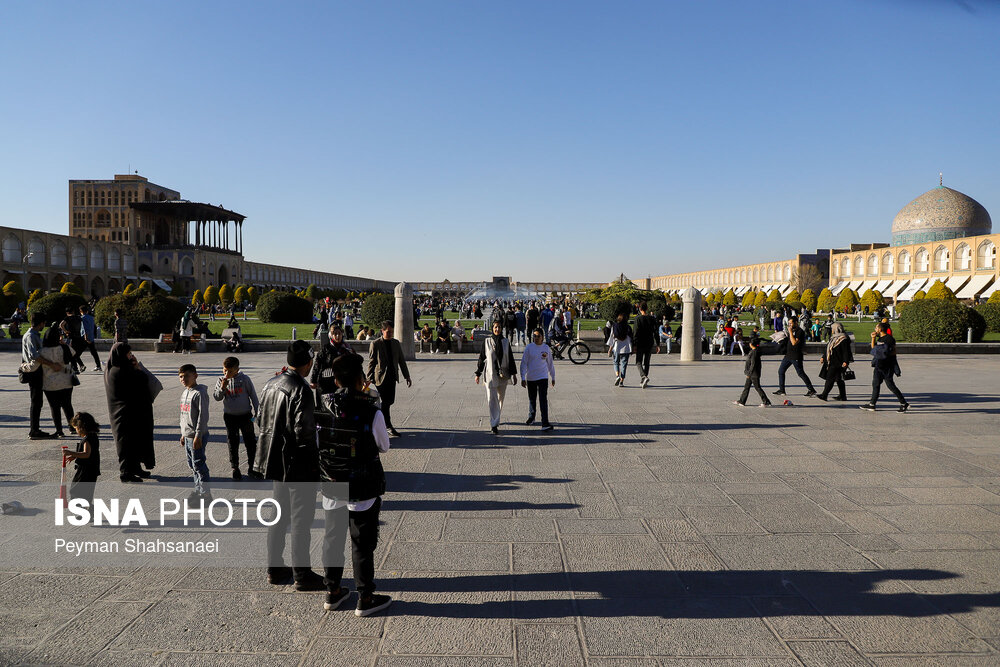
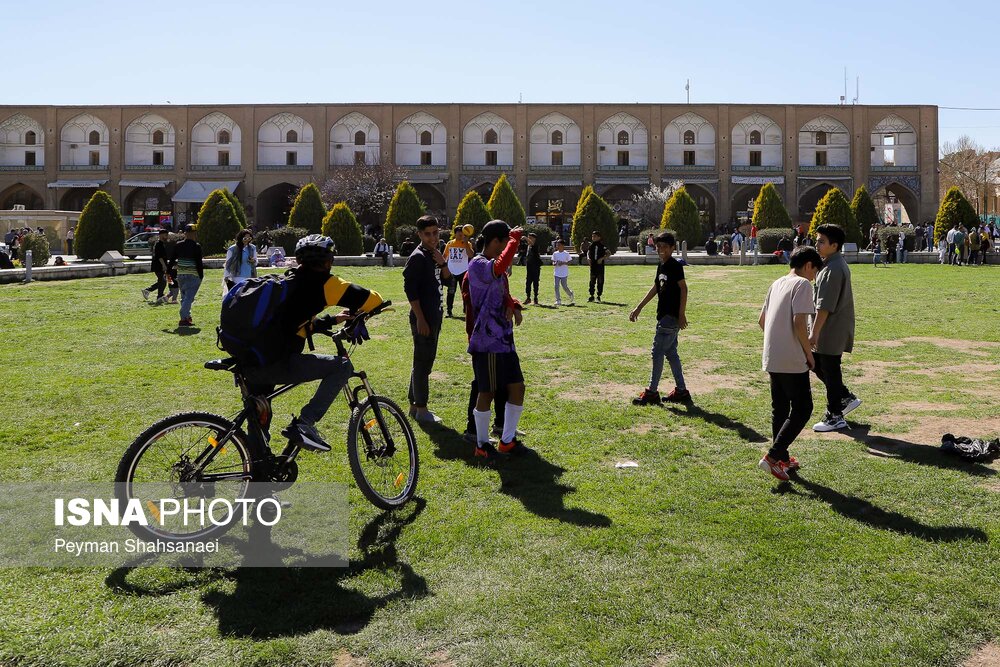
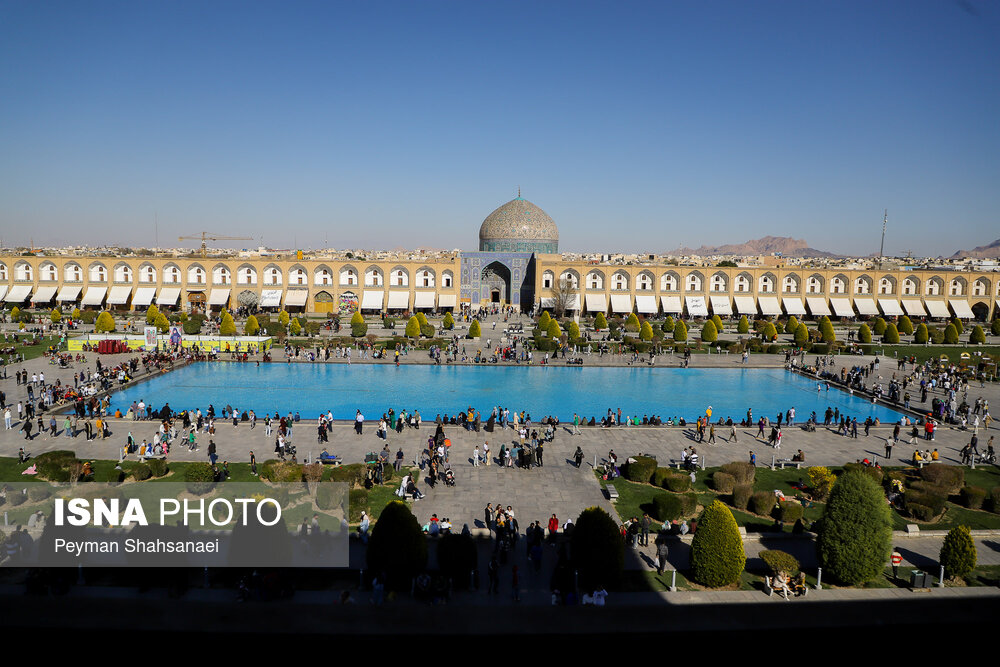
Naqsh-e Jahan Square, with is 400-year-old background, has an outstanding place among all the historical sites and monuments in the ancient city.

It is one of the masterpieces of the Safavid era, in the 17th century, that has earned a place on the UNESCO’s World Heritage Sites.

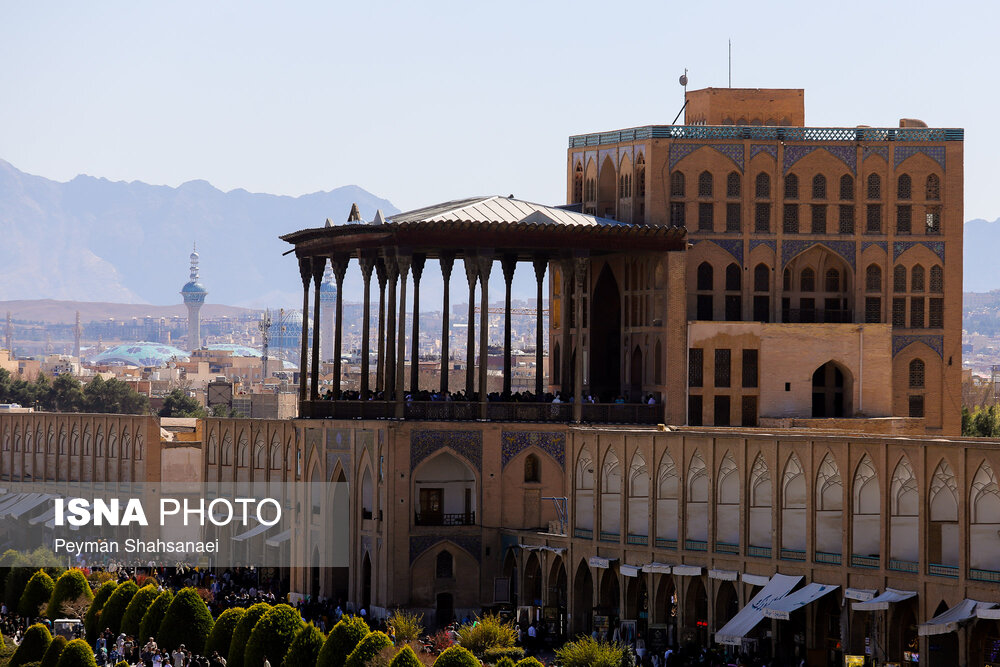
The square houses several monuments, including the Abbasi Grand Mosque, the Ali Qapu Palace, the Sheikh Lotf Allah Mosque, and the Qeysarie Gate.

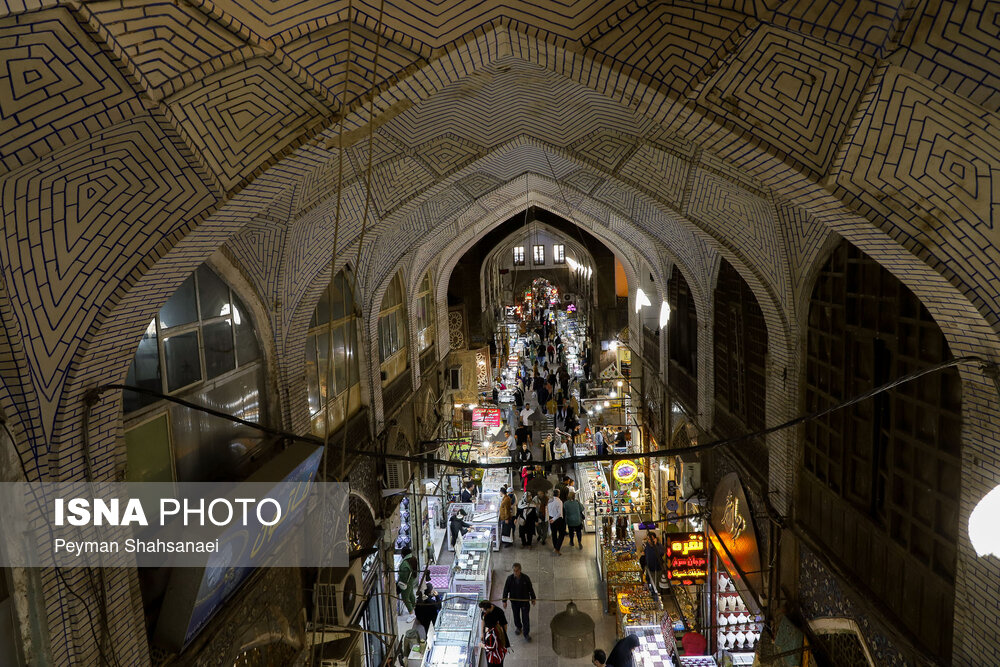
The historical sites are adjacent to the Isfahan Grand Bazaar.

Due to its rich historical background and diversity, Isfahan is known as the “half of the world” among Iranians.

Here are some of the pictures of the architectural marvel:

Russia, China reach shipping agreement with Yemen’s Houthis: Report

Shipping firms Red Sea passage

People with knowledge of the matter told the outlet that the understanding was reached during talks in Oman involving Russian and Chinese diplomats and a top Houthi political figure.

According to Bloomberg’s sources, in exchange for promising safe passage for ships the Houthis want the two countries to provide political support for the group in international bodies such as the United Nations Security Council.

In support of the Gaza Strip, the Houthi rebels have carried out dozens of drone and missile attacks on the Israeli-linked commercial vessels traversing the Red Sea, disrupting shipping traffic through one of the world’s most important maritime corridors. As a result, many major shipping companies have stopped using the Suez Canal and are instead redirecting ships around the Cape of Good Hope in southern Africa.

After the US and the UK conducted a number of strikes on Houthi facilities in Yemen, the group warned it would now also attack ships affiliated with both nations.

Last week, the Houthis’ leader, Abdul Malik Al-Houthi, vowed to expand the campaign to the Indian Ocean and hit vessels traveling around South Africa.

Attacks on vessels in the Red Sea region decreased traffic via the Suez Canal, a vital route between Asia and Europe that ordinarily handles about 15% of global maritime trade.

UK sources say Kiev ‘disappointed’ with London over war with Moscow

Zelensky and Sunak

The UK is being overtaken by Germany and the Nordic states as Ukraine’s leading European backers, the industry operatives, who wished to remain anonymous, told the news outlet in an article published on Wednesday.

The sources also griped that Britain’s leaders are not coming across as bellicose enough compared to French President Emmanuel Macron, who has publicly refused to rule out deploying troops to Ukraine.

“The UK was the first country to give NLAW anti-tank rocket launchers, the first country to pledge tanks, so we received some leeway from Kiev,” one of the sources said.

“But we are not pushing through capability thresholds any more. We’ve spent our political capital with [Ukrainian President] Volodymyr Zelensky and we are not spending enough on military aid.”

“The Ukrainians are disappointed with Britain’s stance at the moment. Germany has also told the UK it has to do more. From where we once were, it is galling to be told that,” they added.

The UK has delivered less than €5 billion ($5.4 billion) in military aid to Ukraine since 2022, while Germany has sent €9.36 billion and the Scandinavian states – Denmark, Finland, Sweden, and Norway – have sent a combined €9.12 billion, according to a report from the Kiel Institute for the World Economy. When promises of future aid are fulfilled, the UK will have sent €9.12 billion, while Germany will have delivered €17.7 billion.

The identity of the Daily Mail’s sources is unclear, as is the veracity of their comments. The Mail has openly lobbied the British government to increase military spending before, most recently when it announced its ‘Don’t Leave Britain Defenceless’ campaign earlier this month. Backed by a number of hawkish former defense chiefs, the campaign calls on the government to spend 2.5% of the UK’s GDP on its military, up from 2% at present.

Speaking at a NATO summit last July, Britain’s then-defense minister, Ben Wallace, complained that London would like “to see a bit of gratitude” from Kiev for the military aid sent by the UK. Wallace’s comments were sarcastically dismissed by Zelensky, before the minister walked them back and insisted that he was not speaking for himself, but for “citizens and MPs across the international community”.

“The UK continues to lead military support for Ukraine as the first country to provide lethal aid as well as the first to provide Western main battle tanks and long-range precision strike capability,” the British Defense Ministry told the Daily Mail.

“We have committed more than £7 billion [$8.8 billion] of military support to Ukraine, including £2.5 billion in 2024/25.”

Gaza war shows “the failure of humanity”: EU top diplomat

Gaza War

He said on Thursday that he hopes the council “will send a strong message to Israel: Stop blocking, stop preventing the food to come into Gaza and take care of the civilians.”

United Nations Secretary-General António Guterres has also stated it’s imperative that the principles of humanitarian law be upheld in Gaza.

“We must stick to principles in Ukraine as in Gaza without double standards,” he added

“We live in a chaotic world. We have a situation of impunity where any county or any armed group thinks that it can do whatever it wants because there’s no accountability.”

Guterres reiterated his call for a ceasefire in Gaza.

“As we condemn the terror attacks of October 7 and as we condemn other violations of international humanitarian law by Hamas, we also condemn the fact that we are witnessing a number of civilian casualties in Gaza that is unprecedented in my time as secretary-general,” he said.

Borrell added that the council today will approve conclusions that will go “much further” than the ones agreed to in October, when the ministers called on humanitarian pauses in Gaza.
Twenty-seven leaders of the European Union have called for an “immediate humanitarian pause” in the Gaza Strip leading to a sustainable ceasefire.

The EU leaders requested a statement on Thursday after a meeting of the European Council in Brussels.

“The European Council calls for an immediate humanitarian pause leading to a sustainable ceasefire,” the leaders said, while also calling for “the unconditional release of all hostages.”

They also urged Israel not to launch its planned ground operation in Rafah, saying it would worsen the “already catastrophic humanitarian situation” in Gaza.
They added that Rafah offensive would also prevent the provision of basic services and humanitarian assistance to civilians.

More than a million Palestinians are “currently seeking safety from the fighting and access to humanitarian assistance there,” the leaders noted.

The EU leaders expressed deep concern about the catastrophic situation of children in Gaza and the imminent risk of famine caused by the insufficient entry of aid.

They called for full, rapid, and unhindered humanitarian access into Gaza.
Israel launched the war against Gaza on October 7. However, almost six months into the offensive, the Tel Aviv regime has failed to achieve its objectives of “destroying Hamas” and finding Israeli captives despite killing at least 31,900 Palestinians, mostly women and children, and injuring 74,000 others.