Tuesday, December 23, 2025
Home Blog Page 975

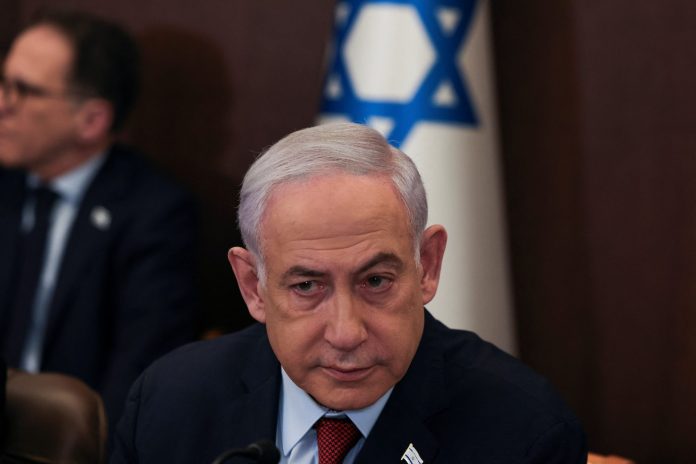
Israeli PM defies Biden on military operation in Gaza’s Rafah

Benjamin Netanyahu

“We have a disagreement with the Americans about the need to enter Rafah,” Netanyahu told Israeli lawmakers on Tuesday, one day after US President Joe Biden urged him to cancel plans for storming Rafah.

He added, “We do not see a way to eliminate Hamas militarily without destroying these remaining battalions. We are determined to do it.”

The White House warned on Monday – after Biden’s 45-minute telephone call with Netanyahu – that a major ground operation in Rafah “would be a mistake”. Summing up the call, US National Security Advisor Jake Sullivan told reporters, “It would lead to more innocent civilian deaths, worsen the already dire humanitarian crisis, deepen the anarchy in Gaza and further isolate Israel internationally.”

Biden had previously insisted that Israel provide a credible plan for preventing civilian casualties in Rafah before launching its offensive, but with rising political fallout over Palestinian civilian casualties, he has taken a tougher stance against Netanyahu. The US president expressed support on Friday for US Senate Minority Leader Chuck Schumer after the lawmaker gave a speech arguing that Netanyahu had “lost his way” and become an obstacle to peace in the region.

The war erupted when Hamas launched surprise raids against southern Israeli villages on October 7, killing more than 1,100 people and taking hundreds of hostages back to Gaza. Since then, more than 31,800 people have been killed in the besieged Palestinian enclave, according to local authorities, and around 1.5 million starving Gazans have been crammed into Rafah after Israeli bombardments leveled their neighborhoods.

The Israel Defense Forces (IDF) announced last week that displaced civilians will be moved to “humanitarian islands” north of Rafah before the ground offensive begins. Those refugees will provide temporary shelter, food and water, IDF spokesman Daniel Hagari said. Netanyahu approved the IDF’s Rafah plan on Friday.

However, US Secretary of State Antony Blinken said Washington still has not seen a “clear and implementable plan” to safeguard civilians in Rafah. He warned on Tuesday that 100% of Gaza’s residents are suffering “severe levels of acute food insecurity. That’s the first time an entire population has been so classified”.

Netanyahu has claimed that Israeli forces destroyed 18 of the 24 Hamas battalions in Gaza, and four of the surviving units are concentrated in Rafah. He told Israeli legislators that he reiterated to Biden the necessity of crushing those units.

“I made it clear to the president in our conversation, in the clearest way, that we are determined to complete the elimination of these battalions in Rafah. There is no way to do it, except by going in on the ground.”

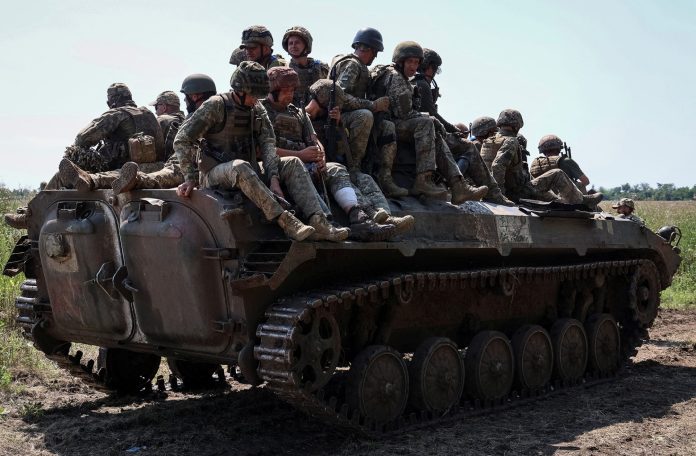
NATO forces active in Ukraine: Report

Russia Ukraine War

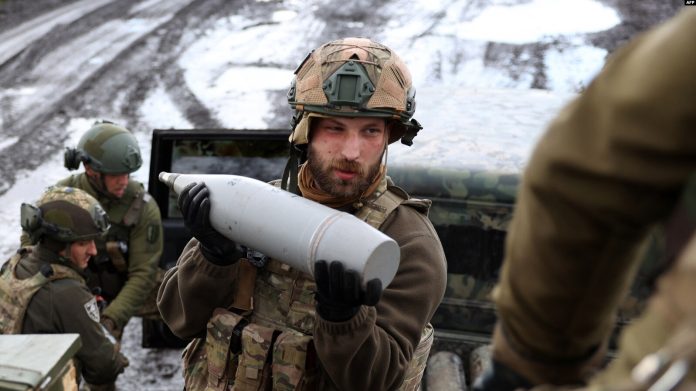
The US-led military bloc has been involved “in virtually every possible aspect” of the hostilities aside from active combat operations, the Spanish newspaper claimed. That includes supplying weapons, providing targeting information, and training Ukrainian soldiers inside the country, El Pais reported, citing interviews conducted throughout the conflict.

Retired foreign military service members who have joined the Ukrainian armed forces as “volunteers” are also serving as de facto agents for their home nations, El Pais said. They provide “knowledge about the situation on the front, to identify the effectiveness of the weapons supplied and possible problems in their use, as well as to detect possible cases of corruption concerning the aid provided”, the outlet claimed.

The presence of current and former NATO troops has been tacitly admitted by officials, the Spanish paper reported. It described recent suggestions by French President Emmanuel Macron that Western nations could send soldiers to Ukraine as “taboo-breaking”, in the sense of proposing active combat roles for Western military personnel.

While a handful of Western leaders have backed Macron’s position that deployments to aid Kiev in the conflict with Russia cannot be ruled out, numerous officials – including NATO Secretary General Jens Stoltenberg – have dismissed the idea.

Moscow perceives the Ukraine conflict as a US-led proxy war against Russia, in which Ukrainians serve as ‘cannon fodder’ for Western interests. It considers foreigners fighting for Kiev as “mercenaries” who are doing the bidding of Western governments.

“We hear both French and English speech there [in the Ukraine conflict]. There is nothing good in this, first of all for them, because they die there and in large numbers,” President Vladimir Putin said last week, commenting on Macron’s remarks on potential Western troop deployments.

Senior Russian officials have suggested that more complex weapon systems provided to Kiev are highly likely operated by NATO staff, as there was not sufficient time to train Ukrainians on how to handle them.

Last month, German Chancellor Olaf Scholz revealed the involvement of British and French forces in preparing Ukrainian missile launches, as he explained why Berlin would not supply similar weapons to Kiev.

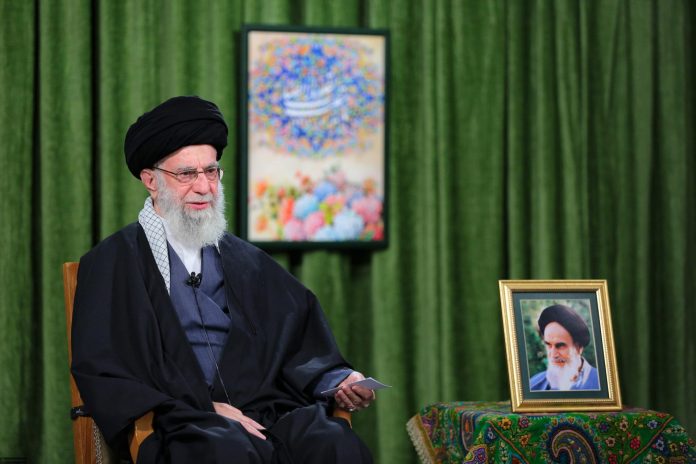
Ayatollah Khamenei designates Persian new year as year of ‘surge in production through people’s participation’

Ayatollah Khamenei

The following is the full text of the message issued by Ayatollah Khamenei on the occasion of Nowruz, the start of the Iranian new year, March 20, 2024.

In the Name of Allah, the Beneficent, the Merciful

O Transformer of hearts and sights

O Director of nights and days

O Transformer of situations and circumstances,

Transform our circumstances to the best of circumstances!

I would like to extend my congratulations to the entire Iranian nation on the arrival of Nowruz and the beginning of this new year, which has coincided with the blessed month of Ramadan, the spring of the hearts and the spring of spirituality. I would especially like to extend my congratulations to the families of the war veterans as well as all the other nations who celebrate Nowruz.

I would also like to pay my respects to our dear martyrs and the Imam of the Martyrs, who paved this path for the Iranian nation. I hope the Iranian nation will benefit from both springs – both the spring of nature and the spring of spirituality.

Let’s review the year 1402 AHS [March 2023 – March 2024], which has just ended, and take a look at the year that we have just entered. The year 1402, just like all the other years of our lives, was filled with both sweet and bitter moments. It was filled with both desirable and undesirable events. This is the nature of the world and the nature of life itself. In the country’s internal affairs, we saw significant progress throughout the country in the fields of science, technology, and basic infrastructure. These were some of the pleasant things that we experienced. On the other hand, the problems that people encountered with regard to the economy and their livelihood were some of the bitter events that we witnessed.

The epic participation of the people in the Quds Day and 22nd of Bahman rallies, these magnificent rallies being carried out in safety, the elections being held in safety and without corruption at the end of the year, and other situations where the public displayed their presence were some of the pleasant, desirable events that took place during the year that has passed. The tragic event that took place in Kerman on the anniversary of Martyr Soleimani’s [assassination], the floods that swept through Baluchestan at the end of the year, and the occurrences that our security forces and our maintainers of security have encountered during the past few months were among the bitter events that we witnessed during the past year. And the most tragic of all was the tragic event that occurred in Gaza – an event that holds great importance in our international affairs. We did not experience anything more tragic than that this year.

Regarding foreign matters, the government’s actions in the international arena in various economic and political fields were some of the pleasant, desirable events. As I have already mentioned, the tragic event in Gaza was not just one of the most tragic events. Rather, it was the most tragic event for us in the international field. I ask Almighty God to compensate for these bitter events and to continue granting the Iranian nation and the Muslim nations pleasing events and that which is a source of goodness and blessings for the Islamic Ummah and the Iranian nation.

As for the slogan that I announced in 1402 AHS, which was “Inflation control and growth in production,” good measures have been taken. Accomplishments have been made regarding both sections of the slogan. And progress has been made, but not to the extent that was desired. God willing, I will address this in more detail in my speech today to the Iranian nation. The measures that were taken were good, but they must continue. This slogan is not one that we should expect will yield the desirable result in just one year. It shall continue.

There is a great amount of work that needs to be done in the year ahead of us that we have just entered, and we must fulfill our responsibilities with regard to the tasks at hand. Our country’s officials, our government officials, the parliament, the judiciary, the public, and others – all of us need to fulfill our duties for the various tasks in different areas. But the main issue the country is facing again this year is the economy. The country’s main weakness is in the field of economics. We must be active in this field.

After studying the opinions of the experts on this subject, I have come to this conclusion that the key to solving the country’s economic problems lies in production – domestic production, national production. This is why we have focused so much on production over the past few years. If growth in production and advancements in domestic production are pursued in a suitable manner, many of the country’s key economic issues, such as inflation, employment, and the value of our national currency, will be solved in a desirable manner.

Therefore, production is an important issue and that is why I am once again focusing on this matter this year. I expect, I am anticipating , God willing, that we will witness a surge in production. In addition to this, I truly believe that this surge will not take place without the presence and participation of the people.

If we plan to increase our production rapidly, we need to get the people actively involved in the economy. We must pave the way for the people to get involved in production in a tangible manner and remove the obstacles that stand in the way to their participation. There are great capacities in the public sector, which I will explain, God willing. These capacities must become active. They should be used for the benefit of the country and the people. It is for this reason that the slogan that I have chosen for this year is, “Surge in production through people’s participation.” This is the slogan for this year. I hope, God willing, this slogan will be actualized in the best possible way. It is necessary for those who are making the plans for the country to create plans, for experts to collaborate by providing their thoughts, and for those who are active in the economic sector to, God willing, actively participate in this endeavor.

I pray that Almighty God will grant the great, beloved Iranian nation success, and I humbly extend my greetings to the Remnant of God on earth (may our souls be sacrificed for his sake). I ask God to hasten his reappearance as this, in turn, will bring relief to all of humanity.

May God’s greetings, mercy, and blessings be upon you.

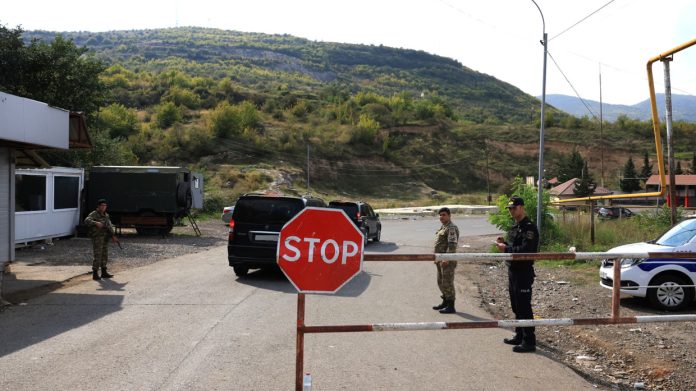
Russia says NATO won’t bring stability to Caucasus

Caucasus

Speaking to reporters on Tuesday, Peskov commented on NATO Secretary-General Jens Stoltenberg’s tour this week of Azerbaijan, Georgia, and Armenia to boost ties with these nations.

Peskov said that the NATO chief’s trip is further proof of the bloc’s push to gain more clout in the region.

“NATO’s overall aspiration to secure a foothold in the Caucasus is well-known. One could see this with the naked eye.”

He also suggested that the US-led military bloc’s diplomatic offensive was “unlikely to bring any stability” to the region. Still, he stressed that the three Caucasian countries visited by Stoltenberg have a sovereign right to maintain contacts with NATO.

“Of course, we are watching closely, but we intend to mainly focus on our bilateral relations…when it comes to the regional countries,” the spokesman added.

During his trip, Stoltenberg praised Azerbaijan and Armenia for their contributions to NATO operations. The bloc’s chief also urged Baku and Yerevan to move towards the normalization of ties marred by decades-long tensions over Nagorno-Karabakh.

The self-proclaimed republic broke away from Baku in the last days of the Soviet Union, but was officially dissolved last autumn after a large-scale Azerbaijani operation in the region. The development triggered an exodus of ethnic Armenians from the region, who had been the majority there.

Neither Azerbaijan nor Armenia seeks to join NATO, and Armenia is a member of the Collective Security Treaty Organization (CSTO), which includes five other post-Soviet states, including Russia. Yerevan, however, recently suspended its participation in the CSTO, citing tensions with Azerbaijan.

During his trip to Tbilisi, Stoltenberg described Georgia as “one of NATO’s closest partners”, adding that the bloc is still committed to the 2008 Bucharest summit decision that the country will eventually become a member. He also urged all regional post-Soviet republics to step up their support for Ukraine while condemning what he called Moscow’s “imperial ambitions”.

In December, Russian Deputy Foreign Minister Mikhail Galuzin warned that the US was seeking to open “a second front” against Moscow in the Caucasus, noting that any Western meddling in local affairs could eventually plunge the region into turmoil.

Iranians celebrating Persian New Year, Nowruz

Nowroz

In Iran the Nowruz celebrations began at 6.36am local time on Wednesday with the arrival of the new year.

The tradition has been celebrated for several thousand years in Persian-speaking countries and communities in Iran, Afghanistan, parts of Central Asia and worldwide.

Every year an animal is assigned to the New Year, and this year, is the year of dragon, which is the symbol of authority, prosperity, and might.

Last year, Iranians experienced bitter events and a rocky economy, so many of them are hoping for a better year, as part of their prayer for the New Year goes, “O reformer of the hearts and minds!… Change our conditions to the best in accordance with Your will”

This year, Nowruz has coincided with the holy fasting month of Ramadan, when people abstain from eating or drinking from sunrise to sunset.

Iran Front Page extends its congratulations to all people around the world who are celebrating Nowruz.

US says Ukraine’s survival in danger

Russia Ukraine War

The head of the Pentagon was in Germany for a meeting of the so-called Ukraine Defense Contact Group at Ramstein Air Base, in his first overseas trip since his hospitalization in January.

“Today, Ukraine’s survival is in danger and America’s security is at risk,” Austin said at a press conference after the meeting.

Keeping the weapons, equipment and ammunition flowing is “a matter of survival and sovereignty for Ukraine” and “a matter of honor and security for America”, he added.

He did not say how the US intends to support Ukraine without additional funding. The bill that would provide over $60 billion in assistance to Kiev is still stuck in the US House of Representatives.

US “inaction” has already resulted in Ukraine losing ground on the battlefield, White House press secretary Karine Jean-Pierre said at Tuesday’s press briefing. President Joe Biden, a Democrat, has been trying to pressure the Republican House Speaker Mike Johnson to approve the Ukraine funding for months, so far without success.

After the Ramstein meeting, German Defense Minister Boris Pistorius announced a package of weapons and ammunition for Kiev worth €500 million ($543 million).

Washington had used up almost all the congressionally approved funding for Kiev. The Pentagon has asked Congress for at least $6.5 billion to replenish its own depleted stockpiles. On Friday, the White House announced it had managed to put together a package of ammunition worth $300 million from various “savings” at the Pentagon, but warned that this would only support Ukraine for a couple of weeks. It was the first batch of US funding since the start of 2024.

Meanwhile, the US has urged Ukraine to expand its mobilization to younger men in order to fill up the badly depleted ranks of frontline brigades.

Ukrainian forces lost the key Donbass fortress of Avdeevka last month, pulling back in disorder before the advancing Russian forces, and have been taking heavy casualties in open battle ever since. The battle has prompted French military analysts to conclude that Kiev can’t possibly win on the battlefield, according to classified reports leaked to the outlet Marianne earlier this month.

Armenia says should return disputed areas to Azerbaijan or face war

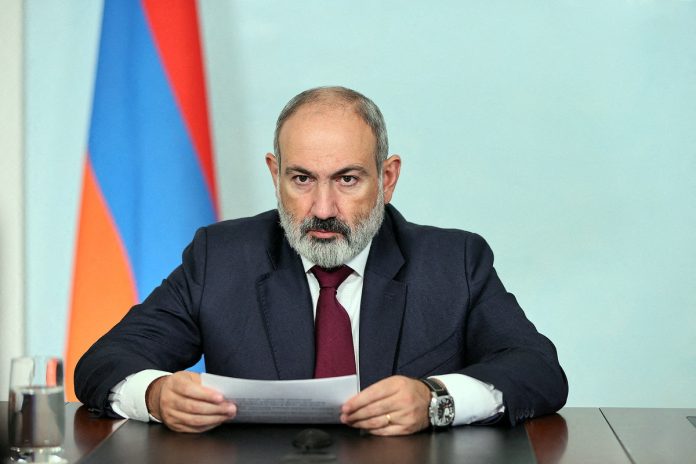
Armenian Prime Minister Nikol Pashinyan

Pashinyan was speaking during a meeting on Monday with residents of border areas in northern Armenia’s Tavush region, close to a string of deserted Azerbaijani villages that Yerevan has controlled since the early 1990s.

The four villages, which have been uninhabited for over 30 years, are of strategic value to Armenia as they straddle the main road between Yerevan and the Georgian border.

Azerbaijan has said the return of its lands, which also include several tiny enclaves entirely surrounded by Armenian territory, is a necessary precondition for a peace deal to end three decades of conflict over the region of Nagorno-Karabakh, which Baku’s forces retook last September.

Russia’s TASS state news agency quoted Pashinyan as telling residents in the video clip that was circulated by his government that failure to compromise over the disputed villages could lead to war with Azerbaijan “by the end of the week”.

“I know how such a war would end,” he added.

Yerevan suffered a major defeat last September when Baku’s forces retook Nagorno-Karabakh in a lightning offensive, prompting almost all of that region’s estimated 100,000 ethnic Armenians to flee to Armenia.

Though Karabakh is recognised internationally as Azerbaijani territory, the region’s ethnic Armenians had enjoyed de facto independence from Baku since the war of the early 1990s.

Baku and Yerevan have said they now want to sign a formal peace treaty, but talks have become bogged down in issues including demarcation of their 1,000 km (620 mile) shared border, which remains closed and heavily militarised.

Pashinyan has signalled in recent weeks that he is willing to return Azerbaijani land controlled by Armenia, and suggested rerouting Armenia’s road network to avoid Azerbaijani territory.

Mainly Muslim Azerbaijan also continues to control areas internationally recognised as part of Christian Armenia.

Azeri President Ilham Aliyev stated on Sunday his country was “closer than ever” to a peace with Armenia, in remarks made after holding talks with NATO Secretary-General Jens Stoltenberg in Baku.

Stoltenberg held talks on Tuesday with Pashinyan in Armenia, which is nominally a Russian ally though its relations with Moscow have deteriorated in recent months over what Yerevan says is Russia’s failure to protect it from Azerbaijan.

As a result, Armenia has pivoted its foreign policy towards the West, to Moscow’s chagrin, with senior officials suggesting it might one day apply for European Union membership.

In a statement posted on Tuesday on the Telegram messaging app, Russian Foreign Ministry spokeswoman Maria Zakharova suggested Yerevan’s deepening ties with the West were the reason for Armenia having to make concessions to Azerbaijan.

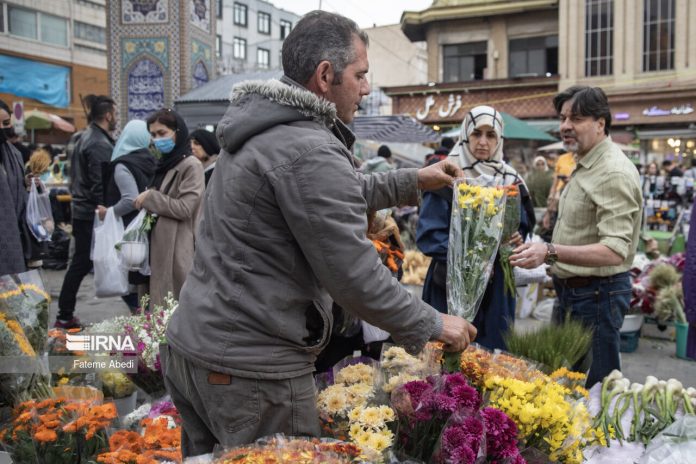
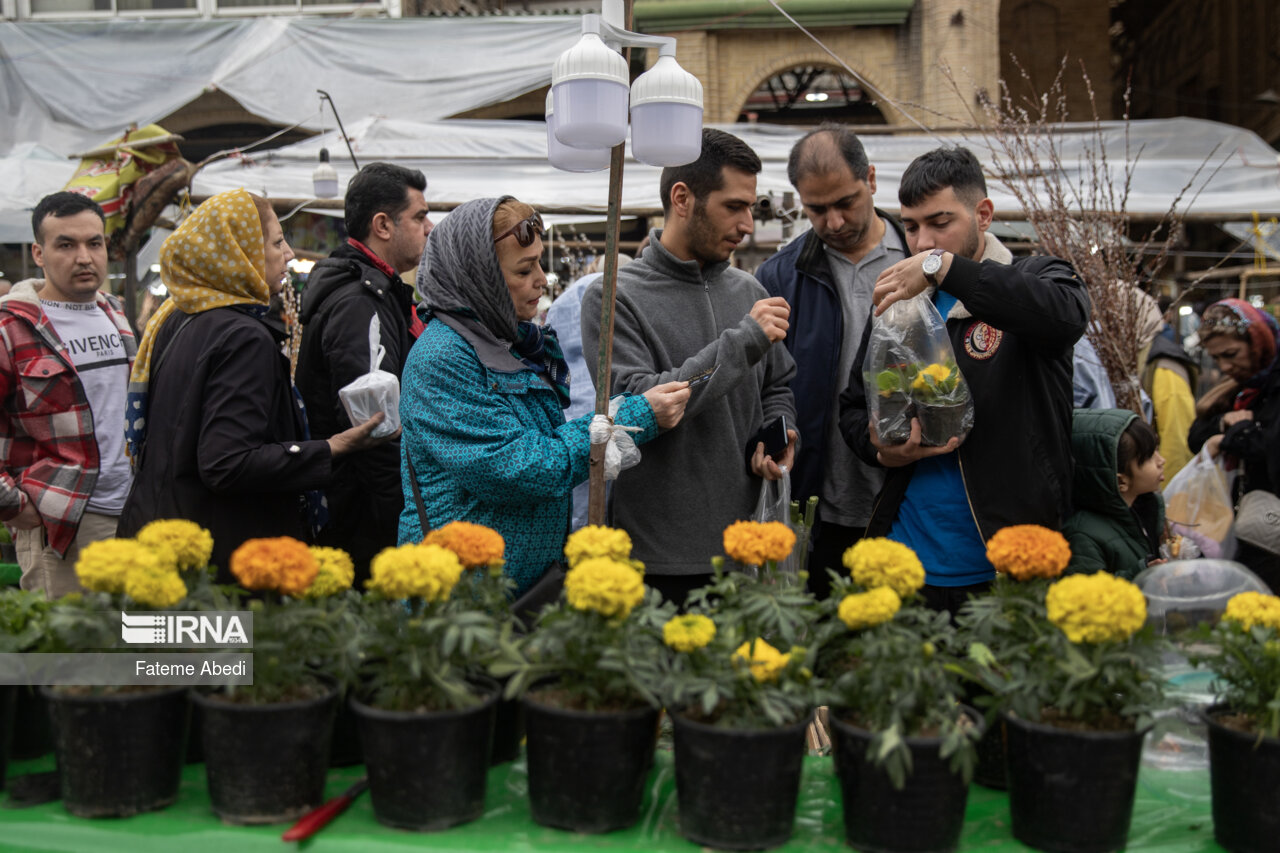
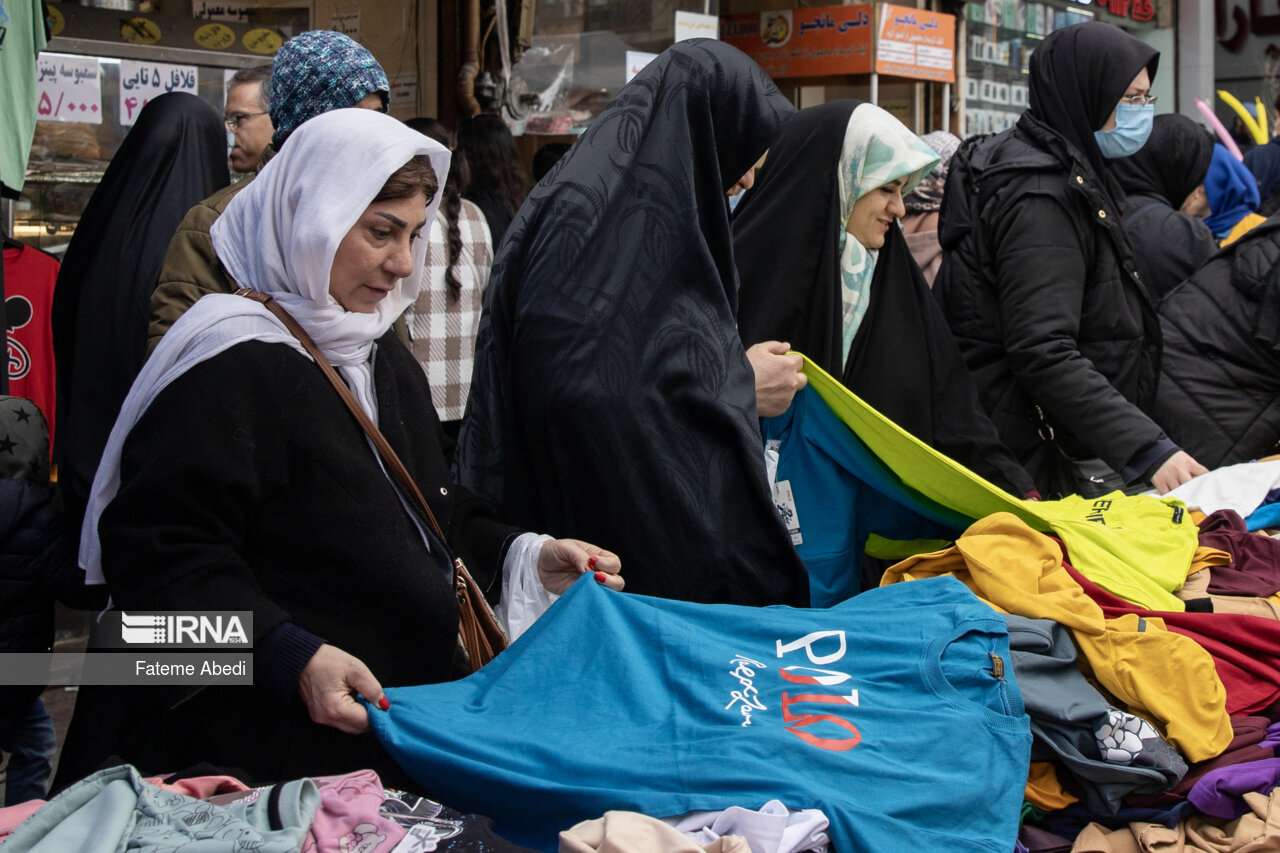
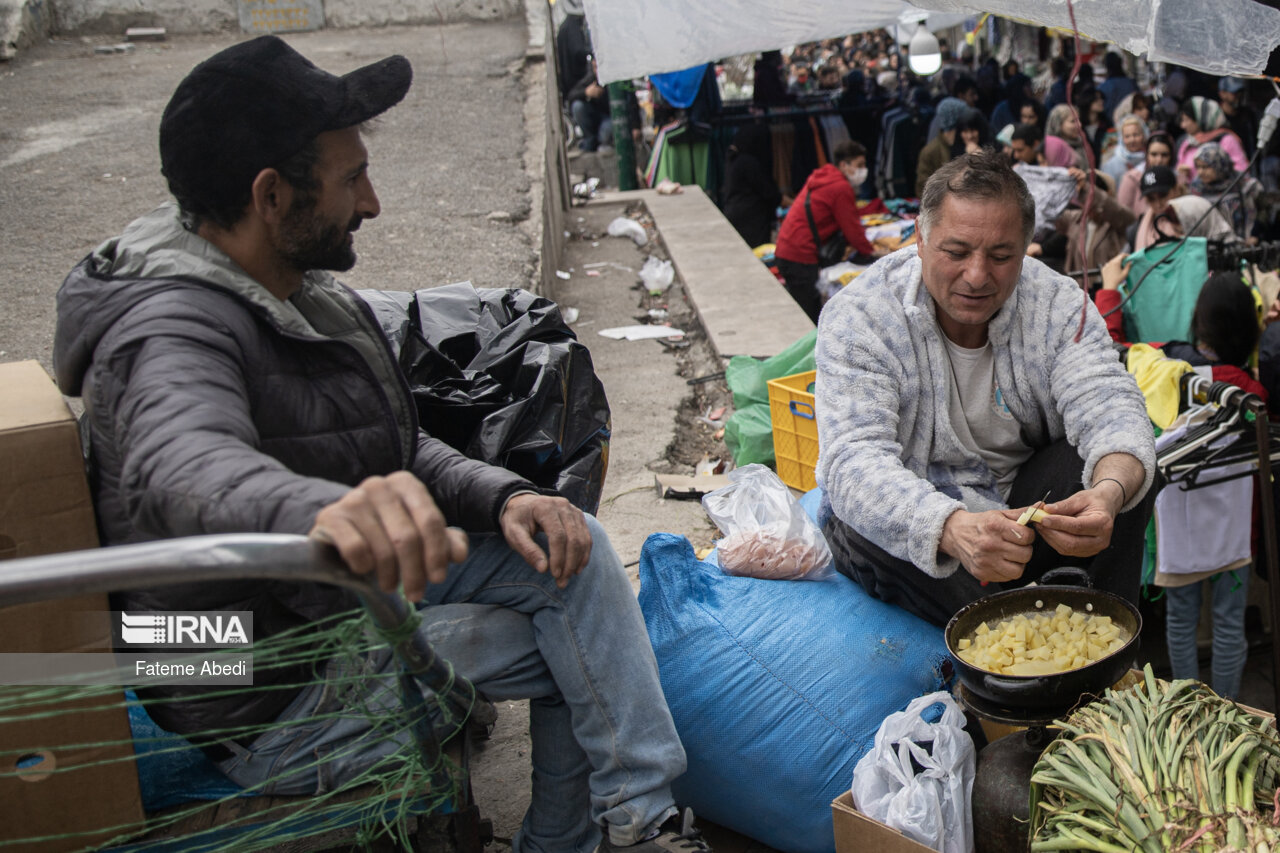
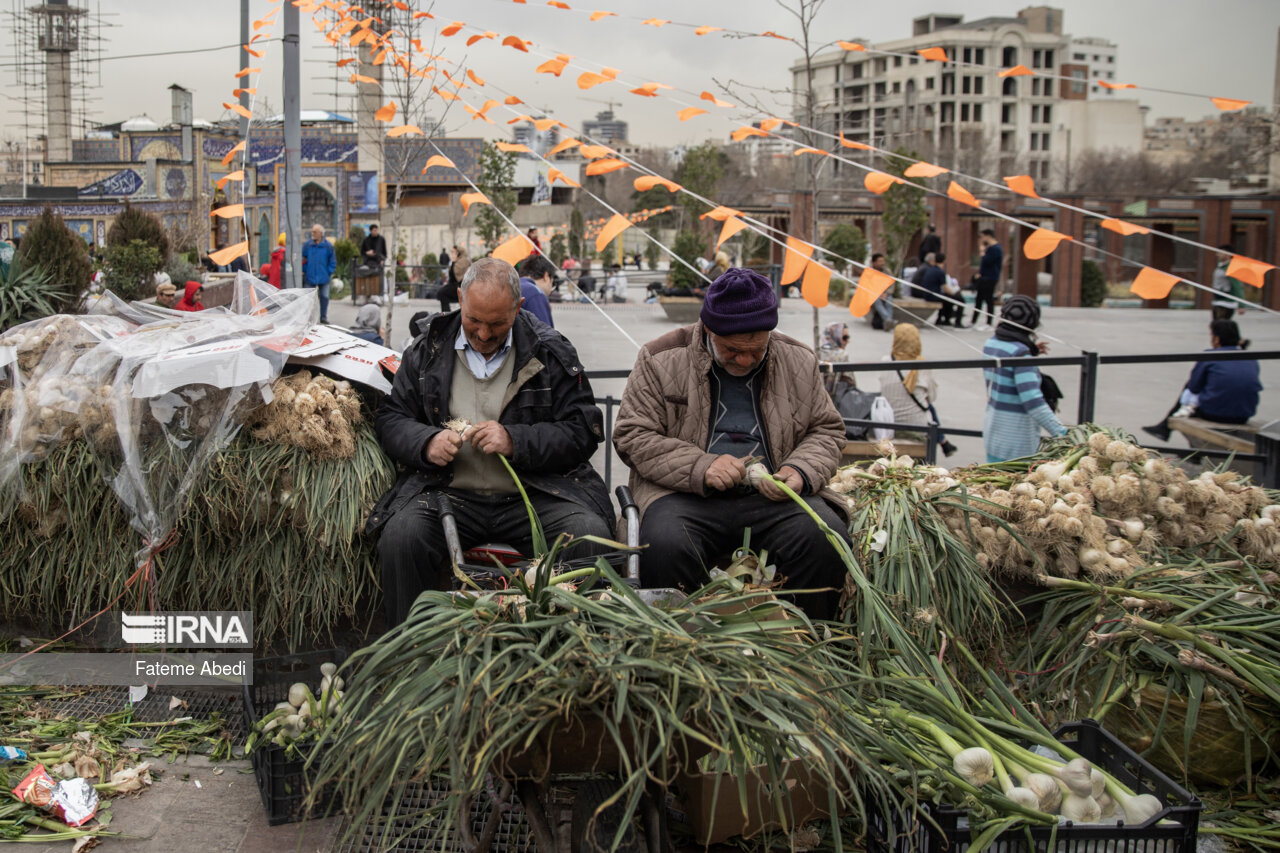
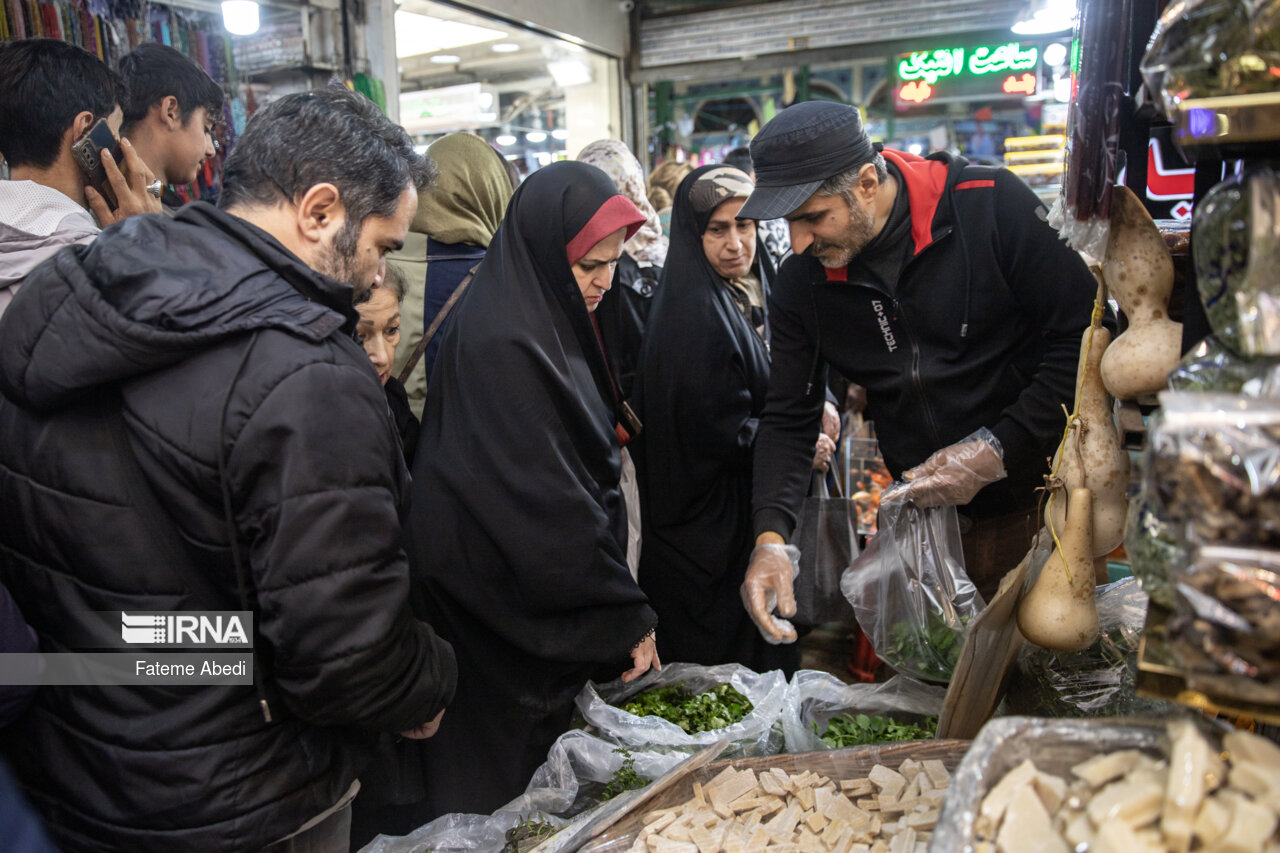
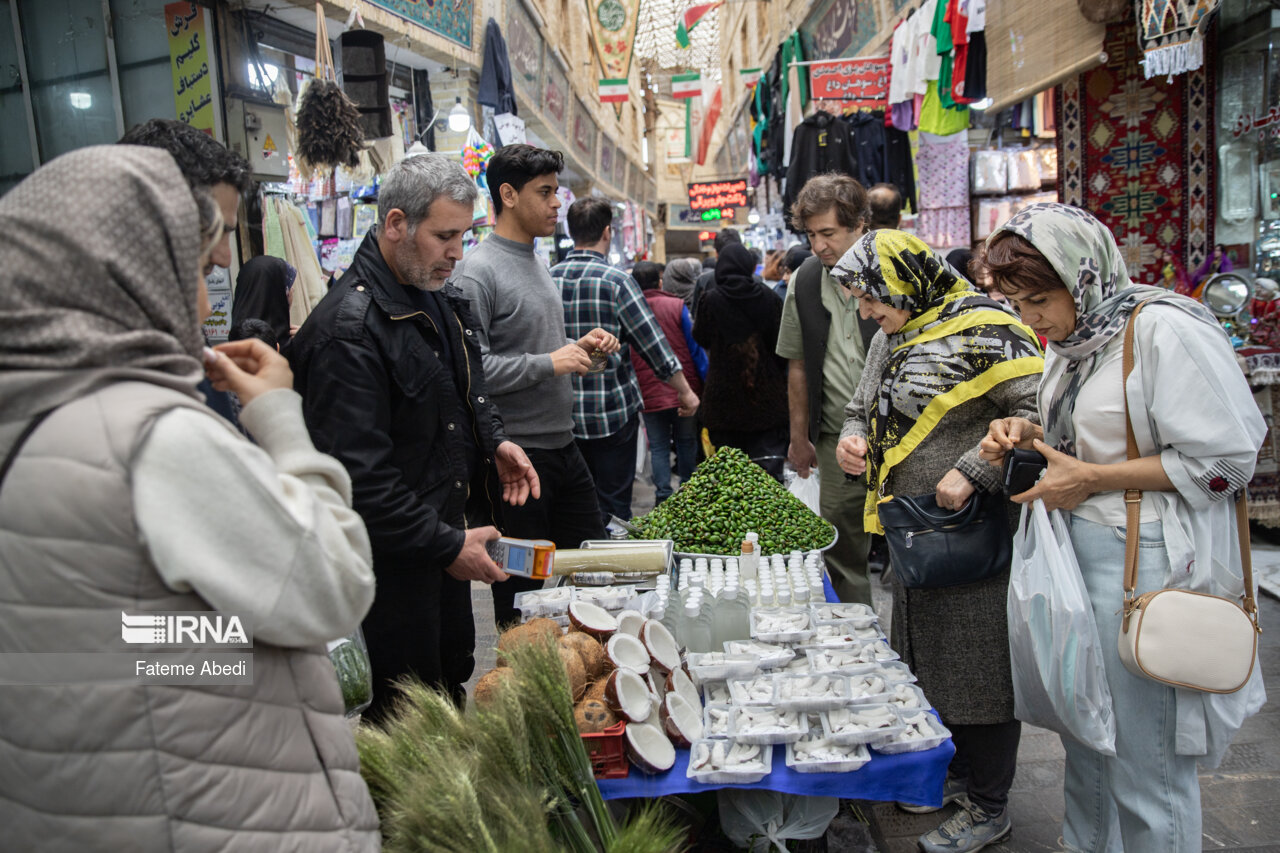
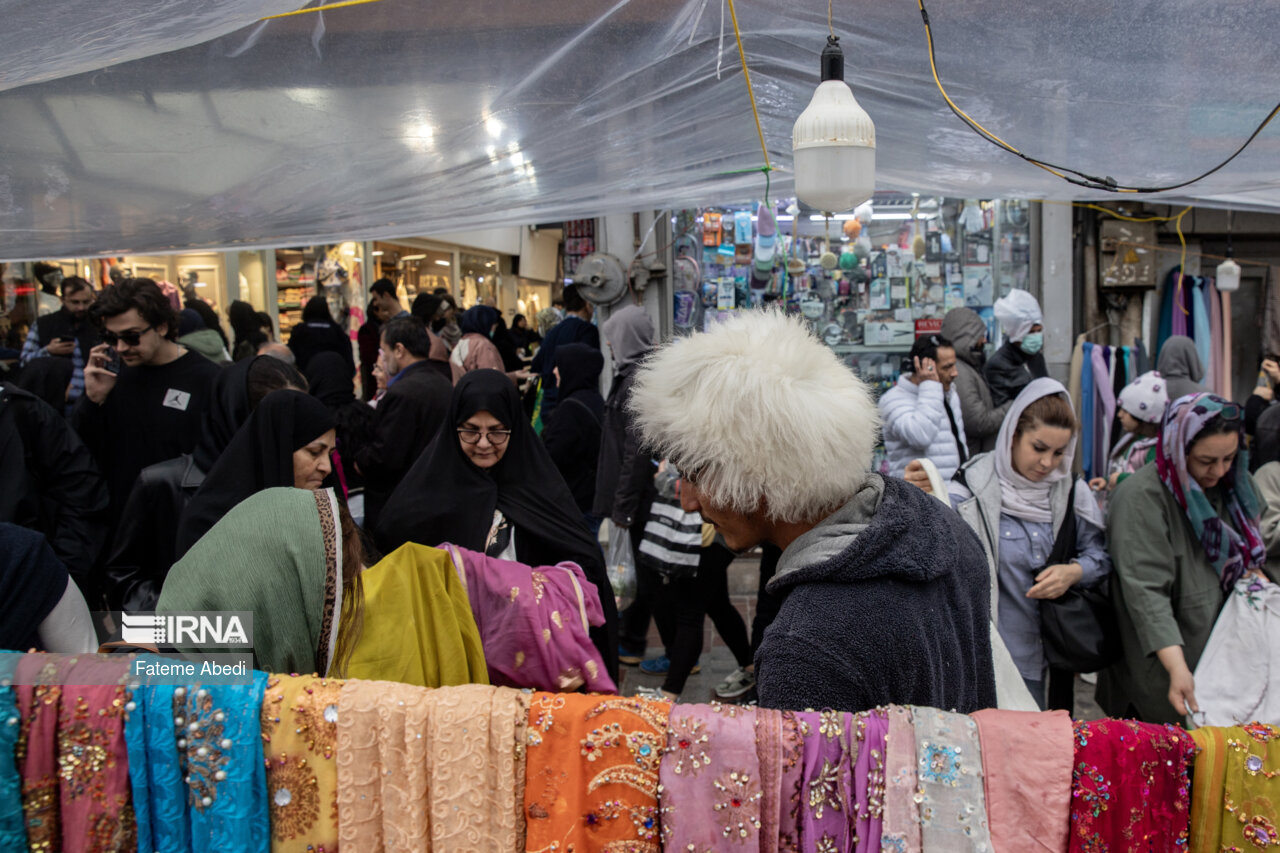
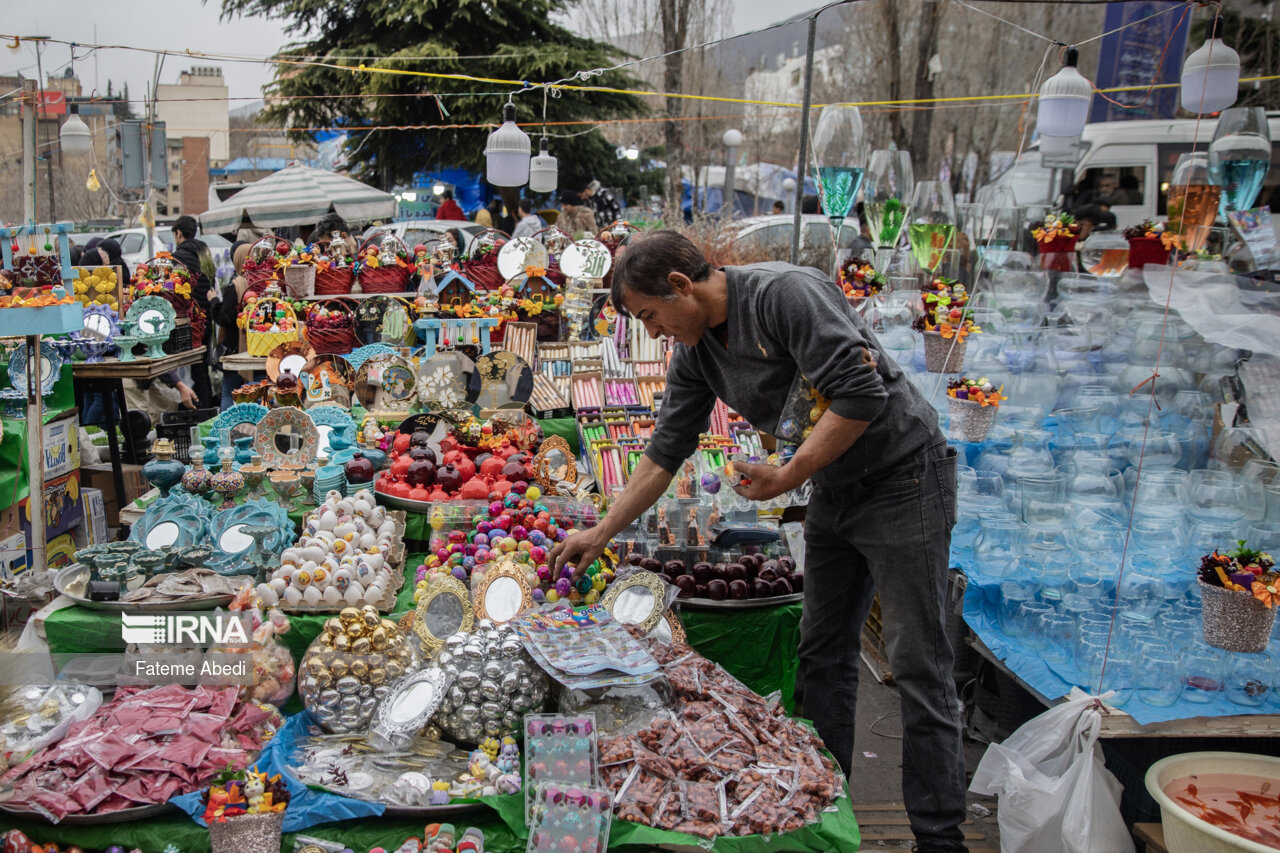
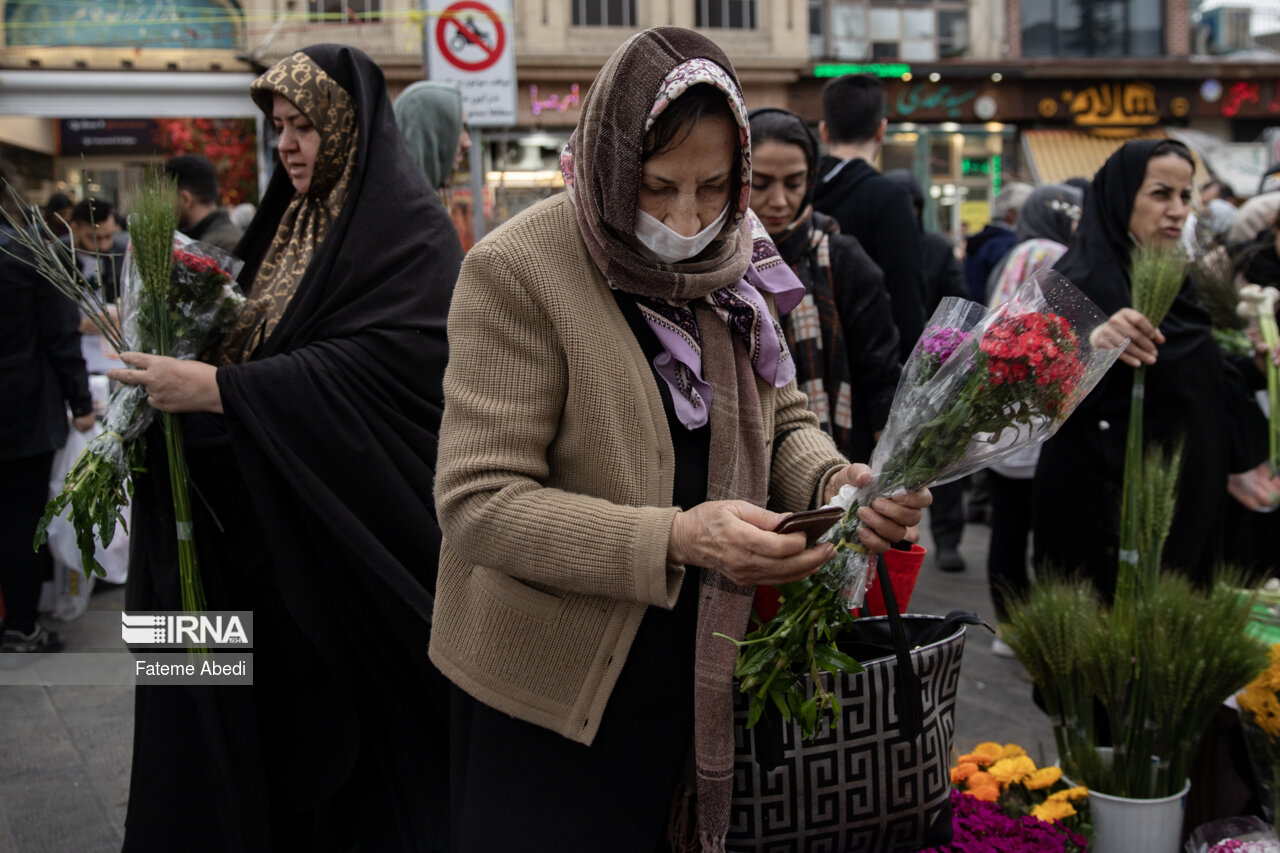
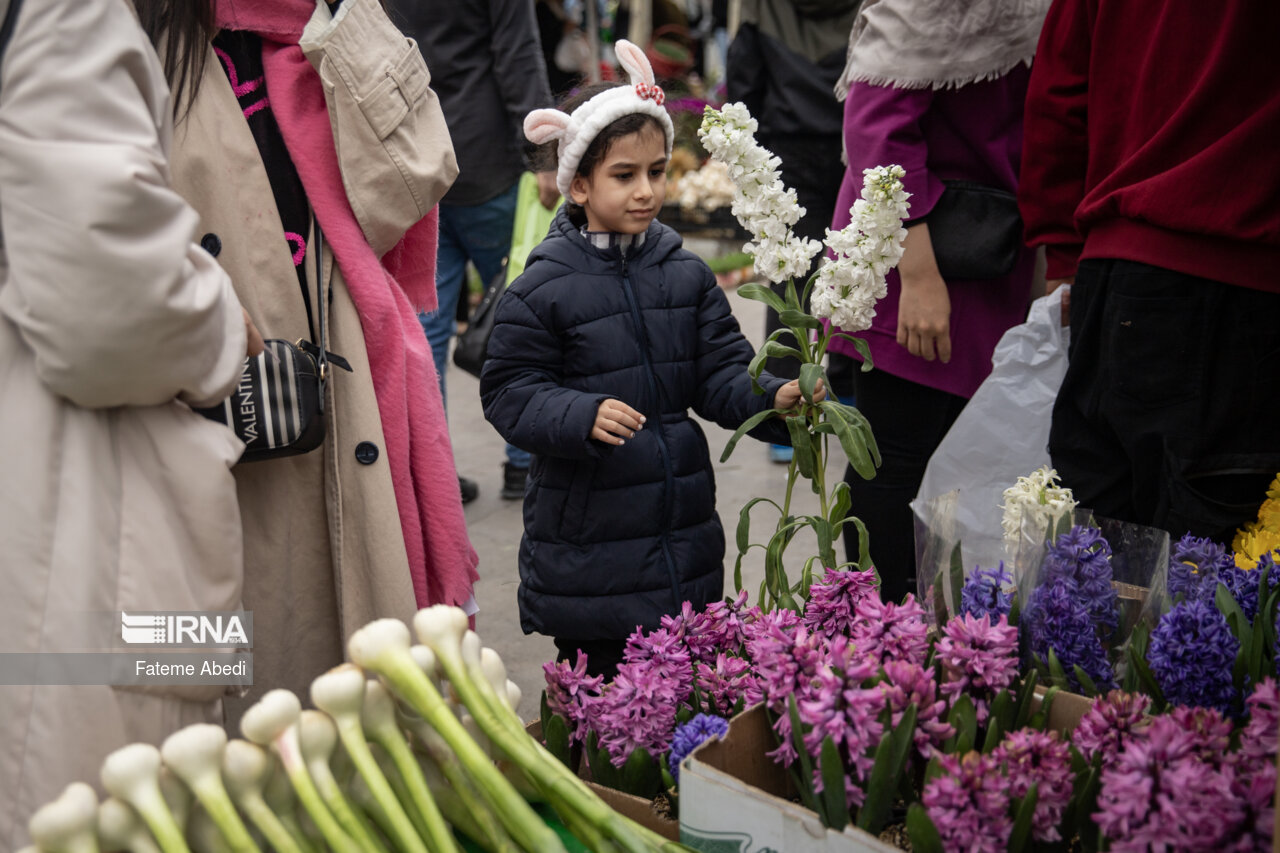
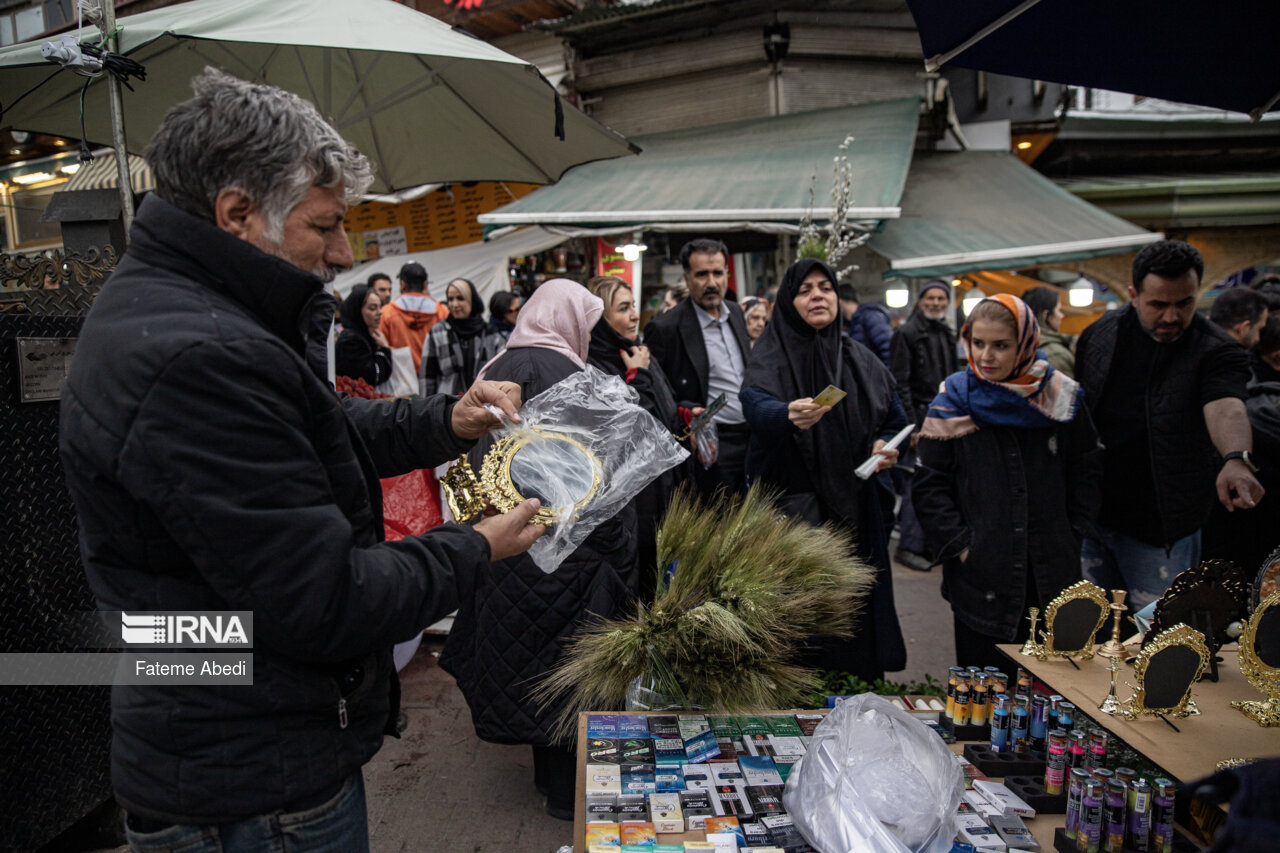
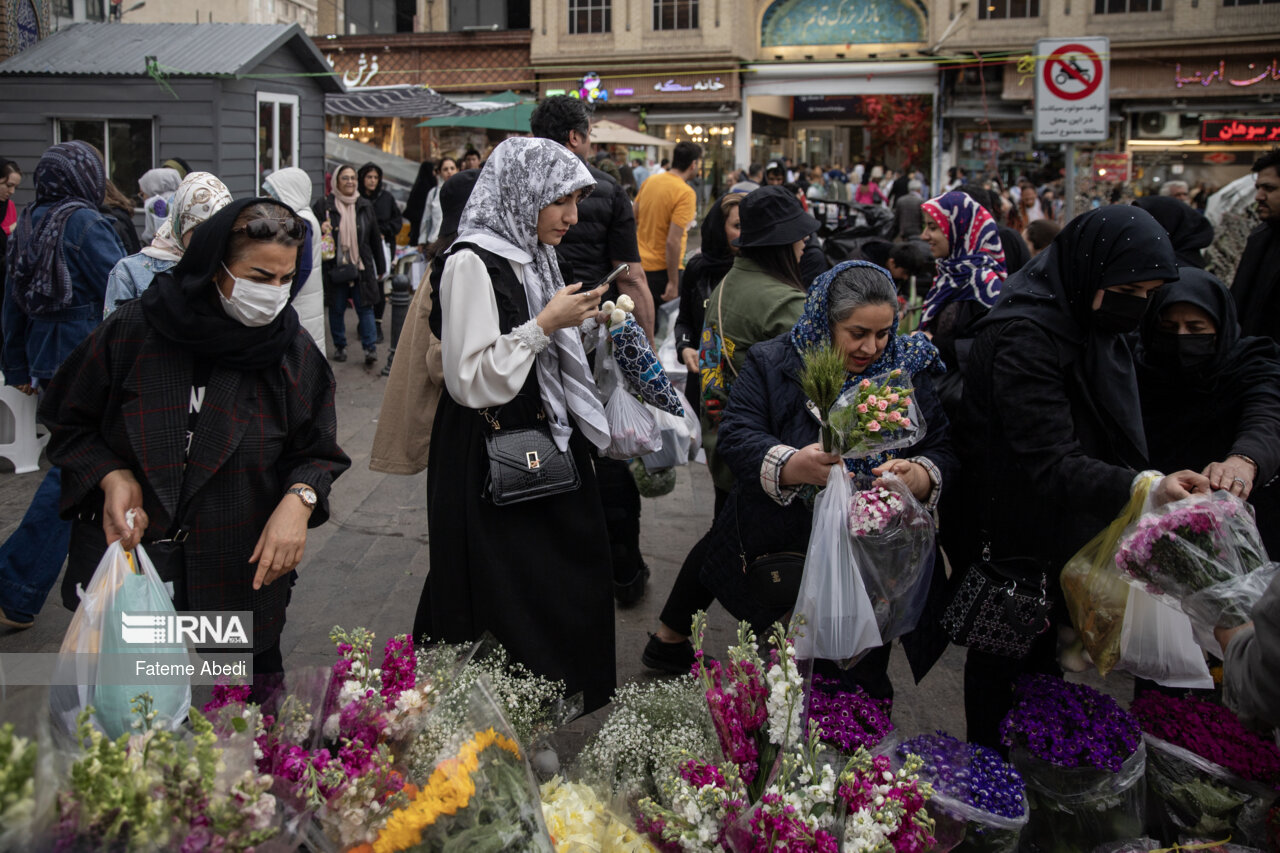
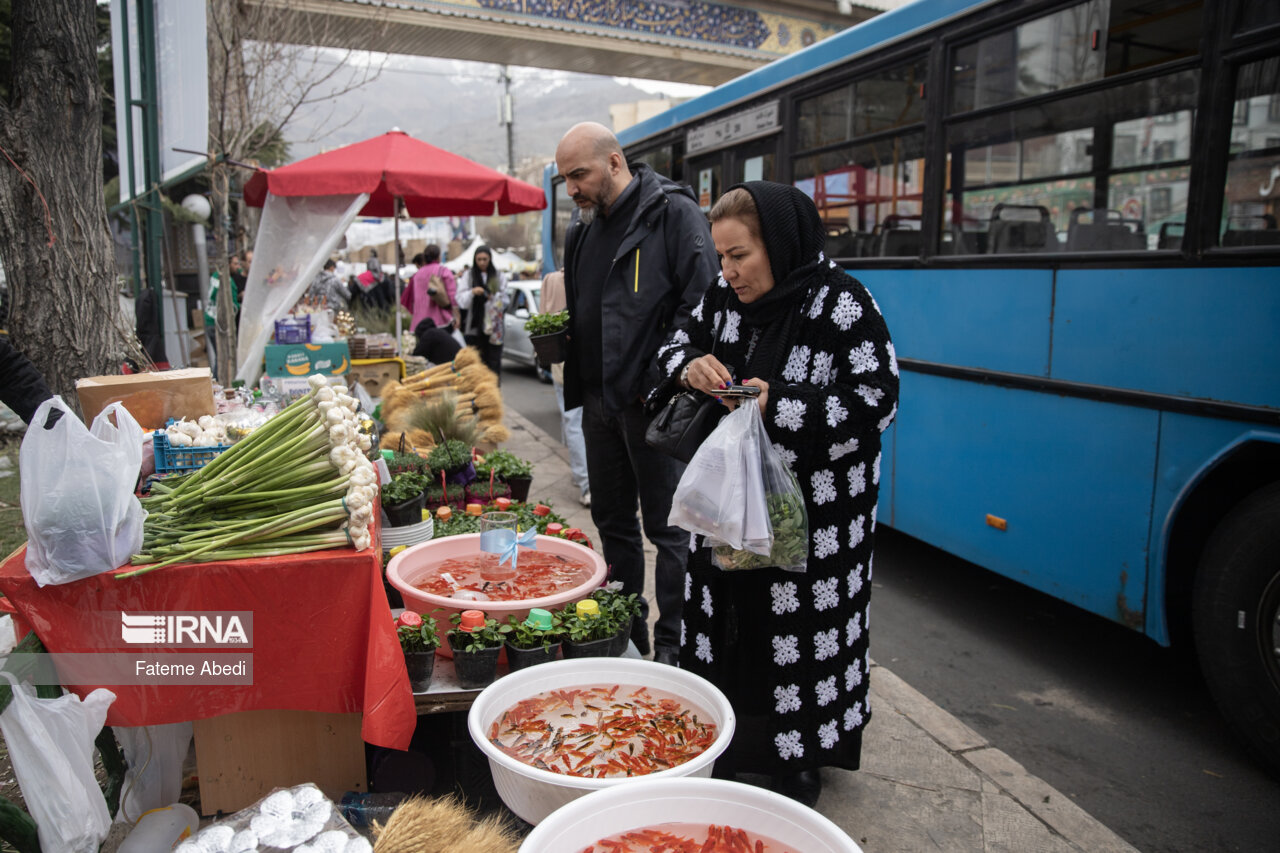
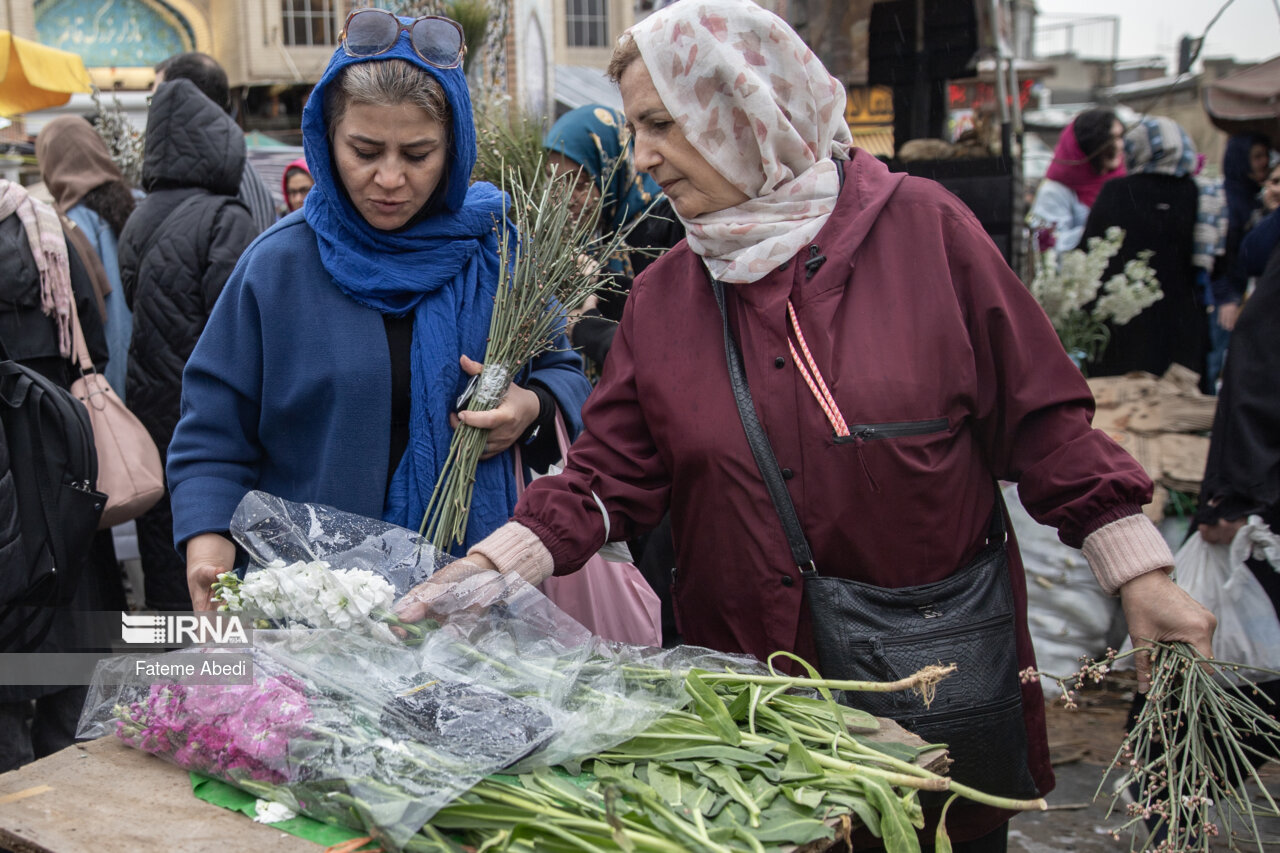
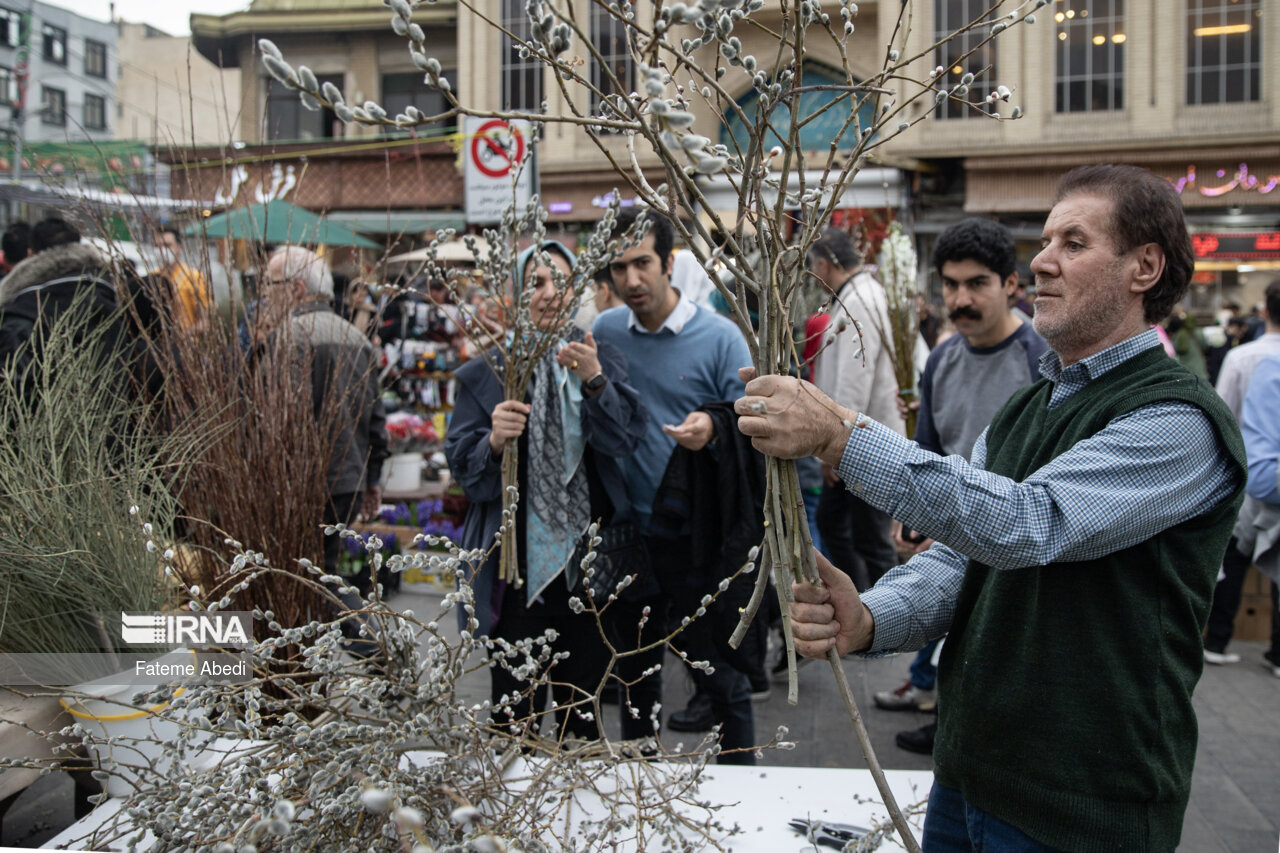
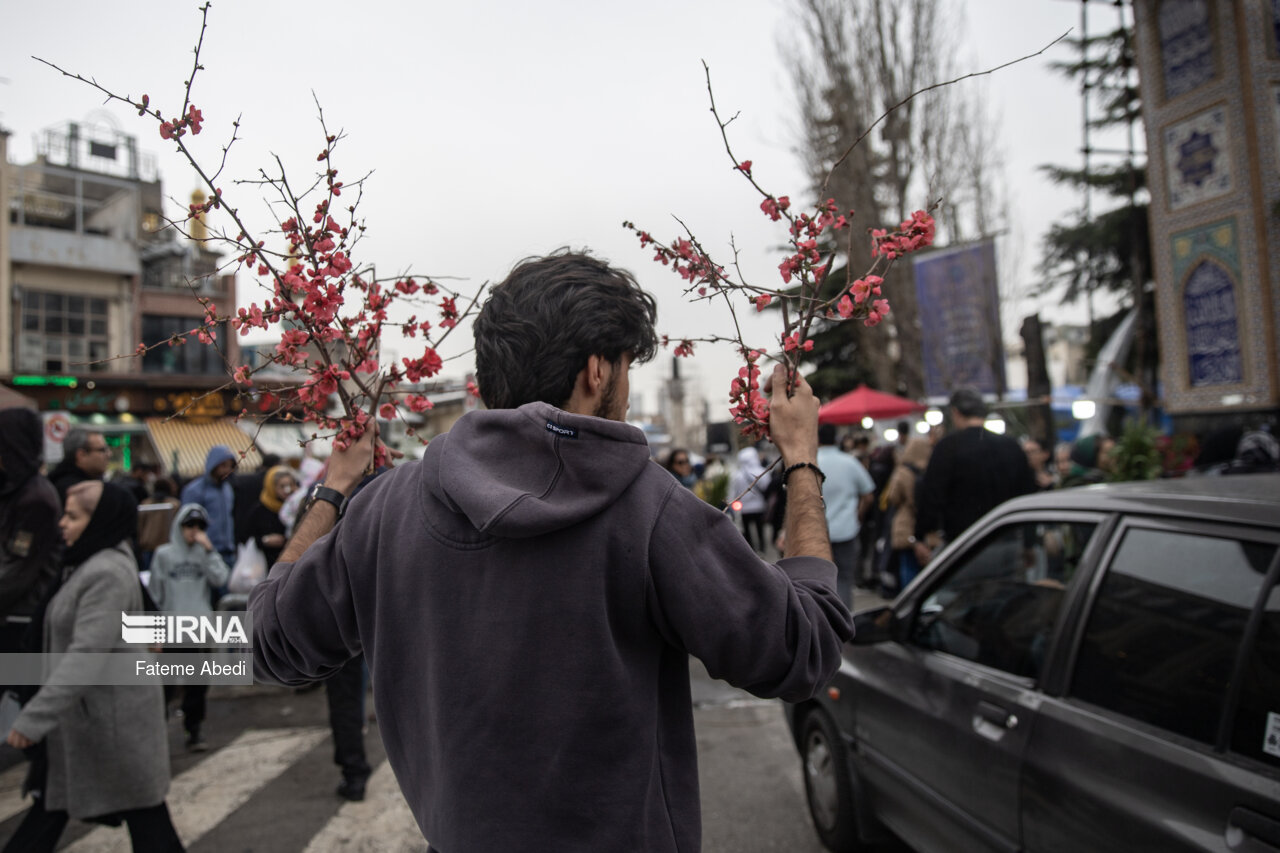
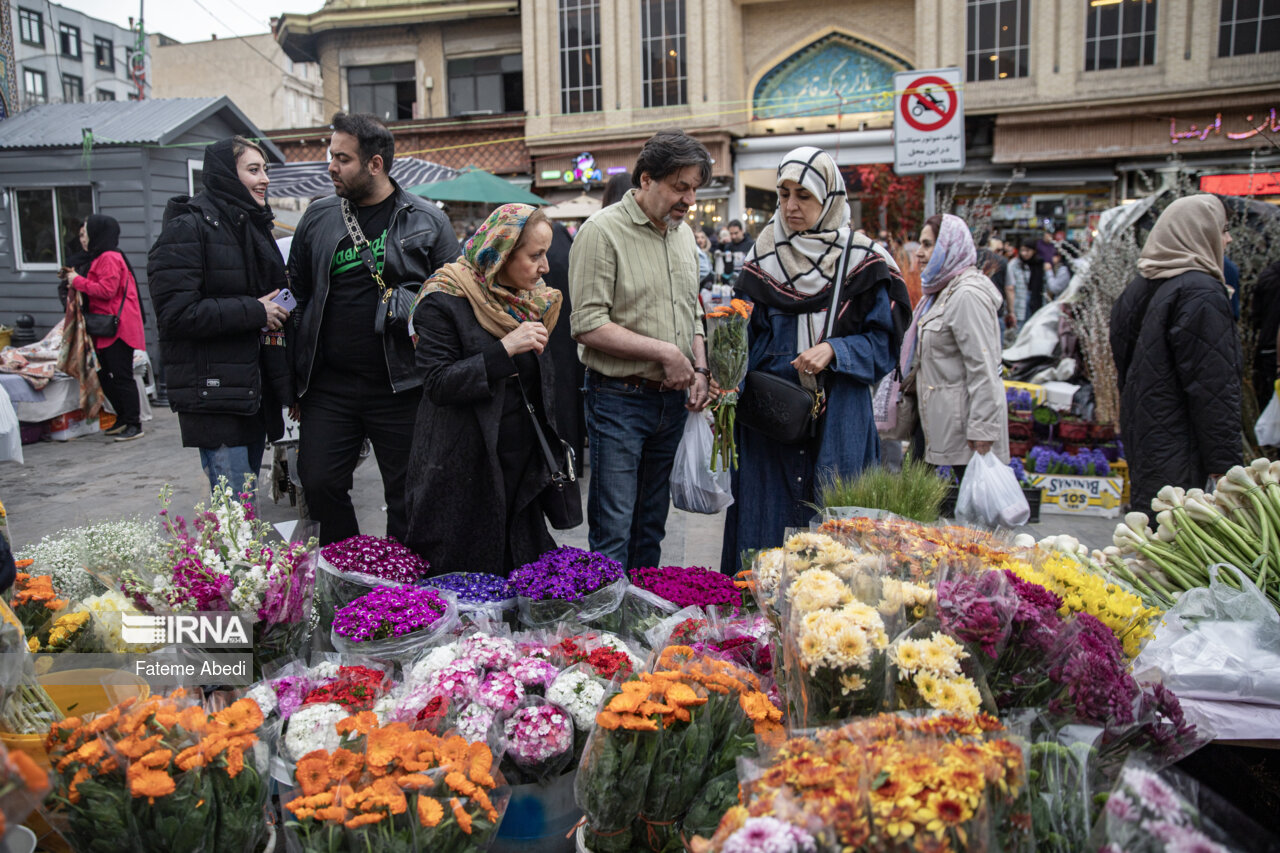
Tehran residents gear up for New Year, shopping spree at Tajrish market

Tehran residents gear up for New Year, shopping spree at Tajrish market

The clock ticks towards 6:36:26 AM on Thursday, the first of Farvardin, marking the commencement of the New Persian Year of 1403.

More in pictures:

Blinken warns 100% of Gaza at “severe levels of acute food insecurity”

US Secretary of State Antony Blinken

“According to the most respected measures of these things, 100% of the population in Gaza is at severe levels of acute food insecurity. That is the first time an entire population has been so classified,” Blinken said during a press conference in the Philippines on Tuesday.

Blinken called the war a “horrific humanitarian situation for women, for children, for men”, and implored Israel to protect civilians.

“It is absolutely incumbent on Israel, as it acts to defend itself from October 7 from happening again, to make it a priority to protect civilians — those who were caught in harm’s way, and to provide for those who desperately need humanitarian assistance”.

Blinken added he urged Israel to have a plan for Gaza after the war, which he said he hoped would end soon. The plan, he noted, would have to be “consistent with Israel’s needs to defend itself and make sure that October 7 never happens again”.

According to a UN-backed report, all 2.2 million people in the enclave do not have enough food to eat, with half of the population on the brink of starvation and famine projected to arrive in northern Gaza “anytime between mid-March and May 2024″.

Blinken will visit Saudi Arabia and Egypt to meet with government leaders this week and discuss efforts to reach an “immediate ceasefire agreement” between Israel and Hamas.

Yemen denounces UNSC condemnation of its maritime operations in the Red Sea

Yemen Houthis

In a statement on Tuesday, the Yemeni Ministry of Foreign Affairs and Expatriates announced the UN Security Council condemns Yemen’s Red Sea operation while it “shamefully” fell short of condemning Israel’s “daily massacres” against women and children in Gaza since the war began on October 7.

“The UN Security Council’s statement concerning Yemeni operations in the Red Sea and the Arabian Sea reflects dangerous subservience to criminal US interests, and at the same time confirms support for the ongoing Israeli genocide in Gaza,” the statement read.

It came after the UN Security Council on Monday condemned “in the strongest terms” Yemeni strikes against Israeli-linked ships as well as US and British assets in the Red Sea and demanded that all such attacks “cease immediately.”

Council members reiterated the importance of the “full implementation of Resolution 2216” and subsequent resolutions that call for an end to the violence in Yemen and to all unilateral actions that threaten the political process in the country.

“It would have been better for the UN Security Council to stop America from supplying weapons to the usurping Zionist entity, because of which thousands of massacres have been committed against people of Gaza,” the Yemeni statement added.

It reiterated that Yemen’s maritime operations in the Red Sea and the Arabian Sea are closely connected to unfolding developments in Gaza, conducted for humanitarian reasons, and enjoy solid support of the Yemeni nation and all freedom-loving people worldwide.

“The operations of the Yemeni Armed Forces will continue, and will not stop unless the criminal Zionist aggression against Gaza stops and the siege on the territory is lifted,” the statement concluded.

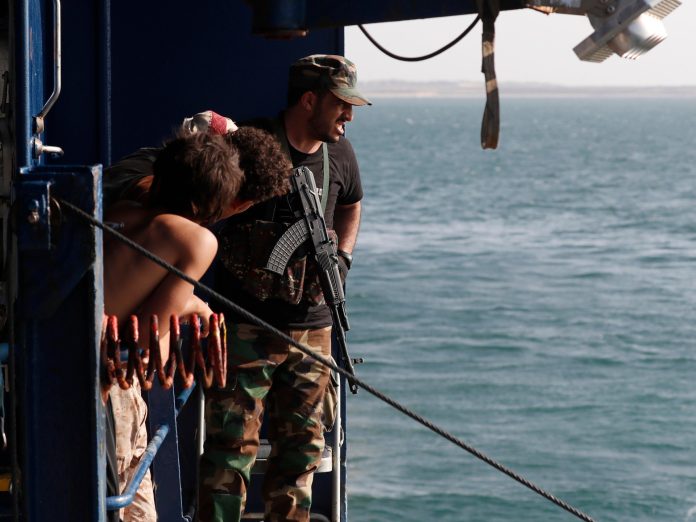
Yemen has been conducting missile and drone operations against Israeli vessels, those heading for the occupied territories’ ports, and the British and American warships that have been dispatched to the Red Sea to confront the Yemeni strikes.

The Red Sea operations began when Israel launched its devastating war on Gaza after the territory’s Palestinian resistance movements carried out the surprise Operation Al-Aqsa Storm into the occupied territories.

The strikes have been seeking to pressure the Israeli regime into stopping its war against Gaza which has so far killed more than 31,600 Palestinians.

The maritime attacks have forced some of the world’s biggest shipping and oil companies to suspend transit through one of the world’s most important maritime trade routes.

Tankers are instead adding thousands of miles to international shipping routes by sailing around the continent of Africa rather than going through the Suez Canal.