Thursday, December 25, 2025
Home Blog Page 902

Former Iran FM dismisses US speculations on atomic weapons

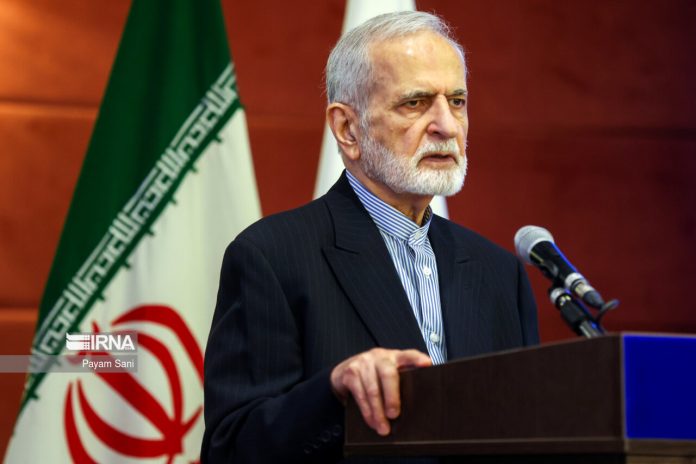
Addressing the 3rd Iran-Arab Dialogue Conference held in the Iranian capital Tehran on Sunday, Kamal Kharrazi, who is also the Chairman of the Strategic Council on Foreign Relations, dismissed US reaction to his recent interview with Al Jazeera where he said Iran might change its nuclear doctrine in case it faces an existential threat from Israel or any other country.

Citing a religious decree by Ayatollah Seyyed Ali Khamenei that bans possession, production and proliferation of nuclear weapons, he echoed his previous remarks, saying, “We do not have nuclear weapons and there is a fatwa by the Leader on this issue. But what should we do if the enemy threatens us?”

He also questioned US intentions for claiming it advocates diplomacy to sort out issues with Iran and said, “You were the one that withdrew from the Iran nuclear deal, JCPOA, and today you are not ready to return to the negotiating table. Why do you say that diplomacy is the best way?”

Kharrazi expressed Iran’s willingness to negotiate with the US and called on Washington to return to the 2015 nuclear agreement with the West, known as the Joint Comprehensive Plan of Action (JCPOA), saying it will serve as a basis to discuss a nuclear free region.

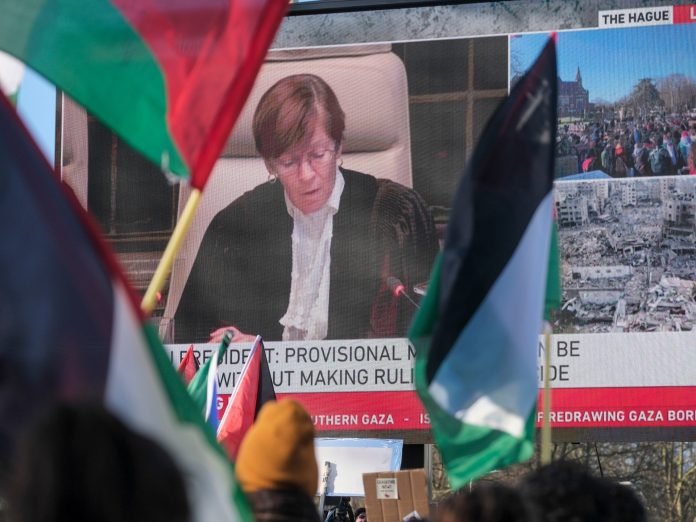
Egypt says to support South Africa’s ICJ case against Israel

ICJ

In the statement, Egypt called on Israel, as the occupying power, to comply with its obligations, and to implement the provisional measures issued by the ICJ, requiring it to ensure adequate humanitarian aid access to Gaza and to refrain from committing human rights violations against Palestinians.

The ministry said in a statement that the move “comes in light of the worsening severity and scope of Israeli attacks against Palestinian civilians in the Gaza Strip, and the continued perpetration of systematic practices against the Palestinian people, including direct targeting of civilians and the destruction of infrastructure in the Strip, and pushing Palestinians to flee”.

Egypt reiterated its call to the United Nations Security Council and international parties to take immediate action to halt violations in Gaza and military operations in Rafah.

Though Egypt and Israel have been allies since the 1970s, the former has become increasingly critical of Israel’s assault in the Gaza Strip, which has left more than 35,000 people dead.

Egypt has also been concerned about the potential for Palestinian refugees to flee south from Gaza into the Sinai Peninsula and not be allowed to return.

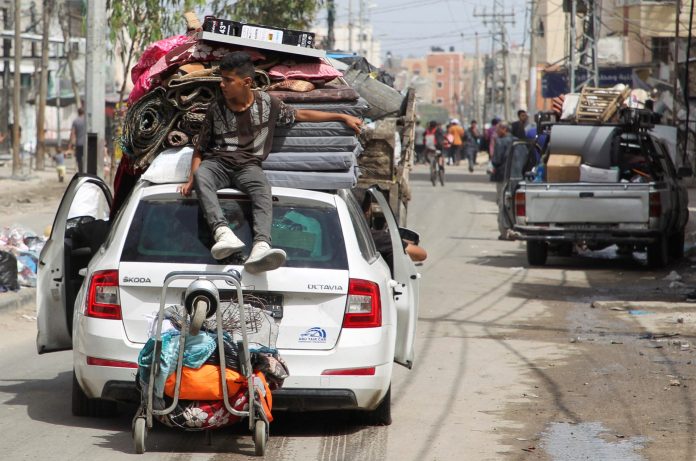
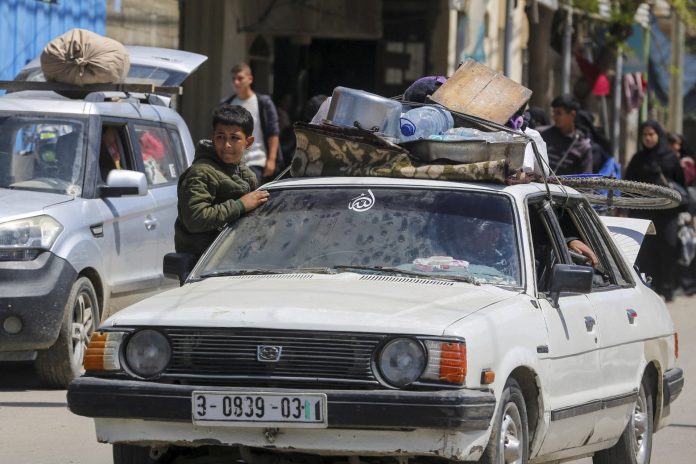
The Israeli military has ordered Palestinians to leave northern parts of Gaza, including Jabalia and Beit Lahiya, as well as central areas of Rafah in the south. Some 300,000 Palestinians have fled Rafah following Israeli orders last week for Palestinians in the eastern parts of the city to leave.

On Friday, South Africa called on the ICJ to order additional emergency measures against Israel over its military assault on Rafah.

In a 10-page document submitted to the ICJ, South Africa asked the World Court to order Israel to “immediately withdraw and cease its military offensive in the Rafah Governorate” and to facilitate “unimpeded access” to humanitarian aid and assistance to the population of Gaza, the document reads.

It also demanded the entry of “internationally mandated bodies or officials, investigators, and journalists” into the country for the purpose of “retaining evidence” and also for Israel to submit an open report to the ICJ within one week of Friday, detailing the measures Israel has taken to comply with “all previous provisional measures” detailed by the court.

Israeli Prime Minister Benjamin Netanyahu has repeatedly stressed he would push on with his plans to invade Rafah in order to uproot Hamas.

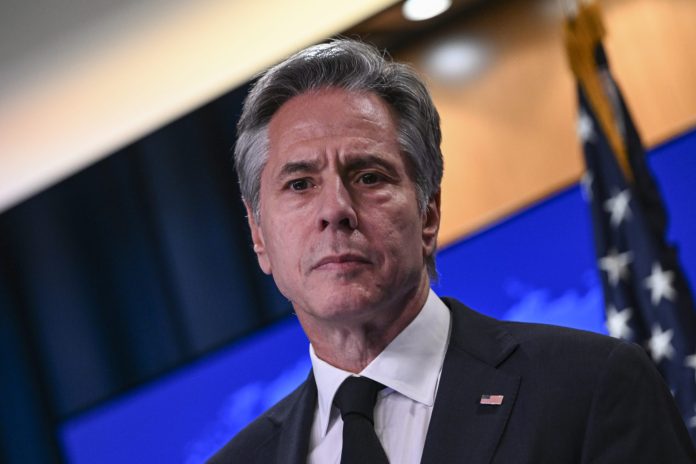
US says no ‘red lines’ for Israel but warns against Rafah invasion

Antony Blinken

Blinken stressed the Joe Biden administration’s opposition to a comprehensive attack on Rafah on NBC’s “Meet the Press” show.

He emphasized that Israel has not yet presented a credible plan to protect the city’s nearly 1.5 million Palestinian inhabitants and warned that an Israeli offensive could foster an insurgency by failing to eliminate all the Hamas fighters there.

Blinken confirmed the Biden administration’s unwavering support for Israel since the war began on Oct. 7 last year but suggested suspending arms supplies to Tel Aviv if it decides to occupy Rafah.

Asked about President Biden’s threat to halt arms sales, he replied: “Look, when it comes to Israel, we don’t talk about red lines.”

He also emphasized the US’s ongoing engagement and resolution of issues with Israel, adding their stance on Rafah is clear but not a red line.

Biden announced Wednesday that he would suspend arms supplies to Israel if a major attack is launched on Rafah, drawing criticism from both the Republican Party and Israel.

Blinken also rejected the accusation the US is attempting to avoid holding Israel accountable for its military campaign amid criticism over the State Department’s recent report on Israeli war conduct.

In a highly anticipated report released last week, the State Department concluded it was “reasonable to assess” Israel violated international humanitarian law while stopping short of determining wrongdoing as it did not find specific instances of violations.

When asked on NBC News’s “Meet the Press”, if the US is trying to avoid holding Israel accountable for its actions, Blinken said, “No. We don’t have double standards.”

“We treat Israel, one of our closest allies and partners, just as we would treat any other country, including in assessing something like international humanitarian law and its compliance with that law,” Blinken stated, adding later, “The report also makes clear that this is an incredibly complex military environment. You have an enemy that intentionally embeds itself with civilians, hiding under and within schools, mosques, apartment buildings, firing at the Israeli forces from those places.”

The report pointed to the climbing death toll in Gaza, which is now up to more than 35,000, per local health officials, and said there were “sufficient reported incidents to raise serious concerns” about how Israel has conducted its wartime campaign against Hamas.

“What the report concludes is that, based on the totality of the harm that’s been done to children, to women, to men who are caught in this crossfire of Hamas’ making, it’s reasonable to conclude that there are instances where Israel has acted in ways that are not consistent with international humanitarian law,” Blinken continued.

“At the same time, Kristen, we continue to look at, investigate each of these incidents, but critically, so does Israel.”

UN estimates about 300k people fled Gaza’s Rafah

Gaza War

“Over the last week, UNRWA estimates around 300,000 people have now fled Rafah, as the forced and inhumane displacement of Palestinians continues. There is nowhere safe to go. There is nowhere safe to go. There is nowhere safe to go,” the UNRWA wrote on social media platform X.

The UNRWA is the United Nations agency that provides relief for Palestinian refugees. The Israel Defense Forces (IDF) also announced on social media that about 300,000 Gazans moved from Rafah to the humanitarian area in Al-Mawasi.

Israel has been planning for an operation into Rafah for months despite the Joe Biden administration repeatedly warning against the move without putting forward a plan to protect civilians. Israel moved into Rafah last week and seized a border crossing for humanitarian aid but has yet to launch a wider military operation.

Israel ordered new evacuations in Rafah on Saturday as it plans to expand its military operations. Secretary of State Antony Blinken said Sunday the US has not seen a plan from Israel on how it plans to protect civilians.

“We believe two things. One, you have to have a clear, credible plan to protect civilians, which we haven’t seen. Second, we also need to see a plan for what happens after this conflict in Gaza is open — is over,” Blinken said on CBS’s “Face the Nation”.

“As we look at — at Rafah, they may go in and have some initial success, but … potentially at an incredibly high cost to civilians; but one that is not durable, one that’s not sustainable,” he added later on.

Biden stated last week that the US would halt sending offensive weapons to Israel if it invades Rafah. The Biden administration also said last week it would be delaying certain arms shipments to Israel amid the looming full-scale invasion of Rafah.

The World Food Programme also warned against a full-scale invasion of Rafah on Saturday.

“Families are once again on the move, searching for shelter, food, water – but with fewer resources. Until a ceasefire is agreed, access to lifesaving aid MUST be maintained. A full-scale invasion of Rafah would be catastrophic,” the program wrote.

UK says opposes Rafah invasion but won’t halt arms sales to Israel

Gaza War

Cameron told the BBC Sunday that ending arms sales to Israel would “make Hamas stronger and it would make a hostage deal less likely”.

The UK last came under pressure to end weapon sales to Israel when three British citizens were killed during an attack on an aid convoy in Gaza in April.

Cameron stated, “a few days later there was a brutal attack by Iran on Israel.”

He added he is instead focused on “hammering away every day” on getting humanitarian aid into Gaza, as well as “what can we do to maximise the British pressure and the outcome that will help people in their lives – including getting the hostages, including British nationals, released”.

Cameron’s position differs to that of US President Joe Biden, who threatened to halt weapon deliveries to Israel if there is a full-scale Rafah invasion.

Earlier this week, the United States paused a shipment of bombs to Israel amid concerns over their potential use in a Rafah incursion.

Cameron argued that Washington “is in a totally different position” to the UK since the US is “a massive state supplier of weaponry”, while the UK supplies only 1% of Israel’s weapons.

More than 35,000 Palestinians, most of them women and children, have been killed in Gaza since an Oct. 7, 2023 attack by Hamas. Vast swathes of Gaza lay in ruins besides causing internal displacement, hunger and disease.

So far, Israel is said to have carried out a limited operation around Rafah, taking control of the Palestinian side of the border crossing, a crucial entry point for aid into Gaza.

Israel is also accused of genocide at the International Court of Justice, which in January said it is “plausible” that Tel Aviv is committing genocide in Gaza, ordering it to stop such acts and take measures to guarantee that humanitarian assistance is provided to civilians in Gaza.

South Africa on Friday asked the ICJ to order Israel to withdraw from Rafah as part of additional emergency measures over the war.

Gaza death toll surges past 35,000 amid Israeli onslaught

Gaza War

At least 78,755 other people have been injured in the onslaught, the ministry said in a statement.

“Israeli attacks killed 63 people and injured 114 others in the last 24 hours,” the statement read.

“Many people are still trapped under rubble and on the roads as rescuers are unable to reach them,” it added.

Israel has waged a brutal offensive on the Gaza Strip since a cross-border attack by the Palestinian group Hamas last Oct. 7 which killed some 1,200 people.

Tel Aviv has also imposed a crippling blockade on the Gaza Strip, leaving its population, particularly residents of northern Gaza, on the verge of starvation.

More than seven months into the conflict, vast swathes of Gaza lay in ruins amid a crippling blockade of food, clean water and medicine.

Israel is accused of genocide at the International Court of Justice (ICJ). An interim ruling in January said it is “plausible” that Tel Aviv is committing genocide in Gaza, ordering it to stop such acts and take measures to guarantee that humanitarian assistance is provided to civilians in Gaza.

South Africa on Friday asked the ICJ to order Israel to withdraw from the southern city of Rafah, where more than 1.5 million displaced people have been sheltered, as part of additional emergency measures over the war.

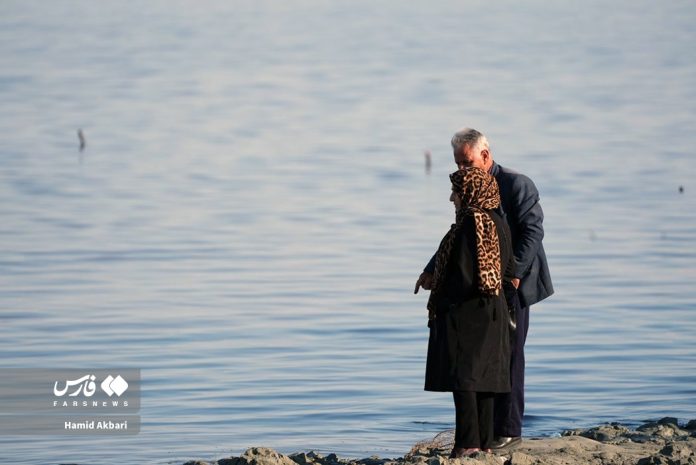
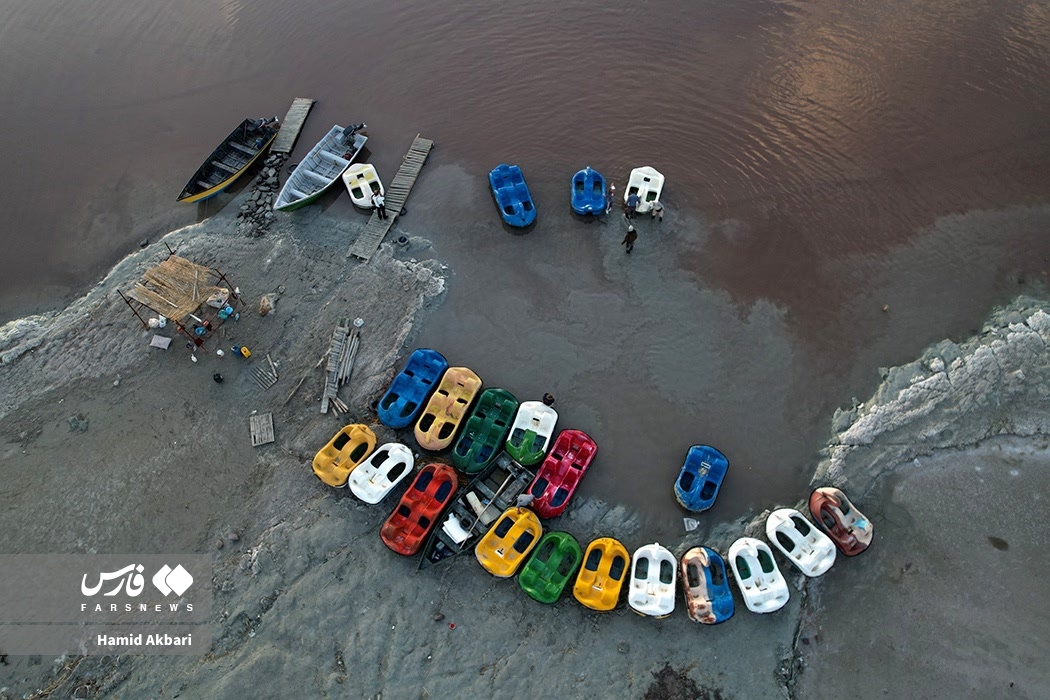
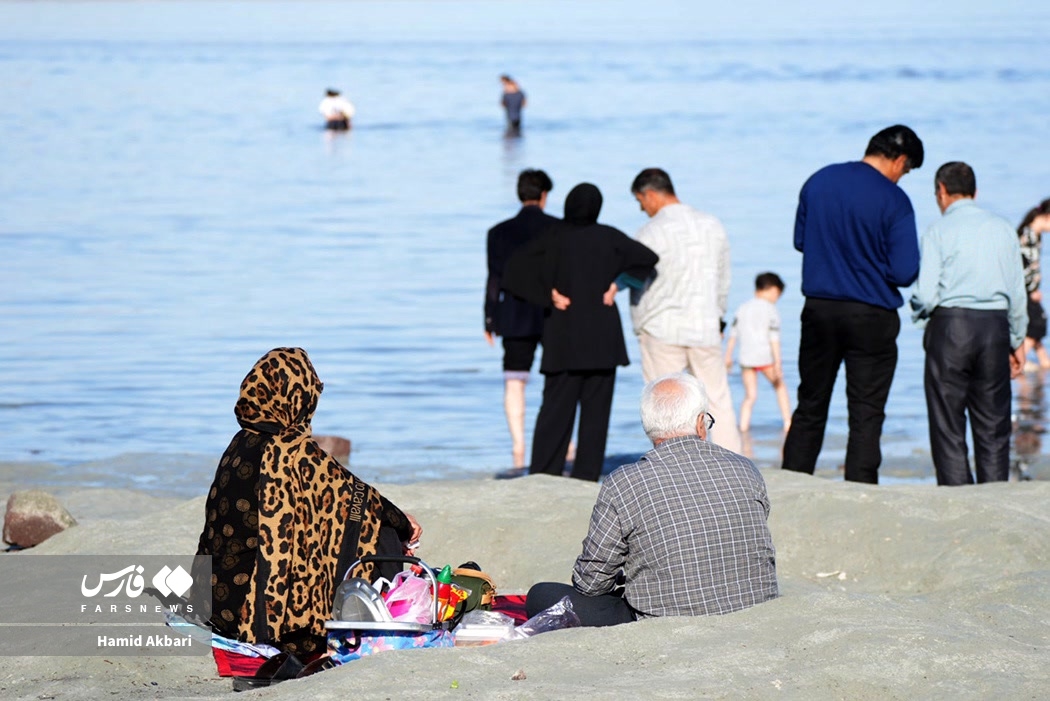
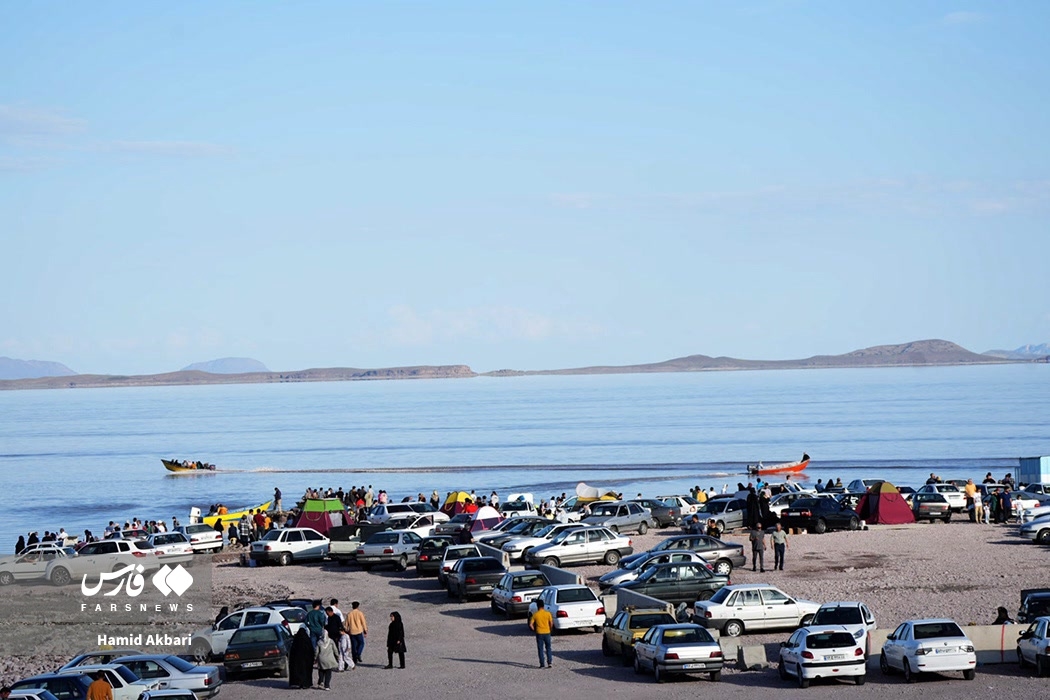
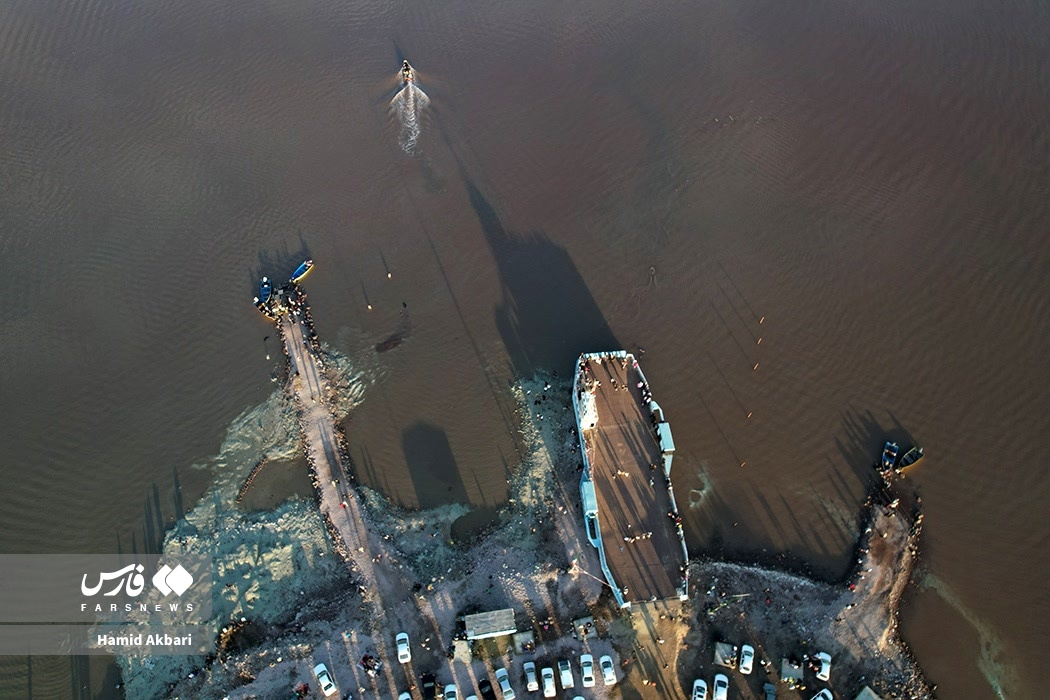
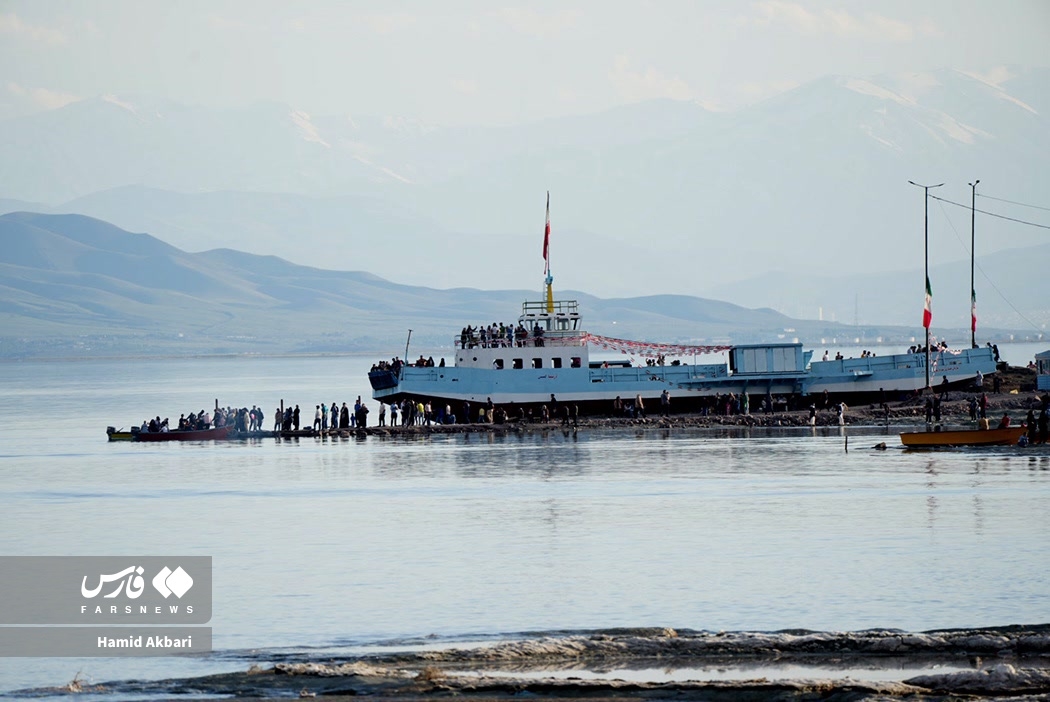
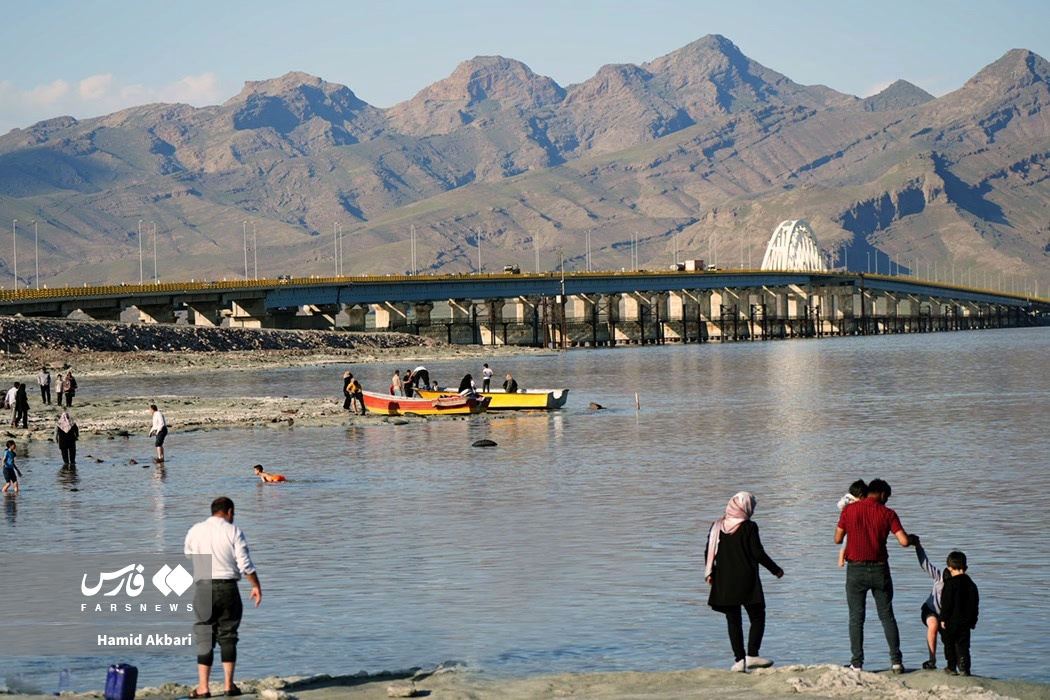
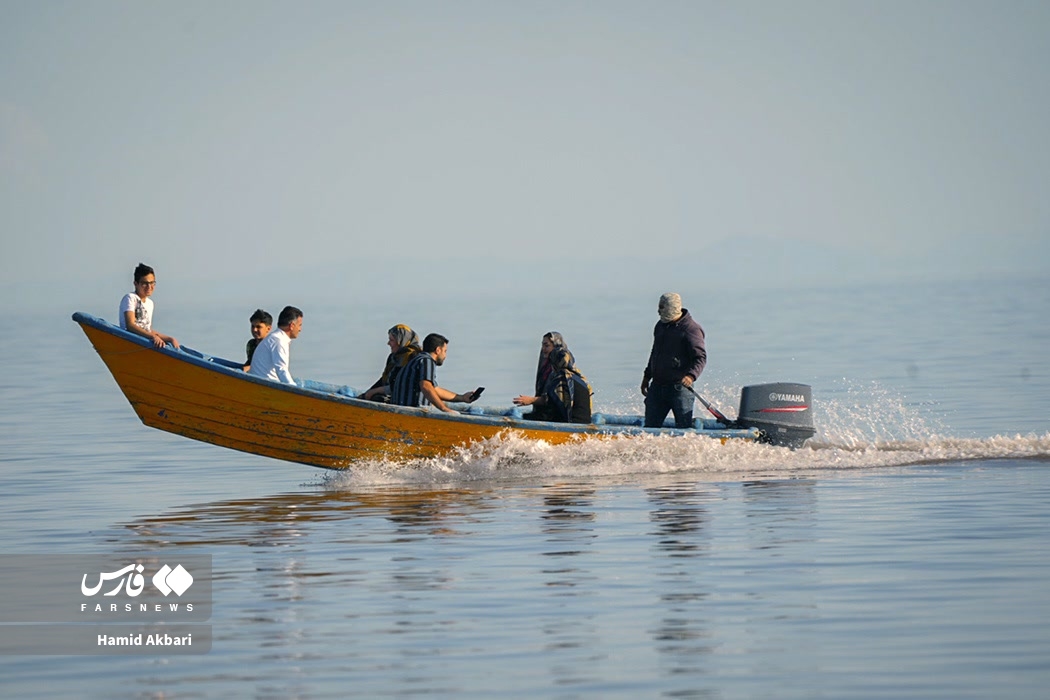
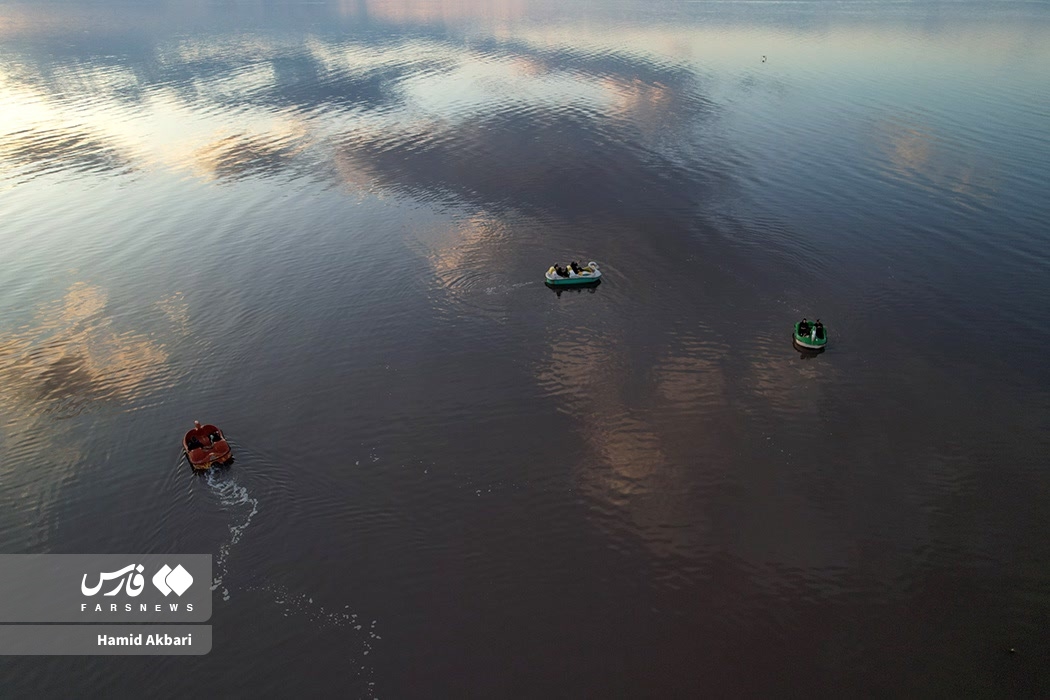
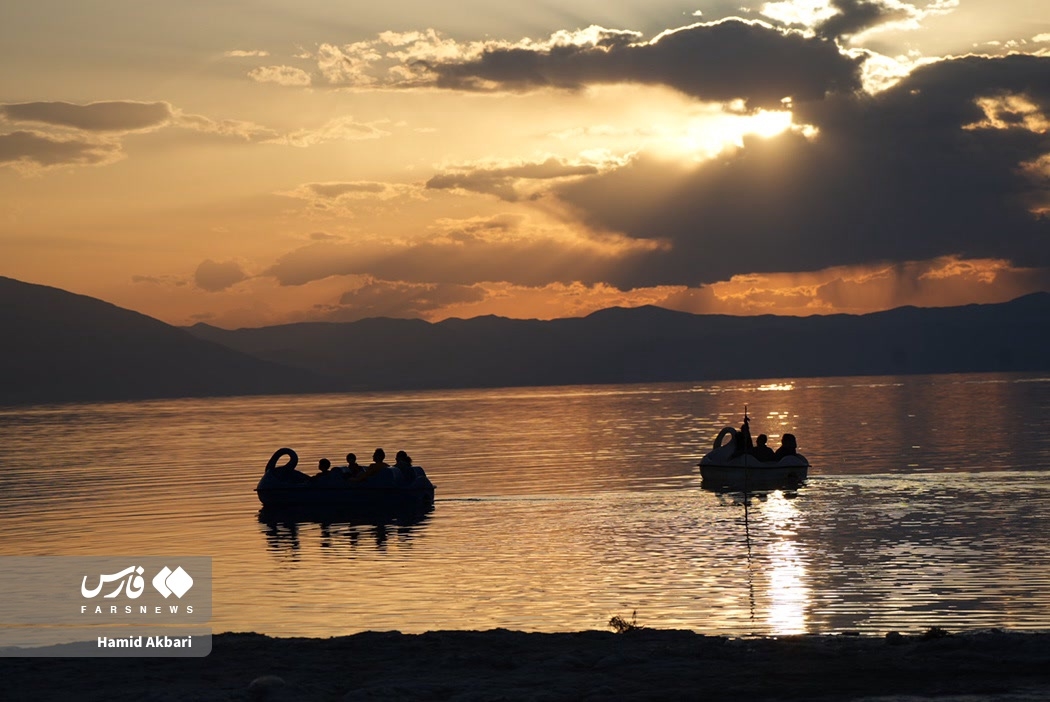
Miracle in the making: Lake Urmia reborn after years of drought

Today, as the sun glistens off the shimmering waters of Lake Urmia, a sense of optimism permeates the air. Yachts, long absent from these once desolate shores, have returned, gliding gracefully across the rejuvenated expanse.

Photographer Hamid Akbari’s lens captures the breathtaking scenes of this resurgence, showcasing nature’s resilience and humanity’s capacity for positive change.


Ancient artifacts unearthed during construction in Iran’s Hamedan

Analysis of pottery found at the site suggests connections to both Islamic and patriarchal periods, shedding light on the city’s rich history.

The Head of the Cultural Heritage and Tourism Research Institute announced that permission was granted for archaeological excavations at the site on Saturday, May 11.

This development marks a pivotal moment in understanding the cultural heritage of Hamedan, the capital city of the province of Hamedan.

The findings have sparked excitement among historians and locals alike, as they offer a glimpse into the city’s past.

Further excavation and analysis are expected to provide deeper insights into the lives of the people who once inhabited this area.

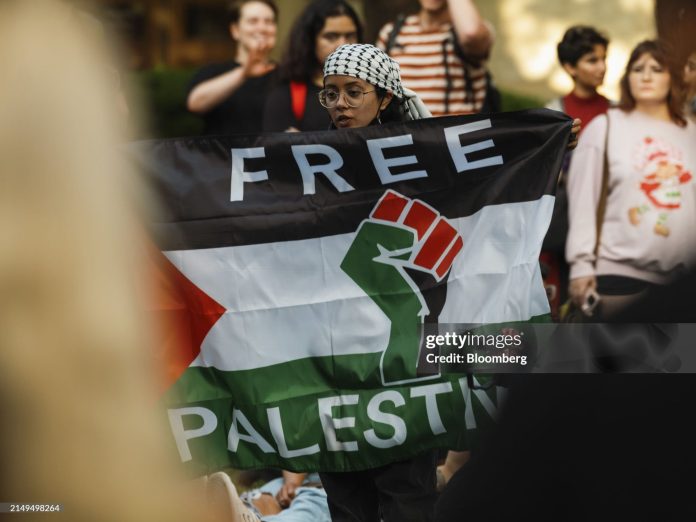
Majority of US college students back pro-Palestine campus demonstrations: Survey

Protest US Universities

The survey, conducted by Intelligent, an online magazine focused on higher education and ran by the New York Post on Sunday, said 65 percent of American college students support the recent protests as anti-Israel demonstrations spread to scores of US campuses.

The poll said 43 percent of those surveyed had participated in a demonstration for Gaza and more than half of them — 63 percent— expressed their sympathy for the Palestinian resistance movement Hamas in its fight against the illegal entity.

One in 10 of those polled also admitted to having an “unfavorable” opinion of Jewish people and a portion of them — 9 percent— said they do not believe Israel has the right to exist.

According to the survey, 75 percent of supporters gave a thumbs-up to encampments, and 45 percent approved of blocking students from getting to class as a form of protest, with 38 percent voicing support for graduation ceremonies being canceled due to the protests.

The poll, which was conducted online in the beginning of May, surveyed 763 current full-time US college students.

Pro-Palestine demonstrations in US campuses started last months with Columbia University’s “Gaza Solidarity Encampment” and continued with sit-ins and rallies in other universities across the country.

The peaceful protests were met with arrests, detentions, police violence, surveillance and disciplinary measures, and sanctions against members of the educational community exercising their right to peaceful assembly and freedom of expression.

The Associated Press has recorded at least 75 instances since April 18 in which arrests were made at US campus protests. Nearly 3,000 people have been arrested at 57 colleges and universities, according to an NBC News tally.

The demonstrators are demanding their universities cut direct or indirect financial ties with US weapons manufacturers and Israeli institutions.

Many also want their universities to end academic relationships with the regime’s institutions.

Israel waged its US-backed genocidal war on Gaza on October 7 following a historic operation by the Palestinian resistance groups against the usurping entity.

The Tel Aviv regime has so far killed at least 34,900 Palestinians, mostly women and children, and injured 78,600 others.

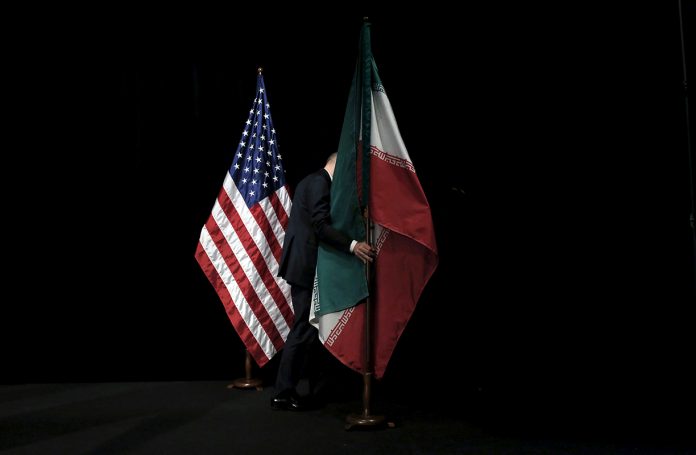
Iran ex-foreign minister: Indirect Tehran-Washington talks going on for years

Iran US Flags

Kamal Kharrazi, the Chairman of the Strategic Council on Foreign Relations, in an interview with Al Jazeera, said, “Indirect talks between Iran and the US are not new. It has been in place for years and it is still in place today, either through the Swiss Embassy, which protects American interests in Iran, or through some countries in the region.”

On the Israeli military campaign against the Gaza Strip and the spillover of the conflict in the region, Kharrazi said, “In the recent developments, both Iran’s and America’s policies were based on preventing the expansion of the war, and we had indirect talks with the US in this regard.”

The former foreign minister made the assertion answering a question on some US media reports that Washington accosted Tehran after its reprisal Operation True Promise against the Israeli regime last month to stop the spread of the war.

Asked whether American officials urged Iran to stop backing the Lebanese Hezbollah movement, he said, “The US cannot make such a request. We have the duty to defend the axis of resistance. If the US makes such a request, the answer is negative.”

Kharrazi further explained that the resistance movements in Lebanon, Palestine, Yemen, and Iraq do not receive orders from Iran and only consult with it.