Saturday, December 27, 2025
Home Blog Page 717

At least 2 killed, dozens injured in Israeli airstrikes on Beirut, fate of Hezbollah chief unclear

Lebanon War

At least two people were killed and 76 injured by several Israeli airstrikes on the southern suburbs of Beirut, the Lebanese Health Ministry said Friday.

The ministry added this was a preliminary casualty count. Rescuers continue to search through the rubble and the ministry “expects the casualty count to rise in the coming hours”.

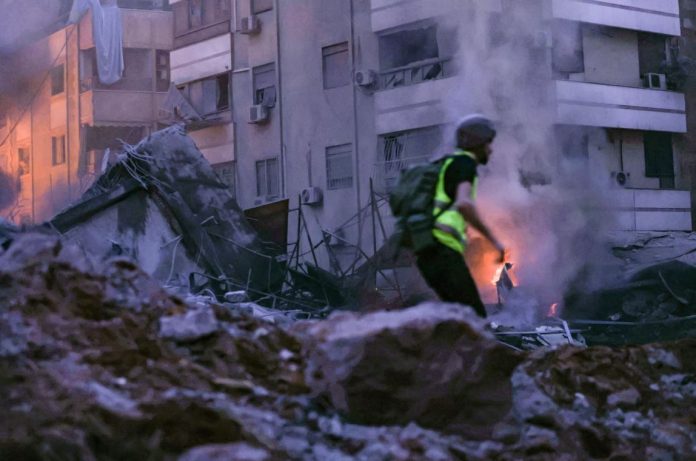
Six buildings were completely destroyed by several Israeli strikes, state news agency NNA reported. Video from the immediate aftermath of the explosion showed a massive crater that dwarfed the rescuers navigating the rubble nearby.

Images of the aftermath of Israeli strikes on Beirut suggest 2,000-pound bombs were used.

Lebanon’s Health Minister, Firass Abiad, said there had been a “complete decimation” of four to six residential buildings as a result of the Israeli strikes on Beirut on Friday.

Abiad told the New York Times that the number of casualties in hospitals was low so far because people were still trapped under the rubble, adding, “They are residential buildings. They were filled with people. Whoever is in those buildings is now under the rubble.”

Israeli officials claim Nasrallah was the target of the raid in the Lebanese capital Beirut, stating the Israeli military is working to verify whether he was killed in the attack.

When asked whether the Hezbollah leader is alive or dead following a massive Israeli strike in Beirut, a Lebanese security official told CNN: “We wait.”

But, citing a source close to the group, Reuters reported that Nasrallah is alive. A close source to Hezbollah also told AFP that the resistance leader is “fine”.

Najib Mikati, the caretaker Prime Minister of Lebanon, stressed that the Israeli attack on Beirut shows that Tel Aviv “does not care” about global calls for a ceasefire in Lebanon.

The raid marked a major escalation by Israel, which has been gradually expanding deadly strikes on Lebanon in recent days.

Last week, thousands of pagers and other devices exploded in Lebanon. At least 37 people were killed and more than 3,000 were wounded in the blasts. At least 45 people, including top Hezbollah commander Ibrahim Aqil and other senior commanders of the Radwan special forces unit, were also killed and dozens more wounded in an Israeli air raid in Beirut last Friday.

Then on Monday, Israel began launching hundreds of air strikes that have killed more than 700 people across Lebanon this week, including children and women.

Additionally, more than 118,000 people have been displaced, according to the International Organization for Migration (IOM). However, Lebanon’s minister in charge of the crisis response estimates that the actual number of displaced people is more than 250,000.

Hezbollah has responded with rocket and missile attacks on a number of sites across the occupied territories.

On Thursday, Tel Aviv rejected a US and French proposal for a temporary 21-day truce between Hezbollah and Israel.

Addressing the United Nations General Assembly on Friday, Prime Minister Benjamin Netanyahu pledged Israel will fight until “total victory” in its continuing war on the Gaza Strip and promised to continue attacks on Hezbollah, as hopes faded for a ceasefire that could head off an all-out regional war.

Israeli attacks on Gaza have killed more than 41,500 Palestinians and wounded more than 96,000 others since October 7, according to the Palestinian Health Ministry.
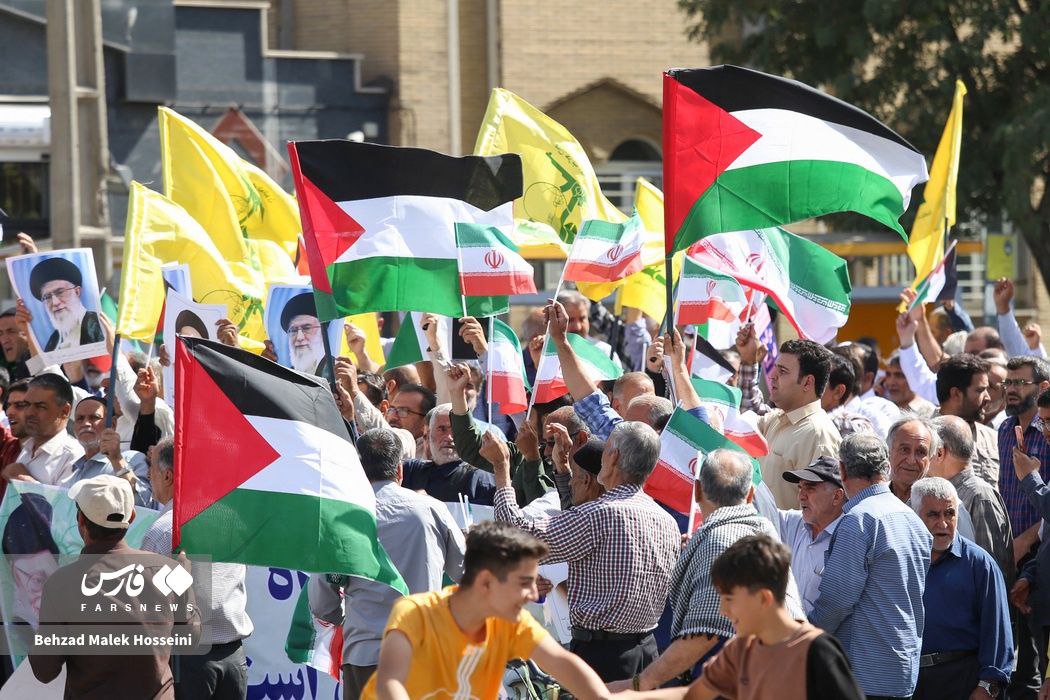
Iranians hold countrywide rallies against Israel

Iranians hold countrywide rallies against Israel

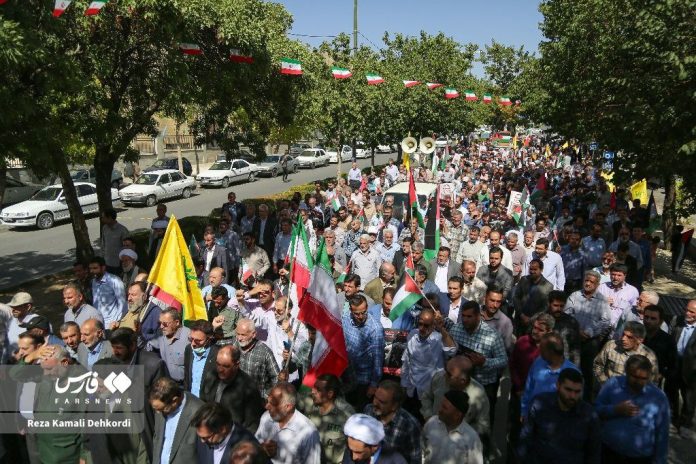
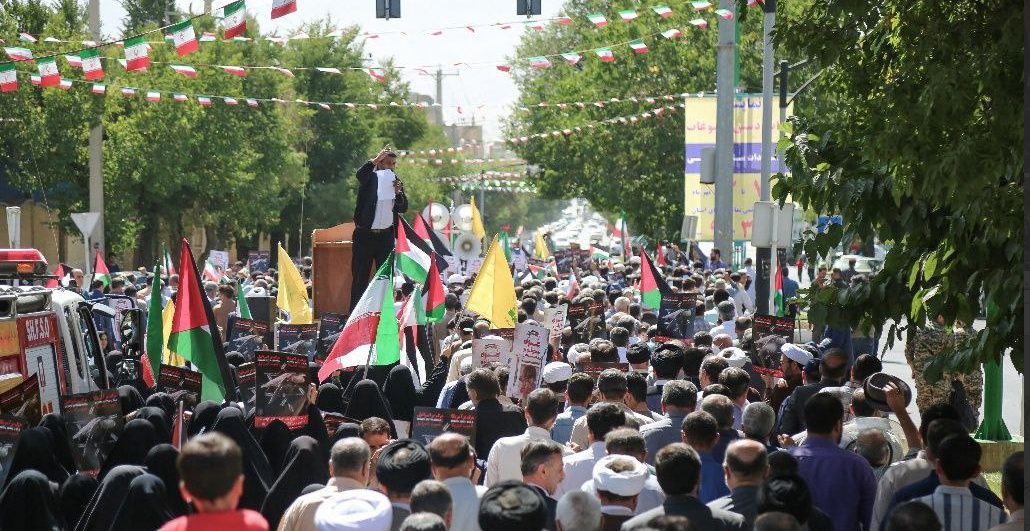
The demonstrations were held after the Friday prayers throughout Iran where the protesters had placards bearing slogans against Israel and its western supporters.

Iranians hold countrywide rallies against Israel

At the end of their rallies in Tehran, the protesters issued a statement, saying the Israeli regime’s targeting of Hezbollah commanders shows the apartheid entity is bent on broadening the war across the region.

The ralliers also demanded that the UN stop Israel’s atrocities against Palestinians and the Lebanese and pave the way for the Palestinian people to determine their fate through a referendum or peace will not be restored in the Middle East.

Iranians hold countrywide rallies against Israel

The experience of the past year and the shameful silence of the UN Security Council and international organizations toward the Israeli regime’s crimes shows that international institutions actually serve the interests of arrogant powers and the Zionist regime, said the demonstrators.

The protesters reaffirmed Iran’s support for the cause of Palestine and vowed that the assassination of Hamas leader Ismail Haniyeh by Israel would not go unanswered.

Iran FM Says Ending Occupation Only Way to Peace in Palestine

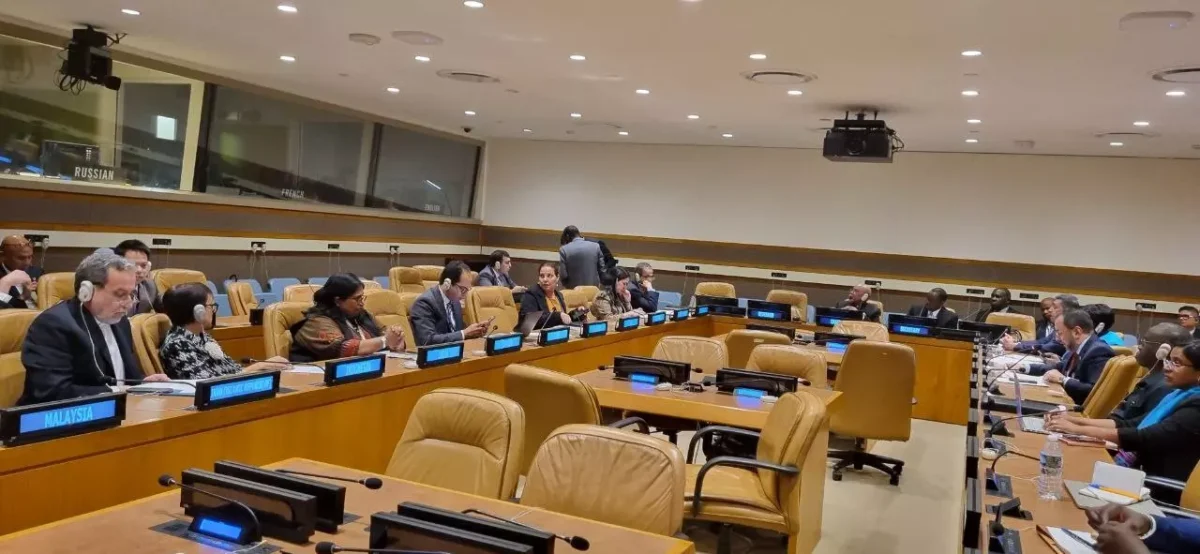
Araqchi made the remarks in a meeting of the Non-Aligned Movement (NAM) Ministerial Committee on Palestine held on Thursday in New York.

Referring to the escalation of violence and human rights violations against Palestinian civilians by the Israeli regime during the past year, the foreign minister said the number of those killed in Gaza is approaching the 42,000 mark, 70 percent of whom are innocent children and women.

Iran FM Says Ending Occupation Only Way to Peace in Palestine

Araqchi pointed out that the developments in Palestine prove that the efforts to destroy the Palestinian resistance and Hamas, as a liberation movement, have not been successful.

He also touched on the situation in Lebanon, saying, the Israeli regime’s strikes on Lebanon and breaching the country’s sovereignty and territorial integrity are worrying and have put the lives of innocent civilians at risk.

The Iranian foreign minister demanded the NAM Ministerial Committee on Palestine show its support for the Palestinian nation’s legitimate struggle by presenting meaningful proposals and measures, including an immediate and lasting ceasefire in Gaza and Lebanon, lifting the siege on Gaza, the release of Palestinian inmates, and the necessity for a complete Israeli pullout from Gaza.

The top Iranian diplomat said, “We suggest that all Palestinian people, whether in their own homeland or outside of Palestine, decide about their future through a referendum. We are confident that through this mechanism we can achieve a lasting peace in which Muslims, Christians, and Jews can live together in peace and harmony.”

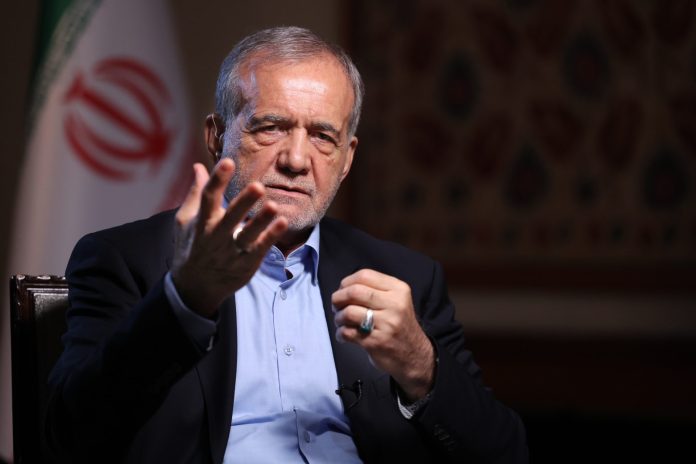
President Pezeshkian: Iran-China Agreements to Be Implemented

Masoud Pezezhkian

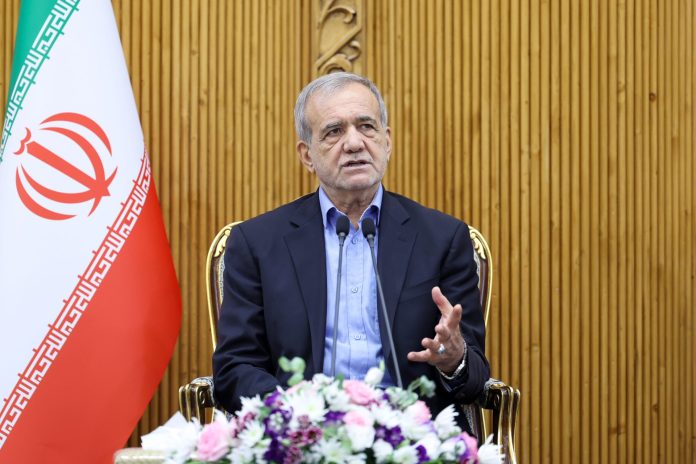
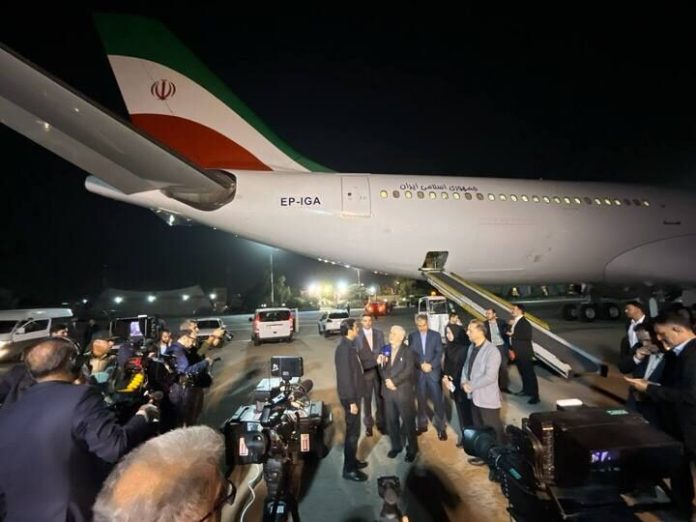
Upon returning from New York, where he attended the 79th session of the UN General Assembly, President Pezeshkian stated that the Foreign Ministries of both Iran and China are responsible for following up on the agreements made during Martyr President Ebrahim Rayeesi’s tenure, covering various economic, security, and political areas.

Calling his trip a blessed one, he added, “During the meeting with heads of muslim states, I expressed Iran’s concerns regarding Palestine and Lebanon. Further meetings are planned.”

Regarding the Israeli regime’s crimes in the West Asia region, President Pezeshkian noted that the President of the European Council and several European leaders condemned Israel’s atrocities in Palestine and Lebanon, but acknowledged that the US should play a role in resolving the issue.

He criticized the double standards of certain states, particularly European ones, stating, “In the face of minor issues in Iran, they accuse Tehran of violating human rights, while remaining silent about the widespread crimes committed by the Israeli regime and the killing of thousands of people.”

He also addressed the discussions on the Iran nuclear deal (JCPOA), noting that all parties agreed to pursue the matter through their respective Foreign Ministries.

In addition, President Pezeshkian expressed condolences to the families of those who lost their lives in the recent mining accident in Northeastern Iran and pledged the government’s support for them.

Iran president brings home over 1,100 millennia-old tablets from US 

The invaluable tablets, which are over 2,500 years old and provide a window into the Persian ancestors’ life, were sent back after 85 years following extensive talks between Iranian officials and the Center for East Asian Studies (CEAS) at the University of Chicago in the US.

Inscribed in cuneiform Elamite, and Aramaic languages, the tablets give an insight into a powerful empire in history that extended from the Balkans and Egypt to India and Central Asia, during the rule of Darius I, known as Darius the Great.

They contain details about wages and the economy of the Achaemenid society in ancient Persia, management of natural resources, roads, basic necessities of life, and many other issues related to social relations.

The US had refused to send back the tablets it had received on loan and at one point in 2006.

A US federal court allowed the ancient collection to be seized and auctioned, a ruling which was overturned in an appeals court.

The tablets, which are hailed as President Pezeshkian’s souvenir for the Iranian nation, will be put on display for the general public in two weeks.

Pres. Pezeshkian: Iran to decide timing, manner of response to Haniyeh’s assassination

Masoud Pezeshkian

In an interview with Al Jazeera Arabic, President Pezeshkian further emphasized that Israel, with the backing of the United States, seeks to plunge the region into chaos by resorting to war in an attempt to free itself from the trap it has fallen into.

President Pezeshkian called for unity among Islamic nations, stressing the need for internal cooperation to manage the country.

He noted that the unity and cohesion of Islamic countries will disrupt the Zionist regime’s plots.

“The enemy is attempting to undermine the strategy of unity and solidarity,” he warned, underscoring the importance of collective resistance against such efforts.

Ismail Haniyeh, the political leader of the Palestinian resistance movement, Hamas, was assassinated by Israel in an attack on his residence in Tehran on July 31, 2024. He was in Tehran to attend the inauguration ceremony of President Pezeshkian.

Iran deplores US-UAE statement on 3 Persian Gulf islands

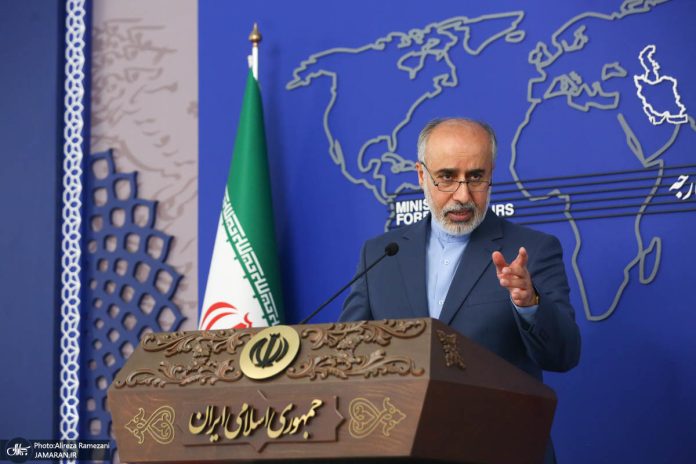
Nasser Kanaani

“The three islands of Abu Musa, Greater Tunb, and Lesser Tunb are inseparable parts of Iran’s territory and any remarks by third parties regarding them are fundamentally invalid and unacceptable,” Kanaani said in a statement on Wednesday.

He added that the repeated baseless claims by the UAE about the three Iranian islands and the issuance of political statements in collaboration with other parties lack legitimacy and do not undermine Iran’s legal status or sovereignty over the islands.

Following a meeting at the White House on Monday, US President Joe Biden and UAE President Sheikh Mohamed bin Zayed Al Nahyan issued a joint statement on the strategic partnership between their countries, which included a paragraph repeating the UAE’s claim to the Iranian islands.

The three Persian Gulf islands have historically been part of Iran, proof of which can be found in historical, legal, and geographical documents in Iran and other countries.

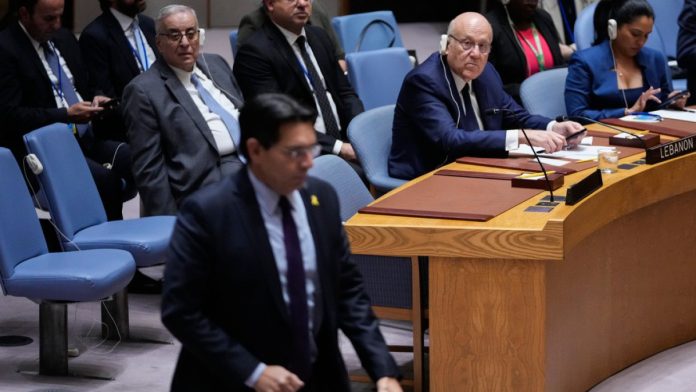
Israel ‘spreading terror’: Lebanon’s PM tells UN Security Council

Lebanon Israel UN

An urgent meeting of the security council was called on Wednesday by France, with the French foreign minister taking the opportunity to unveil efforts with the United States to reach a temporary pause in fighting between Israel and Hezbollah.

“Israel is violating our sovereignty by sending their warplanes and drones to our skies,” Mikati told the emergency meeting at UN headquarters in New York.

De-escalation is urgently needed, Mikati said, as Israel’s aerial bombardment, attacks on electronic devices and threatened ground invasion have spread “terror and fear among the Lebanese citizens in full view of the world”.

“I hope to come back to my country armed with your explicit stance calling for the cessation of this aggression and for the respect of the sovereignty and safety of my country,” Mikati told the 15 members of the UN’s most powerful body.

France’s Foreign Minister Jean-Noel Barrot said his country had been working to address Lebanon’s concerns.

“In recent days, we’ve worked with our American partners on a temporary ceasefire platform of 21 days to allow for negotiations,” Barrot added.

Deputy US ambassador to the UN, Robert Wood, said Washington hoped the ceasefire proposal would “lead to calm and enable discussions to a diplomatic solution”.

“Nobody wants to see a repeat of the full-blown war that occurred in 2006,” Woods added, while also directing blame for Israel’s attack on Lebanon to Hezbollah’s “build up of weapons, many of which are supplied by Iran”.

Israel’s intensification of attacks on Lebanon comes as the 12-month anniversary of Hamas’s attacks on Israel on October 8 nears, and Israel’s ensuing war on Gaza approaches the one-year mark with no end in sight.

Against this backdrop of Israel’s war on Gaza and attacks on Lebanon, Israeli Prime Minister Benjamin Netanyahu is expected to arrive in New York on Thursday to make a case at the UN for his far-right government’s military operations.

UN Secretary-General Antonio Guterres also addressed the emergency UNSC meeting on the burgeoning conflict in Lebanon after days of deadly Israeli attacks.

Lebanon cannot become another Gaza, said the UN chief.

“I implore the Council to work in lockstep to help put out this fire. The parties must immediately return to a cessation of hostilities … Civilians must be protected. Civilian infrastructure must not be targeted. The safety and security of all UN assets must be ensured. International law must be respected,” added Guterres.

“To all sides, let’s say in one clear voice: Stop the killing and destruction, tone down the rhetoric and threats, and step back from the brink.”

Guterres stated an all-out war must be avoided “at all costs”.

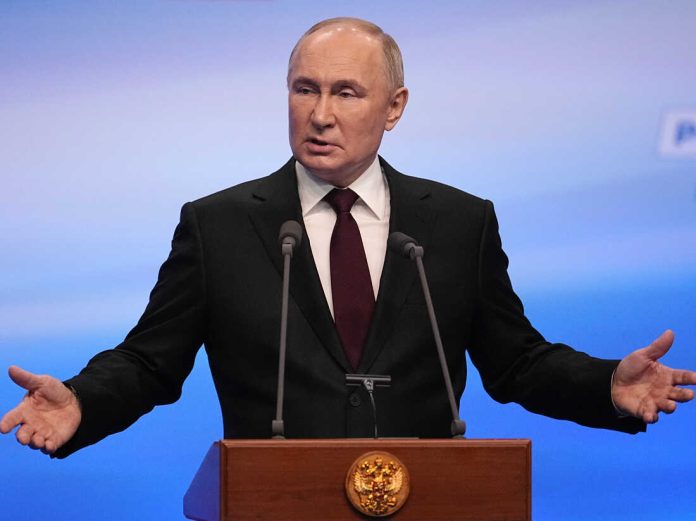
Russia could use nuclear weapons: Putin

Putin

The decision to change Russia’s official nuclear doctrine is the Kremlin’s answer to deliberations in the United States and Britain about whether or not to give Ukraine permission to fire conventional Western missiles into Russia.

Putin, opening a meeting of Russia’s Security Council, said that the changes were in response to a swiftly changing global landscape which had thrown up new threats and risks for Russia.

The 71-year-old Kremlin chief, the primary decision-maker on Russia’s vast nuclear arsenal, stated he wanted to underscore one key change in particular.

“It is proposed that aggression against Russia by any non-nuclear state, but with the participation or support of a nuclear state, be considered as their joint attack on the Russian Federation,” Putin added.

“The conditions for Russia’s transition to the use of nuclear weapons are also clearly fixed,” Putin said, adding that Moscow would consider such a move if it detected the start of a massive launch of missiles, aircraft or drones against it.

Russia reserved the right to also use nuclear weapons if it or ally Belarus were the subject of aggression, including by conventional weapons, Putin said.

Putin added the clarifications were carefully calibrated and commensurate with the modern military threats facing Russia – confirmation that the nuclear doctrine was changing.

Russia’s current published nuclear doctrine, set out in a 2020 decree by Putin, says Russia may use nuclear weapons in case of a nuclear attack by an enemy or a conventional attack that threatens the existence of the state.

The innovations outlined by Putin include a widening of the threats under which Russia would consider a nuclear strike, the inclusion of ally Belarus under the nuclear umbrella and the idea that a rival nuclear power supporting a conventional strike on Russia would also be considered to be attacking it.

The United States in 2022 was so concerned about the possible use of tactical nuclear weapons by Russia that it warned Putin over the consequences of using such weapons, according to Central Intelligence Agency Director Bill Burns.

The 2-1/2-year-old Ukraine war has triggered the gravest confrontation between Russia and the West since the 1962 Cuban Missile Crisis – considered to be the closest the two Cold War superpowers came to intentional nuclear war.

Ukrainian President Volodymyr Zelensky has been urging Kyiv’s allies for months to let Ukraine fire Western missiles, including long-range U.S. ATACMS and British Storm Shadows, deep into Russia to limit Moscow’s ability to launch attacks.

With Ukraine losing key towns to gradually advancing Russian forces in the country’s east, the war is entering what Russian officials say is the most dangerous phase to date.

Zelensky has urged the West to cross and disregard Russia’s so-called “red lines”, and some Western allies have urged the United States to do just that, though Putin’s Russia, which controls just under one-fifth of Ukrainian territory, has warned that the West and Ukraine are risking a global war.

“Russia no longer has any instruments to intimidate the world apart from nuclear blackmail,” Andriy Yermak, Zelensky’s chief of staff, stated in response to Putin’s remarks.

“These instruments will not work,” he added.

Putin, who casts the West as a decadent aggressor, and U.S. President Joe Biden, who casts Russia as a corrupt autocracy and Putin as a killer, have both warned that a direct Russia-NATO confrontation could escalate into World War Three. Republican presidential candidate Donald Trump has also warned of the risk of nuclear war.

Russia is the world’s largest nuclear power. Together, Russia and the U.S. control 88% of the world’s nuclear warheads.

In his remarks to Russia’s Security Council, a type of modern-day politburo of Putin’s most powerful officials including influential hawks, Putin said that work on amendments on changing the doctrine had been going on for the past year.

“The nuclear triad remains the most important guarantee of ensuring the security of our state and citizens, an instrument for maintaining strategic parity and balance of power in the world,” Putin continued.

Russia, he added, would consider using nuclear weapons “upon receiving reliable information about the massive launch of aerospace attack vehicles and their crossing of our state border, meaning strategic or tactical aircraft, cruise missiles, drones, hypersonic and other aircraft”.

10 Democrats vote to censure Biden, Blinken, Pentagon chief over Afghanistan withdrawal

US Forces Afghanistan

Among those censured in the bill were President Biden, Vice President Kamala Harris, Secretary of State Antony Blinken and Secretary of Defense Lloyd Austin. The vote on the legislation was mostly split along party lines, but 10 Democrats voted with Republicans for the bill’s passage in a 219-194 vote. Eight Democrats reported not voting.

The 10 Democrats who bucked their party, per a roll call from the House clerk are:

Rep. Yadira Caraveo (Colo.), Rep. Henry Cuellar (Texas), Rep. Don Davis (N.C.), Rep. Jared Golden (Maine), Rep. Vicente Gonzalez (Texas), Rep. Jeff Jackson (N.C.), Rep. Greg Landsman (Ohio), Rep. Susie Lee (Nev.), Rep. Mary Peltola (Alaska) and Rep. Marie Gluesenkamp Perez (D-Wash.).

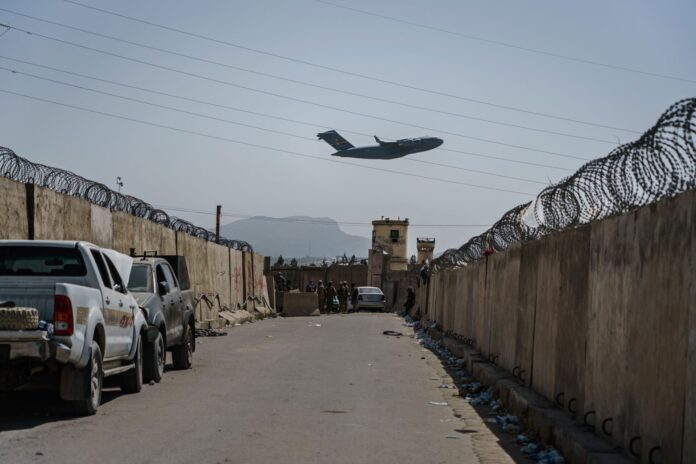
The chaotic withdrawal from the country saw Kabul fall back into the hands of Taliban as many Afghans, including top officials, fleeing the country for safety.

Last month, a GOP report analyzing the U.S. withdrawal from Afghanistan painted a picture of Biden determined to leave the country but fumbling preparations.

Biden and the White House have repeatedly said they have no regrets for the exit plan, in which 13 service members were killed at an airport trying to help people leave the country.