Tuesday, December 30, 2025
Home Blog Page 689

Iran seeking to prevent expansion of regional conflict: President Pezeshkian to India’s Modi

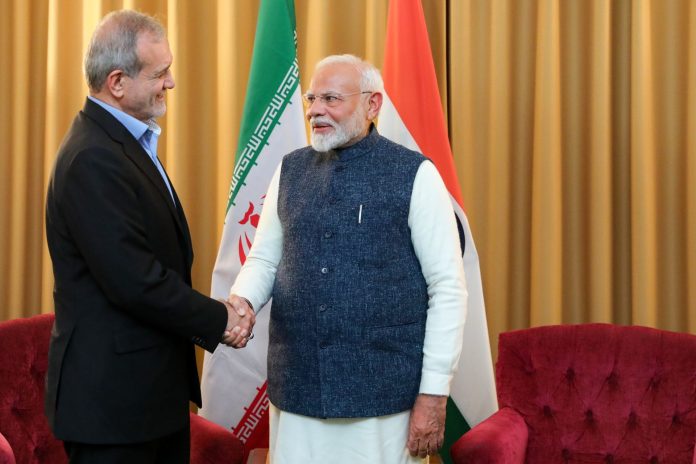
Pezeshkian made the remarks during a meeting with Indian Prime Minister Narendra Modi on Tuesday in the western Russian city of Kazan, as they attend the summit of the BRICS group of nations.

“We believe that warfare prevents countries’ development, and have, therefore, decisively pursued and continue to pursue preventing expansion of tension and conflict in the region,” the Iranian chief executive asserted.

He contrasted Iran’s message and performance that was directed towards development of peace and friendship with those of the Israeli regime, which was “pursuing crimes, massacres, and warmongering.”

Pezeshkian cited the regime’s assassination of the Palestinian resistance movement Hamas’s former Political Bureau chief, Ismail Haniyeh, in the Iranian capital Tehran on July 31, only a day after his presidential inauguration, as an instance of the regime’s attempts at obstructing the Islamic Republic’s pursuit of its peaceful goals.

“The Zionist regime has shown that it only seeks warfare and conflict,” the Iranian president said, hoping that the regime’s supporters, which laid claim to defending human rights, revisit their approach and support for Tel Aviv, to help cessation of its atrocities.

For his part, Modi denounced Israel’s atrocities in the Gaza Strip and Lebanon, where it has killed tens of thousands of people since last October, saying India was taking part in consultations that were aimed at helping establishment of peace and calm in the region.

The officials, meanwhile, condemned the existing double standards regarding the issue of human rights, which has seen the regime’s supporters defending its atrocities in the region in the name of “self-defense,” while denouncing regional resistance groups’ retaliatory operations.

Elsewhere in his remarks, Pezeshkian considered expansion of economic relations and cooperation among the regional countries to be a source of enhancement of the nations’ welfare and security.

He said he had proposed formation of a regional communication network among the countries towards realization of the purpose, noting that BRICS’ structure serves as a proper model and platform for realization of the idea.

Modi concurred with Pezeshkian on the need for development of the regional economic ties, saying the prospect served the interests of the entire region.

The officials also expressed their respective countries’ interest in development of their bilateral relations, stressing the need for expedient implementation of the agreement that the two sides signed in May on development of the southern Iranian port city of Chabahar.

The Indian prime minister pointed to his trip to the Islamic Republic in 2016, during which he met with Leader of the Islamic Revolution Ayatollah Seyyed Ali Khamenei, describing his visit as memorable and asking Pezeshkian to convey his regards to Ayatollah Khamenei.

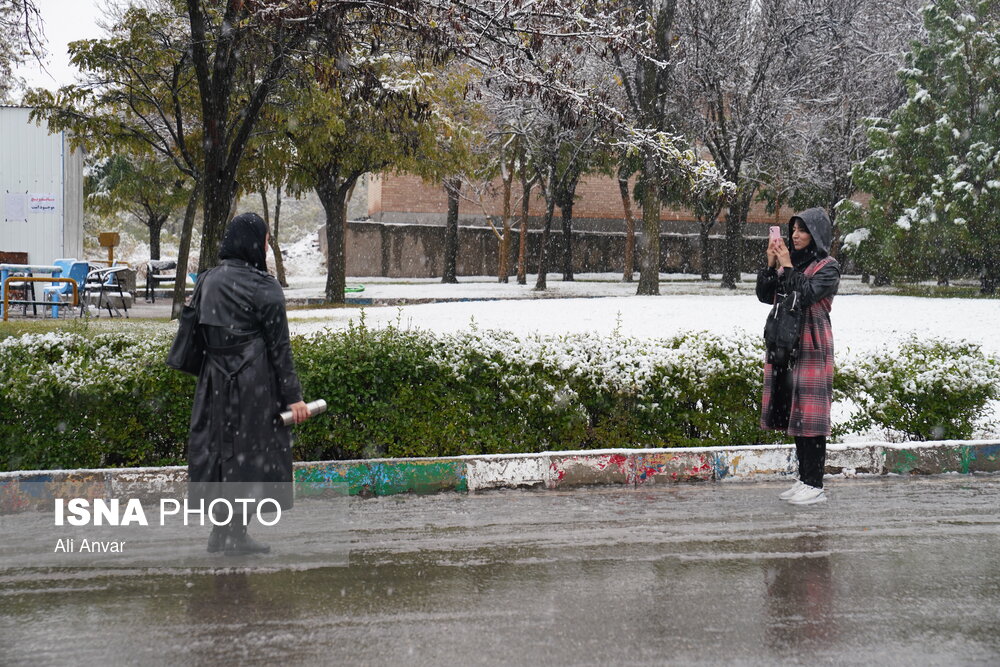
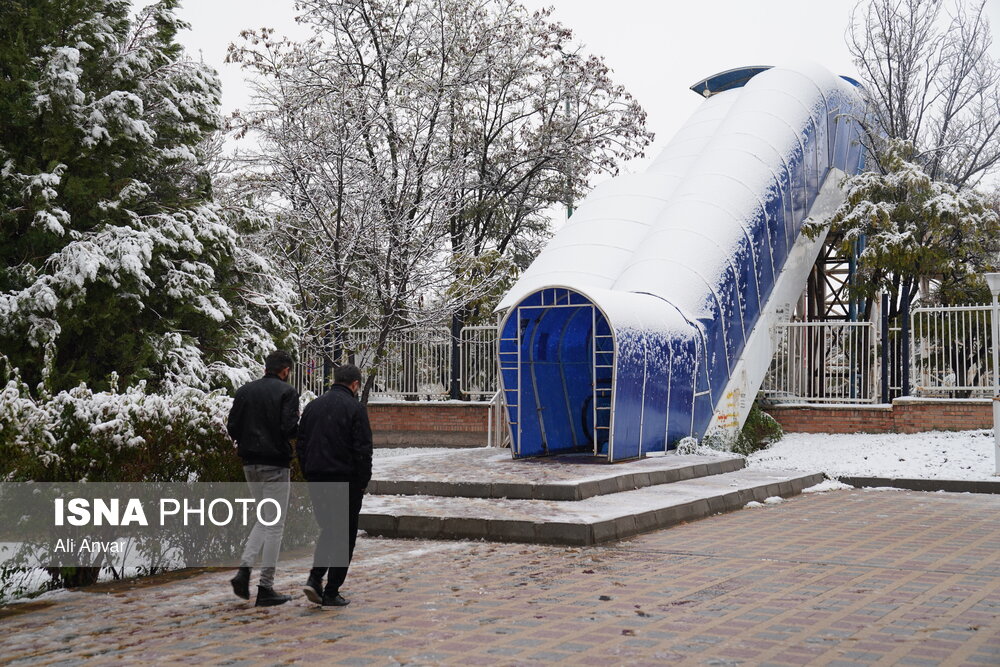
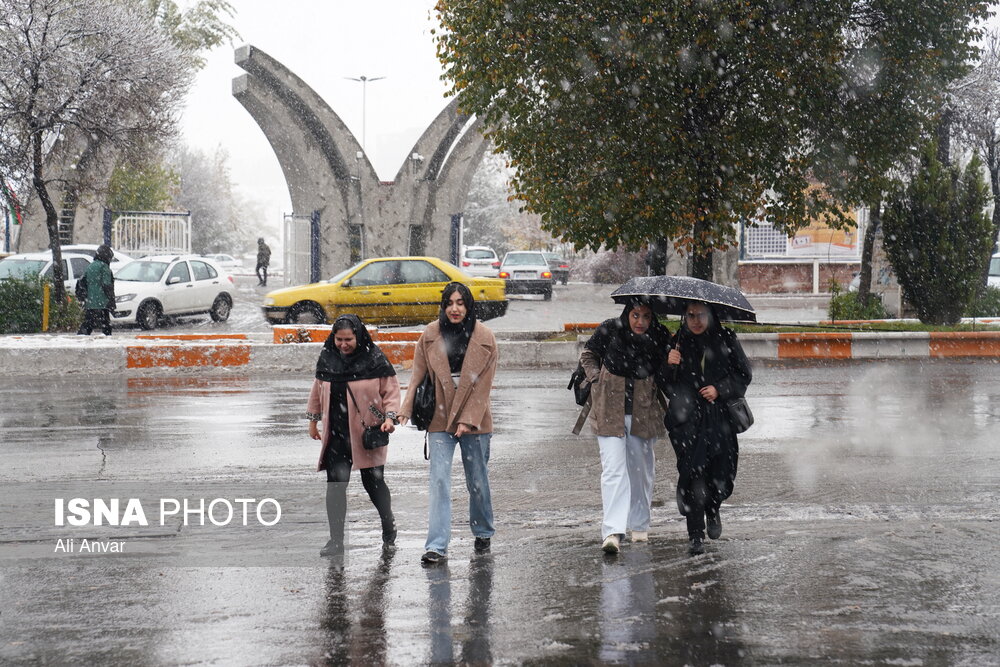
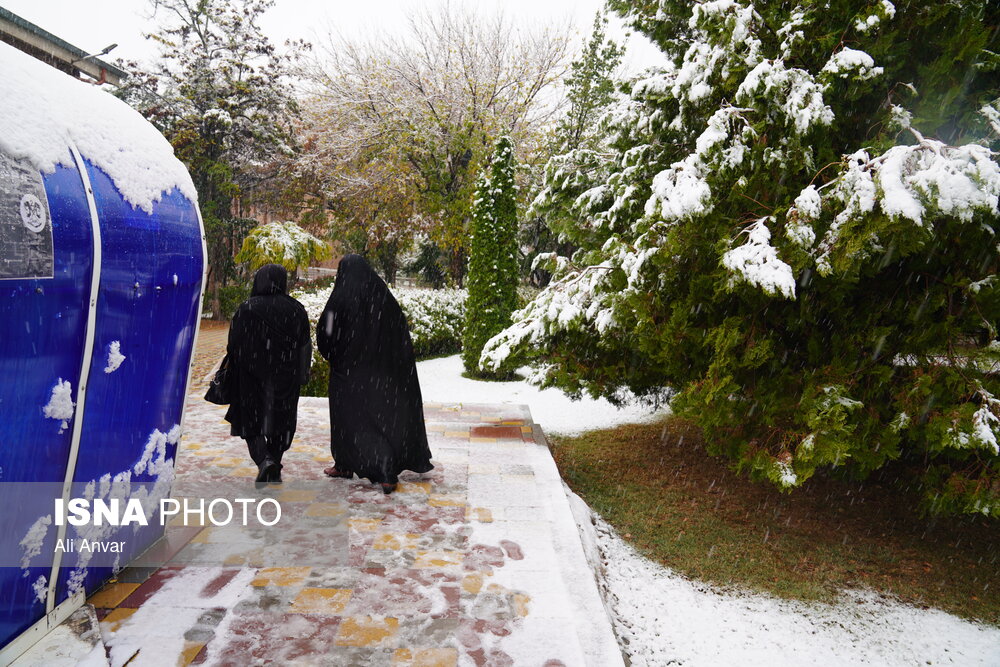
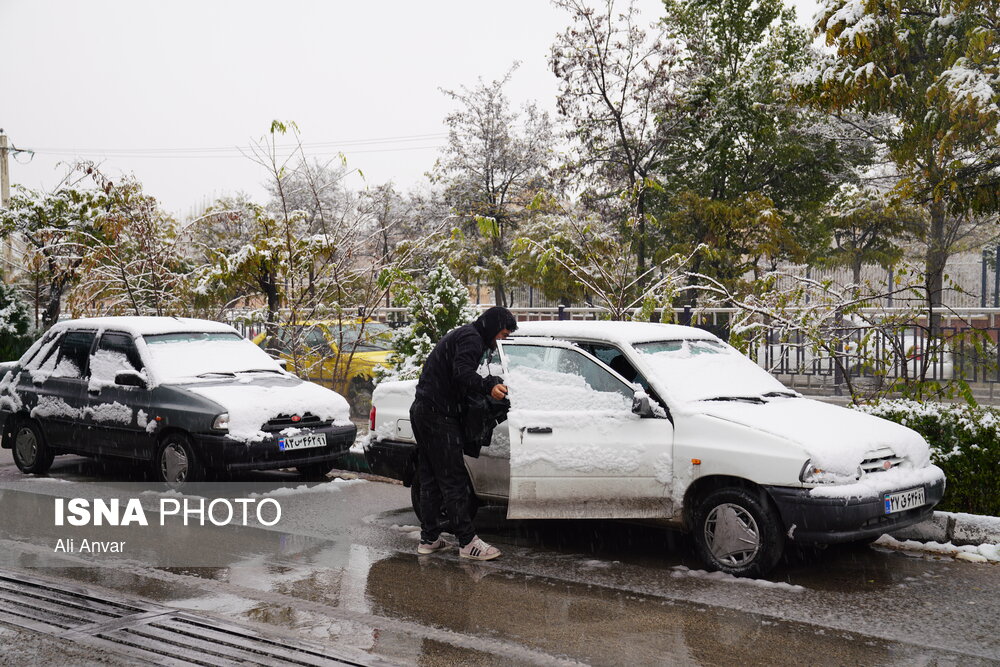
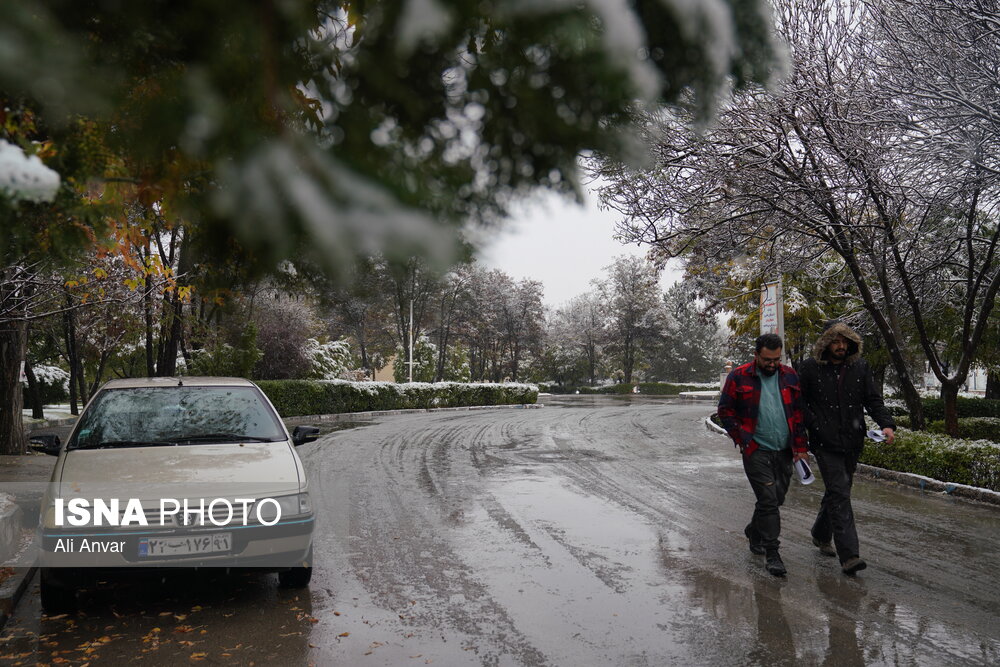
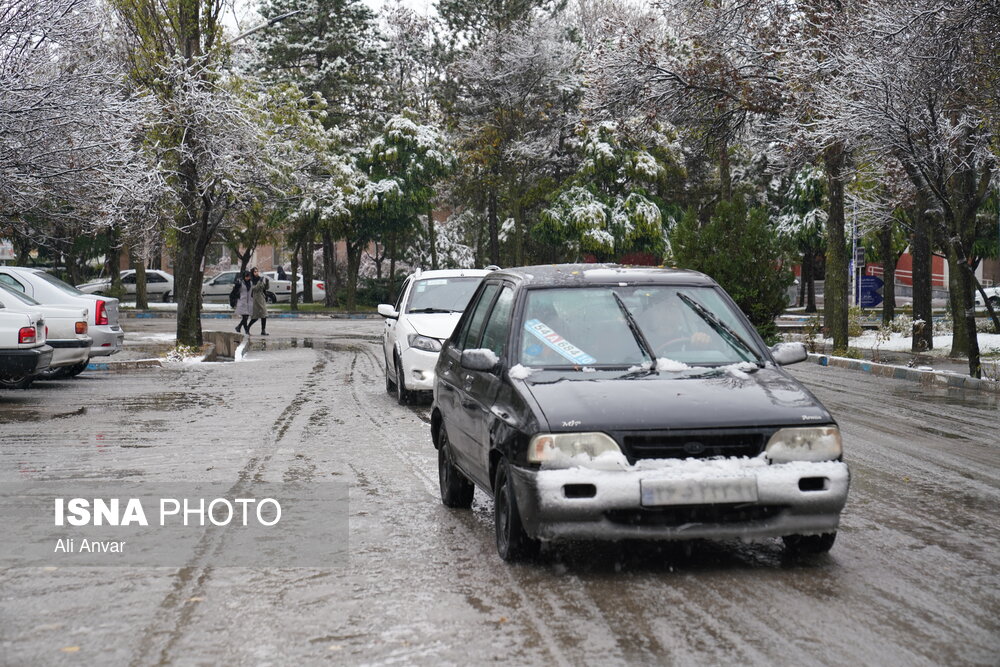
Different Iranian cities blanketed in snow

Due to the snowfall, elementary schools in several cities across the province were closed.

Snowfall, which started on Tuesday in different parts of Ardabil, continued as snow from midnight and is still ongoing in various areas.

Besides Ardabil, several other provinces in Iran have also experienced snowfall.

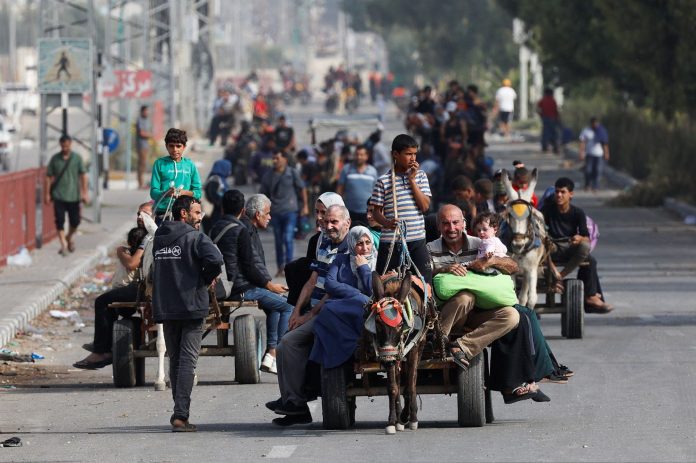
Poverty rate in Palestine rockets as war knocks Gaza development back to 1955: Report

Gaza

“The immediate consequence of the war, not just in physical infrastructure destruction, but also in terms of poverty, livelihoods and loss of livelihoods, is enormous,” Achim Steiner, head of the UN Development Programme (UNDP), said on Tuesday.

The “level of destruction has set back the state of Palestine by years, if not decades, in terms of its development pathway,” Steiner added.

The poverty rate had been 38.8% at the end of 2023, but another 2.61 million Palestinians fell into poverty this year, bringing the total to 4.1 million, according to the new assessment by the UNDP.

Launching a new study on the socioeconomic impacts of the war, Steiner said that even if humanitarian aid is provided each year, the economy will not return to its pre-crisis levels for a decade or more.

“Projections in this new assessment confirm that amid the immediate suffering and horrific loss of life, a serious development crisis is also unfolding – one that jeopardizes the future of Palestinians for generations to come,” he noted.

Recovery will also require support to rebuild destroyed capital and the lifting of “stifling economic conditions”.

The Palestinian economy is now 35% smaller than it was at the start of Israel’s invasion a year ago, while development levels in Gaza itself have collapsed to the level of the 1950s, erasing over 69 years of progress, the UNDP added.

Noguchi Chitose, the deputy special representative of the UNDP’s Program of Assistance to the Palestinian People, stated that by some measures, the region’s poverty level was now approaching 100% as a result of the disruption, with unemployment now at 80%.

“The state of Palestine is experiencing unprecedented levels of setbacks,” Chitose said over a crackling line from Deir Al-Balah.

“For Gaza, reversing development by an estimated 70 years to 1955.”

The study says Israel’s bombing campaign created 42 million tons of rubble in Gaza, creating major health risks. The destruction of solar panels is particularly dangerous given the lead and other heavy metals they release.

Israel’s bombing and ground offensives in Gaza have killed more than 42,500 people, mainly women and children, according to data provided by local health authorities, figures the UN considers reliable.

The war followed Palestinian resistance group Hamas’s attack on Israel on Oct. 7 last year, which resulted in the deaths of around 1,200 people, according to Israeli figures.

“Our assessments serve to sound the alarm over the millions of lives that are being shattered and the decades of development efforts that are being wiped out,” noted United Nations Economic and Social Commission for Western Asia (ESCWA) Executive Secretary Rola Dashti.
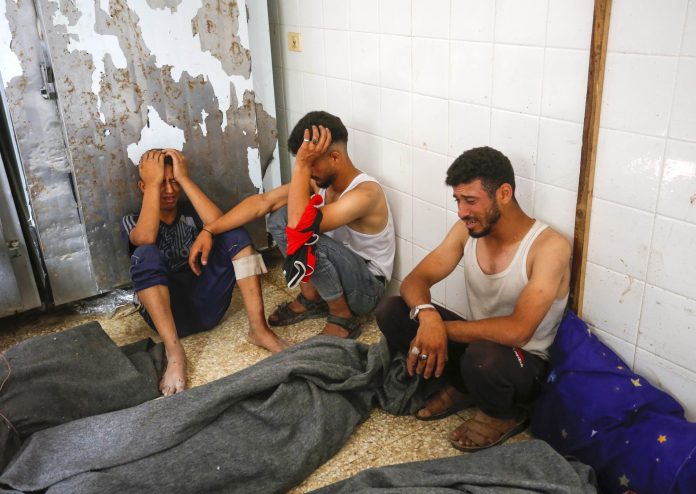
“It is high time to end the suffering and bloodshed that have engulfed our region. We must unite to find a lasting solution where all peoples can live in peace, dignity, and reap the benefit of sustainable development, and where international law and justice are finally upheld,” Dashti added.

The UNDP assessment suggested that a comprehensive recovery and reconstruction plan, combining humanitarian aid with strategic investments in recovery and reconstruction along with lifting economic restrictions and promoting recovery-enabling conditions, could help put the Palestinian economy on a restorative track to realign with Palestinian development plans by 2034.

However, this scenario can only play out if recovery efforts are unrestricted.

US Department of Justice’s lawyers call for investigation into Israel’s killing of Americans in West Bank

Aysenur Ezgi Eygi

“US courts have jurisdiction over the more than 23,000 US citizens currently serving in Israel’s armed forces, along with IDF members or other Israeli officials that travel to the United States,” the unnamed lawyers wrote to Garland.

The DOJ has investigated and brought about sanctions on Russia for the war in Ukraine, and the Palestinian group Hamas, but it has yet to do the same when it comes to Israel and its war on Gaza – which was pointed out by the authors of the letter.

The DOJ, they added, “ has appropriately demonstrated its commitment to upholding the rule of law in the midst of ongoing geopolitical conflicts”, but that “against the backdrop of numerous potential violations of US law by individuals and entities affiliated with Israel, the Department’s silence and apparent inaction is a stark omission ”.

The internal letter is said to outline three areas for a DOJ investigation: the accounts of torture, starvation, and forcible displacement that may amount to war crimes in Gaza; the killings of American citizens like Shireen Abu Akleh, Omar Assad, and most recently, the activist Aysenur Eygi; and the illegal settlements in the West Bank supported by US groups with charity status.

In November 2022, the DOJ unexpectedly opened an investigation into journalist Abu Akleh’s killing by Israeli soldiers in Jenin six months earlier.

The norm had been for US administrations to defer to Israeli investigations and courts.

Israel refused to participate in the DOJ’s undertaking, and there has yet to be an update about the probe from the Biden administration.

Assad, 78, died of a heart attack after being manhandled by Israeli soldiers on his way home from a card game. The US considered sanctions against the Netzah Yehuda battalion that was responsible but eventually decided against it.

“You told us that ‘we must treat like cases alike’,” the lawyers wrote in their appeal to Garland. “You insisted that, guided by these norms, ‘we will not allow this nation to become a country where law enforcement is treated as an apparatus of politics’.”

The now 13-month-long war on Gaza has resulted in the known killings of at least 42,000 Palestinians, with at least 17,000 of those children, according to Gaza-based government media office.

The Palestinian civil defence says that at least 10,000 people are reported missing under the rubble of Gaza’s infrastructure destroyed by Israeli air strikes and collapsed buildings.

Early this year, the International Court of Justice said “some of the acts” by Israel in Gaza “appear to be capable of falling within the provisions of the [Genocide] Convention”.

The judges also said they were “gravely concerned” at the treatment of Palestinian detainees there. Eyewitness accounts and video from local journalists in Gaza have shown physical and mental signs of torture on freed detainees, many of whom return unable to speak.

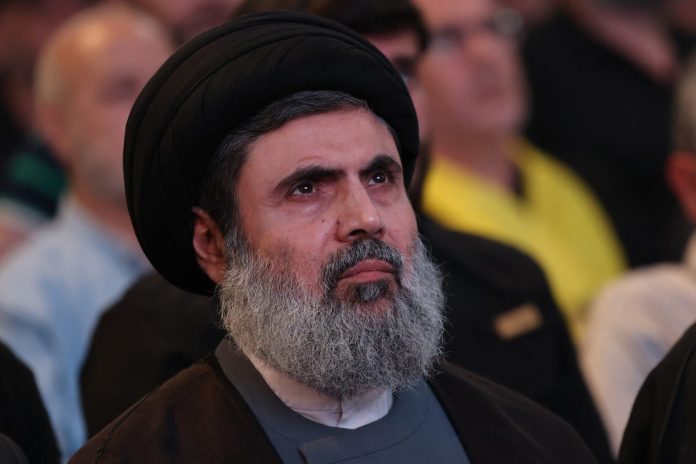
Israel says it has confirmation Nasrallah successor killed in Beirut attack

In a post on X, Israeli army claimed that it killed Safieddine as well as “Hossein Ali Al-Zima, head of Hezbollah’s intelligence headquarters, killed in an attack in Dahiyah in Beirut, along with other commanders in Hezbollah” in early October.

There has been no comment from Hezbollah yet on the Israeli army claims.

Earlier this month, a Lebanese security source told Al Jazeera that Hezbollah has lost contact with Safieddine, who was seen as a possible successor to Nasrallah, after an Israeli air raid on Beirut’s Dahiyeh neighbourhood.

As the chairman of the Lebanese group’s Executive Council, Safieddine is a very high-ranking member of the organisation and also Nasrallah’s cousin.

Hezbollah and Israel have been engaged in cross-border warfare since the start of Israel’s war on the Gaza Strip, which has killed nearly 43,000 people, most of them women and children, following an attack by the Palestinian group Hamas last October.

More than 2,500 people have been killed and about 11,000 wounded in Lebanon in almost a year of cross-border fighting, with most of the deaths occurring in the past weeks.

The international community has warned that Israeli attacks in Lebanon could escalate the Gaza conflict into a wider regional war.

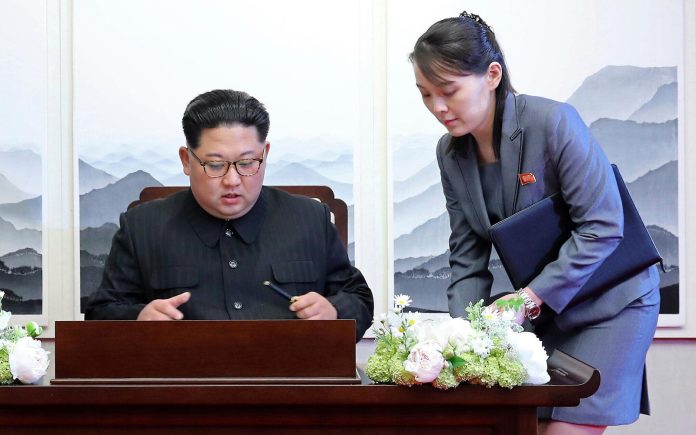
North Korean leader’s sister: Ukraine, South Korea like ‘bad dogs’ bred by US

The quotation circulated by state news agency KCNA on Tuesday did not refer to specific statements by the two governments, but said their “reckless remarks” seemed to be “a common feature of bad dogs bred by the US”. Kim also reiterated Pyongyang’s accusations against Seoul related to alleged violations of North Korean airspace.

Ukrainian officials claim that North Korean troops have been deployed on Russia’s side in the Ukraine conflict. The country’s leader, Volodymyr Zelensky, said in a keynote speech last week that Kiev is now fighting North Korea and Iran in addition to Russia.

South Korea has made similar claims, stating last week that Pyongyang intended to send as many as four brigades totaling 12,000 soldiers, including special forces, to help Moscow. The assessment came from the National Intelligence Service (NIS).

As a result, Seoul is now considering the deployment of a field intelligence mission to Ukraine to monitor the situation and may change its policy of not providing weapons to Kiev, news agency Yonhap said on Tuesday, citing a government source.

Moscow and Pyongyang have both rejected the accusation, with Kremlin spokesman Dmitry Peskov calling them a “bogus story” that even Western backers of Kiev refuse to endorse.

Last week, NATO Secretary General Mark Rutte stated he “cannot confirm” the reports, but called them “concerning.”

On Tuesday, a North Korean representative at the UN noted the allegations were “groundless rumors” that did not warrant a formal comment.

There has been an escalation of tensions on the Korean Peninsula in the past weeks. The North has blown up road and railway connections to the South, calling it a response to Seoul’s joint military exercises with American forces.

Over the weekend, Pyongyang also released images of what it said was a small drone that came from the South to drop propaganda leaflets on the North Korean capital. Seoul has neither confirmed nor denied its involvement.

Poll shows Trump leading Harris among Arab Americans

Trump

Trump leads Harris 45 percent to 43 percent among the key demographic with two weeks to go until voters choose the next US president, according to the Arab News/YouGov poll.

The Republican candidate is also seen as more likely to successfully resolve the Israel-Palestine conflict, leading his Democratic rival 39 percent to 33 percent on the question, according to the poll.

Trump and Harris are tied at 38 percent on the question of who would be better for the Middle East “in general”.

Asked which issues were the biggest concern to the Arab-American community, 29 percent of respondents chose the Israel-Palestine conflict, ahead of 21 percent who picked the economy and the cost of living and 13 percent who chose racism and discrimination.

Despite the edge for Trump, the former president is also seen as more supportive of Israel’s current government than his Democratic rival by a six-point margin, according to the poll.

Most of the results, based on a sample of 500 Arab Americans, are within the margin of error of plus or minus 5.93 percent.

The poll is the latest warning to Democrats that President Joe Biden’s support for Israel’s war in Gaza could be putting his vice president’s election hopes in jeopardy ahead of the November 5 vote.

In a poll released by the Arab American Institute earlier this month, Trump and Harris were virtually tied at 42 percent to 41 percent, respectively.

Harris’s level of support among Arab Americans in the poll was 18 points below where Biden’s was in 2020.

Arab-American voters are seen as potentially critical to Harris’s election prospects due to their high concentration in Michigan, one of seven swing states expected to decide the outcome of the vote.

The Midwestern state is home to the largest concentration of Arab Americans in North America and the first Arab-majority US city, Dearborn.

In September, the mayor of Michigan’s Hamtramck, the first US city with an all-Muslim government, endorsed Trump, describing the Republican as a “man of principles” and “the right choice”.

Biden won Michigan by about 150,000 votes in 2020, while Trump carried the state by only about 11,000 voters in 2016.

In a direct appeal to Muslim and Arab American voters on Monday, Trump took aim at Harris for campaigning with Republican former Congresswoman Liz Cheney, the daughter of former Vice President Dick Cheney, in the battlegrounds of Michigan, Pennsylvania and Wisconsin.

“If Kamala gets four more years, the Middle East will spend the next four decades going up in flames, and your kids will be going off to War, maybe even a Third World War, something that will never happen with President Donald J. Trump in charge,” Trump wrote on his Truth Social platform.

“For our Country’s sake, and for your kids, Vote Trump for PEACE!”

Despite his outreach to Muslims, Trump has cast himself as the most pro-Israel US leader in history and claimed that Israel will cease to exist if he is not reelected.

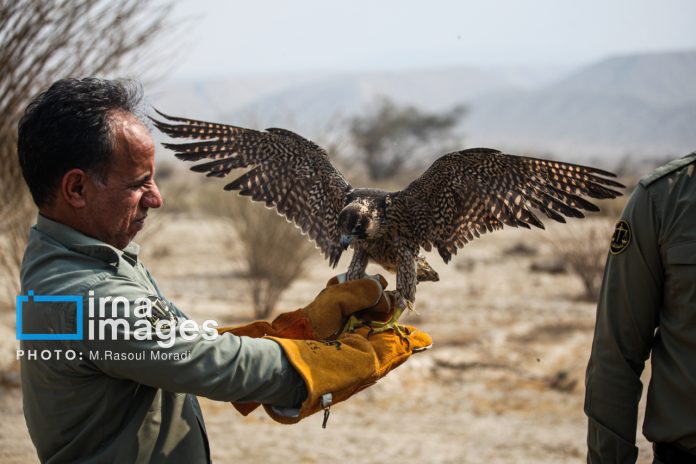
27 rare falcons saved from trafficking, released into wild in Iran’s Hormozgan

The birds were discovered during a routine vehicle inspection at the Barkeh Soflin checkpoint in Bandar Lengeh, southern Iran, where officers grew suspicious of a car.

Upon searching the trunk, the falcons, intended for illegal export, were found. The driver was arrested.

These rare falcons are highly sought after in Arabian countries across the Persian Gulf, where they are sold at extremely high prices, sometimes reaching hundreds of thousands of dollars.

Wealthy buyers use them in traditional falconry, fueling a black market for endangered species.

Unknown bird spotted in Bandar Kangan, southern Iran

The sighting has sparked curiosity and interest among local bird watchers and environmentalists in Bushehr Province.

The mysterious bird’s arrival remains a topic of fascination and study as experts attempt to identify the species.

Poll: Most Germans oppose continued Israel arms sales amid Gaza war

Gaza War

According to a poll by Forsa, 50 percent of Green Party voters opposed weapons sales, while 60 percent of Social Democratic Party supporters and 52 percent of Free Democratic Party voters also rejected continued arms exports.

Opposition was particularly high in the former East Germany, where 75 percent of respondents rejected arms sales to Israel.

Last week, German media reported that several German leaders blocked the sale of weapons to Israel, despite Chancellor Olaf Scholz’s insistence that arms sales would continue.

According to a report by German tabloid Bild, Green politicians, Vice Chancellor Robert Habeck and Foreign Minister Annalena Baerbock, who are in the governing coalition with the Social Democrats, withheld approval for weapons exports, demanding assurance that they would not be used on civilians.

The War Weapons Control Act stipulates that German arms should not be used against civilians.

The German government is facing a number of lawsuits over its arms sales to Israel.

Reuters reported in September that Germany had put new licences for the export of “weapons of war” to Israel on hold pending legal challenges.

Scholz has insisted that there is no genocide happening in Gaza and has reiterated Germany’s continued military support for Israel.

“We delivered and will deliver,” Scholz was quoted as saying in German media outlet Tagesspiegel.

On 7 October, which marked a year of the war on Gaza, Berlin ruled out a weapons export ban on Israel.

Deputy government spokeswoman Christiane Hoffmann told journalists that decisions on arms export were taken on an individual case by case basis, but added: “There is no decision for a general boycott of arms exports to Israel. The federal government has not made that (decision).”