Wednesday, December 24, 2025
Home Blog Page 622

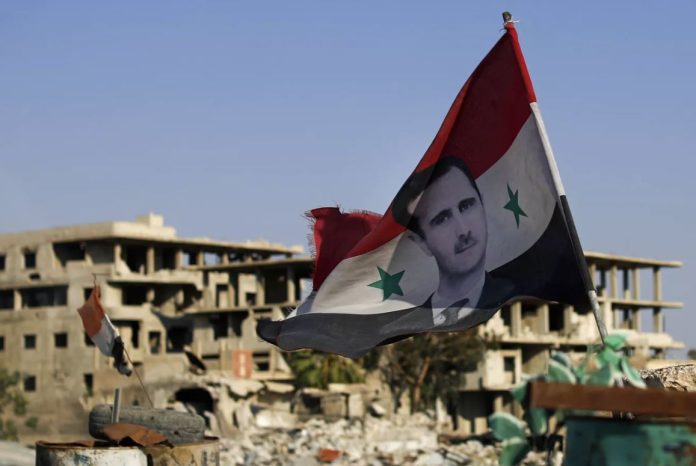
Dozens killed as militants attack Syrian military in Aleppo

Syria

The UK-based Syrian Observatory for Human Rights (SOHR) said almost 100 fighters and soldiers were killed during clashes on Wednesday, following an operation launched by HTS, which controls a large area of northwestern Syria.

Activists working with the observatory reported 44 members of HTS killed along with 16 members of allied armed groups.

“Moreover, 37 members of the [Syrian] regime forces including at least four officers of different ranks were killed and five members were captured, while weapon depots, armoured vehicles, machineries and heavy weapons were taken over,” the observatory said in a statement.

The monitoring group also added that civilians, including children, have been killed and injured in the clashes, which saw Syrian army forces fire “hundreds of shells and missiles on civil and military positions” during the fighting.

HTS fighters and their allies advanced almost 10km (6 miles) from the outskirts of Aleppo city and a few kilometres away from Nubl and Zahra, two predominately Shia towns where Hezbollah has a strong-armed presence, a Syrian army source told the Reuters news agency.

HTS forces also attacked the al-Nayrab airport east of Aleppo, where pro-Syrian fighters have outposts.

Reuters news agency reported that the offensive was prompted by stepped-up air strikes in recent weeks against civilians by the Russian and Syrian air force on areas in Syria’s southern Idlib, and also to preempt any attacks by the Syrian army, which was building up troops near front lines with HTS and other groups.

Official state media in Syria did not report the fighting but pro-government websites reported the army had pounded HTS hideouts and killed dozens.

Witnesses said hundreds of families in Aleppo, the last refuge for opponents of al-Assad, fled to safer areas along the Turkish border.

HTS, which is listed as a “terrorist organisation” by the United States, has long been targeted by the Syrian government and Russian forces.

Severing ties to the transnational al-Qaeda group, HTS has rebranded itself in recent years and portrays itself as a more moderate group with local aims in Syria. It has become the most powerful rebel group in northwestern Syria.

Russia entered the Syrian war in 2015 on the side of President al-Assad as his rule looked increasingly under threat from rebel forces.

Russia’s Ruble takes major dive against US dollar

Rouble

On Wednesday, the ruble was trading at its lowest since March 2022. The Russian currency has fallen to 119 to the euro.

The ruble’s slump has been exacerbated by the latest Western sanctions, analysts told business daily RBK.

Last week, the US imposed a new round of penalties against a number of companies in the Russian financial sector. The measures targeted Gazprombank, Russia’s third-largest bank, which has played a key role in processing payments for export operations.

“A lot depends on how soon Russia will form alternative channels for inflow and outflow of foreign currency, capable of matching its demand and supply,” Aleksandr Shepelev, a stock market expert at BCS World of Investments, told news website Gazeta.Ru.

This would allow a gradual easing of pressure on the Russian currency, the analyst noted. “And while there is a serious imbalance in the market and the financial authorities are in no hurry to intervene in the situation, the pressure on the ruble will remain,” he noted.

In addition, the ruble is under pressure from the seasonal increase in demand for imports, the surge in budget expenditure typical at the end of the year, mounting geopolitical pressure, and the rise of the US dollar on the global market, Shepelev added.

Analysts have suggested that Russia’s central bank and financial authorities could intervene to support the currency.

Commenting on the weakening of the ruble, Russian Finance Minister Anton Siluanov said on Tuesday that it is beneficial for exporting companies in the current geopolitical situation.

“I’m not saying whether the exchange rate is good or bad,” Siluanov stated, noting that a weak exchange rate provides a boost to exports and helps the government increase ruble-denominated budget revenue.

Ayatollah Khamenei says stronger combat power to deter attack on Iran

Ayatollah Khamenei

A number of commanders and officials of the Iranian Navy met with Ayatollah Khamenei, the Commander-in-Chief of the Iranian Armed Forces,  in Tehran on the occasion of National Navy Day on Wednesday.

In remarks at the meeting, the Leader described the Navy as a “vital and determining force” in the contemporary world.

Praising the Iranian Navy’s activities in various sectors such as operation, intelligence, logistics, development and innovation, Ayatollah Khamenei said that the Iranian Armed Forces, especially the Navy, should focus all of their activities and plans on boosting preparedness and combat power.

The enhancement of combat capabilities will deter the enemy from attacking Iran, the Leader stated.

Describing the prevention of offense as the most important duty of the Iranian Armed Forces, the Leader emphasized that the military forces must act in such manner and accentuate Iran’s combat power in the eyes of the ill-wishers of Iran in such a way that the enemies would truly realize that any confrontation with Iran will incur heavy costs on them.

Ayatollah Khamenei also stressed the need for the continuation of the naval missions, saying the months-long mission of the Iranian Navy’s 86th flotilla of warships, which sailed around the world in 2023, and its details should be publicized with the language and tool of art.

Efforts underway to lift internet filtering in Iran amid resistance by some officials 

Mobile Internet Iran

He further questioned the benefits of filtering for the country and highlighted the financial burden it places on families, who, he said, unnecessarily spend around 500,000 tomans monthly on VPN services.

Rabiei emphasized that such resistance sends a negative signal to society, which is already struggling with economic issues.

He urged council members to consider the community’s voice and the adverse effects of their decisions on public sentiment and welfare.

Mesnwhile, Minister of Communications Sattar Hashemi announced Wednesday that the plan to lift internet filtering will be presented to the Supreme Council of Cyberspace after necessary revisions.

Hashemi stressed that the proposal was updated based on feedback from the heads of state and is now under review by the national center.

The council’s discussions will ultimately determine the fate of this plan, which aims to address current internet restrictions and improve access for users across the country, reflecting a shift toward a more open digital environment, he added.

The lifting of the filtering was a promise President Pezeshkian made while campaigning for the top executive post several months ago. He has been making strenuous efforts to follow through on the pledge. But it’s still unclear he will be successful.

Ukraine could be pushed into talks with Russia ‘within months’: Report

Russia Ukraine War

With Donald Trump returning to the White House in January and Kiev’s forces suffering mounting battlefield losses as Russia reclaims occupied territory in Kursk Region, Ukraine is in perhaps its “weakest position in nearly three years”, the newspaper said.

Many White House officials believe that “within a few months, Ukraine could be pushed into negotiations with Russia” and that it “could be forced to give up territory”, according to the report. The “quiet recognition” that Kiev may need to give up territory is also spreading among its European backers, the daily added.

US President Joe Biden’s recent decision to allow Ukraine to use US-supplied ATACMS missiles to strike deep into Russian territory, as well as his move to provide Kiev with banned landmines, were made in the hope that it would give the country the “the strongest hand possible” before any potential negotiations with Moscow after Trump takes office in January.

Ukrainian leader Volodymyr Zelensky has rejected any suggestion of territorial concessions to Russia. However, Biden’s officials have “largely resigned themselves” to the likelihood that Trump “will not provide Ukraine more assistance”, the report said.

According to the paper, many of Ukraine’s European allies are “frustrated” that it took Washington so long to provide the country with the latest capabilities and that this should have happened when Ukraine’s military position was “more robust”.

Officials told the paper, however, that Biden’s decisions have been “guided by evolving battlefield conditions” and that despite pressure from Kiev, he has only authorized the use of certain weapons when the “conditions warrant” them.

Washington is particularly concerned that as Ukraine shifted troops to Russia’s Kursk Region, it began “losing territory in its east at a faster clip”.

In response to US authorization for Kiev to use long-range ATACMS, President Vladimir Putin announced the deployment of Russia’s new hypersonic Oreshnik ballistic missiles last week. The weapon, which is capable of carrying nuclear warheads, was used against a Ukrainian military industrial facility in the city of Dnepropetrovsk.

Putin said that Moscow will respond “decisively and in a mirror-like manner” to any further escalation of aggressive actions by Kiev and its foreign backers.

Israeli military fires on cars in southern Lebanon after cease-fire

Lebanon War

A military statement said its forces fired warning shots on vehicles in an area prohibited for movement to prevent it from advancing, without specifying where the incident took place.

“The Israeli Air Force remains ready to act across Lebanese territory,” the statement added.

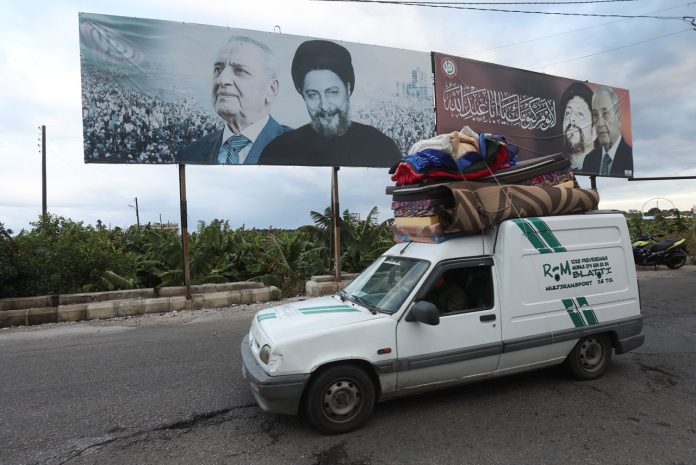
The Lebanese state news agency NNA reproted Israeli troops shelled the towns of Kfarkela and Khiyam, shortly after the cease-fire took effect.

According to the broadcaster, three Israeli tanks also crossed the Fatima border gate towards Tal Nahas area in southern Lebanon.

The cease-fire deal between Israel and Lebanon took effect hours after US President Joe Biden said a proposal to end the conflict had been reached, amid hopes it would stop Israeli airstrikes on Lebanese towns and cities and end the year-long cross-border fighting.

Over 3,800 people have been killed in Israeli attacks in Lebanon and over 1 million displaced since last October, according to Lebanese health authorities.

On Wednesday, the Lebanese army announced it is preparing to deploy to the south of the country after a cease-fire between Israel and Hezbollah entered into effect.

In a statement, the army said based on a request from the government, it will deploy to southern Lebanon in coordination with the UN peacekeeping mission in Lebanon (UNIFIL) and in implementation of the UN resolution 1701.

Resolution 1701, adopted on Aug. 11, 2006, calls for a complete halt to hostilities between Hezbollah and Israel and the establishment of a weapons-free zone between the Blue Line and the Litani River in southern Lebanon, with exceptions for the Lebanese army and UNIFIL.

The Lebanese army urged citizens to wait before returning to the frontline village and towns “where the Israeli enemy entered, awaiting their withdrawal in accordance with the cease-fire agreement”.

Iran begins gas injection into thousands of advanced centrifuges

Mohammad Eslami

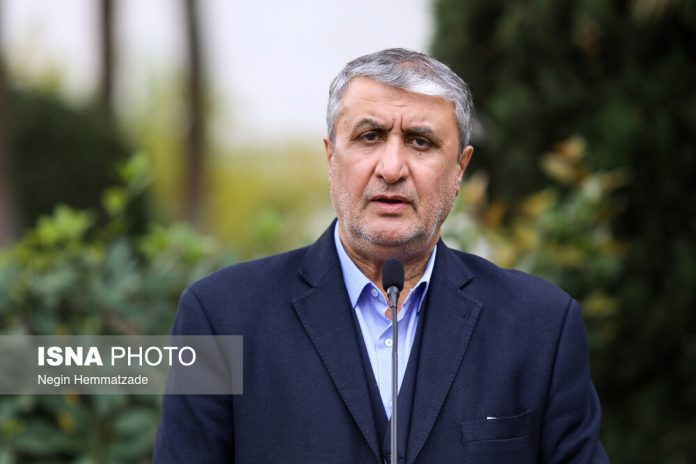
Speaking to reporters on the sidelines of a cabinet meeting, Mohammad Eslami said the centrifuges are now operational and reiterated that while Iran is open to constructive engagement, it will not back down in the face of pressure, illegal actions, or coercion from other parties.

He said that Iran’s enrichment levels will remain at a maximum of 60%, with various enrichment levels being pursued to enhance efficiency and economic viability.

Eslami highlighted that Iran’s nuclear program is transparent and aims to benefit the Iranian people.

The change in the nuclear policy comes days after an anti-Iran resolution by the International Atomic Energy Agency (IAEA), which Tehran says was issued under the influence of European countries and the US.

The Iranian atomic chief also said any attempts by other countries to ignore their obligations under the Joint Comprehensive Plan of Action (JCPOA) nuclear accord and exert unilateral pressure on Iran will be counterproductive.

He noted that all of Iran’s nuclear activities are under the supervision of the IAEA and comply with the Non-Proliferation Treaty (NPT) safeguards.

Eslami also pointed out that the US intelligence community has consistently reported that Iran does not have a military nuclear program.

UN says no life-saving aid attempts in northern Gaza facilitated by Israel in November

Gaza War

“Our colleagues in the Office of the Coordination of Humanitarian Affairs report that none of the UN’s 41 attempts to reach Palestinians in besieged areas of North Gaza with life-saving assistance this month has been facilitated by Israeli authorities,” deputy spokesman Farhan Haq said at a news conference.

Stating that 37 attempts were denied by Israeli authorities, Haq reported that “four missions were approved, but then impeded on the ground and accomplished only partially.”

With winter approaching, Haq stated that thousands of forcefully displaced Palestinians are “even more vulnerable”, and sewage build-up in high-occupancy areas is “putting people’s health in jeopardy”.

Haq denied reports about the UN agency for Palestinian refugees (UNRWA) evacuating its premises in occupied East Jerusalem.

“UNRWA said that it maintains its operation in the occupied West Bank, including East Jerusalem, and in the Gaza Strip for the benefit of Palestine Refugees,” he continued, adding the agency “will continue to undertake its operations and programs despite increased attempts to actively prevent it from implementing its mandate”.

Haq also denied a report by the Wall Street Journal that claimed that the UN Special Adviser on the Prevention of Genocide, Alice Wairimu Nderitu, term was not renewed due to her alleged refusal to identify the Gaza crisis as a genocide.

“No, that’s false. Ms. Nderitu’s contract is coming to an end today, but she has now fulfilled her full term and the secretary-general (Antonio Guterres) certainly appreciates the work she did as special advisor on the prevention of genocide,” he said, noting that “regarding the definition of genocide, any idea that the secretary-general wanted her term to end because of that is just false.

“Ms. Nderitu had a prevention mandate, and what she did under that prevention mandate is point out the risk factors for genocide, war crimes and crimes against humanity, and we appreciated that work,” he added.

Since Oct. 5, 2024, Israel has launched a large-scale ground operation in northern Gaza to allegedly prevent Palestinian resistance group Hamas from regrouping. Palestinians, however, accuse Israel of seeking to occupy the area and forcibly displace its residents.

Since then, no humanitarian aid, including food, medicine, and fuel, was allowed into the area, leaving most of the population there – estimated currently to be 80,000 – on the verge of imminent famine.

More than 2,300 people have since been killed, according to Palestinian health authorities.

The onslaught was the latest episode in a brutal Israeli war on the Gaza Strip that has killed over 44,200 people, mostly women and children, since Oct. 7, 2023.

On Thursday, the International Criminal Court (ICC) issued arrest warrants for Israeli Prime Minister Benjamin Netanyahu and his former Defense Minister Yoav Gallant for war crimes and crimes against humanity in Gaza.

Israel also faces a genocide case at the International Court of Justice over its brutal war on Gaza.

Biden asking US Congress for $24bn in Ukraine aid, arms replenishment ahead of Trump return: Report

Russia Ukraine War Weapons Arms

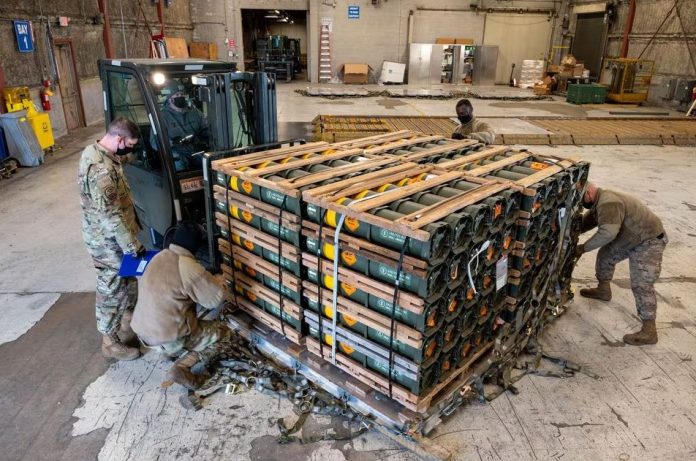
The news comes amid the Biden administration’s efforts to ship in as much aid to Ukraine as possible before Donald Trump, who has criticized military support for Kyiv, takes office in January.

Roughly $16 billion of the sum would be used to restock US arsenals, while the remaining $8 billion would go to the Ukraine Security Assistance Initiative (USAI), the outlet wrote. The USAI is a Pentagon-led program for supplying arms to Ukraine through contracts with US defense companies.

Two congressional sources confirmed the information for Politico and said that Congress has received the request.

The White House suggested that Congress could include the assistance in its effort to avert a government shut down next month, according to the document obtained by Politico.

The report aligns with earlier statements from Biden’s team that the White House would seek Congress’ approval for additional aid for Ukraine in 2025.

In recent days, the Biden administration has made a series of decisions aimed at giving Kyiv leverage in future negotiations. These steps included approving the delivery of anti-personnel mines and granting permission for Ukraine to launch US-made long-range ATACMS at targets within Russia.

The request for additional funding has already received pushback from critics of Washington’s pro-Ukraine policy.

Republican Senator and Trump’s ally Mike Lee said that “Congress must not give him (Biden) a free gift to further sabotage President Trump’s peace negotiations on the way out the door”.

Trump stated that he would seek to get the US “out” of the war and bring Russia and Ukraine to the negotiating table. While the details of his plan remain unclear, some reports indicate it might entail Ukraine ceding territory and at least temporarily foregoing its NATO aspirations.

It remains unclear whether the funding request will be successful, as Congress – namely the Republican-led House of Representatives – stalled an earlier $61 billion assistance bill for months before finally approving it in April.

The November elections reinforced Republican control over the legislature, as the party also secured the majority in the Senate. The new Congress will be sworn in in early January.

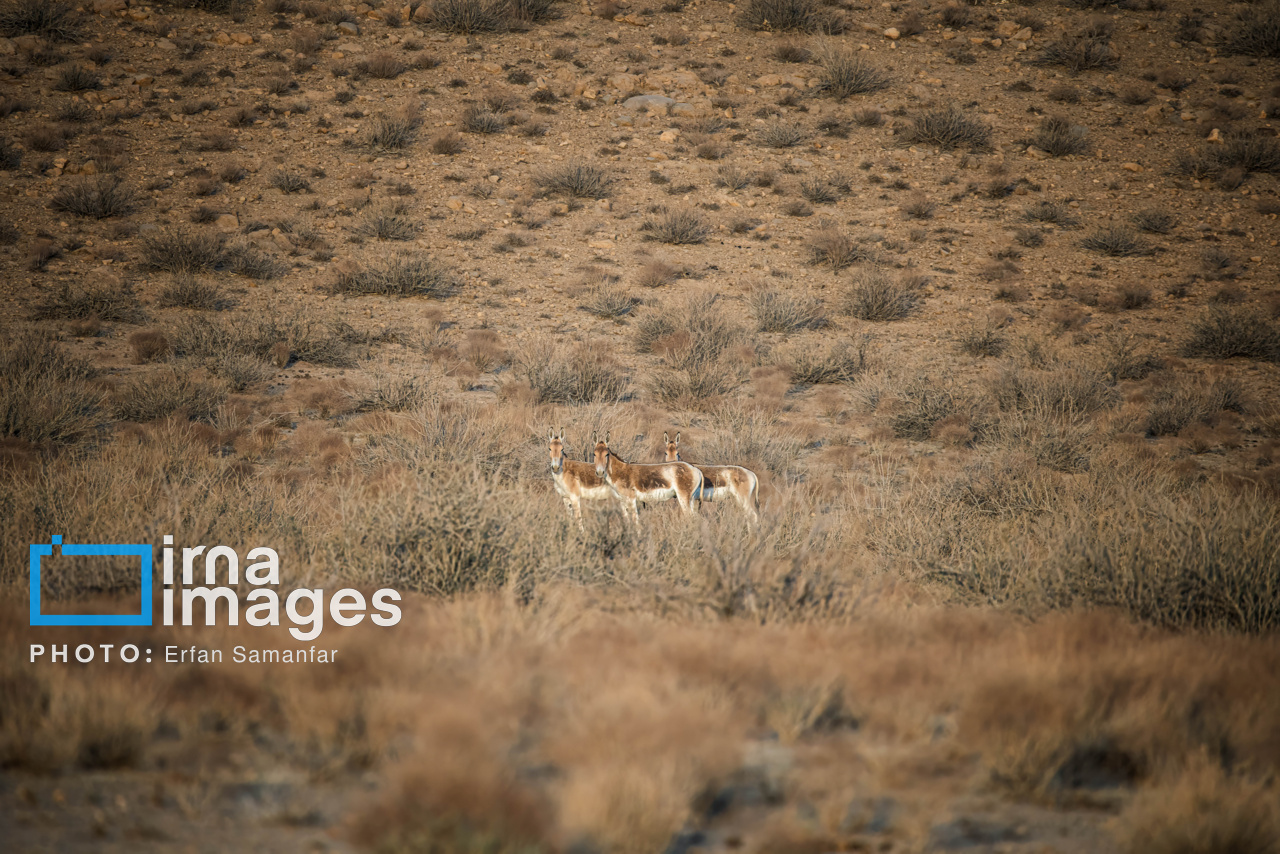
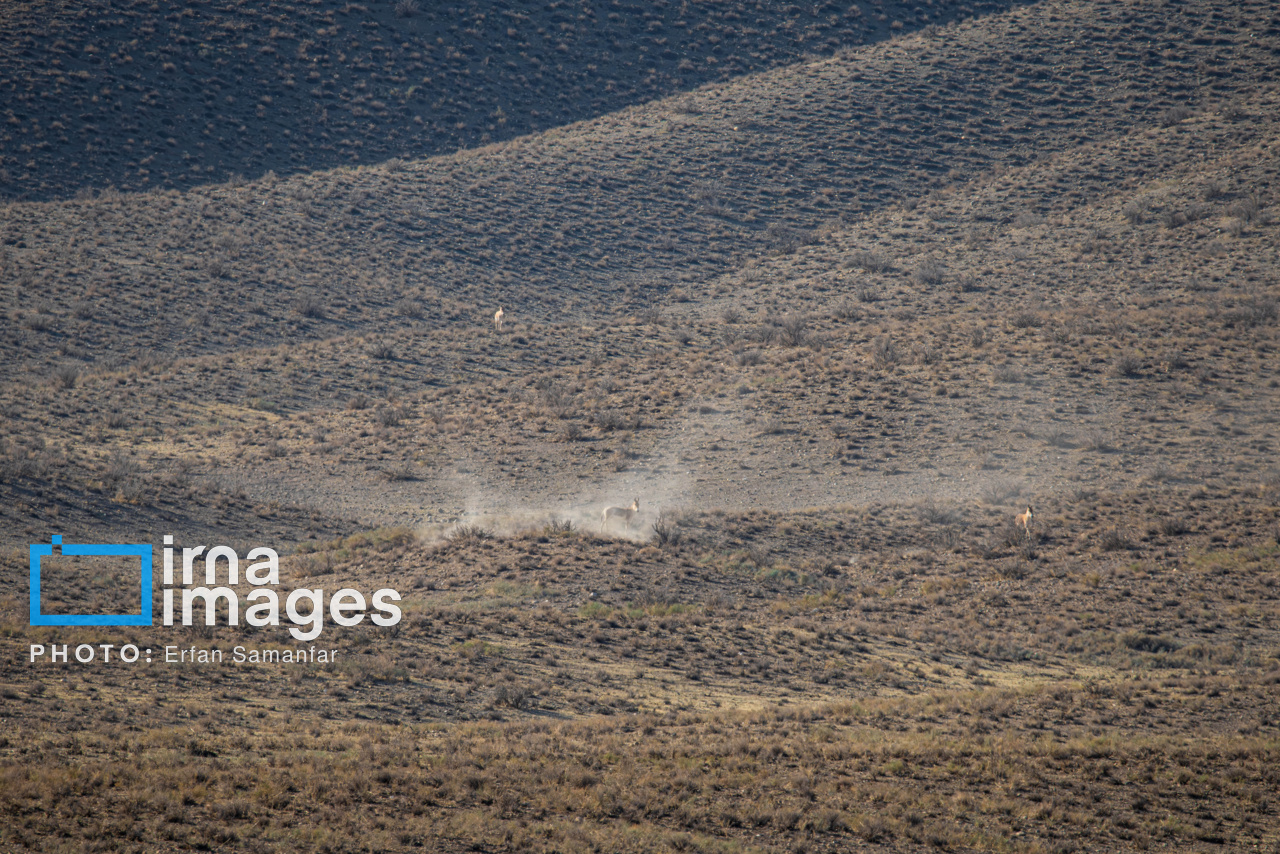
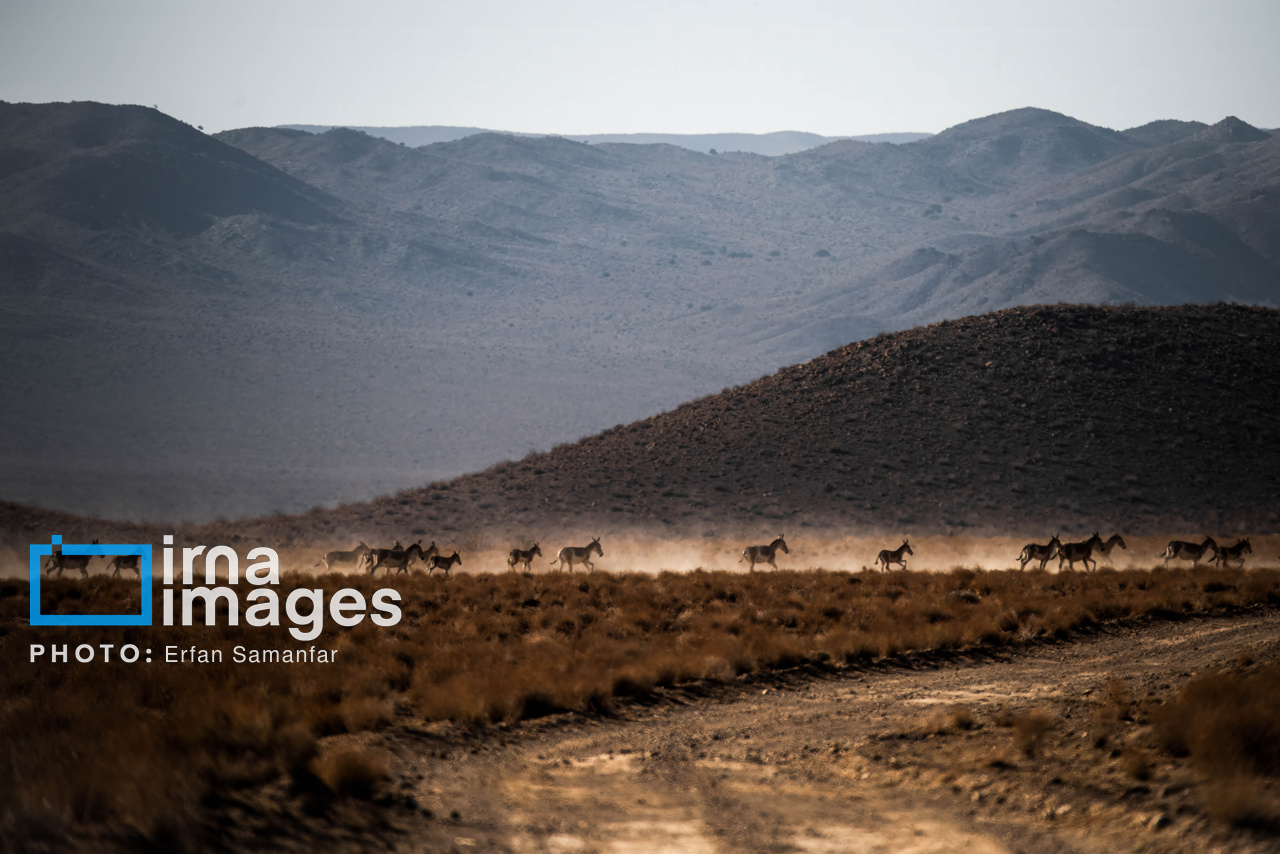
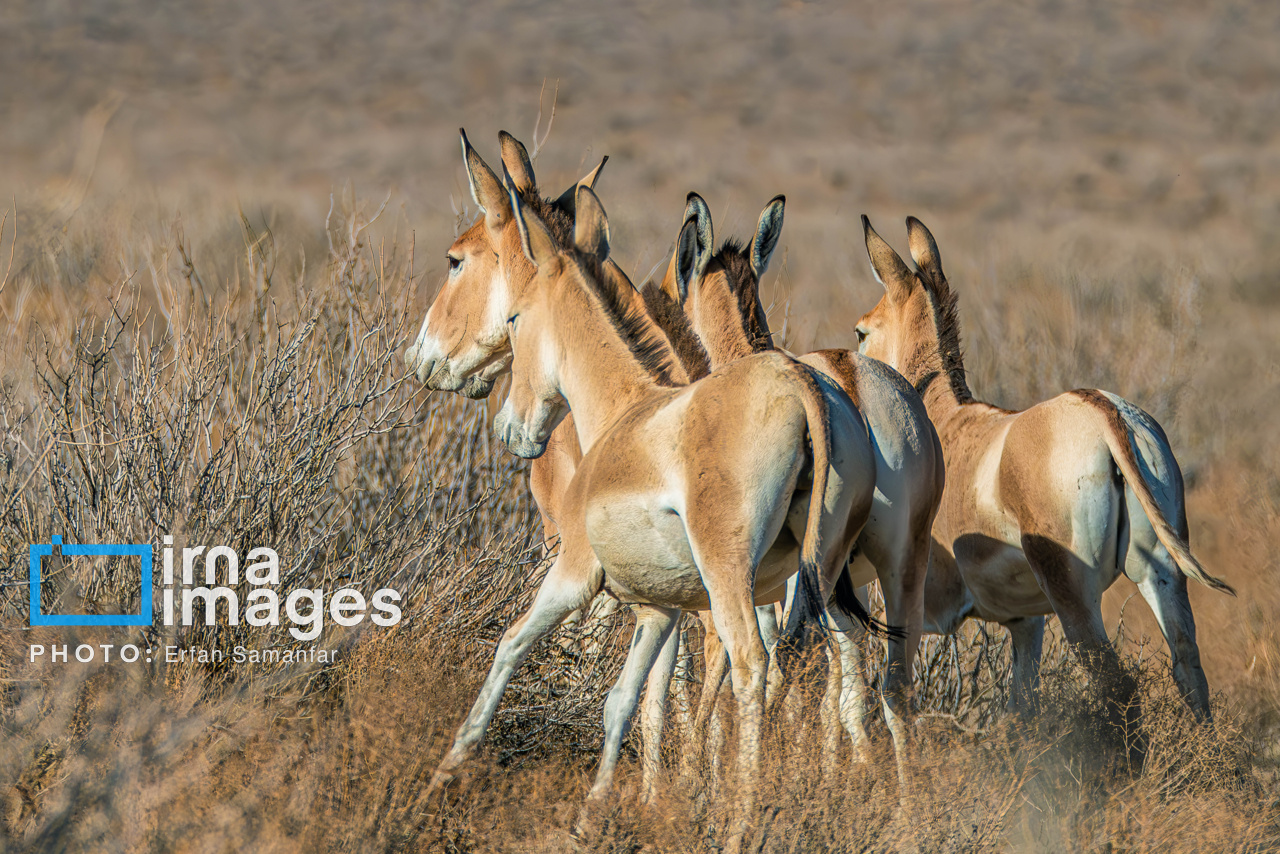
Persian onager: A unique species endangered by human activity

The onagers inhabit mountainous regions, semi-desert plains, and deserts from Mongolia to Saudi Arabia, reaching as far north as Russia and Kazakhstan.

Some populations are also found in northwestern India and Tibet. This particular subspecies, however, is exclusive to Iran’s semi-desert habitats.

The population of the Persian onager is estimated to be between 600 and 700, living in two protected habitats in Iran.

The largest populations are found in the Turan National Park in Semnan and Bahram-e-Goor in Fars.

Currently, human activities and mining operations in their habitats pose significant threats to this valuable species, placing them at risk of extinction.

Efforts are underway to protect these habitats and ensure the survival of the Persian onager.

Bellow see the related pictures: