Wednesday, January 14, 2026
Home Blog Page 600

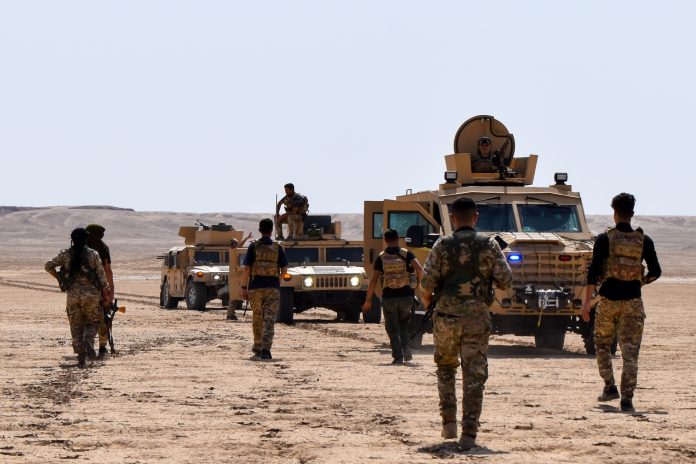
Turkey threatens to ‘bury’ Kurds in Syria

Kurdish Militants

Speaking on Wednesday to lawmakers in Ankara, Erdogan promised to “eradicate the terrorist organization that is trying to weave a wall of blood between us and our Kurdish siblings”.

“The separatist murderers will either bid farewell to their weapons, or they will be buried in Syrian lands along with their weapons,” he declared, as quoted by Reuters.

Erdogan has repeatedly stated that the People’s Protection Units (YPG) poses a significant threat to Turkish security and vowed to prevent the establishment of a “terror corridor” near the country’s southern borders. He has criticized the United States for providing weapons and training to the YPG, a group Ankara views as an extension of the Kurdistan Workers’ Party (PKK). Türkiye regards both as terrorist organizations.

The Turkish leader previously called on the US, its NATO ally, to reconsider its support for the YPG, and has urged its partners to choose between backing Türkiye or supporting Kurdish militants.

The YPG’s role in the US-led fight against the Islamic State (IS, formerly ISIS or ISIL) terrorist group has been cited by Washington as justification for the assistance, with American officials highlighting the group’s efforts in dismantling IS control in Syria. Kurds in Syria have long sought greater autonomy, with YPG leaders asserting their goals differ from the PKK’s armed insurgency within Türkiye.

The Kurdish-led Syrian Democratic Forces (SDF), with the YPG at its core, have also called for a nationwide ceasefire in the war-torn country following the fall of former Syrian President Bashar Assad’s government. The SDF has urged the protection of Syrian territory from Turkish attacks and an end to what it regards as Ankara’s occupation of northern regions, saying Syrians must determine their future without foreign meddling.

Meanwhile, Türkiye has recently taken steps to foster ties with the new leadership in Damascus. Ankara is reportedly considering a joint military operation with Syria against Kurdish groups to address shared security concerns.

Turkish Foreign Minister Hakan Fidan visited Damascus recently, where he called for the lifting of international sanctions on Syria, which have long crippled its economy. This outreach aligns with Erdogan’s reported plans to visit as well, signaling a significant shift in the Turkish approach to its southern neighbor. Erdogan has emphasized the need for collaboration with Syria’s government to ensure long-term security and mutual stability.

Russia may have downed Azerbaijani plane: Media

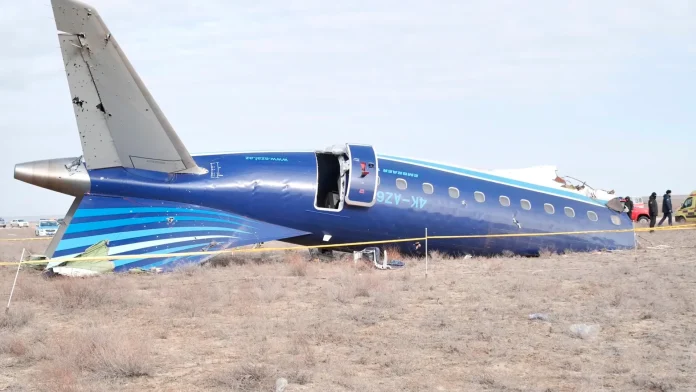
The aircraft, carrying passengers from Baku, Azerbaijan, to Grozny in Russia’s Chechen Republic, crashed near the coastal city of Aktau in Kazakhstan.

There were 67 people on board the aircraft, including 42 Azerbaijani citizens, 16 Russians, six Kazakhs, and three Kyrgyz citizens. Thirty eight people have perished in the crash, according to the latest information.

The potential use of air defense systems aligns with several media reports according to which Chechnya was attacked by drones on the morning of Dec. 25.

Footage of the plane shows traces of a large surface-to-air missile impact on the tail section of the plane, according to Russian independent media outlet Meduza. Similar-looking holes in the fuselage have reportedly been documented in numerous images and videos of military and civilian aircraft downed by surface-to-air missiles.

Survivors recalled hearing an explosion after failed landing attempts in Grozny, according to the independent Russian outlet Mediazona. The plane then turned back, crossing the Caspian Sea toward Kazakhstan. Upon attempting to land at Aktau Airport, it broke apart on impact and caught fire.

Meduza and Mediazona also cited Russian pro-war Telegram channels which showed photographs of the crash that suggested the plane had been shot at.

Russia’s Federal Air Transport Agency (Rosaviatsiya) initially claimed that the plane collided with a flock of birds, prompting the pilot to attempt an emergency landing. During the maneuver, the aircraft “hit the ground”.

The black box has been recovered from the crash site, Azerbaijani media reported. Its analysis is expected to provide critical insights into the events leading up to the crash.

Five Palestinian journalists killed in Israeli attack on central Gaza

Gaza War

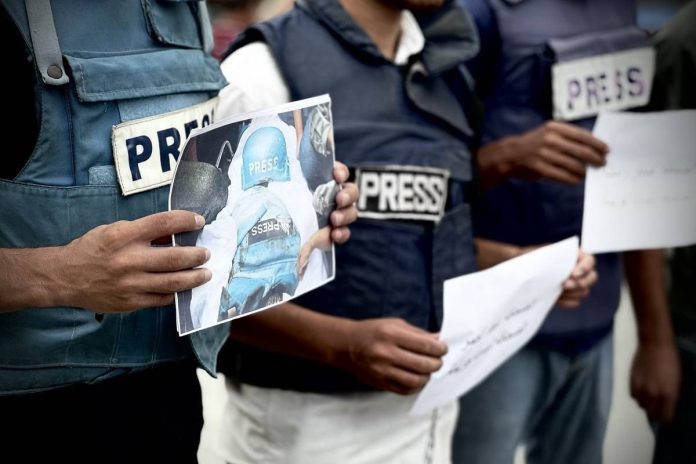
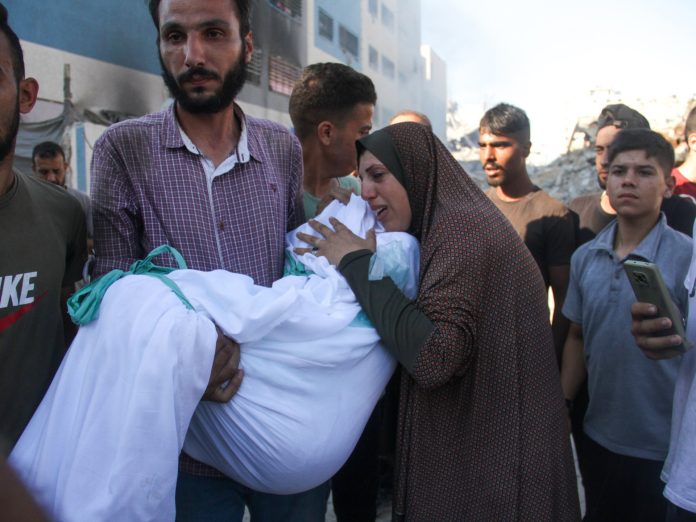
Five journalists from the Al-Quds Today channel were killed early Thursday when an Israeli air raid struck their broadcasting van near al-Awda Hospital in Gaza’s Nuseirat refugee camp, according to Palestinian officials and media reports.

The journalists were covering events at the hospital when the vehicle, marked with the word “PRESS” in large red letters, was hit.

The victims have been identified as Fadi Hassouna, Ibrahim al-Sheikh Ali, Mohammed al-Ladah, Faisal Abu al-Qumsan and Ayman al-Jadi.

The Committee to Protect Journalists (CPJ) condemned the deaths, calling for accountability.

More than 200 journalists have been killed in Israel’s war in Gaza since October 7, 2023.

Israel has continued a genocidal war on Gaza that has killed nearly 45,400 people, most of them women and children, since a cross-border attack by the Palestinian group Hamas on Oct. 7, 2023.

Last month, the International Criminal Court issued arrest warrants for Israeli Prime Minister Benjamin Netanyahu and his former Defense Minister Yoav Gallant for war crimes and crimes against humanity in Gaza.

Israel is also facing a genocide case at the International Court of Justice for its actions in Gaza.

Russia says US stealing its money

Kremlin

On Tuesday, Ukrainian Prime Minister Denis Shmigal announced that the US had transferred the first installment of a $20 billion loan backed by interest earned from Russia’s immobilized assets. Following the escalation of the Ukraine conflict in February 2022, the US and its allies froze an estimated $300 billion worth of funds belonging to the Russian central bank.

In a post on X, Shmigal stated that Kiev expects that “all sovereign Russian assets will be confiscated and used to rebuild Ukraine”.

Reacting to the news on Wednesday, Peskov stated that “speaking in plain Russian, this money was stolen from us”, and added that Moscow’s assets were blocked “absolutely illegally,” against all norms and rules.

The spokesman added that Washington’s transfer of $1 billion to Kiev could in the future become the basis for legal proceedings and stressed that Russia intends to use “all [legal] possibilities” to protect its property and rights.

Of the $300 billion immobilized Russian assets, around $213 billion are currently held in the Brussels-based clearinghouse Euroclear. Last week, Polish President Andrzej Duda proposed at a meeting of EU leaders to use all of these assets to fund Ukraine, particularly if US President-elect Donald Trump chooses to slash Washington’s contributions to Kiev’s war chest.

The proposal was reportedly resisted by German Chancellor Olaf Scholz, who was “exasperated” and became “irate” at Duda, arguing that such a move would undermine the stability of EU financial markets, according to the Financial Times.

The use of Russian assets to fund Kiev has previously also been criticized by other EU nations, including France and Italy, which have raised concerns that such a step would undermine the stability of the euro.

Moscow has repeatedly accused the West of “stealing” its money and has warned that tapping these funds would be illegal, and would set a dangerous precedent.

Last month, Russian Finance Minister Anton Siluanov also warned that Moscow would respond in kind.

“We have also frozen the resources of Western investors, Western financial market participants and companies. The income from these assets will also be used,” the official said.

Tehran City Council: Bistoon Street won’t be named after Sinwar

Yahya Sinwar

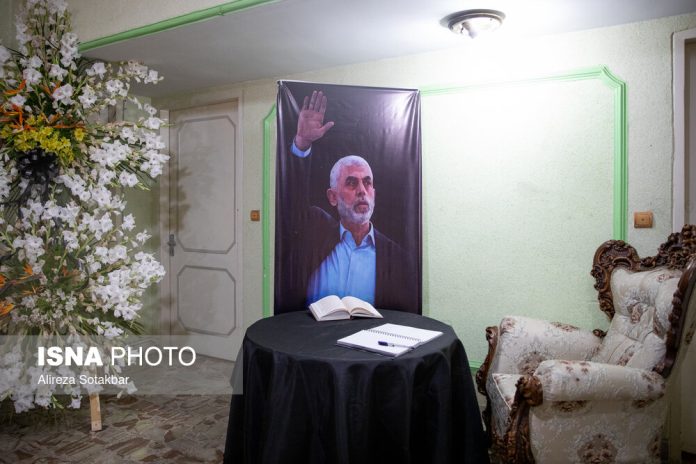
In an interview with IRNA on Wednesday evening, Alireza Nadali emphasized the importance of preserving names like Bistoon, which is historically significant and frequently mentioned in Iran’s ancient literature, as part of the council’s commitment to Iranian culture and identity alongside Islamic identity.

Nadali explained while there are plans to name a street after the Islamic resistance leader, the name of Bistoon Street will not be altered.

He acknowledged that despite the initial approval to rename only the last quarter of Bistoon Street, the decision has been sent back to the Naming Commission for further consideration, ensuring that a suitable street is chosen to honor Sinwar, who was martyred in the Gaza Strip in an Israeli strike on October 16.

The Bistoon Inscription, located on a cliff at Mount Bistoon in Kermanshah Province, western Iran, is a large, multilingual rock relief commissioned by Darius the Great (r. 522–486 BC).

This significant Achaemenid royal inscription played a crucial role in deciphering cuneiform due to its status as the longest trilingual inscription known, containing texts in Old Persian, Elamite, and Babylonian.

Russia hopes for IAEA’s impartiality in monitoring Iranian nuclear sites

Iran Nuclear Program

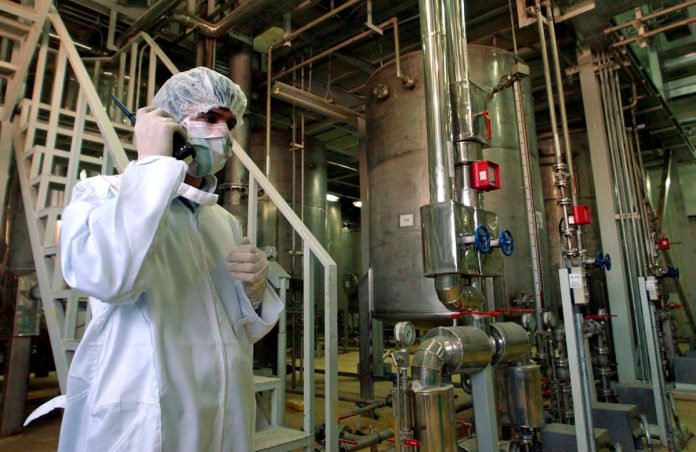
“We hope that the IAEA will be able to ensure the objectivity and impartially of the monitoring within the framework of its technical mandate, without getting politicized, without succumbing to absolutely perverted tricks by the Western camp,” the diplomat said during a briefing on Wednesday.

“We see this as a necessary guarantee of constructive cooperation between the agency and Iran the strengthening of which we have invariably supported,” she added.

Zakharova was commenting on remarks by IAEA Director General Rafael Grossi who claimed that Iran may develop nuclear weapons. According to her, “Such manipulations counting on presenting the IAEA as an accomplice or even the initiator of political attacks on Tehran, always pursue a single goal – present Iran’s nuclear program as the main threat in the Middle East which must be battled by any means.”

That said, the diplomat noted that the West is trying to “get away with gross violations of the UN Security Council Resolution 2231 and the profound stagnation of the Joint Comprehensive Plan of Action on Iran’s nuclear program”.

“The international community has a clear understanding that it was precisely the West that undermined an agreement on restoration while Tehran repeatedly indicated its readiness to return to the parameters of the joint plan in the event of reciprocal synchronized actions by Washington, Brussels and London,” Zakharova stressed.

The diplomat explained that “neither the treaty, nor the agreement provide for any quantitative restrictions on peaceful nuclear development if all nuclear activities in the country remain under the agency’s control”, while the Iranian nuclear program “has always been inspected to the utmost degree” by the IAEA.

Iranian officials have already denounced Grossi’s allegation as going beyond his mission as an impartial UN official.

Earlier in the day, the head of the Atomic Energy Organization of Iran (AEOI), Mohammad Eslami, called on Grossi to ensure the agency’s impartiality by considering other parties’ failure to fulfill their obligations toward the Islamic Republic.

“It is not acceptable for an international institution to address only one aspect of the issue, in a provocative manner at that, and refuse to point to the main aspect, which is the obligated parties’ non-commitment,” Eslami said.

Back in 2018, the Islamic Republic resorted to a number of legitimate retaliatory measures in line with its entitlement under the 2015 nuclear deal.

The steps came in response to the United States’ unilateral and illegal withdrawal from the agreement and its Western allies’ refusal to restore the deal to its former glory by bringing Washington back into the accord.

Tehran took the measures after a drawn-out hiatus, during which it allowed the parties to the deal to walk back their unconstructive steps.

Israel creating new obstacles to Gaza ceasefire agreement: Hamas

Gaza War

The resistance movement said in a statement on Wednesday that “negotiations are continuing in Doha under the mediation of Qatar and Egypt in a serious manner”.

“But the occupation has set new conditions concerning withdrawal (of troops), the ceasefire, prisoners, and the return of displaced people, which has delayed reaching an agreement.”

It added the resistance has demonstrated responsibility and flexibility in the negotiations.

Israel’s Prime Minister Benjamin Netanyahu stated on Monday that there had been “some progress” in the talks. On Tuesday, his representatives returned from Qatar for consultations about a deal.

President Isaac Herzog has urged Israel’s leadership Wednesday to act decisively to finalize a prisoner exchange deal with Hamas to secure the release of captives held in Gaza, warning that they face a “clear and immediate danger”.

Speaking at a Hanukkah celebration in Tel Aviv, Herzog appealed to Netanyahu and his government to use all available means to ensure the hostages’ return.

“This is your responsibility,” he said, adding: “You have my full support to conclude a deal that brings them home, after we failed to protect them.”

Israel holds over 10,300 Palestinian prisoners, while Hamas is said to be holding around 100 Israeli captives in Gaza. The group also announced that dozens of captives had died in indiscriminate Israeli airstrikes.

Israel has continued a genocidal war on Gaza that has killed nearly 45,400 people, most of them women and children, since a cross-border attack by Hamas on Oct. 7, 2023.

Last month, the International Criminal Court issued arrest warrants for Netanyahu and his former Defense Minister Yoav Gallant for war crimes and crimes against humanity in Gaza.

Israel is also facing a genocide case at the International Court of Justice for its actions in Gaza.

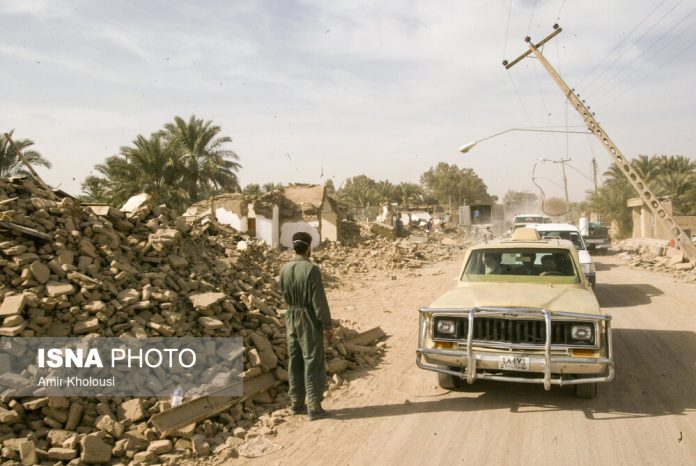
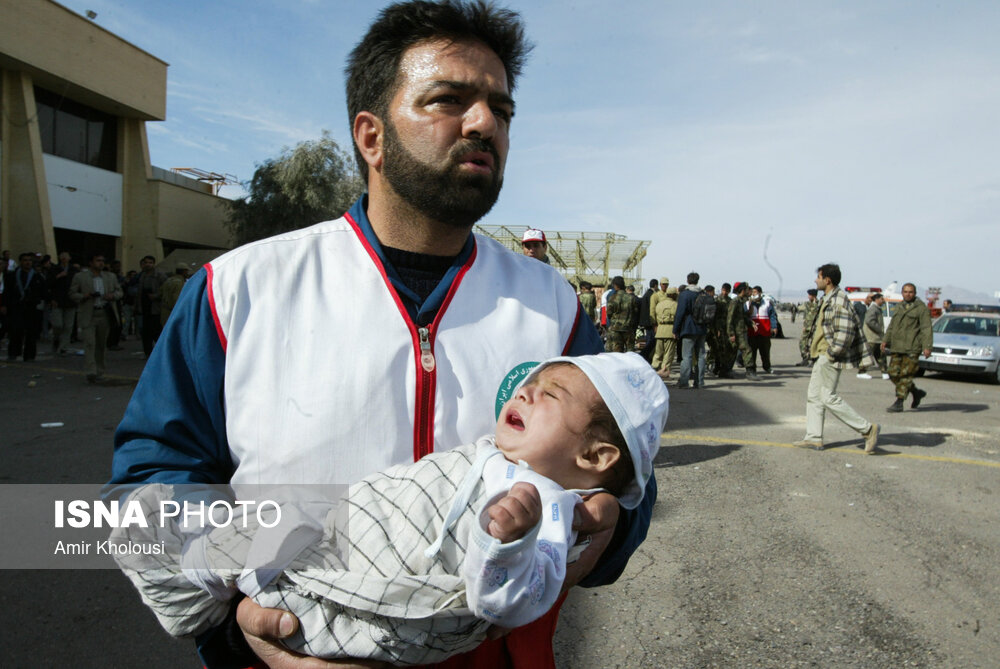
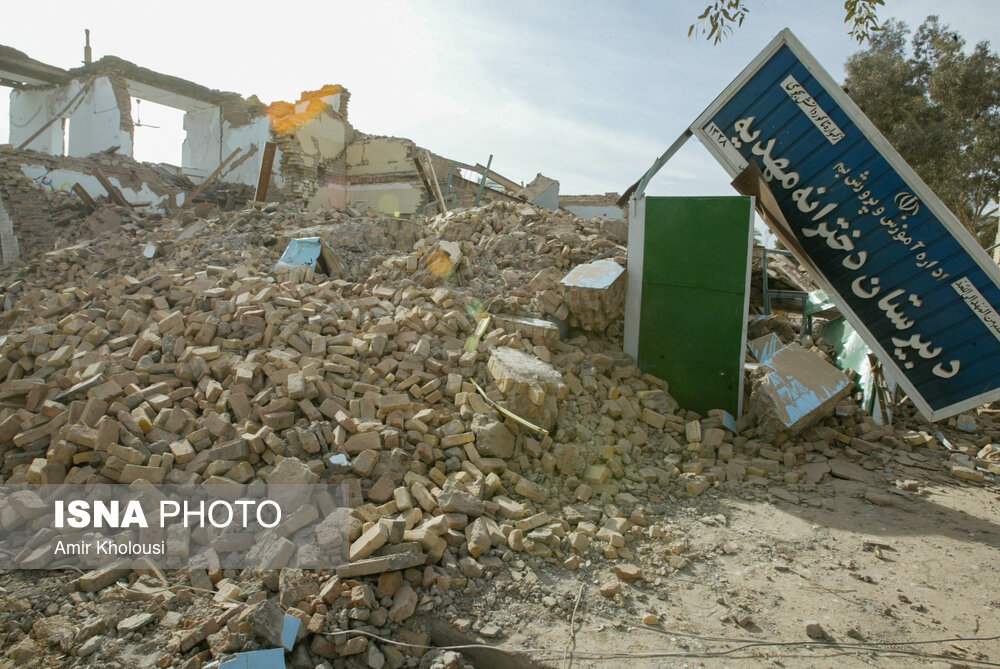
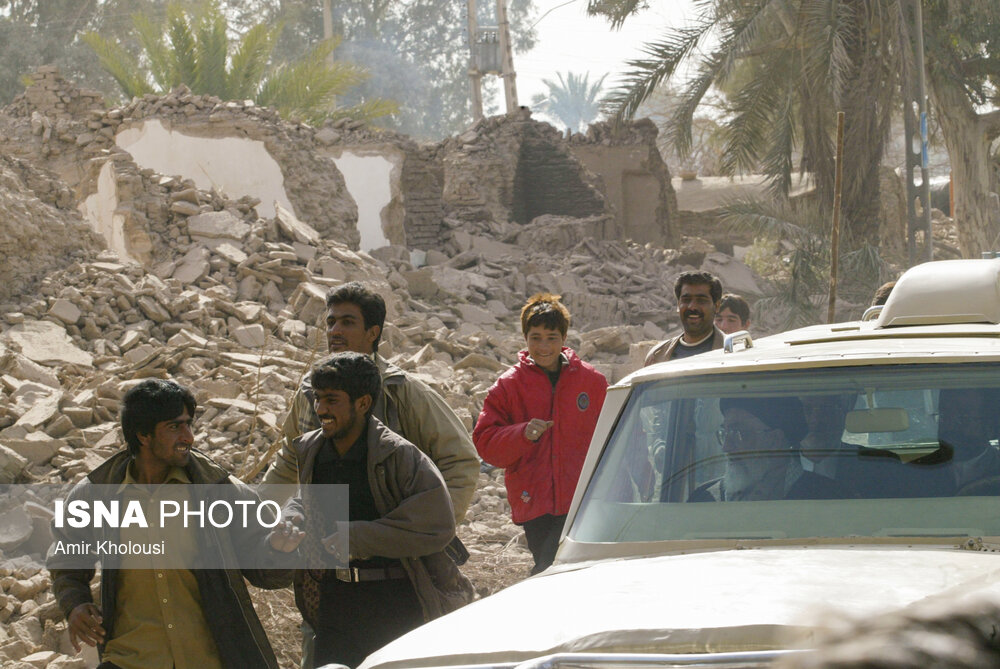
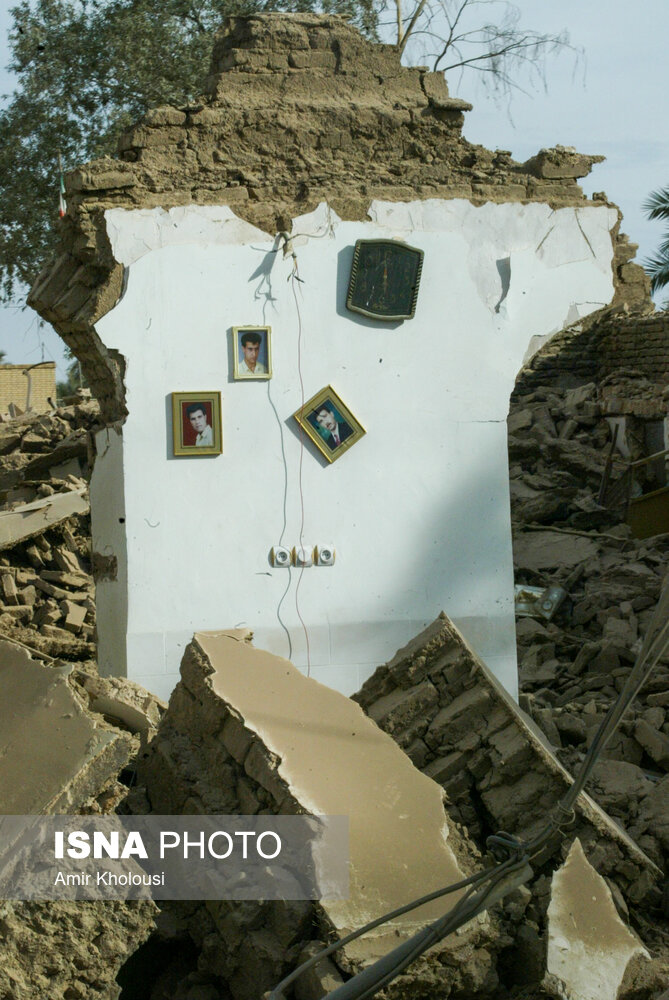
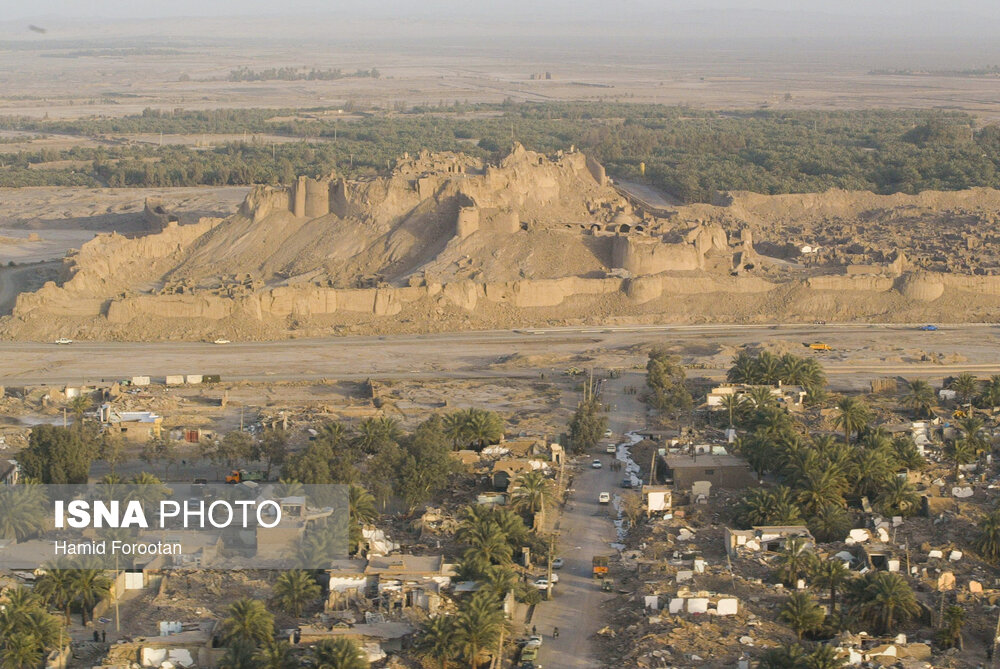
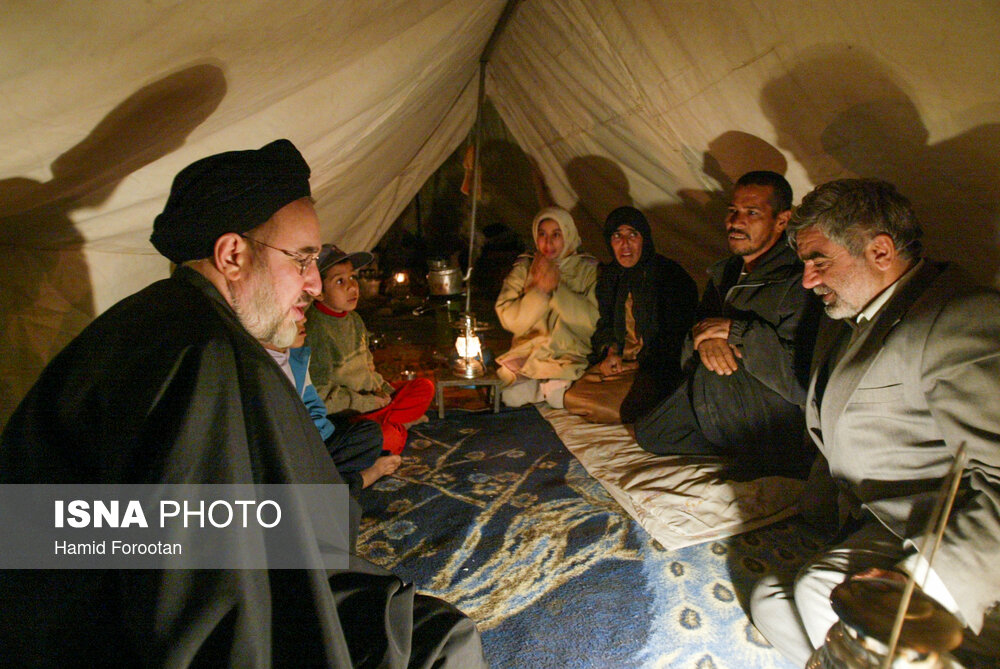
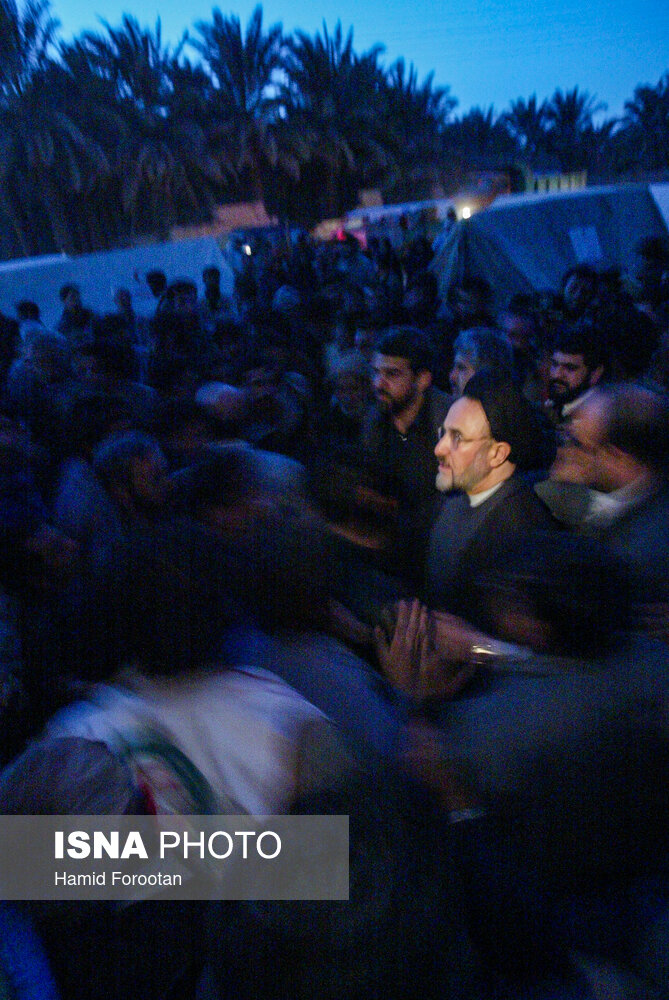
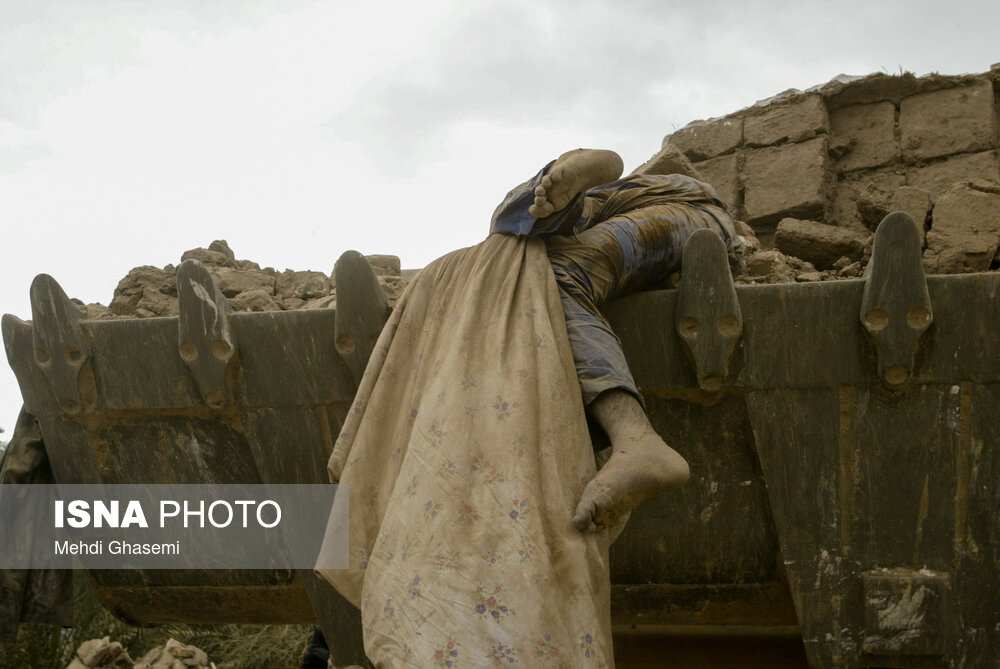
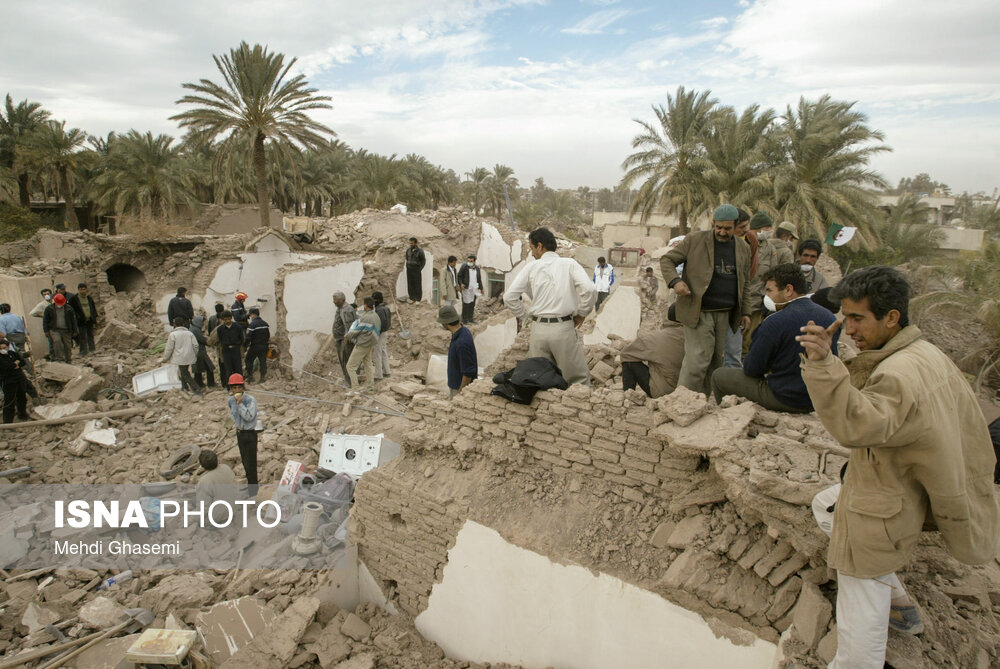
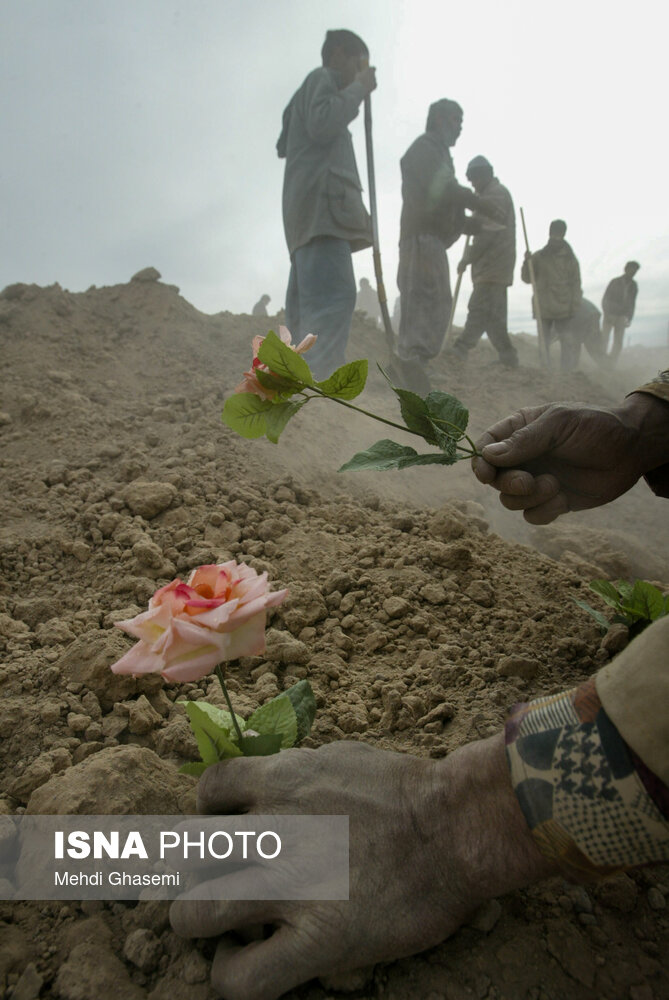
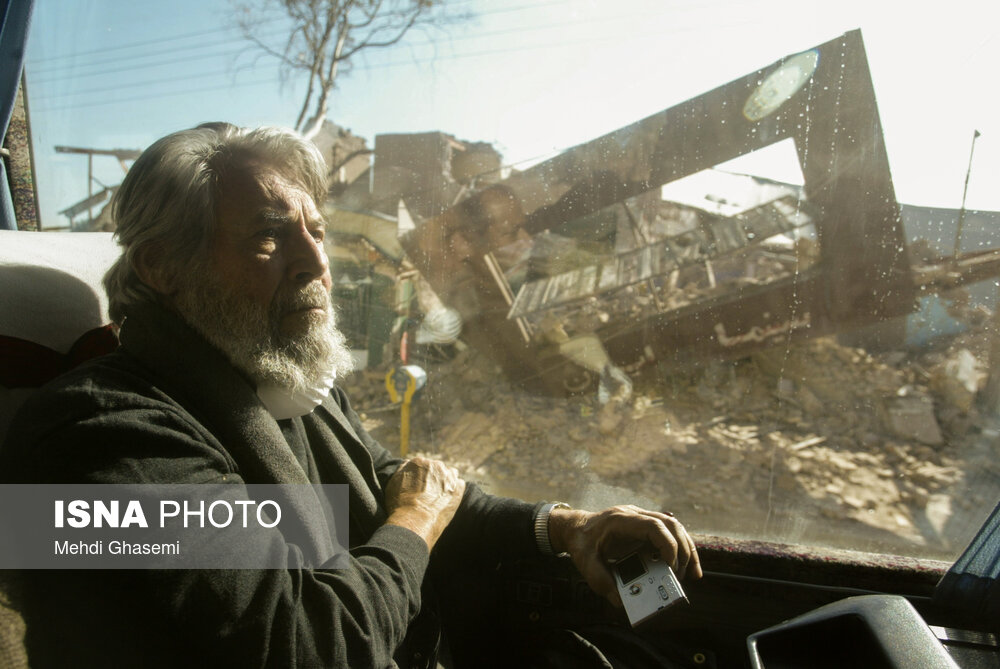
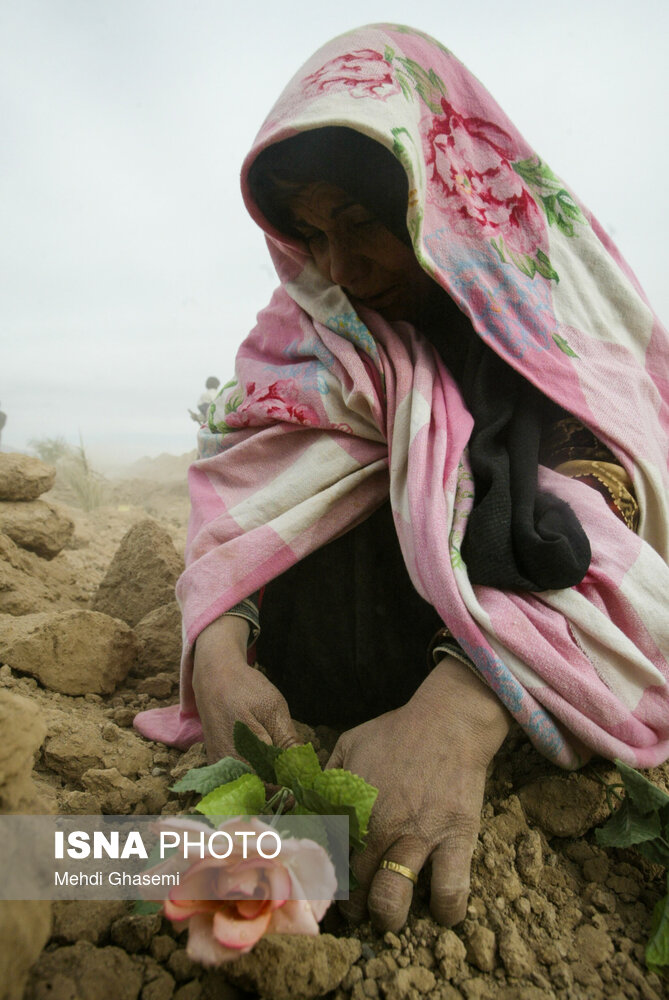
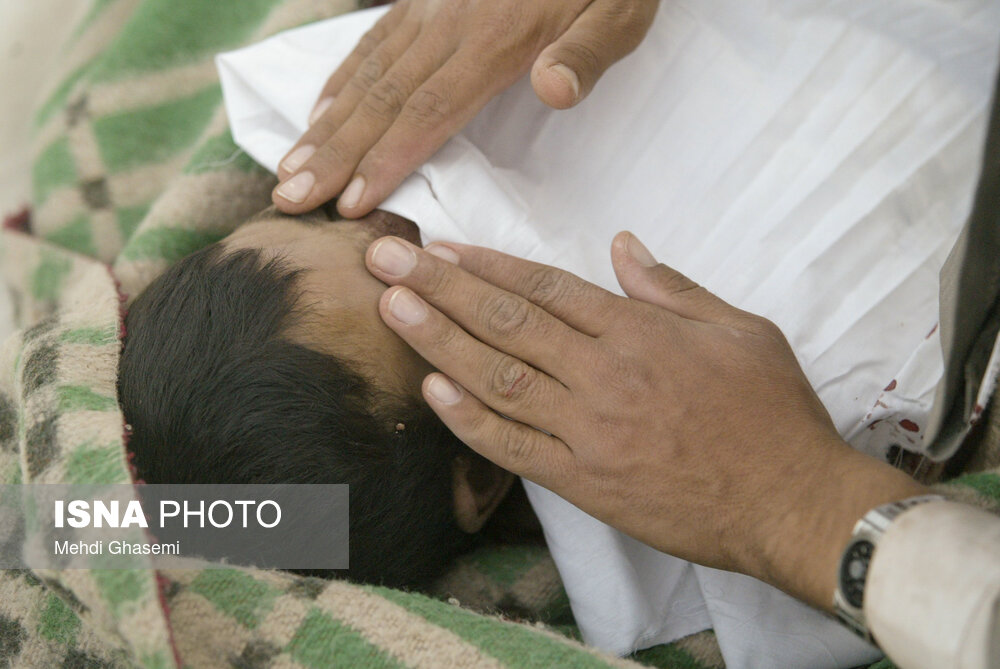
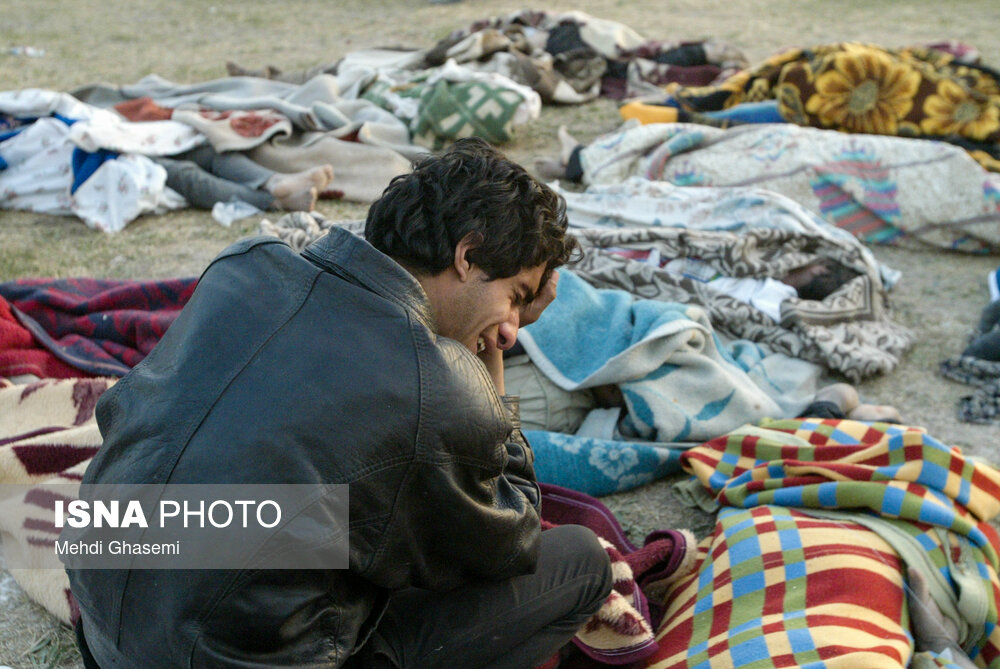
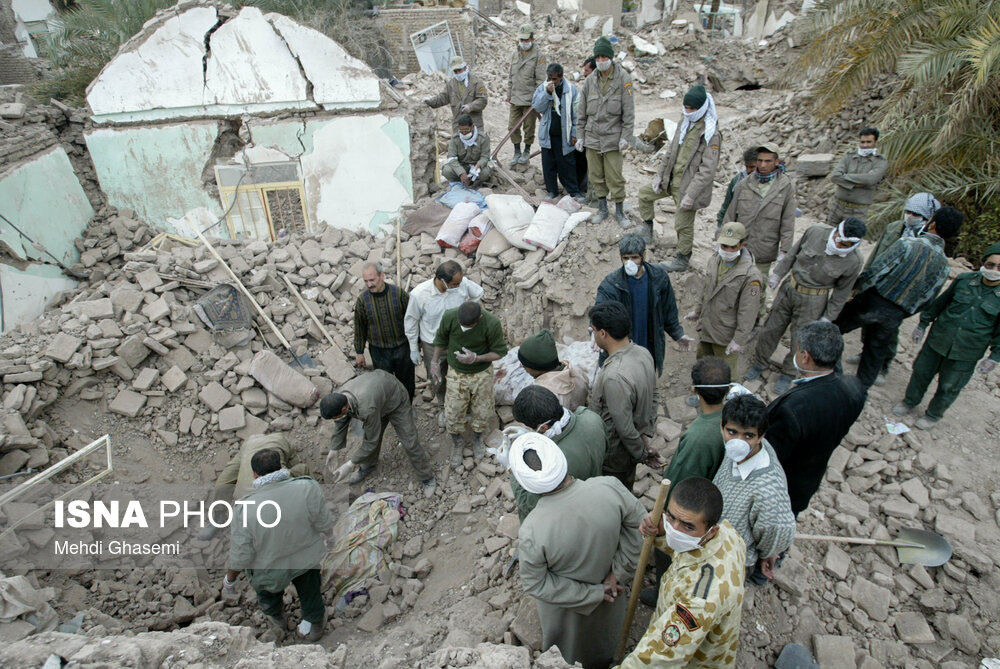
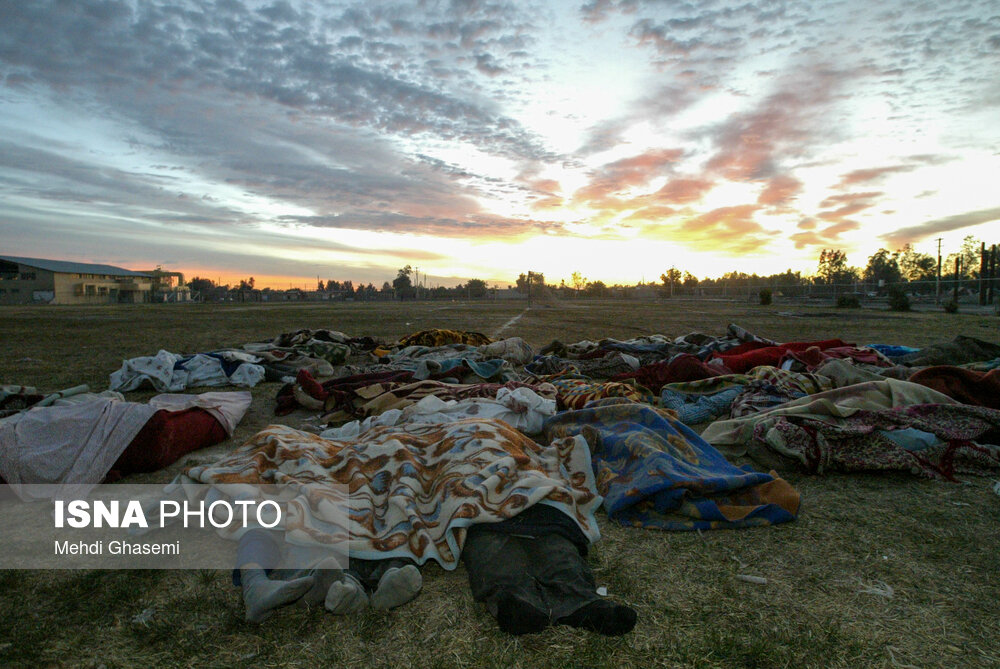
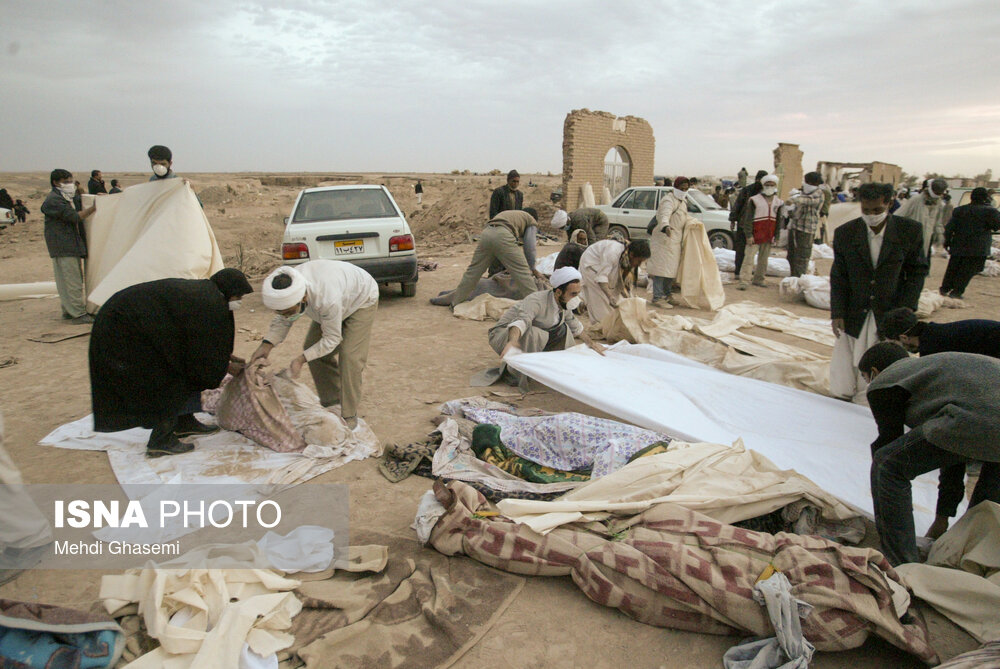
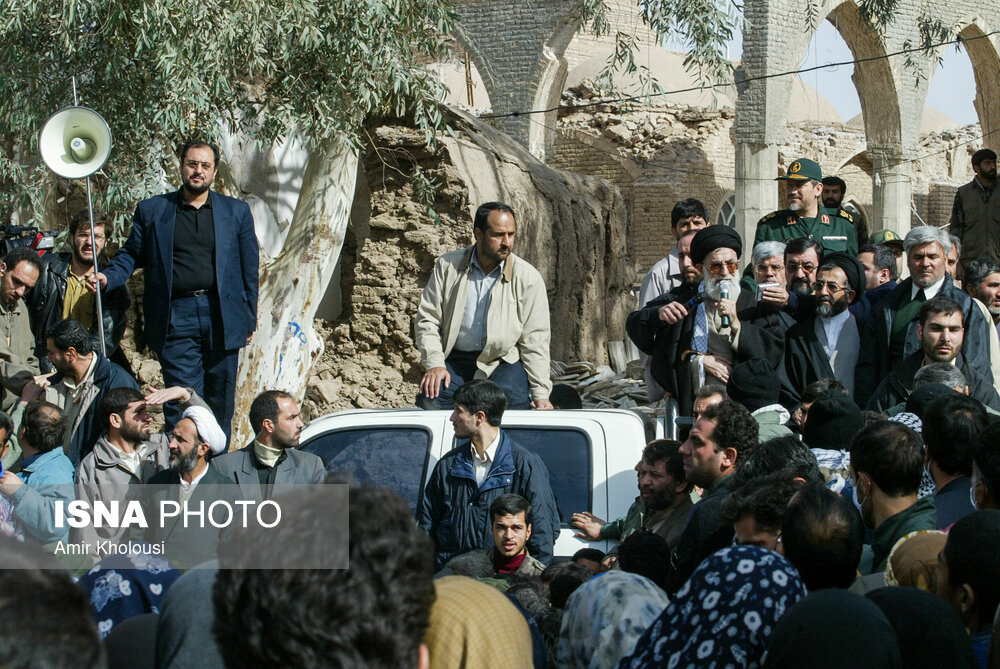
The unhealed wound of Bam: 21 years on

The 6.6 magnitude earthquake resulted in the death of over 34,000 people, buried alive under the rubble.

Due to the high number of casualties, the earthquake stands as the third deadliest in Iran’s recent history, following the earthquakes in Ardabil in 1997 and Damghan in 2010.

More in pictures:

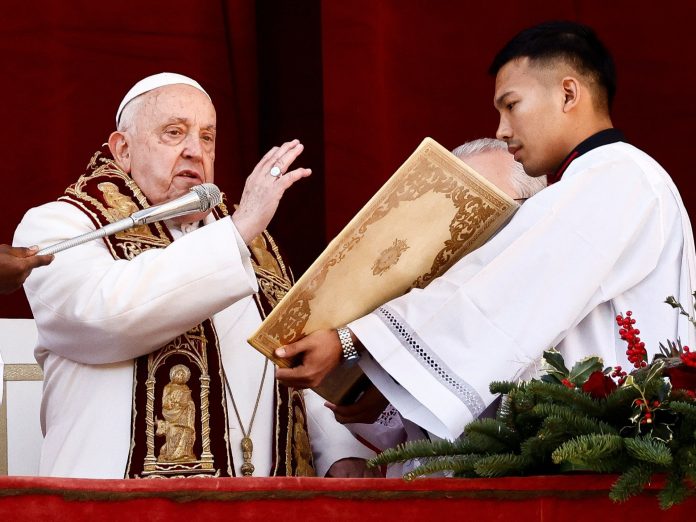
Pope Francis calls on world to ‘silence sound of arms’ in Christmas speech

Pope Francis

Francis addressed the conflict in Ukraine directly in his Urbi et Orbi message, calling for “gestures of dialogue and encounter, in order to achieve a just and lasting peace”.

Speaking from the central balcony of St Peter’s Basilica, the pope called for leaders to “open the door” to negotiations.

“May the sound of arms be silenced in war-torn Ukraine,” the 88-year-old pontiff said.

Ukrainian officials criticised Francis in March after he said the country should have “the courage to raise the white flag” and negotiate an end to the war with Russia. The Vatican’s director of communications later clarified that Francis was calling for a “diplomatic solution in search of a just and lasting peace”.

Francis also used his Christmas Day message to address the conflict in the Middle East, calling for “the doors of dialogue and peace [to] be flung open”.

“I think of the Christian communities in Israel and Palestine, particularly in Gaza, where the humanitarian situation is extremely grave,” he stated, adding, “May there be a ceasefire, may the hostages be released and aid be given to the people worn out by hunger and by war.”

The conflict has raged for nearly 15 months, while repeated ceasefire efforts have stalled. Both sides blamed each other again on Christmas Day for the failure to reach a truce.

Gaza’s health ministry announced in a statement on Wednesday that more than 45,361 Palestinians have been killed since Hamas-led fighters attacked southern Israel on 7 October 2023. Thousands more people are believed to be buried under the rubble and tens of thousands have been wounded.

Francis urged people to “tear down all walls of separation”, citing examples that ranged from the ideologies that “so often mark political life” to physical walls. He called for a “mutually agreed solution” to bring down the border wall that has divided the Mediterranean island of Cyprus since 1974.

He also called for a ceasefire in Sudan, which has been ravaged by 20 months of civil war, leaving millions at risk of famine.

“May the son of the most high sustain the efforts of the international community to facilitate access to humanitarian aid for the civilian population of Sudan and to initiate new negotiations for a ceasefire,” he said.

Francis opened the “holy door” of St Peter’s Basilica on Christmas Eve, launching the jubilee year of Catholic celebrations that are expected to draw more than 30 million pilgrims to Rome.

Francis urged people in his address on Wednesday to make the most of the jubilee year.

“I invite every individual and all people of all nations to have the courage to walk through the door, to become pilgrims of hope, to silence the sounds of arms and overcome divisions,” he added.

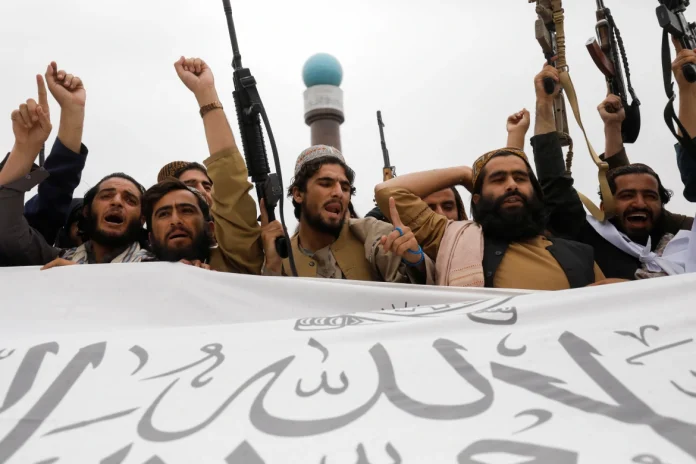
Pakistan carries out air attack against Afghanistan, Taliban vows retaliation

Taliban

While no official statement was issued by Pakistan’s Ministry of Foreign Affairs or military media wing, the Inter-Services Public Relations (ISPR), sources confirmed to Al Jazeera that the attacks took place in the Barmal district of Afghanistan, near Pakistan’s South Waziristan tribal district in Khyber Pakhtunkhwa province.

The interim Afghan government, ruled by the Taliban, also confirmed the attacks but insisted that civilians had been targeted. The Taliban spokesperson’s office told Al Jazeera that at least 46 people, including women and children, were among those killed in air raids.

“The Pakistani side should understand that such arbitrary measures are not a solution to any problem,” Enayatullah Khowarazami, spokesperson for Afghanistan’s Defence Ministry, wrote on social media platform X.

“The Islamic Emirate will not leave this cowardly act unanswered and considers the defense of its territory an inalienable right,” he added, referring to Afghanistan by the name given by the Taliban government.

The air raids, which were conducted for the second time this year, came just hours after Pakistan’s special representative for Afghanistan, Mohammad Sadi, met interim Afghan Foreign Minister Amir Khan Muttaqi in Kabul.

“Met Foreign Minister Amir Khan Muttaqi today. Held wide-ranging discussions. Agreed to work together to further strengthen bilateral cooperation and promote peace and progress in the region,” Sadiq posted on X.

Sadiq’s visit to Kabul, which also included a meeting with Afghan interim Interior Minister Sirajuddin Haqqani on Monday, took place amid deteriorating relations between the two neighbours, and ties are likely to sink further following the Tuesday night attacks, say analysts.

Pakistan has repeatedly accused the Afghan government of harbouring armed groups, especially the TTP, which it claims carries out cross-border attacks targeting Pakistani security forces.

Last week, TTP fighters claimed responsibility for killing at least 16 Pakistani soldiers in South Waziristan in one of the deadliest recent attacks on security personnel.

While the Taliban denies providing refuge to armed groups or allowing their territory to be used for cross-border attacks, Pakistan asserts that the TTP conducts its operations from Afghan sanctuaries.

During a United Nations Security Council briefing last week, Pakistan said thousands of Pakistan Taliban fighters have sought shelter in Afghanistan.

“The TTP, with 6,000 fighters, is the largest listed terrorist organisation operating in Afghanistan. With safe havens close to our border, it poses a direct and daily threat to Pakistan’s security,” Pakistani diplomat Usman Iqbal Jadoon stated at the UN briefing.

Data indicates a rise in attacks and deaths, particularly in Pakistan’s restive northwestern Khyber Pakhtunkhwa province and southwestern Balochistan province, both of which border Afghanistan.

According to Pakistan’s Interior Ministry, more than 1,500 violent incidents in the first 10 months of this year have resulted in at least 924 deaths. Among the casualties were at least 570 law enforcement personnel and 351 civilians.

The Pakistan Institute for Conflict and Security Studies (PICSS), an Islamabad-based research organisation, reported more than 856 attacks so far in 2024, surpassing the 645 incidents recorded in 2023.

Pakistan maintains that it has repeatedly shared evidence with the Taliban regarding TTP operations but claims these concerns have not been adequately addressed.

The Pakistani government launched a military campaign, Azm-e-Istehkam (Resolve for Stability), in June, and security analyst Amir Rana believes that the latest air raids are likely part of this operation.

“Discussions within military circles have focused on conducting offensives on Afghan soil after the recent surge in attacks against security personnel. These strikes appear to be triggered by last week’s attacks on soldiers,” Rana told Al Jazeera.

Rana, who is also the director of Islamabad-based security think tank Pak Institute for Peace Studies (PIPS), further noted the Kabul visit by Sadiq, Pakistani special representative to Afghanistan, might not be connected to Tuesday’s air raids.

“Sadiq’s visit was more about conveying the government message to share its apprehensions about increasing attacks by TTP networks which operate from Afghanistan, and was likely a trust-building exercise,” he added.

Ihsanullah Tipu, an Islamabad-based security analyst, said Pakistan has conducted at least four air raid operations on TTP hideouts in Afghanistan over the past few years.

However, Tipu added that a serious flaw in Pakistan’s Afghanistan policy was its “inconsistent approach”.

“Historically, Pakistan’s approach has been personality-driven rather than strategy-driven. Actions such as cross-border air strikes should be part of a comprehensive and well-planned policy instead of reactive measures,” Tipu, who is also a co-founder of The Khorasan Diary, a security research portal, told Al Jazeera.

Tipu also suggested that while the Afghan government has promised retaliation, the real response may come from the Pakistan Taliban.

“The actual reaction may come from the Pakistani Taliban, who have been discussing revenge attacks in their internal communications already, alleging that the strikes killed their women and children,” he added.

Rana from PIPS said such cross-border attacks are becoming a norm globally, and it was unlikely that Pakistan would face any criticism or consequences from the international community for the air raids.

“But this also presents a big challenge to us, and a matter to introspect, that despite four decades of engagement in Afghanistan, we still have not developed diplomatic skills to hold dialogue with rulers in Afghanistan, whoever it might be, in a constructive manner,” Rana added.

Tipu, meanwhile, emphasised that the TTP issue remained a big obstacle to Pakistan-Afghanistan relations.

“With Sadiq’s reappointment as special envoy, there were hopes for détente between the two countries. However, Tuesday’s strikes may significantly hinder any progress before it formally begins,” he stated.