Saturday, April 18, 2026
Home Blog Page 5003

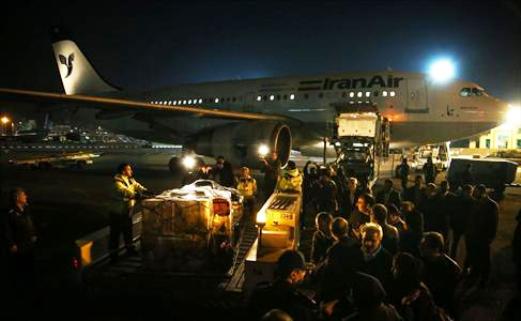
Stolen Iranian antiques returned from Belgium

Stolen Iranian antiques returned from Belgium

A collection of over 300 Iranian artifacts in Belgium for 50 years has finally been returned to Iran.

The 349 Iranian heritage items which had been illegally transferred to Belgium some 50 years ago were finally handed back to Iran by following a Belgian court ruling 33 years in the making.

The stolen artifacts comprising of 221 clay and 128 bronze antiques date back to the end of the second millennium and the first millennium BC and are some 3,000 years old. They will be put on display at the National Museum of Iran soon.

The antiques which had been discovered in Khurvin, Alborz Province, were gradually transferred to Belgium in 1965 by a French woman who had acquired an Iranian nationality due to her marriage to an Iranian professor.

After the Iranian government was informed of the existence of the collection in a Museum in Ghent, Belgium, it filed a lawsuit in Belgian courts in 1981, saying that the artifacts which had been illegally transferred out of the country, belonged to the government of Iran.

After more than 30 years, a Belgian court finally ruled in favor of Iran in September 2014 and the antique collection was returned to Iran on Thursday Dec. 24.

The head of Iran’s Cultural Heritage, Handicrafts and Tourism Organization (ICHTO) Masoud Soltanifar, while confirming the transfer of the antiques to the National Museum of Iran, maintained that Iran is adamantly following up on a similar case related to some 7,000 Achaemenid tablets which are presently being kept in the Oriental Institute of the University of Chicago.

According to the former head of ICHTO Mohammad Ali Najafi, the clay tablets had been loaned to Chicago’s Oriental Institute for Studies and Translation during the rule of the Shah, but they have not been returned to Iran yet.

Other than the case on Achaemenid tablets, Iran is following up on another case involving artifacts discovered in Choghamish in Dezful County, Khuzestan Province, which according to Soltanifar is in its final stages.
Iran hits 66% copper production target

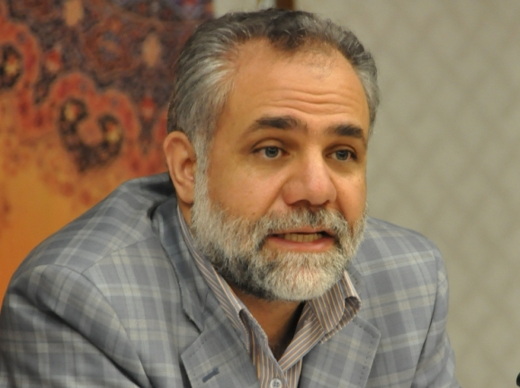
Seyyed Mohamad Fatemian

Iran realized 66 percent of the copper cathode target by producing 129,000 tons in the eight months to November 21, said the director general of Mineral Industries Office of the Ministry of Industries, Mines and Trade.

“Based on the strategy for copper production by Iran University of Industries and Mines, it is predicted that Iran will produce 850,000 tons of copper cathode in future,” Seyyed Mohammad Fatemian added.

A total of 34 copper mines are operating in Iran, which account for almost five percent of the global copper resources.
“The installed capacity in downstream copper industries such as wire staples, pipes and the like is 940,000 tons,” he said, regretting that the productivity of this sector is only 20 percent due to low consumption of such products.
Fatemian noted that Iran produced 156,993 tons of copper anode and 523,598 tons of copper concentrates during the period.
“Based on international studies, 20 downstream manufacturing companies are on stream throughout Europe, while in Iran, 120 downstream copper units are working,” he said.

The official noted that in order to boost copper production capacity, new investment and development plans are inevitable.

The production of 24,120,159 tons of sulfide ore, 3,844 tons of molybdenum concentrate and 26,508 tons of wire staples was reported during the period.

Iran extracted 108,719,487 tons of copper during the same period.

Fatemian predicted that small mines will help produce 200,000 tons of concentrates, which require investments worth $625 million.

“Although copper exports will continue, domestic need is prioritized,” he said.

Copper complexes of Sarcheshmeh, Sungun and Miduk are the main copper mines of Iran respectively.

Iran constant supporter of Iraqis: KRG president

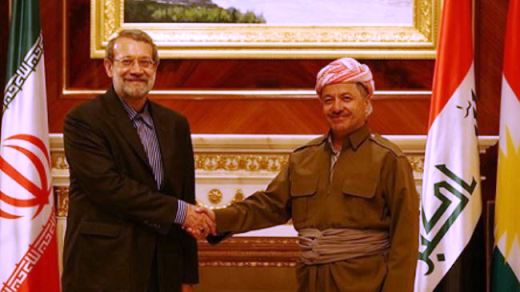
Larijani-Barzani-Erbil

The president of Iraq’s Kurdistan Regional Government has hailed Iran’s constant support for the Iraqi government and people in their fight against terrorist groups.

“Iran stood by the Iraqi government and nation in a difficult situation when the ISIL terrorist group was threatening (the capital of Iraqi Kurdistan region) Erbil and (the Iraqi capital) Baghdad, and this measure is worthy of appreciation,” Masoud Barzani said in a meeting with Iran’s Parliament (Majlis) Speaker Ali Larijani in Erbil on Friday.

Referring to numerous commonalities between the Kurdish region and Iran, Barzani stated that the two sides have good relations, which will be expanded in the future.

Larijani, for his part, described the current situation in the Middle East as sensitive and serious, calling on all regional governments to “feel responsible” in this regard.

Larijani, who arrived in Iraq early on Tuesday on the last leg of a regional three-country tour, also met with some other top officials, including Iraqi Prime Minister Haider al-Abadi, former Iraqi Parliament Speaker Mahmoud al-Mashhadani, and Deputy Leader of the Patriotic Union of Kurdistan Barham Salih.

The ISIL terrorist group controls some parts of Syria and Iraq. The Takfiris have engaged in crimes against humanity in the areas under their control. The militants have mass murdered local civilians, captured army and security officers and terrorized people from diverse communities, including Shias, Sunnis, Kurds, and Christians.

Iran’s Army Employs Suicide Drone in Drills

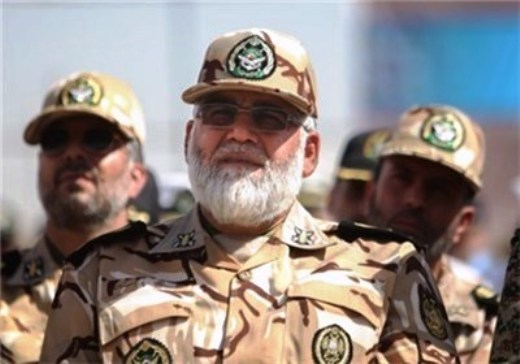
General Ahmad Reza Pourdastan

The Iranian Army Ground Force has for the first time utilized a type of suicide drone in the military exercises underway in the country’s south and southeast, a senior army commander announced.

“The (suicide) drone can be used for hitting the aerial and ground targets and can carry out an attack when it identifies a suspicious target,” Commander of the Iranian Army Ground Force Brigadier General Ahmad Reza Pourdastan told reporters on Friday.

He made the comments on the sidelines of large-scale military war games, now underway across the southeastern and southern Iranian provinces of Sistan and Balouchestan and Hormozgan.

Codenamed “Muhammad Rasulullah” (Muhammad, the messenger of God), the war games began on Thursday with the participation of different Army units and is expected to run until December 31.

The Ground Force’s plan to use suicide drones dates back to September 2013, when Pourdastan said his forces manufactured a new type of advanced suicide drone, dubbed ‘Ra’ad 85’.

“This drone is like a mobile bomb, and is capable of destroying fixed and mobile targets,” the commander said.

Elsewhere in his comments on Friday, the top army officer said the Ground Force employed Unmanned Aerial Vehicles (UAVs) in the ongoing drill in two phases.

In the first step, the drones played the role of enemy aircraft and in the second phase, the pilotless planes flew as the friendly aircraft, he explained.

He also hailed an extension in the range and operational capabilities of the Ground Force drones.

“These drones can carry heavier payloads compared to the past, and the quality of their optical devices has also improved,” the commander added, describing the drones as the “Ground Force’s upper-hand” in the battle field.

Iran Army tests military hardware during major drill

Iran-army

The Iranian Army has unveiled and tested its military hardware in the second phase of the major military exercises code-named Mohammad Rasoulollah (Mohammad, the Messenger of God) in the south of the country.

Various units of the Iranian Army’s Ground Forces participated in the maneuvers and different defense systems, including newly-developed ones, were tested in this stage of the maneuvers on Friday.

Iran’s Air Force Cobra combat helicopters were deployed in the drill and backed the Ground Forces units by striking hypothetical enemy targets.

Zolfaghar and Samsam Tanks, both domestically manufactured, were also used in the exercises.

Newly-developed Iranian tank carriers were also used in the drills and facilitated the rapid transfer of the tanks.

Dehlavieh and Toofan anti-tank missile systems were also successfully tested by the Ground Forces in the exercises, with the latter fired by helicopters as well.

The Iranian army also tested Shaher and Akhgar sniper rifles and Moharram Gatling gun.

The Ground Forces also tested its drones including Shahin in the exercises which conducted reconnaissance and data collection operations.

Phantom fighter jets and other units of the Airborne Division of the Iranian Army’s Ground Forces were also used in the drills.

A mine-laying vehicle was also unveiled during the maneuvers as a new achievement. The vehicle has the capability to mine a large area in a short period of time.

During the first stage of the six-day military drill on Thursday, different ground units, fighter jets and air defense systems were stationed in the southeastern part of the country. Various marine, surface, and subsurface vessels were also deployed in the Sea of Oman.

The exercises cover an area of 2.2 million square kilometers stretching from the east of the Strait of Hormuz all the way to the 10th parallel north in the Indian Ocean.

The joint drills by Iranian Army’s ground, naval, and air forces are backed by Khatam al-Anbia Air Defense Base.

Different types of military hardware and weapons are deployed both in the water and on land during the drill, which is the largest of its kind in the region.

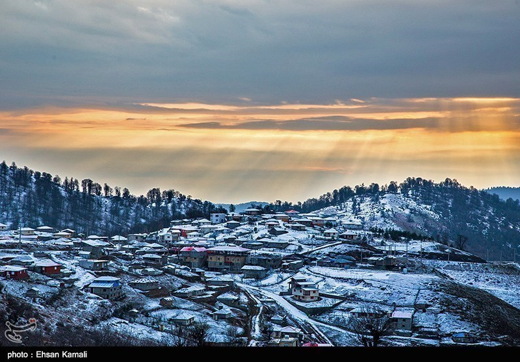
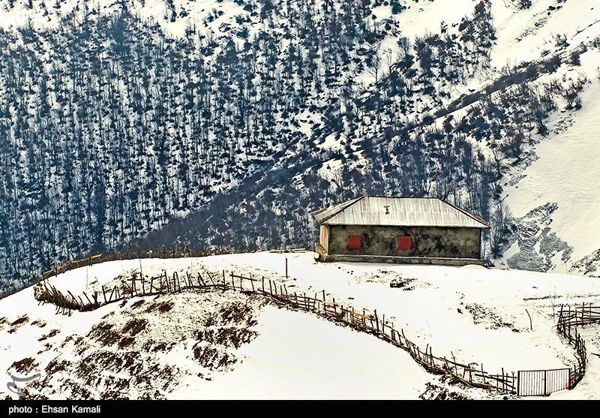
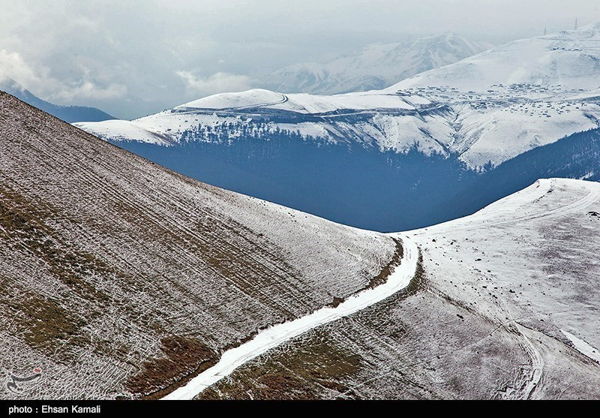
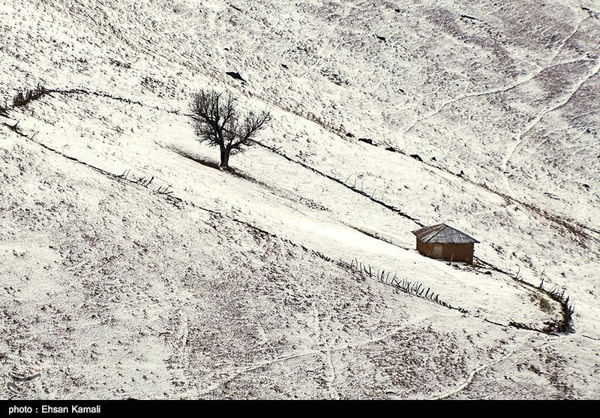
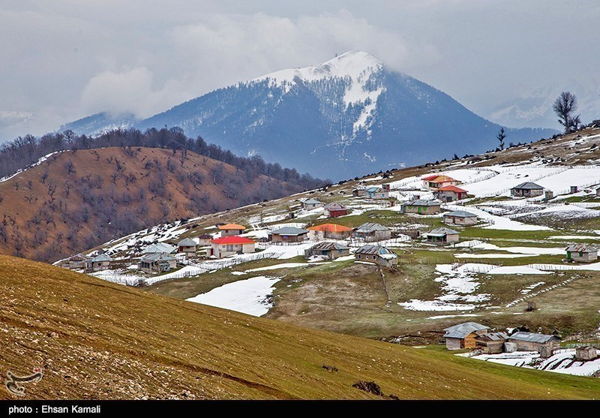
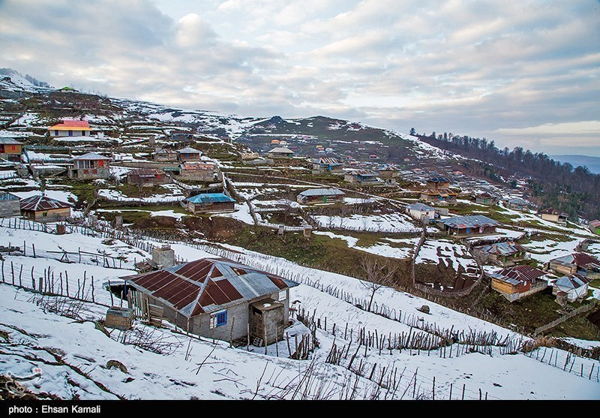
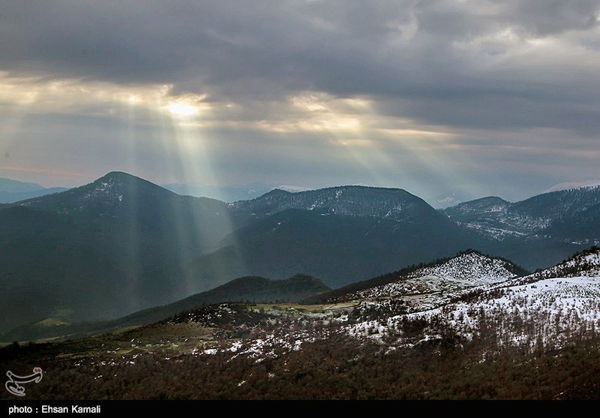
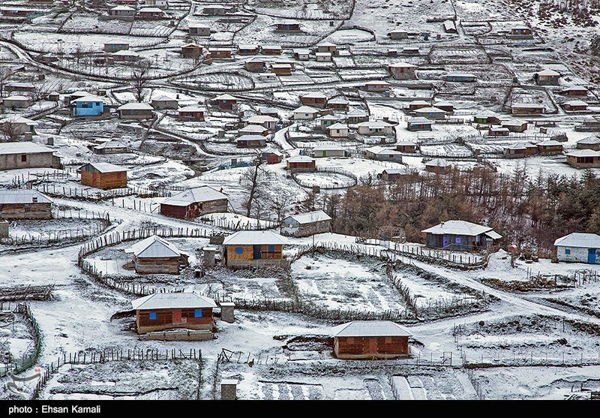
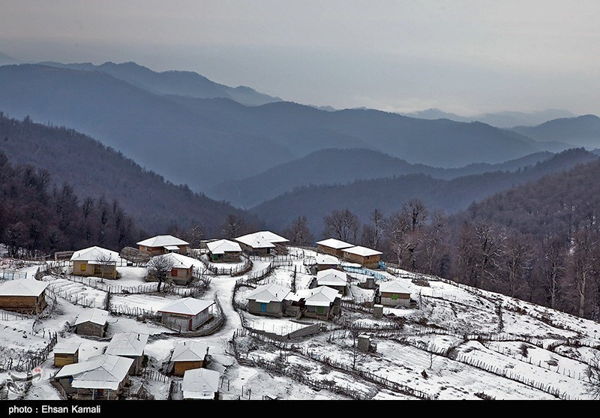
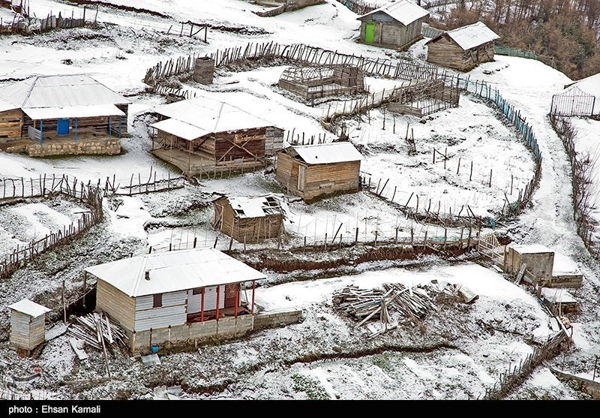
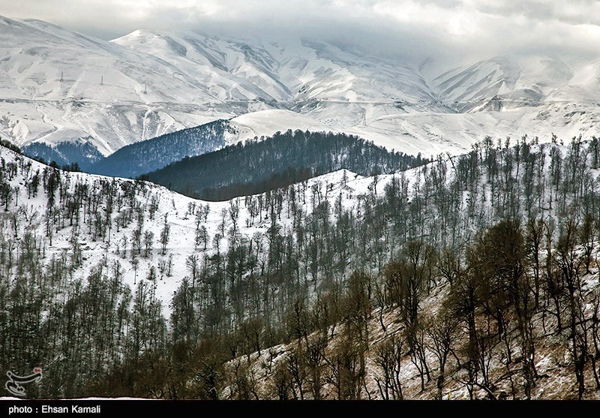
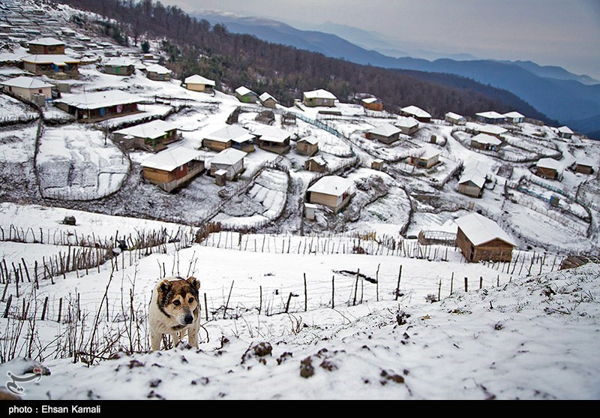
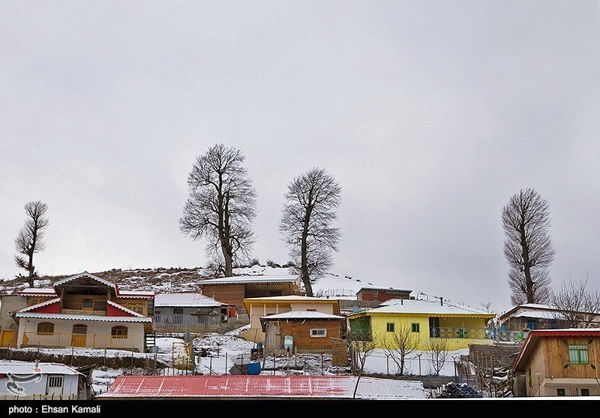
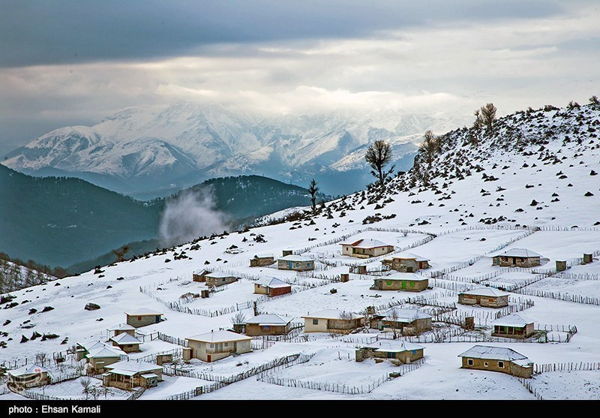
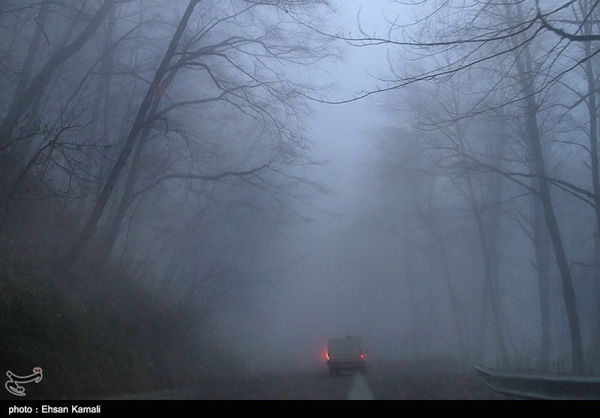
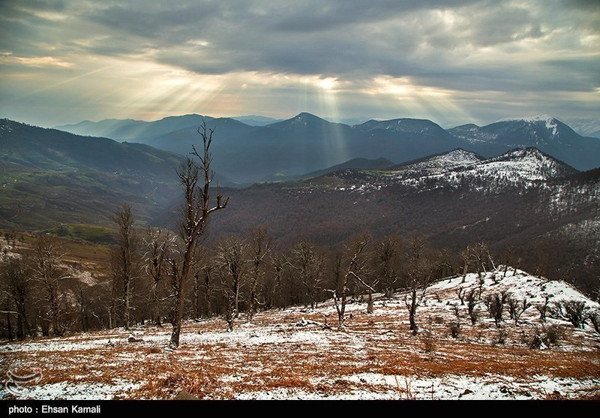
Winter in Khalkhal-Asalem region in Iran in photos

Winter in Iran-Khalkhal-Asalem

Miles from the Caspian Sea, Khalkhal-Asalem region in north Iran’s Gilan province, with beautiful scenes of Nature, attracts many visitors every year.

Tasnim News Agency on December 26 dedicated its Iran’s Beauties in Photos to pictures from winter in the northern part of Iran. Take a look:

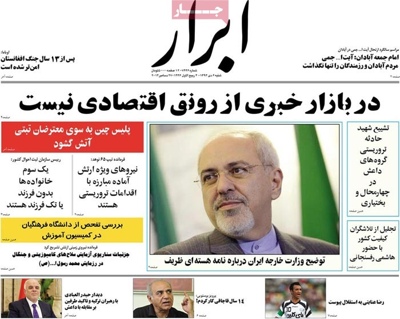
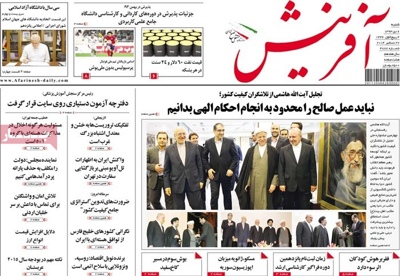
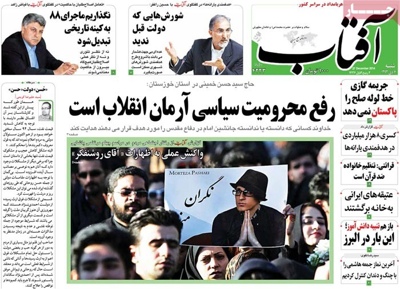
A look at Iranian newspaper front pages on Dec. 27

Iranian Newspapers Headlines

The military maneuvers of the Iranian Army in the south dominated the front pages of the dailies on Saturday. The comments of Seyyed Hassan Khomeini, the grandson of the founder of the Islamic Republic, on respect for veteran revolutionaries and the political ideals of the establishment made headlines too. Also in the news were the remarks of the director of the National Organization for Civil Registration about the country’s demographics.


Abrar: “The army’s special forces are prepared to counter terrorist attacks,” said an Iranian Army commander.


Abrar newspaper 12 - 27


Afarinesh: “Western classification of terrorists as violent or moderate is a major mistake,” said Iranian Parliament Speaker Ali Larijani on a visit to Iraq.


Afarinesh newspaper 12 - 27


Aftab-e Yazd: “Overcoming political deprivation is a cause of the revolution,” said Seyyed Hassan Khomeini, the grandson of the founder of the Islamic Republic.

Aftab-e Yazd: “Family planning runs counter to the principles of the Koran,” said Mohsen Ghara’ati, who runs the Center for Promotion of Prayer.


Aftabe yazd newspaper 12 - 27


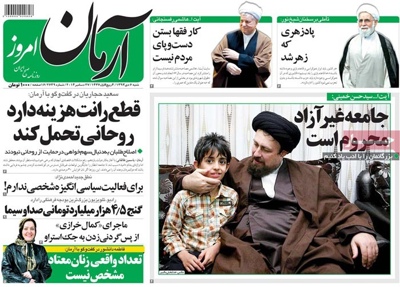
Arman-e Emrooz: “Jurisprudents are not here to impose restrictions on the public,” said Chairman of the Expediency Council Akbar Hashemi Rafsanjani.

Arman-e Emrooz: “I have no personal motivation to be active in politics,” said former President Mahmoud Ahmadinejad.


Armane emruz newspaper 12 - 27


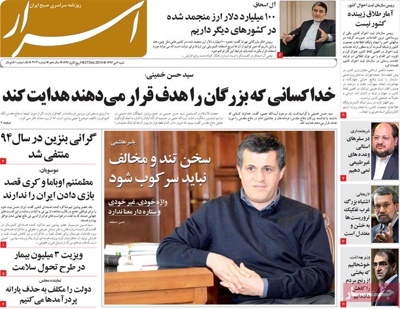
Asrar: “Iran has $100 billion in frozen assets abroad,” said head of Tehran Chamber of Commerce, Industries, Mines and Agriculture Yahya al-Eshagh.

Asrar: “We will require the government to cut the cash subsidies of high-income individuals,” said an MP.


Asrar newspaper 12 - 27


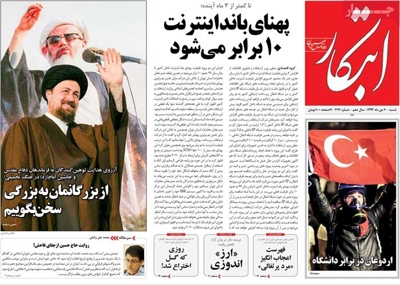
Ebtekar: The Internet bandwidth will see a ten-fold growth within the next three months.


Ebtekar newspaper 12 - 27


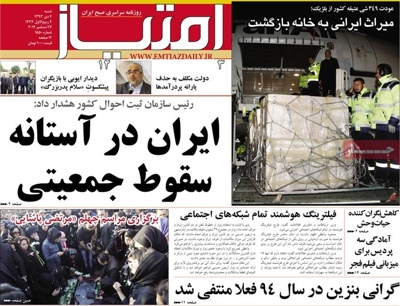
Emtiaz: As many as 349 antique artifacts belonging to Iran were returned to Iran from Belgium.

Emtiaz: “[The content of] all social networking sites will be subject to smart filtering,” said the minister of telecommunications and information technology.


Emtiaz newspaper 12 - 27


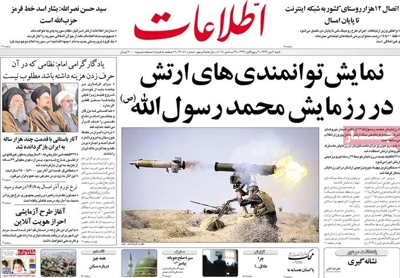
Ettela’at: The Iranian Army’s capabilities are on display in military exercises code-named Mohammed the Messenger of God in the south.

Ettela’at: “An establishment where people have to pay a price for expressing their ideas is not up to par,” said Seyyed Hassan Khomeini, the grandson of the late Imam Khomeini.


Ettelaat newspaper 12 - 27


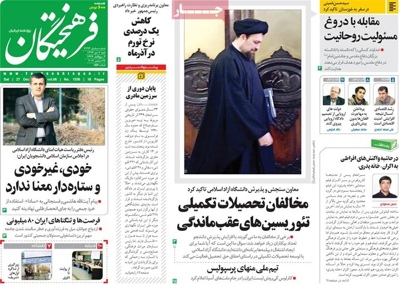
Farhikhtegan: “Iran’s inflation rate posted a one-percent decrease in the 30 days to December 22,” announced Vice-President for Strategic Planning and Supervision Mohammad Bagher Nobakht.


Farhikhtegan newspaper 12 - 27


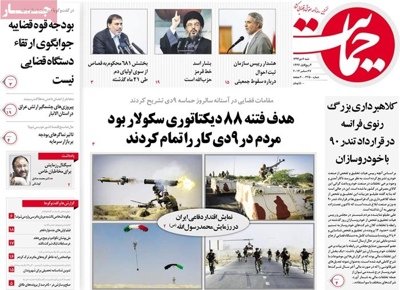
Hemayat: “[Syrian President] Bashar Assad is the red line of the [Lebanese] Hezbollah Movement,” said Hezbollah Leader Seyyed Hassan Nasrallah.

Hemayat: As many as 681 death-row inmates have been forgiven by the victims’ families over the past 21 months.


Hemayat newspaper 12 - 27


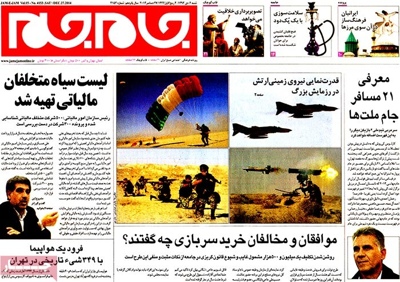
Jamejam: As many as 500 tax-evading companies have been identified in Iran and the cases of 300 more are under review,” said the president of the Iranian National Tax Administration.


Jame jam newspaper 12 - 27


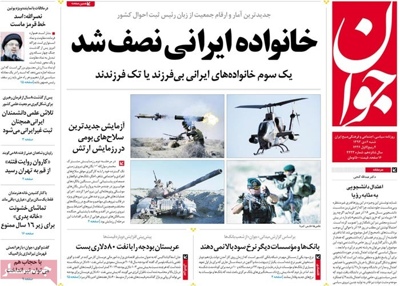
Javan: “Childless and single-child families account for one-third of Iranian households,” said the director of the National Organization for Civil Registration.


Javan newspaper 12 - 27


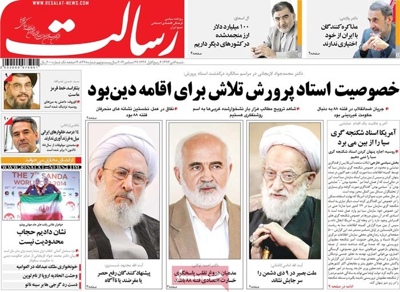
Resalat: Ali Akbar Velayati, an advisor to the Supreme Leader and a former foreign minister, has said that [representatives of P5+1] who are negotiating with Iran [over its nuclear program] have no leeway in the talks.


Resalat newspaper 12 - 27


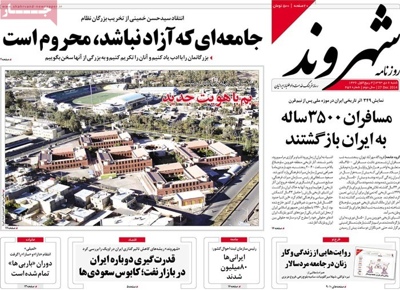
Shahrvand: Iran’s population has surpassed 80 million.

Shahrvand: “A society which lacks freedom is a deprived society,” stressed the grandson of the founding father of the Islamic Republic.


Shahrvand newspaper 12 - 27


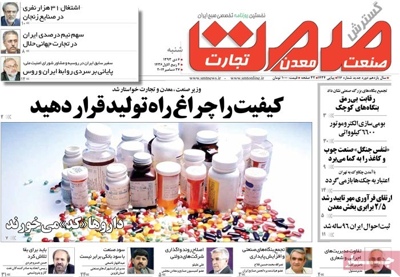
SMT: Iran has only a 0.5 percent share of the global trade in halal products.


Samt newspaper 12 - 27


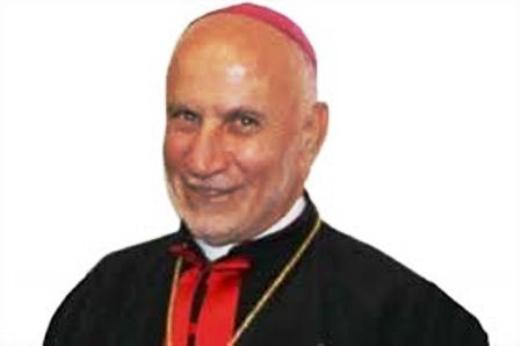
Religious minorities enjoy peace in Iran

Thomas Meram

Archbishop Thomas Meram of Assyrians, Chaldean and Catholics minorities living in Orumiyeh, the capital city of West Azarbaijan province has said that the peace Iran has provided for religious minorities is exemplary.

Speaking in a church ceremony to mark the birthday of Jesus Christ (Peace Be upon Him), the Archbishop regretted the religious conflicts which have gripped regional countries.

He said he was happy that he lived in a country where the religious minorities live in full peace thanks to the wise leadership of the Supreme Leader Ayatollah Seyyed Ali Khamenei.

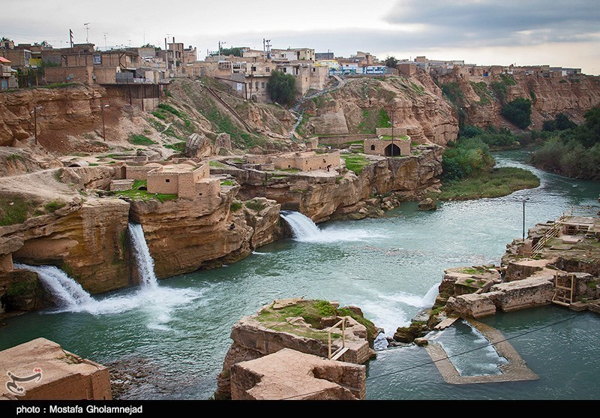
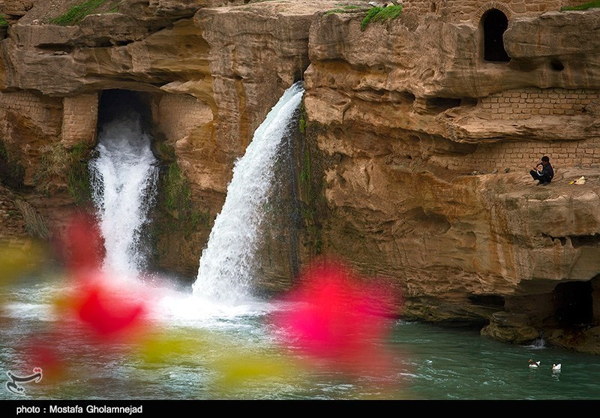
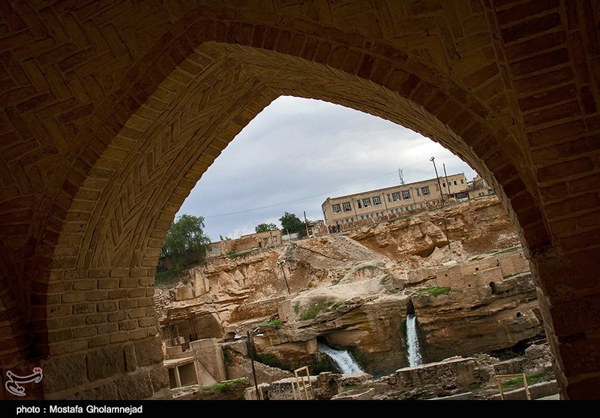
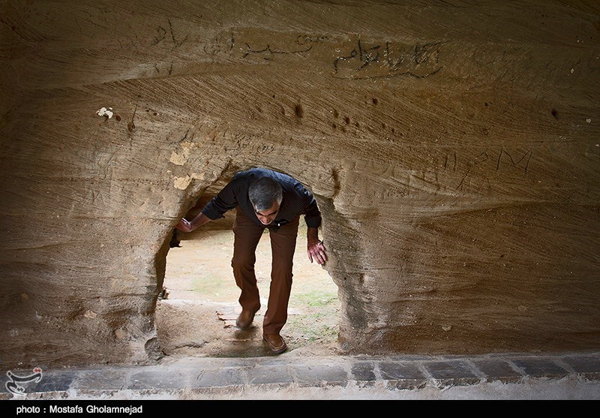
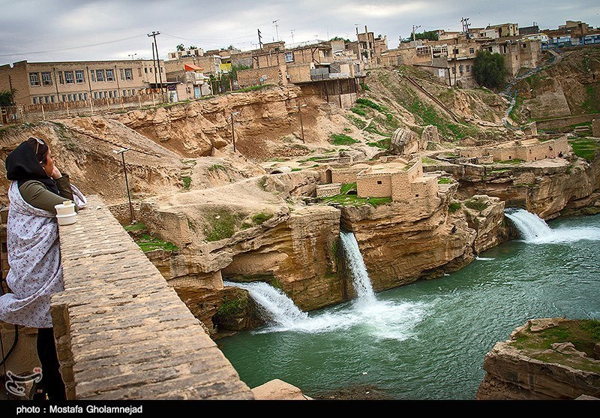
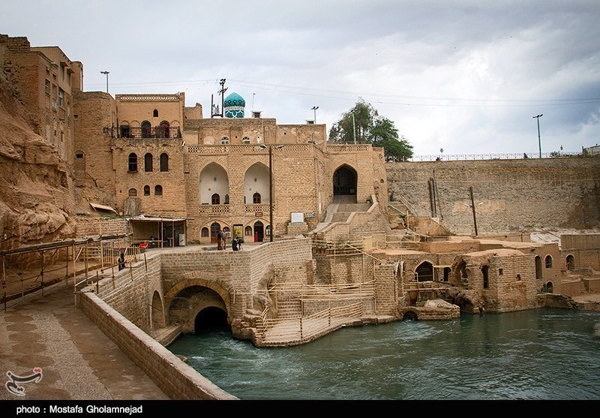
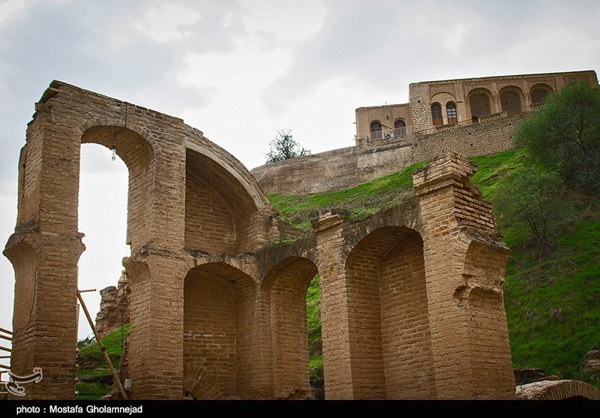
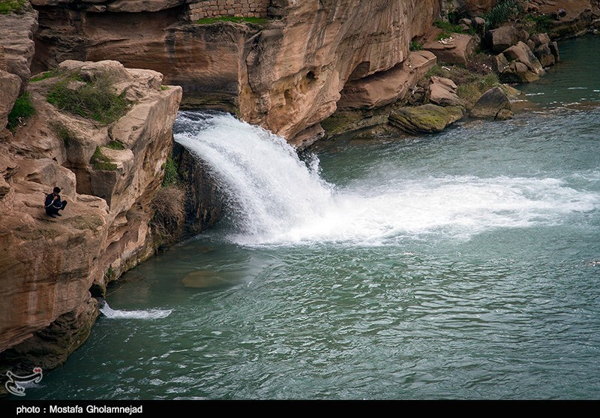
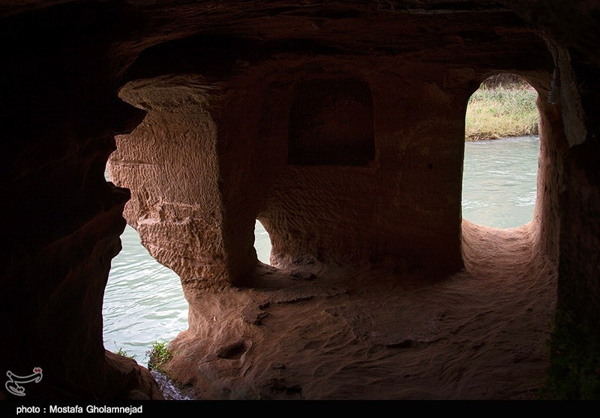
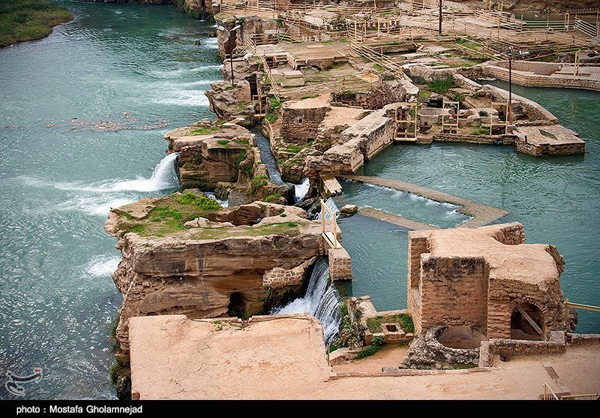
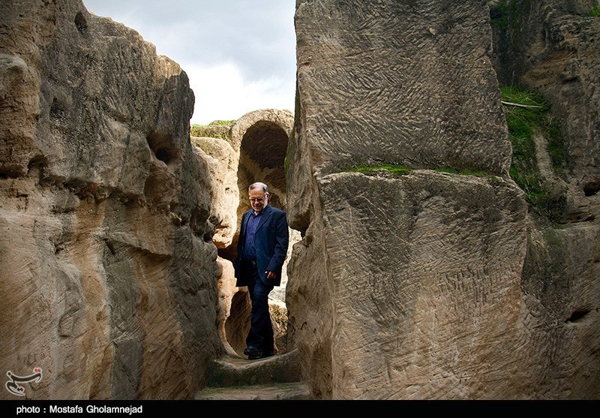
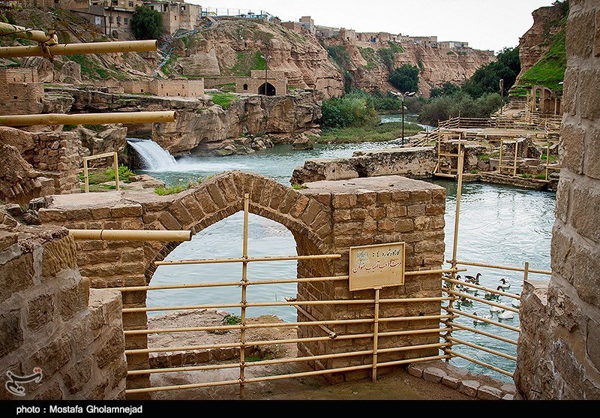
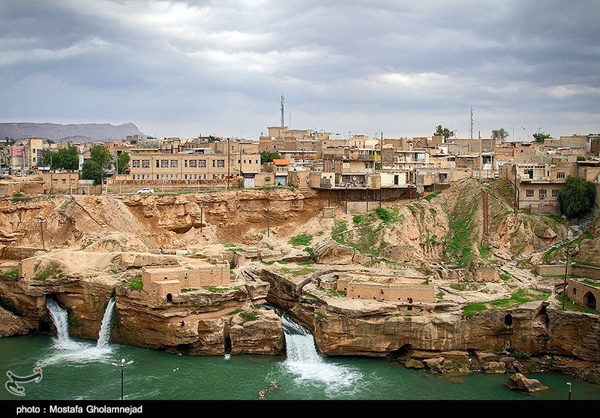
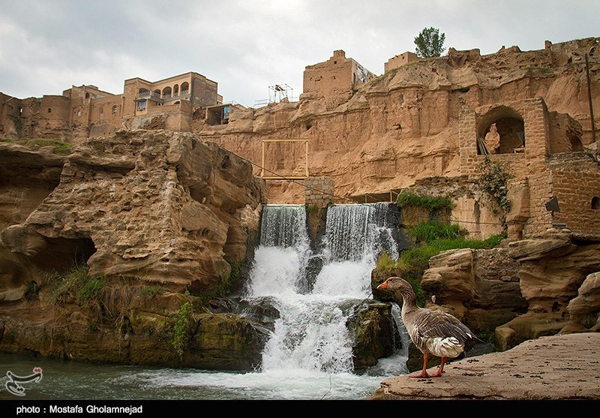
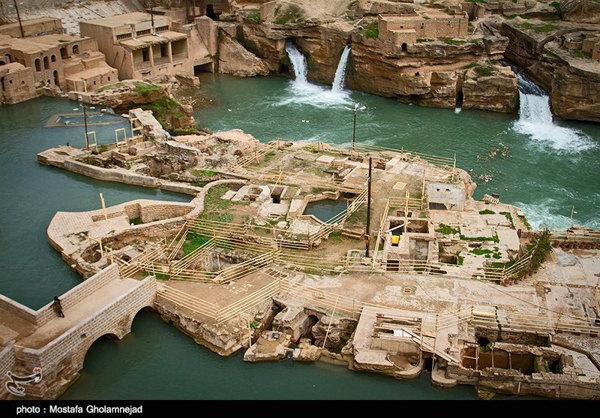
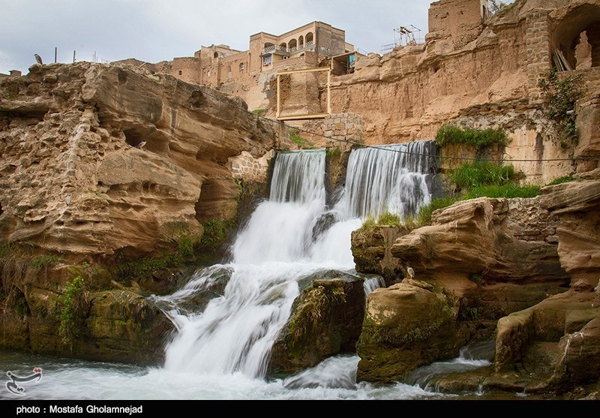
Shushtar Historical Hydraulic System in photos

Shushtar Historical Hydraulic System

Shushtar Historical Hydraulic System is an island city from the Sassanid era with a complex irrigation system. Located in Khuzestan Province, the site was registered on UNESCO’s list of World Heritage Sites in 2009, as Iran’s 10th cultural heritage site to be registered on the United Nation’s list.

The site dates back to the time of the Achaemenid king Darius the Great in the 5th century BCE. It involves two main diversion canals on the Karun River, one of which, Gargar canal, is still in use providing water to the city of Shushtar via a series of tunnels that supply water to mills.

The system forms a cliff from which water cascades into a downstream basin and enters south of the city enabling people in Shushtar to plant orchards and create farms over an area of 40,000 hectares.

The following are the pictures Tasnim News Agency released on December 22 of the historic water system in southwestern Iran:


Iran’s economy grows 4 percent in six months

iran-central-bank

Iran’s economy has grown four percent in the six-month period since the start of the current Iranian calendar year (March 21, 2014(.

The Central Bank of Iran (CBI) on Wednesday released its latest economic data, which shows a 4.0 percent growth in the first half of the Iranian calendar year, IRIB News reported.

“The initial and preliminary calculations of the Department of Economic Accounts suggest that the country’s gross domestic product (GDP)… has reached 1.022 trillion rials ($ 37.779 billion) which shows a positive 4.0-percent growth compared to the similar period last year,” the report said.

It added that Iran’s GDP in the Iranian calendar year beginning on March 20, 2004, which was used as the baseline for the new calculations, stood at 983.253 trillion rials ($ 36.318 billion.(

The latest economic statement means that Iran’s economy has officially emerged out of two successive years of recession and stagflation.

The CBI announced in September that Iran has attained positive growth for the first time in two years. Wednesday’s report, however, is the first detailed statement proving that Iran’s economy has experienced growth.

Meanwhile, President Hassan Rouhani announced on Wednesday that his government has managed to “curtail inflation from 40 percent down to 17,” according to ISNA News Agency.

In a speech in the eastern city of Birjand, Rouhani said an era of economic revival has begun in Iran.