Friday, May 8, 2026
Home Blog Page 488

Iran refutes claims of interference in Syrian developments as ‘ridiculous’

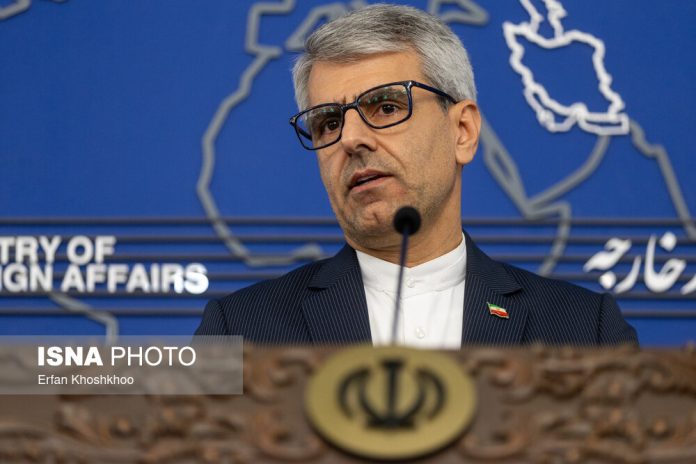
Esmael baghaei

Baqaei made this statement on Monday in response to a question about the allegations from Arab media regarding the establishment of an operations room in Iraq under Iran’s supervision and Tehran’s interference in recent developments in Syria.

He stated that pointing the finger of blame at Iran and its allies is a misleading narrative, a stereotypical approach, and an oversimplification of the events in Syria, which will not help at all.

He emphasized the need to stop the killing of innocent individuals from various Syrian groups, especially minorities, adding that this is the most important concern for the entire region.

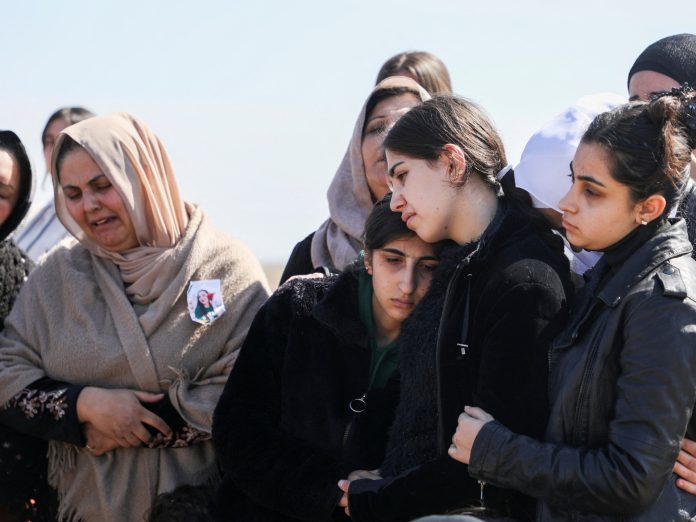
Baqaei condemned any violent actions and killings against Syrian civilians, noting that the targeting of sections of the Alawite, Druze, Christian, and other minority populations in Syria has hurt human feelings and conscience both regionally and internationally.

He added that these developments are a real test for the Syrian rulers to fulfill their responsibilities in protecting the lives and property of all citizens.

Around 1,000 people were killed in heavy fighting between the ruling Hay’at Tahrir Al-Sham (HTS) militants and armed opposition groups in western Syria. Most of the dead are civilians from minority groups.

Baqaei also emphasized that statements by US officials regarding the non-extension of Iraq’s sanctions waiver for purchasing electricity from Iran are an admission of law-breaking and a crime against humanity.

He stated that the US’s unilateral sanctions against the Iranian nation lack any justification or legal basis and entail international responsibility for the US government, which must be held accountable.

The US National Security Advisor has announced that the non-extension of Iraq’s sanctions waiver for purchasing electricity from Iran aligns with the US administration’s so-called maximum pressure policy.

The advisor added that if Iran expands its nuclear activities and increases its regional actions, pressure on Tehran will intensify.

Iran’s Foreign Ministry spokesperson further noted that what matters is for regional countries to make decisions based on their national interests and the good relations they have with Iran, and not allow the US’s illegal and coercive pressures to negatively impact their ties with the Iranian nation or sow discord and division in the region.

Baqaei stated that the Islamic Republic of Iran maintains relations with friendly countries and has good ties with Iraq.

He pointed out that the final decision regarding the recent US action will be made based on the interests of the two nations of Iran and Iraq.

The Iranian Foreign Ministry’s spokesperson also unveiled plans for a new round of negotiations with the European troika in the coming days.

Negotiations between Iran and the Europeans will kick off at the level of experts within the next 10 days, Baqaei said at a press conference on Monday, referring to the nuclear talks between Iran and the EU3 (the UK, France and Germany).

Asked about attempts to trigger the so-called snapback provisions of the 2015 nuclear deal, the spokesman said Iran sees no justification for initiating the snapback mechanism of the Joint Comprehensive Plan of Action (JCPOA).

The other parties are coming to the conclusion that they cannot use the dispute mechanism of the JCPOA to reach their objectives, he added.

Baqaei emphasized that the negotiations between Iran and the European troika revolve around the nuclear issue, although talks have been held about the other subjects too.

In response to a Reuters report regarding a US plan to inspect Iranian oil-carrying vessels in international waters, the spokesperson stated that Iran’s maritime trade is legitimate and lawful, and will continue in accordance with international law regulations.

The Iranian diplomat added this issue is completely invalid both under international law and the United Nations Charter, and there is no basis for any disruptive actions against free trade and the vessels of countries in international waters.

The Iranian diplomat also described the Reuters report as media manipulation, stating that the agency has repeatedly deviated from professional principles, positioning its reporting as part of a campaign of social deception about Iran and West Asia, and has engaged in producing and disseminating false, fabricated, and biased news regarding regional issues and Iran.

The diplomat’s remarks were in reference to a Reuters report about a US plan to halt the activities of Iranian oil-carrying vessels in international waters and conduct inspections of these ships.
Ukraine ‘may not survive’ Russia offensive: Trump

Russia Ukraine War

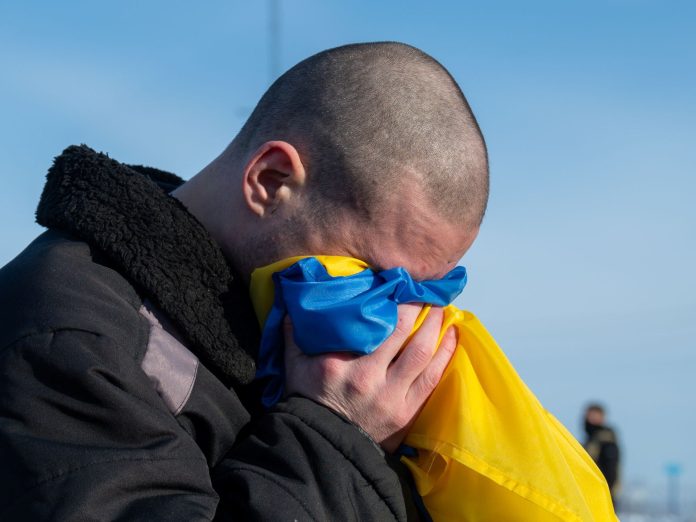
Trump’s administration has faced scrutiny for its decision to stop providing critical military aid and intelligence to Kyiv — a move that has been celebrated by the Kremlin.

Fox News correspondent Maria Bartiromo questioned Trump about a statement from Polish President Andrezj Duda, who said in a previous interview with Fox that Ukraine would not survive without U.S. support.

“Are you comfortable with that? The fact that you walked away, and Ukraine may not survive?” Bartiromo asked.

“Well, it may not survive anyway,” Trump said.

Trump then pivoted to his preferred talking points on the war in Ukraine — the failures of former U.S. President Joe Biden, and Trump’s belief that the war would not have started if he had won the 2020 presidential election.

In the same interview, Trump accused President Volodymyr Zelensky of not being grateful for American assistance and claimed that he’d been “tougher” on Russia “than anybody’s ever been.”

Trump did not directly address his decision to freeze military aid, nor did he say when or under what conditions the U.S. might resume weapons shipments.

The decision to halt aid and intelligence sharing came immediately after the collapse of a natural resources deal between the U.S. and Ukraine, something the White House has touted as an essential way for the U.S. to “recoup” the money it has sent Kyiv throughout the full-scale war.

While negotiations have resumed, NBC News reported that Trump will not unfreeze military aid even if the deal goes through. Trump wants to see a change in Zelensky’s stance toward peace talks and a willingness to make territorial concessions to Russia, senior officials said.

U.S. and Ukrainian delegations are planning to meet in Jeddah, Saudi Arabia, to discuss the framework for a potential peace agreement between Ukraine and Russia.

U.S. National Security Advisor Mike Waltz has suggested that Trump may lift the pause on military aid once peace negotiations are arranged and confidence-building measures are taken, Reuters reported.

Despite its insistence on forging a peace deal between Ukraine and Russia, Washington has not agreed to provide Kyiv with any security guarantees following a potential ceasefire.

Trump has also previously expressed ambivalence regarding Ukraine’s ongoing sovereignty, stressing that Ukraine “may be Russian someday.”

Trump stressed that no matter the war’s outcome, the U.S. wants its money back.

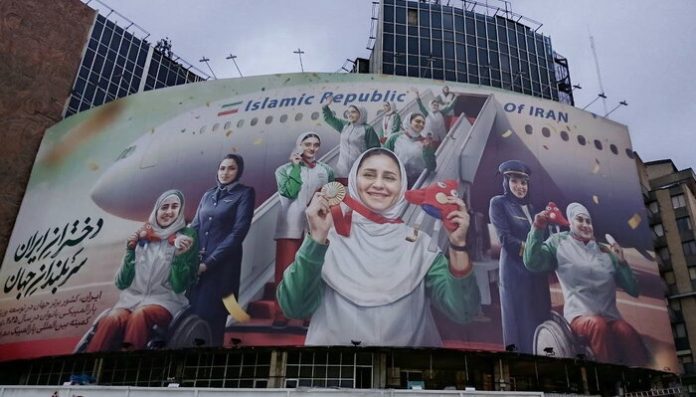
‘Iran’s Daughters, Pride of the World’

The mural, titled Iran’s Daughters, Pride of the World, celebrates the remarkable achievements of Iran’s female Paralympic athletes, highlighting their resilience and dedication.

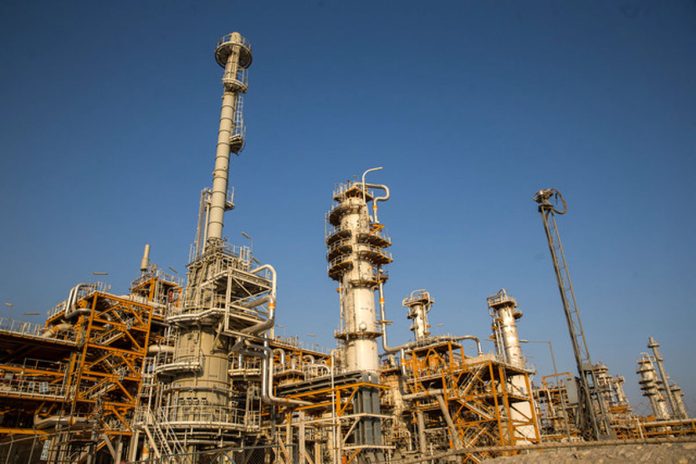
Chief supervisor: Iranian petrochemical companies fail to repatriate 30% of export revenues

petrochemical factory in the southern Iranian port city of Mahshahr

The failure to comply with legal obligations has been criticized by many experts and officials, who accuse major companies, including government-affiliated petrochemical firms, of withholding foreign currency earnings.

Petrochemical companies claim that out of $11.5 billion in exports this year, they have repatriated and supplied $9 billion, with the remaining $2.5 billion used to purchase essential goods for the industry.

However, the Central Bank auditor, Alireza Abedini, disputes the claim, stating that last year, 88% of the export revenue was repatriated, and this year, the figure has dropped to 70%.

Abedini emphasized that all export revenues must be returned to Iran’s economic cycle under anti-smuggling laws. Non-compliance has led to legal actions, with cases referred to the Court of Audit’s prosecutor’s office.

The issue of unreturned export revenues has been a significant challenge for Iran’s economy, especially since the US withdrawal from the JCPOA nuclear deal and subsequent currency crises.

The Central Bank plans to impose banking restrictions on violators and has issued new guidelines to manage foreign exchange resources and regulate the return of export revenues.

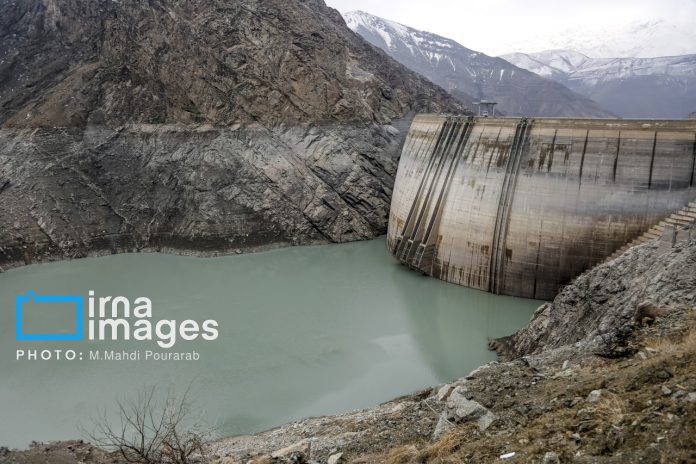
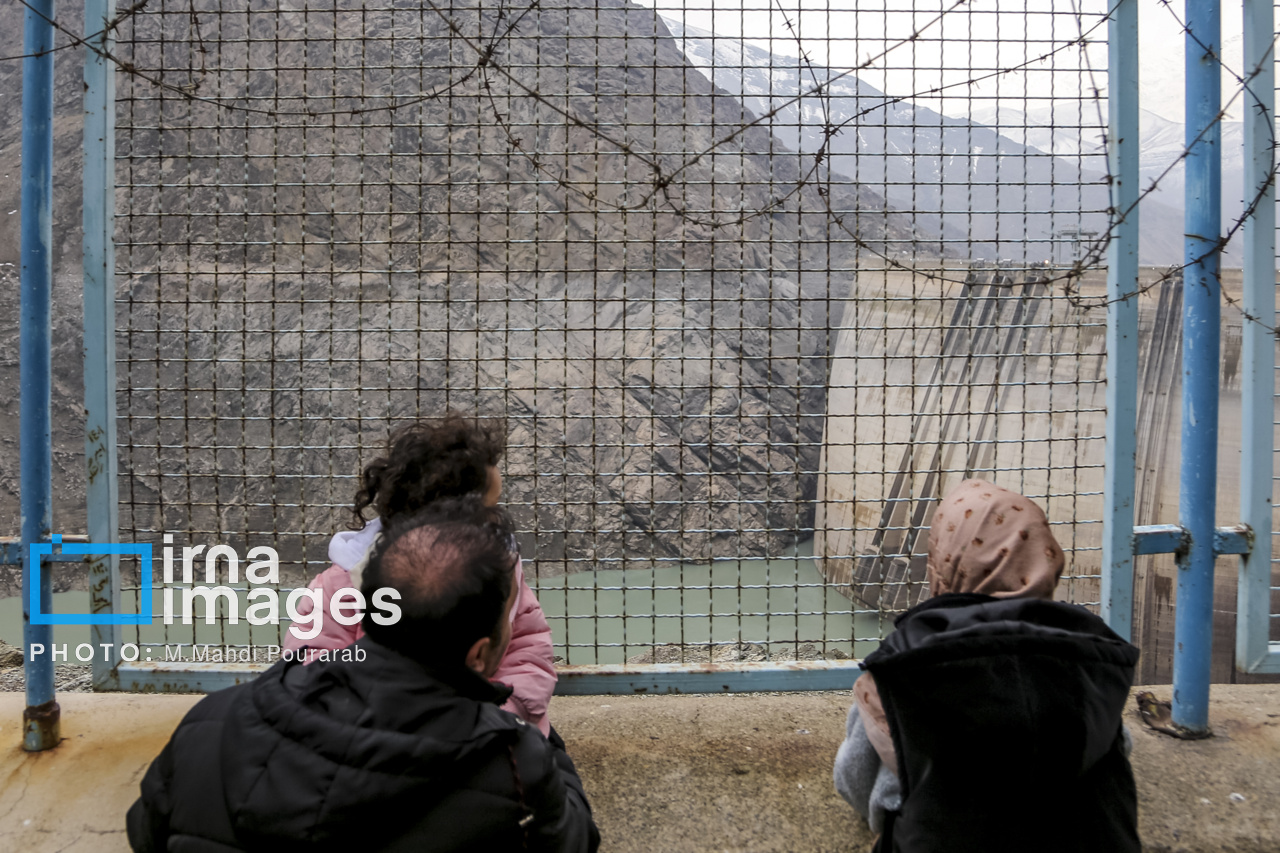
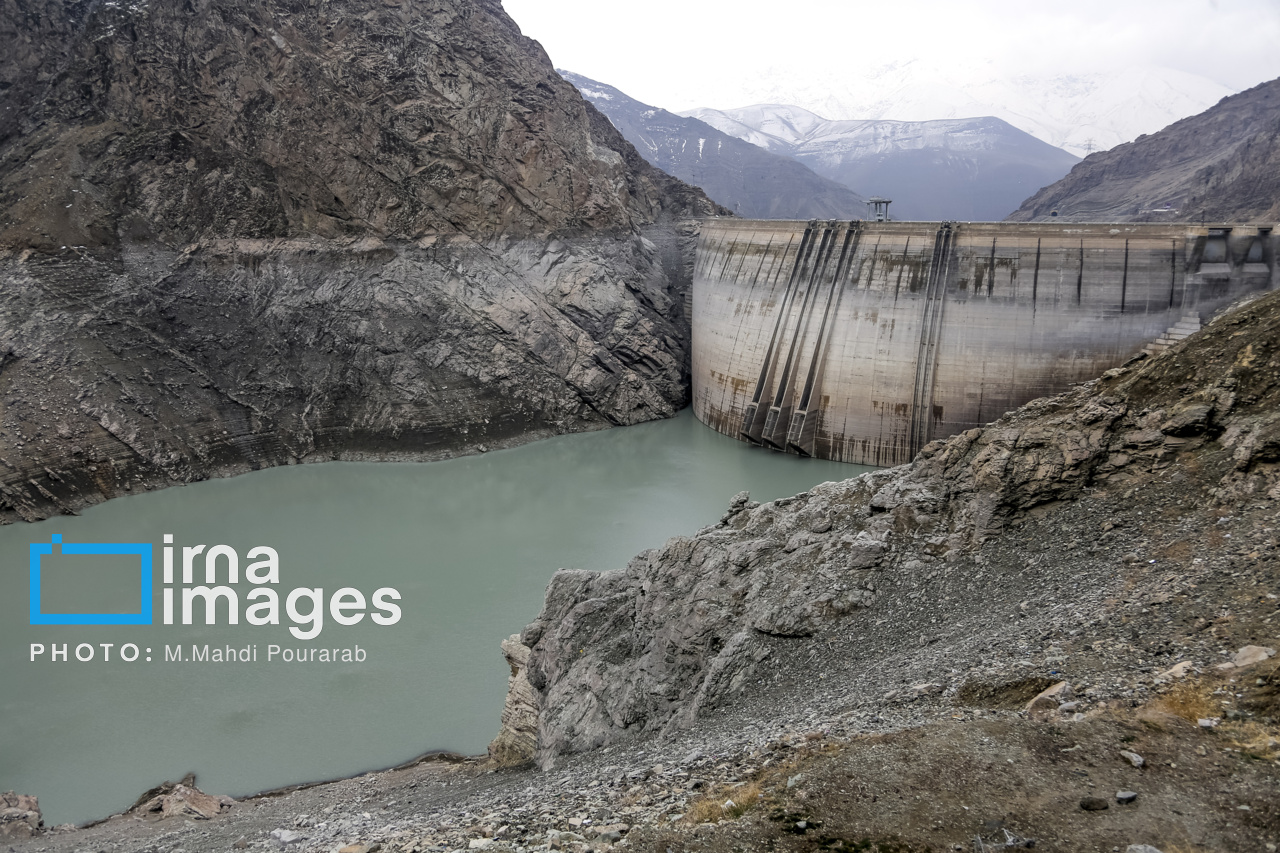
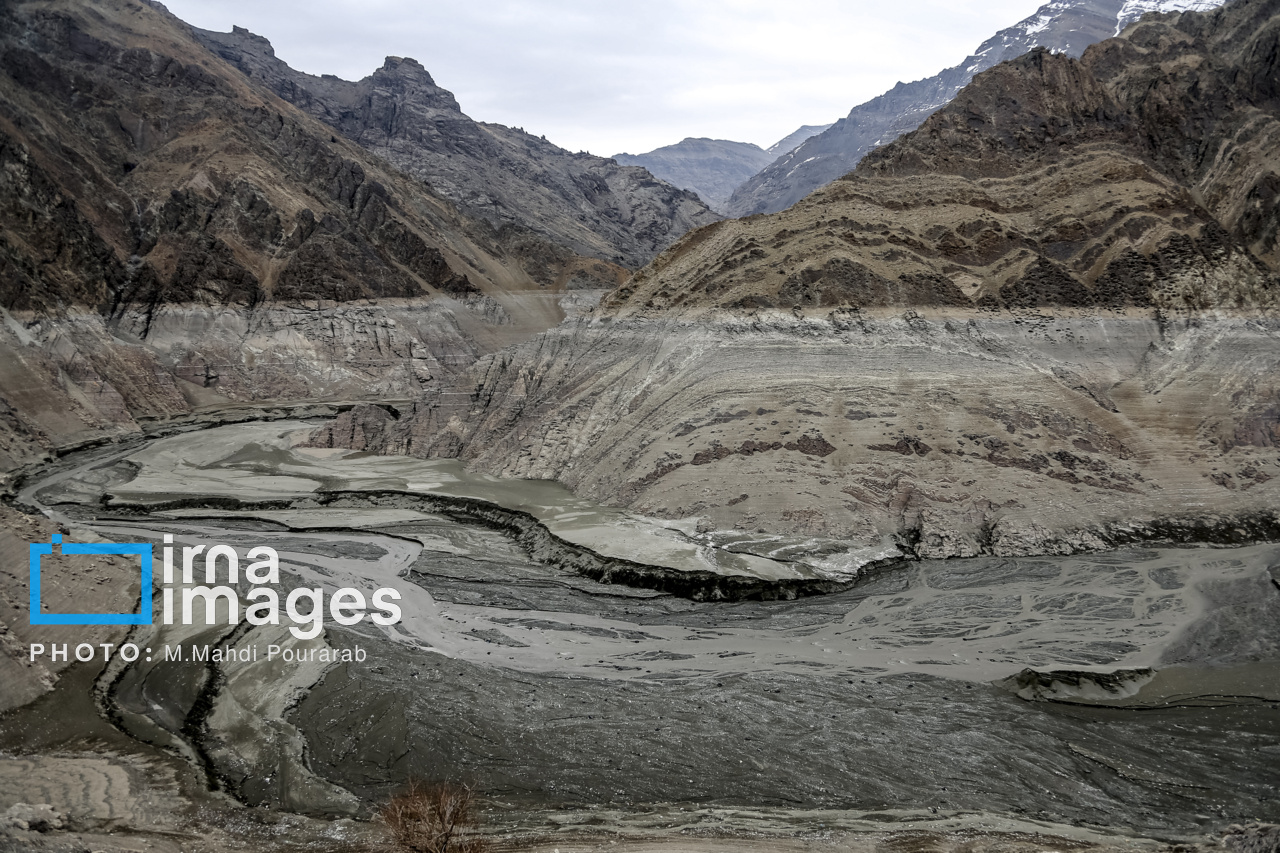
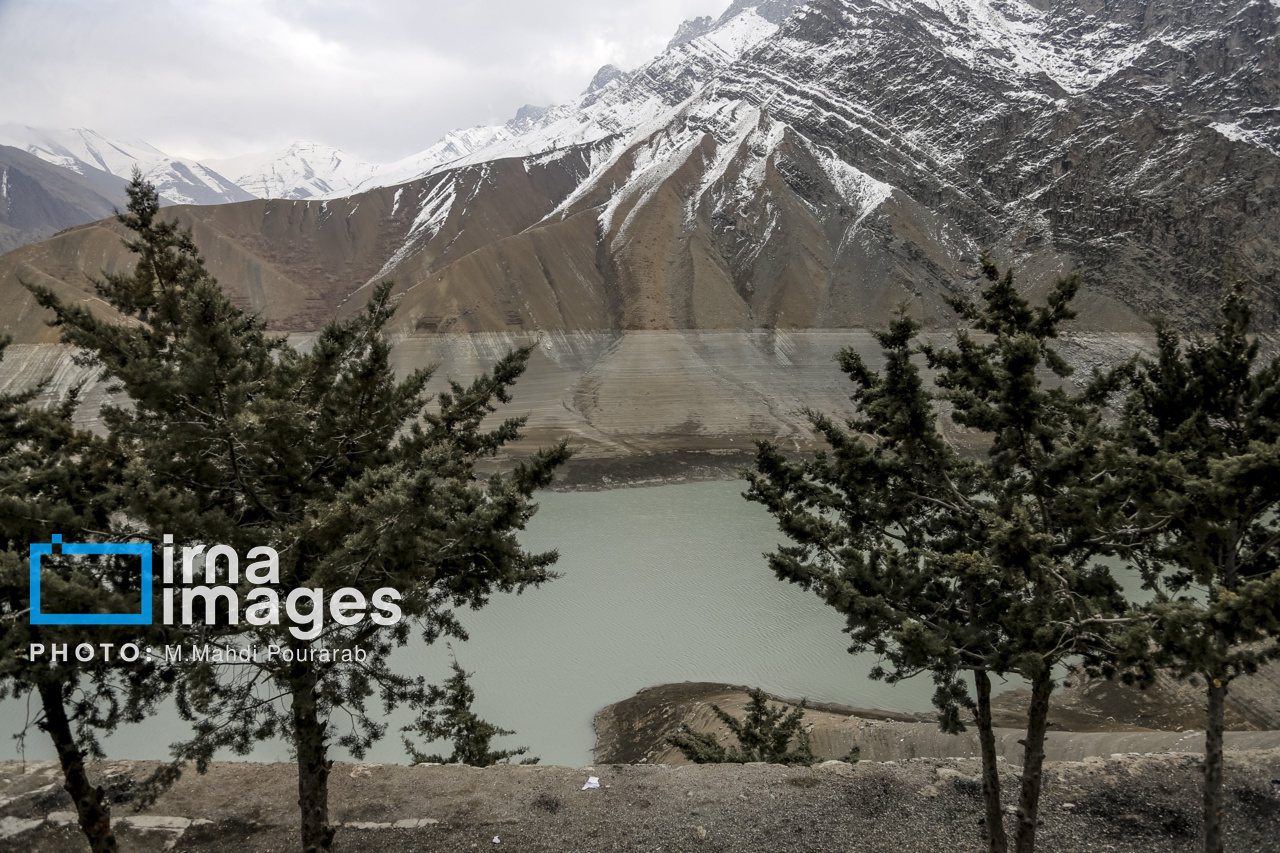
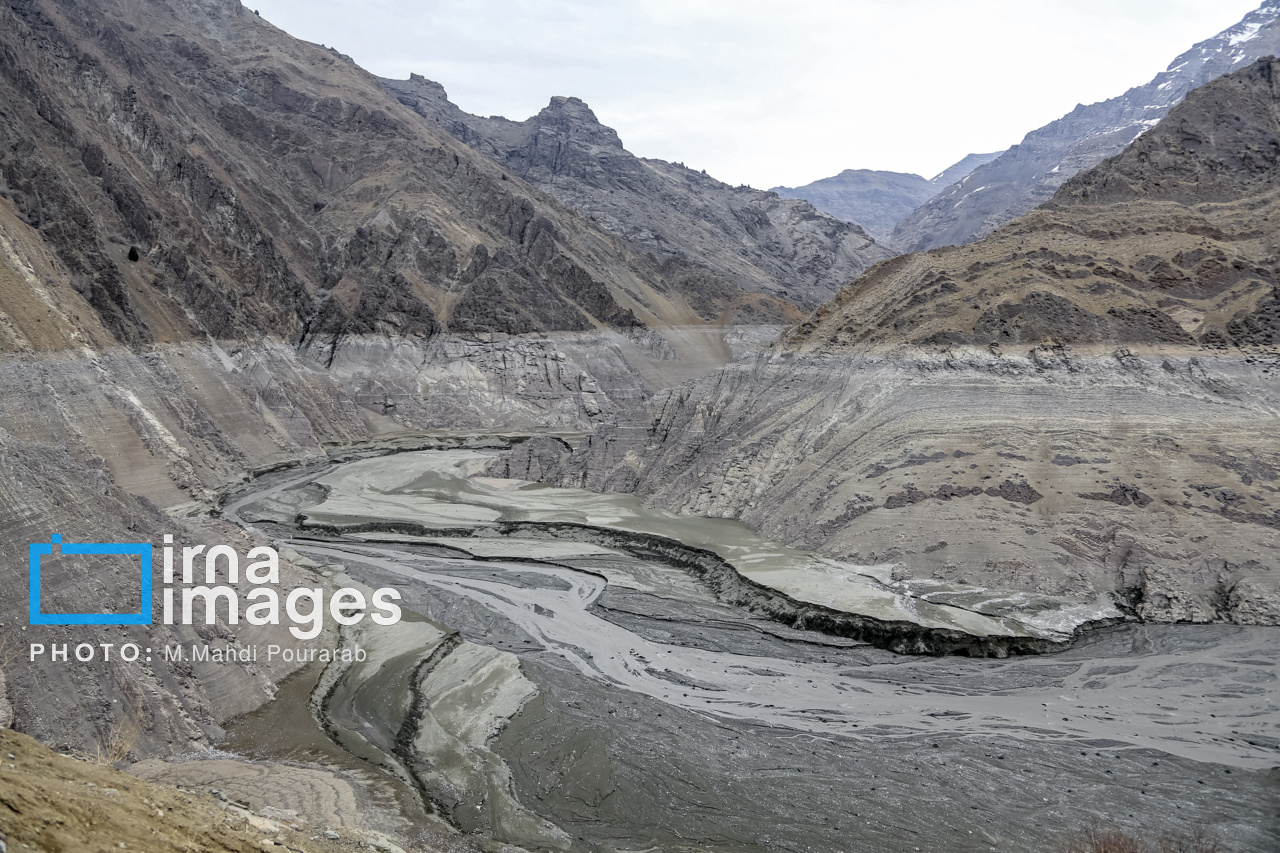
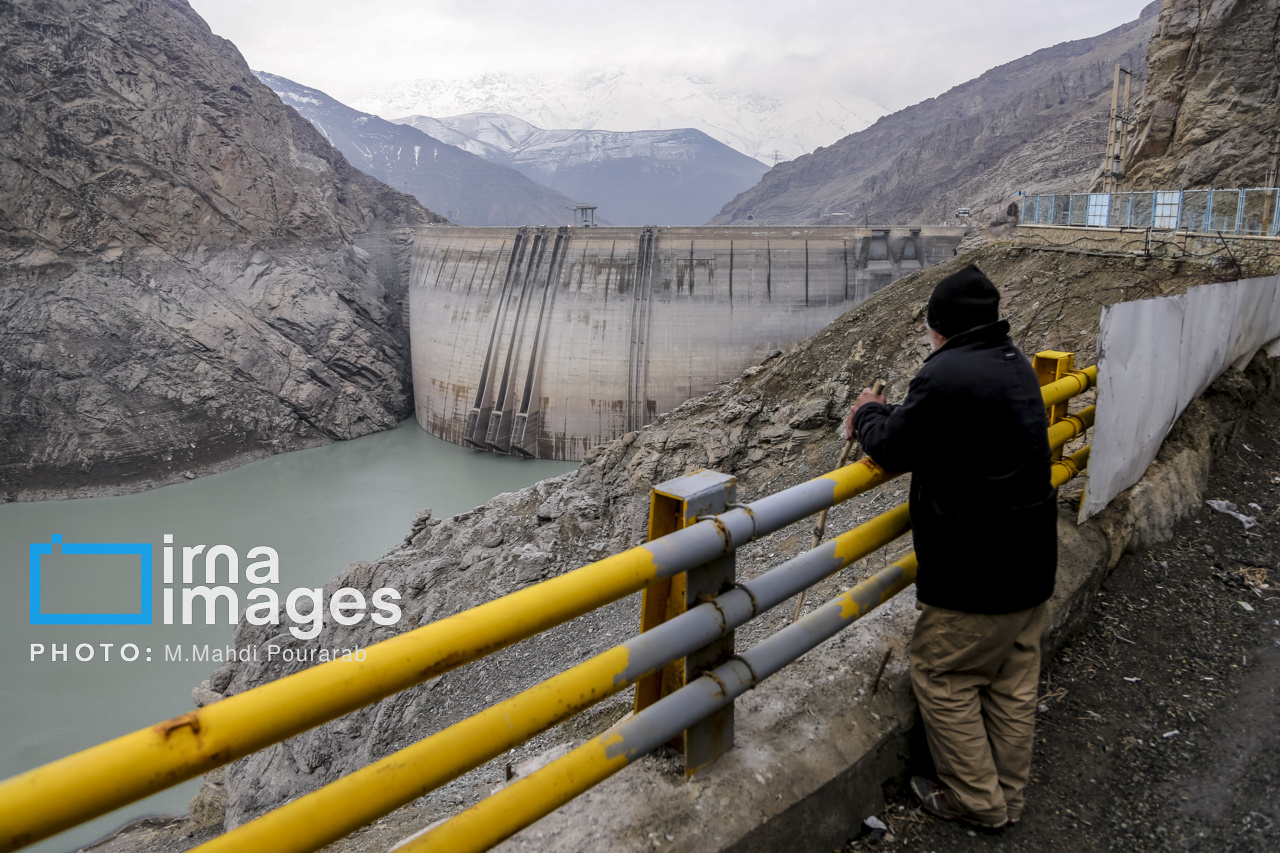
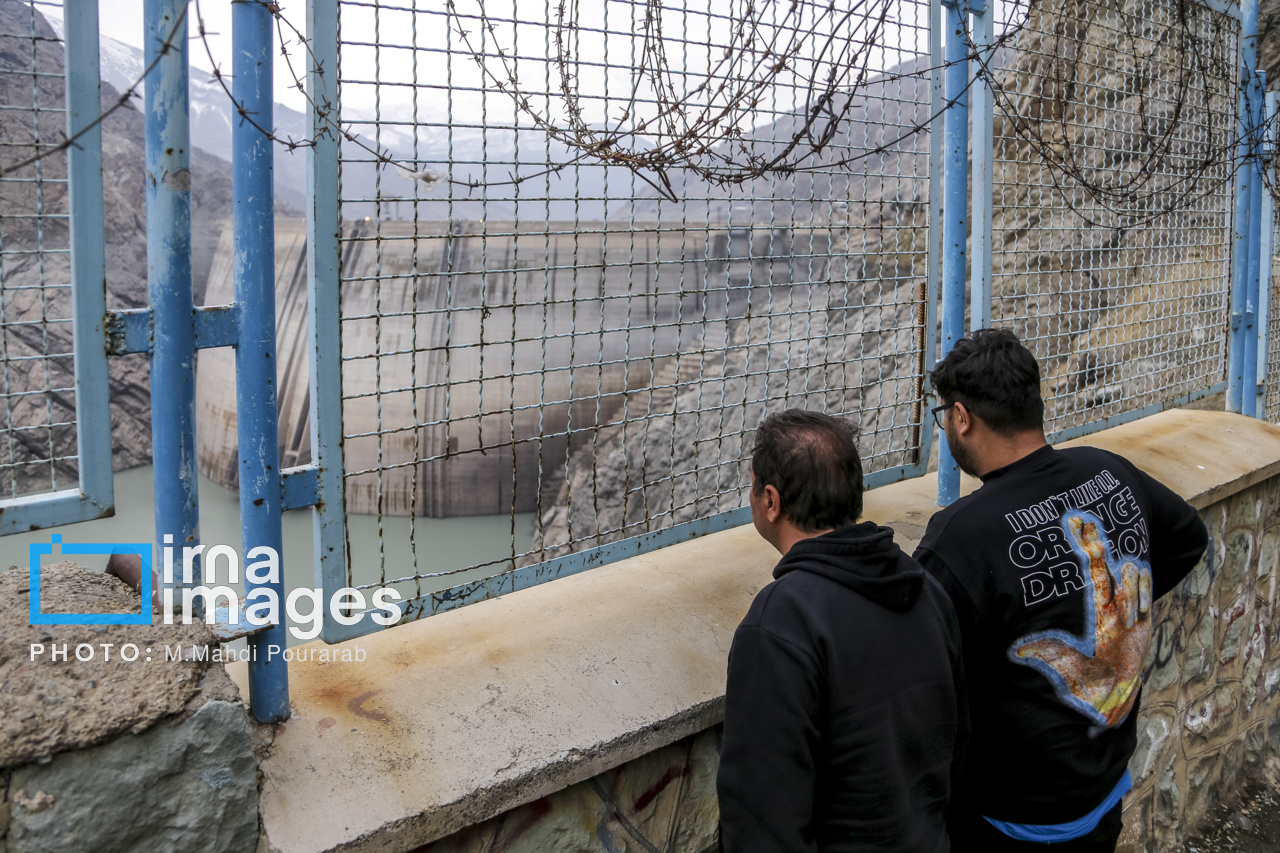
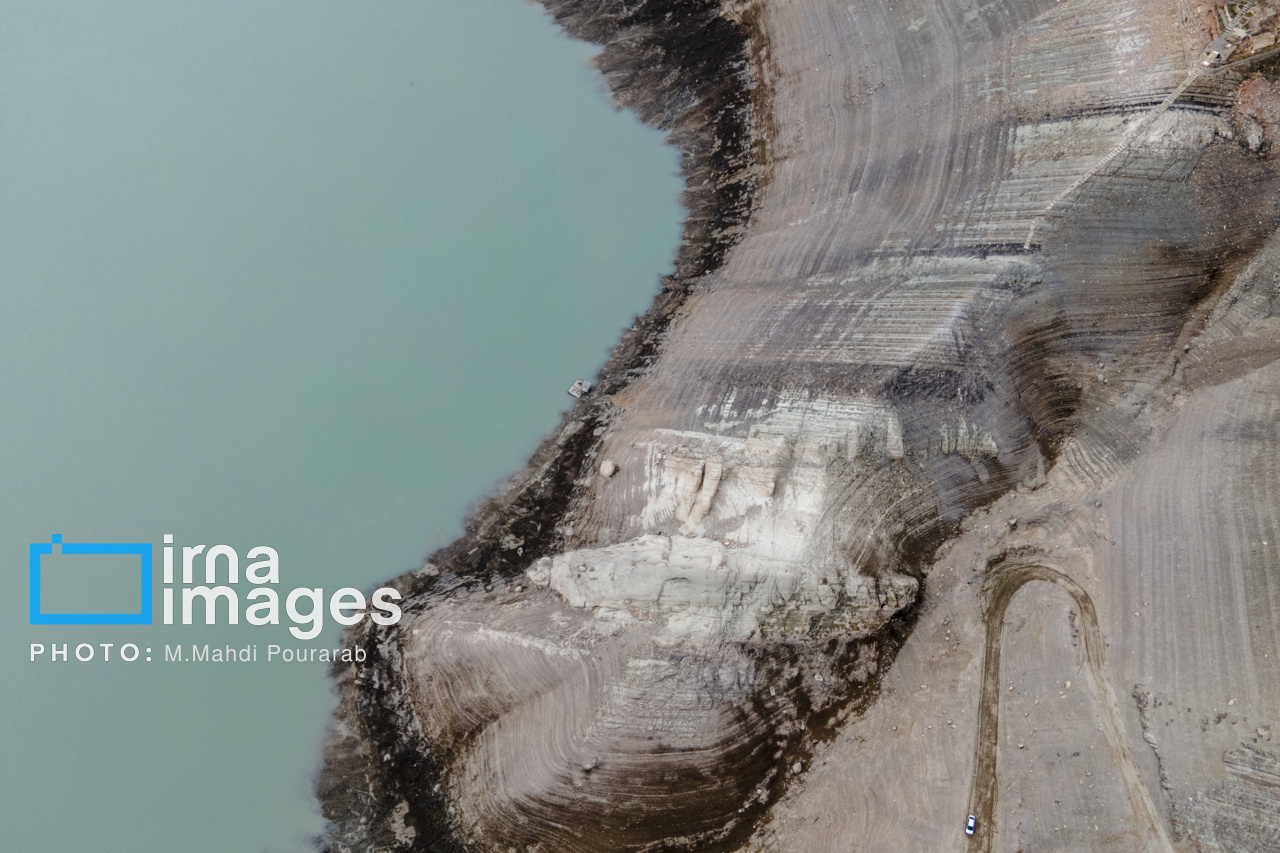
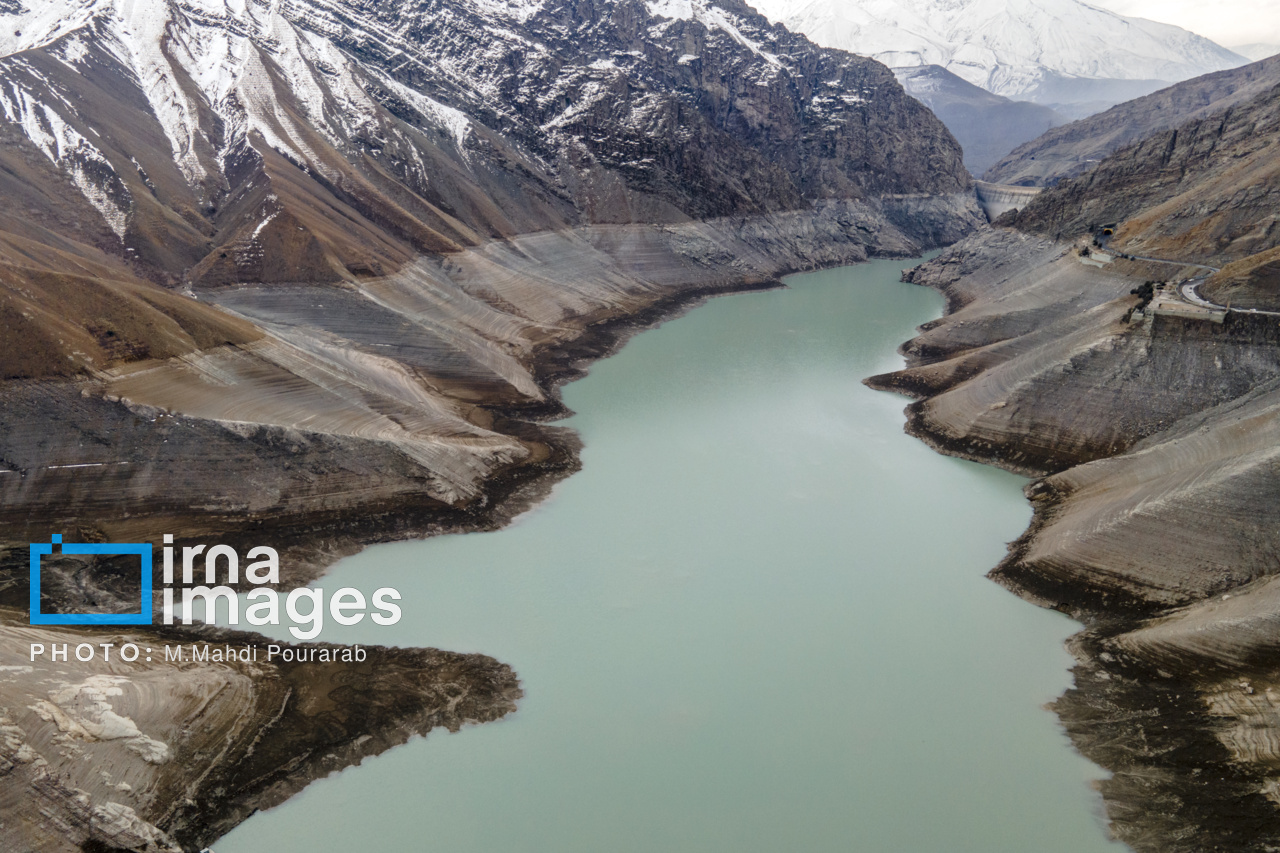
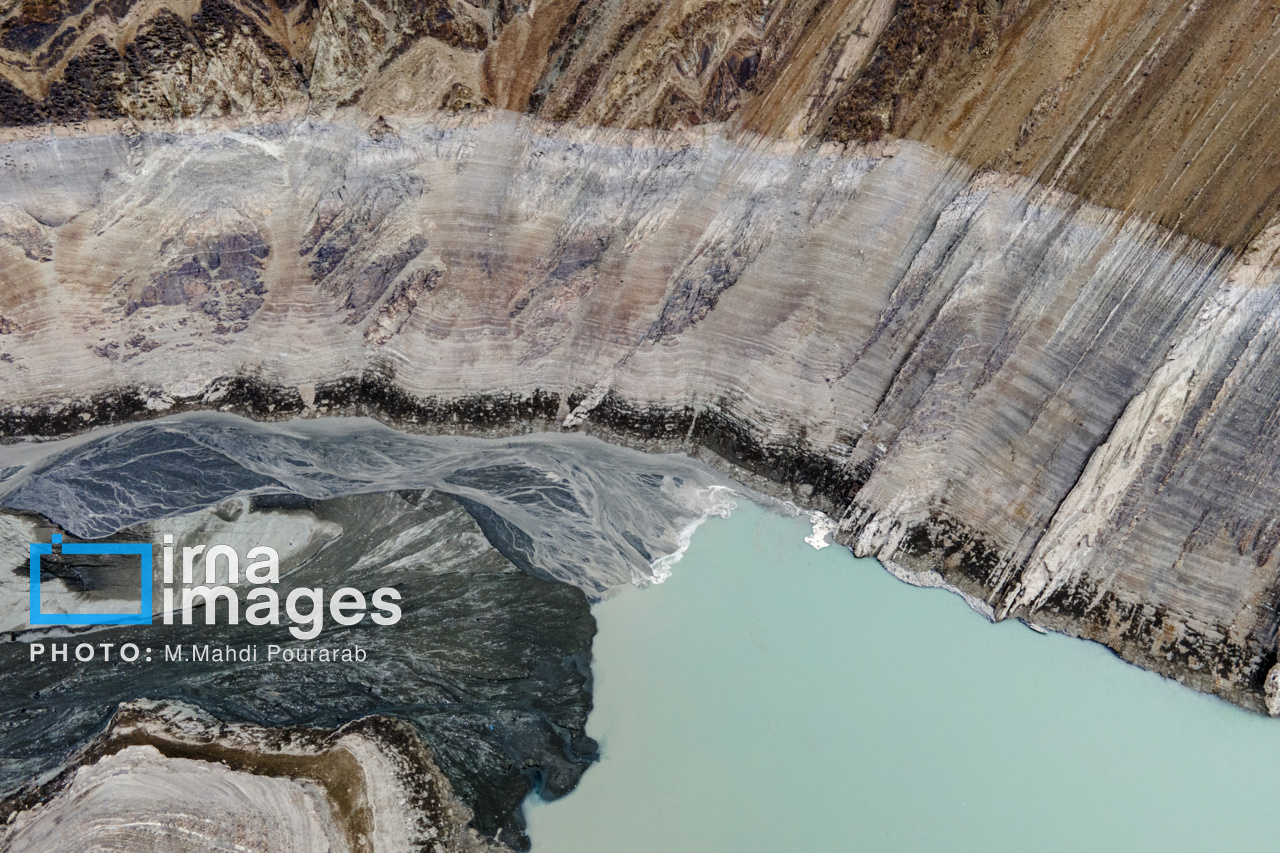
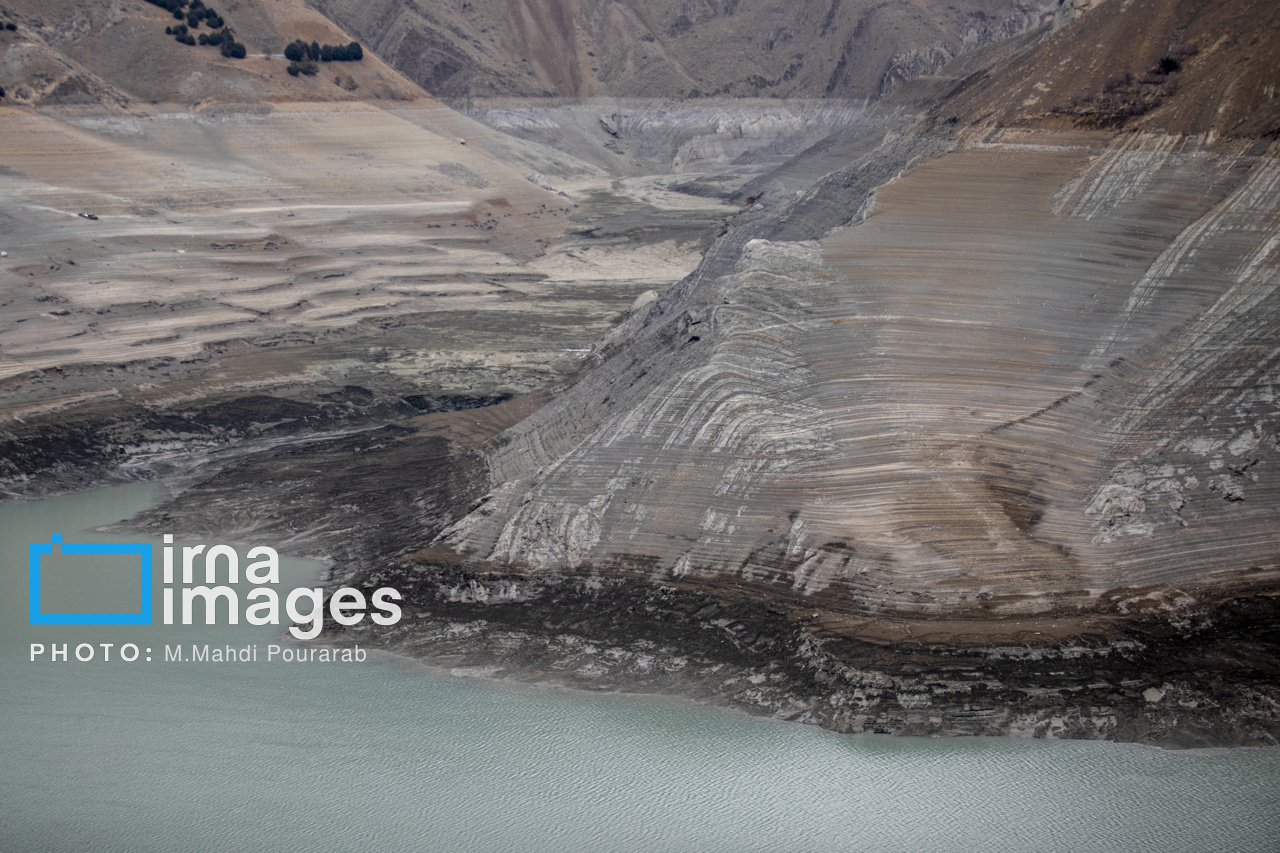
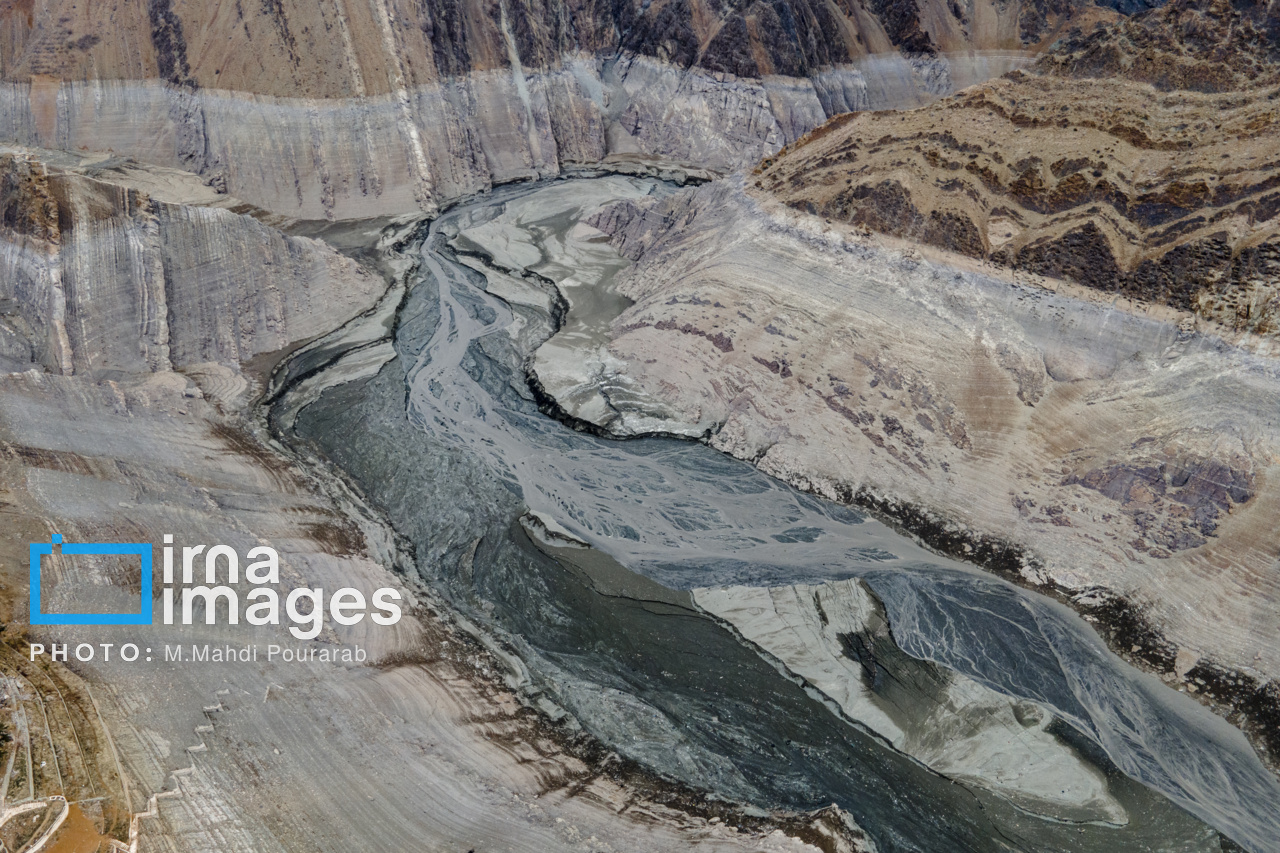
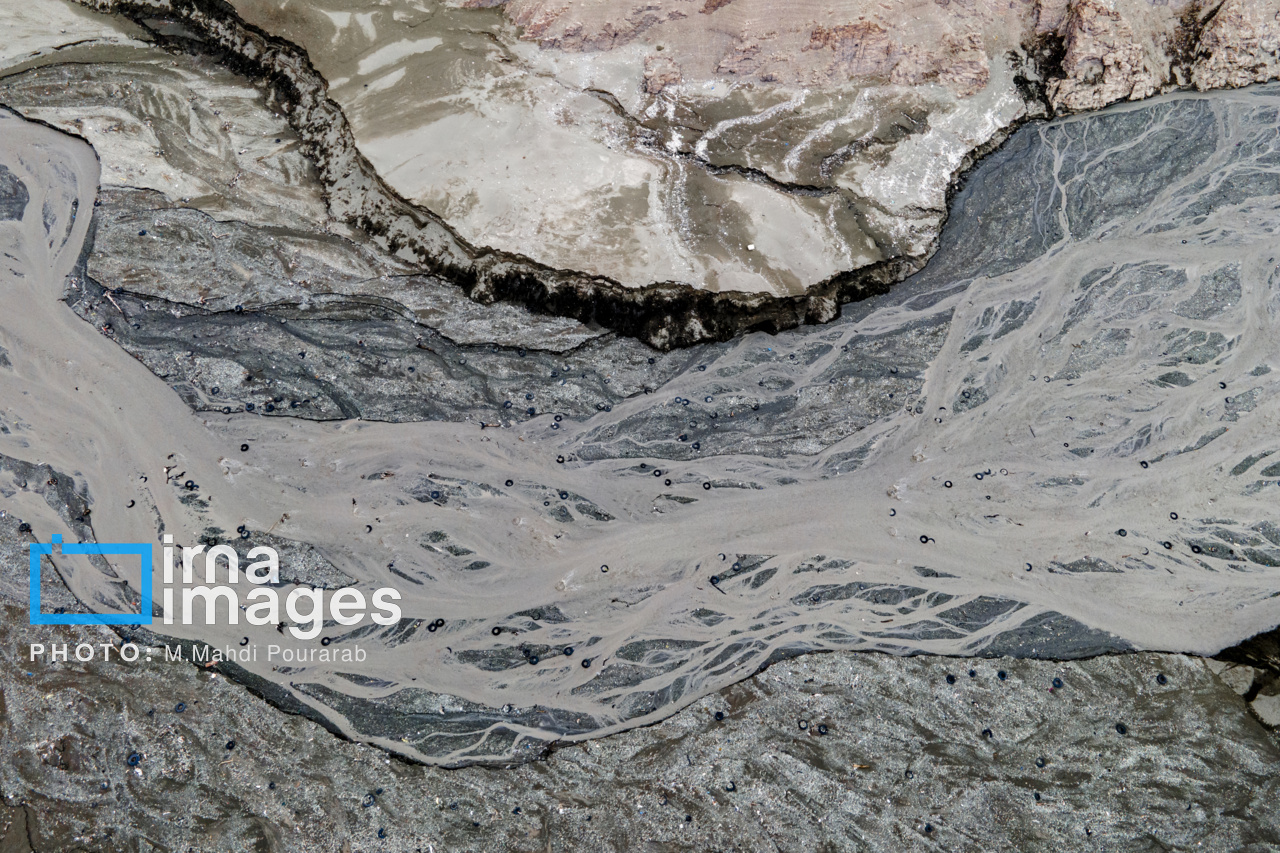
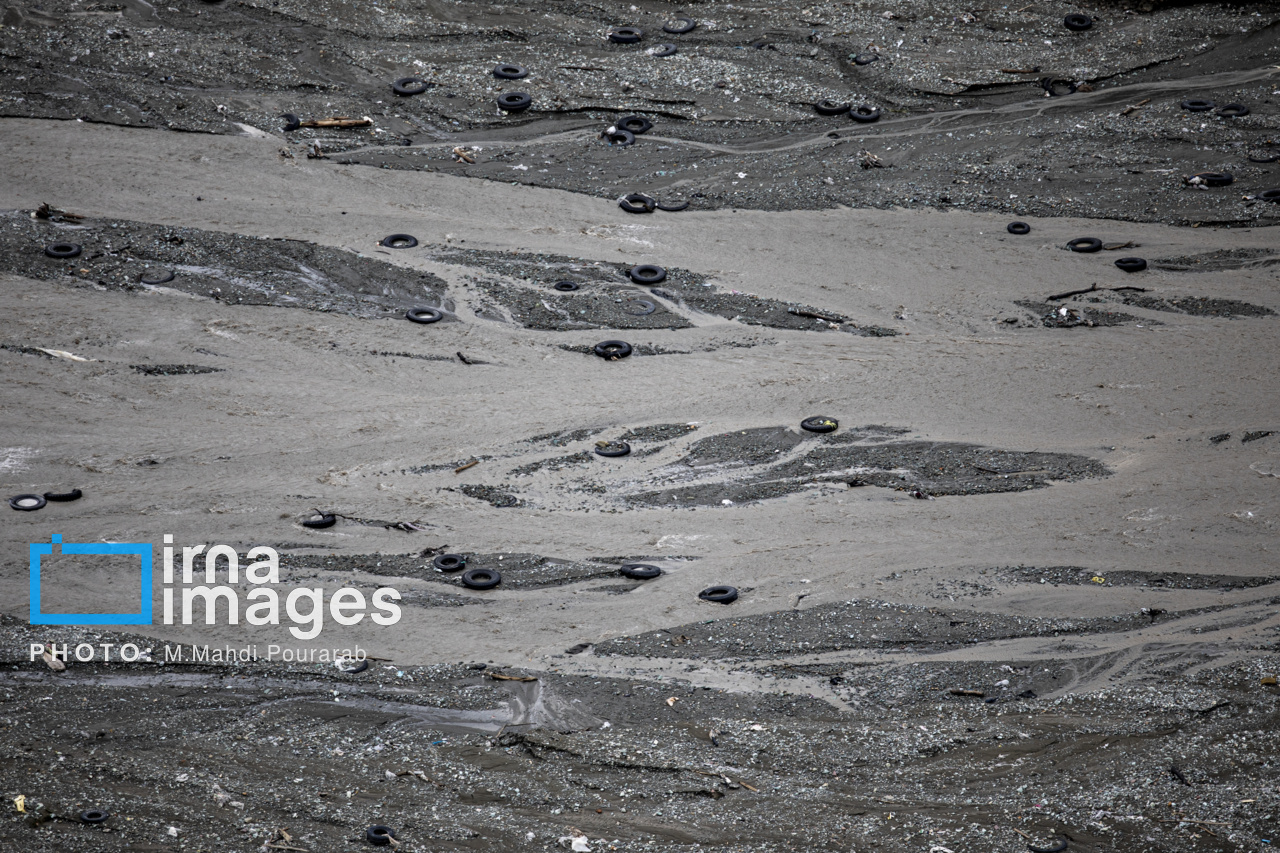
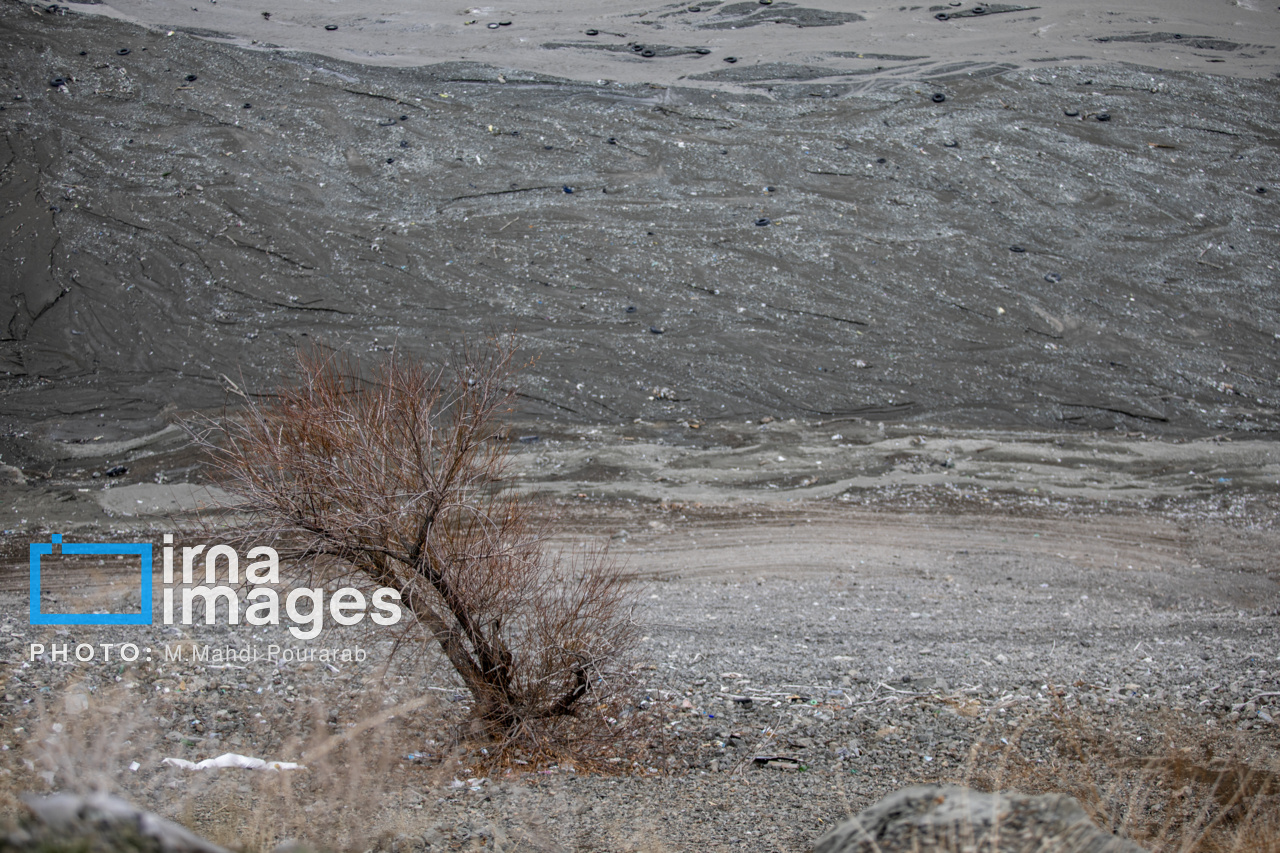
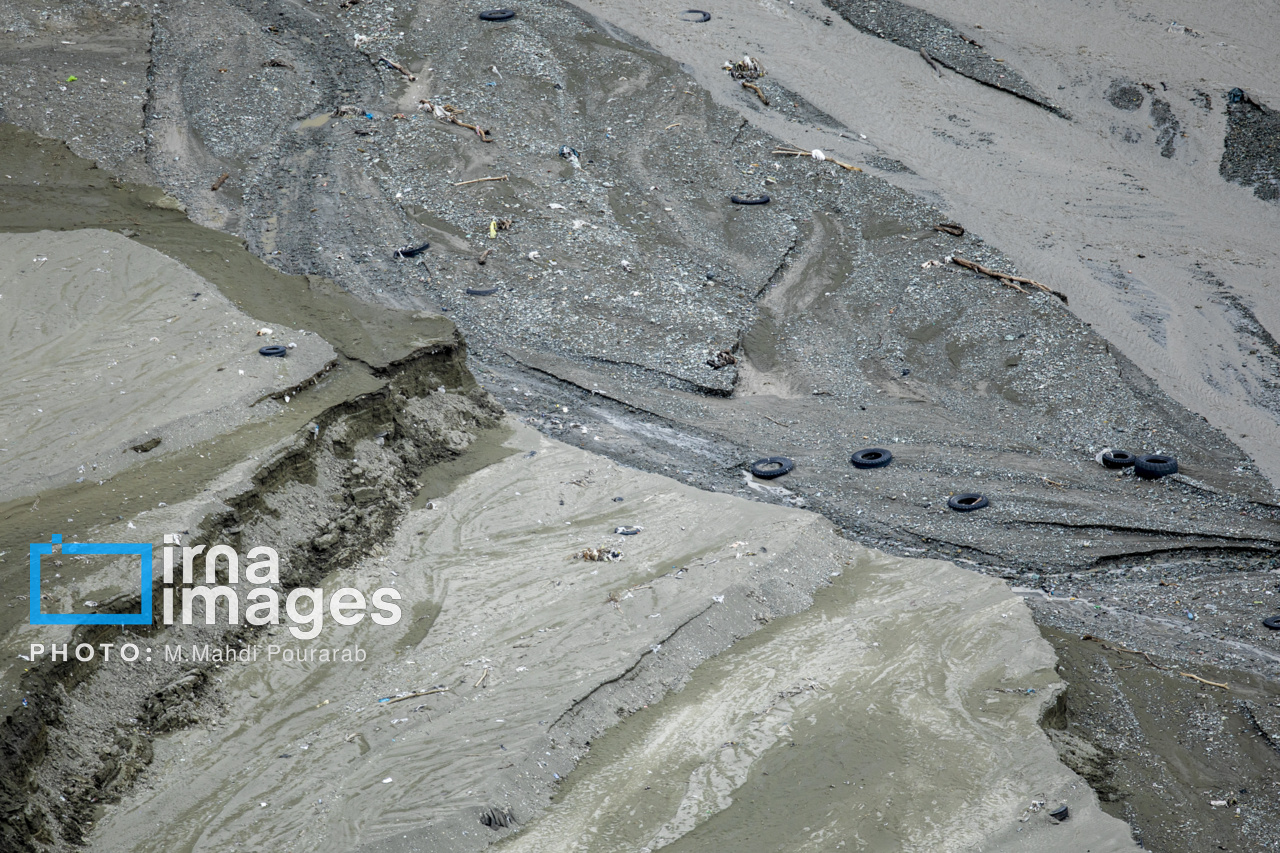
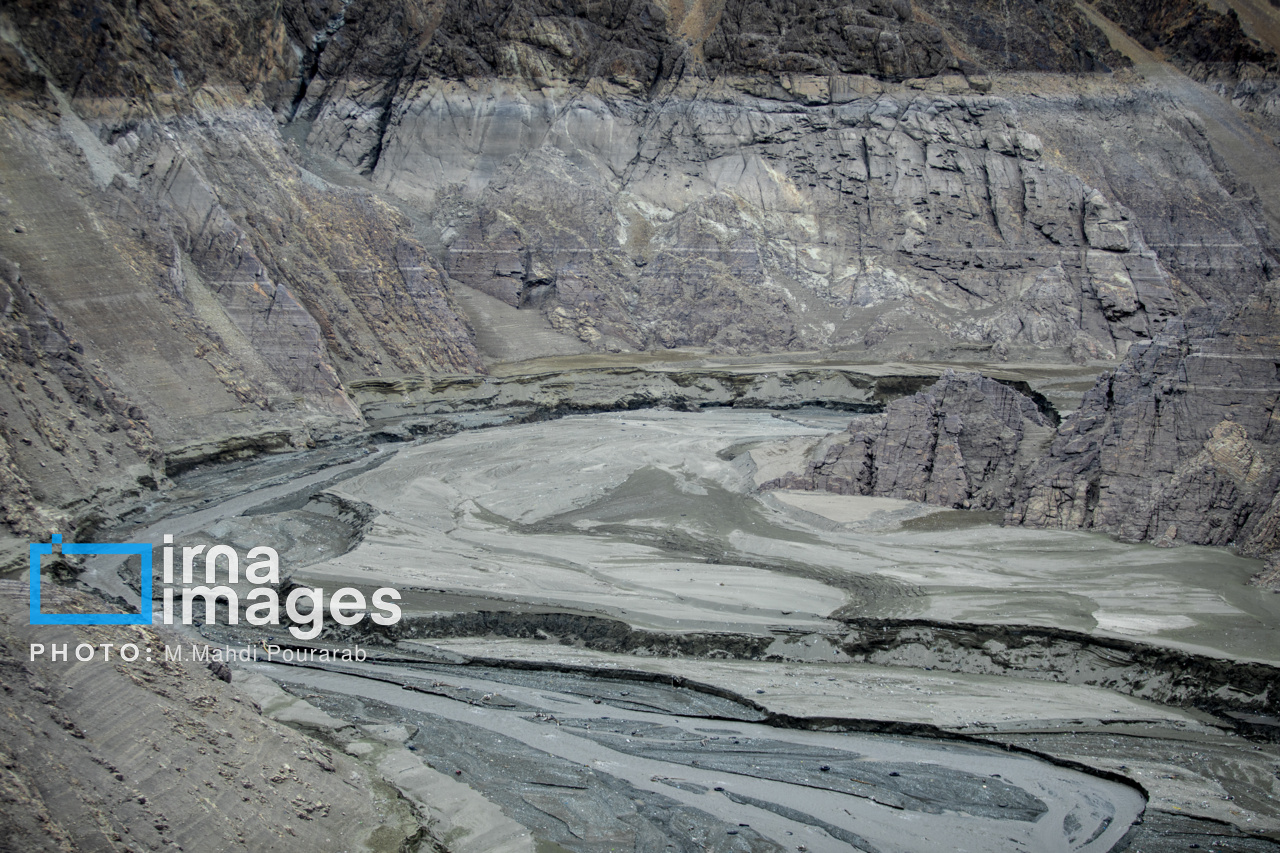
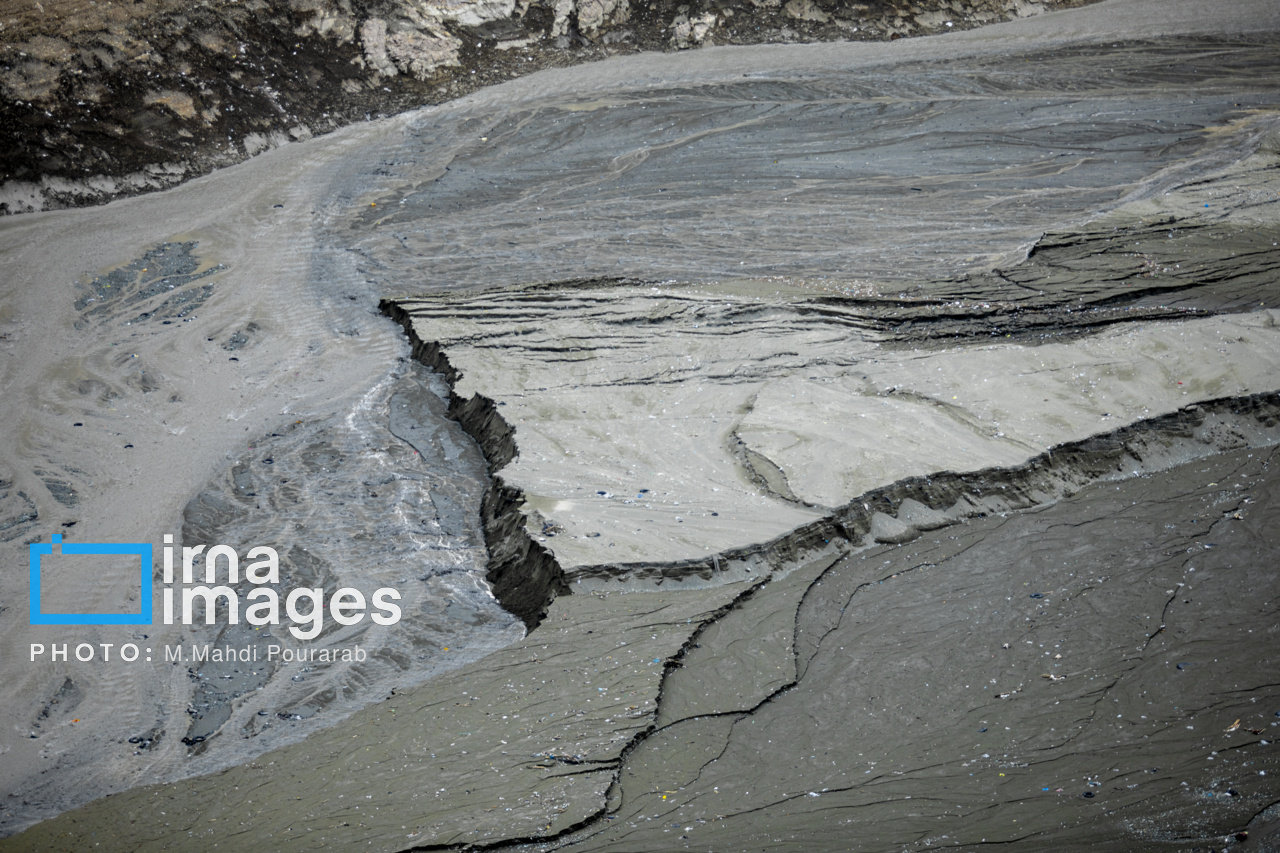
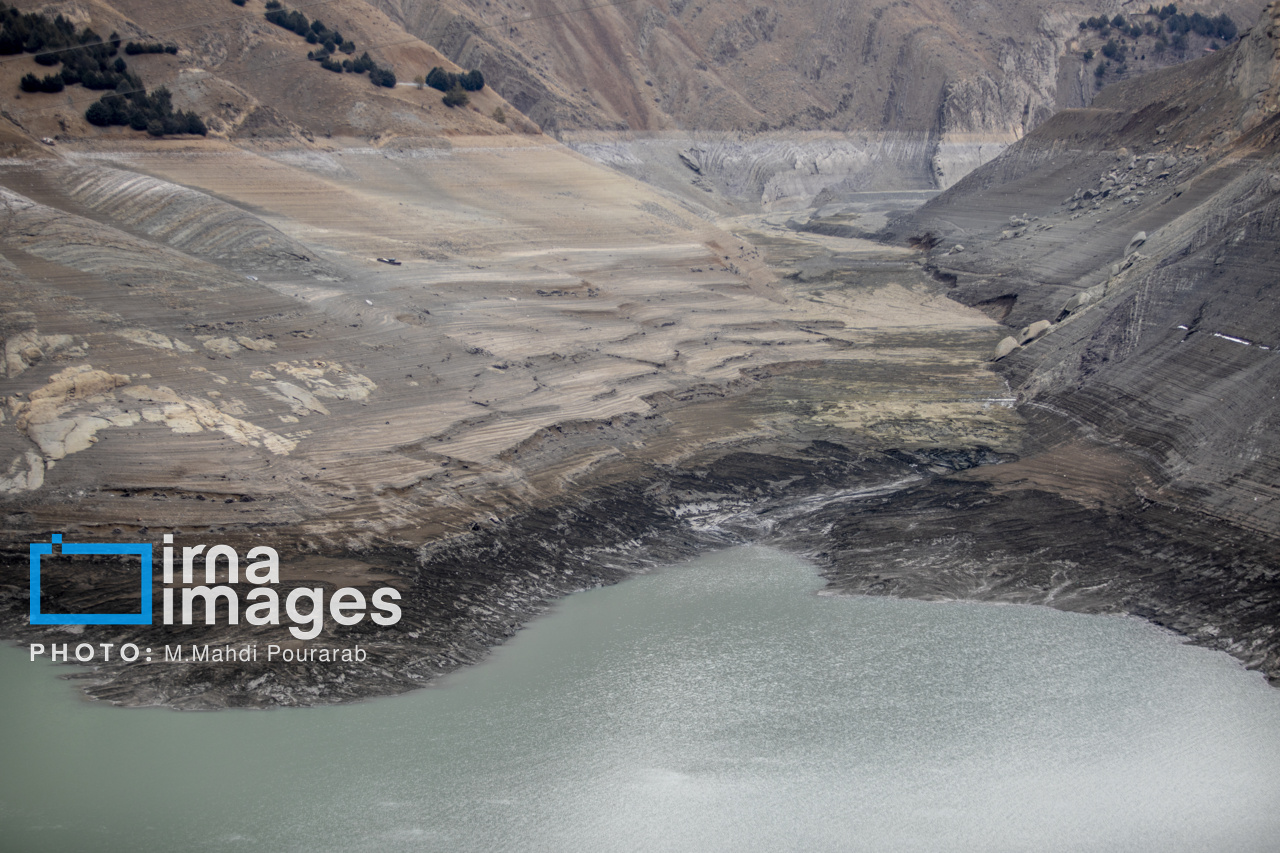
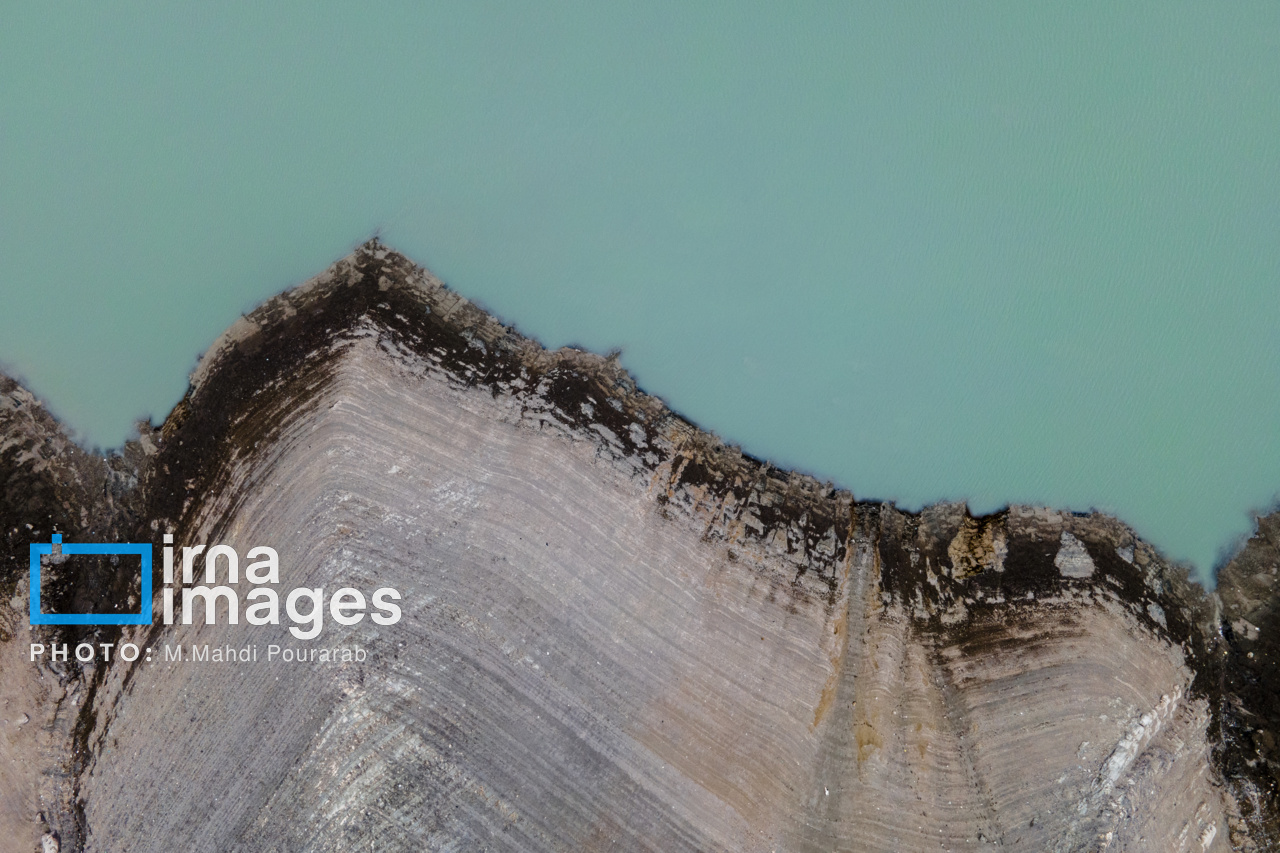
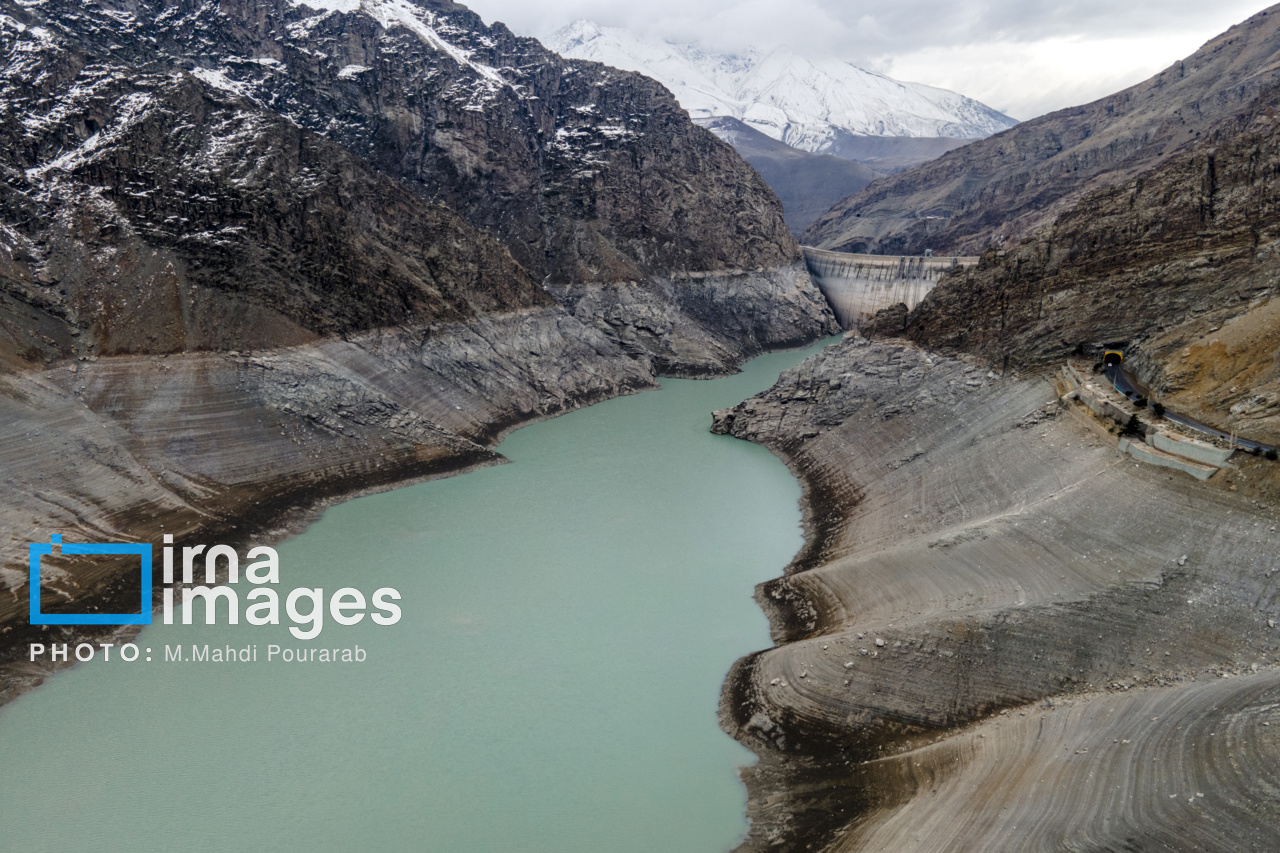
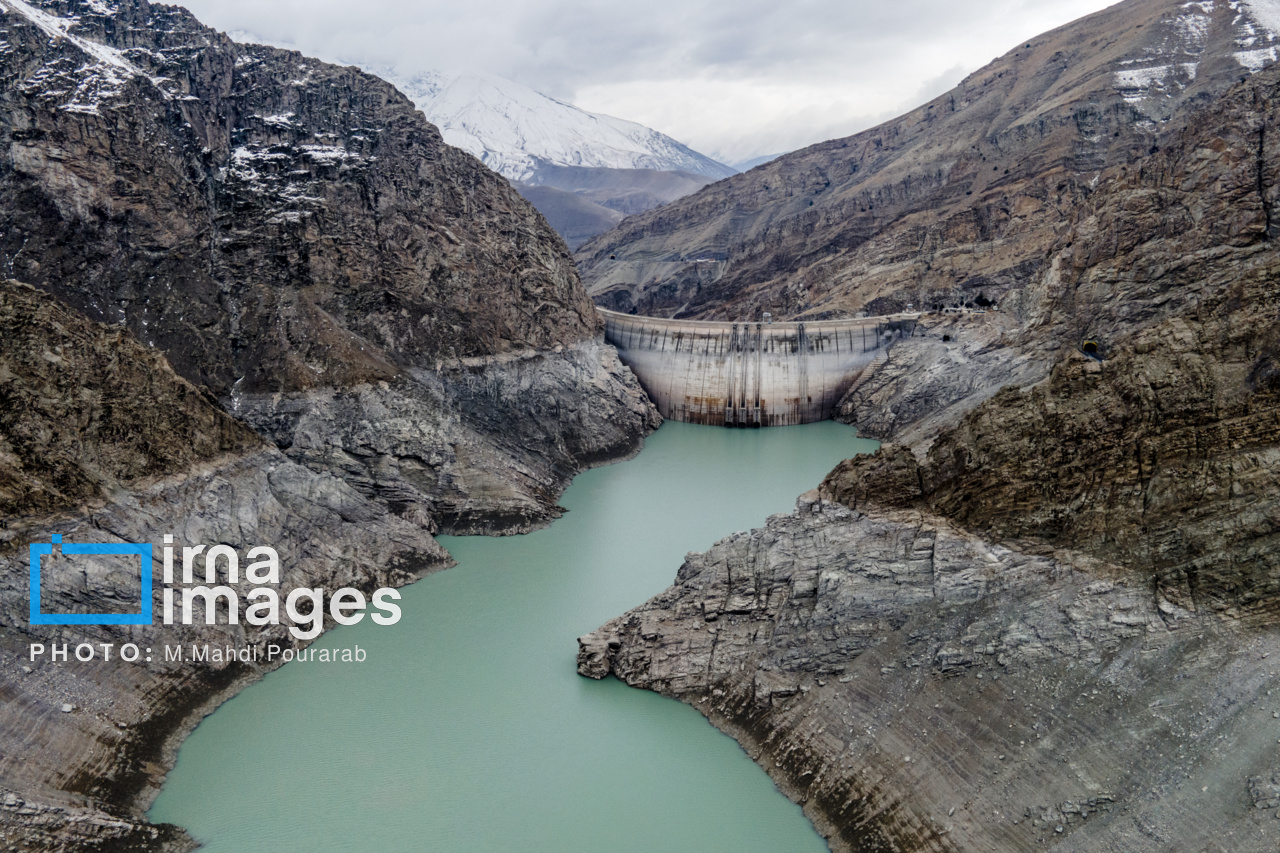
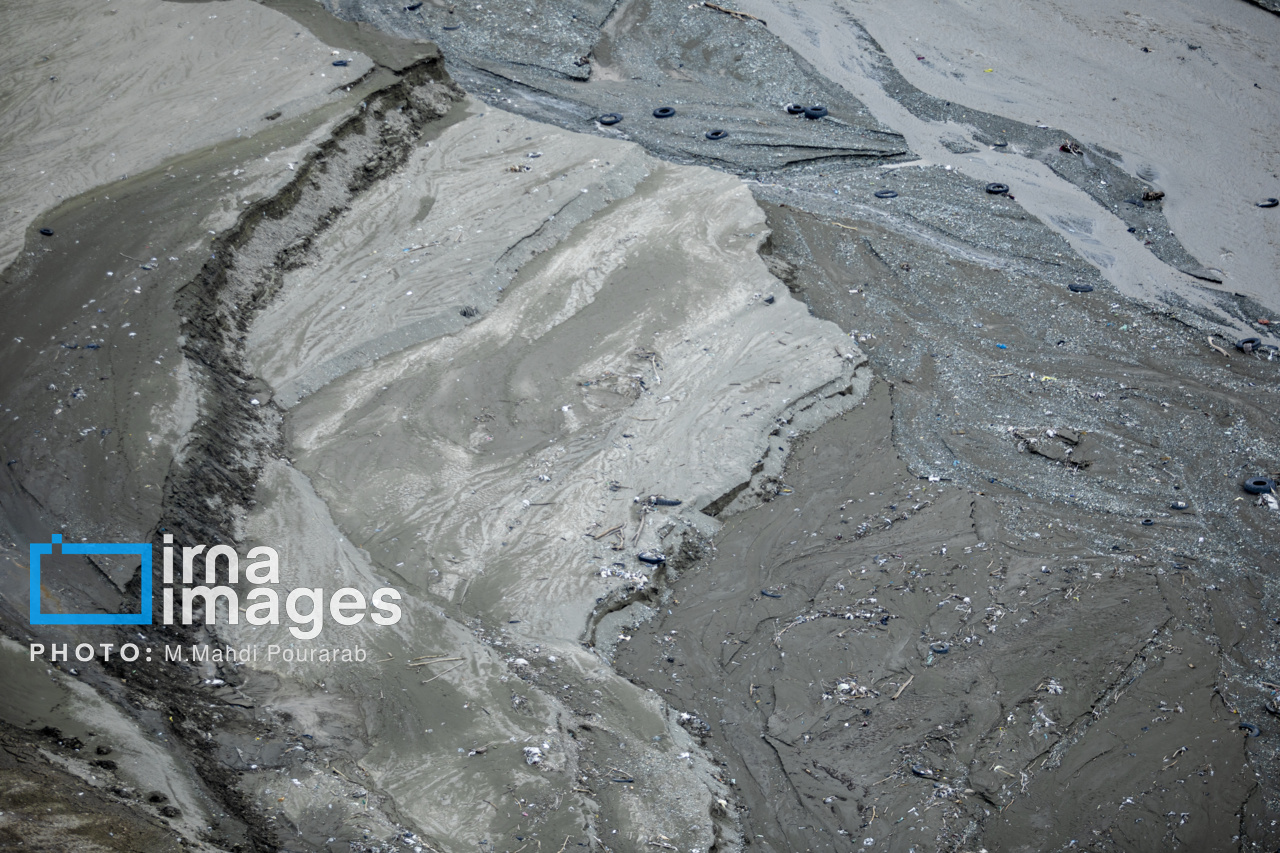
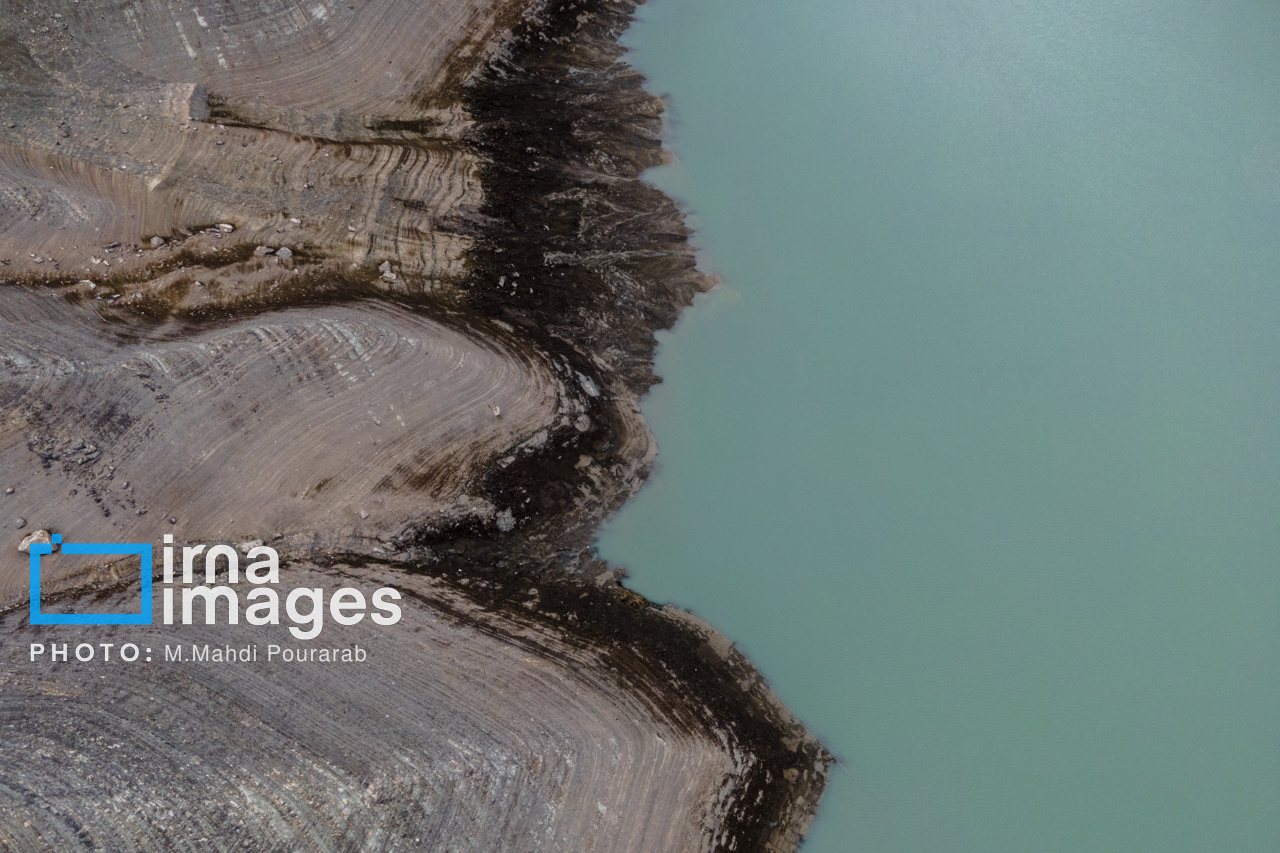
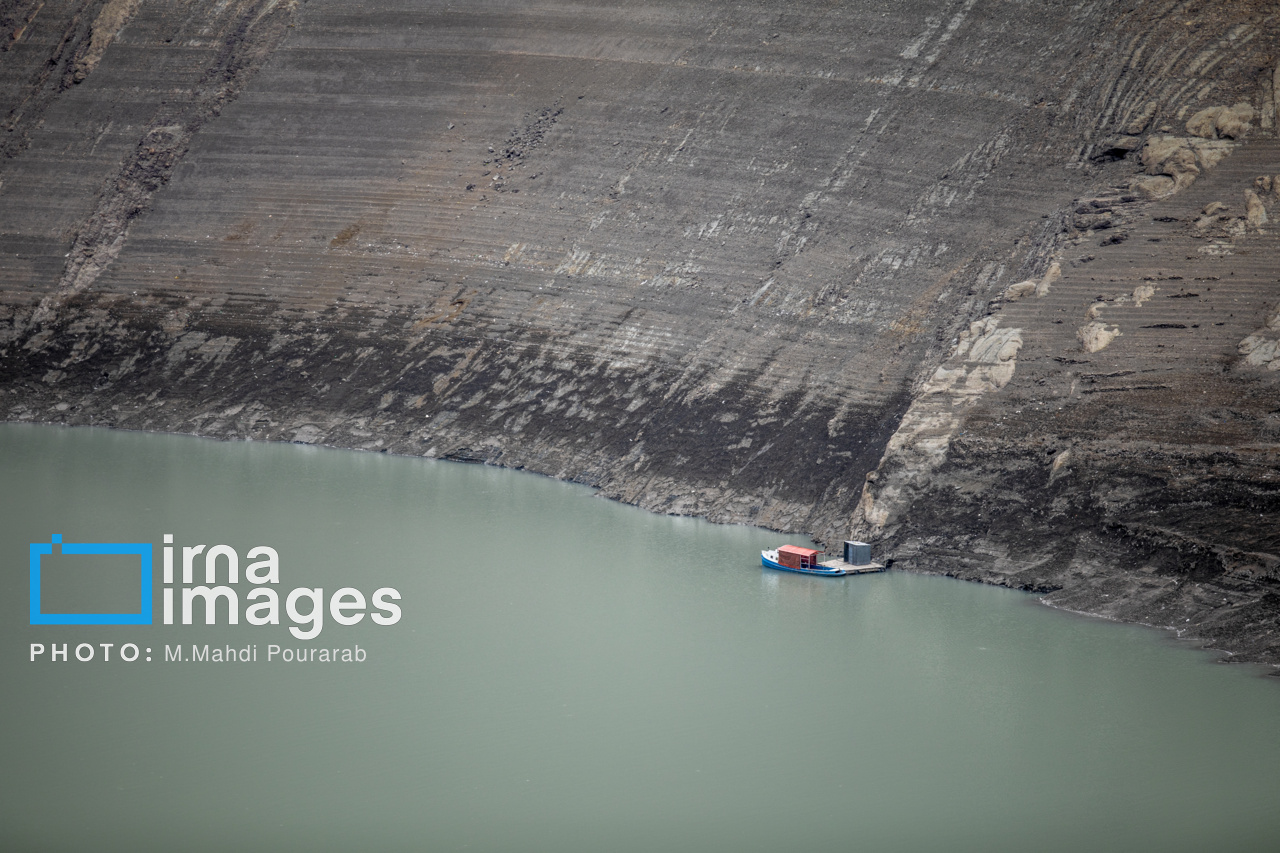
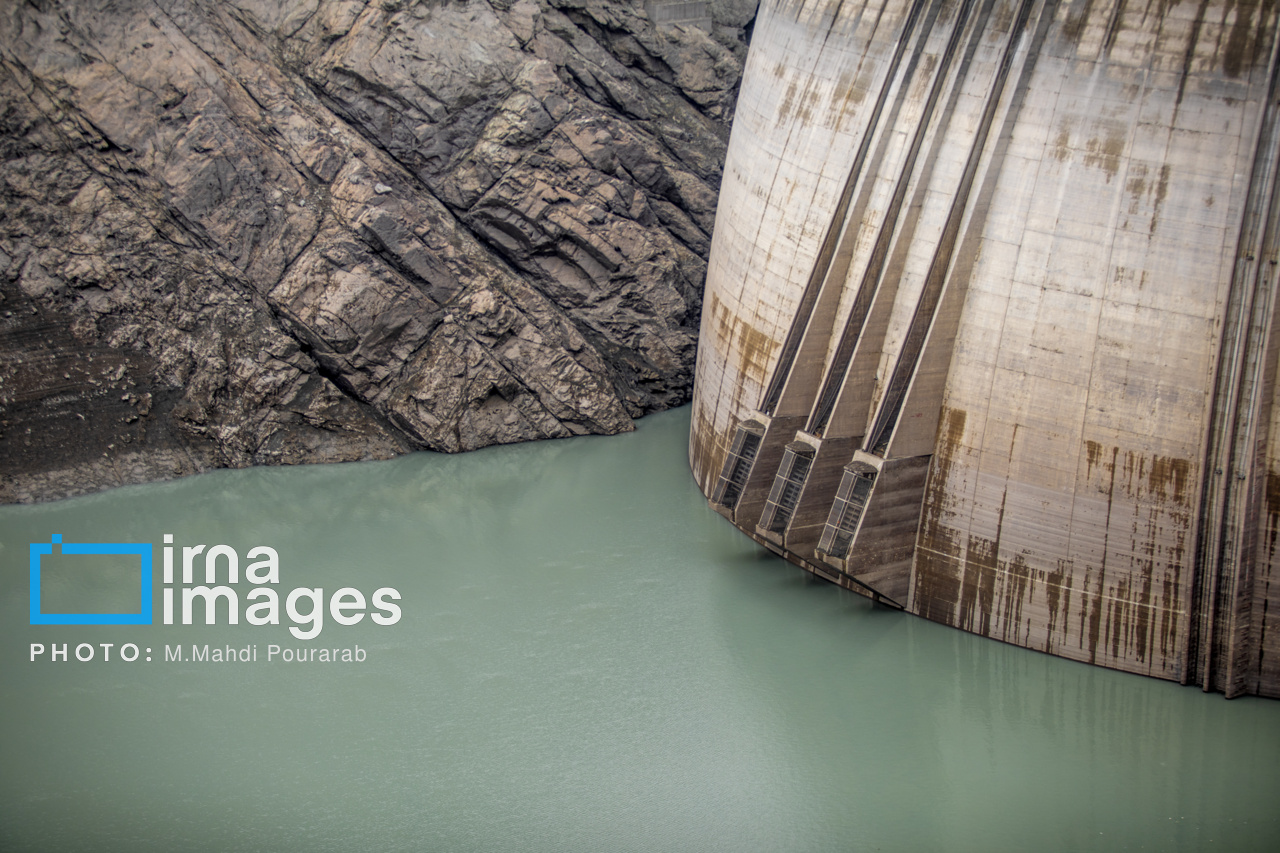
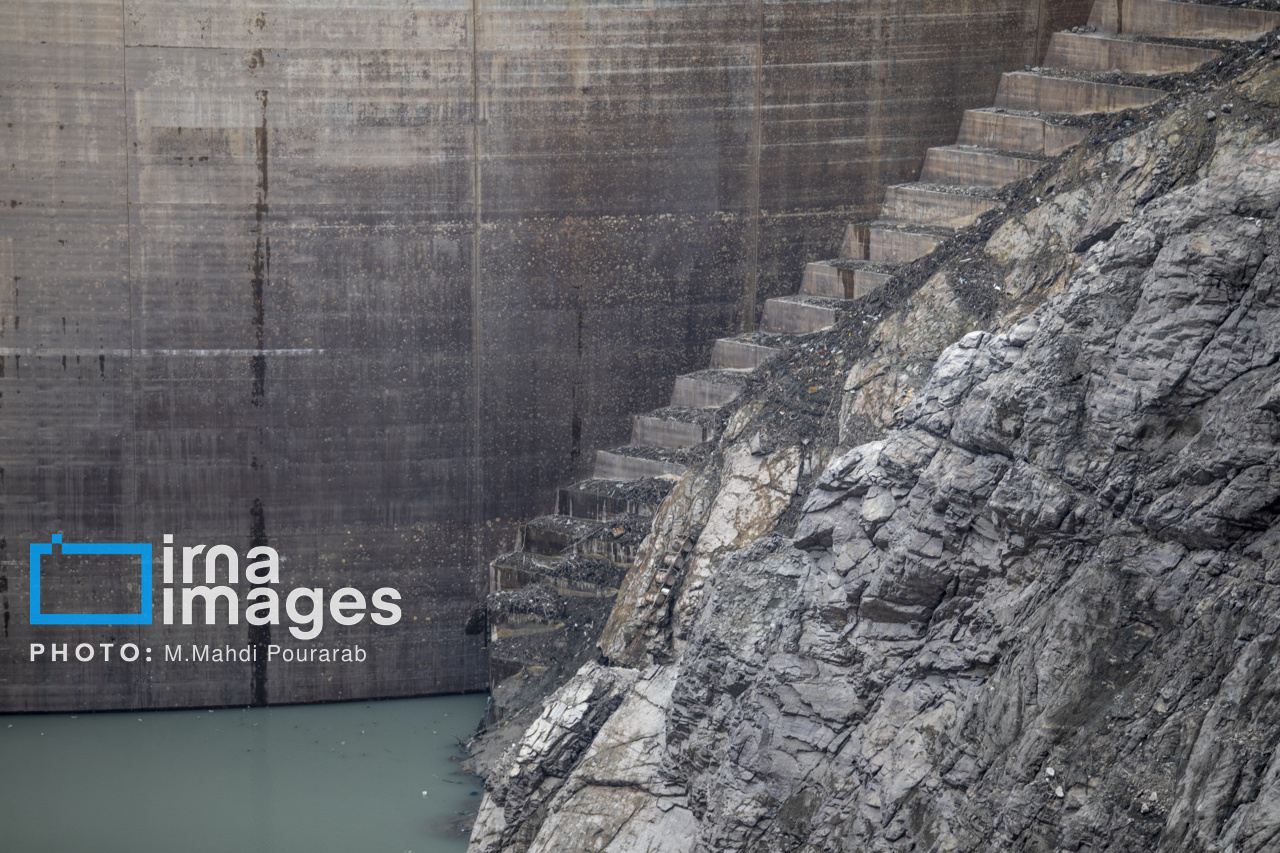
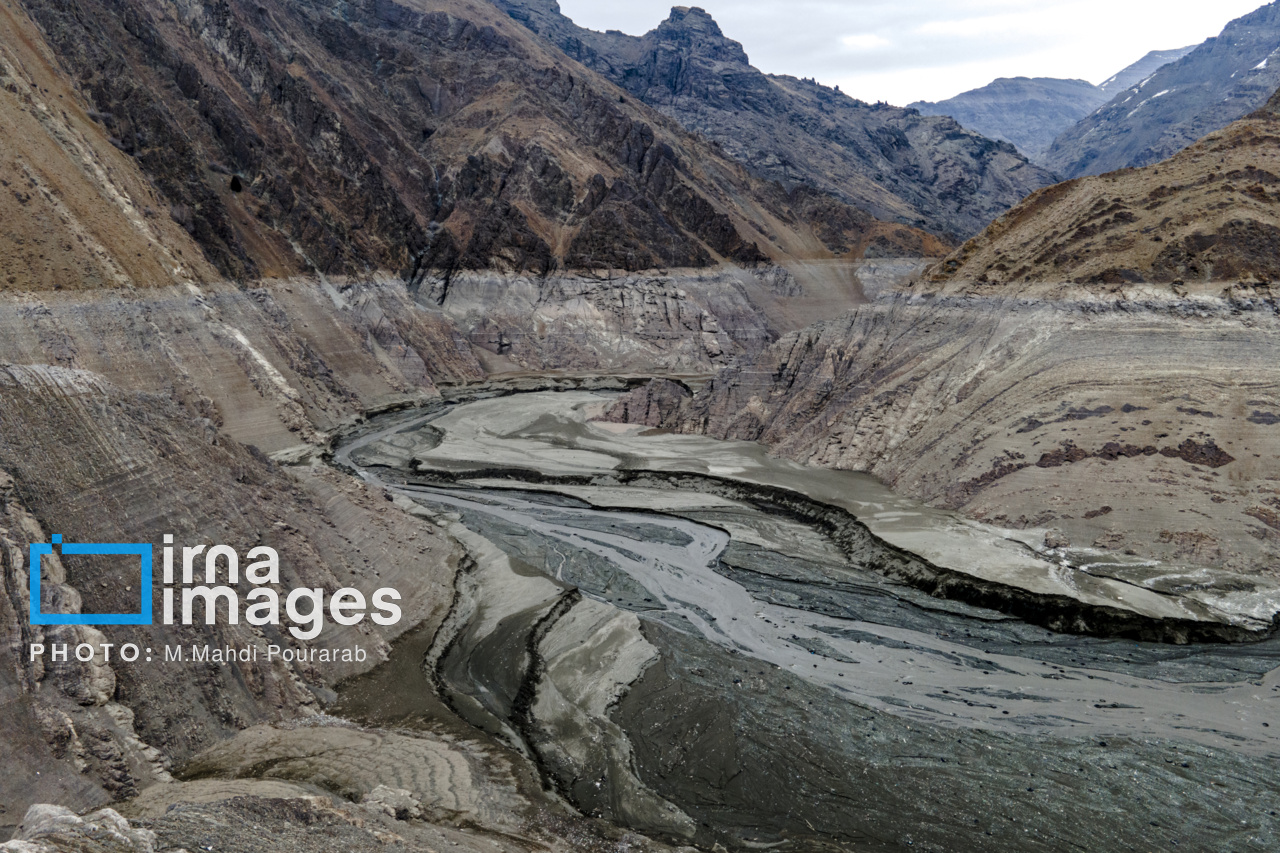
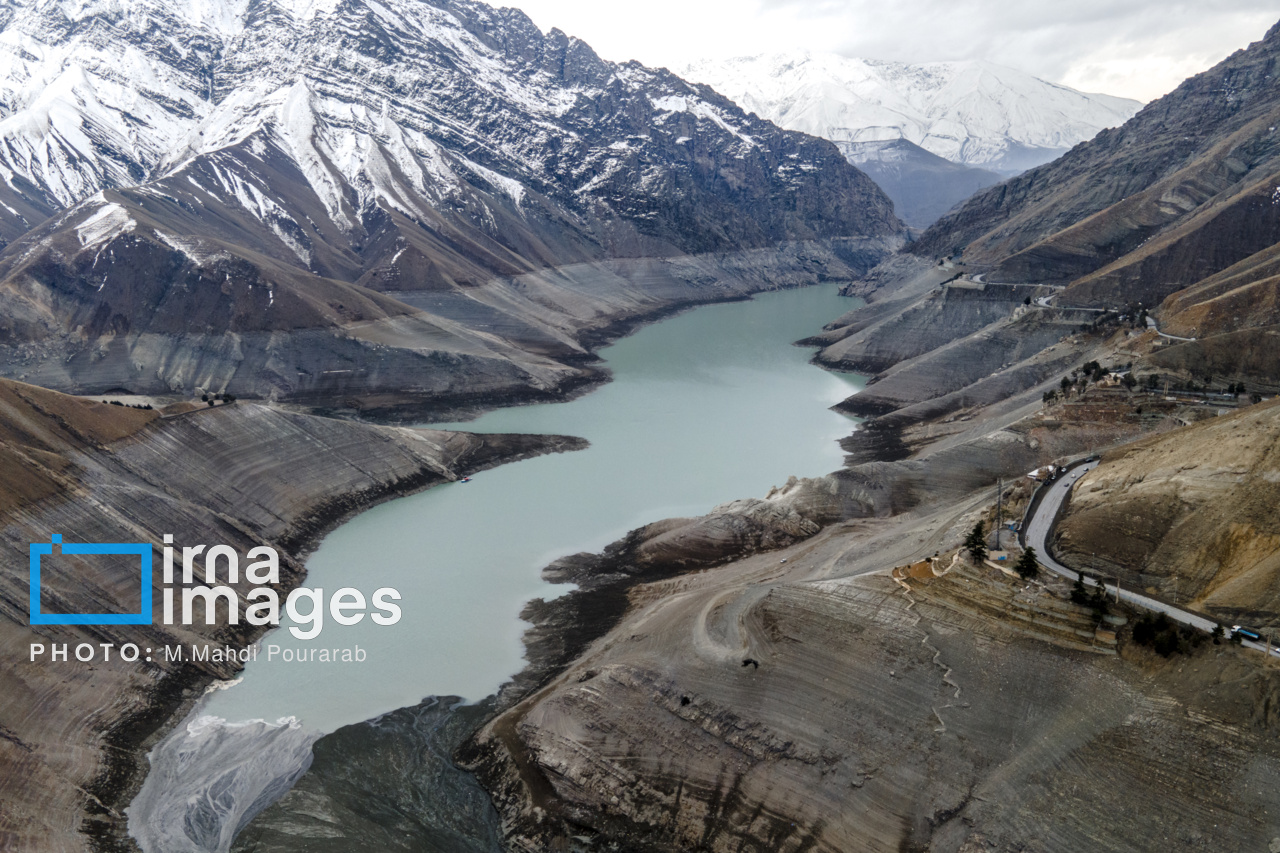
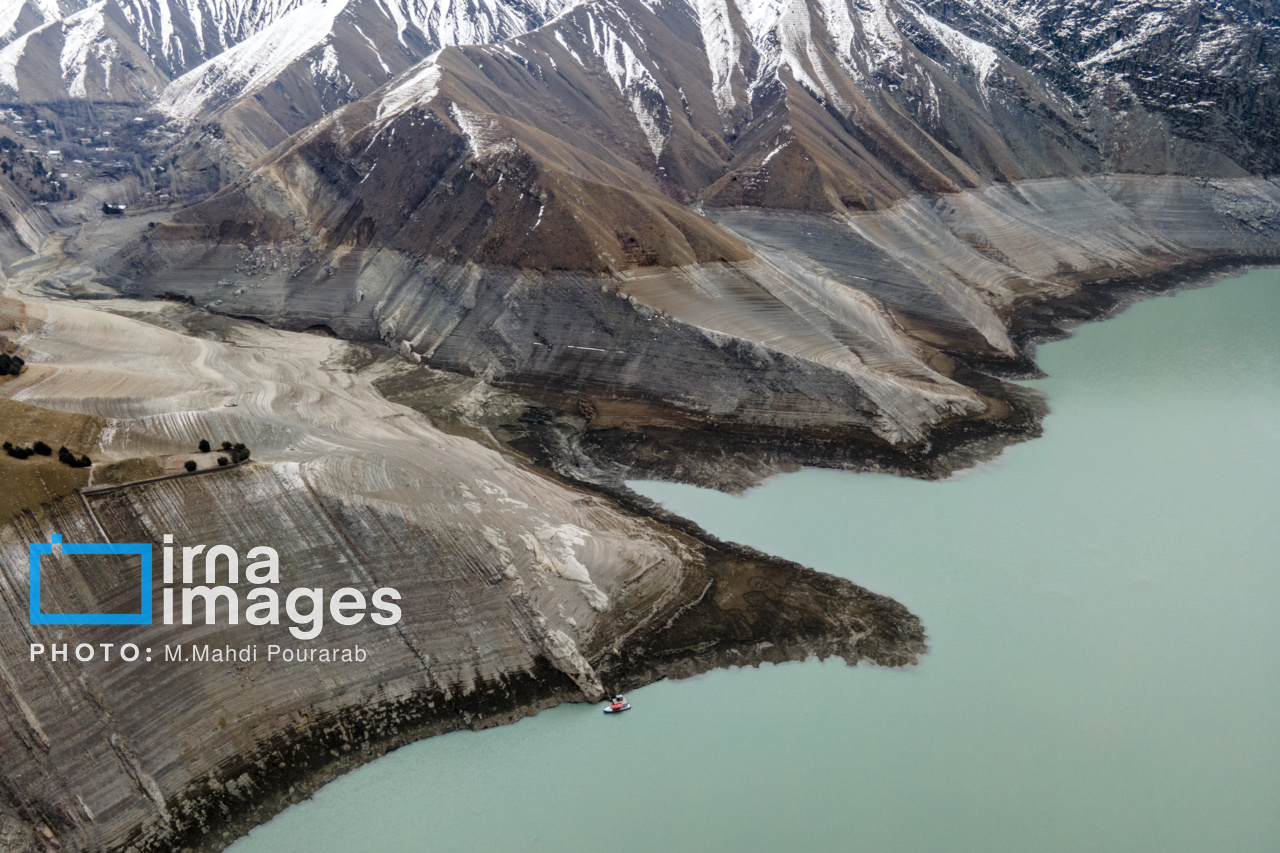
Water crisis in Tehran: Karaj Dam nears depletion

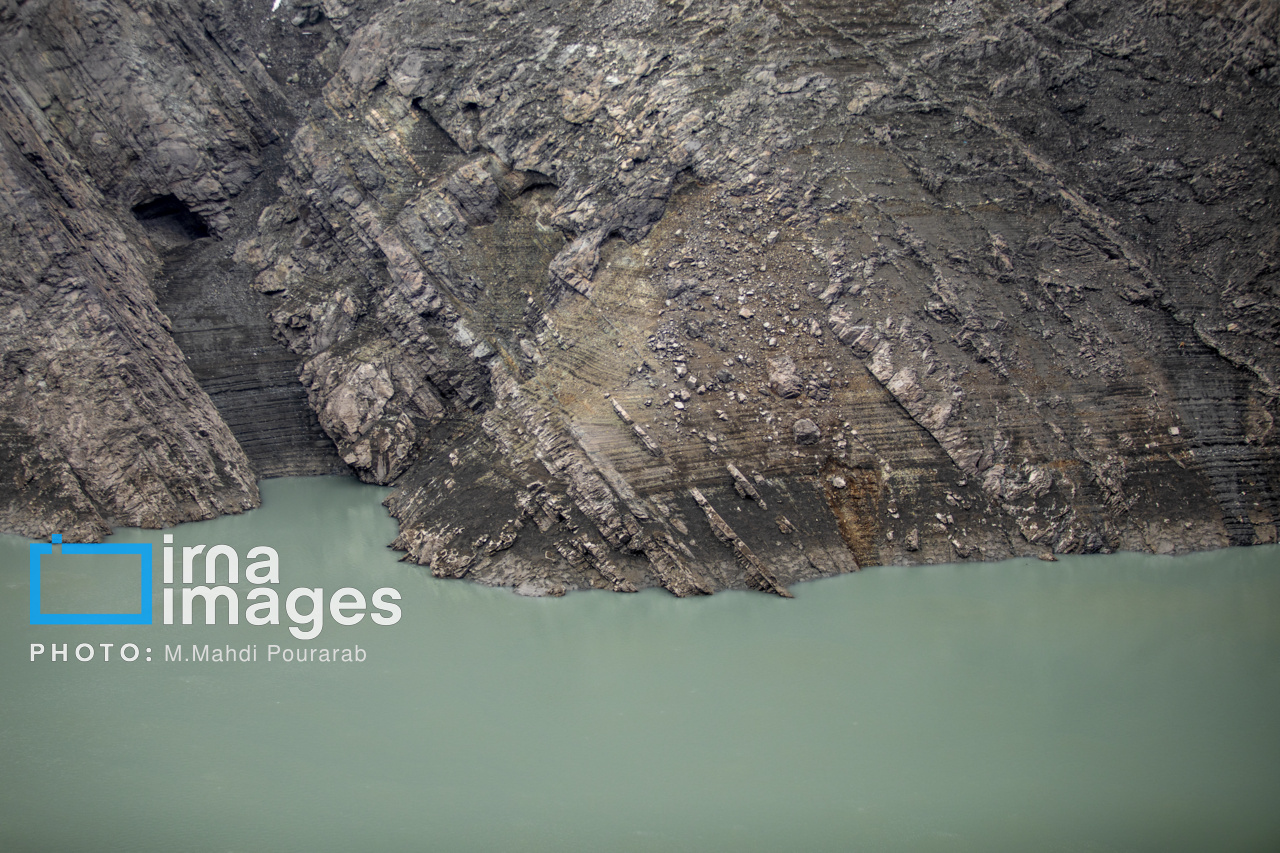
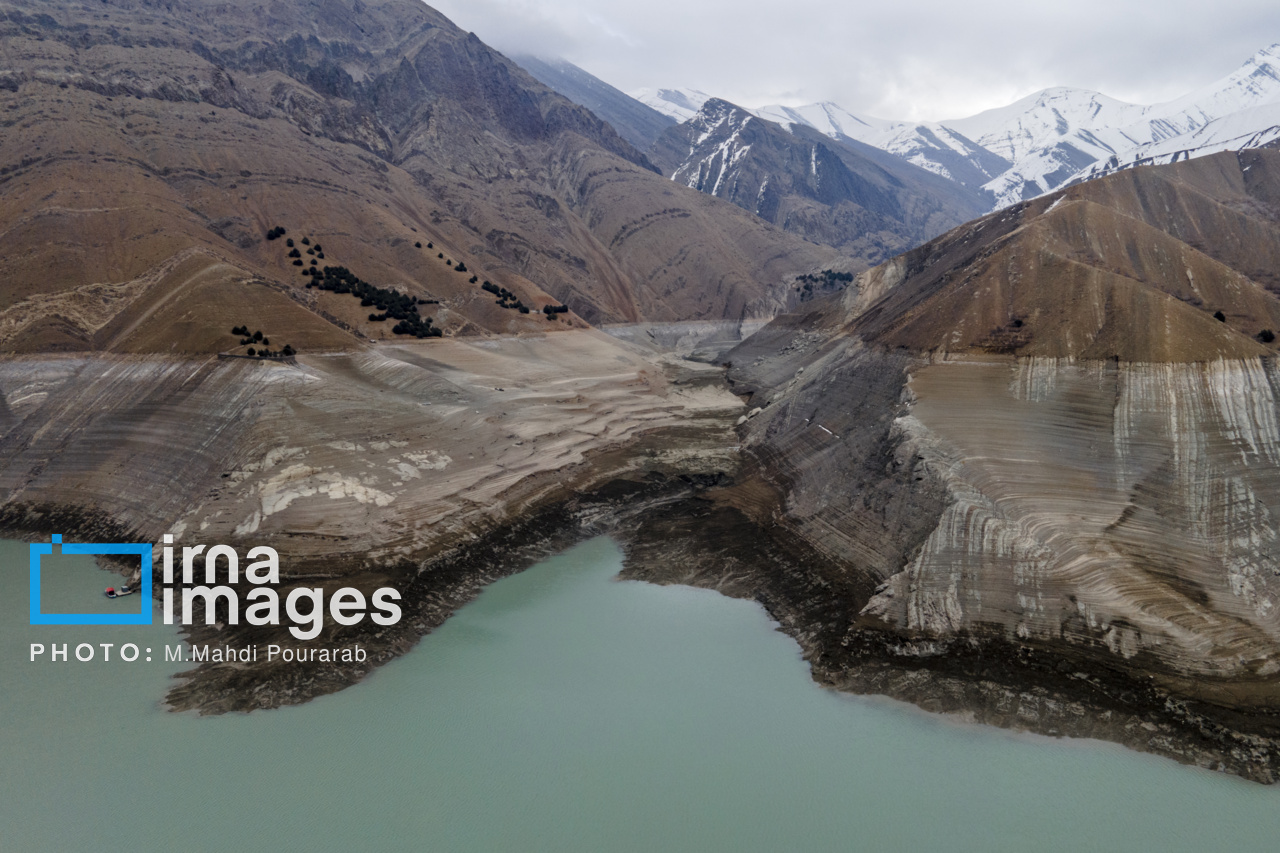
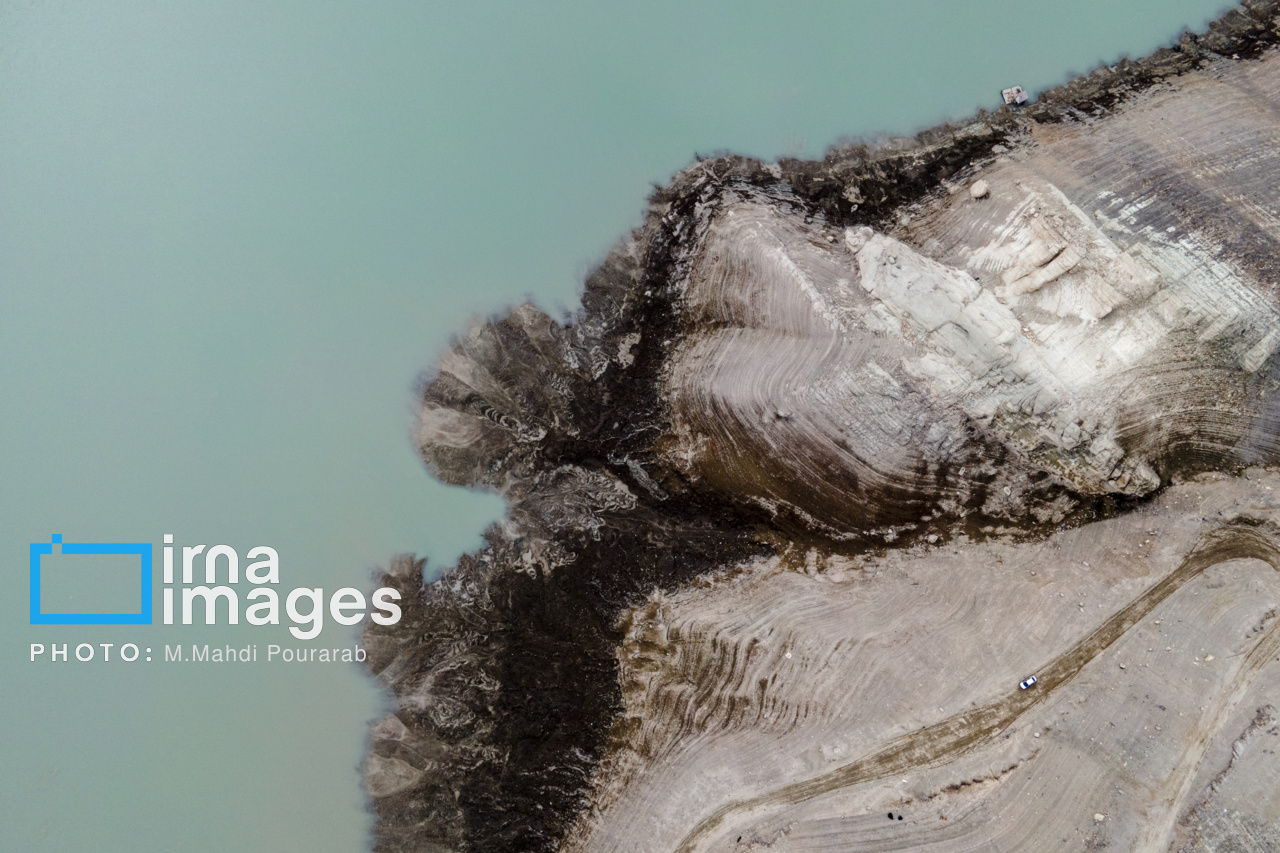
The dam, which plays a vital role in supplying water to millions of people in Tehran Province, now holds only 8% of its total capacity. This marks a drastic 56% decline compared to the same period last year.

The sharp reduction in water reserves has raised serious concerns about the sustainable supply of drinking water for the capital and its surrounding areas.

The depletion of Karaj Dam’s reserves has not only intensified environmental worries but has also placed additional strain on water resource management infrastructure.

Authorities are under increasing pressure to address the crisis, as the dam’s dwindling reserves highlight the urgent need for improved water conservation strategies and long-term solutions to mitigate the effects of prolonged drought and overconsumption.

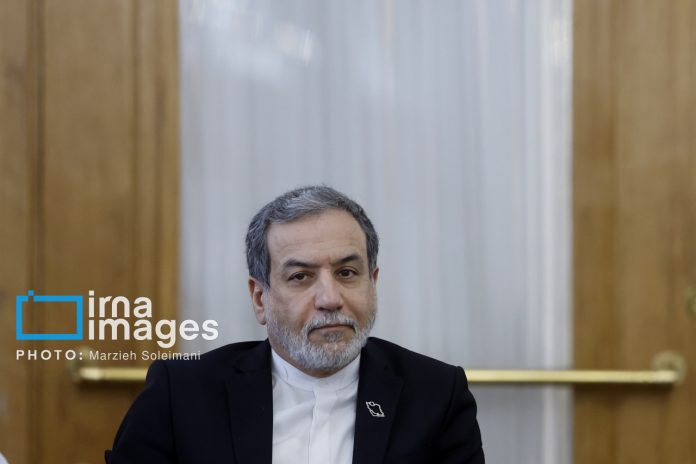
Iran says won’t negotiate with US under pressure and intimidation

Abbas Araghchi

“Iran’s nuclear energy program has always been -and will always remain- entirely peaceful. There is fundamentally therefore no such things as its ‘potential militarization’”, the Iranian foreign minister said in a post on his X account on Monday.

“We will NOT negotiate under pressure and intimidation. We will NOT even consider it, no matter what the subject may be. Negotiation is different from bullying and issuing diktats,” he added.

“We are now consulting with the E3 -and separately with Russia and China- on equal footing and mutual respect. The aim is to explore ways to build more confidence and more transparency on our nuclear energy program in return for the lifting of unlawful sanctions,” Araqchi noted.

“In the past, the US enjoyed respect from Iran whenever it was respectful in its discourse, and it was confronted whenever it adopted a threatening posture. Every action compels a reaction,” the foreign minister said.

In an interview with Fox News, US President Donald Trump claimed that Iran can be handled either militarily or by making a deal on Tehran’s nuclear program.

On Saturday, Leader of the Islamic Revolution Ayatollah Seyyed Ali Khamenei said that the insistence of some bullying powers on holding talks with Iran does not aim to solve issues, emphasizing that Iran would never accept the expectations of bullying states.

UN mission: Iran may consider talks aimed at easing nuclear ‘militarization’ concerns

Iran Nuclear Program

“If the objective of negotiations is to address concerns regarding any potential militarization of Iran’s nuclear program, such discussions may be subject to consideration,” the mission said in a statement on X on Sunday.

Weeks after signing an order restoring maximum pressure on Iran, U.S. President Donald Trump claimed on Friday that he had sent a letter to Iran, asking that negotiations be reopened.

During his first term, Trump unilaterally withdrew the United States from a multilateral nuclear deal with Iran, signed by his predecessor, Barack Obama, in 2015, and re-imposed tough economic sanctions on the country, which the accord had lifted.

“Should the aim be the dismantlement of Iran’s peaceful nuclear program to claim that what Obama failed to achieve has now been accomplished, such negotiations will never take place,” Iran’s mission to the U.N. announced in the statement.

Addressing government officials on Saturday, Leader of the Islamic Revolution Ayatollah Seyyed Ali Khamenei reiterated that Iran rejects a push by “bullying governments” to open negotiations.

The Leader added that such gestures for diplomacy were not a genuine attempt at resolving the dispute over Iran’s nuclear program, but an effort to impose their excessive demands on the country.

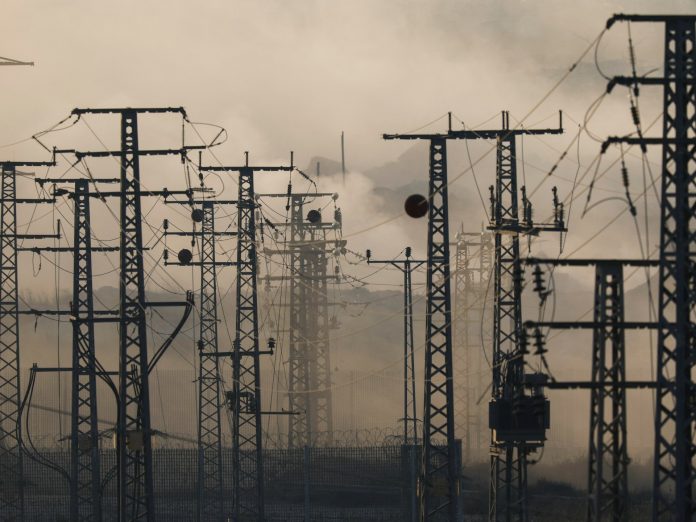
Israel cuts off electricity to Gaza

In a post on X, Cohen said he has signed an order to “cut off electricity to the Gaza Strip immediately”.

“Enough with the talk, it’s time for action!” he added.

Sunday’s announcement comes more than a week after Israel cut off all supplies of goods to the territory to over two million people after reneging on the ceasefire deal that ended the 15-month-long Gaza war. Nearly 50,000 Palestinians have been killed and vast swathes of Gaza have been turned into rubble after non-stop Israeli bombardment.

Israel wants to extend the first phase of the three-phase deal, while the Hamas group wants the deal to move to phase two, as initially agreed by both sides. Analysts say Israel’s refusal to enter phase two shows its unwillingness to withdraw its troops from the Philadelphi Corridor, a narrow strip of land that separates Gaza from Egypt.

Hamas has accused Israel of “cheap and unacceptable blackmail” over its decision to halt the electricity supply to war-ravaged Gaza in an effort to pressure the group into releasing the captives.

“We strongly condemn the occupation’s decision to cut off electricity to Gaza, after depriving it of food, medicine, and water,” Ezzat al-Rishq, a member of Hamas’s political bureau said in a statement, adding that it was “a desperate attempt to pressure our people and their resistance through cheap and unacceptable blackmail tactics”.

Aid groups and rights campaigners have accused Israel of committing crimes against humanity and violating international humanitarian laws for cutting off aid.

People in Gaza are struggling to get bread and basic supplies as Israel’s total blockade has forced the closure of several bakeries and shops.
Hamas has repeatedly called for an immediate start to negotiations on the ceasefire’s second phase. A Hamas source stated on Sunday that its delegation had now left for Doha, Qatar after talks in Cairo, Egypt.

Israeli Prime Minister Benjamin Netanyahu’s office, meanwhile, said it would send delegates to Doha on Monday.

The six-week first phase saw the release of 25 living Israeli captives and eight bodies in exchange for some 1,800 Palestinian prisoners held in Israeli jails.
During the second phase, Hamas is expected to release all the remaining living captives, mostly male soldiers, in return for the freeing of more Palestinians held in the Israeli prison system. In addition, according to the document agreed to in January, Israel would initiate its “complete withdrawal” from Gaza.
The third phase will see the bodies of the remaining captives handed over in return for a three- to five-year reconstruction plan for Gaza to be conducted under international supervision.

On Sunday, United States President Donald Trump’s envoy Adam Boehler told NBC News that direct US meetings with Hamas in Doha on the release of captives in Gaza were extremely “helpful”.

Boehler stated that he believes something could “come together on Gaza within weeks”, but did not elaborate.

Trump had previously floated a widely condemned plan to expel Palestinians from Gaza, prompting Arab leaders to offer an alternative.

Their proposal would see Gaza’s reconstruction financed through a trust fund, with the Ramallah-based Palestinian Authority returning to govern the territory.

“We need more discussion about it, but it’s a good-faith first step,” Steve Witkoff, Trump’s Middle East envoy, told reporters in Washington in response to the Arab plan.

Witkoff will be returning to the region this week as he travels to Saudi Arabia for talks on the war in Ukraine.

Meantime, family members of Israeli captives have demanded the government fully implement the ceasefire.

Hamas has announced that it was ready to abandon its governance role in Gaza but refused to lay down arms.

Tension and conflict will harm Iran, global peace: President Pezeshkian to Norway’s PM

In a telephone conversation on Sunday, Norway’s Prime Minister Jonas Gahr Stoere and the Iranian president discussed bilateral and multilateral issues.

Pezeshkian said Iran has never sought to produce nuclear weapons and affirmed the country’s principled policy on defusing tensions and fostering unity in the region.

“However, we will definitely counter any threat against our country’s security and interests with strength and power,” he added.

He noted that Iran has always had and will have cooperation with the International Atomic Energy Agency on verification of the country’s nuclear activities.

Elsewhere in the phone call, Pezeshkian pointed to good relations between Tehran and Oslo and common grounds for bilateral cooperation on regional and international fields and hailed Norway’s efforts to establish peace in the region.

Referring to the ongoing sensitive situation in the region and the world, he said Iran has always made efforts to maintain regional peace, stability and security and prevented the occurrence of any war and conflict.

“Unfortunately, the Zionist regime, as the main factor of tension and crisis in the region, is inciting war and committing crime and genocide against the oppressed people of Palestine,” Pezeshkian emphasized.

He added that the Israeli regime “is attempting to portray the peaceful nuclear activities of the Islamic Republic of Iran as a factor of insecurity through fabrication of lies.”

The Norwegian prime minister, for his part, said his country supports the peaceful settlement of issues in the region and is ready to play a role in this regard.

Stoere pointed to the commonalities between the two countries and expressed Oslo’s keenness to improve cordial relations with Tehran.

Syria’s new rulers launch probe into deadly clashes, vows accountability

“We announce the formation of a fact-finding committee regarding the events on the coast and form a higher committee,” al-Sharaa said in an address to the nation on Sunday following days of violent unrest.

The Syrian leader added that the country was confronting attempts to drag it into a civil war. In his speech, al-Sharaa stated that “remnants of the former regime” had no choice but to surrender immediately as he vowed to hold accountable “anyone involved in civilian bloodshed”.

The Syrian presidency earlier announced that an “independent committee” had been formed to “investigate the violations against civilians and identify those responsible for them”, adding that the perpetrators would be referred to court.

“The Committee has the right to use whoever it deems appropriate to perform its duties, and submit its report to the Presidency of the Republic within a maximum period of thirty days from the date of issuance of this decision,” the presidency’s statement read.

The fighting began after the pro-Assad fighters coordinated attacks on security forces on Thursday. The attacks spiralled into revenge killings as thousands of armed supporters of Syria’s new leadership went to the coastal areas to support the security forces.

The clashes – which London-based war monitor the Syrian Observatory for Human Rights announced had already killed 1,000 people, mostly civilians – continued for a fourth day on Sunday. Syrians have circulated graphic videos of executions of civilians.

In the face of the clashes, al-Sharaa urged “national unity” as he reassured a crowd at a mosque in his childhood neighbourhood of Mezzeh, in Damascus.

“We have to preserve national unity and domestic peace. We can live together,” the president said.

“Rest assured about Syria, this country has the characteristics for survival … What is currently happening in Syria is within the expected challenges.”

Al-Assad’s overthrow in December ended more than five decades of dynastic rule by his family, which was marked by severe repression and a devastating war that erupted in 2011 after peaceful anti-government protests were met with a brutal security crackdown. Tens of thousands of Syrians were killed and millions were forced to flee the country or displaced internally as Syria descended into war.