Tuesday, April 28, 2026
Home Blog Page 4875

Iran says US planned blocking of new planes “illegal”

plan

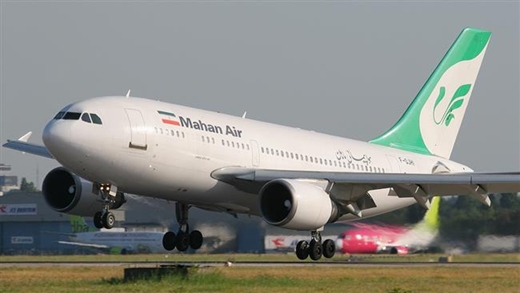
Iran on Sunday criticized the United States for a planned blockade of the air travels of its newly purchased planes, saying the move will be against international laws.

Mohammad Khoda-Karami, the deputy head of Iran’s Civil Aviation Organization (CAO), has told the media that Iran has purchased the new planes based on its own sovereign rights.

“Iran will never wait for the permission of any country for exercising its legitimate rights,” said Khoda-Karami.

Iran’s media announced earlier this month that Mahan Air has added a number of new planes to its fleet.

In reaction, the US Treasury Department said in a statement last Thursday that it has sanctioned parties involved in the reported plane purchase scheme.

The Treasury Department also said the purchased aircraft by Mahan Air – which it has sanctioned three times since 2011 – have been designated as “blockable” interests, making it risky for the airline to fly them on international routes.

In response, Khoda-Karami has emphasized that the US sanctions against Iran’s aviation industry lack any legal basis.

He said the Chicago Convention on International Civil Aviation prohibits member countries from using their air fleet for any purpose that would be against the terms of the Convention.

FM Zarif makes powerful case in parliament for nuclear talks

Zarif-Parliament

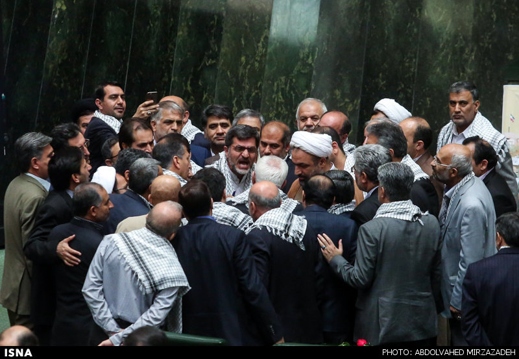
Foreign Minister Mohammad Javad Zarif and his deputy Abbas Araghchi – who went to parliament on Sunday to brief the MPs on the latest developments of nuclear talks with P5+1 and clarify the ambiguities surrounding the negotiations – managed to convince the majority of representatives that the nuclear talks are moving in the right direction.

Entekhab, a news website, released a report on what happened in the closed-door session in the Iranian parliament, on exchanges between the top diplomat and the deputies, and on what came out of the session. The following is the translation of excerpts of the report:

The spokesman for parliament’s Presiding Board told reporters [after the meeting] that the foreign minister explained the highlights of the Lausanne statement for the MPs, adding [Speaker] Larijani urged support for nuclear talks and underlined that the demands of the Iranian nation and the [Islamic] establishment should be pursued in the talks.

For his part, Abbas Araghchi, who is a senior member of the negotiating team, provided details about the recent talks and the concerns raised by the Supreme Leader, Behrouz Nemati further said.

He went on to say that Foreign Minister Zarif and his deputy answered questions of four MPs who asked about the way sanctions are to be lifted and inspections of Fordow and [other] nuclear facilities.

“The Americans have adopted a carrot-and-stick policy over the past 30 years. We promise to effectively and properly defend Iran’s nuclear achievements,” Nemati quoted the foreign minister as saying in response to a complaint by an MP about the conflicting remarks of US officials.

The spokesman declined to say whether the MPs put a question to the foreign minister on US failure to keep its promises and said, “The issue cannot be explained here due to the fact that the briefing was not public, but the foreign minister raised some issues in this regard”.

Nemati then rejected reports that the number of centrifuges at Fordow will be reduced to 350 and said no change is expected to happen and the number will stand at 1,044.

He described the session with the top diplomat as calm and frank. It came as news agencies reported that a bitter verbal dispute broke out between Hamid Rasaei [a hardline MP] and Mehdi Koochakzadeh [a vocal supporter of former President Ahmadinejad] and Foreign Minister Zarif.

[…]

Later Larijani told reporters that Messrs. Zarif and Araghchi briefed the MPs on what has happened during nuclear talks in the two-hour session of parliament, adding their explanations were adequate [to convince the MPs].

[…]

The deputies expressed their views [after they heard the explanations of the foreign minister and his deputy], Larijani said, adding we hope that the talks could proceed properly and produce a good result for Iran.

Ayatollah Khamenei pardons 102 court martial convicts

leader

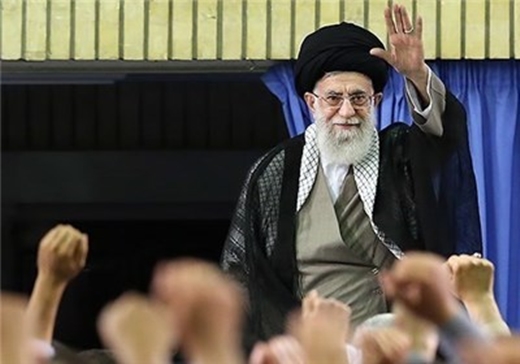
Supreme Leader of the Islamic Revolution Ayatollah Seyyed Ali Khamenei pardoned or commuted prison terms of 102 convicts that had been found guilty by the Iranian Armed Force’s judiciary system.

The Supreme Leader granted amnesty on Sunday at the request of Judiciary Chief Ayatollah Sadegh Amoli Larijani, who submitted the list of the 102 convicts that have been recognized to deserve pardon or reduction in their sentences.

They were given pardon on the occasion of some Islamic festivities and of the anniversary of liberation of Khorramshahr, a city in southwestern Iran, which had been occupied by the Iraq’s Baathist army in the early 1980s.

The strategic city was recaptured by the Iranian armed forces in May 1982.

Article 110 of the Constitution grants the Supreme Leader the right to pardon or reduce the sentences of convicts upon a recommendation from the head of the Judiciary.

The clemency, however, does not apply to all types of convicts, including those who have been sentenced for their role in armed struggle against the country, armed or organized drug trafficking, rape, armed robbery, arms smuggling, abduction, bribery and embezzlement.

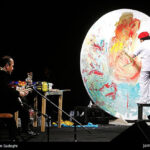
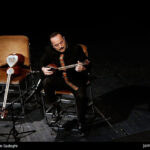
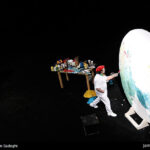
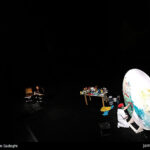
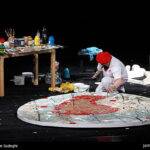
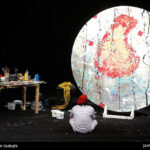
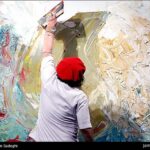
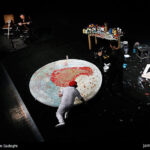
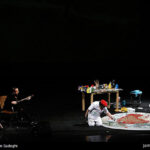
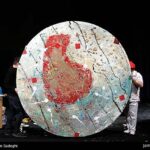
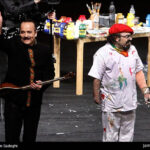
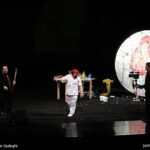
Live painting-the-music performance by Iranian artists (PHOTOS)

Live painting-the-music

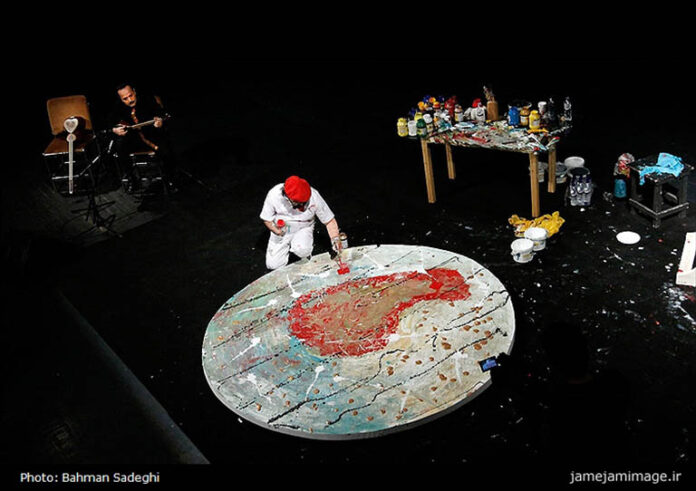
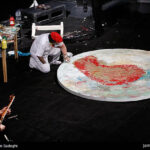
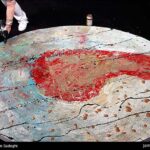
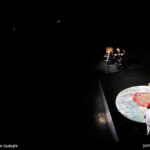
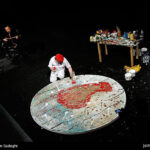
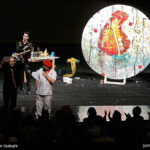
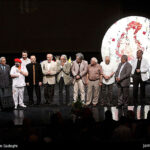
Vahdat Hall played host to the second public painting-the-music performance in Tehran.

Inspired by the live music – Kayvan Saket playing the tar – Alireza Mojabi, a painter, poet, calligraphist and researcher, produced some impromptu painting on stage.

Images of the performance released online by jamejamonline.ir:

Rouhani says committed to liberating economy from foreign pressures

rouhani3

President Hassan Rouhani said on Sunday that he is committed to liberating Iran’s economy from occupation of world powers.

He made the comment in a ceremony to pay tribute to war veterans for their sacrifices.

Government is committed to liberating the land of economy from the occupation of P5+1 and the UN Security Council through diplomacy, Rouhani noted.

He said that Iranian resistance during the eight-year war had its roots in their love for their homeland and Islam.

Referring to world powers’ sanctions and pressures, the president added P5+1 has restricted Iran’s activities in the fields of banking, oil exports, insurance, science, culture and trading.

The government will liberate the land of economy with the help of its political commanders, Rouhani added, pointing to the fact that military commanders liberated the Iranian city of Khorramshahr from the occupation of Iraq during the eight-year war.

Earlier President Hassan Rouhani inaugurated the 8th national congress to pay tribute to war veterans for their sacrifice.

The congress is held on the occasion of Khordad 3 (May 24) which marks the liberation anniversary of the city of Khorramshahr in 1982 which had been occupied by the forces of the Iraqi dictator Saddam Hussein.

Family members of 1,500 martyrs who made the ultimate sacrifice during the liberation operation attended the event.

A photo exhibition was also held on the sidelines of the meeting.

Khorramshahr in photos 26 years after end of war

Khorramshahr

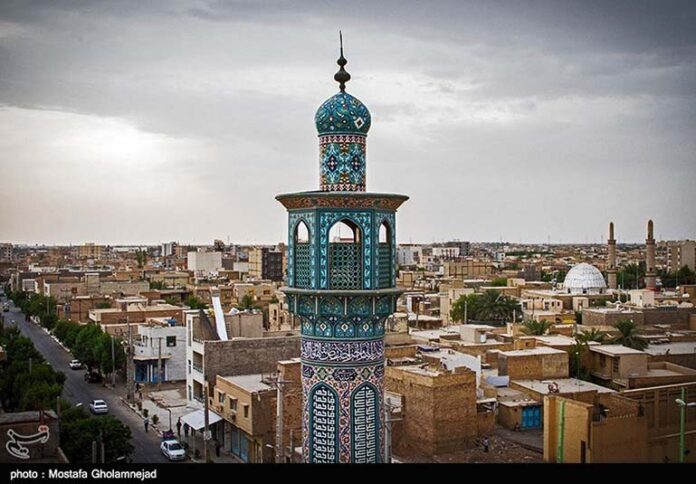
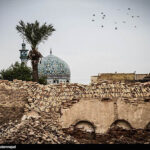
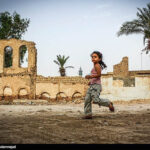
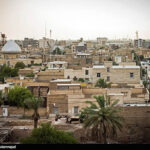
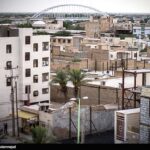
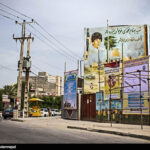
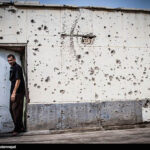
Twenty-six years after the end of the Iran-Iraq war, reconstruction is still in progress in the southern city of Khorramshahr, a city whose brave people still keep the memory of their martyrs and the blood of the innocent people shed during the war alive.

The city still bears the scars of the war imposed on Iran by Saddam. Tasnim News Agency released the following photos of the southern city:

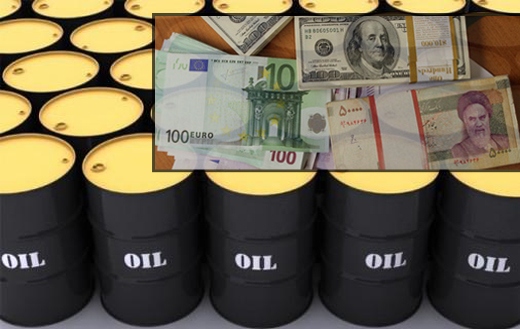
False expectations about a price decline are aimed at harming government: Economist

Oil-dollar-rial

With a countdown to the probable lifting of sanctions on, speculations run rife that the removal of sanctions will translate into a decline in inflation and consumer prices. The question is how realistic such speculations are.

What is clear is that Iran’s economy has been grappling with galloping inflation in recent years. It hit back-to-back 10-year highs in 2012 and 2013. Now that hopes of the lifting of sanctions have risen, should we expect prices to take a plunge as fast as they surged?

Shahrvand daily has conducted an interview with Lotfali Bakhshi, an Iranian economist and university professor, to find an answer to that question. What comes next is the translation of excerpts of the interview published by the daily on May 24:

Some are under the impression that the lifting of sanctions and conclusion of a comprehensive deal will send prices plunging. What is your take?

With the conclusion of a final nuclear deal and subsequent removal of sanctions, one should not expect prices to go down, because our oil sales are limited. Even if oil exports increased twofold in six months, they would not be enough to meet the increasing needs of our economy.

Iran’s economic needs are huge. Even in case of a rise in our oil revenues, our economy will consume all foreign-currency revenues. Besides, global prices are not on the decline either, so we cannot expect a fall in domestic prices.

Some have predicted that the removal of sanctions will result in a drop in prices but the government is acting as an impediment. What do you think?

Even if all foreign-currency revenue expectations are met, prices won’t go down, because a drop in prices is an unrealistic expectation which defies scientific rules. Those who have made such predictions are either unaware of price trends or seek to exert pressure on the government.

In these conditions, do you think that raising the value of the rial against the greenback is a positive move? Or should the Central Bank prevent it from happening?

Keeping the value of the dollar artificially low plays into the hands of rent-seekers and causes an influx of imports which deal a blow to production. Only businesses that use the cheap dollar to import goods will benefit from such a move which is bound to deal a blow to domestic production.

The heavy dependence of the country on oil revenues has plagued the economy. If oil is excluded from the economic cycle, a dollar would buy as much as 100,000 rials. [That figure currently stands at around 33,000.]

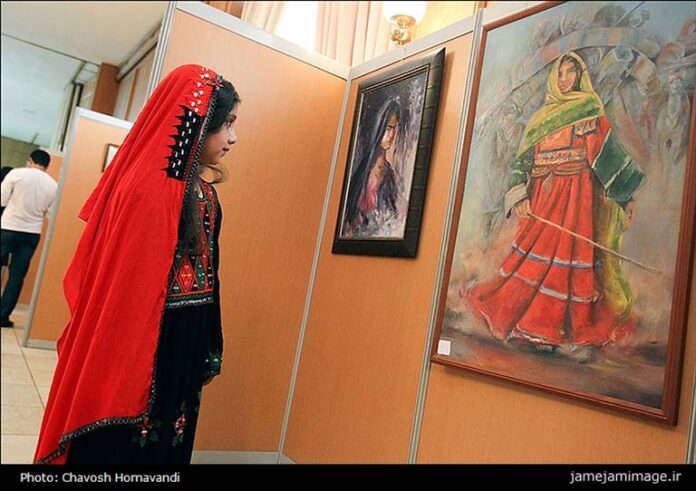
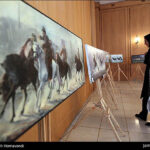
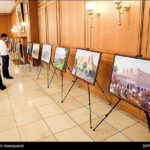
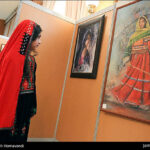
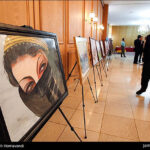
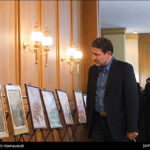
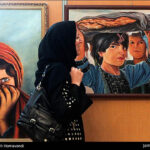
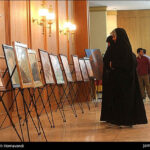
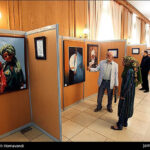
Herat painting exhibition in Tehran (PHOTOS)

Herat painting00

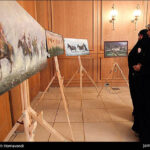
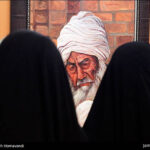
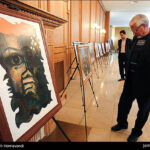
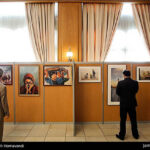
Snapshots of a painting exhibition in Tehran featuring images of Afghanistan released by jamejamonline.ir:


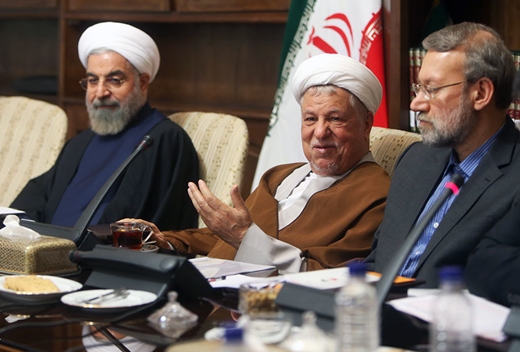
Iran needs to keep its powder dry when it comes to regional events

Hashemi Rafsanjani-Majmae

The chairman of the Expediency Council has said that vigilance is direly needed in the face of ISIL’s new offensives in the region.

Ayatollah Akbar Hashemi Rafsanjani made the comment Saturday during a session of the Council and added we need to keep our guard up about what is playing out in the region.

The following is the translation of excerpts – reported by Entekhab.ir – of his remarks on the critical conditions in the region and a surge in terrorist acts by ISIL in Syria and Iraq:

[…]

We need to exercise more vigilance and prudence in the face of the dire threats and renewed onslaughts in the region and develop a better insight into the recent developments, Rafsanjani said, adding we have to know what is happening around us.

[He was referring to new attacks by ISIL in Syria and Iraq and the terrorist grouping’s capture of the Iraqi city of Ramadi in a fresh wave of onslaughts].

The top councilor then expressed regret over the continuation of unjust Saudi airstrikes against the defenseless people of Yemen and said, “Unfortunately, much of Yemen’s infrastructure is being destroyed thanks to the indifference of international organizations as well as regional and world nations”.

He rejected as “regretful and unfair” efforts to prevent Iran’s ship from taking humanitarian aid to the stricken Yemenis and said, “We hope the Islamic Republic of Iran continues to be the anchor of stability in the region”.

[…]

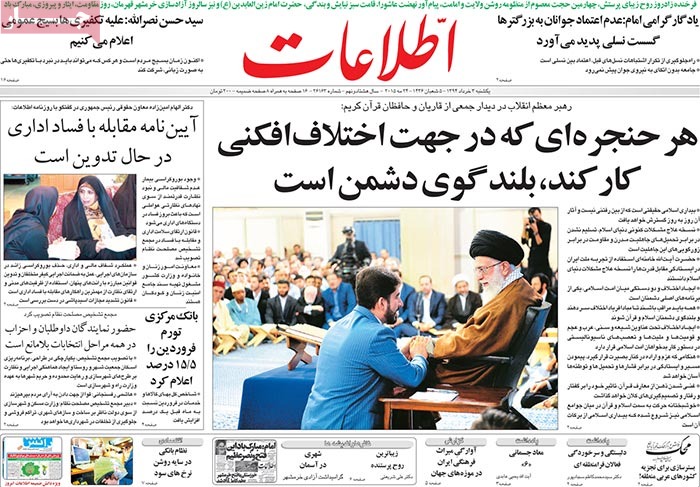
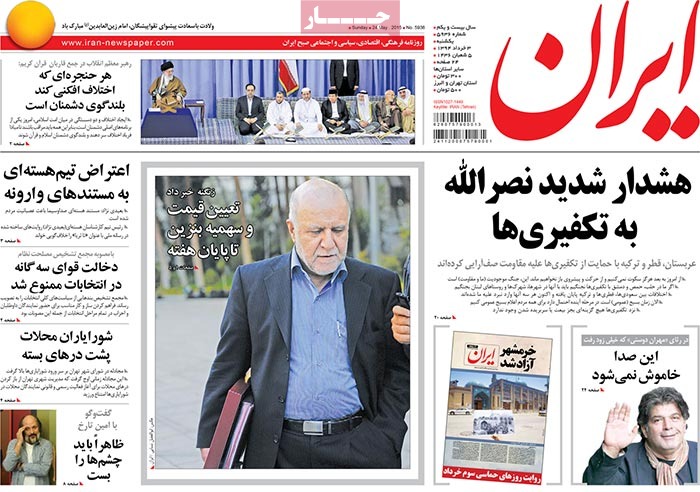
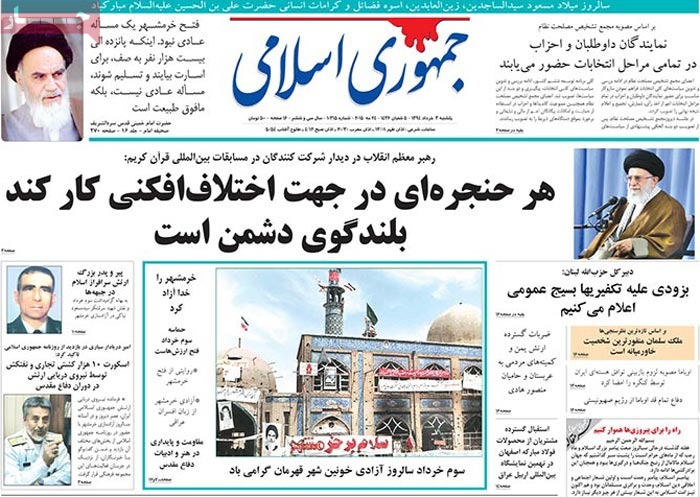
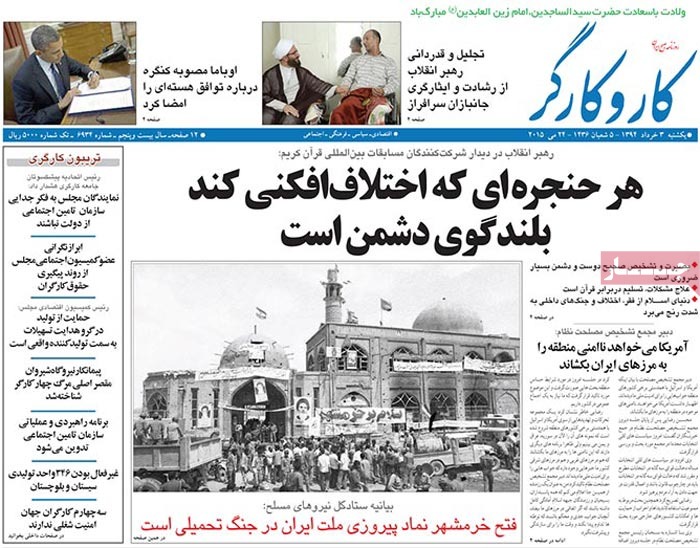
A look at Iranian newspaper front pages on May 24

Iranian Newspapers Headlines

Comments by the Supreme Leader that any voice which fans the flames of division represents the enemy dominated the front pages of Iranian newspapers on Sunday. Also on the covers of most dailies were images of Khorramshahr, an Iranian city whose control was wrested back from the Iraqi Army 33 years ago today.


Abrar: A second stage of a military exercise by the Iranian Army got underway.

The successful launch of missiles by the Army marked the beginning of Beit ul-Moqaddas-27 Maneuvers.
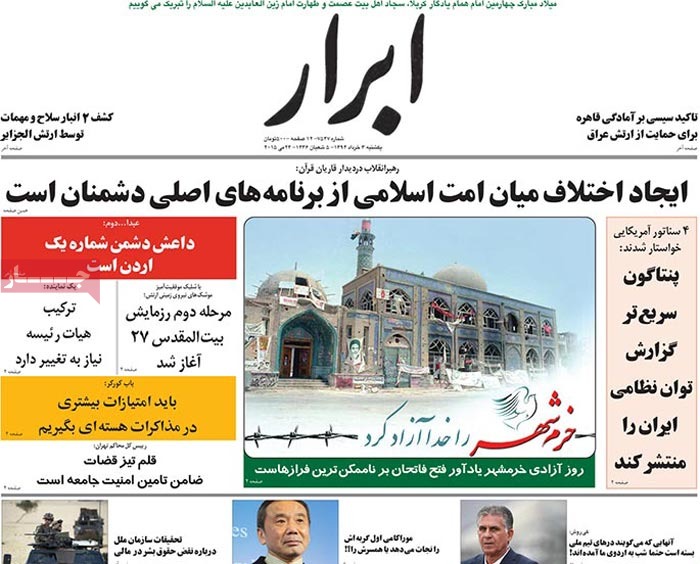
 

A look at Iranian newspaper front pages on May 24


Arman-e Emrooz: Threats by hardliners did not work; Ayatollah Seyyed Hassan Khomeini visits Gorgan on Thursday.

[It comes after a statement purportedly by the Gorgan chapter of Hezbollah urged the grandson of the late Imam not to visit the northern province of Golestan.]
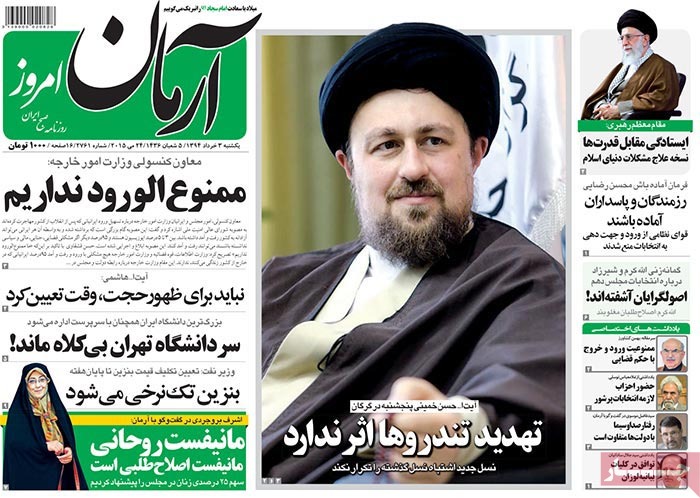
 

A look at Iranian newspaper front pages on May 24


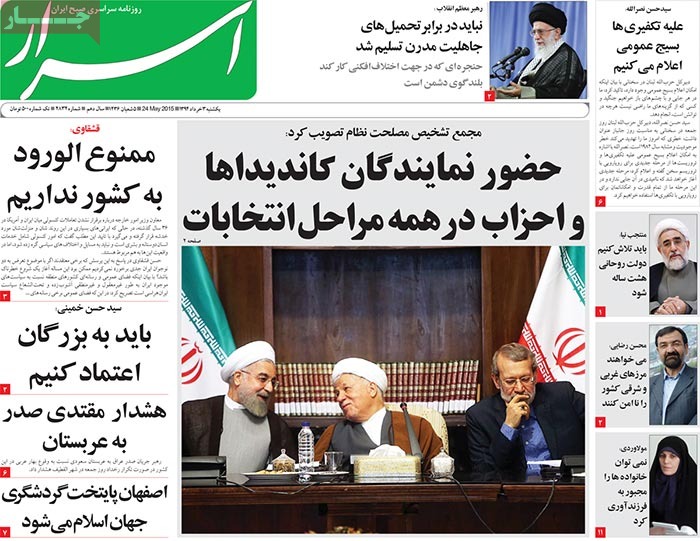
Asrar: “No Iranian is banned from entering the country,” said Deputy Foreign Minister Hassan Ghashghavi.
 

A look at Iranian newspaper front pages on May 24


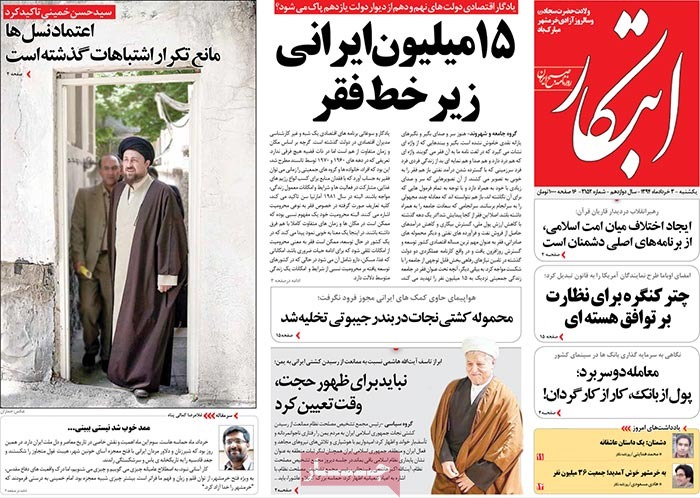
Ebtekar: Supreme Leader: Creation of division in the ranks of the Islamic community is a top priority of the enemies.

Ayatollah Khamenei made the comment at a meeting with Koranic reciters.

Ebtekar: As many as 15 million Iranians live below the poverty line.
 

A look at Iranian newspaper front pages on May 24


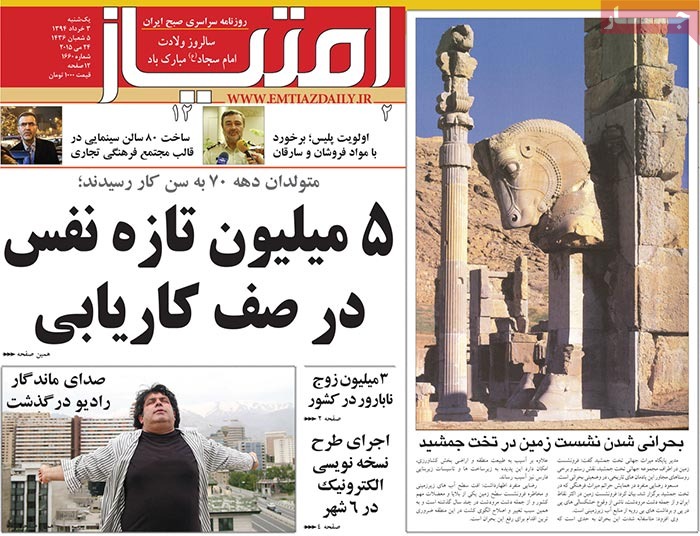
Emtiaz: “Crackdown on drug dealers and thieves are among top priorities of the law enforcement,” said Police Chief Brigadier General Hossein Ashtari.
 

A look at Iranian newspaper front pages on May 24


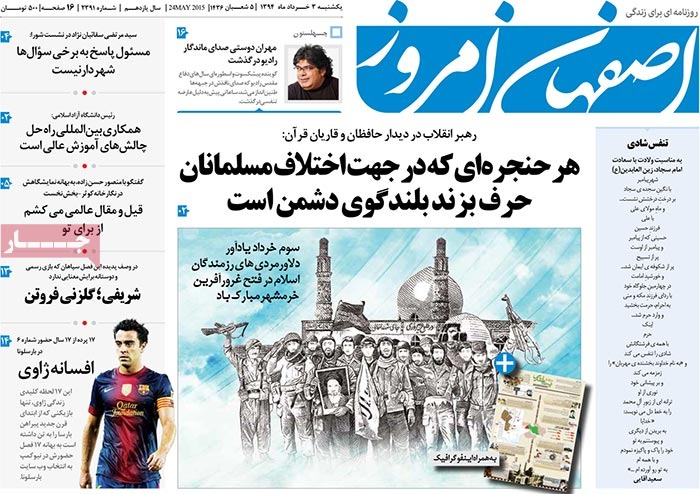
Esfahan Emrooz: Famous radio announcer Mehran Dousti has passed away.
 

A look at Iranian newspaper front pages on May 24


Ettela’at: “A directive on the fight against administrative corruption is being drawn up,” said Vice-President for Legal Affairs Elham Aminzadeh.

Ettela’at: The Central Bank of Iran has put inflation in the 30-day period to April 20 at 15.5 percent.
 

A look at Iranian newspaper front pages on May 24


Iran: The oil minister has said that decisions will be made within days on the price of gasoline and whether or not the cut-rate rations will remain in place.

Iran: Following a decision by the Expediency Council, the three branches of government have been ordered not to wield any influence in elections.
 

A look at Iranian newspaper front pages on May 24


Jomhouri Islami: The secretary general of Lebanon’s Hezbollah has said that he would soon mobilize the public against Takfiri terrorists [a reference to IS].
 

A look at Iranian newspaper front pages on May 24


Kar va Kargar: “The US seeks to take regional insecurity to the borders of Iran,” said Secretary of the Expediency Council Mohsen Rezaei.
 

A look at Iranian newspaper front pages on May 24


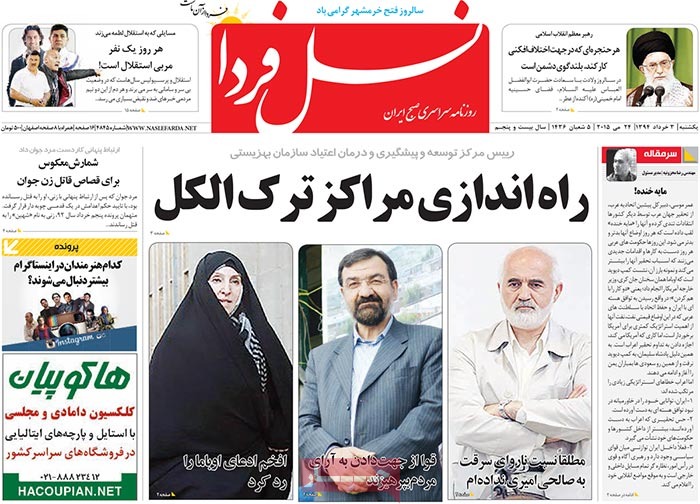
Nasl-e Farda: “Alcohol addiction rehabilitation centers will be launched,” said an official with the State Welfare Organization.
 

A look at Iranian newspaper front pages on May 24


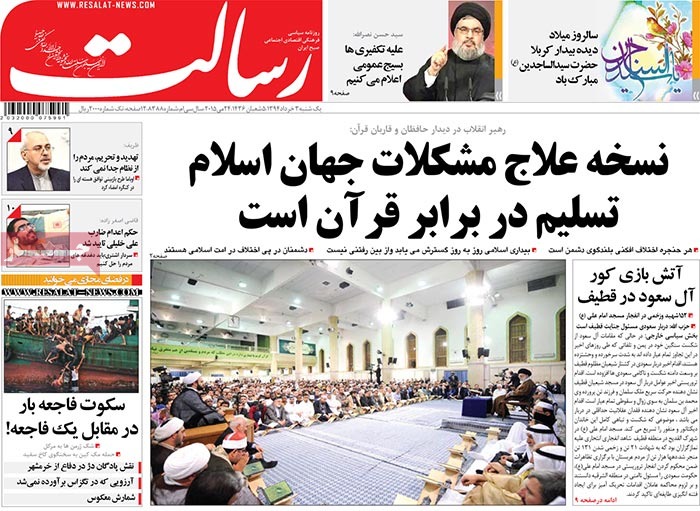
Resalat: “Sanctions and threats won’t create a gap between the public and the establishment,” said Foreign Minister Mohammad Javad Zarif.
 

A look at Iranian newspaper front pages on May 24


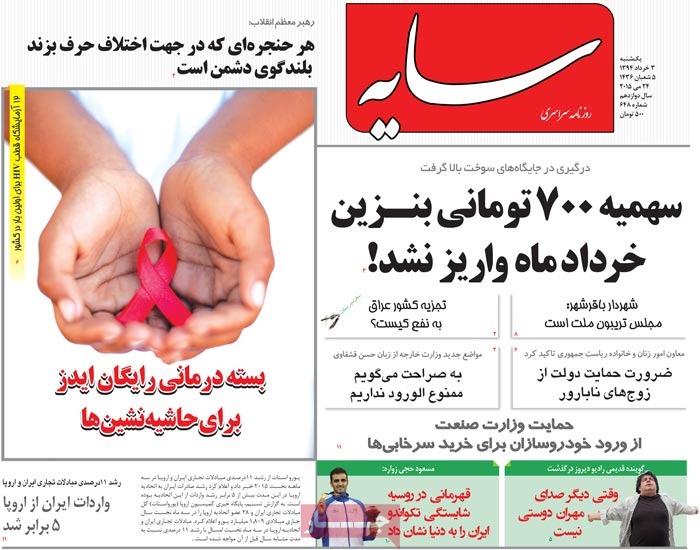
Sayeh: The volume of trade between Iran and Europe is up by 11 percent.

Iran’s imports from the European Union have increased 5-fold.
 

A look at Iranian newspaper front pages on May 24