Friday, May 8, 2026
Home Blog Page 485

Russia unlikely to accept 30-day ceasefire in Ukraine: Reuters

Vladimir Putin

Any ceasefire agreement would have to take Russia’s battlefield advances into account and provide “guarantees” to Moscow, sources told the news agency.

Ukraine agreed to the U.S.’s proposal for a 30-day truce during talks in Jeddah on Tuesday, after which Washington resumed military and intelligence support for Kyiv. The U.S. is expected to discuss the proposal with Russia in the coming days.

In the past, Russian President Vladimir Putin and other top officials have ruled out a temporary ceasefire that would freeze the conflict along the current front lines.

Kremlin spokesperson Dmitry Peskov gave an evasive answer when asked about the U.S. proposal, explaining that the topic must first be discussed with the American side.

“Look, you are getting a little ahead of yourselves, we don’t want to do that,” Peskov told journalists, according to the pro-state outlet Kommersant.

Russia continues to occupy roughly 20% of Ukraine’s territory and made steady advances in Donetsk Oblast in late 2024. While Russia’s advance in Ukraine’s east has reportedly stalled earlier this year, Moscow’s troops seemed to have made rapid gains in Kursk Oblast, the Russian border region where Ukraine has been fighting since August 2024.

One source told Reuters that a ceasefire could weaken Russia’s position, as the West could pin the blame on Moscow should it fail to end the war.

Russian nationalist voices and pro-war bloggers have already denounced the ceasefire proposal. Konstantin Kosachev, chairman of the international committee in the Russian Senate, said that any deal should be hashed out on Moscow’s terms.

U.S. President Donald Trump has stated that President Volodymyr Zelensky is welcome to return to the White House following talks in Saudi Arabia.

Trump reiterated that Ukraine had accepted a full 30-day ceasefire proposal during negotiations in Jeddah and expressed hope that “Russia will agree to it.”

“We’re going to meet with them (Russia) later on today and tomorrow, and hopefully, we’ll be able to (work) out a deal. I think the ceasefire is very important,” Trump added.

When asked if Zelensky would be invited back to the White House, the U.S. president responded, “Sure, absolutely.”

U.S. Secretary of State Marco Rubio has also confirmed that Ukraine-U.S. talks in Saudi Arabia on March 11 included discussions about potential “territorial concessions” as part of a negotiated settlement with Russia.

“Yeah, we’ve had conversations,” Rubio said in an airport in Ireland when asked about potential discussions regarding Ukraine ceding territory.

The Trump administration has repeatedly said that both Kyiv and Moscow will have to make compromises for a peace deal, calling Ukraine’s goal of restoring its pre-2014 borders “unrealistic.”

Russian forces currently occupy roughly 20% of Ukraine, from where reports of systematic repression, torture, and forced deportations emerge.

Rubio also added that the Jeddah talks covered “what a negotiation process would look like” and reiterated, “There is no military solution to this conflict.”

The official acknowledged that Ukraine requires security assurances to deter possible future Russian aggression and emphasized that “Europeans will need to be involved in this regard.”
US frim Maxar restores Ukraine’s access to high-resolution satellite imagery: Report

Russia Ukraine War

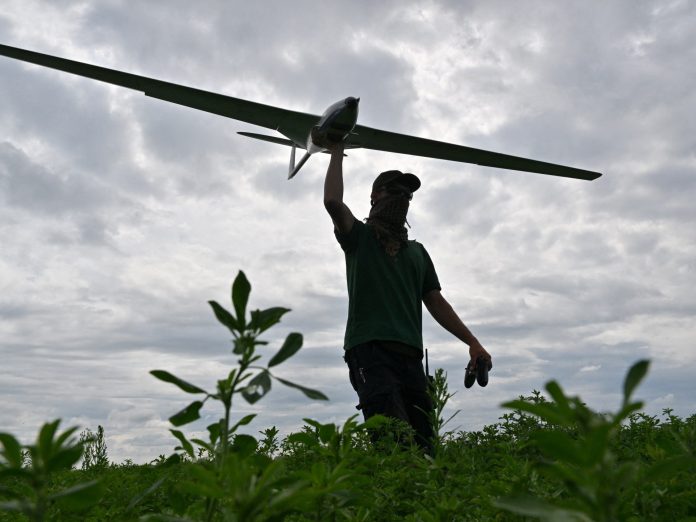
Ukraine has relied on such imagery for defense and strategic planning, including tracking Russian troop movements, assessing battlefield conditions, and monitoring damage to Russian infrastructure.

According to Militarnyi’s sources, the program’s resumption means Ukraine can again access critical satellite intelligence for defense operations.

The move follows U.S.-Ukraine talks in Jeddah, Saudi Arabia, where Washington agreed to restart key military and intelligence support for Ukraine. Militarnyi had reported that Maxar had restricted Ukraine’s access to its satellite imagery, citing unnamed users.

The company later confirmed the suspension in a statement to the Kyiv Independent, explaining that the restrictions applied specifically to imagery provided through U.S. government programs.

CIA Director John Ratcliffe had stated that the U.S. had halted intelligence sharing with Ukraine in a step seen as pressure tactics to push Kyiv toward peace negotiations with Russia.

On Tuesday, Deputy Head of the Presidential Office Pavlo Palisa said the United States has resumed security assistance to Ukraine following high-level talks in Saudi Arabia.

“I have confirmation that security assistance from the U.S. has been resumed. The agreements are being implemented. The fight continues!” Palisa wrote on Facebook.

As one of the key outcomes of the talks, Kyiv confirmed its readiness to accept Washington’s proposal for an immediate, interim 30-day ceasefire, provided that Russia agrees to the terms and implements them simultaneously.

Ukraine’s Presidential Office has also announced the United States will immediately lift the pause on intelligence sharing and resume security assistance to Ukraine.

Israel frees four Lebanese captives, agrees to join border negotiations

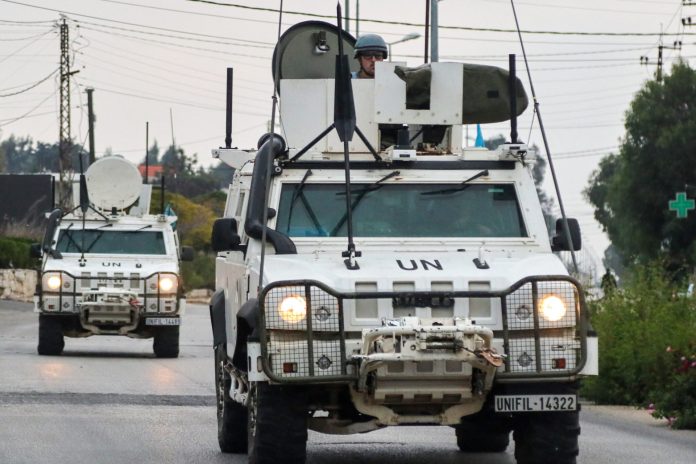
UNIFIL

The office of Lebanese President Joseph Aoun confirmed in a statement on Tuesday that it had received the four captives, with a fifth expected to be handed over the following day.

Lebanese media, including the state news agency NNA, reported that the released Lebanese captives had arrived in a hospital in southern Lebanon’s Tyre.

The handover occurred after Israel said on Tuesday that it had agreed to hold talks to demarcate its border with Lebanon, describing the release of the five Lebanese held by the Israeli military as a “gesture to the Lebanese president”.

A statement by Prime Minister Benjamin Netanyahu’s office on Tuesday said Israel had agreed with Lebanon, the US and France to establish working groups to discuss the demarcation line.

US Deputy Special Envoy for the Middle East Morgan Ortagus told Lebanese TV channel Al Jadeed that Washington wanted “a political resolution, finally, to the border disputes”.

She added the US and France, which helped broker a November ceasefire between Israel and Hezbollah, had set up “working groups” to keep the process on track.

“The working groups would address the border disputes between the two countries, as well as Israel’s continued occupation of five strategic points in south Lebanon,” Ortagus added.

The ceasefire deal ended more than a year of conflict between Israel’s military and the Lebanese armed group Hezbollah that took place in parallel with Israel’s war on Gaza.

The agreement required Hezbollah to withdraw north of the Litani River, about 20 miles (30 kilometres) from the border, and to dismantle its military infrastructure in the south.

Though Israel was supposed to withdraw completely from Lebanese territory by February 18 after missing a January deadline, it has kept troops at five locations it deems strategic.

At least 137 Gazans killed in Israeli attacks since start of ceasefire

Gaza Strip

In a statement, Salama Marouf, the head of Gaza’s government media office, accused Israel of deliberately intensifying its attacks on Palestinians over the past 10 days in violation of the ceasefire deal.

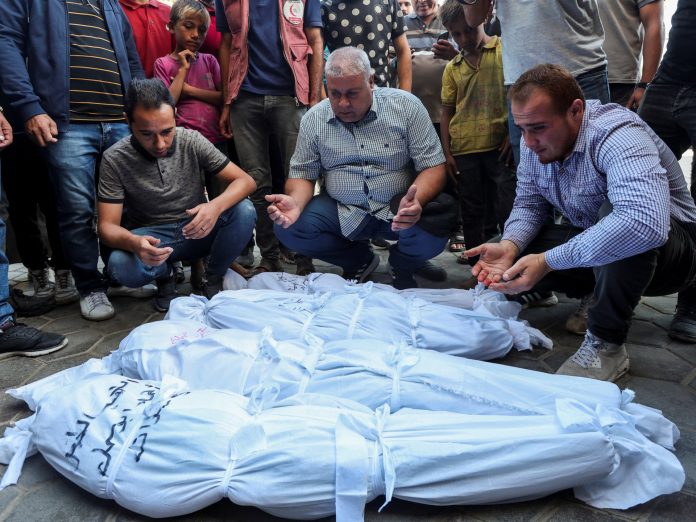
“The latest of these crimes was an Israeli airstrike targeting a group of citizens in central Gaza, killing five, including two brothers, raising the total number of martyrs since the ceasefire began to 137,” Marouf said.

According to witnesses, an Israeli drone struck a group of Palestinians near a destroyed house in the Netzarim area, close to Gaza City’s southeastern border, killing five people.

Meanwhile, the Euro-Mediterranean Human Rights Monitor put the death toll from Israeli attacks in Gaza since the ceasefire at 145 people.

According to the Geneva-based group, Israel has been killing an average of seven Palestinians every two days, with 605 others injured.

Since the agreement went into force, “Israel has used the blockade and starvation as tools of slow-kill tactics in the genocide of Gaza’s population,” the group announced in a statement.

The monitor’s field team documented continued Israeli attacks, including “sniper fire, drone strikes, and quadcopter attacks on Palestinian civilians, particularly those attempting to check on their homes near the buffer zone Israel imposed along Gaza’s northern and eastern borders,” the statement added.

The rights group noted Rafah in southern Gaza has been one of the most targeted areas since the ceasefire.

It condemned “systematic Israeli attacks,” stating that they have persisted “without military justification despite the cessation of hostilities,” as stipulated in the agreement.

The monitor accused Israel of escalating “genocidal policies” by imposing increasingly deadly living conditions that lead to systematic and slow killings through a total blockade preventing the entry of essential supplies and humanitarian aid.

It warned of an imminent humanitarian catastrophe due to the ongoing siege, warning that “markets are running out of goods and many aid centers and charity kitchens have shut down since border crossings were closed on March 2.”

These measures “would further worsen civilian suffering and push Palestinians toward inevitable famine,” the group said.

It warned of the dangers of depriving Palestinians, particularly children, of adequate nutrition, which could result in severe malnutrition, irreversible health damage, and permanent physical and cognitive disabilities.

The monitor accused Israel of not only using humanitarian aid as a bargaining chip for political and military gains but also of deliberately implementing a systematic starvation policy aimed at creating deadly living conditions that make Gaza uninhabitable.

The rights group urged relevant states and entities to take immediate legal and diplomatic action to halt the genocide in Gaza, calling for decisive measures to force Israel to fully lift the blockade and prevent further slow killing tactics and forced displacement.

More than 48,500 people have been killed, mostly women and children, in a brutal Israeli war on Gaza since October 2023. The onslaught was paused under the ceasefire and prisoner swap deal, which took hold in January.

Last November, the International Criminal Court issued arrest warrants for Israeli Prime Minister Benjamin Netanyahu and his former Defense Minister Yoav Gallant for war crimes and crimes against humanity in Gaza.

Israel also faces a genocide case at the International Court of Justice for its war on the enclave.

US threatens to slash federal funding to 60 universities

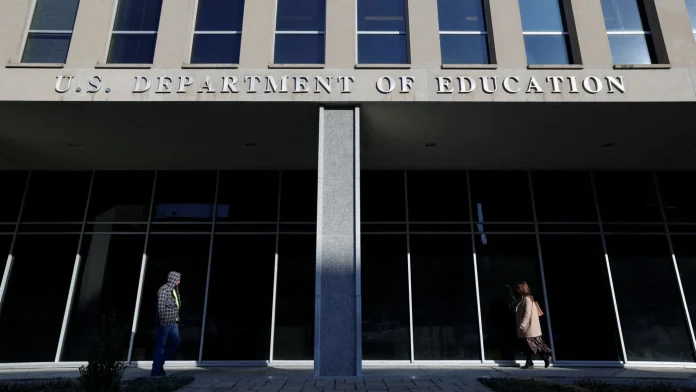
The letters were sent from the DOE’s Office for Civil Rights (OCR), citing Title VI of the Civil Rights Act which obligates institutions to protect Jewish students on campus, including “uninterrupted access to campus facilities and educational opportunities”.

The letter comes just days after the Donald Trump administration announced on Friday that Columbia University will lose $400m in federal grants and contracts over accusations it has not done enough to combat antisemitism.

The letter states that all 60 universities they reached out to were already under investigation for Title VI violations relating to antisemitic harassment and discrimination.

“US colleges and universities benefit from enormous public investments funded by US taxpayers. That support is a privilege and it is contingent on scrupulous adherence to federal antidiscrimination laws,” the DOE’s press release said, quoting Secretary of Education Linda McMahon.

The OCR announced it has the authority to enforce Title VI, which prohibits federal funding from any institution that discriminates on the basis of race, colour or national origin.

“National origin includes shared (Jewish) ancestry,” according to the press release.

Universities have been accused of allowing antisemitism on their campuses after a series of protests and encampments erupted last year that were sparked by Israel’s war on Gaza. After Columbia students held an encampment, universities across the country followed suit.

Both the Joe Biden and Trump administrations have sought to characterise anti-Israel and anti-Zionist protests as “antisemitic”, leading to congressional hearings, with members of congress grilling university administrators and law enforcement forcefully shutting down protests on campuses.

Initially, the OCR pursued investigations against five universities where “widespread antisemitic harassment had been reported”, including Columbia University, Northwestern University, Portland State University, The University of California-Berkeley, and The University of Minnesota, Twin Cities.

The 55 other universities that received a letter on Monday are under “investigation or monitoring” in response to complaints filed with the OCR. The list includes six prestigious Ivy League universities (Columbia University, Brown University, Yale University, Princeton University, Cornell University, and Harvard University). There are a total of eight universities which fall into the Ivy League category.

The expanded list of universities being monitored or investigated resulted from the OCR’s directive last week to resolve a “backlog of complaints” alleging antisemitism at dozens of universities, making it an “immediate priority”.

A federal task force has notified Columbia that it would conduct “a comprehensive review” of the university’s federal contracts and grants as part of its ongoing investigations under Title VI of the Civil Rights Act, which resulted in the cancellation of $400m in federal funding so far.

Four government agencies, including the Department of Justice, Department of Health and Human Services, DOE, and the US General Services Administration make up the “Federal Task Force to Combat Antisemitism”.

The task force was set up in February following Trump’s executive order, “Additional Measures to Combat Anti-Semitism”, signed at the end of January. The Task Force announced last week it would visit ten university campuses which have experienced antisemitic incidents since October 2023 after the Hamas-led attacks on southern Israel and the subsequent war on the besieged Strip.

In a joint press statement on Friday, the agencies said the funding cuts at Columbia were due to “continued inaction in the face of persistent harassment of Jewish students”.

“Since October 7 [2023], Jewish students have faced relentless violence, intimidation, and anti-Semitic harassment on their campuses – only to be ignored by those who are supposed to protect them,” Secretary of Education Linda McMahon stated in the press release.

The statement warned that the cancellations represent the first round of action and additional cancellations are expected to follow. Columbia University currently holds more than $5bn in federal grant commitments. The amount announced was almost eight times more than the amount the federal task force announced it was considering halting on Monday.

In the wake of the political backlash, universities like New York University and Harvard have scrambled to adopt the controversial IHRA definition of antisemitism as they come under federal scrutiny.

Since coming into office, Trump ordered a pause on federal grants and loans, which has since been blocked by a judge. The Associated Press reported in February that the Trump directive has universities nationwide “scrambling to determine how a funding freeze could affect their research programs, students and faculty”.

Trump’s letter to Iran yet to be delivered by a regional country, FM Araghchi says

Abbas Araghchi

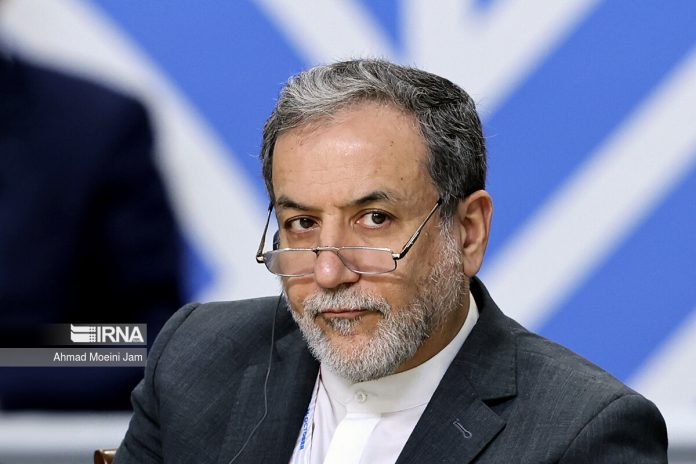
Following a cabinet meeting on Wednesday, Araghchi told reporters, “The letter (from the US president) has been written but has not yet reached us.”

“It has been decided that an envoy from one of the Arab countries will soon deliver it in Tehran,” he added.

Earlier on Wednesday Tasnim News Agency, citing sources, indicated that the letter will be delivered to Iran through a regional intermediary.

While the exact contents of the letter remain undisclosed, its delivery is anticipated to occur in the coming days.

The news follows days of rumors and discussions about the letter, which Trump himself referenced during an interview with Fox News.

Iranian officials have dismissed texts circulating on social media claiming to be the letter’s content as entirely false.

The situation has sparked speculation about the purpose and timing of the letter, as well as its potential impact on Iran-US relations.

Israeli troops kill at least four people in West Bank

Israeli Forces

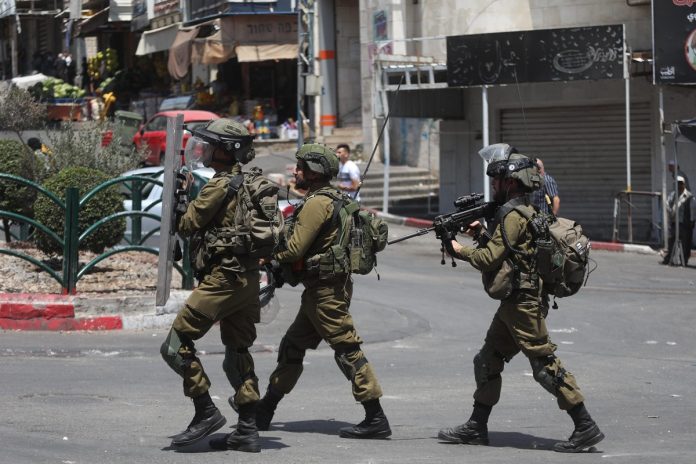
Police special forces fought a gun battle on Tuesday with armed Palestinians barricaded in a house in Jenin, killing two and wounding another man, the Israeli military said in a statement.

In another incident on Tuesday, a man who opened fire on Israeli soldiers was killed, it added.

The PA said soldiers firing from a checkpoint also killed a 60-year-old woman. There was no immediate comment from the Israeli military.

The previous evening, a Palestinian man was killed when his motorcycle was hit by an Israeli army vehicle, the PA added.

Another man who was wanted over previous incidents was killed by Palestinian security forces, the PA announced in a separate statement.

It noted the man was accused of opening fire on the headquarters of the security forces in Jenin.

The latest incidents bring the number of Palestinians killed since January when Israeli forces launched a major operation involving thousands of soldiers in cities and refugee camps in the northern West Bank to more than 30 people.

Tens of thousands of Palestinians have fled their homes since the operation began at the start of a ceasefire in Gaza.

Israeli troops have swept through refugee camps in Jenin and nearby cities, demolishing houses and infrastructure, including roads and water pipes.

Countries including France and Germany and international groups including the United Nations have expressed alarm at the scale of Israel’s operation in the West Bank and called for restraint.

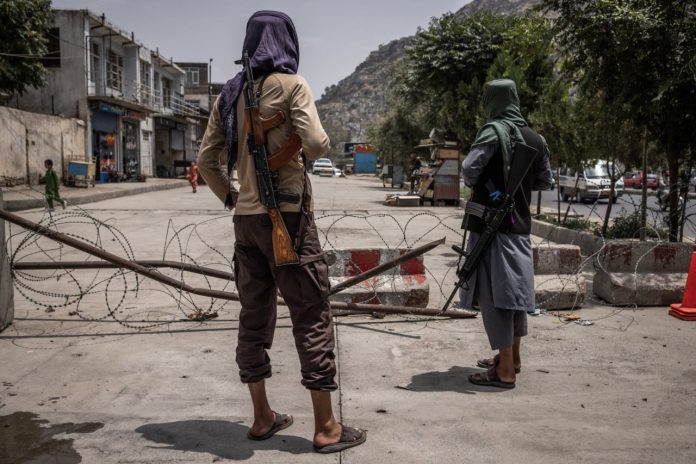
Daily: Afghanistan under Taliban poses growing threat to Iran, neighbors

Taliban

In an editorial on Wednesday, the daily wrote that recent border clashes between the Taliban and Pakistani forces have highlighted the escalating tensions in the region.

The Taliban, once supported by Pakistan, now backs the Tehrik-i-Taliban Pakistan (TTP), which seeks to establish an “Islamic Emirate of Pakistan,” mirroring its Afghan counterpart, the daily noted.

It added Iran faces heightened risks due to the influx of Afghan nationals, many of whom have entered the country with anti-Iranian motives, bringing weapons and ammunition.

Recent incidents, such as the beheading of a shopkeeper in Iran’s Semnan province by Afghan workers, underscore the ideological threats posed by these individuals, it added.

Countries like Germany, France, Turkey, and the U.S. have responded decisively, expelling Afghan nationals over security concerns. India has also refused to recognize the Taliban government, citing the presence of 25 terrorist groups in Afghanistan, Jomhuri-e Eslami pointed out.

It continued that Afghan nationals in Iran now exceed 10% of the population, far above the UN’s recommended 3% threshold.

Critics argue that successive Iranian governments have failed to address the issue, with the current administration in Iran even granting greater legitimacy to the Taliban.

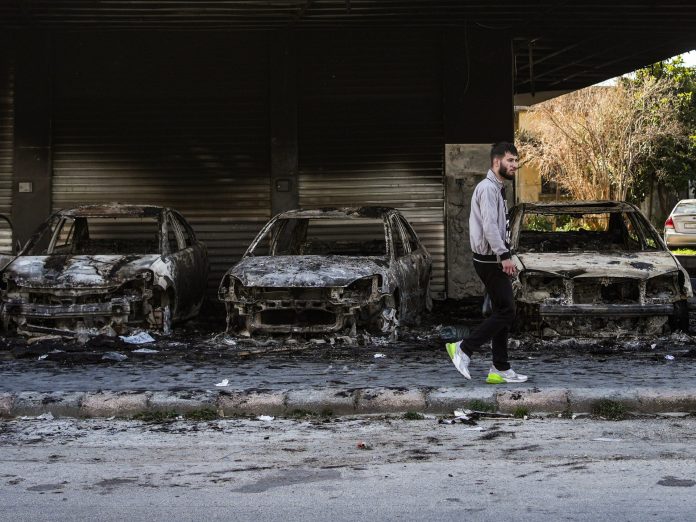
‘Entire families’ killed in Syria fighting: UN

The wave of violence broke out last Thursday, when armed groups loyal to deposed former President Bashar al-Assad ambushed security forces in the province of Latakia, killing at least 16 members of the security forces, according to the Ministry of Defence.

The attacks escalated into sectarian violence, with pro-government forces rampaging through coastal provinces heavily populated by Alawites, as well as the nearby provinces of Hama and Homs, killing people, sometimes entire families, on streets, in homes, on rooftops.

Of the roughly 1,000 civilians killed, nearly 200 were in Baniyas, according to the UK-based Syrian Observatory for Human Rights, a war monitor.

“In a number of extremely disturbing instances, entire families – including women, children and individuals hors de combat – were killed, with predominantly Alawite cities and villages targeted in particular,” UN human rights office spokesperson Thameen Al-Kheetan said on Tuesday.

He added initial reports indicated that the perpetrators, who have not been identified, were both members of armed groups supporting Syria’s interim authorities and those associated with the former government.

“They appear to have been carried out on a sectarian basis, in Tartous, Latakia and Hama governorates – reportedly by unidentified armed individuals, members of armed groups allegedly supporting the caretaker authorities’ security forces, and by elements associated with the former government.”

On Sunday, the country’s new presidency led by interim President Ahmed al-Sharaa announced the formation of a fact-finding committee to “investigate the violations against civilians and identify those responsible for them”. It added it would present its findings within 30 days and that those found to be responsible for violations would be referred to the judiciary.

“The new Syria is determined to enshrine justice and the rule of law, protect the rights and freedoms of its citizens, prevent unlawful revenge and guarantee that there is no impunity,” Yasser al-Farhan, the spokesperson of the new fact-finding committee, told a news conference in Damascus on Tuesday.

Farhan added that the committee was working on “gathering and reviewing evidence” related to the wave of violence.

When al-Assad fell last December, Syrian analysts feared there would be revenge attacks against the Alawite community – the second-largest religious group in Syria after Sunni Muslims.

So far, the UN human rights office has documented the killing of 111 civilians and expects the toll to be significantly higher, Al-Kheetan said. Of those, 90 were men; 18 were women; and three were children, he added.

“Many of the cases documented were of summary executions. They appear to have been carried out on a sectarian basis,” Al-Kheetan told reporters.

In some cases, men were shot dead in front of their families, he continued, citing testimonies from survivors.

Human Rights Watch on Tuesday also called on Syria’s new authorities to ensure accountability for the mass killings.

“Syria’s new leaders promised to break with the horrors of the past, but grave abuses on a staggering scale are being reported against predominantly Alawite Syrians in the coastal region and elsewhere in Syria,” HRW’s Deputy Regional Director Adam Coogle said in a statement.

“Government action to protect civilians and prosecute perpetrators of indiscriminate shootings, summary executions, and other grave crimes must be swift and unequivocal,” he added.

Boeing grounded in Shiraz, southern Iran, due to eagle collision

The aircraft was grounded after an eagle struck its engine, causing damage and grounding the aircraft, according to the Director General of Fars Airports, Fakhruddin Keshavarz.

The incident occurred on Tuesday, as the plane was preparing for takeoff from Shiraz Airport to Tehran. The aircraft encountered the eagle immediately upon takeoff, leading the pilot to abort the flight and stop the plane.

After moving the aircraft to the parking area, it was determined that the damage to the engine and the aircraft’s braking system, which had engaged suddenly, made it impossible to continue the flight. Consequently, the flight was canceled by the airline.

This incident not only led to the cancellation of the flight but also grounded the aircraft during the peak of the Nowruz holiday season in Iran.