Monday, December 22, 2025
Home Blog Page 4771

Hindu temple in southern Iran (PHOTOS)

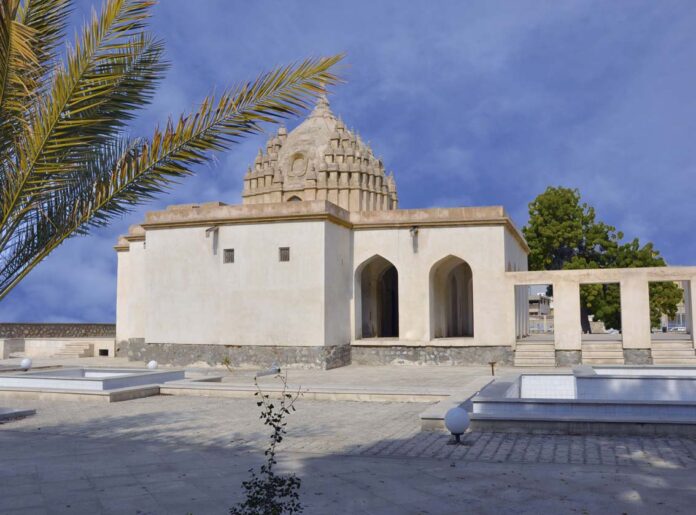
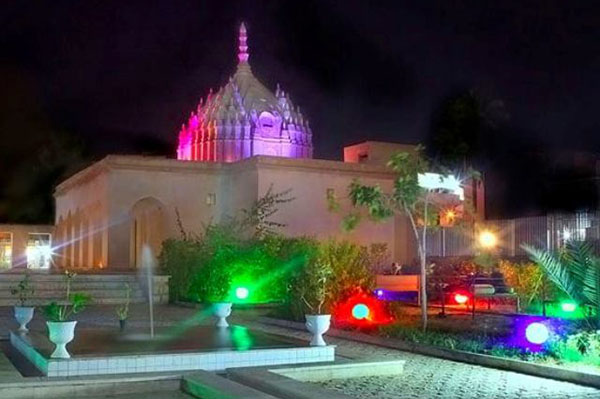
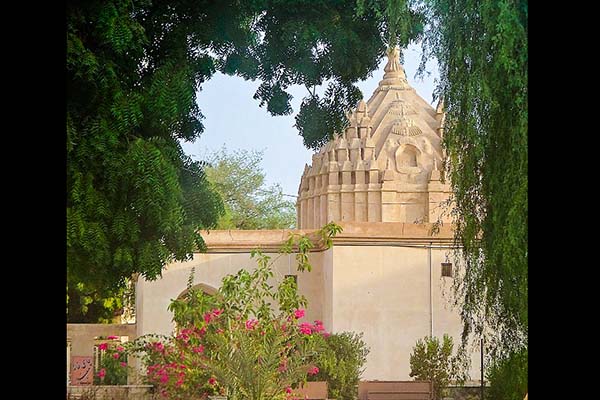
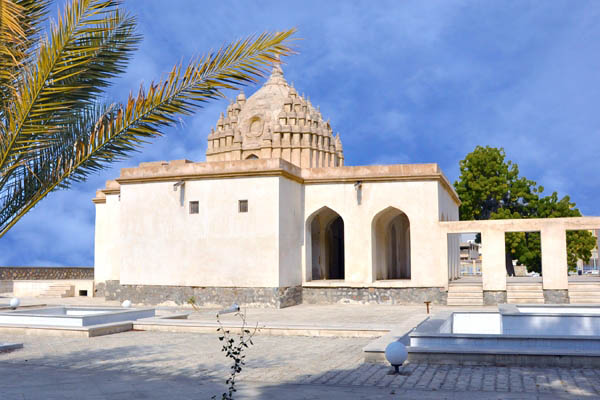
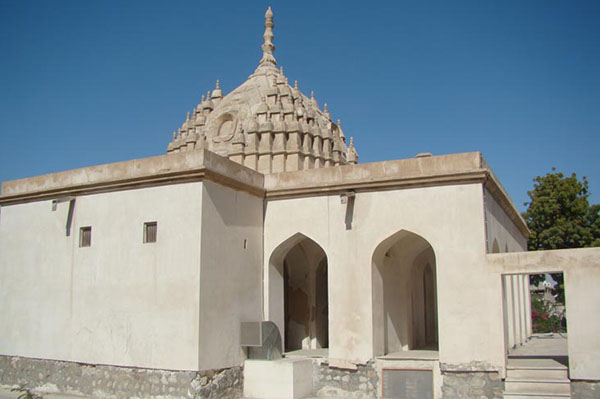
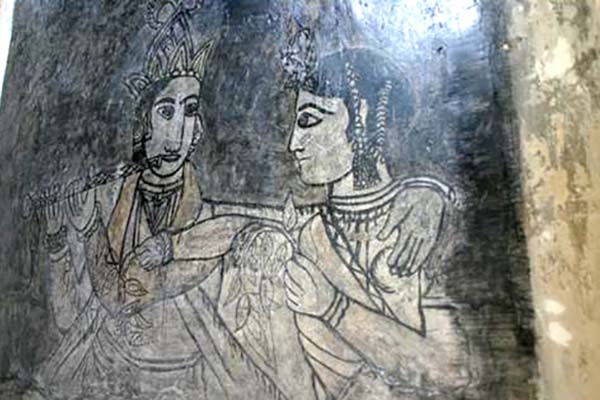
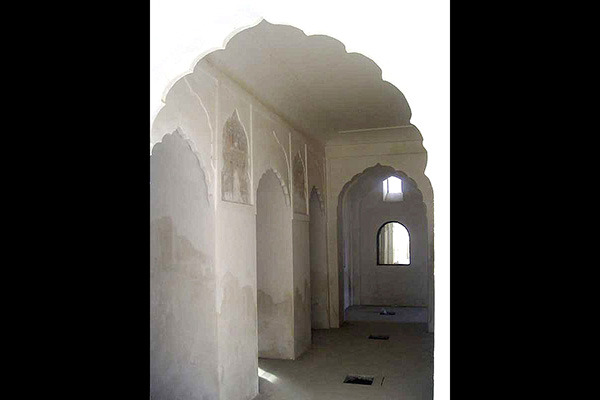
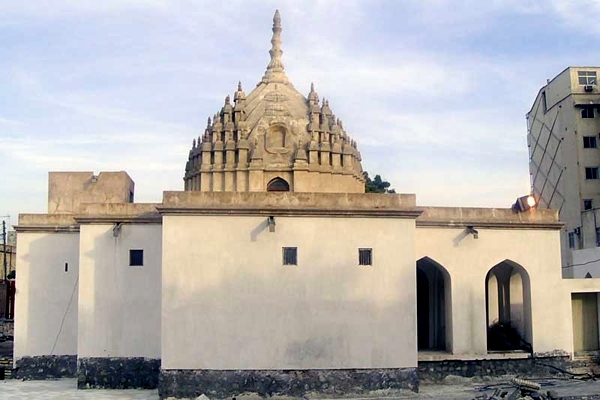
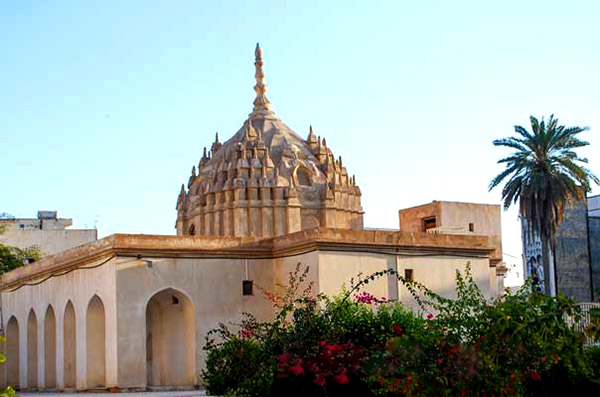
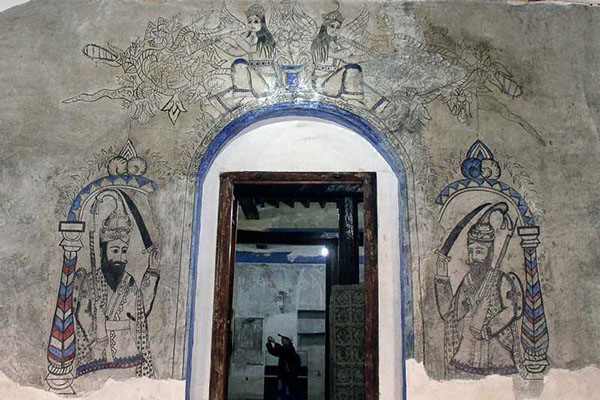
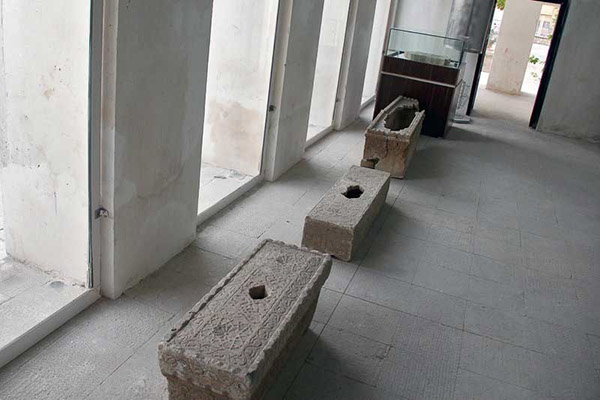
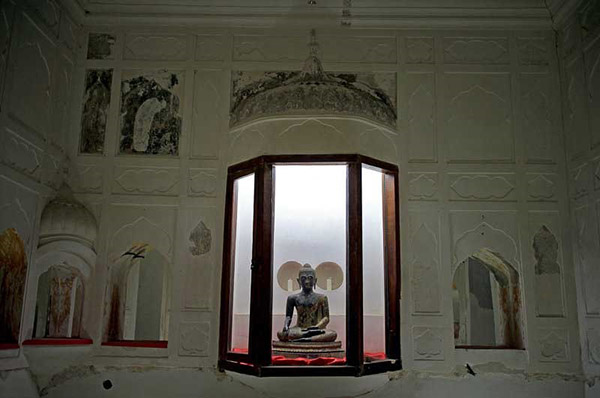
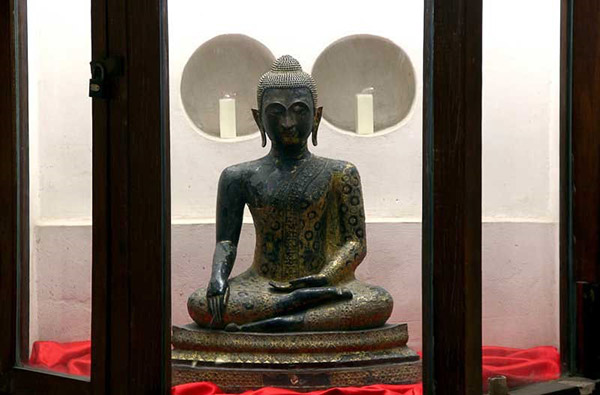
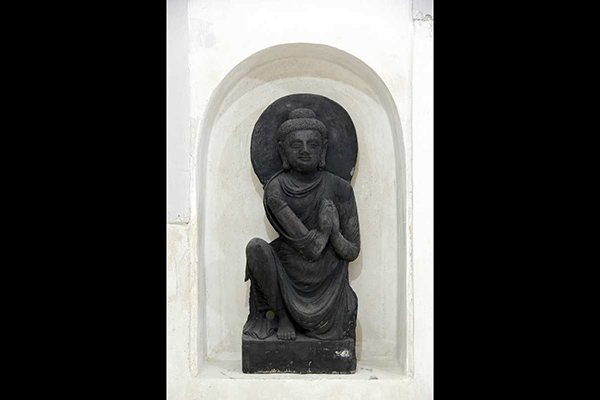
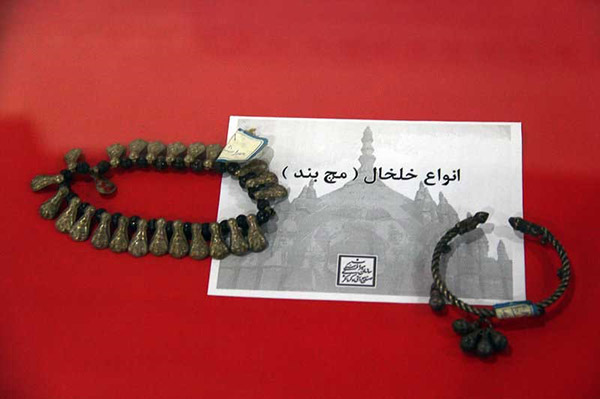
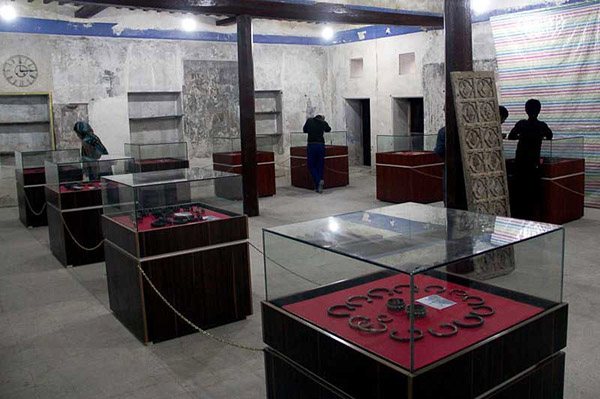
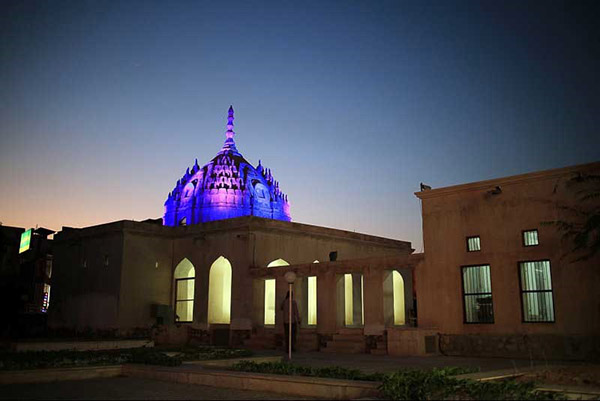
A Hindu temple in Bandar Abbas, the provincial capital of Hormozgan in southern Iran is one of the tourist attractions of the port city.

Funded by Hindu donations, the temple was built in 1892 by Indian businessmen during the reign of Mohammad Hassan Khan Sad al-Molk.

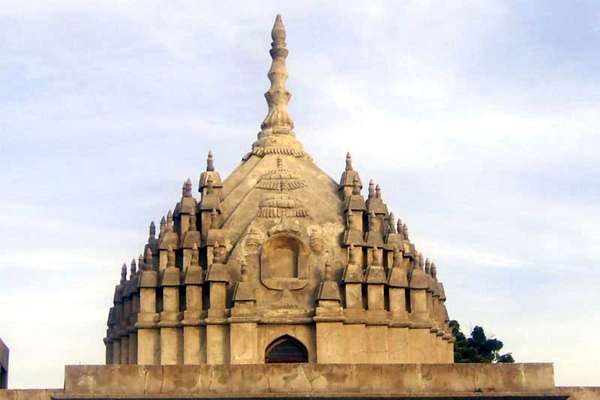
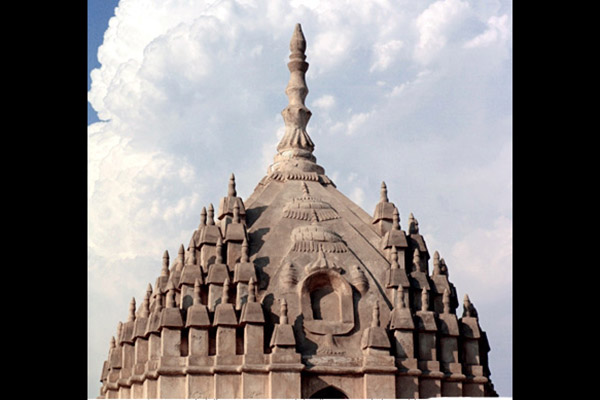
The vaulting of the dome renders it distinguishable from other domes in the Persian Gulf region.

The temple’s architecture has been influenced by Indian houses of worship. It is among a handful of historical sites in Bandar Abbas which capture the attention of tourists visiting the city.

The temple was initially built as a place of worship for Hindu traders who were based in Bandar Abbas and shows that cultural and artistic ties between Iran and India date back a long time.

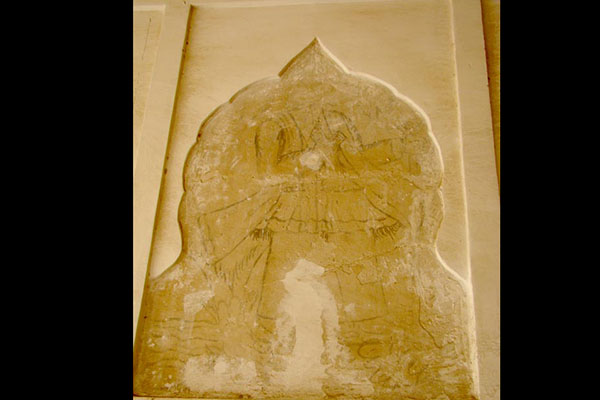
The following are images of the temple published by khabaronline.ir:

Iran warns of enemy’s moves against Islam

872dd8cc-b4f5-45d5-a6bb-3b9a79a040b7

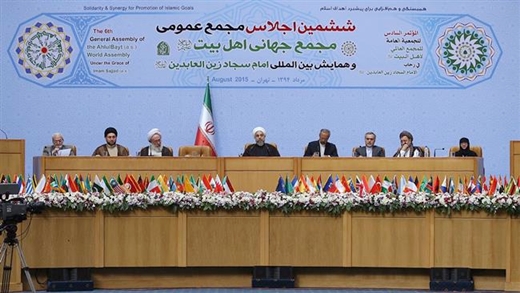
Iran’s President Hassan Rouhani warns that the enemy seeks to create divisions in the region and portray Islam as the religion of violence and extremism, urging resistance against such plots.

“The enemy intends to turn the religion of morality and brotherhood into a religion of violence, extremism, killing, discord and rifts and we should stand up to such deviation and distortion,” Rouhani said in an address to the opening ceremony of the 6th General Assembly of the AhlulBayt World Assembly in Tehran on Saturday.

“We should not allow enemies to use terrorist groups to portray the religion of Islam…as the religion of killing, violence and destruction,” he added.

He said all Muslims should remain united to thwart the plot and illustrate Islam as the religion of peace.

He further emphasized that Iran would never use its scientific, spiritual and political power against neighboring states or any Muslim country in the region.

Rouhani said that Iran’s strength lies in its logic and its power to negotiate, adding, “We will use our capability and power to establish peace, stability and security in the region.”

The Iranian president noted that Iran respects the values of Islam and democracy while observing the rights of minorities, saying Shiite and Sunni Muslims in the country are equal and live in peace and harmony.

He emphasized that Iran’s logic is based on peace, peaceful coexistence and unity among all Muslims.

The four-day 6th General Assembly of the AhlulBayt World Assembly opened in Tehran in the presence of representatives from 130 countries and some political and cultural figures. The meeting is aimed at reinforcing solidarity and convergence to promote the goals of Islam.

Iran and China make a cultural milestone (PHOTOS)

Iran and China 00

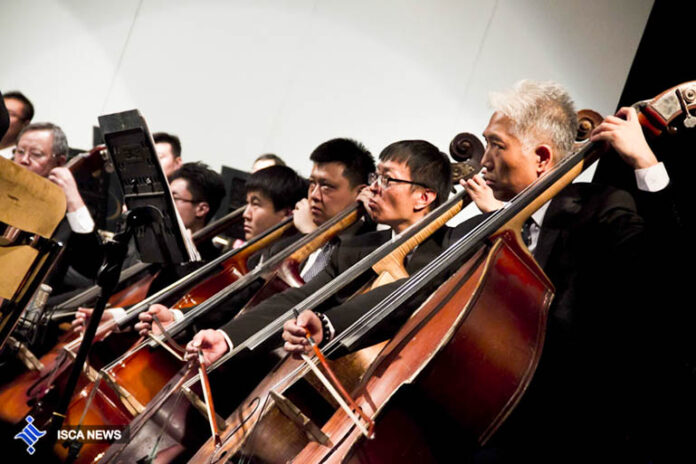
The China Philharmonic Orchestra held two performances in Tehran’s Vahdat Hall on August 13-14.

The Chinese orchestra performed Princess Igor [an opera], Butterfly Lovers’ violin concerto and Tchaikovsky’s greatest symphony, the Symphony No. 5 led by Iranian maestro Ali Rahbari on the first night (August 13).

The Iranian orchestra went onstage on the second night (August 14) and performed Shahrzad with the Chinese performing Antonin Dvorak’ [New World] Symphony No. 9.

The conductor of the Chinese orchestra said that the China Philharmonic Orchestra and the Tehran Symphony Orchestra are excellent on stage and comparing the two is not reasonable.

The Iranian Students’ News Agency (ISNA) on August 12 published a report on remarks by Long Yu, the Chinese conductor after meeting with members of the Tehran Orchestra at Vahdat Hall followed by his Iranian counterpart Ali Rahbari’s comments. The following is the translation of that report:

Long Yu

Prior to our trip, we were very excited. In school, we learned about Iran in history books. We greatly respect Iran’s culture and history.

Today our dream came true when our plane touched down in Tehran. We hope we can learn many things from Iranian traditions and music.

Mr. Rahbari and I view music as a common language. In fact, it is an international language which helps us have better ties and learn from each other.

We are interested in Iran. I’ve had such a dream for long. I used to work with a Chinese orchestra whose members were Muslims.

When I was studying in Germany, I heard about Mr. Rahbari. He is famous and I wanted to work with him. I’m happy I’m working with him now. I want our friendship to continue. Iranian musicians are great and this is just the beginning for us. We hope to host Iran’s orchestra in China.

Professional musicians from China and Iran will perform tough pieces together. Thanks to Mr. Rahbari’s efforts, the makeup of the musical ensemble is excellent. Tehran remarkably excels at high tempo.


Repertoire

We will perform eastern pieces [in addition to western pieces] in our concert, for instance “Butterfly Lovers” is a Chinese piece and “Shahrzad” which is eastern, with a capital E.

The Chinese performers are all young and this shows the young generation’s interest in culture. China has good economic ties with Iran. We should improve our cultural ties too.

China’s name reminds everybody of trade, but our country – like yours – is rich in art, culture and spirituality.

Ali Rahbari

Today is a good day. For the first time ever, Iran and China will perform onstage together. […] One day a gentleman came to me and said, ‘We have a Silk Road tour. We want you to conduct the China Philharmonic Orchestra.’ And I accepted the offer. […]

The following are images issued by various news agencies of the event:


A letter from Proximity of Schools of Thought to Al-Azhar

paper

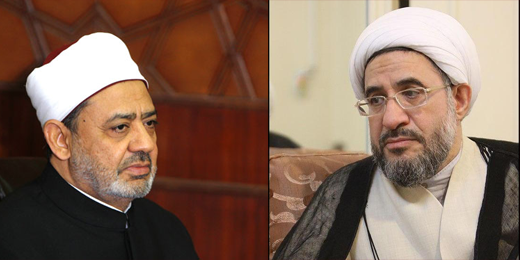
The secretary general of the World Forum for Proximity of Islamic Schools of Thought (WFPIST) has called for efforts to tap into the potential of Sunni and Shiite scholars, saying that unity in the Islamic world is direly needed to address the threats posed by Takfiri groups.

Ayatollah Mohsen Araki made the plea in a letter to Grand Imam of Al-Azhar Ahmed el-Tayeb following the latter’s speech on the need for top Sunni and Shiite scholars to have more interaction and discuss proximity [among Islamic denominations] and the threats posed by Takfiri groups.

Ettela’at newspaper on August 15 published Ayatollah Araki’s letter to the Grand Imam in which he has welcomed the idea of holding joint sessions. The following is the translation of the letter:

To revered Grand Imam of Al-Azhar

I have heard many of your speeches on different occasions, the last one of which focused on your blessed call for the holding of a joint session between Sunni and Shiite scientists to discuss the issues of the world of Islam; make coordination and take joint steps to face the threat posed by Takfiri terrorists; and prevent measures which may divide the Sunnis and Shiites in the world of Islam.

The World Forum for Proximity of Islamic Schools of Thought (WFPIST) appreciates your worthwhile, fatherly stance which has injected new life to the hopes of all those who seek to make reforms and bring religious sects and denominations closer together.

By taking such a stance, Al-Azhar University – which plays a basic, pivotal role in the Islamic Ummah – can [help] create unity among Muslims, and solve momentous issues of the Islamic world, especially the problems arising from sectarian violence and Takfiri terrorism.

The WFPIST voices its readiness to take the necessary measures [in this regard] to lend support to your reformist and proximity-focused efforts, especially the implementation of the proposals put forward by a joint Sunni-Shiite committee.

The WFPIST will send a delegation of the greatest Sunni and Shiite scholars to meet with you, launch cooperation to implement such proposals and take effective steps to help materialize unity in the Muslim world.

Many thanks

The head of the World Forum for Proximity of Islamic Schools of Thought

Ayatollah Mohsen Araki

A look at Iranian newspaper front pages on August 15

Iranian Newspapers Headlines

The regional tour of Foreign Minister Zarif, the last leg of which took the Iranian top diplomat to India, dominated the front pages of Iranian papers on Saturday. The comments of the chairman of the Expediency Council on nuclear talks and those of the secretary of the Guardian Council on upcoming elections also appeared on the cover of Iranian dailies.


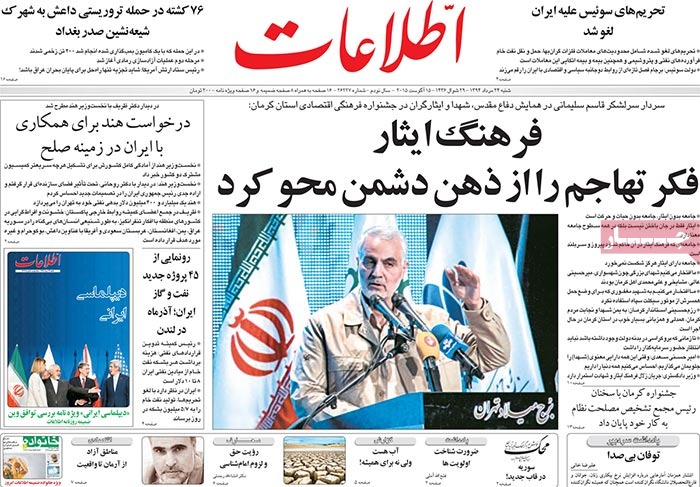
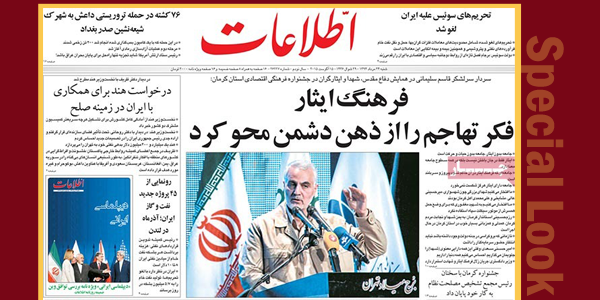
Ettela’at: “The culture of self-sacrifice forced the enemy to put the idea of aggression [against Iran] out of its mind,” Major General Ghasem Soleimani told a gathering on Sacred Defense, Martyrs and War Veterans in Kerman.

The commander of the Quds Force of the Islamic Revolution Guard Corps further said that a society in which the culture of self-sacrifice prevails is always victorious and can hold its head up high.


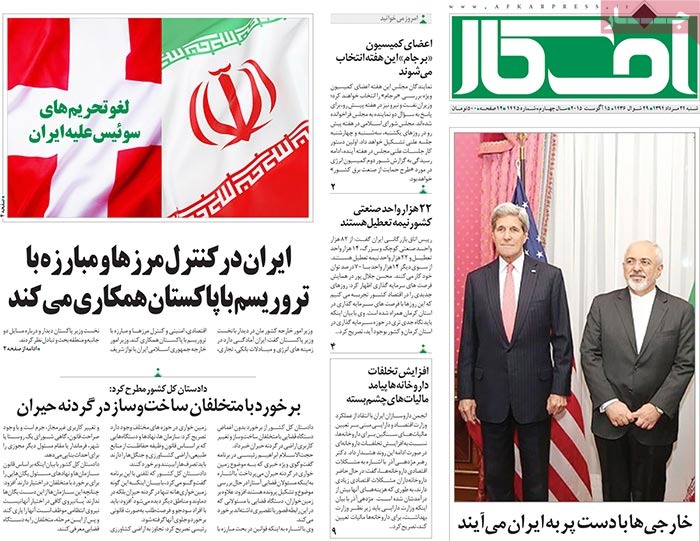
Afkar: Members of parliament’s JCPOA committee will be named this week.

Afkar: Iran and Pakistan are to cooperate with each other in policing the border and fighting terrorists.
 

A look at Iranian newspaper front pages on August 15


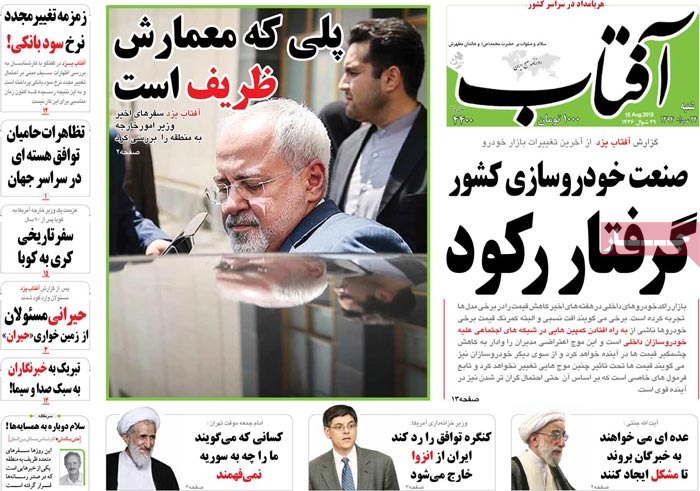
Aftab-e Yazd: “Some seek to muscle their way into the Assembly of Experts to cause trouble,” said the secretary of the Guardian Council.
 

A look at Iranian newspaper front pages on August 15


Arman-e Emrooz: “Comments which are tinged with greed and jealousy won’t produce [the intended] results [in society],” said the grandson of the founding father of the Islamic Republic.
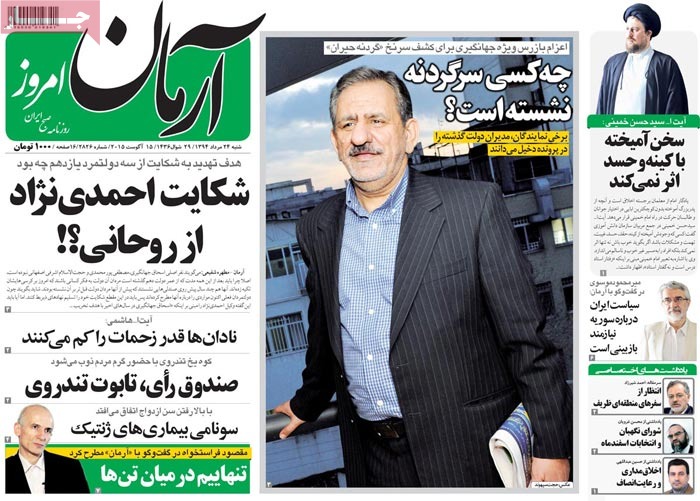
 

A look at Iranian newspaper front pages on August 15


Asr-e Iranian: The Army of the Islamic Republic of Iran will stage six specialty missile maneuvers by the end of the year [March 2016].
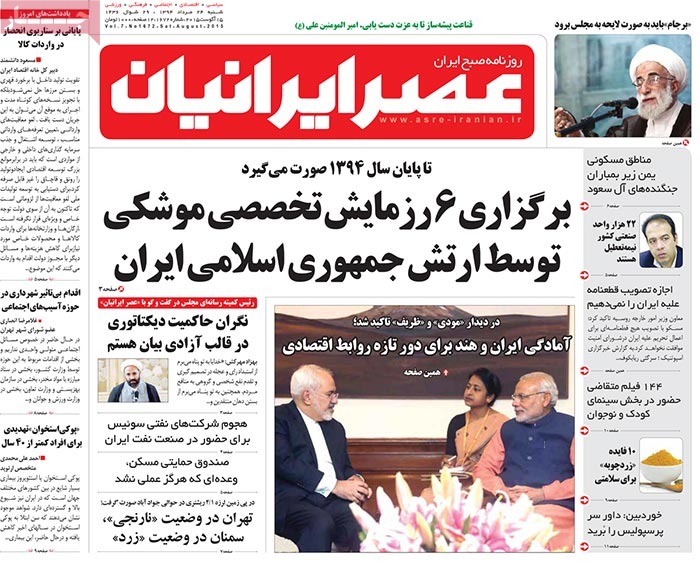
 

A look at Iranian newspaper front pages on August 15


Asrar: “Talks between Iran and six other Persian Gulf littoral states open next month,” said the Iranian deputy foreign minister.

Amir Abdollahian further said that the talks are a joint initiative by the Qatari emir and the Omani foreign minister.

Asrar: Russia has warned the US and the EU that it won’t vote for any more sanctions against Iran.
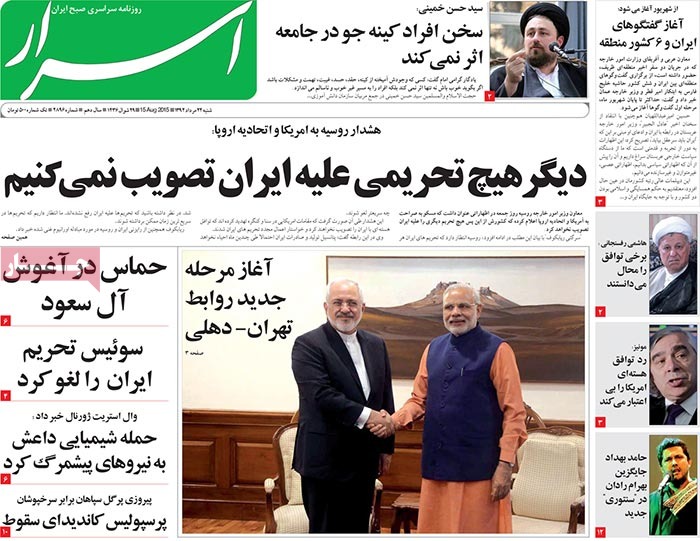
 

A look at Iranian newspaper front pages on August 15


Ebtekar: Iran takes steps toward improvement of ties with the East.

A second regional tour of Foreign Minister Zarif has taken him to India and Pakistan.
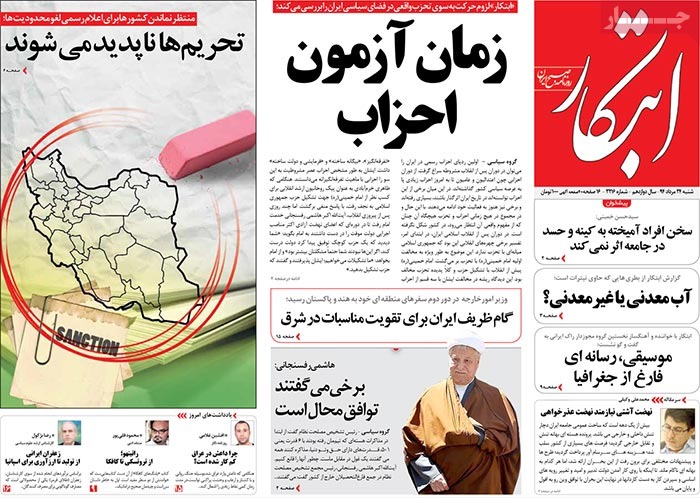
 

A look at Iranian newspaper front pages on August 15


Emtiaz: The number of foreign tourists visiting the country has increased 3-fold.
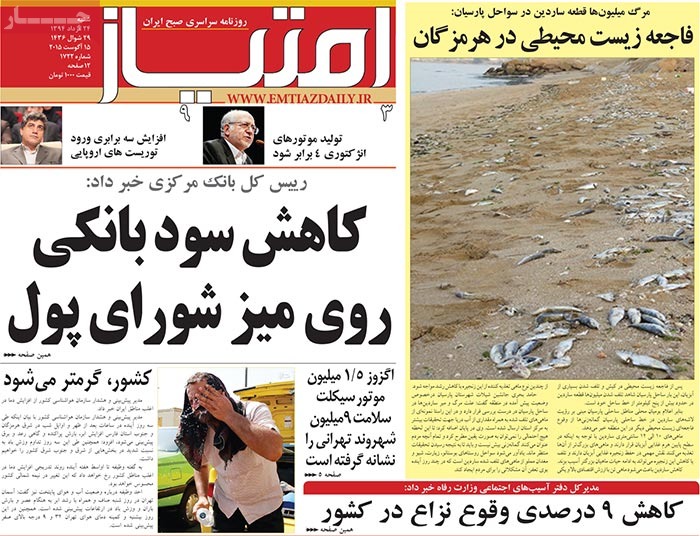
 

A look at Iranian newspaper front pages on August 15


Esfahan Emrooz: Four Isfahan-based medical doctors are among the best in the world.

The articles these four physicians have penned have been referenced many times by other scientists in the world.
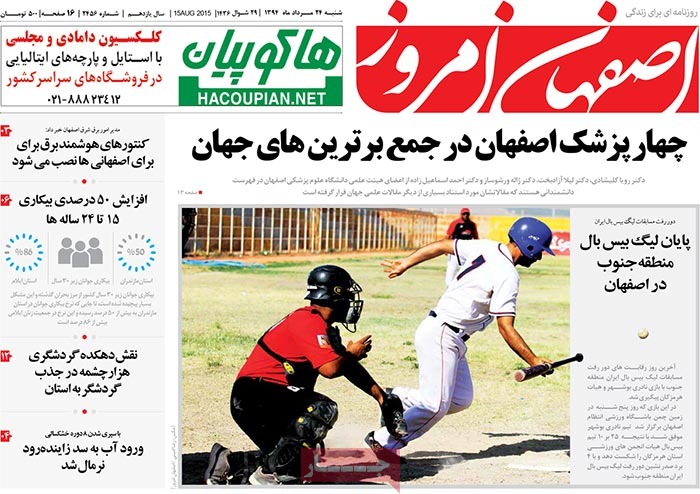
 

A look at Iranian newspaper front pages on August 15


Hemayat: Tehran Friday prayer leader has hailed the Judiciary for implementing the just verdict issued in the case of Mehdi Hashemi [the imprisoned son of Ayatollah Hashemi Rafsanjani].
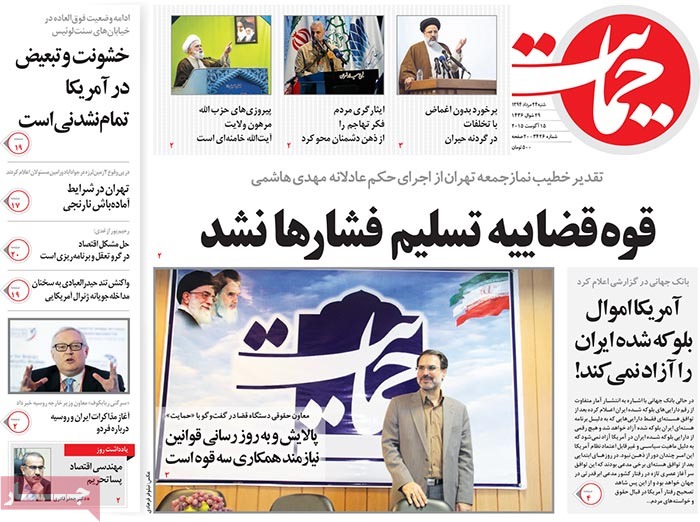
 

A look at Iranian newspaper front pages on August 15


Jomhouri Islami: The Japanese are ready to finance mineral projects in Iran.
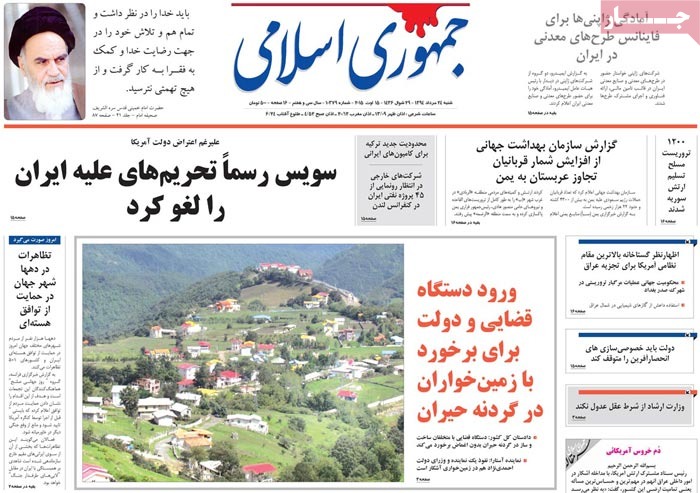
 

A look at Iranian newspaper front pages on August 15


Kayhan: “Those who have kept silent in the face of sedition [unrest sparked when two contenders doubted the results of the 2009 presidential polls] won’t be allowed to find their way into the Assembly of Experts,” said the secretary of the Guardian Council.
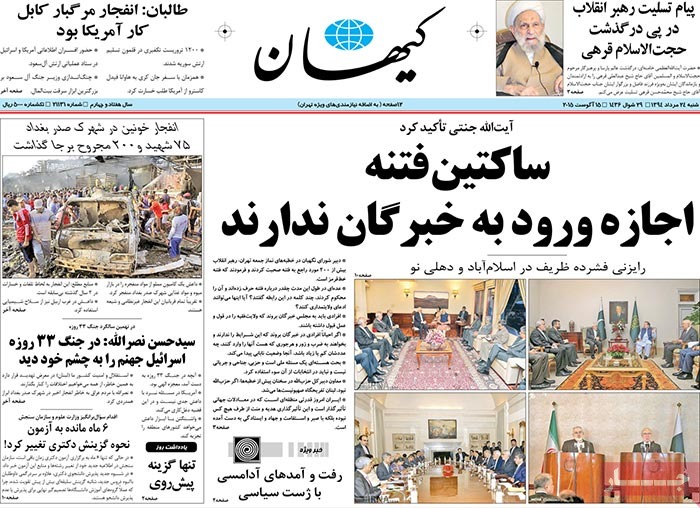
 

A look at Iranian newspaper front pages on August 15


Mardomsalari: The leader of Alqaeda has sworn allegiance to the new leader of the Taliban.
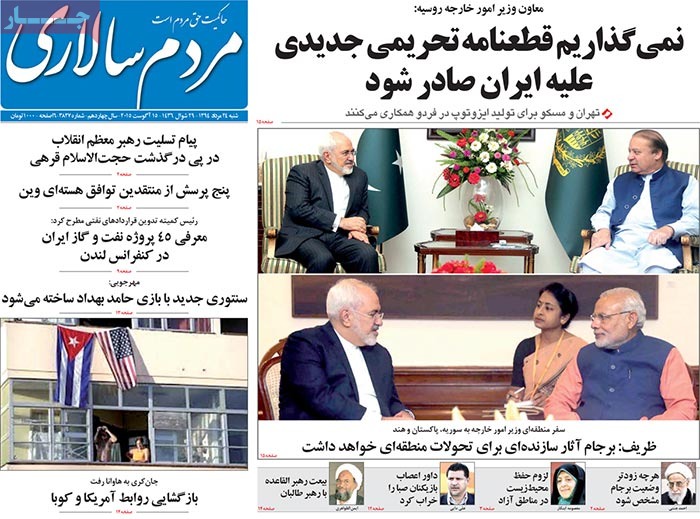
 

A look at Iranian newspaper front pages on August 15


Qods: Switzerland has lifted oil sanctions against Iran. That makes the return to Iran by three oil giants more likely.
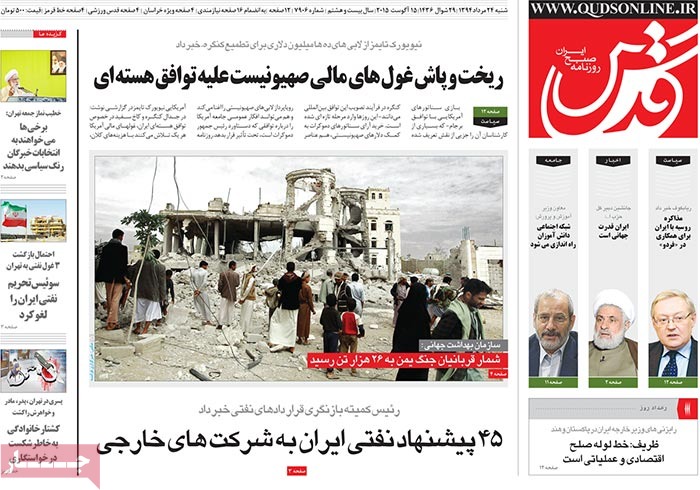
 

A look at Iranian newspaper front pages on August 15


Rah-e Mardom: A quaint trick by Saudi women to take the wheel
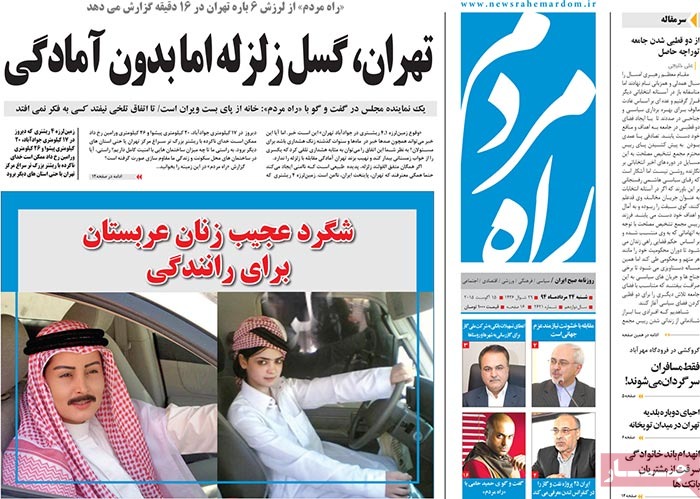
 

A look at Iranian newspaper front pages on August 15


Sayeh: “Some believed that striking a deal [with P5+1] would be impossible,” said the chairman of the Expediency Council.

[Ayatollah Akbar Hashemi Rafsanjani further said that these individuals cited the superiority of the world powers as the reason why a deal would be out of reach.]

Sayeh: “Taking on violence requires global resolve,” said the Iranian foreign minister in a meeting with the Indian prime minister.
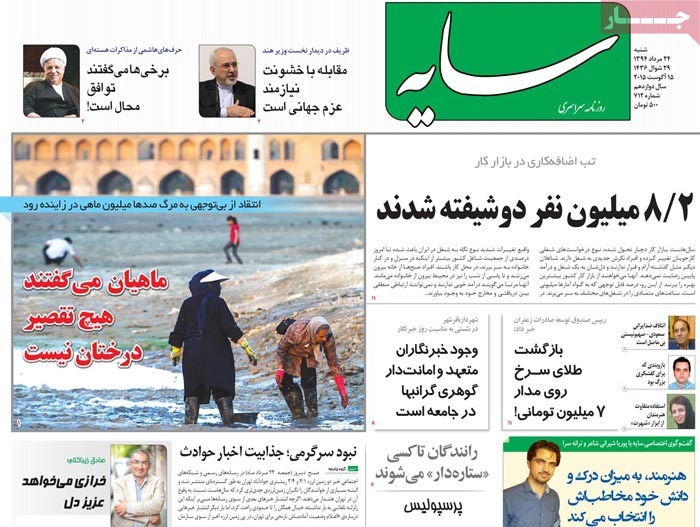

 

A look at Iranian newspaper front pages on August 15


Highlights of Ettela’at newspaper on August 15

Ettelaat Highlights-post

 “The culture of self-sacrifice forced the enemy to put the idea of aggression [against Iran] out of its mind,” Major General Ghasem Soleimani told a gathering on Sacred Defense, Martyrs and War Veterans in Kerman. The commander of the Quds Force of the Islamic Revolution Guard Corps further said that a society in which the culture of self-sacrifice prevails is always victorious and can hold its head up high.

 A speech by Chairman of the Expediency Council Ayatollah Akbar Hashemi Rafsanjani has brought Kerman’s Economic and Cultural Festival to an end.

 Switzerland has lifted its sanctions against Iran. The Swiss government has said that the Joint Comprehensive Plan of Action opens a new chapter in political and economic ties with Iran.

 A truck bomb attack by IS terrorists in Baghdad’s Sadr City has left 76 people dead and 200 others injured. It came as a second stage of an operation to wrest control of Ramadi from IS militants got underway.

 India has asked Iran to cooperate with it in promoting peace. The appeal came at a meeting between Iranian Foreign Minister Mohammad Javad Zarif and Indian Prime Minister Narendra Modi. In another development, India is to pay its $1.4 billion oil debt to Iran. Ettela’at: Forty-five Iranian oil and gas projects will be unveiled in London later this year. A senior Oil Ministry official has said that Iran seeks to raise its crude output to 5.7 million barrels in the post-sanctions era.


Rich opportunities for new Iran, India ties

139311211739391114713804

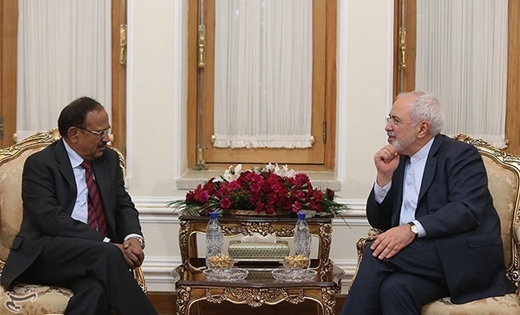
Iranian Foreign Minister Mohammad Javad Zarif in a meeting with Indian National Security Advisor Ajit Doval in New Delhi Friday said in the new setting, there are a lot of opportunities to expand ties and boost bilateral cooperation.

Zarif and Doval agreed that extremism is the region’s most serious problem and said the fight against extremist and terrorist groups should go full steam ahead.

They also condemned violent and extremist acts of terrorist groups in Iraq, Syria, Yemen and Afghanistan and exchanged views on the way out of these crises.

On Afghanistan, Zarif told the Indian official that Iran supports development of democratic structures and progress in its eastern neighboring country.

Referring to the meetings with his Indian counterpart and prime minister, he called for capacity building in the areas of transit, energy, and trade.

Doval recalled the threat posed by the terrorist group of IS and said, “Through cooperation and joint action, all countries shall prepare the ground to fight against the terrorist group.”

He hailed the stance of the Islamic Republic of Iran in countering terrorist groups and said, “The oppressed people of the region have suffered a lot from inhuman acts of Daesh [Arabic acronym for IS].”

Zarif arrived in New Delhi from Islamabad on Thursday night.

In addition to meeting his counterpart, he met the premier, vice president, and minister of shipping during his second visit to India since he became foreign minister in 2013.

He arrived in Tehran early Saturday.

Spokeswoman slams Bahrain’s anti-Iran claims

139305291750219263452164

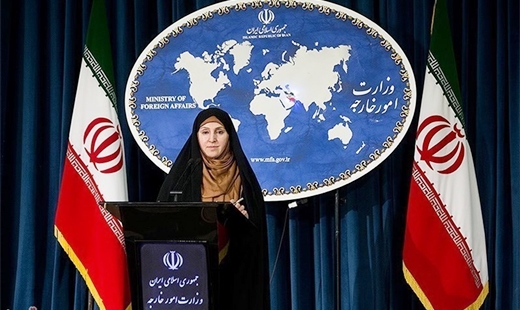
Iran’s Foreign Ministry spokeswoman dismissed as “baseless” the accusations raised by Bahrain’s Interior Ministry that a number of suspects behind a July bombing in the Arab country’s Sitra have alleged links with Iran.

“The sources of export of terrorism and the culture of violence are so well-known that such claims (against Iran) could not deceive anybody,” Marzieh Afkham said on Thursday.

Her comments came after Bahrain’s Interior Ministry in a statement earlier in the day claimed that five suspects arrested over a bombing in the kingdom’s eastern island of Sitra had been organized by people with links with the Islamic Revolution Guard Corps (IRGC).

On July 28, a bombing outside a school in Sitra killed two policemen and wounded six others. Bahraini authorities arrested several people in connection with the incident and claimed the attack was a “foreign attempt” to harm the Persian Gulf country’s stability.

Afkham also described the allegations as a “clumsy” attempt to defy the “constructive diplomatic trend” in the region following the conclusion of nuclear talks between Iran and P5+1 (Russia, China, the US, Britain, France and Germany).

Manama had better take advantage of the good atmosphere of relations among the regional countries to settle its own internal crisis, Afkham was quoted by Iran’s Foreign Ministry official website as saying.

Bahrain, a staunch ally of the US in the Persian Gulf region, has been witnessing almost daily protests against the ruling Al Khalifa dynasty since early 2011, with Manama using heavy-handed measures in an attempt to crush the demonstrations.

Scores of Bahrainis have been killed and hundreds of others injured and arrested in the ongoing crackdown on the peaceful demonstrations.

Saudi troops have been also deployed to Bahrain to assist in its crackdown on the peaceful protesters.

India impatient for closer Iran ties

139405231547053695873264

Indian Prime Minister Narendra Modi expressed his country’s enthusiasm for establishing a new era of relations with Iran.

In a meeting with Iranian Foreign Minister Mohammad Javad Zarif in New Delhi on Friday, Modi said he has prepared all Indian officials for a new round of relations with Iran.

The Indian premier said he was impressed by the Iranian President Hassan Rouhani’s “positive and constructive” stances in a July summit in the Russian city of Ufa.

Modi said he has felt President Rouhani’s seriousness about enhancement of Iran-India relations.

The Indian prime minister also called for the immediate establishment of a joint commission for the expansion of bilateral relations.

Highlighting the two countries’ similar views on Afghanistan, Iraq and other regional developments, Modi stressed the need for continued consultation between Iran and India to secure regional peace and stability.

He said Tehran and New Delhi can promote cooperation on a railroad linking Iran to Central Asia and on to the International North-South Transport Corridor (NSTC).

The Iranian foreign minister, for his part, warned of the threats posed by the ISIL (the Islamic State in Iraq and the Levant) Takfiri terrorist group as well as extremism and violence, urging collective efforts to battle these menaces.

Countering these evil scourges requires global determination and cooperation among different countries, he said, adding that Iran has always played a constructive role in regional developments and sought to safeguard the security of the region.

Iran’s Foreign Minister Zarif regional tour took him earlier to Lebanon, Syria and Pakistan.

His trips came in the wake of the conclusion of nuclear talks between Tehran and P5+1 (Russia, China, the US, Britain, France and Germany).

Iran and the six powers on July 14 finalized the text of a lasting nuclear deal that would terminate all anti-Iran sanctions after taking effect. The United Nations Security Council also unanimously passed a resolution afterward, endorsing the comprehensive accord.

Iran diplomat urges political solution to Yemen conflict

4f34fdda-d556-4f6c-bb26-2400fc28e4e6

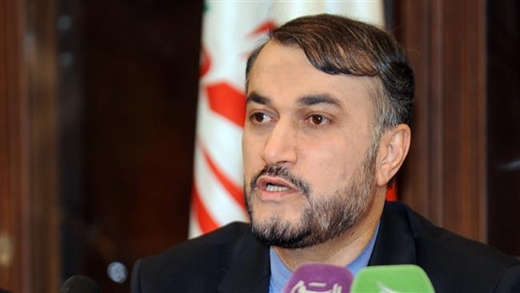
Iran has renewed calls for an immediate halt to the Saudi military campaign against Yemen, saying political dialogue is the only way out of the conflict in the violence-wracked Arab state.

In a phone conversation with UN special envoy to Yemen Ismail Ould Cheikh Ahmed Friday, Iran’s Deputy Foreign Minister for Arab and African Affairs Hossein Amir Abdollahian said all sides should focus on finding a political solution to the conflict in Yemen, stressing that the use of force would certainly fail to resolve the crisis.

The Iranian diplomat emphasized the need for an immediate end to Saudi attacks and humanitarian blockade against Yemen.

Tehran holds constant consultations with the UN representative and will do everything it can so that the negotiations between Yemeni factions in the Omani capital, Muscat, lead to fair conclusions, Amir Abdollahian said.

Ahmed, for his part, hailed Iran’s efforts to help settle the Yemeni conflict, voicing optimism that Yemeni factions would agree on a political solution in the near future.

An agreement has been drafted, and the Yemeni groups are expected to offer their views on the text in the coming days, he said.

Saudi Arabia has been carrying out raids against Yemen since March 26, defying international calls for a halt to its deadly campaign which has led to a deteriorating humanitarian situation in the impoverished state.

According to the United Nations, the conflict in Yemen has killed nearly 4,000 people, almost half of them civilians, since late March.