Wednesday, April 29, 2026
Home Blog Page 4738

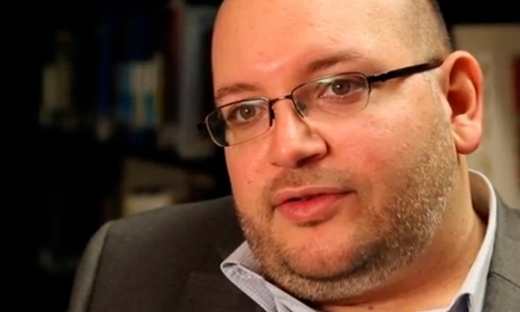
Iranian court issues verdict for Washington Post reporter Rezaian

Jason Rezaian

Iranian Judiciary Spokesman Gholamhossein Mohseni Ejei announced that a court in Tehran has handed down a verdict in the case of Washington Post reporter Jason Rezaian, who has been charged with espionage in the Islamic Republic.

“The verdict on the case has been issued,” Mohseni Ejei told reporters at a press conference in Tehran on Sunday.

He emphasized that the defendants have 20 days to appeal the ruling in a higher court, adding that if they do not do so, the ruling, of which he gave no details, will be final.

Rezaian, a 39-year-old correspondent with dual Iran-US citizenships, along with his wife Yeganeh Salehi, was arrested in Tehran on July 22, 2014 on espionage charges.

Two other American citizens who work as freelance photojournalists were also detained along with them at the time. Yeganeh Salehi was released on bail in October 2014.

An indictment later issued by Tehran’s prosecutor general said Rezaian is charged with “espionage by collecting the country’s decisions on internal and foreign policy issue, and cooperation with hostile governments.”

JCPOA clears hurdle at a boisterous parliament

Parliament2

The Iranian parliament on Sunday passed the general outlines of the Government’s Reciprocal and Proportional Action Bill on the implementation of the Joint Comprehensive Plan of Action 139-100 on Sunday.

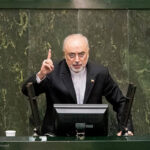
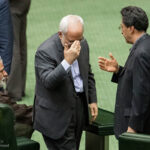
The parliamentary session got off to a normal start with Foreign Minister Mohammad Javad Zarif and his deputies Abbas Araghchi and Majid Takht-e Ravanchi present there to defend JCPOA.

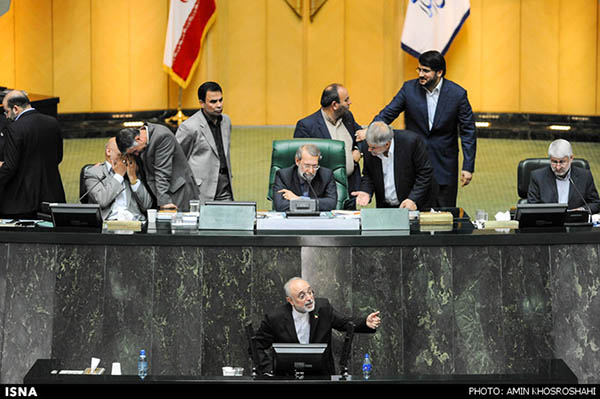
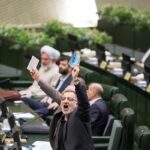
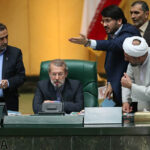
Minutes later, the session turned tense after MP Javad Karimi Ghodoosi started to shout at FM Zarif and blast JCPOA. Speaker Ali Larijani stepped in to bring calm to the session, asking Ghodoosi to stop shouting.

Afterward Hamid Rasaei, a [hardline principlist] MP, called for a bill on JCPOA to be submitted to parliament.

Entekhab.ir published a report on what happened in parliament on Sunday and what the proponents and opponents of the bill said in the chamber. The following is a brief translation of that report which included comments by pro- and anti-bill MPs:

Ruhollah Hosseinian, principlist Tehran MP

[…] Why should parliament get engaged in [discussing] a bill which is basically against the Constitution? Why do they want to make parliament deal with a done deal?  […]

Why does parliament want to pass a bill blindfolded with its hands tied? I think something is happening behind the scenes to make parliament get engaged in [discussing] a done deal. […]

Abbas Ghaedrahmat, Doroud and Azna MP

The bill comes with a number of necessities, among them: protection of the Iranian nation’s nuclear rights and achievements; observing religious and legal aspects defined by the Supreme Leader on talks with P5+1; and preventing infiltration and unilateral measures of the other side.

This bill allows the government to voluntarily implement JCPOA if it can abide by what has been envisioned in nine articles and two notes for the implementation process, including the Supreme Leader’s fatwa on the atomic weapons, WMDs and nuclear disarmament, and the need for Iran to clarify its stances.

Through this bill, the Iranian parliament will shed light on its stances: we need to remove all nuclear weapons in the world.

The rights of the Iranian nation should be respected and any pressure and threat [by the other side] will trigger a rethink of cooperation [with P5+1]. The government should carefully monitor failure by the other side to terminate sanctions or its imposition of [new] sanctions. If so, the Cabinet is expected to act in kind to reclaim the rights of the Iranian nation. Voluntary cooperation should be brought to a halt in case of the other side’s lack of cooperation.

The nuclear negotiating team managed to win some concessions in the talks. I call on fellow MPs to vote for the bill so that the fate of JCPOA can be fixed soon.

Alireza Zakani, Tehran MP    

He slammed Speaker Larijani and said, “You are defending JCPOA single-handedly. You said you gave the bill to the Supreme Leader but he did not speak his mind.”

In reaction, Larijani said, “I said I talked with him on JCPOA and that the Supreme Leader had no intention to get involved.”

Zakani also hit out at irrelevant disagreements and said, “The Joint Comprehensive Plan of Action is a national issue, but some make comments as if I reap profits out of it.”

Kazem Jalali, Shahrood MP

Kazem Jalali lashed out at opponents of the deal who keep quoting foreign officials as saying this and that. “To cite enemy officials simply to attack our own officials is not right. Wendy Sherman and Obama are no friends of ours. They will definitely use their comments to create tension in the country if they can.”

He further said that during the previous government Iran agreed to ship out its entire cache of fuel to import reactor fuel and the Ahmadinejad government agreed to the proposal. “The only one who objected was Mr. Larijani… Back then most principlist MPs kept silent. Why are you objecting now?”

In a jab at the chairman of the JCPOA Review Committee, Jalali said, “How is that the speaker who has been in direct contact with the Leader’s office for years and followed up the case does not understand the stance of the Leader? But some who are in contact [with the Leader’s office] through intermediaries do?”

He said the current director of the Atomic Energy Organization served as the foreign minister of Ahmadinejad. “If he wanted to act in line with personal priorities, he would have definitely acted differently. Individuals like Salehi are pious, sympathetic. They act above factional interests. Shouldn’t we fully trust their words?”

He said, “Critics wonder ‘What if the sanctions are not lifted?’ We have a bill that suggests in case sanctions are not terminated, we won’t implement JCPOA.”

In conclusion, he said parliament does not approve of the deal, it simply allows the government to implement it with certain strings attached.

Ali Akbar Salehi, Nuclear chief

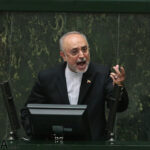
Director of the Atomic Energy Organization of Iran (AEOI) Ali Akbar Salehi, who was in parliament to defend the nuclear deal, told the chamber, “We have not negotiated in the vacuum. We based our talks on principles.”

He went to say, “I have not determined the framework of the talks. If we talked, we did so within a certain framework.”

Salehi, who was at the receiving end of a shouting match, further said, “I have kept silent so far. A few days ago, They wished me death. The other day, a man appeared on TV and said, ‘The average life expectancy among Iranians is 77 years. Salehi will die in 10 years.’ What kind of language is this? Are you playing God?”

He went on to say, “Someone swore to God in parliament to bury me with cement. Is this how they should talk? Is this the way you talk to people who seek to serve?”

After the boisterous session of the chamber, Kamaleddin Pirmoazen, an MP, said, “Thank God, today hardliners failed in their efforts to leave a bad taste in the mouth of the nation. God willing, the approval of the details of JCPOA and its implementation will increase our national wealth and help realize a national epic.”

He went on to say, “Today, parliament proved that it puts national interests ahead of factional interests.”

Iran successfully puts to test new long-range ballistic missile

c5ffb74f-5f8e-40b8-9b37-02270a3996cf

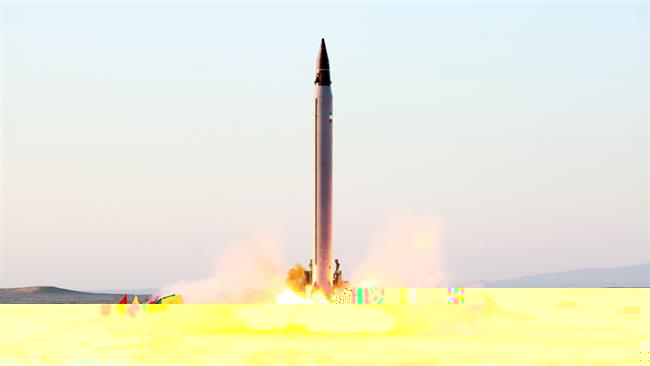
Iran’s Defense Minister Brigadier General Hossein Dehghan says the Islamic Republic has successfully test-fired a new long-range ballistic missile, dubbed Emad.

Speaking to reporters on Sunday, Dehghan said the surface-to-surface missile has been completely designed and manufactured by experts of Iran’s Aerospace Industries Organization affiliated with the Iranian Ministry of Defense.

Emad is Iran’s first long-range missile with guidance and control systems which can hit targets and completely destroy them with high precision, the Iranian minister added.

He also stated that the Defense Ministry pursues a strategy based on developing and increasing the missile capabilities of the Iranian Armed Forces and enhancing the Islamic Republic’s deterrent power.

“We do not ask for permission from anybody to increase our defense might and missile capability and are decisively following up our defense plans, particularly in the missile sector,” Dehghan said, emphasizing that the manufacturing of Emad is an apparent example of such a strategy.
The Iranian defense minister said Emad would be mass produced and delivered to missile units of the Iranian Armed Forces soon to significantly enhance their tactical and operational power.

The Islamic Republic has repeatedly said that its military might poses no threat to other countries, reiterating that its defense doctrine is merely based on deterrence.

Parliament has tense session before approving JCPOA (PHOTOS)

Parliament0

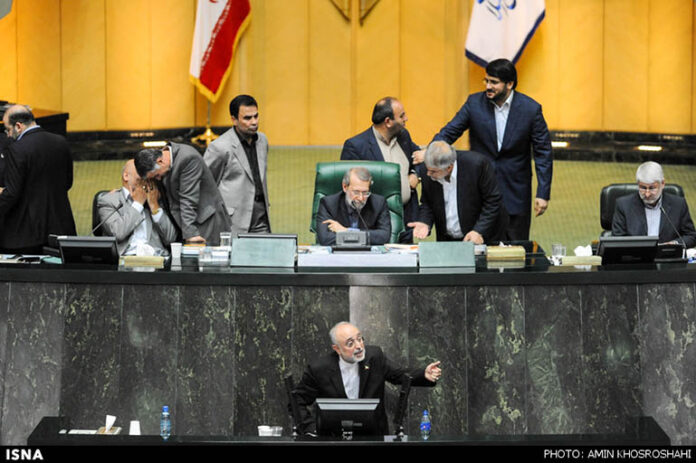
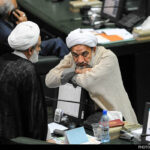
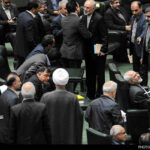
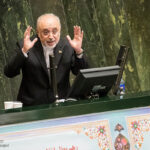
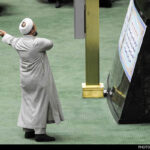
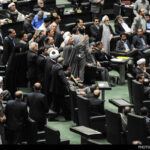
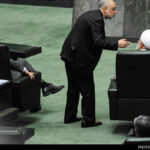
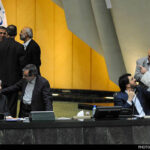
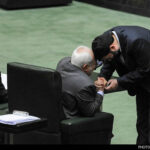
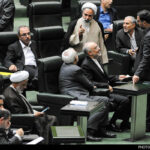
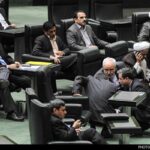
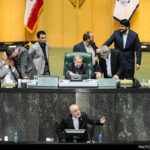
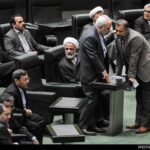
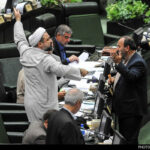
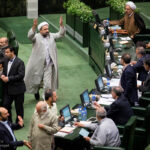
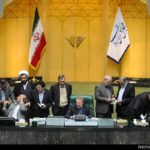
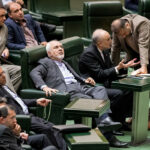
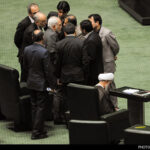
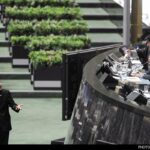
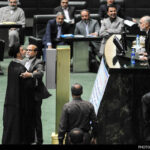
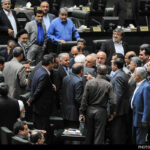
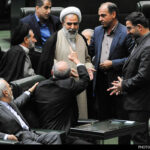
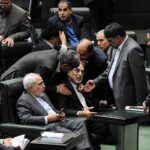
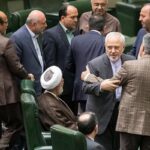
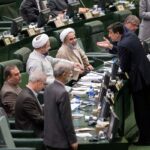
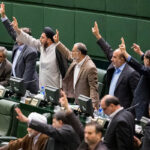
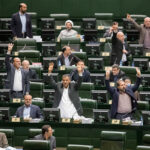
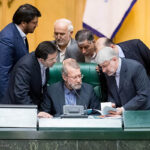
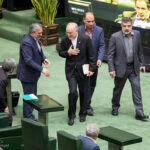
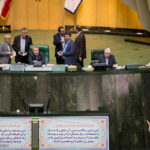
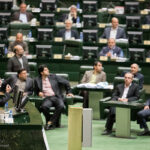
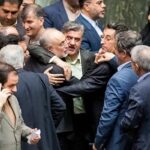
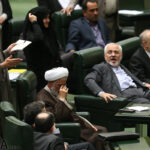
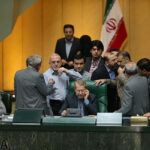
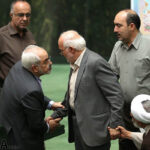
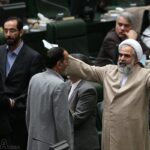
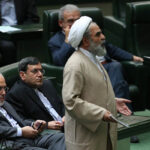
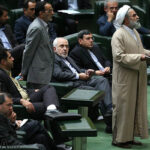
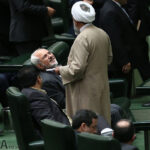
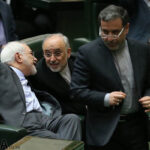
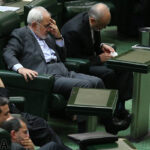
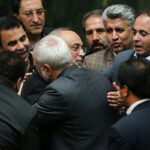
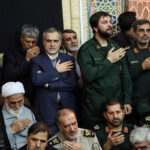
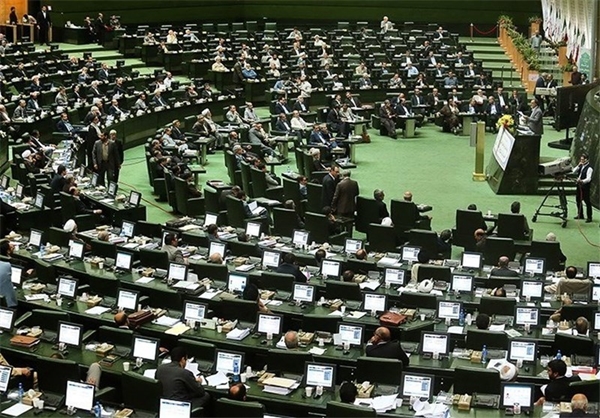
The Islamic Consultative Assembly on October 11 had a tense atmosphere as it passed the general outlines of the Joint Comprehensive Plan of Action.

Images of the chamber released online by different websites:

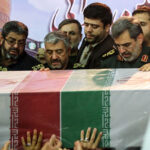
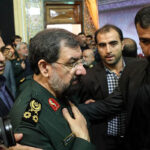
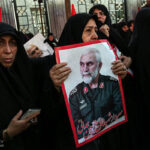
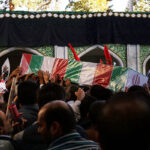
Funeral procession of General Hamedani held in Tehran (PHOTOS)

General Hamedani0

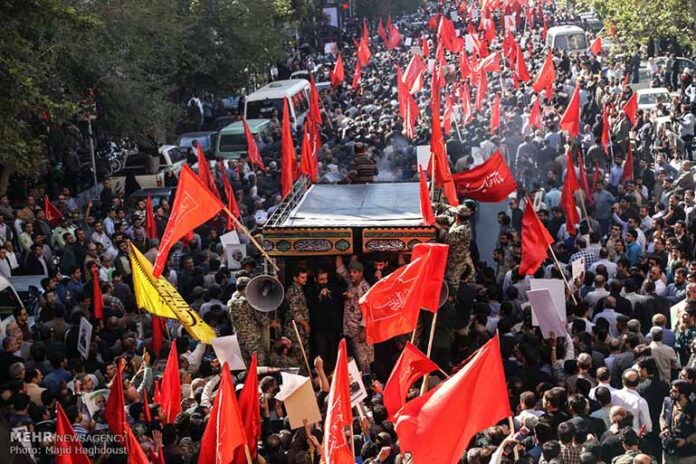
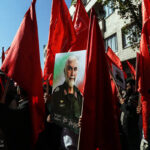
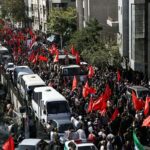
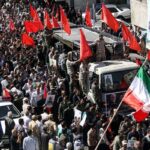
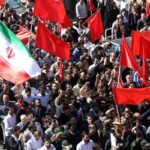
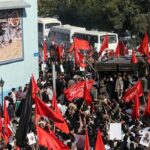
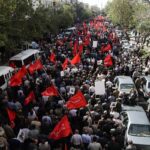
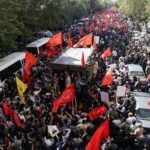
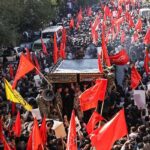
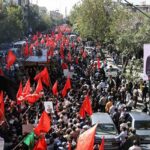
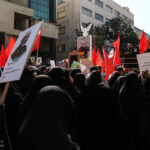
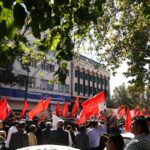
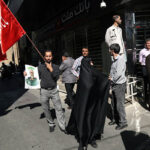
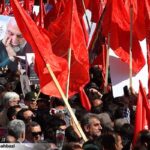
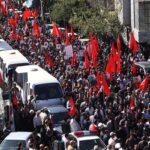
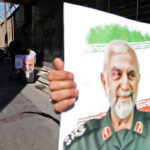
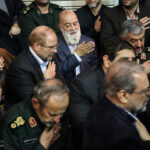
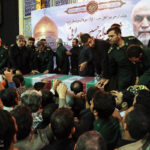
A large crowd turned out in Tehran on Sunday to pay their last respects to Brigadier General Hossein Hamedani, a Revolution Guards advisor who was martyred on assignment in the suburbs of Aleppo, Syria on Thursday.

The following are snapshots of the funeral procession released by Mehr News Agency:


Reformed female addicts march, calling on others to kick habit (PHOTOS)

Reformed0

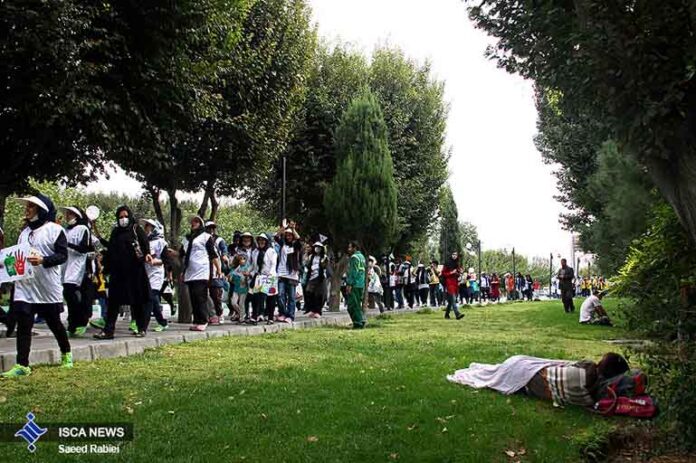
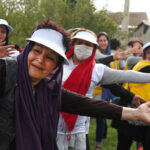
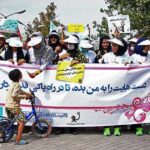
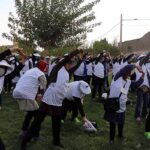
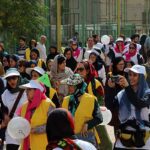
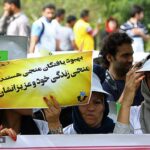
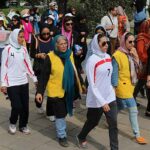
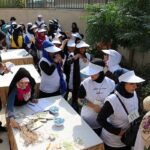
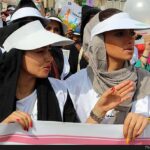
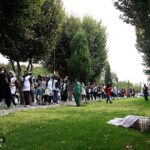
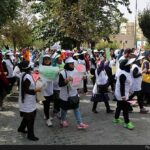
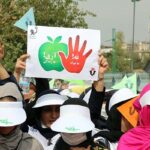
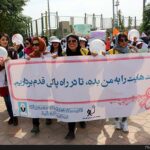
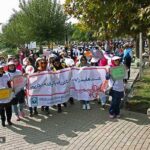
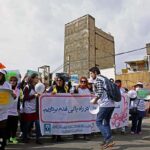
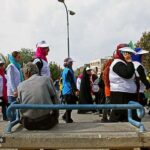
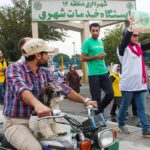
In a symbolic move, a number of Iranian women who have succeeded in beating their drug addiction took part in a march in a Tehran park on October 9.

The rehabilitated addicts appealed to others afflicted by addiction to kick the habit.

The following are photos of the march released by Iscanews.ir:

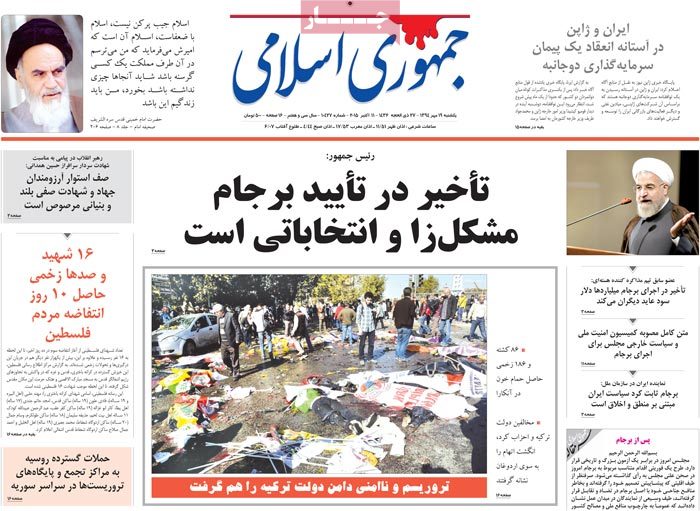
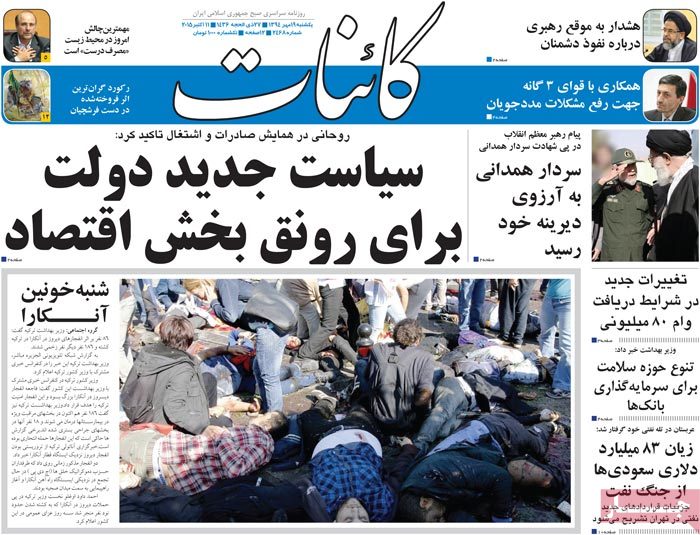
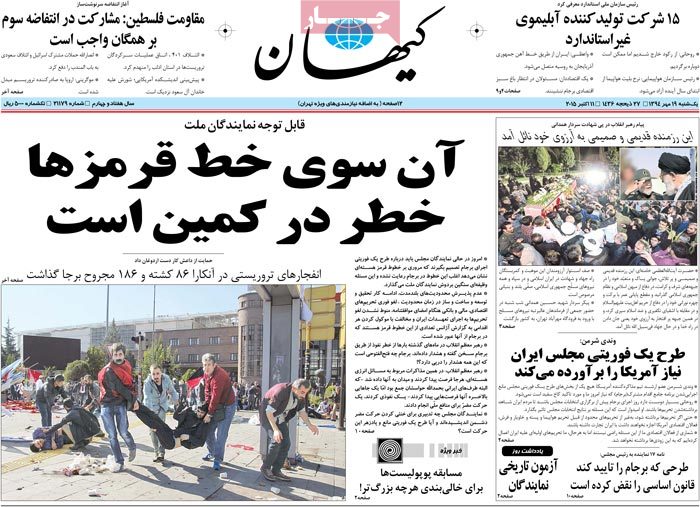
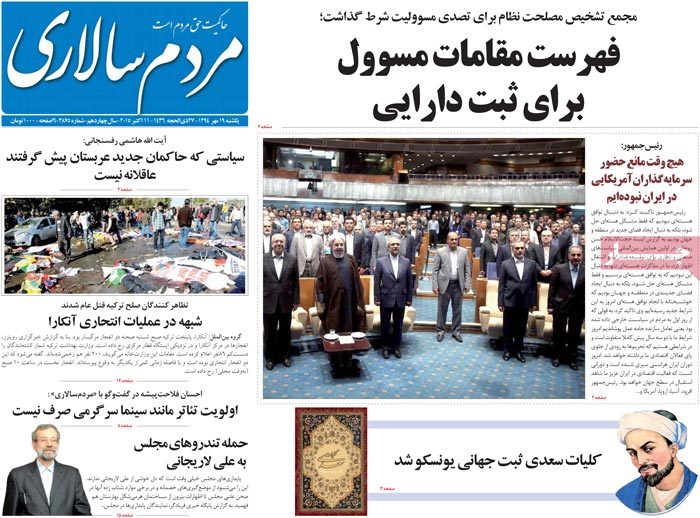
A look at Iranian newspaper front pages on Oct. 11

Iranian Newspapers Headlines

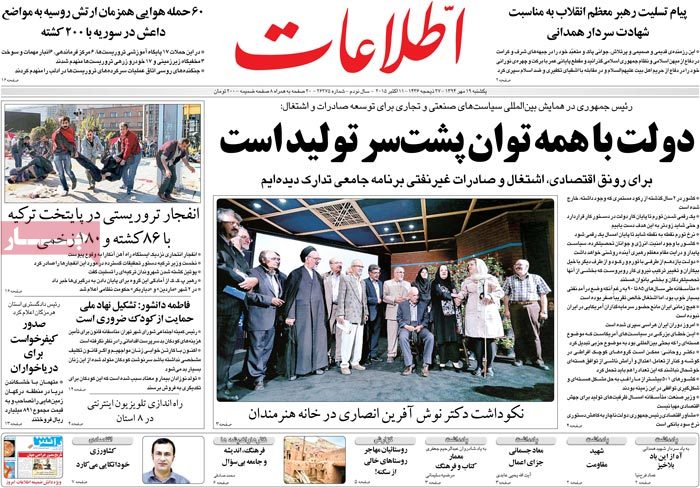
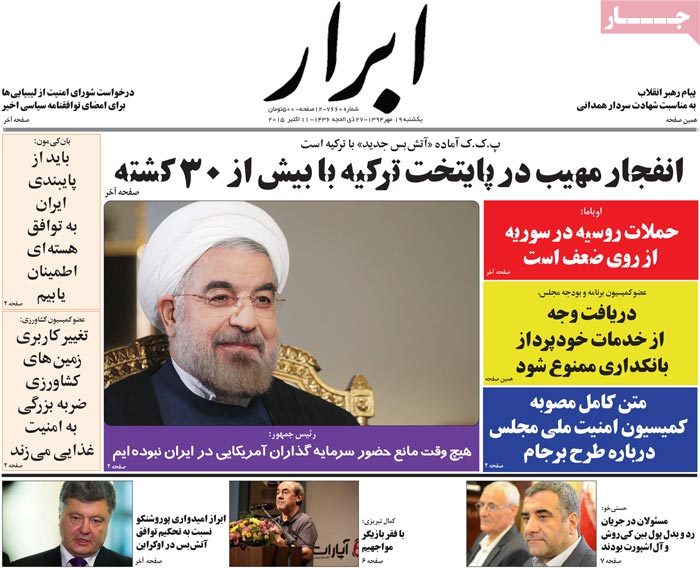
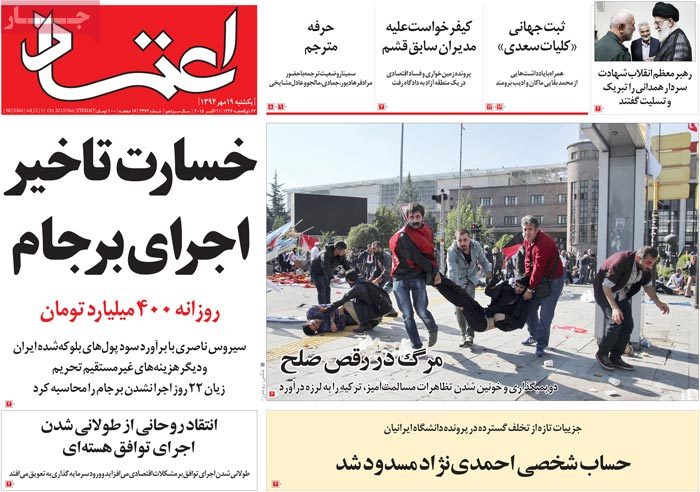
A message of condolence by the Supreme Leader on the martyrdom of IRGC’s General Hossein Hamedani and remarks by President Rouhani in an international industry conference dominated the front pages of Iranian newspapers on Sunday.


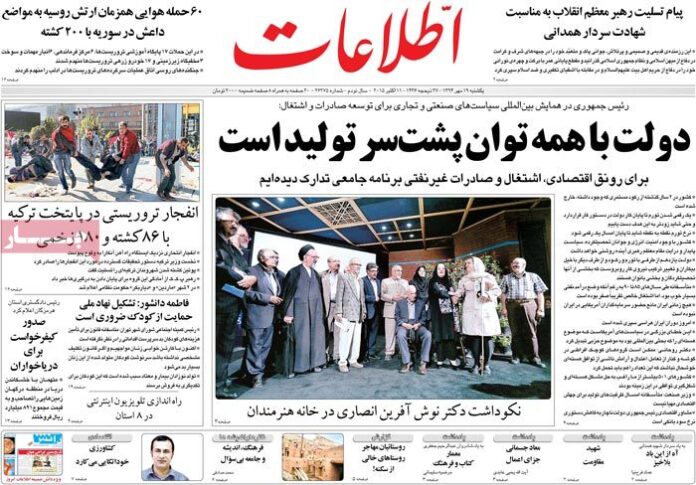
Ettela’at: “Production has the full support of the government,” said President Rouhani at an international gathering on industrial and trade policies to promote exports and employment.
He further said his government has crafted a comprehensive plan to prop up the economy and promote employment as well as non-oil exports.   


Abrar: “We have never prevented American investors from finding their way into Iran,” said President Rouhani.


A look at Iranian newspaper front pages on Oct. 11


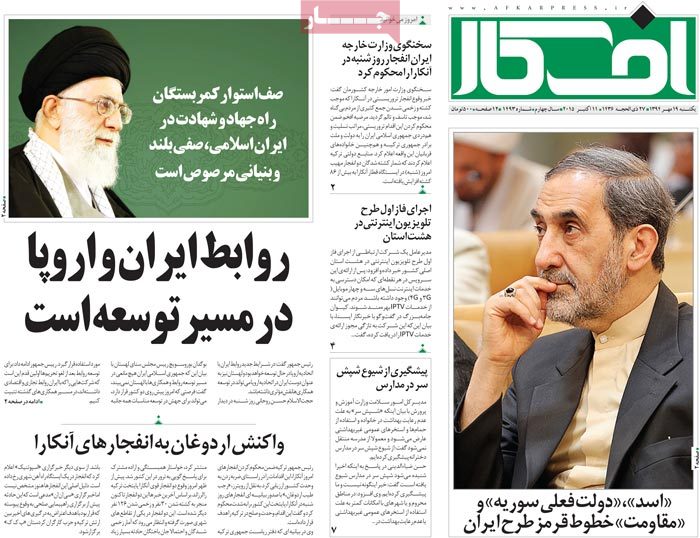
Afkar: “Assad”, “the current government in Damascus” and “resistance” are the red lines of the Iranian plan to end the crisis in Syria.


A look at Iranian newspaper front pages on Oct. 11


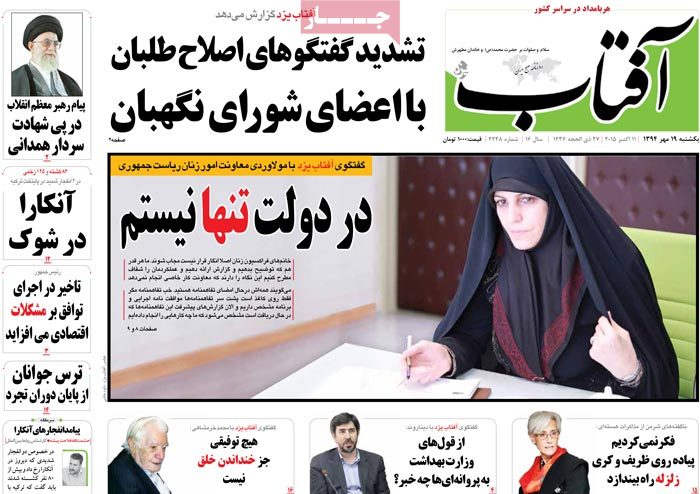
Aftab-e Yazd: Reformists have stepped up contacts with members of the Guardian Council.


A look at Iranian newspaper front pages on Oct. 11


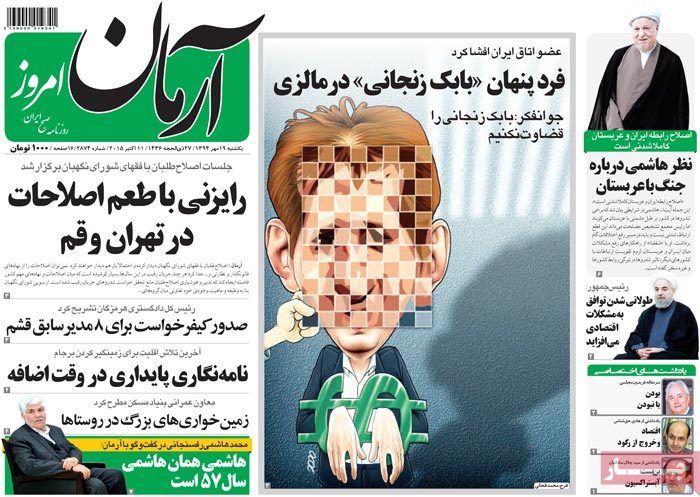
Arman-e Emrooz: Indictments have been issued against eight previous managers of Qeshm Free Zone, said the head of Hormozgan provincial justice department.

Arman-e Emrooz: President Rouhani has said that holding up the implementation of the nuclear deal will exacerbate the economic problems.


A look at Iranian newspaper front pages on Oct. 11


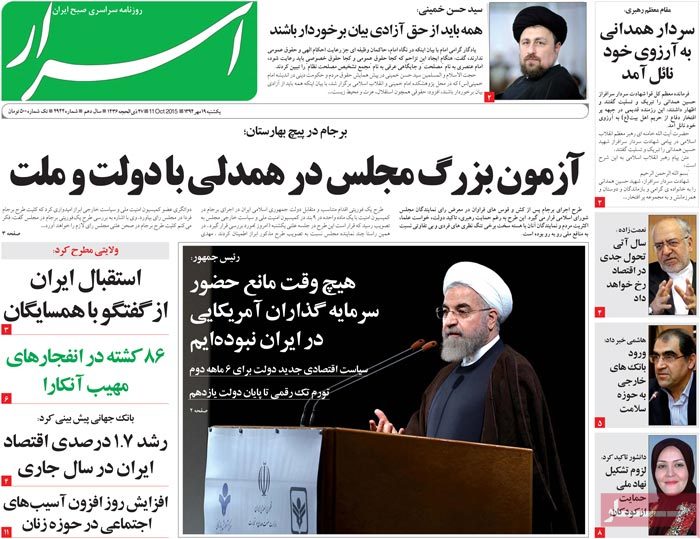
Asrar: “Everyone should have freedom of speech,” said the grandson of the late Imam Khomeini.

Asrar: “Next year will usher in major transformation in Iran’s economy,” said the minister of trade.


A look at Iranian newspaper front pages on Oct. 11


Etemad: The personal bank account of Ahmadinejad has been frozen as new details leak about pervasive violations in the case involving the Iranian University [a higher education institute the former president vowed to launch, but Science Ministry officials have declared illegal].


A look at Iranian newspaper front pages on Oct. 11


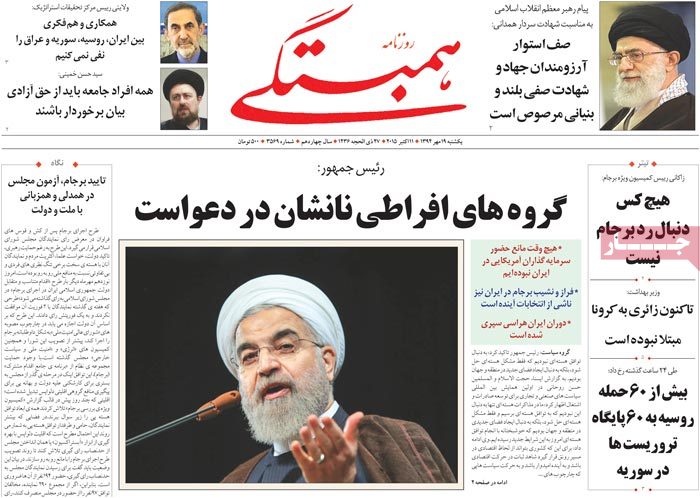
Hambastegi: President Rouhani has said that extremist groups make a career out of arguments.

Hambastegi: “No one is seeking to disapprove the Joint Comprehensive Plan of Action,” said Chairman of the JCPOA Review Committee Alireza Zakani.


A look at Iranian newspaper front pages on Oct. 11


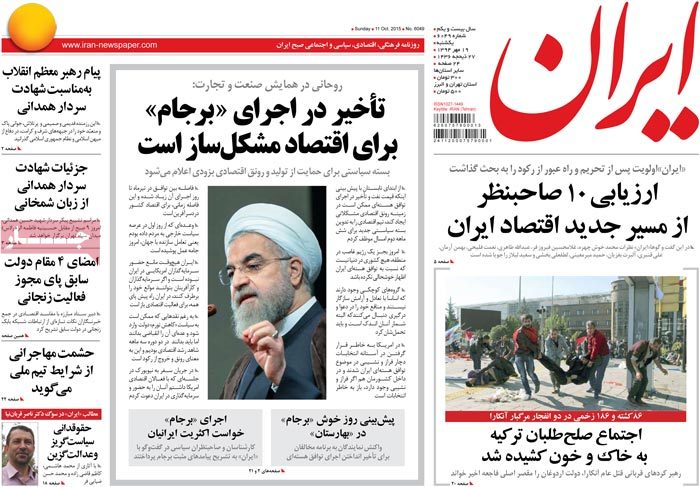
Iran: The document giving Babak Zanjani authorization to operate bore the signature of four officials of the previous government.


A look at Iranian newspaper front pages on Oct. 11


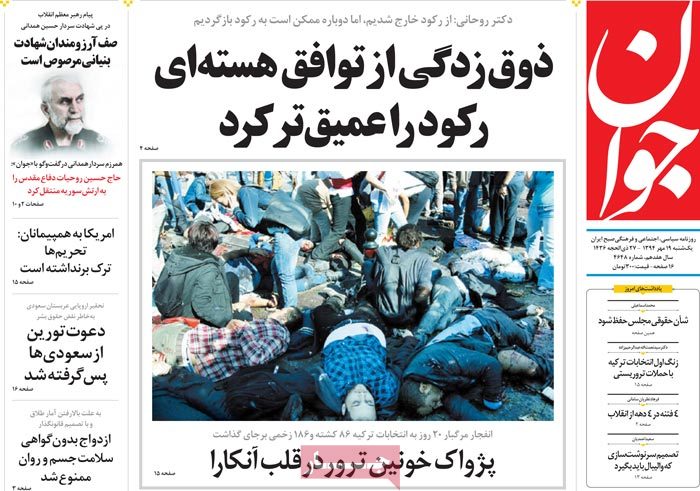
Javan: The US to its allies: Sanctions have not cracked.

Javan: Overexcitement over the nuclear deal has deepened the recession.

“We have lifted ourselves out of recession but may slip back into it,” said President Rouhani.


A look at Iranian newspaper front pages on Oct. 11


Jomhouri Islami: Iran and Japan on course to inking a bilateral investment treaty

Jomhouri Islami: Delaying the implementation of the Joint Comprehensive Plan of Action will earn others billions of dollars in profits, said a former nuclear negotiator.


A look at Iranian newspaper front pages on Oct. 11


Kaenat: In a gathering on exports and employment, President Rouhani announced his government’s new policies on boosting the economy.


A look at Iranian newspaper front pages on Oct. 11


Kayhan: For the attention of MPs: a danger is waiting in ambush beyond the red lines.

Kayhan: A bill which approves the Joint Comprehensive Plan of Action breaches the Constitution, said 17 MPs in a letter to the parliament speaker.


A look at Iranian newspaper front pages on Oct. 11


Mardomsalari: Ayatollah Hashemi Rafsanjani has said that the policy the new Saudi rulers are pursuing defies wisdom.


A look at Iranian newspaper front pages on Oct. 11


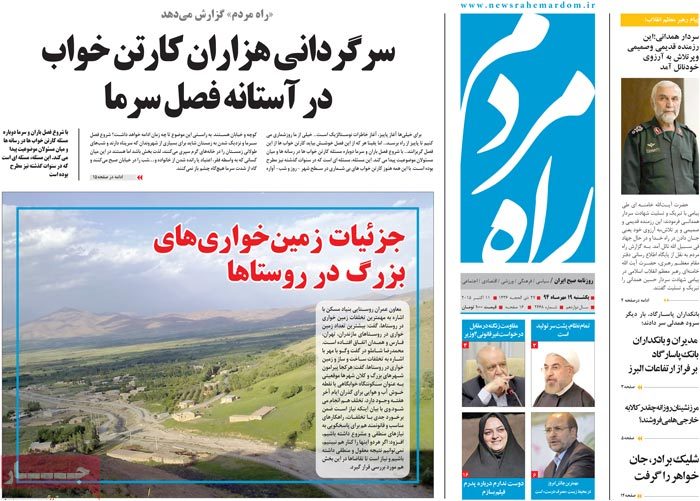
Rah-e Mardom: Bewilderment of thousands of rough sleepers in the buildup to the cold season

The daily features an analytical report on those who sleep rough.


A look at Iranian newspaper front pages on Oct. 11


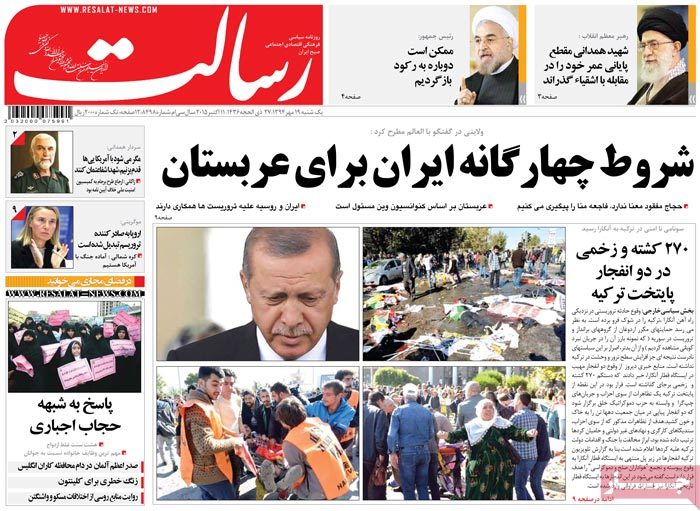
Resalat: “We are likely to slip back into recession,” said President Rouhani.

Resalat: Europe has turned into an exporter of terrorism, said Federica Mogherini, the EU foreign policy chief.


A look at Iranian newspaper front pages on Oct. 11


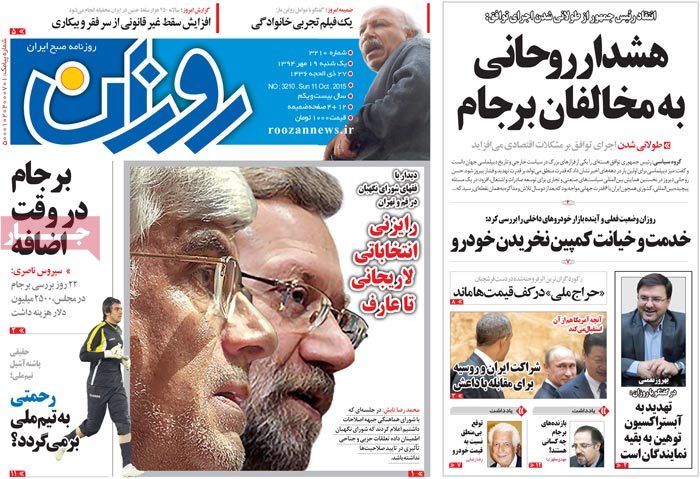
Roozan: An obstruction threat [by some deputies] is an affront to fellow MPs, said Behrouz Nemati, an MP.


A look at Iranian newspaper front pages on Oct. 11


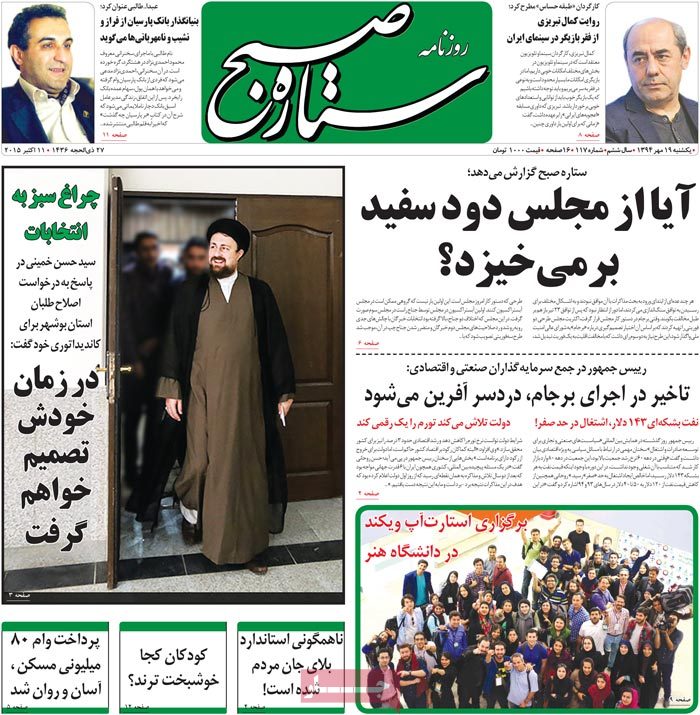
Setareh Sobh: Green light for elections

“I will decide [on running for the Assembly of Experts election] in due time,” said Seyyed Hassan Khomeini in response to calls by reformists in Bushehr Province for him to run.


A look at Iranian newspaper front pages on Oct. 11


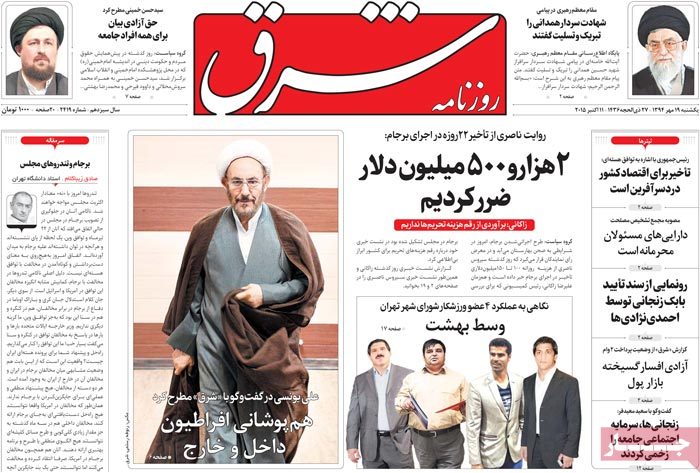
Sharq: Iran has suffered $2.5 billion in losses for a 22-day delay in the implementation of the Joint Comprehensive Plan of Action, said Sirous Nasseri, a former nuclear negotiator.


A look at Iranian newspaper front pages on Oct. 11


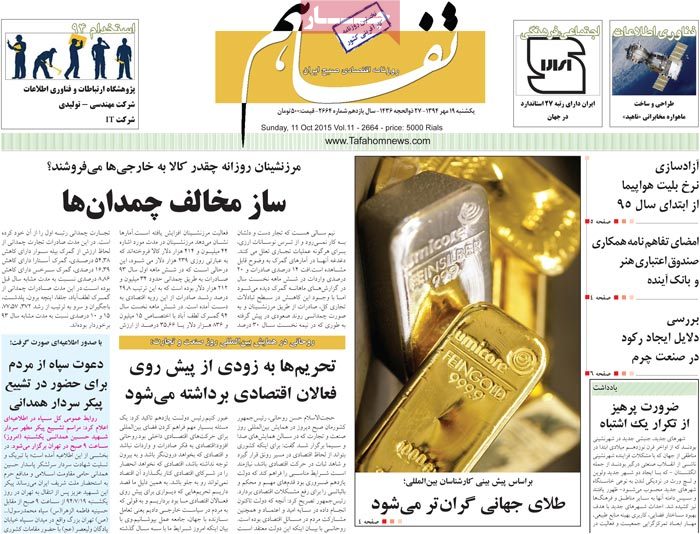
Tafahom: Sanctions facing economic players will soon be removed, said President Rouhani in a gathering on industry and trade.


A look at Iranian newspaper front pages on Oct. 11


Highlights of Ettela’at newspaper on October 11

Ettelaat

 “Production has the full support of the government,” said President Rouhani at an international gathering on industrial and trade policies to promote exports and employment.

He further said his government has crafted a comprehensive plan to prop up the economy and promote employment as well as non-oil exports.   

 A ceremony has been held at the House of Artists to praise the services of Noushafarin Ansari, a renowned librarian and educator.

 The Supreme Leader has released a message of condolences following the martyrdom of Brigadier General Hossein Hamedani in Syria.

This veteran fighter spent his “pious youth on the battlefields of honor and glory, defending the Islamic homeland and the Islamic establishment” part of the message read.

 The Russian military staged 60 simultaneous airstrikes against Syria, killing 200 terrorists.

Russian fighter jets demolished a command center of terror leaders in Idlib.

 A terrorist attack in Ankara, Turkey has left 86 dead and 180 others injured. [The toll has now risen to at least 95.]

The Turkish prime minister has ordered a massive investigation into the deadly blasts.

 Fatemeh Daneshvar, the chairwoman of the Social Committee of Tehran City Council, has said that formation of a national institute to support children is necessary.

She further said unfortunately there are no legal provisions to cover the costs of children with incompetent guardians.    

 The head of Hormozgan provincial justice department has said that indictments have been issued against individuals who have reclaimed coastal areas in the southern province.

 [As part of a phased project]Internet TV is to be launched in eight provinces.


Ayatollah Rafsanjani: Iran-Saudi ties are repairable

Ayatollah Hashemi Rafsanjani

Chairman of the Expediency Council Ayatollah Akbar Hashemi Rafsanjani has said that Iran and Saudi Arabia can mend fences if the two sides want to do so.

Ettela’at newspaper on October 11 published the remarks of Ayatollah Rafsanjani in a meeting in late September with the managing editor, editor-in-chief and a host of reporters of Shafaqna (the International Shia News Association). The following is the translation of part of Ayatollah Rafsanjani’s responses to a range of questions in the meeting, including the crises in the Middle East and the world of Islam:

Iran and Saudi Arabia

Ties between Iran and Saudi Arabia can be repaired. This can be done if we [the two sides] want to do so. It can’t be done unilaterally. For instance, if we voice readiness and they do not accept that on political or regional grounds or thanks to the conditions on the ground, or [they step forward but] we do not want to, improvement of ties will not become a reality.

But I think it is quite realizable. I should say that if we act properly, we can easily settle our issues with the Arabs. They too need to take appropriate measures. If a wise and moderate individual like King Abdullah had been in power, he would have settled the differences.

I was earlier a guest of Mr. Salman in a meeting in Riyadh. Back then I found him a sensible man. I think his inner circle is acting incorrectly and goes to extremes.

Balkanization of the Middle East

Disintegration is what foreigners are seeking [in the region]. They do not want to see a powerful country in this region. There are some who favor the breakup of Iran, Iraq and Syria into smaller countries at odds with each other.

Disintegration is not a simple process. Following the disintegration, whether the Shiites and Sunnis want to leave or remain in that country will become [yet another] bone of contention. These two cases will pose a threat [to people in the disintegrated countries].

Those who think disintegration will help the dust settle are in the wrong. Disintegration will backfire, because it will fuel tension and confrontation among different sections [of a splintered country]. What they [the foreigners] are after here in this region is to make the region lose power.

But this is not what we [Iranians] are calling for. We think people [of different ideologies] had better get along with each other. What is the use of being in conflict?

Can parliamentary obstruction by Stability Front delay JCPOA implementation?

parliament

Opposition by the so-called Worrier MPs to the Iran nuclear deal or the Joint Comprehensive Plan of Action (JCPOA), which is the eleventh government’s marquee achievement, has entered a new phase.

Khabaronline.ir on October 8 published an analytical report on what the [Islamic Revolution] Stability Front is seeking to do in dealing with the Iran nuclear deal in parliament and on whether its obstructionism can put on hold the implementation of JCPOA. The following is the translation of the report:

From the beginning of the two-year nuclear marathon in the eleventh government, hardline MPs have spared no effort to throw obstacles in the way of clinching an agreement [with P5+1]. They are expected to reveal their ace in the hole on Sunday (October 11) [in opposition to the nuclear deal].

The Worriers have opposed the deal in different ways: throwing shoes at the country’s diplomacy team when people welcomed home their negotiators at the airport; sending Zarif in a wheelchair to nuclear talks in Geneva; holding chain gatherings against nuclear talks; and now releasing a one-sided report on JCPOA which is in line with the views of Saeed Jalili [the chief nuclear negotiator during Ahmadinejad’s presidency] and voting ‘no’ – despite the previous agreements – to a motion which is to help the government implement JCPOA.

By taking all these measures, they have no more than one objective: throwing a wrench into the works of government in implementing JCPOA and undermining the favorability of the [Rouhani] administration. But, the weapons they used failed to work and the Joint Comprehensive Plan of Action entered its final stage.

The Islamic Consultative Assembly is expected to put to the vote the Iranian Government’s Reciprocal and Proportional Action Bill which is tagged with single urgency. [If approved] The bill authorizes the government to voluntarily implement JCPOA in keeping with the decisions of the Supreme National Security Council.

Reports coming from parliament indicate that the Stability Front is seeking to obstruct Sunday’s in-house vote (to stop the chamber from making a quorum) to re-delay the decision which is to be made on the fate of JCPOA.

The bill on JCPOA implementation – an initiative by the parliament speaker – was pieced together jointly by two parliamentary caucuses: the Followers of the Leader [Rahrovan-e Velayat] (the majority) and Principlists (the minority). The bill’s double urgency was put to the vote in parliament on October 4 after the JCPOA Review Committee read out its report on the Iran nuclear deal.

The Principlist Caucus went back on its words and did not vote for the bill’s double-urgency status; so the bill was passed carrying a single-urgency status. The bill was then sent to the National Security and Foreign Policy Committee which will later submit it for debate on the floor.

Now that the Stability Front has learned that the majority of MPs will vote for the bill, it is trying to stop the chamber from making a quorum so that the passage of the bill can be held up as long as possible.

Can the Stability Front resort to obstruction?

Obstruction is in fact a pre-coordinated move in which a number of MPs leave the chamber to prevent it from proceeding with the legislative processes and debating and voting on the motions and bills it has on its agenda.

According to Article 98 of the Islamic Consultative Assembly’s in-house directive, at least two-thirds of MPs should be present if the chamber wants to hold a session and vote [on legislation]. The ninth government has 290 seats. This means members of the Stability Front need to make more than 97 MPs walk out of parliament if they seek to use obstruction as a tool.

As the list of MPs from the Stability Front shows, the number of deputies who have made it to parliament on a Stability Front ticket or a joint ticket of the United Front [of Principlists] and the Stability Front, does not exceed 60, at best.

As Hossein Ali Haji Daligani, an MP from Shahin Shahr and a member of the Principlists Caucus, has put it, the number of his fellow caucus members is 80 in total, the MPs from the Stability Front included. The latest attempts by the anti-government MPs led by the Stability Front to pick sides on the floor did not achieve the desired result in the impeachment hearing of Minister of Roads and Urban Development Abbas Akhundi.

The MPs behind the impeachment motion could not collect more than 13 signatures to grill the minister; Akhundi obtained 175 votes in favor to survive a vote of no-confidence and remained in his post. As First Deputy Speaker Mohammad Reza Bahonar had accurately predicted Akhundi garnered 26 votes more than his first confirmation hearing [when President Rouhani introduced him as minister to parliament].

The roads minister’s survival amounted to a significant defeat for the anti-government hardliners in parliament. On the impeachment day the number of votes in favor of the impeachment stood at 72. This means that MPs from the Stability Front had even failed to rally all members of a parliamentary caucus they belong to around the impeachment motion, let alone winning the support of an additional 17 deputies and denying parliament the quorum it needs to impeach the minister.

Stability Front and a series of abortive obstructions

This is not the first time the Stability Front MPs threaten to use obstruction. Earlier (in March 2012), the Stability Front had threatened to obstruct during [former president] Ahmadinejad’s first questioning, but their threat did not become a reality back then.

But they made good on their threat nine months later when parliament’s Presiding Board announced the receipt of a second motion to question Ahmadinejad (on Sunday, November 4, 2012). In that session, two MPs from the Stability Front threatened the Presiding Board that they would walk out in protest. As a result of this threat, 21 MPs left the parliament.

What the deputies supporting Ahmadinejad and parliament’s minority caucus did – something Speaker Ali Larijani rejected as illegal – produced no fruit, because the chamber still maintained quorum and proceeded with the questioning.

It seems that the Stability Front’s two previous experiences [in obstruction] are repeating themselves. It is still unclear whether they have simply threatened to obstruct or they will carry out their threat. What is certain is the fact that their chances to drum up the support of over 97 MPs – to prevent parliament from maintaining quorum – are slim.