Tuesday, December 23, 2025
Home Blog Page 4719

Negotiator: Iran, P5+1 discuss preliminary steps to implement JCPOA

Araghchi

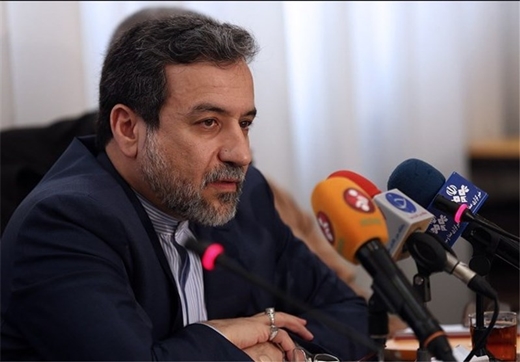
The Iranian deputy foreign minister said that foreign ministers of Iran and P5+1 in their meeting in New York have reviewed preliminary steps to implement the Joint Comprehensive Plan of Action (JCPOA).

Abbas Araghchi, who is also a senior Iranian nuclear negotiator, said on Tuesday that the brief review covered both sanctions and nuclear issues.

The two sides underlined the necessity for removing any possible obstacles standing in the way, he said.

“’The seven foreign ministers and Ms. Mogherini in that session expressed satisfaction with the proper developments regarding JCPOA on both sides of the deal during the past two months and expressed the hope that after completion of the Iranian parliament’s review of the text, the process of implementation would be accelerated,” Araghchi noted.

Araghchi also said that the process of implementing the Iran-IAEA Road-map and IAEA Chief Yukiya Amano’s positive evaluation of that process, too, was discussed in the New York session, and the need to continue that process until the resolution of all ambiguities about past and present issues was emphasized.

The Monday meeting was the first official gathering of the ministers after finalization of the landmark nuclear deal in Vienna back in July.

The session was part of efforts to pursue the implementation of the July 14 nuclear agreement, reached after some two years of diplomatic talks.

The European Union Foreign Policy Chief, Mogherini, had already expressed satisfaction with international support for JCPOA.

Iran to lodge complaint against Saudi Arabia for deaths of pilgrims

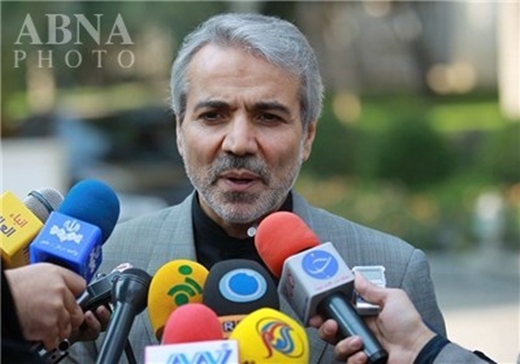
Nobakht

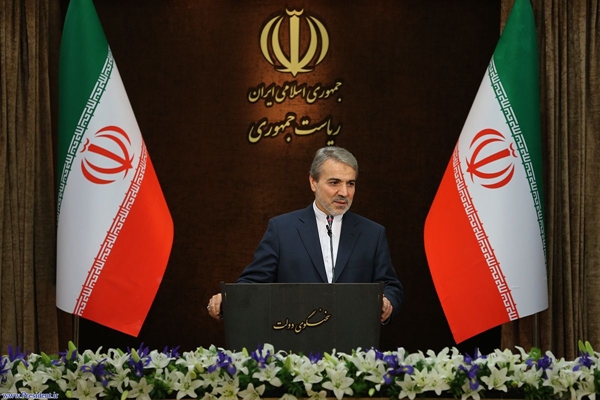
Government Spokesman Mohammad Bagher Nobakht said on Tuesday that Tehran is going to file a complaint against Saudi Arabia for the shortcomings that led to a tragic crush of pilgrims during the annual Hajj rituals and deaths of Iranians.

Speaking to reporters in a weekly press conference, Nobakht said that Iran will lodge a complaint against Saudi Arabia and follow up with legal actions.

Tehran also pursues mechanisms in the international arena to pursue the case, the vice president added.

He made it clear that Iran will spare no efforts to defend the rights of the Iranian pilgrims, the missing ones and those injured in the disaster.

Asked about Riyadh’s possible decision to bury the dead in the Arab country, Nobakht underlined that the Saudis cannot do that without the official procedures or permission from the victims’ families, stressing that Iran has not granted permission to Saudi Arabia to do that.

So far, at least 239 Iranian pilgrims have been confirmed dead in the incident. Some 240 other Iranians are still unaccounted for.

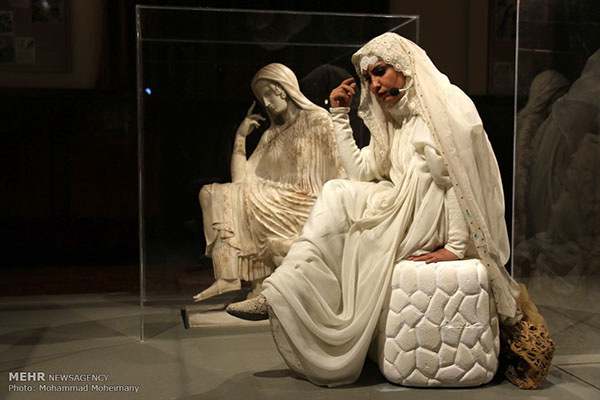
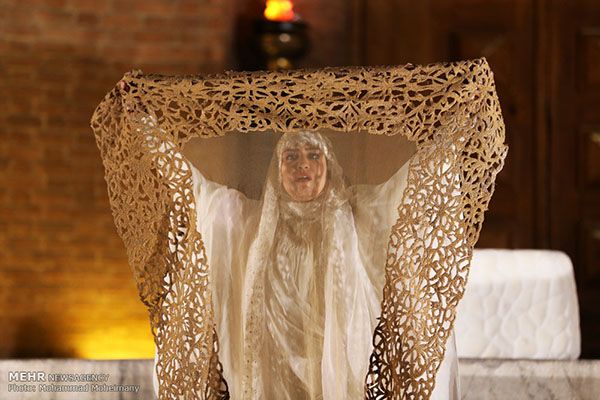
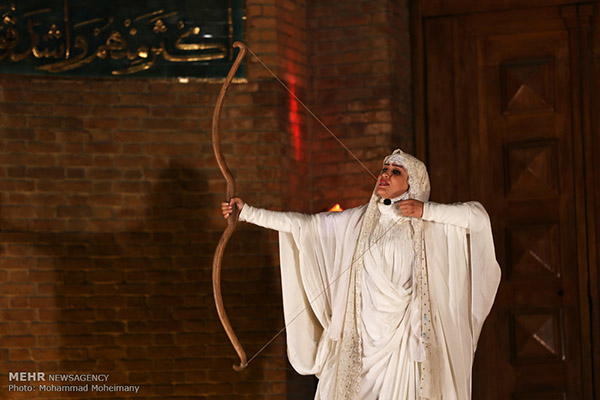
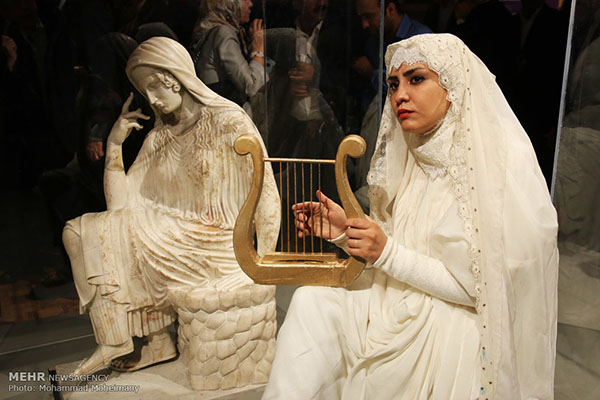
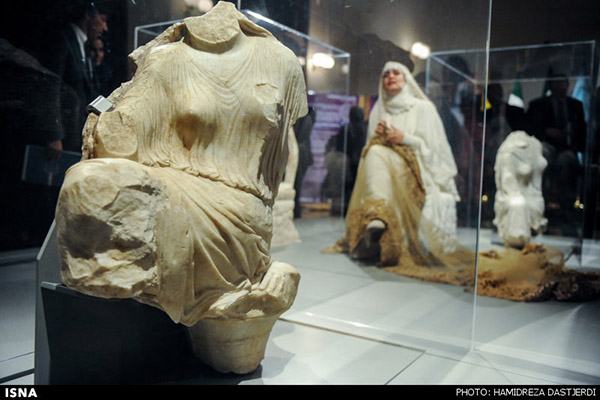
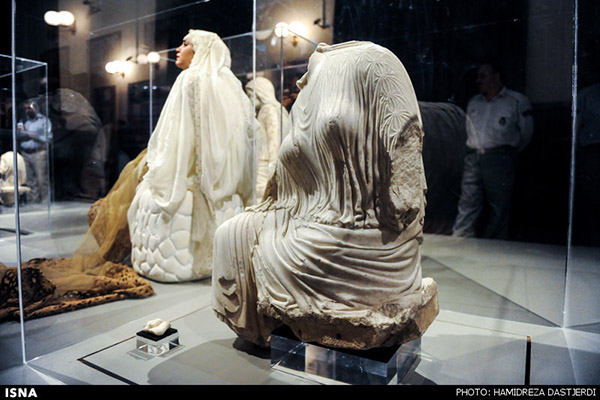
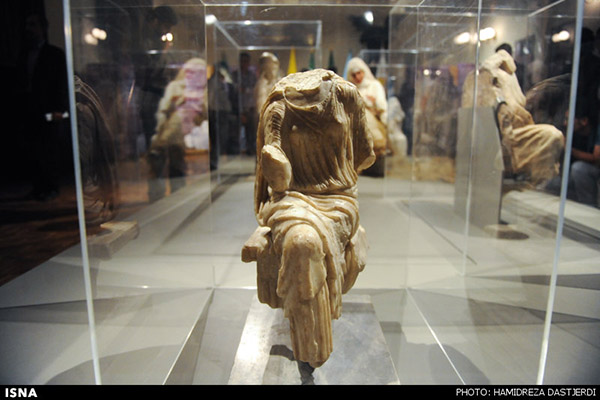
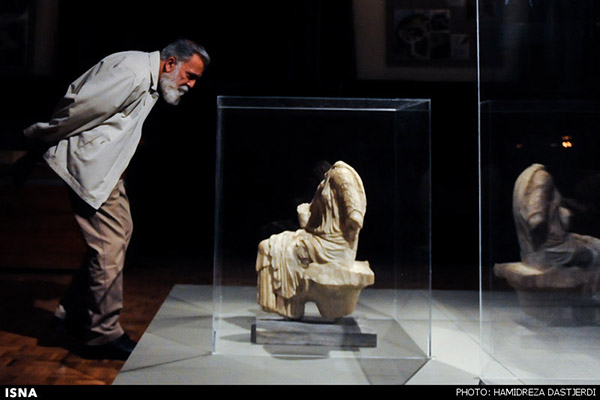
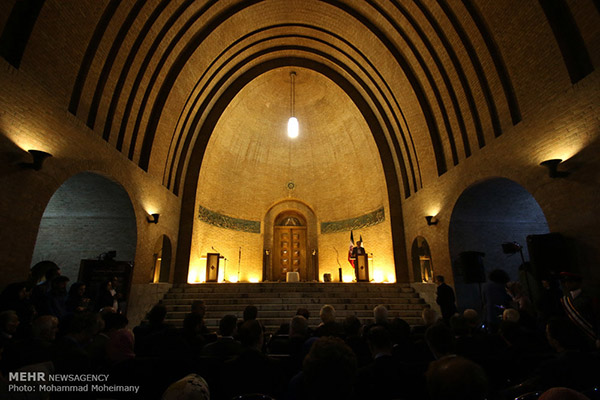
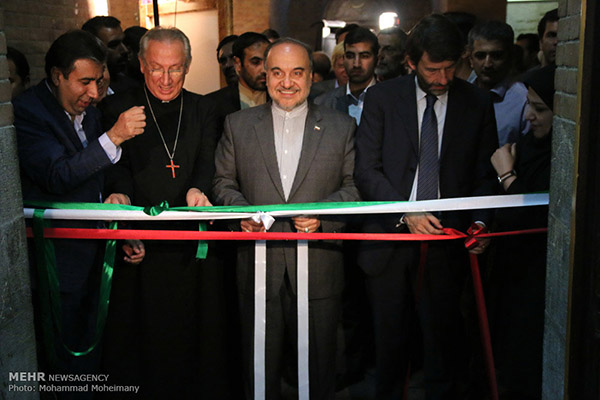
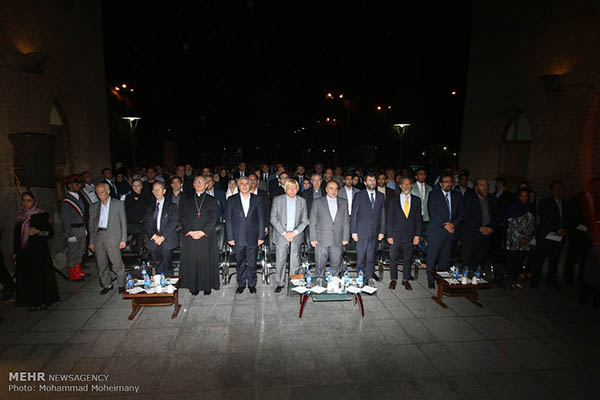
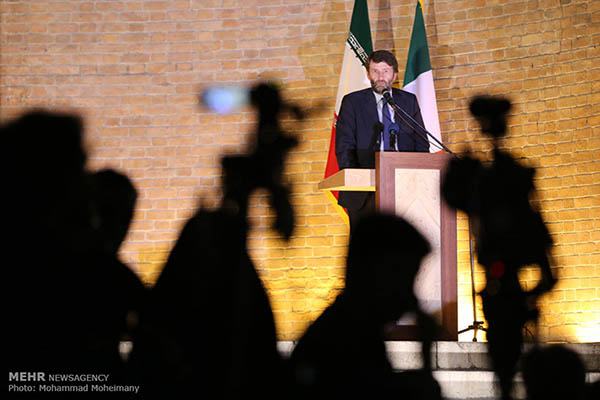
Statue of peace, a journey from Persepolis to Rome and back (PHOTOS)

00

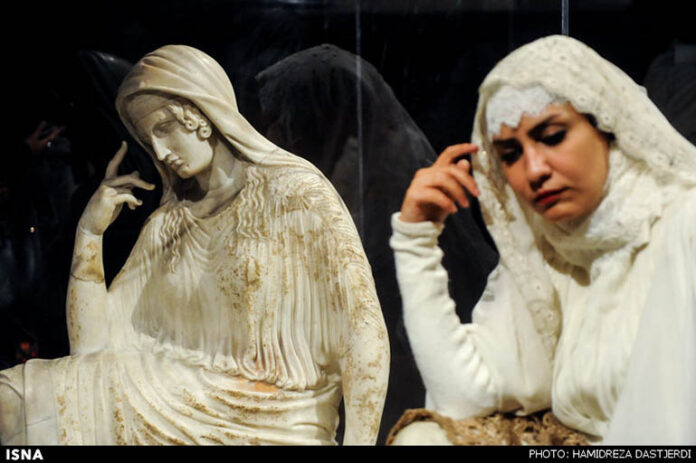
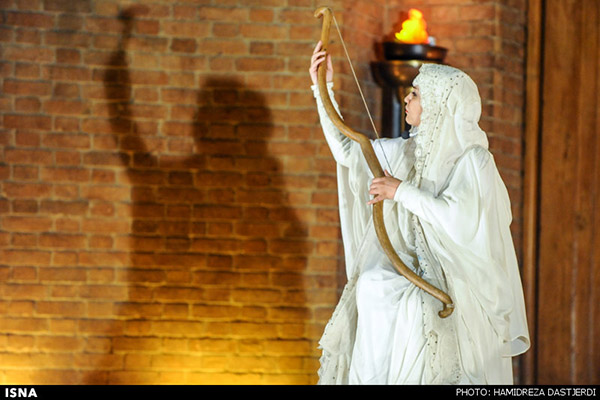
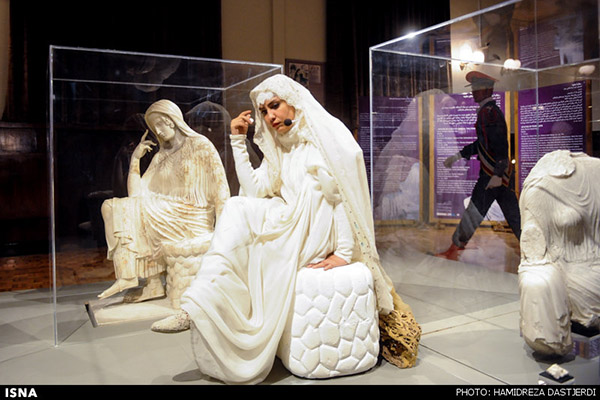
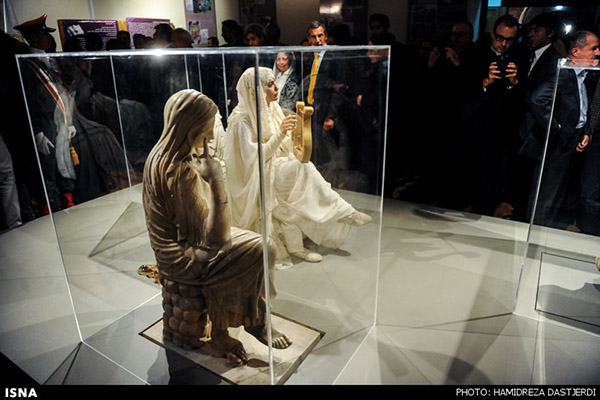
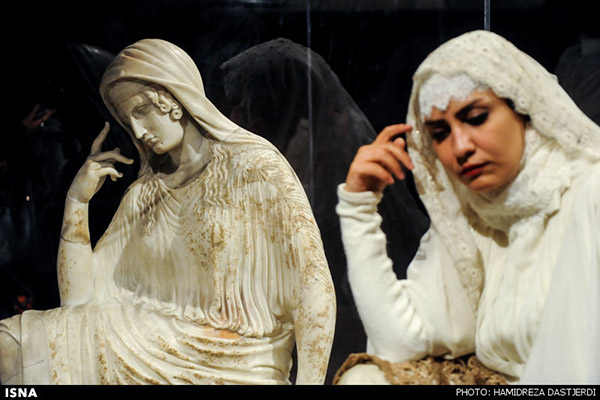
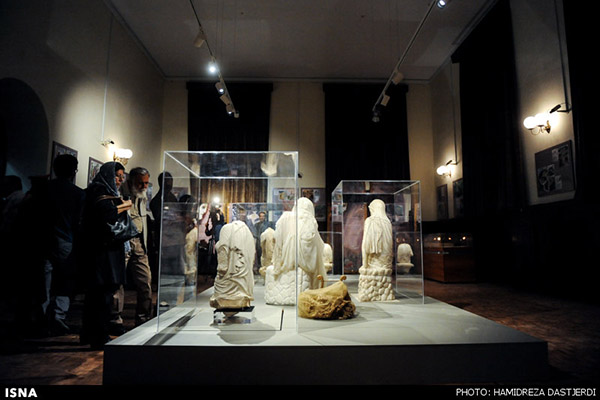
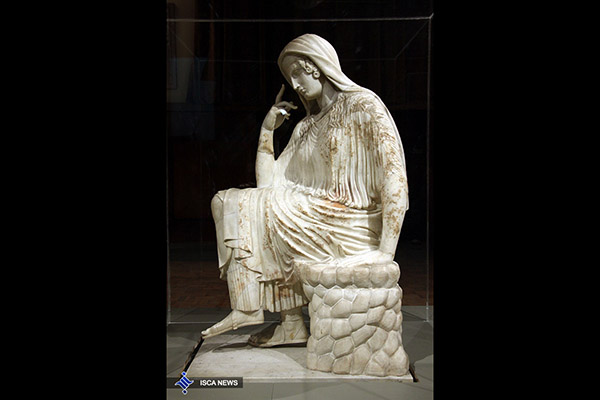
The Statue of Penelope, unearthed in Persepolis, was taken to Italy a while ago to reunite with its three Roman counterparts and be put on display at an exhibition.

Italy had promised to return to Iran all four statues for public display between September and March 2016.

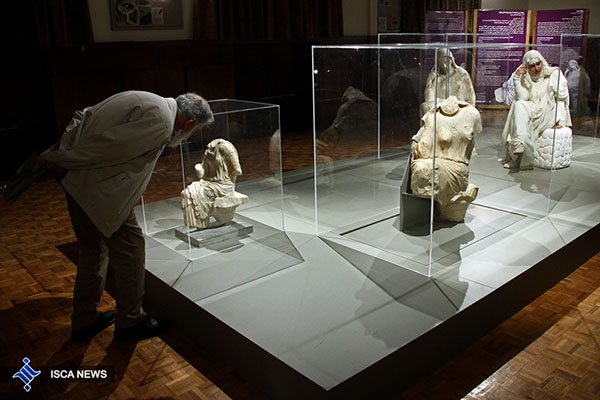
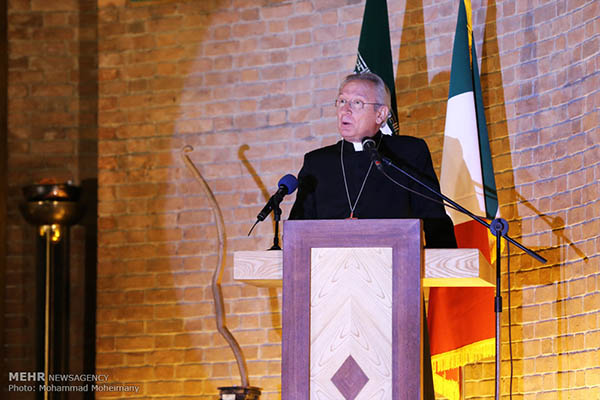
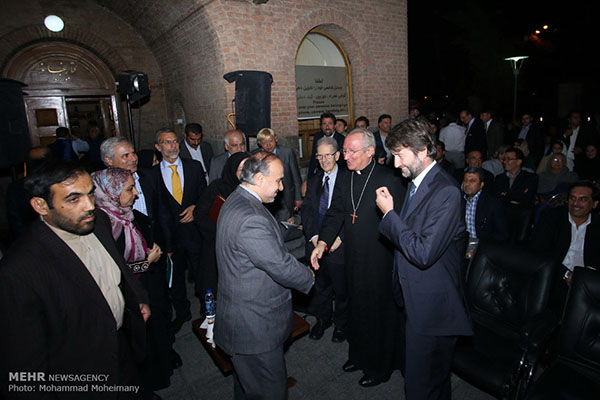
The four statues were eventually unveiled at a ceremony at the Iranian National Museum Monday attended by Director of the Cultural Heritage, Handicrafts and Tourism Organization Masoud Soltanifar and the Italian culture minister.

The marble Statue of Penelope – torso of a woman – was excavated in Persepolis in 1940. Archeologists believe it is a gift of peace offered by the Greeks to Persia in 450 B.C.

Penelope is a character of Homer’s Odyssey, one of the two great epic poems of ancient Greek literature. Penelope is the wife of the main character, the king of Ithaca, Odysseus, also known as Ulysses, who was a brave warrior (480-500 B.C). Since she waited long for the return of her husband from the Trojan War, she is also known as sorrowful Penelope.

After its excavation in Persepolis, it was kept in the Iranian National Museum. The statue was taken to different countries for public display during the Exhibition of 7,000 years of Iranian Art in 2003.

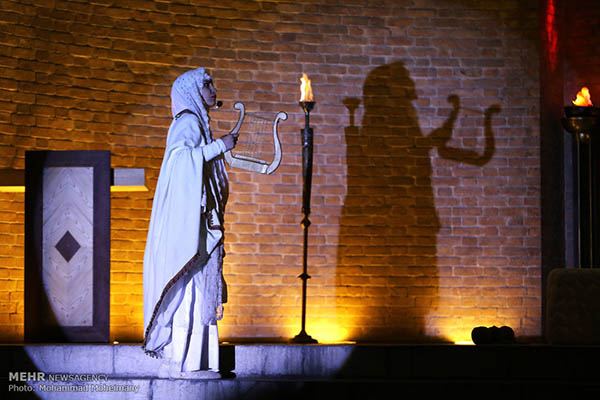
Images of the unveiling ceremony released online by Mehr and ISNA news agencies:


Gov’t preparations for JCPOA implementation not against law: Spokesman

Nobakht

With a special parliamentary committee still reviewing the Joint Comprehensive Plan of Action (JCPOA) and the final decision not yet made to be presented on parliament floor, Iran has started honoring the commitments envisioned in the agreement it signed with six world powers on July 14.

A few days ago, Kayhan, a conservative daily, reacted to what it called implementation of the Vienna nuclear deal before parliament’s JCPOA Review Committee gave it the go-ahead, and signaled the dissatisfaction of the opponents of the accord by publishing “Unlawful Overtaking of the Government in the Implementation of JCPOA” as a banner headline.

The article wondered whether the Rouhani government violated the national law when it accepted to meet international commitments envisioned in JCPOA before it was approved in parliament.

Government Spokesman Mohammad Bagher Nobakht has now weighed in on the matter. The following is the translation of what Khabaronline quoted the spokesman as saying in an interview:

In response to a question as to whether JCPOA has been approved by the Supreme National Security Council and whether the government has started the implementation of the deal based on the council’s decision, Nobakht said, “The Supreme National Security Council has been tasked with reviewing JCPOA. That is what the council is doing now. Parliament has said it approves of the essence of the talks and has simply got involved in the review process to help the government. Parliament has ratified legislation which puts the Supreme National Security Council in charge.”

Nobakht went on to say, “Based on that, Secretary of the Supreme National Security Council Ali Shamkhani said ‘We have started the implementation of JCPOA and we won’t renege on it.’ Now, the stage is set for the implementation. Thus, government efforts to facilitate it do not run counter to law of the land. The government is in fact moving in the direction of compliance with the laws.”

The spokesman added, “We don’t want to squander time. Sanctions need to be swiftly lifted and that shouldn’t be delayed. Government efforts to pave the way for the implementation of the deal and have the sanctions removed even one day sooner are a duty approved of by the Supreme Leader.”

He concluded, “Parliament fulfills its own duties and government measures won’t disrupt the parliamentary process [of reviewing the deal]. The government believes it has done nothing against the law.”

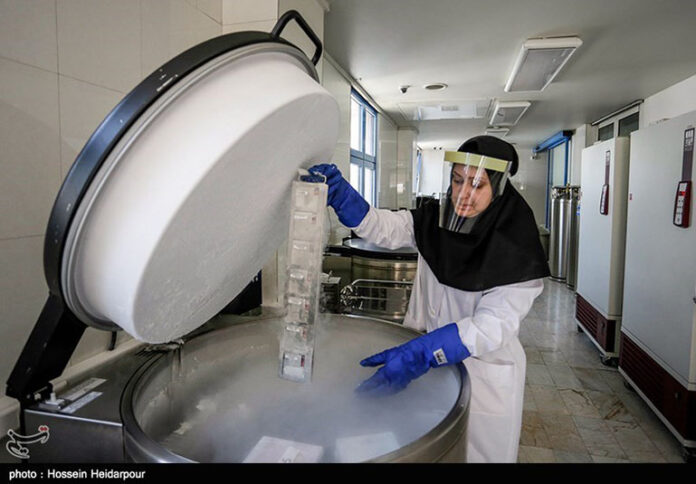
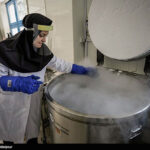
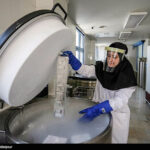
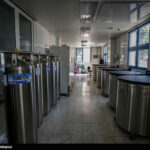
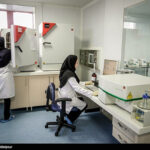
Umbilical Cord Blood Processing Bank (PHOTOS)

Umbilical Cord Blood0

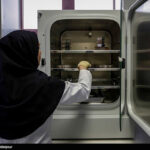
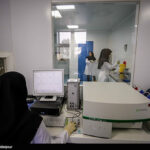
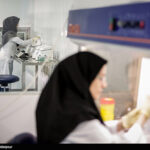
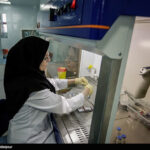
The Umbilical Cord Blood Processing Bank can save the lives of many because it preserves the umbilical cord blood of newborns in case its healthy blood cells are needed by the child or its immediate relatives if they develop certain diseases, including cancer, in the future.

The following images of the bank have been released by Tasnim News Agency:


World Craft City, an opportunity to boost tourism

Iran-Handicrafts

The head of Isfahan’s Cultural Heritage, Handicrafts and Tourism Association has said that registration of Isfahan as the World Craft City opens up a golden opportunity for Iran to develop its tourism industry.

Mehdi Narimani further said that such an opportunity opens a window for Iran through which we can make it to global markets. The following is the translation of what else Esfahan Emrooz quoted Narimani as saying:

Selection by the World Crafts Council AISBL (WCC-AISBL) of Isfahan as the World Craft City was a good decision. We hope the council’s solid support can help set the stage for Isfahan’s artists to make their presence felt on the world stage.

Contacts among people with a liking for beauty and art can pave the way for promotion of peace across the world. In fact, art is a common language [artists use] to talk and have contacts with people all over the world, irrespective of their religious beliefs and political leanings.

Isfahan’s Cultural Heritage, Handicrafts and Tourism Association, which is a non-governmental organization, voices its all-out support for artists making handicrafts, and is at the ready to be part of efforts to hold national and international handicrafts festivals.

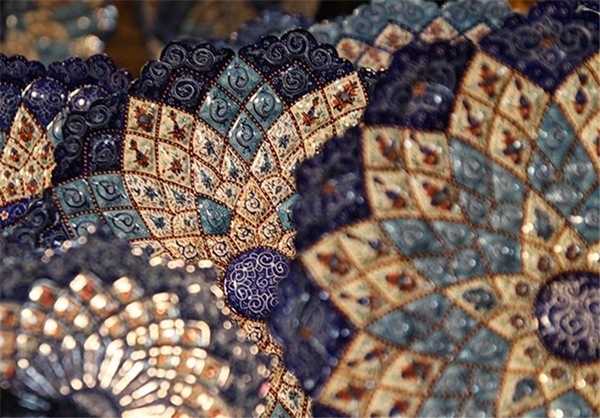
The beauty and great delicacy of Isfahan’s handicrafts, which are a manifestation of this land’s culture and civilization – have always surprised [foreign] tourists. Now an opportunity has opened up [for us] to present this art to the whole world.

Mina tragedy; Iran needs to err on the side of caution

Hajj

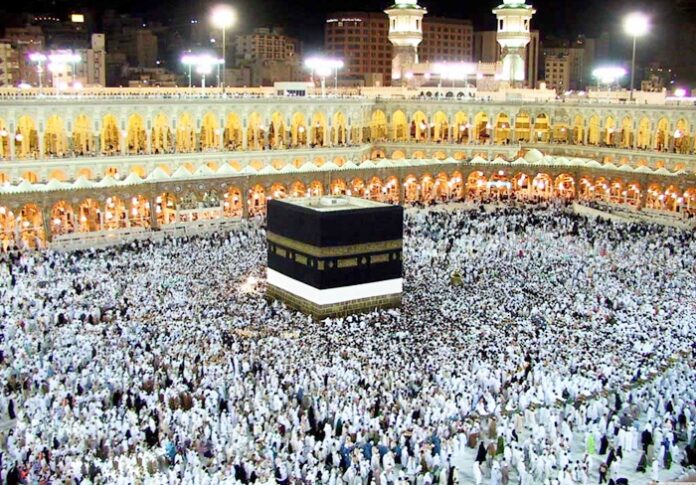
Hajj, the largest human congregation in the world, has always been the focus of attention with the world watching the giant movement of Muslims in the great Land of Revelation.

Regrettably, this year’s Hajj was overshadowed by the loss of the lives of a large number of pilgrims who were observing part of the annual rituals in Mina on the Feast of Sacrifice. What happened in Mina left a bad taste in the mouths of all Muslims and a majority of the followers of other divine faiths.

This was the opening of an opinion piece by Morteza Rahimi, a former Iranian ambassador to Oman, Iran Newspaper published on September 26 on the Mina tragedy and the need for Iran to react vigilantly. The following is the translation of the rest of the piece:

Naturally, the Saudi government – as the host of Hajj – should have made elaborate preparations for the massive ceremony, but reports [coming from Saudi Arabia] suggest that the lack of prudence on the part of security forces and organizers of Hajj created a catastrophic incident. There are some points worth pondering here:

1. As the first step, the Saudi government should assume responsibility for the incident unless it can prove that there were factors beyond its control that marred this great congregation of Muslims. If Riyadh fails to present evidence on the role of culprits outside the realm of its control, as the host nation it has to accept legal and ethical liability for the incident, identify and bring to justice those who have played a role in the deadly stampede.

Evidently, this is the very first responsibility of the Saudi government in dealing with the world’s public opinion, Muslims and non-Muslims alike, which has been lacerated by the incident. The very first stances Saudi officials took following the deadly happening show that Riyadh lacks serious determination in this regard.

On some occasions, Saudi officials have used indecent and irresponsible language and helped spark off anger among critics instead of expressing sympathy [with the stricken nations] and trying to handle the barrage of rational criticism [over their management of the Hajj rituals].

2. The painful tragedy in Mina, like other incidents, needed proper post-incident management in order to reduce the number of casualties, but the Saudis proved the reverse. Reports indicate that the Saudi performance has been weak and well below global standards. This, in turn, has widened the scope and depth of criticisms directed at official Riyadh.

Following the crisis, Saudi Arabia could have taken appropriate measures to boost relief operations and [Muslim] solidarity: it could have asked for the participation of the Hajj offices of different Islamic countries, especially that of the Islamic Republic of Iran which is based in Saudi Arabia, [in the rescue and relief operations].

Evidence shows that the Saudis did not invite the Hajj offices of countries – which were bereaved and bereft – to help in the operations, but instead they gave the representatives of other countries the cold shoulder and threw serious obstacles in the way of those offices which sought to voluntarily help with the relief operations. What they did left a negative impact on the pilgrims present there and their families in different Islamic countries.

3. The agonizing tragedy in Mina drew rapid reactions from most Muslim nations, including Turkey and Indonesia, as well as global institutions such as the United Nations and the European Union, and officials from Russia and China who expressed sympathy with [the families of] the victims.

These reactions, which are in step with the position the world’s public opinion has adopted and implicitly blame Saudi rulers [for this tragedy], are not to the benefit of Saudi Arabia as far as international relations go.

In Iran, the Supreme Leader, the president and other officials voiced sympathy with people’s hurt feelings and stressed the need for efforts to pursue the incident. They also said that officials in Riyadh should take the blame for the tragedy, answer for their negligence [in handling the religious rituals properly] and abide by the obligations of the host country.

In such an atmosphere, efforts to give the Iranian and non-Iranian pilgrims the rights they are due seem feasible, but occasional calls for radical measures against Saudi Arabia seem unjustifiable and indefensible.

At best, such measures are the result of sentimental reactions by some Iranians to the mismanagement and lack of prudence on the part of officials in Riyadh; in worst-case scenarios they are [part of a] suspicious move which can change the place of the plaintiff and defendant in the Mina incident.

This can also play into the hands of Saudi officials: they can inflate such a move simply to lift the heavy burden of the world’s public opinion, especially Muslims, off their shoulders and replace the core [the tragedy and the blame for it] with marginal issues [the reactions of other nations].

The bereaved Iranians are expected to continue with their efforts to logically criticize Saudi officials and take civil measures such as rallies after Friday prayers, but avoid any harsh and irrational decisions.

Iranians are expected to let the country’s officials work with fellow Muslim nations and pursue the case through official and conventional channels such as the Organization of the Islamic Cooperation (OIC), and – if needed – through global institutions like the United Nations.

If so, Iranian officials can desirably handle the case and reach a solution so that the sufferings and excruciating pain of Iranians can be partially eased.

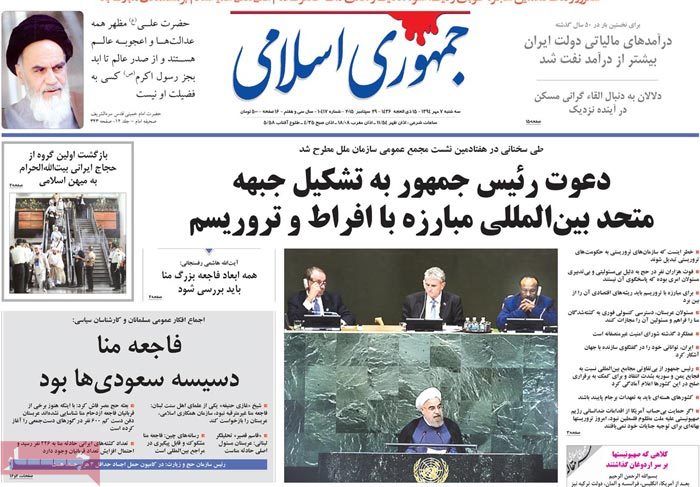
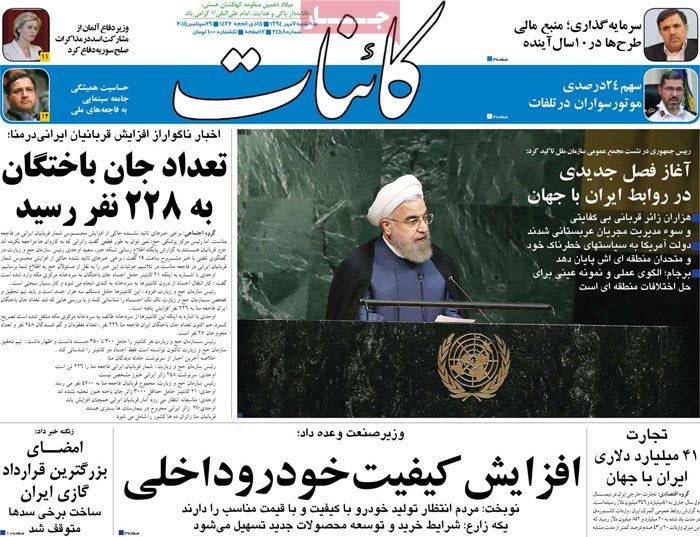
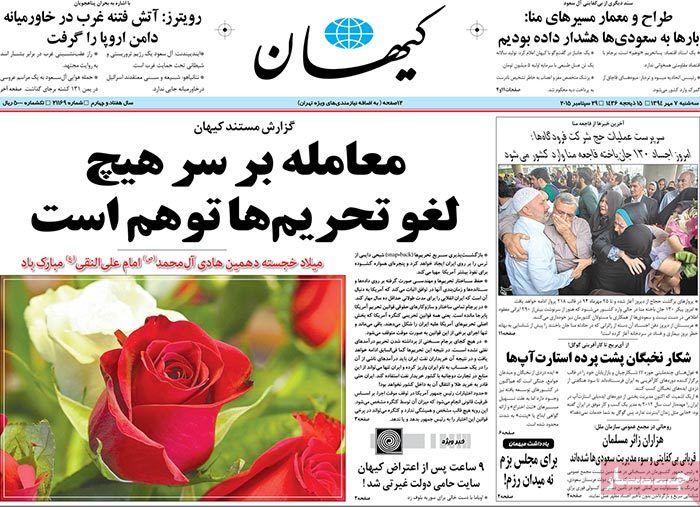
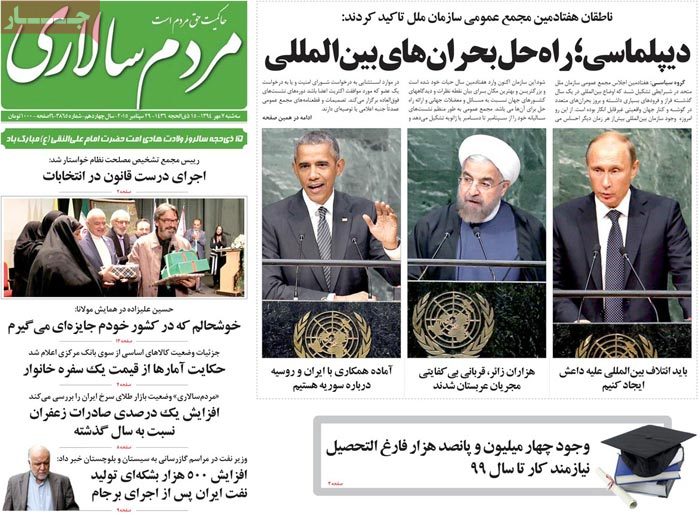
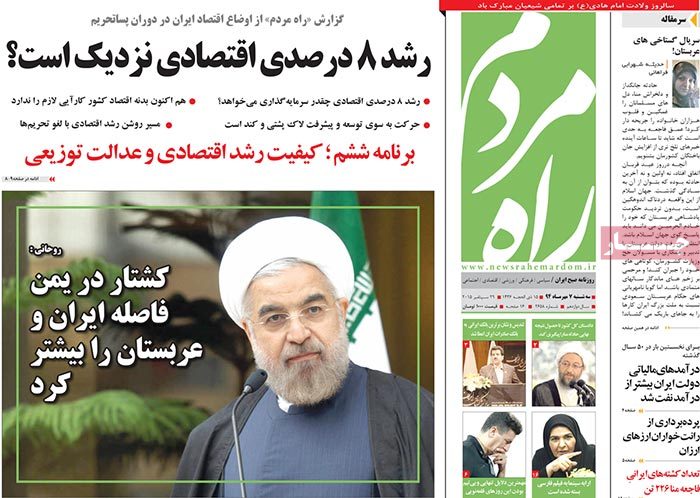
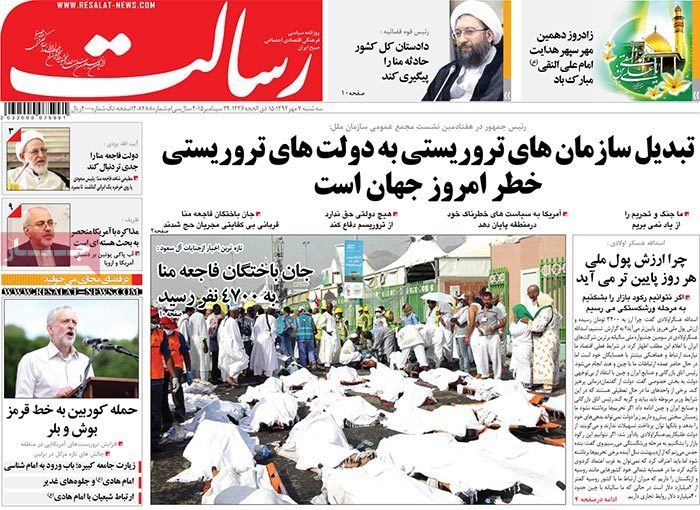
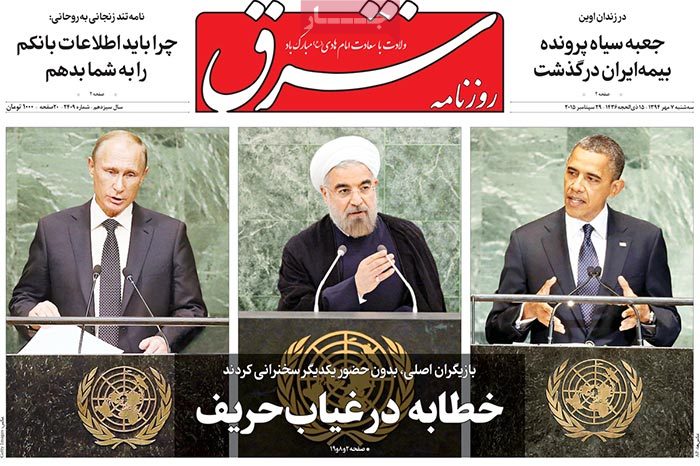
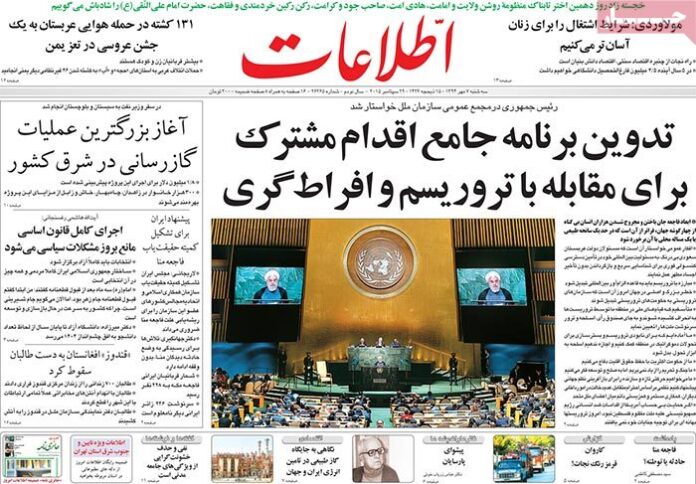
A look at Iranian newspaper front pages on September 29

Iranian Newspapers Headlines

The comments of President Rouhani at the UN General Assembly dominated the front pages of Iranian newspapers on Tuesday. Also on the cover of dailies was the fallout of the deadly tragedy in Mina, Saudi Arabia.


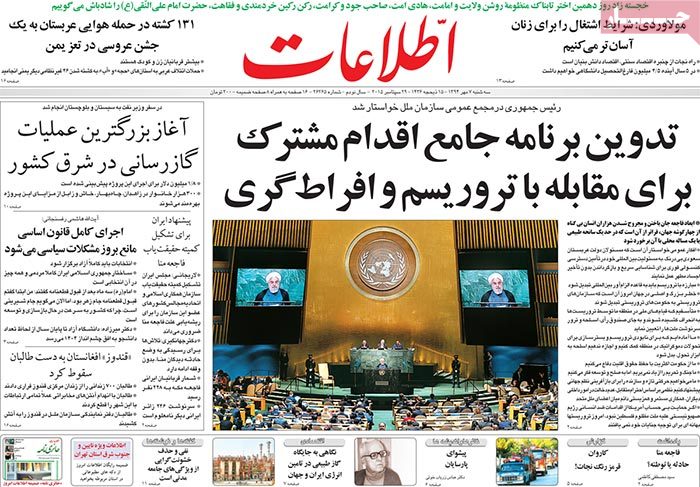
Ettela’at: In a speech at the UN General Assembly President Rouhani called for a Joint Comprehensive Plan of Action to take on terrorism and extremism.

The loss and injury of thousands of innocent people from the four corners of the world is too big a tragedy to be treated as a natural or local incident.


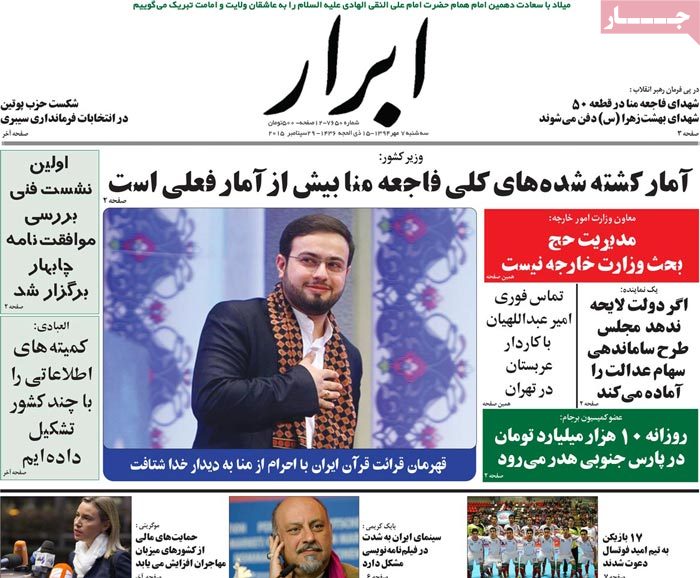
Abrar: The interior minister has said the overall number of people killed in the Mina tragedy is higher than the current figure.


A look at Iranian newspaper front pages on September 29


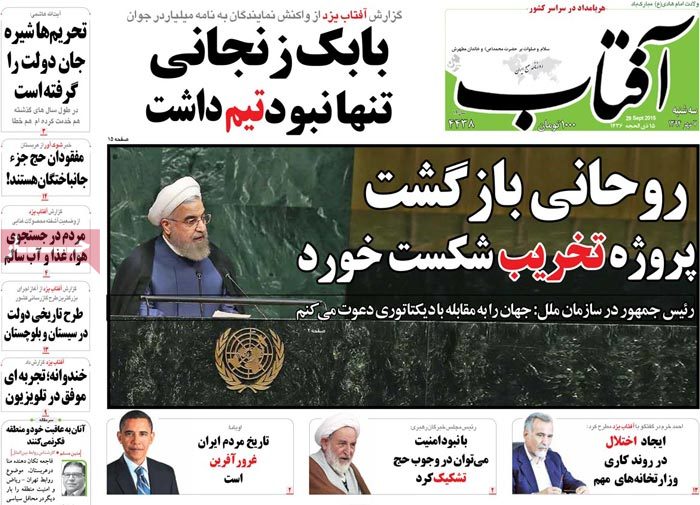
Aftab-e Yazd: “In the absence of security, one can doubt the imperativeness of Hajj,” said Ayatollah Mohammad Yazdi, the chairman of the Assembly of Experts.


A look at Iranian newspaper front pages on September 29


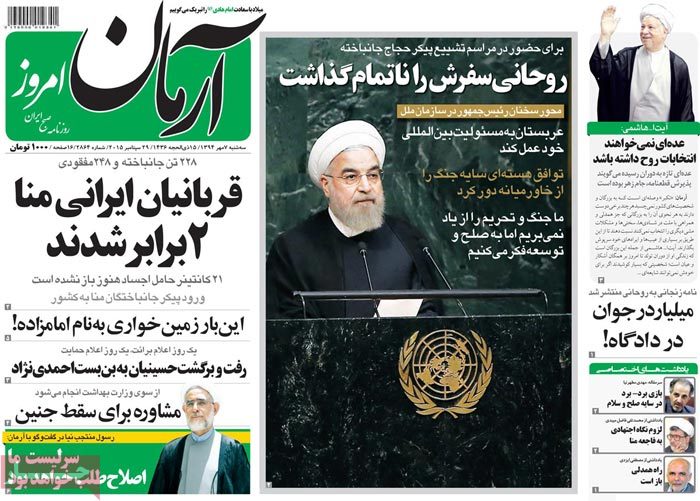
Arman-e Emrooz: President Rouhani has cut short his New York trip to return home and attend the funeral of Iranian pilgrims killed in last Thursday’s stampede in Mina, near Mecca.


A look at Iranian newspaper front pages on September 29


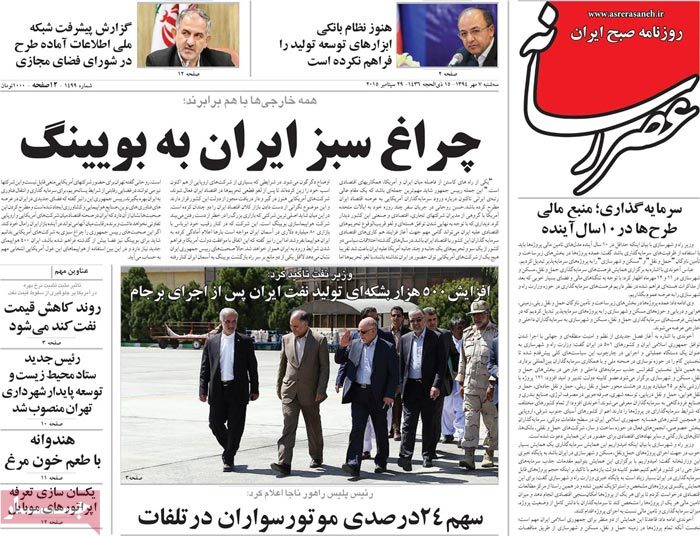
Asr-e Rasaneh: Iran’s oil output will rise by 500,000 barrels a day after the Joint Comprehensive Plan of Action is implemented, said the Iranian oil minister.


A look at Iranian newspaper front pages on September 29


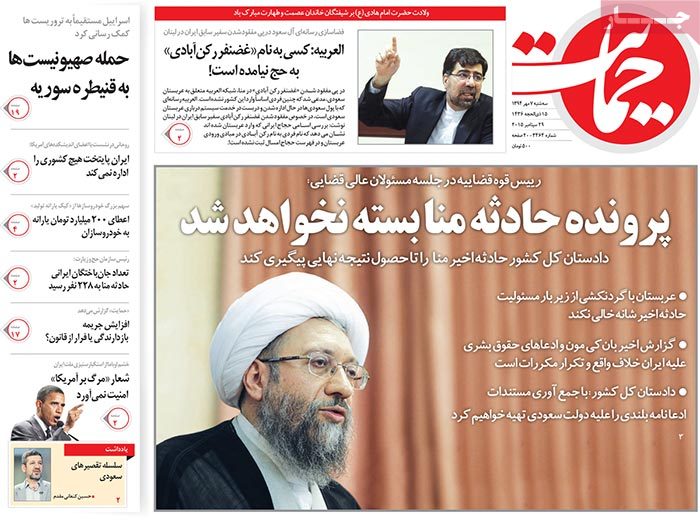
Hemayat: The judiciary chief has said the Mina case won’t be closed.
Ayatollah Sadegh Amoli Larijani called on the attorney general to follow up the case until it produces definitive results.


A look at Iranian newspaper front pages on September 29


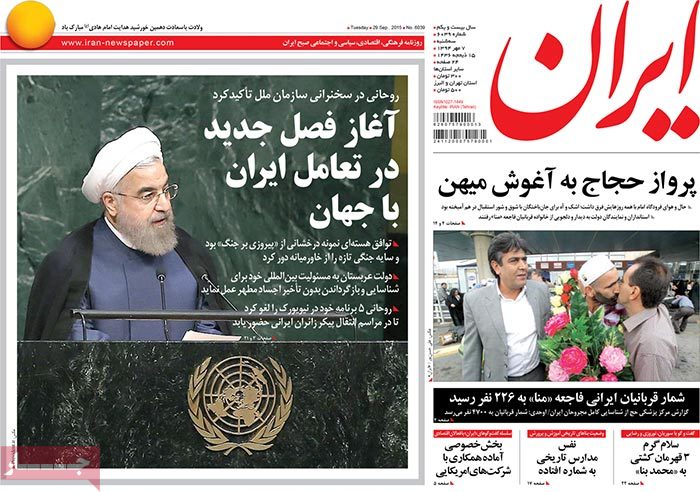
Iran: Iranian Hajj pilgrims have started to return home.

Iran: The Iranian private sector stands ready to cooperate with American firms.

Iran: The president has announced the opening of a new chapter in Iran’s interaction with the rest of the world in a speech at the UN General Assembly.


A look at Iranian newspaper front pages on September 29


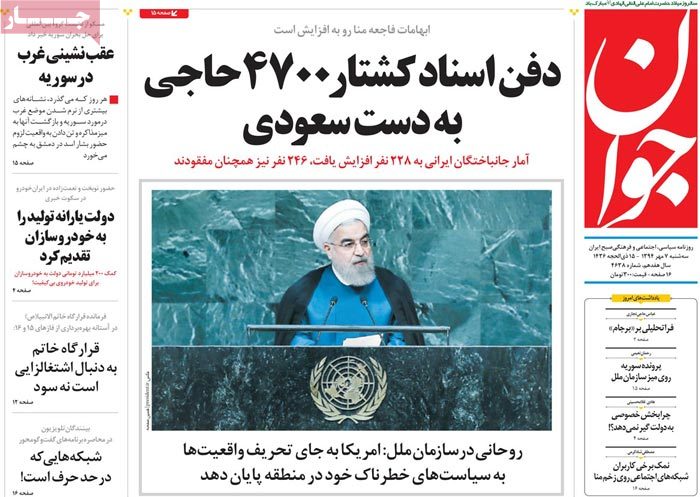
Javan: Instead of distorting the facts, the US should bring its dangerous policies in the region to an end, the president told the UN General Assembly.


A look at Iranian newspaper front pages on September 29


Jomhouri Islami: For the first time in five decades the tax revenues of the Iranian government have overtaken its oil income.


A look at Iranian newspaper front pages on September 29


Kaenat: Investment will be the primary mode of project finance in the next 10 years, said the minister of roads and urban development.


A look at Iranian newspaper front pages on September 29


Kayhan: A deal over nothing; termination of sanctions is nothing but an illusion, a Kayhan report.


A look at Iranian newspaper front pages on September 29


Mardomsalari: “I am happy to receive an award in my own country,” said Hossein Alizadeh [a leading classical composer who refused to accept France’s Chevalier of Legion of Honor in 2014].

Mardomsalari: Saffron exports have registered a one percent increase over last year.


A look at Iranian newspaper front pages on September 29


Rah-e Mardom: President Rouhani has said that the massacre in Yemen has widened the gap between Iran and Saudi Arabia.


A look at Iranian newspaper front pages on September 29


Resalat: The chairman of the Assembly of Experts has urged the Iranian government to pursue the case involving the Mina tragedy.


A look at Iranian newspaper front pages on September 29


Sharq: “Why should I give you information on my bank accounts?” Babak Zanjani [a young billionaire who stands accused of massive corruption] asked in a stern letter to President Rouhani.


A look at Iranian newspaper front pages on September 29


Highlights of Ettela’at newspaper on September 29

Ettelaat

 In a speech at the UN General Assembly President Rouhani called for a Joint Comprehensive Plan of Action to take on terrorism and extremism.

The loss and injury of thousands of innocent people from the four corners of the world is too big a tragedy to be treated as a natural or local incident.

 Shahindokht Molaverdi has vowed to make it easier for women to land jobs.

The vice-president for women’s affairs further said that over the next five years some 4.5 million students will have graduated from universities.

 A Saudi airstrike on a wedding ceremony in Taiz, Yemen has left 131 people, most of them women and children, dead.

 Ground has been broken on the largest gas supply project in eastern Iran.

The $1.8 million project will take natural gas to 300,000 households in Zahedan, Chabahar, Khash and Zabol.

“Compliance to the letter with the Constitution will prevent political problems,” said Ayatollah Akbar Hashemi Rafsanjani.

The chairman of the Expediency Council further said that elections should be free and fair and that the structure of the Islamic Republic of Iran is democratic.

 Iran has suggested a fact-finding committee be formed to look into the Mina tragedy.

It came as the number of Iranian pilgrims killed in the stampede rose to 228; another 246 are listed as missing.

 Kunduz has fallen to the Taliban who have torched the UN mission in the northern Afghan city.


Russian president calls for removal of West’s sanctions on Iran

President-Rouhani13

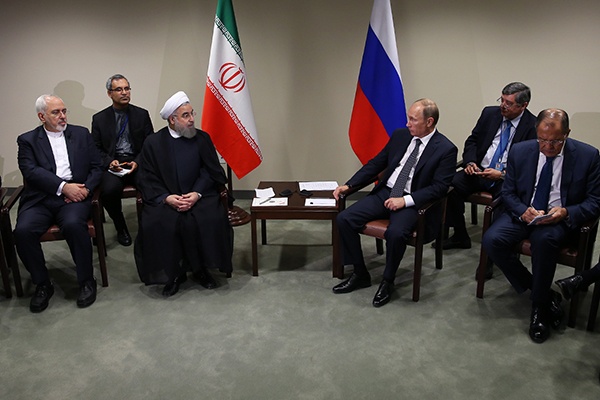
Russian President Vladimir Putin in a meeting with his Iranian counterpart Hassan Rouhani underlined his country’s resolve to have the oppressive sanctions imposed by the West against Iran removed.
“Moscow emphasizes Iran’s right to peaceful use of nuclear energy and removal of oppressive sanctions,” Putin said at the meeting on the sidelines of the UN General Assembly meeting in New York on Monday.
The Russian president expressed hope that he will travel to Tehran soon, and called for broadening of bilateral ties in economic, scientific and strategic areas.

President Putin described his Iranian counterpart’s role in striking a nuclear agreement between Tehran and world powers as superior and extended his condolences to President Rouhani on the deaths of Iranian pilgrims during Hajj in Mina, Mecca.

The Russian president called for mutual cooperation between Moscow and Tehran on the fight against terrorism and restoration of regional and international security at a high level.