Thursday, December 25, 2025
Home Blog Page 4715

Leader condoles with Kuwait over top Shiite cleric decease

Leader Iran

Supreme Leader of the Islamic Revolution Ayatollah Seyyed Ali Khamenei has extended condolences to the people and government of Kuwait over the demise of prominent Shiite Muslim cleric Ayatollah Seyyed Muhammad Baqir al-Musawi al-Muhri.

In a message addressed to Secretary General of the National Islamic Alliance Sheikh Hussain al-Ma’touq on Thursday, Ayatollah Khamenei pointed to Muhri’s constant endeavors to promote Islamic teachings and offered Iran’s deepest sympathy to the late cleric’s bereaved family, his adherents as well as the Kuwaiti nation.

The Leader also prayed for the departed soul to rest in peace.

Muhri, a renowned Shiite Muslim cleric and member of the Ahlulbayt World Assembly, passed away on Saturday after suffering a heart attack at the age of 66.

He had studied in seminaries in the holy Iraqi city of Najaf under Iranian-born Grand Ayatollah Abul-Qassim Khoei and Mohammad Baqir al-Sadr.

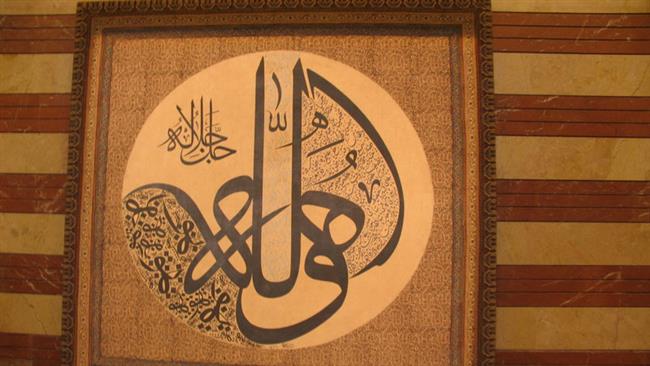
Turkey exhibits Islamic artworks by Iranian artists

Turky exhibition

The Turkish city of Istanbul has held an exhibition of Islamic artworks created by Iranian artists.

Titled ‘From the Earth to Heaven,’ the event was opened during a ceremony at Istanbul’s Cemal Resit Rey cultural center on July 7, 2015.

The opening ceremony was attended by Iran’s consul general in Turkey Mohsen Mortezaeifar and a number of Turkish officials, art collectors and gallery owners.

Iran and Turkey have extensive political and economic relations and ‘From the Earth to Heaven’ exhibition can pave the ground for joint cultural and artistic activities, said Mortezaeifar during the opening ceremony of the event.

The exhibition, which is being held in six sections, mainly exhibits works based on Persian calligraphy and reflecting Safavid motifs.

The main section of the event showcases a number of unique and innovative works of miniature painting and calligraphy created on textile. A group of seven Iranian artists have created the works based on the Baysonghori calligraphy style.

The works are recreations of Safavid works produced on a large scale, and with unique and innovative methods.

The Baysonghori style is named after Persian calligrapher Jafar Baysonghori, who created a world-famous manuscript of Persian epic poet Ferdowsi’s masterpiece Shahnameh in 1429.

Visitors can also see exquisite handicrafts made of turquoise and steel, as well as Persian carpets and paintings featuring Koranic verses and Persian poems.

An interesting part of the exhibition includes stucco paintings created based on similar works found at the Chehel Sotoun Palace in Iran’s historical city of Isfahan.

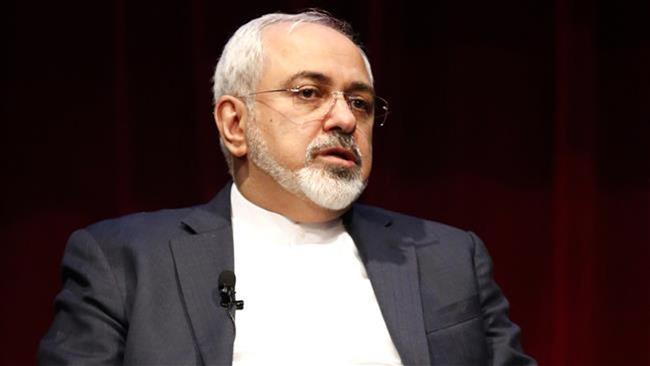
Iran’s Zarif warns P5+1 against coercion

Zarif

Amid intensive nuclear talks between Tehran and P5+1, Iran reminds world powers that they have to choose between coercion and agreement, warning against opting for the former.

“There is growing acknowledgment that attempting to coerce a proud civilization into submission only leads to further conflict, resentment and hostility,” Mohammad Javad Zarif wrote in an article published in The Financial Times on Wednesday.

“At the outset of this crisis, Iran had less than 200 centrifuges; today, it has 20,000. And so, my counterparts have rightfully opted for the negotiating table,” he said.

“But they still need to make the critical choice between an agreement and coercion.”

In a video message released on July 3, the Iranian foreign minister had likewise said Iran’s negotiating partners had to choose between the two.

Iran and P5+1 – the United States, Britain, France, Russia, China and Germany – have been engaged in crucial talks in the Austrian capital Vienna towards reaching a landmark deal over Tehran’s nuclear program.

The negotiating sides missed an initial deadline of June 30 and all parties agreed on a new, July 7. However, in the wake of the outstanding issues in the talks, EU foreign policy chief Federica Mogherini said on Tuesday that the negotiations would continue for “a couple” of more days.

Is $50 per barrel oil in the offing?

oil price

For the first time in almost three months, Brent prices have slipped below $60 a barrel. Certainly, the no vote the Greeks cast in an austerity referendum on Sunday has played an important role in pushing down the crude prices.

In a report on July 7, Donya-e Eqtesad daily took a look at other factors that contributed to the slump in global oil prices. The following is the translation of an excerpt of the report:

These days most of news stories coming from the oil market are indicative of a decline in prices, and West Texas Intermediate seems to have lost its $60 per barrel footing. The nuclear deal Iran and P5+1 are likely to clinch shortly on the one hand, and an increase, according to Baker Hughes, in the number of American oil rigs – a first in 29 weeks – seem to have knocked the market off its one-month-old balance.

Earlier this year, international institutes such as Morgan Stanley, Goldman Sachs, and the U.S. Energy Information Administration (EIA) said prices were likely to take a downward trend in the second half of the year. Four days into trading in the second half of 2015, their projections came true.

There are a number of factors that may contribute to additional decline of prices to six-year lows.

First, latest estimates suggest that OPEC output is still on the rise. In June, it hit the 32 million bpd mark.

Second, the decline in the number of American oil rigs has stopped. In the week to June 27, the number of rigs posted its first uptick in 29 weeks.

Third, Iran has announced that it will double its output once international sanctions against it are lifted. An increase of 1 million barrels per day at a time when OPEC members are trying to claim a bigger share of the market will definitely have a negative impact on prices.

Saudi Arabia has reportedly opposed the reinstatement of a quota system in the Organization of the Petroleum Exporting Countries (OPEC) and Iran’s proposal aimed at maintaining the market order and the OPEC clout. That shows Riyadh intends to compete with Tehran in oil production and does not want to hand Iran any room to maneuver.

The U.S. Energy Information Administration had predicted that a rise in Iran’s oil production following a nuclear deal with the West could result in a $5-$15 drop in prices, sending them below $50 a barrel.

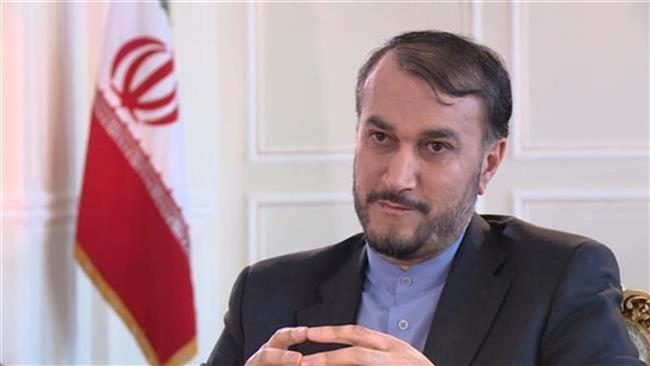
Israel main beneficiary of ISIL terrorism: Iranian diplomat

Amir Abdollahian

A senior Iranian diplomat says Israel is the main supporter and beneficiary of acts of terrorism by the ISIL terrorist group in the Middle East, urging unity among Muslim nations to secure the future of the region.

Iran’s Deputy Foreign Minister for Arab and African Affairs Hossein Amir-Abdollahian said on Wednesday that the Tel Aviv regime and the ISIL terrorist group are the two sides of the same coin, adding, “ The Zionist regime [of Israel] is the main sponsor and winner of the acts of terrorism and destruction by the ISIL terrorist group in the region.”

He further described “the destruction of the resistance front against the Zionist regime and the plundering of the wealth of Muslim countries” as the main mission of the terrorist and extremist groups in the region.

He added that if the Muslim countries are united, “terrorism and Zionism will have no place in the future of the region.”

Amir-Abdollahian further blamed the United States and the West for their insincerity in the fight against terrorism, and held them responsible for “the intensification of Israel’s crimes and worsening insecurity in the region.”

The top Iranian diplomat also pointed to Saudi Arabia’s aggression against Yemen, saying, “The belligerent attitude of Saudi Arabia, as a Muslim country, against Muslim Yemeni children and women is reminiscent of Zionists’ actions in [the war on the besieged] Gaza Strip and brings shame to the Islamic and Arab world.”

Israel launched a war on Gaza in early July 2014, killing over 2,130 Palestinians and injuring some 11,000 others.

He further called on Saudi Arabia to take measures to help “the security of the region and the unity of Islamic world, provide real support for the oppressed Palestinian people, and counter the crimes of the Zionist regime.”

Saudi Arabia has been pounding different areas in Yemen since March 26 without any authorization from the United Nations.

According to the UN, over 3,000 Yemenis have been killed and 14,000 more injured in over three months of conflict in the country. Local Yemeni sources, however, say more than 4,500 people have been killed in the Saudi strikes.

On July 7, Rupert Colville, the spokesperson for the UN High Commissioner for Human Rights, said 1,528 civilians had been killed and 3,605 others had suffered injuries in the conflict in Yemen since March 27.

For Iran: Life on equal footing; For the world: diplomacy, not war

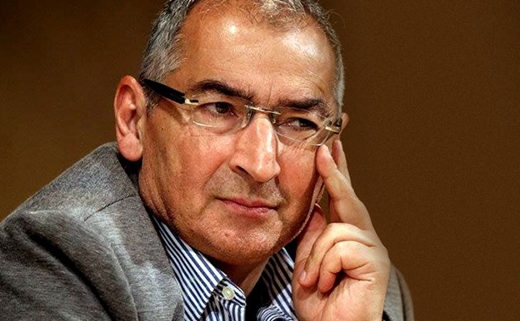
Sadegh Zibakalam

Iran’s economic ills are not expected to become history overnight. In the post-deal Iran, the economy is not expected to immediately register eight percent growth and generate sustainable employment for six million jobless people, observers say.

If the Joint Comprehensive Plan of Action is signed and nuclear talks between Iran and P5+1 – which are one of the biggest diplomatic battlefields since the First World War – produce positive results, the only change that will happen will be on the economic front. The country can better tackle its pocketbook issues and will be on the same footing with other countries after shedding the shackles of sanctions.

At regional and global levels, the conclusiveness of nuclear talks will help settle the existing problems and crises by changing the definition of peaceful coexistence in the world. With a nuclear deal in effect, countries will no longer base their ties with Iran on the Islamic Republic’s friendship or enmity with the West, nor will they rally around or against Iran based on Tehran-West relations.

What will unfold in Iran and around the world after Tehran and P5+1 ink a deal remains to be seen. Iranian and foreign analysts hold different views. Sadegh Zibakalam, an Iranian university lecturer and political analyst, maintains that the nuclear deal will not be like Moses’ stick to perform miracles.

Sharq daily on July 7 published Iran after the Historic Deal, an opinion piece by Zibakalam. The following is the translation of part of the piece:

A nuclear agreement is like the staff of Moses [the stick the prophet used at the parting of the Red Sea] to work miracles for the Iranian economy! It cannot bring down inflation, push down prices and help [slack] businesses get out of recession. Nor can it create jobs for six million people who are unemployed, accelerate the country’s economic growth to an annual eight percent which is obviously unachievable, cause the rain of divine blessings to pour down on the arid plains [of the economy] and, above all, make the systemic corruption which has gripped the administrative system a thing of the past.

The fact remains that such a deal is not expected to immediately transform Iran’s ties with certain neighbors to friendly relations or create a Middle East region free of nuclear weapons. Although the hardliners and those opposing a nuclear deal have wrongly claimed that the eleventh government and the proponents of the nuclear deal are hopeful that everything will become rosy in Iran overnight after the conclusion of a nuclear deal, I should say it loud and clear that the proponents of the nuclear deal do not hold any illusion that if the deal is struck today, everything will be transformed as of tomorrow.

To reform the economy and politics, to help society grow, to have a stable Middle East and to improve ties with certain neighboring countries and the wider world, Iran needs to adopt rational and optimal policies.

[…]

The pro-deal group has insisted on the conclusion of a good deal with the West, because they want to see the shackles the sanctions have fastened around the ankles of the Iranian economy removed. They want the national economy recover and experience normal conditions. […]

It is right to say that Iran will be on an equal footing with other countries only after its economy [battered by sanctions] is unshackled and other domestic obstacles which stand in the way are surmounted. Approval of the Joint Comprehensive Plan of Action (JCPOA) simply would mean that the commodities Iran is buying 30 percent higher than their average global price would be sold to the country at normal global prices.

In the meantime, the deal will be a historic milestone, not only for Iran but for the entire world. […] There is no doubt that the long-term effects of such a landmark deal will be significant for Iran, the Middle East and the whole world. […]

The nuclear deal at an international level will show that a solution will be within reach for many problems if the parties to the talks have genuine intention to settle their disputes and if the parties show willingness to take into account the other side’s considerations and concerns and do not insist on their own unilateral interests alone.

The example of nuclear talks between Iran and six world powers can be followed to settle some of the global crises, to say the least. The impact of a [similar] agreement would not be minimal for the Middle East.

Without exaggeration, the nuclear deal with Iran is likely to redraw the political map of the Middle East. The method by which countries in the Middle East have rallied behind one power over the past 36 years has indicated that a number of nations have taken pro-Western stances thanks to the hostility and gaps between Tehran and Washington, assuming that the West’s animosity toward Iran is a decisive factor for trans-regional powers [to determine which countries can be brought on board].

By the same token, the West’s animosity toward Iran – both in Iran and in the region – has served as a criterion for them [Middle Eastern countries] to decide [on the camp they seek to rally around] and select their political partners. Although relations between Iran and the West are not expected to change overnight after the conclusion of the nuclear deal, the past trend seems unlikely to continue to have a say in [the developments in] the Middle East. No longer will a number of regional countries adopt their policies simply based on hostility between Iran and the West.

The historic nuclear deal will have a long-term impact on Iranian society. To date, confrontation and tension have had the biggest influence on Iran’s ties with the West. Hardly can one see an event or development in the region in which traces of strained Iran-US relations cannot be found.

If Iran can reach an agreement with the United States over their sharp nuclear differences, isn’t it possible that Tehran and Washington can arrive at an agreement on other fronts?

Win-win deal to be clinched if other party avoids excessive demands: Shamkhani

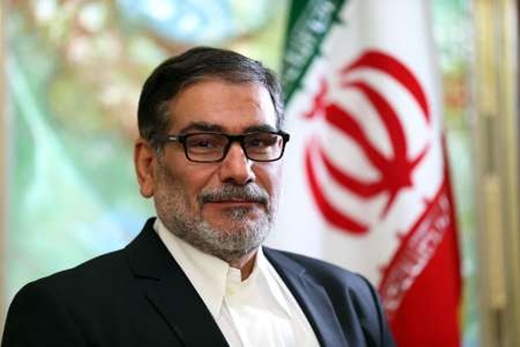
Ali Shamkhani

Secretary of Supreme National Security Council (SNSC) Ali Shamkhani said on Wednesday that a win-win deal could be clinched if P5+1 avoid excessive demands.

Speaking to IRNA, he said setting a deadline to enable the US Congress to put pressure on Iran and P5+1 nuclear talks is totally out of the question and the only limit Iranian nuclear negotiators face is their legitimate rights and non-violation of our red lines.

The deal should guarantee development of Iran’s peaceful nuclear technology, lifting unfair economic sanctions, respecting the country’s independence and security, he said.

The stands taken by the Zionist regime and certain countries against Iran’s nuclear talks are of no value, he said, adding that the Islamic Republic of Iran does not care about the hue and cry orchestrated by media hype and only minds its legitimate rights and avoids hallucination and blind optimism.

Iranian Rock Village Registered as UNESCO World Heritage Site

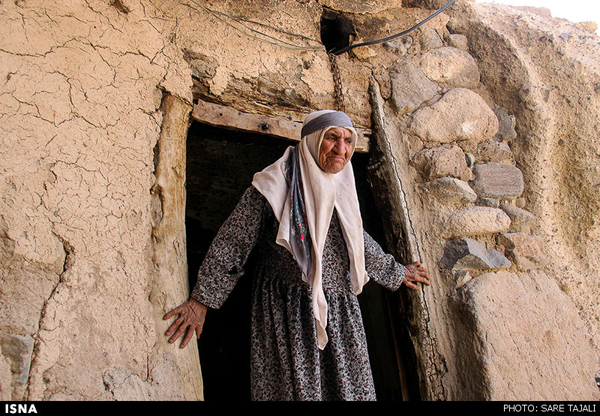
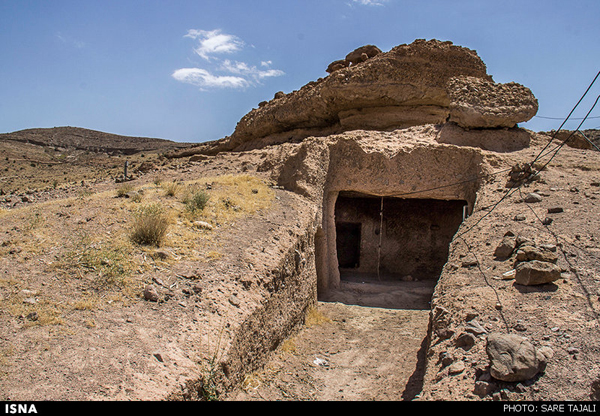
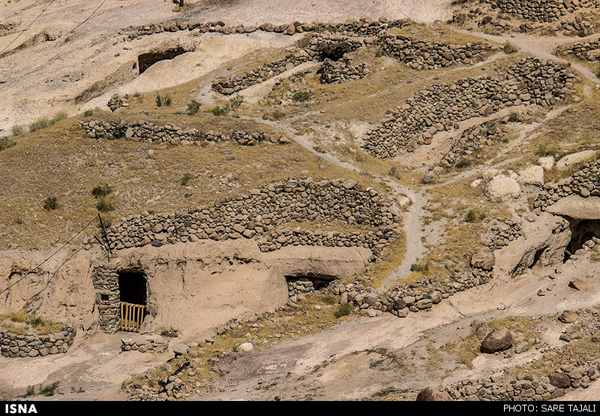
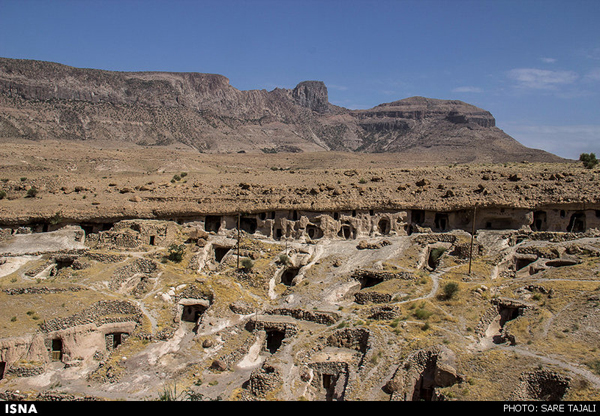
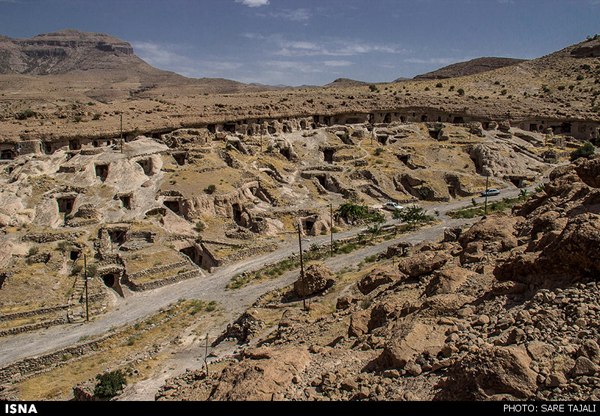
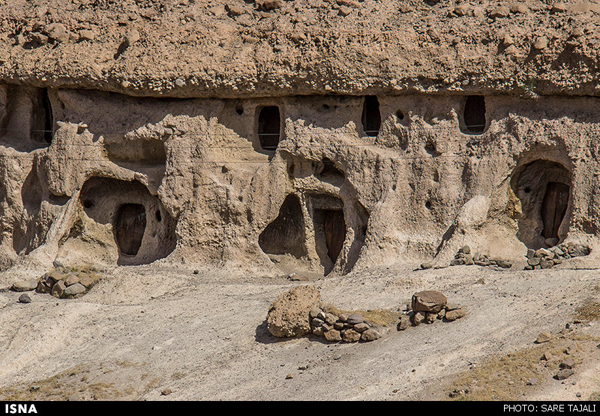
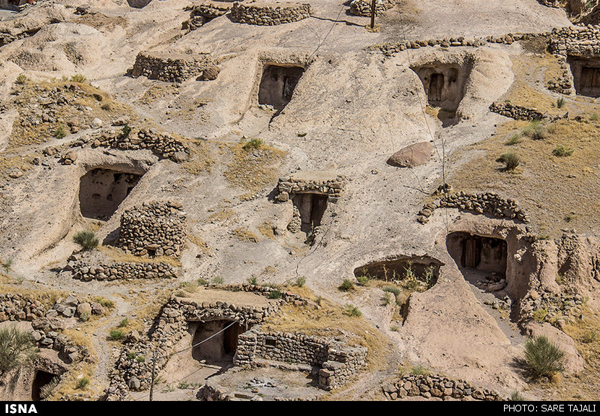
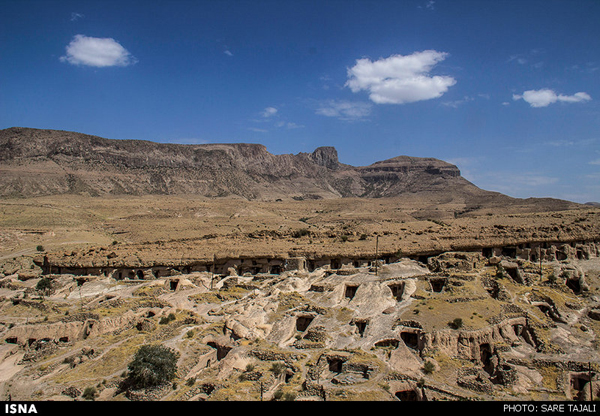
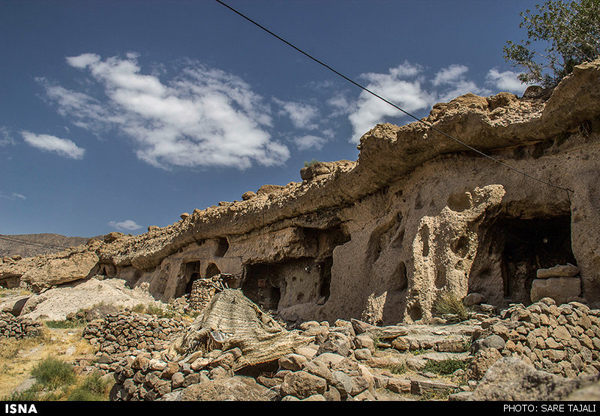
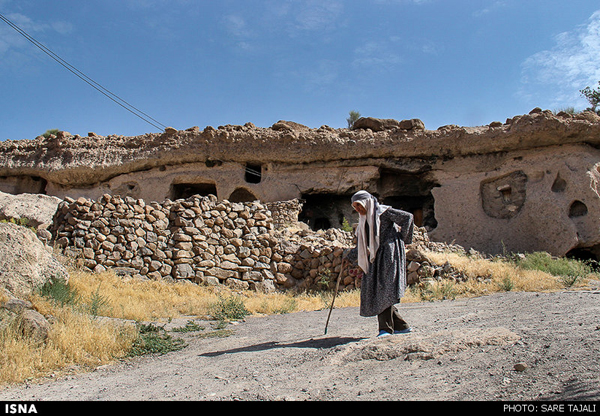
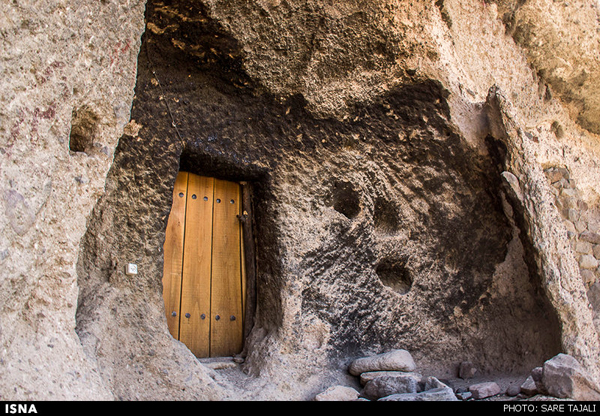
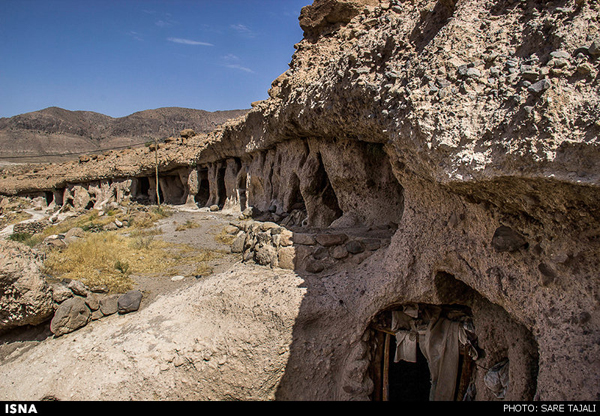
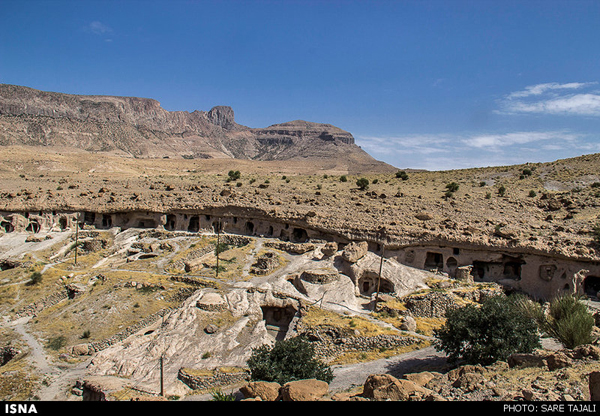
Rock Village in Southern Iran

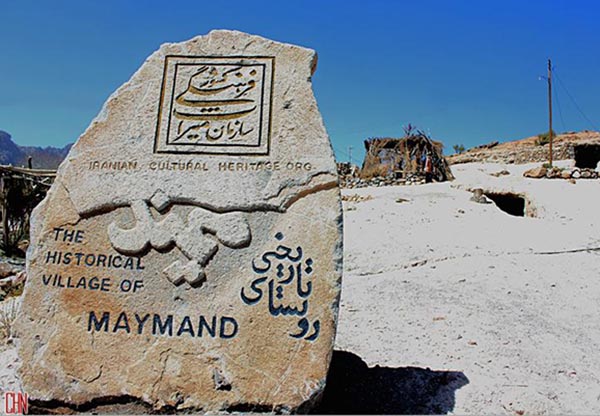
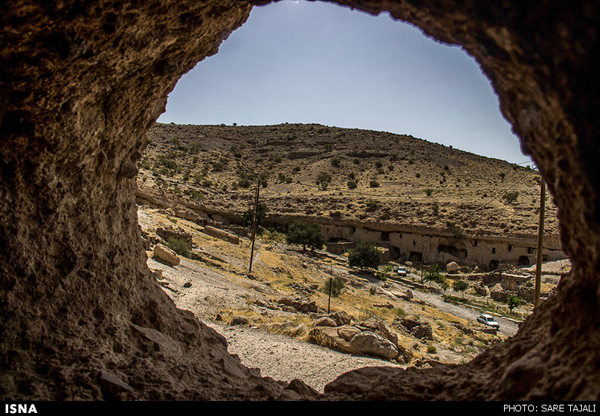
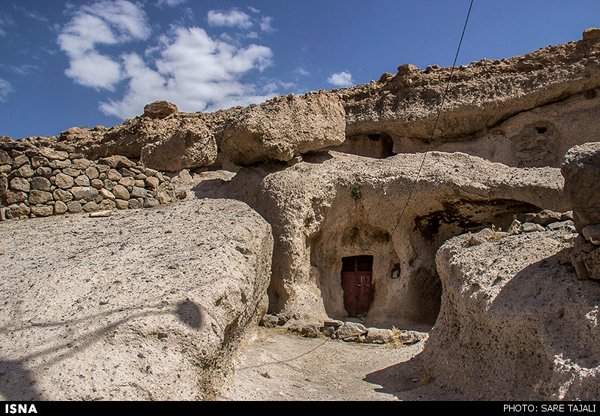
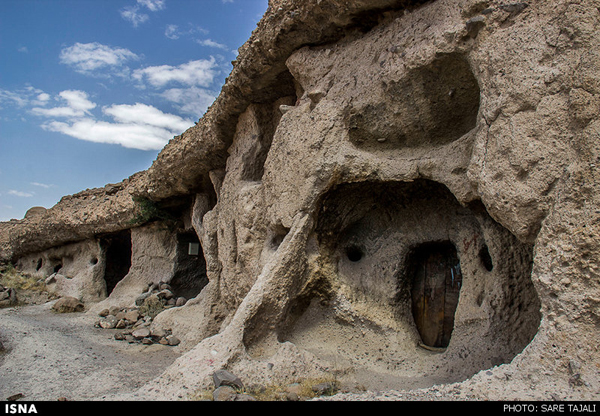
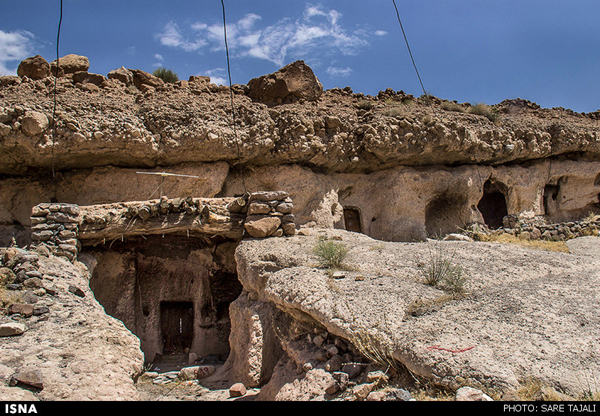
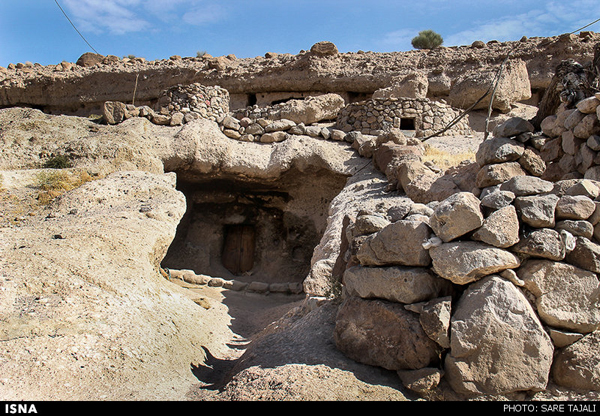
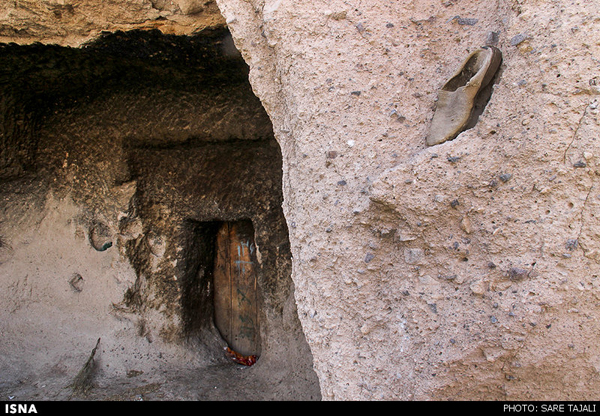
At the 39th session of the World Heritage Committee held in Bonn, Germany, the historical and rock village of Meymand was registered as the 19th Iranian cultural heritage site on the UNESCO World Heritage List.

The millennia-old village, which is 420 square km in area and 2,240 meters above sea level, is believed to be among primary human residences.

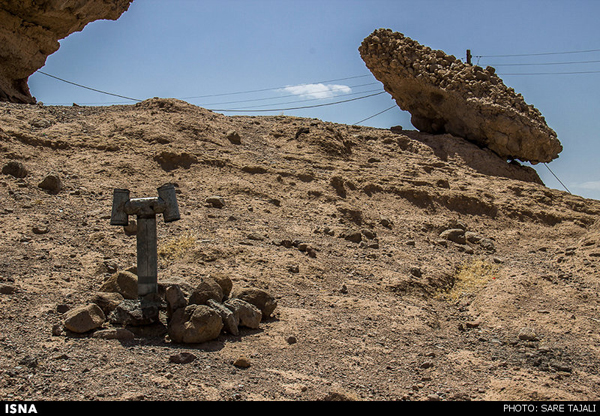
Snapshots of the rock village in Kerman Province posted online by the Iranian Students’ News Agency:


Muslims to show on Quds Day Palestine will not be forgotten: Rouhani

Rouhani-Quds

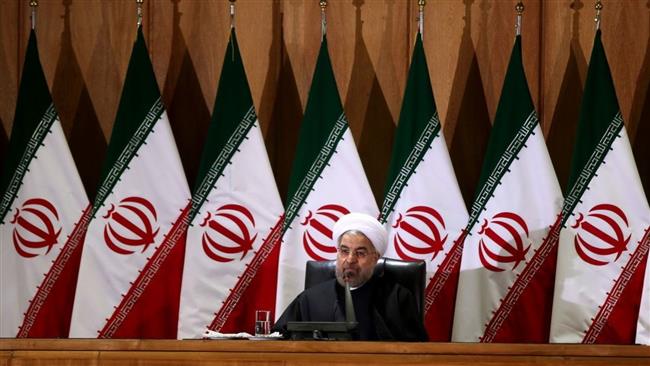
Iran’s President Hassan Rouhani says Muslims from the four corners of the world will show, on International Quds Day, that they will not forget Palestine.

“All Muslims in the world concertedly seek the freedom of the occupied Palestinian territories,” Rouhani said on Wednesday, adding that on the International Quds Day, Muslims aim to send the message that despite the oppression against the Palestinian nation and the silence of certain entities, “Muslims will forget neither the Palestinian nation nor al-Quds (Jerusalem).”

Rouhani added that on the International Quds Day, the Muslim community, in support of the Palestinian resistance against the Israeli regime, will, in a sense, “voice their unity.”

He further referred to the widespread acts of terrorism in the Middle East region, saying that one of the benefits of terrorist groups for superpowers and Israel is to divert the attention of Muslims from the issue of the freedom of al-Quds.

“On the International Quds Day, people will tell the world that Palestine and the occupation of this land will not slip the mind of the Muslim world and will not be forgotten,” Rouhani emphasized.

He further expressed hope that Muslims will honorably mark the event this year with their mass participation.

In August 1979, the late founder of the Islamic Republic Ayatollah Khomeini declared the last Friday of the Muslim holy month of Ramadan as the International Quds Day, calling on Muslims across the world to mark the annual occasion by holding street rallies.

Millions of people around the world take to the streets on the day in a show of support for the people of Palestine, demanding an end to the Israeli occupation of Palestinian lands.

President Rouhani praises nuclear negotiators

President Rouhani

President Hassan Rouhani has praised Iran’s nuclear team for their efforts in the ongoing talks with the P5+1 group as a senior Iranian negotiator says the main text for an agreement on Tehran’s nuclear program is almost complete.

“I am proud of the brave sons of the country in nuclear talks who will continue to defend our nation’s rights until the end,” President Rouhani said at a gathering of university professors in Tehran on Tuesday night.

Earlier in the night, senior Iranian negotiator Abbas Araghchi told reporters in Vienna that the draft of the agreement is almost finished, noting that the resolution of the remaining issues requires “political decisions” by the P5+1 group.

“The main text is almost complete, only a few paragraphs remain that require political decisions,” he said,  adding, “We have completed drafting as far as it was possible, and parts of the agreement and its annexes that are still between brackets are dependent upon decisions by ministers.”

He noted, “If ministers reach agreement on any of the issues, we will immediately negotiate on the required language and include it in the text.”

The head of Iran’s Atomic Energy Organization, Ali Akbar Salehi, and the US Energy Secretary Ernest Moniz are currently working on the annexes of the agreement, added Araghchi, the Iranian deputy foreign minister for legal and international affairs.

“The annex on sanctions is around 95-96 percent done, only two or three small issues remain; the annex on peaceful nuclear cooperation with Iran is almost done; and various sectors for international cooperation have been determined,” he said.

He added that apart from two or three issues, the annex on joint commission is almost final. “The final annex is about the timeframe and timetable of the implementation on which we are still working because that depends on all issues being resolved.”

[…]

Iran and the six countries missed an initial deadline of June 30 and all parties agreed on a new, July 7. However, the negotiators agreed to extend the deadline until Friday, July 10.