Tuesday, December 30, 2025
Home Blog Page 4711

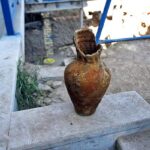
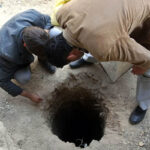
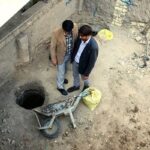
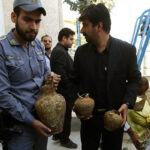
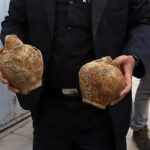
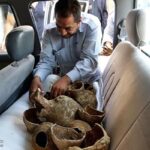
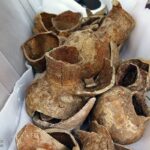
Ancient earthenware excavated in subway station in Isfahan (PHOTOS)

Ancient earthenware0

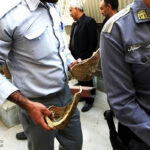
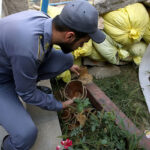
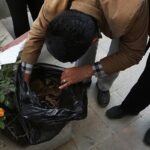
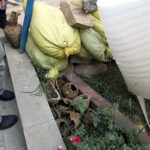
The director of the provincial Cultural Heritage Department in Isfahan said a number of earthen vessels dating back to the Seljuq era have been excavated in the vicinity of a subway station in the central city.

Fereydoun Allahyari added that the pottery vessels were discovered during construction work to install the ventilation ducts of the station at a depth of six meters.

He said that an expert panel of three archeologists is at the scene and it seems that the finds are about 900 years old.

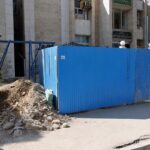
Mehr News Agency has published online the images of the excavated pottery vessels:

Highlights of Ettela’at newspaper on October 20

ettelaat-20-oct

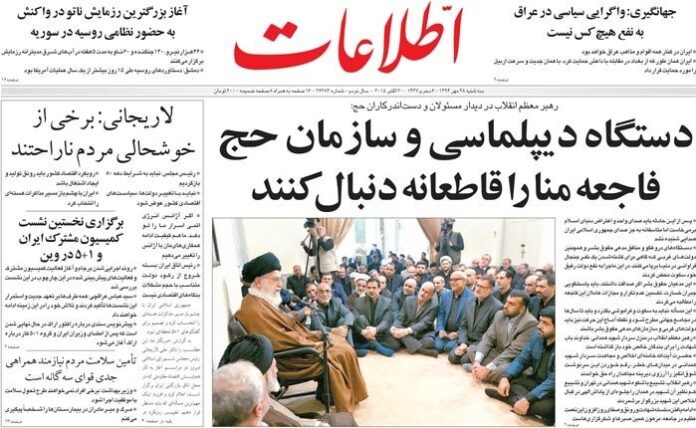
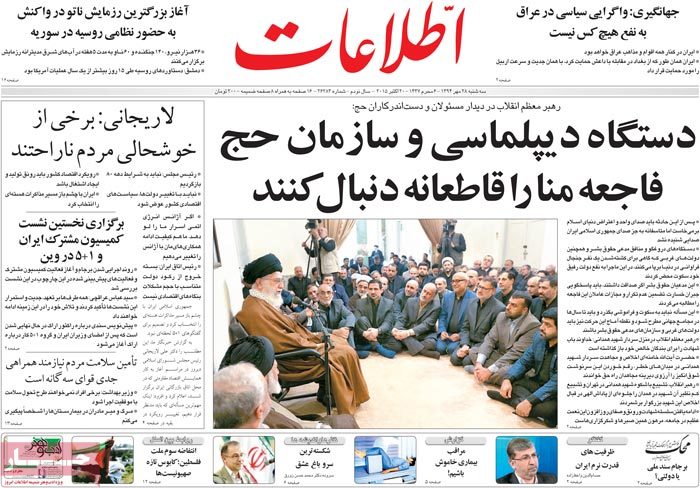
“The diplomacy machine and the Hajj and Pilgrimage Organization should resolutely follow up on [the investigation into] the Mina tragedy,” the Supreme Leader said in a meeting with Hajj and Pilgrimage Organization officials.

Ayatollah Khamenei further said the world of Islam should have protested with one voice following the deadly incident, but unfortunately the only voice that could be heard was that of the Islamic Republic of Iran.

 “Political divergence in Iraq serves no one’s interests,” said the Iranian first vice-president.

Eshagh Jahangiri further said that Iran stands by all Iraqi ethnic and religious groups.

 NATO has launched its biggest military exercise in reaction to Russia’s military presence in Syria.

Meanwhile, Syria said that the military achievements of Russia in two weeks [of airstrikes against terrorist targets] dwarfed those of America’s year-long campaign.

 “Some individuals are sad to see people happy,” said the parliament speaker.

Ali Larijani further said we should not return to the past decade [a reference to the time when Ahmadinejad was president].

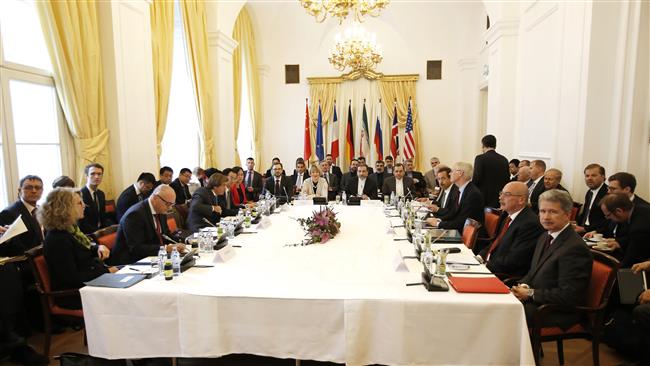
 The Iran-P5+1 joint commission has had its first meeting in Vienna.

The meeting on Monday focused on how the Joint Comprehensive Plan of Action should be implemented and what measures the joint commission should take to facilitate its implementation.

 The health minister has said guaranteeing the healthcare of the public requires the serious contribution of all three branches of government.

Dr. Hassan Hashemi further said some individuals do not want the Healthcare Transformation Plan to be successfully implemented.

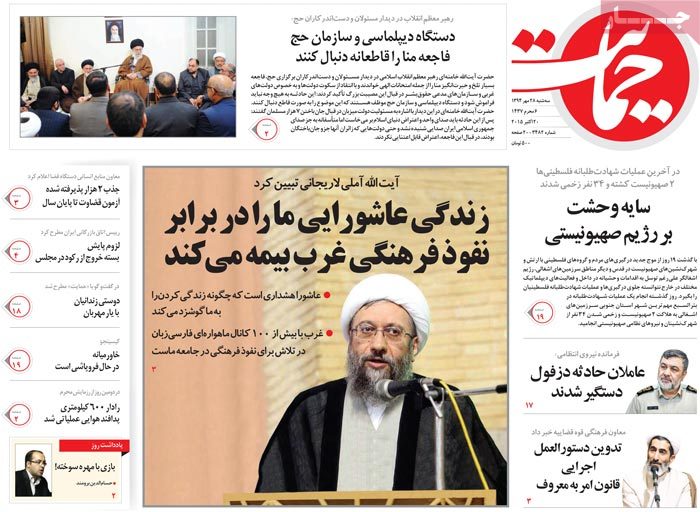
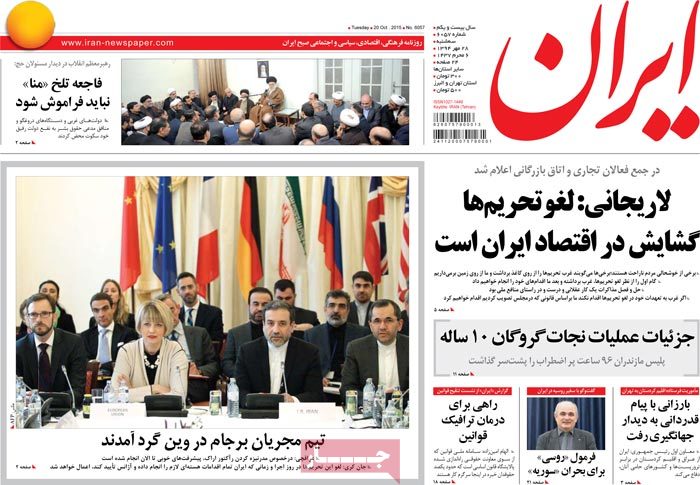
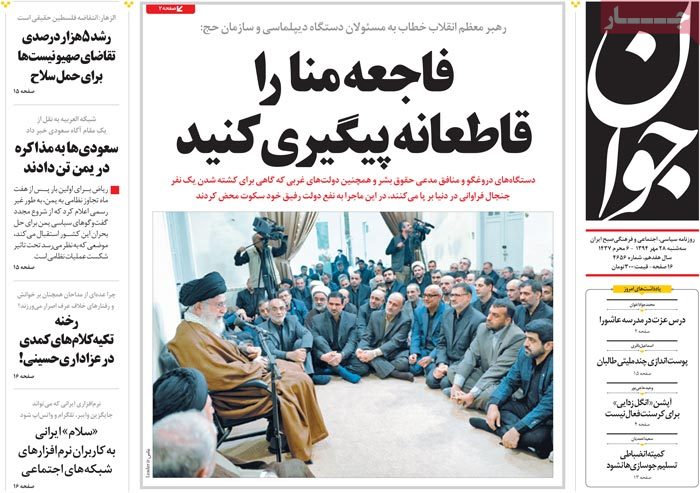
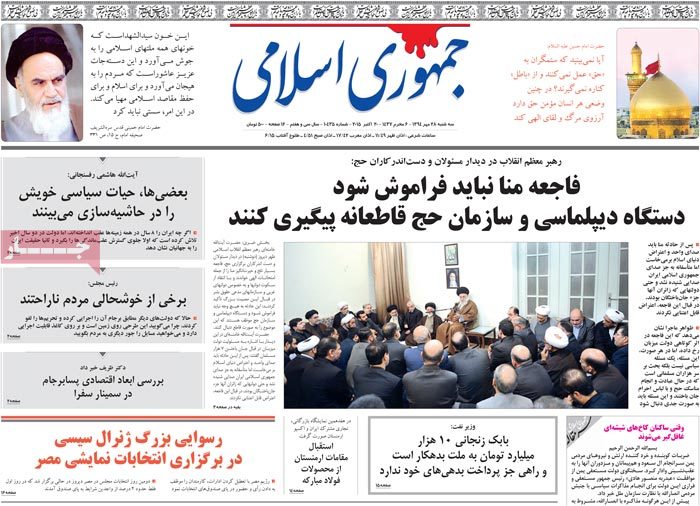
A look at Iranian newspaper front pages on Oct. 20

Iranian Newspapers Headlines

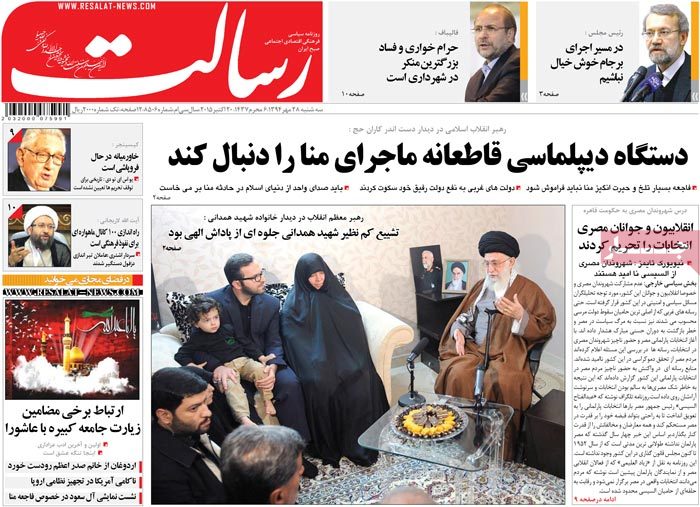
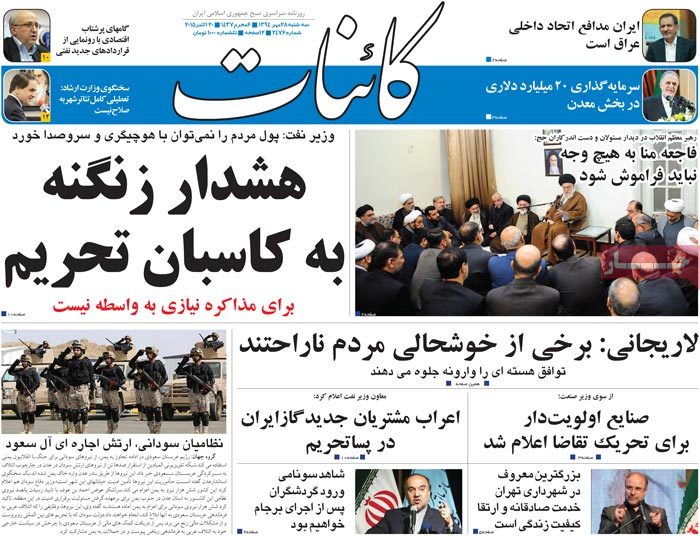
The Supreme Leader’s call on officials with the Iranian Hajj and Pilgrimage Organization to follow up on the investigation into the deadly stampede near Mecca, Saudi Arabia in September along with news stories about JCPOA (the Iran nuclear deal with P5+1) dominated the front pages of Iranian newspapers on Tuesday.


Ettela’at: “The diplomacy machine and the Hajj and Pilgrimage Organization should resolutely follow up on [the investigation into] the Mina tragedy,” the Supreme Leader said in a meeting with Hajj and Pilgrimage Organization officials.

Ayatollah Khamenei further said the world of Islam should have protested with one voice following the deadly incident, but unfortunately the only voice that could be heard was that of the Islamic Republic of Iran.


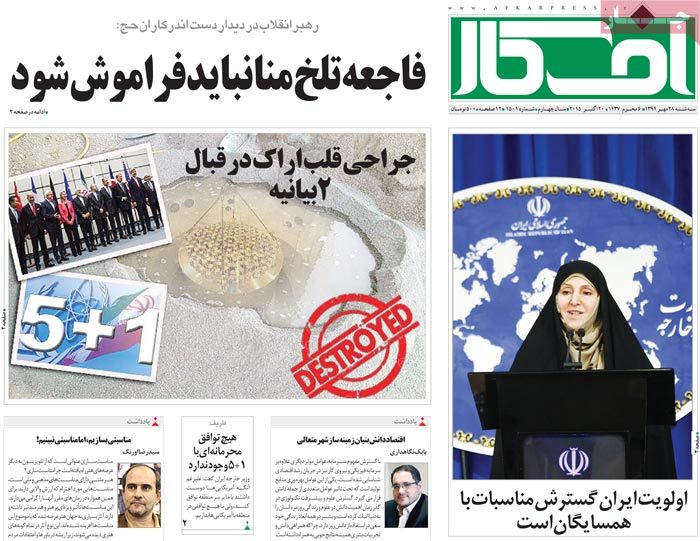
Afkar: “There has been no secret deal between Iran and P5+1,” said Foreign Minister Zarif.

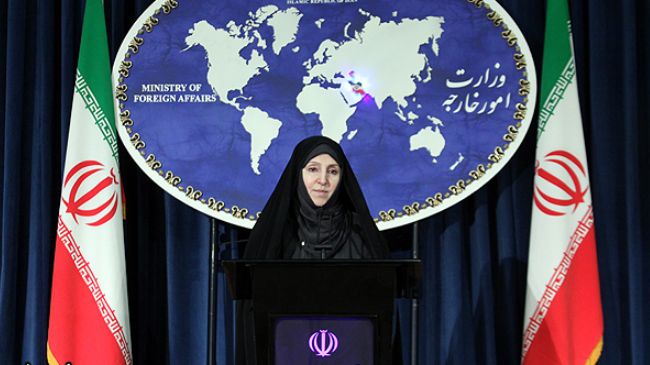
Afkar: “Iran’s priority is to expand ties with neighbors,” said the Foreign Ministry spokeswoman.


A look at Iranian newspaper front pages on Oct. 20


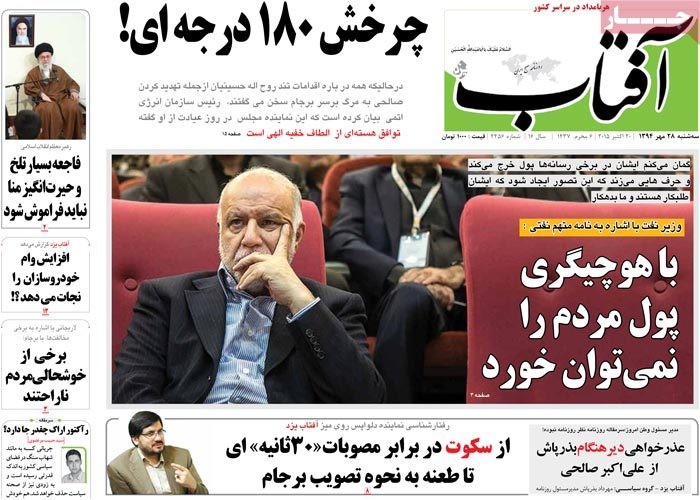
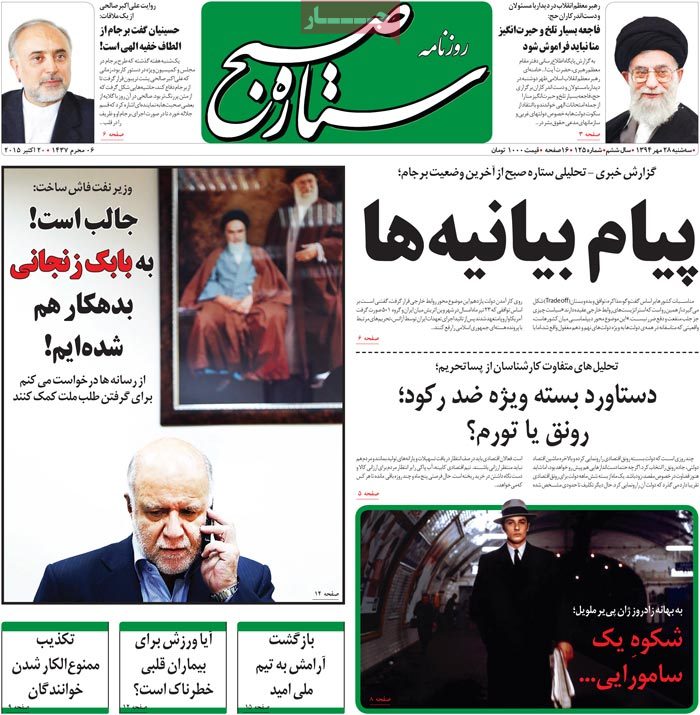
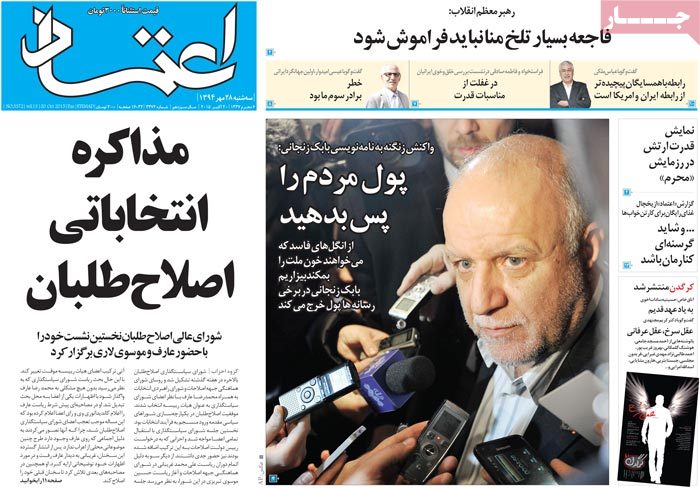
Aftab-e Yazd: “You cannot siphon off public funds by making ballyhoo,” said Oil Minister Bijan Namdar Zanganeh in reaction to a letter released by the so-called oil defendant [a reference to Babak Zanjani, who is on trial for corruption].

The oil chief further said he suspects Zanjani is spending money in some media to advance his personal agenda.

Aftab-e Yazd: Mehrdad Bazrpash, the managing editor of Vatan-e Emrooz daily has belatedly apologized to the director of the Atomic Energy Organization [for the insults hurled at him at the hardline newspaper’s editorial].

“The editorial did not represent the views of the daily,” Bazrpash said.


A look at Iranian newspaper front pages on Oct. 20


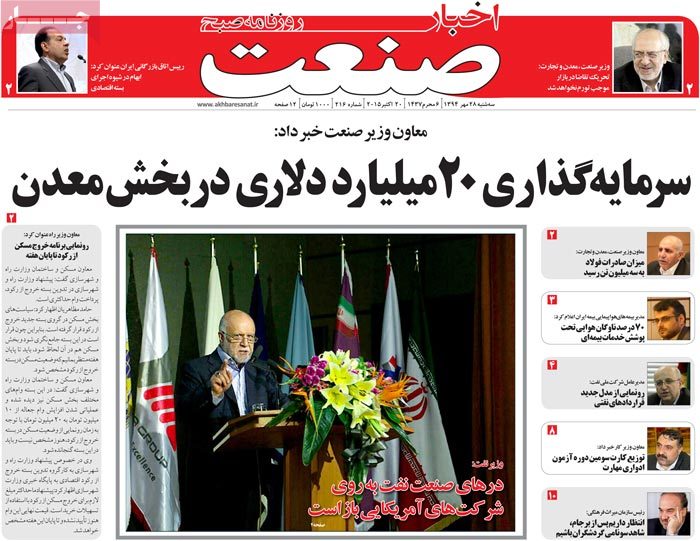
Akhbar Sanat: The deputy industry minister has said $20 billion in investment will be made in the mining sector.

Another deputy industry minister said that exports of steel have hit three million tons.


A look at Iranian newspaper front pages on Oct. 20


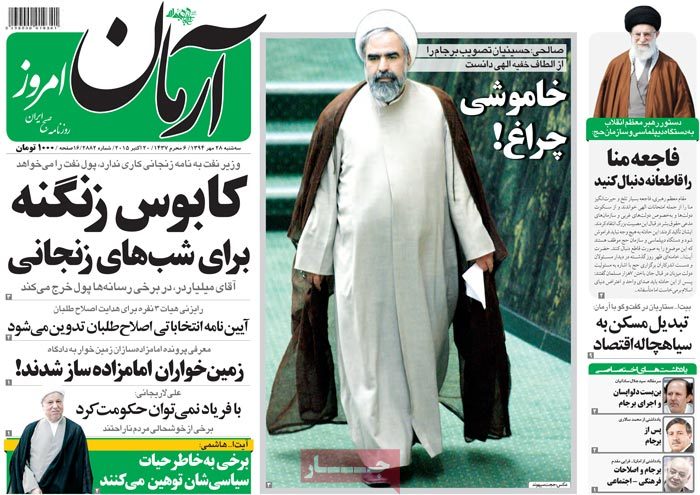
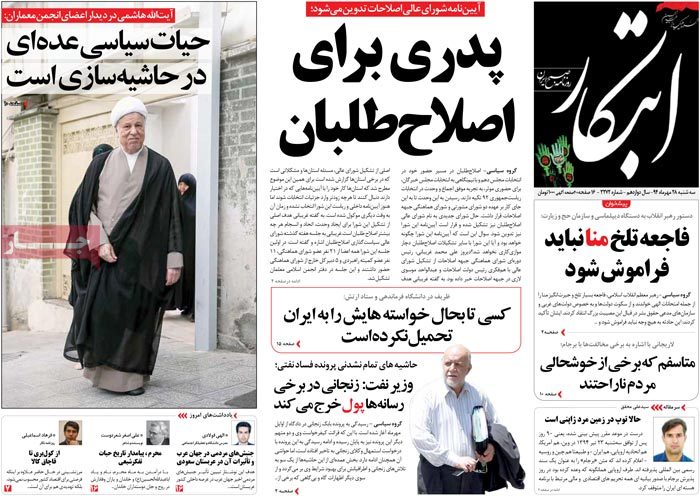
Arman-e Emrooz: “Some are hurling insults [at nuclear negotiators and individuals with opposing views] simply to cling to their political lives,” said Chairman of the Expediency Council Ayatollah Akbar Hashemi Rafsanjani.


A look at Iranian newspaper front pages on Oct. 20


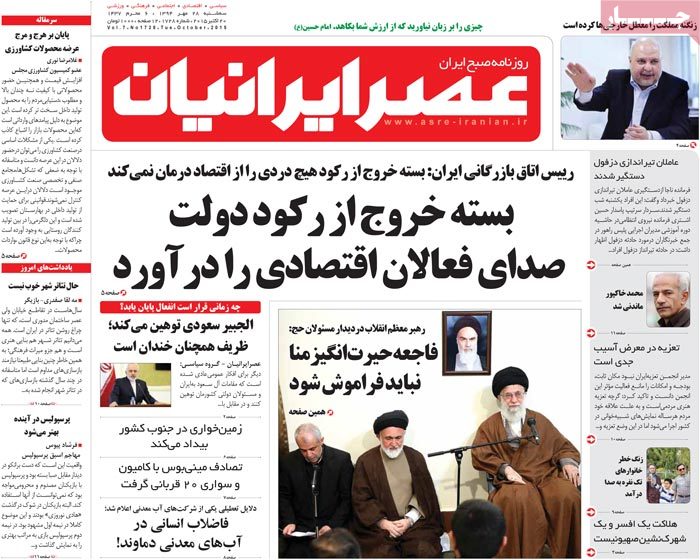
Asr-e Iranian: The government package to lift the country out of recession has raised the ire of economic players.

Asr-e Iranian: The Saudi foreign minister keeps hurling insults; Zarif keeps smiling!

When will this [diplomatic] inaction come to an end?


A look at Iranian newspaper front pages on Oct. 20


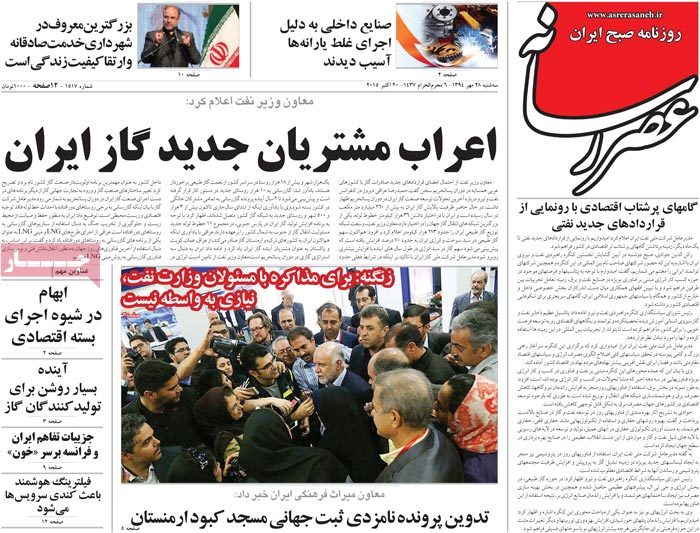
Asr-e Rasaneh: Oil Minister Bijan Namdar Zanganeh has said foreign investors do not need middlemen to hold talks with the officials of his ministry.


A look at Iranian newspaper front pages on Oct. 20


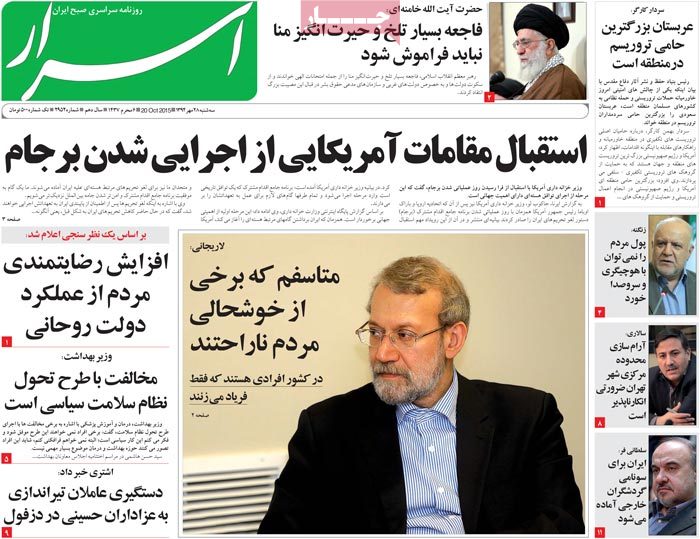
Asrar: “Those behind a deadly shooting incident [in which two mourners were killed] in Dezful have been arrested,” said Police Chief Brigadier General Hossein Ashtari.


A look at Iranian newspaper front pages on Oct. 20


Ebtekar: “No one has so far imposed their will on Iran,” said Foreign Minister Mohammad Javad Zarif.


A look at Iranian newspaper front pages on Oct. 20


Etemad: The Supreme Reformist Council has had its first meeting with Mohammad Reza Aref [a former first vice-president] and Abdolvahed Mousavi Lari [a former interior minister] in attendance.


A look at Iranian newspaper front pages on Oct. 20


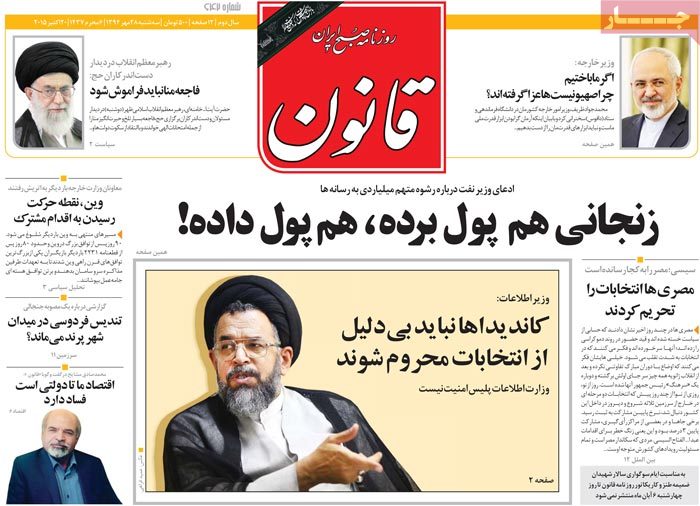
Ghanoon: “If we ended up the loser [in the nuclear talks], why is it that the Zionists are grief-stricken?” asked Foreign Minister Mohammad Javad Zarif.


A look at Iranian newspaper front pages on Oct. 20


Hemayat: “The West is trying to infiltrate our society on the cultural front through 100 Farsi-speaking satellite channels,” said the Judiciary chief.


A look at Iranian newspaper front pages on Oct. 20


Iran: “Termination of sanctions will open up a new opportunity for Iran’s economy,” said Parliament Speaker Ali Larijani.


A look at Iranian newspaper front pages on Oct. 20


Javan: Applications by the Zionists to carry firearms have posted a 5,000 percent growth.

Javan: The Saudis have reportedly acquiesced to talks in Yemen.


A look at Iranian newspaper front pages on Oct. 20


Jomhouri Islami: “Babak Zanjani [who is on trial for corruption] owes the public around $3.3 billion. He has no option but pay back his debts,” said the oil minister.


A look at Iranian newspaper front pages on Oct. 20


Kaenat: “Following the implementation of the Joint Comprehensive Plan of Action, there will be an influx of foreign tourists,” said the director of the tourism organization.


A look at Iranian newspaper front pages on Oct. 20


Kar va Kargar: Iran, the US and China have reportedly reached an agreement on how to redesign the Arak Reactor.


A look at Iranian newspaper front pages on Oct. 20


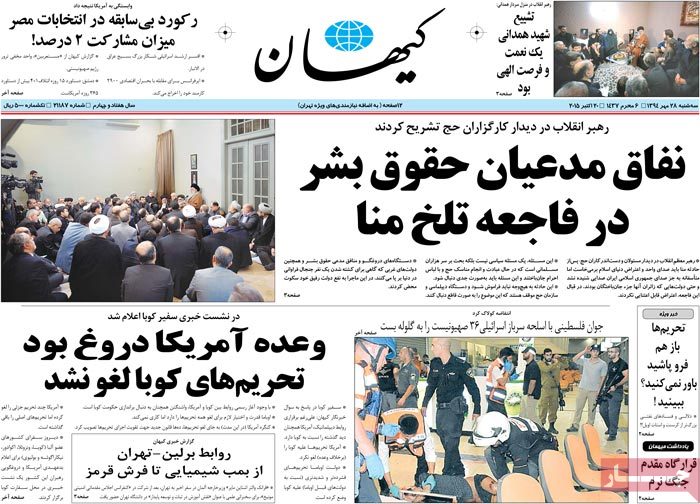
Kayhan: Voter turnout in the first round of Egypt’s parliamentary elections was a dismal two percent.

Dependence on the US paid off!!!


A look at Iranian newspaper front pages on Oct. 20


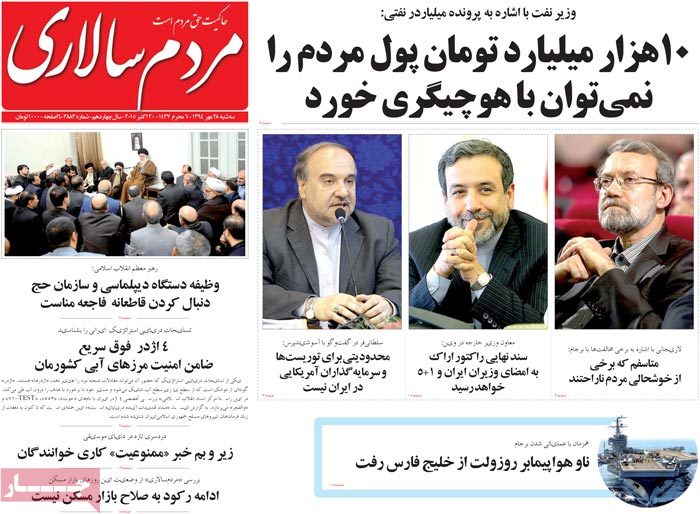
Mardomsalari: American tourists and investors face no restrictions in Iran,” said the director of the Cultural Heritage, Tourism and Handicrafts Organization.


A look at Iranian newspaper front pages on Oct. 20


Resalat: “In implementing the Joint Comprehensive Plan of Action, we should avoid naiveté,” said the parliament speaker.


A look at Iranian newspaper front pages on Oct. 20


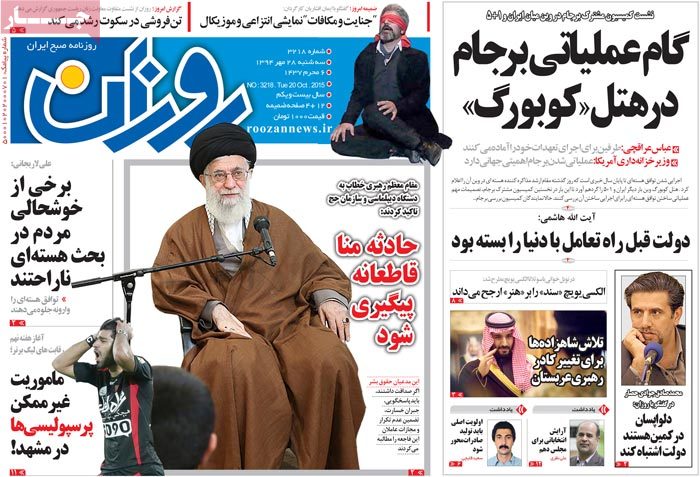
Roozan: “The previous government had shut the door to interaction with the Saudis,” said the chairman of the Expediency Council.


A look at Iranian newspaper front pages on Oct. 20


Setareh Sobh: “Hosseinian said the Joint Comprehensive Plan of Action was a blessing in disguise,” Director of the Atomic Energy Organization Ali Akbar Salehi said as he recalled his conversation in hospital with the MP who had earlier threatened to kill the nuclear chief.

[Ruhollah Hosseinian is a fierce opponent of the nuclear deal.]


A look at Iranian newspaper front pages on Oct. 20


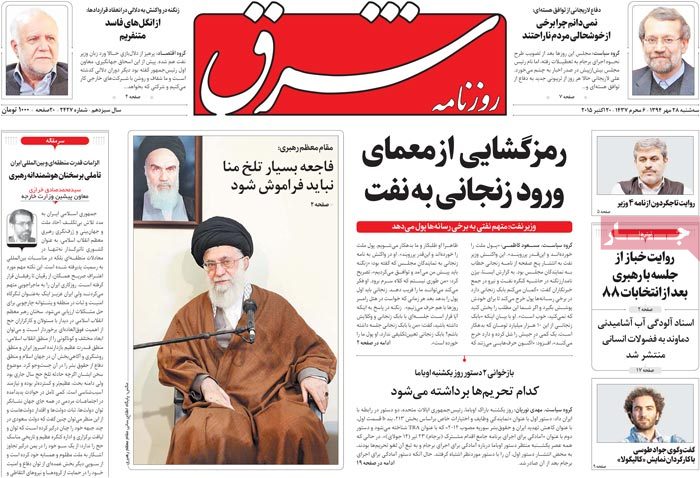
Sharq: Documents revealing that bottled water produced by Damavand Co. was contaminated have been released.


A look at Iranian newspaper front pages on Oct. 20


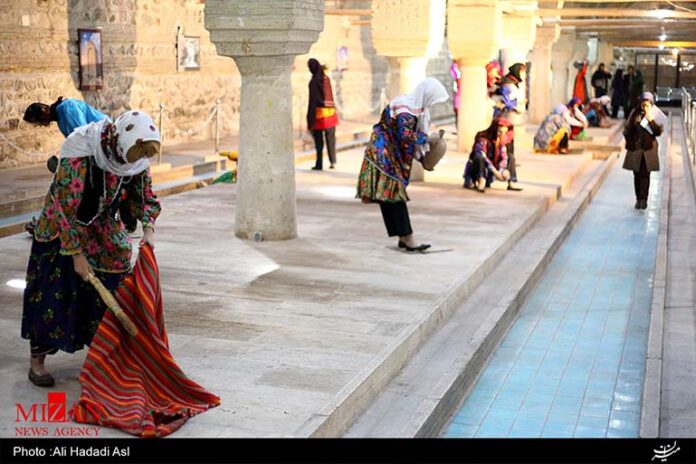
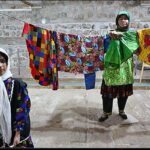
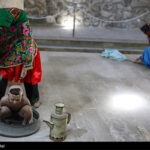
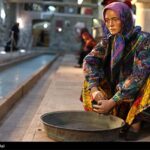
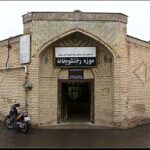
Old laundry house in northwestern Iran (PHOTOS)

Old laundry house_243

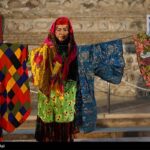
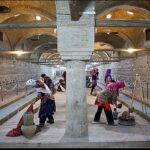
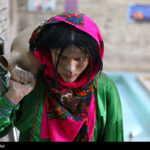
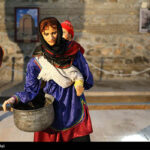
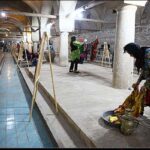
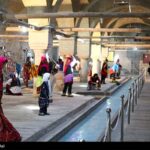
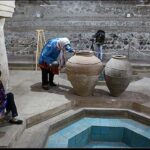
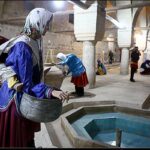
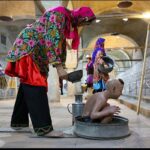
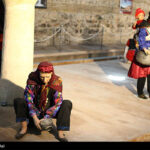
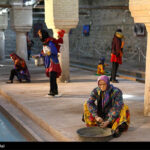
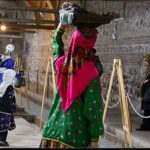
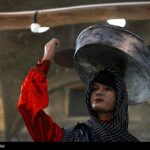
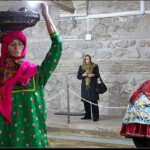
What is now a museum of anthropology at the heart of a densely-populated neighborhood in Zanjan used to be a laundry house for local women to wash clothes.

The following photos of the 50-year laundry house have been released by different websites:

Iran’s tourism sector to receive major boost in post-sanctions era: Official

Soltanifar

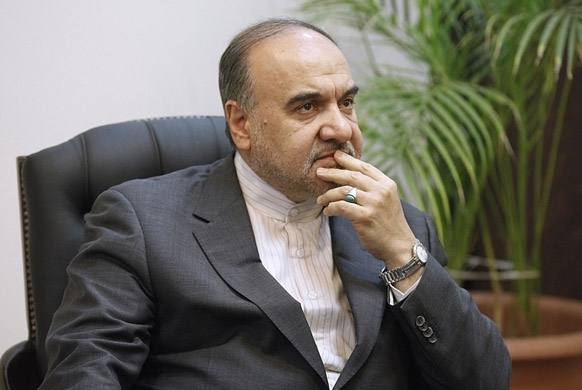
Director of the Cultural Heritage, Handicrafts and Tourism Organization (ICHHTO) Masoud Soltanifar said the country is preparing for a “tsunami” of foreign tourists following the forthcoming implementation of the nuclear deal and the ensuing lifting of anti-Iran sanctions.

“In the post-sanctions era, tourism is an industry that will get a boost more than any other sector,” Soltanifar told the AP in an interview on Monday.

“Iran’s tourism sector is a flourishing market for investors. We are anticipating a tsunami of tourists after sanctions are lifted,” he added.

Soltanifar said Iranian officials are trying to clear obstacles for tourists and issue visas on arrival at the airport in Tehran for nationals of 190 countries.

The visas will be valid for 30 days, with the possibility of being extended for another 15 days, he said, adding that tourism authorities are also planning to issue electronic visas as of next year.

Soltanifar said that Americans and Britons traveling to Iran will need an advance visa to enter mainland Iran, according to their respective governments.

The director of the Cultural Heritage, Handicrafts and Tourism Organization said in 2014, there were 3,400 American visitors to Iran, up from 1,800 in 2013.

“We need to increase our four and five star hotels from 130 to 400 in 10 years. We are providing low-interest funds out of the National Development Fund to private investors to build modern hotels,” Soltanifar said.

He also said that the Islamic Republic needs to renovate its “air transportation system and buy new planes after sanctions are lifted,” adding, “American tourists and investors are welcome. There is no obstacle or restrictions for them to visit Iran or invest in the country.”

Last month, an Iranian firm signed an agreement with French hotel giant AccorHotels to use the Novotel and Ibis brands for 15 years, the first deal of its kind in three decades.

Following the conclusion of nuclear talks between Iran and P5+1 on July 14, business executives and politicians from different countries are shuttling to Iran to lay the groundwork for investment and trade.

The comprehensive nuclear deal will terminate all nuclear-related sanctions imposed on Iran after coming into force.

Destructive Saudi policies lead nowhere: Iranian diplomat

Marziyeh-Afkham
Marziyeh-Afkham

Iran has said that Saudi Arabia’s “destructive” policies “lead nowhere”, and that a country bombing its southern neighbor is not in a position to talk about the Islamic Republic’s role in the region.
Having understood the Islamic Republic of Iran’s “constructive and stabilizing role,” the international community is calling for Iran’s participation in the international arena, but Saudi Arabia is “unfortunately the only country that is still looking at regional developments through a win-lose lens and is insisting on the removal of others,” Foreign Ministry Spokeswoman Marzieh Afkham said Monday, adding that the unconstructive approach is doomed to failure.

Afkham made the remarks in response to recent comments by Saudi Foreign Minister Adel al-Jubeir who threatened to confront Iran if the Islamic Republic does not give up what he called “continuous aggression” against the kingdom.

“It is difficult to have positive relations” with Tehran “when Saudi Arabia and its people are the target of continuous aggression” by Iran, Jubeir alleged at a joint press conference Monday with his German counterpart Frank-Walter Steinmeier in Riyadh.

Afkham described such remarks as indecent and non-diplomatic and said that such an approach has plagued some regional countries, including Yemen and Syria, with war and extremism.

The Saudi minister had also said that it was difficult to envision a role for Iran in finding a political solution to the Syrian crisis due to Tehran’s support for the Syrian government.

The Iranian official stressed that Jubeir, whose country has adopted a military and extremist approach toward regional crises, is not competent to determine Iran’s regional role.

[…]

Iran to implement JCPOA in couple of weeks: Official

Nuclear Deal

A senior Iranian official has said that Iran will hopefully implement the agreement with P5+1 on the Islamic Republic’s nuclear program in “a couple of weeks”.

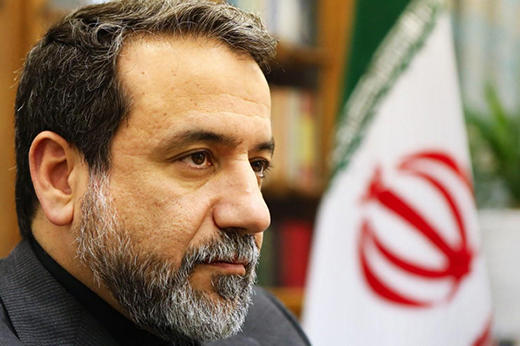
Deputy Foreign Minister for Legal and International Affairs Abbas Araghchi said Monday that Iran is expected to fulfill its commitments under the Joint Comprehensive Plan of Action (JCPOA) in “a couple of weeks perhaps, or a few weeks.”

He made the remarks after a joint commission comprising representatives from Iran and P5+1 convened in Vienna to discuss the implementation of the nuclear agreement that was reached in July.

“Hopefully before the end of this year, certainly we would have the implementation day,” he added.

He further noted that the first joint meeting was held in a good atmosphere, adding that all participants in the session confirmed their commitment to JCPOA.

Referring to issues surrounding the Arak heavy-water reactor, Araghchi said that experts are working on an official document that needs to be signed before work on the reactor can begin.

Araghchi also said that Iran has had discussions with certain countries about selling its enriched uranium rather that diluting it.

“Instead of diluting, we can do the business and receive natural uranium in return for selling our enriched uranium,” he said.

He further said that the second meeting of Iran and P5+1 will be probably held in the second half of November.

His remarks came a day after Foreign Minister Mohammad Javad Zarif and European Union foreign policy chief Federica Mogherini announced in a joint statement that the EU had “adopted the legislative framework for the lifting of all nuclear-related economic and financial sanctions against Iran.” Sunday marked the “adoption day” of JCPOA.

[…]

All parties determined to honor JCPOA commitments: Araghchi

araghchi

Deputy Foreign Minister for Legal and International Affairs Abbas Araghchi said Monday in Vienna that all parties honor commitments under the Joint Comprehensive Plan of Action and regular consultations to enforce the deal.

A draft agreement on Arak heavy water reactor is to be finalized and will be made public after the ministers of Iran and P5+1 endorsed it, he said.

On his assessment of the first round of consultations to implement JCPOA, he said the first meeting was held with the aim of reviewing JCPOA with the focus on the annex four and reciprocal commitments.

The two sides agreed to hold consultations every three months and the next meeting is to be held probably in the second half of November, he said.

The first meeting was held in a very constructive atmosphere in which all parties reaffirmed commitments to implementing JCPOA, he added.

The two parties agreed to make preparatory works to implement JCPOA soon, Araghchi said.

Good measures have been taken to modernize Arak reactor, he said.

A declaration was drafted between Iran, China and the US based on which the three parties voiced their willingness to modernize Arak reactor in due time, he said.

Iran and P5+1 are now preparing a draft agreement which should be signed by all parties and after that, work on Arak reactor will get underway.

Mina tragedy must not be forgotten: Leader

Leader-Hajj

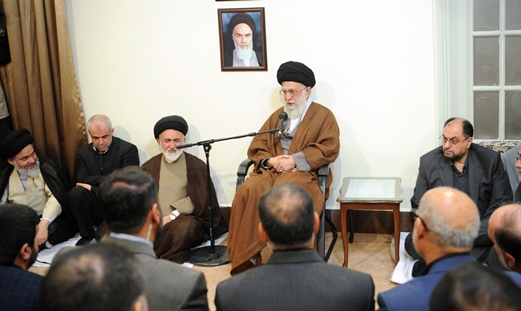
Supreme Leader of the Islamic Revolution Ayatollah Seyyed Ali Khamenei says the “bitter and shocking” crush which happened during the Hajj rituals in Mina near the holy Saudi city of Mecca must not be forgotten.

In a meeting with Hajj authorities on Monday, the Leader lashed out at governments, especially the Western states, and institutions which only claim to be advocates of human rights, for remaining tight-lipped in the face of the Mina tragedy.

“This incident mustn’t be forgotten, and the [Iranian] diplomacy apparatus as well as the Hajj [and Pilgrimage] Organization have a duty to follow up on the issue with determination,” Ayatollah Khamenei said.

The crush happened after two large masses of pilgrims converged at a crossroads in Mina during one of Hajj rituals on September 24. Saudi Arabia claims nearly 770 people were killed in the incident, but officials at Iran’s Hajj and Pilgrimage Organization say about 4,700 people, including 464 Iranians, lost their lives in the tragedy. Still, foreign officials offer a different figure, putting the total death toll at 1,829.

The Saudi government is responsible for the deaths of thousands of Muslims in the tragic event, said Ayatollah Khamenei, adding, Muslim nations should have expressed their protest with one voice on the heels of the incident, but it was only Iran which spoke up in protest at the tragedy.

“Even states who had lost pilgrims did not express much protest in the face of the tragedy,” the Leader underlined.

The Leader said the Mina tragedy should be seriously pursued, adding the silence of so-called human rights institutions in the US and Europe is among the issues which can be followed up on.

“Hypocritical and liar institutions, which claim to be supporters of human rights, together with Western governments, which sometimes kick up a fuss around the world for the death of a single person, maintained absolute silence in this saga in favor of their friend government,” Ayatollah Khamenei noted.

The leader demanded the Mina tragedy not slip into oblivion, saying the issue should be brought up at international forums for years.

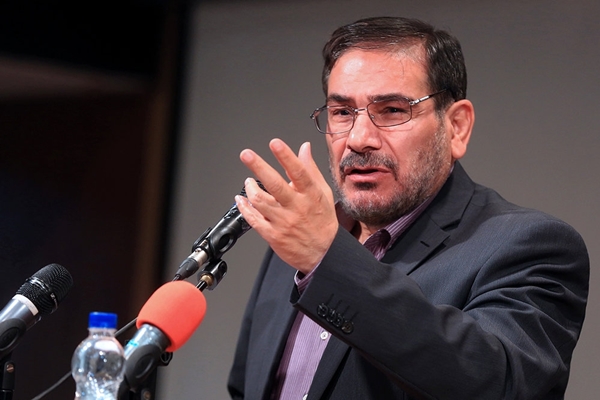
Three players and three scenarios for the region

Ali Shamkhani

The secretary of the Supreme National Security Council has said that Iran’s military power and missile capabilities have defensive and deterrent purposes.

Ali Shamkhani made the comment in the preliminary meeting of the Munich Security Conference in Tehran on Saturday and added that based on its military doctrine Iran will never launch the first strike, but it will stand up to the attackers if a war erupts.

He further said that talks – to block the Islamic Republic of Iran’s technical progress and bar Tehran from accessing a capability it has never been after (nuclear weapons) – were the only option of the other side [of the nuclear negotiations]. Thanks to Iran’s pursuit of a policy of constructive interaction, these talks resulted in the birth of the Joint Comprehensive Plan of Action (JCPOA).

Shamkhani laid out three scenarios that may play out after the Joint Comprehensive Plan of Action in line with the goals of regional and trans-regional players, saying that the first scenario which Iran is pursuing is the creation of a new atmosphere of constructive interaction and cooperation.

The second scenario, which the United States favors, focuses on destructive rivalry based on the balance of power, and the third scenario – backed by the Zionist regime – proposes belligerent measures and crisis creation in the region.
Khabaronline.ir on October 18 published a report on Shamkhani’s remarks and the details of the three scenarios he outlined. The following is the translation of what he said:

Scenario One

* Iran is a regional heavyweight, but it has never tried to have hegemony over or impose its governance model – the Islamic Republic – on the region. Iran believes a zero-sum game (in which one side wins and the other loses) cannot help bring security and stability to the region.
* Regional crises have regional solutions. It is certain that sustainable solutions cannot be worked out for regional crises without Iran’s help.

* Iran’s military power, especially its missile capabilities, serves defensive-deterrent purposes. In keeping with its military doctrine, Iran will never start a war, but it will appear strong [to defend itself] if a war breaks out.

* According to national security estimates, Iran faces two constant threats: one from the Zionist regime and the other from the US. Iran does not view regional countries as a threat; a number of countries cause some nuisances, and some seek to intrigue those countries against Iran and toward confronting Iran, but we do not view them as a threat.

* Iran’s military budget is less than that of Persian Gulf countries. Iran is not seeking to launch an arms race and is content with the minimum.

* To make progress, we need security. Iran’s security is tied to that of the region. Iran favors security in the region. When our allies are dominant in the region, they naturally need security to succeed. That’s why the charges by certain Western figures and the Zionist regime that Iran is seeking to destabilize the region have no foundation.
* Iran is trying to shore up regional cooperation and convergence through institutionalizing bilateral and multilateral mechanisms to cement security and consolidate stability in the region.
* If Article 8 of Resolution 598 had been enforced, the Invasion of Kuwait would not have happened, the region would not have been entangled in a cycle of foreign military interference and occupation, and the ensuing incidents would not have occurred.

(The Article 8 further requests the Secretary-General to examine, in consultation with Iran and Iraq and with other States of the region, measures to enhance the security and stability of the region.)

* Today, terrorism poses the gravest threat to the region. To counter such a threat, we need to 1) Take comprehensive and all-inclusive measures and 2) Encourage collective participation of regional countries. Interference of trans-regional powers will complicate this crisis (the problems they create outweigh the assistance they offer).
Scenario Two

* Iran’s regional power should be confronted – not directly – through Iranophobia and measures to identify Iran as a threat. In doing so, they [Western countries] can mobilize the capabilities of regional countries to stand up to Iran and increase their reliance on Western countries. [As a result] countries in the region would invite them over and they can bolster their military presence in the region and sell their arms to these countries.

* US treatment of the [Persian Gulf] Cooperation Council, France’s efforts to strengthen [its] military presence in the Persian Gulf, and Britain’s plan to increase [its] military presence in the Persian Gulf amount to one thing: militarization of the region and fanning the flames of war here.

* Five months ago in the buildup to the conclusion of the Joint Comprehensive Plan of Action, Obama invited heads of PGCC countries to the Camp David resort, put on the agenda a plan to remove concerns and give assurances about the alleged threat Iran poses, and sparked off a new fake crisis over the question of Iran’s power.

* The riches of Arab nations which should have been spent on efforts to improve the welfare of their people and develop their countries were funneled into arms arsenals. The military power of Arab nations which should have been directed at the main threat of the world of Islam – i.e. the Zionist regime – was diverted.

Formation of the army of Arab countries was put forward to address the idle threat of Iran although the idea of setting up an army to defy the aggression of the Zionist regime was never mulled. To counter hostilities toward Israel and liberate the occupied Arab lands, they opted for compromise and dialogue instead of resistance, but they picked confrontation in handling their misunderstandings with Iran.

Based on what we have learnt, enmity is not what they [Arab nations] chose, but they were pushed toward such a strategy thanks to hidden a management [which was leading them] in the direction of this scenario.

* We have convincing evidence at hand that the United States is not seeking to effectively take on ISIL and terrorism in the region. The US has adopted a selective approach to the fight on ISIL and is managing it [the fight].

Waging controlled ethnic-identity wars simply to offset Iran’s power comes in line with US regional strategies. Today the flashpoints where crises have hit are mainly the places in which Iran holds sway. The crisis erupted first in Iraq and Afghanistan and it has today spilled over into Syria, Yemen and Lebanon. Enlarging the geographical extent of crisis in areas Iran has influence is on the US agenda.
* The US has kept silent over the Saudi-led aggression against Yemen and even encourages it simply to maintain the balance of power and undermine Iran’s regional power. After JCPOA, the US will more seriously follow the strategy of involving Iran in defending its regional allies.

* Manipulating oil prices, seeking adventurism in other cases, and leveling baseless claims such as human rights [violations] and sponsoring terrorism [against Iran] are what the second scenario really needs.

Scenario Three

* We guess that the current US administration does not support this scenario. Only the Zionist regime favors it.

* The Zionist regime, which has failed to win America’s support for this scenario and is grappling with its problems at border areas and inside the occupied territories, does not see the stage set for developing such a scenario.

* Following its failure to talk the US into torpedoing the negotiations and resorting to military option, the Zionist regime has – for the time being – given priority to efforts to cause JCPOA to lead to a breakdown so that a military mindset prevails [in the region]. If the Zionist regime fails in this strategy too, it would inevitably rally around the second scenario.

Summing up

1. Neither of regional crises can be solved militarily. There is no denying the fact that having the upper hand will help parties to the crisis hold an edge in the negotiations, but finally they have to reach an agreement at the negotiating table.

2. The Islamic Republic of Iran needs domestic and regional security and stability for its development and pursuit of constructive interaction with the region and the world.

3. Iran believes solutions to regional crises can be worked out through regional mechanisms. Tehran has voiced readiness to hold meetings with the main parties to the conflict – namely Saudi Arabia and Turkey – and review regional questions, and will once again call for the talks to be launched at political, military or security levels.

4. The Munich Security Conference, which opens up an opportunity [for the participants], should show proper reaction to double standards [practiced by certain countries] in dealing with terrorism, arming the opposition, supporting the bombardment of residential areas, and killing civilians including children and women, and the refugee crisis.

What the region direly needs today to solve the crisis is dialogue based on logic and justice, not propaganda, financial and military power. Iran has always signaled its preparedness to tap into its potential to resolve the crises in the region.